Talk to an Expert

Cost of Casino Game App Development in 2025

Cost of Developing Casino Game

The development of casino games has become increasingly important as the size of the global market has expanded. According to the annual growth rate of the market data for the global online gaming market between the years 2023 and 2028, the global online gaming market size will grow at a compound annual growth rate (CAGR) of 11.7% from the year 2023 to the ear 2028, reaching USD 158.20 billion. This expanding industry has raised the need for innovative and engaging casino games as businesses vie for a share of this profitable market. Nevertheless, the development costs of a casino game can be highly variable depending on the game’s features, complexity, and platform requirements of the game because of the difference in the game’s paradigm, so it is of paramount importance to have a precise grasp of them beforehand.

What is a Casino Game?

A casino app allows users to gamble or stake money in games, which a games of luck and chance. Gaming activities, e.g., casino games, moved to the Internet and mobile phones due to the pervasiveness of the Internet and mobile phones. Because of this, hundreds of thousands of players worldwide are currently playing casino games on desktop and mobile computers/smartphones.

Types of Casino Games on the Market

Types of Casino Games on the Market

Casino games are varied and widely offer interest and skill ranges. Here’s an overview of some typical types:

  • Slot Machines

Games like this have animation reels that depict images, and players make them spin, in the hope that the reels will present the same pictures along pay lines, for them to win (i.e. Slot machines are ubiquitous in many varieties and designs, such as conventional three-reel slots, video slots, and progressive jackpot slots.

  • Table Games

Table games are played at tables, which are commonly provided with cards or dice. Popular examples include blackjack, roulette, poker, baccarat, and craps, each requiring unique strategies and rules. The growing popularity of platforms, including Canadian online casinos, highlights the demand for a diverse range of table games that cater to players from different regions.

  • Video Poker

Video poker machines simulate playing poker at a table. Players are dealt a hand of cards and are required to decide which cards to retain and to give away in an attempt they win a hand.

  • Bingo & Keno

They are numerical games that involve mark-all-numbers-in-series, on cards or grid numbers, within the playing process. Players jostle to reach a row, column, or diagonal on the card in bingo but players have a chance in keno to win for a number randomly drawn by the casino.

  • Scratch Cards

Scratch cards are physical or digital cards that have ungassed areas where the player scratches for the chance to win a prize. Rewards are different in size, and there are “big” progressive jackpots on some scratch cards.

  • Arcade-style Games

Due to this, casinos may offer arcade-style betting games (which are typically virtual versions of horseracing, shooting games, and wheel spin games). These games commonly utilize spectacular visuals and musical effects.

  • Live Dealer Games

Live dealer games also help to narrow the distance between web and land casinos by providing a live, immersive gaming experience. Players can occupy seats at tables staffed by human dealers, via live video channels, who will interact with players and the other players through chat functions.

  • Specialty Games

Specialty games are a diverse group of unusual games that do not fit into regular classifications. These may include Sic Bo, Pai Gow Poker, and other wheel-based games.

  • Sports Betting

While not officially casino games, several casinos include sportsbooks where players may wager on a variety of sporting events. Sports betting brings interest to the casino experience and attracts a variety of bettors.

The Casino Gaming Market Statistics

People love entertainment, and whatever it is that keeps them amused intrigues them. One such place is the casino. Since not everyone can visit conventional casinos, mobile applications for casino games have emerged as a solution.

People like placing large bets and trying their luck using casino gambling apps, even though they are strictly controlled by the government. The craze for casino gambling has made room for firms that create casino games to expand.

This is why creating a casino app is a fantastic choice:

  • By 2024, the online casino market is projected to produce $580.36 billion in gross sales.
  • The market is projected to be $744.76 billion value by 2033, with revenue growing at a 6.4% compound annual rate (CAGR 2024-2033).  

Factors Influencing the Casino Game App Development Cost

The development of a casino gaming application is highly meticulous and lengthy, and, importantly, needs to be precise at each stage. It is a long way with many phases and subphases, which all require a large investment of time, effort, and money. We’ve outlined the main elements below to give you a better idea of the casino game development costs.

Development Process

The app development process has a big influence on final costs. It consists of numerous stages, involving research, planning, competition analysis, design, coding, testing, deployment, launch, and continuous maintenance. Each step requires particular assets, which contributes to variances in overall cost.

Estimated Casino App Development Costs in 2025: $10,000 to $150,000.

Development Stage Estimated Cost
Research & Planning $3,000 – $5,000
UI/UX Design $5,000 – $10,000
Coding Execution $5,000 – $10,000
Integration $5,000 – $8,000
Launch & Maintenance $3,000 – $6,000

Design 

Every successful casino app is built (and sold) on the back of the best design. It is crucial as a tool to attract customers, provide a friendly interface, as well as to ensure comfortable navigation and browsing. Development cost is largely affected by the complexity and quality of design. The appeal of the app is boosted by the use of high-quality images, graphics, animation, and sound effects, which are easily time-consuming and skill-intensive to realize.

Design Estimated Cost
Basic Design $7,000 – $10,000
Medium Design $10,000- $15,000
Advanced Design $15,000 and above

Technological Stack

The selection of tools and technologies is the foundation of the app’s performance, scalability, and security. Advanced frameworks, programming, and cloud infrastructure are used to achieve efficiency and robustness.

  • Programming Languages: iOS, Objective-C, Swift
  • Android: Kotlin, Java
  • Frameworks and Libraries: React Native, Flutter, Ionic, Dagger 2, Retrofit, Glide
  • Databases: MySQL, MongoDB
  • Software Tools: Adobe XD, Unity, Unreal Engine
  • Cloud Services: AWS, Azure

Integrated Features

Incorporating advanced features significantly impacts the budget. The complexity and variety of features determine the cost.

  • Customizable Themes: Active layouts with high-quality visuals and animations with seamless navigation.
  • Rewards: Welcome bonuses, loyalty programs, and periodic offers.
  • Payment Modes: Support for credit/debit cards, e-wallets, and other payment options.
  • Multiplayer Mode: Enables real-time gaming with multiple players.
  • Security Features: Includes data encryption, two-factor authentication, and compliance audits.
  • Live Chat: Ensures 24/7 support through chat or email.
  • Social Features: Allows users to share achievements with their community.
  • Leaderboards: Displays top performers and user rankings.
  • Analytics and Reporting: Provides insights into user activities and game performance.

Types of Casino Games

Development costs differ as well depending on the number of casino games provided in the app. Popular categories include:

  • Slot Games (Classic, 3D, Branded)
  • Roulette
  • Live Dealer Games
  • Card Games (Blackjack, Baccarat, Poker)
  • Bingo
  • Craps

There are also differences in the type of game, which in turn results in a different need in the final budget.

Geographical Location

The location of the development team significantly influences costs due to varying hourly rates across regions.

Region Hourly Rate
USA $70 – $80 per hour
India $15 – $25 per hour
UK $50 – $60 per hour
Europe $55 – $70 per hour
UAE $50 – $60 per hour

Technologies Applied to the Creation of Casino Games

Using a variety of modern technology is necessary to create a solid and captivating casino game. These technologies guarantee the platform’s scalability and efficiency while enabling smooth gaming, safe transactions, and engaging user experiences. The main technologies used in the creation of casino games, together with the function of blockchain, are broken down as follows:

1. Languages Used in Programming

The programming languages utilized to build the platform constitute the basis of casino game creation.

  • C++ and C#: Widely used for game logic and mechanics, C+ and C# are often used with game engines like Unity or Unreal Engine.
  • Java: A well-liked option for creating Android casino apps.
  • iOS app development: iOS app development is done using Swift and Objective-C.
  • JavaScript and TypeScript: Web games require JavaScript, and TypeScript to have dynamic, user interfaces.

2. Game Engines

Game engines provide developers with the tools to make casino games both attractive and extremely valuable.

  • Unity: Well-known for its adaptability and compatibility with both 2D and 3D games, this platform is ideal for cross-platform development.
  • Unreal Engine: Known for creating realistic gameplay and excellent visuals.
  • GameMaker Studio: Slot machines and other 2D casino games are often made using GameMaker Studio.

3. Graphics & Animation Tools

Visually attractive casino games depend on sophisticated animation and graphics software.

  • Adobe Photoshop and Illustrator: For producing UI components and high-resolution images.
  • Maya and Blender: Developed for creating realistic images via 3D modeling and animation.
  • DragonBones and Spine: These are specialized 2D animation tools.

4. Blockchain Technology

Blockchain technology company solutions are transforming the creation of casino games by guaranteeing security, fairness, and transparency.

  • Smart Contracts: Ensure fair play and automate rewards without human involvement.
  • Cryptocurrency Integration: Facilitates safe and quick transactions using cryptocurrencies such as Ethereum and Bitcoin.
  • Verifiably Fair Gaming: Enhances transparency and trust by allowing the tracked participants to validate game outcomes.
  • Tokenization: Increases player engagement by introducing in-game tokens for purchases and prizes.
  • Decentralized Ledgers: Data security and tamper prevention are guaranteed via immutable records.

5. Backend Technologies

A casino gaming platform’s backend architecture drives its user operations, data management, and logic.

  • Django, Ruby on Rails, and Node.js: These are frameworks for creating scalable backend systems.
  • MySQL and Mongo DB: Databases for handling user information, game logs, and transactions.
  • Redis: Used to enhance performance by caching data.

6. RNGs (Random Number Generators)

By producing random and unexpected results for games like slots, roulette, and card games, RNG technology guarantees fair gaming. To ensure fairness, these algorithms often abide by industry rules.

7. Cloud Computing

  • Scalability and Dependability: Scalability and dependability are made possible for online gaming systems by cloud services.
  • Google Cloud, Microsoft Azure, and AWS: Offer storage, hosting, and real-time data processing.
  • Content delivery networks (CDNs): CDNs enhance the load time and reduce the latency for users around the world.

8. Artificial Intelligence

AI in gaming increases operative accuracy, platform efficiency, and user engagement.

  • Chatbots: Offer immediate client service.
  • Personalized Experiences: AI uses user behavior analysis to suggest games or change the degree of difficulty.
  • Fraud Detection: Spots questionable activity and stops bad actors.

Important Features for Successful Casino Game Marketing.

To stay competitive in the highly competitive casino gaming business, your online interface has to have unique features that draw players in and keep them playing. You may better grasp how much to develop a casino app that stands out by looking at these qualities, which also affect the cost of developing a casino game app.

  • User Interface (UI) and Experience Immersion (UX)

Engaging and keeping gamers requires an interface that is both aesthetically pleasing and simple to use.

  • Customizable Themes: Giving consumers more choices over how the interface is designed will help them have a better user experience.
  • Variety of Animations: Add smooth graphics with dynamic animations to improve the experience as a whole. Make it simple for players to access games, settings, and payment methods.

Cost Effect: Depending on the complexity, high-quality UI/UX might cost anywhere from $10,000 to $10,000.

  • Cross-Platform Interoperability

Players are used to using a range of gadgets, including tablets, smartphones, and PCs, to play games these days.

  • Cross-Platform Support: Creating applications that work with web browsers, iOS, and Android.
  • Responsive Design: Use responsive design to adjust the layout to fit various screen sizes.

Cost Effect: The cost of developing cross-platform apps might range from $30,000 to $30,000, depending on the circumstances.

  • Fair Gaming

Player trust depends on fairness and openness.

  • Transparent Algorithms: Implement provably fair systems, usually based on blockchain technology, using transparent algorithms to provide participants the opportunity to validate game outcomes.
  • Random Number Generators: RNGs, or random number generators, provide objective outcomes in games like roulette and slots. The use of RNGs or provably fair algorithms may result in an 8,000 increase in the cost of a casino app download.

Cost Effect: Integrating provably fair systems or RNGs can add $3,000 to $8,000 to the total mobile casino app development cost.

  • Interesting Gameplay Elements

Players are kept captivated by distinctive characteristics, which also promote return visits.

  • Leaderboards: Showcase the highest player ranks to encourage competitiveness.
  • Achievements and Badges: Players may earn achievements and badges by reaching milestones or challenges.
  • Multiplayer Options: Real-time competition or teamwork is possible with multiplayer options.

Cost Effect: The cost of basic casino game development services for more sophisticated features might increase by $15,000, depending on their degree of complexity.

  • Combined Payment Methods

Payments must be simple and safe for a casino app to function.

  • Multi-Currency Support: Incorporate both fiat money and virtual currencies such as Ethereum or Bitcoin.
  • Quick Transactions: Reduce the amount of time that deposits and withdrawals take.
  • Secure Gateways: Protect user information by implementing fraud protection and encryption.

Cost Effect: Integration of payment gateways may cost as much as 8,000.

Casino Game Development Company

Conclusion

Casino games are booming, giving businesses several chances to meet the need for unique and interesting platforms. However, creating a successful casino game needs a smart selection of features, technology, and design aspects to attract players.

Everything from incorporating blockchain for NFT in gaming to building immersive user experiences is crucial to making your casino game stand out in a competitive industry. Understanding cost factors and working with specialists can help you realize your vision.

As a top casino game development company, SoluLab offers complete solutions. Our skilled developers create custom gaming platforms for you. We help blockchain gaming companies by developing intuitive UI/UX, incorporating blockchain for provably fair play, and integrating NFTs for engagement. Our knowledge helps you negotiate development complexity and offer scalable, secure, feature-rich systems that engage gamers and optimize ROI. Recently, SoluLab joined hands with Casino Trustbet which implemented its blockchain-powered vision for secure, transparent gambling. This cooperation created an interesting online gaming environment that established new standards.

Ready to develop your casino game idea? Work with SoluLab, your trusted casino game developer, to create innovative gaming systems that help other casino game development companies. Contact us today to see how our solutions can help you dominate the industry and provide excellent user experiences using technology, including NFT in gaming.

FAQs

1. How much does it cost to develop a casino game?

The cost of developing a casino game depends on various factors, including design complexity, features, platform, and location of the development team. Typically, the cost ranges from $30,000 to $150,000 or more, depending on the level of customization and advanced functionalities like blockchain integration or live dealer features.

2. What technologies are used in casino game development?

Casino game development involves several technologies, including game engines like Unity and Unreal Engine, programming languages like C++ and Java, blockchain for transparency and security, and tools for designing 2D and 3D graphics. Additionally, advanced AI, RNGs, and payment gateway integration are used to enhance gameplay and ensure fairness.

3. Can blockchain and NFTs be integrated into casino games?

Yes, blockchain and NFTs are increasingly being used in casino games to ensure transparency, security, and unique in-game assets. Blockchain allows for provably fair gaming, while NFTs can be used to create collectible items, rewards, or even player-owned assets in the game, enhancing engagement and loyalty.

4. What are the benefits of incorporating Tap to Earn Bot Games into casino platforms?

Incorporating Tap to Earn Bot Games in casino platforms boosts user engagement by providing simple yet rewarding gameplay. These games allow players to earn rewards through interactive activities, making them a perfect addition to modern casino apps aiming to captivate a broader audience.

5. Are P2E Game Development Solutions applicable to casino games?

Absolutely! P2E (Play-to-Earn) Game Development Solutions are a natural fit for casino games, allowing players to earn real-world rewards or cryptocurrencies while playing. This innovative model not only enhances player engagement but also attracts a new generation of gamers interested in earning while enjoying their favorite games.

Large Language Models for Enterprise Solutions

Custom LLMs for Your Enterprise

Over the past few years, generative AI has drawn the public’s interest and imagination. Given a natural language cue, these generative models may produce human-quality outputs, such as well-written children’s stories or visuals of product prototypes.

Central to this transformation are large language models (LLMs). LLMs are general-purpose language comprehenders that encode human knowledge and are easily applicable to a wide range of natural and programming language comprehension applications. These consist of summarizing, translating, responding to inquiries, and annotating and finishing code. Currently, as per the latest report, approximately 67% of organizations have integrated LLMs into their workflows, yet only 23% have deployed commercial models in production, indicating a significant opportunity for growth in enterprise-specific applications. 

Creating a unique Large Language Model (LLM) may appear to be a challenge for experts with large funds and extensive computational resources. However, with the democratization of AI technology and the wide range of open-source tools and platforms, businesses and even individual developers can now engage in this journey. According to a recent poll, nearly half of organizations anticipate growing their AI spending by more than 25% this year, with 88% already investing in generative AI. This blog post will walk you through the processes necessary to develop your own bespoke LLM, with a focus on practical guidance and real-world examples.

What are Large Language Models (LLMs)?

Large Language Models (LLMs)

Large Language Models (LLMs) are advanced AI systems trained on extensive datasets of text to understand, generate, and process human language with remarkable accuracy. These models, often based on architectures like GPT (Generative Pre-trained Transformer) or BERT (Bidirectional Encoder Representations from Transformers), excel in tasks such as text generation, sentiment analysis, summarization, translation, and conversational AI.

For enterprises, the potential of LLMs goes beyond general-purpose applications. Enterprise LLMs are tailored to address specific business needs, utilizing domain-specific data to provide highly accurate, context-aware solutions. This customization enables organizations to optimize customer service, enhance operational efficiency, and unlock new avenues for innovation.

LLMs in enterprise environments are transforming industries by automating routine tasks, generating actionable insights from unstructured data, and enabling advanced personalization in marketing and customer interactions. From financial services and healthcare to retail and logistics, large language models enterprise solutions are becoming a cornerstone of digital transformation strategies.

Incorporating enterprise LLMs allows businesses to maintain a competitive edge by utilizing AI that is not only powerful but also adaptable to their unique challenges and objectives. These models are paving the way for smarter decision-making, reduced operational costs, and enriched customer experiences, making them a vital tool for modern enterprises.

How the Large Language Model Works?

Before knowing the process of how to create a custom LLM model for your business, you need to be aware of the working of Large Language Models, and here is the breakdown of it:

  • Encoder – The encoder processes, the embedded tokens. It is an essential part that takes the input sequence and extracts pertinent information from it. To comprehend the context and connections between words, the encoder plays a critical role.
  • Mechanisms of Attention – This component enables the model to concentrate on particular segments of the original text. It gives various stocks in stiff erring degrees of significance. As a result, improves context, knowledge, and the model capacity to consider word significance.
  • Decoder – The output sequence is produced by the decoder using the encoding data. The part converts the information that was processed back into the text that can be read by humans. Additionally, guarantees that the response is logical and pertinent to the context.
  • Text Output – The result of LLM’s complex processing is the final generated text. It is predicted on the input as well as the relationships and the patterns that the model has discovered.

General-Purpose LLMs vs. Custom Enterprise LLMs

General-Purpose LLMs vs. Custom Enterprise LLMs

When considering Enterprise AI solutions, businesses often face a choice between utilizing general-purpose Large Language Models (LLMs) or investing in custom Enterprise LLMs. Both options have their advantages, but their suitability depends on the specific needs and goals of the enterprise.

  • General-Purpose LLMs

General-purpose LLMs, like GPT-4 or BERT, are pre-trained on vast datasets and designed for a wide range of tasks, including text summarization, content generation, and sentiment analysis. These models are versatile, easy to deploy, and well-suited for basic language processing tasks across industries. However, they have limitations when applied to specific enterprise scenarios. Their generalized training data can lead to inaccuracies or irrelevant outputs in niche domains where domain-specific knowledge is critical.

  • Custom Enterprise LLMs

In contrast, implementing LLMs in enterprise settings often requires customization to achieve maximum value. Custom Enterprise LLMs are fine-tuned using domain-specific data, enabling them to understand the unique language, terminology, and nuances of a particular industry or business function. These models deliver higher accuracy, relevance, and performance in tasks such as customer service, document analysis, or personalized recommendations.

For example, a custom Enterprise LLM trained in healthcare records can provide precise insights into patient data, while one tailored for the legal industry can process and analyze contracts with unparalleled accuracy. This specificity is not achievable with general-purpose models, making custom LLMs a game-changer for enterprises with specialized needs.

Essential Elements of LLM Solutions

The primary goals of LLM development are optimization, contextual adaption, domain integration, and individualization. This section will examine the main characteristics that propel LLM growth and learn how they work together to produce successful custom LLMs:

1. Customization

To make sure that the model is in line with the objectives of the business and an answer is overall performance, personalization is a crucial component of LLM application development. Businesses can attain better outcomes, such as increased, customer satisfaction, more effective operations, and more profitability, by Modifying the LLM to their unique requirements. 

This can be achieved by teaching an LLM plethora of specialized firms, information, including policies, goods, customer interactions, and industry-specific language. This makes it possible for the LLM to adapt and work according to the needs of the business and guarantees that it offers more relevant and useful data that supports the objectives of the organization.

2. Integration via Domain

Certain fields in the information used in the creation of LLM applications relate to the particular business domains. When business is used in particular, LLMs, experience models are trained to understand and apply data information. These particular domain LLMs are trained to precisely follow the rules, regulations, and standards that are exclusive to each organization.

Domain-specific LLMs are improved by employing sets of data as opposed to foundational models, which are trained using vast amounts of unannotated knowledge created especially for domains. This extension is important because specific domain LLMs concentrate on particular skills and tasks that are essential to the company, whereas fundamental models can learn generic patterns from structured data. This produces a comprehension model that can provide insight into a certain firm or industry and make accurate predictions.

3. Adaption in Context

When given a small number of examples or instances about a particular activity, or circumstance, a huge language model can function well. In LLM, this is referred to as contextual learning capability.

One of the essential components of context-based learning is an ology. There are several ways to accomplish this in the field of artificial intelligence, including self-consistency, COT, tree of thoughts, and chain of thought, and this attempts to enhance LLM’s capacity to execute domain reasoning.

Types of LLMs

LLMs can be categorized, according to their specialization, purpose, and transparency, the detailed characteristics and LLM business use cases are clarified by each category. These are the types of large language models that are most frequently used: 

  • Open-Source 

LLMs that are open-source large language models that have their source code made public be available for use, modification, and distribution are known as open-source models. Research, researchers, and developers can access them, which promotes cooperation and creativity. LLaMa 2, FLAN-T5, RedPajama, Faclon, and Alpaca are a few examples. 

  • General Purpose 

Many NPL tasks are handled by general-purpose LLM without requiring a great deal of customization. They are adaptable and suitable for a range of uses. Bard, LaMDA, Wu Dao 2.0, BERT, and GPT-3 are some examples of these types of LLM models. 

  • Closed-Source

Reliance that are close source are exclusively designed with no public source code. They are created and managed by particular groups. Additionally, licenses are frequently used to grant or restrict access. Claude, Cohere, Gopher, GPT-4, and Jurassic are a few examples.

  • Domain-Specific

Domain-specific LLMs are designed targeted to specific actors or fields, superior effectiveness and precision in specific jobs within those sectors are thus guaranteed. StarCoder, ClimateBERT, BloombergGPT, and Med-PALM are a few examples. 

CTA- LLMs fall into a variety of types that are designed for particular purposes and use. Based on our R&D, findings, SoluLab can provide models like GPT3 for the construction of chatbots and digital assistants.

CTA1

Steps for Creating a Custom Enterprise LLM

Creating a custom Large Language Model (LLM) customized to your business needs involves a structured approach to ensure the model delivers maximum value. Custom LLMs are pivotal in using generative AI enterprise solutions to address domain-specific challenges, enhance operations, and provide precise insights. Below are the essential steps to build private LLMs and implementing LLMs in enterprise workflows:

1. Define the Business Objective

Start by identifying the specific problem your enterprise needs to solve. Whether it’s automating customer support, improving document processing, or personalizing marketing campaigns, clear objectives will guide the development process.

2. Collect Domain-Specific Data

The effectiveness of a custom LLM depends on the quality and relevance of the training data. Gather data specific to your industry or enterprise operations, such as technical documents, customer interactions, or regulatory guidelines. Clean and preprocess this data to ensure it’s ready for training.

3. Select the Base Model

Choose a pre-trained LLM as the foundation for your custom model. Popular options include GPT, BERT, or other open-source models. These serve as a starting point, reducing the need for extensive training from scratch.

4. Fine-Tune the Model

Fine-tuning involves training the base model on your enterprise-specific data. This step ensures the model understands your domain’s terminology and nuances, improving its accuracy and relevance. Techniques like Parameter-Efficient Fine-Tuning (PEFT) can optimize this process.

5. Integrate with Enterprise Systems

After fine-tuning, integrate the custom LLM into your enterprise applications. Use APIs or middleware to connect the model with existing systems such as CRM platforms, knowledge bases, or chatbots, enabling seamless generative AI enterprise functionality.

6. Test and Validate

Thoroughly test the custom LLM to ensure it meets business requirements. Evaluate its performance across use cases, measure accuracy, and gather feedback from end-users. This step helps refine the model and address potential gaps.

7. Ensure Data Privacy and Security

For large language models enterprise deployments, compliance with data privacy regulations is critical. Implement robust security measures, such as encrypted data storage and secure API access, to protect sensitive enterprise information.

8. Deploy and Monitor

Once validated, deploy the model within your enterprise environment. Continuous monitoring is essential to track performance, address issues, and adapt the model to evolving business needs. Regular updates with fresh data ensure the model remains relevant.

9. Scale and Optimize

As the model proves successful, explore opportunities to scale its implementation across different departments or geographies. Optimize its performance with advanced techniques like reinforcement learning to further improve its outputs.

By following these steps, enterprises can successfully harness the power of generative AI enterprise solutions. Custom LLMs provide a significant competitive advantage, enabling businesses to innovate, streamline operations, and deliver exceptional customer experiences through tailored AI capabilities.

Real-World Applications of Custom LLMs

Custom large language models (LLMs) are impacting industries by offering customized solutions that address unique business challenges. The versatility and adaptability of LLMOPs make them invaluable for various applications across sectors. Here are some key real-world applications of custom LLMs:

1. Customer Support and Virtual Assistants

Custom LLMs power chatbots and virtual assistants that provide context-aware, precise responses to customer queries. For instance:

  • E-commerce: Assisting customers with product recommendations, order tracking, and returns.
  • Healthcare: Scheduling appointments, answering medical inquiries, and guiding patients through treatment options.

2. Legal Document Analysis

In the legal industry, custom LLMs analyze contracts, identify risks, and ensure compliance. They can process large volumes of legal documents with speed and accuracy, reducing the manual workload for legal professionals.

3. Financial Risk Assessment

Custom LLMs assist in identifying potential risks by analyzing financial reports, transaction histories, and market data. They are widely used in fraud detection, credit risk evaluation, and compliance monitoring in banking and insurance.

4. Personalized Marketing and Customer Engagement

In marketing, custom LLMs enable hyper-personalization by analyzing customer behavior and preferences. They help create targeted ad campaigns, dynamic content, and personalized offers, driving higher engagement and conversions.

5. Education and Training

Custom LLMs are used to develop intelligent tutoring systems that provide personalized learning experiences. For example:

  • EdTech Platforms: Delivering tailored content and answering student questions in real-time.
  • Corporate Training: Enhancing employee onboarding and skill development with AI-driven content.

6. Scientific Research and Development

Custom LLMs expedite research by analyzing academic papers, generating summaries, and identifying trends in data. They are widely used in pharmaceuticals, biotechnology, and engineering to accelerate innovation.

7. Supply Chain Optimization

Custom LLMs analyze logistics data, forecast demand, and recommend strategies to streamline supply chains. This is particularly useful in retail and manufacturing industries, where efficiency and precision are critical.

8. Human Resources and Recruitment

Custom LLMs help HR teams by automating resume screening, drafting job descriptions, and even conducting initial candidate interactions. They ensure faster and more accurate hiring processes.

9. Real Estate and Property Management

In real estate, custom LLMs assist with generating property descriptions, analyzing market trends, and streamlining tenant management. They also facilitate transactions by automating document generation and verification.

10. Content Creation and Localization

Custom LLMs generate high-quality, localized content for global audiences. They can create marketing materials, blogs, and product descriptions while maintaining linguistic and cultural relevance.

By integrating custom LLMs into these real-world scenarios, businesses can drive efficiency, improve decision-making, and deliver exceptional customer experiences. These models exemplify how customized AI solutions are becoming indispensable tools for innovation and growth across industries.

Challenges and Considerations of Custom Enterprise LLMs

While LLMs in enterprise environments offer transformative potential, their implementation comes with challenges that businesses must address to fully realize their value. From data complexities to operational hurdles, understanding these considerations is critical when developing enterprise AI solutions.

1. Data Requirements

Custom LLMs rely heavily on high-quality, domain-specific data for training. Collecting, cleaning, and curating such data can be resource-intensive, especially for industries with limited structured datasets. Ensuring data diversity and accuracy is essential to avoid biased or incomplete outputs.

2. Cost of Development and Maintenance

Building a custom LLM involves significant upfront investment in infrastructure, model training, and expert talent. Additionally, maintaining and updating the model to keep it relevant in dynamic industries requires ongoing expenses. These costs may pose challenges for small or medium-sized enterprises.

3. Integration Complexity

Seamless integration of custom LLMs into existing enterprise workflows and systems can be challenging. Compatibility with legacy systems, APIs, and platforms must be carefully addressed to ensure smooth deployment and avoid disruptions.

4. Data Privacy and Security

For many businesses, especially those handling sensitive information, data privacy and security are top concerns. Deploying LLMs in enterprise applications may involve risks related to unauthorized access or breaches. Ensuring compliance with industry standards and regulations, such as GDPR or HIPAA, is crucial.

5. Scalability

Custom LLMs require significant computational resources, particularly for large-scale operations. As the enterprise grows, scaling these models to handle increased data and user demands can strain infrastructure and budgets.

6. Ethical and Bias Concerns

Training data can inadvertently introduce biases into the model, leading to skewed or unfair outputs. Enterprises must rigorously test and monitor their models to ensure ethical use and mitigate potential risks of discriminatory outcomes.

7. Performance Monitoring and Optimization

Custom LLMs need continuous monitoring to ensure they deliver accurate and relevant results. Fine-tuning and retraining are often required to adapt to evolving business needs, but this demands technical expertise and careful resource allocation.

8. User Adoption and Training

Introducing enterprise AI solutions like custom LLMs may face resistance from employees unfamiliar with AI technologies. Proper training and change management strategies are essential to encourage adoption and maximize the benefits of these solutions.

9. Regulatory and Industry-Specific Challenges

Certain industries, such as finance and healthcare, have stringent regulatory requirements. Ensuring that custom LLMs comply with these standards while delivering value can be a complex and time-consuming process.

CTA2

Final Words

Custom Large Language Models (LLMs) are changing how enterprises address problem-solving, customer engagement, and operational efficiency. By creating LLMs designed to meet specific business needs, organizations can achieve improved accuracy, automation, and innovation. However, the journey from concept to deployment requires strategic planning, domain-specific expertise, and continuous optimization to ensure success.

At SoluLab, as an LLM development company, we specialize in building enterprise AI solutions that enable businesses to implement custom LLMs effectively. A prime example of our expertise is our collaboration with Digital Quest, a travel business that partnered with us to develop an AI-powered ChatGPT for seamless travel recommendations. This innovative chatbot enhances user engagement and delivers specific travel insights, showcasing how custom LLMs can address industry-specific requirements. Our team of experts ensures that each project is designed to align with our client’s unique goals and needs.

Ready to explore custom LLMs for your enterprise? Contact SoluLab today to learn how our team can help you build AI-driven solutions that drive growth, efficiency, and customer satisfaction.

FAQs

1. How are LLMs created?

LLMs (Large Language Models) are developed by training neural networks on extensive datasets using transformer architectures. The process begins with pre-training the model on large-scale text data to understand general language patterns, followed by fine-tuning on domain-specific data to adapt it to specialized tasks or industries.

2. How to personalize LLMs?

Personalizing an LLM involves adapting it to specific business needs through fine-tuning or prompt optimization. By using domain-specific datasets and aligning the model with organizational goals, businesses can enhance accuracy, relevance, and overall performance for their unique use cases.

3. What are the techniques used in LLM customization?

Customizing LLMs requires advanced techniques like fine-tuning specialized datasets, optimizing with reinforcement learning, or refining responses using prompt engineering. These approaches enable businesses to tailor the model to their unique operational needs while ensuring precision and efficiency.

4. Can you build your own LLM?

Yes, businesses can build their own LLM, either from scratch or by adapting existing open-source models. While resource-intensive, this approach provides complete control over the model’s training and performance, ensuring alignment with specific business requirements and use cases.

5. What is the advantage of a company using its own data with a custom LLM?

Using its own data, a company can enhance security, maintain privacy, and ensure compliance with industry regulations. A custom LLM trained on internal data delivers highly relevant results while minimizing risks associated with exposing sensitive information to third-party platforms.

Fine-Tuning a Model for a Specific Task

Fine -Tuning a Model for a Specific Task

Large language models (LLMs) have natural language processing with their advanced capabilities, handling tasks like text generation, translation, summarization, and question-answering. However, they may not always be suited for specific tasks or industries.

A study on product attribute extraction showed that fine-tuning with as few as 200 samples increased model accuracy from 70% to 88%

Fine-tuning lets users adapt pre-trained LLMs for specialized tasks like blockchain technology. By training a model on a smaller, task-specific dataset, you can boost its performance on that task while keeping its general language knowledge intact. For example, a Google study showed that fine-tuning a pre-trained LLM for sentiment analysis improved its accuracy by 10%.

In this blog, we’ll explore how fine-tuning LLMs can enhance performance, lower training costs, and deliver more accurate, context-specific results. We’ll also cover different fine-tuning techniques and applications to highlight their importance in LLM-powered solutions.

What is Fine-Tuning, and Why do you Need it?

When you fine-tune a model that has already been trained, you teach it more on a dataset that is specific to your topic. These days, most LLM models work well in general, but they don’t do well with certain task-oriented situations. There are many benefits to the fine-tuning process, such as lower computing costs and the ability to use cutting-edge models without having to build a new one from scratch.

Transformers give you access to a huge library of models that have already been trained to do different jobs. With the integration of blockchain trade finance applications, these models become even more powerful. A very important step in making these models better at doing certain jobs, like analyzing sentiment, answering questions, or summarizing documents, is to fine-tune them.

Fine-tuning changes the model so that it works better for certain jobs. This makes it more useful and adaptable in the real world. To make an existing model fit a certain job or domain, this step is necessary. Whether or not to fine-tune is determined by your aims, which will most likely alter based on the domain or job at hand.

During fine-tuning, the model is exposed to task-specific examples, allowing it to grasp the nuances of the subject. This process enhances the model’s ability to transition from a general-purpose tool to a specialized resource and show its full potential for targeted applications. You may need to fine-tune LLMs for several key reasons:

a. Customization for Specific Domains

Different domains or tasks involve unique language usage, terminology, and nuances. Fine-tuning a pre-trained LLM allows it to understand these specific characteristics and produce content tailored to your area.

This approach ensures the model provides accurate and relevant responses aligned with your requirements. Whether working with legal documents, medical reports, business analytics, or internal company data, fine-tuning enables the model to deliver domain-specific insights.

b. Ensuring Data Compliance

Fields like blockchain use cases, healthcare, banking, and law are governed by strict rules regarding the use and handling of sensitive information. Fine-tuning an LLM on private or controlled data helps organizations ensure compliance with these regulations.

This approach develops models based on in-house or industry-specific datasets, lowering the danger of sensitive information being exposed to external systems.

c. Overcoming Limited Labeled Data

Obtaining large amounts of labeled data for specific tasks or domains can be challenging and costly. Fine-tuning allows businesses to maximize the utility of their existing labeled datasets by adapting a pre-trained LLM to the data.

This method improves the model’s performance and effectiveness, even in scenarios where labeled data is scarce. By fine-tuning with limited data, organizations can achieve significant enhancements in the model’s accuracy and relevance for the desired task or domain.

Contact Us

Primary Fine-Tuning Approaches

When you fine-tune a Large Language Model (LLM) for a blockchain consulting company, you adjust its parameters based on the task you aim to accomplish. The extent of these changes depends on the specific job requirements. Generally, there are two main approaches to fine-tuning LLMs: feature extraction and full fine-tuning. Let’s explore each method in detail:

  • Feature Extraction (repurposing)

One of the primary ways to enhance LLMs is through feature extraction, also known as recycling. This approach involves using a pre-trained LLM as a fixed feature extractor. Since the model has already been trained on an extensive dataset, it has learned significant language representations that can be leveraged for specific tasks.

In this method, only the last few layers of the model are trained on task-specific data, while the rest of the model remains unchanged. The pre-trained model’s rich representations are adapted to suit the new task. This technique is efficient and cost-effective, making it a quick way to improve LLMs for specific purposes.

  • Full Fine-Tuning

Full fine-tuning is another important way to tailor LLMs to specific aims. Unlike feature extraction, this strategy requires training the entire model using task-specific data. Every layer of the model is adjusted during the training process.

This method is most effective when the task-specific dataset is large and notably distinct from the pre-training dataset. By allowing the entire model to learn from task-specific data, full fine-tuning enables the model to become deeply tailored to the new task, potentially resulting in superior performance. However, it’s essential to note that full fine-tuning requires more time and computational resources compared to feature extraction.

Fine-Tuning Process and Best Practices

Fine-Tuning Process

To get the best results, fine-tuning a model that has already been trained for your use case or application requires a clear process. These are some of the best practices:

1. Getting the Data Ready

Data preparation involves selecting and preprocessing the dataset to ensure it is useful and of good quality for the task at hand. This may include activities such as cleaning the data, addressing missing values, and formatting the text to meet the model’s input requirements.

Data augmentation methods can also be applied to expand the training dataset and improve the model’s reliability. Properly preparing the data is crucial for fine-tuning, as it directly impacts the model’s ability to learn and generalize effectively, resulting in better performance and accuracy when generating task-specific outputs.

2. Picking the Right Pre-trained Model

Choosing a pre-trained model that meets the requirements of the target task or area is critical. To ensure the pre-trained model integrates seamlessly into the fine-tuning workflow, it is important to understand its architecture, input/output specifications, and layer configurations.

When making this choice, factors such as model size, training data, and performance on related tasks should be considered. Selecting a pre-trained model that closely matches the target task’s characteristics can accelerate the fine-tuning process and enhance the model’s adaptability and utility for the intended application.

3. Determining the Best Parameters for Fine-tuning

Configuring fine-tuning parameters is critical for achieving optimal results during the process. Parameters such as the learning rate, number of training epochs, and batch size significantly influence how the model adapts to task-specific data. Overfitting can often be mitigated by freezing certain layers (usually earlier ones) while training the final layers.

By freezing the initial layers, the model retains the general knowledge acquired during pre-training, allowing the final layers to focus on adapting to the new task. This approach balances leveraging prior knowledge and effectively learning task-specific features.

4. Validation

Validation involves testing how well the fine-tuned model performs using a validation set. Metrics such as accuracy, loss, precision, and recall can be used to assess the model’s performance and generalization capability.

By analyzing these metrics, one can gauge how effectively the fine-tuned model handles task-specific data and identify areas for improvement. This validation process helps refine fine-tuning parameters and model architecture, resulting in an optimized model that delivers accurate results for the intended purpose.

5. Iteration of the Model

Model iteration allows adjustments to be made based on test results. After evaluating the model’s performance, fine-tuning parameters such as the learning rate, batch size, or degree of layer freezing can be modified to enhance performance.

Additionally, exploring approaches like implementing regularization techniques or altering the model’s architecture can further improve its performance over time. This iterative process enables engineers to fine-tune the model systematically, making incremental enhancements until it achieves the desired level of performance.

6. Model Deployment

Model deployment, which involves transitioning the fine-tuned model into the appropriate environment, bridges the gap between development and real-world application. This process includes considerations such as the hardware and software requirements of the deployment environment and the model’s integration with other systems or applications.

Ensuring smooth and reliable deployment also requires addressing factors like scalability, real-time performance, and security measures. Successfully deploying the model in the appropriate environment allows its enhanced capabilities to be utilized effectively in solving real-world challenges.

Fine-Tuning Applications

Fine-Tuning Applications

You can use blockchain platforms for the power of large models for specific tasks without having to train a model from scratch by fine-tuning models that have already been trained. Some common situations where fine-tuning LLMs can be very helpful are listed below:

1. Sentiment Analysis: Fine-tuning models on specific company data, unique domains, or particular tasks helps ensure accurate analysis and understanding of emotions in textual content. This allows businesses to derive valuable insights from product reviews, social media posts, and customer feedback. These insights can aid in decision-making, developing marketing strategies, and creating new products.

For example, businesses can use sentiment analysis to identify trends, measure customer satisfaction, and uncover areas for growth. Fine-tuned social media models enable businesses to gauge public sentiment about their brand, products, or services, allowing them to manage reputations proactively and engage with customers in a more targeted manner. Overall, fine-tuned large language models are a powerful tool for sentiment analysis, providing businesses with profound insights into customer emotions.

2. Chatbots: Fine-tuning chatbots enables them to have more useful and engaging conversations tailored to specific contexts. This enhances customer interactions and benefits various fields, including customer service, healthcare, e-commerce, and finance. For instance, chatbots can assist users with medical queries by providing detailed and accurate responses, thereby improving patient care and access to medical information.

Fine-tuned chatbots can address product-related questions, recommend items based on user preferences, and streamline transactions. In the finance sector, chatbots can offer personalized financial advice, assist with account management, and respond to customer inquiries accurately and efficiently. Overall, fine-tuning language models for chatbot applications enhances conversational capabilities, making them invaluable across various industries.

3. Summarization: Fine-tuned models can automatically generate concise, useful summaries of lengthy documents, articles, or discussions. This improves information retrieval and knowledge management, especially for professionals who must sift through vast amounts of data to extract critical insights.

Fine-tuned summarization models can condense extensive research papers, enabling scholars to grasp key concepts and outcomes more quickly. In business, these models can shorten lengthy reports, emails, and documents, simplifying decision-making and improving information comprehension. Overall, using fine-tuned language models for summarization makes information more accessible and comprehensible, proving to be a valuable tool across multiple domains.

Fine-tuned models produce the best results across a variety of use cases. This demonstrates the versatility and utility of fine-tuning in enhancing LLMs for solving specific business challenges.

The Different Types of Fine-tuning

Fine-tuning can be handled in a variety of ways, based on the primary focus and specific goals.

1. Supervised Fine-tuning: The most simple and popular fine-tuning method. The model is trained using a labeled dataset relevant to the goal task, such as text categorization or named entity recognition.

For sentiment analysis, we would train our model using a dataset of text samples labeled with their corresponding sentiment.

2. Few-shot Learning: Collecting a large labeled dataset is not always practical. Few-shot learning addresses this by including a few samples (or shots) of the required task at the start of the input prompts. This allows the model to better understand the problem without requiring substantial fine-tuning.

3. Transfer Learning: Although all fine-tuning approaches are a kind of transfer learning, this category is explicitly designed to allow a model to execute a task other than the one it was initially trained on. The fundamental idea is to use the model’s knowledge gathered from a large, general dataset to solve a more specific or related problem.

4. Domain-specific Fine-tuning: This form of fine-tuning aims to train the model to understand and generate content specific to a given domain or industry. The model is fine-tuned using a dataset of text from the target domain to increase its context and understanding of domain-specific tasks.

For example, to create a chatbot for a medical app, the model would be trained on medical records to tailor its language comprehension abilities to the healthcare industry.

Challenges and Limitations

Fine-tuning an LLM for a specific task or set of information is a powerful technique, but it comes with significant downsides.

  • Cost and Time: Training large models requires substantial computing power. Smaller teams or those with limited budgets may find these costs prohibitive.
  • Brittleness: Fine-tuned models may struggle to adapt to new data without expensive retraining. They can become locked into a “stabilized snapshot” of their training data.
  • Expertise Required: Building and maintaining AI systems requires specialized skills and knowledge, which can be hard to acquire.
  • Quirky Outputs: Models can sometimes “visualize” unexpected or biased results, or forget previously learned information. Ensuring their accuracy is an ongoing challenge.

In short, while fine-tuning is a powerful process, it requires careful management. Many believe the benefits outweigh the costs.

The Challenges of MLOps and LLMOps

Designing a production LLMOps pipeline ensures a repeatable process. You can run it on cloud.zenml.io.

Deploying a fine-tuned model is just the beginning. To maintain its performance in the real world, you must address various operational challenges in machine learning production:

  • Orchestration and Automation: Streamlining deployment and developing robust CI/CD pipelines can be difficult. You must manage the entire lifecycle, from training and deployment to monitoring.
  • Infrastructure Complexity: Managing the infrastructure for model deployment is not easy. Challenges include secret management, caching model checkpoints, and optimizing hardware and software configurations for inference.
  • Performance and Reliability: Once deployed, your model must consistently perform well. Monitoring throughput, latency, and error rates is crucial, along with having proper versioning methods to manage updates.
  • Monitoring and Debugging: When something goes wrong with a deployed model, identifying the issue can be challenging. You need advanced tools to monitor performance, analyze errors, and handle unexpected failures.
  • Continuous Improvement: Top blockchain platforms for performance models are never “finished.” They must evolve with new data. Implementing a continuous improvement loop is challenging, especially with the tools available today.

Fine-tuning vs. RAG

AG combines the strengths of retrieval-based and generative models. The retriever component searches a large database or knowledge base for relevant information based on the input query in RAG. A generative model then uses this data to provide a more accurate and contextual answer. Advantages of RAG include:

Parameter Fine-Tuning RAG (Retrieval-Augmented Generation)
Definition Fine-tuning involves adjusting a pre-trained model’s weights using domain-specific data. RAG (Retrieval-Augmented Generation) combines a language model with an external knowledge retrieval system to generate responses.
Objective To adapt the model for improved performance on a specific task or dataset. To provide real-time, knowledge-rich responses without modifying the base model.
Data Dependency Requires a large, high-quality labeled dataset relevant to the specific task. Relies on an external knowledge source or database for retrieval.
Knowledge Updates Requires pre-training or additional fine-tuning to update the model’s knowledge. Updates are as simple as refreshing or updating the knowledge database.
Ethical and Privacy Issues May inadvertently memorize sensitive data, posing privacy concerns. Privacy risks depend on the external data source but can be mitigated by controlling the database.
Computational Resources High computational cost due to re-training the model. Relatively lower computational cost since the base model remains unchanged.

Fine-tuning vs. RAG factors to consider

When deciding between fine-tuning and RAG, consider the following factors:

  • Domain-specific applications: Fine-tuning is typically better for highly specialized models. RAG excels at real-time information retrieval and external knowledge integration.
  • Data Availability: Fine-tuning requires a lot of task-specific labeled data, while RAG can use external data when such data is unavailable.
  • Resource Constraints: RAG uses databases to complement the generative model, reducing the need for extensive training. Fine-tuning, however, is computationally demanding.

LLM Development Services

Conclusion

Fine-tuning large language models offers many exciting opportunities for AI applications. Fine-tuning LLMs for specific use cases is becoming more popular among companies wanting to customize pre-trained models for their business needs. It can improve model performance and be a cost-effective way to boost business outcomes. However, successful fine-tuning requires a solid understanding of model architecture, performance benchmarks, and adaptability.

By following the right practices and precautions, you can adapt these models to meet specific needs and their full potential. To continue learning about fine-tuning, I recommend trying DataCamp’s LLM Concepts course, which covers key training methods and the latest research.

Solulab helped NovaPay Nexus build a self-hosted, automated cryptocurrency payment processor, enabling businesses to accept digital currencies without fees or middlemen. The platform allows users to manage multiple stores, create payment apps, and ensure secure transactions with privacy-first features. Solulab, a LLM development company, has a team of experts to solve and assist with business queries. Contact us today!

FAQs

1. Is fine-tuning cost-effective?

Yes, fine-tuning is often more cost-effective than training a model from scratch, as it leverages existing knowledge in pre-trained models.

2. Do I need specialized knowledge to fine-tune a model?

Yes, fine-tuning requires a good understanding of machine learning, model architecture, and the specific task to ensure the model is adapted correctly.

3. What are some examples of fine-tuning?

Customizing a model for specific tasks, like sentiment analysis, product recommendations, or chatbot training, using domain-specific datasets.

4. What hardware requirements for fine-tuning a large language model?

High-performance GPUs or TPUs, large memory (RAM), and fast storage are essential for the efficient fine-tuning of large language models.

5. How to fine-tune a model in language modeling?

Adjust the pre-trained model using task-specific data, optimize parameters, and retrain with a smaller learning rate for specialized applications.


How to Create a Token on Solana? [7 Easy Steps]

Create Token on Solana

Everyone doesn’t use blockchain technology literally, and Solana is possibly one of the best blockchains to create digital assets. If somebody wants their tokens, Solana is ideal due to its speed, security, and scalability. Introducing a Solana token may be advantageous to both new and long-established enterprises since it is safer than starting an Ethereum token, more transparent, and opens up access to a large customer base. Creating Solana tokens using an online dApp is the easiest way without writing any code or program in under a few minutes. 

This guide will explain what Solana and tokens are on the Solana network and how to create a token on Solana for yourself. Read more about Solana token needs.

What is Solana?

It is critical to grasp why Solan is a great choice before the issue of a token to partaking individuals or entities. Solana is an incredibly fast Blockchain, does not charge much for transactions, and is capable of handling a large number of transactions at the same time. The capability of processing many transactions within a second with a unique technology referred to as proof of history (POH) makes it one of the most rapidly processing blockchains in the entire world.

One may make payments using Solana cryptocurrency and intelligent contracts may also be performed using Solana cryptocurrency. This network supports both, decentralized applications and finance projects, and custom tokens. We are now going to see that one Solana token is very versatile and can be used for several things such as the identification of a digital good or the generation of utility tokens for use in a project. If you decide to work with a company that specializes in Solana blockchain development, then the process is going to be much easier for you and it’s going to be way easier to try and make it successful. 

Role of Tokens in Solana

Tokens are digital assets that can show ownership of many types of property. Tokenization allows for the digital representation of property rights, which is key to handling both fungible and non-fungible assets. In SDC’s case, fungible tokens are assets you can swap and divide. They have the need to build and deploy Solana smart contracts,  For unique items like artwork non-fungible tokens (NFTs) show who owns them. Solana (SOL) tokens play several important roles in the Solana ecosystem: 

  • Decentralized Tasks: SOL tokens are crucial for decentralized apps (dApps) or decentralized finance (DeFi) built on Solana. 
  • Fee Payment: People use SOL tokens to pay for transactions on the Solana network. 
  • Governance: SOL holders can take part in governance choices, which gives them a say in shaping the Solana network’s future direction. 
  • Staking: People who own SOL tokens can put their tokens to work by joining the network’s consensus process. This helps keep the network safe and earns them rewards.

Why Choose Solana for Tokens?

Why Choose Solana for Tokens

Blockchain development services give you many benefits when you create a token on the Solana blockchain. These range from high output and cheap transactions to quick completion. Solana’s modern tech and strong ecosystem make it the best option to make a token with the help of a Blockchain consulting company.

1. Speed and Ability to Grow

Solana can handle over 65,000 transactions each second making it one of the fastest blockchains. This speed lets your company grow without worrying about network jams or high fees.

2. Lower Charges on Transactions

Solana’s transaction fees are lower than those of other blockchain platforms, like Ethereum. This allows businesses and users to use their tokens at a lower cost.

3. Safety Assurance

The extensive security token measures that Solana offers ensure that the transactions and tokens are protected from any malicious assault that may be launched against them.

4. Growing Ecosystem 

The Solana ecosystem has expanded substantially, including the NFT marketplace of five platforms and other decentralization applications. Because of them, numerous opportunities are offered for a token to be incorporated into a network that is making progress.

5. User Friendly

With the help of tools and resources that Solana blockchain development provides, the process of creating tokens is simplified for developers and enterprises, eliminating the need for in-depth technical knowledge.

Creating Solana Tokens 

Here is a how to make a coin on solana step-by-step guide that will walk you through the process of creating a token on Solana without any need for scripting. To accomplish this, you would have to make use of decentralized applications, and here are other steps involved in the process: 

  • Input the name of the token you are using
  • Please provide the abbreviation of your SPL Token on Solana “Symbol”
  • Choose the decimals that correspond to your token, which is typically 6 decimals. 
  • Choose the source of supply
  • Your token image needs to be submitted in PNG format.
  • The description of your Solana Token should be written down.

Optional:  Your website, Twitter (X), Telegram, and Discord should all have social links included. It is optional to make the token unchangeable, revoke the authority to freeze, and revoke the authority to mint. 

  • Simply accept the transaction by clicking on the “Create Token’ button. 

CTA1

How to Create Your Own Solana Tokens?

Now that you are aware of the advantages of utilizing Solana for your token, let’s go through the process of how to create our custom Solana token for your respective company, you can also hire blockchain developers to do so:

  • Creating a Solana Wallet 

Before being able to create your token on Solana’s blockchain, you need to have a Solana wallet to maintain an organizer token. There is a selection of wallets accessible, some of which include Solflare, and Soller Phantom. Your assets will be stored safely in these wallets, which were developed exclusively for Solana and offer a secure storage solution.

Read Blog: How much would it cost to create a Crypto wallet on Solana?

  • Install the Wallet

Create a new wallet and make sure that you write down the recovery phrase in a safe place. When you create a token, you will deposit SOL tokens into your wallet. These tokens will be later used to pay for the transaction fees that need to be paid.

  • Select the Token Type

It is possible to generate a wide variety of tokens with Solana, depending on the objectives of the project you are working on. These two categories are the most prevalent ones.

Non-fungible Tokens: It is important to know that non-fungible tokens, also known as NFT are one-of-a-kind tokens that will represent the ownership of a particular digital or physical asset

Fungible Tokens: In the same way as Sola Aanya cryptocurrency or USDC have the same value and our interchangeable Punjabi tokens are the tokens that may be put into and taken out for circulation.

Related: Build your own NFT Marketplace on Solana

  • Using the Solana Token Program 

One of the tools that Solana offers to create a Solana token for your business

is called the Solana token program. Through the use of the software, you will be able to generate a new token simply by writing a minor amount of code. When you want to communicate with the token program, you can do it through the command line interface, (CLI), or a graphic interface such as Metaplex. 

For Creating a Fungible Token

The SPL-token authority, which interfaces with the token program for creating a token, can be executed through the Solana command line interface. 

Define the name of your token symbol and the total supply of it as an illustration, you could generate a token with the sign BTK and call it a “business token”. The number of decimals, which is typically set to 9 for the majority of tokens is one of the additional parameters that should be set after the transaction has been sent to the Solana network your token will be generated.

  • Deploying Your Token

The subsequent phase, which occurs in the creation of your token, is deploying your token on the solar network. For this purpose, the details of your token will be published on the blockchain platforms so that it might be utilized by other individuals. 

Ensure that the token you have made is probably registered on the network and that it may be traded or transferred. You will need to take the necessary steps. For the time being your token will be equipped with its very own, one-of-a-kind Solana network address, which will allow it to be easily trackable and accessible.

  • Listing Token on Solana Exchange

As soon as you’re finished deploying, your Sola Aanya currency is your token. You should consider making it available for trading the listing of your token on a fraction. NFT marketplaces, such as Solana or other exchanges can assist you in expanding your used base and in increasing the liquidity of your cryptocurrencies.

Radium and serum are two examples of decentralized exchanges that are supported on the Solana Blockchain. Both of these exchanges are popular for trading Soni tokens as a result of listing your tokens on these platforms. Customers will have an easier time purchasing Solana tokens.

  • Implementing your Token

After the price of your Solana token has reached a steady level and your token has been listed on exchanges, you will be able to begin incorporating your token within your business. This token can be put to a variety of uses, including participating users in your ecosystem or making purchases can be a rewarded with your token if you have a reward scheme in place, the token can be used as a form of payment for any items or services that accompany offers, and make use of the token to grant voting rights, so providing recipients with a vote in determining the course of your enterprise.

Launching Tokens on Solana

Due to the speed, low transaction fees, and scale liability, and NLP applications that solar blockchain has provided, it has gained an enormous amount of popularity which makes it a great platform for the introduction of tokens from the beginning for bringing your idea to life. Solana provides you with powerful tools and an active ecosystem, regardless of whether you are developing a governance token, utility token, or NIFT project.

Platforms such as radium and Solan art are included in the ecosystem of Solana. These platforms include token launchpads, NFT marketplace, and decentralized exchanges by providing these services. The addition of complicated functions can also be accomplished by integrating projects with Solana smart contracts, using either rust or anchor. Tokens may be launched efficiently by developers by utilizing the rapidly expanding infrastructure of Solana. This enables developers to empower noble initiatives in the realm of decentralized, finance, gaming, and other areas.

Cost to Create Tokens on Solana

On Solana, the process of launching a token comprises several processes, each of which has a related cost to create a token on Solana, a breakdown of the most important components, and their expenses are as follows.

Component  Expense 
Initial Designing $1,000-$5,000
Token Design $2,000-$10,000
Development $10,000-$50,000
Testing and Auditing $5,000-$20,000
Deployment $100-$500
Marketing The Token $5,000-$50,000
Legal Compliance $5,000-$20,000
Overall Total Cost $30,000-$150,000

Major Requirements for Creating Solana Token

Major Requirements for Creating Solana Token

A few key technologies and techniques are needed to create a token on the Solana blockchain. These require the use of Solana to deploy Solana smart contracts,  strong infrastructure, and guarantee seemed to be the development process.

  • Installed Node.js (Minimum Version 16.15)

Building and executing JavaScript-based applications requires Node.js to ensure compatibility with the most recent libraries and frameworks utilized in Solana development, make sure your system is Node.js 16.15 version or higher. 

  • Installing npm or Yarn 

Installing dependencies and initializing your project requires package management such as npm or yarn. This could be based on your suitability. You can use it at your convenience, the Solana ecology broadly supports both.

  • Ts-node and TypeScript

Maintaining and writing code is made easier with installed TypeScrip, particularly when utilizing Solana’s libraries. The ts-node package speeds up development by enabling typescript files to learn instantly without the need for any manual compilation. 

  • Solana Web3.js Library 

The essential features required to communicate with the Solana Blockchain are provided by the Solana Web3.js module. It enables developers to communicate with unchain programs, sign transactions, and create accounts.

  • Metaplex Foundation 

The MPL token metadata Library and the default plug-ins bundle from the Metaplex foundation are required to enable more complex features like integrating plug-ins and managing token metadata. These tools guarantee that you are tokens other than Solana’s token guidelines. 

You may establish a scalable and reliable token within the Solana Blockchain by getting these tools and resources ready.

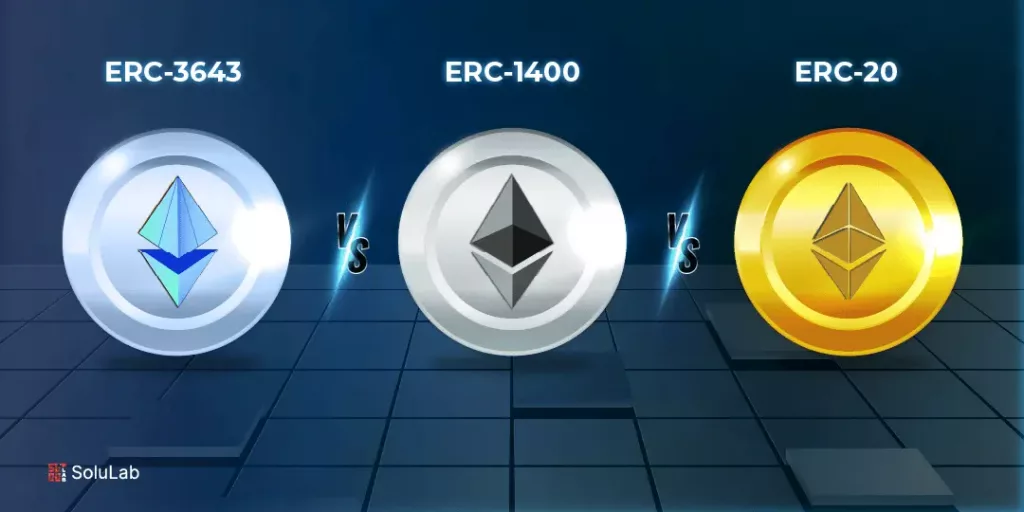
Read Also: ERC-3643 vs ERC-1400 vs ERC-20

How to Promote The Token?

On the top blockchain platforms, creating a token is just the beginning. A well-thought-out marketing strategy is necessary to draw users, developers, and investors to a project building a community, fostering trust, and encouraging adoption all facilitated by effective promotion. The following are some crucial tactics that you can use to advertise your Solana token.

1. Marketing on Social Media

For interaction with the Blockchain community, social media platforms are essential. Announce achievements provide instructional content and communicate updates on Twitter. It is a great place for in-depth conversations, question answering and raising awareness with Discord. You can create a community around it and communicate with investors and users in real-time, visibility is also increased by actively participating in pertinent crypto forums and the Solana community.

2. Partnerships and Cooperation 

Working along with other initiatives within the Solana ecosystem can greatly increase the visibility of your coin. To incorporate your cryptocurrency into their services, collaborate with decentralized finance platforms, NIFT marketplace, or decentralized apps. Reaching new audiences can also be facilitated by organizing joint events running across promotions, or providing incentives for teamwork.

3. Incentive Plans

Offering incentives is a tried and true strategy to draw interest and foster loyalty. Through airdrops, you can give out early adopters free tokens, a particular use group, spark, interest, and grow the number of token holders. By locking those tokens, taking rewards gives users the chance to generate passive income while promoting Long-term holding and lowering cell pressure. Other strategies to draw consumers include referral schemes and giving rewards.

You can successfully market your Solana coin, build a vibrant community, and set up your project toward success in blockchain technology by combining these tactics.

CTA2

Growing With SoluLab and Understanding Solana Blockchain

One effective approach to using Blockchain-as-a-Service for your projector businesses is to create your token and Solana. Aanya offers the ideal platform for token generation and distribution because of its unparalleled speed, low transaction fees, strong ecosystem, and easy-to-use tools and security guarantee that a token will prosper in the rapidly evolving digital economy, regardless of your goal.

At SoluLab, we are creating Blacktail solutions that are specific to your requirements. Are background includes initiatives and industries ranging from trading platforms to banking such as our partnership with bank, Banco San Juan International Inc. We worked with them to develop “Chichin”, an Ethereum-based trade and banking platform for smooth cryptocurrency transactions. This involves creating a trading app, unique tokens, and wallets, and even allowing offline transfers over NFC, Wi-Fi, or Bluetooth.

Are you ready to design your own Solana token and open up new business prospects? Allow SoluLab to leave you on the adventure. Get in touch with us right now about how to use Blockchain in our demonstration of your idea.

FAQs

1. Can I make my own Solana token?

Using an online dApp is the simplest method for creating your tokens on the Solana network. For just 0.1 SOL, you can create a token and Aanya in less than a minute without having any need to program codes.

2. Which method of creating a Solana token is the least expensive?

An extremely low-cost method would be utilizing any token maker without taking away any authority, for 0.1 SOL, your token will show up in your wallet. You won’t be able to start the liquidity pool because most exchanges won’t take tokens unless the freeze authority is revoked.

3. What does one Solana cost?

208.79 USD is equivalent to 1 SOL. Once Aanya is currently worth -3.26% less than it was a day ago about the USD exchange rate at the moment Solana‘s market value is $100.24 billion.

4. How to Make a Crypto Coin on Solana?

To create a crypto coin on Solana, you’ll need to write a smart contract, deploy it via the Solana CLI, and use tools like Anchor or Metaplex for easier token creation. For a simpler route, you can use the SPL Token standard to launch fungible tokens without deep coding. 

5. What services does SoluLab offer for Solana token creation?

A smooth procedure for establishing and administering Solana tokens is ensured by SoluLab’s extensive services, which include post-launch maintenance, marketing, deployment, and development.  

Enterprise AI: What It Is and Why It Matters

Enterprise AI

Managing repetitive tasks, sifting through piles of data, or making decisions without solid insights can be frustrating and time-consuming. These challenges often slow down productivity and growth. Studies show that 73% of businesses are already using analytical and generative AI. Additionally, 72% of top-performing CEOs believe that a competitive advantage depends on who is utilizing the most advanced AI technologies.

This is where Enterprise AI comes in. It can automate everyday tasks, spot trends in your data, and help you make decisions quickly and confidently. Imagine spending less time on routine work, improving customer service, leveraging NLP applications, and staying ahead of your competition—all while saving resources.

In this blog, we’ll explain what Enterprise AI is, why it’s important, and how it can make a real difference for your business. Let’s get started!

What is Enterprise AI?

Enterprise AI refers to how businesses use AI technologies to make their operations run more smoothly, make better decisions, and spark new ideas. It’s made to handle big, complicated jobs like customer service, data analysis, and automation. Businesses can get useful insights, improve workflows, and work more efficiently overall with business AI. Generative AI application is a key part of this transformation, enabling businesses to create new content and solutions dynamically. Enterprise AI is changing how businesses work, whether it’s in transportation, HR, or marketing. This helps them stay competitive in a digital world that is changing quickly.

What are the Use Cases of Enterprise AI?

Use Cases of Enterprise AI

Artificial intelligence tools have the potential to transform numerous business functions, from managing supply chains to detecting fraud and tracking customers. Let’s explore a few case studies that demonstrate the impact of AI use cases on business operations.

1. Research and Development

AI can analyze large datasets, predict trends, and simulate outcomes, making product creation faster and more resource-efficient. By identifying patterns in past successes and failures, AI helps businesses create better products in the future. It also promotes collaborative innovation, enabling teams from different locations to work together on complex projects.

AstraZeneca, a global pharmaceutical company, developed an AI-driven drug discovery tool that enhances quality and reduces the time needed to identify potential drug candidates.

2. Asset Management

AI technologies simplify the management of both physical and digital assets. For example, automated maintenance algorithms can predict when machines or tools will likely break down or need servicing. They can suggest changes to equipment usage, improving efficiency, saving energy, and extending the lifespan of assets. AI-powered tracking systems also provide real-time visibility into the location and condition of assets.

Example: Baxter International Inc., a leader in medical technology, uses AI to reduce unplanned equipment downtime. At just one site, AI has prevented over 500 hours of downtime.

3. Customer Support

AI is revolutionizing customer interactions, making them faster, more personalized, and scalable. Generative AI in customer service enables AI-driven chatbots and virtual assistants to handle many customer queries, while real-time analysis of customer data allows businesses to provide tailored recommendations and support.

T-Mobile, a global telecommunications company, uses AI to enhance customer service. Human agents can respond more quickly and effectively, building stronger relationships with customers.

Types of Enterprise AI

Types of Enterprise AI

Here are some types of enterprise AI in finance you should know:

  • Enterprise Machine Learning

Enterprise machine learning analyzes data, predicts trends, and provides actionable insights using algorithms. Businesses can leverage it to automate decision-making, streamline operations, and gain deeper insights into customer behavior, enabling strategic planning and improved performance.

  • Copilot and AI Assistants

AI copilots and helpers enhance productivity by providing real-time assistance, automating processes, and simplifying workflows. They support tasks like scheduling, research, and problem-solving, making daily operations easier and fostering better collaboration among teams.

  • Natural Language Processing (NLP)

NLP enables machines to understand and interpret human language. Businesses utilize it for chatbots, sentiment analysis, and document processing, improving customer communication and operational efficiency.

  • Generative AI

Generative AI processes data to create new content, such as images, text, and designs. It plays a vital role in marketing, entertainment, and product development by driving creativity, personalization, and innovation.

  • Robotic Process Automation (RPA)

Robotic Process Automation (RPA) automates repetitive tasks like data entry, invoice processing, and report generation. It reduces errors, saves time, and allows employees to focus on more strategic activities, boosting operational efficiency and cutting costs.

Read More: What Is Manus AI? How to Build a Similar AI Agent for Your Business

What are the Benefits of Enterprise AI?

Businesses are finding new ways to use AI tools like copilots, chatbots, and creative AI as these technologies get smarter and more popular. But before we dive into specific use cases, let’s first look at some key benefits of AI for businesses.

1. Improving the Workplace: AI plays a big role in enhancing the workplace by helping employees do their jobs better:

  • Productivity Boosters: AI copilots manage emails, set up meetings, and prioritize tasks, letting workers focus on more important work.
  • Adaptive Learning Systems: AI-powered learning platforms offer personalized training that matches each employee’s style and pace, encouraging professional growth.
  • Workplace Analytics: AI tools track work habits and suggest ways to improve performance and job satisfaction.

2. Making Smarter Decisions: Adaptive AI helps businesses make more accurate, timely decisions:

  • Data-Driven Insights: AI tools analyze big data to provide quick, strategic recommendations.
  • Better Predictions: AI tools use past data to predict future trends, helping businesses anticipate market needs and customer behavior.
  • Scenario Analysis: Advanced simulations allow companies to test different outcomes, manage risks, and create smarter plans.

3. Enhancing Customer Experience: AI is transforming how businesses interact with customers, making services faster and more personalized:

  • Personalization at Scale: AI analyzes customer data to deliver tailored marketing messages and product recommendations.
  • 24/7 Customer Service: Chatbots offer instant responses to customer queries, improving availability and satisfaction.
  • Customer Insights: AI helps businesses understand customer needs by analyzing feedback and behavior, leading to better products and services.

Contact Us

How Businesses Use Enterprise AI?

Enterprise-responsible AI is for businesses, boosting productivity, improving decision-making, and opening up new opportunities. Here’s a look at how it’s being used across different areas:

1. Support and Customer Service

  • Virtual Assistants and Chatbots: AI-powered chatbots provide 24/7 support, answering questions, offering help, and suggesting ideas.
  • Customer Sentiment Analysis: AI reviews customer feedback, comments, and social media to identify areas for service improvement.

2. Sales and Marketing

  • Personalization and Customer Insights: AI analyzes customer data to tailor marketing campaigns and product suggestions.
  • Predictive Analytics: AI predicts customer behavior, sales trends, and market potential, helping businesses make better decisions.

3. Logistics and Supply Chain

  • Demand Forecasting: AI predicts demand, helping businesses optimize inventory and reduce costs.
  • Route Optimization: AI improves delivery efficiency, cutting fuel costs and speeding up delivery times.

4. Human Resources

  • Hiring: AI sorts through resumes, schedules interviews, and handles the initial stages of recruitment.
  • Employee Engagement: AI tracks employee satisfaction and engagement, enhancing workplace culture and retention.

5. Finance and Accounting

  • Fraud Detection: AI algorithms detect unusual transactions, helping prevent fraud.
  • Financial Forecasting: AI-powered analytics improve accuracy in financial planning and forecasting.

6. Product Development

  • Design and Prototyping: AI aids in designing, prototyping, and testing new products.
  • Quality Control: AI systems spot defects and ensure production quality.

7. Maintenance and Operations

  • Predictive Maintenance: AI predicts when equipment will fail, reducing downtime and maintenance costs.
  • Process Optimization: AI improves operational efficiency, making processes more streamlined.

8. Security

  • Cybersecurity: AI helps detect and prevent threats by monitoring network activity.
  • Physical Security: AI-powered cameras detect unusual behavior, enhancing physical security.

9. Data Management and Analysis

  • Big Data Analytics: AI analyzes massive datasets to uncover patterns and insights for strategic decision-making.
  • Data Integration: AI consolidates data from multiple sources, improving reporting and research.

10. Healthcare

  • Diagnostics: AI analyzes medical images and patient data to assist with diagnoses.
  • Personalized Treatment: AI in healthcare customizes treatment plans based on a patient’s genetic and medical history.

11. Retail

  • Stock Management: AI predicts when inventory needs reordering and automates the process.
  • Enhanced Customer Experience: AI personalizes shopping experiences and speeds up checkout.

12. Manage Energy

  • Smart Grids: AI optimizes energy distribution, saving costs.
  • Renewable Energy: AI helps efficiently predict, manage, and distribute renewable energy.

In short, AI is boosting productivity, cutting costs, sparking innovation, keeping customers engaged, and helping businesses stay competitive across the board.

Enterprise AI Challenges

Enterprise AI Challenges

Many of the issues and risks associated with workplace AI stop common challenges in any technology deployment: poor planning, lack of the right skills, misalignment with business goals, and ineffective communication.

When companies face these challenges, it’s helpful to learn from the best practices of others who have successfully adopted new technologies. However, AI brings its unique risks, many of which businesses aren’t prepared for or even aware of, given how quickly the technology evolves.

1. Unintentional Bias: One of the biggest hurdles to successful AI adoption is worker mistrust. According to KPMG’s “Trust in Artificial Intelligence: Global Insights 2023” survey, 61% of people either weren’t sure about AI or didn’t trust it. A 2024 Salesforce poll of nearly 6,000 knowledge workers found that 56% of AI users struggled to get desired results, and 54% lacked trust in the data used to train AI systems. These concerns often result in lower usage of AI.

2. Unexplainable Results: Addressing these doubts about AI is challenging, as there are inherent flaws in the technology: AI algorithms rely heavily on the quality of the data they are trained on. If the data is biased, the AI system can produce inaccurate or socially unacceptable results, deepening mistrust.

3. AI Dreams: While deterministic systems give predictable results based on input, most AI systems today are probabilistic, using statistical models to make educated guesses. This can sometimes lead to fabricated or “made-up” responses, as seen with tools like ChatGPT.

4. Shadow AI: Another risk is the rise of “shadow AI,” where employees use AI tools without official approval. According to Microsoft and LinkedIn’s “2024 Work Trend Index Annual Report,” 78% of AI users bring their own AI tools to work. This highlights the importance of creating clear AI usage policies.

Businesses also face concerns about breaking AI laws, cybersecurity threats from AI-driven cyberattacks, and job losses due to automation. While some jobs will remain irreplaceable by AI, the technology is likely to take over more roles in the future, leading to both internal and societal challenges.

Businesses must stay ahead of these risks and adopt AI responsibly to ensure its successful integration into the workplace.

Enterprise AI Examples Across Industries

Enterprise AI is transforming industries in top AI development companies by streamlining operations, enhancing efficiency, and enabling innovation. Here are key examples across sectors.

1. Automotive: AI is transforming the automotive industry by enhancing quality control and developing safer technologies for self-driving cars.

2. Energy: AI is making green energy sources more effective and integrated by accurately predicting demand and adjusting to supply changes in real-time.

3. Entertainment: Streaming services use AI to offer personalized content recommendations, while gaming companies are creating more immersive and responsive environments for players.

4. Finance: In the financial sector, AI-powered fraud detection systems and robo-advisors make transactions safer and more efficient.

5. Healthcare: AI is revolutionizing healthcare by improving diagnostic accuracy, enabling personalized medicine, and delivering better treatment outcomes through smart data analysis.

6. Life Sciences: AI has accelerated drug development and genomics research, while also helping doctors customize treatments based on a patient’s genetic profile.

7. Manufacturing: AI improves production efficiency, reduces downtime with predictive maintenance, and creates more environmentally friendly products.

8. Public Sector: In the public sector, AI is simplifying administrative tasks, enhancing traffic and emergency services in cities, and fostering greater community engagement.

9. Software Development: Enterprise generative AI tools are streamlining coding and testing, speed up development cycles, identifying security gaps, and helping workers learn new programming languages and frameworks faster.

10. Telecommunications: AI-powered predictive analytics improve service delivery and network management in telecom, ensuring smooth network operations and a more personalized customer experience.

Enterprise AI Strategy and Planning

Adopting AI is about more than just choosing the right tools—it requires careful planning, teamwork, and a commitment to continuous learning. To maximize AI investments, businesses must set clear goals, foster collaboration, and embrace adaptability. Here are some key considerations for getting started:

1. Implementation: In-House vs. Partner

A. In-House Implementation

  • Advantages: Full control over execution and greater privacy for sensitive data.
  • Challenges: Requires significant internal expertise, time, and effort. Employees need to be trained extensively, which may strain resources.

B. Partner-Led Implementation

  • Advantages: Access to specialized expertise and faster implementation. Helps fill skill gaps and ensures the best practices are followed.
  • Challenges: Higher initial costs. Requires careful vendor selection to align with company goals and culture.

2. Assess Capabilities and Set Goals

  • Goal Alignment: Define measurable objectives that align with overall business goals. For example, set a target for AI to reduce operational costs by a specific percentage.
  • Data Assessment: Evaluate data quality, availability, and security to identify gaps before technical implementation.

3. Resource Allocation

  • Budgeting: Account for initial and ongoing expenses, including software updates, cloud storage, and security.
  • Talent Acquisition: Invest in hiring skilled professionals or training existing employees to effectively use AI tools.

4. Foster Collaboration

  • Cross-Functional Teams: Form teams comprising IT, data analytics, managers, and end users to ensure comprehensive planning and execution.
  • Regular Reviews: Schedule frequent check-ins to track progress and ensure alignment with business objectives.

5. Adapt and Continuously Learn

  • Ongoing Training: Develop continuous training programs to keep employees updated on the latest AI developments.
  • Feedback Mechanisms: Create channels for all stakeholders to share insights and suggestions, enabling iterative improvements to AI systems.

Enterprise AI Development Company

Conclusion

Enterprise AI, like machine learning, copilots, and generative AI, is changing how businesses work. It boosts productivity, improves decision-making, and sparks innovation as well. Early adopters are already seeing great results, proving that AI isn’t just a trend—it’s essential to stay competitive in a competitive market.

However, it’s not just about selecting the right AI tools. To succeed with AI, businesses need to create a culture that supports it. This means investing in training, ensuring data security, and using AI responsibly.

SoluLab helped AI-Build, a construction tech company, revolutionize CAD product development using generative AI and ML models. By automating design processes, enhancing precision, and enabling scalability, SoluLab an AI development company tackled challenges like design automation complexity, seamless AI integration, and robust architecture development. The result? Increased productivity and innovation in the CAD industry.

FAQs

1. Why is enterprise AI important for businesses?

It helps companies streamline processes, gain data-driven insights, reduce costs, improve customer experiences, and stay competitive in the digital era.

2. What industries benefit the most from enterprise AI?

Industries like healthcare, finance, retail, manufacturing, and logistics benefit significantly from enterprise AI solutions.

3. What are the key technologies driving enterprise AI?

Technologies include machine learning, natural language processing (NLP), computer vision, robotics, and advanced analytics tools.

4. Is enterprise AI only for large corporations?

No, small and medium-sized businesses can also leverage enterprise AI by using scalable and cloud-based solutions.

5. How can businesses prepare for enterprise AI adoption?

By setting clear goals, evaluating resources, ensuring data readiness, and fostering cross-functional collaboration, businesses can prepare effectively.

The Benefits of Generative AI in Creating Unique Game Assets

Generative AI in Game Assets

AI systems have evolved from simple scripts to complex mechanisms that are fundamentally changing the way games are developed and experienced. This technological evolution presents a wealth of opportunities to reform the gaming industry. The first games with AI components have already been released, and many developers want to use artificial intelligence in one way or another to create unique game assets. But how are they navigating these new waters and what does it mean for the future of our favorite games? Learn how artificial intelligence is transforming the gaming sector.

The Rise of Generative AI

It all started a few years ago with ChatGPT. It made it very easy to generate texts and even though the results were sometimes questionable, it became a hype. Amazon was flooded with AI-generated eBooks.

In the meantime, AI tools have become much better, and they’ve started to deliver very good results when creating graphics and videos.

This, of course, has not left the gaming world indifferent and many emotional discussions are taking place among industry players. So, what are the benefits of generative AI for the gaming community? Here are five ways AI technology is paving the way for new gameplay experiences.

1. Increasing Efficiency While Reducing Costs

Traditionally, developing game assets, such as graphics, animations, and soundscapes, requires extensive time and resources. One very important aspect is the cost or effort involved in creating illustrations and graphics for games.

Good illustrations cost three or four figures per graphic! The process can also take quite a long time. This is not financially viable, especially for small game makers, and AI has made it possible to implement projects that would otherwise not be possible for financial reasons. Now, many high-quality game assets and graphics can be realized with the help of AI. Reducing the budget of graphics and animations also allows developers to focus more on gameplay mechanics to deliver a more engaging experience to players.

But, of course, large publishers, who are less concerned with passion and more with making money, will see AI as an opportunity to be more profitable. That, at least, is to be feared. Whether the savings will actually be passed on to the buyers in the end is also questionable.

2. Inspiring Artists

Generative AI is a great tool to help develop ideas and serve as inspiration for artists. And that is not unusual. Artists often use other images as templates to help create their own. Sougwen Chung is a good example of this. The award-winning artist trained algorithms on her painting stroke data to create Spectral, a groundbreaking collaboration between human creativity and machine input. Her work pushes the boundaries of what’s possible when AI assists artistic expression.

AI can also be incredibly useful and time-saving when creating prototypes. With a basic understanding of AI-generated art, graphic designers can quickly develop and refine their concepts, which will allow them to experiment freely during the conceptual design phase of the project.

3. Personalizing Player Experiences

One of the significant advantages of AI is its ability to analyze player behavior and preferences. By processing vast amounts of data, AI can tailor game content to individual players, offering personalized themes, challenges, and rewards. This advantage is already actively used in the iGaming sector. When AI is integrated into an online casino platform, the player’s experience is customized and player satisfaction and loyalty increase, thanks to unique promotions, tournaments, and game recommendations tailored to their preferences.

4. Enhancing Visual Elements

Generative AI enables the creation of intricate and visually stunning game environments that captivate players. By leveraging AI algorithms, developers can theoretically generate infinite content. They design realistic textures, dynamic lighting, and complex animations that enhance the overall aesthetic of games.

5. Creating Dynamic Content

Have you ever wondered what it would be like to be in a game world that really reacts to you? In a world where characters don’t just follow set processes, but recognize your decisions, adapt, and act almost as if they had a will of their own? Artificial intelligence makes that possible. AI-supported tools help create interactive stories by adapting content dynamically. Games like Galaxies of Eden already use AI algorithms that dynamically create new tasks, environments, and game content. This means the player experience is automatically transformed without developers having to program every detail manually.

Challenges and Considerations

AI is no longer just an exciting feature, but an integral part of game development. But with the new possibilities come great challenges. A central issue is the protection of privacy. AI-supported games analyze gaming behavior to create tailored experiences. But where does meaningful personalization stop and problematic surveillance begin? Developers have a responsibility to make the use of AI transparent and to ensure the data protection of players.

The job market is also feeling the effects. Voice actors are particularly affected, as their voices are increasingly being replaced by AI-generated versions. This development raises questions: Is it right to replace people with technology? Or are there ways to use AI as a supplement rather than a replacement? Creative professions must adapt,  but industry must also find ways to protect and further integrate talent.

The gaming community itself plays an important role here. There need to be clear rules for the use of AI, an open dialogue between developers, players, and technology providers,  and above all, responsible decisions. Only when innovation and ethics are considered together can AI enrich gaming.

Embracing the Future of Gaming

The future of the gaming industry will be heavily influenced by artificial intelligence. NVIDIA CEO Jensen Huang says that AI is advancing at an incredible pace and will revolutionize the gaming industry within just a few years.

AI technologies are changing how games are developed and experienced. The algorithms are becoming better, more creative, and easier to use. This makes the development process more efficient and enables new gaming experiences. Companies must use AI to deliver unique and engaging gaming experiences that captivate and retain players while ensuring that they use AI responsibly.

How NLP Helps Improve Customer Service Today

NLP in Customer Service

Natural Language Processing (NLP) is changing how machines understand and interact with human language. Currently, NLP is a trending field in artificial intelligence. Chatbots can hold lifelike conversations or AI that write essays and create realistic images from text.

The market is projected to grow at a compound annual growth rate (CAGR) of 27.55% from 2024 to 2030, reaching a total market value of USD 156.80 billion by the end of the forecast period.

AI models can now process human language, programming languages, and even biological data like DNA. Machines are now becoming smarter and more conversational AI  in understanding and creating text.

This guide will discuss NLP in customer service, how it works, its importance, and its impact on different fields. The blog help you understand NLP, whether you’re interested in it or just want to learn more about it. Let’s get started!

What is Natural Language Processing (NLP)?

Natural Language Processing (NLP) in customer service is a part of artificial intelligence (AI) that focuses on enabling computers to understand and interact with human language. NLP is what allows machines to process, interpret, and generate text in meaningful and relevant ways. By combining linguistics with machine learning, NLP can analyze amounts of natural language data, bridging the gap between human communication and computer systems.

Think about it as every time you use a voice assistant like Siri or Alexa, NLP is at work. It’s also what powers language translation tools, chatbots, and even spam filters. From simplifying communication to enhancing productivity, NLP plays a crucial role in the technologies we rely on every day.

How Does Natural Language Processing Work?

NLP works by combining machine learning and linguistic principles. Below we’ve broken down text into smaller parts to understand its structure and meaning. Here’s how it works:

1. Tokenization: Splitting text into smaller pieces, like words or sentences.

2. Part-of-Speech Tagging: Figuring out the grammatical role of each word, like whether it’s a noun, verb, or adjective.

3. Named Entity Recognition (NER): Spotting proper nouns, such as names of people, places, or companies.

4. Parsing: Analyzing the sentence structure to see how words are connected.

5. Sentiment Analysis: Identifying emotions in text, like positive, negative, or neutral feelings.

CTA1

Why Does Natural Language Processing Matter in Customer Service?

NLP in customer service is becoming an integral part of everyday life, with its applications expanding across various industries. From retail to healthcare, NLP improves efficiency and enhances user experiences. Here’s why it matters:

  • Ubiquitous in Technology: NLP is behind the functionality of voice assistants like Amazon’s Alexa and Apple’s Siri, helping them understand and respond to user queries in real time.
  • Advancing Conversational AI: The latest NLP models, such as GPT-4, can generate complex, human-like prose on various topics and power chatbots capable of holding coherent conversations.
  • Improving Search Engines: Google uses NLP to enhance its search engine results, offering more accurate and relevant information to users based on their queries.
  • Tackling Online Issues: Social networks like Facebook utilize NLP to detect and filter harmful content, such as hate speech, creating safer online environments.
  • Healthcare: In medicine, NLP is being used to interpret and summarize electronic health records, making crucial information more accessible to healthcare providers. Despite its growing sophistication, NLP still faces challenges. 

Current systems can sometimes be biased, incoherent, or behave unpredictably. However, the potential for NLP in customer service can transform industries, and ongoing advancements offer exciting opportunities to apply this technology in ways that will become ever more central to society.

Read Also: How to Build an AI Call Centre Agent in 2026?

Applications of Natural Language Processing in Customer Service

Applications of Natural Language Processing (NLP)

With applications of NLP in customer service  that span almost every industry and technology, we interact with daily. NLP aims to bridge the gap between human communication and machine understanding, allowing computers to engage with language intelligently and effectively. From improving customer service to enhancing communication, NLP is solving complex language-based problems that were once thought impossible for computers to tackle. Here are a few of the many tasks that NLP is used for in customer service: 

  • Sentiment Analysis

One of the most common uses of NLP is understanding the emotions behind a piece of text. Whether it’s customer feedback, social media posts, or product reviews, sentiment analysis classifies the text as positive, negative, or neutral. Businesses use this to gauge customer satisfaction, while healthcare providers might use it to detect emotional distress in online conversations. NLP models analyze the nuances of language, making it possible for machines to understand whether a comment is cheerful, angry, or simply neutral. 

  • Toxicity Classification

Building on sentiment analysis, toxicity classification aims to identify harmful content such as insults, threats, or hate speech. By processing the text, NLP systems can classify whether a statement is offensive or harmful, allowing platforms to automatically filter out inappropriate content. This is especially important for social media networks and online communities striving to maintain respectful environments. 

  • Machine Translation

One of the most visible applications of NLP is in language translation. Services like Google Translate use NLP to convert text from one language to another, helping bridge communication gaps between people who speak different languages. More advanced models even understand the context behind phrases, ensuring that translations aren’t just literal but also culturally relevant. This is invaluable in a globalized world, where real-time communication is essential for business and social connections. 

  • Chatbots and Virtual Assistants

Natural Language Processing (NLP) powered virtual assistants and chatbots, revolutionize conversational AI by enabling seamless human-like interactions. Examples like Siri, Alexa, and customer service chatbots use NLP to understand and respond to queries, offering personalized, real-time assistance. These systems enhance user experience by providing instant solutions, streamlining customer support, and improving accessibility, making them indispensable in modern communication and business operations. 

  • Speech Recognition

Voice assistants like Siri, Alexa, and Google Assistant rely heavily on NLP to understand and respond to voice commands. NLP interprets spoken language, translating it into text that the system can act upon.

Speech Recognition

  • Text Classification and Categorization

NLP is also used to classify and categorize vast amounts of unstructured data. For example, emails can be categorized by urgency or subject, news articles can be grouped by topic, and legal documents can be sorted by case type. This helps organizations manage and process large volumes of text data quickly and efficiently.

  • Named Entity Recognition (NER)

NER is a task where NLP identifies and categorizes key information in text, such as names of people, locations, organizations, dates, or monetary values. This is particularly useful in fields like law and finance, where extracting structured information from large amounts of text can save time and reduce errors. 

  • Text Summarization

In a world overloaded with information, summarizing lengthy documents or articles is crucial. NLP models can condense long texts into shorter, more digestible versions without losing the core meaning. This is especially valuable in industries like journalism, where summarizing news quickly can be a game-changer.

  •  Machine Learning for Content Creation

NLP models can be used to generate content based on specific prompts or data inputs. For instance, GPT-4 and other advanced models can write essays, articles, or even generate creative content such as poems or stories. This is transforming industries such as marketing and entertainment by enabling the automation of content creation.

Components of Natural Language Processing in Customer Service

It may sound hard to understand, but Natural Language Processing (NLP) in customer service is just a way to help computers understand and use human words. It works with a few main parts that break down words, figure out what they mean, and make responses. AI-powered chatbots, for example, use these NLP components to engage in conversations. Let’s look at the main parts of NLP in customer service that make it work:

1. Morphological and Lexical Analysis

Analysis of Morphology: Morphemes are the tiny pieces of meaning that can be found in a word. It splits “un-,” “cook,” and “-ed” to get their meanings, which are “not,” “to prepare,” and “past tense,” respectively. This helps computers figure out how words are put together.

Analyzing Words: This checks how words in a line fit together. It learns that “address” means to talk, not physically approach, when you say, “I want to talk to the manager about this.” It’s all about the setting!

2. Syntactic Analysis

Grammar is what syntactic analysis is all about. It finds out how a sentence is put together, like finding the subject, verb, and object in “The cat sat on the mat.” This helps computers understand words in a way that makes sense, even when the sentences are very complicated.

3. Semantic Analysis

This is about getting both direct and figurative meanings. For example, “He is on the ball” doesn’t mean he’s standing on a ball; it means he’s aware. Meaning is determined by the situation, and semantic analysis helps with jobs like translating, figuring out how people feel about something, and answering questions. One practical research method for gauging meaning and sentiment is the semantic differential scale, which measures people’s attitudes toward a concept using opposing descriptive terms.

4. Discourse Integration

Understanding a line isn’t always enough; sometimes you need to know what it means in the bigger picture. If you’re talking about due dates and someone says, “This task is urgent,” it has to do with those dates. Discourse integration makes sure that computers can follow the flow of conversations or longer texts, which makes jobs like summarizing easier.

5. Pragmatics Analysis

Figure out what someone means by reading between the lines. “Can you pass the cup?” is not a test of skill; it’s a nice request. This helps computers understand sarcasm, indirect requests, and other subtleties, which makes them better at talking to people in real life.

Natural Language Processing (NLP) Techniques in Customer Service

NLP Techniques in Customer Service

There are two main types of methods used for Natural Language Processing (NLP) in customer service tasks: regular machine learning methods and deep learning techniques. Each method is designed to solve a different kind of language problem. The following is a list of the most common NLP techniques:

Using Traditional Machine Learning Methods NLP in Customer Service

  • Logistic Regression: Logistic regression is a type of supervised learning that is commonly used to sort things into groups for tasks like finding spam, figuring out how people feel about something, or finding dangerous content. Based on the information you give it, it figures out how likely it is that something will happen. In mood analysis, for example, the words used might help figure out whether a review is good or bad.
  • Naive Bayes: Based on Bayes’ Theorem, Naive Bayes figures out the chance of a name for a given text, assuming that each word is separate. It works well at jobs like finding spam and sorting documents into categories, even though this assumption is “naive.” This is especially true for large datasets.
  • Decision Trees: To sort results, decision trees divide data into branches based on features. Each decision node in NLP stands for a different feature, like a word or phrase. They are used for jobs like part-of-speech tagging or language identification.
  • Latent Dirichlet Allocation (LDA): LDA is a topic modeling method that finds themes in big text datasets. LDA helps with jobs like suggesting content, organizing documents, and looking at customer feedback because it sees documents as collections of topics.

Methods for Deep Learning in NLP

Here are some methods of deep learning in NLP in customer service:

  • RNNs, or Recurrent Neural Networks: RNNs are deep learning models that are made to work with linear data, like speech or text. They remember context from previous inputs, which makes them good for jobs like machine translation and text generation.
  • Long Short-Term Memory (LSTM) Network: LSTMs are a special kind of RNN that deal with problems that come up when sequences depend on each other for a long time. They are very good at understanding the context of longer texts, which helps text summarization and mood analysis work better.
  • Transformers: Transformers is a model that changes the game because it reads words all at once instead of one line at a time. State-of-the-art models like BERT and GPT-3 are powered by their ability to work in parallel and understand context. This makes them perfect for jobs like language generation and summarization.
  • Convolutional Neural Networks (CNNs): CNNs were first made for processing images, but they are now used in NLP for tasks like named object recognition and text classification. CNNs can successfully look at word orders or sentence structures by finding local patterns in text.

Programming Languages, Frameworks for Natural Language Processing in Customer Service

Natural Language Processing (NLP) in customer service is a broad field that needs a mix of strong computer languages, libraries, and frameworks to process, analyze, and model spoken language. Here is a list of the most important tools that practitioners use to do these things.

1. Programming Languages for NLP

  • Python: Because it is easy to use and has a lot of library support, Python is by far the most popular computer language for NLP. Python is the language most NLP packages, frameworks, and deep learning tools are written in. This makes it the best choice for NLP projects. 
  • R: A lot of analysts and data scientists still use R, especially to work with and analyze data. It has several NLP libraries, such as TidyText and Word2Vec, that are used for study and smaller projects. 
  • Java: Because it is fast and can be expanded, Java is often chosen for making large NLP apps. It’s often used in NLP applications at the business level. Many people don’t use JavaScript as much as Python or R, but it does have libraries like Natural and Compromise that can be useful for NLP apps that run on the web.

2. NLP Libraries and Frameworks

Natural Language Toolkit (NLTK)

Word vectors, lemmatization, entity linking, and more are all available.

This tool is great for big NLP jobs like text classification and named entity recognition.

Hugging Face is a big name in NLP thanks to its huge library of over 135 pre-trained models, such as GPT, BERT, and Roberta. This library makes it easy to change, improve, and train cutting-edge models for a wide range of natural language processing jobs.

Key Features: 

  • It has both models that have already been trained and tools for fine-tuning them.
  • Hugging face works with deep learning systems like PyTorch and TensorFlow without any problems.
  • A lively group that keeps the library up to date.

Python and TensorFlow

TensorFlow and PyTorch are both deep learning tools that are often used to make custom models in NLP. These libraries are very important for making NLP solutions that are more complex and scalable, especially for jobs like language generation and machine translation.

Features:

  • TensorFlow can be used to launch and scale NLP solutions, especially those that run in the cloud.
  • PyTorch is well-known for being flexible and easy to use. You can use it for study and experiments because of this.

Gensim

This is a tool that helps with unsupervised machine-learning tasks like document similarity and topic modeling. People know it for how well it implements Word2Vec, a way to show words as vectors in a place with many dimensions.

Key Features: 

  • Vector space modeling methods that work well.
  • It is commonly used for working with big datasets and jobs that don’t need to be supervised.

TextBlob

TextBlob is another Python library that makes it easy to work with text data. It does common natural language processing (NLP) tasks like marking parts of speech, extracting noun phrases, and figuring out how people feel about what they read.

Key Features

  • An easy-to-use tool for people who are new to NLP.
  • It works well for small jobs and making quick prototypes.

3. Online NLP APIs

Language API for Google Cloud: Google Cloud has an NLP API that can look at text for entities, emotions, and syntax. It works with a lot of languages and is great for adding natural language processing (NLP) to web apps without having to make complicated models from scratch.

Features:

  • Analysis of sentiment, recognition of entities, and classification of material.
  • Models that are already trained and ready to use.

Watson NLP API from IBM: The Watson NLP API from IBM gives you a set of tools for getting meaning from text that isn’t organized. It can translate languages, figure out how people feel about things, and recognize entities.

Connects to other Watson AI services to make AI use more widespread.

Text classification, purpose recognition, and emotion analysis are some of the most important features.

Text Analytics API for Microsoft Azure: The Azure Text Analytics API can do several NLP tasks, such as finding language, figuring out how people feel about something, extracting key phrases, and recognizing named entities. This is a good choice for cloud-based apps.

Features

  • It supports multiple languages and has powerful entity recognition.
  • Text analytics in real-time for many fields, from healthcare to business.

4. Other Notable NLP Tools and Resources

  • NLP at Stanford

Stanford NLP has a set of strong tools for doing different NLP tasks, such as sentiment analysis, named object recognition, and dependency parsing. It was created by Stanford University and is used a lot in both study and business.

  •  ANLP Allen

AllenNLP is an open-source NLP research library built on top of PyTorch. Its goal is to make it simple to create and test deep learning models for different NLP jobs. 

  • SpacyR

SpacyR is an add-on for the popular spaCy library that lets R users access spaCy’s features from within R. This makes it perfect for data scientists who use R for natural language processing (NLP) jobs.

How to Get Started with NLP in Customer Service?

NLP in customer service might seem intimidating at first, but with the right steps, it’s a skill anyone can learn—whether you’re a beginner or already have experience. Here’s a simple roadmap to get you started:

Begin by understanding the fundamentals. Learn about tokens, and how they differ from words, parts of speech, and sentence structures. If you don’t already know Python, this is a great time to pick it up—it’s the go-to language for NLP.

1. Get Familiar with NLP Libraries
Tools like NLTK, spaCy, and Hugging Face are game changers. They simplify working with text data, from cleaning it to building models for tasks like classification or sentiment analysis. Spend time exploring their features and capabilities.

2. Dive into Deep Learning
Once you’ve mastered the basics, move on to advanced topics like neural networks, transformers, and models like BERT. Deep learning techniques are key to building cutting-edge NLP systems that perform better on complex tasks.

3. Work on Real-World Projects
Put your skills into action. Build a chatbot, create a recommendation system, or develop a text summarizer. These hands-on projects will cement your understanding and give you practical experience.

4. Stay Updated
NLP evolves fast. Keep up by reading research papers, following industry blogs, and exploring the latest tools. You can also specialize in areas like conversational AI or information retrieval to deepen your expertise.

NLP might be challenging, but with patience and practice, you’ll see steady progress. Start small, keep experimenting, and let your curiosity lead the way.

CTA2

Conclusion

Natural Language Processing (NLP) in customer service has completely changed how computers understand and use words. It’s now an important part of AI that’s changing fields like customer service, healthcare, banking, and e-commerce. NLP is making things like chatbots, virtual helpers, sentiment analysis, and language translation better for users and helping them make smarter choices.

However, there are still problems, though, like ambiguity, bias, and moral issues. Responsibly using NLP is important for solving these problems and making sure everyone is treated fairly. The future of NLP in customer service looks better, with even more advanced and context-aware technologies on the way thanks to deep learning and pre-trained models.

Businesses that use NLP for customer service can experience huge growth and new ideas. Companies can get the most out of this game-changing technology by working with experts who know how to use it properly. NLP has the potential to change the way we talk to each other and solve problems if it is developed carefully and used honestly.

SoluLab helped InfuseNet, to enhance data handling by integrating advanced AI models like GPT-4 and FLAN. SoluLab helped InfuseNet overcome complex challenges in AI model integration, intuitive flow design, and secure data processing. This resulted in a streamlined platform for businesses to create personalized, secure, and data-driven applications with ease. At SoluLab an AI development company have experts to solve your business problems contact us today to discuss further.

FAQs 

1. What are some examples of NLP in customer service?

NLP has revolutionized customer service by enabling smart solutions. For instance, chatbots handle FAQs and basic support on platforms like e-commerce sites. Sentiment analysis identifies customer emotions in feedback to prioritize responses. Voice recognition, such as IVR systems, processes queries over calls, while email classification organizes customer emails by urgency or issue type for faster resolution.

2. What is the role of NLP in call centers?

NLP enhances call center software efficiency by automating call routing based on keywords or sentiment. It assists agents with real-time transcriptions and suggested replies, while virtual assistants manage routine queries, reducing wait times. Additionally, analyzing call recordings helps identify trends like frequent complaints, and improving service quality.

3. Top virtual assistants that use NLP?

Virtual assistants like Amazon Alexa, Google Assistant, and Apple Siri simplify daily tasks, from setting reminders to answering questions. Microsoft Cortana supports productivity and system integration, while Samsung Bixby specializes in smart home controls and device management.

4. What is tokenization in NLP?

Tokenization breaks text into smaller units called tokens, such as words or sentences. This process helps NLP systems analyze text to extract meaning or patterns and is essential for tasks like machine translation or sentiment analysis.

5. How do NLP, data visualization, and machine learning aid research and development?

These tools drive innovation by automating data processing. NLP streamlines literature reviews, extracting key insights and identifying gaps. Data visualization transforms complex findings into clear visuals, highlighting patterns. Machine learning predicts outcomes and optimizes experiments, advancing fields like healthcare and engineering.

Stablecoin Development Transforming Real Estate Transactions

Stablecoin Development in Real Estate Transactions

Real estate and blockchain technology are coming together to change how we handle property transactions. As the global real estate market grows, there’s a need for faster, safer, and more transparent ways to buy and sell. Stablecoins—digital currencies tied to fiat money or assets—are the best to buy and sell. They make transactions easier, faster, and less risky by reducing fraud and exchange rate issues.

In 2024, the global market for real estate tokenization using blockchain and stablecoins was worth $3.8 billion. It’s expected to grow at a 2.9% CAGR and could hit $26 billion by 2030.

This blog will explain how stablecoins can transform real estate. Moreover, you’ll learn about their use in property purchases, rent payments, mortgages, and even owning a share of a property on a blockchain platform.

We’ll also cover the benefits of stablecoins, how they solve problems in traditional methods, the top stablecoins in the market, and their future in real estate. By understanding these trends, businesses and investors can stay ahead of their competitors.

Overview of Stablecoin Development in Transforming Real Estate Transactions

The demand for stablecoins in real estate transactions is growing, and there are clear reasons why. Stablecoins reduce volatility and make it a reliable option compared to traditional cryptocurrencies. This stability is vital for real estate deals, where price predictability matters.

However, they also speed up and cut costs for international payments. Also, avoid the high fees and delays often seen in cross-border transactions. With smart contracts, stablecoins enable money, automating agreements and cutting out middlemen for better efficiency. Blockchain use cases like these showcase the potential for transforming financial systems.

Blockchain technology adds transparency, building trust among all parties. Plus, stablecoins are accessible worldwide, inviting more investors into the real estate market. They support legal compliance and improve liquidity by enabling fractional property ownership. Together, these benefits are driving stablecoin adoption in real estate.

Can Stablecoins Address The Pain Points of Conventional Real Estate Transactions?

Stablecoin solutions can improve real estate transactions. They tackle key issues in the traditional process and make things simpler.

Using blockchain, stablecoins speed up transactions, make them secure, and cut out inefficiencies. No more long delays or relying on middlemen for settlements—it’s all transparent and makes processes easier with a smart contract platform.

They also make cross-border deals easier, breaking jurisdictional barriers and boosting trust between international buyers and sellers.

Challenges Faced By Traditional Real Estate Transactional Systems

The traditional real estate transaction process can feel hectic, full of delays and endless paperwork that frustrates both buyers and sellers. Let’s break down the key challenges that make property deals so complicated.

The settlement process takes too long to complete. Property closings can stretch to 30-60 days or more—leaving everyone waiting. Banks, title companies, and other intermediaries add layers of processing time, turning a simple transaction into a lengthy deal.

Then there are the costs. Real estate deals come with hefty fees—wire transfers, currency conversions, title insurance, and administrative expenses too. These can easily total thousands of dollars, reducing profits for sellers and increasing buyers’ expenses.

Even, paper-based documentation slows everything down. Physical documents require manual verification, in-person signatures, and physical storage. This adds time and risk, as documents can be lost or damaged. Blockchain smart contract solutions can streamline these processes by enabling secure, automated, and digital transactions.

Cross-border transactions are even more complex. Different legal systems, currency exchanges, and regulations create hurdles. Wire transfers between countries take days, and fluctuating exchange rates can impact the final deal.

Trust and verification are also major issues. Buyers and sellers rely on intermediaries to verify ownership and ensure clear titles, which adds costs and delays if something goes wrong.

Finally, the lack of transparency in the process keeps everyone in the dark. Without real-time updates, both parties are stuck chasing stakeholders to figure out the status of their transactions.

Benefits of Stablecoin Development Solutions in Real Estate Financial Transaction

Benefits of Stablecoin in Real Estate Transaction

Asset-backed Stablecoins are real estate transactions by offer a perfect blend of cryptocurrency innovation and traditional financial stability, making property deals more efficient, transparent, and accessible globally.

1. Reduced Volatility

Unlike traditional cryptocurrencies, stablecoins maintain a steady value by being pegged to stable assets, typically the US dollar. This stability makes them particularly attractive for real estate transactions where price predictability is crucial. Property buyers and sellers can confidently negotiate deals without worrying about sudden value fluctuations during the transaction period.

Read Also: Stablecoin Development on Solana

2. Faster and Cheaper Cross-Border Payments

Real estate transactions involving international parties traditionally face delays and high fees through conventional banking channels. Stablecoins eliminate these barriers by enabling near-instantaneous settlements at a fraction of the cost. A transaction that might take days and cost hundreds in bank fees can be completed in minutes for minimal fees.

3. Programmable Money for Smart Contracts

Smart contracts powered by stablecoins automate many aspects of real estate transactions. These self-executing contracts can handle everything from initial deposits to final payments, reducing the need for intermediaries and minimizing human error. Rental payments can be automated, and escrow services can be programmed to release funds only when specific conditions are met.

4. Increased Transparency

Every stablecoin transaction is recorded on a blockchain, creating an immutable audit trail. This transparency helps prevent fraud and simplifies due diligence processes. Buyers, sellers, and other stakeholders can easily verify transaction histories and property ownership records.

5. Global Accessibility

Stablecoins break down geographical barriers in real estate investment. Now, investors from any part of the world can participate in property deals without worrying about currency exchange complications or banking restrictions. This increased accessibility helps create a more inclusive real estate market.

6. Compliance and Regulation

Modern stablecoin platforms incorporate robust KYC (Know Your Customer) and AML (Anti-Money Laundering) protocols, making it easier for real estate transactions to comply with regulatory requirements while maintaining efficiency.

7. Increased Liquidity for Real Estate Assets

Stablecoins enable fractional ownership of properties through tokenization, making real estate investments more liquid and accessible to a broader range of investors. This increased liquidity can help property owners access capital more easily.

CTA1

How Does Stablecoin Development Help Safeguard Real Estate Investments Against Inflation?

Stablecoins are a powerful tool for protecting real estate investments from inflationary pressures while maintaining flexibility and control over assets.

  • Hedging Against Inflation: Stablecoins pegged to stable assets provide a reliable store of value during inflationary periods. By converting real estate profits into stablecoins, investors can protect their returns from local currency devaluation while maintaining the flexibility to reinvest quickly when opportunities arise.
  • Preserving Value: The stable nature of these digital assets helps maintain the purchasing power of real estate investments. Unlike traditional fiat currencies that may lose value over time, properly backed stablecoins maintain their worth, providing a reliable medium for storing real estate value.
  • Facilitating Quick Transactions: When market conditions change, stablecoins enable investors to move quickly. Whether it’s taking advantage of new opportunities or protecting assets during market downturns, the speed of stablecoin transactions gives investors unprecedented agility.
  • Integration with Tokenized Real Estate: The combination of stablecoins and tokenized real estate creates new opportunities for portfolio diversification. Investors can easily rebalance their holdings and maintain optimal exposure to different property types and markets.

Top-Performing Stablecoins Used In Real Estate Transactions

Top Stablecoins In Real Estate Transactions

The real estate market has embraced several reliable stablecoin options, each offering unique advantages for property transactions and investment management.

  • USDT (Tether): As the most used stablecoin, Tether offers high liquidity and broad market acceptance. Its extensive trading pairs make it particularly useful for international real estate transactions, though users should stay informed about its reserve backing. Additionally, the growing popularity of cryptocurrency coin options like Tether is shaping the future of cross-border transactions.
  • USDC (USD Coin): Known for its strong regulatory compliance and transparent backing, USDC has gained significant trust in real estate circles. Its regular audits and institutional backing make it a preferred choice for large property transactions.
  • DAI (Dai): This decentralized stablecoin offers unique advantages through its crypto-collateralized structure. Its stability mechanism makes it particularly attractive for smart contract-based real estate transactions.
  • BSC-USD (Binance Peg): Operating on the Binance Smart Chain, this stablecoin offers low transaction fees and fast settlement times, making it popular for smaller real estate transactions and rental payments.y
  • USDE (Ethena): A newer entrant to the market, USDE is gaining attention for its innovative stability mechanism and focus on institutional use cases in real estate.

Conclusion

The integration of stablecoins into real estate transactions is significant in property markets. These digital assets address many traditional pain points while showing new possibilities for investment and management. As technology improves and grows every day, we can expect stablecoins to become an integral part of real estate finance. 

As more real estate professionals recognize the efficiency and security benefits of stablecoin solutions. While challenges remain, particularly around regulation and standardization, the advantages of stablecoins in real estate are too significant to ignore.

When Crypto Mining, an e-commerce platform for mining hardware, wanted to simplify global transactions and improve accessibility, SoluLab a Stablecoin development company helped them develop a blockchain-based marketplace powered by smart contracts, ensuring secure, transparent, and fast transactions. By automating processes and reducing intermediaries, we helped them create a user-friendly platform that connects miners worldwide with top-notch security and minimal costs.

FAQs

1. How do stablecoins maintain their value in real estate transactions? 

Stablecoins maintain value through various mechanisms, primarily by being pegged to stable assets like the US dollar and maintained through collateralization.

2. What are the tax implications of using stablecoins in real estate?

 Tax treatment varies by jurisdiction, but generally, stablecoin transactions are subject to the same tax rules as traditional real estate transactions.

3. How secure are stablecoin transactions for real estate purchases? 

Stablecoin transactions utilize blockchain technology, offering high security through cryptographic protection and immutable record-keeping. Additionally, AI stablecoin development is the way to even more innovative and secure solutions in this space.

4. Can stablecoins be used for rental payments? 

Yes, stablecoins can be used for rental payments, often automated through smart contracts for increased efficiency.

5. What happens if a stablecoin loses its peg during a real estate transaction? 

Most real estate smart contracts include provisions for such situations, often allowing for transaction reversal or adjustment.


How to Use Stablecoins for B2B Payments?

How to Use Stablecoins for B2B Payments

Businesses require safe, effective, and transparent methods of payment in the current worldwide economy. High fees, delays, and complexity are common examples of inefficiencies in traditional cross-border transactions. Because they provide stability, quicker processing times, and lower prices without the volatility issues that other cryptocurrencies have, stablecoins have become extremely useful instruments for business-to-business (B2B) payments.

Additionally, stablecoin adoption has increased by 30%, and its transaction volume has surpassed Visa’s in Q1 2025. Payment processors say that stablecoins currently make up about 60% of all cryptocurrency payments, and enterprise adoption continues to grow as big businesses like SAP test cross-border payments utilizing stablecoins.

This article looks at the top stablecoins that will improve business-to-business payments in 2025, as well as their benefits, ways your company may use them to run more smoothly. Let’s begin!

How Stablecoins Work for B2B?

Stablecoins are impacting B2B payments by providing a fast, secure, and cost-effective alternative to traditional payment methods. Unlike volatile cryptocurrencies, stablecoins maintain a consistent value, making them ideal for business-to-business (B2B) transactions. Through stablecoin-based B2B payment systems, businesses can streamline cross-border payments, reduce transaction fees, and avoid delays often associated with traditional banking.

Here’s how stablecoins work for B2B:

1. Instant Settlements: With a stablecoin payment gateway for B2B, transactions settle in real-time, eliminating delays in payment processing and improving cash flow management.

2. Lower Transaction Costs: Stablecoin payments bypass intermediaries like banks, reducing transaction fees and ensuring cost savings for businesses.

3. Global Accessibility: Stablecoin integration for businesses enables seamless cross-border payments without the hassle of currency exchange or high conversion rates.

4. Transparency and Security: Transactions are recorded on the blockchain, offering complete transparency, traceability, and robust security for B2B payments.

5. Simplified Integration: Businesses can easily integrate stablecoin solutions into their existing systems, providing a smooth transition to modern payment infrastructure.

By adopting stablecoin-based payment systems, businesses can enhance operational efficiency, minimize costs, and facilitate secure, scalable B2B transactions globally.

Types of Stablecoins

Types of Stablecoins

Stablecoins are digital currencies that operate within the blockchain ecosystem. They can be categorized based on their collateral structures, which determine their stability and use cases. Understanding these types of stablecoins helps businesses make informed decisions when exploring why businesses use stablecoins for payments, investments, and operational efficiency.

1. Fiat-Collateralized Stablecoins

Fiat-collateralized stablecoins are the most common and straightforward type of stablecoin. These stablecoins are backed by fiat currencies such as the US Dollar, Euro, or GBP on a 1:1 ratio. This means that for every stablecoin issued, an equivalent amount of fiat currency is held in reserve.

The simplicity of fiat-backed stablecoins makes them ideal for businesses and beginners exploring why businesses use stablecoins. Their stability is tied to the strength of the fiat currency and the underlying economy, ensuring minimal price fluctuation. This stability promotes confidence and encourages broader adoption of stablecoins.

2. Commodity-Backed Stablecoins

Commodity-backed stablecoins are supported by interchangeable physical assets, such as precious metals (e.g., gold), real estate, or oil. With commodity-backed stablecoins, users essentially own tangible assets with intrinsic value. These stablecoins allow investors worldwide to access commodities traditionally reserved for high-net-worth individuals, such as gold or real estate, providing a democratized investment opportunity.

For example, Digix Gold (DGX) represents one gram of physical gold held in a reserve in Singapore. Businesses may adopt commodity-backed stablecoins to hedge against market volatility and benefit from asset appreciation, further supporting why businesses use stablecoins.

3. Crypto-Collateralized Stablecoins

Crypto-backed stablecoins may seem counterintuitive due to the volatility of cryptocurrencies. However, these stablecoins achieve stability through over-collateralization. Businesses can lock in cryptocurrency (e.g., Ether) worth more than the value of the issued stablecoins to absorb potential price fluctuations.

For instance, if $1,000 worth of Ether is deposited to issue $500 worth of stablecoins, the over-collateralization ensures stability even if the price drops by 25%. In cases of extreme price drops, the stablecoin system triggers liquidation to maintain value. Crypto-collateralized stablecoins are fully decentralized, making them ideal for businesses prioritizing security, transparency, and trustlessness. 

4. Algorithmic Stablecoins

Algorithmic stablecoins are unique as they are not backed by any collateral. Instead, they rely on algorithms to control the supply and demand of stablecoins, maintaining price stability. This model, also known as “seigniorage shares,” ensures that new coins are created when demand increases to lower prices, and coins are bought back to reduce supply when prices fall.

Their success depends on consistent market growth and liquidity. If market conditions fail, algorithmic stablecoins can collapse, leading to significant losses. Businesses exploring why businesses use stablecoins might consider algorithmic models for their decentralization and independence, but these require careful risk assessment.

By understanding the various types of stablecoins, businesses can identify the most suitable options for payments, investments, and operational efficiency. Stablecoins offer stability, transparency, and cost-effectiveness, which are critical reasons why businesses use stablecoins in modern financial systems.

Read More: Dollar-to-Stablecoin Swaps In White-Label Neo Banking

Best Stablecoins for Businesses

When it comes to using stablecoins in business operations, selecting the right stablecoin is crucial for ensuring stability, security, and efficiency. Stablecoins can simplify cross-border payments, reduce transaction costs, and improve financial processes, which is why they are increasingly adopted by enterprises. Here are some of the best stablecoins for businesses:

  • USDC (USD Coin)

USDC is a fiat-collateralized stablecoin backed 1:1 by the US Dollar. It is one of the most trusted stablecoins, widely adopted by businesses for B2B payments and cross-border transactions. With regular audits and high transparency, USDC ensures reliability and security, making it an excellent choice for companies seeking stable digital payments.

  • USDT (Tether)

Tether (USDT) is another leading fiat-backed stablecoin pegged to the US Dollar. It is widely used in business transactions due to its high liquidity and compatibility across multiple blockchain networks. For businesses looking to implement a stablecoin payment gateway for B2B, USDT offers speed, low fees, and extensive market acceptance.

  • DAI

DAI is a crypto-backed stablecoin maintained by the MakerDAO system. It is over-collateralized with various cryptocurrencies, ensuring decentralization and transparency. Businesses exploring decentralized solutions can use DAI for cross-border payments or integrate stablecoin solutions without reliance on traditional financial systems.

  • BUSD (Binance USD)

BUSD is a fiat-collateralized stablecoin regulated and approved by financial authorities, offering strong credibility for businesses. Its integration with the Binance ecosystem makes it ideal for enterprises seeking stablecoin integration for businesses that require scalability, compliance, and fast settlements.

  • PAX Gold (PAXG)

PAXG is a commodity-backed stablecoin pegged to physical gold. Businesses can leverage PAXG for secure, tangible value storage or as a hedge against economic instability. For enterprises dealing with international trade or wealth preservation, PAXG provides unique opportunities to integrate stable, asset-backed digital payments with the help of asset-backed stablecoins.

  • EUROC (Euro Coin)

For businesses operating in Europe or dealing with Euro-based transactions, EUROC offers a reliable fiat-backed stablecoin pegged to the Euro. It simplifies transactions within the European market while reducing the complexities of currency conversions.

CTA1

How Stablecoin Development Enhances B2B Payment Systems?

Stablecoin development is transforming the way businesses handle B2B payments by providing faster, cost-effective, and secure financial solutions. With the limitations of traditional banking systems—such as high transaction fees, lengthy settlement times, and currency conversion challenges—stablecoin-based systems offer a modern alternative that aligns with global business demands.

Here’s how AI stablecoin development supports B2B payments:

1. Instant Cross-Border Transactions: Stablecoins enable real-time settlements across borders, eliminating delays caused by intermediaries. Businesses can transfer funds instantly, improving cash flow and operational efficiency.

2. Lower Transaction Costs: Traditional payment systems often involve high fees for international transactions. AI-powered stablecoin development reduces these costs by cutting out banks and intermediaries, making B2B payments more affordable.

3. Stability and Predictability: Unlike volatile cryptocurrencies, stablecoins maintain a consistent value, ensuring businesses can rely on them for predictable and stable financial transactions. This makes them ideal for long-term agreements and recurring payments.

4. Seamless Integration: Stablecoin integration for businesses allows enterprises to incorporate stablecoin solutions into existing financial systems or ERPs, providing a smooth and scalable transition to blockchain-based payments.

5. Transparency and Security: Stablecoins operate on blockchain technology, ensuring every transaction is recorded securely and transparently. Businesses benefit from enhanced trust and traceability, reducing risks of fraud.

6. Improved Liquidity: Stablecoins offer businesses access to instant liquidity without waiting for bank approvals, helping enterprises manage operations more efficiently.

By using a stablecoin payment gateway for B2B, stablecoin in DeFi, and tailored stablecoin-based B2B payment systems, businesses can streamline their payment processes, save on operational costs, and ensure faster, more reliable transactions. As stablecoin development evolves, it is set to redefine the future of B2B payments, delivering unparalleled efficiency and global accessibility.

Benefits of Stablecoins for Businesses

Benefits of Stablecoins for Businesses

Stablecoins are becoming a popular choice for businesses seeking speedier, more cost-effective, and dependable payment options. Digital currencies, which are based on blockchain technology, alleviate many of the problems that traditional financial systems face, including high transaction costs, inefficient settlement times, and limited accessibility. 

Here are the key benefits of stablecoins for businesses:

1. Cost Savings: Leading stablecoins operate on decentralized blockchains, enabling businesses to bypass traditional intermediaries, expensive currency conversions, and stringent compliance-related costs. Even when bridging fiat transactions through third parties, significant savings are achievable. For instance, moving funds from Southeast Asia to Europe can be 3-4 times cheaper than using the SWIFT network, while transfers from Africa to Europe can cost 5-10 times less. 

2. Improved Cash Flow: Cash flow is a critical challenge for businesses, and slow payment settlement aggravates the issue, especially for cross-border transactions due to foreign exchange (FX) delays. In contrast, stablecoins operate 24/7, free from such bottlenecks, enabling near-instant settlements. This ensures businesses have the working capital they need, improving financial planning and operational efficiency.

3. Market Accessibility: Stablecoins offer a secure alternative payment method in areas with weak banking infrastructure or limited access to standard banking services. Businesses selling into emerging nations gain from enhanced payment methods, while local consumers have access to a broader range of goods and services. This greater market reach promotes growth and inclusivity.

4. Smart Contract Integration: Stablecoins are effortlessly integrated with smart contracts, which automate payment terms and circumstances. Smart contracts can help organizations streamline settlement processes, decrease manual errors, and cut operating costs. This automation ensures that payments are processed quickly, precisely, and with minimal administrative cost.

5. Balance Sheet Diversification: Stablecoins provide businesses with a stable and dependable alternative to fiat currencies, particularly in areas impacted by inflation, economic instability, or limited access to tier-1 currencies such as the US dollar. Businesses that hold stablecoins can protect their assets and diversify their balance sheets, assuring a reliable store of value and decreasing exposure to market volatility.

The adoption of stablecoins allows businesses to reduce costs, access new markets, and enhance liquidity, making them a transformative tool for global trade and operational efficiency.

How to Implement Stablecoin Payments for Your Business?

Adopting stablecoins for B2B payments can offer businesses faster transactions, reduced costs, and enhanced cross-border payment efficiency. However, transitioning to a stablecoin-based payment system requires a structured approach to ensure smooth integration and minimal risk. Here’s a step-by-step guide to help businesses get started with stablecoins for B2B payments:

1. Identify Business Use Cases

Before adopting stablecoins, businesses should evaluate where they can add value. Use cases may include cross-border payments, supplier settlements, employee payouts, or holding reserves as a hedge against inflation. Clearly identifying objectives will help align stablecoin adoption with business goals.

2. Choose the Right Stablecoin

Selecting the appropriate stablecoin is crucial. Businesses should consider factors such as:

  • Stability and collateral type (fiat-backed, crypto-backed, or commodity-backed).

  • Regulatory compliance in target regions.

  • Transparency and auditing of reserves.

Popular options like USDC, USDT, and DAI are widely adopted in stablecoin-based B2B payment systems due to their liquidity and reliability.

3. Partner with a Stablecoin Payment Gateway

Businesses need to integrate a stablecoin payment gateway for B2B transactions to send and receive payments. Payment gateways enable seamless integration with existing financial systems and provide secure wallet infrastructure. Platforms like Circle, Binance Pay, or BitPay offer robust solutions for B2B payments.

4. Ensure Regulatory Compliance

Stablecoin adoption comes with varying regulatory requirements across jurisdictions. Businesses must work with legal and compliance teams to ensure adherence to anti-money laundering (AML), know-your-customer (KYC), and tax regulations to avoid potential legal risks.

5. Set Up Secure Wallets and Infrastructure

To send, receive, and hold stablecoins, businesses must set up secure digital wallets. Options include custodial wallets (managed by third-party providers) or non-custodial wallets for greater control. Ensuring wallet security through encryption and multi-signature authentication is critical for minimizing fraud risks.

6. Educate Teams and Partners

Businesses should train their internal finance teams and partners on the use of stablecoins and blockchain-based payment systems. Education ensures smooth adoption, helps mitigate errors, and promotes confidence in stablecoin-based B2B payment systems.

7. Pilot and Scale Gradually

Start with a small pilot program to test the use of stablecoins in a controlled environment. Monitor performance, security, and cost savings before scaling up to include more partners and transactions.

By following these steps, businesses can successfully integrate stablecoin development for B2B payments into their financial processes. This transition not only enhances efficiency but also positions businesses to capitalize on the advantages of blockchain-based payment systems.

Conclusion

Stablecoins are changing B2B payments by offering businesses faster transactions, lower costs, and greater global accessibility. By carefully selecting the appropriate stablecoin, establishing technical infrastructure, and addressing regulatory considerations, businesses can use these digital assets to gain a competitive edge in the global marketplace.​

As the ecosystem matures and regulatory frameworks become clearer, stablecoins are poised to become a standard component of corporate treasury and payment operations, particularly for businesses engaged in international commerce.​

Crypto Mining partnered with SoluLab to develop a decentralized e-commerce platform for mining hardware. Key features included a mining pool, an advanced mining farm, a profitability calculator, real-time monitoring, and enhanced security measures. The result was a user-friendly, scalable solution providing global miners seamless access to authentic mining devices and hosting services.

If you’re looking to optimize your B2B payment operations with stablecoins, SoluLab, a Stablecoin development company, offers comprehensive solutions. Contact our team today to help you discuss all your queries!

FAQs

1. What are stablecoins, and how do they differ from traditional cryptocurrencies?

Stablecoins are a type of cryptocurrency designed to maintain a stable value, usually pegged to a fiat currency or another asset. Unlike traditional cryptocurrencies like Bitcoin or Ethereum, which can be highly volatile, stablecoins offer price stability, making them ideal for business transactions that require predictable valuations.

2. What advantages do stablecoins offer for B2B payments?

Stablecoins offer several advantages for B2B payments, including lower transaction fees compared to traditional banking methods, faster transaction processing times (especially for international payments), and reduced currency risk due to their stable value. Furthermore, stablecoins can enhance security and transparency in transactions due to the underlying blockchain technology.

3. How can businesses integrate stablecoins into their payment systems?

Businesses can integrate stablecoins by choosing a stablecoin that best fits their needs, setting up a digital wallet to manage their holdings, and partnering with payment processors that support stablecoin transactions. It’s also essential to establish clear guidelines for using stablecoins within your accounting and financial systems to ensure compliance and ease of use.

4. Are there any risks associated with using stablecoins for B2B payments?

While stablecoins offer many benefits, there are some risks to consider. These include regulatory uncertainties, potential liquidity issues, and the necessity for adequate security measures to protect digital assets. Companies should conduct thorough research and consultations to understand the landscape and make informed decisions before adopting stablecoins.

5. How can I find a reliable partner for stablecoin development and integration?

To find a reliable partner for stablecoin development, it’s crucial to look for companies with a strong track record in blockchain technology and expertise in the financial sector. Reading reviews, assessing portfolios, and verifying technical capabilities can help. SoluLab, for example, is a leading stablecoin development company that can assist in creating tailored solutions to enhance your B2B payment processes. Contact us to learn more about how we can support your transition to stablecoin utilization.


What Is Stablecoin in DeFi? A Beginner’s Guide

Stablecoin in DeFi

Can stablecoins be the key to the mass adoption of DeFi in 2025? –This question can be on your mind, with the decentralized finance (DeFi) ecosystem evolving. While cryptocurrencies offer financial independence and innovation, their price fluctuations often discourage mainstream users and institutional investors. 

Stablecoins, however, provide traders with a much-needed safe zone, allowing them to bypass the stress of market fluctuations. These solve the problem by pegging their value to fiat currencies, commodities, or algorithms, ensuring reliability while maintaining the benefits of blockchain technology.

In this blog, we will explore how stablecoins accelerate DeFi adoption globally, the key factors driving their growth, and their impact on financial inclusion. Let’s delve deeper into the concept of stablecoins in DeFi.

What Role Do Stablecoins Play In Decentralized Finance (DeFi)?

Stablecoins have emerged as a core financial instrument in DeFi, powering multiple use cases that make decentralized finance more accessible and efficient. Let’s explore the key reasons why stablecoins are essential for DeFi’s expansion and mainstream adoption.

1. A Stable Medium of Exchange

  • Cryptocurrencies are highly volatile, but stablecoins provide a price-stable alternative for transactions.
  • Users can trade on decentralized exchanges (DEXs), pay for services, and execute smart contracts without worrying about market fluctuations.
  • Stablecoins bridge the gap between traditional finance and crypto, making DeFi more practical for global users.

2. Fuel DeFi Lending and Borrowing Markets

  • Platforms like Aave, Compound, and MakerDAO rely on stablecoins as collateral for borrowing and lending services.
  • Users can earn passive income by lending stablecoins and gaining interest while borrowers access liquidity without facing crypto price swings.
  • The stability of stablecoins ensures that DeFi lending is safer and more predictable than traditional crypto loans.

3. Drive Yield Farming and Staking Opportunities

  • Stablecoins play a key role in yield farming, allowing users to earn rewards with reduced risk.
  • Liquidity providers deposit stablecoins into liquidity pools and receive incentives while ensuring smooth market operations.
  • Staking stablecoins offers a stable return on investment, attracting conservative investors into DeFi.

4. Simplify Cross-Border Payments and Remittances

  • Traditional cross-border transactions are slow and expensive due to banking intermediaries.
  • Stablecoins allow instant, low-cost international transfers, especially in emerging markets where banking services are limited.
  • Platforms like Stellar and Ripple integrate stablecoins to enhance global payment efficiency

5. Strengthen Institutional Adoption of DeFi

  • Institutional investors and hedge funds prefer stablecoins over volatile crypto assets to enter the DeFi ecosystem.
  • Major financial firms use stablecoins for real-time settlements, payroll processing, and digital asset trading.
  • Companies like Visa, PayPal, and Mastercard have started incorporating stablecoins into their payment ecosystems.

If you want to know — What Stablecoin is, click here.

CTA1

How to Choose the Right Stablecoin for DeFi?

With the growing adoption of stablecoins in DeFi, choosing the right one is crucial for maximizing benefits while minimizing risks. Each stablecoin operates differently based on its collateral backing, transparency, stability mechanism, and use cases. Whether you’re using stablecoins for trading, lending, staking, or payments, selecting the right one can impact your DeFi experience.

The key factors to consider when choosing a stablecoin for DeFi:

1. Type of Stablecoin

Stablecoins are categorized based on how they maintain their value. Understanding these models helps you determine which stablecoin best fits your needs in DeFi.

  • Fiat-Backed Stablecoins

These are backed 1:1 by fiat currencies like USD, EUR, or GBP.

  • Crypto-Backed Stablecoins

These are collateralized by cryptocurrencies like Ethereum (ETH) or Bitcoin (BTC). Also, they operate on smart contracts to maintain stability.

  • Algorithmic Stablecoins

These are maintained via smart contracts and algorithms without direct collateral and adjust supply dynamically to maintain price stability.

Related: RWA-Backed Stablecoins

2. Transparency and Reserves Audit

Choose stablecoins that regularly publish audit reports verifying their reserves.

  • Fiat-backed stablecoins like USDC and BUSD are known for monthly attestations by financial firms.
  • Crypto-backed stablecoins like DAI provide on-chain proof of reserves, ensuring full decentralization.

3. Liquidity and DeFi Platform

Ensure the stablecoin is widely accepted 

  • The major DeFi platforms like Uniswap, Aave, Compound, Curve, and MakerDAO. 
  • High liquidity means faster transactions, lower slippage, and reduced trading costs. 
  • For example, the most liquid stablecoins in DeFi are USDT, USDC, and DAI.

4. Use Case: Matching Stablecoins with Your DeFi Goals

The best stablecoin depends on how you plan to use it in DeFi:

Use Case Best Stablecoins
Lending & Borrowing DAI, USDC, sUSD
Trading & Liquidity Pools USDT, USDC, BUSD
Cross-Border Payments USDC, USDT, CUSD (Celo Dollar)
Yield Farming & Staking DAI, FRAX, USDC
Decentralized Finance (DeFi) DAI, LUSD, sUSD
Institutional & Corporate Use USDC, BUSD, TUSD

Advantages of Stablecoins in DeFi

Advantages of Stablecoins in DeFi

Let’s explore how creating a Stablecoin brings reliability, flexibility, and growth opportunities to the decentralized finance ecosystem:

1. Price Stability: Stablecoins maintain a consistent value by being pegged to stable assets like the US dollar. This stability makes them ideal for DeFi applications as users don’t have to worry about volatile price fluctuations when lending, borrowing, or providing liquidity. Traders can also use stablecoins as a reliable haven during market turbulence.

2. Liquidity: The stable nature of these coins attracts high trading volumes and deep liquidity pools across DeFi protocols. This means users can execute large trades with minimal slippage and easily move in and out of positions. Major stablecoin pairs typically have some of the most liquid markets in DeFi protocols, making them essential for efficient trading.

3. Accessibility: Stablecoins bridges the gap between traditional finance and DeFi by offering a familiar unit of account. Anyone with an internet connection can access stablecoins without going through banks or traditional financial institutions. This makes DeFi services more accessible to people worldwide, including those in regions with unstable local currencies.

4. Smart Contract Integration: The programmable nature of stablecoins makes them perfect for smart contracts and automated DeFi protocols. Their price stability enables reliable collateral for lending, accurate price feeds for trading, and predictable yields for farming. Smart contracts can execute complex financial operations using stablecoins without worrying about extreme price volatility.

5. Yield Generation: Stablecoins open up numerous yield-generating opportunities in DeFi. Users can earn interest by lending stablecoins. Provide liquidity to trading pairs, or participate in yield-farming protocols. The stable value means returns are more predictable compared to volatile cryptocurrencies, making them attractive for conservative DeFi investors.

6. Cross-Platform Compatibility: Most stablecoins work across multiple blockchain networks and DeFi platforms through bridges and wrapped versions. This interoperability allows users to easily move value between different protocols and take advantage of opportunities across the entire DeFi ecosystem while maintaining stable value throughout.

Read Also: Stablecoin Development on Solana

The Future of Stablecoins in DeFi

Stablecoins are reshaping how we think about digital currencies. Here are some future changes you’ll see in Stablecoins in DeFi

1. Increased Adoption: Stablecoins are growing in popularity, with more organizations and individuals utilizing them for cross-border transactions, remittances, and daily payments. Their price stability and short settlement times make them particularly popular in emerging nations with limited banking infrastructure.

2. Regulatory Developments: As stablecoins gain popularity, regulatory frameworks evolve. Financial centers are enacting regulations for stablecoin issuers, with an emphasis on reserves, transparency, and consumer safety. Despite potential limits, the goal of these regulations is to promote institutional confidence.

3. Integration of Traditional Finance: Banks and traditional financial institutions are integrating stablecoins into their offerings. This includes developing custody solutions, payment systems, and trading platforms that connect the gap between traditional and decentralized finance (DeFi).

4. Enhanced Security Features: Next-generation stablecoins prioritize security by utilizing advanced cryptographic algorithms, multi-signature systems, and automated audits. Improved smart contract testing and fail-safes further reduce the possibility of vulnerabilities.

5. Interoperability: New protocols allow stablecoins to flow seamlessly across blockchains. This cross-chain compatibility is critical for integrating DeFi staking platforms and minimizing market fragmentation.

6. Algorithmic Stablecoins: Despite previous concerns, new concepts for algorithmic stablecoins are emerging. Hybrid models that combine algorithms and collateralization seek to produce more efficient systems, but effective risk management remains critical.

CTA2

Conclusion

Stablecoins are cryptocurrencies that are pegged to other assets, such as fiat currency or commodities kept in reserve. The goal is to build a crypto asset with significantly lower price volatility, making it more suitable for use in transactions.

Stablecoins have been or are being regulated in various jurisdictions as a result of previous attempts to develop stable coins that resulted in instability and losses.

SoluLab helped Acreage to help real estate investments through blockchain technology. By developing tokenized assets and a decentralized property listing platform, SoluLab enabled Acreage to offer micro-investments starting at CAD 1,000, helping investors diversify portfolios securely while ensuring transparency in real estate transactions.

At SoluLab a DeFi development company, we help traders build such stablecoin in DeFi. Contact us today to book a call and get all your doubts answered.

FAQs

1. How are stablecoins used in DeFi?

Stablecoins are used for lending, borrowing, yield farming, liquidity provision, and cross-border payments due to their stable value and quick settlement.

2. What is over-collateralization in stablecoins?

Overcollateralization involves backing a stablecoin with assets worth more than the issued coin, ensuring value stability even during market downturns.

3. How does algorithmic stabilization work?

Algorithmic stablecoins use smart contract development to adjust supply and demand, maintaining a stable value without direct backing by collateral.

4. Which stablecoins are most popular in DeFi?

USDT and USDC are the most widely used stablecoins, favored for liquidity and regulatory compliance, with DAI being popular in decentralized ecosystems.

5. Are stablecoins regulated?

Yes, Laws like MiCA in the EU aim to enforce transparency, reserve requirements, and consumer protection for stablecoin issuers.

WhatsApp Telegram