
At SoluLab, we specialize in providing MPC crypto wallet development services that empower businesses to harness the power of advanced cryptographic technology. As a leading MPC wallet development company, we leverage Multi-Party Computation (MPC) to deliver secure, scalable, and customizable wallet solutions that cater to diverse business needs. Our expert team of blockchain developers and cryptography specialists works closely with clients to develop MPC crypto wallets that offer enhanced security, seamless integration, and unparalleled user experience.








At SoluLab, we offer a comprehensive suite of MPC crypto wallet development services designed to meet the unique requirements of businesses across various industries. Our MPC wallet solutions ensure enhanced security, privacy, and usability. Explore our wide range of services below:

Our white-label MPC crypto wallets development services provide a ready-made, customizable solution for businesses looking to launch their crypto wallets quickly. With robust security features and support for multiple cryptocurrencies, our best MPC wallets can be tailored to your brand's needs, reducing time to market and development costs.

As a pioneer in MPC wallet crypto solutions, we offer DeFi MPC wallet development that integrates seamlessly with decentralized finance (DeFi) platforms. Our wallets enable users to manage their digital assets securely while interacting with various DeFi protocols, ensuring a safe and user-friendly experience.

Our multi-chain MPC wallet development services empower users to manage assets across multiple blockchain networks within a single wallet. We build MPC crypto wallets that support various chains, including Ethereum, Binance Smart Chain, and others, providing users with a unified and efficient crypto management solution.

We specialize in developing coin-based MPC wallets tailored to specific cryptocurrencies. Whether you require a Bitcoin, Ethereum, or TRON-based MPC wallet, our experts design and develop wallets optimized for secure, efficient, and user-friendly coin management

Our centralized MPC wallet development services offer businesses a secure and scalable solution for managing user assets while maintaining control over private keys. This approach of MPC wallet as a service combines the advantages of centralized management with the security benefits of MPC, ensuring a robust and trusted wallet infrastructure.

We provide TRON MPC wallet development services that leverage the speed and scalability of the TRON network. Our TRON-specific MPC crypto wallet app development company offers users secure asset management and seamless interaction with TRON-based decentralized applications (dApps).

Our Web3 MPC wallet development services enable businesses to create wallets that interact seamlessly with the decentralized web. Our MPC wallet providers support decentralized applications, smart contracts, and blockchain-based assets, providing users with a secure gateway to the Web3 ecosystem.

As a leading MPC wallet development company, we offer MPC Wallet as a Service, allowing businesses to integrate MPC wallet functionalities into their platforms without the need for extensive development. This service offers flexibility, scalability, and robust security features, making it ideal for startups and enterprises alike.

In addition to our specialized services, we offer custom MPC crypto wallet development tailored to your specific requirements. Whether you need unique features, custom branding, or integration with existing systems, our team will deliver a solution that aligns perfectly with your business goals

Our Multi-Party Computation (MPC) Wallet Development services are designed to offer unmatched security and convenience for managing digital assets.
Request a QuoteOur Multi-Party Computation (MPC) Wallet Development services are designed to offer unmatched security and convenience for managing digital assets. Below are the key features that set our MPC-based wallets apart from traditional crypto wallets.

Our MPC wallet development services ensure top-notch security by leveraging the power of Multi-Party Computation (MPC). This advanced cryptographic technique distributes private key management across multiple parties, minimizing the risk of a single point of failure. With MPC, unauthorized access is nearly impossible, making your assets significantly more secure.

MPC-based wallets eliminate the need for a single private key stored in one location. Instead, the key is divided and distributed among different parties, ensuring that no single entity has complete control. This decentralized approach provides an additional layer of protection against hacks and insider threats.

MPC crypto wallet apps are designed to offer a seamless user experience without compromising security. Users can enjoy the convenience of managing their digital assets with an intuitive interface, while the complex MPC algorithms work in the background to ensure secure transactions.

Our MPC wallet development solutions support a wide range of cryptocurrencies, enabling you to manage multiple digital assets within a single wallet. This feature enhances the versatility and convenience of your wallet, allowing you to securely store and transact with various cryptocurrencies.

MPC crypto wallets come with advanced access control features, enabling organizations to set up custom rules for transaction approvals. By requiring multiple parties to authorize a transaction, the risk of unauthorized transfers is greatly reduced, ensuring that your assets are protected at all times.

Our MPC-based wallet solutions are designed to scale with your needs. Whether you're managing assets for a small group or a large institution, our wallets can easily adapt to growing requirements, providing flexibility without compromising security.
At SoluLab, we specialize in creating a diverse range of MPC (Multi-Party Computation) crypto wallet solutions designed to meet various security and operational needs. Understanding the MPC wallet meaning and what is an MPC wallet is crucial in choosing the right solution for your crypto assets. Here’s an overview of the different types of MPC crypto wallet development solutions we offer:

Our standard MPC wallets use multi-party computation to enhance security by distributing cryptographic operations among multiple parties. This ensures that no single party ever has access to the full key, minimizing the risk of theft or loss.

Designed for organizations with complex needs, hierarchical MPC wallets support multiple levels of access and control. This system allows different organizational roles to manage different aspects of the wallet while maintaining a high level of security and flexibility.

Our custodial MPC wallets are tailored for institutions that require high-security measures with added convenience. These wallets allow a trusted third-party custodian to manage and safeguard crypto assets, offering an extra layer of security while simplifying asset management.

For users who prefer full control over their crypto assets, our non-custodial MPC wallets offer a high level of security without relying on a third-party custodian. These solutions empower users to manage their private keys with advanced security features built into the MPC framework.

We develop both mobile and web-based MPC wallets to cater to different user preferences. Whether you need a secure mobile solution for on-the-go transactions or a robust web-based wallet for desktop use, our MPC wallet crypto solutions ensure security and usability.

If you have specific requirements or unique use cases, we offer custom MPC wallet development services. Our team will work with you to design and implement a solution tailored to your needs, ensuring that your crypto assets are protected with modern technology.
Our Multi-Party Computation (MPC) architecture is designed to provide unparalleled security and trustless operation for digital asset management. Here is a breakdown of the core principles powering our technology:
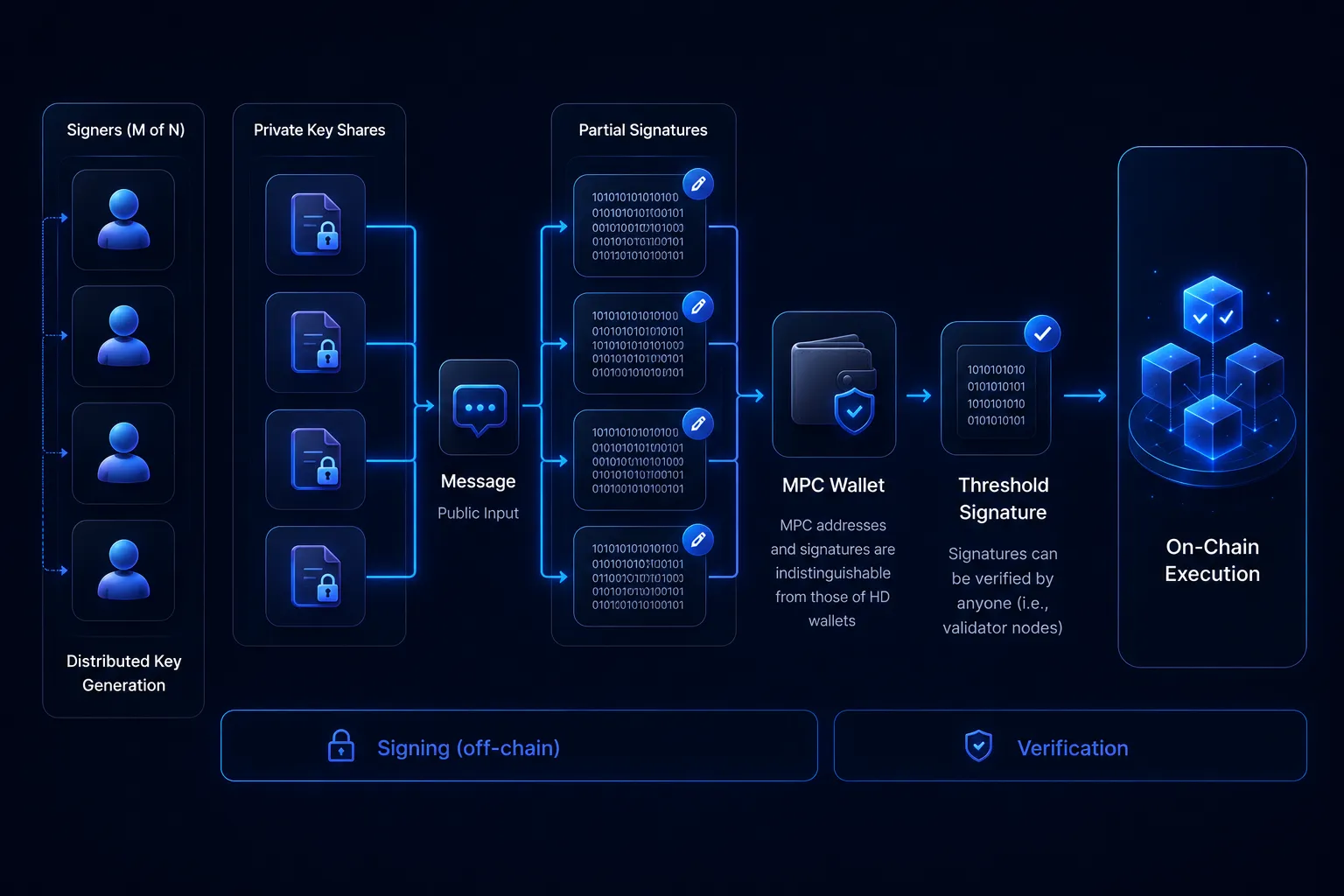
Private keys are divided into encrypted segments, preventing any single party from accessing the complete key.
Each participant holds a portion of the key, ensuring no unilateral control over assets and fostering trust.
Transactions require all parties to combine their key shares, preventing unauthorized actions.
The technology eliminates single points of failure, maintaining wallet integrity even if part of the system is compromised.

At SoluLab, our expertise in MPC (Multi-Party Computation) wallet development extends across various industries, showcasing our ability to address diverse needs and challenges.
Get in TouchAt SoluLab, our expertise in MPC (Multi-Party Computation) wallet development extends across various industries, showcasing our ability to address diverse needs and challenges. Our innovative solutions are designed to cater to the unique requirements of each sector, ensuring robust security and efficiency in managing digital assets.

Elevate your protection with our cutting-edge MPC crypto wallets. Ensure your assets are always secure.
Let’s talkOpting for SoluLab's MPC (Multi-Party Computation) crypto wallet development services offers numerous advantages that enhance the security, efficiency, and functionality of your digital asset management. Here’s why our clients trust us to deliver top-notch MPC wallet solutions:

Our MPC wallet solutions offer top-tier security by distributing key operations among multiple parties. This means that no single entity has complete access to sensitive information, significantly minimizing the risk of theft or unauthorized access.

We provide highly customizable MPC wallet solutions to meet your specific needs. Whether you require unique security protocols, tailored user interfaces, or integration with existing systems, we can adapt our solutions to fit your exact requirements.

Our MPC wallets are designed to scale with your business. Whether you're handling small transactions or managing large volumes of digital assets, our solutions can grow with you, ensuring continued efficiency and security as your operations expand.

Navigating regulatory requirements is crucial. Our MPC wallet development services ensure that your solutions comply with relevant industry regulations and standards, helping you avoid potential legal and compliance issues.

With our MPC wallets, you benefit from streamlined transaction processes. The multi-party authorization feature facilitates secure and efficient approval of transactions, reducing complexity and enhancing operational efficiency.

Our technology ensures that transaction details and key management are kept private. By splitting cryptographic operations among multiple parties, we safeguard sensitive information from unauthorized access and ensure confidentiality.

The distributed nature of MPC technology eliminates single points of failure. This means that even if one component is compromised, the overall security of your wallet remains intact, offering greater resilience against attacks.

We ensure that our MPC wallets integrate smoothly with your existing systems and workflows. Our solutions are designed to fit seamlessly into your technology stack, providing a unified experience for managing your digital assets.

Choosing our services means you benefit from continuous support and updates. We stay current with technological advancements and emerging threats to ensure that your MPC wallet remains secure and up-to-date, providing you with reliable, long-term protection.

By 2030, digital asset security will be a top priority for global enterprises. Is your business prepared to safeguard its crypto assets?
Get Started Now!MPC (Multi-Party Computation) crypto wallets offer a versatile range of applications, making them a valuable asset across various industries. By leveraging the advanced security and flexibility of MPC crypto wallet technology, organizations can address unique challenges and enhance their digital asset management. Here are some key use cases for MPC crypto wallet development:

In the financial sector, institutions handling large volumes of digital assets benefit significantly from MPC crypto wallet solutions. MPC crypto wallet app development enables secure management of assets by distributing key control among multiple parties. This approach reduces the risk of single points of failure and enhances protection against unauthorized access, making it ideal for banks, investment firms, and asset managers.

For cryptocurrency exchanges, ensuring the security of user funds and transaction processes is crucial. MPC wallets provide a robust solution by offering multi-party authorization for transactions, safeguarding assets from theft and fraud. Multi-Party Computation (MPC) wallet development supports high transaction volumes and complex security requirements, making it an essential tool for exchanges seeking to protect their operations and user assets.

In the rapidly evolving DeFi space, security and trust are paramount. MPC wallets facilitate secure interactions with smart contracts decentralized applications, and token transactions. By implementing MPC crypto wallet technology, DeFi platforms can enhance their security protocols and manage transactions with greater confidence, ensuring that user assets are protected from potential vulnerabilities.

For organizations involved in high-value transactions, such as real estate or luxury goods, MPC wallets offer a high level of security and control. These wallets allow multiple stakeholders to participate in transaction approvals, ensuring that large transactions are verified by multiple parties before completion. This added layer of security helps mitigate risks associated with high-value transfers.

MPC wallets are ideal for scenarios where funds need to be managed collaboratively by multiple parties. This includes joint ventures, partnerships, and investment groups. The technology enables secure fund management with multi-party approval processes, ensuring that all parties have a say in financial decisions and reducing the risk of unauthorized actions.

Government agencies and public sector organizations can utilize MPC wallets for secure management of public funds, sensitive data, and confidential transactions. By incorporating MPC crypto wallet app development, these entities can enhance their security measures and ensure compliance with regulatory requirements, protecting public resources and information.
Explore our diverse range of successful MPC Crypto Wallet Developement Projects that have helped businesses improve efficiency and drive growth.
Our client, a fintech startup from Northern Europe, sought SoluLab's expertise to augment their team in developing an innovative eWallet aimed at helping families manage their children's spending. The project involved deploying two mobile app developers with fintech experience to accelerate the development of both iOS and Android applications.
Read More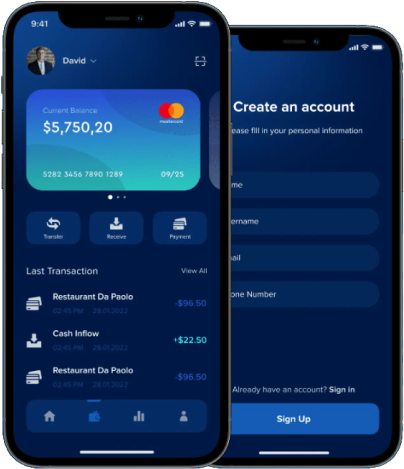
We partnered with Clicktool to develop a digital marketing platform that leverages blockchain technology to provide users with detailed web traffic insights through secure tracking methods, including unique call-tracking features. Clicktool, known for its click tracking software, aimed to enhance ROI for businesses by organizing traffic data from various campaigns.
Read More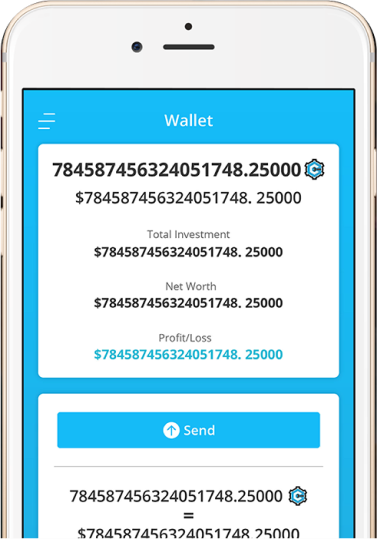
Mobyii is a technology-driven mobile wallet app designed for seamless, cashless shopping and secure transactions. This innovative platform simplifies money transfers, utility bill payments, and offers a user-friendly experience through its minimalistic interface. Security is paramount, featuring robust measures like point-to-point encryption, tokenization, and biometric access to safeguard user data.
Read More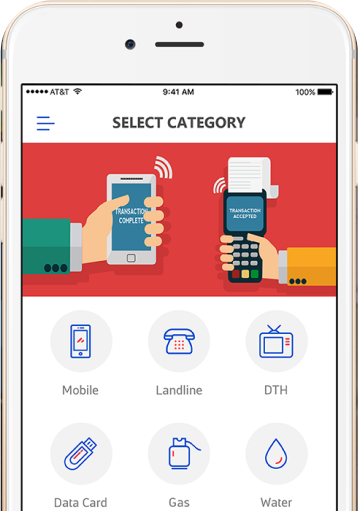
At SoluLab, our commitment to delivering exceptional MPC (Multi-Party Computation) crypto wallet solutions is guided by a well-defined roadmap that ensures success at every stage of development. Here’s a glimpse into the steps we take to achieve excellence in MPC crypto wallet development:
Initial Consultation and Requirements Gathering
Design and Prototyping
Development and Integration
Testing and Quality Assurance
Deployment and Integration
Training and Support
Initial Consultation and Requirements Gathering
Design and Prototyping
Development and Integration
Testing and Quality Assurance
Deployment and Integration
Training and Support

Discover the power of our innovative MPC wallet solutions. Protect your crypto assets with the best in the industry.
Get StartedSelecting the right partner for your MPC (Multi-Party Computation) crypto wallet development is crucial to ensuring the security and efficiency of your digital assets. Here’s why SoluLab stands out as the ideal choice:
SoluLab successfully delivered the project on time, we were very pleased with the team's flexibility and honesty. The team was also highly considerate of our needs. They were very considerate for few minor changes that went outside of the scope (which they gave us complimentary without extra fee). They delivered everything on time.

Founder, Edamama
The attention to detail and the ability to customize the solution to fit our specific goals was outstanding. Throughout the process, SoluLab’s team was always available, offering insightful advice and ensuring the project stayed on course. The end result has exceeded our expectations, significantly enhancing our operational efficiency and security. What truly stood out was their dedication to building a long-term partnership, making them a key player in our company’s growth.

Employer Outreach, Quote.com
SoluLab immersed themselves in understanding our goals and challenges, providing innovative, tailored strategies that made an immediate impact. Their expertise, proactive communication, and unwavering support set them apart, making the entire process smooth and efficient. we’ve experienced measurable growth, improved efficiency, and a renewed sense of confidence in reaching our objectives. Working with SoluLab has been a game-changing experience, and we’re excited for what the future holds in this incredible partnership.

Marketing & Communications Leader, Greater Houston Healthconnect
Our experience with SoluLab was nothing short of transformative. They didn’t just deliver a service—they completely redefined what we thought was possible with blockchain technology. From day one, their team demonstrated unmatched expertise, immersing themselves in our business challenges and crafting a solution that wasn’t just innovative but groundbreaking. They implemented a flawless blockchain system that not only elevated our efficiency and security but also opened doors to opportunities we hadn’t imagined.

Co-Founder, MNDB LLC
An MPC (Multi-Party Computation) crypto wallet is a digital wallet that uses cryptographic techniques to split private keys among multiple parties. This enhances security by ensuring that no single party has complete control over the wallet, reducing the risk of unauthorized access.
While both MPC and multi-signature wallets offer enhanced security, MPC wallets do not require changes to the underlying blockchain protocol and are blockchain-agnostic. This means they can operate across different platforms, unlike multi-signature wallets, which are typically specific to a single blockchain.
MPC wallets provide several benefits, including enhanced security, flexibility, scalability, and interoperability across multiple blockchain platforms. They also offer a smoother user experience by abstracting complex processes, making them ideal for businesses that require high-level digital asset management.
Yes, MPC wallets can be seamlessly integrated with your existing blockchain infrastructure. They are designed to be adaptable and can work across various blockchain protocol, making them a versatile solution for different business needs.
MPC crypto wallets are beneficial across various industries, including finance, DeFi platforms, cryptocurrency exchanges, real estate, and government sectors. Any industry that requires secure, collaborative management of digital assets can leverage MPC wallets for enhanced protection and control.
MPC wallets offer superior security compared to traditional wallets by distributing key control among multiple parties. This approach reduces the risk of unauthorized access, as no single party can access or use the wallet without the cooperation of others, making it significantly more secure.
Our development process includes initial consultation and requirements gathering, design and prototyping, development and integration, testing and quality assurance, deployment, and ongoing support. We ensure that each phase is executed with precision, resulting in a secure and efficient MPC wallet tailored to your needs.
The timeline for developing an MPC crypto wallet varies depending on the complexity of the project and specific requirements. Typically, the process can take several weeks to a few months, including design, development, testing, and deployment.
SoluLab offers a combination of deep blockchain expertise, customized solutions, advanced security protocols, and ongoing support. Our transparent and collaborative approach ensures that your MPC wallet is developed to meet your specific needs and stands out in the market for its security and performance.


