Talk to an Expert

How To Launch Your Own NFT Marketplace Website in Less Than 2 Days?


How To Launch Your Own NFT Marketplace Website in Less Than 2 Days?

The number of online marketplaces for digital collectibles is growing every day. If you want to join the market, you’ll need to build your own marketplace. Many people use different marketplaces to buy or sell products, and we already know about Blockchain technology and various cryptocurrencies.

NFT (non-fungible token) is a marketplace that runs on a public Blockchain platform. While this platform is still developing, it’s becoming more and more popular, which is why developers and entrepreneurs are creating similar marketplaces nowadays.

If you’re curious about how to make an NFT marketplace in less than 2 days check out this blog. We’ve covered everything you need to know when creating a marketplace.

What is an NFT Marketplace?

An NFT or Non-Fungible Token marketplace, is a platform where users can buy, sell, and trade unique digital assets known as NFTs. NFTs are cryptographic tokens that represent ownership or proof of authenticity of a specific digital item or piece of content, such as artwork, music, videos, collectibles, virtual real estate, and more. 

Unlike cryptocurrencies like Bitcoin or Ethereum, which are fungible and can be exchanged on a one-to-one basis, NFTs are indivisible and have unique properties that make them distinct from one another.

In an NFT marketplace, creators or artists can mint and list their digital assets as NFTs for sale. Buyers can browse through the marketplace to discover and purchase these one-of-a-kind digital items using cryptocurrency. The marketplace acts as a platform for creators to monetize their digital creations and for collectors to acquire and own digital assets that have value and scarcity.

NFT marketplaces provide a decentralized and transparent environment for conducting transactions. The use of blockchain technology ensures the immutability and provenance of NFTs, providing a verifiable record of ownership and enabling secure and trustless transactions. 

The rise of NFT marketplaces has revolutionized the digital art and collectibles industry, opening up new possibilities for creators and collectors alike. It has created a digital economy where unique digital assets can be bought, sold, and traded, unlocking value and ownership in the virtual realm.

How To Make NFT Marketplace?
How To Make NFT Marketplace?

We have merely scratched the surface of this captivating NFT revolution, which is both intriguing and rewarding for those with an entrepreneurial spirit. Individuals interested in launching their own NFT marketplace will discover it to be a profitable business opportunity. If that’s the case, please refer to the section on “How to construct an NFT marketplace?” for further details.

1. Identify Your Target Audience

Choosing a specific target demographic and area of expertise can aid in kickstarting your NFT marketplace development endeavor successfully. If you have a general concept, discuss it with developers to establish a strategy to launch your own NFT marketplace website in less than 2 days. Experts suggest concentrating on a specialized market rather than a broad one.

2. Creating User Interface Design

Developing the UI design is the most crucial step in creating any web product. When users first visit your platform, the UI design is the initial element they encounter. Therefore, the focus should be on crafting an exceptional user interface design that allows your users to easily navigate. After analyzing all aspects and objectives of NFT marketplace app development, experts create an optimal user interface to attract users.

3. Selecting the Architecture of the NFT Marketplace

NFT markets based on microservice architecture, ensure the best user experience and enable seamless platform operation. The microservice design permits individual components of the application to be updated or fixed without redeploying the entire program. 

The microservice architecture consists of multiple independent components that are loosely connected to form an application. If one microservice experiences an issue, it won’t impact the rest of the services in a large application.

We can scale the necessary services at any time because they are separate. With smaller codebases, these services can be deployed more rapidly. Microservices make managing large-scale solutions more feasible while providing flexibility, productivity, and scalability. Major companies like Netflix, Uber,  Amazon, and others also utilize microservice architecture.

4. Incorporating NFT Tokens

Once the blockchain network is chosen, the NFT requirements are established with the customer in mind. The token is developed to interact with the primary functions of the software. The NFT token is created to meet high standards and involves several steps, including constructing the domain name, minting the token, ensuring security, and setting up the token address.

5. Creating NFT-Based Smart Contracts

The NFT marketplace relies on various smart contracts that are built to perform different functions. From listing to trading NFTs, all the processes within the marketplace rely on smart contracts. For a decentralized NFT marketplace, smart contracts are designed to ensure smooth auctions, verification, and other purposes.

After examining the key characteristics and functionalities of the marketplace, experts create smart contracts. These self-executing programs carry out specified tasks and record all metadata associated with each generated NFT.

Check Out Our Article: SoluLab Recognized by GoodFirms as the Best Company to Work With

6. Including NFT Minting Attributes

The process of NFT minting can be classified into two types.

  • Single-mode NFT Minting: This involves the smart contract code for ERC721 (Non-Fungible Tokens) that are unique and cannot be duplicated or altered.
  • Multi-mode NFT Minting: This pertains to ERC1155 (Semi-Fungible Tokens) that can be replicated, allowing for the production of smart contract code.

Based on the client’s business requirements, smart contract codes for both single-mode and multi-mode NFT minting can now be developed and integrated into the platform’s backend.

7. Configuration of Database and IPFS NFT Storage

Database storage and IPFS are necessary for business and research purposes. The database ensures consistent data storage, efficient query execution, and high-performance usage. IPFS is a widely used file storage system that automatically backs up and versions files.

A well-designed database ensures quick access and retrieval of information. It is known for secure file sharing, fast streaming speed, and encrypted messaging. 

8. Testing the Project Using Test Cases

The testing phase is crucial in ensuring the quality of the NFT marketplace apps or other products. It begins after the development and integration of the basic functionalities into the platform’s backend. The entire product undergoes a series of tests to identify defects, malfunctions, and address underlying concerns.

This phase employs various testing methodologies to ensure the smooth functioning of the platform. It can be categorized into two significant stages: verification and validation, which enhance the platform’s quality and foster client satisfaction.

9. Testnet Release or Final Deployment

Once the entire product has undergone testing to evaluate real-time activities, such as platform speed and module functionality flow, as well as gather client feedback, the NFT marketplace will be transitioned to testing networks. This step confirms the platform’s real-time operations.

This is a crucial stage that should never be overlooked, as it ensures the product is ready for use. Upon completion of the preceding processes, the fully tested, bug-free, resilient, and fully functional NFT marketplace is deployed on the client’s production server and made available to the public.

Undoubtedly, the concept of the NFT business is still in its early stages. There are a few established and well-known NFT markets that have exemplified how to develop a flawless NFT marketplace by adopting the best features while addressing any shortcomings.
CTA 1

Functions of the NFT Marketplace

The marketplace platform should be filled with features that facilitate easy actions for both artists and customers.

1. Interface of the store

The interface of the marketplace is the first thing that captures the attention of the customer. The user interface should be user-friendly and present a captivating preview of the artwork. Additionally, it should consider the amount of information displayed on the screen for items available for sale.

2. Search and Filtering Options

Customers should be able to easily discover and filter the items they want to purchase amidst the listings. Filtering can be done based on the artist, the focal point of art, or the type of production using keywords or tags. 

Other filtering options include sorting by date, distinguishing between auctions and direct purchases, and arranging prices in ascending or descending order. It’s important to note that the easier it is for customers to find what they want, the more successful the platform will be.

3. Listings by the Creators

Users should have a seamless experience with the user interface, while artists should find it effortless to create their listings. They should be able to upload their artwork, generate a token for it, provide a name, set a price, and choose whether to auction it or offer it for direct purchase. Although this step may seem simple, it requires thorough research for artists to decide on the appropriate pricing and listing type for their creations.

Read Also: Things you need to know about NFT Marketplace

4. NFT Purchases

Both creators and customers should encounter no difficulties when purchasing an NFT. Customers should be able to make swift payments using the marketplace’s cryptocurrency wallet. After deducting the platform’s commission for facilitating the transaction, the creator should be able to quickly benefit from the sale.

5. Cryptocurrency Wallet

As you may already know, the crypto wallet plays a crucial role in the NFT marketplace ecosystem. The wallet should be highly secure and support multiple cryptocurrencies. 

It’s important to note that, like a cryptocurrency exchange, the NFT marketplace has a certain level of centralization, which inevitably entails a decrease in security. Therefore, simple yet effective measures such as two-factor authentication and multi-signature login should be implemented to safeguard the crypto wallet.

6. Evaluations and Rankings

Evaluations and ratings are vital in motivating creators and guiding customers to the right artists. Creators should be rated based on the type of art they produce, the level of complexity, the conceptual strength behind their work, and the value they offer. Likewise, creators should be able to provide ratings for customers based on their interactions and transactions.

Strategies to Launch and Promote Your Marketplace Website

Strategies to Launch and Promote Your Marketplace Website

Outlined below are some promotional tactics to focus on during your pre-launch marketing campaign and promotional events. A marketing campaign is crucial before your product is unveiled. You should not hesitate to employ techniques that best align with your needs and objectives. The goal is to gain maximum traction and generate buzz around your platform.

 Read Also: How to Create your own NFT Marketplace: Step-by-Step Guide

1. Craft a Sign-Up Message for Launching Your Marketplace Website

To generate pre-launch interest among your audience and garner initial sales figures, consider creating a sign-up message and sending it to your contacts. This message should pique their curiosity about your product’s pre-launch. Utilize a landing page as the foundation for your sign-up campaign. Begin gathering user sign-ups a few months before your actual release to have an established audience at launch.

2. Engage Online Marketplace Communities

Utilize social media platforms like Facebook, Twitter, LinkedIn, and Instagram to reach a broader audience. If your target customers are active in Facebook groups, join those groups and start participating in discussions, sharing your marketplace ideas and benefits, and inviting feedback. 

If you manage to generate interest, direct people to your landing page to sign up for emails. Create captivating visuals, short videos, and compelling posts revolving around your marketplace to capture people’s attention. You can also enhance the reach of your content through paid advertisements.

3. Harness the Power of Media

Thoroughly understand your audience, particularly the channels they follow for the latest news. Media can be a powerful tool to create a buzz around the launch of your online marketplace business. Media coverage can also attract investors. Ensure that you select the news channels followed by your target audience.

4. Highlight the Key Advantages of Your Product

You have recognized the need for a dynamic online platform and put in the effort to create one. Ensure that you understand all the obstacles your platform overcomes and the solutions it provides. Now, you need to communicate these benefits to your audience. 

Examples of potential value propositions include reduced fees, user-friendly navigation, impressive user experience, a wide variety of brands, or a secure payment platform. Whichever promotional channel you choose, make sure to incorporate your value proposition.

5. Surprise Your Audience

Everyone loves surprises, and you can be creative in your approach to promoting your marketplace. Giveaways can leave a lasting impression on people, ensuring that they remember you and your cause. Consider offering personalized postcards or sending gifts to your subscribers’ doorsteps. Such surprises will capture attention and spark excitement around your marketplace launch among the recipients. The public will likely appreciate your creativity and enthusiasm for introducing your marketplace in a personalized manner.

6. Utilize Email Marketing

If you have accumulated a substantial number of contacts over time, leverage them to remind your contacts about your business goals. When you are nearing the launch of your online marketplace, send direct emails to inform your contacts about the upcoming launch. Establish communication through an initial email and provide updates. Later, include a link for them to register on your marketplace.

7. Start Blogging

Create a blog and publish relevant articles related to eCommerce, online business, and the benefits of engaging with your marketplace. Write compelling content on topics associated with your marketplace to drive more traffic. Include a call-to-action with a sign-up link at the end of each post to generate leads and build an email list of individuals interested in your marketplace.

8. Engage Influencers

Collaborate with influencers who have a strong online presence to generate positive exposure for your marketplace pre-launch and enhance its credibility. Reach out to bloggers, social media marketers, and other industry figures. 

To get people talking about and promoting your marketplace, you might offer them free trials, early access to the website or app, or other incentives.

Cost of Creating an NFT Marketplace

Creating a venue where individuals may buy, sell, and exchange non-fungible tokens (NFTs) is the goal of developing such a marketplace. The cost of creating an NFT marketplace will vary from case to case.

One of the most important factors that might affect how much it costs to create an NFT marketplace is the technological stack that is used. The total cost of the platform’s creation will change depending on the specific languages, frameworks, and databases that are used in its creation.

Read Our Blog: Everything You Need to Know About Metaverse NFT Marketplace Development

1. Designing for the Front End

Designing the website’s interface and any client-side NFT marketplace script required to enable user interaction is what’s known as “front-end programming.”

Front-end development may cost anything from $5,000 to $20,000 (or more, depending on the hourly rate of the NFT marketplace developer) based on the intricacy of the design and the number of pages or screens needed. Front-end developers’ starting hourly pay is about $30/hr, however, this might go up as their expertise and experience grow.

2. Creation of the Backend

Creating the database architecture and server-side code for handling transactions, NFT management, and user authentication is part of this process. Back-end development might cost anywhere from $10,000 to $50,000, depending on the complexity of the project and the requirement for scalability.

3. Adopting Blockchain Technology

Integrating a blockchain network (like Ethereum or Binance Smart Chain) into an NFT exchange is a crucial aspect of the process. Depending on the scope of the integration and the blockchain platform used, the price tag for incorporating a blockchain might range from $10,000 to $50,000.

4. Verification and Quality Control

Finding and fixing software flaws is a major part of testing and quality assurance. Depending on the degree of complexity of the application and the number of tests needed, the cost of testing and quality assurance might be anywhere from $5,000 to $15,000.

Depending on the scope of the project, the overall cost of creating an NFT marketplace might vary from $35,000 to $150,000. Please keep in mind that these are only ballpark values, and the actual cost will likely vary considerably dependent on the exact features and functions required.

5. Privacy

SSL certificates, encryption, and two-factor authentication are all part of the security infrastructure that must be set up. Security costs may run as high as $15,000, depending on how intricate your needs are.
CTA 2

Advantages of Your Own NFT Marketplace Website

NFTs employ blockchain technology, similar to cryptocurrencies, which also applies to non-fungible token marketplaces. Consequently, your digital platform for NFT sales reaps all the benefits associated with blockchain. Let’s explore the key advantages of NFT marketplaces.

1. Decentralization

A decentralized NFT marketplace involves creating a platform where users can freely trade assets without relying on traditional financial institutions or regulators. This decentralization is made possible through the utilization of blockchain technology.

2. High Level of Security

Blockchain technology empowers NFT marketplaces to benefit from robust security features. These features include cryptography and consensus algorithms, ensuring top-notch security measures are in place.

3. Indivisible Nature of NFTs

Every NFT possesses a unique digital identifier and distinct characteristics. Users can instantly access exclusive assets available through your marketplace. The distinctiveness of indivisible tokens makes them highly desirable.

4. Complete Transparency

Blockchain technology ensures that all NFT transactions are transparent and visible within a distributed database. Imagine it as a ledger of transactions that showcases real-time activity on your marketplace.

5. Liquidity

The demand for cryptocurrencies and NFTs continues to rise. Individuals value decentralization and the absence of standardized regulation, leading them to actively invest in digital assets. Consequently, the NFT sector experiences increased liquidity.

6. Authenticity and Unique Ownership

Building an NFT marketplace presents an opportunity to earn the loyalty and trust of users. A non-fungible token serves as a publicly accessible record of ownership, which can be verified if needed. As a result, forging an NFT becomes impossible.

Conclusion

Launching your own NFT marketplace website in less than two days requires careful planning, leveraging existing solutions, utilizing user-friendly website builders, focusing on key development elements, and implementing effective marketing strategies. With the right approach and dedication, you can turn your vision into a reality and join the exciting world of NFTs in no time.

When it comes to NFT marketplace development, SoluLab emerges as the perfect choice. With its extensive expertise in blockchain technology and a proven track record of delivering successful projects, SoluLab offers unparalleled benefits and services. From end-to-end NFT marketplace solutions to the seamless integration of smart contracts and secure transactions, SoluLab ensures a reliable and innovative platform for individuals and businesses venturing into the world of non-fungible tokens. Trust SoluLab to bring your NFT marketplace vision to life with efficiency and excellence.

FAQs

1. How can I make an NFT marketplace in less than 2 days? 

To create an NFT marketplace quickly, you need to identify your target audience, design the user interface, choose the right architecture, incorporate NFT tokens and smart contracts, configure database and IPFS storage, conduct thorough testing, and deploy the finalized marketplace.

2. What are the functions of an NFT marketplace? 

An NFT marketplace should have a user-friendly store interface, search and filtering options for easy item discovery, listings by creators, smooth NFT purchases with cryptocurrency wallets, evaluations, and rankings for creators and customers, and secure transactions.

3. How can I promote my marketplace website? 

To promote your marketplace website, you can craft a sign-up message, engage online marketplace communities, leverage media coverage, highlight key advantages, surprise your audience with giveaways, utilize email marketing, start blogging, and collaborate with influencers.

4. What is the cost of creating an NFT marketplace? 

The cost of creating an NFT marketplace depends on factors such as front-end and back-end development, adopting blockchain technology, and verification and quality control. The overall cost can range from $35,000 to $150,000, depending on the complexity of the project.
How to Build an NFT Website in less than 48 Hours?

How to Build an NFT Website in less than 48 Hours

Non-fungible tokens, or NFTs, are a booming sector of the cryptocurrency market. NonFungible.com reports that in the first quarter of 2021, the overall capitalization of key NFT projects increased by more than 2,100%. The most popular NFT coins currently bring over $70 million when sold instantly. We will go into great depth on how to build an NFT website in this article. Goals, networks, protocols, and standards, budgeting, advantages, major features, and the required technological stack will all be covered in detail as we walk through the creation of the NFT platform, from testing to launch to maintenance and much more. Let’s get started right away!

What Is an NFT?

A non-fungible token (NFT) is a singular digital asset that can be sold between the creator and the buyer, to put it simply. Each token is valued uniquely and cannot be traded.

NFT Features

  • Indivisibility – NFTs cannot be divided into smaller amounts, purchased, or transferred in pieces.
  • Uniqueness – Every NFT has a distinctive characteristic that is frequently recorded inside the token data. Every NFT has a unique personality; no two are alike.
  • Ownership – These tokens guarantee the ownership of the asset getting transferred.
  • Scarcity – The rarity of NFTs is one of the elements enhancing their value. Developers are free to produce as many assets as they like, but they can limit the supply of NFTs to create scarcity.
  • Interoperability – NFTs can be purchased, sold, or traded across various DLTs using a decentralized bridge or a centralized custodial service.
  • Transparency – Since public distributed ledgers are decentralized and irreversible, with records of token issues, transfers, and activity that can be publicly checked, buyers may trust and verify the legitimacy of a particular NFT.

What Is an NFT Marketplace?

A decentralized network called an NFT marketplace allows users to create, buy, sell, & store non-fungible tokens. They mostly concentrate on selling particular assets, such as digital tokens of artwork, games, soundtracks, and any other artistic effort, together with details about who owns them and when they are valid.

A kind of cryptocurrency called NFT crypto is used to buy and sell digital assets. Tokens can be purchased by users for a set price or through auction bidding. While some NFT marketplaces focus on a single sector, like digital art, others sell a broad range of NFTs, from trading cards and web domains to in-game collectibles. NFTs are employed in a wide range of sectors, including:

  • Gaming
  • Real estate
  • Academia
  • Sports
  • Music
  • Art
  • Fashion
  • Collectibles

How Does an NFT Website Work?

Typically, the same process is used by all NFT websites. To get started, a user needs to sign up for a website account & download a digital wallet to store their NFTs. Users can then upload objects to develop assets and display their effort. Additionally, the user can decide which payment tokens to receive for their artwork and, if the platform recommends it, set a price.

The process then moves on to the step of placing products on the market for sale. The user has the option of bidding a fixed amount or taking part in an auction. A transaction is conducted to start a personal trade smart contract for the user’s wallet when they list anything for sale. The platform might need collection moderation; if accepted, NFTs will be added to the list.

Read more: White Label NFT Marketplace – The Best Way of Launching NFT Platform

Step-by-Step NFT Website Development

Budgeting

The development of the NFT marketplace is no different from everything else in that it is dependent on the amount of work necessary. Because of this, using a pre-made solution will be less expensive. To guarantee the platform’s functionality, the flow remains constant. Your NFT website development costs will increase if your needs necessitate a more complex platform or if you must construct your own NFT.

Access to the NFT market is provided by a number of blockchain development services. With the help of this competition, you can develop at a reasonable cost. However, the starting price ranges from $30,000 to $50,000. Additionally, the development services provided determine the cost of development. However, it takes a while to build an NFT website.

Mapping Goals

It’s important to define your aims and objectives before starting your own NFT website. This will enable you to create an NFT website design that is specifically matched to your requirements. We compiled a list of items you should think about when building a non-fungible token platform to make the work easier.

Monetization of Model

If you’re unsure of how to build an NFT website, you should first decide what monetization strategy you’ll use for your site. Here are a few ideas:

Subscription Marketplace Monetization Model

If the market has adequate traffic, the subscription monetization model—which is a well-packaged income strategy—might be taken into consideration. Under this subscription structure, subscription fees are levied.

Commission Monetization Model

The commission model is the one that all online marketplaces employ the most frequently and extensively. It is a common option for marketplace platforms as well. The commission model has gained popularity since it has shown to be a reliable source of revenue.

Freemium Listing Models

A marketplace platform that uses the freemium monetization strategy provides both paid and free services. In other words, the marketplace generates revenue by charging sellers a minimal price in exchange for superior services. It could seem challenging to offer consumers new services using a freemium listing approach.

Lead Fee Revenue Model

The lead fee monetization model, in which customers post a request and suppliers pay platform fees to win the bidding process, is the most popular method of revenue generation for service-based markets.

Product Listing Monetization Model

The greatest approach to paying out sellers of expensive goods is through a listing fee. Although the commission-based revenue model only compensates when a sale is made, it disregards earnings or fees from underperforming or unpopular products.

Which Protocol Tokens Are You Going To Use?

Cryptographic tokens known as protocol tokens are necessary to access the service provided by the underlying protocol. When selecting an NFT design, you will have a variety of options to consider, such as:

  • Binance Smart Chain (BSC)
  • Ethereum
  • Solana
  • Polygon
  • Tron
  • FLOW
  • Tezos
  • Solana

Features to implement

Before creating an NFT, you should decide which functionality your platform needs. You may want to consider including a few useful features on your NFT website.

  • Liquidity
  • User-friendly
  • Practical
  • Search Filters
  • Decentralization
  • Crypto Wallet Integration
  • Transparent network security

Technological Stack To Implement

The tech stack you’ll need to implement the project must be chosen after all the features you want to see on your NFT website have been decided. You must choose the NFT standard that your marketplace supports, as well as a blockchain platform, storage platform, front-end development framework, and others. It is difficult to create an NFT website plus select an appropriate technology stack. So, how do you create a marketplace from nothing? Here are all the components of the technology stack that demand your immediate attention.

  • Storage Platforms
  • NFT Standard
  • Blockchain Platform
  • Front-end Frameworks

Testing

This is an important step that should never be skipped. Finding and resolving problems as soon as possible guarantees that your product is ready to go. Software testing also ensures that your platform performs as planned and satisfies the project’s original criteria. Remember that a software solution that has been thoroughly tested delivers reliability, security, and excellent performance.

Security Audit

It is never advisable to miss this crucial step. Finding and fixing issues as soon as you can ensures your product is prepared for use. Software testing also guarantees that your platform meets the original project requirements and operates as expected. Keep in mind that a well-tested software solution offers dependability, security, and top-notch performance.

Marketplace Launch And Support

An NFT marketplace’s debut is in and of itself a work of art. You have the option of starting your NFT project right away or spreading it out over several iterations initially. Another strategy that is less user-friendly but theoretically simpler is continuous integration. To choose the best choice for your project, talk to your developers. The development team’s work does not stop with the launch, though. When new NFTs are added and additional users join the platform, you could need support and maintenance. The NFT marketplace, which is continuously working to ensure the smooth operation of your project, also demands frequent upgrades as well as the integration of new features.

Custom NFT Marketplace Development

Creating a personalized product requires a lot of time. The fundamental goal is to maintain each layer specific to the demands of your business. Solutions for NFT marketplace development are built by programmers specifically to meet the objectives of your business. Such software can only be used by that organization because it is designed with the infrastructure, implementation requirements, branding, and all the other components of the organization in mind. Custom development is, in fact, the most practical method for creating your own blockchain and NFT software.

Benefits of NFTs

Authenticity

Non-fungible tokens’ benefits are mostly dependent on their scarcity. Since NFTs are developed on the blockchain, they are linked to unique data. The unique characteristics of NFTs reveal their capacity to add value. NFT producers also have the option of releasing a small number of NFTs in order to reduce supply.

Ownership

The principal benefit of non-fungible tokens is the ability to demonstrate ownership. NFTs can assist in tying ownership to a single account because they run on a blockchain network. Additionally, NFTs are non-distributable and cannot be divided among several owners. The advantages of owning an NFT also keep people from purchasing fake NFTs.

Transferability

The usage of NFTs facilitates ownership transfers because they are based on smart contracts. Smart contracts establish requirements between both the seller and the buyer that must be met before ownership changes may be finalized.

What Makes Your Project Stand Out From The Rest?

Making your target audience think you are extraordinary will be one of your major hurdles. The first step to completing a project successfully is earning trust. Buyers must have confidence in their group’s and the neighborhood’s capacity to ensure the project’s overall success. Investors need founders to have a clear vision for the project and an actionable plan, as well as to be honest with them. If you don’t have this vision, they won’t be interested in the project for very long, and if you don’t have it, they won’t buy a single NFT.

In order to raise awareness, exchange information, and interact with people, one must be socially active. Social media marketing, which targets people of different ages, occupations, interests, and hobbies, is the most popular NFT marketing strategy. The use of additional marketing methods like email marketing, social media advertising, search engine optimization, or content marketing may also speed up success.

Conclusion

Overall, we want to emphasize that the NFT marketplaces are a fantastic and lucrative market for all entrepreneurs, crypto enthusiasts, and designers. Since any new platform, & designers in particular, may require time to thrive, we only encourage you to be committed, make informed decisions, and maintain consistency.

It should be much simpler to make decisions once you’ve established how to build your own NFT marketplace and taken into account all the pertinent information, including the mapping of goals, networks, protocols, and standards, budgeting, advantages, and key features. You’ll also need to consider the necessary technology stack for building a marketplace, as well as the testing, launch, and maintenance phases.


How to Develop an NFT Marketplace in 2023

How to Develop an NFT Marketplace in 2023

Unquestionably, the NFT (Non-Fungible Token) market is expanding rapidly. Particularly in the field of art and collectibles, NFTs are quite common. However, they have more promise than just digital art. They can be used to buy event tickets, access limited-edition digital goods, publish and license next-generation music, access gaming elements like avatars, and buy digital lands in virtual worlds. You’ll be astounded to learn what the data reveal regarding the task of how to develop NFTs.  The size of the global NFT market is anticipated to increase from 1894.4 million USD through 2021 to 5093.3 million USD by 2028, growing at a CAGR of 17.9% from 2022 to 2028.

As an outcome, NFT-based marketplaces have developed throughout the crypto industry and are now widely used. Companies are looking into ways to interact with the NFT market in response to this type of multifold increase.

Are you considering designing and establishing your own NFT market? Are you interested in learning how to develop NFT marketplace can help you? Yes? Here is a step-by-step instruction manual that will address all of your concerns. Let’s start now!

What is an NFT?

First, let’s define the word NFT. Infusible Token is referred to as NFT. It is a blockchain-based digital asset with a special identification code that keeps it distinct. The inability to copy or tamper with NFTs is another intriguing aspect of them.  Similar programming is utilized to create NFTs as it is for cryptocurrencies. Both, yet, are distinct.

Cryptocurrencies represent fungible tokens with equal values that are similar. However, NFTs stand out. Each NFT can only exist in a single instance at any one time. Thus, if you hold 50 Ethereum tokens (cryptocurrencies), for instance, they will all be the same, yet if you own 50 CryptoKitties (NFTs), they will all be distinctive and different.

Simply described, NFTs are virtual representations of real-world objects like artwork, gaming assets, & real estate. Because of this, tokenizing them reduces the likelihood of fraud within the transaction while also making it simple to buy, sell, and trade them.

Now that we’ve discussed what NFTs are, let us discuss how they function

NFT management happens on a blockchain. One of the most used blockchains for non-fungible tokens is Ethereum, which you might take into consideration. These blockchains serve as a distributed ledger that may be used to track each NFT’s ownership and transaction history. Additionally, the NFT’s coding and distinctive ID ensure that no other token can imitate it.

The last step is to acquire digital currency, like ether (ETH), and store it in a wallet like Trezor or Electrum. On an NFT platform/marketplace like the OpenSea platform or SuperRare, users can create and trade their digital assets. Here are some interesting NFT statistics that you should be aware of.

The NFT market is valued at $100 million in 2020. This increased 30 times to $3 billion by mid-2022.

  • The millennial population in America is 23% NFT collectors.
  • The Merge sold for 91.8 million USD and was the most expensive NFT ever.
  • On the OpenSea platform, about 2,50,000 people trade NFTs each month.

NFT Marketplace and How Does It Work?

NFTs cannot be directly traded, unlike Bitcoins or any other fungible tokens. Instead, you must use a unique system called NFT marketplace. NFT marketplaces are online or virtual markets where anyone can buy and trade NFTs.

An NFT marketplace can be compared to the “Amazon of the crypto world.” Users can register, add digital artwork or other items, and sell or buy things using their accounts.

The tokens or digital assets can be easily auctioned, bought, and sold here for a defined price. To store and exchange NFT tokens within to develop NFT marketplace, you will need crypto wallets.

Benefits of NFT Marketplace

The emergence of NFT marketplaces is changing how people conduct business online by providing a faster, safer, and more efficient means of exchanging assets. Here is a summary of the main advantages of NFT marketplaces that demonstrates why they are the ideal choice for you and the greatest approach to doing online business.

1. Transparency

The majority of traditional markets fall short of gaining the confidence and trust necessary for business transactions. NFTs are built on blockchain technology, which guarantees that all NFT transactions remain transparent to their users. This increases users’ trust in a distributed database by providing them with error-free payment processes and a smooth transacting experience.

2. Increased Security

Blockchain technology is used to secure every transaction made in the NFT marketplace. You can enjoy all the advantages of highly secure transactions, which protect you from transaction loss and guarantee that no one can steal your digital assets or engage in fraud. Your assets won’t be deleted, changed, or lost from the blockchain network because it is immutable.

3. Liquidity

There is a growing market for cryptocurrencies and NFTs, so you should invest in one. Decentralization also encourages active investment in digital assets. As a result, the NFT now has more liquidity. NFT marketplaces also have built-in liquidity capabilities that make it simple to exchange or trade NFTs for other assets. Simply said, you may quickly convert your NFTs into other assets without having to wait for purchasers to materialize.

4. Easy Transfer of Assets

The NFT marketplace enables you to possess a genuine item and offers integrated authentication as proof of ownership. You can also tokenize your assets & market them on the NFT platform.

5. Decentralization

The key to developing an NFT marketplace is developing a decentralized platform. Users can freely exchange assets here without relying on regulators, conventional financial institutions, etc. With the help of blockchain technology, this is doable.

6. Instant Payments

On the NFT marketplace, cryptocurrency transactions and payments can be done without a user’s full name, address, or credit card number. This enables making rapid payments for anyone simple, quick, and private.

7. Decreased Fees

It is well known that NFT marketplaces have cheaper fees than conventional marketplaces. This is because they do not require a middleman or agents to complete deals.

8. Greater Independence

NFT marketplaces are not subject to the same laws and restrictions as conventional internet marketplaces because of their decentralized structure. Users now have the choice and flexibility to buy, sell, and trade digital goods.

9. Growth Potential

The increasing excitement around NFTs and cryptocurrencies puts the NFT sector in a great position to draw attention from investors all over the world. This may facilitate its rapid growth.

10. Traceability

You can trace & verify the ownership of NFTs thanks to blockchain technology, which underpins the NFT market. Users can confirm the NFT’s uniqueness and determine its value because of the traceability feature of the NFT. Celebrities and fashion brands can sell NFTs worth millions of dollars because of this.

Read more: Create Your Own NFT Marketplace In Just 48 Hours With This Nft Website Builder

Must-Have Features in an NFT Marketplace

Make sure your NFT platform has all the essential elements required to enable the smooth operation of the market. Here is a list of every characteristic your NFT solution must have.

1. Storefront

The majority of NFT markets provide a capability similar to a dashboard called a storefront. By giving them access to all the information about an NFT, including its owners, offers, transactions, previews, price history, etc., it draws users to the site.

2. Advanced Token Search

Users can quickly search for available NFT assets with this functionality, according to their preferences. To do that, all assets must be arranged according to several categories. This fantastic feature improves the user experience.

3. NFT Rankings

Here, traders can rank and review NFTs based on their price, trading volume, as well as other characteristics. Other users will benefit from knowing more about the NFTs’ ratings and standards thanks to this.

4. NFT Listings

The platform allows all users (creators) who have registered to mint their assets and list them. Customers can then sort assets based on a variety of criteria after this is completed. The prices of their NFTs can be mentioned, and the creators can include descriptions.

5. Listing Status

For someone who offers NFT items and completes their verification process, listing status is crucial. It assists with NFT verification and keeps track of the status of the confirmation procedure.

6. Crypto Wallet Integration

Your NFT platform should provide crypto wallet integration to store & trade NFTs since customers must sign up with a crypto wallet.

7. Selling and Auctioning

Bidding always improves the likelihood of sales and secures the greatest price. As a result, consumers should have access to real-time bidding on your marketplace for NFT assets. The winner of the auction will take possession of the digital asset. They can choose to sell their NFTs for a set price.

How to develop an NFT Marketplace

If you’re thinking about developing an NFT marketplace for your company, you must do the following actions:

1. Focus On Your Niche

Your bespoke NFT marketplace design must first match the niche you have chosen. It might be based on video game characters, sports memorabilia, other collectibles, digital artwork, or even a soundtrack. Remember that you’ll be in a better position to attract more traffic and expand your client base if you tailor the structure of your NFT platform to meet the needs of your particular target audience.

2. Select the Right Blockchain Network

As we are all aware, a blockchain is a distributed system that records all information related to NFT transactions. NFT creators use NFT platforms and marketplaces to sell their NFTs & collect royalties. In a similar vein, other users purchase, store, & resell NFTs via NFT platforms. These NFT marketplace transactions are all documented on the pertinent blockchains. Blockchain networks must be reliable, secure, scalable, & interoperable for NFT marketplaces. Making the right decision for your blockchain network is therefore the first step in developing the NFT platform. You should take into account some of the most popular blockchain networks, such as Ethereum, Polkadot, Stellar, and Tezos, as well as others. Ethereum is one of the most well-known blockchain networks out of all of these. Before choosing a blockchain, you might consider the following points.

  • Transaction and NFT development cost
  • Robustness of smart contracts
  • How fork-proof is the blockchain
  • Speed of transaction

3. Choose the Most Advanced, Top-Notch Features

Make sure to integrate all the best features into your NFT platform & enhance its performance. Your NFT marketplace’s value in the market can be increased by offering distinctive features that set it apart from competing platforms. Because of this, you must give considerable thought to the features you intend to include while developing your NFT marketplace. Be very clear about the features you wish to include depending on the specifications of your project. Use a range of alternatives in addition to the required capabilities, such as 3D display, interoperability, social media involvement, and others.
4. Build an Intuitive User Interface

You absolutely must have an appealing, simple, and intuitive user experience for your NFT marketplace. To enable secure and trouble-free trading of NFTs without glitches or problems, this is crucial. Additionally, a strong user interface can enhance the perception of your NFT marketplace. Therefore, the secret is to maintain its aesthetic appeal while making sure that it is uncomplicated, responsive, and user-friendly. You can choose to incorporate tutorials and signposts in addition to an intuitive user interface to help new users.

5. Build IPFS & Database Storage

The next step is to create a secure, immutable database that will house all of the user & admin profile’s private and sensitive information. Additionally, the database has details regarding their NFTs. Data is stored and shared in distributed files & database systems by the IPFS, or Interplanetary File System. NFTs can represent data in any format and size using IPFS in a distributed, secure manner that will stand the test of time.

6. Integrate Other Third-party Services

Integration with payment gateways, cryptocurrency wallets, social media, and email services are all necessary for an NFT marketplace to be successful. Verify whether these are the only tools you require or whether your platform calls for additional integration. Everything is based on the demands of your business.

7. Build Smart Contracts

You should construct smart contracts at this time to launch transactions & mint NFTs automatically when sales requirements are satisfied. The creation of smart contracts is necessary for several reasons. They are first supported by their dependability and trustworthiness. The smart contract your design needs to be compatible with the tasks that your NFT marketplace is supposed to handle.

8. Testing and Deploying

On a platform, faults and bugs frequently ruin the user experience. Testing is therefore an essential step in ensuring a hassle-free user experience. Once your NFT platform is operational, you can test various parameters. For instance, you can use quality testers to verify the usability, functionality, as well as other components of an NFT marketplace. A thoroughly tested solution that closes all real-time gaps and inconsistencies, both anticipated and unanticipated, is ready for release.

Conclusion

It is not surprising that NFT-verse is growing beyond anyone’s wildest dreams. The range of the NFT collectibles, its artists, and most importantly, the desire to promote creativity, are all rising enormously as a result of the best marketing services supporting the NFT marketplace development. Even well-known brands like Nike, Gucci, & Starbucks are joining the stream due to the booming NFT sales volume & tokenization of many new assets. The blog that was mentioned is only the very beginning. The market is considerably more exciting after development, though. If you want to write your own captivating account of the NFT journey because you’re an ambitious NFT enthusiast? Hold on tight and start developing nft markletplace!

How to Create your Own NFT Marketplace with Zero Code?

How to Create your Own NFT Marketplace with Zero Code

Blockchain technology and its advanced utilization, such as non-fungible tokens (NFTs), have been increasingly popular over the past few years, transforming the purchasing, selling, and trading of digital assets. NFTs provide permanent digital asset ownership records built on blockchain technology such as Ethereum offers real value. NFTs have many advantages, which benefit a wide range of industries (arts, entertainment, games, and music). Follow our guide to create your own nft marketplace with zero code. 

What is NFT Marketplace?

NFT marketplace enables users to create, purchase, sell, and trade non-fungible tokens (NFTs) that have some actual value in the decentralized NFT marketplace. An NFT marketplace enables NFT minting and trading globally while blockchain (a technology) ensures disclosure and immutable record of digital asset tokenization and transaction.

  • The shortcomings of NFT interoperability are being addressed by the features of NFT markets. Cross-chain bridging, niche-specific NFTs, NFT shifting, and interoperability with multiple metaverse initiatives are examples of advanced features of contemporary NFT marketplaces.
  • It is a mandatory task to select a niche before creating an NFT marketplace. There are several things to take into account, including the architecture design, NFT storage, and the blockchain protocol. This insight explains the growth of the NFT market in full.

Is there any need to create your NFT marketplace

Creating new NFTs is neither experience nor difficult. Moreover, no coding expertise is needed. NFTs are great for upholding exclusivity and establishing ownership of both digital and tangible goods. It provides a level of flexibility unavailable in the conventional creative sector while also allowing digital artists a chance to commercialize their work. Similar to how they have disrupted practically every other industry, NFTs have opened up new opportunities globally for individuals. Moreover, making NFTs grants you unrestricted access to a worldwide community of NFT makers, collectors, and like-minded individuals.

Anyone with zero code can create an NFT marketplace 

You can access many NFT generators online to make your own NFT marketplace. 

NFT creators are becoming more prevalent in video game and digital art cultures. You can start creating and selling NFT to make money online. NFTs are highly coveted in the cryptocurrency sector. Once you have completed your digital token, you are eligible to sell it or host an auction for it on several websites.

Read more: How to Build an NFT Marketplace from Scratch

Steps to create your own NFT marketplace with zero code

The no-code marketplace platforms have revolutionized the NFT marketplace. And, now, more people are inclined towards no code NFT marketplace to build or create their platforms. Follow these simple steps to make your own NFT marketplace with zero code:

  • The importance of selecting a niche

Selecting your NFT marketplace niche is the first step to creating your marketplace. Your niche can be anything from a piece of art, photograph, or music. Thinking about real estate assets, or branded shoes? Yes, it is also a viable niche.

An NFT is a unique cryptocurrency asset that serves as ownership proof of digital assets in the NFT marketplace.  The value of an NFT is concluded from its rarity. Therefore, be sure you are the sole owner of the digital item you are converting to an NFT, including Intellectual property rights. Plagiarism in the NFT marketplace (digital assets) can lead you into legal trouble.

  • The need to select a Platform for the NFT Marketplace

Always choose an NFT platform that has the required framework, tools, and templates to create a no-code marketplace. This is a crucial stage since you need to pick a platform that reinforces the features and style of your no-code NFT marketplace. You can easily find the best options for a user-friendly NFT marketplace through online consultation.

  • Assembling NFT rarities & traits in order

Before starting your NFT collection, you must plan and consider a few things. Since the rarity of each NFT is determined by how unique and distinctive they are; try to enforce them as much as you can. Since, characteristics include things like the subject matter, size, style, backdrop, resolution, and any additional features.

  • Select a blockchain

You must choose blockchain technology for your NFT. Although Ethereum has been widely used to fulfill the mandate of security and transparency by NFT creators; you can go for any renowned blockchain such as Binance Smart Chain, etc.

  • Build Your MVP

The NFT marketplace’s MVP (minimum value product) includes the “wireframe” or essential components of the NFT marketplace infrastructure. For purchasing, selling, and trading NFTs on its platform, it provides advanced features. This MVP requires data fields for users, collections, categories, descriptions, and prices. UX/UI testing will assist you in managing the fundamentals of the code marketplace, such as whether your features need to be updated, upgraded, or improved based on the input. Before going to market, you will also be able to locate and fix issues in the no-code NFT market.

  • Wallet

Users should be able to send, receive, and store non-fungible tokens via having access to a wallet on the NFT Marketplace Platform. The easiest method for implementing this feature is to offer users access to a connected wallet that they already use. You can incorporate the most widely used wallets, such as Coinbase, Formatic, or MyEtherWallet

  • Linking the wallet

You must link your cryptocurrency wallet to the NFT marketplace after selecting a marketplace. The process can then be finished by selecting your wallet from the list of eligible wallets. Other NFT systems should also follow a similar procedure.

  • Launching your NFT marketplace

Now, your no-code marketplace can be downloaded by users by offering them incentives. By including more premium features, you can choose to make money off of your no-code NFT marketplace. And, now users must have to pay to access or subscribe to have your plans.

  • Now, comes to streamlining workflow & data

For the most effective workflow, your NFT marketplace app will need to be organized in a logical order. According to the setup of the NFT marketplace, developers would need to organize the data processing patterns. This is required to establish a consistent information flow throughout the NFT marketplace app.

User registration, NFT minting, and wallet connection will be easier to operate with the right plugins. Additionally, this will increase the effectiveness of your no-code NFT marketplace. Additionally, it will make it easier to purchase, list, and sell NFTs on your no-code NFT marketplace.

Where to mint your NFT?

Yes, this is how a real NFT of your artwork is created and made available for purchase. Selecting the blockchain on which to mint your NFTs will help you determine their mint pricing, which will be based on the rarities, you’ve chosen for the NFT qualities.

To turn digital art tokens into NFTs, you would need to find a trustworthy NFT marketplace where you could perform legitimate NFT art sales.

Take into account the blockchain on which the NFT collection would be minted, the marketplace’s reputation, and the platform’s level of popularity when choosing an NFT marketplace.

What are NFT generators? 

To create an NFT quickly, with zero code, you can rely on the best NFT generators available today.  Users of the AI NFT app can now create original abstract artwork based on chosen texts or images. An artificial intelligence (AI) art generator analyses innumerable works of art to create unique images by using an algorithm to serve unique visual interpretations of the source texts. Users of the AI NFT app can now create original abstract artwork based on chosen texts or images. 

Criteria to select the Makers and Generators for custom NFT marketplace

  • It must have an easy-to-use user interface and clear instructions.
  • Choose a mobile-friendly NFT generator. The application will facilitate and speed up transactions to generate NFTs.
  • Your NFT platform requires the best editing skills; choose an NFT generator that meets the criteria. 
  • To choose a professional NFT designer, ensure they provide modifiable, pre-made templates. Pre-made themes are equivalent to code-free features. And also offers styles, effects, filters, and layers to carry out your ideas more swiftly.
  • The NFT maker must have proper knowledge of graphic effects, editing, filters, etc. Ensure their software is accurate and create high-quality work for your NFT marketplace.

Conclusion

NFTs can be created without using any code. To create NFTs, user interfaces are required. These generating platforms can create combinations of your desired attributes. And you have the advantage to put your abilities to the test and produce NFTs without any coding knowledge.  Also, a custom NFT marketplace can be created with the help of NFT generators and makers. Why wait? Create your own nft marketplace with zero code.

Create Your Own NFT Marketplace In Just 48 Hours With This Nft Website Builder

Create Your Own NFT Marketplace In Just 48 Hours With This Nft Website Builder

There have been many years of uncertainty and worry about the useful use cases that could propel the widespread use of blockchain technology. With the growing acceptance of NFTs, 2023 may mark the beginning of a new era for blockchain technology applications. A totally new standard for NFTs was established with the $69 million sale of an NFT collection of art by digital artist Beeple. As a result, numerous singers, artists, and creators—including Sophia the AI robot—have started making and selling NFTs. An NFT marketplace, on the other hand, is crucial for listing your NFT & making sure that it is simple to trade in. What role does the marketplace play in the NFT ecosystem, and how will you choose the best substitute? The talk that follows attempts to help you understand how to establish your own NFT marketplace using this incredible NFT website builder.

What are NFTs?

It is crucial to think critically about the fundamental notion of NFT before delving into the NFT markets. A collectible digital asset is what is known as a non-fungible token, or NFT. It has value both as a form of cryptocurrency and as an ambassador for a certain form of art or culture. NFTs profit from the value in the same way that art is a prospective investment with significant value.

To comprehend “what is an NFT marketplace?” You must be aware of what an NFT is. As it is a digital token, it is a type of cryptocurrency. On the other hand, it differs in that it is special and prohibits like-for-like trades. NFTs, for instance, cannot be exchanged for paper money. If you exchange your NFT for another NFT, you will then be in control of an entirely separate digital asset.

What is an NFT Marketplace?

A key factor in reducing the distance between sellers and buyers is NFT marketplaces. NFT marketplaces may occasionally provide extra tools for quickly creating NFTs.

It is possible for artists to list their NFT works for sale on specialized marketplaces. Customers might search the market for NFTs and then use bidding to buy the item of their choice. Therefore, to ensure lucrative agreements on the artwork, collectibles, as well as other digital assets, any NFT developer/enthusiast must browse the NFT marketplace list.

Alluring features of NFT Marketplace Development

Storefront

The passing users become your marketplace active users with the first impression of your marketplace. Developing the best attractive storefront with all features would gain users for your marketplace.

Auction

The most prominent feature that most users like, putting the NFT in an auction and selling it for the best price. This would retain your users for a long period of time and gain new users with respect to NFTs on auction.

Security

The most dominant one is where the marketplace has to gain the trust of the users and developing a secured marketplace with DDOS, CSRF, SSRF, and more features to prevent invasive hack attacks will gain your trust and the marketplace would free from cyber attacks.

Dashboard

A most informative dashboard for users as well as admin. The users would be allowed to find all the information of the NFTs as well as their previous history in transactions and listing of each and particular NFT.

Read more: How to build the best white label NFT marketplace?

Need for your own NFT Marketplace

NFTs and blockchain technology can provide the ideal way for artists & content producers to receive payment for their creations. Artists are no longer required to sell their works through galleries or auction houses. On the other hand, an artist could simply offer NFT to a customer in exchange for their work. Additionally, it increases the percentage of profits that go to the artists.

It’s interesting to note that NFTs also include the possibility of royalties, which provide the original artist with a specific percentage of any future revenue of the artwork. Many people who are curious about the best NFT market would be glad to understand how to begin an NFT collection. Interested buyers may be seeking ways to purchase NFTs. Let’s examine the processes involved in making NFTs available for sale and purchase.

  • You require a digital wallet to store bitcoin and NFTs to complete transactions on the blockchain platform of your choice.
  • Purchase cryptocurrencies, maybe Ether, or the one that is accepted by the NFT service you have chosen.
  • Credit cards can be used to purchase cryptocurrency on a variety of sites, including PayPal, Coinbase Wallet, eToro, & Kraken.
  • Cryptocurrency might be transferred by users from exchangers to their chosen wallets.

Key Benefits of Creating Your Own NFT Marketplace

NFTs use blockchain technology, much like cryptocurrencies. It is also true for non-fungible token marketplaces. As a result, all the blockchain’s advantages apply to your digital platform for NFT sales. Let’s take a look at the main benefits.

Complete Transparency

Blockchain technology implies that all NFT transactions are visible in a distributed database. You can think of it as a book of all transactions, which displays all the actions on your marketplace in real-time.

Decentralization

Developing an NFT marketplace means building a decentralized platform where users can trade assets freely and not depend on traditional financial institutions, regulators, etc. This decentralization is possible through the use of blockchain technology.

NFT’s Indivisible Nature

Each NFT has its unique digital ID and special features. Users can access exclusive assets instantly available via your marketplace. The uniqueness makes indivisible tokens so desirable.

Liquidity

The demand for cryptocurrencies and NFTs is constantly growing. People appreciate decentralization and the absence of standardized regulation, so they actively invest in digital assets. As a result, many users see increased liquidity in the NFT sector.

Authenticity and Unique Ownership

Another benefit of building an NFT marketplace is the chance to earn your users’ loyalty and trust. A non-fungible token is a publicly accessible record of ownership that may be checked if necessary. As a result, an NFT is impossible to forge.

High Level of Security

Blockchain technologies allow NFT marketplaces to experience all the benefits of first-class security features. Such features include cryptography and consensus algorithms.

Create Your Own NFT Marketplace In Just 48 Hours With This Nft Website Builder

You receive a fully customized NFT marketplace platform with support for different blockchains when you use Solulab’s custom NFT marketplace. where you may exchange your NFTs and give the purchasers a seamless bidding and purchasing experience. The main characteristics of the marketplace & reasons for integrating them into your own nft marketplace are listed below:

Features:

Launching an NFT platform can help you increase your online visibility in the world of cryptocurrency trading. Utilize the integrated NFT marketplace to create, list, and sell your favorite works of art.

  • Admin Dashboard: Keep track of your buyers & NFT collections, and use powerful analytics to completely control transactional reporting.
  • Buyer Website and Application: Centralised setting for viewing and bidding on NFTs. Simple NFT transactions using FIAT money.

Versatility:

Solulab’s NFT Marketplace targets Tailor-made Solutions for almost Every Business around the market:

  • Art: Exhibit astounding and unique art pieces on your own NFT marketplace platform and encompass art fascinators worldwide to bid, buy, and exchange golden art.
  • Sports: Stimulate sports enthusiasts worldwide to purchase and hold virtual sports assets as per their interests and requirements.
  • Digital Collectibles: Showcase your precious digital collections through an auction and gain profits by selling them to interesting folks.
  • Games: Get ready to benefit from the flame of online gaming and strike it by building your own NFT marketplace. Allow gamers to buy and sell unique assets.
  • Accessories: List and sell your favorite accessories on your NFT platform and earn them deliberately.
  • GIFs: Mint your GIFs on the white label NFT platform, making them more special for the collectors to add to their collections.

Development process

Extend the functionalities of the NFT marketplace platform with various tools to shine bright in the digital asset industry.

  • Blockchain Networks: Most stable and reliable multiple blockchain platforms to aid money transfer, process smart contracts, etc.
  • Smart Contracts: Implement swift sale agreements with your buyers using different smart contract techniques.
  • Wallets: Allow payments for your NFTs through various payment options.

What makes us different?

There are several key attributes of our feature-packed NFT marketplace:

  • Minimal Gas Fees
  • Customizable (Centralised & Decentralised)
  • Royalties
  • Multiple Blockchain Support
  • Lazy Minting
  • Rent Ecosystem
  • Variable Platform Fees
  • Multi-Wallet Support

Conclusion

Today, there is a growing acceptance of the possibilities of non-fungible tokens. They have shown themselves to be adaptable and effective, able to inspire and determine the future of practically any business. We haven’t even begun to scratch the surface of NFTs’ remarkable superpowers, therefore it is reasonable to say that they will be with us for a very long time, possibly forever.

The necessity for as well as interest in the creation of own NFT marketplace to expedite transactions and unite NFT evangelists will also be sparked by the NFTs’ increasing popularity. Numerous factors need to be considered while developing an NFT platform, including the target market, key features, development stages, marketplace security, the details and potential of the underlying blockchain technology, etc.

Things you need to know about NFT Marketplace

Things you need to know about NFT Marketplace

There have been many years of uncertainty and worry about the useful use cases that could propel the widespread use of blockchain technology. With the growing acceptance of NFTs, 2021 may mark the beginning of a new era for blockchain technology applications. A totally new standard for NFTs was established with the $69 million sale of an NFT art collection via digital artist Beeple. As a result, numerous singers, artists, and creators—including Sophia the AI robot—have started making and selling NFTs. An NFT marketplace, on the other hand, is crucial to list your NFT & making sure that it is simple to trade in. What role does the marketplace play in the NFT ecosystem, and how can you choose the best substitute? Along with a detailed list of NFT marketplaces, the discussion that follows seeks to educate you on everything there is to know about NFT marketplaces.

What is NFT?

NFT refers to digital assets which represent real possessions like works of art, music, virtual goods, and films that are associated with ownership documentation. There is no alternative way to duplicate NFTs like other tokens because NFTs have identifiable information with smart contracts.

Cryptocurrencies and NFTs are completely unrelated. The value of some cryptocurrencies is the same as that of other cryptocurrencies. In contrast, NFTs’ values weren’t comparable to those of any other NFTs. Because of this, a lot of artists and innovators are now investing in NFT Development & selling their ideas through the NFT Marketplace for enormous rewards.

What is the NFT Marketplace?

The only way to sell and buy NFTs is on NFT Marketplace. The only thing the NFT Marketplace is a place to store assets. To sell and buy your digital assets, there are a tonne of NFT Marketplaces available. However, not every market is the same.

Finding the right marketplace is necessary because each of them has its own special characteristics and functionalities. There are numerous well-known NFT marketplaces, including Opensea, Raible, and others. Unchangeable fact: NFT marketplace owners make more money than NFT developers.

Read more: The Complete Guide to White-Label NFT Marketplace

Functioning of NFTs

We now understand what an NFT is, some well-known examples of them, and the market for NFTs. Let’s learn about how they operate since it is crucial to select the best NFT marketplace. NFT is a public distributed ledger that records all transactions and serves as a digital form of an item. Blockchain is primarily recognized for its range of financial applications.

Along with the support provided by other blockchains for transactions on Ethereum, Ethereum is the most widely used blockchain platform for keeping NFTs. In order to “mint” or create an NFT, digital artifacts that reflect both tangible and intangible entities are typically used. Along with video game skins, the things may also include virtual avatars, designer footwear, collectibles, music, films, sports highlights, and art. In a world of NFTs, uncommon items like tweets have also gained recognition.

As a result, it is simpler to think of NFTs as physical collectibles only in the digital realm. The buyer has the option of receiving a digital file with exclusive ownership rights rather than a real painting. Another crucial element in any consideration of the greatest NFT marketplace is this. NFTs might only have one owner at any given moment.

Additionally, the NFTs’ distinctive data makes it simpler to verify ownership and transfer tokens between owners. It’s also vital to remember that an NFT’s owner or author may choose to store particular data there. The assurance of authenticity in ownership data is demonstrated by the idea of artists signing artwork by including signatures in the metadata of an NFT.

Advantages of the NFT Market

Advantages of the NFT Market

NFTs are dependent on blockchain technology, just like cryptocurrencies. Exchanges of non-fungible tokens are also true of this. As a result, your digital platform for NFT transactions has all of the advantages of blockchain. Let’s go over the main advantages.

  • Individuality

Each NFT has a unique digital ID and also distinguishing features. Through your marketplace, customers can gain instant access to exclusive assets. Indivisible tokens become highly sought after because of how unique they are.

  • Transparency

All NFT transactions are now visible in a distributed system thanks to blockchain technology. Consider it as a record of all activities that instantly displays all deals on your site.

  • Liquidity

The demand for cryptocurrency and NFT services keeps rising. People deliberately profit from digital assets because they value the lack of uniform regulation. As a result, the NFT market is now more liquid, which is being seen by many consumers.

  • Protection

Protection of NFT markets using blockchain technology can benefit from top-notch security features. Examples of these features include consensus algorithms and cryptography.

  • Decentralization

Establishing a white label Creating a decentralized platform for clients to exchange assets willingly without relying on traditional financial organizations, regulators, or groups is what the NFT marketplace entails. Blockchain technology is used to enable this decentralization.

  • Authenticity and distinct holding

Building an NFT marketplace also gives you the potential to win the trust and loyalty of your users. A non-fungible token has a single owner and can be verified if necessary, making it impossible to duplicate an NFT.

How much does it cost to set up an NFT market?

How Much Does it Cost to Setup an NFT Market

The complexity and number of features, the cost of the services offered by a particular NFT marketplace development business, and the technology selected all affect how much it will cost to construct an NFT marketplace website.

  • Estimation, research, design, and discovery

It is used to carry out a thorough examination of your business concept in order to determine the specifications that your NFT service would need. In this step, you should form the market, identify the necessary & optional NFT products, and assemble a team to conduct customer research. After completing this discovery step, you will be adequately informed of your primary difficulties, goals, scope, and audience. The anticipated cost is $11 200.

  • Development of the NFT marketplace

In addition to connecting systems to data flow and other functions, developers also construct architecture. The NFT platform’s user interface is created by user interface designers, who also include cloud synchronization, which improves the entire user experience.

  • Evaluation

You will need QA specialists to test your MVP once it is finished for bugs. As a result, any issue that is found needs to be fixed to ensure the high caliber of your goods.

  • Specialized Documentation and launching  

Bring your MVP to market and observe how users react to it. If your marketplace app is a success, you can add features and enhance it in every way you can think of over time. Making a document with all the necessary information regarding your application is a requirement at this stage.

The NFT Marketplace is growing

On an NFT marketplace, non-fungible tokens are different from equal fungible entities. Since the majority of NFTs are now digital, producers may discover new chances to offer their fans something unique and exceptional by creating new revenue streams.

Several well-known NFTs including Jack Dorsey’s first tweet and also the cartoon “Nyan Cat,”  to Beeple’s $69 million NFT. In 2020, the NFT market was estimated to be worth $250 million, according to a study by nonfungible.com and renowned tech tracking company L’Atelier BNP Paribas.

The NFT markets are expected to grow by 290% in 2020, according to the report. Additionally, NFT marketplaces have been successful in producing transactions of more than $1 billion, according to CryptoSlam. Therefore, it is simple to understand the grounds for thinking about the significance of NFT and an NFT market.

List of Top NFT Marketplace

You’ll see that the interesting new trends of NFTs include NFT marketplaces as a crucial component. NFT marketplaces have made it easier and much more flexible for people to access NFTs while also fixing long-standing problems with artists’ income streams. However, the topic of NFT marketplaces as a whole always comes back to the same question. Naturally, in order to maximize value, NFT producers and consumers would seek solutions to the question, “What is the ideal NFT marketplace?”

Most importantly, there is cause for concern regarding the significant growth in a variety of NFT markets. A summary of some of the well-known NFT marketplaces with such a detailed description can be quite helpful in this situation. Below is a collection of some of the well-known NFT marketplaces that may be able to assist you to discover new NFT terrain.

1. Solulab

Solulab White label marketplace

Launch & manage your NFT company in a matter of minutes. The Solulab White Label Marketplace has been available for some time but is slowly gaining popularity because of its excellent feature selection and straightforward onboarding procedure.

The platform’s abundance of templates and user-friendly UI/UX will surprise you when you use it for the first time. Solulab has successfully worked with a number of businesses, including Cigna, Centene, Merck, Biosplice, Quest Diagnostics, City Block Health, & others, showcasing its expertise via notable launches like White label NFT Marketplace, CEX/DEX, etc. Solulab is ranked as the best NFT marketplace development firm.

2. OpenSea

OpenSea

Several non-fungible token types, including arts, virtual social worlds, sports, censorship-resistant domains, collectibles, & trading cards, are offered by OpenSea. The inclusion of ERC1155 & ERC721 assets makes OpenSea an intriguing feature.

You can use it to buy, sell, and explore a variety of premium digital assets, including those from Decentraland, Axis, CryptoKitties, ENS brands, and others. More than 700 projects of all kinds are available on OpenSea, including digital art endeavors, TCG, name services like Ethereum Name Service / ENS, and collecting games.

One of the best features of OpenSea like an NFT marketplace is the item mining tool. Creators can design their products and build their own NFT collections using the minting tool. For producers creating their own smart contracts for games and digital artifacts, OpenSea is the ideal marketplace.

3. Nifty Gateway

NiftyGateway Logo

The next possible response to the question “What is the finest NFT marketplace?” is Nifty Gateway. It is undoubtedly one of the most reliable high-end NFT markets for trading in cryptographic works of art. The collaboration of Nifty Gateway with leading companies, athletes, and artists benefits the company. In actuality, the collaboration offers only one-of-a-kind pieces to interested crypto art collectors.

When it concerns crypto artwork marketplaces, it is challenging to be accepted on Nifty Gateway. As a result, famous innovators, companies, and top artists have access to this platform. The site uses three various auction formats, including time, silent, and “Buy It Now” auctions. Royalties are also possible with Nifty Gateway because artists can choose what portion of secondary sales they want to receive. It accepts payments via credit cards, and debit cards, including as a leading NFT marketplace (ETH).

4. SuperRare

SuperRare

One of the top options that springs to mind is SuperRare, another promising NFT market. The site places a strong emphasis on acting as a marketplace where individuals might exchange one-of-a-kind, limited-edition works of artwork. Genuine artwork is produced by a SuperRare network artist.

The artwork is then tokenized by the network into a crypto asset/collectible that can be owned and traded. Many business professionals applaud SuperRare for offering a fresh way to engage with art, culture, & collecting online. The most notable aspect of SuperRare emphasizes the rise of social networks above traditional marketplaces.

Digital collectibles can be appropriate for a social setting because they come with such a transparent record of ownership. Beginner artists with such a flair for originality and inventiveness may choose SuperRare. The native coin of the Ethereum network, Ether, is supported.

5. Rarible

Rarible

Without mentioning Rarible, any description of the top NFT marketplace will be lacking. It is a very straightforward and user-friendly NFT platform with few barriers to entry for artists. Rarible can therefore be used to its full potential by those who are only beginning to explore the world of NFT.

The user experience, which is affected by a confusing layout, suffers a little setback as a result. Its own token, RARI, is what makes Rarible intriguing. RARI is useful for rewarding platform users who are engaged.

Running on the Ethereum network, it charges 2.5% in transaction fees for each sale and, along with RARI and ETH, supports cryptocurrencies including WETH, ATRI, and DAI. Rarible is a trustworthy NFT marketplace for royalties as well since artists can choose the percentage of sales proceeds they want to receive from secondary sales.

Conclusion

Last but not least, it can be challenging to select the top NFT marketplace from among the available options. Each item on the list can be tailored to meet the needs of various target markets. Whenever it comes to turning their works into NFTs, experienced artists and newer producers have varied tastes. The worries about royalties and expenses related to NFT sales on the marketplaces, however, are distinct. You might locate the ideal market if you had a clear understanding of what NFT marketplaces are and instructions on how they operate. Choose from the top NFT marketplaces right now to make your decision! 


9 Trending White-Label NFT Marketplace Solutions

Trending White Label NFT Marketplace Solutions

According to DappRadder, NFT Marketplaces had a steep increase in trading volume of 700%, worth $10.67 billion, in the q3 of 2021. NFT and digital trading’s rising popularity, White label Your prospects of expanding your business in the digital market in various ways have grown thanks to White-Label NFT Marketplace development models.

Even though it has existed since 2008, Blockchain technology remains a relatively young idea, and it has seen numerous changes in the industry over the years. Blockchain technology has grown in popularity and has become the center of any firm in today’s market because of the numerous technological developments that produce something new in this area every year. The market is the latest change to the NFT & NFT trading marketplaces because of the popularity of blockchain technology.

The Non-fungible Tokens have been there since 2014, but it took them almost five years to become well-known and feel their presence in the market. NFTs are now valued at over $200 million in just a few short months, having grown more quickly when their existence became known. Nearly 90% of it actually peaked in February 2021.

The most fascinating and lucrative aspect of the current NFT Marketplace Solution is that its potential is still mostly unrealized because of how plain the surface appears. It also offers anyone joining the market a very lucrative business opportunity. The smartest people in the field also have many opportunities to advance more quickly.

All you need is a flawless marketplace brimming with possibilities and skills. Here is a list of the top White Label NFT marketplace solutions from across the world that people value highly for their potential and capacity to make business operations easier.

The industry has several well-established companies, some still in the background. And for you to exalt your innovative business concept, navigate through this Readymade NFT marketplace, which may be elevating you to a false sense of potential. Below is a list of reputable NFT Market Place Solution markets to keep up with current trends, thanks to a greatly enhanced user experience.

White label NFT marketplace — what is it?

A pre-built, customizable white-label NFT marketplace is what your NFT business requires. An NFT white-label marketplace must be pre-integrated with the necessary functionality to support customers and creators in their free creation, purchase, exchange, and sale of NFTs. You must add your own NFT business labeling to make the NFT marketplace appear your own.

Highlighting Features of an NFT Marketplace

1. NFT Minting Process through White-Label NFT Marketplace

Daily NFT transactions occur in an NFT marketplace, so the entire NFT minting procedure must be, at the very least, reliable and error-free. There are currently some white-label NFT minting platforms that provide both lazy minting (where NFT gas fees are charged at the moment of purchase) as well as traditional minting methods (where gas fees are charged at the moment of NFT creation), each of which has a different purpose and a different target audience.

2. Crypto Payment

An NFT marketplace must support crypto payment for most of its transactions in addition to NFT minting, making it a crucial component you cannot do without. Through crypto payment, buyers and sellers can interact in a safe, secure, & transparent manner using cryptocurrency. The transactions are recorded on the blockchain for all time and are fully accessible and readable.

3. Customization & Customizable

The white-label nature of an NFT marketplace means that it has a level of customizability with which you can apply your branding – and popular white-label NFT marketplaces should all support this. At the base level, you should expect basic customizability, such as the ability to change the header & footer of the NFT marketplaces to add some touches to your brand. On a more advanced level, you should expect the ability to deep-customize your NFT marketplace further with theme customization, add-ons, and so on.

4. Dashboard of Management

Because NFT marketplaces are white-label, you can customize them to add your branding, and all well-known white-label NFT marketplaces ought to enable this. You can expect some basic customization at the most basic level, like the ability to alter the NFT marketplaces’ header and footer to represent your brand better. At a more advanced level, you should anticipate having the option to further deep-customize your NFT marketplace with add-ons, theme customization, etc.

CTA 1

9 White-Label NFT Marketplace present In The Market

A few NFT markets with substantial trading volume and rising recognition are listed below. Each White label NFT Marketplace Solution platform is limited to a particular demographic and has a special feature to draw users and artists. You will find the greatest Pre made NFT Marketplace model featuring enhanced and greatly expanded capabilities to operate the business while immersed in the flow.

Here, we’ve provided a list of them that may be motivating for you, ultimately igniting your desire to create your own White Label NFT platform & turning it into a success story that will serve as an inspiration for your commercial operations.

1. SoluLab

Solulab offers comprehensive white label NFT marketplace services that empower businesses to establish their own NFT platforms with seamless bidding and buying experiences for buyers. Their solution encompasses a network of NFT Marketplace development services, carefully crafted with a focus on user interface and international NFT trading to enhance comfort and reduce time-to-market. Leveraging Solulab’s expertise, businesses can effortlessly create a sophisticated white label NFT marketplace platform that supports multiple blockchains, expanding the possibilities for trading and engaging with NFTs.


$25-$49


50-249


2014


Los Angeles, CA, USA


Disney, Microsoft, Georgia Tech

2. OpenSea

OpenSea is among the primary NFT markets with rising user traffic and fairly good market credibility. A multifaceted NFT trading platform comparable to Rare that can exchange special digital assets, The 20th Century Fox collaborators created and sold a limited edition of Deadpool Two unique digital posters thanks to OpenSea’s reputation in the market. We can also argue that OpenSea appeared worldwide, eliminating the restriction and allowing the crypto industry to explore the market fully.


$80-$95


201-500


2017


New York, United States


DeFi Republic, Aramco

3. Rarible

Rarible is the market pioneer who introduced NFT trading. The first & most well-known marketplace on the international market, NFT Marketplace, is infallible. This is the first place in the developing digital era for creators to discover their ideas, works, and invocations with value. Additionally, it provided a platform for makers and collectors to work together to understand and adapt to their respective markets. Not only that, but Rarible has continued to maintain its originality. Technology was able to easily transition into improved technology thanks to the interface’s simplification and simplicity. Furthermore, it is indisputable that Rarible created the opportunity for developers to acquire stock in the company.


$55-$90


51-200


2020


Delaware, United States


Siemens, Nestle, Liveramp

4. SuperRare

The more useful SuperRare becomes superior as a marketplace. For platform creators, there is room for growth. It provides a venue to transact and exchange NFT and enables social interaction. The idea of a social network in marketplaces similar to SuperRare has acquired traction and expanded the platform’s functionality. In the forum, the buyers and sellers converse, talk about NFTs, and interact with locals.


$25-$50


10-50


2018


Delaware, United States


Eduvalue, Etisalat, Landmark

5. Axie Infinity

The gaming platforms that have equally positioned themselves on the front row in the digital trading market must be noticed within the list of talkies on Blockchain technology, NFT, and other topics. Axie Infinity-style game NFT marketplaces were established to link popular gaming cultures with the technology trend. Users and gamers on the site can breed and engage in combat, and they can also exchange their Axies as NFT in the market, together with their qualities, powers, and other characteristics, using Ethereum blockchain networks. The most valuable collectible generated $42 million in sales by June 2021 because of the pioneering information about NFT Marketplace, which includes Axie Infinity.


$55-$90


11-50


2018


Vietnam


JABIIL, SITA, J2 Global

6. CryptoPunks

Since its inception with Ethereum blockchain networks in June 2017, The CryptoPunks has experienced both the first-generation NFT’s speed and the eventual rush. For their uniqueness, around 10,000 Cryptopunks are establishing rarity & producing scarcity in the ecosystem.


$55-$90


10-49


2017


New York, USA


Fedex, KraftFoods

7. DecentraLand

The NFT revolution’s entirely transactional nature is the most astounding development, & Decentraland is such a prime illustration. In June 2018, during DecentraLand’s early phases, a real estate company got close to a $1 million transaction for 259 parcels with an ambition to build a virtual metropolis known as the Metaverse, according to the Welcome of a Digitized Real Estate Trade. The Ethereum blockchain, which has generated significant fanfare and has a place in the cryptocurrency world, powers this 3-D VR platform.


$55-$99


11-50


2017


Beijing, China


Amazon, Mitsubishi

8. Foundation

Artists can play games on a unique platform called Marketplace Like Foundation. All selected artists & collectors have more room to delve into their specialized areas. These platforms clarified that they wanted to enable consumers to experience the entire range of the creative economy’s characteristics.


$25-$50


11-50


2020


California, USA


Airbnb, Sony, Nintendo

9. NBA Top Shots

The National Basketball Association joins the NFT bandwagon. It’s the most technologically significant time in basketball and NFTs history. The fans were ecstatic to purchase NBA Top Shots, Video clips, and more. There is room for NFT, which has overflowed with opportunities for participants and enterprises with improved profitability. The Blockchain enabled this to happen.


$25-$50


50-100


2020


Vancouver, Canada


Airbnb, Sony, Nintendo

Conclusion

These are some markets with expanded capabilities and distinctive action tales. You can select the best option available and the one that is most appropriate for your company, launch it and then make any necessary customizations based on customer expectations and operational needs. Although it doesn’t look like the party has begun, it is already hopping. Although anything may appear simple and magical from the outside, many technical & logical inputs must be processed internally. Additionally, there’s always room for fresh updates and innovations. With your carefully built White Label NFT platform, which includes the necessary adaptations and input from the top local developers, you may explore your ideas and progress among the NFT industry’s titans.

SolubLab offers white label NFT marketplace development services that enable businesses to build their own NFT marketplace platform from scratch. With a focus on user interface and international NFT trading, SolubLab’s solution provides a comprehensive package of NFT marketplace development services with support for multiple blockchains. Their experienced team has a proven track record in developing NFT solutions across various domains such as artwork, digital collectibles, gaming, and asset tokenization. By leveraging SolubLab’s expertise, businesses can create a seamless white label NFT marketplace platform and benefit from increased comfort and reduced time-to-market. To get started, contact SolubLab today.

FAQs

1. What is a White-Label NFT Marketplace Solution?

A White-Label NFT Marketplace Solution is a pre-built, customizable platform that allows businesses to create their own branded NFT marketplace. It offers a ready-to-deploy solution for buying, selling, and bidding NFTs in the form of digital collectibles. This platform can be customized with specific branding and features, making it an efficient and cost-effective way for businesses to enter the NFT market.

2. What are some benefits of using a White-Label NFT Marketplace Solution?

White-Label NFT Marketplace Solutions offer several benefits. They provide a time and cost-efficient way to launch an NFT marketplace, eliminating the need to develop a platform from scratch. These solutions also allow for customization, enabling businesses to tailor the platform to their needs and branding. Additionally, they offer increased revenue potential, security, scalability, and access to a global market.

3. What are some common features of White-Label NFT Marketplace Solutions?

White-Label NFT Marketplace Solutions come with a range of features. These include customizable front-end design, flexible smart contract creation, secure storage of NFTs, and integration with popular wallets. They also offer features like product listings, payment processing, and order management, which are essential for running an online marketplace.

4. What are some examples of White-Label NFT Marketplace Solutions?

There are several White-Label NFT Marketplace Solutions available in the market. Some of the most popular ones include SoluLab, Opensea Clone, Rarible Clone, Enjin Clone, Sorare Clone, SuperRare Clone, Foundation Clone, Solanart Clone, and Solsea Clone. These platforms are developed on various blockchain networks and can be customized according to business requirements.

5. What are the benefits of developing a White-Label NFT Marketplace Solution?

Developing a White-Label NFT Marketplace Solution offers numerous benefits. One advantage is scalability, allowing the platform to handle a growing number of transactions efficiently. Additionally, the solution provides enhanced security measures, seamless integration with multiple wallets, and the ability to adapt to the ever-changing trends of the NFT market.

How to Create your own NFT Marketplace: Step-by-Step Guide

How to Create your own NFT Marketplace Step-by-Step Guide (1)

Almost nobody left in the world hasn’t heard of the non-fungible tokens by this point. In a wide range of businesses & domains, such as digital art, entertainment, fashion, sports, gaming, journalism, and real estate, this blockchain-powered phenomenon has reinvented what is possible. The DappRadar Market Report says that in 2021, trading volume for non-fungible tokens increased dramatically and reached roughly $23 billion. Additionally, the term NFT marketplace was chosen by Collins Dictionary as its word of the year for 2021, beating out other terms associated with the digital revolution and pandemics.

However, it’s not only NFTs that are taking center stage. Additionally, NFT marketplaces are becoming more and more well-known every day. If you begin researching the fundamentals of NFT marketplace development once you’ve chosen to ride the NFT wave, you will have an advantage over others. In this post, we’ll explain why you should create an NFT marketplace, how to do it, the steps involved in the development process, and the qualities that a good NFT marketplace should have. Let’s start work!

What is an NFT marketplace?

A marketplace where users can store, display, trade, and even manufacture (mint) non-fungible tokens is known as an NFT marketplace. In order to confirm the provenance and legitimacy of the digital assets displayed on the NFT marketplace website, these platforms typically use blockchain technology.

The coolest thing about NFT marketplaces is that they make it possible for buyers and sellers to engage and work together practically. A buyer or investor receives a token when a transaction has been completed; this distinctive identifier serves as proof of ownership & contains information about the token’s origin, transaction history, creator, and legitimacy.

A vast range of digital goods, such as works of art, in-game purchases, memes, video clips, virtual land plots, etc, are currently available for purchase or sale. Opportunities are numerous and varied, and it’s probable that there will be additional opportunities in the future.

What types of NFT marketplace are out there?

The two main categories of the NFT marketplace are augmented and streamlined.

Streamlined NFT marketplaces support a variety of NFTs and give more basic, generic services to retailers. In essence, this kind of NFT platform allows users the choice to select the most practical form of payment, be it fiat or cryptocurrency.

Augmented NFT marketplaces, on the other hand, focus on providing specialized services to a particular type of non-fungible tokens and cater to the needs and expectations of specific, smaller niches. They are regarded as exclusive and typically levie transaction costs that are greater than those of more efficient NFT marketplaces.

Read more: What are the Key Features of the White-Label NFT Marketplace?

How does an NFT marketplace work?

How does an NFT marketplace work

Although there are many NFT marketplace websites, each one has a distinct algorithm and set of steps that enable users to generate and sell NFTs. However, the guiding ideas are essentially the same:

  1. Individuals register on an NFT platform, set up an account, & link their cryptocurrency wallet.
  2. Digital items are uploaded by sellers, who then put them for sale while they wait for moderation to complete.
  3. These NFTs are available for sale to buyers at a predetermined price or through an auction.
  4. The seller determines whether to accept the bid if an NFT is sold via an auction. If so, an NFT transfer between buyer and seller is made by the NFT marketplace.

How to create an NFT marketplace

After thoroughly examining each component of an NFT platform, it is essential to focus on the development process in particular and learn what processes are involved. Let’s outline the major phases and gain further details about each of them below.

Step one:

You must identify your target market before building an NFT marketplace. In order to do this, you must choose which market your NFT network will serve, such as music, video clips, artwork, sports collectibles & memorabilia, etc.

Keep in mind that your trading platform should be distinct from others and appealing to the particular audience that will utilize it. If you need assistance conceptualizing your NFT marketplace, consult a qualified team who can guide you toward the optimal course of action.

Step two:

The UI/UX component of your platform will surely affect both the first and, metaphorically speaking, second impression on your users, even if it is important to adhere to the “don’t judge a book by its cover” maxim.

An NFT marketplace must be simple to use and visually appealing. Make sure that everyone can easily comprehend how to utilize your platform by making sure that it is designed in an understandable manner.

Step three: 

You can begin development after you’ve accepted the design concept. You need to provide the tech stack & frameworks at this point. The choice of the blockchain on which your product will be built is a crucial step in this process.

There are several different blockchain platforms available today that can be used as the foundation for an NFT market. Determine which would be the most viable alternative by estimating the capabilities of each.

You will also have to take proper care of smart contract development at this time. Hiring skilled smart contract developers that can assist you in deploying flawless, high-quality smart contracts which will contribute to the smooth operation of your NFT marketplace is highly advised.

Step four: 

This step’s goal is to quickly identify any defects and emerging problems that could impair the platform’s performance. All platform components will need to be thoroughly tested with regard to their software in order to guarantee that everything functions as intended. Your NFT platform can be made available after the quality assurance procedure is finished.

Step five: 

Don’t overlook post-launch assistance after your project has been launched. As often as you can, try to enhance and refresh your NFT platform with fresh, cutting-edge features. Importantly, fix any problems and inefficiencies right away. You’ll assure consumer loyalty and satisfaction by doing this.

Conclusion

Today, there is a growing acceptance of the possibilities of non-fungible tokens. They have shown themselves to be adaptable and effective, able to inspire and determine the future of practically any business. We haven’t even begun to scratch the surface of NFTs’ remarkable superpowers, therefore it is reasonable to say that they will be with us for a very long time, possibly forever.

The necessity for as well as interest in the creation of more NFT marketplace to expedite transactions and unite NFT evangelists will also be sparked by the NFTs’ increasing popularity. Numerous factors need to be considered while developing an NFT platform, including the target market, key features, development stages, marketplace security, the details and potential of the underlying blockchain technology, etc.


Step-By-Step Guide For Developing NFT Marketplace


Step-By-Step Guide For Developing NFT Marketplace

NFTs are revolutionizing the market’s perspective towards the collectibles industry. From offering better circumstances for the creator economy to making the collectible industry more accessible, developing NFT are all set to bring revolution in all domains.

NFT collectibles are the new normal; collectible admirers are becoming NFTs collectors to generate better future value on their investments. Gaming NFTs are the utmost pioneer, as the ever-increasing gaming industry is now using NFTs for digitizing top-to-bottom gaming assets.

NFTs are on the rise, and NFT marketplaces are too. Numerous players are regularly entering the industry, increasing the size and gross investment. Plus, today’s NFT marketplaces possess a first-mover advantage, as the market is still slow and adaptive to NFT. Altogether, this is the best time for companies to develop their NFT marketplaces.

In this blog, we’re going to compose a step-by-step guide toward NFT marketplace development. Through this guide, companies can understand the essentials of marketplace development and how to strategize further development plans. 

7 Steps To Create NFT Marketplace

1.  Selecting a Suitable Niche

Undoubtedly, selecting the niche of NFT development is the foremost step to developing an NFT marketplace. Niche selection is simultaneously the easier and the toughest task because there are multiple layers of a niche section process.

A few examples of primary NFT niches are gaming, entertainment, fashion, artwork, etc. Each industry requirement isn’t the same, so the NFT marketplace development procedure differs for each industry. The primary niche selection will streamline the development project towards a focused point.

After selecting a primary niche, the secondary niche selection process occurs. As an example, there are two gaming genres people find attractive – block and pixel games like Second Life, Roblox, etc., and High-definition games like GTA Online. This secondary selection is essential for bringing more clarity to the marketplace development.

The above discussion is enough to provide an idea of the niche selection process. Let’s move on to the next step.

2.  Selecting a Suitable Blockchain Platform

The NFT marketplace creates a community of NFT buyers and sellers, buyers collect NFTs to expand their collection, and sellers trade their NFTs to receive better value and royalties. And the blockchain platform stores and facilitates all the transactions and records necessary documents.

Developers can establish NFT marketplaces on popular blockchain platforms like Ethereum, Solana, Polkadot, etc. For selecting the best blockchain platform, determining factors like the speed of transaction, the effectiveness of Smart Contracts based on that blockchain, the development cost, and the transaction fee accepted by that blockchain platform is crucial.

3.  Choosing Irresistible Features 

Implementing relevant and top-class features sets an application or software ahead of others. Also, bringing public attention to an NFT marketplace is easy if implemented features are simple and intuitive.

For any developing NFT marketplace, product simplification and making a hassle-free trading experience should be the prior goal. An efficient market research team is required for developing market-relevant features, also, taking notes from existing NFT marketplaces can enhance the efficiency of this process. The existing NFT marketplaces can have faulty features and loopholes that can be targeted.

Read Also: How to Build an NFT Marketplace from Scratch

The real-estate NFT marketplace requires a mapping feature, and fashion and artwork usually don’t need the same. The same with gaming and music industry marketplaces. So, the feature development process should be industry relevant with keeping space for innovation.

All of these contributing factors help compose excellent features for the NFT marketplace.

4.  Choosing Suitable UI/UX

Excelling with UI/UX is a must for any software or application development. For an NFT marketplace development project, the interface must be familiar with best finance industry practices, with a combination of trading and statistical models.

UI/UX has a direct relationship to the usability of application features; using it perfectly will definitely attract users to the feature. The simplicity of the marketplace is also UI/UX dependent; the combination of an irresistible and simple interface will bring the most number of user’s towards an NFT marketplace.

Numerous NFT development companies come with an interface designing team; choosing someone veteran is only what’s necessary.

5.  Integrating Wallets

Integrating a crypto wallet with the NFT marketplace will facilitate trading procedures. Popular wallets like MetaMask, Coinbase, and Zeno are there; any industry newcomers can integrate their NFT marketplaces with these pre-existing services. Customized wallets are a better option in terms of establishing an elevated experience throughout the system. Any NFT marketplace developer can make customized wallets; hire a veteran NFT marketplace developer to get better solutions.

6.  Developing Smart Contracts 

Smart Contracts are the main activists of any repetition and automation-related tasks on a blockchain network-based project. Smart Contracts are a predefined set of programming that helps streamline transaction and agreement surveillance-related tasks.
For the NFT marketplace, Smart Contracts are very useful for tasks like NFT auction, royalty management, and payment facilitation. Smart Contracts should be supported with the chosen blockchain platform.

7.  Deploying and Testing 

After all the development efforts, it’s time to put your development to use. Most of the deployment takes place in a predefined environment where the basic usability can be tested. Based on the results, developers can add or remove things.

For NFT marketplace testing, developers can assign organization employees to experience human-oriented factors like graphics and interface. After testing, developers are ready to push the NFT marketplace for public usage.

Conclusion

These are the essential steps companies should know before developing the NFT marketplace. Now, hardcore NFT marketplace development requires the best in-depth industry experience and knowledge, so it’s best to consult a top NFT marketplace development company. For small-budget projects, hire NFT marketplace developers to save on cost allotment.
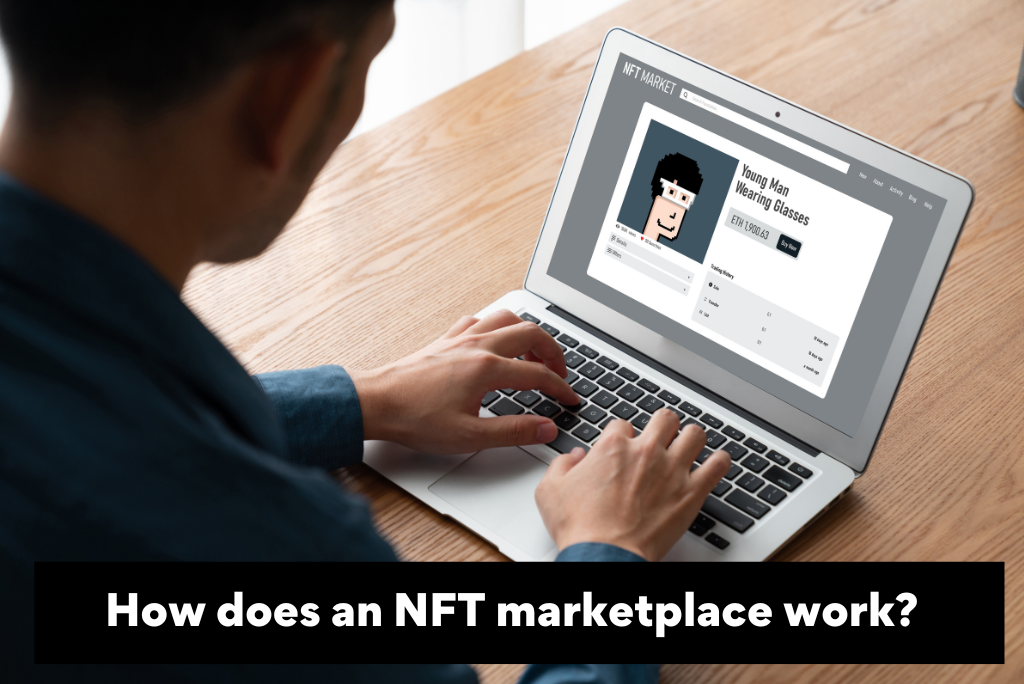
Read Also: Launch your Own NFT Marketplace: A Step-by-Step Guide

Author Bio

Akash Guha is a content writer with a grasp of different web content creation. He has an interest towards writing website content for multiple industries like blockchain, mental health and finance. Also, he is aimed to write simple and easy-to-understand content.
Top 25 NFT Startups to Watch out in 2025

NFTs of non-fungible tokens have become a buzzword in recent times. The term is heard now and then, which gives a clear indication of its craze at present. The popularity of NFTs has been rapidly increasing over the past few years, and they have entered almost every industry with many more in the pipeline. An NFT happens to be a unique digital identifier that cannot be substituted, copied, or divided further. It is recorded in a blockchain which is used for the purpose of certification of authenticity as well as ownership. NFT’s ownership is recorded in a blockchain, and its ownership can be transferred by the owner, thereby allowing NFTs to be traded. 

NFTs happen to be digital files representing photos, audio, videos, or a combination of these. With the rising popularity of NFTs, several businesses are looking forward to hiring NFT development companies or services to make the best use of the trend to benefit their businesses. The craze revolving around non-fungible tokens and the rising demand for the services have opened avenues for several NFT startups. These startups have been doing wonders in the field, and here is the list of the top 25 NFT startups to watch out for in 2024 to give you a better idea.  

1.  Yield Guild

Yield

YGG is a play-to-earn gaming guild, bringing players together to earn via blockchain-based economies. They are the settlers of new worlds in the Metaverse. It is a decentralized autonomous organization (DEO) whose mission is to develop the largest virtual world economy. 

Read Also: All About Utility NFTs, the Unique Tokens With Practical Applications

It aims to achieve its mission by gathering a community of play-to-earn gamers who play to earn and collect token rewards. 

2.  Rarible

Rarible

Rarible provides a marketplace to trade blockchain-secured digital items. What makes this marketplace unique is that it is community-owned, meaning that users have an active voice in deciding the company’s future.Rarible is an Ethereum-based platform that facilitates the creation, sale, and purchase of ownership rights to digital works of art via non-fungible tokens (NFTs).

3.  Nifty’s

Nifty's

Nifty’s adds a new layer to the digital asset world by combining social media with a two-sided marketplace. This has allowed the startup to develop a platform where creators, collectors and curators open accounts and follow one another. The benefit to the users is two-fold: first, they can create a following and use that to trade their assets. Second, they can use the platform to network with other users with similar interests.

4.  Mintable

4

Mintable makes the most of Ethereum’s blockchain technology to enable anyone to create, manage, and sell digital files with all the benefits of provable ownership, immutability, and traceability.

5.  Spores Network

5

Spores brands itself as a cross-chain, DeFi-powered NFT ecosystem. Their governing and utility token, $SPO, which currently has a market cap of around $730K, gives life to the ecosystem by making it easy to fractionalize, mint, manage and trade NFTs.

6.  Verisart

    6       

Verisart employs decentralized technologies to help artists certify, document, and enliven their artworks in a vibrant online community of collectors, galleries and dealers. Their platform is designed for verifiable authenticity, minting NFTs, selling more works, and connecting with collectors.

7.  Vulcan Forged

7

Vulcan Forged is the Fastest Growing NFT Platform Play, build, collaborate, and bring your ideas to life with the fastest growing blockchain game and dApp platform. : Vulcan Forged is a gaming platform that lets players earn digital assets. Instead of focusing on building only one game, the startup has over 10 games with different themes.

8.  Polychain Monsters

  8

Polychain Monsters are beautifully animated cross-chain NFTs with varying scarcity which can be unpacked from booster packs with $PMON, and used in upcoming play-to-earn on-chain games.

9.  Legends Of Crypto

9

CryptoSlam aims to provide ultimate transparency for millions of NFT collectibles across multiple blockchains. As a trusted NFT data aggregator, buyers and sellers rely on CryptoSlam’s data to make purchasing and selling decisions. In addition, NFT creators rely on CryptoSlam’s large user base to help promote their brands and NFT drops.

10.  Charged Particles

10

Charged Particles are Interest-bearing Non-Fungible Tokens (DeFi NFTs) that are minted with an underlying asset and accrue interest over time, giving the Token a “Charge”.  NFT that represents a Sword – the power of that sword could be dependent on the amount of “Charge” the token has. Or perhaps certain items can only be used once they reach a certain level of charge. 

11.  Bitski

11        

Bitski is a platform where users can certify and trade assets. The startup brings the idea of the metaverse one step closer to reality as its system allows users to access assets from any device. The implications around ownership and programmability are the most exciting technical development.

12.  Element NFT Marketplace

12

Element Market is a digital asset exchange. What makes the startup special is that it also serves as an aggregator that gathers and provides information on the value transfer of different NFTs. The First Community-driven Aggregated Marketplace.

13.  MomentRanks

13

MomentRanks, now known as Collective, operates an NFT platform that allows users to manage and trade their digital assets. MomentRank’s competitive advantage is that it targets a niche audience by using its ecosystem only for NBA Top Shot non-fungible tokens. Although NBA Top Shot targets a relatively narrow audience.

14.  Ternoa

14

Ternoa is a decentralized open-source layer 1 that provides a technological stack to build secure and scalable utility NFTs. Ternoa is a blockchain geared toward long term data storage, encryption, and transmission based on different protocols, built on a substrate. its ecosystem already comprises dapps for b2c and b2b use cases. Ternoa, transmit your present to your future.

15.  Own the Moment NFT

15

Own the Moment is the platform, content provider, and community that provides you with everything you need for collecting and investing in NFTs. Everyone needs a strategy for this emerging space and OTM provides you with an experienced partner that empowers you through NFT Discovery, Education, Analysis, and Discussion.

16.  Only1

16

Only1 The first NFT-powered social platform built on Solana, Which helps creators monetize and allows fans to connect with the creators they love in a unique way.— think decentralized Patreon, read more on Create-to-Earn (C2E) here. Mixing social media, NFTs, DeFi, and the native token — LIKE, Only1 offers a web3 solution to creator economy and fan engagement.

17.  OneOf

17

OneOf develops a green NFT platform for music, sports, and lifestyle. Deeply committed to a sustainable and inclusive blockchain future, OneOf is a platform that supports NFTs on multiple energy-efficient blockchains, connecting fans and collectors to iconic musicians, athletes, and brands. 

18.  DoinGud

18

DoinGud is a Web3 ecosystem and set of tools empowering communities to do good. Impact Protocol, NFT Marketplace, NFTickets made with AMOR. They are collaborating and developing with some of the brightest creators, technologists, communities, and blockchain companies to bring to you a next-gen NFT experience.

19.  dotmoovs

19

dotmoovs is a Play2Earn sports competition platform where users can challenge each other and themselves in their favorite sports, by using our AI video referee to score their performance. Players can earn $MOOVs, exclusive NFTs, and other rewards by playing on the mobile app.

20.  AnRKey X

20

AnRKey X is a multi-release DeFi game studio and all-in-one Play to Earn platform powering gamers and creators in the metaverse. It enables a community-owned and fully decentralized gaming economy making it easy for billions of gamers and creators around the world to easily monetize their gameplay, participate in ownership & earn real money.

21.  Decentraland Marketplace

21

Decentraland is creating a virtual world that will grow beyond any centralized control. To accomplish this, we’re building a suite of supporting tools and applications designed to help people create three-dimensional content, games, and applications. 

Read Also: How to Build an NFT Marketplace like Binance?

All of this will be hosted and accessed on a fully decentralized VR platform. Our work touches virtual reality, dApp development, game design, cryptocurrencies, and 3D art and design.

22.  Alien Worlds

22

Alien Worlds is a play-to-earn game that asks you to explore the universe and complete tasks to earn currency. You can also collect assets like weapons, land, and other game NFTs to trade with other players in its gaming marketplace. 

23.  Virtua     

23

Virtua is a gamified metaverse that provides immersive social, web3 gaming, digital collectible, and interactive experiences. Terra Virtua aims to take NFTs even further by letting you interact with your collectibles through AR and VR apps. 

24.  KnownOrigin Labs

24

KnownOrigin is an NFT marketplace for people to buy, sell, and create digital art NFTs. It also hosts numerous NFT drops as well as a subscription list to be notified of future drops. 

25.  Myth.Market

25

Like the trading card shops of old, digital collectible platform Myth.Market houses several NFT collections like the Garbage Pail Kids and William Shatner trading card series. If you’re into trading card collecting, this site is worth a watch.

Closing Thoughts

The NFT startups’ list mentioned above makes it clear about the popularity as well as demand in the field. However, NFT is still a new concept and evolving on a regular basis. The overall market of NFT grew at a dramatic pace from 2020 – 2021. The trading of NFTs in the year 2021 rose to more than 17 billion dollars, up by about 21000 percent over the year 2020’s total of 82 million dollars. The growth is expected to continue further, with no signs of stopping in the near future. So, we need to wait to see how the future shapes NFTs.