Talk to an Expert

Why Fan Tokens Are the New Favorite Tool for Web2 Giants?

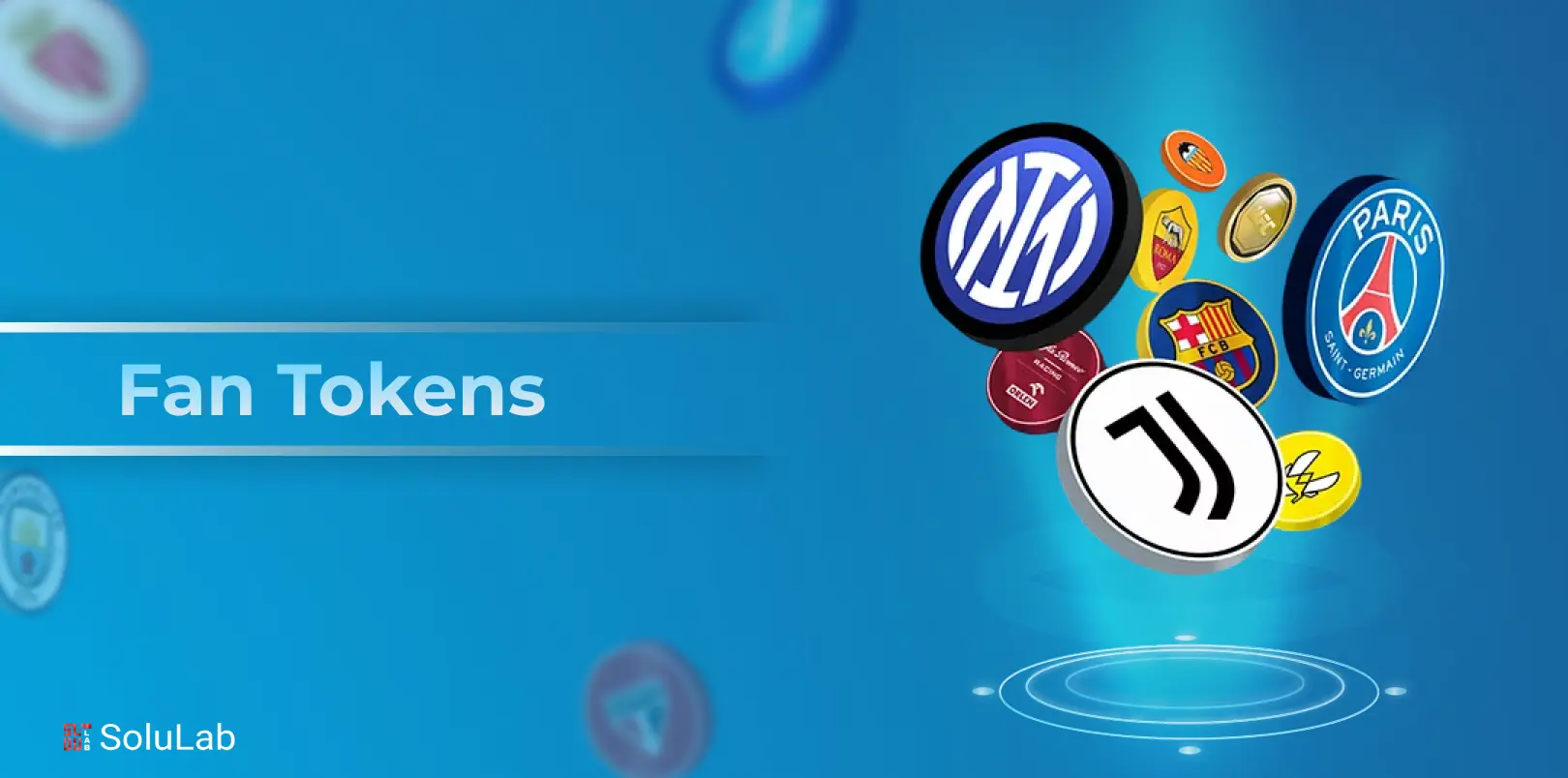
Fan Tokens

Web2 brands are struggling to truly connect with their audiences. Social media algorithms change constantly, data privacy is a growing concern, and engagement often feels one-sided. Fans want more than likes and comments.

Here’s where the frustration kicks in. Traditional platforms limit interaction. Even the most loyal fans are reduced to passive spectators. For brands, this means lost opportunities for deeper loyalty and community-building.

But what if we tell you, that fans can own a piece of the brand experience? That’s exactly what fan tokens in Web3 offer. They’re not just digital coins—they’re keys to access, influence, and connection. 

From sports teams to global fashion houses, major Web2 brands are stepping into Web3 to build vibrant, decentralized communities where fans don’t just follow—they participate. In this blog, we’ll break down why this shift is happening and what it means for the future of engagement.

What Are Fan Tokens?

Fans can purchase, possess, and utilize fan tokens, which are essentially digital badges or special passes, to strengthen their bonds with their preferred brands, sports teams, or celebrities. These tokens are safe, transparent, and may even have actual value because they are based on blockchain technology, unlike standard loyalty points or fan clubs.

Fans now have a new method to express their support, receive special benefits, and occasionally even vote on brand decisions, such as selecting the music for a major event or designing a jersey. They have more power over their digital assets due to these tokens, which are part of a larger movement towards decentralized digital ownership. 

Over 70 major sports teams have integrated these, including FC Barcelona, Paris Saint-Germain, and Manchester City.

A number of fan tokens have stood out in terms of user interaction and market valuation as of April 2025:

Why Fan Tokens Are Getting Popular?

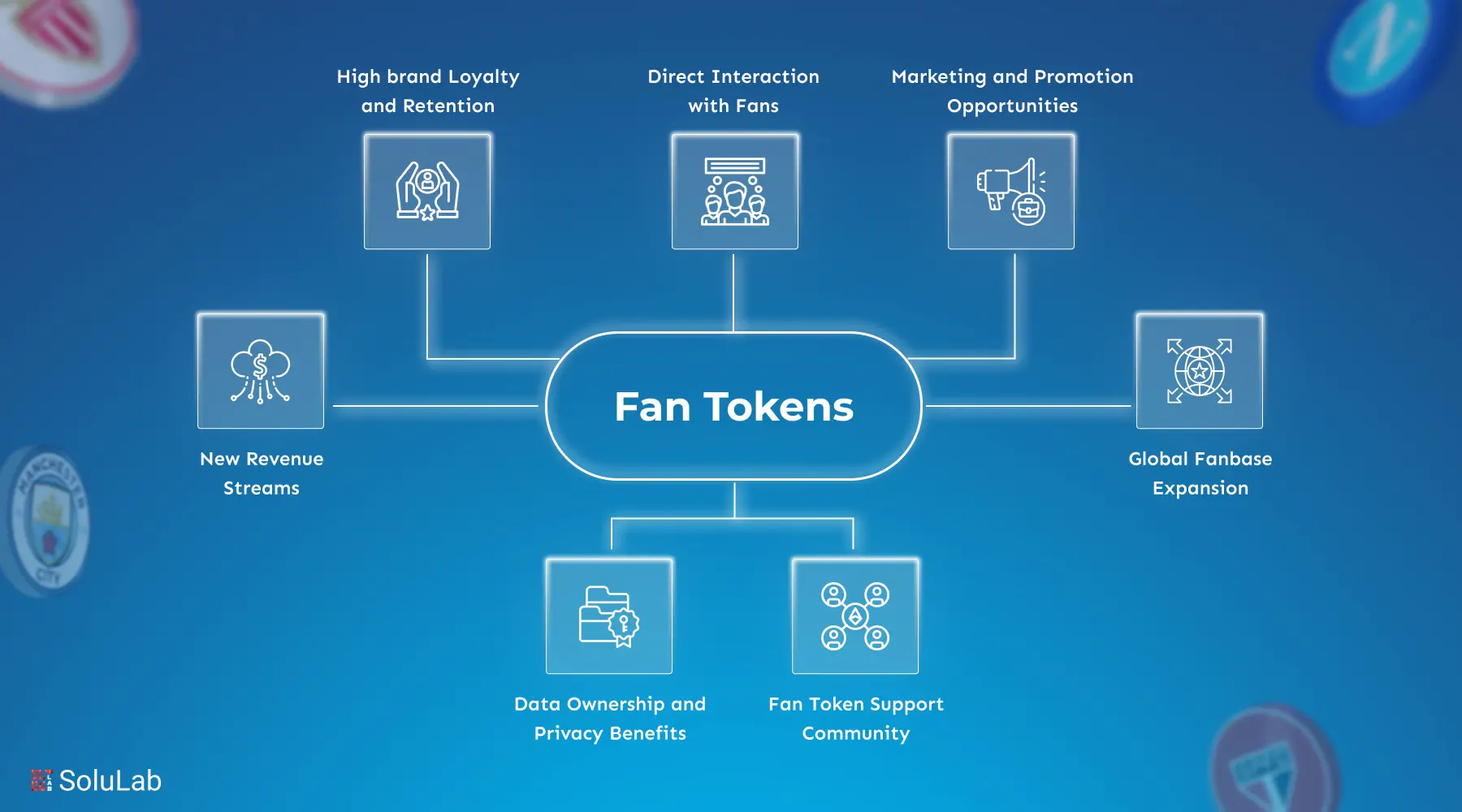
Fan tokens are recently changing the game for brands since they bring additional advantages to interacting with fans. Fan tokens are widely considered important for several reasons.

  • Direct Interaction with Fans: Fan tokens allow brands to connect to their audience personally, without relying on intermediaries. As a result, fans and the brand can have instant exchanges, feel supported, and feel more connected.
  • High Brand Loyalty and Retention: Having tokens makes fans feel connected to the brand and stick with it. There is a bigger chance they will stay, and often engage and endorse the brand.
  • Marketing and Promotion Opportunities: Brands can use fan tokens to design contests and special drops, and give voting powers to fans, all of which help make marketing more lively and productive.
  • Data Ownership and Privacy Benefits: With fan tokens, fans are made owners of their data, which helps earn their trust and shows respect for their privacy.
  • Global Fanbase Expansion: Anyone, anywhere, can use fan tokens because they are stored on the blockchain. By using digital tools, brands can connect with and interact with fans in every part of the world.
  • Fan Tokens Support Community: Fans can take part in community-run discussions through fan tokens, which ensures the fans are part of the process.
  • New Revenue Streams:  Aside from merchandise or services, fan tokens let teams and leagues secure more earnings through selling tokens, giving unique experiences, and entering partnerships in Web3.

How Do Fan Tokens Work?
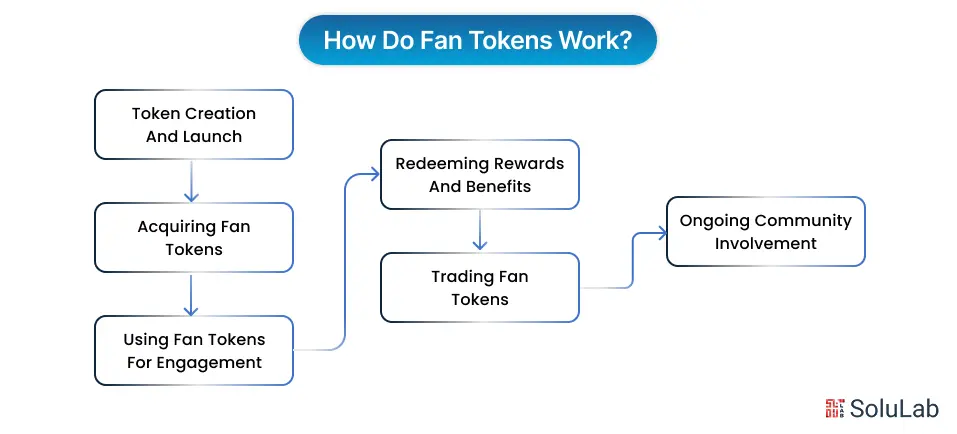
How Do Fan Tokens Work

Here’s a simple way to understand how they work and bring value to both fans and brands:

Step #1. Token Creation and Launch

  • A sports club, artist, or organization partners with a blockchain platform to create its own fan tokens.
  • These tokens are minted (created) as digital assets on a blockchain, making them secure, transparent, and easy to trade.
  • The tokens are usually released through a sale or distribution event where fans can buy or earn them.

Step #2. Acquiring Fan Tokens

  • Fans purchase fan tokens using cryptocurrency or fiat currency on supported exchanges or platforms.
  • Sometimes, tokens are distributed as rewards for loyalty, participation in contests, or promotional events.
  • Once acquired, tokens are stored securely in a digital wallet owned by the fan.

Step #3. Using Fan Tokens for Engagement

  • Fans use their tokens to participate in exclusive polls, votes, and decisions related to their favorite team or artist.
  • Examples include voting on jersey designs, choosing songs for concerts, or selecting matchday experiences.
  • This voting power gives fans a voice and a sense of influence, creating a more interactive community.

Step #4. Redeeming Rewards and Benefits

  • Holding fan tokens can unlock access to special perks like VIP tickets, meet-and-greet opportunities, merchandise discounts, and exclusive content.
  • Some fan tokens provide access to private chats, behind-the-scenes updates, or early access to events.

Step #5. Trading Fan Tokens

  • Since fan tokens are digital assets on the blockchain, they can be bought, sold, or traded on cryptocurrency exchanges.
  • The value of fan tokens fluctuates based on demand, team performance, and fan engagement.
  • This trading aspect creates a marketplace where fans can potentially profit or invest more in their passion.

Step #6. Ongoing Community Involvement

  • Fan token holders form a loyal, engaged community that continuously interacts with the team or brand.
  • Teams often release new tokens, run special campaigns, or update benefits based on community feedback.
  • The ecosystem grows as more fans join, increasing the token’s utility and value.

CTA1

The Future of Fan Tokens

As more brands and sports teams explore Web3, fan token platforms are set to become a key tool for deeper, more interactive fan engagement.

Looking ahead, fan tokens are expected to offer fans more than just voting rights—they’ll provide access to exclusive experiences like VIP events, personalized content, and even augmented reality interactions. With advancements in AI and blockchain technology, these tokens will enable fans to have tailored experiences based on their preferences and past interactions.

Moreover, the integration of Web3 fan tokens into official club apps is on the rise, making it easier for fans to engage with their favorite teams. This integration improves the overall fan experience, allowing for real-time interactions and rewards.

However, the future isn’t without challenges. Market volatility and regulatory uncertainties remain concerns that need addressing. Despite these hurdles, the potential for fan tokens to improve fan engagement is immense. 

Conclusion

Fans want connection, and brands seek loyalty; fan tokens are proving to be a powerful bridge. Major Web2 brands are using this Web3 innovation not just for hype, but because it genuinely changes how they engage with their audience. 

From creating stronger communities to new revenue streams, fan tokens offer a win-win for both sides. As technology continues to grow, we’re likely to see even more creative and meaningful ways these tokens shape brand-fan relationships. If you’re a brand still watching from the sidelines, now might be the perfect time to jump in.

SoluLab, a token development company, can help you create a fan token and offer expert guidance on it. Contact us today to discuss further!

FAQs

1. Are fan tokens the same as NFTs?

Not exactly. While both are blockchain-based, fan tokens usually have utility like voting or access, whereas NFTs are unique digital assets used mostly for collectibles and media.

2. Are fan tokens safe to use?

Fan tokens are generally safe when issued by credible platforms using secure blockchain technology and backed by reliable crypto token development services. However, users should be cautious and do research before purchasing.

3. Can small brands also use fan tokens?

Fan tokens aren’t just for big names—small or niche brands can also leverage a token development solution to build tight-knit communities and increase fan engagement.

4. Which industries are leading in fan token use?

Sports and entertainment industries are leading the charge, but other sectors like fashion, gaming, and lifestyle are quickly catching up.

5. Can fan tokens help brands go global?

Yes, because fan tokens are digital and borderless, they allow brands to reach and engage a global audience more efficiently than traditional methods.
 

Why Tokenization as a Service is Essential for Your Business?

Tokenization as a Service ( TaaS )

Want an easier way to protect sensitive data and meet privacy laws without heavy tech costs? Tokenization as a Service (TaaS) might be your solution.

In 2024, over 93% of companies faced at least one data privacy regulation. More than 60% are planning to invest in tokenization services and data security tools this year. The demand for tokenization finance is rising.

In this guide, you’ll learn how Tokenization as a Service works, where it’s used, why it matters, and how it can protect your digital operations now and into the future. 

What Is Tokenization as a Service (TaaS)?

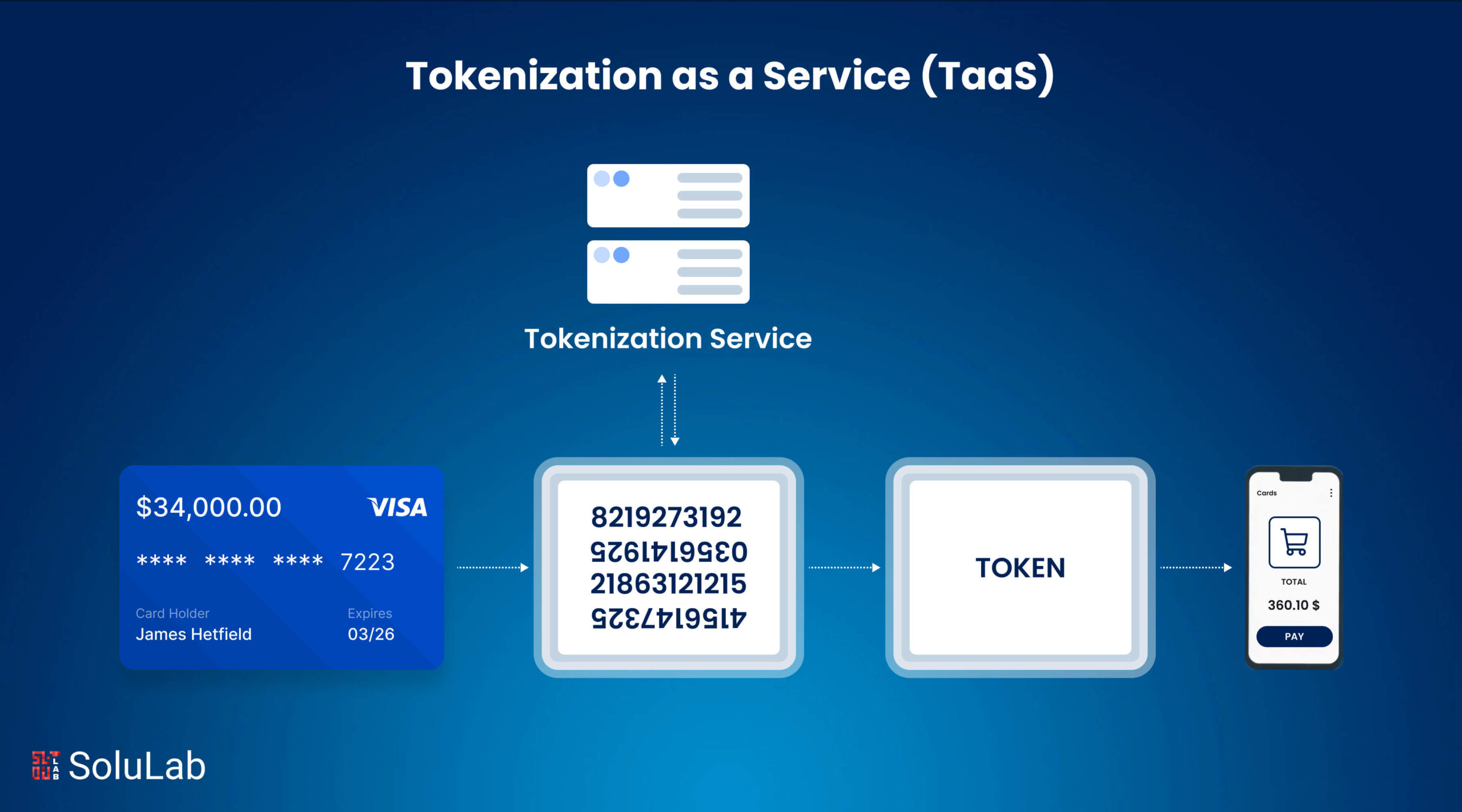
Tokenization as a Service (TaaS) is a simple, cloud-based solution that helps businesses protect sensitive data. It works through APIs to turn private information like credit card numbers or names, into special codes called tokens. These tokens look like real data but are useless if stolen. This keeps the data safe while still letting systems use it for day-to-day operations.

At the core of TaaS is a system that swaps real data for tokens. These tokens can’t be turned back into real information unless someone has access to a secure token vault. This makes data security stronger, especially in areas like compliance, digital payments, and customer privacy.

How Is TaaS Different from Traditional Tokenization?

Old methods of tokenization often needed businesses to build their own systems, manage hardware, and keep up with security rules. That took time, money, and technical skill.

Tokenization as a Service, on the other hand, is outsourced and cloud-based. You don’t need to build anything from scratch. It’s easy to set up, works with your existing systems, and keeps up with compliance requirements automatically. That means lower costs and faster results.

Feature Tokenization as a Service (TaaS)  Traditional Tokenization
Infrastructure Fully cloud-native, no hardware required On-premises setup, complex infrastructure
Deployment Speed Rapid deployment with ready-to-use APIs Slower setup with manual configurations
Scalability Instantly scales with your business Limited scalability, hardware dependent
Cost Efficiency Lower upfront cost, flexible pricing High setup and maintenance costs
Compliance Updates Auto-updated to meet the latest regulations Requires manual audits and updates
Maintenance & Support Handled by expert TaaS providers like SoluLab Requires in-house teams and expertise
Ease of Integration Simple API/SDK-based integration Complex and resource-heavy integration
Security Standards Uses modern vaults, encryption, and access controls Varies, may lack the latest protections
Innovation Potential Built for AI, Web3, and multi-cloud compatibility Hard to adapt to modern digital needs
Long-Term Flexibility Designed to evolve with your tech stack Rigid systems, difficult to upgrade

Why Is TaaS Becoming So Popular in 2025?

Today, businesses face growing threats from data breaches and new rules like GDPR and PCI DSS. At the same time, more companies are moving to cloud-native platforms and apps.

Because of this, Tokenization as a Service is becoming a smart and affordable choice for managing sensitive data. It’s especially useful in fast-moving industries like e-commerce and healthcare, where safety, speed, and flexibility are key.  It is also helping accelerate the adoption of tokenization in financial services.

How Tokenization as a Service Works?

Tokenization as a Service (TaaS) simplifies the process of converting real-world assets into digital tokens on the blockchain. Businesses choose the asset, and the TaaS provider handles everything—from smart contract development and compliance checks to secure token issuance and integration with digital wallets or trading platforms. This plug-and-play model allows you to tokenize assets quickly, securely, and at scale, without needing deep blockchain expertise.

Key Components of a TaaS Platform

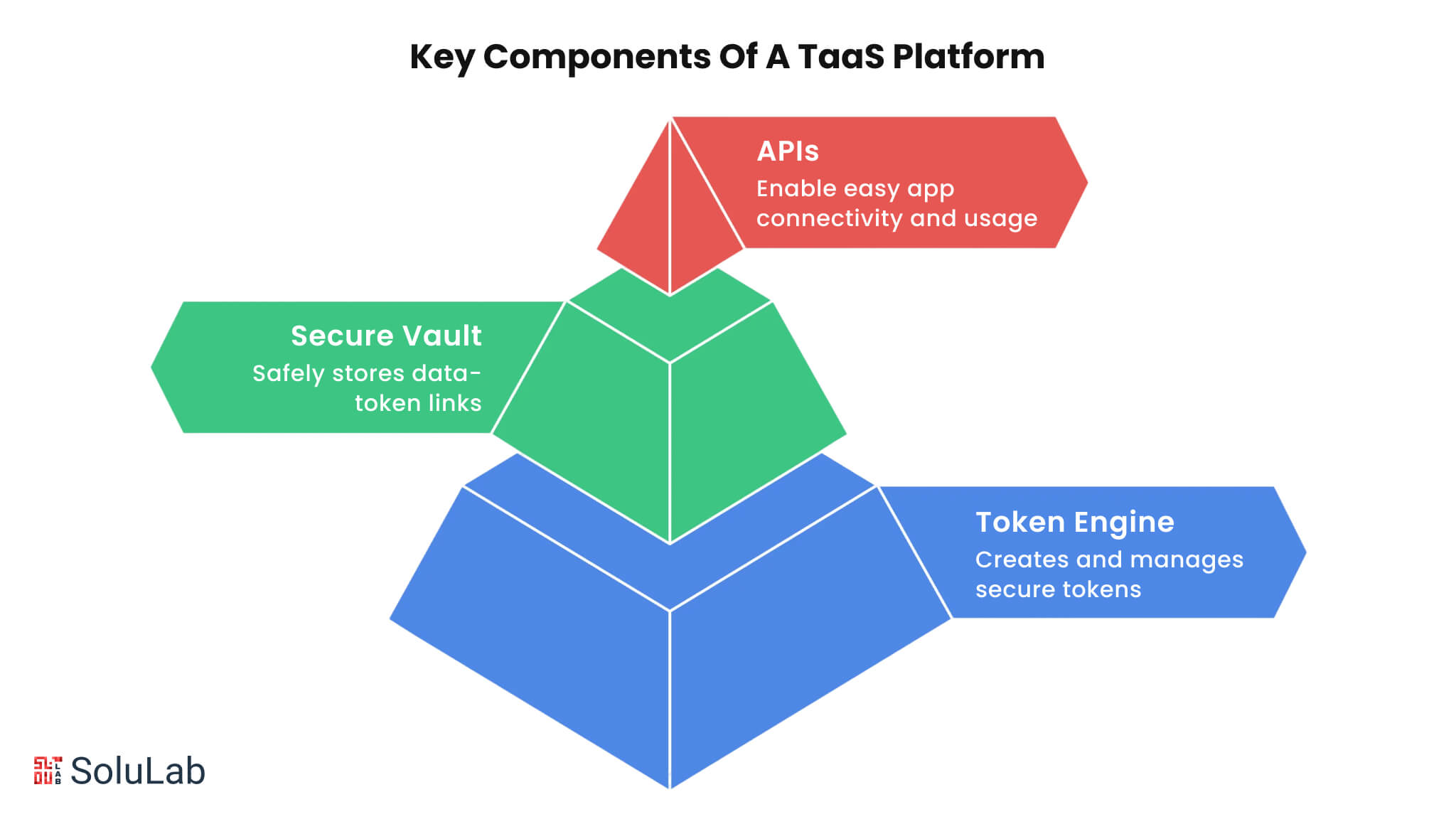
A good Tokenization as a Service platform has three main parts:

  • Token Engine – This creates and manages secure tokens.
  • Secure Vault – This stores the link between the real data and the token safely.
  • APIs – These let different apps connect and use the system easily.

Key Components of a TaaS Platform

These tools work together to keep your data safe and meet compliance standards across different networks and tokenization platforms.

Data Flow and Token Generation

Here’s how the tokenization process works step-by-step:

1. Data is sent through secure APIs

2. It gets turned into a token using encryption

3. The token and real data are stored in a secure token vault

4. Only approved users or apps can access the real data

This setup helps businesses meet rules like PCI DSS, GDPR, and other data security laws. Tokenization frameworks ensure this entire process is modular and secure.

Read Also: Crypto-as-a-Service to Launch Crypto Products

API Integration and Deployment Options

Tokenization as a Service is designed to be flexible and easy to use. Tokenization platforms often offer:

  • REST APIs – Simple tools for connecting apps quickly
  • SDKs and middleware – For easy setup with different software
  • Deployment choices – Run on-premises, in the cloud, or both

These options make it easy for companies to protect data in real time, grow quickly, and stay compliant with privacy rules.

Use Cases of Tokenization as a Service

Tokenization as a Service enables businesses to digitize and trade real-world assets with ease. Common use cases include: 

  • Payment Data Security

With Tokenization as a Service, businesses can safely replace credit card numbers with tokens right when the data is collected. This lowers their PCI DSS requirements and makes regulatory compliance easier and cheaper to manage.

  • Healthcare and HIPAA Compliance

In healthcare, TaaS helps protect private patient data (PHI) by turning it into secure tokens. This keeps information safe and still easy to access, helping organizations follow HIPAA rules without hurting the patient experience.

  • Tokenization in Cloud and SaaS Applications

Cloud-native and SaaS businesses can use TaaS to protect user data without changing how their apps work. It adds strong data security without slowing down development or complicating systems.

  • Blockchain and Digital Assets Tokenization

Using tokenization services on the blockchain makes it easier to buy, sell, or own parts of things like real estate, art, or digital collectibles. It improves liquidity and lets more people invest through fractional ownership. This includes RWA tokenization of traditional physical assets.

Read Also: Silver Tokenization Platform Development

Benefits of Tokenization as a Service

Tokenization as a Service offers a fast, secure, and scalable way to digitize assets. It reduces time-to-market, lowers development costs, enhances asset liquidity, enables fractional ownership, and ensures regulatory compliance—all without needing deep blockchain expertise. Some of them are:

  • Enhanced Security and Compliance

TaaS helps protect sensitive data using strong encryption, access controls, and a secure token vault. This boosts data security and makes it easier for businesses to meet compliance rules in different countries.

  • Scalability for Enterprises

TaaS platforms are designed to handle millions of transactions at once. This means businesses can grow fast without slowing down or facing system issues.

  • Reduced PCI DSS Scope

By using TaaS, companies don’t need to store sensitive information themselves. This lowers their PCI DSS compliance requirements and reduces the risk of data leaks.

  • Faster Setup and Lower Costs

TaaS is easy to set up and doesn’t need heavy tech infrastructure. It cuts down development time and costs, letting businesses focus on what they do best. You can rely on a token development company or asset tokenization development company to support integration and scaling.

Key Players and Platforms Offering TaaS

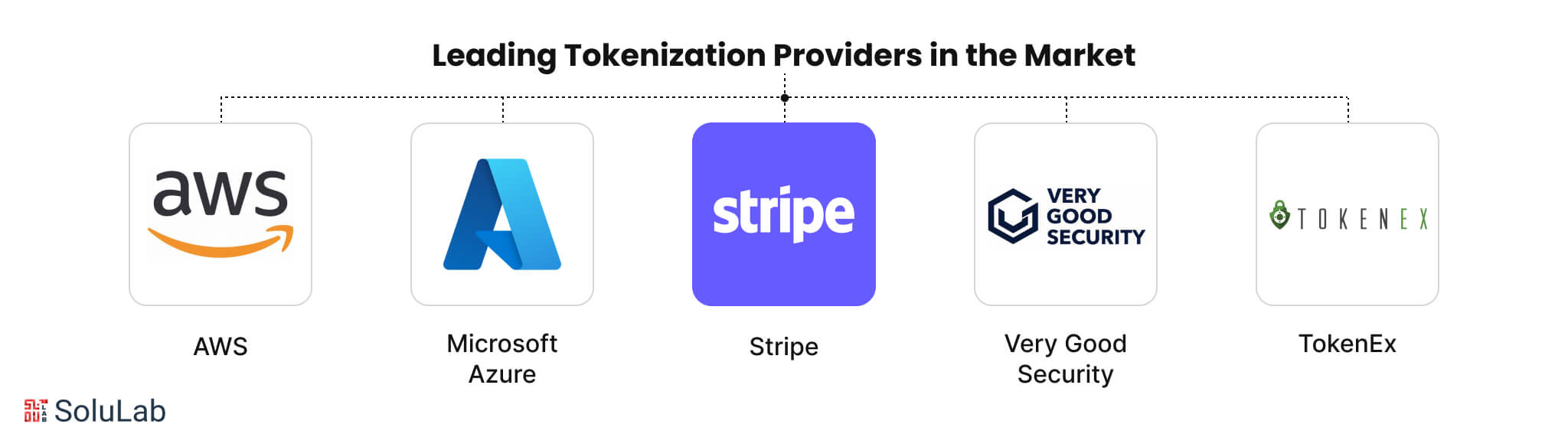
Some of the top companies offering enterprise-ready Tokenization platforms include:

Leading Tokenization Providers in the Market

1. AWS and Azure-based solutions

2. Microsoft Azure

3. Stripe

4. Very Good Security (VGS)

5. TokenEx

These providers offer strong data security, reliable performance, and help with compliance standards like PCI DSS and GDPR.

Open-Source vs Proprietary Solutions

There are two main types of tokenization frameworks:

  • Proprietary solutions (like Stripe or VGS) give you full support, better security, and ongoing updates.
  • Open-source platforms are more flexible and often lower in cost, but they require more setup and tech skills.

How to Choose the Right TaaS Provider?

When picking a platform, look at:

  • Compliance support (like PCI DSS and GDPR)
  • Easy API integration
  • Flexible deployment (on-prem or cloud-native)
  • Cost and ability to grow with your business (scalability)

Choose a provider that fits your needs today and can scale as you grow. A reliable token development company can help you evaluate each option.

Read Also: AI Tokenization For Asset Ownership

Regulatory and Compliance Considerations

Tokenization must align with local and international regulations. Key considerations include:

  • GDPR and Data Privacy

TaaS helps businesses follow GDPR rules by reducing how much personal data they collect and store. It supports privacy by design, which means privacy is built into every step of your process.

  • PCI DSS Requirements

With Tokenization as a Service, sensitive payment data is stored securely by the provider, not your system. This makes PCI DSS compliance easier and lowers your security risks.

  • Regional Compliance Challenges

Each country has its data privacy laws. TaaS gives you flexible tools to meet different compliance needs across industries and regions, especially where tokenization in financial services is in focus.

The Future of Tokenization as a Service

Tokenization as a Service is set to revolutionize asset ownership, making markets more accessible, liquid, and efficient. As blockchain adoption grows, TaaS will drive innovation across real estate, finance, and supply chains, offering seamless integration, cross-border compliance, and broader investor participation.

  • AI-Powered Tokenization

New TaaS platforms are using artificial intelligence to automate token generation and assess risks in real-time. This makes systems smarter and more secure.

  • Evolving Regulatory Standards

Data protection laws are always changing. Top TaaS providers stay updated on compliance across different regions and help your business keep up.

  • Interoperability Across Platforms

Future-ready systems will support token exchange between Tokenization platforms. This makes it easier to integrate TaaS across your tech stack.

Tokenization Development Company

Conclusion

Tokenization as a Service gives you a secure, flexible, and low-cost way to protect sensitive data. It works well for industries like eCommerce, healthcare, and tokenization in financial services where data security and compliance are a must.

SoluLab, a leading name for tokenization platform development, is a professional service provider with a proven track record. The team of financial and blockchain experts is working 24/7 to render market-driven solutions. Not just development, there are consulting and strategy development experts to analyze your business for successful yet easy integration.

Looking to add AI agents or smart automation to your online store? SoluLab can help you set up easy!

FAQs

1. What kinds of assets can my business tokenize?

Almost anything of value can be tokenized: real estate, commodities, intellectual property, equity, invoices, and even loyalty points or revenue streams.

2. Who should use Tokenization as a Service?

Ideal for e-commerce, healthcare, finance, and cloud-native apps handling private or payment data.

3. Is TaaS easy to integrate?

Yes, most providers offer simple API integration that works with both old and new systems.

4. Can Tokenization as a Service support large enterprise workloads? 

Yes. Most modern tokenization platforms scale for enterprise-level needs with the help of an experienced asset tokenization development company.

5. Can small or medium businesses use Tokenization as a Service?

Absolutely. TaaS is scalable and cost-effective, making it ideal for startups, SMEs, and enterprises looking to digitize and monetize assets efficiently.


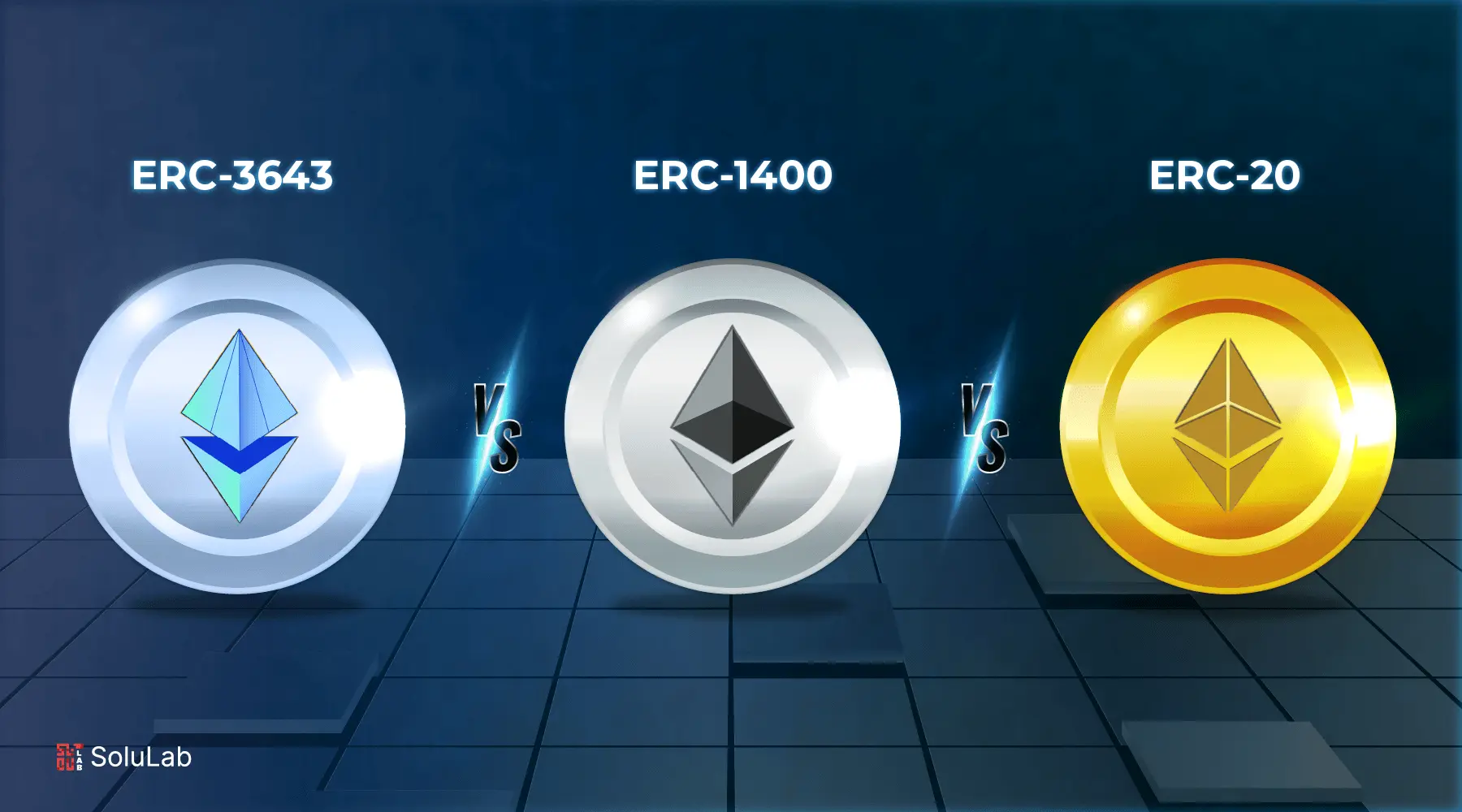
ERC-3643 vs ERC-1400 vs ERC-20: Best Token Standard?

ERC-3643 vs ERC-1400 vs ERC-20

Why can we stream a movie in seconds, but still need weeks of paperwork to invest in property or art? As technology reshapes every corner of our lives, the way we own and trade assets is finally catching up. Asset tokenization is making it possible to digitize everything from real estate to private equity, offering more people a chance to invest in markets that were once out of reach.

And it’s not just a trend. In 2025, the global value of tokenized assets topped $2.1 trillion, and experts project it could climb past $7 trillion by 2030. This rapid growth drives demand for token standards supporting compliance, security, and real-world ownership. Although ERC20 laid the path, more recent standards like as ERC1400 and ERC3643 are taking over to address the intricate requirements of regulated assets.

One reason ERC3643 is gaining traction is its use of a decentralized identity framework (ONCHAINID), which allows only verified users to hold or transfer tokens. That makes it a strong fit for financial institutions and regulated markets where compliance isn’t optional.

In this blog, we’ll explore the key differences between ERC20, ERC1400, and ERC3643, and help you decide which one is best suited for your tokenization goals. So, let’s get started!

Overview of ERC Token Standards

Ethereum has established itself as the preeminent blockchain for the creation of digital assets. Central to this system are ERC (Ethereum Request for Comment) standards and technical specifications that guarantee tokens function uniformly and reliably inside the Ethereum ecosystem.

Each ERC standard fulfills a distinct function. By creating the first standardized architecture for fungible tokens, ERC-20 made it easier for wallets and exchanges to trade and operate together. NFTs were based on the ERC-721 architecture, which gave each token a unique identity. 

New standards have been developed to support permissioned tokens as blockchain technology moves into regulated and commercial contexts. Developers are currently emphasizing token standards for real-world assets (RWAs) with practical applications in consideration. ERC-3643 has garnered attention for enhancing compliance and modular design in tokenized securities, real estate, and other physical or regulated assets.

Ultimately, ERC standards are the foundation of asset tokenization. Tokenization, whether denoting fractional ownership in real estate, equity in a business, or gold reserves, depends on these criteria to guarantee confidence, liquidity, and usefulness.

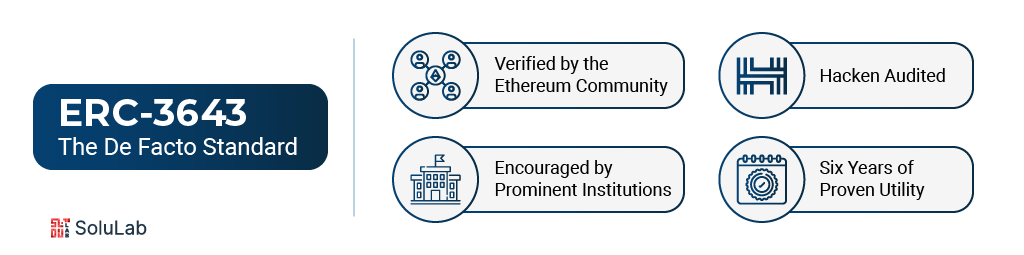
About ERC-3643: The De Facto Standard

ERC-3643 Token

ERC-3643 has become one of the few standards that has really shown its worth in the real world and on paper when it comes to significant, enterprise-ready tokenization. This protocol has the support, track record, and technical depth to be relied upon at scale, in contrast to many others that are still becoming established. 

ERC-3643 is the standard that most teams are using, regardless of whether they are developing for regulated markets or seeking a compliant method to add real-world assets to the chain. This is the reason:

  • Verified by the Ethereum Community: This standard has earned the trust of EVM developers and is regarded as a mature, production-ready protocol, holding the title of “Final” in the Ethereum ecosystem.
  • Hacken Audited: The ERC3643 token standard’s technical integrity is shown by its perfect 10/10 audit score, which also demonstrates its solid security basis for managing valuable digital assets.
  • Encouraged by Prominent Institutions: To promote the implementation of ERC-3643 worldwide, Apex Group, Invesco, Aztec, CMS, DLA Piper, and Polygon have teamed together under a charity.
  • Six Years of Proven Utility: ERC-3643 tokens are a reliable choice for enterprise-grade tokenization because of the standard’s strong track record, which has enabled the tokenization of more than $28 billion in assets.

Deep Dive on ERC-20 Token Standard

ERC-20 Token

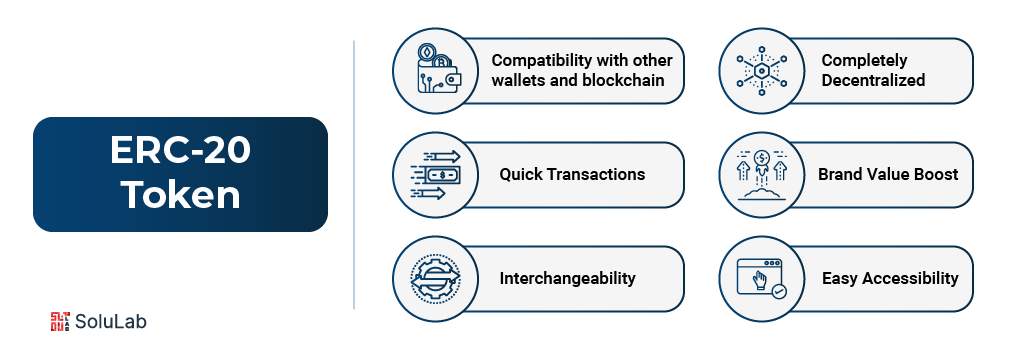
ERC-20 is definitely the most fundamental of all Ethereum token specifications. Launched in 2015, it established the foundation for the bulk of currently circulating tokens, including USDC, Chainlink, and several governance tokens with which you may have interacted. 

The significance of ERC-20 lies not just in its extensive usage but also in its adaptability throughout time.

  • Initially, ERC-20 mostly facilitated utility and payment tokens. Currently, it has considerable importance in more regulated areas, such as real estate tokenization, where fractional ownership of property may be represented as ERC-20 compatible tokens. These tokens facilitate investor access to high-value assets and enhance liquidity in a typically illiquid market.
  • Considering the development of newer standards, ERC-20 remains effective in several institutional applications. Although it lacks inherent support for KYC or transfer limitations, developers frequently construct compliance layers atop it, particularly when utilizing it as a token standard for RWA tokenization. Its extensive ecosystem support renders it a viable option for connecting traditional assets with blockchain, applicable to commodities, funds, or debt instruments.
  • In addition to banking, ERC-20 tokens are now integrated into several domains, including supply chain applications and gaming economies. The protocol’s uniform functionality across smart contracts enables developers to concentrate on innovation without concerns regarding compatibility challenges.

In summary, ERC-20 not only influenced the first token economy but also continues to grow alongside it. Its equilibrium of simplicity, adaptability, and extensive endorsement renders it a fundamental component in the continuous development of tokenized ecosystems.

Understanding ERC-1400 Token Standard

ERC-1400 Token

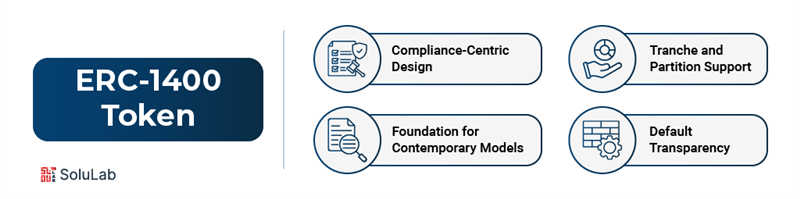
As blockchain technology advances, the demand for compliance-oriented token frameworks has intensified, particularly for regulated financial products. ERC-1400 is precisely where it becomes relevant. The ERC-1400 token standard is designed to accommodate security tokens and institutional-grade assets. It was crafted to satisfy the requirements of organizations that cannot forfeit either flexibility or legal integrity.

  • Compliance-Centric Design: The ERC-1400 token standard enables issuers to implement regulations such as investor eligibility, lock-up durations, and jurisdictional access directly via smart contracts while maintaining interoperability with Ethereum.
  • Tranche and Partition Support: In contrast to ERC-20, ERC-1400 may administer several share classes or asset sectors within a singular token contract, rendering it suitable for structured products and fund administration.
  • Default Transparency: The standard facilitates on-chain documentation, enabling issuers to directly associate legal agreements or investor disclosures with tokens, guaranteeing openness for all stakeholders.
  • Foundation for Contemporary Models: Numerous advancements in smart contracts in ERC-3643 are predicated on the concepts established in ERC-1400, although they offer enhanced flexibility for permissioned, enterprise-level tokenization across several jurisdictions.

Read Also: Fan Tokens

Key Differences Between ERC-3643, ERC-1400, and ERC-20

Understanding how different Ethereum token standards work and where they shine can help teams choose the right framework for their use case. Whether you’re building a tokenized fund, launching a regulated asset, or just need a simple, interchangeable token, here’s how ERC-3643, ERC-1400, and ERC-20 compare across key areas:

Feature/Aspect ERC-20 ERC-1400 ERC-3643
Primary Use Case Basic fungible tokens, DeFi projects Security tokens, regulatory compliance Permissioned tokens for institutional RWA
Compliance Support None Built-in identity and transfer restrictions Advanced compliance with modular permissions
KYC/AML Integration Not supported Supported (via identity modules) Mandatory and embedded in the transfer logic
Ownership Not available Supported (tranches) Fully Supported
Legal Document Attachment Not supported Yes – via on-chain data references Yes – modular legal and compliance documentation
Permissioned Transfers No Yes – rule-based transfers allowed Yes – dynamic, rule-enforced smart contracts
Modularity Very limited Moderate High – supports customizable compliance modules
Ethereum Compatibility Fully EVM-compatible Fully compatible Fully compatible
Track Record Active since 2015 Used in select institutional pilots Used to tokenize over $28B across 6 years
Best Fit For Utility tokens, basic applications Regulated securities, tokenized funds Regulated real-world asset tokenization efforts

Which Token Standard Is Best for Asset Tokenization?

Let’s be honest, there’s no “perfect” token standard that fits every project. It really depends on what you’re building and who it’s for. If you’re tokenizing real-world assets like real estate, equity, or even carbon credits, the standard you choose plays a huge role in how compliant, flexible, and scalable your solution ends up being.

For simple use cases, like digital art or collectibles, ERC-721 and ERC-1155 are still great choices. They’re widely supported by most NFT marketplace platforms, and they’re easy to work with if your focus is on user experience, not heavy regulation. But if you’re getting into the world of institutional finance or regulated markets, you’ll likely need something a bit more robust.

That’s where standards like ERC-1400 and ERC-3643 shine. These were designed with compliance in mind. You can build in things like KYC, permissions, identity checks, and legal ownership frameworks, all on-chain. So if you’re issuing tokenized shares in a company or fractionalizing real estate under regulatory oversight, these standards give you the control and credibility you need.

Of course, choosing the right framework isn’t something you want to wing. This is where working with a solid token development company really pays off. The right team can help you navigate the tech stack, stay compliant, and ensure the tokens you’re building today won’t cause problems tomorrow.

CTA2

Wrapping Up

Asset tokenization is changing how we think about ownership, access, and investment. Whether it’s real estate, equities, or digital art, choosing the right token standard sets the tone for compliance, usability, and long-term success. ERC-20, ERC-1400, and ERC-3643 each bring something different to the table, and understanding those differences is key to launching a secure and scalable asset-backed project.

At SoluLab, we’ve worked closely with emerging Web3 ventures and enterprises as a trusted tokenization platform development company. One example is Token World, a premier crypto launchpad designed to help blockchain projects connect with investors. The platform combines an intuitive project listing interface with essential funding tools to support promising blockchain ideas from day one.

If you’re exploring asset tokenization or planning your next token-based venture, now’s the time to get your foundations right. Reach out to our team today!

FAQs

1. Why do token standards matter in asset tokenization?

Token standards define how tokens behave on the blockchain. In asset tokenization, this matters because you’re dealing with ownership, legal rights, and often real-world regulations. The right standard helps ensure tokens are transferable, secure, and compatible with wallets and exchanges, all while meeting compliance needs.

2. Is ERC-20 still relevant for modern tokenization projects?

Yes, but mostly in simpler or unregulated environments. ERC-20 is great for basic fungible tokens, like loyalty points or in-game currency. But when your project involves investor protections, legal documentation, or access control, you’ll likely need something more advanced like ERC-1400 or ERC-3643.

3. What makes ERC-3643 different from older token standards?

ERC-3643 was built with institutions in mind. It supports things like permissioned access, identity verification, and dynamic compliance rules directly through the smart contract. This makes it far more flexible and secure for handling real-world assets in a regulated environment.

4. Do I need KYC if I’m launching a tokenized asset platform?

If you’re dealing with real estate, securities, or anything involving investor funds, the answer is almost always yes. KYC ensures only verified users can participate and protects you legally. That’s why many modern token standards now include KYC functionality natively.

5. How do I choose the right token standard for my project?

Start by asking who your users are and what regulations apply to your asset. If you’re targeting open DeFi users, ERC-20 or ERC-1155 might work. But if you’re dealing with regulated assets or investor capital, you’ll want a standard that can handle compliance out of the box, like ERC-1400 or ERC-3643.