Talk to an Expert

The 15 Best NFT Art Marketplace Websites

The 15 Best NFT Art Marketplace Websites

In the world of digital creativity and ownership, Non-Fungible Tokens (NFTs) have emerged as the revolutionary force redefining how we perceive and interact with art. At the heart of this transformative movement are NFT Art Marketplace Websites, the virtual galleries of the future. These NFT websites serve as the nexus where artists, collectors, and enthusiasts converge to explore, trade, and celebrate the boundless world of digital art.

In this exploration of the vibrant NFT ecosystem, we embark on a journey to uncover the very best. From the pioneers who set the stage to the rising stars shaping the technology, these NFT sites stand as the epitome of innovation and creativity. Join us as we delve into the intricacies of NFT Art Marketplace Websites, navigating through the diverse offerings, unique features, and the dynamic fusion of blockchain technology and artistic expression.

What defines the best in the realm of NFT Marketplaces? Is it the user interface that seamlessly guides creators and collectors? The innovative revenue models that balance the scales for both artists and investors? Or perhaps the commitment to security and authentication features that safeguard the integrity of digital assets?

As we embark on this exploration, we’ll unravel the stories behind each platform, each marketplace contributing to the ever-evolving narrative of digital art ownership. From the recognized leaders such as OpenSea to the unique offerings of platforms like BakerySwap, we aim to showcase the diversity, creativity, and unprecedented opportunities that define the best NFT Art Marketplaces.

What is NFT?

In the world of digital creativity, the advent of Non-Fungible Tokens (NFTs) has ushered in a transformative era for artists, collectors, and enthusiasts alike. This introduction serves as our gateway into the dynamic world of NFT Art Marketplace Websites, where innovation converges with artistic expression, and the traditional boundaries of ownership are redefined. Join us on a journey into the heart of the NFT websites revolution, where pixels become art, and ownership takes on an entirely new dimension.

  • Rise of NFTs in the Art World

The art world has undergone a transformative shift with the meteoric rise of Non-Fungible Tokens (NFTs). These unique digital assets have disrupted traditional notions of art ownership and transactional mechanisms. The intersection of blockchain technology and digital art has given birth to a new era, where creators and collectors engage in a decentralized, transparent marketplace.

  • Significance of NFT Art Marketplaces

NFT Art Marketplaces serve as the nexus where artistic innovation converges with technological prowess. NFT Marketplace platforms offer artists unprecedented opportunities for monetization, empowering them to tokenize their work and establish direct connections with a global audience. Simultaneously, collectors gain access to an expansive, diverse array of digital art, securely authenticated and stored on the blockchain.

  • Overview of the Top 15 NFT Art Marketplaces

In navigating the dynamic landscape of NFTs, it’s essential to highlight the platforms that have emerged as industry leaders. These top 15 NFT Art Marketplaces, each with its unique features and contributions, collectively shape the narrative of digital art ownership and exchange.

Top 15 NFT Art Marketplaces

Embark on a curated journey through the virtual galleries that stand at the pinnacle of the NFT website’s art movement. The Top 15 NFT Art Marketplaces, each with its unique offerings and contributions, take center stage in this section. From the well-established giants to the rising stars, we explore the diverse ecosystems that have reshaped the way we buy, sell, and appreciate digital art. Get ready to discover the platforms that define the forefront of the NFT art revolution.
1. OpenSea

OpenSea, renowned as one of the pioneers in the NFT space, stands out for its user-friendly interface and extensive collection of digital assets. Artists and collectors converge on OpenSea to explore, trade, and discover NFTs across various categories, from digital art to virtual real estate.


$90-$95


101-250


2017


Warner Music Group, Aramco

2. Origin Story

Origin Story, the premier NFT art marketplace, collaborates with top collections for an exclusive experience. Enjoy comprehensive analytics, showcasing holder distribution and prominent holders, along with aggregated volume metrics for NFT collections across major marketplaces. Partnered with elite groups like Pudgy Penguins, Karafuru, Moonrunners, and more, Origin Story ensures a fraud-free environment, permitting only legitimate NFTs from a collection.


$50-$70


10-49


2018


Forbes, Fox

3. Rarible

Rarible distinguishes itself through its decentralized approach and commitment to supporting artists. The platform empowers creators to issue their custom-branded tokens, enabling them to retain royalties on secondary sales. Rarible’s decentralized autonomous organization (DAO) further enhances community engagement and decision-making.


$55-$90


51-100


2020


Adobe, Immutable X
4. GameTrade

GameTrade, the premier NFT art marketplace, caters to gamers and seasoned traders, offering cutting-edge communication features for a seamless trading experience within virtual metaverses. With automatic buying and selling price tracking, buyer-seller communication, and item trading among customers, GameTrade also provides professional traders with multiple accounts, streamlining their trading endeavors. Utilizing blockchain technology, all transactions are securely safeguarded, ensuring items can only be transferred with the owner’s permission.


$14-$54


11-50


2014


Meta, Apple
5. Mintable

Mintable has gained popularity for its user-friendly features, making it accessible to both creators and collectors. The platform enables creators to mint NFTs without coding knowledge, expanding the reach of digital art creation. Mintable’s commitment to accessibility and ease of use makes it a preferred choice for emerging and established artists.


$25-$50


11-50


2018


Airbnb, Sony, Nintendo
6. Foundation

An invite-only best NFT art marketplace is Foundation. A creator who has previously posted work on the site must invite you to list your best NFT art marketplace. You get 10% royalties for each subsequent sale of your NFTs, which can be sold on OpenSea and Rarible. Each deal on the site is subject to a 15% commission fee. It is less well-known than the other marketplaces.


$55-$90


10-49


2020


Fedex, KraftFoods

7. SuperRare

A curated platform is called SuperRare. It only collaborates with a select group of carefully chosen artists. The primary focus of SuperRare is on premium single-edition art NFTs. Only 1% of the applications from artists are accepted. The buyer pays the transaction fee, which is 3% of the sale price. For each sale, the site levies a 15% commission fee.


$25-$50


25-99


2018


Google, Gucci, STARZ
8. Nifty Gateway

Nifty Gateway is another particular NFT art market. It also hosts NFTs built on Ethereum. Acceptance into Nifty Gateway’s carefully curated collections is difficult. They collaborate with well-known musicians, including Steve Aoki, Beeple, and Grimes. They also stage NFT collaborations with famous people, such as the one with Paris Hilton and artist Blake Kathryn. Therefore, unless you’re incredibly well-known, getting accepted for the curated drops is very tough. On Nifty Gateway, there are also verifiable drops, though. The permission procedure is also necessary here, but it is laxer. Each sale has a 5% commission fee from Nifty Gateway. Artists are free to choose their remuneration for subsequent sales.


$55-$90


11-50


2017


Samsung, J2 Global

9. Makersplace

You require an invite from a member of the Makersplace group to list your NFT art marketplace. A 15% commission is incurred every time you make a sale. All secondary sales result in a 10% royalty payment to the seller. Ethereum is not required for payment; credit cards are accepted.


$45-$89


11-50


2016


Binance, Coinbase, Kraken
10. KnownOrigin

Similar to SuperRare, KnownOrigin concentrates on rare and best NFT marketplace for art. It deducts 15% commission fees from each sale and gives the NFT creator 85% of the proceeds. All secondary sales generate a 12.5% royalty. Most of the popular NFTs are created and sold on the Ethereum blockchain. In this article, we concentrated on the marketplaces that host Ethereum-based NFTs. Many other marketplaces allow creators to sell their NFTs based on different blockchains. Some notable ones are the Binance NFT art marketplace for NFTs created on the Binance Smart Chain, AtomicHub for Wax-based NFTs, and Solanart for NFTs built on the Solana blockchain.


$55-$99


11-50


2020


Amazon, Mitsubishi
11. Solanart

The Ethereum blockchain is used to build and trade most of the well-known best NFT marketplace for art. Because of this, we focused on the marketplaces that house Ethereum-based NFTs in this study. There are numerous additional marketplaces where developers can sell NFTs based on various blockchains. The Binance NFT marketplace for NFTs developed on the Binance Smart Chain, AtomicHub for NFTs based on wax, and Solanart for NFTs developed on the Solana blockchain are a few famous examples.


$72-$450


11-50


2021


Visa, American Express, Mastercard
12. DecentraLand

In the decentralized virtual world, Decentraland, you can build and sell goods you make and now own. Various digital assets, including wearables, estates, names, etc., are available on this best NFT marketplace for art. In Decentraland, you may purchase and sell virtual properties, give them your touches, and save them in an Ethereum-based smart contract.


$120-$200


11-50


2017


Apple, Microsoft, Intel
13. NBA Top Shots

Launched in 2020, NBA Top Shot is a well-liked marketplace operated by the NBA. You can purchase their unique NBA highlights and acquire them as digital collectibles. Additionally, this best NFT marketplace for art offers a certification that grants the purchaser ownership rights and guarantees the validity of that singular moment.


$75-$90


10-49


2020


Zara, H&M
14. BakerySwap

On the Binance Smart Chain, BakerySwap is an automated marketplace & decentralized exchange (BSC). It makes use of a local BakerySwap token (BAKE). This best NFT marketplace for art is a multi-purpose cryptocurrency hub that provides non-fungible tokens, a crypto launchpad, and several decentralized finance (DeFi) services. Additionally, you can utilize NFTs in “Combo Meals” to get additional BAKE tokens.


$25-$50


11-50


2020


Airbnb, Nintendo
15. Async Art

A non-fungible token art market called Async was established in February 2020. You can manufacture your NFT tokens using this best NFT art marketplace development and purchasing and trading NFTs. The NFT platform also makes it simple for artists to specify the appearance and behavior of their works of art.


$45-$55


11-50


2020


T-Mobile, World Wide Web Consortium (W3C)

Read Our Blog Post: Top NFT Development Companies

Unique Features of Each NFT Art Marketplace

In the digital symphony of NFT Art Marketplaces, each platform plays a unique note. Dive deep into this section to explore the distinctive features that set apart every marketplace on our list. From special offerings and community engagement features to groundbreaking integrations with emerging technologies, discover the elements that make each platform a vibrant and essential part of the NFT site’s world.

  • Special Offerings

Each NFT Art Marketplace has distinctive features that set it apart. For instance, NBA Top Shot offers licensed sports moments as NFTs, attracting sports enthusiasts and collectors seeking a unique digital collectible experience. These special offerings contribute to the diverse appeal of the NFT website’s ecosystem.

  • Community Engagement Features

Community engagement is a hallmark of successful NFT Art Marketplaces. Platforms like BakerySwap actively encourage user participation through community-driven initiatives, governance mechanisms, and collaborative decision-making. The integration of community engagement features fosters a sense of belonging among users, enhancing the overall experience.

  • Integration with Emerging Technologies

Certain marketplaces, like Portion, embrace emerging technologies to enhance user experiences. Integration with virtual and augmented reality (VR and AR) creates immersive interactions with digital art, offering users a novel way to engage with NFTs. The exploration of these technologies contributes to the forward-thinking nature of NFT Art Marketplaces.

Artist Success Stories

Behind every digital masterpiece lies the journey of an artist who has harnessed the power of NFT Art Marketplaces. In this section, we showcase the success stories of artists who have thrived in the NFT ecosystem. Their narratives, challenges, and triumphs serve as inspiration for aspiring creators, shedding light on the transformative impact of digital art ownership on the artistic community.

  • Profiles of Successful NFT Artists

The success of artists within NFT Art Marketplaces is a testament to the transformative impact of digital art ownership.

  • Their Journeys on NFT Art Marketplaces

Exploring the journeys of successful Non-fungible token artists sheds light on the diverse avenues of creative expression within these marketplaces. From the initial minting of NFTs to building a dedicated following, artists navigate a unique path that reflects the evolving landscape of digital art.

  • Impact on the Artistic Community

The rise of NFT art has created a ripple effect within the artistic community. As artists gain autonomy over the monetization of their work, traditional notions of gallery representation are challenged. The NFT art movement has inspired collaborative projects, community-driven initiatives, and a redefinition of the artist-collector relationship.

Tips for Buying and Selling NFT Art

Navigating the NFT art marketplace requires a set of strategic insights. This section provides valuable tips for both buyers and sellers, offering guidance on effective navigation, evaluating authenticity, and understanding the intricacies of smart contracts. Whether you’re a seasoned collector or a budding artist, these tips are your compass in the digital sea of NFT sites.

  • Navigating the Marketplace

Effectively navigating the best NFT art marketplace requires an understanding of the features and nuances of each platform. Intuitive interfaces, clear categorization, and search functionalities enhance the overall experience for both collectors and creators.

  • Evaluating the Authenticity of NFTs

Ensuring the authenticity of NFTs is a paramount consideration for buyers. Platforms like KnownOrigin and SuperRare, with their commitment to curation and quality, provide users with a level of confidence in the authenticity and rarity of the digital assets they acquire.

  • Understanding Smart Contracts

A fundamental understanding of smart contracts is essential for participants in the NFT space. Knowing how these contracts operate, particularly regarding royalties and resale rights, empowers both artists and collectors with a clear understanding of the terms governing their transactions.

Challenges and Opportunities in the NFT Art Marketplace

  • Scalability and Environmental Concerns

As the popularity of NFTs continues to soar, challenges related to scalability and environmental impact have surfaced. Platforms like MintNFTs actively address these concerns by exploring eco-friendly blockchain alternatives, contributing to the ongoing discourse on sustainable NFT practices.

  • New Avenues for Artistic Expression

The NFT art marketplace has opened new avenues for artistic expression. Artists are no longer confined to traditional mediums, with digital and interactive art gaining prominence. Platforms like Mintbase, enabling creators to establish their marketplaces, exemplify the democratization of artistic expression within the NFT ecosystem.

  • Emerging Trends in NFT Art

Emerging trends within the NFT art space include the integration of blockchain gaming, virtual events, and collaborative projects. Platforms like Axie Marketplace showcase the potential of combining gaming and NFTs, creating novel and engaging experiences for users.

Conclusion

In conclusion, the 15 best NFT art marketplace websites are transforming how digital artists and collectors engage, offering platforms for showcasing, trading, and monetizing digital assets. As NFTs continue to reshape the art world, choosing the right marketplace is essential for both creators and buyers.

A prime example of blockchain-powered innovation is the Source Independent Entertainment (SIE) project, which leverages blockchain for content sharing and rewards. It showcases how blockchain can enhance user experiences and security in digital platforms.

At SoluLab, a leading NFT Marketplace Development Company, we help businesses create innovative NFT solutions. Whether you’re looking to build an NFT marketplace or need expert guidance, our team is here to assist. Hire NFT Developers from SoluLab to bring your vision to life and succeed in the growing NFT space.
CTA 2

FAQs

1. What is an NFT Art Marketplace?

An NFT art marketplace is a platform where digital artists can create, sell, and trade their artwork as non-fungible tokens (NFTs). These platforms use blockchain technology to verify ownership and authenticity of digital assets.

2. How do I choose the best NFT art marketplace?

When selecting an NFT marketplace, consider factors like platform fees, supported blockchains, audience size, and ease of use for both creators and buyers. It’s also helpful to assess the type of art or assets the marketplace focuses on.

3. Can I create my own NFT art marketplace?

Yes, businesses can create custom NFT art marketplaces. Collaborating with a professional NFT Development Company ensures that your platform is tailored to your needs, with features like secure transactions, user-friendly interfaces, and blockchain integration.

4. What are the benefits of using an NFT marketplace for artists?

NFT marketplaces allow artists to monetize their digital work, gain global exposure, and retain more control over their creations. These platforms also enable artists to earn royalties on resales, providing long-term revenue opportunities.

5. How can I hire NFT developers to build my marketplace?

To build a custom NFT marketplace, you can Hire NFT Developers who specialize in blockchain technology, smart contracts, and digital asset creation. They can help you design a secure, scalable, and user-friendly platform.
How To Build Your Own Chainlink NFT Marketplace?


How To Build Your Own Chainlink NFT Marketplace?

Non-fungible tokens (NFTs) are revolutionizing the digital world, offering unique ownership over digital assets. If you’re interested in building an NFT marketplace, this guide will help you understand how to use Chainlink, a decentralized oracle network, to create a robust and secure platform.
Introduction

Blockchain technology has become a game-changer in various industries, but one of its most intriguing applications is in the creation of Non-Fungible Tokens (NFTs). These digital assets have sparked a new wave of digital ownership and creativity in the Web3 community. Building an NFT marketplace development requires a deep understanding of blockchain technology, especially when considering factors such as transaction speed, transaction costs, and security. Features.

One of the key components in building a successful NFT marketplace is the integration of a decentralized oracle network like Chainlink. Chainlink provides reliable and secure data feeds to smart contracts, ensuring the accuracy and trustworthiness of the information used in NFT transactions.

To begin crafting your own Chain Link-powered NFT marketplace, you first need to consider the design and architecture of your platform. Determine the functionalities you want to offer, such as buying, selling, and trading NFTs, as well as features like auctions, royalties, and collections. This will help you create a user-friendly and engaging marketplace for collectors and creators alike.
Next, you’ll need to set up a blockchain infrastructure that supports NFTs. Ethereum is the most popular choice due to its robust smart contract capabilities and vast ecosystem. Ensure that you have a good understanding of Solidity, the programming language used for creating smart contracts on the Ethereum blockchain.

Once you have your blockchain infrastructure in place, you can start integrating Chainlink into your NFT marketplace. Chainlink acts as a bridge between your smart contracts and external data sources, providing real-time information such as market prices, provenance data, and even off-chain metadata associated with NFTs.

Read Also: How to Build an NFT Marketplace on Ethereum Blockchain?

To integrate Chainlink, you’ll need to deploy Chainlink nodes that act as decentralized oracles. These nodes retrieve data from designated APIs and feed it into your smart contracts. You can choose from various Chainlink node operators or even run your own if you have the technical expertise.

When deploying your Chainlink nodes, ensure that you select reliable and trusted data sources that align with the specific needs of your NFT marketplace. For example, if your marketplace focuses on artwork, you may want to integrate data feeds from art marketplaces, galleries, or authentication services to validate the authenticity of the NFTs.

Additionally, it’s crucial to implement proper security measures to protect your NFT marketplace from potential vulnerabilities and attacks. Chainlink provides secure data transmission through cryptographic protocols, but it’s essential to follow best practices in smart contract development and conduct thorough audits to identify any potential risks.

Lastly, consider the user experience of your NFT marketplace. Implement intuitive interfaces, seamless navigation, and responsive design to ensure that collectors and creators can easily interact with your platform.
CTA 1

Explanation of Chainlink NFT Marketplace and its Benefits

A Chainlink NFT marketplace employs Chainlink’s decentralized oracle network to facilitate the buying, selling, and trading of NFTs. This type of marketplace has several advantages, such as enabling smart contracts on Ethereum to securely access off-chain data feeds, web APIs, and traditional bank payments.

Chainlink’s decentralization ensures that the marketplace operates transparently and securely. It reduces the risk of single-point failures by relying on multiple independent nodes to fulfill a data request. Moreover, Chainlink’s external adaptors allow the integration of any API, enabling access to any kind of data required for your NFT marketplace.

Understanding Chainlink NFTs

NFTs, or non-fungible tokens, represent a unique class of digital assets. Unlike cryptocurrencies such as Bitcoin or Ethereum, which are fungible and can be exchanged on a one-for-one basis, NFTs represent unique assets. This uniqueness can be linked to digital art, virtual real estate, digital collectibles, and more.

Definition and Features of Chainlink NFTs

Definition and Features of Chainlink NFTs

Chainlink NFTs are unique digital assets that are minted using the Chainlink network. They carry special attributes and metadata that distinguish them from other tokens. One of the main features of Chainlink NFTs is their ability to incorporate real-world data through Chainlink oracles, allowing for more dynamic and interactive digital assets. For example, a Chainlink NFT representing a piece of digital art can have real-time information about the artist, the current value of the artwork, or even the number of times it has been viewed. This integration of real-world data adds an extra layer of authenticity and utility to Chainlink NFTs.

Another notable feature of Chainlink NFTs is their interoperability. They can be seamlessly transferred between different NFT marketplaces or integrated into various decentralized applications (dApps) within the blockchain ecosystem. This means that the value and uniqueness of a Chainlink NFT can extend beyond a single marketplace, creating more opportunities for collectors, creators, and investors.

Read Also: BSC NFT Marketplace Development: Everything You Need to Know

Furthermore, Chainlink NFTs benefit from the security and reliability provided by the Chainlink network. By utilizing decentralized oracle networks, Chainlink ensures that the data associated with each NFT is accurate, tamper-proof, and verifiable. This is crucial for maintaining trust and transparency within the NFT ecosystem, as it prevents counterfeit or fraudulent assets from circulating.

In summary, Chainlink NFTs offer a new dimension to the world of digital assets. With their ability to incorporate real-world data, seamless interoperability, and enhanced security, they provide a unique and valuable experience for collectors, creators, and investors in the NFT marketplace. Whether you’re interested in digital art, virtual real estate, or any other form of digital collectibles, Chainlink NFTs open up a world of possibilities.

How Chainlink NFTs Differ from Other NFTs

Chainlink NFTs stand out from others due to their integration with Chainlink’s decentralized Oracle network. This enables them to use real-world data and events to create dynamic NFTs that can change based on specified conditions. For instance, an NFT artwork could change appearance based on weather data provided by a Chainlink oracle., allowing the artwork to reflect the current weather conditions in real-time. This unique feature sets Chainlink NFTs apart from traditional static NFTs, adding a layer of interactivity and adaptability.

Additionally, Chainlink NFTs offer enhanced interoperability compared to other NFTs. They can seamlessly move between different marketplaces and be integrated into various decentralized applications within the blockchain ecosystem. This means that collectors and creators have more flexibility and opportunities to showcase and monetize their Chainlink NFTs.

Read Our Blog: How To Launch Your Own NFT Marketplace Website in Less Than 2 Days?

Moreover, the security and reliability provided by Chainlink’s decentralized oracle network give Chainlink NFTs an added advantage. The use of oracles ensures that the data associated with each NFT is accurate, tamper-proof, and verifiable. This helps to maintain trust and transparency within the NFT ecosystem, safeguarding against counterfeit or fraudulent assets.

In summary, while other NFTs may focus solely on the uniqueness and scarcity of digital assets, Chainlink NFTs elevate the concept by incorporating real-world data, offering seamless interoperability, and providing enhanced security. These features make Chainlink NFTs a compelling choice for those seeking a more dynamic and interactive NFT experience, where the potential for creativity and utility knows no bounds.

Benefits of Using Chainlink in NFT Marketplaces

Benefits of Using Chainlink in NFT Marketplaces

The integration of Chainlink in NFT marketplaces provides numerous benefits. The Chainlink network provides reliable, tamper-proof inputs and outputs for complex smart contracts on any blockchain. This allows for the creation of fully-secured, autonomous, and data-driven NFT marketplaces.

Moreover, Chainlink enables the creation of dynamic NFTs that interact with real-world data and APIs, opening up a new world of possibilities for digital assets. It also offers a proven solution to the “oracle problem”, ensuring that off-chain data used in on-chain contracts is reliable and secure. This is crucial in the context of NFT marketplaces, where accurate and trustworthy data is essential for valuing and trading digital assets.

Read Also: Avalanche NFT Marketplace Development: A Complete Guide

By integrating Chainlink into NFT marketplaces, creators and collectors can leverage the power of real-world data to enhance the value and functionality of their NFTs. For example, an artist could create an NFT that changes based on the price of a specific cryptocurrency, allowing the artwork to reflect the volatility of the market. This dynamic nature of Chainlink NFTs adds a layer of excitement and relevance to the digital collectibles space.

Additionally, the integration of Chainlink ensures seamless interoperability between different NFT marketplaces and blockchain platforms. This means that NFTs created on one marketplace can easily be bought, sold, or transferred to another, expanding the reach and potential audience for these digital assets. It also enables developers to build decentralized applications that can interact with Chainlink NFTs, further enhancing their utility and value within the blockchain ecosystem.

Furthermore, the security and reliability of Chainlink’s Oracle network provide a solid foundation for NFT marketplaces. The use of decentralized oracles ensures that the data used to determine the value and attributes of an NFT is accurate and tamper-proof. This mitigates the risk of counterfeit or fraudulent NFTs, safeguarding the integrity of the marketplace and instilling trust among participants.

In conclusion, integrating Chainlink into NFT marketplaces brings a multitude of benefits. From enabling the creation of dynamic NFTs that interact with real-world data to ensuring seamless interoperability and providing robust security, Chainlink enhances the overall experience and value proposition of NFTs. As the NFT market continues to grow, the use of Chainlink’s decentralized oracle network will undoubtedly play a pivotal role in shaping the future of digital collectibles.

Building Your Own Chainlink NFT Marketplace

Building Your Own Chainlink NFT Marketplace

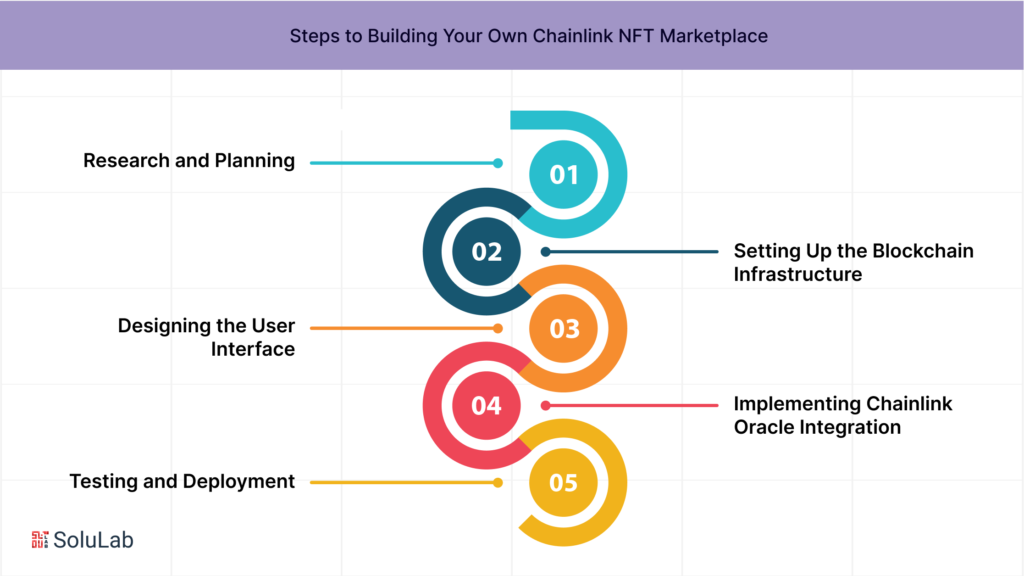
Creating your own Chainlink NFT marketplace involves several steps: research and planning, setting up the blockchain infrastructure, designing the user interface, implementing Chainlink Oracle integration, and finally, testing and deployment.

Step 1: Research and Planning

  • Identify your Target Audience

Your first task is to identify your target audience. Who are your potential users? What kind of NFTs are they interested in? Understanding your audience will help shape the design and functionality of your marketplace.

  • Determine the Scope and Features of Your Marketplace

Next, determine the scope of your marketplace. Will it cater to a specific niche, or will it be a general marketplace? Additionally, decide on the key features your platform will offer. This could include auction capabilities, direct buying and selling, artist profiles, and more.

  • Understand the Technical Requirements

Building an NFT marketplace is a technologically-intensive project. Familiarize yourself with the necessary technologies, including Solidity for creating smart contracts, Hardhat for Ethereum development, and Chainlink for Oracle services.

Read Also: Solana NFT Marketplace: How to build your own NFT Marketplace on Solana

Step 2: Setting Up the Blockchain Infrastructure

  • Choose a Compatible Blockchain Platform

While Ethereum is the most popular platform for NFTs, other blockchains like BNB Chain and Polygon also support NFTs. The choice depends on your specific requirements, such as transaction speed and cost.

  • Install Necessary Software and Tools.

You’ll need to install certain software and tools, such as Node.js and Yarn. Also, familiarize yourself with Ethereum terminology and the basics of JavaScript.

  • Configure Smart Contracts and APIs

Next, configure the smart contracts that hold the business logic for your NFT marketplace. You’ll need to create functions for listing, buying, and updating NFTs, among others. Also, configure APIs for fetching external data if needed.

Step 3: Designing the User Interface

  • Create a User-friendly and Visually Appealing Interface

A well-designed user interface can make or break your marketplace. Ensure that it is visually appealing and easy to navigate. Use intuitive design principles to ensure a smoother experience.

  • Implement Intuitive Navigation and Search Features

Implement a robust search functionality to allow users to easily find specific NFTs. Also, ensure that the navigation is intuitive and user-friendly, allowing users to easily access all parts of the marketplace.

  • Ensure Seamless Integration with Blockchain Functionalities

The user interface should seamlessly integrate with the backend blockchain functionalities. Users should be able to interact with the smart contracts through the interface, such as listing NFTs for sale or buying them.

Step 4: Implementing Chainlink Oracle Integration

  • Understand the Role of Chainlink Oracles in NFT Marketplaces

Chainlink oracles play a crucial role in NFT marketplaces by providing reliable and secure real-world data to smart contracts. They can provide data like asset prices, weather data, etc., which can be used to create dynamic NFTs.

  • Integrate Chainlink Oracles to Fetch External Data

Next, integrate Chainlink oracles into your marketplace to fetch external data. This involves writing smart contract functions that make data requests to Chainlink oracles and handling the responses once they arrive.

  • Ensure Secure and Reliable Data Feeds for NFT Transactions

Ensuring the security and reliability of data feeds is crucial for the success of your marketplace. Use Chainlink’s decentralized network to ensure that your data feeds are tamper-proof and reliable.

Read Our Blog Post: Polkadot NFT Marketplace Development: Everything You Need to Know

Step 5: Testing and Deployment

  • Conduct Thorough Testing of all Marketplace Functionalities

Before deploying your marketplace, it’s crucial to conduct thorough testing of all its functionalities. This includes testing the smart contracts, the user interface, and the integration with Chainlink oracles.

  • Address any Bugs or Issues Identified During Testing

If any bugs or issues are identified during testing, address them immediately. This could involve debugging the smart contracts, fixing UI issues, or resolving issues with the Chainlink Oracle integration.

  • Deploy the Chainlink NFT Marketplace to a Live Environment

Once you’ve thoroughly tested your marketplace and addressed all issues, it’s time to deploy it to a live environment. This involves deploying the smart contracts to the Ethereum mainnet or any other compatible blockchain and launching the user interface.

CTA 2

Conclusion

Building a Chainlink NFT marketplace is an exciting project that combines the power of NFTs and Chainlink oracles. By following this guide, you’ll not only gain a deeper understanding of NFTs and Chainlink but also acquire the necessary skills to create a functional, secure, and user-friendly NFT marketplace. Remember, the key to a successful marketplace lies in understanding your audience, offering unique and valuable NFTs, and ensuring a seamless user experience throughout the platform. Additionally, it’s important to stay up-to-date with the latest developments in the NFT and blockchain space to continuously improve and innovate your marketplace.
Once your Chainlink NFT marketplace is live, you can further enhance its functionality by incorporating additional features. One such feature could be the implementation of a rating and review system for both buyers and sellers. This would enable users to provide feedback on their experiences, helping to build trust within the community and promote transparency.

SoluLab, a leading technology development company, is here to assist you in creating your own Chainlink NFT marketplace. With their extensive experience in blockchain development and expertise in NFT technology, SoluLab can help you bring your vision to life.

SoluLab is a renowned NFT marketplace development company with a proven track record in creating innovative solutions for artwork, digital collectibles, gaming, asset tokenization, and more. Their team of specialized NFT developers excels in cryptocurrency and blockchain development, offering top-notch services that automate processes through smart contracts. With a strong focus on user-friendliness and security, SoluLab’s platform development ensures a seamless trading experience with customizable features, including highly secure digital wallets. For those seeking to build cutting-edge NFT solutions that drive business growth and success, look no further than SoluLab. Contact them today to hire certified NFT developers and take the first step toward revolutionizing the digital asset trading landscape.

In conclusion, building a Chainlink NFT marketplace requires careful planning, attention to detail, and a deep understanding of both NFTs and Chainlink oracles. By following the steps outlined in this guide and continuously improving and innovating your platform, you can create a successful and thriving marketplace that meets the needs of both buyers and sellers in the exciting world of NFTs.

FAQs

1. What is a Chainlink NFT marketplace?

A Chainlink NFT marketplace is a platform where users can buy, sell, and trade non-fungible tokens (NFTs) that are powered by Chainlink oracles. Chainlink oracles provide reliable and tamper-proof data feeds that enhance the functionality and value of NFTs. These marketplaces enable users to explore a wide range of unique digital assets, including artwork, collectibles, virtual real estate, and more.

2. Do I need coding skills to build a Chainlink NFT marketplace?

Building a Chainlink NFT marketplace does require technical expertise, but you don’t necessarily need to have coding skills yourself. It is recommended to work with a professional development team, like SoluLab, which specializes in blockchain and NFT marketplace development. They can handle the technical aspects and guide you through the entire process, from design to deployment.

3. How can a Chainlink NFT marketplace benefit me as a creator?

A Chainlink NFT marketplace offers several benefits to creators. It provides a platform to showcase and sell your digital creations directly to a global audience without relying on intermediaries. Additionally, the integration of Chainlink oracles ensures the authenticity and verifiability of your NFTs, enhancing their value and trustworthiness. Furthermore, a well-designed marketplace can help you reach new customers, build a loyal community, and potentially earn revenue through transaction fees.

4. Can I customize my Chainlink NFT marketplace to align with my brand?

Yes, one of the advantages of building your own Chainlink NFT marketplace is the ability to customize it according to your brand identity. With the assistance of a development team like SoluLab, you can create a marketplace that reflects your brand’s aesthetics, user experience preferences, and unique features. This ensures a cohesive and engaging platform that resonates with your target audience.

5. How can SoluLab help me in building a Chainlink NFT marketplace?

SoluLab is a leading technology development company with extensive experience in blockchain development and the NFT marketplace. They can assist you in crafting your own Chainlink NFT marketplace by providing end-to-end development services, including design, development, deployment, and ongoing support. Their team of experts understands the intricacies of building secure and user-friendly marketplaces and can guide you through the process while incorporating Chainlink’s powerful Oracle technology.

Best 8 Tron NFT Marketplace Platforms of 2025

As the NFT (Non-Fungible Token) market continues to grow exponentially, various top blockchain platforms have emerged to cater to the increasing demand for NFT marketplaces. Among these platforms, Tron stands out as a prominent blockchain network that offers a robust ecosystem for NFT trading and creation. With its high scalability, low transaction fees, and vibrant community, Tron has become an attractive choice for artists, collectors, and enthusiasts.

Tron, with its scalable and efficient blockchain infrastructure, has quickly risen to prominence as a leading platform for NFT marketplaces. It offers a secure and cost-effective environment for creators, collectors, and enthusiasts to engage in the exciting world of NFTs. By leveraging the power of Tron’s network, NFT marketplaces on Tron provide an array of opportunities for artists to showcase their work, collectors to curate unique digital collections, and traders to participate in vibrant market dynamics.

For collectors, Tron NFT marketplaces offer a gateway to a universe of digital treasures. Whether it’s artwork, virtual real estate, gaming assets, or unique collectibles, Tron NFT marketplaces provide an abundance of options to curate one-of-a-kind collections. The decentralized nature of these marketplaces ensures transparency and immutability, allowing collectors to confidently verify the authenticity and ownership of their acquired NFTs.This blog will explore the best Tron NFT marketplace platforms of 2025, highlighting their unique features and benefits.

The Best Tron NFT Marketplace Platforms of 2025 are:

1. SoluLab

SoluLab’s integration with the Tron blockchain enables seamless access to a highly scalable and efficient network, allowing users to engage in NFT trading with swift transaction speeds and minimal fees. By leveraging Tron’s robust infrastructure, the platform enhances transparency and security, instilling confidence in users throughout their NFT transactions. SoluLab’s comprehensive NFT marketplace development services serves various industries, such as art, music, gaming, and collectibles, acting as a creative hub for artists, musicians, and content creators to showcase their digital assets worldwide. Collectors benefit from a vast selection of high-quality NFTs, all securely recorded on the immutable Tron blockchain, ensuring authenticity and provenance for each digital asset.

2. TRX Bets

TRX Bets has changed the NFT trading experience with its innovative platform. The user interface is meticulously crafted to be intuitive and user-friendly, empowering traders with a seamless buying, selling, and trading process. The marketplace boasts an extensive collection of NFTs covering a diverse range of categories, including artworks, collectibles, gaming assets, virtual real estate, and more. By catering to the varied tastes and preferences of its diverse user base, TRX Bets ensures that every trader finds something that resonates with their interests.
3. BCN Garden

BCN Garden is a gateway to the Tron NFT universe, offering a simplified and accessible platform for buying, selling, and trading NFTs. It fosters a vibrant NFT community, allowing artists, collectors, and enthusiasts to interact, share insights, and appreciate the beauty and creativity of NFTs. BCN Garden prioritizes ease of use and efficiency, providing a user-friendly interface and intuitive features for a seamless experience. It harnesses the power of the Tron blockchain, offering high transaction speeds and minimal fees. BCN Garden supports NFT artists, serving as a showcase for their work and providing opportunities for them to connect with collectors and contribute to the growth of the NFT ecosystem.

4. APENFT

APENFT boasts an extensive collection of NFT artworks, collaborating with renowned artists and crypto art pioneers to offer diverse and high-quality digital pieces, ranging from stunning visuals to immersive audio-visual experiences. The platform’s commitment to promoting artistic diversity ensures that users can explore and enjoy a wide range of styles and concepts.

5. TPunks

Incorporating cutting-edge blockchain technology and operating on the Tron network, TPunks offers a seamless and efficient trading environment with rapid transactions and low fees, catering to artists and collectors seeking a hassle-free experience. Its secure and transparent infrastructure fosters a diverse community of artists, collectors, and enthusiasts, serving as a hub for creativity and global connections.

6. Sportbet

Sportbet is a popular TRON-based NFT marketplace platform in 2024, known for its user-friendly interface and seamless TRON blockchain integration. It caters to sports enthusiasts, offering an extensive collection of sports-related NFTs, including those featuring athletes, teams, memorabilia, and various sporting events, making it an ideal platform for fans of football, basketball, soccer, and other sports.

7. TronNRG

TronNRG stands out with its user-friendly interface and intuitive design, offering a seamless and captivating experience for users. Navigating the platform is effortless, allowing artists to showcase their digital creations and collectors to discover unique NFTs aligned with their interests. The diverse and vibrant collection includes digital artwork, music, virtual real estate, and collectibles, catering to a wide range of preferences.

8. Tronbies

Tronbies excels in providing a seamless and immersive user experience, offering a visually appealing and user-friendly interface. The platform boasts an extensive collection of NFTs, catering to artists seeking to showcase their work and collectors in search of unique digital assets. Its robust search and filtering system allow users to effortlessly explore various categories, including artwork, virtual collectibles, gaming assets, and more, facilitating quick discovery of desired NFTs.

Final Words

In conclusion, SoluLab has solidified its position as one of the best Tron NFT marketplace platforms in 2025. With its unwavering commitment to innovation, expertise in blockchain technology, and customer-centric approach, SoluLab stands out as a trusted partner for businesses and individuals looking to capitalize on the immense potential of NFTs on the Tron network.

SoluLab’s Tron NFT marketplace platform offers a range of exceptional features and functionalities that facilitate seamless buying, selling, and trading of non-fungible tokens. The platform boasts a user-friendly interface, intuitive navigation, and robust search capabilities, ensuring a seamless and engaging experience for both creators and collectors.

One of SoluLab’s key strengths lies in its deep understanding of the Tron network and its integration with NFT technology. Leveraging Tron’s high scalability, fast transaction confirmations, and low fees, SoluLab’s platform enables users to overcome the limitations of traditional marketplaces and embrace a new era of digital ownership and creativity.

FAQs

1. What is a TRON NFT marketplace platform?

A TRON NFT marketplace platform is a digital marketplace built on the TRON blockchain network, specifically designed for buying, selling, and trading non-fungible tokens (NFTs). These platforms provide a dedicated space for artists, collectors, and enthusiasts to showcase, discover, and transact with unique digital assets, such as artwork, collectibles, virtual real estate, and more, using TRX, the native cryptocurrency of the TRON network.

2. Why are TRON and NFT marketplace platforms considered the best in 2025?

The TRON NFT marketplace platforms have gained recognition as some of the best in 2025 due to several factors. Firstly, the TRON network offers fast and cost-effective transactions, ensuring a seamless user experience with minimal fees. Additionally, TRON’s scalability allows for a high volume of transactions, accommodating the growing demand for NFTs.

3. What are some of the leading TRON NFT marketplace platforms in 2025?

In 2025, several TRON NFT marketplace platforms emerged as leading players in the industry. Some of the prominent platforms include Trontrade, TronPad, and Tronlink NFT Marketplace. These platforms offer a user-friendly interface, robust features, and a diverse range of NFT collections, attracting both creators and collectors to their vibrant ecosystems.

4. What features can you expect from the best TRON NFT marketplace platforms?

The best TRON NFT marketplace platforms offer a range of features to enhance the user experience. These features may include user-friendly interfaces, advanced search and filtering options, secure and transparent transaction mechanisms, integration with TRON wallets for seamless token transfers, customizable profile pages for artists and collectors, bidding and auction functionalities, royalty management systems, and social media integration.

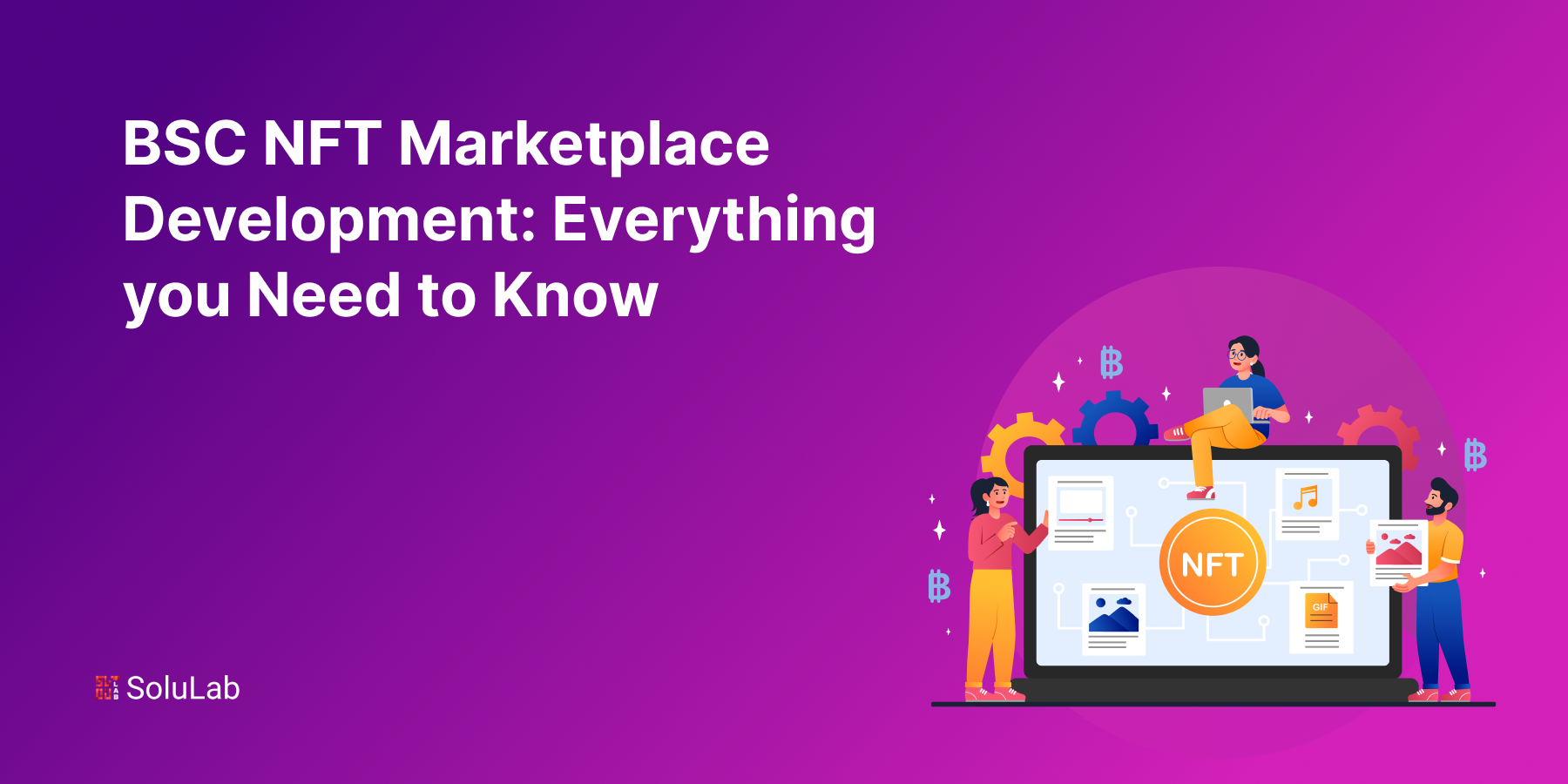
BSC NFT Marketplace Development: Everything You Need to Know

BSC NFT Marketplace Development: Everything you Need to Know

The best BSC NFT marketplace will continue to expand due to its exceptional characteristics. To complete a set, investors and NFT enthusiasts will go to every possible extent, which includes buying digital artwork, trading cards, and postcards. The idea of developing an NFT marketplace or launching an NFT app is excellent since it addresses the shortcomings of its target market. However, you should be aware of both the intended use of your platform and the preferences of different collector audiences (buyers and sellers). Understanding the worth of each product offered on your NFT platform is crucial.

Is NFT an Unmissable Opportunity for Uniqueness and Innovation?

The development of the top BSC NFT marketplace offers individuals a unique opportunity to display and showcase their treasures to promote efficient digital asset management. The NFT market is growing worldwide and has the most users and transactions. The non-fungible token (NFT) market encourages creators to sell their works as NFTs, which can be any digital asset, including artwork, music, photos, metaverse, films, cards, etc. In the NFT market, users can purchase, sell, or exchange NFTs in return for cryptocurrencies. The majority of them choose to create their NFT marketplace on the BSC based on the benefits of the blockchain network.

Read Also: Binance Business Model and Revenue Sources Explained

What is BSC? 

BSC is a smart contract-based platform that works with various blockchain-based software. They can be created and run on BSC considerably more conveniently and effectively. A white-label platform is being developed as part of the best BSC NFT marketplaces that enable users to buy, sell, and exchange NFT items using BNB coins and BEP20 tokens development. Here, learn everything related to Binance Smart Chain.

  • Binance Chains (Home of BNB currencies) have risen to prominence in the cryptocurrency industry more quickly than was anticipated. Binance launched the Binance chain to the public for the first time in 2019. And Binance has since ensured to offer the quickest and most decentralized trading. A fully functional decentralized development environment based on cutting-edge Blockchain technology is offered by Binance Smart Chain.
  • Additionally, Binance Chain has been designed to facilitate cross-chain compatibility, which ensures users benefit from both chains to the fullest extent possible. 
  • BSC (a blockchain network) supports the operation of an NFT marketplace. 
  • Since the BSC is the network of interest for modern business people, many white-label BSC-based NFT marketplaces offer first-rate development options and distinctive features.

CTA 1

What are the Interesting Features of BSC?

What are the Interesting Features of BSC?

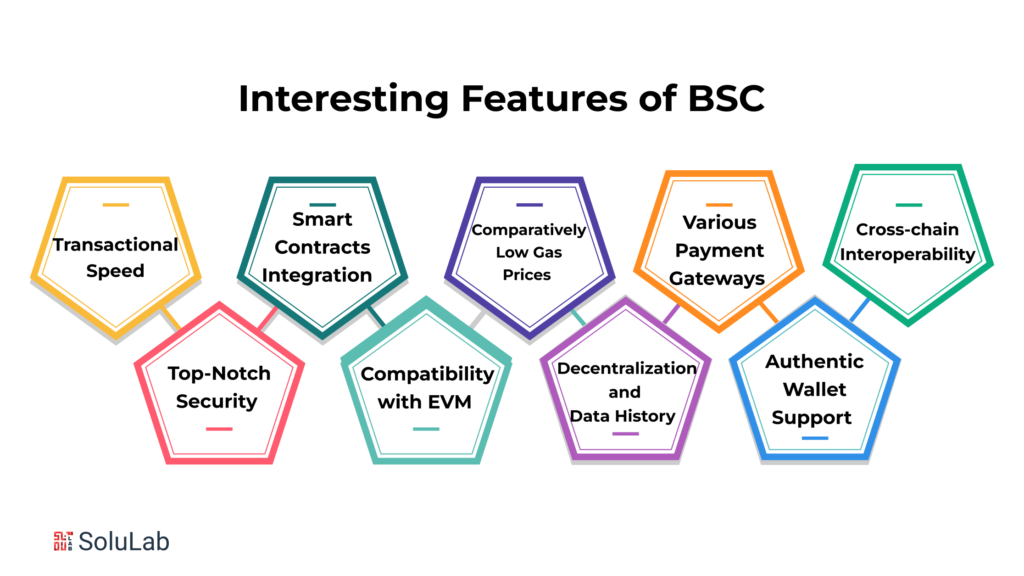
These are several features offered by the binance smart chain NFT marketplace: 

  • Transactional Speed

Network congestion comes from the growing number of binance smart chain NFT marketplace, which is a bigger risk. Also, that decreases the speed of transactions. However, the best BSC NFT marketplaces significantly reduce congestion and expedite platform transactions. The platform’s quick transaction speed is one of its primary features. This will eventually grab the attention of the intended audience.

  • Top-Notch Security

The security promised to users is a crucial concern with every online transaction. The platform has much to gain from binance smart chain NFT marketplace interoperable functionality. The marketplace is protected from numerous bugs and cyberattacks by the platform’s enhanced level of security standards.

  • Smart Contracts Integration 

The Smart Contract Integration on the NFT BSC marketplace helps to mandate that platform activities take place in a much more secure setting. This update to the NFT project with Appdupe ensures that all hacking and phishing attacks will be completely prevented.

  • Compatibility with EVM

Adaptability to EVM Decentralization is extremely important for the marketplace since it allows individuals to exchange NFT (Non-fungible tokens- digital assets and collectibles) without middlemen, such as digital assets and collectibles (mediator). BSC is also interoperable with the Ethereum Virtual Machine (EVM).

  • Comparatively Low Gas Prices

The NFT marketplace’s primary function is a transaction, and for each such buy or sell, a transaction or gas fee must be paid to the platform. This process is followed only to control the energy used to verify the NFT transactions. Transaction costs for BSC are significantly lower than for Ethereum.
Read Our Blog Post: How to Build an NFT Marketplace from Scratch

  • Decentralization and Data History 

Users can conduct transactions effectively with one another in a decentralized marketplace to buy or sell NFTs without the involvement of a third party. Also, it displays all of the digital asset’s statistical data going back to the day that particular NFT was first minted till the present day.

  • Various Payment Gateways

With multiple payment gateways, the platform’s viability is boosted, and the user can select the method that works best for them. MetaMask, TrustWallet, and several others are just a few of the payment gateways it offers.

  • Authentic Wallet Support

The development of the NFT BSC marketplace includes a cryptocurrency wallet that is used for more than just asset exchange. They also work by safely keeping these digital files. The best BSC NFT marketplace development enables seamless buy or sell transactions between wallets from all over the world.

  • Cross-chain Interoperability

One of the key factors contributing to the popularity of BSC is cross-chain interoperability, which has had a significant impact. This facilitates data and value movement between several blockchain networks.

Why Build NFT Marketplace on BSC? 

NFT projects encountered delayed transactions and high transaction costs on well-established blockchain networks. The main network that works around all these concerns is BSC. Building the top BSC NFT Marketplace reduces time. The BSC offers strong security for risk management while enabling cross-chain connectivity.

  • Since NFT increased its customer base, a lot of investors have been able to access the BSC NFT Marketplace, causing platform congestion. Because it substantially benefits both platform owners and users, binance smart chain NFT is the ultimate solution for NFT Marketplace advancement. Successful BSC Network initiatives have a good probability of working with Binance officially. A few MVB winners had previously been added to Binance.
  • BSC NFT marketplaces have much-simplified functionality. In other words, users must initially sign up with the required information to be specified.
  • They then need to contribute funds after linking their digital wallet. Sellers or creators must start by minting their NFTs before anything else.
  • Once this is complete, they can list their NFTs with the necessary criteria, including a description and either a bidding option or a buying option.
  • When the price is fixed, the counterparty or interested purchasers buy the digital assets directly. Otherwise, they’ll be allowed to participate in the auction and purchase NFT.

Read Our Blog: How to Build an NFT Marketplace like Binance?

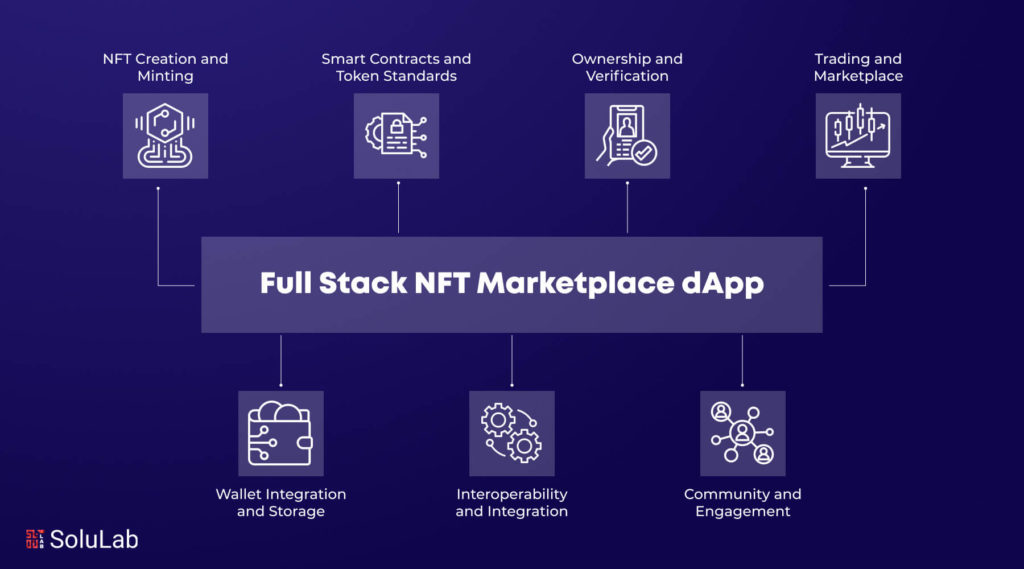
What are the Interesting Attributes of an NFT Marketplace on BSC?

What are the Interesting Attributes of an NFT Marketplace on BSC?

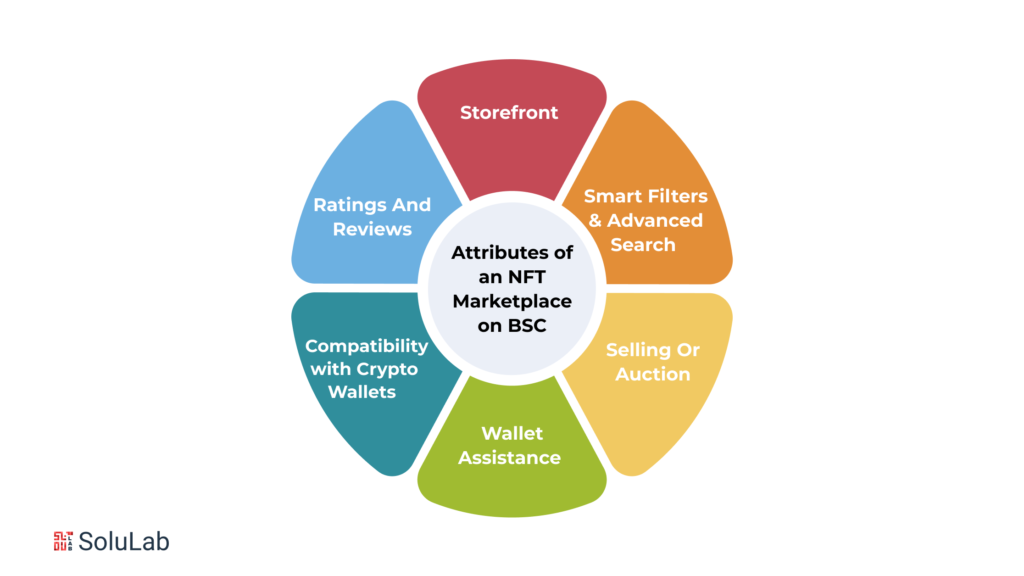
The top BSC NFT marketplace is a substantial global market. In other words, there are many possible niches for platform development. They include performing music, athletics, memes, video games, arts, and more. Despite the misunderstanding, it is a reality that three-quarters of the problem can be handled by identifying the appropriate blockchain network. However, you must adhere to some must-have features to develop an NFT marketplace that will draw customers of the crypto market to your side.

  • Storefront

A virtual exhibitory is akin to an NFT marketplace storefront since both are used in eCommerce applications. A storefront’s main function is to provide users with access to all the necessary details about the NFTs displayed on the platform. This covers things like bids, owners, pricing histories, and previews.
  • Smart Filters & Advanced Search

The BSC NFT marketplaces have extensive and intelligent filter options that enable users or investors to find the needed NFTs based on product pricing, best-selling status, and many more.

  • Selling Or Auction

One shall decide whether to sell the digital assets at a set price or a bid price while listing their NFTs. The buyers directly purchase the digital assets when the purchase price is fixed. The new buyers are required to participate in the auction in the reverse case of bidding. After the auction, the bidders who placed the highest bid will get non-fungible tokens.

Read Also: How To Launch Your Own NFT Marketplace Website in Less Than 2 Days?

  • Wallet Assistance

The integration of users’ preferred wallets is supported by the NFT marketplace built on BSC. A wallet is a place where they can keep their digital assets to buy or sell them easily.

  • Compatibility with Crypto Wallets

A cryptocurrency wallet that enables different wallets for users is being developed for the NFT marketplace. The user will store, buy or sell, and exchange digital assets and other cryptocurrencies via their crypto wallet. Moreover, they may help them from any part of the world due to a wide range of gateways. The platform includes third-party wallets like MetaMask, TrustWallet, MyEtherWallet, and others.

  • Ratings And Reviews

The platform’s newly added feature helps the NFTs listed on the marketplace gain more traction. Due to the reviews and rating panel’s transparency, the platform is more dependable and trustworthy.

How to Create an NFT Marketplace on BSC?

How to Create an NFT Marketplace on BSC?

Since the exchange of non-fungible tokens is booming, many people are concentrating on developing their own NFTs. Aspiring business owners can now utilize this by setting up an NFT marketplace on BSC to capitalize on the current trend.

The distinctive qualities Binance Smart Chain has developed inside its network have drawn many NFT enthusiasts. It speeds up transactions and makes cross-chain compatibility possible. Along with facilitating cross-chain compatibility, it also speeds up transactions. Creating an NFT platform on the BSC will enable users to buy and sell their NFTs for BEP and BNB tokens. Similar to this, you have a variety of alternatives when selecting BSC for your NFT platform.
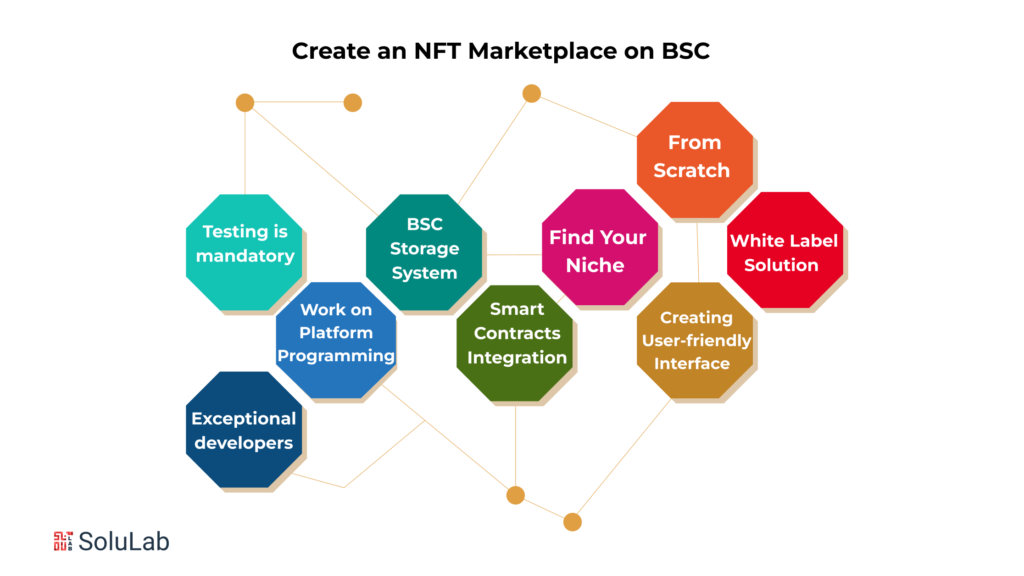
Generally speaking, two different strategies have been used to develop the NFT market. The following explains these;

  • From Scratch

This approach to development takes more time and costs a significant amount of money. The NFT trading platform must be built from scratch, including designing, programming, testing, and deploying. It will take a lot more time, money, and careful planning and design to build the NFT marketplace. Merging tech stacks and indispensable applications after developing, testing, and launching the area where users must create blockchain networks. They provide users the freedom to experiment successfully even though it takes time.

  • White Label Solution

White-label solutions save time and money while providing the user with a successful platform that is personalized. The procedures for creating new solutions from the pre-made ones are as follows;

  • Find Your Niche

First, decide on a niche for the site. The development of your marketplace derives from the necessity for in-depth market and niche-specific marketplace research.

  • Creating User-friendly Interface 

Build a user-friendly, interactive interface for the platform so users can conduct trades smoothly.

  • Smart Contracts Integration 

Automate processes initiated on the platform by integrating smart contracts, considerably enhancing platform security.

Read Our Blog: Everything You Need to Know About Metaverse NFT Marketplace Development

  • BSC Storage System 

The platform’s storage system must be established, which will store the complete database and all of the information from the digital collections. We employ the InterPlanetary File System (IPFS), which is currently under development and has a massive storage capacity.

  • Work on Platform Programming 

Advance the project to a thorough testing phase after completing the front-end and back-end coding required for platform functionality.

  • Testing is Mandatory 

Verify that all flaws and potential problems have been fully resolved once the NFT platform is tested.

  • Exceptional Developers 

The development phase is complete once your BSC-based NFT marketplace appears online and starts to generate revenue. When the produced project receives a periodic update.

CTA 2

Conclusion

In conclusion, SoluLab stands out as a leading provider of innovative blockchain solutions, offering a range of exceptional services including NFT marketplace on binance smart chain development, NFT marketplace development, and the ability to hire NFT developers. With its expertise and commitment to staying at the forefront of technology, SoluLab has established itself as a trusted partner for businesses seeking to leverage the power of blockchain.

SoluLab is recognized for its notable expertise in Binance Smart Chain NFT marketplace development, capitalizing on the advantages of this popular blockchain network, such as high scalability, fast transaction confirmations, and low transaction fees. Their proficient team of developers comprehends the intricacies of BSC, enabling seamless integration into clients’ projects and unlocking the full potential of this cutting-edge technology. Renowned as a prominent Binance Smart Chain development company, SoluLab efficiently caters to diverse project requirements, displaying resilience in adapting to changes and approaching challenges with versatility and innovation.

SoluLab also offers the opportunity to hire NFT developers, providing clients with dedicated professionals who deeply understand NFT technology. By accessing SoluLab’s pool of talented developers, businesses can expedite their NFT-related projects and gain a competitive edge in the market. SoluLab’s developers are well-versed in the latest trends and best practices, ensuring the delivery of high-quality solutions that meet clients’ specific needs.

Despite the number of NFT markets developed and launched globally, only the best one is noticed by the audience. Several BSC NFT marketplaces have been formed in the cryptocurrency industry on various blockchain networks, but the binance smart chain NFT marketplace has grown the fastest. You can accomplish this, enter the NFT market, and have more monetization prospects in the NFT marketplace on BSC.  

FAQs

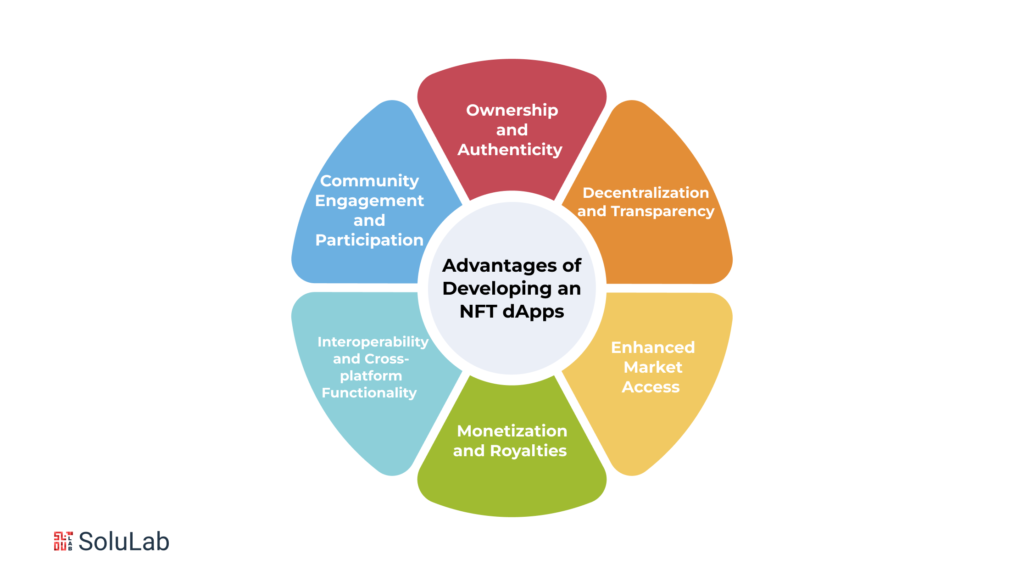
1. What is BSC NFT marketplace development, and why is it important?

BSC NFT marketplace development refers to the process of creating a digital platform on the Binance Smart Chain (BSC) network that allows users to buy, sell, and trade non-fungible tokens (NFTs). BSC NFT marketplaces have gained significant popularity due to the advantages of the BSC network, such as low transaction fees and fast transaction confirmations. 

2. What are the key features of a BSC NFT marketplace?

A BSC NFT marketplace typically includes essential features such as user registration and authentication, NFT listing and browsing, smart contract integration for secure transactions, bidding and auction functionalities, wallet integration for seamless token transfers, royalty management, and a robust search and filtering system. 
3. How does BSC NFT marketplace development differ from other blockchain networks?
BSC NFT marketplace development stands out due to the unique advantages the Binance Smart Chain network offers. Unlike other blockchain networks, BSC provides faster block confirmations and lower transaction fees, making it more cost-effective and efficient for NFT transactions. Additionally, BSC supports the Ethereum Virtual Machine (EVM), enabling easy portability of existing Ethereum-based NFT projects to the BSC network. 

4. What are the benefits of using BSC for NFT marketplace development?

Choosing BSC for NFT marketplace development offers several benefits. Firstly, the low transaction fees on the BSC network make it more economically viable for users, especially those involved in high-volume NFT trading. Secondly, the fast block confirmations on BSC ensure quick and efficient transactions, enhancing the overall user experience.

How to Build an NFT Marketplace from Scratch

How to Build an NFT Marketplace from Scratch

As the digital world continues to evolve, new opportunities arise for those ready to take the plunge. One such opportunity is the emergence of Non-Fungible Tokens (NFTs) and their associated marketplaces, which have taken the world by storm. This guide will walk you through creating your own NFT marketplace, including identifying your niche, choosing the right blockchain platform, designing and developing your marketplace, establishing smart contracts and tokenization, and launching and marketing your NFT marketplace.

Introduction

Have you heard of individuals purchasing items such as works of art featuring Vladimir Putin, digital kittens, or an NBA play? Do you, however, understand where these items originate from or how they are bought?

NFTs or Non-Fungible Tokens represent a unique digital asset whose uniqueness is determined by a unique value and set of metadata, making them impossible to interchange. They exist on a blockchain, ensuring their authenticity and ownership. From digital art to music, photography, and collectibles, NFTs can represent virtually anything. Consequently, and to build an NFT marketplace is a digital platform where these tokens can be bought and sold. Some marketplaces are general, while others specialize in specific types of NFTs and target a specific audience.

Build the NFT marketplace from scratch, The NFT market is the clear solution to the problem. (NFT, or non-fungible tokens, is used here.) “A digital token is an abbreviation to build an NFT marketplace. It was created expressly to be used as evidence of a digital certificate of ownership rights for items like tweets, real or imagined materials, codes, films, and much more. For instance, Jack Dorsey’s first tweet—best known as the co-founder of Twitter—was purchased as an NFT for $2.9 million.

Read Also: How to Build an NFT Marketplace on Ethereum Blockchain?

The NFT market is also sometimes referred to as a public Blockchain platform. Adding to it, NFTs evolved into the most extravagant cryptocurrency trend as a result of the convergence of more traditional investors looking to acquire these incredible blockchain-based assets and trying to build their own NFT marketplace. Most people do not know how to build an NFT marketplace

Why not create an NFT marketplace then, given the drastic reversal in NFTs? Awaken, Listen! The NFT market is something you need to consider whether you’re an established firm, a crypto enthusiast, or a startup co-founder. (Your ROI could benefit in a variety of ways; you just never know.) Maybe you were looking for information on how to build an NFT marketplace from scratch when you came to this post. However, we are confident that after reading this essay, you will have taken a step toward creating an NFT market. Everything you want to know is covered here. Examples include how to build an NFT marketplace; proposals for an NFT marketplace; well-known NFT apps and websites; and so forth. Here, we take a deep dive into the expanding NFT market! 

What is NFT?

A non-fungible token is an unchangeable data storage unit that is kept on a blockchain. A type of digital ledger that may be traded and sold is the NFT. These tokens are distinctive digital assets, and the Ethereum NFT blockchain allows for ownership tracking.

What is an NFT Marketplace?

An NFT marketplace is what it sounds like if you’re considering building an NFT marketplace, but here’s the quick version: To build an NFT marketplace, to put it simply, a venue for the exchange of digital assets.

Anyone can build an NFT marketplace to sell or buy art, including music, in the virtual world, it doesn’t matter whether you are creating an NFT marketplace app or website but how do you create an NFT marketplace? The blockchain architecture used by NFT marketplaces provides a read-only record that contains a singular, non-fungible token.

Hans Hansen, CEO of Brand3D, a 3D technology company that develops immersive experiences for customers in a variety of industries including AI, 3D technologies, M2M automation, and more, says that once a token has been burned onto the blockchain, it offers the buyer of the NFT with a shred of foolproof ownership evidence that can be verified in the public domain.

Who can Create NFT?

Anyone can construct the NFT, including businesspeople, artists, photographers, writers, and producers. In this sector, experience is not necessary. The only thing you require is ownership of the NFT, which you intend to sell for a profit.

Who can Purchase the NFT?

Anyone who produced the NFT has the ability to mint and buy the NFT on the open market. You will be able to establish a special token on the blockchain with your name and artwork once you have the opportunity to buy the NFT.

CTA 1

Why Should You Invest in NFT Marketplace Today? 

Because the market for NFT is expanding quickly, many investors are looking to invest in digital collectibles. There appears to have been a significant increase in the NFT Market starting in 2021. No one will be able to make duplicate works of art or digital collectibles at the same time as the original works since they will all be tokenized. The NFT Market has a lot of variables to take into account. Let’s talk about the benefits of making an investment in the NFT Marketplace right now.

  • Support to the creators
  • Remove redundancy in the artwork
  • Display unique ownership 
  • Exclusive monetary benefits

Read Our Blog: Benefits Of An NFT Marketplace On Cardano

Most Popular NFT Marketplace of 2023

Whenever you are looking to acquire an NFT, it’s very important to understand which marketplace is appropriate for you and choose wisely. You can use these NFT marketplaces as examples:

  • SoluLab
  • NFT launchPad
  • Crypto.com
  • Binance
  • OpenSea
  • Nifty Gateway
  • Rarible

Most Popular NFTs 

We will now discuss the most well-liked NFTs of 2022.

  • Yubo – Our Favorite NFT Project for 2022
  • Crypto Baristas – NFTs for Coffee Lovers
  • Doodles – Vote on the Future of Your NFT Community
  • Invisible Friends – Best Animated NFT
  • Mutant Ape Yacht Club – A Fresh Take on a Popular NFT Collection

Key Features of NFT Marketplace

  • An attractive & intuitive Storefront for NFT Marketplace.
  • The storefront will contain information such as previews, price history, bids, owner’s information, etc. 
  • Separate seller and buyer account inside
  • Users can create and sell collectibles 
  • The NFT Marketplace platform gives you the opportunity to bid on your listed NFTs.
  • Here you need to set up the Wallet first, named MetaMask 
  • The NFT marketplace platform will provide you to search the items or tokens

Read Also: Solana NFT Marketplace: How to build your own NFT Marketplace on Solana

How to Create Your Own NFT Marketplace from Scratch?

How to Create Your Own NFT Marketplace from Scratch?

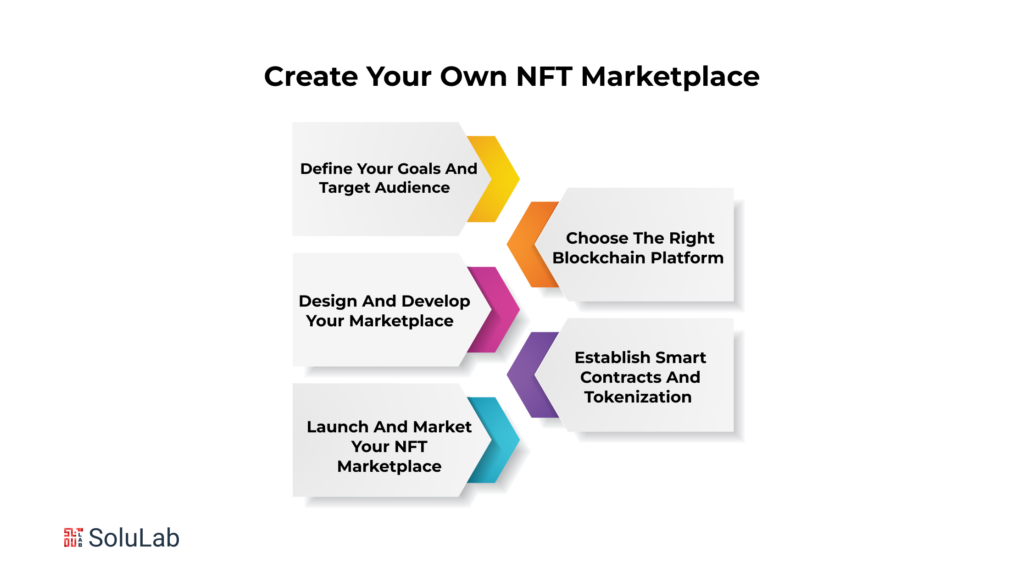
Step 1: Define Your Goals and Target Audience

The first step in creating an NFT marketplace is defining your goals and identifying your target audience. Do you want to create a general marketplace or one that specializes in a particular type of NFT? What do you hope to achieve with your marketplace? Answering these questions will help guide your decision-making process throughout the development of your marketplace.

Next, identify your target audience. Are they artists, collectors, gamers, or perhaps a mix of these groups? Understanding your audience’s needs and preferences will enable you to tailor your marketplace to their requirements, increasing its chances of success.

For example, if your target audience consists mainly of artists, you may want to focus on features that make it easy for them to upload and display their work. If your audience comprises collectors, features that ensure the authenticity and rarity of the NFTs might be more critical.

Step 2: Choose the Right Blockchain Platform

Choosing the right blockchain platform for hosting your NFTs is crucial. Different platforms offer varying degrees of scalability, security, and community support. Research the pros and cons of each platform and select the one that best aligns with your goals and requirements.

One popular choice for NFT marketplaces is Ethereum, thanks to its robust smart contract functionality and widespread adoption. However, other platforms like Binance Smart Chain, Flow, and Tezos are also gaining popularity due to lower transaction fees and faster transaction times.

Remember, the chosen platform will significantly influence your users’ experience, so it’s important to make an informed decision.

Step 3: Design and Develop Your Marketplace

Designing and developing your marketplace involves creating a user-friendly interface and implementing various features. This includes search and filtering options, user profiles, and payment integration. It’s also crucial to consider the overall aesthetic of your site, as this can greatly influence how users perceive your marketplace.

From a technical standpoint, developing an NFT marketplace involves front-end and back-end development. Frontend development focuses on the user interface and user experience, while backend development deals with the server side of the application, including database interactions and server logic.

It’s worth noting that the cost of NFT marketplace development typically falls within the range of $15,000 to $25,000. However, the actual cost can vary depending on various factors such as project complexity, desired features, and customization requirements.

Step 4: Establish Smart Contracts and Tokenization

Smart contracts are self-executing contracts with the terms of the agreement directly written into code. In the context of NFTs, smart contracts are used for minting and trading tokens. They ensure that each NFT is unique, authentic, and cannot be duplicated. Moreover, they facilitate transactions by automatically transferring ownership of the NFT from the seller to the buyer upon payment.

Tokenization is the process of converting rights to an asset into digital tokens on a blockchain. This is a critical aspect of NFTs, as it ensures the authenticity and ownership verification of the tokens.

Therefore, when establishing your NFT marketplace, it’s important to develop reliable smart contracts and implement robust tokenization protocols. This not only guarantees the functionality of your marketplace but also builds trust among your users.

Step 5: Launch and Market Your NFT Marketplace

After you’ve developed your NFT marketplace, it’s time to launch and market it. Here, a comprehensive marketing strategy can go a long way in attracting artists and collectors to your platform. Utilize social media, influencers, and partnerships to generate buzz around your marketplace and attract potential users. Also, consider offering exclusive content or promotions to entice users to check out your platform.

Furthermore, remember that launching your marketplace is just the beginning. To maintain interest and engagement, continuously promote your platform and update it with fresh content. Listen to your users’ feedback and make necessary improvements to better serve their needs.

Read Also: How To Launch Your Own NFT Marketplace Website in Less Than 2 Days?

How Much Does it Cost to Develop NFT Marketplace from Scratch?

The NFT Marketplace’s price is entirely determined by its size, available technology, client requirements, and list of market features. You now have a thorough knowledge of the market that we plan to create. The following factors determine the NFT market’s price:

  • Number of features you want
  • Tech Stack
  • Developer’s cost 
  • Time for development 
  • Third-party APIs integration

How to Earn Money from NFTs?

The majority of NFT creators profit from the commissions they receive from the sale of NFTs. The NFT Marketplace system offers a variety of options to earn royalties:

  • Listing Fee

The user can be charged for the listing fee.

  • Gas Fee

To mint, purchase, and sell NFT and execute a blockchain transaction, you must pay the gas fee.

  • Trade NFTs

NFTs can now be purchased through trading. When you buy and sell NFTs, you can make a profit on the margin.

CTA 2

Conclusion

In conclusion, creating your own NFT marketplace can be a rewarding endeavor, given the rapid growth and popularity of NFTs. However, it requires careful planning, strategic decision-making, and technical know-how. By following the steps outlined in this guide, you can navigate the process more smoothly and increase the likelihood of your marketplace’s success. Remember, the key is to create a platform that caters to the needs of your target audience and offers a seamless user experience. So, whether you’re an entrepreneur looking for a new business venture or an artist wanting to monetize your digital creations, building an NFT marketplace could be a great opportunity.

SoluLab, a leading NFT development company, offers specialized NFT marketplace development services to businesses aiming to achieve their goals. With years of experience, SoluLab provides unparalleled NFT Marketplace Development Solutions tailored to the unique needs of its clients. The team of skilled NFT developers at SoluLab possesses extensive expertise, knowledge, and experience to deliver highly customizable solutions that effectively drive business growth. Standing out in the competitive NFT development space is made possible by hiring SoluLab’s team, which focuses on agile development and is committed to delivering exceptional business results. For a distinguished NFT development experience, contact SoluLab today.

FAQs

1. Can I build an NFT marketplace without any technical knowledge or experience?

Building an NFT marketplace from scratch typically requires a solid understanding of blockchain technology and web development. While it’s beneficial to have technical knowledge, you can still collaborate with a development team or hire experts who specialize in NFT marketplace development to bring your vision to life.

2. What are the key features to consider when building an NFT marketplace?

When building an NFT marketplace, it’s crucial to include features such as user authentication, NFT minting and listing, bidding and buying options, secure transactions, smart contract integration, wallet integration, metadata storage, and a user-friendly interface. These features ensure a seamless user experience and efficient marketplace operations.

3. Which blockchain network should I choose for my NFT marketplace?

Ethereum is the most popular blockchain network for NFTs, known for its robust smart contract functionality and large user base. However, other blockchain networks like Binance Smart Chain, Flow, and Polygon are also gaining traction in the NFT space. Consider factors such as scalability, transaction costs, and community support when selecting the blockchain network for your NFT marketplace.

4. How can I monetize my NFT marketplace?

There are several monetization options for an NFT marketplace. You can charge transaction fees or commissions on NFT sales, offer premium listing options for higher visibility, provide advertising spaces for brands, or offer subscription-based services to access exclusive features. Choose a monetization strategy that aligns with your business goals and provides value to your users.

5. What security measures should I implement in my NFT marketplace?

Security is paramount in an NFT marketplace to protect users’ digital assets and ensure trust. Implement robust security measures such as two-factor authentication, encrypted data storage, secure payment gateways, comprehensive smart contract audits, and regular security assessments. Collaborate with cybersecurity experts to identify and address potential vulnerabilities in your marketplace.

AI Generated NFTs Simplified: Grow Your NFT Art Marketplace with Artificial Intelligence

AI Generated NFTs Simplified: Grow Your NFT Art Marketplace with Artificial Intelligence

The intersection of artificial intelligence (AI) and Non-Fungible Tokens (NFTs) has opened up a world of possibilities for the digital art marketplace. With the emergence of AI-generated NFT, artists, and collectors now have access to a powerful tool that simplifies the creation process while adding a new layer of creativity and uniqueness to the NFT ecosystem. In this blog, we will explore how AI-generated NFTs are revolutionizing the art marketplace and how artists, collectors, and platforms can leverage this technology to grow their NFT art marketplace.

The concept of AI-generated NFT involves using machine learning algorithms and generative models to produce digital artworks that possess distinct and novel characteristics. These AI algorithms are trained on vast amounts of data, enabling them to generate unique visual outputs that can be tokenized as NFTs. This fusion of AI and NFTs has sparked a new wave of artistic expression, where artists can collaborate with algorithms to produce captivating and one-of-a-kind digital art pieces.

In this blog, we will delve into the applications and benefits of AI-generated NFT in the art marketplace, explore the ethical considerations surrounding AI art, discuss the technical aspects of AI algorithms in generating NFTs, and provide insights into how artists and platforms can leverage AI to foster creativity and drive engagement. Join us on this journey as we unravel the exciting possibilities of AI-generated NFTs and discover how they can transform the NFT art marketplace.

What is the Growing Demand For AI-Generated NFT Art Marketplace?

The growing demand for AI-generated NFT (Non-Fungible Token) art marketplace is driven by a convergence of technological advancements, artistic exploration, and the evolving tastes of collectors and enthusiasts. This emerging market segment combines the power of artificial intelligence (AI) algorithms with the uniqueness and immutability of NFTs, resulting in a vibrant ecosystem that is reshaping the art industry. Here are some key factors contributing to the increasing demand for AI-generated NFT art marketplaces:

  • Uniqueness and Creativity

AI-generated NFT art offers a new realm of creativity and uniqueness. By leveraging AI algorithms, artists can collaborate with intelligent systems to produce artworks that possess distinctive and unconventional characteristics. 

These AI-generated creations push the boundaries of traditional art, enabling artists to explore novel visual aesthetics, complex patterns, and abstract compositions. The allure of owning a truly one-of-a-kind AI-generated NFT attracts collectors who seek exclusive and cutting-edge artwork.

  • Streamlined Creation Process

AI-generated NFT art simplifies the creation process for artists. AI algorithms can assist artists by generating initial sketches, suggesting creative directions, or aiding in the generation of intricate patterns and textures. 

This integration of AI technology streamlines the creative workflow, allowing artists to focus on refining and adding their personal touch to the AI-generated output. The efficiency gained through AI assistance enables artists to produce a larger volume of artwork and experiment with various styles and concepts.

Read Our Blog: How to get started with NFT art?

  • Enhanced Discoverability and Personalization

AI algorithms play a significant role in enhancing discoverability and personalization within NFT art marketplaces. These algorithms analyze user preferences, browsing behavior, and historical data to offer personalized recommendations, making it easier for collectors to discover artwork that resonates with their tastes. 

AI-powered curation systems can intelligently categorize and organize artworks, facilitating a more immersive and tailored browsing experience for users. This heightened discoverability and personalization contribute to increased engagement and satisfaction among collectors.

  • Technological Advancements and Innovation

The advancements in AI technology and machine learning algorithms have propelled the development of AI-generated NFT art. As AI algorithms become more sophisticated, capable of mimicking various artistic styles and producing intricate visuals, the potential for innovation within the AI-generated NFT art space grows exponentially. 

Artists and technologists are continuously pushing the boundaries of what is possible, driving the demand for these groundbreaking creations and stimulating the growth of AI-generated NFT art marketplaces.

  • Investment and Speculation

The investment potential and speculative nature of NFTs have garnered significant attention in recent years. Collectors and investors recognize the value and potential returns associated with owning unique digital assets. 

AI-generated NFT, with its combination of artistic innovation and technological novelty, represents an attractive investment opportunity. The growing demand for AI-generated NFT art marketplaces is fueled by collectors who view these digital artworks as both an expression of creativity and a potential financial asset.

CTA 1

What Is AI-Generated NFT Art?

AI-generated NFT (Non-Fungible Token) art refers to digital artworks that are created or co-created using artificial intelligence (AI) algorithms. These algorithms leverage machine learning and generative models to produce unique visual outputs that can be tokenized and owned as NFTs on blockchain platforms. This emerging form of art combines the power of AI technology with the decentralized and immutable nature of NFTs, resulting in a novel and innovative artistic expression.

AI-generated NFT art begins with training AI algorithms on vast datasets, which can include various types of visual content such as images, videos, or audio files. The algorithms learn from this data, identifying patterns, styles, and other characteristics that define artistic aesthetics. Once trained, these algorithms can generate new artworks based on the learned knowledge and parameters set by the artist or user.

The creative process of AI-generated NFT art can take different forms. Some artists use AI algorithms as creative companions, collaborating with the algorithms to co-create artworks. The algorithms may generate initial designs, propose variations, or respond to specific inputs provided by the artist. This collaboration between human creativity and machine intelligence leads to the production of unique and captivating artworks.

AI-generated NFT art offers a range of possibilities and benefits. It enables artists to explore new artistic territories, experiment with unconventional styles, and push the boundaries of traditional art. The use of AI algorithms can streamline the creative process, providing inspiration, generating complex patterns, or assisting in generating iterations of an artwork. This integration of AI technology expands the artistic toolkit and offers artists new avenues for expression.

Read Also: What is an AI Powered Chatbot?

Collectors and enthusiasts are also drawn to AI-generated NFT art due to its uniqueness and the fusion of human creativity with intelligent algorithms. Each AI-generated artwork possesses distinct characteristics, making it a one-of-a-kind digital asset. Collectors have the opportunity to own exclusive and cutting-edge artworks that are not replicable.

Ethical considerations surrounding AI-generated NFT art are also emerging. Questions about authorship, ownership, and the role of human artists in AI-driven creations arise. The art community is actively exploring these ethical dimensions to ensure fair recognition and compensation for artists and transparency in the AI generation process.

Why Use AI NFT Generators?

Why Use AI NFT Generators?

AI NFT generators have gained popularity and are being widely adopted for several compelling reasons. These AI-powered tools provide a range of benefits to both artists and collectors in the world of Non-Fungible Tokens (NFTs). Here are some key reasons why using AI NFT generators is advantageous:

  • Unleashing Creativity and Innovation

AI NFT generators unlock new avenues for artistic creativity and innovation. These tools utilize powerful machine learning algorithms to generate unique and diverse visual outputs. 

By leveraging AI, artists can explore unconventional styles, experiment with complex patterns, and create captivating compositions that push the boundaries of traditional art. The AI algorithms provide a wellspring of inspiration and possibilities, fueling the imagination of artists and encouraging them to venture into uncharted artistic territories.

  • Streamlined Workflow and Efficiency

AI NFT generators streamline the creative process for artists. These tools can assist artists in generating initial sketches, suggesting variations, or automating certain design elements. 

By offloading some of the repetitive and time-consuming tasks to AI algorithms, artists can focus their energy and time on refining their creations and adding their personal touch. This increased efficiency allows artists to produce a larger volume of work, explore multiple concepts, and iterate more rapidly, ultimately enhancing their productivity and output.

Read Our Recent Press Release: SoluLab Bridging the Gap Between Technology And Innovation

  • Enhanced Collaboration between Humans and Machines

AI NFT generators facilitate a unique collaboration between human artists and intelligent algorithms. Artists can use these tools as creative companions, partnering with AI to co-create artworks. 

The algorithms provide suggestions, generate novel ideas, or respond to specific inputs, fostering a symbiotic relationship between human creativity and machine intelligence. This collaboration enables artists to tap into the vast computational power of AI while retaining their artistic vision and personal style.

  • Access to Unique and Limited-Edition Artworks

AI NFT generators enable the production of unique and limited-edition artworks. The algorithmic nature of AI ensures that each generated output is distinct, offering collectors the opportunity to own one-of-a-kind digital assets. 

This exclusivity and scarcity drive the value and appeal of AI-generated NFTs in the marketplace. Collectors can acquire rare and extraordinary artworks that possess an inherent uniqueness, contributing to the desirability and investment potential of these digital assets.

  • Expanding the Reach of Digital Art

AI NFT generators democratize the creation and accessibility of digital art. These tools empower artists of varying skill levels and backgrounds to participate in the creation of compelling artworks. 

By eliminating the barriers to entry and technical complexities associated with traditional art mediums, AI NFT generators open doors for more artists to engage in the digital art space. This inclusivity fosters a diverse and vibrant ecosystem of creators, resulting in a broader range of artistic expressions and perspectives.

What are the Benefits of merging AI and NFTs? 

What are the Benefits of merging AI and NFTs? 

The merging of Artificial Intelligence (AI) and Non-Fungible Tokens (NFTs) presents a myriad of benefits that contribute to the growth and evolution of the digital landscape. This convergence brings together the power of AI algorithms and the uniqueness and immutability of NFTs, resulting in innovative opportunities and exciting possibilities. Here are some key benefits of merging AI and NFTs:

  • Enhanced Creativity and Novelty

The combination of AI and NFTs fosters enhanced creativity and novelty in the digital space. AI algorithms can generate unique and diverse outputs, pushing the boundaries of traditional art and creative expression. 

By leveraging AI, artists can explore unconventional styles, experiment with new concepts, and produce captivating and one-of-a-kind digital assets. The merging of AI and NFTs provides an avenue for artists to create novel and cutting-edge artworks that captivate audiences and stand out in a crowded marketplace.

  • Streamlined Content Creation

The integration of AI with NFTs streamlines content creation processes. AI algorithms can assist creators in various tasks, such as generating initial designs, suggesting variations, or automating certain aspects of the creative workflow. 

This collaboration between AI and creators enhances productivity, speeds up iterations, and opens up possibilities for content generation at scale. By leveraging AI, creators can optimize their time and resources, allowing them to focus on refining their ideas and adding their personal touch.

  • Personalization and Recommendation

The merging of AI and NFTs enables personalized experiences and recommendations for users. AI algorithms can analyze user preferences, browsing behavior, and historical data to offer tailored content suggestions. 

This personalization enhances the user experience by providing relevant and curated recommendations, allowing users to discover NFTs that align with their tastes and interests. AI-powered recommendation systems facilitate a more immersive and engaging experience within NFT marketplaces, leading to increased user satisfaction and retention.

Read Our Blog Post: Everything You Need to Know About Metaverse NFT Marketplace Development

  • Fraud Detection and Verification

AI plays a crucial role in fraud detection and verification within the NFT ecosystem. AI algorithms can analyze patterns, metadata, and transaction history to identify potential counterfeit or fraudulent NFTs. 

By leveraging AI, marketplaces, and collectors can ensure the authenticity and integrity of NFTs, preventing fraud and protecting the interests of both artists and buyers. This integration of AI enhances trust and transparency within the NFT space, fostering a more secure and reliable environment for creators and collectors.

  • Automated Royalty Distribution

The merging of AI and NFTs enables automated royalty distribution for artists. Smart contracts powered by AI algorithms can be programmed to automatically distribute royalties to artists whenever their NFTs are resold or used within specific transactions. 

This automation ensures that artists receive their fair share of revenue, even as their NFTs change hands in the secondary market. By leveraging AI, artists can have greater control over their intellectual property and enjoy ongoing financial benefits from the success of their NFTs.

What Is the Impact of AI NFT Marketplaces on Artists and Collectors?

What Is the Impact of AI NFT Marketplaces on Artists and Collectors?

The emergence of AI NFT (Non-Fungible Token) marketplaces has had a profound impact on both artists and collectors within the digital art ecosystem. This fusion of artificial intelligence (AI) algorithms with the unique nature of NFTs has revolutionized the way artists create, showcase, and monetize their artworks while providing collectors with new and exciting opportunities to engage with digital art. Let’s explore the impact of AI NFT marketplaces on artists and collectors in more detail:

Artists

  • Enhanced Creativity and Exploration

AI NFT marketplaces empower artists to explore new artistic territories and push the boundaries of their creativity. By leveraging AI algorithms, artists can experiment with unconventional styles, generate complex patterns, or receive AI-generated suggestions that inspire their creative process. This collaboration between human creativity and AI amplifies the artist’s potential for innovation and self-expression.

  • Increased Visibility and Reach

AI NFT marketplaces offer artists a global platform to showcase their artworks to a wider audience. These marketplaces leverage AI-powered recommendation systems and personalized curation to connect artists with collectors who appreciate their style and subject matter. As a result, artists can gain exposure, attract new fans and collectors, and establish themselves within the digital art community.

Read Also: Things you need to know about NFT Marketplace

  • Monetization and Royalties

AI NFT marketplaces provide artists with new avenues for monetizing their creative output. By tokenizing their artworks as NFTs, artists can sell their digital creations directly to collectors, eliminating the need for intermediaries. Additionally, smart contracts integrated into AI NFT marketplaces enable artists to receive automatic royalties each time their NFT is resold in the secondary market, ensuring ongoing compensation for their work.

  • Collaboration and Co-Creation

AI NFT marketplaces foster collaboration between artists and AI algorithms. Artists can leverage AI-generated content as a starting point for their creations, incorporating AI-generated elements into their artworks or co-creating with AI algorithms. This collaboration enables artists to explore new artistic possibilities, diversify their creative output, and engage in a dynamic dialogue between human ingenuity and machine intelligence.

Collectors

  • Access to Unique and Innovative Artworks

AI NFT marketplaces offer collectors access to a wide range of unique and innovative artworks. AI algorithms generate visually captivating and unconventional pieces that stand out in the digital art landscape. Collectors have the opportunity to acquire one-of-a-kind AI-generated NFTs that possess distinct characteristics, making their collections more diverse and exclusive.

  • Personalized Discovery and Recommendations

AI-powered recommendation systems in NFT marketplaces personalize the browsing experience for collectors. By analyzing user preferences and historical data, AI algorithms suggest artworks that align with the collector’s taste, increasing the chances of discovering new and relevant pieces. This personalized discovery process enhances the collector’s engagement and satisfaction within the AI NFT marketplace.

Check Out Our Blog: Solana NFT Marketplace: How to build your own NFT Marketplace on Solana

  • Authenticity and Verification

AI NFT marketplaces integrate AI algorithms for fraud detection and authenticity verification. Collectors can have increased confidence in the authenticity of the artworks they acquire, as AI algorithms analyze patterns, metadata, and transaction history to identify potential counterfeit or fraudulent NFTs. This ensures a more secure and trustworthy marketplace environment for collectors.

  • Investment and Potential Returns

AI-generated NFTs present collectors with an investment opportunity. The uniqueness and innovation associated with AI-generated artworks contribute to their potential value appreciation over time. Collectors can participate in the evolving digital art market, acquiring AI NFTs that may have long-term investment potential, similar to traditional art investments.

CTA 2

Conclusion

In conclusion, the growing demand for AI-generated NFT (Non-Fungible tokens) art marketplaces is fueled by a convergence of factors that shape the evolving art landscape. The integration of artificial intelligence (AI) algorithms with NFTs brings forth a new wave of artistic exploration, pushing the boundaries of creativity and captivating the imagination of artists and collectors alike.

The demand for AI-generated NFT art marketplaces stems from the unique advantages they offer. The ability to unleash unparalleled creativity, streamline content creation, and provide personalized experiences propels artists and collectors to embrace this innovative medium. AI algorithms serve as collaborative tools, empowering artists to amplify their artistic vision and experiment with unconventional styles and techniques. At the same time, collectors are drawn to the exclusivity and novelty of AI-generated NFTs, seeking to acquire digital assets that encapsulate innovation and artistic ingenuity.

The advancements in AI technology and its seamless integration with NFTs have paved the way for enhanced discovery and recommendation systems, fraud detection and authenticity verification, automated royalty distribution, and a streamlined user experience within AI-generated NFT art marketplaces. These features cater to the evolving needs and preferences of artists and collectors, fostering engagement, trust, and growth within the digital art ecosystem.

Solulab, a trusted Artificial Intelligence development company, offers innovative AI development solutions for businesses through their expertise in AI app development. Their experienced team of AI developers creates customized solutions that address the unique requirements of different industries, including intelligent chatbots, predictive analytics, and machine learning algorithms. Solulab’s cutting-edge technologies and services are designed to empower businesses and deliver tangible results in their digital transformation journey. With proven experience in a vast range of NFT solutions, Solulab specializes in building NFT marketplaces from scratch, catering to various sectors such as artwork, digital collectibles, gaming, and asset tokenization. Their NFT marketplace development services are known for their feature-rich solutions and attention to perfection. To embark on your NFT art Marketplace with Artificial Intelligence journey, contact Solulab today.

FAQs

1. What is an AI-generated NFT art marketplace?

An AI-generated NFT art marketplace is a platform where artists can create, tokenize, and sell unique digital artworks that are generated or co-created using artificial intelligence (AI) algorithms. These marketplaces leverage the power of AI to generate visually captivating and innovative artworks that are tokenized as NFTs, allowing collectors to acquire one-of-a-kind digital assets.

2. Why is there a growing demand for AI-generated NFT art marketplaces?

The growing demand for AI-generated NFT art marketplaces stems from several factors. Firstly, AI-generated artworks offer a fresh and unique artistic perspective that captivates collectors and enthusiasts. The fusion of AI technology with NFTs provides artists with tools to push the boundaries of creativity, resulting in visually striking and unconventional digital art. 

3. What are the benefits of AI-generated NFT art marketplaces?

AI-generated NFT art marketplaces offer several benefits. Firstly, they provide a platform for artists to explore new artistic territories and experiment with unconventional styles. AI algorithms can generate complex patterns, suggest creative directions, or assist in the creative process, enhancing artists’ creativity and innovation. Secondly, these marketplaces offer collectors access to unique and innovative artworks that stand out in the digital art landscape. 

4. What does the future hold for AI-generated NFT art marketplaces?

The future of AI-generated NFT art marketplaces is promising. As AI technology continues to advance, we can expect even more sophisticated AI algorithms that generate increasingly complex and visually stunning artworks. The demand for AI-generated NFTs is likely to grow as more artists and collectors recognize the value and potential of these innovative creations. 

What Are NFT dApps and How To Launch A Full-Stack NFT Marketplace dApp?

NFT Marketplace dApp

The emergence of Non-Fungible Tokens (NFTs) has revolutionized the digital world, enabling the ownership and trading of unique digital assets. NFT decentralized applications (dApps) have further propelled this trend, providing platforms where users can create, buy, sell, and interact with NFTs in a decentralized manner. In this blog, we will explore what NFT dApps are and delve into the process of launching a full-stack NFT marketplace dApp.

NFT dApps are decentralized applications built on blockchain networks that facilitate the creation, ownership, and exchange of non-fungible tokens. These dApps typically consist of a front-end user interface, smart contracts governing the token standards and marketplace functionalities, and a back-end infrastructure for data management and communication with the blockchain network. NFT dApps offer a decentralized and transparent environment where users can create, showcase, and trade NFTs.

Launching a full-stack NFT marketplace dApp involves several key steps. Firstly, you need to choose a blockchain network that supports NFT functionality and smart contracts, such as Ethereum or Cardano. Next, you’ll develop the smart contracts that define the NFT standard, including the characteristics and functionalities of the tokens. These smart contracts serve as the backbone of the NFT marketplace dApp, handling the creation, ownership, and trading of NFTs.

What are the Advantages of Developing an NFT dApps

What are the Advantages of Developing an NFT Dapps?

Developing NFT dApps (Non-Fungible Token decentralized applications) brings forth many advantages that contribute to the growth and innovation of the blockchain ecosystem. These applications harness the unique features of NFTs, allowing developers to create platforms that revolutionize various industries. Here are some key advantages of developing NFT dApps:

  • Ownership and Authenticity

NFT dApps enable users to establish ownership and verify the authenticity of digital assets. By leveraging blockchain technology, each NFT possesses a unique identifier, guaranteeing its uniqueness and preventing duplication or counterfeiting. This feature is precious in industries such as art, collectibles, and virtual real estate, where provenance and ownership verification are paramount.

  • Decentralization and Transparency

NFT dApps operate on decentralized networks, ensuring transparency and eliminating the need for intermediaries. With smart contracts governing NFT transactions, the entire process becomes automated and executed according to predefined rules. This transparency fosters trust among users, as all transaction details are immutably recorded on the blockchain, creating a secure and auditable environment.

Related: Top 10 dApp Development Companies

  • Enhanced Market Access

Developing NFT dApps opens up opportunities for creators and collectors to access global markets. Traditional barriers, such as geographical limitations or exclusive gatekeepers, are overcome as anyone with an internet connection can participate in NFT transactions. This democratization of markets allows creators to reach a wider audience, while collectors have access to a diverse range of digital assets from around the world.

  • Monetization and Royalties

NFT dApps empower creators by providing avenues for monetizing their work. Artists, musicians, game developers, and content creators can tokenize their creations as NFTs and earn royalties whenever their assets are sold or used within the dApp ecosystem. This creates sustainable revenue streams and eliminates the reliance on traditional distribution models, giving creators more control over their intellectual property and fostering a direct relationship with their audience.

  • Interoperability and Cross-platform Functionality

NFT dApps can be designed to be interoperable across different blockchain networks, enhancing flexibility and user experience. By utilizing cross-chain protocols, NFTs can be seamlessly transferred and used across multiple platforms and ecosystems, allowing for broader adoption and utilization of digital assets. Interoperability expands the potential user base and unlocks the value of NFTs beyond a single blockchain network.

  • Community Engagement and Participation

NFT dApps foster vibrant communities where users can connect, collaborate, and engage with like-minded individuals. These communities create a sense of belonging and provide opportunities for social interactions, discussions, and collaborations. NFT dApps often incorporate features such as forums, chat functionalities, and social profiles, enhancing the overall user experience and encouraging community participation.

CTA 1

What is the NFT marketplace dApp Development Cost?

The cost of developing an NFT marketplace dApp can vary significantly depending on several factors. These factors include the complexity of the platform, the desired features and functionalities, the technology stack used, the development team’s rates and location, and the timeline for development. While it is challenging to provide an exact cost estimate without specific project details, we can provide a general overview of the factors that influence the development cost.

  • Design and User Interface (UI/UX)

The design and user interface of the NFT marketplace dApp plays a crucial role in attracting and retaining users. The complexity and customization requirements of the design can impact the development cost.

  • Smart Contract Development

NFT dApps rely on smart contract development to manage the creation, ownership, and transactions of NFTs. The complexity of smart contracts, including functionalities like minting, transferring, and royalties, will influence the development cost.

  • Backend Development

Backend development involves setting up the infrastructure, integrating with the chosen blockchain network, implementing APIs, and building the necessary databases and servers. The complexity and scalability requirements of the backend will impact the development cost.

  • Frontend Development

The frontend development of the dApp marketplace involves creating the user interface and implementing functionalities like search, filtering, user authentication, and wallet integration. The complexity and customization of the front end will affect the development cost.

Related: Solana NFT Marketplace: How to build your own NFT Marketplace on Solana

  • Integration with Blockchain

Integrating the NFT marketplace dApp with the chosen blockchain network involves interacting with the blockchain’s smart contracts, handling transactions, and integrating wallet functionalities. The complexity of the integration and the chosen blockchain network can influence the development cost.

  • Testing and Quality Assurance

thorough testing and quality assurance are essential to ensure the security and functionality of the NFT marketplace dApp. The extent of testing required and the complexity of the functionalities will impact the development cost.

  • Deployment and Maintenance

Deploying the dApp marketplace to a live environment and ongoing maintenance and updates will also incur costs. Consider the server infrastructure, security measures, and ongoing support required for the marketplace.

How Does a dApps NFT Work?

DApps (decentralized applications) that incorporate NFTs (Non-Fungible Tokens) work by leveraging blockchain technology to enable the creation, ownership, and trading of unique digital assets. Here’s a simplified explanation of how a dApp NFT ecosystem operates:

1. NFT Creation and Minting

The dApp allows creators to mint NFTs, which involves tokenizing a digital asset and associating it with a unique identifier on the blockchain. This process establishes the ownership and authenticity of the asset. Creators can mint NFTs representing various digital items such as artwork, music, videos, virtual real estate, collectibles, and more.

2. Smart Contracts and Token Standards

The NFTs within the dApp ecosystem are governed by smart contracts, self-executing agreements stored on the blockchain. These smart contracts define the rules and functionalities associated with NFTs. For instance, the contract may include details on the transferability, royalties, and other attributes of the NFTs. Token standards like ERC-721 or ERC-1155 (on Ethereum) or specific standards on other blockchain networks facilitate the interoperability and standardization of NFTs.

3. Ownership and Verification

The blockchain acts as a decentralized ledger that records all NFT transactions, establishing a transparent and immutable history of ownership. Each NFT has a unique identifier that verifies its authenticity and ownership. This verification process allows collectors to confirm the provenance of an NFT and verify that it is an original creation.

4. Trading and Marketplace

NFTs within the dApp ecosystem can be bought, sold, and traded in a decentralized marketplace. The marketplace provides a platform for creators and collectors to interact and engage in transactions. Sellers can list their NFTs for sale, set prices or auction formats, and receive payment in cryptocurrencies. Buyers can browse through the marketplace, discover NFTs, and make purchases using their digital wallets.

Related: Delve into the Concept of NFTs and Their Use Cases

5. Wallet Integration and Storage

To participate in the dApp NFT ecosystem, users need a digital wallet that is compatible with the blockchain network supporting the dApp. The wallet allows users to securely store and manage their NFTs. It also enables users to interact with the dApp, initiate transactions, and showcase their NFT collections.

6. Interoperability and Integration

NFTs created within a dApp ecosystem can be interoperable, allowing for seamless integration with other dApps or platforms. This interoperability enables users to transfer their NFTs between different applications or marketplaces, expanding the potential use cases and value of the NFTs.

7. Community and Engagement

DApp NFT ecosystems foster vibrant communities where creators, collectors, and enthusiasts can connect, collaborate, and participate. Users can engage in discussions, share insights, showcase their collections, and participate in events and auctions. The community aspect adds depth and social interaction to the NFT ecosystem.

How to Hire the Best NFT Marketplace dApp Development Company?

How to Hire the Best NFT Marketplace dApp Development Company?

When looking to hire the best NFT (Non-Fungible Token) marketplace dApp development company, it’s essential to consider several factors to ensure a successful and high-quality outcome. Here are some steps to guide you in the hiring process:

1. Define Your Requirements

Before initiating the hiring process, clearly define your project requirements and objectives. Determine the scope, desired features, timeline, and budget for your NFT marketplace dApp. This will help you communicate effectively with potential development companies and evaluate their suitability for your project.

2. Research and Shortlist

Conduct thorough research to identify reputable NFT marketplace development companies. Explore their websites, portfolios, case studies, and client testimonials to assess their expertise and track record. Shortlist companies that have experience in blockchain development, NFTs, and dApp creation.

3. Evaluate Expertise and Experience

Assess the expertise and experience of the shortlisted companies. Look for teams that have extensive knowledge of blockchain technologies, smart contract development, and decentralized application development. Consider their experience with NFT marketplace dApps, including successful projects they have completed in the past.

4. Check Technical Proficiency

Evaluate the technical proficiency of the development companies. Look for teams that have experience working with the top blockchain platforms of your choice, whether it’s Ethereum, Cardano, or another platform. Ensure they have a solid understanding of smart contract development, blockchain integration, and frontend and backend technologies.

5. Review Work Processes and Methodologies

Inquire about the company’s work process and methodologies. Look for teams that follow agile methodologies, as they provide flexibility and adaptability throughout the development lifecycle. Ask about their communication channels, project management tools, and transparency in reporting progress and updates.

6. Assess Security Measures

Security is paramount in blockchain development. Inquire about the company’s approach to security and its experience in implementing robust security measures. Discuss how they ensure the integrity of smart contracts, protect user data, and handle vulnerabilities and potential threats.

7. Consider Team Size and Collaboration

Evaluate the size of the development team and their ability to handle your project effectively. Consider their availability and willingness to collaborate closely with you throughout the development process. A dedicated and communicative team is essential for successful project execution.

8. Communication and Support

Strong communication is crucial for a smooth collaboration. Assess the company’s responsiveness, clarity in communication, and willingness to understand your requirements. Inquire about their post-development support, including bug fixes, updates, and maintenance.

9. Request Quotes and Proposals

Request detailed quotes and proposals from the shortlisted companies. Evaluate the cost estimates, project timelines, and deliverables provided in each proposal. Consider the overall value offered by each company about their expertise and experience.

10. Conduct Interviews and Due Diligence

Narrow down your options and conduct interviews with the top contenders. Use this opportunity to ask in-depth questions, assess their cultural fit, and gain a better understanding of their capabilities. Conduct due diligence by checking references and reaching out to their previous clients for feedback.

CTA 2

Conclusion

In exploring NFT dApps and the process of launching a full-stack NFT marketplace dApp, it’s clear that these decentralized applications represent a revolutionary force in digital ownership and asset trading. Leveraging blockchain technology, dApp NFT solutions offer unprecedented transparency, security, and decentralized control over digital assets like art, collectibles, and virtual real estate. As a leading dApp development company, SoluLab stands at the forefront of this transformative technology, providing comprehensive services from ideation to deployment. Their expertise ensures that businesses and entrepreneurs can navigate the complexities of NFT marketplace development with confidence, tapping into the burgeoning market of digital collectibles and enhancing user engagement through innovative blockchain solutions.

For those looking to capitalize on the NFT boom or integrate blockchain-based solutions into their business models, partnering with a trusted dApp NFT development firm like SoluLab is essential. By harnessing their specialized knowledge and industry experience, organizations can not only launch successful NFT marketplace dApps but also position themselves at the forefront of the digital economy, driving innovation and unlocking new avenues of growth in the decentralized future.

FAQs

1. What are NFTs (Non-Fungible Tokens) and how do they work?

Non-Fungible Tokens (NFTs) are unique digital assets that represent ownership or proof of authenticity of a specific item or piece of content, such as art, music, videos, or virtual real estate. Unlike cryptocurrencies like Bitcoin, each NFT is distinct and cannot be exchanged on a one-to-one basis due to its unique properties recorded on a blockchain.

2. Why hire NFT developers for my project?

Hiring NFT developers ensures expertise in blockchain technology, smart contract development, and NFT standards like ERC-721 and ERC-1155. These developers can create custom NFT solutions tailored to your business needs, ensuring secure and efficient management of digital assets on decentralized platforms.

3. What services do NFT development companies offer?

NFT development companies provide a range of services including NFT marketplace development, smart contract creation, token minting, digital wallet integration, decentralized app (dApp) development, and blockchain consulting. These services facilitate the creation, trading, and management of NFTs across various industries.

4. How do I choose the right NFT service provider?

When selecting an NFT service provider, consider their experience in blockchain development, portfolio of previous projects, adherence to security standards, understanding of NFT marketplace dynamics, and ability to scale solutions. Ensure they align with your project requirements and can provide ongoing support post-deployment.

5. What are the benefits of integrating NFTs into my business?

Integrating NFTs into your business can unlock new revenue streams through digital asset sales and royalties. It enhances customer engagement by offering unique and collectible digital content, establishes authenticity and ownership verification, and expands market reach in the growing NFT ecosystem.

How to build your own NFT Marketplace on Solana?

NFT Marketplace on Solana

As reported by Delphi Digital, a crypto research platform, Solana’s market share within the NFT market has experienced significant growth, expanding from 6% to 14% in less than a year. This claim aligns with the data provided by Cryptoslam, an aggregator in the NFT space.

The Ethereum blockchain claimed 81% of the NFT sales volume, down 5% from 86% in 2022. While Solana possessed 14% of the total NFT sales volume, the next highest is tied between Immutable X, Cardano, Polygon, Flow, and BNB, each with only 1% of the NFT sales volume from February 2022 to February 2023.

Fundamentals Of NFTs

By exploring the value of non-fungible tokens, you can uncover the answer to “Why should I create NFTs on Solana?” NFTs, or non-fungible tokens, are unique crypto assets with distinct on-chain signatures. These represent various digital assets, including digital art, certificates, virtual collectibles, online tickets, and proof of ownership on blockchain networks.

The true value of Solana NFTs lies in their ability to verify the uniqueness of a specific asset through cryptographic proof. Before embarking on Solana NFT projects, it is vital to understand that NFTs come in various forms, such as MP3s, PDFs, JPEGs, MP4s, and PNGs. However, while these files serve as tangible aspects of NFTs, they can be copied like any other digital file.

When utilizing the Solana NFT maker tool, you are essentially minting NFTs or storing NFT metadata with unique cryptographic identifiers on the blockchain. Creating an NFT requires an on-chain transaction, and the details included in the NFT metadata will vary based on the type of NFT standard.

What Is An NFT Marketplace?

In digital asset exchange, Sol NFT marketplaces share similarities with e-commerce platforms, enabling the trade of various items. However, the distinction lies in the nature of the goods being traded. While e-commerce platforms facilitate the buying and selling of physical goods, Sol NFT marketplaces focus solely on digital assets known as NFTs.

To cater to the unique requirements of NFT trading, developers of NFT marketplaces integrate a range of globally accepted and recommended features. These features are designed to ensure a smooth and seamless trading experience for users, eliminating potential obstacles and enhancing the overall functionality of the marketplace.

The Top Features Of An NFT Marketplace

NFT marketplaces have emerged as prominent platforms for trading digital assets known as NFTs. These marketplaces share similarities with e-commerce platforms but cater specifically to NFTs. When building an NFT marketplace on Solana, developers integrate a range of globally accepted and recommended features. These features are designed to ensure a smooth and seamless trading experience for users, eliminating potential obstacles and enhancing the overall functionality of the marketplace. Some of the top features of an NFT marketplace include:

1. Crypto Wallet

In an NFT marketplace, the user’s crypto wallet serves as a crucial component, facilitating every NFT transaction. To ensure seamless trading, the user must establish a synchronized connection between their crypto wallet and the NFT Marketplace. Metamask and Coinbase stand as prominent examples of widely recognized NFT wallets in today’s market, which are often integrated by a solana NFT marketplace development company.

2. Shop Window

To enhance the visibility and marketability of NFTs, marketplaces must provide comprehensive information, including price, ownership details, and a detailed description. Additionally, implementing a shop window feature within NFT marketplaces can significantly increase the likelihood of successful sales by creating an engaging and user-friendly browsing experience for potential buyers.

3. Registration Process

An NFT marketplace must feature a powerful search engine, enabling users to swiftly locate NFTs related to music, videos, or photography. To ensure accuracy and relevance, the search algorithm should possess the ability to discern the user’s intent and purpose, presenting correct information instantaneously.

Read Blog: How to Build and Deploy Solana Smart Contracts?

4. A Search Feature

NFT marketplaces should facilitate the recording, storage, and presentation of comprehensive user history, including trading data, transaction history, and details of approved, purchased, and sold NFTs. This functionality necessitates the platform’s integration of robust user management capabilities.

5. User history

In order to facilitate efficient tracking and transparency, NFT marketplaces should possess the capability to meticulously record, securely store, and visually present the complete history of user interactions. This encompasses not only trading data and transaction records but also the documentation of NFTs that have been approved, purchased, and sold. If you’re looking to make NFT on Solana, the implementation of this feature necessitates the integration of comprehensive user management functionalities into the platform’s architecture.

6. Alerts

To enhance user engagement and facilitate timely decision-making, the NFT marketplace should incorporate a robust notification system. This system should leverage the user’s transaction and search history to send personalized alerts and notifications regarding new NFT listings. By receiving instant notifications, users can assess the potential value and relevance of the new NFT, enabling them to make informed decisions about their next actions within the marketplace, particularly in the context of Solana NFT marketplace development.

7. Support

To provide a seamless NFT trading experience for users, NFT marketplaces should incorporate a comprehensive customer support system that offers chat/live call options and a knowledge center to address all user inquiries effectively.

These key components help ensure a smooth NFT trading process. Having explored the structure and functioning of NFT marketplaces, let’s delve into why Solana stands out as the preferred platform for developing Solana NFT smart contracts.

CTA1

Why To Develop NFT Marketplace On Solana?

Solana, an open-source blockchain network, Increases transaction speeds through its innovative Proof of History (PoH) consensus model. Designed to support decentralized and scalable applications, Solana outperforms numerous legacy blockchains, such as Ethereum, in transaction processing speed and offers significantly lower gas fees. This has attracted entrepreneurs, investors, and content creators who flock to Solana not only to create NFTs but also to establish marketplaces facilitating NFT trading. Furthermore, the Solana NFT launchpad and minting provisions provide creators with unparalleled flexibility. Let’s explore the advantages of leveraging a Solana NFT marketplace for your business.

  • Transactions 

The Solana blockchain showcases its remarkable speed by processing an impressive 2500 transactions per second. This swiftness ensures that transactions made on any Solana custom NFT marketplace are completed instantaneously. However, it’s essential to note that transactions per second (TPS) are based on a metric that is calculated based on runtime data, such as measurements taken while a program is running subject to fluctuations over time.

  • Cost

Solana is the ideal platform for creating NFTs and NFT marketplaces of various sizes, thanks to its high throughput and low transaction fees of $0.00025. If you’re wondering how to create an NFT on Solana, the platform’s impressive throughput and incredibly low transaction fees make it the optimal choice for developing NFTs and NFT marketplaces of diverse scales.

  • Mempool Issue

Within the Solana network, there is no concept of a mempool. The mempool is a temporary storage area where processed transactions are held before they are validated and added to the blockchain. The absence of a mempool in Solana eliminates transaction delays, allowing for instant transactions on its Solana NFT marketplace. This feature enables faster and smoother trading experiences for users, ensuring that transactions are confirmed and processed swiftly.

  • Environment

Within the profitable Solana ecosystem, network congestion is effectively managed, enabling the simultaneous operation of multiple decentralized applications (dApps), smart contracts, and cryptocurrencies.

  • Programming

With its Rust-based software, Solana’s blockchain simplifies programming and enables the development of diverse applications. This flexibility makes Solana an ideal platform for building NFT marketplaces, dApps, and other solutions, offering developers a versatile environment to bring their ideas to life.

How To Create An NFT Marketplace On Solana?

NFT marketplaces have emerged as popular platforms for trading digital assets such as art, music, and collectibles. To ensure a seamless NFT trading experience for users, several key components must be incorporated into an NFT marketplace, including a user-friendly interface, a powerful search engine, comprehensive user history, and robust customer support. By integrating these features, Solana NFT development can provide users with an engaging and efficient trading environment.

1. SOL Wallet

Starting an NFT marketplace requires you to first set up a browser wallet. Given Solana’s compatibility with a wide range of browser wallets, you have the flexibility to choose your preferred platform. After creating your wallet, ensure it is funded with SOL tokens to facilitate transactions within your marketplace.

2. Metaplex Repository

To ensure easy hosting on GitHub pages, navigate to your GitHub account and fork the Metaplex repository. Afterward, proceed to copy all the Metaplex files onto your system.

  • On your desktop, create a new folder named “myNFTMarketplace.”
  • Copy the path to the newly created folder.
  • In your command line, navigate to the “myNFTMarketplace” folder using the “cd” command followed by the folder’s path.
cd /Users/yourusername/Desktop/myNFTMarketplace

To proceed, navigate to the folder you created and clone the repository there.

git clone https://github.com/yourusername/metaplex.git

To create a repository in your personal GitHub account, you can duplicate all the Metaplex repository files into your directory by following these steps:

1. Navigate to the Metaplex repository on GitHub.

2. Click on the “Fork” button in the top-right corner.

3. Select your personal GitHub account as the destination for the fork.

4. Click on the “Confirm fork” button.

5. Clone the forked repository to your local machine.

6. Change the directory to the cloned repository.

7. Add the original Metaplex repository as a remote.

8. Push your local changes to your forked repository.

3. Github Address

To ensure a successful online marketplace launch and maximize its success, consider implementing the following essential steps:

  • First, you will need to change the deployment address to your GitHub username.
  • Next, change the wallet address of your store.

This is where the public address of your browser wallet needs to be added, to tell the store who to give administrative access to.

Setting Up And Deploying The NFT Marketplace

You’re nearly there! Here are the final steps before your Solana marketplace for NFTs goes live:

1. In your command line, navigate to the “js” folder by changing the directory.

cd metaplex/js

To proceed, you must install all of the dependencies. To do this, run the following command:

yarn

This instruction is to download the required dependencies to work with the code. When you cloned the Metaplex repository, you only received the code that specifies the necessary packages and dependencies; the packages themselves were not downloaded.

The download process can take a while, but once it’s complete, the command will display “Done” at the end.

To verify if all the dependencies are functioning properly, run the following command:

yarn bootstrap

Before uploading your NFT marketplace to Github Pages, you can now test it locally.

To verify that the dependencies are in place and functioning as intended, run the following command:

yarn start

The compilation process may take a few minutes. Once complete, the terminal will display “Compiled successfully.” To view the newly created NFT marketplace, simply visit localhost:3000/#/.

The next step is to connect the marketplace to a wallet and enable NFT minting, making it live and functional.

To build the project files, use the following command:

yarn build

Once the process is finished, you will receive the message “Done” as output. You can now locate the build folder created within the js folder.

Next, switch the directory to the web folder.

cd packages/web

To deploy the application, navigate to the packages/web directory and execute the following command:

yarn deploy

Once the deployment is complete, the “Done” message will reappear, indicating a successful deployment. The provided command enables the deployment of your marketplace site to your GitHub repository. This deployment signifies that your marketplace is now live and accessible. You can now visit your Solana NFT marketplace hosted on GitHub Pages and built on the Solana blockchain.

CTA2

Launch Your NFT Marketplace on Solana with SoluLab!

In conclusion, building your own NFT marketplace on Solana offers a range of benefits, from low transaction fees and high speed to seamless scalability. By following the right steps, including setting up a wallet, forking the Metaplex repository, and incorporating essential features, you can create a platform to tap into the booming NFT ecosystem. Solana’s rapid growth makes it a prime choice for developers and entrepreneurs aiming to launch a successful NFT marketplace.

When it comes to ensuring a smooth and professional development process, partnering with an experienced NFT Marketplace Development Company like SoluLab can make all the difference. With a team of skilled blockchain developers and deep expertise in the NFT space, SoluLab can help you create a custom, scalable, and feature-rich marketplace on Solana or any other blockchain. Whether you’re looking to hire NFT developers or need end-to-end development support, SoluLab offers specific solutions to meet your business needs and deliver exceptional results.

Let us help you turn your vision into reality with a marketplace that stands out in the NFT field. Schedule a free consultation and get your marketplace project rolling. Contact SoluLab today for top-tier NFT development solutions!

FAQs

1. What is Solana NFT marketplace?

A Solana NFT marketplace is a platform that facilitates the buying, selling, and trading of NFTs built on the Solana blockchain. Unlike traditional marketplaces, Solana marketplaces are designed to handle high transaction volumes with lower fees, allowing users to trade Sol NFTs efficiently. These marketplaces often provide various features, including wallet integration, auction capabilities, and community engagement tools.

2. What are the key benefits of building an NFT marketplace on Solana?

Building on Solana offers advantages like high transaction speed, low fees, scalability, and strong security, making it ideal for NFT marketplaces that need to handle large volumes of transactions efficiently.

3. Do I need a technical background to build an NFT marketplace?

While having technical knowledge can help, it’s not necessary. By partnering with an NFT Marketplace Development Company like SoluLab, you can focus on your business objectives while we handle the technical development.

4. What is the cost of building an NFT marketplace on Solana?

The cost of development depends on various factors such as the complexity of the features, security requirements, and design elements. You can request a personalized quote from SoluLab to get an accurate estimate.

5. How can SoluLab help me develop my NFT marketplace?

SoluLab provides end-to-end development services for NFT marketplaces. From smart contract development to UX/UI design, we ensure your platform is robust, scalable, and user-friendly. You can hire NFT developers from our team to bring your vision to life.

6. How to build an NFT marketplace on Solana?

Building an NFT marketplace on Solana involves several steps, including defining your marketplace’s purpose, selecting a technology stack, and ensuring a seamless user experience. Begin by setting up a Solana NFT development environment, utilizing Solana’s blockchain capabilities. You can create smart contracts using Solana NFT smart contracts to manage transactions and ownership of NFTs. Employ a front-end framework to develop an engaging user interface, allowing users to easily navigate and trade their Sol NFTs.

7. What is the best Solana NFT marketplace?

Determining the best Solana NFT marketplace depends on your specific needs, such as user experience, transaction fees, and the types of NFTs offered. Popular options include Magic Eden, Solanart, and DigitalEyes, which have established themselves within the community. Consider factors such as platform security, community engagement, and the marketplace’s focus on specific NFT categories when choosing the right one for you.

Develop NFT Marketplace On Cardano

Benefits Of An NFT Marketplace On Cardano

The rise of Non-Fungible Tokens (NFTs) has taken the digital world by storm, offering a unique way to buy, sell, and own digital assets. As the demand for NFTs continues to grow, various blockchain networks have emerged to support this booming industry. One such network gaining attention is Cardano, a third-generation blockchain platform known for its scalability, security, and sustainability. 

One significant advantage of building an NFT marketplace on Cardano is the network’s scalability. Cardano utilizes a unique architecture that separates the settlement layer from the computation layer, allowing for greater scalability and improved transaction throughput. This scalability ensures that the marketplace can handle a large number of transactions, even during periods of high demand. As the NFT market continues to expand, having a scalable infrastructure becomes crucial to providing a seamless experience for creators, collectors, and traders within the marketplace.

Cardano’s focus on security and smart contract functionality also makes it an ideal choice for NFT marketplaces. Cardano employs a rigorous peer-reviewed approach to development, ensuring that its smart contracts are secure and reliable. This robustness is critical in the NFT space, where digital assets hold significant value. By building an NFT marketplace on Cardano, creators, and collectors can have peace of mind knowing that their assets are protected by a highly secure and audited blockchain network. In this blog, we will explore the advantages of creating an NFT marketplace on Cardano and how it can revolutionize the NFT ecosystem.

What are NFT Marketplaces?

NFT (Non-Fungible Token) marketplaces have emerged as the go-to platforms for buying, selling, and trading digital assets in the form of NFTs. These marketplaces provide a centralized hub where creators, collectors, and enthusiasts can connect, discover, and engage with a wide range of unique digital items. Here’s a closer look at what NFT marketplaces are and how they function:

  • Hub for Buying and Selling NFTs

NFT marketplaces serve as virtual marketplaces where individuals can buy and sell NFTs. These platforms bring together creators and collectors, offering a wide variety of digital assets such as artwork, virtual real estate, music, videos, virtual identities, collectibles, and more. 

Creators can mint and list their NFTs for sale, while buyers can browse through the marketplace, discover new and unique creations, and make purchases directly from the platform. NFT marketplaces facilitate secure transactions and provide a user-friendly interface for seamless buying and selling experiences.

  • Discover and Explore Unique Digital Assets

NFT marketplaces act as a hub for discovering and exploring a diverse range of unique digital assets. Users can browse through various categories, collections, and trending NFTs to find items that align with their interests and preferences. 

The marketplaces often include search filters, sorting options, and curated collections to help users navigate the extensive inventory of NFTs. By exploring these marketplaces, individuals can immerse themselves in a world of creativity, innovation, and digital art, discovering hidden gems and connecting with talented creators.

Read Our Blog Post: How to Build an NFT Marketplace on Ethereum Blockchain?

  • Community and Engagement

NFT marketplaces foster a vibrant community of creators, collectors, and enthusiasts. Users can engage with one another, follow their favorite artists, join discussions, and participate in auctions or sales. The marketplace acts as a social platform, enabling users to connect with like-minded individuals who share a passion for digital art and collectibles. 

This community-driven aspect adds depth and interactivity to the NFT ecosystem, allowing for collaborations, support, and shared experiences among users. NFT marketplaces often provide tools for creators and collectors to showcase their collections, share updates, and interact with their audience.

  • Secondary Market and Royalties

In addition to facilitating primary sales, many NFT marketplaces also host secondary markets where users can trade previously purchased NFTs. These secondary markets allow individuals to sell or resell their NFTs to other collectors, often at different price points based on supply and demand dynamics.

Furthermore, some marketplaces incorporate royalty mechanisms, ensuring that creators continue to earn royalties every time their NFTs are sold in the secondary market. This feature provides ongoing revenue opportunities for creators and adds value to NFT ownership.

  • Wallet Integration and Blockchain Compatibility

NFT marketplaces integrate with digital wallets that support the respective blockchain network on which the NFTs are minted. These wallets enable users to securely store, manage, and transact their NFTs. 

Marketplaces typically support popular blockchain networks like Ethereum, but with the emergence of top blockchain platforms like Cardano and Flow, marketplaces are expanding their compatibility to accommodate a broader range of NFTs and provide users with more options for participating in the NFT ecosystem.

What are the Benefits of Using Cardano NFT Marketplace?

What are the Benefits of Using Cardano NFT Marketplace?

Using the best Cardano NFT marketplace offers a range of benefits that set it apart from other platforms. Cardano, a third-generation blockchain known for its scalability, security, and sustainability, provides a solid foundation for NFT marketplaces to thrive. Here are some key advantages of utilizing a Cardano NFT marketplace:

  • Scalability and Low Transaction Fees

Cardano’s architecture separates the settlement layer from the computation layer, enabling high scalability and low transaction fees. This scalability ensures that the best Cardano NFT marketplace can handle a large volume of transactions, even during periods of high demand. Users can enjoy a smooth and seamless experience when buying, selling, or trading NFTs, without experiencing delays or exorbitant fees.

  • Energy Efficiency and Sustainability

Cardano’s proof-of-stake (PoS) consensus algorithm, called Ouroboros, makes it highly energy-efficient and environmentally friendly. Unlike networks that rely on energy-intensive proof-of-work (PoW) mechanisms, Cardano’s PoS consumes significantly less electricity. This commitment to sustainability is crucial in the NFT space, where concerns about the environmental impact of blockchain networks have been raised. By using the best Cardano NFT marketplace, creators and collectors can participate in the NFT ecosystem while minimizing their carbon footprint.

  • Robust Security and Audited Smart Contracts

Cardano places a strong emphasis on security and reliability. Its development process involves rigorous peer-reviewed research and auditing. As a result, Cardano’s smart contracts are designed to be highly secure and resistant to vulnerabilities. By utilizing the best Cardano NFT marketplace, creators and collectors can have confidence in the safety of their transactions and the protection of their digital assets. This enhanced security ensures the integrity of the NFT marketplace and builds trust among users.

  • Interoperability and Cross-Chain Compatibility

Cardano has a vision for cross-chain compatibility, allowing assets and applications to seamlessly interact with other blockchain networks. This interoperability opens up opportunities for the best Cardano NFT marketplaces to connect with NFTs and assets from other blockchains, expanding the possibilities for creators and collectors. The ability to integrate and interact with multiple blockchain networks enhances the liquidity and accessibility of NFTs within the Cardano ecosystem.

Read Also: Solana NFT Marketplace: How to build your own NFT Marketplace on Solana

  • Future-Proofing with Plutus and Smart Contract Capabilities

Cardano’s upcoming upgrade, known as the Alonzo upgrade, will introduce smart contract capabilities through the Plutus platform. This upgrade will unlock a new era of advanced features and functionalities for the best Cardano NFT marketplaces. Smart contracts will allow for more complex transactions, unique royalties structures, and interactive experiences within the marketplace. By utilizing a Cardano NFT marketplace, creators and collectors can position themselves at the forefront of innovation and take advantage of these upcoming capabilities.

How to Launch Your Best Cardano NFT Marketplace?

How to Launch Your Best Cardano NFT Marketplace?

Launching your best Cardano NFT marketplace can be an exciting endeavor that allows you to tap into the growing demand for unique digital assets. Here is a step-by-step guide on how to launch your Cardano NFT marketplace:

1. Define your NFT Marketplace Concept

Before diving into the technical aspects, it’s essential to define your NFT marketplace concept. Determine the target audience, the type of NFTs you want to support (art, collectibles, virtual real estate, etc.), and any unique features or value propositions you want to offer. Having a clear vision will guide the development process and help you differentiate your marketplace in a competitive landscape.

2. Understand Cardano and its Ecosystem

To launch the best Cardano NFT marketplace, you must have a solid understanding of the Cardano blockchain and its ecosystem. Familiarize yourself with the Cardano whitepaper, research the network’s capabilities, and explore existing Cardano NFT projects. This knowledge will provide insights into the possibilities and technical requirements for building your marketplace.

3. Assemble a Development Team

Building a Cardano NFT marketplace requires technical expertise. Assemble a skilled development team or consider partnering with a reputable blockchain development company experienced in Cardano. Ensure that your team has the necessary skills in smart contract development, blockchain integration, and frontend and backend development to bring your marketplace to life.

4. Smart Contract Development

Cardano’s smart contract capabilities are introduced through the Plutus platform. Work with your development team to design and develop smart contracts that will govern the minting, listing, selling, and trading of NFTs on your marketplace. Ensure that the smart contracts are secure, audited, and aligned with industry standards to protect users’ assets and transactions.

5. User Interface and Experience Design

Create an intuitive and visually appealing user interface (UI) for your marketplace. Consider the user journey, ease of navigation, and a visually engaging design that showcases NFTs effectively. Collaborate with UX/UI designers to ensure that the marketplace offers a seamless and enjoyable experience for creators, collectors, and users.

6. Marketplace Features and Functionality

Define the features and functionality of your best Cardano NFT marketplace. Consider essential elements such as NFT minting, listing, buying, selling, bidding, wallet integration, search and filtering options, social features, and community engagement tools. Additionally, think about any unique features you want to offer, such as royalties management, exclusive collections, or gamification elements.

7. Testing and Security Audits

Thoroughly test your marketplace to ensure it functions as intended and provides a secure environment for users. Conduct extensive testing to identify and fix any bugs or vulnerabilities. Consider engaging security auditors to review your smart contracts and overall marketplace security to safeguard users’ assets and transactions.

8. Launch and Community Building

Once your best Cardano NFT marketplace is fully developed, tested, and audited, it’s time to launch! Generate buzz and awareness through marketing efforts, social media campaigns, partnerships, and collaborations. Engage with the Cardano community, showcase your marketplace, and gather feedback to continuously improve and enhance the user experience.

9. Maintain and Evolve

Launching your marketplace is just the beginning. Commit to ongoing maintenance, updates, and improvements to ensure a smooth user experience, address any issues, and introduce new features.

CTA 1

What is the Cost of Developing an NFT Marketplace on Cardano?

The cost of developing an NFT marketplace on Cardano can vary depending on various factors, including the complexity of the marketplace, desired features and functionalities, design requirements, development resources, and timeline. Here’s a breakdown of the different aspects that can impact the cost of developing an NFT marketplace on Cardano:

  • Development Team and Resources

The cost of building an NFT marketplace on Cardano includes hiring a skilled development team or partnering with a reputable blockchain development company. The size and expertise of the team, along with the location and hourly rates, will influence the overall cost. Additionally, the resources required, such as project managers, designers, front-end and back-end developers, quality assurance engineers, and security auditors, will contribute to the development cost.

  • Smart Contract Development

Developing secure and audited smart contracts is a critical aspect of an NFT marketplace on Cardano. The complexity and functionality of smart contracts, such as minting, listing, buying, selling, bidding, royalties management, and integration with Cardano’s blockchain, will impact the development cost. Experienced blockchain developers will ensure that smart contracts are robust, scalable, and align with industry standards.

  • User Interface and Experience Design

Creating an intuitive and visually appealing user interface (UI) for your best Cardano NFT marketplace is crucial for a seamless user experience. The cost will depend on the complexity of the design, the number of screens, custom graphics, animations, and overall UI/UX requirements. Collaborating with experienced designers who understand NFT marketplace design principles will contribute to the overall cost.

Read Also: Metaverse NFT – Foundation Of Next Blockchain Revolution!

  • Features and Functionality

The cost of developing features and functionalities for your NFT marketplace on Cardano will depend on your specific requirements. Consider factors such as user registration, wallet integration, search, and filtering options, social features, community engagement tools, and any unique features you want to offer. The complexity and number of features, along with the development time required, will impact the overall cost.

  • Testing and Security Audits

Thorough testing and security audits are essential to ensure the functionality and security of your best Cardano NFT marketplace. The cost will depend on the scope of testing, including unit testing, integration testing, end-to-end testing, and security audits. Engaging third-party auditors for comprehensive security audits will contribute to the overall cost but is vital for maintaining the integrity and protection of the marketplace.

  • Ongoing Support and Maintenance

Launching an NFT marketplace is just the beginning, and ongoing support and maintenance are necessary to address any issues, introduce updates, and ensure the marketplace operates smoothly. The cost will depend on the level of support required, including bug fixes, feature enhancements, scalability improvements, and overall maintenance.

How to Launch Your NFT Marketplace on Cardano with SoluLab?

How to Launch Your NFT Marketplace on Cardano with SoluLab?

Launching your NFT marketplace on Cardano can be a complex process, but partnering with a reputable blockchain development company like SoluLab can make the journey smoother and more successful. SoluLab is an experienced and innovative company that specializes in blockchain development, including Cardano. Here’s how SoluLab can help you launch your NFT marketplace on Cardano:

1. Expertise in Cardano and Blockchain Development

SoluLab has a team of skilled blockchain developers who possess deep knowledge and expertise in Cardano and its ecosystem. They stay updated with the latest advancements in Cardano’s technology, smart contract development, and blockchain integration. With their experience, they can guide you through the entire development process, ensuring your NFT marketplace is built to the highest standards.

2. Customized Solutions for Your Marketplace

SoluLab understands that every NFT marketplace is unique, with specific requirements and features. They work closely with you to understand your vision and tailor the development process to align with your marketplace concept. Whether you need custom smart contracts, seamless user experience design, advanced search functionalities, or other unique features, SoluLab can deliver a solution that meets your needs.

Check Out Our Blog Post: Everything You Need to Know About Metaverse NFT Marketplace Development

3. Secure and Audited Smart Contracts

Security is paramount when it comes to NFT marketplaces. SoluLab follows industry best practices to develop secure and audited smart contracts for your Cardano NFT marketplace. They conduct thorough testing and security audits to identify and address any vulnerabilities. By partnering with SoluLab, you can have peace of mind knowing that your marketplace is protected against potential threats and risks.

4. User-Centric Design and Functionality

SoluLab prioritizes user experience design to create a marketplace that is intuitive, visually appealing, and easy to navigate. They collaborate with you to understand your target audience and ensure that the marketplace offers a seamless experience for creators, collectors, and users. SoluLab focuses on functionality, ensuring that essential features like minting, listing, buying, selling, and wallet integration are smooth and user-friendly.

5. Ongoing Support and Maintenance

Launching your NFT marketplace is just the beginning of the journey. SoluLab provides ongoing support and maintenance services to ensure the smooth operation of your marketplace. They are responsive to any issues or challenges that may arise and are dedicated to continuously improving and evolving your marketplace based on user feedback and market demands.

6. Compliance and Regulation

SoluLab understands the importance of compliance and regulation in the blockchain industry. They stay updated with the latest legal requirements and ensure that your Cardano NFT marketplace adheres to relevant regulations. This ensures that your marketplace operates within the legal framework, mitigating any potential risks or legal complications.

CTA 2

Conclusion

Creating an NFT marketplace on Cordano presents a unique chance to take advantage of the scalability, security, and environmental friendliness of blocking technology. Cardano’s sophisticated architecture and low transaction costs enable companies to build strong foundations that appeal to both producers and collectors. By selecting Cardano, you are influencing the NFTs ecosystem, and future creatively and sustainably rather than merely creating a marketplace.

MultiVAC, one of our greatest achievements, demonstrates how creative Blockchain solutions may completely transform the NFT market. It is a platform that facilitates the easy purchase, sale, and minting of NFTs by users worldwide. MultiVAC has established a standard in the Blockchain industry with its multi-NFT importation system, and a solid foundation based on decentralization, capability, and security.

Are you prepared to develop Cardano’s next-generation, NF T marketplace? To realize a concept, collaborate with SoluLab a NFT  marketplace development company right now. We can assist you in creating a foundation that stands out in the nifty market with our experience in blockchain development and track record.

FAQs

1. What are the benefits of using the best Cardano NFT marketplace?

Using a Cardano NFT marketplace offers several advantages that contribute to a seamless and rewarding experience for creators, collectors, and users alike.

2. What makes Cardano NFT marketplaces stand out?

Best Cardano NFT marketplaces stand out due to the unique features and benefits offered by the Cardano blockchain network. These include scalability, sustainability, security, and advanced smart contract capabilities.

3. How does scalability benefit the best Cardano NFT marketplaces?

Cardano’s scalability ensures that NFT marketplaces built on the network can handle a large number of transactions, even during periods of high demand. This scalability enables a seamless user experience, with fast transaction processing and minimal congestion.

4. What role does sustainability play in Cardano NFT marketplaces?

Cardano’s sustainability is a significant advantage for NFT marketplaces. Unlike other blockchain networks that rely on energy-intensive consensus mechanisms, Cardano utilizes a proof-of-stake (PoS) algorithm that consumes significantly less electricity. This energy efficiency reduces the environmental impact of NFT transactions while ensuring a secure and decentralized platform.

How to Build an NFT Marketplace on Ethereum Blockchain?

How to Build an NFT Marketplace on Ethereum Blockchain?

For many individuals, the thought of being able to sell their valued assets at a reasonable price was irresistible. The NFT marketplace is currently the preferred method of trading digital goods for people, companies, artists, and just about everyone else. The ease with which ownership and rights may be obtained during NFT trade is one of the reasons for the growing popularity of NFT markets. As an added convenience, NFT provides a comprehensive history of each asset for its users.

Why not benefit from the billions of dollars that individuals spend on these lavish digital goods without giving them a second thought? If you’re planning to build an NFT marketplace on Ethereum, you may check out this blog to learn more about the process.

What is an NFT Marketplace?

What is an NFT Marketplace?

The NFT marketplace is a stage where consumers can store, display, trade, or produce NFTs (Non-Fungible Tokens). A Non-Fungible Token is a digital asset that is mainly built on Ethereum Blockchain technology and reflects real-world things. NFT marketplaces enable creators to reach a big audience with their NFT work. You can purchase or sell NFT artworks at a fixed price using these services. However, in order to access and operate on these marketplaces, you will require the following:

  • A cryptocurrency wallet.
  • In the wallet, there is cryptocurrency or coins.

The Non-Fungible Token marketplace features an extensive variety of NFT artworks from diverse sectors such as images, arts, movies, and other digital collectibles. Typically, niche marketplaces are in higher demand than ordinary ones since they offer what a client necessitates, concentrate on marketing specialized artwork, and aim at a detailed set of people.

Read Our Blog: Solana Marketplace NFT: How to build your own NFT Marketplace

Benefits of Ethereum Blockchain

1. Coordination of data:

The Ethereum blockchain enables efficient coordination of data by providing a decentralized platform where multiple parties can store, access, and update information in a transparent and secure manner. This allows for real-time data synchronization and eliminates the need for intermediaries, enhancing trust and reducing the chances of data manipulation or fraud.

2. Rapid mobilization:

Ethereum enables rapid mobilization of resources by allowing smart contracts to automate and streamline various processes. With programmable logic, tasks such as fundraising, supply chain management, and decentralized applications (dApps) can be executed quickly and efficiently, saving time and resources while promoting scalability.

3. Networks that need authorization:

Ethereum facilitates networks that require authorization, allowing permission access to specific participants. This feature is beneficial in industries where privacy and confidentiality are paramount, such as finance, healthcare, and supply chain management. It ensures that only authorized individuals or entities can participate and interact within the network.

4. Dimensions of the network:

The Ethereum network is designed to be highly scalable and adaptable to different use cases. It offers various solutions to address scalability challenges, such as layer 2 solutions like sidechains and state channels, allowing for increased throughput and improved performance. This flexibility enables the Ethereum blockchain to support a wide range of applications and accommodate a growing number of users.

5. Transactions between individuals:

Ethereum enables secure and direct transactions between individuals without the need for intermediaries, such as banks or payment processors. By utilizing the native cryptocurrency, Ether (ETH), individuals can transact peer-to-peer globally, with lower transaction fees and faster settlement times compared to traditional financial systems. This empowers individuals by giving them greater control over their financial interactions.

6. Finality:

Ethereum offers finality in transactions and smart contract execution. Once a transaction or smart contract is included in a block and added to the blockchain, it becomes immutable and tamper-proof. This ensures that transactions are irreversible, providing certainty and trust in the integrity of the network’s operations.

7. A layer of incentive:

Ethereum incorporates a layer of incentive through its native cryptocurrency, Ether (ETH), and its consensus mechanism known as proof-of-stake (PoS). Participants who validate and secure the network by staking their ETH are rewarded with additional tokens. This incentivizes network security, participation, and decentralization, creating a self-sustaining ecosystem that fosters innovation and growth.

Read Also: Everything You Need to Know About Metaverse NFT Marketplace Development

Steps For Developing An NFT Marketplace Based On Ethereum

Steps For Developing An NFT Marketplace Based On Ethereum

Step 1: Seek Proper Guidance From A Blockchain Developer

Ethereum serves as a forerunner in the blockchain network by ensuring its trustworthiness, consistency, security, and stability. Apart from the Ethereum network’s security, protocol developers always consider the types of apps and tools that users and developers prefer. Businesses should seek advice from a reputable blockchain development service provider when selecting an appropriate blockchain.

Step 2: Development Of The NFT Marketplace’s User Interface

An NFT marketplace must have a common user interface (UI) to facilitate interaction. It should have a search bar, filters, and a large number of categories, a community section, a dashboard, and an administration panel. All of these distinct categories and search bar filters are critical to providing an exceptional user experience since they lower the user’s search time.

Step 3: Selecting The Appropriate Wallet

Cross-chain interoperability is required for the integrated crypto-wallets, which must be utilized to acquire or use the cryptos stored in the wallet. To construct an Ethereum-based NFT, you must first create an Ethereum wallet, Metamask.

Step 4: Development Of The Front End

Front-end development is a component of the NFT trading platform that is used to communicate with the user. It has an intuitive UI, increased productivity, and security precautions.

Step 5: Create Smart Contracts And The Back-End System

A reputable NFT development business will provide assistance in establishing smart contracts. All logic for the NFT platform will be implemented at the back end. As previously stated, the NFT marketplace operates as a decentralized system, and smart contracts aid in the management of large data flows and their validation on the Blockchain. Ethereum is used to make the trading features of the NFT market work. A variety of smart contracts are used to make this happen.

It also helps set up a number of marketplace and business logic services that use Blockchain, digital wallets, auction processes, and so on to help people buy and sell things.

Step 6: Product Testing

Numerous test cycles will be used to determine the functioning of the created product. The QA team will guarantee that no defects or faults are left in order to ensure that the product is secure, useful, dependable, and productive. Throughout the testing process, the product must adhere to the project’s objectives and aims.

Step 7: Sustaining And Releasing

After completing the testing phase, it’s time to deploy your NFT platform to a cloud server. However, do not become complacent because this is not the final stage; you must continue to maintain and upgrade the program on a regular basis. Ascertain that the NFT platform you develop adheres to all market trends and meets the needs of your users.

CTA 1

Things to look out for when choosing an Ethereum NFT Marketplace

When we hunt for an Ethereum NFT marketplace, we may select one of the two processes:

1. Scratch-based NFT Marketplace on Ethereum

Scratch-based NFT Marketplace solutions require time to build all the features that satisfy the user’s expectations, and safety is deemed better in this category. Here, we may incorporate new features and upgrade an existing platform at any moment. It is a hard one, yet it delivers an apparent profit.

2. Opting White label NFT Marketplace on Ethereum

White label NFT Marketplace solutions are already developed, tested, and ready for implementation. It is an efficient and hassle-free approach that enables you to start your company sooner. This is useful for those who wish to launch their platform at a minimal cost. The key benefit is that there is no requirement for a huge development team as compared to producing new ones.

The Advantages of Developing an NFT Marketplace on Ethereum

1. Established Ecosystem:

Ethereum has the most mature and widely adopted blockchain ecosystem for NFTs. It has a strong developer community, extensive tooling support, and a wide range of existing decentralized applications (dApps) and wallets that support NFTs. This established ecosystem provides a solid foundation for building and integrating NFT marketplaces.

2. Interoperability and Standards:

Ethereum has defined and popularized key NFT standards, such as ERC-721 and ERC-1155, which have become industry standards for creating and exchanging NFTs. These standards ensure interoperability between different NFT projects, allowing seamless integration and transfer of assets between various platforms.

3. Network Effects:

Ethereum’s network effects contribute to its dominance in the NFT space. It has a large user base and a substantial number of active wallets, which enhances the visibility and discoverability of NFTs listed on Ethereum-based marketplaces. This widespread adoption helps attract buyers, sellers, and collectors to your marketplace.

4. Security and Immutability:

Ethereum is built on a secure and decentralized blockchain, providing robust security and immutability for NFT transactions. The distributed nature of the network ensures that NFT ownership records are resistant to censorship and tampering, instilling trust and confidence in users.

Read Our Blog: How To Launch Your Own NFT Marketplace Website in Less Than 2 Days?

5. Smart Contract Functionality:

Ethereum’s smart contract functionality is a powerful tool for developing advanced features and functionalities within an NFT marketplace. Smart contracts enable the automation of various processes, such as royalties, licensing, and secondary sales. They can also facilitate escrow services, auctions, and other complex transactions, enhancing the functionality and user experience of your marketplace.

6. Ecosystem Integration:

Ethereum offers extensive integration possibilities with other decentralized finance (DeFi) protocols and services. This integration allows for seamless liquidity pools, decentralized exchanges, lending platforms, and more, expanding the utility and potential use cases of NFTs within your marketplace.

7. Future Upgrades:

Ethereum is constantly evolving, with several improvements and upgrades planned. One of the significant upgrades is Ethereum 2.0, which aims to enhance scalability, reduce transaction costs, and improve overall network efficiency. Building on Ethereum ensures that your NFT marketplace can benefit from these upcoming improvements.

What Technological Stack Is Necessary For The Building Of An NFT Marketplace On Ethereum?

What Technological Stack Is Necessary For The Building Of An NFT Marketplace On Ethereum?

1. Solidity

A statically-typed curly-braces programming language, Solidity was created for use with the Ethereum Virtual Machine to develop smart contracts. Tokens of value, ownership, voting, and other types of logic may be implemented using smart contracts since they run on a peer-to-peer network with no central authority.

Use the most recent Solidity version for deploying contracts. This is due to the fact that new features, bug fixes, and breaking changes are released regularly.

2. Web3.js

Web3.js is a required JavaScript package that is used to establish connections to Ethereum’s blockchain technology. It is a collection of libraries that allow you to communicate with an Ethereum node via HTTP, IPC, or WebSocket.

3. Truffle

Truffle was made to help with the testing and deployment of Ethereum smart contracts and custom code. For private and public networks, Ethereum decentralized applications (dApps) are supported.

With Truffle –

  • The compilation, linking, deployment, and binary management of smart contracts are all built-in.
  • Automated contract verification is possible.
  • Custom build procedures are supported as part of the pipeline’s configuration.
  • There is a framework for scriptable deployments and migrations.
  • Implementation on several public and private networks is managed by a single system.
  • Direct contract communication through an interactive interface.
  • Immediate re-creation of assets while a project is in development can be done. 
  • Scripts may be executed in a Truffle environment using an external runner.

4. Ganache

Personal blockchains, such as Ganache, allow developers to rapidly build distributed applications on the Ethereum and Corda blockchains. If you’re developing, deploying, and testing your dApps in a deterministic environment, you can utilize Ganache. There are two versions of Ganache: a graphical user interface and a command-line interface.

5. IPFS

It is possible to store and access data in IPFS or InterPlanetary File System in a distributed fashion. While it doesn’t have its own incentive program, it may be utilized in conjunction with one or more contracts to ensure long-term success. Working with a pinning service, which “pins” your data for you, is another option for preserving IPFS data. It’s possible to operate your own IPFS node and contribute to the network in order to store your own and/or other people’s files for free.

6. React.js

React.js, which stands for React JavaScript, is a free and open-source front-end framework. JavaScript’s React framework lets you create user interfaces declaratively, efficiently, and with a lot of flexibility. It allows you to build complicated user interfaces out of tiny and separated “components” of code.

7. Metamask

Using MetaMask, you may access the Ethereum blockchain using a software wallet that connects to the network. In order to connect with decentralized apps, users may access their Ethereum wallets through a browser extension or mobile app.

8. Node. js

Node.js is a JavaScript runtime environment that is open-source and cross-platform. Node.js runs the V8 JavaScript engine, the basis of Google Chrome, outside of the browser. This enables Node.js to be incredibly performant.

Node.js software operates in a single process, without launching a new thread for every request. Node.js includes a set of asynchronous I/O primitives in its standard library that prevent JavaScript code from blocking and typically, libraries in Node.js are designed following non-blocking paradigms, making blocking behavior the exception rather than the rule.

CTA 2

Conclusion

Having gone over the specifics of Ethereum and the NFT Marketplace, anyone interested in understanding how to develop an NFT marketplace will be on the correct track.

SoluLab stands out as the ideal choice for NFT marketplace development and blockchain development. As a leading company in the industry, SoluLab offers comprehensive solutions tailored to the unique requirements of businesses. With their deep expertise in blockchain development, they ensure secure and efficient NFT marketplace platforms. Their services encompass end-to-end development, smart contract integration, and robust security measures. Partner with SoluLab to unlock the full potential of NFTs and blockchain technology, achieving success in the ever-evolving digital landscape, and hire blockchain developers from SoluLab today to get work experience like never before.

FAQs

1. What is an NFT marketplace on the Ethereum blockchain?

An NFT marketplace on the Ethereum blockchain is a platform where users can buy, sell, and trade non-fungible tokens (NFTs). NFTs are unique digital assets that can represent artwork, collectibles, virtual real estate, and more. Ethereum provides the underlying infrastructure for creating, storing, and transacting NFTs, making it a popular choice for building NFT marketplaces.

2. How can I build an NFT marketplace on the Ethereum blockchain?

Building an NFT marketplace on the Ethereum blockchain involves several key steps. First, define the scope and features of your marketplace. Then, choose a suitable development framework or partner with a blockchain development team. Next, design the user interface and implement functionalities such as NFT listing, search, bidding, and transaction management. Finally, integrate Ethereum smart contracts to handle NFT ownership and transfers securely.

3. What programming languages and tools are commonly used for building NFT marketplaces on Ethereum?

When building an NFT marketplace on Ethereum, the most commonly used programming language is Solidity, which is used for writing smart contracts. Additionally, web development languages like JavaScript, HTML, and CSS are used for building the front-end user interface. Popular tools and frameworks for Ethereum development include Truffle, OpenZeppelin, Web3.js, and Metamask for wallet integration.

4. How can I ensure the security and integrity of my NFT marketplace?

Ensuring the security and integrity of your NFT marketplace is crucial. Employ security best practices such as conducting thorough smart contract audits and testing for vulnerabilities. Implement strong user authentication and authorization mechanisms to protect user accounts and sensitive data. Regularly update and patch your platform’s dependencies to address any security vulnerabilities. Additionally, educate your users about best practices for secure wallet usage and transaction handling.

5. How do I handle transactions and payments on my NFT marketplace?

Handling transactions and payments on your NFT marketplace involves integrating cryptocurrency wallets and implementing secure payment gateways. Users will need to connect their Ethereum wallets (such as Metamask) to your marketplace to interact with the blockchain. Use appropriate libraries and APIs to process transactions, calculate fees, and handle escrow services if necessary. Provide clear instructions and user-friendly interfaces to guide users through the payment process.