



No matter your industry, DevOps saas companies are a prevalent topic for increasing business productivity. More businesses are attempting to implement this innovative approach into their businesses every day.
Continuous integration to continuous delivery is the main objective of DevOps. As a result, the development and operation processes speed up and use fewer resources. Businesses can produce more high-quality software products for external or internal use while saving money. A DevOps engineer ultimately completes a software solution by viewing the big picture and facilitating collaboration among all parties engaged in the project.
Hiring DevOps for Saas Projects is explained in detail in this article so that you can comprehend how it works and what benefits it could offer your business.
What is DevOps?
With more firms creating new DevOps roles, it might be challenging to hire DevOps developers. IT leaders must recruit people who can deliver on DevOps’ promise of swift experimentation and iteration while managing complex cultural transformation, not just warm bodies. This is wonderful news for IT professionals with the perfect combination of skills and experience looking for work. And this circumstance is not temporary.
A new philosophy called DevOps can make software companies more innovative and responsive to customer needs. Collaboration between operations and developers is encouraged, which raises the caliber of software deployments and enables more frequent software updates. A new attitude, set of tools, and location of skills are needed to adopt the DevOps philosophy.
In DevOps, three broad stages are carried out in the following logical order:
Create, Test, and Deploy. The code after its creation is tested, and if everything goes smoothly, we deploy it. Understanding the lifecycle stages is crucial for achieving efficiency, dependability, speed, and agility.
Before 2000, the traditional waterfall model, a linear strategy for software development, was used by most IT industries. Heavy sections of code needed to be developed and integrated, which took a lot of time for developers. Operating teams and QA engineers collaborated separately and spent more time testing the code.
Ultimately, this led to a significant, often years-long delay between software releases, with numerous bug fixes and software patches being released between each release. Since the advent of the Agile software methodology, the IT sector has shifted to iterative software development and frequent releases to production.
Among the key methods used in this strategy for the short supply of software are continuous integration and continuous delivery. As a result, DevOps encouraged effective communication between the development and operations teams at every stage of the cycle.
Therefore, the Agile methodology is where DevOps got its start.
Is DevOps A Good Idea?
Today, DevOps is more of the standard than the exception in firms prioritizing the cloud. Agility is what cloud apps need, and DevOps gives it to them. Also making significant investments in their ecosystem for automation are cloud service providers. You can quickly provision your application components using automation templates or other methods.
Read Also: Enterprise SaaS: Driving Force Of Digital Transformation
With little to no human involvement, you can easily provision your application components using automation templates or just a few API requests. This brings us to the concept of NoOps, which describes how an IT environment can become so automated and decoupled from the underlying infrastructure that it is unnecessary to have an internal workforce to manage software. No Ops seeks to increase productivity and produce outcomes faster than DevOps.
Get first 15 days of services completely FREE
The Benefits Of NoOps:
- Use the full potential of the cloud with NoOps- The ideal solution is provided by microservices and API-based application architectures, which provide precise modularity and automation. NoOps is favored by the present expansion of cloud database, container, and function-as-a-service choices.
- More automation and fewer employees- The focus should be on services that are designed to be deployed automatically and without human intervention. They basically want to get rid of the people who are needed to support your code’s ecosystem.
- The shift from business operations to results– In an ideal world, NoOps would eliminate all reliance on the operations team, further shortening the time to market.
The Difficulties Of NoOps:
- Assuming that developers will take care of this would negate the advantages of NoOps and divert their attention from delivering business outcomes, there is still a need for operations. Given that developers do not always possess the necessary skill sets to address operational issues, it is also not a practical strategy.
- The significance of safety: You will still need to take care of security even with automated deployments that are in line with security best practices. Together with the security team, the operations team enforces controls that protect applications from threats and vulnerabilities. In order to guarantee the safety and compliance of your environments, you may need to invest more in a security team if you reduce or eliminate the operations team.
- Taking into account that not all environments are able to move to NoOps. Legacy infrastructures and hybrid deployments would cause a bottleneck. It is still possible to automate, but human intervention cannot be completely eliminated in these situations.
In conclusion, DevOps places a strong emphasis on ongoing improvement, and NoOps is the next stage in the development of DevOps. The opportunity to master the new methods and practices required for NoOps also alters the roles of DevOps engineers. For development teams to function independently rather than collectively, service providers provide them with the cloud infrastructure, patching, backups, and resources they require. NoOps emphasizes a shift in culture and procedure, which won’t happen immediately.
Best Practices in Hiring DevOps
Companies can use DevOps management services to implement DevOps without draining their resources. Additionally, the DevOps outsourcing firm will provide everything you require: its tried and true methods, the best employees, selected methodologies, and cutting-edge SaaS DevOps tools. All of this will make it easier and safer for you to make decisions.
So,
1. Determine whether you want to close performance gaps or achieve business goals;
2. Find out about the significant advantages of outsourcing DevOps for your startup or business;
3. To collaborate with DevOps, find a trustworthy partner.
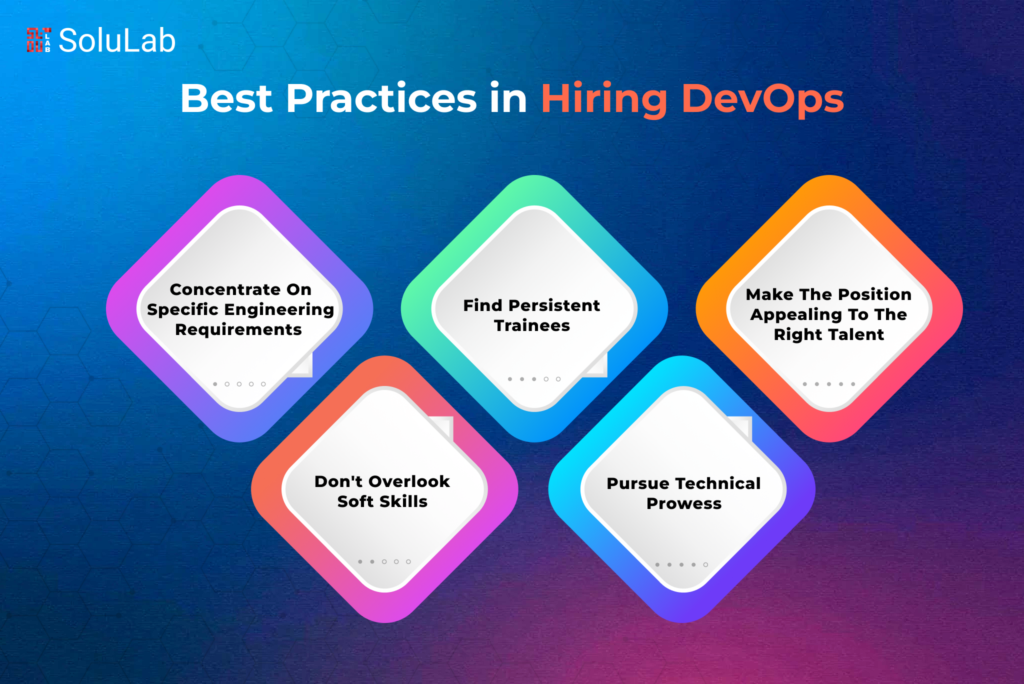
4. If you want to hire the best DevOps candidates, here are some more ideas:
Concentrate On Specific Engineering Requirements
Determine the strengths of your saas software developers /DevOps teams and the gaps that need to be filled. Look for people with the skills that DevOps team members don’t have. Depending on the department, DevOps may mean different things. Design, implementation, automation, security, testing, systems administration, release, and management of various organization technology and human resources aspects can all fall under the DevOps umbrella.
You can hire junior engineers with the necessary skills and hire external consultants for short periods when your needs or budget are limited. Retaining consultants typically comes at a cost, but they can be a cost-effective way to fill specific gaps in your DevOps strategy.
Don’t Overlook Soft Skills
DevOps thrives on cross-functional engineering collaboration and communication. DevOps is also a cultural shift that encourages engineers to build quickly, collaborate with customers to learn and improve, and create with the business in mind. In addition to their engineering and academic abilities, a successful hire will demonstrate the ability to support your organization’s DevOps culture.
Read Also: DevOps Solution for AI-Based Financial Recommendation System
It’s not about looking for relevant keywords on resumes; rather, it’s about knowing how candidates might act in the real workplace. A good place to start is with behavioral and psychometric recruitment tests, but you might also want to look at shortlisted candidates’ case projects where they work with other team members.
Find Persistent Trainees
DevOps services company frequently necessitates using novel technologies, many of which have a steep learning curve. Engineers who succeed in DevOps are comfortable learning new techniques and approaches to new challenges. They are particularly interested in discovering and implementing novel techniques on and off the job. Look for personal projects and contributions to open-source technologies in junior-level hires.
Find out how experienced candidates have chosen their IT environments, infrastructure and architecture design, solutions and services, methods and frameworks, and so on in recent years for the position. How effectively did they adapt to the shifting technological landscape? The perfect candidate should be able to jump right in and make the most of the most up-to-date technical resources in this rapidly expanding sector.
Pursue Technical Prowess
Adopting DevOps requires engineers to look for technical prowess. Designing and implementing technology is an essential part of their job. A good engineer will have a broad understanding of software engineering functions previously only available to experts in a particular domain. Professionals in DevOps should be interested in the intersection of a number of software engineering domains, such as:
- Dev
- QA
- Ops
- Networking
- Security
- Release and CI/CD
Even if their day-to-day work only focuses on a small number of disciplines, such as development, testing, or operations, a DevOps practitioner will likely be involved in decisions related to all of these engineering disciplines. Deep technical prowess across a variety of technologies should be highly valued in order to make sound decisions and resolve issues.
DevOps engineers, for instance, will likely be required to automate infrastructure management, configurations, and a number of build and testing pipeline components. On the other hand, a DevOps expert will know precisely which strategy is most effective and whether or not a process is automated. When waste processes are automated, the SDLC pipeline issues only worsen. The ideal candidate will possess sufficient technology for the SDLC process as a whole and know when not to automate for the sake of automating. Recruiters are responsible for finding engineers with the right mindset and a thorough understanding of the DevOps cycle’s technical components.
Make The Position Appealing To The Right Talent
Recognizing your organization’s requirements is the first step in hiring DevOps experts. The second step is finding the right people to fill the gap and help the DevOps vision become a reality. However, top DevOps experts probably already hold senior-level positions and enjoy excellent pay and benefits, a good work-life balance, and opportunities for career advancement within their current organizations. They must have good reasons to switch to your business; a straightforward LinkedIn or networking event contact may not be enough to entice you.
DevOps’ talent market segment is, therefore, candidate-driven. Financial compensation will need to be significantly higher than the industry average to attract software engineering candidates. Additionally, a smooth hiring process is essential: The right candidate will quickly be dissuaded by long downtime, repeated interviews, and negotiations over a relatively low salary. Ensure your job package is the most appealing of all the offers you receive for your ideal DevOps candidate.

Concluding Remarks
One advantage of a unified platform is the ability to control and manage the entire SaaS development lifecycle from a single location. Every stage of the process involves security. Ultimately, it all comes down to your company and your final DevOps vision. When recruiting, keep the DevOps golden rule in mind at all times. In addition to checklists and tools, it is people management.
At SoluLab, we provide complete SaaS product development services, emphasizing the aspects of a profitable SaaS solution: APIs, cloud hosting, efficient storage, and mobile and web applications. We can deliver software as a service product as quickly as possible, thanks to DevOps. We take a hands-on approach to each project, flexibly resolving infrastructure, support, and service issues and coordinating all client requirements. Our team would be happy to walk you through the process if you’re considering using DevOps to build your SaaS from the ground up. Contact us to learn more about our software product development services!
FAQs
What are the four main DevOps components?
The following fundamental components should make up an effective DevOps pipeline:
- CI/CD structure.
- Management of source control.
- Build tools for automation.
- Framework for testing code.
How can SaaS businesses benefit from DevOps?
While reducing delivery times and streamlining internal processes, DevOps services assist businesses in enhancing product quality, customer satisfaction, and internal processes.
Among its benefits are:
- increased collaboration-based productivity
- stable and adaptable environment
- automatic testing and maintenance
- improved problem-solving skills
What are the DevOps pillars?
An overview of the four pillars of DevOps is:
- Shared responsibility
- Practical application
- Connecting development and compliance
- Automation
How much does it cost to hire/employ a developer?
Calculating a software developer’s cost is a labor-intensive process. Hiring developers often costs between $70 and $120 per hour in countries like the USA and Canada. The costs incurred are significantly influenced by the project timeframe. Because developers are paid by the hour (estimates range from $30 to $150 per hour based on abilities, experience, and responsibilities), the amount of time it takes to complete a project affects its final cost.
How To Hire an Offshore Development Team Successfully?


Sometimes it’s difficult to find the talent to innovate rapidly and cheaply. Additionally, it can be challenging to discover the best solution and much more challenging to locate the ideal partner because there are so many tactics to select from, like employing locally, outsourcing, nearshoring, and offshore, to mention a few.
According to a Deloitte poll, 70% of participants said that the main reason for outsourcing is cost reduction. The advent of offshore software development is a reaction to this competitive and pricey market. But many companies still need to figure out what it is and whether it can help them. It’s a murky subject, and the internet is rife with contradicting and ambiguous information.
This article provides a clear and concise explanation of offshore, going through all the essentials so you can learn what it is and the advantages it could have for your company.
Defining An Offshore Development Team
Offshoring is the process of moving a business process or department from one country to another in the software industry. In every way, the team you build is made up of regular employees, except that they work elsewhere rather than locally.
In most cases, the term “offshore development” refers to working with remote IT teams far away from the customer’s country, as opposed to “nearshore developers,” located nearby. Argentina, Brazil, and Mexico in the Americas, India, Vietnam, and China in Asia, and Poland, Ukraine, and Belarus in Eastern Europe are popular nations with high levels of offshore outsourcing development services.
Offshoring Vs Outsourcing – Differentiators
Working with a third party under a temporary contract to accomplish a short-term objective is known as outsourcing. The approach is project-based rather than long-term. The primary distinction is that your offshore development team comprises fully dedicated employees who think about your products and services with a long-term perspective, contributing ideas with an aim to add value to your business.
Offshoring is a cross-continent extension of your existing team. You work with them the same as you do with your developers at home full-time, devoted corporate employees who share your passion for business and are not ad hoc contractors like outsourced developers. Developers working in an outsourced capacity frequently place a lower value on quality and more of an emphasis on speed as they are working concurrently for numerous distinct clients, which is why it’s typically a less expensive option.
In offshoring, your partner hand-selected all your engineers to your unique specifications after a rigorous sourcing and testing procedure with your final hiring choice. The developers receive a reputable brand to dedicate their work to, a good income, and an integrated framework.
Offshoring is more dependable, effective, and sustainable than outsourcing while still being cost-optimized. Outsourcing can be the best solution for a one-time project, such as building an app or website development. It won’t be a sufficient solution if you’re looking at long-term value for your business. Whereas Offshoring is a fiscally attractive solution to get the talent you need to scale quickly but that you can’t easily find in your current location.

What Kinds Of Companies Can Use Offshoring?
Non-technology businesses that have just begun their journey toward digital transformation, as well as technology-based product or service companies that place a high priority on delivering a digital product that adds value, are two types of businesses that typically make use of offshoring. However, these businesses make use of technology to enhance their operations, such as by automating internal procedures, redesigning their websites, or providing customers with digital products that add value.
These products are maintained, upgraded, and innovative new ideas are implemented by development teams in the future. Most of the time, offshore developers are based in cheaper places. As a result, there is still some stigma and negative connotation associated with it within larger businesses. However, over the past few years, a lot of companies have realized that outsourcing lets them access untapped pools of highly skilled, dedicated developers without having to pay as much for premises. Going offshore is frequently regarded as the best option in cities where elite skills are difficult to come by, and premises require a lot of space.
How Does Offshoring Work?
The first step in forming your new team is selecting the ideal offshore development company. This “on the ground” company works with you to develop the best solution for your business. Your offshore partner will create a precise understanding of what you require regarding your team through in-depth meetings and consistent communication.
The recruitment of your team, carefully selected to meet your specific requirements, comes first. But that’s not the end of it. All of the hard work will be done by your offshore software development companies USA removing administrative, logistical, and legal duties, allowing you to concentrate on quickly delivering high-quality software. You will have complete command over the team’s daily structure and output.
Why Employ a Team for Offshore Development?
In recent years, the start-up scene has changed dramatically due to increased competition and a shorter time frame for bringing ideas to market. Founders are under tremendous pressure to meet strict budgetary constraints and produce high-quality solutions, much faster. It might be especially difficult for companies situated in expensive developed countries to strike this equilibrium.
A satisfactory answer to these problems is development. Start-ups can obtain better expertise without going over budget by working with qualified experts in areas with reduced operating costs. Scaling development efforts, cutting time to market, and maintaining competitive quality standards can be accomplished at a lower cost with offshore teams. Additionally, by assigning technical work to reliable partners, offshore enables businesses to concentrate on key business operations like strategy, marketing, and client acquisition.
A development team to look after your business is a smart strategic choice for contemporary companies navigating competition in the market. Since it offers capability, affordability, and efficiencies. New businesses can also overcome the limitation of resources and accomplish their objectives with accuracy and agility by utilizing offshore talent.
Benefits Of An Offshore Development Team
Around 72% of companies prefer offshore software development to their in-house development. Here are a few of the explanations as to why this is the case.
1. Return On Investment (ROI)
Establishing an offshore development team enables you to gain expertise not available locally. However, failing to indicate the reduced cost would be negligent. Aside from the engineers themselves, top offshore sites provide more-reduced premises and setup costs than in Western Europe and North America. The financial risk a business assumes while attempting to scale up is reduced by the affordability factor.
2. Valuation Disposition
The long-term perspective of your developers is one of the major factors that set outsourcing apart from other approaches. In contrast to hired help for one-time projects, your engineers are full-time employees. They are as extensively a part of your business as the employees and have been fully incorporated into your current development activities. They’re in it for a prolonged duration and are ingrained in the firm’s conquest.
3. Sustainable Scalability
Think of a time when business is thriving, and you are receiving more inquiries than you can handle. Although it’s an extraordinary situation, it’s frustrating if you want to expand the business. A selected offshore team may hire fresh developers more quickly and easily than at home.
Your company can easily handle a bigger volume of work by establishing an offshore development team. It is only a matter of communicating with the recruiters to increase capacity because the management, administration, and processes are already in place. In addition to finishing more work, you’re doing it at considerably higher margins, which results in greater profits.
4. Lower Operating Costs
It’s far less expensive to build teams in emerging tech nations like India than in metropolitan hotspots like Paris or London. Office space, equipment, administration, and human resources(hire developers) — the generally lower cost of living makes everything more affordable.
Disadvantages Of Offshore Development Team
Before offshoring developers for your firm, consider the following things:
Time Zone Differences
Time zone differences are one of the biggest drawbacks of outsourcing. Work schedules may need to be altered to accommodate your offshore partner because many offshoring businesses operate between 5 and 12 hours away from their client. Furthermore, you may have to wait for responses from the offshore staff unless your offshore partner agrees to staff late-night shifts in accordance with your company’s time zone. Due to the difficulty both businesses have in accommodating one another, these time differences can result in significant project deadline delays.
Numerous Suppliers To Pick From
There are tens of thousands of companies around the world willing to create software and other applications for you. About a thousand Ukrainian businesses are the only ones eager to meet your technical requirements right away. That does not include freelancers who are also persuaded that they can be of assistance to you. It’s important not to give in to the emotional urge to make such an extravagant choice because it can be shocking.
Step-By-Step Guide To Hire An Offshore Development Team
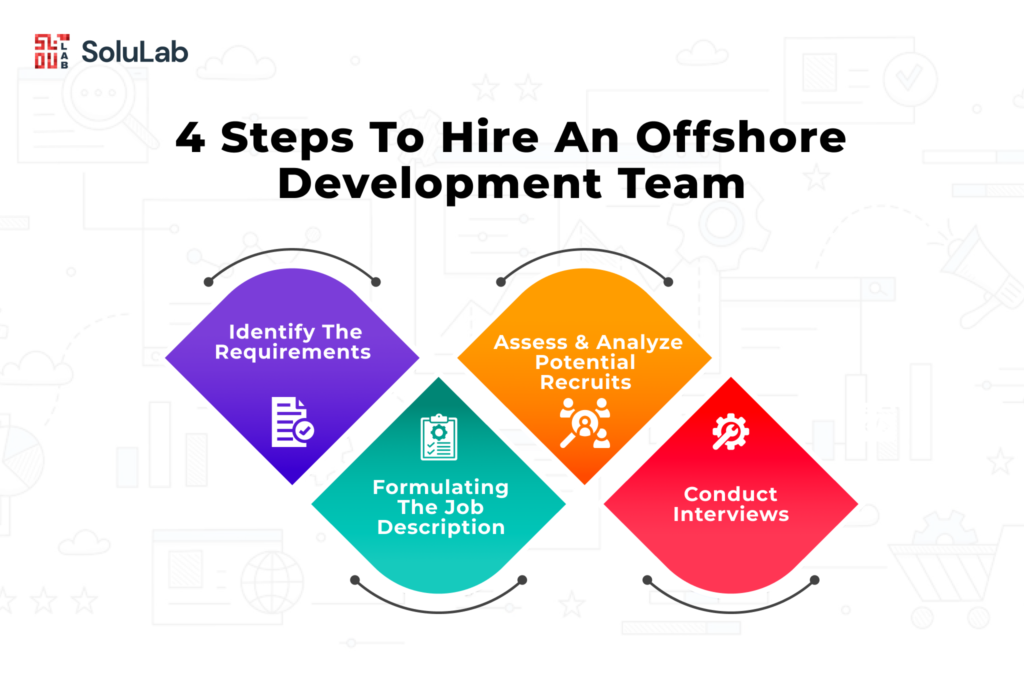
We have compiled a hiring process checklist to make your job easier. You can use this checklist to find the characteristics of the ideal offshore development team for your business.
1. Identify The Requirements
Determining your company’s goals and objectives is the first step in selecting offshore developers. Describe your goals and the obstacles you are likely to face. Document your requirements and the technical specifications that your future product should fulfill. A clear roadmap of your application’s structure, features, and future capabilities, as well as a list of web, mobile, cloud, and on-premise technologies, should be included in the document. This will help you find the right developer for your projects more quickly. What qualifications, work experience, and skills are required by you and your company?
2. Formulating The Job Description
The creation of a comprehensive job description is the second step in the process of locating the ideal developer. It gives you an idea of what the team you need to put together will look like. Do you only require testers and programmers? Or are advanced UI/UX designers and a business analyst required? It would be ideal if you thought about this at that point. Begin with the fundamentals, such as portfolio projects, the cost of services, and professional expertise. You may add the team’s geographical location, members’ communication abilities, and specific soft skills to this list during the analysis process.
3. Assess & Analyse Potential Recruits
You can now begin evaluating the available deals. You can always check the company’s rating, reviews, and reputation on specialized platforms and social media, regardless of which hiring option you prefer. You can also talk to previous customers of the teams you’re interested in to get firsthand information about working together in real life.
Utilize the services of independent technical expert benefits if you know that you need to objectively conduct a professional suitability assessment of developers. It will save a lot of money in the long run to charge him a small fee for his consultation and participation in the interview.
Consider the availability of industry experience when selecting potential vendors, and resist the temptation to overpay for services. In essence, it will be easier for you to complete a project if the specialists assigned to it have higher qualifications. By doing this, you can choose only a dozen teams with whom you think it would be worthwhile to work together.
Conduct Interviews
Evaluate each applicant on your list using the prepared checklist and the technical advisor’s comments. Online interviews are the best way to learn about your candidates. You can use this to determine whether or not your candidates are a good fit for the position, whether or not they have the necessary experience, skills, and professional backgrounds, and whether or not they can work together on a project.
A well-thought-out interview procedure reveals a lot about your offshore employees. Pay close attention to the responses regarding the organization of workflow, the causes of previous work failures, and the accepted ways to respond to unusual circumstances. Find out how many people are on the team, whether or not it needs more resources, and what kind of resources it needs. Find out how the team members are keeping up with software development trends and improving their hard skills. Find out what sets this team apart from hundreds of others and why you should pick it.
Select The Suitable Offshore Development Team
The final step is to choose the best offshore developer i.e. hire an offshore development company that can work according to your needs, be flexible, timely, and dedicated to your projects. Give yourself some time to consider the outcomes of the communication and weigh the advantages and disadvantages of the developers you like. You will select a team that is worthy of contracting with your product and working with it in this manner.
Concluding Remarks
With the right offshore custom software development company USA, you can tap into global talent pools and access the skills you can’t always find at home while keeping costs optimal. And, while they take care of the nuts and bolts of recruitment, setting up your team, the heavy operational lifting, and the day-to-day administration, you can keep your focus on creating innovative new customer offerings.
SoluLab is the best option if you’re a business owner looking to engage an offshore development team. Your needs for offshore development can be met by the wide pool of competent and skilled developers, QAs, PMs, and business analysts at SoluLab. We believe that working together to achieve common objectives is the essence of IT outsourcing. So, if you’re looking for offshore development, consider SoluLab for its capacity to scale up and down quickly, seamless communication, round-the-clock support, etc.
FAQs
1. Where can I locate an offshore development team that works remotely?
If you’re looking for an offshore development team, you should check out freelance websites such as Guru, Toptal, and Upwork. Although there are many independent developers in the market, you must be mindful of the difficulties in organizing and managing projects when dealing with freelancers.
2. How can possible dangers be reduced while employing an offshore development team?
Employing foreign developers may put communication, compliance, and data security at risk. Clear communication lines and the use of security measures, however, can easily reduce the dangers associated with the hiring of an offshore development team.
3. What is the cost of hiring an offshore development team?
The area and project complexity determine how much it might cost to hire an offshore development team. Offshore developers can charge anywhere starting from $15 to more than $200 per hour on average.
4. How to be secure about the private information shared with an offshore development team?
Encrypting data, implementing role-based access restrictions, establishing clear standards, conducting audits, implementing multi-factor authentication, selecting trustworthy partners, keeping in touch, and ensuring regulatory compliance are all ways to be secure.
5. Why should you hire an offshore development team or vendor staff?
One of the best ways to expand your company while reducing risks is to hire an offshore development partner. Businesses don’t need to go through drawn-out hiring procedures for every project.
Software Development Cost: Factors & Estimates


A common misconception about software development cost estimating is that it is a technical issue that can be resolved using computation models, measurements, and processes. The exact opposite, though, is true. It’s the “human characteristics” that matter most. The project leader’s ability to inspire his developers, encourage them, and keep them committed will have a greater impact on the software’s ability to be delivered on schedule and within budget than utilizing strict calculations.
This blog provides an overview of what takes place at the leading software development company in USA in 2023. It explains what to remember when figuring out a software project’s budget to avoid common blunders. Let’s begin by asking, “What makes estimating the cost of the software so hard?”
Why Is It So Challenging To Estimate Software Costs?
a. Information on finished software programs is scarce. This kind of information can help project management with estimations.
b. Estimates are frequently completed in a hurry and without regard for the time needed to complete a reliable project. Additionally, it happens far too often that an estimate is required prior to the creation of detailed specifications for the system requirements. As a result, a common scenario occurs where estimators are under pressure to create an estimate for a system they are unfamiliar with too rapidly.
c. Specifications can be challenging to create, particularly at the beginning of a project. Plans and budgets must be adjusted as a result since changes, adjustments, and additions are more often the norm than the exception.
d. Software characteristics and software development make estimation challenging. For instance, the degree of abstraction, complexity, product and process measurability, innovative aspects, etc.
e. Software development effort and time are influenced by a large number of factors. “Cost drivers” refer to these elements. The software’s size and complexity, user organization participation and commitment, and development team experience are all examples. In general, it is difficult to identify these cost drivers in practice.
f. Stabilization of the estimation process is hindered by rapid IT and software development methodology modifications. New workbenches, fourth- and fifth-generation languages, prototyping strategies, and so on all have unpredictable effects.
g. An estimator—mostly a project manager—cannot have a lot of experience making estimates, particularly for large projects. How many “large” projects can an individual manage in, say, ten years?
h. A clear tendency among software developers to underestimate. The non-linear aspects of software development, such as coordination and management, are likely to be ignored by an estimator, who will take into account how long a particular section of the software would take and then apply this estimate to the remainder of the system.
i. The estimator makes an estimate of how long it would take for him or her to complete the task on their own, ignoring the fact that a lot of the work will be performed by junior staff members who have less experience and a lower rate of productivity.
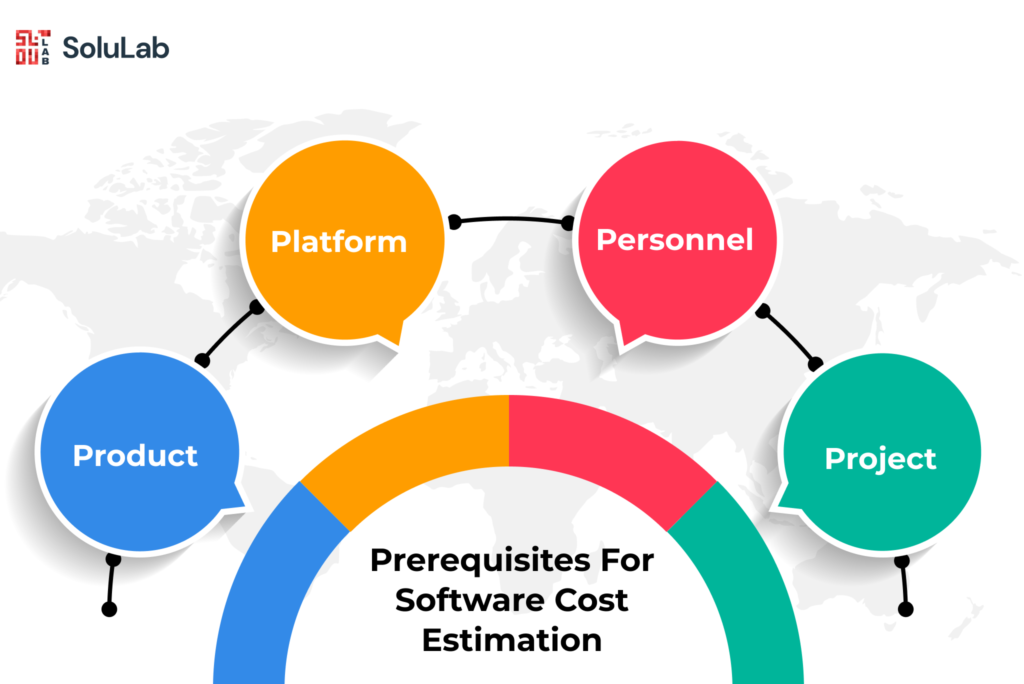
Prerequisites For Software Cost Estimation
There are numerous approaches to solving Software cost estimation issues. There are several techniques to enhance software project management from an organizational standpoint, including responsibility distribution, decision-making, arranging project work, monitoring, and auditing of development tasks. Also, sociological and psychological perspectives on software cost estimation are possible. This includes dedication, organizational group cohesion, leadership style, and more. Another crucial factor to consider is the job’s technical aspect. For instance, having access to quality tools for design, programming, testing, documentation, hardware facilities, etc.
The time and effort required for software development are influenced by many factors. Several conditions must be met to solve the issues mentioned earlier and ensure a solid foundation for estimating the effort, duration, and capacity to create the program.
These conditions are:
Product
- Required Software Reliability
- Database Size Product Complexity
- Required Reusability
- Documentation matches to life-cycle needs
Platform
- Execution Time Constraint
- Main Storage Constraint
- Platform Volatility
Personnel
- Analyst and Programmer Capability
- Application Experience
- Platform Experience
- Language and Tool Experience
- Personnel Continuity
Project
- Use of Modern Programming Practices
- Use of Software Tools
- Multisite Development
- Required Development Schedule
- Classified Security Application
Software Development Cost Estimation
The typical project management tools frequently used by project managers, such as Gantt charts, Fishbone diagrams, Critical Path Analysis flow diagrams, and brainstorming, enable better control of both human and financial resources. They believe that the feedback loops in these tools are advantageous to customer relationships and that the metrics, which included measurements of the development process, helped to improve the performance of the organizations in the direction of faster development times, lower costs, higher software quality and reliability, and higher profit margins. To estimate the time needed for software development, several methods for software cost estimating have been presented. Nevertheless, a sizable portion of estimation overruns are documented, and several variables that affect the software development process and result in overruns are identified.
Major Types Of Software Projects
Software development takes many different forms. However, the first step in estimating development costs and classifying software development cost breakdowns is to comprehend the software development type of your project. Remember, each software development requires additional development effort and has its distinct team.
New software development refers to the creation of brand-new software, including custom software development.
Software modification refers to the process of improving already existing business software.
Read Also: A 5-Step Guide To Successful Software Development Outsourcing
Software integration refers to the addition of custom code to incorporate previously developed software into other procedures. This would include modifying data that moves between an accounting system and an inventory system, as well as plugins and packages like “Office.”
Web development: custom web-based software development.
Factors That Affect Software Development Cost
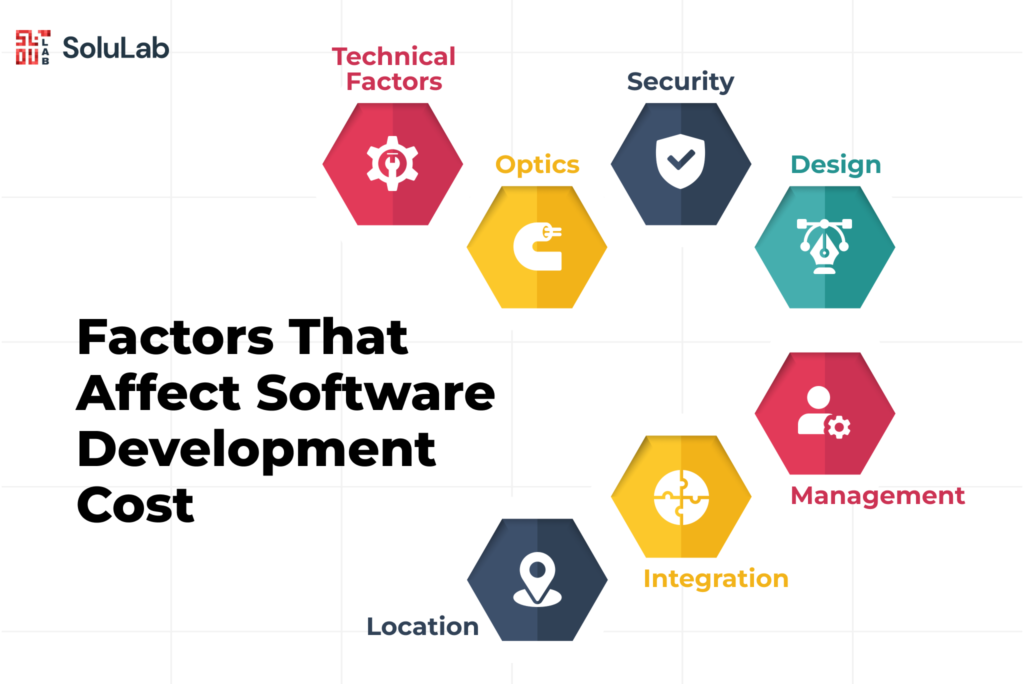
Barring the standard cost of the production factors—labor, capital, land, and business—known as the factor cost, consider how much it costs to create a new custom software solution.
Technical Factors
Most of the time, regulatory cost estimates don’t consider the possibility of technological advancement. As previously mentioned, regulators frequently have to figure out how businesses can comply with the law, which seems to make it impossible to predict or extrapolate costs in the future or anticipate cost reductions. After all, technological change is notoriously difficult to anticipate; Based on previous experience, the only thing we can say with some certitude is that the cost of compliance will decrease, but we cannot say at what rate. In software engineering, soft or human-related factors that should be analyzed alongside more technical aspects receive special attention. In the process of estimating costs, selecting the appropriate tool is crucial. Accurate outcomes are achieved with the appropriate tool. A spreadsheet or Microsoft Excel, as well as Microsoft Projects, are the most common tools for cost estimation. The accuracy of the traditional method is the greatest obstacle. To produce cost estimation results with high precision, the software development communities required assistance. As a result, a lot of research has been done to create automated cost estimation tools. However, they have not yet asserted that the tool they propose could deliver accurate results.
Optics
As the software is being developed, stakeholders are providing ongoing feedback, which increases the likelihood that the scope will vary throughout the project. The development will cost more the wider the scope. You can either add features that will increase the cost or delete features that are not necessary. To give you a notion of how the range can affect the price, consider that the development of simple mobile apps with a constrained set of features can cost anywhere from $20,000 to $80,000, while the development of more complicated apps with both web and mobile functionality or customer-facing service apps can cost anywhere from $80,000 to $150,000.
Security
An application’s security must be protected at a high expense. To encrypt data in transit, purchasing a TLS/SSL certificate While purchasing a TLS/SSL certificate to encrypt data in transit may be inexpensive, investing more money in custom encryption is another security step. Despite this, you shouldn’t reduce the amount of money you spend on data protection.

Design
While planning is the precise formulation of the project’s strategy in terms of time, cost, quality, and quantity, design is related to the conceptual framework that makes up the project and sets its key attributes and objectives. The plan is primarily restricted to the operational perspective, while the design gives a complete overview of the project. The issues are caused by improper components due to lack of training, maintenance, too sophisticated or ambitious parts, etc
Management
When creating and putting into place business continuity management initiatives and systems, top management commitment is the element that decides the tipping point between possible success and failure. You have two alternatives when it comes to managing: you can handle it yourself, or you can delegate the task to a vendor project manager. Management is all about your level of commitment and desire to become involved in the project. Even though the first choice will help you avoid “additional” administration expenditures, the second one will eliminate headaches.
Integration
There are several third-party integrations available on the market that can improve your system’s functionality. However, there are costs associated with each one. You will probably want to integrate your software with other applications from outside the company. Depending on how many integrations you want your software to be able to do and how difficult it is to integrate with particular apps, this can be simple or extremely difficult. The problem is that you don’t know how well the apps you want to integrate with let in or out information. As a result, software integration costs can vary from project to project.
Read Also: How To Ensure That Your App Development Project Do Not Cross Budget
Location
It can take a lot of work to figure out how much a particular software development project will cost. The country’s rate of development will also have a significant impact on the cost of your software project. Software development services in Western Europe and North America are the most expensive. At the same time, countries in Eastern Europe and Asia are thought to be the most cost-effective and high-quality locations for outsourcing software development.
Concluding Remarks
Software cost estimation is a crucial step in creating software that helps project managers make decisions and makes software projects successful. The cost of a software development project is also affected by other factors. These aspects that have been discussed vary between projects, resulting in variations in their total costs. When it comes to a software development project, there are too many variables to accurately estimate its cost. However, we hope this guide has been of some assistance to you in comprehending software pricing or even evaluating the cost of your project.

FAQs
What is the hourly rate to hire software developers in USA?
It is typical for competent software developers to make up to $350-400 per hour. Hourly pay for highly skilled workers falls under the heading of high cost. The hourly rate for a part-time software developer is more than average for the field.
What kinds of solutions do software development firms offer?
Several of the services that bespoke development firms offer
- Proven, intricate, and tried APIs- adopting industry standards for simple integration.
- Upgrades, product evolution, and maintenance and evolution-support services are all covered.
- Web apps- help you take advantage of browser features to improve user experience.
- Hybrid and native mobile apps for iOS and Android are available.
- Machine learning – Artificial Intelligence as a part of your software.
- New products: incremental product value focus and product roadmaps.
- Infrastructure automation: Environment and tools automation driven by versioned infrastructure definitions.
- Monolith TO Microservices-Software that is modular and designed for high availability and robust services
- Cloud Services: Cloud-based distributed systems for lightning-fast performance.
Which of the best cost estimation tools are utilized by businesses all over the world?
JIRA, Microsoft Project, Concerto, Primavera Project Planner, and other tools are used by software development companies to estimate costs.
How do you select a software development company in USA?
A corporation should perform a more thorough analysis of its business and understand the significance of bespoke development before deciding whether it is worthwhile to produce new custom software or choose a custom software development company. The following are a few criteria that will aid in your search for the best custom software development business in the USA:
- Check for leveled integration, adaptability, and sustainability of the custom software.
- Number of completed projects
- Examine client testimonials
- See the company’s portfolio for the Development Process
- Examine the Technology Stack.
How is software development consulting carried out?
Even though each development company may have a slightly different software process, the minimum steps that are shared by all of them are planning, designing, programming, testing, deployment, and maintenance. Specialized software that meets the requirements of our customers is developed using agile methods. For many years, we have assisted businesses in enhancing and optimizing their IT strategy. With the help of a software development company’s strategic advice, you can digitize and automate important operational tasks while also optimizing your workflow.
9 Tips To Become A Software Developer in 2023


Only a small portion of software development involves programming. The majority of software development initiatives try to automate a manual process or create a cutting-edge automated solution to a problem that was previously too difficult for people to handle. Even if programming occupies a significant portion of your day, you will need more than coding skills if you want to pursue and make a career as software developer.
Learning how to get started in software development in USA and coding are two very different things. It is amazing how many things you need to know to be an effective software developer, which can be overwhelming, especially for new programmers. Debugging, methodologies, SCRUM, Agile, programming languages, source control, testing, continuous integration, web development, HTML, CSS, design patterns, databases, and the list goes on and on.
Software Engineering Subfields
There are numerous well-liked software engineering disciplines in top software development companies in USA:
-
Front-End Engineers
The user interface (UI) and client-side functionality of software applications are the primary concerns of front-end engineers.
-
Back-End Engineers
The majority of back-end developers in the world of web development focus on developing the application’s actual logic. When compared to front-end developers, back-end developers typically devote significantly more time to implementing algorithms and resolving issues.
-
Full-Stack Engineers
Working on all of a software development stack’s layers and components is part of full-stack development. It might even necessitate familiarity with server architecture and hardware, also known as “dev ops.”
-
Data Engineers
Data engineers concentrate on changing data, so it is readily comprehensible and available for data scientists to analyze.
-
Machine Learning (Ml) Engineers
On data science teams, machine learning (ML) engineers create and put into use programs and systems that can learn and decide for themselves.
-
Security Engineers
Security engineers are experts at examining the safety of systems, identifying vulnerabilities, and implementing fixes.
How To Become A Renowned Software Developer?
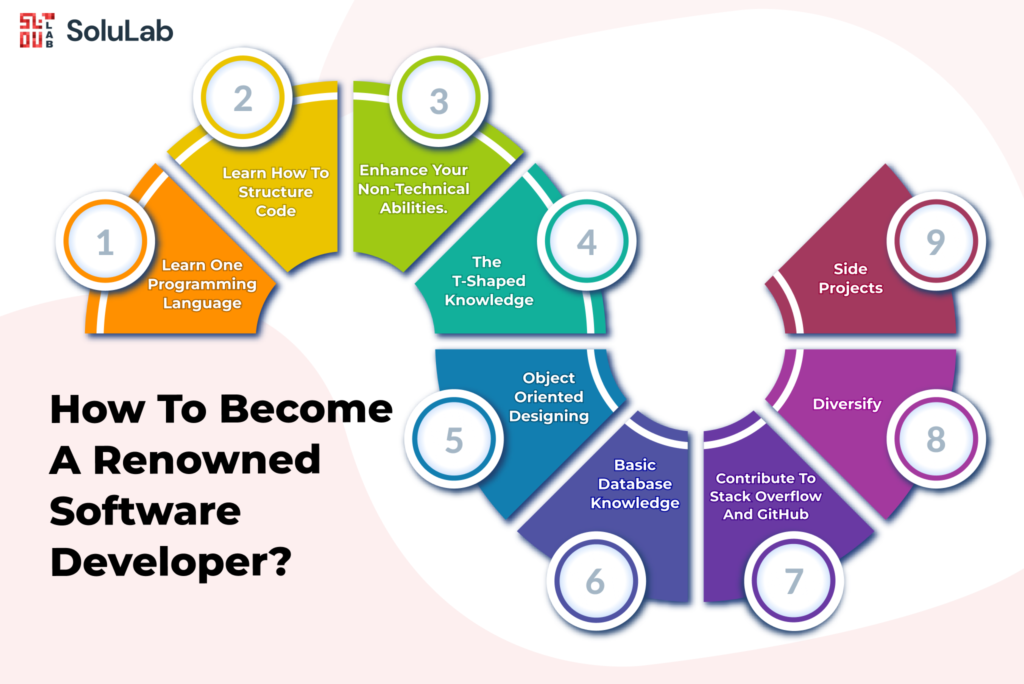
If you intend to pursue a career as a developer, the following 9 suggestions will assist you in achieving your objectives.
1. Learn One Programming Language
Before attempting to land their first position as software engineers, many beginning programmers try to spread their risks by simultaneously studying numerous programming languages. Although learning more than one programming language is something you should eventually accomplish, it is better to do it right away because it will need clarification and take your focus away from many other technical skills you will need to acquire. Instead, you should concentrate on mastering just one programming language to be confident in writing code.
The four most frequently used programming languages are:
C –
C is one of the more ancient programming languages still in use today. Despite its age, it is arguably the most widely used programming language worldwide. C is the foundation for many of the other major programming languages that are used today. Learning C will likely make it simpler for you to learn C++, C#, Java, JavaScript, and many other languages.
Read Also: A 5-Step Guide To Successful Software Development Outsourcing
C++ –
C++ is the programming language frequently used in conjunction with C. This is primarily because many C++ programmers need to understand object-oriented concepts in C++ to write C code that includes some C++ features. If you work on C++-based legacy systems, you will likely encounter this kind of code.
JAVA –
C# is technically very similar to Java because it is older. It was conceived by James Gosling at Sun Microsystems in 1995 as a language that could be written once and used anywhere. The idea was that Java could run on any computing platform using a virtual machine, making it simple for Java programs to run on multiple platforms.
PYTHON –
Python is one of my favorite programming languages. It is a very elegant and straightforward language whose primary goal is to be easy to read. Because more information can be expressed in fewer lines of code than in C++, Java, or C#, Python code is frequently much breezier.
2. Learn How To Structure Code
A commitment to the art that goes beyond simply getting the task done can be shown in good code structure. The art of software development actually lies in the organization of the code, but it’s also crucial since you and your colleagues will spend much more time maintaining old code than writing new code. Instead of learning this ability afterward, you should learn how to write good, clean code from the start.
Even if you are a newbie, every interviewer who looks at your code will presume you are an experienced professional if you can produce decent, clear, simple, and intelligible code that reflects its meaning in the structure itself.
3. Enhance Your Non-Technical Abilities
There are multiple prospects to advance your career at software development conferences. As discussed in the networking chapter, attending conferences is a good way to meet new individuals and learn from some of the most experienced programmers in the industry. However, you must become a speaker if you want to benefit from software development conferences. You can build your brand as a speaker, network with other speakers and conference hosts, and land consulting or side business work.
Starting and maintaining a blog is one of the soundest fortes you can do for your job in software development. Someone searching for your name online will find your blog if you blog frequently and consistently. If you maintain a blog that is regularly updated, this will improve your reputation with potential employers, recruiters, or customers.
4. The T-Shaped Knowledge
T-shaped knowledge is what you should really work toward. It means that you know much about your field and knows something in at least one deep, specialized area. Best practices, algorithms, data structures, different architectures, front-end, back-end, databases, and so on should all be well-known to software developers. You will use this specialization when you market yourself and build your personal brand.
5. Object Oriented Designing
In software development, complexity management is a constant concern. Although numerous functional programming languages are available today, object-oriented design and analysis continue to have a significant, if not exclusive, effect on software development’s most common languages and patterns. You must comprehend OO design since it affects how the software development industry thinks. Using the object-oriented design, a complicated program can be broken down into discrete classes or objects (instantiations of classes). These classes and objects include functionality and have distinct roles and responsibilities. You should be familiar with concepts like polymorphism and encapsulation, the many types of inheritance, and when to use each.

6. Basic Database Knowledge
Relational databases and document databases are the two primary database technologies. Today’s developers should be familiar with relational databases and likely have some knowledge of document databases as well. Databases are frequently used in software development to store data for an application. Although some teams will have dedicated database administrators (DBAs) or database developers (DBDs), you can still learn at least the fundamentals of databases. Additionally, depending on your platform and/or framework, you should understand how to access and store data programmatically from your code. The ability to create code that can interface with a database is expected of the developer.
7. Contribute To Stack Overflow And GitHub
StackOverflow and GitHub are, without a doubt, excellent platforms for both novice and experienced developers. You absolutely require platforms that are both competitive and beneficial. Programmers collaborate, create intricate systems, and write code. Services like StackOverflow and GitHub facilitate the free transfer of knowledge, creativity, and contributions from various developers.
Read Also: How to Choose The Right Software Development Methodology For Your Business
You can improve your skills there and gain further understanding from a large number of developers who are willing to share information.
Additionally, developers from all walks of life possess varied expertise and skills. Participating in digital communities like GitHub will improve your creative and problem-solving abilities. It’s similar to a cheat code that lets developers easily use what they have to make magic in their terrain.
8. Diversify
Due to the extent to which tech giants are pushing the boundaries with new software applications, content management systems, and operating systems, the software development industry is highly competitive. Your financial growth may be hampered if you stick to a particular niche. In addition, starting a new business from scratch necessitates earning money. So, make sure to settle for a job with a high salary. To climb the success ladders steadily, keep learning and improving your skills. The tech market may be ready for all developers. However, there are some positions and industries with greater promise than others. Concentrate on a few of the most sought-after jobs in the sector.
9. Side Projects
Your life and career won’t be affected as much by your 15 or so years of work experience as they will by the small side project you finally finished. Side projects are undoubtedly one of the best methods to advance your profession as a software developer. In point of fact, most software developers ought to make their initial side project a clone of something already in existence. If you don’t try to simultaneously design software and build it, your project will be much simpler and more likely to succeed. Start by creating software.
When you have more experience working on side projects and more confidence in yourself, you can work on designing and building something new. It may be time to choose something more ambitious once you have completed a few of these smaller, simpler side projects and established your confidence. . You can always come up with new versions and build on a side project over time—maybe even make it your full-time job, but you want to finish it and put it out there as soon as possible so you can benefit from it and test the idea instead of letting it take years to complete. Consider how you can use that project in many different ways.
Concluding Remarks
Being a good programmer is both challenging and noble. When learning a new programming language, you should try to complete a small project first. To learn any skill, you must put yourself in a forgiving position where you can exercise that skill. You must put yourself where you can practice any skill to understand it. I hope this article helped you learn more about this career that is expanding quickly and find recommendations for courses that will help you build skills.

FAQs
What considerations should be made when hiring a software developer in USA?
Outstanding problem-solving abilities, self-assurance in one’s abilities, and a can-do attitude toward any issue are crucial software developer talents that elevate a developer’s value to any firm. When choosing to hire custom software developers, bear the following in mind:
- Get online recommendations
- Discuss programming and coding
- Experience in the field
- Look up customer feedback and endorsements
- Understanding of current market trends
- To successfully manage a project, communication is key
- Troubleshooting ability
- Evaluate their success ratio
How much does it cost to hire a software developer in USA?
It takes a lot of work to calculate the cost of a software developer and custom project. In nations like the USA and Canada, hiring software developers typically costs between $70 and $120 per hour. The project timetable has a significant impact on the cost incurred. The time it takes to execute a project influences its final price because developers are paid by the hour (estimates range from $30 to $150 per hour based on skills, experience, and responsibilities).
How do I choose a software developer in USA?
It takes time to choose and evaluate a software developer based on several factors. Here is a list of qualities to consider when choosing a software developer to help you reduce your alternatives.
- Examine the success rate of earlier projects
- Look over the pricing structures
- Review the suggestions made by the clients
- Proof of conceptual knowledge of current trends in development
- Capacities for communication and integration
Are software developers in high demand?
According to the data, software engineers earn a lot of money and will continue to be in high demand. The job market in this sector looks promising. Between 2021 and 2031, the demand for software developers is expected to rise by 25%. This is faster than average growth, which indicates a high order.
Hire A Dedicated Software Development Team in Canada


Want to hire a dedicated software development team in Canada?
Pairing highly skilled developers with a project guarantees successful product development. However, finding top developers is more challenging than finding a top software development company in Canada.
As the demand for developers is high these days, it makes things worse for many companies, especially those who seek out in the end and don’t get the ripest fruits that provide the taste they need.
Let’s not forget about pricing, which plays an equal role here; because not every client can afford the high prices, they won’t be able to obtain the most specialized skills.
Not unless they come across an article such as this, which provides insights into hiring dedicated software development teams in Canada at affordable prices.
Interested? Then let’s get things going.
What Are Dedicated Software Development Teams
Before hiring dedicated software development teams, you should know some basics.
The dedicated software development team model is a practice among companies to outsource their development to a third-party vendor worldwide.
It could be a long or short-term collaboration between the client company and the third-party outsourcing vendor where the development teams work just for the client, the same as their in-house propaganda. However, their engagement model may differ per the client company’s requirements, such as part-time, full-time, or any other.
The vendors’ teams are the key elements that work on the client’s product development phases, following all the protocols for quality development and other testing procedures to ensure flawless functioning.
This collaboration model is best when the client company doesn’t have a defined scope for a particular project. Whether the client needs QA specialists, developers to fill the resource gaps, or any other technical role, the dedicated software dev team model is ideal for all.
The Competitive IT Market in Canada
Canada is home to some of the best top software development companies, tech giants, and startups. So even if you were to hire developers from top software development companies in Toronto or elsewhere, the competition wouldn’t let you have them.
Among the reasons for this is its possession as a growing tech hub which attracts entrepreneurs to take advantage of its momentum and rapidly create a startup or an innovation hub.
Considering the high living cost in any city in Canada, the salaries offered to developers are indeed high, which leads local talents to join their clubs. Hence it almost becomes impossible to find and hire a dedicated software developer in Toronto or any locality of Canada who is ready to work at an affordable price.
How Do I Hire Dedicated Software Development Teams?

Indeed the problems of finding quality developers are real in Canada, but every problem has a solution, and the following are among them.
Play Smart (Host Hackathon/Dev Events to Grab Developers)
You don’t always have to reach out to the market for resources; instead, you can host Dev events/ hackathons to lure developers. This is because the most qualified professionals don’t apply for jobs; rather, they get in touch with people with similar objectives.
For these events, you can use your marketing team’s help to develop engaging content to spread awareness of your event and host it in a tech innovation area.
This cunning strategy builds your brand image in the dev communities and attracts those interested in working with you.
You can even collaborate/sponsor events for dev communities for greater reach and to get the most qualified professionals.
Downsides:
- Time-consuming
- Costly
- Requires efforts to organize, plan, and host events
- The developers may not feel aligned with your services/product development
- If found suitable developers, they may ask for higher packages
Referral -The Good Old Method
The referral method doesn’t need any introduction; it’s among decades-old practices in which the employee suggests candidates from their connection for a particular role.
If you are an IT service provider, your developer may know some of their friends or any professional who may be interested in the role; certainly, you can use them to fill the resource gap in your teams.
You can inform all the developers and professionals via a newsletter or by using proprietary communication software in your group. And compensate for the one who gives you the most suitable candidate.
Downsides:
- The developers may not be up to the mark
- Possibility of biased refereeing
- Costly as the developers may expect more
- Might get only a few members, not a team
- Have to compensate the employee regardless of whether the developers are good or bad
Freelancers (Reliable But Not Always)
Surely this thought will strike your mind whenever you think of hiring developers, and it’s a fair deal. You can work with developers worldwide with elite skills and experience at a cost that barely covers your vehicle fuel expenses. It sounds and is a bang-for-the-buck option.
However, while opting for freelance development, you should keep some things in mind.
Get a Better Hold of Market
You should be aware of your options when considering freelance development. Mainly there are two options for freelance development; freelance sites and freelance talent marketplaces.
Freelance Sites
Upwork and Fiverr are freelancing sites where you can get developers at the lowest price. Just mention your requirements, and you will see a flood of developers raging to take on your project and promising to deliver it ahead of deadlines with the lowest prices.
But these sites are often filled with scammers and threats you might want to avoid. Still, even if you manage to get developers, controlling and monitoring their tasks will become a hassle.
On top of it, these sites won’t give you any support or maintenance system where you can reach out and explain the issues of your product.
Hence you should avoid this method because of its implications that might be detrimental to your business.
Downsides:
- Offered developers are not pre-vetted, which impacts on quality
- Monitoring and controlling development phases is nearly impossible
- Time zone difference
- Possibility of Scams and other threats
Freelance Talent Marketplaces
These new platforms aim to connect clients with top global talents in the most affordable way. Freelance talent marketplaces are well-managed with plenty of pre-vetted developers to cover multiple grounds of your project.
If diversification is what you need, it’s among the best options because the developers they offer deliver products from every corner of the world. You can choose the marketplace which aligns with your needs and project requirements and hire developers at your pace.
Downsides:
- Time zone difference
- Cultural difference
Recruiting Platforms (The Long-Standing Tradition)
Just like referrals, this method doesn’t need any introduction. It has been the most used technique to recruit developers into a client’s powerhouse. LinkedIn and indeed are among the most popular professional networking sites for hiring developers.
Here you get the option of hiring in all engagement models, such as part-time, full-time, remote, and location-based. Even so, you have the option of real-time application tracking and other options, making things easy for you.
You can even filter out the developers based on their profiles and skills to ensure your project gets what it needs.
Downsides:
- Time-consuming
- Possibility of bad hires
- Causes confusion with tons of applications
- Have to assess each profile, lacks automated screening
Outsourcing- A Well-Known Corporate Strategy
Outsourcing is the elite strategy for all companies regardless of their size, needs, or other things. It has been used for decades to get quality products at affordable prices.
Outsourcing is handing over your project to a third-party vendor located near or away from you in different parts of the world.
Read Also: A 5-Step Guide To Successful Software Development Outsourcing
The vendor takes full responsibility for your product development and effectively allocates professional teams to bear IT responsibilities. The team is the main element here; it works on each development phase from the ground up by following industry standards and rules to develop a sustainable and flawless product ahead of the deadline.
This practice is beneficial, especially if you want your productivity, as the outsourcing vendor handles everything from scratch to deployment.
Downsides:
- Choosing the right vendor takes work.
- Compromises on quality if choosing the wrong partner
- Full control over development phases is not always possible
Why Outsourcing Might be Just What You Need

Outsourcing agencies provide clients with all the comforts regarding software development.
These include;
- Pre-vetted dedicated teams with expertise and experience
- Top-of-the-line consultation and collaboration
- Positive work attitude
- Trial work period
- Less legal hassles
- Flexible engagement models
- Affordable and budget-oriented engagement
- 24*7 support and maintenance
- And more.
Even so, the dedicated teams from outsourcing agencies offer many benefits; let’s look at each.
They Save Time And Money
Among the most important factors for business are time and money, even counting money as time and currency as a resource to access quality development.
The Money Part
Dedicated software development teams are always affordable. You don’t have to take care of their payroll or any additional perks since the vendor does everything for you.
The best part is you don’t have to bear the office infrastructure and other costs that account for more than 70% of employees’ salaries.
The Time Part
Dedicated teams are experienced professionals from all around the world with unique minds and innovative ideas to change the dynamics of your product development. They can cover up development ground much earlier than in-house developers. In addition, they are easy to hire since they are pre-vetted.
They Are Global Talents
Diversification is the thing that facilitates greater business reach in unknown markets of the world, giving momentum to international operations. If this is what you eagerly want, then it’s time you strategies your development and consider outsourced dedicated teams for your greater reach.
These dedicated teams bring new ideas to the table for any complex problems and issues that may arise in the development phase, effectively clearing every hurdle within the least amount of time.
They Facilitate Innovation
Innovation is infinite and will keep happening just to get something new out of technologies and make human lives easy. Innovation drives your business to greater heights in the corporate world, no matter how small it is; hence it’s always good to invent a new chain/line to build a strong image in the market.
The dedicated team is such developers who believe in developing the best; they master the art of creative building, which always lets them come up with ideas to introduce next-gen features for smart and top-of-the-line solutions.
On top of it, they have the added advantage of working with hundreds of clients, and they can take unique approaches from that solution and implement them into yours to make it cutting-edge.
Read Also: How to Choose The Right Software Development Methodology For Your Business
They Grant You Scalability At All Levels
Scalability is among the unique advantages of outsourced dedicated teams. The vendor can scale the team as your technical requirement changes and can even allow you to rapidly scale up and down if the market conditions become volatile. So you don’t have to deal with resource management.
Things to Consider When Hiring a Dedicated Software Development Team in Canada

Before you move to some prerequisites of hiring dedicated software developers in Toronto or elsewhere in Canada, you should always get a hold of,
- Your project requirements, objectives, scope, audience
- Technology stack
- Budget for the project
- Deadlines
- Required number of developers
Once you figure out these key elements, you have to start looking for companies connecting you with top-of-the-line dedicated software development teams to assess their ability to deliver software solutions.
Here are some of the factors that you should consider.
- The Portfolio
To assess their credibility, know their past projects, and how they helped clients.
- Testimonials/ Reviews
To know what clients have to say about a particular solution.
- The Developer’s Passion for the Domain
To get an idea of how the developers are eager to work on the project
- Development and Deployment Methodology
Lean, Agile, Waterfall, DevOps, and Rapid; determine whether they adhere to the one you require.
- Domain Expertise and Experience
To assess mastery, especially in technologies, you need
- Collaboration and Consultation
To assess work attitude
- Hands-on Support and Maintenance
In case something goes wrong

Final Words
Yes, hiring a dedicated software development team in Canada can sometimes be tricky. However, it’s not because of a shortage of developers but because you need to use the most viable methods. You may have to get creative and change tactics to get what you need.
Still, the above ways and some prerequisites are sufficient for any who wants to hire dedicated development teams for all sorts of IT needs. That being said, feel free to ask expert professionals at SoluLab regarding custom software development.
FAQs
Why Should I Hire a Dedicated Development Team?
A dedicated development team brings plenty of benefits to the table, such as
- Affordable and quality development
- Elite developers
- Innovation
- Scalability
- Flexibility
- Global talent pool
- Support and maintenance
When To Hire a Dedicated Software Development Team?
It depends on the client’s requirement but here is when a client should approach a dedicated software development team.
- When requiring a skill immediately
- When you are running for a short time and need a team to take control of your product development
- When you have a limited budget for your MVP or any digital product
- When you require scalability and flexibility
How To Find Software Developers in Canada?
Based on your requirement you can reach out to the market for resources and hire developers from,
- Hosting hackathons/ dev events
- Recruiting sites
- Freelance talent marketplace
- Referral
- Outsourcing agencies
What is The Most Cost Effective Option When Hiring Software Developers In Canada?
Outsourcing vendors and freelance talent marketplaces are two of the most cost-effective ways to hire software developers.
Best Technology Stacks for Software Development


We always put more effort into finding the best software development company in USA or elsewhere than the technologies that go into building a solution. The technology stack of software development is the nuance of new possibilities, new trends, and technological advancements that push the very potential of software development to deliver next-gen solutions.
This may sound mighty, but the technology stacks are indeed nothing but the ingredients used to create perfect software, just like you use food ingredients in your kitchen to make any delicacy.
However, technology stacks, like different ingredients, can be used to create different or the same software. This is what developers and IT professionals call “stacks of technologies,” which are at points altered and used to develop solutions to cater to specific needs, also known as “custom software development.”
But as we know, it all comes down to some of the best, capable of delivering fine-tuned software applications. So here are some of the best technology stacks for software development that, in our opinion, excel in IT development practices.
What is Technology Stack?
Software development began with programming languages that could perform a specific task as commanded in the codes. This element became the first stack of software development technology for creating sophisticated programs.
Later, as it evolved, the world started to rely on electronic equipment, which created a need for software programs to match the pace and reduce the complexity of using electronic products.
And the revolution started, and new emerging programming languages in the 80s and 90s gave birth to some of the supporting elements known as frameworks, libraries, and tools. These supporting elements elevated the potential of software’s operability in every industry and made them more efficient to use. As a result, these supporting elements became the other parts of the technology stack.
So to put it simply, the technology stack is nothing but a set of tools, frameworks, libraries, and programming languages used for the creation of sophisticated software solutions.
Technology stacks examples- Java, Python, C, NodeJS, ReactJS, MySQL, Apache
Why Do We Need Technology Stacks?
A technology stack is the foundation of software that comprises the right database, framework, libraries, and UI elements to create solutions according to specific needs and requirements.
The fate, viability, and competitiveness of software depend on what tech stacks companies use. And the choice of the stack has a long say as it influences,
- The purpose of the solution
- How the solution works
- How it will cater services to the audience
- How it will work and behave shortly
- The choice of data storage
- The solution, its scalability, and maintenance
- The capacity of the server to sustain the solution
Moreover, the tech stacks are necessary to eliminate the risk factors and any challenges in software development to grant better agility in developing sophisticated solutions for maximum outcomes.
Elements of Technology Stacks
Have you ever thought about how your favorite software and applications work? The layout they have and how it changes when you click something and how some information shows up in a second. It’s all because of two sides of software.
Read Also: A 5-Step Guide To Successful Software Development Outsourcing
The technology stack is divided into two different categories: the front end, the interactive part that users see, and the back end, the part that users can’t see but that contributes equally to smooth software functioning.
Any top software development company in USA or elsewhere relies on these components to create sophisticated solutions.
Moreover, the companies have roles divided into the same categories, with front-end developers and back-end developers each committing to serve their respective sides.
Front-end
The front end includes all of the software components that users can interact with, such as buttons, layout, and content format. In other words, it’s the visual representation of software codes and their functionality for a task in a simpler manner.
The frontend/client-side tech stack involves the creation of user interfaces, user interactive graphics, and representations, layouts that deliver an exceptional user experience.
It includes everything from page structure, layout, design, and graphics, to interactive buttons, styles, and schemas that make software applications more appealing and eye-pleasing.
-
Backend
The backend is the part where all the activities happen, from data sharing to database operations to command execution. This part is not visible to users as it takes place on a server situated far away at data centers; hence, it’s also known as server-side.
The backend part has all the business logic and operates on CRUD (create, read, update, and demand). Some of the crucial elements of the backend are programming languages, databases, and frameworks.
Best Technology Stacks For Software Development
There are multiple tech stacks used by developers, IT professionals, and companies to get the results and solutions they need, calibrated just for a specific area of industry. Let’s shed light on each and grab some insights.
1. LAMP
The industry’s standard, LAMP, is one of the best technology stacks. It is mostly used for web development to get code efficiency, performance, and flexibility. LAMP has many layers, and most of them are free-to-use or open-source, which is useful for small businesses and startups as they run on a tight budget.
Moreover, it’s affordable and platform-independent which means it is capable of utilizing solutions for all types of platforms. The LAMP stack is crucial for those who require sustainable market outcomes, as some of the popular open-source CMS such as Drupal and WordPress are built upon it.
The LAMP stack contains:
- Linux (OS/Platform)
- Apache (HTTP Server)
- MySQL (Relational Database)
- PHP (Programming Language)
2. MEAN
MEAN uses JavaScript on all ends, because of which developers get to reuse codes at any point of development, which increases productivity and decreases the groundwork of writing the same principles over and over again. This also assures better future development practices, as it only relies on JavaScript. It is most suitable for those who want a future-proof solution that can be scaled without worrying about any technological dependencies.
Visit Also: Hire Mean Stack Developers
MEAN stack consists:
- MongoDB (NoSQL Database)
- Express JS (Backend Web-Framework)
- Angular JS (Front-end Framework)
- Node JS (Server-side JavaScript)
The only thing developers and IT companies should consider here are the front-end framework, as Angular JS and its support were discontinued by Google, the company that built it. Instead, developers and companies can replace it with another front-end framework.
3. MERN
MERN is much like MEAN, the only difference is that it uses React instead of Angular, and focuses more on the user experience and caliber solutions that look more elegant and appealing.
MERN contains:
- MongoDB (NoSQL Database)
- Express JS (Backend Web-Framework)
- React JS (Front-end Framework)
- Node JS (Server-side JavaScript)
When you choose React, you get the easiest approach to building front-end elements with React integration. This facilitates coding on both servers and browsers at the same time.
Another part of MERN that stands out is its functional libraries, especially their large amounts, which offer developers the option of heavy customization. And since it’s free to use, it can be used by anyone who wants to create elegant software applications.
4. ASP.NET
Every developer and company in the world has heard of ASP.NET and its capabilities. It’s the best stack when you decide to develop software. Even so, Microsoft has made improvements to the older ASP.NET technology stack, making it a much lighter tool for development. The technology stack is capable of running on both Linux and Windows platforms to create native software applications.
Here are the software application used in ASP.NET
- ASP.NET (MVC framework)
- IIS (Microsoft web server)
- Typescript (front-end framework)
- SQL (Enterprise database from Microsoft)
- Microsoft Azure (Cloud service)
5. MEVN
If the MERN and MEAN stacks do not align with your software development type, then MEVN is right for you. It replaces the Angular framework from MERN with Vue JS as a front-end framework.
Vue JS is exceptionally good when it comes to building resilient and high-performing software thanks to its MVC-based architecture. The only downside here is that developers may have to rely on some third-party plugins and libraries to make the most of Vue JS.
The MEVN stack contains:
- MongoDB (NoSQL Database)
- Express JS (Backend Web-Framework)
- Vue JS (Front-end Framework)
- Node JS (Server-side JavaScript)
6. ROR (Ruby on Rails)
Based on MVC architecture, ROR is among the most popular tech stacks for creating the most efficient and elegant software without compromising on performance.
ROR offers plenty of features, libraries, gems, and some advanced techniques, such as metaprogramming, and DSL writing, to facilitate fully loaded custom software development. With such tremendous tech advantages, Ruby on Rails is loved by many, and companies such as Airbnb, GitHub, and others have used the ROR tech stack to make scalable solutions.
ROR is well known for its aesthetic and eye-pleasing software development, which is generally used in conjunction with MySQL databases. It eases out developers’ work by introducing techniques such as DRY, low code, and others for better productivity.
7. Serverless Stack
The term “serverless stack” refers to the use of cloud platforms to build software services and make them available to customers on the cloud. It is a revolutionizing tech stack that offers nothing but advantages to software firms on all ends, such as cost-efficient software development and deployment, regular maintenance, and system upgrades.
If a company wants to gain digital agility by diversifying its operations on cloud services such as SaaS, a serverless stack is the best option. This makes infrastructure management easy with efficient operations and high scalability.
The Verdict, Which Tech Stack is Best
All the technology stacks listed in this article are capable of elevating any software development practice, but there are some things to consider, such as the type of development. Since companies develop different types of solutions, they have to choose the best technology stack for that specific need.
If a company decides to develop web applications, then it’s best to choose LAMP, MEAN, MEVN, or ROR, as they are originally targeting the web development domain. Other listed tech stacks can be used to develop websites as well, but they are not calibrated for those specific requirements.
In the case of mobile app development, ASP.NET, MERN, and ROR can be used as they offer plenty of libraries, plugins, and elegance required for mobile apps.
Alternatively, if an organization requires cloud infrastructure for software, then choosing a serverless stack makes sense as it targets software creation and delivery via cloud platforms.
However, these tech stacks can be altered at times, such as by replacing technologies as per projects’ requirements or clients’ needs to calibrate products accordingly.
So this means it all depends on the preferences and requirements of the project, company, and clients.
Final Words
There you have it, the best technology stacks for software development.
Each technology stack is distinct and offers something unique that you may admire for your software development practices or even despise in some cases. That’s why the choice of the best tech stack comes down to your personal preferences, opinions, and the project’s requirements.
Nonetheless, you can alternatively use different technologies combined with a tech stack for different development domains to obtain maximum outcomes and retain clients for a longer period.
FAQs
1. What Factors Should You Consider When Opting for a Technology Stack?
The right technology stack is essential for quality software development aligned to the specific needs of a business; hence, when opting for tech stacks, these points must be thoroughly considered – project size, complexity, scope, audience, and objectives, teams’ knowledge of technologies, required database, security protocols, scalability of the solution for future operations, time to market and end-user experience.
2. Why Are Technology Stacks Essential for Software Development?
Technology stacks are the foundation of software solutions. With these, a company can build solutions that are robust, efficient, resilient, performant, and secure, for better outcomes and to facilitate the reach of business operations. Hence, it’s suggested to choose the right technology stack by assessing their pros and cons for better development practices.
3. What Are The Most Common Technology Stacks?
LAMP, MERN, MEVN, and ROR are some of the most commonly used technology stacks for software development, because of their huge sets of plugins, code libraries, and additional features.
4. What Problems Might Occur If Used The Wrong Technology Stack?
The wrong technology stack can cause problems, and they might just keep piling up until the solution becomes hard to repair. For instance, performance issues, vulnerabilities to security, decreased scalability, growth crisis, and maintenance issues.
5. Is It Possible To Transition From The Incorrect Technology Stack To The Correct One?
The migration from the wrong technology stack to the right one is possible, but it’s a tedious process that consumes an awful lot of time. And, if it’s necessary, working with professionals or an IT firm like SoluLab to get every aspect of the product calibrated and geared by the right tech stack for skyrocketing growth is highly recommended.
SoluLab is the place for all your development needs. It is the best software development company in USA, from which you can hire software developers in USA for custom software development, web, and mobile app development, or any other service.
Top 10 Software Development Companies in San Francisco 2025

San Francisco, a city known for its arts and music, is a byword for creation and technology. With economic underpinnings firmly incurred in the IT sector, the City by the Bay has played a significant role in establishing the digital frontier. The skylines of San Francisco, home to well-known behemoths, such as Cisco, and a sanctuary for fledgling start-ups, are prepared with organizations that have revolutionized the technology industry.
Finding the perfect partner in the middle of this abundance might be difficult. Still, it should be no surprise tech companies in San Francisco are a hotspot with a burgeoning software development business. San Francisco and the Bay area have long been associated with technology, dating back to the earliest days of military technology, the establishment of Intel, and its network of academic institutions and capital businesses. San Francisco and the program have become inseparable, even though it is hard to play a significant role in Bay Area technology.
We will be talking about the Top Software Development Companies in San Francisco talked about in this article.
What are Software Development Companies Used For?
A software development company will first try to understand the significance of whatever software they want to produce. Why is it significant? Which features must be present? What effects will this software have on users? The business will then proceed to design and create software to satisfy the needs of the users as well as the criteria identified. Among the items they may develop are our SaaS products, desktop solutions, and mobile applications, iterations, and testing, into the development process. If a software company uses the agile methodology. Some businesses do their testing in the end and don’t adhere to this technique either way after development is finished. The software company will test it to make sure it works as intended and that consumers will experience the anticipated outcomes. Additionally, they will use the time to find any feedback and fix any faults they find along the way.
At last, the business will make the goods available. The system is now user-ready, allowing businesses to utilize their software. To guarantee that the product is always operating as intended, any software company may additionally offer ongoing maintenance or support. The majority of software development companies will follow the fundamental procedure. However, put what they have learned from working on different projects into practice.
Criteria for Choosing the Top 10 Software Development Companies
It’s important to go outside portfolios and testimonials when choosing the top software development company.
By following these steps, you can choose a trustworthy partner who can provide custom software solutions that meet your needs:
1. Select a vendor with industry understanding to comply with regulations and provide creative solutions, and technical skills. In the technology you want, and experience, developing custom applications using tried and true end-to-end development methods..
2. To guarantee efficiency and adaptability to new technologies, comprehend their development methodology (eg scrum, agile) and tools, such as automation or AI-powered solutions.
3. Choose a business that offers open communication, frequent updates, and cooperative project management, which includes feedback, loops, workflow, management, tools, and demos.
4. Make sure that data protection procedures and cyber security safeguards are strong for protecting sensitive data, confirm regulatory compliance, and agree on NDAs and NCAs.
5. Pick a business that fits your needs in terms of size and capability. Take into account the difficulty of your project when weighing their experience and maturity.
6. Assess their feedback procedures and testing strategies. Software quality and ongoing development are guaranteed by thorough testing.
7. Verify post-launch upkeep and assistance to maintain your applications, and updates, reduce interruptions, and incorporate user input.
8. Choose the most effective form of collaboration, for example, co-sourcing for specialized knowledge or managed support for complete solutions.
9. Choose a strategic partner who is committed to the expansion of your company and who can provide business research and consulting services to tackle your main problems.
Top 10 Software Development Companies of San Francisco 2025
Although numerous software development companies in San Francisco offer a variety of software services, not all of them can match the requirements of your project. For example, while some businesses may provide basic software services like web and mobile development, others may focus on digital transformation and modern technology solutions like blockchain. Therefore, you must have a complete understanding of the list of tech companies in San Francisco and their offerings to choose the one for your projects.
1. SoluLab
Beginning with the most creative cooperation, whose blockchain, SaaS, mobile app development companies San Francisco, and based-on-data digital solutions are actively redefining businesses. Two tech enthusiasts, a former senior software architect at Citrix and a former vice president at Goldman Sachs, co-founder of SoluLab. The organization merged intending to create a reliable knowledge-sharing marketplace that links knowledge searchers from various industries and regions with the relevant expertise.
SoluLab has served as the most competent supplier of Blockchain solutions from the inception of Ethereum. Despite starting as a Blockchain start-up, it has since learned about many types of decentralized development, including, NFT marketplace development, virtual reality, and augmented games, decentralized applications, the meta-universe, and smart contracts. SoluLab has a solid track record of completing more than 1500 projects and 500 satisfied clients worldwide, spanning a wide range of sectors, like healthcare, the government, industry, supply chain, transport, schooling, retail, finance, and oil & gas.
- $25 – $49 / hr
- 50 – 249
- 2014
- San Francisco CA
- Disney, Mercedez Benz, Goldman Sachs
2. Azumo
By offering nearshore software development expertise in an organized, efficient manner, Azumo has successfully helped hundreds of companies generate high-quality software solutions over the past eight or more years. Our position as the industry leader has been established by our consistent ability to resolve problems, complete projects, and advance them.
Our client’s eagerness to suggest us and our long-lasting collaborations, which have lasted over a median of not less than 3.2 years along with currently growing, are the foundations of this reputation. We are trusted by some of the top businesses in industries such as Discovery Channel, Facebook, Omincon, and United Health to provide outstanding engineers with a wealth of knowledge.
- $25-$49/hr
- 50-249
- San Francisco, CA
- Twitter, Compuclaim, Six Lamba
3. Double Coconut
Double Coconut is a specialized game development and design company that is well-positioned to provide both technological progress and inventiveness. We realize your vision by combining an offshore group of skilled creators, producers, and engineers with onshore teams that concentrate on layout, UX, and ideation. We are experts at providing outstanding, cross-platform, scalable solutions, whether we are creating captivating mobile free-to-play games, inventive web 3/crypto/NFTs experiences, or immersive/HTML5 games.
Global companies like Ellen Degeneres, Madeen, Target, and Deal or No Deal trust us to develop superb products that appeal to millions of people. Collaborate with creative business people to develop, create, and release games and game apps in addition to well-known publishers. Teams and extensive knowledge of tomentos, player, interaction, and gaming mechanics guarantee that any project we work on produces both creativity and quantifies success. Testimonials from clients are attached to our promptness, adaptability, and outstanding work, guaranteeing that clients may depend on us for any development needs.
- $25-$49/hr
- 50-249
- San Francisco, CA
- Microsoft Casual Games, EA Sports (Madden), Ellen Degeneres
4. Cheesecake Labs
A proximity, software development, and recruitment company that specializes in engineering and design services, Cheesecake Labs is a company that offers its service online with over 10 years of practical knowledge and more than 300 applications delivered. Our work with clients such as Mutual of Omaha, Stellar Development Foundation, Moneygram International, Tapcart, and Bemis speaks for itself.
Our clients range from small businesses in the United States to multinational Corporations in the Fortune 500. Whether you need to address skill gaps or build a dedicated group to lead into end development, our experienced staff of developers, designers, and product planners offer adaptable options. Our solutions may be tailored to meet your specific needs.
- $50-$99/hr
- 50-249
- San Francisco, CA
- MoneyGram, Pepsico, Bemis
5. Spiral Sprout
Though they could begin on a napkin, the best idea shouldn’t remain there. They are made possible by software development, as well as a great deal of preparation and effort. We can view those we love from a distance thanks to software. Assist individuals who have trouble reading, recover from climate, faster, construct smart houses, and link customers to environmentally friendly items.
These transformative technologies are the result of years of experience and committed engineers. These abilities are not possessed by everyone, but Spiral Scout can help you with
those who have. We want every brilliant idea to have the best opportunity of becoming a reality. For this reason, we match the best software developers in the world with aspirational businesses of all sizes to identify issues and find creative solutions. Our team effortlessly integrates with yours, fostering the open communication and trust necessary to generate value and foster creation.
- $50-$99/hr
- 50-249
- San Francisco, CA
- Zoom, Shopify
6. ScaleTech Solutions
By providing advanced technological solutions that promote efficiency and growth, ScaleTech enables companies with a focus on enterprise solutions, web and smartphone development, and digital platforms. We offer the resources and know-how required to succeed in the tough digital market of today.
We create and construct strong digital platforms that serve as the foundation of your company’s operations. Our platforms which, include content management, e-commerce, and CRM systems (customer relationship management systems), are designed to be user-friendly, safe, and scalable. Our proficiency in web and mobile development guarantees that your company remains in touch with its audience at any time and from any location in a world that is becoming more and more mobile-first. We develop mobile applications that are responsive, high-performing, and offer consistent user experiences on all platforms. Our business solutions are designed to work with your current infrastructure and offer strong capabilities for increasing productivity, controlling operations, and spurring expansion. We provide solutions that improve your company, ranging from your business intelligence systems to bespoke enterprise software.
- $50-$99/hr
- 50-249
- San Francisco, CA
- NFL Media, Game Engine Shot
7. Kwanso LLC
In the realm of product development and design, Kwanso is a consultant who brings product concepts to reality. For more than ten years, we have demonstrated our ability to deliver for Fortune 100 corporations, startups, digital agencies, and smaller businesses. Our company is a genuine technology partner that offers highly effective groups to ensure that the project is delivered on time and without exceeding the budget.
- $25-$49/hr
- 50-249
- San Francisco, CA
- US News, JennAir, RealREPP
8. Hypotenuse Labs
At hypotenuse labs, we have the best one percent of engineers from both the United States and Canada. AI and machine learning, DevOps, Full-Stack Web, Backend, and Blockchain are the areas that we concentrate on.
When it comes to tackling difficult technology issues, we can complete comprehensive product builds on time and within budget. Our track record demonstrates that we can give a real return on investment (ROI) by acting as a catalyst for the aims of our clients. After working with us, startups can quickly obtain capital, and large organizations also experience obvious cost reductions and revenue multipliers as a result of collaborations.
- $150-$199/hr
- 10-49
- San Francisco, CA
- Octave, Ambient, Llamalndex
9. AirDev
Based in San Francisco, AirDev works as a software development company that specializes in creating complex custom web apps in a fraction of the time, money, and effort required by traditional agencies. We accomplish this by combining the best expertise in the business with no-code tools and a high degree of standardization. We have assisted hundreds of clients, ranging from Fortune 100 companies to one-person startups, with product launches, process improvements, and a high degree of standardization.
We specialize in a variety of web applications, such as networking websites, productivity tools, administrative tools, two-sided marketplaces like Airbnb for X, and much more. Millions of consumers and billions of dollars worth of transactions are supported by our products.
- $25-$49/hr
- 50-249
- San Francisco, CA
- HP, Cerebro Sports, Teach for America
10. SF AppWorks
Leading the way in design drive, and virtual product development is San Francisco app work. We have assisted major corporations like PNG, Aanya, West ELM, AARP, GoldenGlobes, and others in thinking and disrupting start-ups. Fresh concepts are turned into sleek, user-focused, digital experiences that excite, have an effect, and spur development.
With working with a large established company or an early stage start-up, are talented and vary a team of imaginative user experience and user interface. Designers and developers bring an entrepreneurial spirit of creation, agility, and limited exploration to every project and collaboration. We work with and mentor our clients through project planning, prototyping, and the pivotal MVP face, leveraging our extensive knowledge and experience in creating, developing, and implementing award-winning custom software. We have collaborated with several start-ups from there until their purchase.
- $50-$99/hr
- 50-249
- San Francisco, CA
- West ELM, AARP, Protiviti

How is SoluLab Leading With Software Development and Providing Solutions?
SoluLab is a leader in the software development sector, promoting excellence and creation through its wide variety of offerings. SoluLab can be your trusted partner and turn novel concepts into practical and advanced solutions, from conception to implementation. Through the use of modern technology and an emphasis on quality, scar, ability, and customization, SoluLab provides software solutions that enable companies to maintain their competitive edge in the digital market.
Software development companies like SoluLab, provide complete services customized to meet the specific requirements of clients across several sectors, at the standard for developing further. Working with a reputable software development company guarantees success at every step of the process, whether a start-up is trying to release its debut offering or an enterprise is looking to streamline procedures.
Are you prepared to bring a copy to reality? Allow SoluLab to play with unmatched experience and a track record of producing solutions that have a real impact. We will create a digitized future.
FAQs
1. How many IT companies are in San Francisco?
There exist 529 IT companies in San Francisco that span 95 industries and services. You can find the best IT companies in San Francisco that specialize in digital marketing, branding, UI/UX design, website development, software development, and more.
2. What is a software development company?
A software development firm creates and develops unique software tools, frameworks, and applications that aid in problem-solving or accomplishing certain goals concerning customers’ needs and preferences.
3. What are the careers in software development?
Overseeing software development, and testing software at different stages of completion, setting out software design, creating drawings or illustrations to convey the final aim, and planning future software improvements are all common responsibilities performed by software developers.
4. How do IT firms work?
IT firm developers collaborate with other departments, create applications, and test them on staff members before launching. When it comes to business applications, an IT team’s primary responsibilities are converting thoughts and concepts for software intro code.
5. What services does SoluLab provide for the development of software?
SoluLab provides a wide range of software development services, including big data analytics, the development of the blockchain, AI, and IoT integration, and custom web and mobile app development.
Key Metrics & KPIs To Upscale Software Development


Do you hire a custom software development company to handle your product development because your in-house team is unable to deliver high-quality results? If so, upscaling your software development using key metrics and KPIs may be the perfect solution for you.
Using KPIs and metrics ensures that your business is operating at peak efficiency, giving you a competitive advantage.
KPIs help businesses gain the adaptability they need to set and achieve goals more efficiently.
Whereas key software metrics help businesses identify critical areas for improvement in the software paradigm to fill the void between quality and product development.
So, to put it simply, both play important roles in business for better functioning and a broader reach.
However, many use these terms interchangeably because of their slight difference, which causes firms to use them misleadingly, which again negatively affects development procedures and overall business operations.
This article aims to clarify that very confusion and give readers a real idea of what they are and how they upscale software development. So let’s get things going.
Software Development Metrics
Consider these metrics to be the parameters that provide useful information on how your software products align with your business goals.
In simple words, these parameters are a group of numerical measurements for estimating the quality of the software development process, the development teams’ performance and capabilities, client satisfaction, the time and costs of completing a project, and more.
For a simpler explanation, we can divide the development metrics into two categories.
Project Metrics- measure the effectiveness of teamwork over a specific period for a particular project.
Software Metrics- measure the quality of the product delivered to clients.
Use cases of Software Metrics
Software metrics are important for firms that want to calibrate their business with accuracy to produce quality products, receive an increased number of projects, and enhance collaboration and communication among teams for speedy product delivery.
Here are some of the use cases of software metrics:
- Knowing The better parts of development and management expertise
- Identifying, analyzing, and eradicating flaws in the expertise and development procedures.
- Enhancing operations and development procedures.
- Smartly resourcing the workforce and time by cutting down on unnecessary manpower and procedures with in-effective practice.
- Effective management of development phases and strategizing business operations.
- Enhancing brand image and loyalty.
- Improving client satisfaction and retention.
To sum it up, software metrics focus on analyzing the entire workflow, team productivity, and quality efforts to ensure everything is efficient.
The Reasons to Choose Software Metrics
- To get a better knowledge development team, its effectiveness, and capabilities.
- To easily improve the development team when analyzing weak points and flaws.
- To build elite management and development strategies.
- To accurately schedule each development checkpoint and planning procedures.
- To increase performance, and efficiency by cutting down on unnecessary resources.
- To get a broader view of the company’s overall business perspective.
- To give businesses a competitive edge.
- To retain customers for longer periods.
Key Software Metrics
Companies rely on various software metrics to improve the entire software workflow, which is why it’s crucial to determine metrics depending on what is measured in the software paradigm. Let’s discuss each of the software metrics below.
Developers’ Productivity Metrics
The developer’s productivity metrics assess the software team’s ability to produce quality products within specific time intervals. This key parameter helps companies evaluate the performance and plan possible areas for improvement in software development.
Assignment Scope
Assignment scope is nothing but a team’s overall work in a specific time or assigned time, this could be monthly/yearly.
Active Days
The “active days” are the periods between which a team of developers performs their duties.
Code Churn
The code churn decides how well-versed the development team is, it assesses the number of times the code is rewritten. This means that if churn is high, it is assumed that the developers are inexperienced or lack project understanding.
Agile Teamwork and Practices
Agile methods have set roots for rapid development and deployment among a multitude of companies, and this very parameter determines how these agile approaches have improved development teams’ ability to produce greater results.
Though it’s complex, it has been a promising method that drives profits to the table. Moreover, agile teamwork and practices play a key role in understanding all the metrics mentioned below.
Operational Metrics
Operation metrics are an indicator that lets you track real-time business activities. It’s usable, especially if something goes wrong and businesses need real-time analytics for rapid response to resolve issues.
However, it can also be used for efficient software development outputs and to get insights into the company’s overall day-to-day performance.
Here are two of the most popular operational metrics used in software firms.
Mean Time Between Failures (MTBF)
It represents the average time between repairable software failures.
Mean Time to Recover (MTTR)
It’s the measurement of the time required in the meantime to troubleshoot and repair a failed software element.
Test Metrics
Test metrics are essential to assess the quality of codes and determine flaws in the system. Even though a developer works on coding software, he should employ the built-in testing provided by IDEs.
However, picking test statistics, setting a baseline test, and tracking the performance of the application over a specified period are the best ways to enhance testing.
Test metrics commonly include test coverage, which should always score 100 since it’s a self-check test. Apart from this, the number of automated tests created and conducted and the number of bugs found and repaired are other testing indicators that help improve product quality.
Usability Metrics
It’s not marketing that will give you an edge in users’ hearts but rather the convenience of using your solution. And for this reason, you have to optimize the usability of your solution to an optimal level so everything can be flawless. UI/UX is the very thing that makes it possible, so design and its optimization are a core part of usability metrics.
And it can be determined by,
User Error Rate– The number of times a user makes wrong inputs.
Conversation Rate– The number of users who completed tasks such as filling out the feedback forms or purchasing asset packs.
Customer Satisfaction Metrics
The customer satisfaction metric is among the most critical metrics that businesses can use to provide customers with a greater experience by knowing the areas for improvement.
Net Promoter Score- This indicator is more focused on customer loyalty. It lets businesses determine an accurate customer satisfaction rate across multiple sectors. NPS gives insights into customers’ favorable choices for opting for a particular company’s solution. And based on their responses, businesses can divide users into three categories.
Customer Effort Score – This indicator represents clients’ engagement/involvement in the development procedures. You might have heard of a beta program that is made available for users to test a particular beta solution and give feedback on further optimizations or any features that need to be fixed. It’s quite similar to this indicator.
Read Also: How to Choose The Right Software Development Methodology For Your Business
However, it depends on the client and their desire to test a solution before it is fully made available for mass use. But with this indicator, businesses get insights on their solution much earlier, when it’s still under development, so any fixes can be performed easily without the concern of expensive maintenance.
Key Performance Indicators (KPIs)
The KPIs are nothing but the performance of the value of your overall business, which could be used to evaluate every entity of that business, such as a project, a developer, or a team.
These are aligned with both the short-term and long-term goals of a business, which is why it’s essential to choose the accurate ones to get reliable outcomes.
The Concept of SMART KPIs
The SMART KPI is an enhanced version of traditional KPIs that allows companies to gear up their solutions according to a few factors.
- Specific: They should be specific to a particular goal or purpose
- Measurable: They should be measured in numbers or percentages to evaluate terms
- Attainable: They should be achievable targets
- Relevant: They should be relevant to the software company USA and the industry as a whole
- Timely: They should be time bound to measure over a specific period
Key Software KPIs

Now let’s take a look at some of the KPIs that boost agile development practices to greater heights, allowing businesses to grab more ground and gain huge profits.
Lead and Cycle Time
The lead time can either be the period to deliver a product or the period from a client’s request for a solution to the delivery of requested solutions.
whereas the cycle time is nothing but the time taken by the development team to deliver a requested solution.
Both may sound similar, but lead time is more aligned with the fulfillment of clients’ requests, whereas cycle time is more aligned with the development team’s time to deliver.
Team Velocity
The team velocity is nothing but the number of completed tasks within the sprint sheet.
A sprint sheet consists of tasks for the project that should be completed within an allotted time frame.
Team velocity depends on the sprint sheet of the team, but due to varied tasks and scope, each team’s velocity to deliver and complete the tasks in the sprint sheet varies.
This is why this KPI may not be important enough for some companies.
Sprint Burndown
Sprint burndown is among the important KPIs for scrum teams to get a visual representation of the project’s progress within a given time frame to effectively manage development processes.
It clearly shows how much work has already been done and how much is left, giving an estimate of when the entire project will be done and the parameters that can boost the development.
Open or Close Rates
This KPI shows the number of issues taken for solving, either in progress or closed within a time frame. It can be useful to figure out whether the issues are being assessed and solved regularly for the sake of quality product development.
Cumulative Flow
It is among the critical KPIs for software development. Similar to sprint burndown, cumulative flow is a graphical representation that shows the percentage of work completed or pending that is under review about time.
It can be helpful to get insights into development workflow and task allotment to identify bottlenecks in teams’ capabilities.
How To Bring Optimal Results with Software Metrics and KPIs
Now that you’ve learned about KPIs and software metrics, it’s natural to be confused about which to use and how to use them to achieve the best results. However, using the following points is easy.
Identify Needs, Choose Ideal Metrics and KPIs
The foremost thing you should do is identify what needs you have. By narrowing down your needs, you can get a clear idea of what software metrics and KPIs could help fulfill your business needs.
For instance, quality is among the factors that most companies want. So here you can rely on developers’ productivity metrics, among others, to improve the quality of products.
Plan Implementation of Metrics and KPIs
Now that you know which metrics and KPIs to use, you need to plan their implementation in your procedures and take the necessary measures to ensure they are followed by each team to get data-driven insights for further assessment.
Track Progress
Track the progress of your product development and team performance using KPIs such as sprint burndown and cumulative flow to gain insights on the tasks and strategize each area for improved operations.
Read Also: A 5-Step Guide To Successful Software Development Outsourcing
Keep on Improving
Once you start getting results, whether they are bad or good, keep on improving by assessing each area with metrics and KPIs. You can even try out other KPIs to see if they add more value. Thus, you will be on a continuous track of improvement and will soon reach the potential you require.
Conclusion
There you have the key metrics and KPIs to upscale software development.
There are many different software metrics and KPIs to improve your software development process and team’s performance for quality product delivery. Especially when businesses are leaning toward agile methodologies for faster development and deployment to accelerate rapid transformation.
However, these are powerful parameters and should only be used by experts who know its key areas and how to use them for optimal results.
And if you don’t have such an expert, then you should rely on a software firm such as Solulab, whose development teams utilize the best software metrics and KPIs to produce quality products way ahead of the deadline.
FAQs
What Are KPIs And Metrics?
Though you may find sources that use these words interchangeably, KPIs and metrics are different parameters that evaluate the overall performance of your business.
KPIs- assess business performance by evaluating areas for development.
Metrics- these evaluate the elements of the development process, such as team, program, and testing, for a quality product that aligns with business goals.
Why Are KPIs And Metrics Important for Software Development?
KPIs and metrics are important in software development as they contribute to achieving great success. Using KPIs and metrics, you can evaluate development aspects, the team and its capabilities, and other areas for improvement to optimize each entity and better align them with your business goals.
Which KPIs Are Crucial For Software Development?
Sprint burndown and cumulative flow, lead, and cycle time is among the most crucial KPIs for software development.
Which Software Metrics Are Important For Software Development?
Developer productivity metrics, operational metrics, test and usability metrics, and customer satisfaction metrics are among the important software metrics for software development.
Top 10 Software Development Companies in Los Angeles 2025
Looking for the best software development companies in Los Angeles, this guide will help you know the best ones. Companies in Los Angeles are becoming increasingly aware of the value of customs compared to software licenses. But let’s say that custom software is not properly designed, that is, it is not customized to fit the company’s unique needs. It not only accomplishes nothing but also negatively affects the company’s budget and production.
Therefore, you should only choose the best software development firm in Los Angeles to guarantee that the software solution you have prepared is outstanding. To assist you, we have compiled a list of the best software companies in Los Angeles.
Why Partner With a Software Development Company?
To keep up with the competition, organizations need to constantly create. Working with a software engineering business gives you access to professional solutions that are customized to meet your specific demands, which has several important benefits.
First, software development firms contribute specialized knowledge of various industries, frameworks, and technologies. Their skilled teams can create, build, and deliver software that is specifically customized according to your company’s goal. They guarantee effective, high-quality solutions whether they are developing scalable web applications, user-friendly mobile apps, or automation tools.
Second, hiring a software development company for outsourcing helps you save time and money. Investing heavily in hiring, training, and infrastructure is necessary when creating an internal team. By removing these expenses, a trustworthy partner guarantees on-time project delivery while freeing up you to concentrate on your main business.
Software development firms also keep up with emerging trends and technology, guaranteeing that your solutions continue to be creative and competitive. Additionally, they offer continuing maintenance and support, making sure the program changes to meet your changing requirements. You may drive digital transformation and achieve corporate success with the help of a software development company.
Top 10 Software Development Companies in Los Angeles
Businesses in Los Angeles are starting to realize how much more valuable custom software is than ordinary software licenses. We’ve put together a list of the top 10 software development companies in Los Angeles to help you choose one according to your needs and preferences:
1. SoluLab
Solulab, is the most widely recognized company, for facilitating digital transformation using technologies such as Blockchain, AI, Machine Learning, NFT, and IoT. SoluLb was established by two creative thinkers (a former chief software architect at Citrix and a former vice president at Goldman Sachs), and it adheres to the contemporary method of creating solutions from several spectrums. This covers DevOps, SaaS, web, and mobile app development, and custom software development, among other things.
With more than 8 years of expertise, SoluLab can provide clients flexible flexibility and various engagement methods for the highest level of agility in every development. Presently, SoluLab has completed more than 15,000 projects for more than 500 clients globally, spanning nearly every industry.
- $25-$49/hr
- 250-999
- 2014
- Expedia Group, UnitX, CommerceIQ
- Los Angeles, CA
2. Endertech
Endertech is another business that appears on the list of the top 10 software development companies in Los Angeles. Endertech was founded in 2000 with the dual goals of assisting web experts in finding rewarding employment and using web technology to benefit humanity. It started as a web development company, but over time was able to expand its areas of competence to include software development, cloud services, e-commerce, content creation, and research.
It has a solid reputation in the industry as California’s leading B2B company and has won numerous awards throughout the years. With over 21 years of experience, Endertech has added numerous companies across a wide range of industries, such as consumer goods, and services, e-commerce, and business services.
- $100-$149/hr
- 10-49
- 2000
- Doyle, Thrasio, California New Business Bureau, iS Clinical
- Los Angeles, CA
3. Unified Infotech
Unified Infotech is a 14-year-old partner in digital transformation that has won numerous awards. It is committed to using modern technologies and optimized Digital procedures to accelerate company growth. For specialized web, mobile, and custom software solutions, they are the all-inclusive technology partners of Fortune 500 companies, be they small-sized businesses or MNCs.
Their values are transformative, reliable, confident, and unified. They specialize in the creation of software solutions that not only promote smooth integration but also provide success in this digital era, and a vision and execution are united. Every project is fuelled by our confidence which guarantees strong and creative results. They alter sectors with a thorough mentality, enabling companies to achieve unmatched growth and creativity.
- $50-$99/hr
- 50-249
- 2010
- Explorator Media, VOZ Advisors, IA Corporation
- Los Angeles, California
4. Goji Labs
Based in Los Angeles, Goji Labs is a digital product agency that has won numerous awards. Their team has been assisting Fortune 500 companies, start-ups, and huge non-profit organizations in launching numerous digital products across a range of industries for more than a decade. Online, mobile, IoT development, study of user experience, user interface, design, and market strategy are among the services that we offer.
They think technical execution shouldn’t be a barrier to any great endeavor. To put this fundamental principle into practice, It closely collaborates with our partners to start any new project and expand current ones. Before designing, developing, and launching your product, they try to grab your vision. They have assisted our partners in raising more than $1 billion in venture capital.
- $100-$1499/hr
- 10-49
- 2014
- World Health Organization, World Wildlife Fund, PredictionStrike
- Los Angeles, CA
5. GearHeart
It is a unique product development studio that focuses on business-to-business SaaS platforms for engineering, productivity, analytics, marketing, and sales. To generate time through new products, we collaborate with CTOs at industrial firms, start-ups, founders, and serial entrepreneurs. They make use of machines for making a better life, it has to do with our enthusiasm for creating goods that are quick, effective, and productive. Furthermore, they think that by establishing time, they advance the world toward a brighter future.
For more than 12 years, we have created ready-market products and unique MVPs from the ground up. They have introduced more than 70 items that improve team and individual productivity. We operate with equity requirements as your tech co-founder, and our experience with start-ups is unique. A team, of which they are proud, was founded in Ukraine and currently consists of 40 members spread across six nations and time zones. Our procedures have been developed over the years to guarantee smooth syncing among the client’s team and our team despite time zones and great distances.
- $50-$99/hr
- 10-49
- 2012
- Wellbub, CodeRiver, Growth Capital Services
- Los Angeles, CA
6. Topcone Inc.
Searching for unique ERP solutions? You don’t need to search any further. Here they start by posing the following three W’s: what worries and difficulties do you face? What makes them significant? When and why do you require the answers? They provide three H’s: how we are going to do it, how much you’ll save, and how much you will need to spend on the answer.
Customized ERP systems are made to fit your particular requirements and are intended to support your company’s objectives. While collaborating with them, you may anticipate and simplify your operations by automating your business processes which will not only save time but cut down on possible errors along with increasing your productivity and effectively boosting your profitability with our products that are made to assist you in finding areas where you may save costs and maximize your potential income. Don’t allow worries and difficulties to prevent you from accomplishing your company’s objectives.
- $24-$49
- 2-9
- 2011
- Digital Dogma, Wells frago, AppSo
- Los Angeles, CA
7. VentureDevs
Leading start-ups and multinational corporations, offer a plan of action, design, and development services, along with product strategy, web and mobile apps, UX/UI design, front-end web development, back and infrastructure, and assistance with servers our mainstays. Our fundamental methodology is a zero-waste, client-centric development process with an agile foundation that produces both short-term and long-term commercial benefits.
It takes a team that is not scared of obstacles and to create goods that contribute to your growth. They based their strategy on their years of experience starting, expanding, funding, and selling their own company as well as assisting others in making their enterprise market leaders. They prioritize problem-solving approaches for each business. They collaborate as if it were our own, and prioritise long-term results above immediate ones. It reduces modern technology that boots your competitive edge and optimizes your company’s performance.
- $50-$99
- 50-249
- 2016
- Music.com, TrueFace.ai, LifeCents
- Los Angeles, CA
8. Groove Jones
They are a technological business driven by creativity. Groove Jones was established in 2015 and has since grown to be the most acclaimed AI, AR, XR, and VR studio in the world. Most recognized for disguised work in the fields of augmented reality, virtual reality, machine learning, and artificial intelligence, they have developed applications for enterprise training, sales, enablement, advertising, and marketing.
The multidisciplinary team consists of project managers, engineers, fabricators, Aitor, technicians, Designers, planners, graphic designers, interface specialists, interior designers, and content producers. Their team has experience in a variety of fields, including producing enterprise apps and video games, directing broadcasts, commercials, features, films, and designs based on location, entertainment, and amusement park rides. They concentrate on developing fresh, creative solutions for our client’s problems on many platforms.
- <$25/hr
- 50-249
- 2015
- Toyota, Mcdonalds, IBM
- Los Angeles, CA
9. Dreamers Inc.
A development and research consultancy, dreamers focuses on creating technical solutions for challenging issues. We work with clients who have amazing ideas and use our years of expertise to make them a reality. Although they are skilled in practically every computer-related technology, projects involving excessive volumes of data are our area of expertise. They specialize in scalable, minimal latency systems, which are easy to use and intuitive as well as machine learning and security.
We enjoy working on projects that have a mission we support, such as using technical advancements to advance education, advance medicine, and preserve the planet. Their team consists of autodidacts, problem solvers, and geeks who are at the forefront of web and mobile apps. According to Richard Feynman, they have a history of solving challenging problems for the “pleasure of finding things out” Additionally, because we are engineer-owned and run, you will receive prompt responses and individualized attention without having to navigate convoluted administration levels. Simply put, the skills of their staff or what makes us valuable.
- $150-$199/hr
- 2-9
- 2013
- HyperCite, Montana, Local Amazon
- Los Angeles, CA
10. Salt Technologies
With one goal in mind to provide businesses of all kinds focused on value sites and marketing solutions, Tech Technologies is happy to be one of India’s top web development companies. We have unrivaled experience and unstoppable dedication to excellence.
A dedicated team of professionals creates digital solutions that go above and beyond industry norms and provide outcomes. All of their technologies are developers of online success, not just scorers. Come along on a journey where impact and creation collide, where each project demonstrates our commitment to giving companies the additional digital push that they might need all under the direction of salt technologies.
- $25/hr
- 10-49
- 2012
- Sarda Farms, Estelle Chemicals Pvt. Ltd, Pinnacle Industries Ltd
- Los Angeles, CA

How is SoluLab Helping Companies With the Digital Development They Require?
In the present world, which keeps growing in the digital realm, selecting the proper development partner might make the difference between success and failure. The list of leading Los Angeles software development companies demonstrates the know-how and creativity available to assist Enterprises in turning their ideas into reality. As a reliable partner, SoluLab disguised itself by providing creative solutions that use modern technologies like Blockchain, artificial intelligence, and the Internet of Things to push company expansion.
SoluLab, a custom software development company, has a track record of successfully finishing projects for more than 500 clients worldwide, its dedication to quality, flexibility, and customer-focused solutions requires the use of sophisticated digital tools or custom software, solar labs, and knowledgeable staff. Make sure that your particular needs are satisfied accurately and with high quality.
Are you ready to advance your business operations? Join SoluLab now to help your business reach its full creative and technological potential.
FAQs
1. What are software development companies?
The term software company or software corporation is named for a software development company that refers to a business specializing in creating, developing, and providing software solutions, products, and services to individuals.
2. What role do software development companies play?
Creating and developing custom software programs, frameworks, and tools that assist in the resolution of issues or the accomplishment of a certain goal is the responsibility of a software development company.
3. What distinguishes a software company from an IT company?
The primary difference between an IT company and a software company is that the former develops, modifies, or maintains beneficial products. IT companies make sure that all software, hardware, and systems cooperate to enable individuals to complete tasks.
4. Why partner with a software development company?
Selecting a software development company guarantees that the project will be managed by professionals committed to providing effective, specialized, and high-quality software solutions.
5. What is an example of a software house?
Businesses that develop consumer apps or SaaS solutions are two examples of software houses. These businesses, which are frequently called “software houses”, focus on offering specialized services for developing custom software.
How to Choose The Right Software Development Methodology For Your Business


When it comes to software development, veteran developers, quality testing, and bug removal, these three steps decide whether the software will succeed or not. Proper market segmentation is also an important task, and in modern days, internet marketing is something that can be a contributing factor. However, another factor resides in the software development field and must be clarified before starting any development-related activities.
We’re talking about software development methodologies. Since the first software was developed in the world, some rules, regulations, and formulas have existed to make the development work more efficiently. Not only that, but development strategies are also effective in removing counter-productivity from the project. Cost efficiency can also be obtained from a suitable software development methodology; that’s why choosing the right software development strategy is crucial for gaining success.
Steps To Choose The Right Software Development Methodology
Measure The Scope Of Development
Adobe, Microsoft Office and CAD are some softwares with broader scope and large audience base that includes different market segments and are used for other real-life use cases. Similarly, micro-scoped softwares available in the market serves a small target audience.
Your project might need specific developers, quality analysts and marketing professionals dependent on the scope; also, they require time and resources to show up the best of them.
Based on the scope of development, the software requires different features, development strategies and all the above, a suitable software development methodology which can justify project needs.
So, measuring the scope of development is very important when choosing the best software development methodology.
Understand The Software Development Culture
Whether your developers are working from the office or they’re working from home, the working and development culture also requires the best suitable software development framework.
For working from-home developers, coordination and accountability are most needed. Likewise, motivational and intrapersonal factors can heavily affect software development, so the software development framework is different for working-from-home professionals.
In contrast, office workers are naturally capable of generating good coordination between them. Software development strategies like Agile and Spiral require frequent connection and rapport.
Set Up With The Project Timeframe & Flexibility
Depending on any project deadline, you should choose a software development plan for yourself. Usually, heavy software projects require a steady and rigid development strategy, and the opposite is with smaller projects.
Flexibility is also an important contributing factor in a software development project. As software evaluates, many things related to feature and scalability change, and flexibility factors change.
Read Also: A 5-Step Guide To Successful Software Development Outsourcing
So, the Waterfall software development strategy is considered best for complex and heavy software, where everything is based on a rigorous but simple evaluation. However, implementing a ‘halt and inspect’ strategy also works, as complex things can become messy if unchecked. So, implementing a combined approach can also be done.
Consider A Financial Inspection
Financial things also matter when choosing a software development methodology. Depending upon the scope of the project, you’ll be appointing developers and other workers for your software. The higher the number of project workers, the higher the cost is going to be.
Similarly, complex software development methodologies require the best strategists, as the majority of the requirements and strategies must be settled before starting out. Also, complex projects are bound to make mistakes, so you’ll be requiring veteran developers to complete all tasks without potential errors.
All-over financial inspection is also required and a must before choosing the right software development methodology for your business.
3 Software Development Methodology For Business
Let’s check 3 software development strategies available that you might find valuable for your project. They are –
1. Waterfall
Like the water stream flows downwards and never goes up, the Waterfall software development methodology maintains a good and simple method like a water stream.
As explained before, the waterfall is the best strategy for complex and huge development projects. Developers break down the whole development into parts and manage them sequentially. Each step must be completed fully before moving to the next project.
Also, participants in a project have a very distinct and fixed role in development, and nothing is going to change after the development process starts.
2. Lean Development
Lean development is a productivity-based software development program for minimizing wastage and building productivity.
This development strategy from the automotive manufacturing farm Toyota implements an open-mind approach while developing tasks. Through the course of development, managers curate strategies to avoid potential counter-productive things. Also, developers are asked to identify the things that can hamper the development stages.
However, the lean development process requires high-end connection and frequent communication among the participants. So, you must evaluate your development team before choosing this software development methodology.
3. Prototype Model
The prototype model is heavily based on customer testing, feedback and evaluation. Instead of building full-fledged software, this software development methodology allows for making a prototype version of the expected final product.
After creating a prototype model, developers allow a few users for testing and bug-identifying factors. One of the advantages of this model is less failure risk. As users participate in the software-enhancing process, the software is going to get enhanced step-by-step.
Choosing a perfect software development methodology requires a mind capable of strategizing the best strategies; consider booking a consultation service. Also, methods work best with the best developers; hire software developers usa with a full spectrum of experiences. Altogether, make your software development project a success by choosing the right software development methodology.
Read Also: Top 9 Software Development Methodologies
Author Bio
Akash Guha is a content writer with a grasp of different web content creation. He has an interest towards writing website content for multiple industries like blockchain, mental health and finance. Also, he is aimed to write simple and easy-to-understand content.