Talk to an Expert

Top 10 Machine Learning Algorithms in 2025

Top 10 ML Algorithms

Over the last several years, the field of machine learning has seen a sharp increase in innovation. We can now create pictures from text and films from text with previously unheard-of precision thanks to machine learning algorithms and systems like DALL-E 2 and Whisper AI. Now is an exciting time to practice machine learning and artificial intelligence.

What if you are just starting? It’s easy to feel overpowered and as if you’ll never be able to keep up with the constant introduction of new and improved models. The journey of a thousand miles begins with one step,” regardless of how intimidating a new experience may appear.

A deep understanding of the fundamentals is required to get to the present level of machine learning. The machine learning market is expected to grow at a compound annual growth rate (CAGR) of 39.2% to reach 117.19 billion USD by 2027, according to a new report.

Thus, this blog will provide you with an overview by going over many key machine-learning algorithms that will help in your planning, research, and progress monitoring. So, let’s get started!

What is a Machine Learning Algorithm?

Machine learning algorithms are mathematical and statistical frameworks that let computers see patterns in data and make decisions or predictions on their own without explicit programming. These algorithms form the basis of artificial intelligence and may be used to automate complex tasks like predictive analytics, picture recognition, and natural language processing.

There are four main categories into which machine learning algorithms may be divided:

  • Supervised Learning Algorithms: These algorithms are trained using input-output pairs and learn from labeled data. Support vector machines (SVMs), decision trees, and linear regression are a few examples.
  • Unsupervised Learning Algorithms: Algorithms for unsupervised learning work with unlabeled data to identify patterns or structures without producing preset results. Autoencoders, principal component analysis (PCA), and k-means clustering are a few examples.
  • Semi-Supervised Learning Algorithms: Algorithms for semi-supervised learning combine aspects of supervised and unsupervised learning. To improve learning accuracy, they combine a significant amount of unlabeled data with a small amount of labeled data. This approach is useful when classifying data is expensive or time-consuming. Self-training, co-training, and graph-based semi-supervised learning are a few examples.
  • Reinforcement Learning Algorithms: By interacting with an environment and improving decision-making skills, these algorithms learn via a reward-based method. Proximal Policy Optimization (PPO), Deep Q Networks (DQN), and Q-learning are a few examples.

From classifying emails as spam or non-spam to forecasting market prices, each machine-learning algorithm is designed to tackle a specific problem. These algorithms continue to develop as computing power and data availability increase, improving their accuracy and effectiveness in handling real-world scenarios.

Importance of Machine Learning Algorithms in Real-world Applications

Modern technology depends on machine learning (ML) algorithms, which enable automation, improve decision-making, and enhance user experiences in many different fields Their refinement of Several useful applications, including cybersecurity, marketing, finance, and healthcare, clearly shows their impact.

1. Healthcare and Medical Diagnosis

Machine learning systems have revolutionized the medical field by enabling:

  • Disease Prediction and Early Diagnosis: Using medical records, genetic data, and imaging, machine learning systems diagnose diseases like cancer, diabetes, and cardiovascular conditions.
  • Therapeutic Strategies Customized: AI-driven algorithms provide customized therapy choices guided by patient background and response histories.
  • Medical Imaging Analysis: Radiology, pathology, and dermatology use machine learning to very precisely detect problems in X-rays, MRIs, and CT scans.

2. Financial Management and Identity of Fraud

To improve security and efficiency, the financial industry relies heavily on machine learning techniques.

  • Fraud Detection: By spotting unusual spending patterns, machine learning systems help to identify fraudulent transactions.
  • Algorithmic Trading: Artificial intelligence-driven trading algorithms assess past performance and present market trends to guide investing choices.
  • Credit Scoring and Risk Assessment: Machine learning uses behavioral patterns and financial history analysis to evaluate loan applicants’ creditworthiness.

3. E-commerce and Recommendation Systems

Recommendation systems driven by machine learning adapt user experiences in e-commerce and entertainment.

  • Product Recommendations: Using machine learning, e-commerce platforms like Amazon suggest products depending on consumers’ browsing and purchase behavior.
  • Content Personalization: Streaming platforms like Netflix and Spotify help to study consumer opinions and remarks meant to improve goods and services.

Contact Us

4. Cybersecurity and Threat Identification

Protection of digital environments depends on machine learning methods since:

  • Identifying and Mitigating Cyber Threats: AI-powered security solutions instantly identify malware, phishing attempts, and unusual network activity, therefore mitigating cyber threats.
  • Anomaly Detection: Machine learning notes anomalies in system access logs, login attempts, and financial transaction data.
  • Spam Filtering: Emails are categorized as spam or legitimate using machine learning.

5. Travel and Autonomous Vehicles

Through better automation and safety, machine learning is revolutionizing the transportation industry.

  • Autonomous Vehicles: Machine learning models in autonomous vehicles examine real-time data from cameras, sensors, and GPS to safely negotiate.
  • Traffic Management: Artificial intelligence improves traffic flow and projects congestion trends to support urban mobility.
  • Route Optimization: Ride-sharing companies like Uber and Lyft use machine learning to decide the most effective routes and improve pricing policies.

6. Production and Predictive Maintenance

Machine learning is enhancing operational efficiency in manufacturing by:

  • Forecasting Equipment Failures: Machine learning algorithms evaluate performance data to anticipate maintenance requirements, hence minimizing downtime and expenses.
  • Quality Control and Defect Detection: AI-driven vision systems identify product flaws instantaneously, guaranteeing quality control.
  • Supply Chain Optimization: Machine learning enhances inventory management and demand prediction.

Top 10 Machine Learning Algorithms to Look Out in 2025

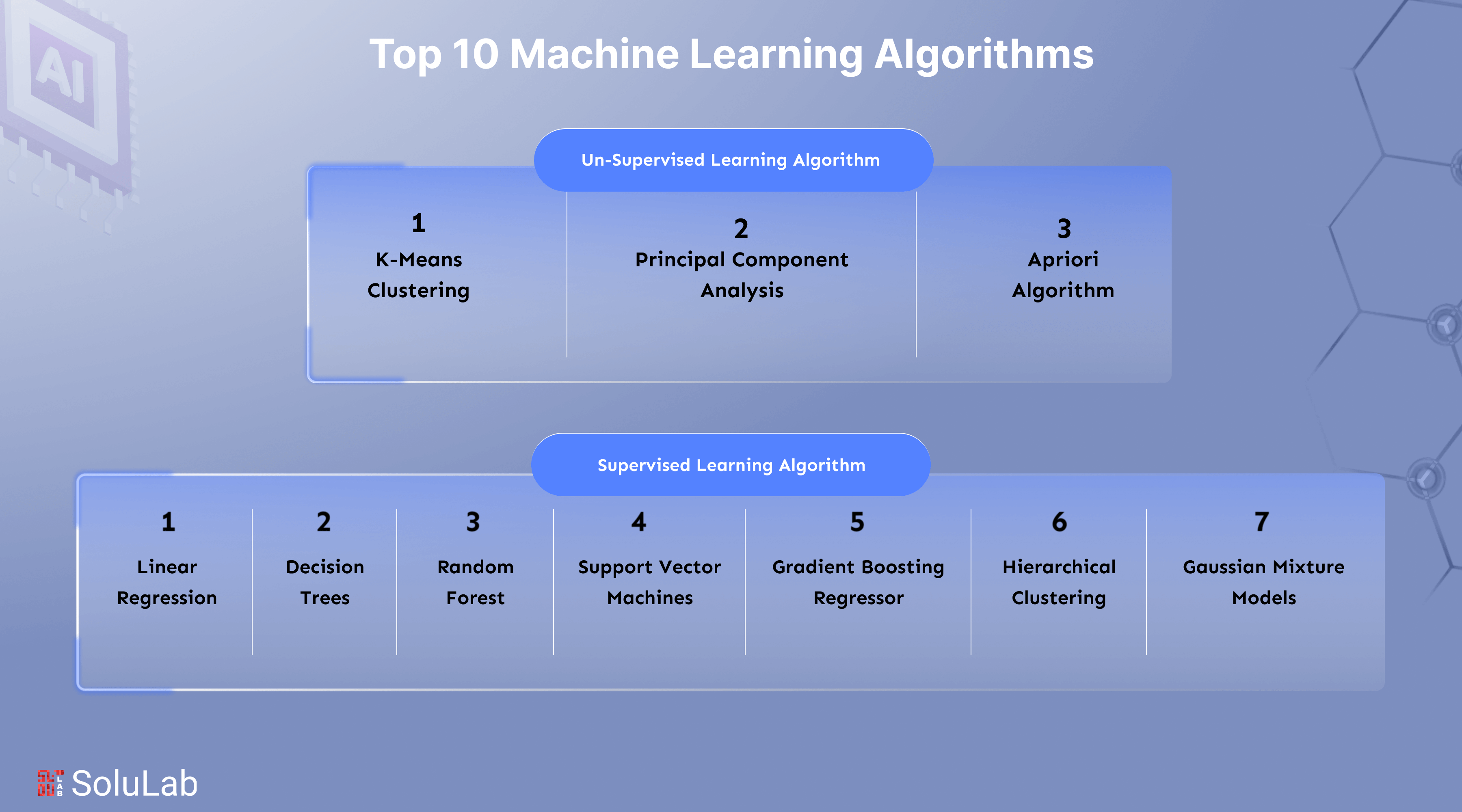
Algorithms of machine learning are broadly classified into supervised, unsupervised, and reinforcement learning categories. Below is a list of the most common ML algorithms used in various applications.

1. Linear Regression

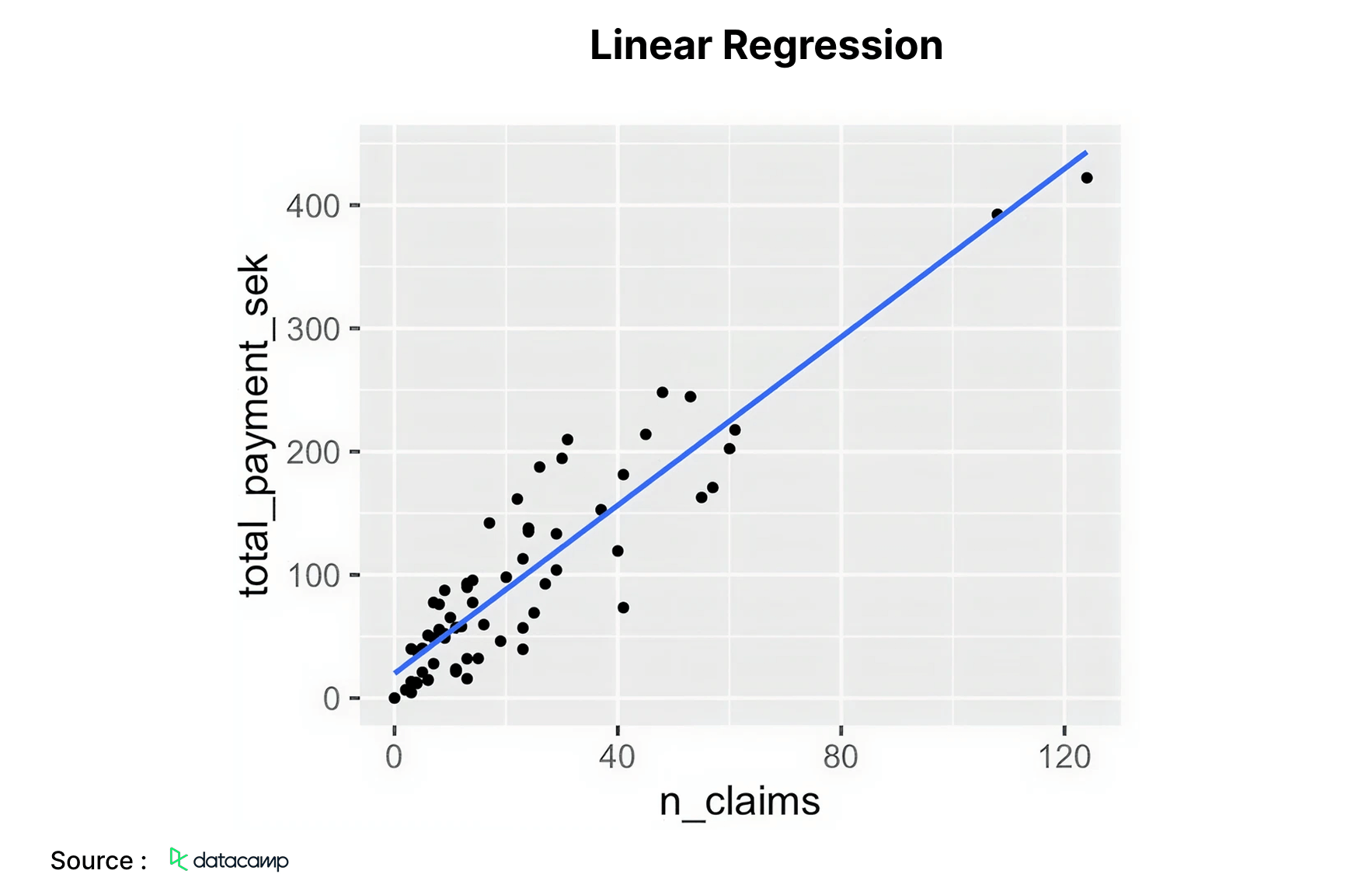
A linear regression algorithm represents a linear correlation between one or several independent variables and a continuous numerical dependent variable. It is more expedient to train than other machine learning methods. The primary benefit resides in its capacity to elucidate and analyze the model predictions. This is a regression technique employed to forecast outcomes such as customer lifetime value, real estate values, and stock valuations.
Linear Regression

2. Decision Trees

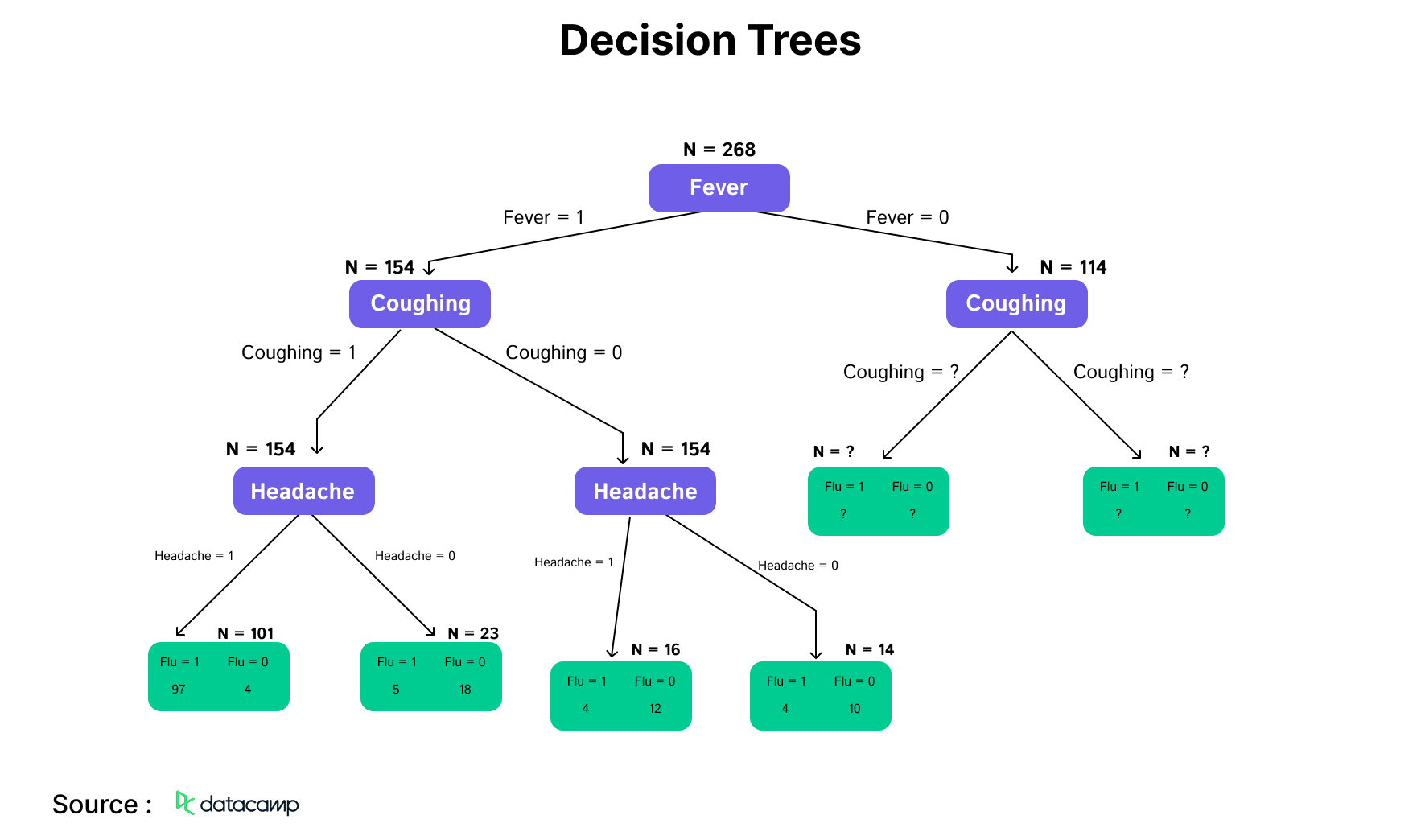
A decision tree algorithm is a hierarchical framework of decision rules utilized to analyze input information for predicting potential outcomes. It may be utilized for classification or regression purposes. Decision tree forecasts serve as a valuable tool for healthcare professionals due to their clarity in illustrating the rationale behind the predictions.
Decision Trees

3. Random Forest

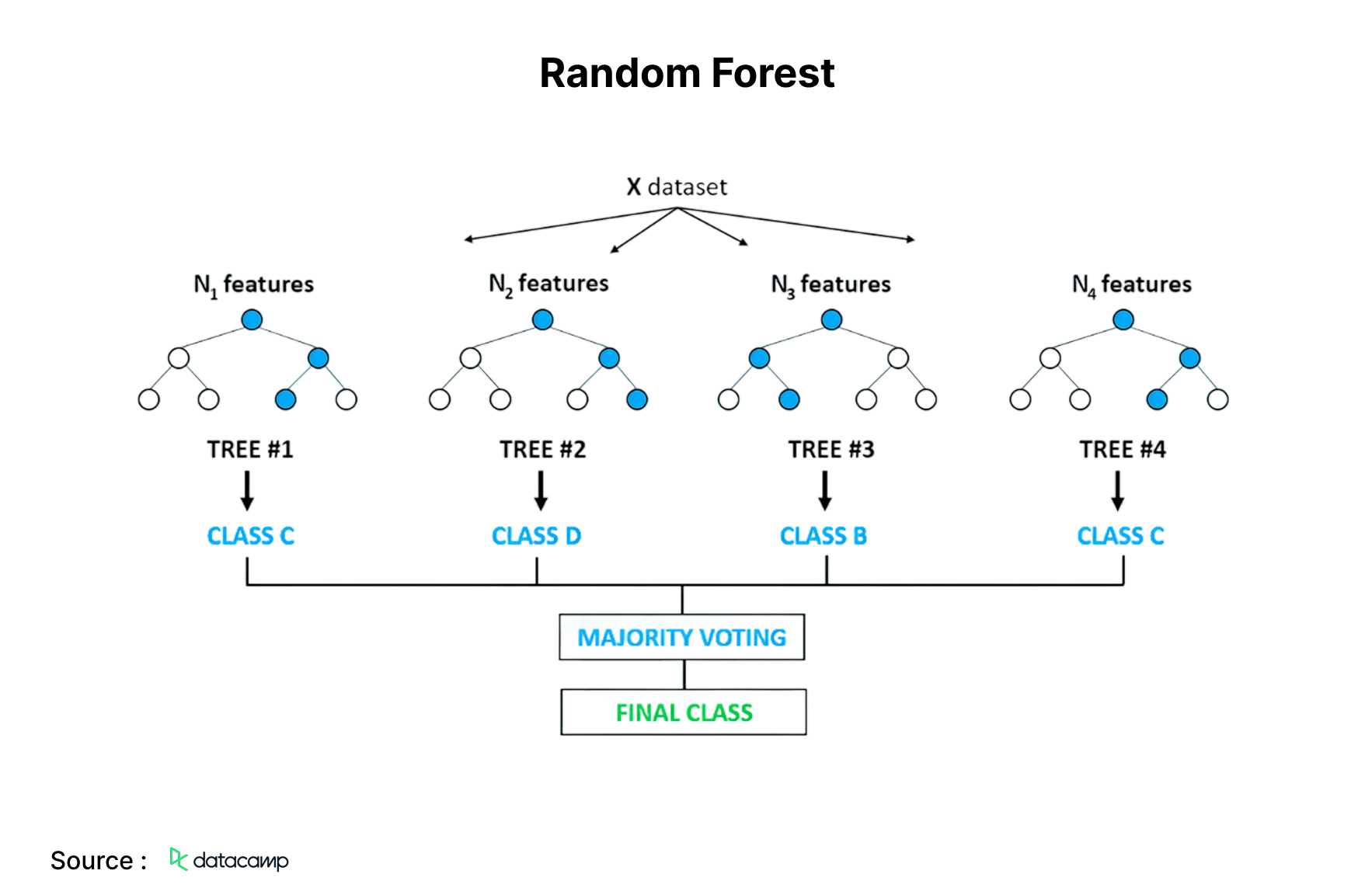
This technique is likely one of the most popular ML algorithms and addresses the overfitting issues commonly associated with decision tree models. Overfitting occurs when algorithms are excessively trained on the training data, resulting in an inability to generalize or deliver appropriate predictions on novel data. The random forest algorithm mitigates overfitting by constructing several decision trees based on randomly chosen subsets of the data.

The ultimate result, represented by the most accurate forecast, is obtained by the overall majority judgment of all the trees in the forest. It is utilized for both classification and regression tasks. It is utilized in feature selection, illness identification, and similar areas.
Random Forest

4. Support Vector Machines

Support Vector Machines, abbreviated as SVM, are primarily employed for classification tasks. The machine learning algorithm example below illustrates that an SVM identifies a hyperplane (in this instance, a line) that separates the two classes (red and green) while maximizing the margin (the distance between the dashed lines) between them. Support Vector Machines (SVMs) are mostly utilized for classification tasks, although they may also be applied to regression issues. It is utilized for the classification of news items and handwriting recognition.

Support Vector Machines

5. Gradient Boosting Regressor

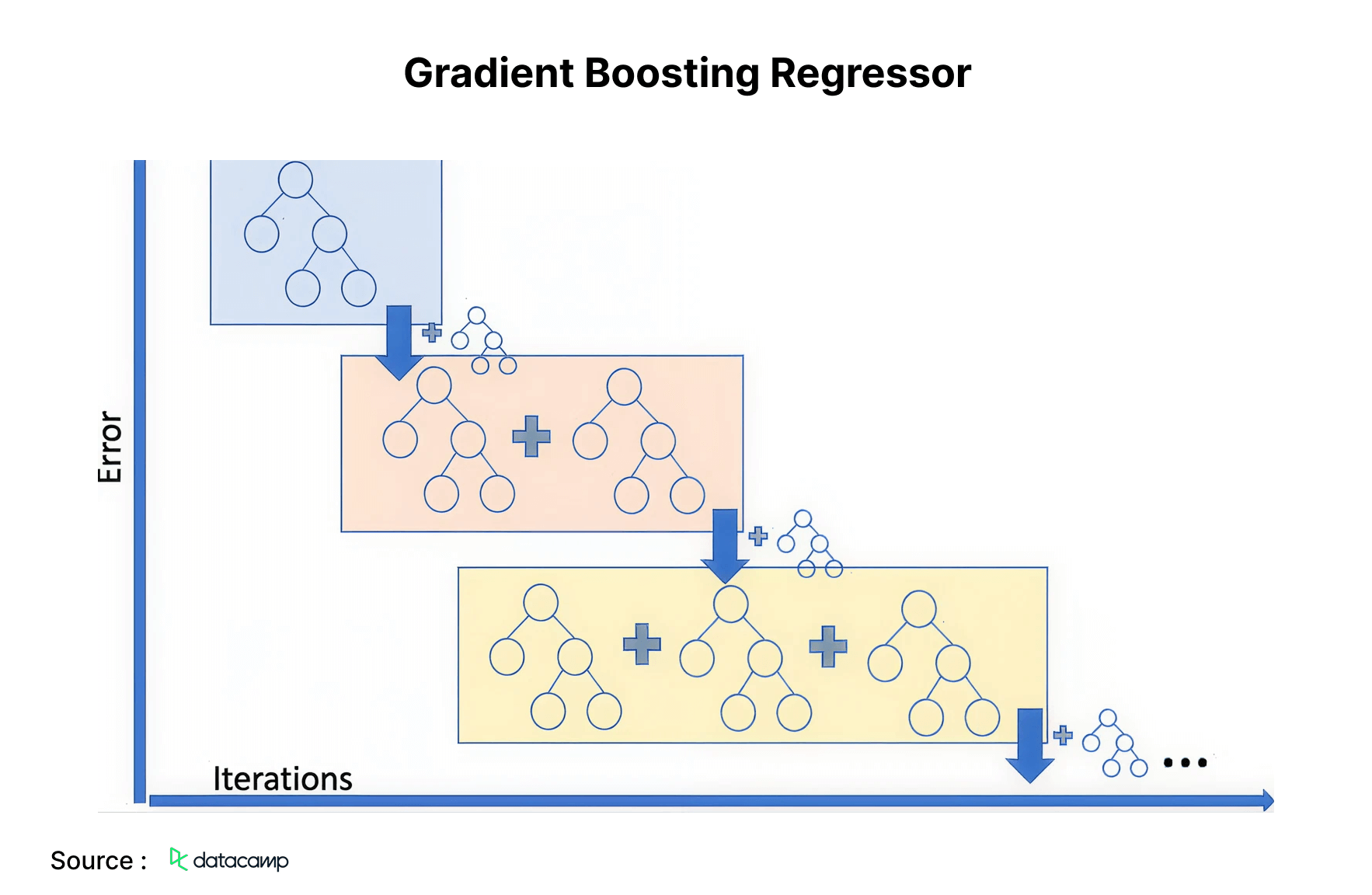
Gradient Boosting Regression is an ensemble model that integrates many weak learners to create a robust prediction framework. It effectively manages non-linearities in the data and addresses multicollinearity concerns. In the ride-sharing industry, to forecast the fare amount, one can employ a gradient-boosting regressor.
Gradient Boosting Regressor

6. K-Means Clustering

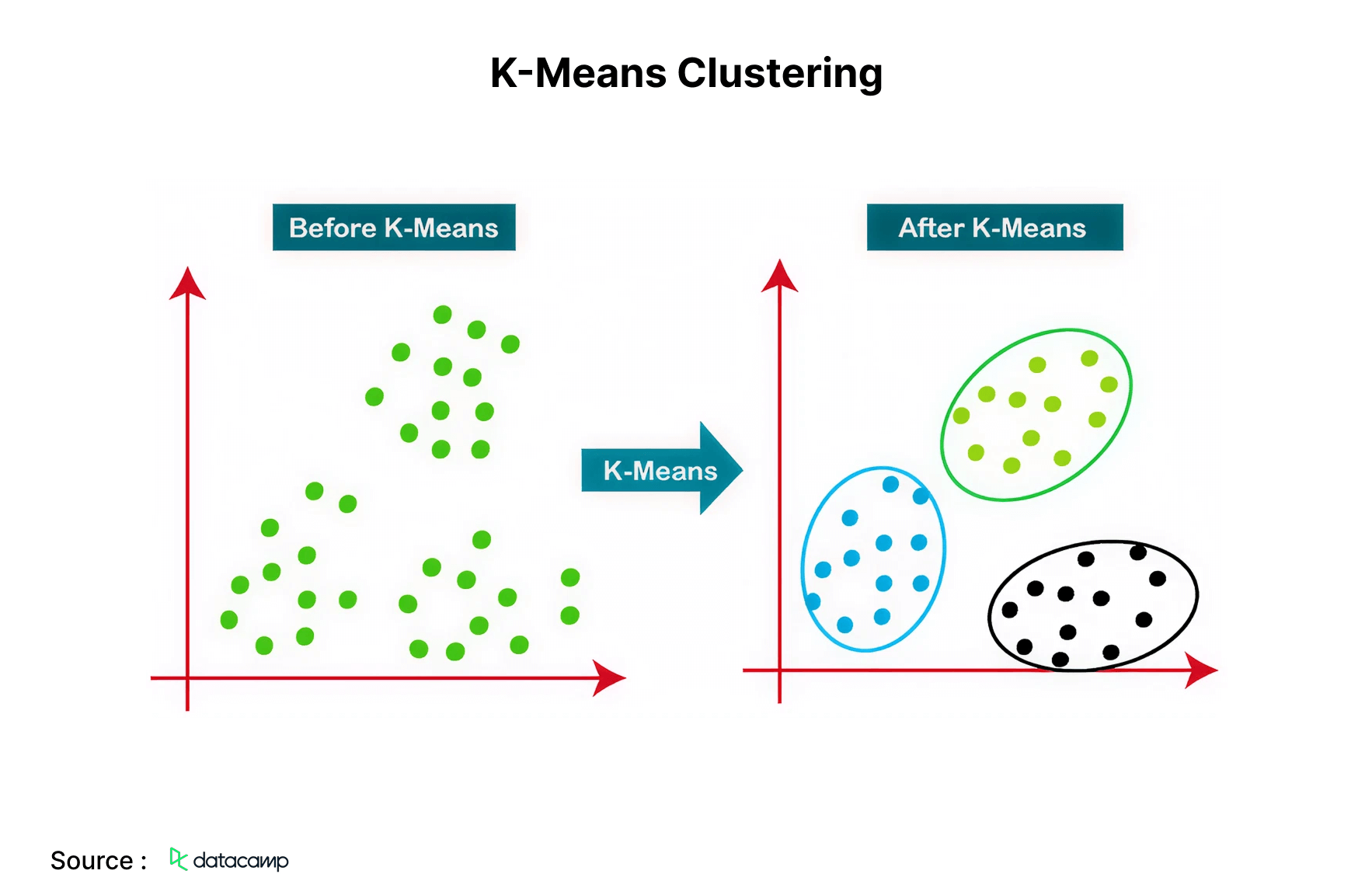
K-Means is the predominant clustering method; it identifies K clusters utilizing Euclidean distance. This algorithm is widely utilized for consumer segmentation and recommendation systems.
K-Means Clustering

7. Principal Component Analysis

Next on the machine learning algorithms list is Principal component analysis (PCA). It is a statistical method employed to condense information from an extensive data set by projecting it into a lower-dimensional subspace. It is referred to as a dimensionality reduction strategy that preserves the critical components of the data with more informational value.
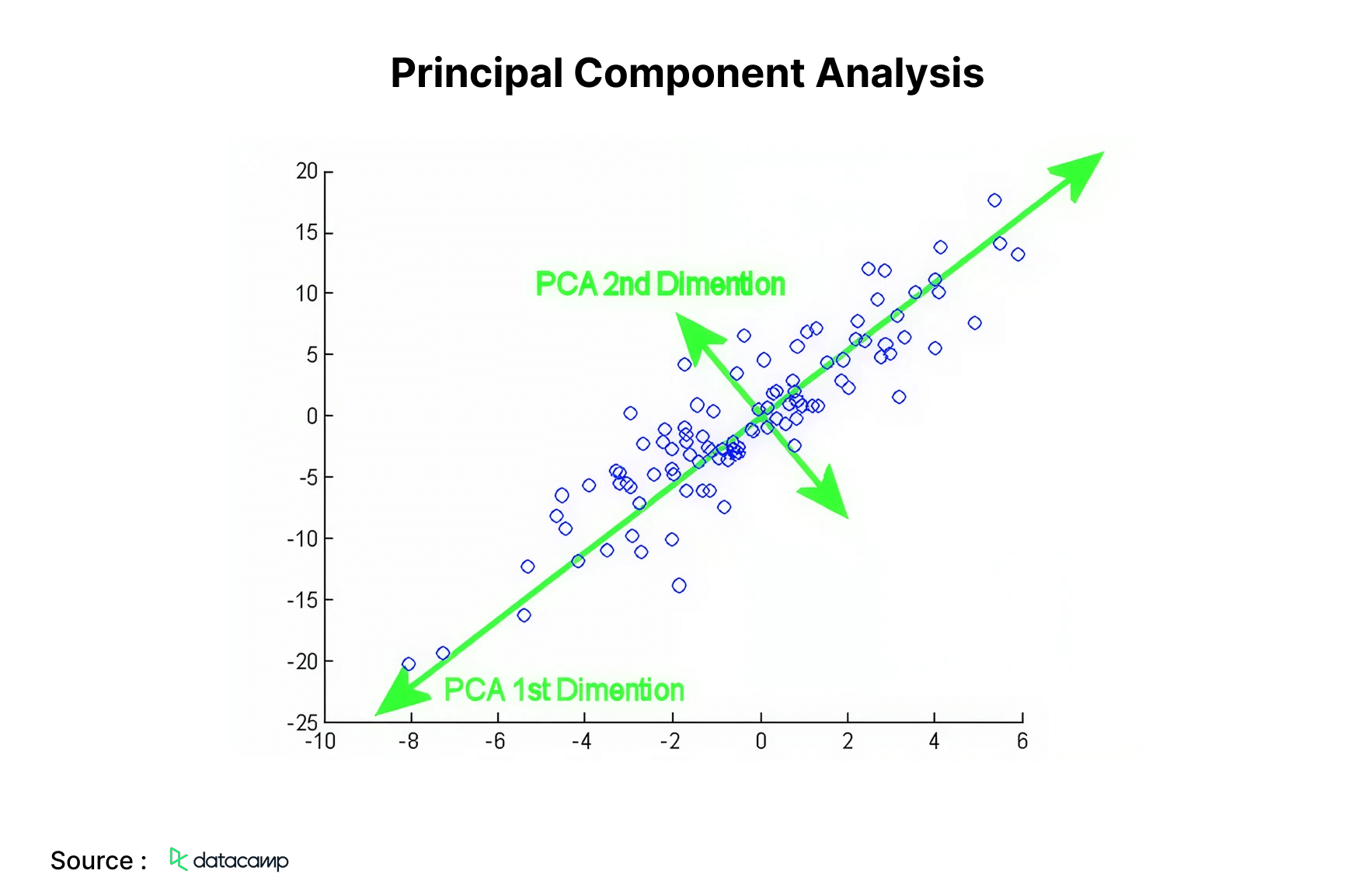
Principal Component Analysis

8. Hierarchical Clustering

This is a bottom-up methodology in which each data point is regarded as an individual cluster, thereafter merging the two nearest clusters repeatedly. Its primary benefit over K-means clustering is the fact that it does not necessitate the user to determine the anticipated number of clusters in advance. It is utilized in document clustering to determine similarity.
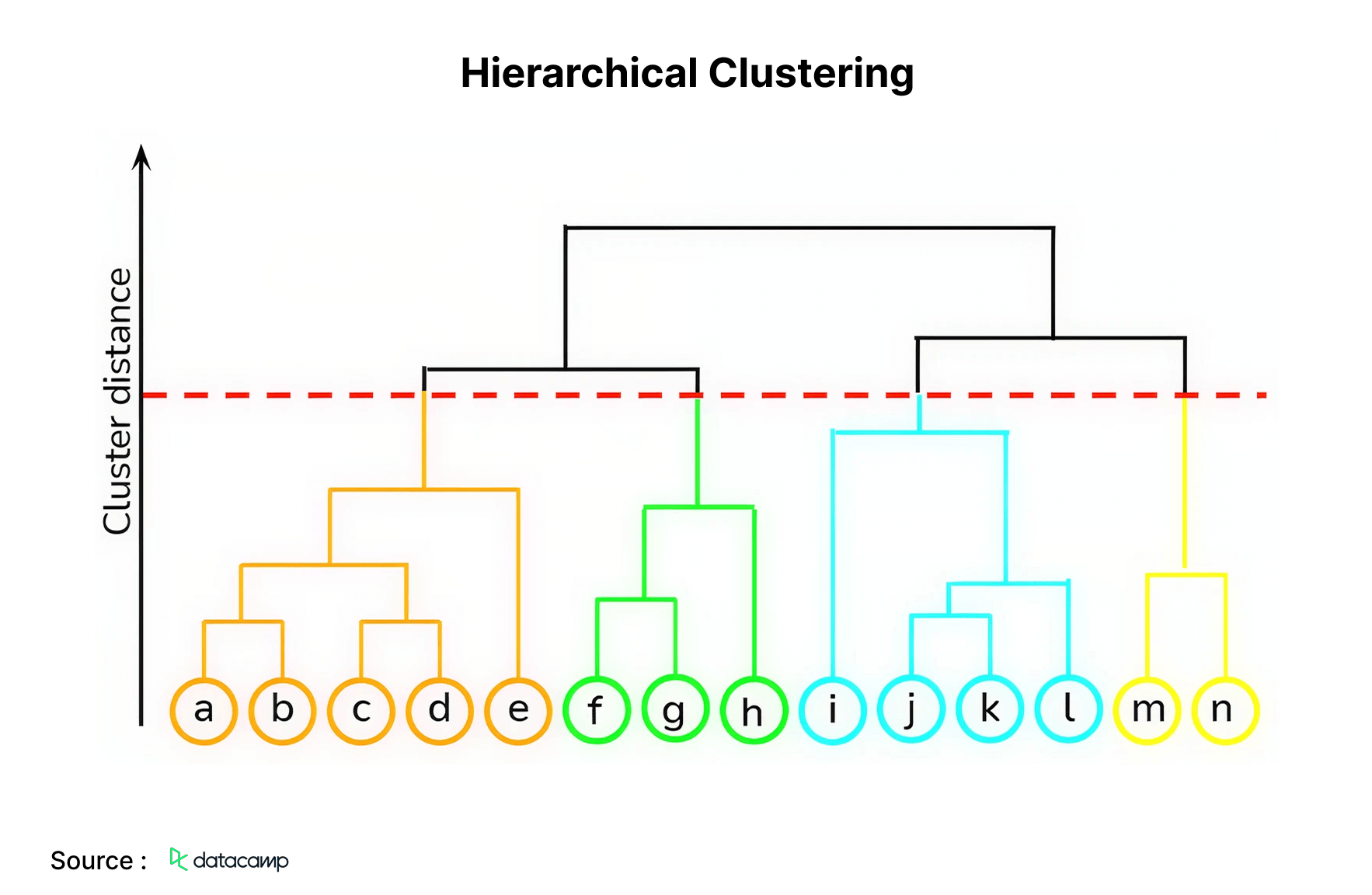
Hierarchical Clustering

9. Gaussian Mixture Models

Second last on the list of top machine learning algorithms is a probabilistic model for representing evenly distributed clusters within a dataset. It diverges from conventional clustering algorithms by estimating the likelihood of an observation’s association with a certain cluster and then inferring details about its sub-population. 
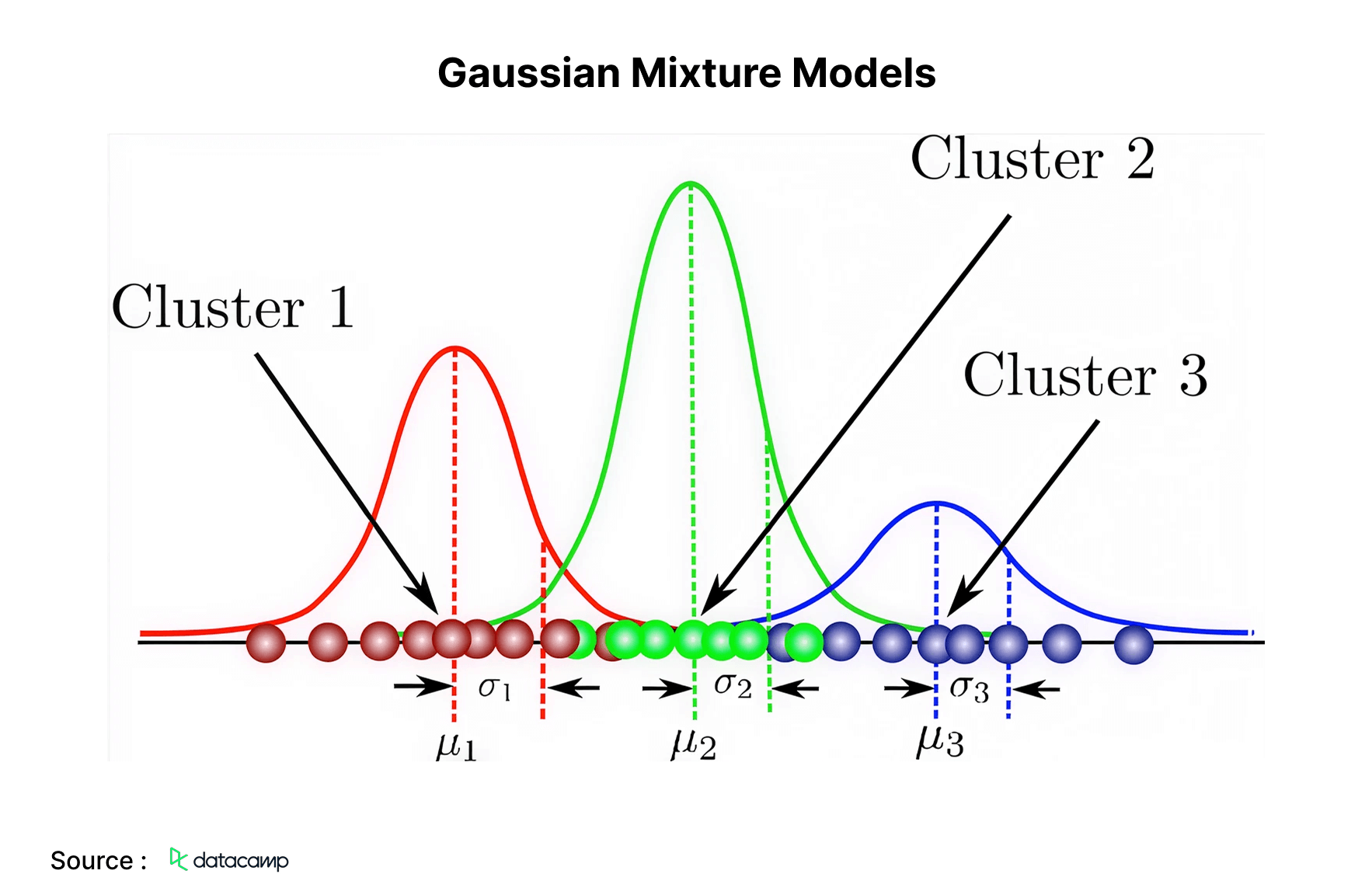
Gaussian Mixture Models

10. Apriori Algorithm

A rule-based methodology that discovers the most prevalent itemsets within a specified dataset, utilizing prior knowledge of the characteristics of frequent itemsets. Market basket analysis utilizes this technique to assist giants such as Amazon and Netflix in converting extensive user data into straightforward product suggestion criteria. It examines the correlations among millions of items and reveals interesting principles. 
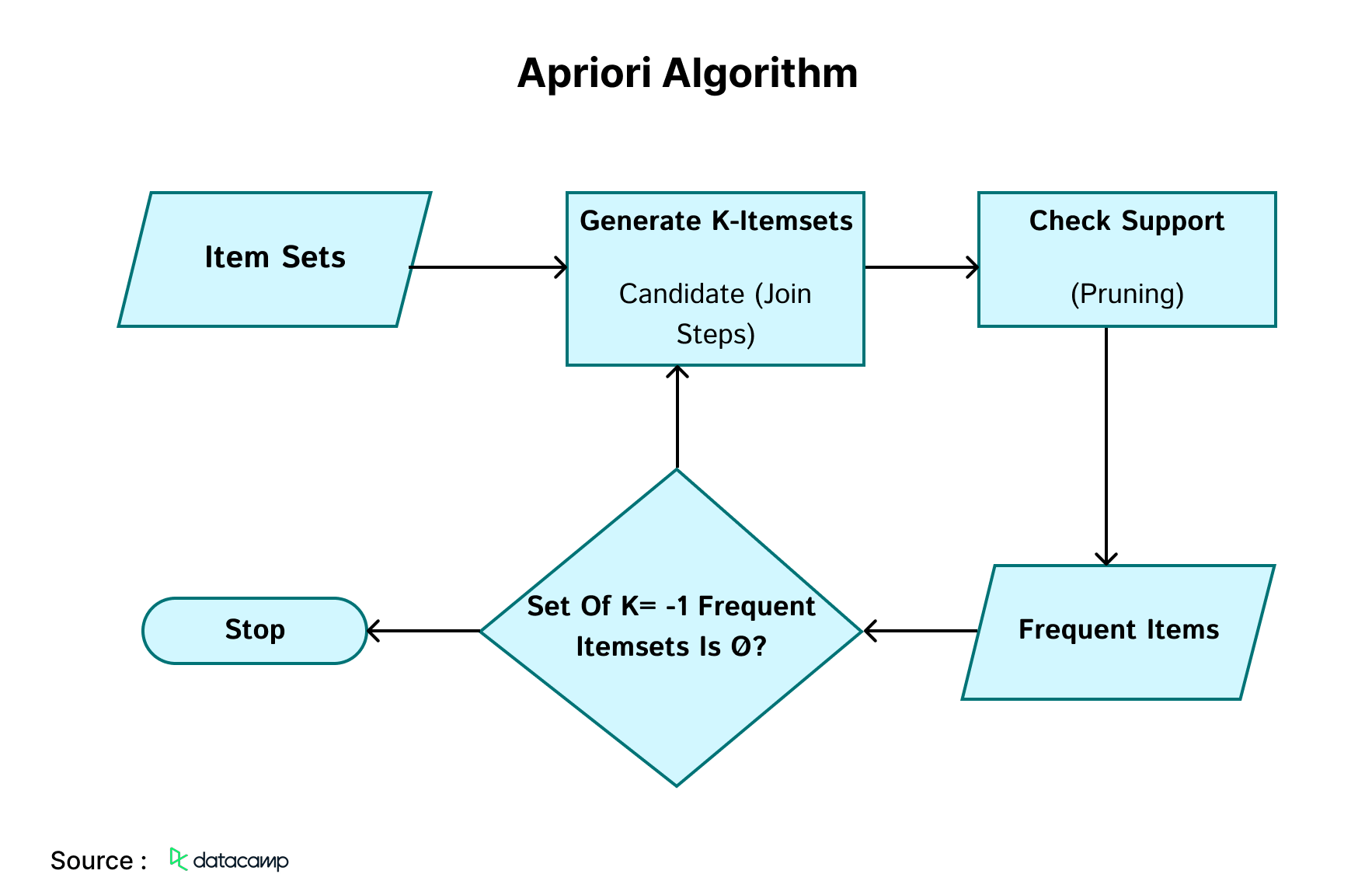
Apriori Algorithm

Factors for Selecting a Machine Learning Algorithm

Let us examine the factors to consider while selecting a machine learning algorithm:

  • Data Classification

The next step is to ascertain the type of data at your disposal. Labeled datasets or ones with specified outputs can be assigned to supervised techniques. Conversely, unsupervised methods are necessary to identify concealed structures in unlabeled data. In contexts where learning occurs via interactions, reinforcement learning appears to be a viable option.

  • The intricacy of the Issue

Subsequently, assess the intricacy of the issue you are attempting to resolve. In less difficult problems, simpler algorithms suffice. However, when addressing a more difficult topic with intricate linkages, it may be prudent to employ sophisticated methodologies, such as neural networks or ensemble procedures. Be ready for additional work and adjustments.

  • Computational Resources

Another significant impact is the computational resources available to you. Certain algorithms, such as deep learning models, can be resource-demanding and need robust hardware. Simple methods such as logistic regression or k-nearest neighbors can yield satisfactory outcomes without excessively taxing your system when operating with constrained resources.

  • Interpretability vs Accuracy

Ultimately, consider if you want a comprehensible algorithm or one that emphasizes precision, even if it operates as a black box. Decision trees and linear regression are typically more interpretable, rendering them effective for stakeholder communication. Conversely, more intricate models such as neural networks may yield more accuracy but might be more challenging to explain.

Machine Learning Services

The Bottom Line

Future technology is being changed by machine learning, which is increasing the intelligence and effectiveness of systems in every industry. Deep learning and reinforcement learning are two of the notable advancements driving innovation highlighted in the Top 10 Machine Learning Algorithms of 2025. As AI is continuously integrated into businesses, it is essential to comprehend these algorithms to stay competitive in a more data-driven market.

SoluLab, as a machine learning development company, helps businesses use machine learning to solve complex problems and spur expansion. Sight Machine, a well-known AI-powered company in digital manufacturing, is our most recent initiative. Through our collaboration, they were able to expand their operations, improve industrial processes, and boost efficiency by using generative AI and machine learning technologies. Our team has the expertise to make your idea a reality, whether you’re looking for automation, unique AI solutions, or predictive analytics.

Do you want to remain on top of the AI revolution? Let’s talk about how your company can be transformed by machine learning. Get a free consultation with SoluLab right now to discuss your options!

FAQs

1. Which machine-learning algorithms are most frequently utilized in 2025?

In 2025, prevalent machine learning methods include transformer-based deep learning models, reinforcement learning, federated learning, decision trees, and support vector machines (SVMs). These algorithms facilitate applications in AI-driven automation, natural language processing, and data analytics.

2. In what ways do enterprises get advantages from employing machine learning algorithms?

Machine learning enables enterprises to automate processes, refine decision-making, identify patterns in data, and augment efficiency. Organizations utilize machine learning algorithms for predictive analytics, fraud detection, recommendation systems, and AI-driven automation, resulting in cost reductions and enhanced productivity.

3. Which industries will have the most significant influence from machine learning in 2025?

Industries such as healthcare, banking, e-commerce, cybersecurity, and manufacturing are seeing substantial shifts due to the use of machine learning. Businesses employ machine learning for tailored client experiences, fraud mitigation, predictive maintenance, and automated decision-making, rendering AI a crucial component of contemporary operations.

4. In what ways can enterprises effectively apply machine learning?

For effective machine learning integration, enterprises must establish explicit objectives, select appropriate algorithms, guarantee high-quality data, and engage with AI development specialists. A well-structured AI strategy and the utilization of cloud-based machine learning technologies may expedite processes and enhance results.

5. In what ways may SoluLab assist enterprises in utilizing machine learning?

SoluLab specializes in creating AI-driven solutions customized for corporate requirements. Our proficiency encompasses predictive modeling, automation, generative AI, and bespoke AI applications. Our staff is prepared to assist you in developing intelligent chatbots, optimizing workflows, or integrating AI-driven data. Reach out to us today to investigate the opportunities!
A Comprehensive Guide on How to Build an MLOps Pipeline

Machine Learning Operations

Machine learning has grown into a vital tool for enterprises and individuals, allowing us to capitalize on the power of data, streamline processes, make better-informed decisions, and promote innovation across a wide range of areas, influencing the world we live in today. According to Fortune Business Insight, the worldwide machine learning (ML) industry is predicted to increase from $21.17 billion in 2022 to $209.91 billion by 2029, with a CAGR of 38.8% throughout the forecast period. MLOps, on the contrary, has evolved as a transformational field that combines machine learning with software engineering. 

MLOps provides a systematic way to oversee the whole lifecycle of machine learning models, from development and training to deployment and ongoing maintenance, in a world where data and GenAIOPs-driven insights are driving the world more and more. Through the integration of industry-best practices from data science, DevOps, and software engineering, MLOps enables enterprises to optimize and grow their machine learning processes while maintaining scalability, reproducibility, and dependability. Businesses can unleash the full potential of their machine learning projects with large language models and MLOps, which will spur innovation, enhance model performance, and have a significant influence on the real world.

In this blog, we will make the readers understand how to build an MLOps pipeline and the machine learning operations in more depth. So, without any further ado, let’s get started!

What is MLOps?

MLOps, or machine learning operations, is a collection of practices and methods designed to streamline the entire lifecycle of machine learning models within production environments. This encompasses the iterative processes of model development, deployment, monitoring, and maintenance, along with the integration of models into operational systems to ensure reliability, scalability, and optimal performance. In some cases  of GenAI services, MLOps is solely used for deploying machine learning models. However, many organizations leverage MLOps throughout various stages of the ML lifecycle, including Exploratory Data Analysis (EDA), data preprocessing, model training, and more.

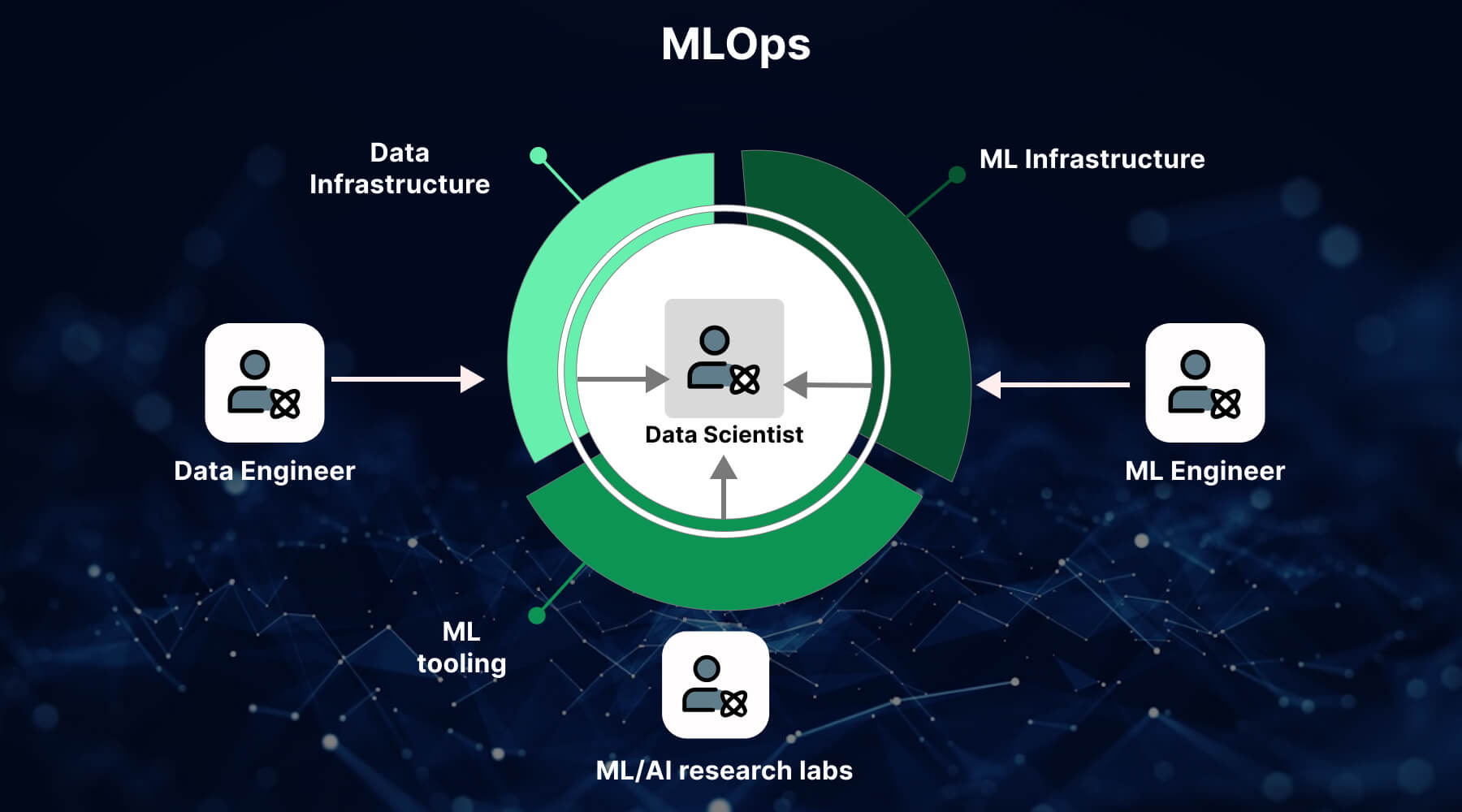
Based on DevOps principles, which were created to improve collaboration between software development teams (Devs) and IT operations teams (Ops), MLOps applies these same concepts to the machine learning workflow. In an MLOps pipeline, the team often includes data scientists, machine learning engineers, software developers, and IT operations professionals. Data scientists organize and analyze datasets using AI and ML algorithms, while Private LLM engineers use structured, automated processes to run the data through models. The overall aim of MLOps is to reduce inefficiencies, increase automation, and produce deeper, more trustworthy insights.

Optimizing the development, deployment, monitoring, and maintenance of machine learning models requires the use of tools, methodologies, and best practices to ensure consistency, scalability, and performance in practical applications. What is the MLOps pipeline? It’s a process that aims to bridge the gap between data scientists, developers, and operations teams, ensuring smooth and effective deployment of machine learning models into production environments. MLOps lies in creating a seamless, automated workflow for managing AI and ML in data integration and beyond, enabling businesses better to harness machine learning’s potential in real-world settings.

MLOps vs DevOps- What’s the Difference?

While both MLOps and DevOps aim to streamline workflows and enhance collaboration between development and operations teams as per AI use cases, their focus and applications differ significantly. Here is the brief difference between the two:

Aspect DevOps MLOps
Development Focus Focuses on developing, testing, and deploying traditional software applications. Centers on creating, training, and deploying machine learning models.
End Product A deployable software unit (e.g., an application or interface). A serialized machine learning model that makes predictions based on data.
Version Control Tracks change in code and artifacts, with limited metrics for tracking. Tracks code, training datasets, hyperparameters, model artifacts, and performance metrics for each experiment.
Reusability Emphasizes reusable and automated processes across projects. Encourages consistent, reusable workflows for model training and deployment to maintain accuracy across projects.
Automation Automates CI/CD pipelines for smooth software delivery. Automates model training, retraining, and deployment while managing ongoing model performance.
Monitoring Continuous monitoring ensures reliability, though the software does not degrade over time. Requires continuous monitoring as ML models degrade with evolving real-world data, needing retraining to remain effective.
Infrastructure Relies on cloud technologies, Infrastructure-as-Code (IaC), and CI/CD tools. Uses cloud infrastructure with resources like deep learning frameworks, GPU support, and large data storage.
Performance Decay No performance degradation once the software is deployed. ML models can degrade as new data is encountered, necessitating continuous retraining and updates

MLOps Pipeline Architecture

A well-thought-out end-to-end machine learning pipeline architecture is essential for model creation, deployment, and maintenance in Machine Learning Operations (MLOps). The MLOps pipeline and AI development ensure efficiency, teamwork, and flexibility by streamlining the whole lifecycle. The main elements and architectural factors of a simple MLOps pipeline are broken down as follows:

  • Data Gathering and Ingestion

Most machine learning pipelines begin with the extraction of raw data from several sources and its input into the system. This often involves building a data warehouse that consolidates information from different sources, making it easier to run preprocessing and ensure data quality before training. This stage guarantees a thorough and pertinent dataset for the model’s ensuing training. Data connections, ingestion scripts, and preparation techniques are a few examples of components that significantly influence the quality of data that is made accessible for machine learning.

  • Preparing Data and Feature Engineering

The pipeline moves into feature engineering and data preparation after data collection. To produce an organized and enhanced dataset appropriate for model training, a variety of data transformation techniques, such as feature extraction, normalization, and cleaning, are used for the raw data at this step. The efficacy of this stage, where data pretreatment scripts and feature engineering techniques are essential components, frequently determines the model’s success.

  • Model Development and Training

The pipeline then goes on to model construction and training after data transformation. In this stage, the machine learning model is trained, suitable methods are chosen, and hyperparameters are optimized. Three essential elements shape the predictive power of the model: experimental frameworks, model configuration files, and training scripts.

  • Model Assessment and Validation

After training, the AI Applications model is assessed and validated to make sure its output satisfies predetermined standards. In this stage, the model is evaluated using training and testing sets, and any required adjustments are made after comparing the output to predicted outcomes on unknown data. The thorough evaluation of the model is aided by comparison tools, validation metrics, and evaluation scripts.

  • Model Implementation

The learned model is incorporated into a production environment for batch or real-time predictions following successful training and validation. A fast transition from development to deployment is made possible by deployment scripts, containerization solutions like Docker, and a seamless interface with serving infrastructure.

  • Observation and Recordkeeping

To ensure maximum usefulness, it is essential to log pertinent data and monitor the model’s performance continuously. To quickly identify abnormalities and take care of possible problems, this step entails putting monitoring tools, logging structures, and alerting systems into place.

  • Iteration of the Model and Feedback Loop

A feedback loop is incorporated into the MLOps pipeline to get information from deployed models. Iterative improvements are made possible by this input, which helps the model adjust to shifting data patterns and gradually increase its forecast accuracy. This is made possible by automated retraining procedures and version control.

  • Governance and Compliance

Governance and compliance procedures are incorporated into the MLOps pipeline to ensure compliance with business and regulatory standards. To promote accountability and transparency, this entails putting compliance frameworks into place, keeping thorough audit trails, and documenting procedures.

  • Continuous Deployment/Continuous Integration (CI/CD)

Since the pipeline makes use of continuous integration and continuous deployment (CI/CD) procedures, automation is a major area of attention during this phase. By automating testing, integration, and deployment, these procedures guarantee the safe and effective release of models into operational settings.

  • Resource Management and Scalability

Scalability and resource management become crucial factors when the pipeline must manage fluctuating demands. The pipeline’s capacity to meet a range of computing needs is facilitated by scalability tools, resource allocation strategies, and effective use of cloud resources.

Why are MLOps Necessary?

The proliferation of automated decision-making applications and the growing size and complexity of data provide a number of technological obstacles to the development and implementation of machine learning (ML) systems. This is where the machine learning engineering culture known as MLOps, which aims to optimize these systems, comes in.

It is necessary to comprehend the ML system lifecycle, which encompasses several teams inside an organization, in order to comprehend MLOps. The business development or product team sets goals and key performance indicators (KPIs) first.

MLOps tackles several significant issues. First off, there aren’t enough data scientists who are skilled at creating and implementing scalable online applications. A new position called “ML engineer” has evolved to close this gap, combining DevOps and data science expertise. Thirdly, poor communication between the business and technical teams frequently results in project failures. Establishing a shared language is essential for promoting cooperation.

Finally, considering the opaque nature of these “black-box” systems, it is critical to evaluate the risk related to the possible failure of these ML/DL systems. The financial ramifications of, say, a misguided YouTube video recommendation are far different from those of falsely reporting an innocent individual for fraud. MLOps aims to achieve this equilibrium, resulting in a less hazardous and more effective machine learning system.

Why Do We Need MLOps?

The increasing scale and complexity of data, along with the growing use of automated decision-making applications, present various technical challenges in building and deploying machine learning (ML) systems. This is where MLOps comes into the picture, offering a machine learning engineering culture aimed at optimizing these systems.

Understanding MLOps starts with recognizing the lifecycle of ML systems, which involves multiple teams. The process begins with the business development or product teams defining clear objectives and KPIs, setting the foundation for the work ahead.

The data engineering team is then responsible for acquiring and preparing the data, while the data science team focuses on building the ML models. One significant challenge is the shortage of data scientists skilled in developing scalable web applications, leading to the rise of the ML engineer role, which combines expertise from both data science and DevOps.

Additionally, as business objectives shift and data evolve, LLMOps play a critical role in helping ML models adapt to these changes. Continuous model training and ensuring AI governance are essential for maintaining performance standards.

Another major hurdle is the communication gap between technical and business teams, which often results in project failures. MLOps Consulting Services emphasizes the importance of fostering collaboration to bridge these gaps and achieve successful deployments.

Finally, assessing the risk associated with ML/DL systems is crucial, especially given their “black-box” nature. Ensuring that the right balance between efficiency and risk is maintained is vital, especially in high-stakes environments where mistakes could have significant consequences. LLM use cases also demand careful risk management to ensure their practical applications are reliable and safe.

What is MLOps Pipeline?

Machine learning pipelines are a sequence of interconnected procedures designed to automate and streamline the development of machine learning models. These pipelines can include various stages, such as data extraction, preprocessing, feature engineering, model training, evaluation, and deployment. The primary goal of a machine learning pipeline is to automate the entire model development process, ensuring consistency, scalability, and maintainability throughout the lifecycle.

These pipelines are crucial in managing the complexity of machine learning projects, allowing data scientists to experiment systematically with data before implementing treatment methods, feature engineering, and algorithms. With the help of MLOps pipelines, professionals can ensure smoother workflows, enabling efficient experimentation and deployment of models in production environments.

Pipelines consist of organized, automated tasks that streamline workflows across industries, particularly in machine learning and data orchestration. Through MLOps consulting services, organizations can optimize these workflows, ensuring that machine learning models are deployed effectively and maintained to meet business needs.

Incorporating both large and small language models within machine learning pipelines enhances the capability to process different data types and improve model performance. These models provide scalable solutions for a variety of machine learning tasks, allowing businesses to leverage AI more effectively.

What is the Process of MLOps?

Process of MLOps

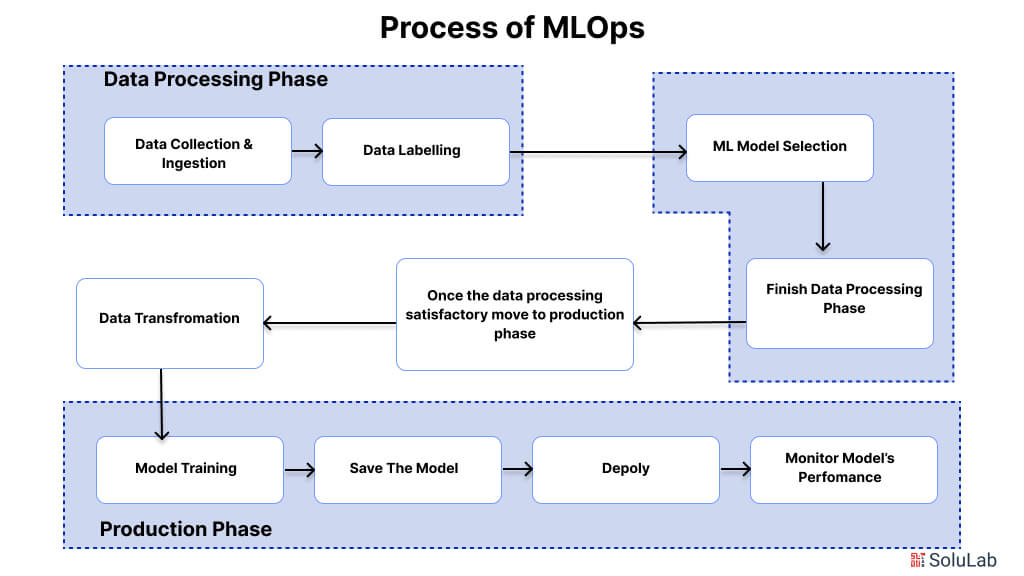
Let us understand the MLOps process in detail. The workflow has two separate phases: an experimental phase and a production phase. There are specific workflow stages for each component of the workflow.

A. Experimental Phase

This phase is divided into three stages, discussed below:

Stage 1: Problem Identification, Data Collection, and Analysis

The first step in MLOps involves defining the problem to be solved and collecting data for training the machine learning model. For instance, in a fall detection application, hospital video data is collected from cameras in patient rooms and hallways. These video feeds serve as input for the model. After preprocessing and labeling, the system will detect falls and alert hospital staff. Key sub-stages include:

  • Data Collection and Ingestion: Collected video data is stored in a data warehouse, cleaned, normalized, and processed to ensure consistency. Once the data is ready, it is ingested into the system, using methods like loading into data lakes or real-time streaming platforms.
  • Data Labeling: This involves tagging video data to identify patient falls. Data scientists annotate short segments of videos that show patient behaviors, like falling, to train the model accurately.

Stage 2: Machine Learning Model Selection

In this stage, machine learning algorithms are evaluated and tested to find the best model for the task. Data scientists experiment with techniques like motion analysis to detect patterns associated with falls. By iterating through multiple models and parameter configurations, the ideal model is selected for real-time fall detection.

Stage 3: Model Training and Hyperparameter Tuning

Data scientists run experiments to train the model, testing various hyperparameters and documenting their findings. Cloud platforms are often used to manage multiple test iterations and improve model performance. Once the experiments yield the desired results, the process moves to the production phase.

B. Production Phase

The goal of this phase is to deploy a fully tested ML application in a live environment.

Stage 1: Data Transformation

The complete dataset is used to train the model during this stage. Data parallelism or model parallelism may be used to speed up processing when working with large datasets.

Stage 2: Model Training

Scalable methods, such as data parallelism, are employed to train the model on large datasets. In this method, the dataset is divided into smaller batches, which are processed simultaneously across multiple devices, ensuring efficient learning.

Stage 3: Model Serving

Once the model is ready, it is served to the production environment. A/B testing and canary testing are conducted to compare different model versions. These tests help identify the most stable and high-performing models for deployment.

Stage 4: Performance Monitoring

After deployment, the model’s performance must be continuously monitored. Drift monitoring, which checks for changes in data distribution or model accuracy, is crucial to ensure long-term success.

How to Build an MLOps Pipeline?

Building an MLOps pipeline involves several stages that streamline the deployment, monitoring, and management of machine learning models. To build an MLOps pipeline, it’s essential to integrate both machine learning and DevOps practices, ensuring continuous integration, delivery, and scalability.

Step 1: Data Collection and Processing

The first step in creating an MLOps pipeline is gathering and preprocessing data. The data should be cleaned, labeled, and prepared for model training. This phase often involves data versioning and setting up automated workflows to ensure consistency in training datasets.

Step 2: Model Development and Training

The next step involves building the model architecture and training it on the processed data. Utilizing tools like TensorFlow or PyTorch, data scientists can iterate on different models. Automated training pipelines should be established to enable quick retraining as new data becomes available.

Step 3: Model Validation and Testing

Once trained, the model must undergo validation and testing to ensure accuracy and reliability. Metrics like precision, recall, and F1-score can be evaluated. Automated testing ensures that only high-performing models are promoted to the next stage.

Step 4: Continuous Integration and Deployment

To build an MLOps pipeline, continuous integration (CI) plays a critical role. The model, along with its dependencies, is integrated into a deployment pipeline using tools like Jenkins or GitLab CI/CD. This stage ensures that the model can be deployed into production environments efficiently.

Step 5: Model Monitoring and Maintenance

Once the model is deployed, it’s crucial to monitor performance in real-time. Tools like Prometheus and Grafana help track metrics such as latency, prediction accuracy, and drift. Maintenance is required to retrain or replace models when performance declines due to evolving data patterns.

Step 6: Conversational AI Integration

If your use case involves conversational AI, integrate natural language processing (NLP) models as part of the pipeline. These models enable chatbots, virtual assistants, and other AI-driven conversations to process text and speech. Automated retraining pipelines are key in conversational AI systems to keep improving interactions based on user feedback.

By following these steps, organizations can efficiently build an MLOps pipeline that supports continuous deployment, monitoring, and scaling of machine learning models, especially when working with conversational AI or other data-driven applications.

Best Practices for Building an MLOps Pipeline

To build an effective MLOps pipeline that ensures scalability and reliability, organizations should follow several key best practices. Here are some of the essential practices:

1. Automate Data Pipeline and Model Training

Leveraging business process automation is crucial to automate data collection, cleaning, and feature engineering. This ensures that models are trained consistently on the latest data without manual intervention, speeding up the development cycle and minimizing human error.

2. Establish Continuous Integration and Delivery (CI/CD)

Implementing CI/CD for machine learning operations allows models to be automatically tested, validated, and deployed after training. Continuous integration ensures that every change to the model or data pipeline is tested, while continuous delivery enables rapid and reliable model updates in production environments.

3. Leverage Model Monitoring and Alerting

Monitoring models in real-time is vital to detect performance drift or data inconsistencies. Implement automated alerts for metrics like accuracy, latency, and data drift, so that teams can quickly respond and retrain models when performance issues arise.

4. Utilize Robotic Process Automation (RPA) for Efficiency

Integrating robotic process automation into the MLOps pipeline can streamline administrative and repetitive tasks such as infrastructure provisioning and model deployment. RPA can ensure that tasks are consistently performed and helps reduce the workload on data scientists and engineers.

5. Ensure Model Versioning and Reproducibility

Version control for both models and data is essential for maintaining reproducibility in the development process. By keeping track of model versions and their corresponding datasets, teams can trace the performance of different iterations and ensure consistency in machine learning operations.

6. Focus on Security and Compliance

Ensure that your MLOps pipeline adheres to security best practices, including data encryption, access control, and compliance with industry regulations. This is particularly important when handling sensitive data or deploying models in industries such as healthcare and finance.

By adopting these best practices, organizations can build robust MLOps pipelines that support automation, continuous improvement, and high-performance machine learning models.

How SoluLab Can Be Beneficial in Developing MLOps Pipeline?

Developing an efficient MLOps pipeline often comes with challenges such as managing complex data workflows, ensuring model scalability, and maintaining continuous integration and monitoring systems. Many businesses struggle with handling these tasks due to the lack of skilled resources and the technical complexity involved. SoluLab, a leading AI development company, offers end-to-end MLOps solutions that streamline these processes. From automating data pipelines to building robust CI/CD systems for machine learning operations, , A machine learning development company like SoluLab ensures that your models remain scalable, accurate, and secure, effectively reducing the risk of performance drift and operational bottlenecks.

When you hire AI developers from SoluLab, you gain access to a team of experts proficient in addressing common pain points like inefficient model deployment and a lack of real-time monitoring. Our team builds pipelines that are fully automated, helping you scale your machine-learning models and deploy them seamlessly into production. With tailored MLOps solutions designed to meet your specific business needs, we ensure faster time-to-market and long-term performance. Contact us today to learn how we can help you build a successful MLOps pipeline!

ML Solutions

FAQs

1. What is an MLOps pipeline, and why is it important?

A comprehensive framework designed to integrate machine learning (ML) processes with DevOps practices, AI developers can facilitate the end-to-end management of ML models, which streamlines operations, reduces manual errors, and enables scalable and efficient deployment of ML models

2. What are the main components of an MLOps pipeline?

The main components of an MLOps pipeline include several key stages such as data collection and processing, model development, continuous integration, and deployment (CI/CD), monitoring and maintenance, and automation tools such as business process automation and robotic process automation.

3. How can I ensure the quality of models in an MLOps pipeline?

Implementing automated testing and validation processes helps evaluate model performance on a variety of metrics before deployment. Continuous monitoring is also essential to detect any performance drift or issues after the model is in production. 

4. What challenges might I face when building an MLOps pipeline?

Building an MLOps pipeline presents several challenges, including integration complexity, and managing large volumes of data, models may experience performance degradation over time, known as model drift, and scalability is another concern.

5. How can SoluLab assist in developing an MLOps pipeline?

SoluLab can provide valuable assistance in developing an MLOps pipeline our dedicated developers specialize in designing and implementing pipelines that automate data workflows, model training, and deployment processes.