
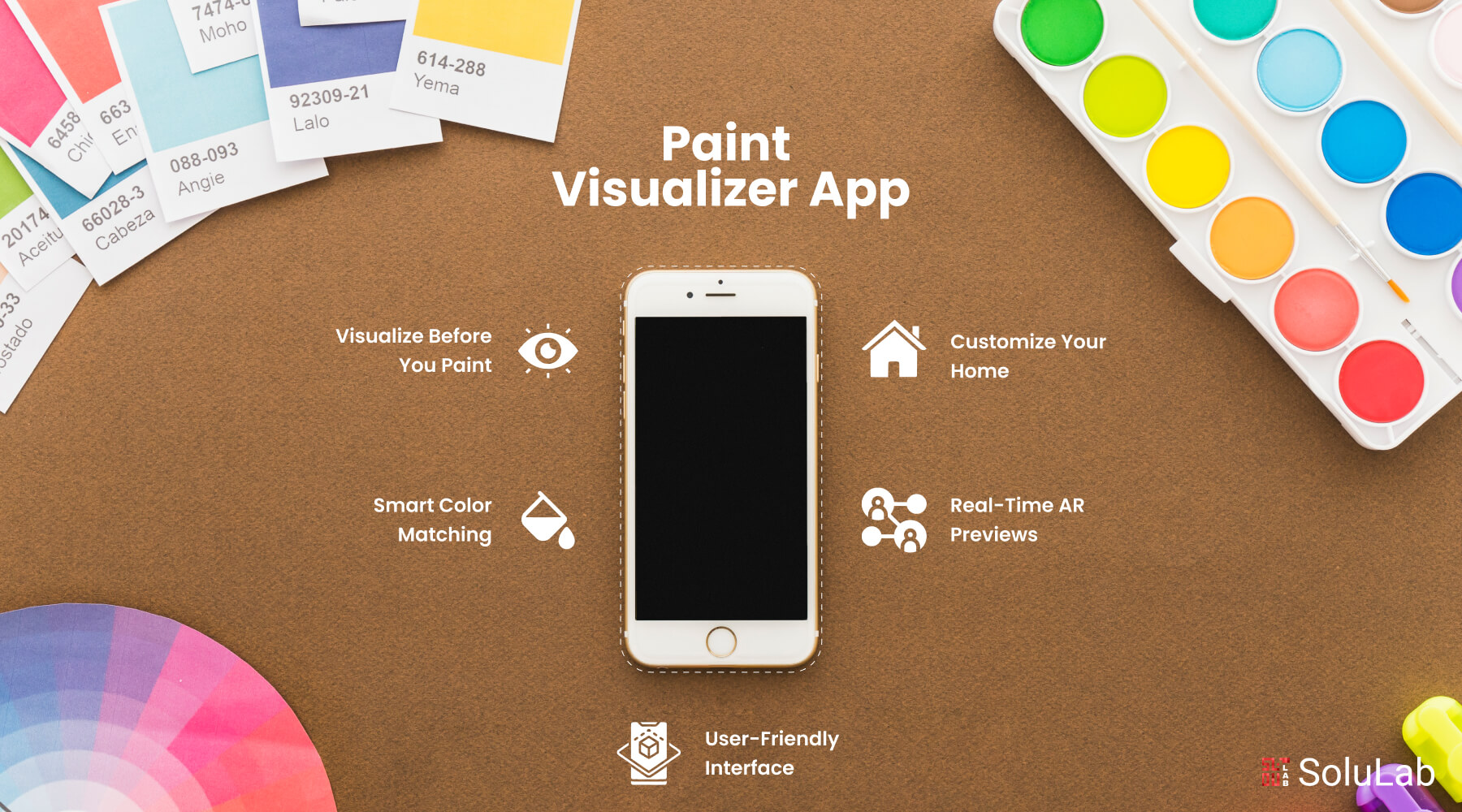
Wall color sets the mood of a room faster than any other thing you can buy. It also happens to be the decision people agonize over longest, because the swatch wall at the store gives you two hundred near-identical beiges and no way to tell which one turns muddy under your living room lamps. That is the gap paint visualizer apps were built to close. They let you drop a color onto your own walls, on screen, before a single tin gets opened. This guide walks through what these apps do, which features actually matter, what they cost to build, and why teaming up with an Augmented Reality App Development Company changes what you can ship.
What is a Paint Visualizer App?
A paint visualizer app is a digital tool that paints your walls virtually. You either pick a stock room template or upload a photo of the actual space, then swap colors on it. The point is a preview realistic enough that you stop guessing and start deciding.
The Evolution of Paint Visualizer Apps
Think about how this used to go. You collected a fan deck of swatches, painted test patches the size of a postcard, then squinted at them for three days at different hours. paint color visualizer apps rewrote that routine by pulling in AI and AR. The current crop is far more immersive, and color changes land on screen while you watch.
Key Features of the Best Paint Visualizer Apps
So what separates a best paint visualizer app from the forgettable ones? A handful of things:
1. User-Friendly Interface: A decent paint app should get out of your way. Clean layout, colors a thumb-reach apart, and no hunting for the button that applies the shade you just picked.
2. Extensive Color Database: Breadth matters here. Shades from the major paint brands, not a thin house palette, so users are not forced to settle. Want something more specific to your product? That is the moment to hire AI developer talent and build features around your own catalog.

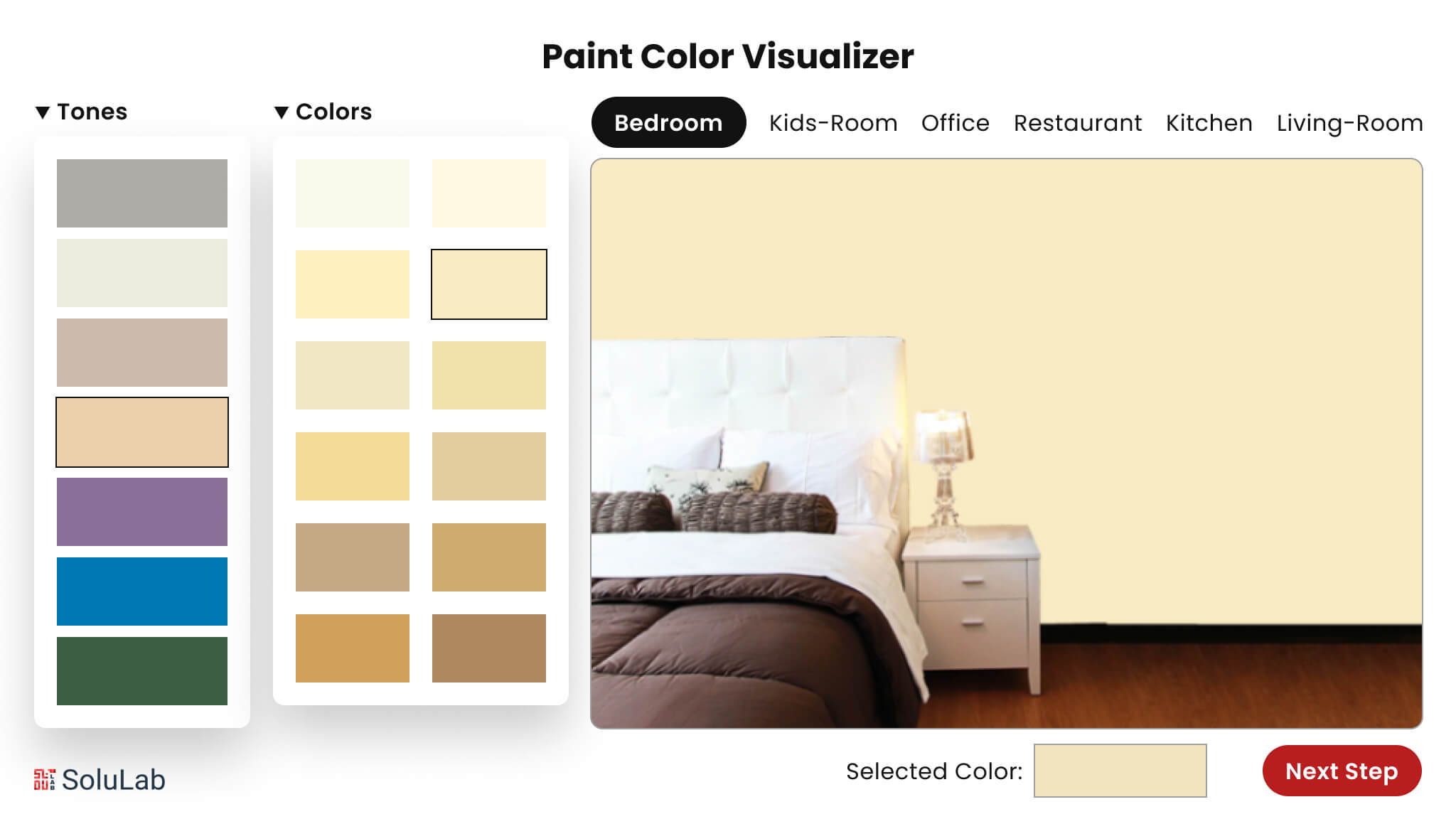
3. Room Paint Visualizer: Paint the walls separately. One accent wall, three neutrals, whatever the plan is, you see the room as a whole rather than a single flat swatch.
4. Color Matching App: A color matching app works backwards from what you already own. Point it at the sofa, the rug, the kitchen tile, and it finds paint that sits well beside them.
5. Augmented Reality (AR) Integration: AR paint visualizer tools run the color through your phone camera live, so the wall changes as you pan across it. Accuracy jumps once real light is in the picture.
6. AI-Powered Recommendations: The better apps ship an AI paint color visualizer that reads your taste and your existing decor, then proposes shades that go together.
7. Virtual Room Painter: Some apps add a virtual room painter mode for playing with full combinations, ceiling and trim included, so you get the whole transformation rather than one wall at a time.
How to Use a Paint Visualizer App?
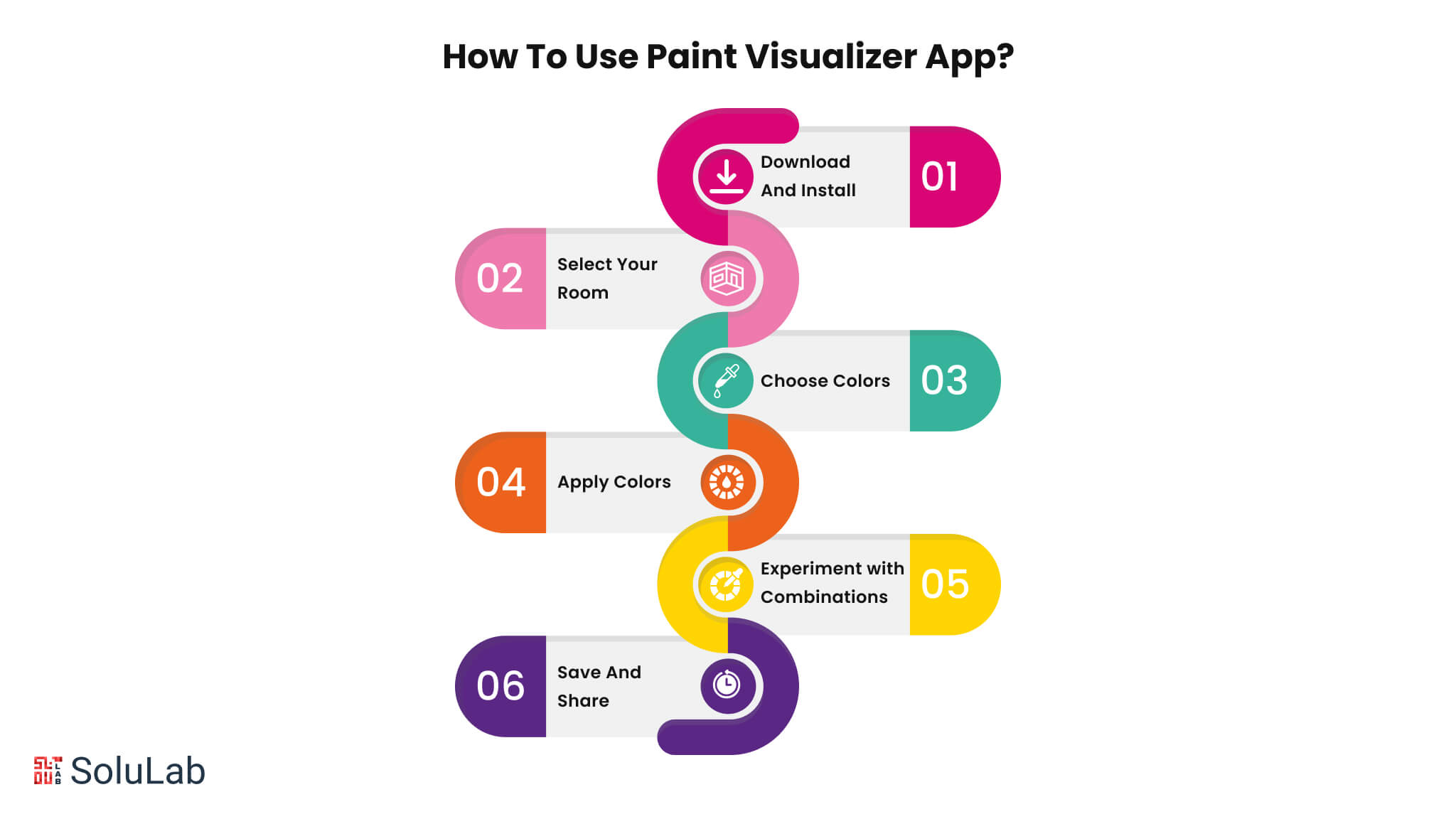
Using a paint visualizer app takes about five minutes:
- Download and Install: Grab it from whichever app store you use.
- Select Your Room: Start from a stock room template, or shoot a photo of yours. The photo route is worth the extra minute.
- Choose Colors: Scroll the palette and pull out the shades you keep coming back to.
- Apply Colors: Brush them onto the walls with the app’s tools, either on the template or straight onto your own photo.
- Experiment with Combinations: Keep swapping. The combination you land on is rarely the one you opened with.
- Save and Share: Nearly every app lets you save a render and send it to whoever gets a vote, a flow that gets much smoother with an AR/VR in Manufacturing approach behind the sharing and feedback loop.
Top Use Cases for Paint Visualizer Apps
- Homeowners: One bedroom or the whole house, a house paint visualizer app pays for itself the first time it talks you out of a color you would have bought four gallons of.
- Interior Designers: Designers pitch with these. Showing a client the room instead of describing it cuts the back-and-forth dramatically, which is exactly what AI applications is good for in a design workflow.
- Retailers: Paint brands and home improvement chains treat visualizer apps as sales floor equipment. A shopper who has seen the color on their own wall hesitates less at checkout.
The Benefits of Using a Paint Visualizer App
1. Cost-Effective: Sample pots and second coats add up. Skip that loop and you keep both the money and the weekend. Paint Visualizer app cost on the user side is usually low anyway, and plenty of apps hand you the basics free.
2. Time-Saving: Twenty candidates down to three, in an evening, with nothing to wash out of a roller.
3. Enhanced Creativity: Here is the quiet benefit. When the preview is free, you try the deep green or the clay red you would never have risked with real paint, and sometimes that is the one.
4. Improved Decision-Making: Seeing the shade in your own room, in your own light, is what turns a maybe into a yes. Call it one of the more grounded AI use cases for everyday user experience.
Developing a Paint Visualizer App
Planning to build your own paint visualizer app? AI and AR are not optional extras at this point, they are the baseline users compare you against. You need a deep color database, rendering good enough that the preview is believable, and an interface nobody has to be taught. In practice this is where teams get stuck: the project to develop paint visualizer app only works when developers, designers, and people who genuinely understand color sit in the same conversation. Drop any one of those three and the output looks off in a way users notice but cannot name.
The Future of Paint Visualization
AI and AR keep moving, and paint visualizer apps keep picking up range as they do. An AI home color visualizer can now read the light in your room and the furniture in it, then recommend accordingly. Meanwhile AR paint visualizer features push realism further still, with the color holding steady on your wall in real time as you move the phone around.

Conclusion
A paint visualizer app removes the part of repainting that makes people stall. Maybe you use an AR paint visualizer to watch the shade land on your own wall, or lean on an AI paint color visualizer to pin down the exact match. Either way the guesswork drops out. The best paint visualizer apps also let you save a render and pass it around, which is what actually settles a household argument about the hallway. Building one, or fixing a version you already shipped? An AI development company like SoluLab gives the project people who have done it before. That expertise is the difference between a room paint visualizer users open twice and a virtual room painter they keep, and it keeps paint visualizer app costs from drifting. Choose to hire an AI developer from SoluLab and you get senior talent on the build, which is what a house paint visualizer app needs if the rendering is going to hold up on a real customer’s phone.
FAQs
Bhavya is driving growth through data-backed demand generation for AI and Web3 solutions. With 9+ years in digital marketing, he has spearheaded initiatives that led to a 40% increase in qualified inbound leads. Bhavya shares insights on marketing ROI and scaling a digital presence via AI workflows. He is open to connecting with startups and enterprise teams to help them overcome their challenges.