Talk to an Expert

NFT Art for Beginners – How to Make and Sell

NFT Art for Beginners - How to Make and Sell

In the ever-evolving world of art, a revolutionary digital phenomenon is making waves – Non-Fungible Tokens (NFTs). These digital tokens have transformed the way we create, own, and trade art. If you’re new to the world of NFTs and intrigued by the concept of owning and selling digital art, you’re in the right place. In this blog, we’ll take you on a journey through the universe of NFT art, equipping you with the knowledge and tools to create and sell your very own digital masterpieces.

Understanding NFT Art

NFT art stands for Non-Fungible Token art, a term that might sound complex at first but is rather straightforward once demystified. At its core, NFT art is digital artwork, but it’s far from ordinary. What sets it apart is the innovative technology behind it – blockchain.

  • Blockchain Technology: At the heart of every NFT is a blockchain, a decentralized and immutable digital ledger. This ledger records the ownership and provenance of a piece of digital art. Unlike traditional art, where authenticity can be a challenge to verify, NFTs offer indisputable proof of ownership and a unique digital fingerprint for each artwork.
  • Digital Asset Ownership: NFTs provide a revolutionary concept of ownership. When you purchase an NFT, you aren’t just buying a copy of an artwork; you’re acquiring a digital certificate of ownership for that specific piece. This ownership is secured by blockchain technology, making it tamper-proof and transparent.

Check Out The Blog: How To Launch Your Own NFT Marketplace Website in Less Than 2 Days?

Why Are Artists Embracing NFTs?

For artists, NFTs represent a groundbreaking opportunity. They offer a direct connection with their audience, eliminating the need for intermediaries like galleries or agents. This newfound autonomy allows artists to retain a larger share of their earnings and creative control over their work. It’s no wonder that many artists are flocking to NFTs to explore this brave new world.

Beyond the financial incentives, NFTs also enable artists to engage with their audience in unique ways. Artists can embed unlockable content, such as behind-the-scenes footage or special editions, adding extra value for collectors. This dynamic relationship between artist and collector is redefining the art world.

Process of Creating NFT Art
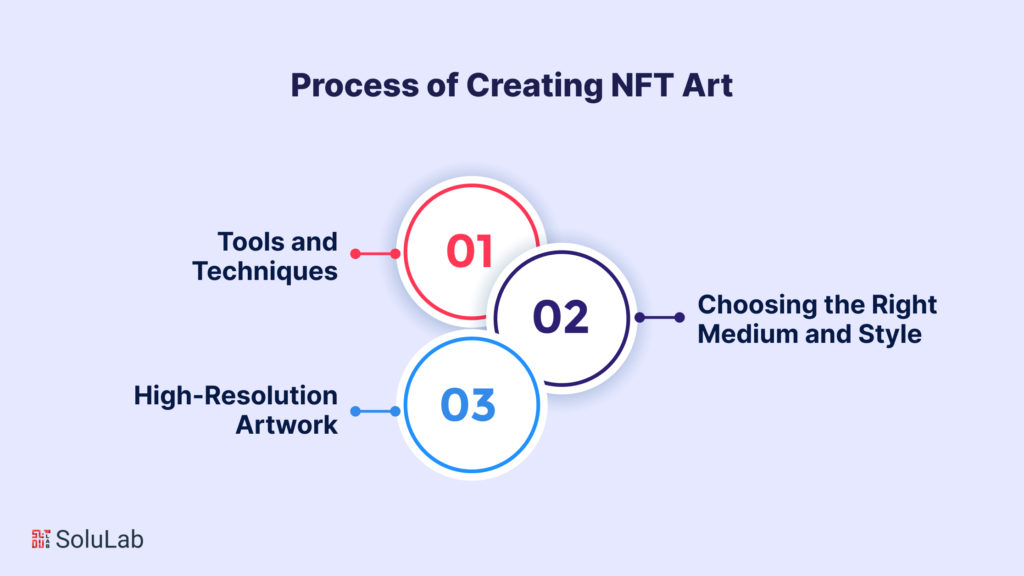
Creating NFT Art

Now that we’ve demystified the concept of NFT art, let’s dive into the creative process. Creating NFT art isn’t limited to the digital elite; anyone with a passion for creativity can participate.

Read Our Blog Also: Everything You Need to Know About Metaverse NFT Marketplace Development

  • Tools and Techniques: To embark on your NFT art journey, you’ll need the right tools. Fortunately, there’s a wealth of user-friendly software and apps tailored for digital art creation. Programs like Adobe Photoshop, Procreate, or even free options like GIMP can help bring your vision to life. It’s all about finding the one that best suits your artistic style and preferences.
  • Choosing the Right Medium and Style: NFT art knows no bounds when it comes to medium and style. Whether you’re a painter, illustrator, 3D artist, or photographer, your skills can find a home in the digital realm. Experiment with various styles to discover what resonates most with your artistic identity. The diversity of NFT art is one of its strengths, offering something for every taste.
  • High-Resolution Artwork: A crucial aspect of NFT art is ensuring your creations are high-resolution. High-quality files are essential for presenting your art in the best possible light and ensuring potential buyers can appreciate the details. Plus, it’s a reflection of your commitment to delivering top-notch art to your collectors.
CTA1

Preparing Your Art for NFT Sale

Preparing Your Art for NFT Sale

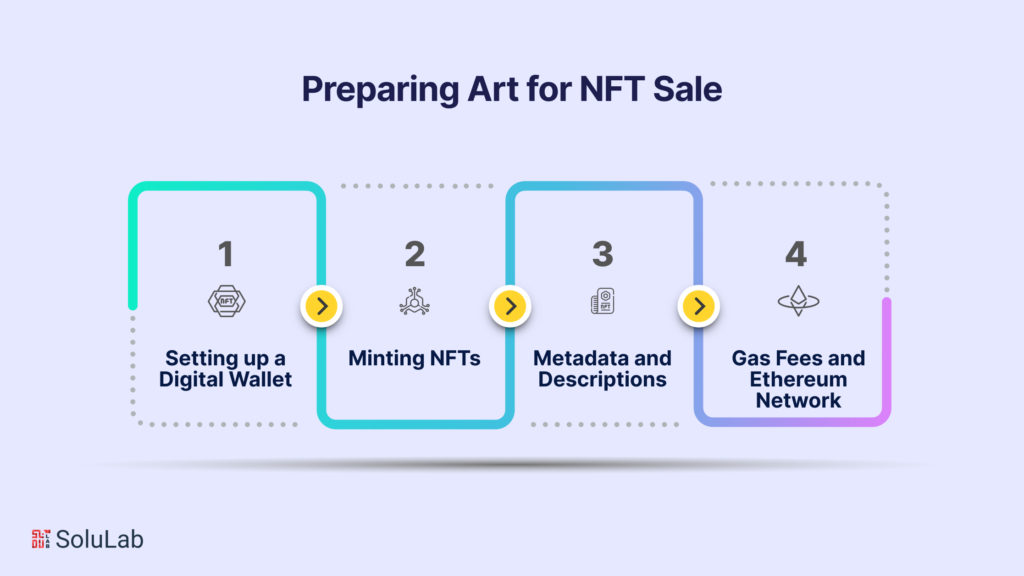
Now that you’ve ventured into the creative process of making digital art, it’s time to prepare your creations for sale as NFTs. This involves several crucial steps that ensure your artwork is ready to find its digital home.

  • Setting up a Digital Wallet: To engage with the world of NFTs, you’ll need a digital wallet. Think of it as your virtual art vault. Popular options include MetaMask and Trust Wallet. These wallets securely store your NFTs and enable you to interact with NFT marketplaces. Ensure you keep your wallet’s private keys safe; they are the keys to your digital kingdom.
  • Minting NFTs: Minting is the process of creating NFTs from your digital artwork. This process varies slightly depending on the NFT marketplace you choose, but the general steps involve uploading your art, adding metadata (more on this later), and confirming the minting process. It’s the moment your art becomes a unique digital asset on the blockchain.

Read Also: Benefits Of An NFT Marketplace On Cardano

  • Metadata and Descriptions: Metadata plays a crucial role in presenting your NFTs. It’s the digital backstory of your artwork. Describe your art, share your creative process, and provide any relevant information about the piece. A compelling story can captivate potential buyers, making your art more desirable.
  • Gas Fees and Ethereum Network: Before minting your NFTs, it’s essential to understand gas fees. These are transaction fees on the Ethereum network required for minting and transferring NFTs. Gas fees can fluctuate, so it’s a good practice to check current rates before proceeding. Some marketplaces may allow you to choose when to mint your NFTs to optimize costs.

NFT Art Platforms

With your NFTs minted and ready, it’s time to choose the right platform to showcase and sell your art. NFT marketplaces are where collectors discover and purchase NFTs, making it crucial to select the one that aligns with your artistic goals.

  • Overview of Popular Platforms: There’s a diverse landscape of NFT marketplaces, each with its unique features and audience. OpenSea, Rarible, Foundation, and Mintable are some of the most prominent names. Research these NFT marketplace platforms to find the best fit for your art. Consider factors like user base, fees, and user experience.
  • Creating an Artist Profile and Portfolio: Setting up your presence on an NFT marketplace is akin to curating your art gallery. Create a compelling artist profile that tells your story and showcases your portfolio. Use this space to connect with potential buyers and fellow artists, sharing your creative journey.

Remember, the NFT marketplace you choose can significantly impact your visibility and success. Take your time in making this decision, as it’s a pivotal step in your NFT art adventure.

Pricing and Marketing Your NFT Art
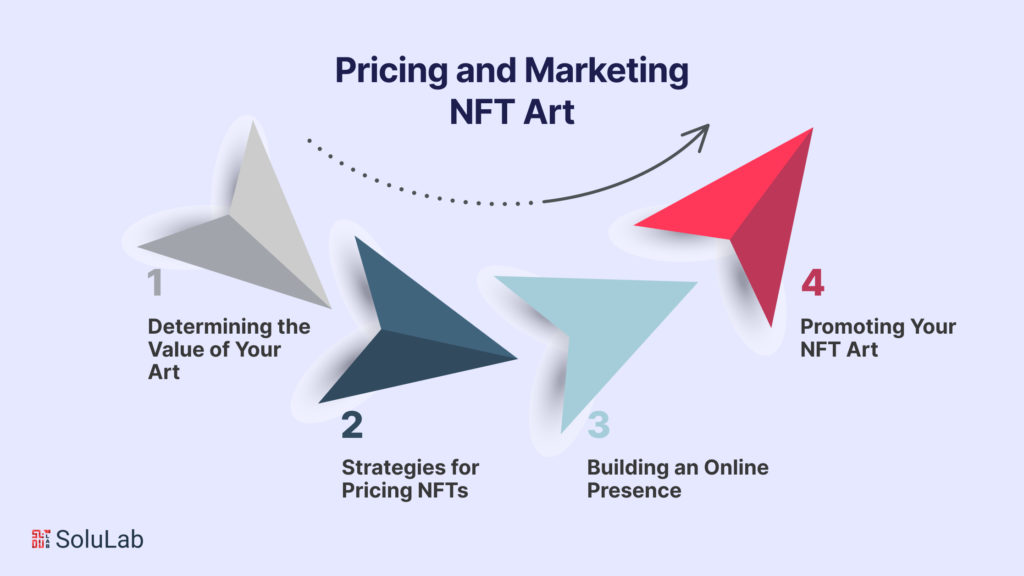
Pricing and Marketing Your NFT Art

Now that your art is on display, it’s essential to understand how to price and market your NFTs effectively.

  • Determining the Value of Your Art: Pricing your NFTs can be a challenge. Factors like your reputation, demand for your art, and scarcity all play a role. Research similar artworks and engage with the community to gauge fair market value. Be open to adjusting prices as you gain experience.
  • Strategies for Pricing NFTs: There are various pricing strategies to consider, from fixed prices to auctions and reserve prices. Each has its advantages and suits different scenarios. Experiment and find the approach that aligns with your art and goals.

Know More: 9 Trending White-Label NFT Marketplace Solutions

  • Building an Online Presence:  In the digital art world, your online presence is your calling card. Actively engage on social media platforms, art forums, and NFT communities to connect with potential buyers and fellow artists. Share your artistic journey, behind-the-scenes glimpses, and insights into your creative process. Building a loyal following can significantly boost your NFT sales.
  • Promoting Your NFT Art: Effective promotion is essential. Use social media platforms like Twitter, Instagram, and TikTok to showcase your art. Participate in NFT-related discussions and engage with your audience authentically. Communities like Discord and Clubhouse can be excellent places to connect with art enthusiasts.

Selling Your NFT Art

Your NFT art is now out in the digital world, but selling NFT art for beginners effectively is an art in itself. This section will guide you through the process of selling your NFTs and ensuring a successful NFT art drop.

Tips for a Successful NFT Art Drop 

Timing is crucial in the NFT world. Consider factors like market trends, events, and your audience when scheduling your NFT art drop. Engage with your community beforehand to generate excitement and anticipation. Provide clear instructions for potential buyers on how to participate.

Read Our Blog Also: How to Build an NFT Marketplace from Scratch?

  • Handling Auctions and Fixed-Price Listings: NFTs can be sold through auctions, fixed-price listings, or a combination of both. Auctions can create a sense of urgency and competition, while fixed-price listings offer stability. Experiment with different approaches to find what works best for your art.
  • Managing Royalties and Secondary Sales: One of the remarkable features of NFTs is the ability to earn royalties on secondary sales. When your art is resold, you can receive a percentage of the sale price. Make sure to set your desired royalty rate when minting your NFTs, and understand how different platforms handle royalties.

Navigating Legal and Ethical Considerations
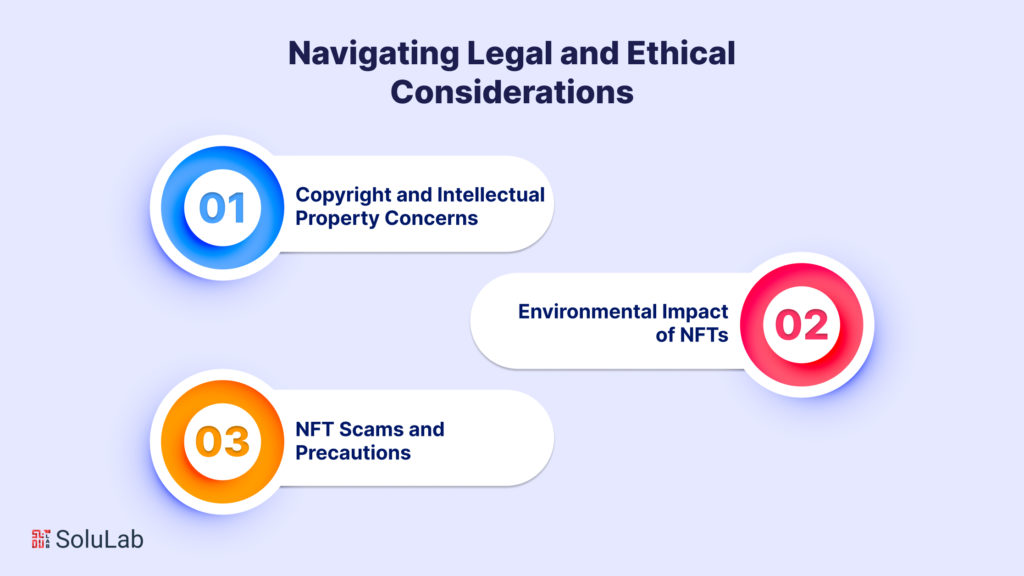
Navigating Legal and Ethical Considerations

As an NFT artist, it’s crucial to navigate legal and ethical considerations responsibly.

  • Copyright and Intellectual Property Concerns: Ensure that the art you mint as NFTs doesn’t infringe on any copyrights or intellectual property rights. If you’re using third-party content, obtain the necessary permissions and licenses. Respect the rights of other creators as you would want yours to be respected.

Read Also: Best Tron NFT Marketplace Platforms of 2025

  • Environmental Impact of NFTs: The environmental impact of blockchain technology used in NFTs has raised concerns. Some blockchains, like Ethereum, consume significant energy. Consider eco-friendly blockchain alternatives, or offset your carbon footprint through initiatives like carbon credits to contribute positively to the environment.
  • NFT Scams and Precautions: Unfortunately, scams can occur in the NFT space. Be cautious when dealing with buyers, use reputable marketplaces, and verify the authenticity of the art and the identity of the seller. Staying informed and vigilant is your best defense against potential scams.
CTA2

Conclusion

In closing, your journey into the world of NFT art has been an exploration of creativity, innovation, and community. You’ve learned how to make and sell NFT art, as well as navigate legal and ethical considerations. The White-label NFT marketplace development services space is dynamic and evolving, offering endless opportunities for artists like you.

SoluLab is a prominent technology company known for its expertise in blockchain technology and development services. With a solid track record of delivering innovative solutions, SoluLab plays a vital role in the evolving landscape of NFT art. Their proficiency in blockchain technology and smart contracts can be a valuable resource for artists and creators venturing into the NFT space. Whether you’re seeking to mint NFTs, explore eco-friendly blockchain alternatives, or need guidance on the technical aspects of NFT art, SoluLab’s experience and commitment to cutting-edge technology make them a potential partner in your NFT art journey. Their contribution to the blockchain ecosystem aligns with the transformative potential of NFTs for artists worldwide.

If you’re in search of top-notch NFT developers specializing in cryptocurrency and blockchain solutions, your quest ends here! Our team of seasoned NFT programmers offers premium NFT services, including blockchain and smart contract development for process automation. Our user-friendly yet advanced platform development, coupled with highly secure custom digital wallets, is tailored to your specific business requirements.

Obtain a fully customized white-label NFT art marketplace, complete with support for multiple blockchains. Facilitate seamless bidding and buying experiences for your art NFTs’ buyers. Contact SoluLab today to embark on your NFT journey with confidence.

FAQs

1. What exactly is an NFT, and how is it different from traditional digital art?

NFT stands for Non-Fungible Token, a type of digital asset that represents ownership or proof of authenticity of a unique item, in this case, digital art. Unlike traditional digital art, NFTs are indivisible and cannot be replicated or altered, making them a secure and traceable way to own and trade digital creations.

2. Do I need to be a professional artist to create and sell NFT art?

No, you don’t need to be a professional artist to get started with NFT art. NFT art welcomes creators of all levels, from beginners to seasoned artists. What matters most is your passion, creativity, and dedication to your craft. Experiment, learn, and grow as you engage with the NFT art community.

3. How do I protect my NFT art from copyright infringement or theft?

To protect your NFT art, ensure that you have the rights to use all elements within your artwork, or obtain the necessary permissions and licenses for third-party content. Additionally, consider using watermarks or low-resolution previews when sharing your art online to deter unauthorized use. It’s also important to document your creative process and ownership history.

4. Are there any eco-friendly alternatives to blockchain platforms with high energy consumption for minting NFTs?

Yes, there are eco-friendly blockchain platforms, such as Tezos and Flow, that have lower energy consumption compared to Ethereum. These platforms have gained popularity among artists concerned about the environmental impact of NFTs. Research and choose a blockchain that aligns with your values and sustainability goals.

5. How can I promote my NFT art effectively and build a following in the NFT community?

Effective promotion of your NFT art involves engaging with the NFT community and showcasing your work on social media platforms like Twitter, Instagram, and TikTok. Participate in relevant forums, Discord communities, and Clubhouse discussions. Building a strong online presence, being authentic, and interacting with potential buyers and fellow artists can help you grow your following.
 

Rarible Business Model and Revenue Sources

Rarible Business Model and Revenue Sources

Virtual currencies have been able to completely take over the global payment system in recent years and are progressing at a rate that nobody could have predicted. The rapidly escalating growth and acceptance of cryptocurrencies have proven to be an extremely helpful tool in drawing in potential new investors from all over the entire globe. Taking into account the developments that have taken place in the industry as well as the support and reaction that it has received over the course of the last few years, it is not going to slow down in the foreseeable future. Non-fungible tokens, also known as NFTs, are becoming increasingly common in the digital world. There are a growing number of businesses that offer investors the opportunity to buy and sell digital collectibles. Because of this, there is now significantly more competition among businesses operating in the sector. In the NFT marketplace, Rarible is one of those companies that has become active. It is a marketplace for non-fungible tokens that enables the trading of digital collectibles without the need for specialized knowledge.

History of Rarible

Alex Salnikov and Alexei Falin created the Moscow-based company Rarible in 2020. Rarible is an NFT platform centered on the art and digital collectibles markets at present. To ensure that RARI token holders ultimately have control of the Rarible marketplace, the company released its own governance token in July 2020.

Gaining Profit from the Market’s Flow of Cash Rarible has announced a marketplace liquidity mining plan to reward users who are actively buying and selling with the introduction of the RARI token. Since the introduction of liquidity mining incentives, wash trading has become a problem in the Rarible marketplace. For instance, a bad actor might construct an NFT and encourage his friends to purchase it; when the transaction is complete, RARI tokens are distributed to the addresses of the buyers and sellers. 

According to Alex Salnikov in September 2020, wash trading accounted for about 40% of the $750,000 worth of NFT deals on Rarible in August of 2020. The governance is proposing a solution that includes a breakdown of transaction costs from both parties, with the funds from these transactions being shared equally among all RARI holders.

CTA1

How Does Rarible Work?

Rarible is a web-based application that gives digital creators and artists the ability to publish and sell their own unique crypto assets. These assets signify that they own their digital work in some capacity. Rarible is a distributed network built on Ethereum that functions as a marketplace for those assets. 

This platform enables transactions to take place without the need for a middleman. NFTs are defined to include the tokens that users of the NFT marketplace Rarible create for themselves. Each NFT is one of a kind and cannot be substituted for another.

Rarible also offers a marketplace where sellers can link up with the respective creators of the items they sell. Nevertheless, the first thing that needs to happen for the platform is for creators to start offering their work through it.

Read Our Blog: Why Should You Start Your Own NFT Marketplace Business?

In order to complete this step, they will need to “mint” a token by utilizing Rarible’s software. As a result of this, they are required to fill out a form on the website, to which they must attach their image as well as other data. The Rarible platform will create your own token on the Ethereum blockchain as soon as it has obtained the necessary information.

Rarible makes use of the Ethereum blockchain in order to incorporate some data into the code of an NFT. The complete history of the property’s transactions and owners is included in these records. In a similar fashion, it gives vendors a platform from which they can view and purchase the digital asset that is being offered by creators. The software makes the transactions between the two parties easier to complete. During the course of this procedure, Rarible also earns revenue from the transactions that take place.

The Rarible platform makes it simple to get started using the service. On the other hand, users are required to register through a cryptocurrency wallet in order to use it. This wallet can be any wallet they choose, but it must be compatible with one of the blockchains that Rarible operates on in order to be used. Users can base this process on a variety of different wallets, including MetaMask. Users are able to trade NFTs once they have created an account with Rarible.

On the Rarible platform, trading non-fungible tokens can be done in a number of different ways. However, this is dependent on where users mint their tokens as well as the platform that they are using. 

The platform provides buyers with two options for purchasing NFTs: a fixed price and an auction. The blockchain that Rarible relies on is also responsible for dictating this process. Users can typically make purchases of NFTs using either their debit or credit cards. However, this feature might not be available on every wallet or blockchain. Once a user has obtained an NFT, they are able to list it on their profile for public viewing and possible sale.

Read Our Blog Post: Things you need to know about NFT Marketplace

Rarible Business Model

Rarible’s business model is comparable to that of other NFT marketplaces. Rarible’s core functionality is based on a model of decentralized platform operation. Rarible, which is an online platform, utilizes the e-commerce business model in its day-to-day operations.

The Rarible business model has grown in popularity.  The company operates as a digital marketplace for NFTs by utilizing this business model. NFTs, in their most basic form, are essentially digital certificates attesting to the ownership of a digital asset. This certificate is distinct and non-duplicable. Due to the unique characteristics of the NFT business model, it does not face significant levels of competition at the present time.

Rarible Revenue Sources

The money made from each transaction is the primary source of income generated by the Rarible business model. The business model of the company is based on commissions, so it increases its revenue with each sale that it makes. Nevertheless, these prices are low and comparable to those offered by other platforms such as OpenSea. 

The company exists using a model of business that is analogous to that of other decentralized NFT marketplaces. Rarible’s platform, which users interact with and use to conduct their business, is the company’s most important tool.

The company’s NFT transactions result in monetary profit for the business. Rarible revenue model generates money from each sale, despite the fact that it is not directly involved in the transactions themselves. Every time a user buys or sells a digital asset through the company’s platform, the business brings in a new revenue stream. Additionally, the platform may generate revenue through the use of its RARI governance token.

Read Also: Binance Business Model and Revenue Sources Explained

It does this by adding a fee of 2.5% to each transaction, which brings in revenue. The Rarible revenue model utilized is that of an online marketplace.

Rarible, in its capacity as the operator of the marketplace, is responsible for the selection of offers, the discovery of those offers, and the establishment of a secure checkout procedure.

It has implemented a strategy that utilizes multiple chains in order to strengthen the demand side of its marketplace. It launched the Rarible Protocol in August 2021, which is an open-source application programming interface that enables it to onboard a variety of blockchains.

While the majority of other NFT marketplaces are primarily focused on the Ethereum blockchain, the Rarible business model has already integrated with other chains such as Flow and Tezos.

Because of this, not only does it expand its total addressable market, but it also makes it a great deal more affordable for its users to mint new NFTs and buy existing ones as a result of lower gas fees.

In addition to being an open-source protocol, it also has the issuance of a governance token called RARI that makes it easier for people to adopt it. In order to facilitate the buying and selling of NFTs, the platform makes the token available to both buyers and sellers.

Read Our Blog: OpenSea Business Model and Revenue Sources Explained

The RARI token is made available to purchasers and vendors through the platform. They can then trade NFTs with one another through the Rarible NFT marketplace using these tokens. In a similar manner, Rarible checks the legitimacy of sellers on its platform using its partnership with Adobe. The confidence that users already have in the platform is enhanced by the addition of this feature. Although it does not directly generate revenue for Rarible, it increases the company’s future earnings potential.

What Distinguishes Rarible?

Rarible’s goal is to expand beyond its current role as a marketplace for digital artwork and collectibles with the assistance of blockchain technology. Rarible is used to mint or create non-fungible tokens with a simple and fairly simple method that makes it available to those having little or no previous knowledge of NFTs. 

As a consequence of this, it is now possible for creators and artists to build and sell their virtual items with no barriers to entry, although they will still need to take full advantage of the security that is empowered by blockchain technology. It is well known that the Rarible protocol and platform will create an ecosystem that will be governed by RARI token holders. These token holders are given the responsibility of voting on governance proposals that will be put forward. It has plans to transform itself into a structure that is comparable to that of a completely independent organization (DAO) in the not-too-distant future.

Read Also: Launch your Own NFT Marketplace: A Step-by-Step Guide

Although the non-fungible token market is still in its infancy, Rarible is already planning to use a portion of its earnings to subsidize the first mint transaction, or as it is more commonly known, NFT creation transaction for users, among other business strategies, in order to speed up the platform’s development.

NFTs offer users a quick and simple alternative that is only a few clicks away, while the Rarible protocol is frequently seen as a solution to the drawbacks of the intellectual property market, including licensing and other paperwork requirements.

CTA2

Conclusion

If you take a look at the world as it is right now, you will notice that each day millions of new people from different parts of the world join in, and each hour sees the emergence of several new currencies. Not only that, but it is also important to note that the convenience, portability, usability, intuitiveness, and of course the high profit margins offered by the industry are some of the factors that have contributed to its progress.

Additionally, it is essential for you to be aware that, just like any other industry, the cryptocurrency industry is not without its drawbacks. You have the potential to make enormous profits from it; however, if you don’t do it correctly, you also run the risk of incurring significant losses. This is due to the fact that the cryptocurrency market is highly uncertain and volatile, which makes it very difficult to forecast even for those who are highly knowledgeable in the subject.

SoluLab offers a comprehensive range of NFT marketplace development services, boasting extensive expertise across various NFT solutions, from digital collectibles and artwork to gaming and asset tokenization. Their team of highly skilled NFT developers specializes in cryptocurrency and blockchain development, ensuring top-notch solutions that include blockchain technology, smart contract development, and process automation. SoluLab’s platform development combines user-friendliness and advanced features, complemented by highly secure digital wallets tailored to specific business needs. For those in search of the best NFT developers, look no further and hire SoluLab’s team today. Contact SoluLab now to embark on your NFT journey with confidence.

FAQs 

1. What is Rarible?

Rarible is an Ethereum-based medium that streamlines the design, sale, and acquisition of ownership privileges to online works of art via non-fungible tokens (NFTs). These non-fungible tokens (NFTs) are unique crypto assets describing unique objects such as works of art or collectibles.

2. What is the origin of Rarible, and who is its owner?

Rarible is an innovative project founded in Moscow by Alexei Falin and Alex Salnikovin in early 2020. Moreover, at its core, Rarible denotes an NFT medium emphasizing art and online collectibles. With 3 unexplored blockchains supported, including Solana, IMX, and Polygon, Rarible accommodated multiple new communities on its platform. 

3. How does Rarible make money?

Rarible earns money by levying a 2.5 percent charge on every deal. The firm runs an online marketplace enterprise model. Established in 2020, Rarible has evolved exponentially to become one of the world’s topmost NFT marketplaces and has acquired a $16 million grant in funding.

4. How does Rarible differ from OpenSea? 

While Rarible concentrates more on delivering an atmosphere where artists have a say in how the medium is handled, OpenSea presents a community that makes it uncomplicated for users to buy and trade online goods. The company grants individuals power over both the market and their artwork as a whole.

Why Should You Start Your Own NFT Marketplace Business?

Why Should You Start Your Own NFT Marketplace Business?

In recent years, the digital landscape has witnessed a remarkable phenomenon – the rise of NFTs or Non-Fungible Tokens. This introduction aims to shed light on the intriguing world of NFTs, and their growing popularity in the business realm, and provide an overview of the burgeoning NFT marketplace business.

Non-fungible tokens (NFTs) are unique digital assets representing ownership or proof of authenticity of a particular item, piece of content, or collectible on a blockchain. NFTs are indivisible and cannot be swapped one for one like cryptocurrencies like Bitcoin or Ethereum. Each NFT is distinct and carries its own inherent value, making it an ideal means to represent digital ownership in a secure and transparent manner.

The ascent of NFTs in the business world has been nothing short of meteoric. Initially, NFTs gained prominence in the art and gaming industries, allowing artists and gamers to tokenize their creations and assets, opening new revenue streams. However, this trend rapidly transcended its origins and infiltrated various sectors, from music and entertainment to real estate and fashion. NFTs have become a novel medium for businesses to engage with their audiences, create digital scarcity, and explore innovative monetization strategies.

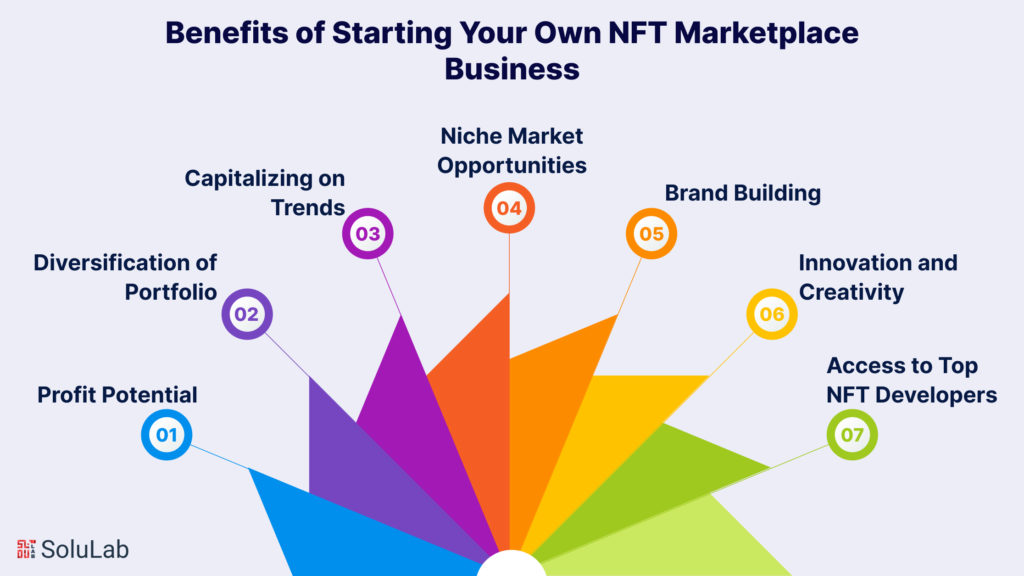
What Are the Benefits of Starting Your Own NFT Marketplace Business?

What Are the Benefits of Starting Your Own NFT Marketplace Business?

In recent years, the term “NFT” (Non-Fungible Token) has become synonymous with innovation and profitability in the digital world. NFTs have revolutionized the way we perceive ownership and trade digital assets, opening up a world of opportunities for entrepreneurs. If you’re considering venturing into the NFT for business arena, here are the compelling benefits of starting your own NFT marketplace business:

  • Profit Potential

One of the most enticing aspects of entering the NFT marketplace business is the substantial profit potential it offers. NFT transactions can generate significant revenue through transaction fees, auction sales, and royalties on secondary sales. With the right strategy and execution, your NFT marketplace can become a lucrative venture, attracting collectors, artists, and investors.

  • Diversification of Portfolio

Integrating an NFT marketplace into your existing business model allows you to diversify your portfolio. Unlike traditional assets, NFTs offer a unique and innovative way to store value and generate income. This diversification can reduce your dependence on conventional financial instruments, mitigating risks associated with market fluctuations.

  • Capitalizing on Trends

In the fast-paced world of technology and finance, staying ahead of trends is crucial. Launching an NFT marketplace positions you at the forefront of the blockchain and cryptocurrency revolution. As NFTs gain mainstream recognition, your business can leverage this trend to attract a growing user base seeking to buy, sell, and trade digital collectibles and assets.

  • Niche Market Opportunities

The NFT marketplace business allows you to target specific niches and cater to unique interests. Whether it’s art, music, virtual real estate, or gaming items, you can create a tailored platform that appeals to a passionate community of collectors and enthusiasts. This specialization can result in a loyal user base and increased brand recognition.

CTA1

  • Brand Building

Launching an NFT marketplace can significantly enhance your brand’s visibility and reputation. By aligning your business with the booming NFT industry, you can attract attention from tech-savvy and forward-thinking audiences worldwide. NFTs can also be used as powerful marketing tools to engage your audience and create buzz around your brand.

  • Legal Structure and Long-Term Stability

Starting your own NFT marketplace allows you to target specific niches and cater to unique interests. Establishing your business as an LLC through a registered agent provides a formal legal structure, offering personal liability protection and potentially favorable tax treatment. In addition to safeguarding your personal assets, operating as an LLC can enhance your credibility with partners, investors, and users. This structure lays a solid foundation for growth, making your marketplace more resilient and trustworthy in a rapidly evolving digital landscape.

  • Innovation and Creativity

NFTs encourage innovation and creativity in both content creation and technological advancement. Your NFT marketplace can serve as a platform for artists, creators, and developers to explore new possibilities and experiment with digital assets. This fosters a vibrant ecosystem where unique and valuable NFTs are born.

Read Our Blog: Things you need to know about NFT Marketplace

  • Access to Top NFT Developers

Building a successful NFT marketplace requires top-notch technical expertise. When you start an NFT business, you have the opportunity to hire and collaborate with leading NFT developers who specialize in blockchain technology, smart contracts, and security. Their expertise ensures the smooth operation and growth of your platform.

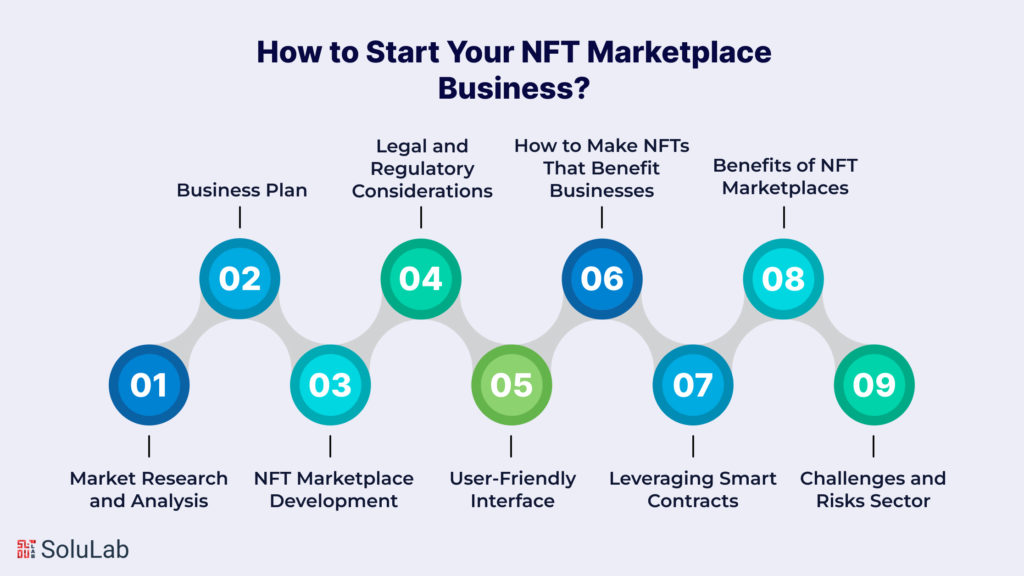
How to Start Your NFT Marketplace Business?

How to Start Your NFT Marketplace Business?

Non-Fungible Tokens (NFTs) have become a game-changer in the quickly developing real world applications of blockchain technology and digital assets. NFTs, which represent unique digital items or collectibles, have gained significant attention not only in the art and entertainment industries but also as a lucrative opportunity for entrepreneurs. If you’re looking to capitalize on this trend and start your NFT marketplace business, here’s a comprehensive guide on how to get started.

  • Market Research and Analysis

Before diving into the NFT marketplace business, it’s crucial to conduct thorough market research. Determine your target market, comprehend their requirements, and research your rivals. This research will help you tailor your platform to meet specific demands and stand out in the market.

  • Business Plan

Creating a solid business plan is essential. Define your niche within the NFT marketplace business. Decide whether you want to focus on digital art, music, virtual real estate, or other unique assets. Outline your business goals, revenue model, and a timeline for development.

  • NFT Marketplace Development

To bring your NFT marketplace to life, you’ll need a team of experienced developers. You can either hire top NFT developers or utilize NFT marketplace development services. Look for experts who understand blockchain technology, smart contracts, and user-friendly interface design.

Read Our Blog Post: Navigating the NFT Marketplace Landscape: Exploring the Best Platforms in 2025

  • Legal and Regulatory Considerations

Navigating the legal landscape is crucial in the NFT for business world. Address intellectual property rights and copyright issues to ensure creators and buyers are protected. Stay compliant with cryptocurrency regulations and engage legal counsel to guide you through the process.

  • User-Friendly Interface

Creating a user-friendly and visually appealing interface is key to attracting and retaining users. The success of your NFT marketplace business relies on providing a seamless and enjoyable experience for both creators and collectors.

  • How to Make NFTs That Benefit Businesses

To attract artists and creators to your platform, guide them on creating NFTs that provide value to businesses. Encourage them to focus on content selection, ensuring that their NFTs are unique and valuable. Explore partnership opportunities with artists and brands to enhance your platform’s offerings and marketing strategies.

Check Our Blog Post: What are some White-Label NFT Marketplace Solutions?

  • Leveraging Smart Contracts

Implement smart contracts within your NFT marketplace to automate transactions and royalties. Smart contracts ensure transparency, security, and seamless interactions between creators and buyers. They also help creators receive their fair share of revenue from secondary sales.

  • Benefits of NFT Marketplaces

Highlight the advantages of NFT marketplaces for both creators and collectors. Emphasize the potential for revenue generation through transaction fees and royalties. Showcase how NFTs can boost brand visibility, attract a global audience, and provide access to niche markets.

Read Also: How will White-Label NFT Marketplace Development Benefit your Business?

  • Challenges and Risks

Acknowledge the challenges and risks associated with the NFT marketplace business. Be prepared for the volatility in the NFT market, navigate legal complexities, and be aware of competition and potential saturation. Address technological challenges to ensure a secure and reliable platform.

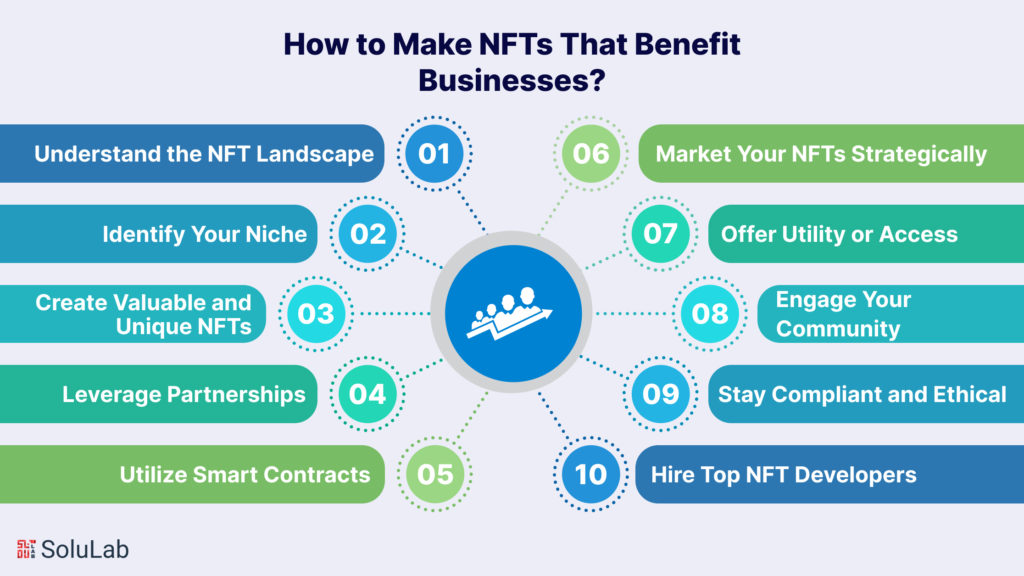
How to Make NFTs That Benefit Businesses?

How to Make NFTs That Benefit Businesses?

In the rapidly evolving world of digital assets, NFTs (Non-Fungible Tokens) have emerged as a groundbreaking technology with immense potential for businesses. NFTs offer a unique way to engage with customers, generate revenue, and promote brand awareness. If you’re considering starting an NFT business or incorporating NFTs into your existing venture, here’s a comprehensive guide on how to make NFTs that benefit businesses.

  • Understand the NFT Landscape

Before diving into NFT creation, it’s essential to grasp the dynamics of the NFT marketplace business. Familiarize yourself with the various NFT marketplaces, ongoing trends, and the legal and regulatory aspects of dealing with digital assets. This foundational knowledge will help you make informed decisions and navigate the competitive landscape effectively.

  • Identify Your Niche

To stand out in the crowded NFT marketplace, define your niche. Whether you’re an artist, a brand, or a content creator, pinpoint your unique selling proposition (USP). Consider what sets your NFTs apart from the rest and why collectors should be interested in your offerings. A clear niche helps attract a dedicated audience.

Read Our Blog: Top NFT Development Companies To Look At In 2025

  • Create Valuable and Unique NFTs

The heart of any successful NFT business lies in the NFTs themselves. When creating NFTs for your business, focus on value and uniqueness. Here’s how:

A. Select High-Quality Content

Whether it’s art, music, collectibles, or virtual real estate, ensure your content is of the highest quality. Quality content attracts buyers and collectors.

B. Rarity and Uniqueness

Embrace scarcity to enhance the perceived value of your NFTs. Limited editions or one-of-a-kind items are more likely to fetch higher prices.

Read Also: Solana NFT Marketplace: How to build your own NFT Marketplace on Solana

  • Leverage Partnerships

Collaborations can be a game-changer in the NFT business. Partner with artists, influencers, or brands to co-create NFTs or promote your offerings. These partnerships not only bring new audiences but also add credibility and appeal to your NFTs.

  • Utilize Smart Contracts

Smart contracts are at the core of NFT technology. They automate various aspects of NFT transactions, such as royalties and ownership transfers. By implementing smart contracts, you ensure that artists and creators receive their fair share of resale royalties, creating a sustainable ecosystem and attracting talent to your platform.

Read Our Blog Post: How to Build an NFT Marketplace on Ethereum Blockchain?

  • Market Your NFTs Strategically

Effective marketing is essential for success in the NFT marketplace business. Utilize social media, email marketing, and partnerships to reach your target audience. Engage with your community and build anticipation around your NFT drops.

  • Offer Utility or Access

NFTs can go beyond digital collectibles. Consider offering utility or access as part of your NFTs. For example, NFT holders could gain exclusive access to virtual events, premium content, or real-world perks. This added value encourages more purchases and long-term engagement.

  • Engage Your Community

Building an active and passionate community around your NFTs is crucial. Listen to feedback, hold discussions, and involve your community in decision-making processes. A strong community not only supports your business but also becomes your brand ambassador.

  • Stay Compliant and Ethical

Navigating the legal and ethical aspects of NFTs is vital. Ensure that your NFTs comply with intellectual property rights and local regulations. Transparency and ethical practices build trust among collectors and investors.

Read Our Blog: The Complete Guide to White-Label NFT Marketplace

  • Hire Top NFT Developers

If you’re contemplating the development of your NFT marketplace, partnering with SoluLab to hire top NFT developers is imperative. Our seasoned experts possess the knowledge and experience necessary to craft a secure and user-friendly platform, guaranteeing a seamless and trustworthy experience for both creators and collectors alike. With SoluLab’s expertise in NFT marketplace development services, you can rest assured that your project will be in capable hands, paving the way for your NFT business’s success.

What are the Challenges and Risks in the NFT Marketplace Business?

While the NFT (Non-Fungible Token) marketplace business offers significant potential for entrepreneurs, it is not without its fair share of challenges and risks. Before diving headfirst into the world of NFTs for business, it’s crucial to understand and navigate these potential obstacles effectively.

A. Volatility in the NFT Market

The NFT market is notorious for its volatility. Prices of NFTs can fluctuate wildly, with some assets seeing meteoric rises in value while others fade into obscurity. This volatility can pose challenges for business owners, as it can be challenging to predict the long-term value of NFTs. Entrepreneurs need to be prepared for sudden shifts in the market that may impact their profitability and business stability.

B. Legal Complexities

The legal landscape surrounding NFTs is still evolving. Intellectual property rights, copyright issues, and licensing agreements can be complex and vary from one jurisdiction to another. Navigating these legal complexities is crucial to avoid potential lawsuits and protect your NFT marketplace business. It’s advisable to consult with legal experts who specialize in cryptocurrency and NFTs to ensure compliance with relevant regulations.

Read Also: BSC NFT Marketplace Development: Everything You Need to Know

C. Competition and Saturation

As the popularity of NFTs continues to grow, so does the number of NFT marketplaces. The competition in this space is fierce, and saturation can become a real issue. New entrants in the NFT marketplace business face the challenge of standing out from the crowd and attracting both artists and collectors to their platform. Effective marketing strategies and unique value propositions are essential to compete successfully.

D. Technological Challenges

Building and maintaining an NFT marketplace requires advanced technical expertise. Entrepreneurs must deal with complex blockchain technology, smart contract development, and security considerations. Technological challenges can be daunting, especially for those without a technical background. To overcome this obstacle, many businesses choose to hire top NFT developers or utilize NFT marketplace development services to ensure the robustness and security of their platforms.

SoluLab offers a comprehensive set of services and solutions to help mitigate the challenges and risks associated with the NFT marketplace business. With our technical expertise, legal knowledge, and marketing support, we can empower your NFT for a business venture to thrive in a competitive and dynamic market. Partnering with SoluLab means having a dedicated ally in your journey to success in the NFT space.

CTA2

Conclusion

In conclusion, embarking on the journey to start your own NFT marketplace business with SoluLab’s expertise in NFT marketplace development services is a strategic move that promises substantial benefits for entrepreneurs and established businesses alike. The NFT marketplace industry is booming, and there’s no better time to seize the opportunity. SoluLab’s team of top-notch NFT developers possesses the experience and skill set needed to help you navigate the complexities of this emerging market.

Starting an NFT business can be a daunting task, but SoluLab simplifies the process by offering comprehensive guidance on how to start an NFT marketplace. From ideation to execution, their services cover everything you need to create a thriving NFT marketplace. With their support, you can make an NFT that not only benefits your business but also opens doors to new revenue streams and customer engagement opportunities.

The benefits of venturing into the NFT marketplace arena are immense. Not only does it allow you to tap into the burgeoning world of digital assets, but it also offers a chance to revolutionize your business model. SoluLab’s commitment to delivering top-tier NFT development services ensures that you have the right tools and technology at your disposal. So, take the leap, hire SoluLab’s expert NFT developers, and join the NFT for business revolution to secure your future success in this dynamic market.

FAQs

1. What is an NFT Marketplace Business?

An NFT marketplace business is a platform that allows users to buy, sell, and trade non-fungible tokens (NFTs). NFTs are unique digital assets that represent ownership of digital or physical items, and they have gained immense popularity in recent years.

2. Why Should You Start Your Own NFT Marketplace Business?

Starting your own NFT marketplace business can be a lucrative venture for several reasons. Firstly, the NFT market is rapidly growing, and it offers substantial revenue potential. As more artists, collectors, and businesses embrace NFTs, the demand for NFT marketplace services is on the rise.

3. How to Start an NFT Marketplace Business?

To start an NFT marketplace business, you need to follow several key steps. Begin by conducting market research to identify your target audience and niche. Then, hire top NFT developers or utilize NFT marketplace development services to create a robust and user-friendly platform. You’ll also need to consider legal and regulatory aspects, as NFTs are subject to various rules in different jurisdictions.

4. How to Make an NFT that Benefits Businesses?

Businesses can benefit from NFTs by creating unique digital assets that represent their products, services, or exclusive experiences. These NFTs can be used for marketing, loyalty programs, and engaging with customers. By leveraging the scarcity and authenticity of NFTs, businesses can enhance their brand value and customer engagement.

5. What are the Benefits of an NFT Marketplace for Business?

NFT marketplaces offer several advantages for businesses. They provide a new revenue stream through NFT sales and auctions. Additionally, NFTs can foster customer engagement and loyalty, as customers are drawn to exclusive digital collectibles and experiences. Moreover, NFT marketplaces can serve as a marketing tool, helping businesses reach a broader audience in the digital realm.

6. Why Hire Top NFT Developers for NFT Marketplace Development?

Hiring top NFT developers is crucial for successful NFT marketplace development. Experienced developers can ensure the security, scalability, and functionality of your platform, as well as integrate the latest blockchain technology to provide a seamless user experience. Their expertise can save time and resources while maximizing the potential of your NFT marketplace.