

Fashion brands are now tapping into AI to fix one of the biggest problems in online shopping high return rates. When users can visualise how an outfit looks on them, including fit, colour, and style, they make more confident purchase decisions. This not only reduces returns but also boosts conversion rates by 22–35%.
AI-powered tools like virtual try-ons, smart size recommendations, and intelligent styling engines are helping fashion companies cut operational inefficiencies and deliver hyper-personalised shopping experiences at scale.
In this blog, you’ll learn:
- How AI personalisation tools are changing online fashion experiences
- The real business benefits from higher conversions to fewer returns
- What the future of AI-driven styling, shopping, and fashion retail looks like
Let’s get started!
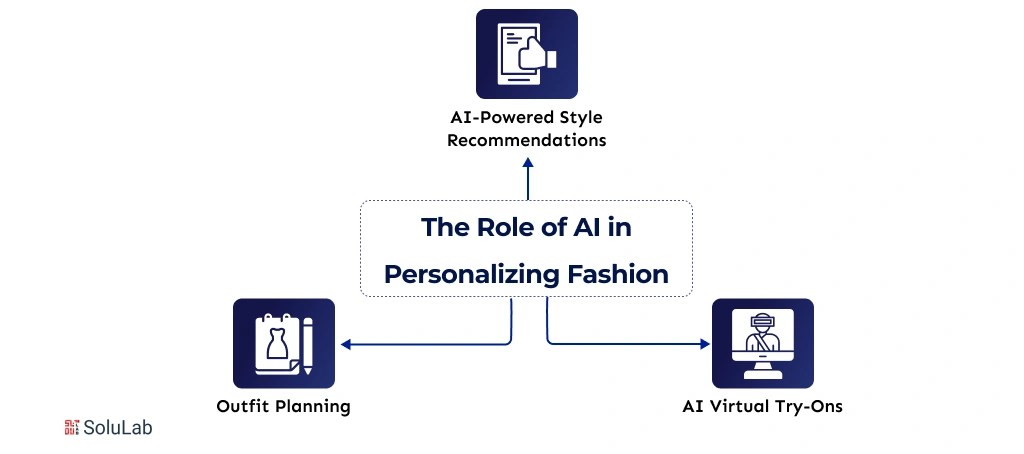
The Role of AI in Personalizing Fashion
Artificial Intelligence is no longer just improving shopper experience, it’s directly impacting profitability, efficiency, and retention for fashion brands.
-
AI-Powered Style Recommendations
AI recommendation engines analyze customer behaviour, past purchases, fabric preferences, body characteristics, and browsing patterns to deliver product suggestions that increase conversions (20–40%), average order value (AOV) and customer lifetime value (CLV). For brands, this means fewer irrelevant recommendations and more targeted, high-precision personalisation.
-
AI Virtual Try-Ons
Virtual try-ons help brands reduce size-related returns (by 30–50%), improve fit accuracy, increase buyer confidence and boost online conversion rates. By enabling shoppers to “try” clothes digitally using AR and computer vision, brands cut operational costs linked to returns and logistics.
-
AI for Outfit Planning & Styling
AI-driven styling engines help brands automate personalized outfit bundles, cross-sell recommendations, seasonal styling based on weather, events, or trends and smart lookbooks for digital commerce. This drives higher engagement and stronger brand loyalty.
Benefits of AI-Powered Wardrobe Personalization
The global AI in fashion market is expected to reach USD 1.6 billion by 2034 (CAGR ~12.7%).
AI-powered wardrobe personalisation is improving how people shop and dress by offering smart, data-driven fashion experiences that ensure comfort, convenience, and sustainability for every individual’s style and body type.
1. Lower Return Rates & Operational Cost Reduction: AI-driven sizing accuracy reduces returns and increases average order value, saving brands massive costs linked to shipping, restocking, and reverse logistics.
2. Higher Conversion Rates & Revenue Growth: Personalized recommendations lead to better product discovery and faster decision-making.
3. Improved Sustainability & Inventory Efficiency: AI predicts demand, optimizes stock, and reduces overproduction, addressing both environmental and financial goals.
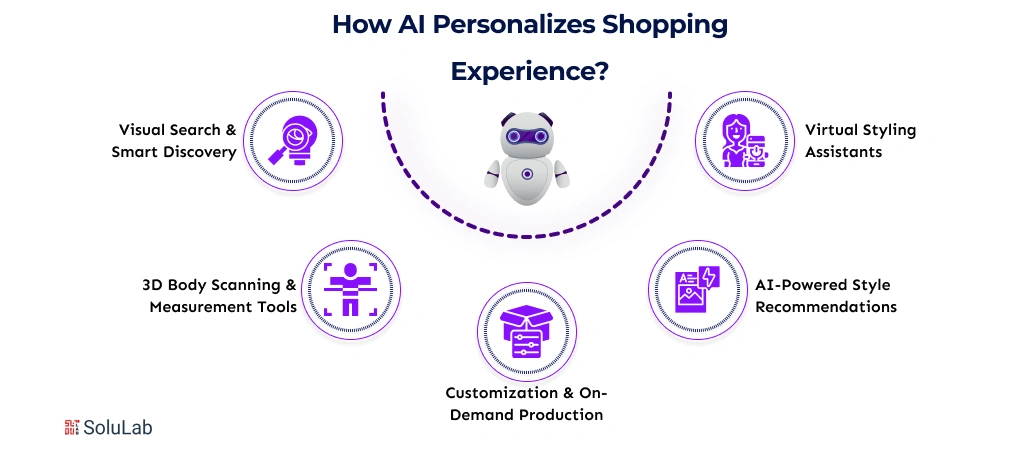
How AI is Personalizing Your Shopping Experience?
Artificial Intelligence solutions provide personalized experiences from outfit recommendations to perfect fitsmaking shopping smarter, more interactive, and as per your style preferences.
1. Virtual Styling Assistants
AI stylists use smart algorithms to curate outfits based on your taste, weather, and upcoming occasions. Chat-based assistants and AI virtual try-on clothes apps let you preview looks instantly, no need for fitting rooms!
2. AI-Powered Style Recommendations
AI studies your past choices, body type, and favorite brands to deliver spot-on outfit suggestions. Platforms like Stitch Fix, Zalando, and Amazon Personal Shopper use AI-powered virtual try-on tech to refine your unique style.
3. Customization & On-Demand Production
From choosing colors to altering designs, AI allows you to co-create fashion pieces. Brands like TexSPACE Today use on-demand manufacturing to reduce waste, ensuring every piece feels made just for you.
4. 3D Body Scanning & Measurement Tools
Using computer vision, AI takes accurate body measurements and suggests the right size for every brand, minimizing returns and making sure you always get the perfect fit.
5. Visual Search & Smart Discovery
AI lets you upload an image to find similar outfits or accessories online instantly. This feature simplifies discovery and helps you explore fashion that matches your exact visual inspiration.
Real World Examples of Brands Using AI in 2025
In 2025, the most popular fashion brands are redefining personalization with AI integration into their design, styling, and fitting processes, changing the customer experience of shopping, dressing, and enjoying fashion.
1. Stitch Fix
Stitch Fix has AI algorithms that can suggest personalized outfits based on customer preferences, style history, and body type. Stitch Fix uses AI to support stylists by automating personalization at scale. This reduces manual workload, improves product-match accuracy, and significantly lowers return rates.
2. Nike Fit
Nike Fit’s AI sizing scans help brands avoid incorrect size recommendations, reducing inventory mismatches, logistics costs, and boosting customer satisfaction with fewer product returns. Its data-driven strategy enables stylists to send customized clothing boxes that best suit every user in terms of taste and lifestyle.
3. H&M
H&M leverages AI for trend prediction and inventory planning, helping the brand cut excess stock, reduce waste, and maintain better product availability across global markets. H&M uses AI to forecast trends in fashion and to control stock.
4. Zalando
Zalando AI-driven outfit recommendations create full-look styling suggestions, increasing personalization, boosting customer engagement, and driving higher average order value for the platform. Zalando uses machine learning to provide AI-based outfit recommendations.
Future of AI in Fashion Trends
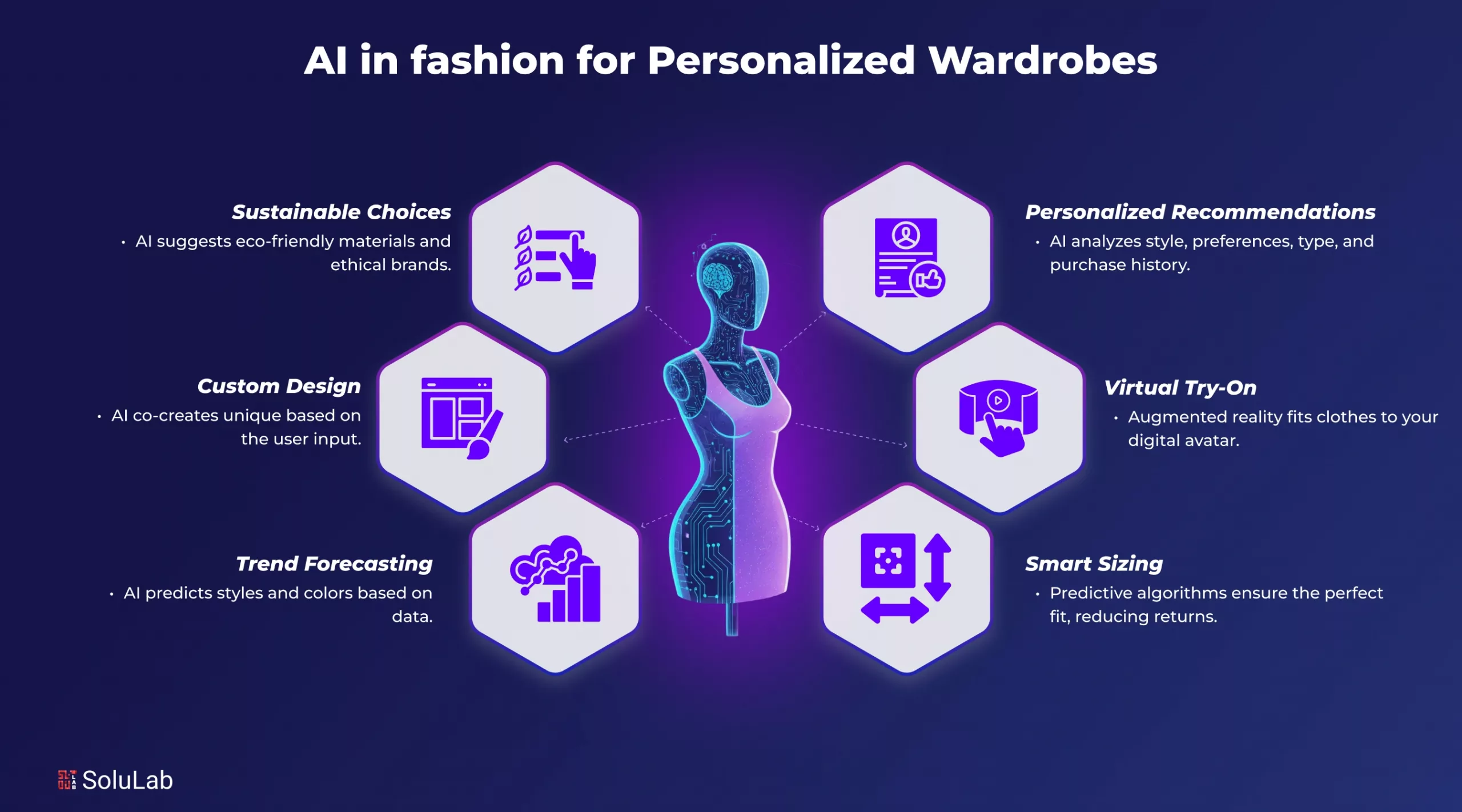
AI analyzes shopping patterns, social media activity, and customer feedback to craft clothing suggestions that match individual styles. With Computer vision and AI, brands can predict preferences, personalize experiences, and deliver fashion that feels tailor-made for every shopper.
1. Sustainable fashion: AI enables designers to discover eco-friendly materials, optimize fabric use, and reduce waste in production. Through AI development solutions, fashion brands can make sustainability scalable, creating ethical designs without compromising on quality, style, or creativity.
2. Trend Forecasting: AI systems scan global fashion data from runway shows to influencer posts to anticipate upcoming trends with remarkable accuracy. This advanced Trend Forecasting helps designers and retailers stay ahead of customer demands and shape collections that truly resonate with the market.
3. Design new styles based on individual taste: With AI analyzing body types, colors, and past purchase behavior, brands can create designs that perfectly fit each consumer’s personality. This fusion of Computer vision and AI ensures style recommendations that are both data-driven and emotionally appealing.

Conclusion
Artificial Intelligence is changing the fashion industry far beyond personalisation. For brands, AI is a strategic move that cuts costs, enhances customer satisfaction, improves accuracy, and gets new revenue streams. As virtual try-ons, recommendation engines, and predictive modelling evolve, the brands that invest early will gain a competitive advantage.
If you’re looking to implement AI styling tools, virtual fitting technology, or predictive retail systems, our team can help you build scalable, high-performance AI solutions that deliver measurable business outcomes.
Digital Quest, a travel business, partnered with SoluLab to develop an AI-powered chatbot using Generative AI. The chatbot enhanced customer engagement by offering real-time, personalized travel recommendations and hassle-free reservations. It also integrated user feedback and multi-language support, resulting in improved user experience and high ROI.
SoluLab, an AI development company can help you build smart styling tools, virtual fitting solutions that your customers will love. Contact us today to discuss further!
FAQs
1. How is computer vision used in the fashion industry?
Computer vision in the fashion industry allows systems to identify colors, patterns, and fabrics, enabling virtual try-ons, size detection, and visual search for similar clothing styles online.
2. Is AI helping make fashion more sustainable?
Absolutely. AI helps brands optimize production, reduce waste, and use eco-friendly materials by predicting demand and avoiding overproduction.
3. What are some common AI use cases in fashion?
Popular AI in fashion use cases include personalized styling, virtual try-ons, visual search, predictive analytics for trends, and sustainable material design.
4. What technologies power AI-driven fashion?
Technologies like machine learning, computer vision in the fashion industry, and natural language processing work together to personalize AI wardrobes and enhance shopping experiences.
5. Can AI help online shoppers choose the right size?
Yes, AI uses virtual fitting algorithms and body scanning data to recommend accurate sizes, minimizing fitting errors in online purchases.