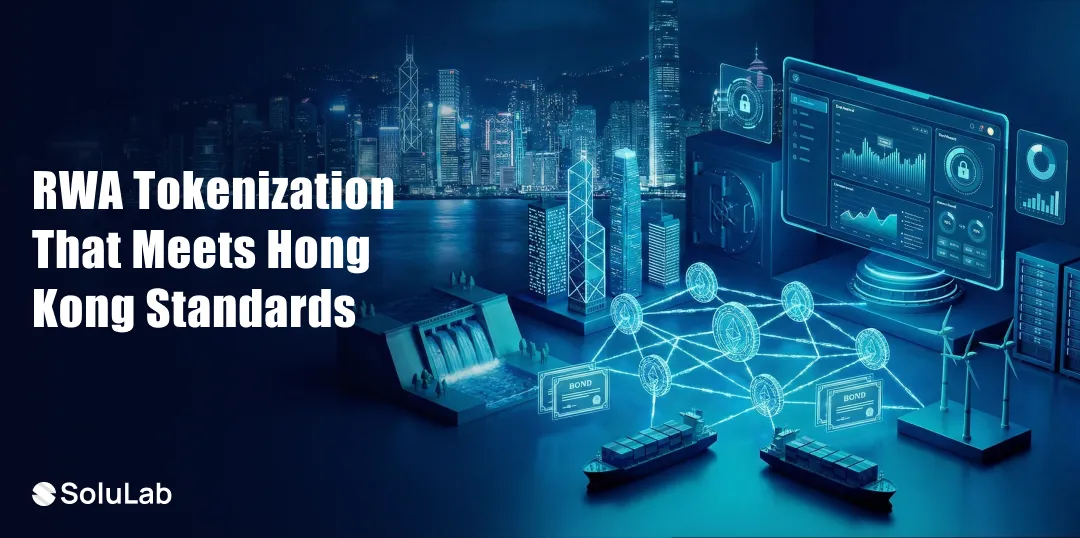
Real World Asset tokenization is moving from theory to execution, and Hong Kong is one of the few places where this shift is happening in a regulated, institution-first way. For banks, asset managers, and fintech firms, the city is no longer just a testing ground. It is becoming a serious base for building enterprise-grade RWA tokenization platforms that can operate at scale.
“It is where innovation meets implementation, and the concepts and details tested in the Ensemble Sandbox are now applied in real-value transactions, delivering tangible benefits to market participants,” said Eddie Yue, chief executive of the HKMA.
What makes Hong Kong different is not hype. It is structured. Regulators are clear, institutions are involved early, and large financial players are already issuing and settling tokenized assets.
If you are evaluating RWA tokenization in Hong Kong, the real question is not whether the market is ready. It is how to choose the right RWA Tokenization Platform Development Partner who understands both technology and regulation.
Key Takeaways
- The status quo: Generic vendors promise “blockchain integration” but lack deep knowledge of Hong Kong’s MAS and SFC requirements—jeopardizing regulatory approval and ROI.
- The solution: Choose a partner with tokenization expertise, compliance-first architecture, and proven market launches.
- How SoluLab helps: SoluLab delivers Hong Kong-ready RWA tokenization platforms with audit-grade security, compliance guidance, and growth-oriented infrastructure to maximize adoption and long-term ROI.
Why Is Hong Kong Emerging as a Global Hub for RWA Tokenization?
Hong Kong’s rise in real world asset tokenization is driven by real milestones, not marketing announcements.
In 2023, the Hong Kong Monetary Authority issued the world’s first tokenized green government bond, valued at HK$800 million. In 2024, it followed up with a multi-currency tokenized bond issuance of around HK$6 billion. These were not pilots hidden in labs. They were live issuances backed by the government.
In parallel, global institutions moved fast:
- HSBC launched Asia’s first tokenized money market fund in 2025
- Standard Chartered began piloting tokenized securities platforms
- Early real estate fractionalization pilots started allowing smaller investments in premium properties
Hong Kong’s strength comes from its position between East and West. It connects the mainland capital, global investors, and international legal standards. For enterprises, this means tokenization projects can be built for cross-border relevance from day one.
Key Asset Classes Driving RWA Tokenization Demand
RWA tokenization in Hong Kong is not trying to tokenize everything at once. The focus is on assets with clear ownership, predictable cash flows, and strong regulatory visibility.

- Fixed-income and bonds
These are leading the way. Government and corporate bonds work well for tokenization because:
- Cash flows are structured and auditable
- Settlement benefits are immediate
- Regulators are comfortable supervising them
- Funds and money market instruments
Fund tokenization improves transparency and reduces manual reconciliation. Asset managers see faster onboarding and clearer reporting.
- Real estate and infrastructure
Fractional ownership is gaining attention, especially for high-value assets. While still early, this area is important for long-term enterprise RWA tokenization solutions.
- Green and sustainable assets
Tokenized green energy and other ESG-linked assets align with Hong Kong’s broader sustainable finance goals. Blockchain helps track the use of proceeds and performance metrics more clearly.
These asset classes shape how an asset tokenization platform Hong Kong needs to be designed. A generic Web3 stack simply does not work here.
Regulatory and Compliance Considerations You Cannot Ignore
Regulatory clarity is one of Hong Kong’s biggest advantages.
The Securities and Futures Commission confirmed that tokenized securities are treated the same as traditional securities. Same business, same risk, same rules. This removes uncertainty for institutions.
Key regulatory elements enterprises must plan for include:
- Full KYC and AML at both onboarding and transaction levels
- Clear disclosure and investor protection mechanisms
- Accountability for smart contracts and system design
- Licensed custody for tokenized assets
The HKMA also operates a Fintech Supervisory Sandbox and introduced a Tokenized Bond Grant Scheme that subsidizes issuance costs up to HK$2.5 million. These are signals that innovation is encouraged, but not without guardrails.
For businesses, this means compliance is not a layer you add later. It must be built into the platform architecture from the start.

Core Technology Stack Required for an Enterprise to Build RWA Tokenization Platform
In Hong Kong, tokenization of real-world assets (RWA) is about controlled execution, not open experimentation. A solid enterprise stack usually includes:
- Distributed ledger layer
Permissioned or permissioned-public blockchains are preferred. They allow transparency without losing control. Consensus, resilience, and auditability matter more than speed alone.
- Smart contracts with safeguards
Smart contracts automate issuance, transfer, and settlement, but regulators expect:
- Independent security audits
- Pause and rollback features
- Clear upgrade and governance logic
- Identity and compliance layer
KYC, AML, and sanctions screening must be embedded at system level. This includes wallet whitelisting and role-based permissions.
- Custody infrastructure
Institutional custody is non-negotiable. This typically requires:
- MPC or HSM-based key protection
- Multi-approver transaction policies
- Segregated wallets per client or asset
Custody providers are critical because regulators expect tokenized securities to be held with licensed custodians, just like traditional assets.
Read Our Blog Post: RWA Tokenization for Invoice Financing
- Integration layer
The platform must connect with:
- Core banking systems
- Fund administration tools
- Reporting and audit systems
This is where many projects fail if the RWA technology partner in Hong Kong lacks enterprise integration experience.
RWA Tokenization Development: What to Look for in the Right Technology Partner
Choosing the right partner from RWA tokenization platform development companies is less about flashy demos and more about execution discipline.

Here is what enterprises should prioritize.
- Regulatory fluency
Your partner should understand SFC and HKMA expectations, not just blockchain frameworks. They should design systems that regulators can audit and intervene in if needed.
- Enterprise security mindset
This includes secure key management, access controls, disaster recovery, and incident response planning.
- Experience with financial infrastructure
Tokenization platforms sit between legal contracts and digital execution. Partners must understand how assets are registered, settled, and reported in real markets.
- Phased delivery capability
A good asset tokenization development company knows how to move from proof of concept to MVP to production without breaking compliance or trust.
- Long-term support
Tokenization platforms are not one-time builds. Upgrades, audits, and regulatory changes are ongoing. Your partner should be in it for the long run.
From MVP to Production: How to Scale Your RWA Platform Safely
Scaling RWA tokenization platform development in Hong Kong is a careful process. Most successful projects follow a staged approach:
- MVP phase
- Tokenize a single asset class
- Operate within a sandbox or limited distribution
- Validate custody, settlement, and reporting
- Pilot expansion
- Add more assets or investors
- Integrate deeper compliance workflows
- Conduct third-party audits
- Production rollout
- Enable higher transaction volumes
- Support cross-border participation
- Implement real-time monitoring and regulatory reporting
This controlled scaling builds institutional confidence. It also aligns with top RWA trends for enterprises, which favour stability and trust over rapid but fragile growth.

Closing Thoughts: Hong Kong’s Long-Term RWA Opportunity
As discussed for enterprises, Hong Kong creates a rare opportunity. You can build enterprise RWA tokenization solutions in an environment that values innovation but protects trust.
The real differentiator will not be who tokenizes first, but who builds correctly. Choosing the right tokenization platform development company in Hong Kong is the foundation for that success.
What SoluLab 250+ developers provide you with are the following major services:
- Custom Tokenization Platform Development
- Smart Contract Development
- Asset & RWA Tokenization Platform Development
- Tokenization as a Service (TaaS)
- Multi-Chain Tokenization Platform Development
- AI-Enabled Tokenization Intelligence
For more integrations and solutions, contact us today!
FAQs
Deepika is a content writer who blends storytelling with strategic thinking. She explores topics across digital innovation, emerging tech, and the evolving blockchain industry. She enjoys breaking down complex ideas into simple, engaging narratives in the growing global markets.