
SoluLab, a top white label crypto bank development company, delivers a ready-made, fully compliant, and feature-rich banking infrastructure. Our pre-built solution eliminates development roadblocks so you can focus on growth, not the groundwork.








Everything your users expect from a modern bank, plus native crypto. Pick the modules you need at launch and add the rest as you grow.

Users hold fiat currencies, cryptocurrencies, and stablecoins in one account and convert between them in a tap, with live rates and a single balance view.

Issue branded debit and credit cards that let users spend crypto balances anywhere Visa or Mastercard is accepted, with conversion to fiat at the point of sale.

Each user gets their own custodial or non-custodial wallet, secured with MPC or multi-signature key management and support for major chains and tokens.

On-chain and stablecoin transfers settle in seconds or minutes instead of the one to three business days typical of wire transfers.

Users create virtual cards in several currencies instantly for safer online spending, with per-card limits and one-tap freeze.

Apple Pay, Google Pay, and NFC tap-to-pay support, so crypto-funded cards work at any compatible contactless terminal.

Let businesses accept crypto and stablecoin payments through checkout plugins and payment links, with optional instant conversion to fiat.

Native iOS and Android apps plus a responsive web app, all running on the same APIs and branded to your design system.

An optional P2P module lets users buy, sell, and swap assets with each other, with escrow and dispute handling built in.
White-label banking means you license a proven banking platform and put your brand on it, instead of building core systems yourself. Our white-label digital banking stack gives fintechs and financial institutions every layer a crypto bank needs, connected through banking APIs and SDKs so your team can extend it.
The core banking system of record: a double-entry ledger that tracks every fiat and crypto balance, fee, and transfer in real time, with a full audit trail your finance and compliance teams can reconcile against.
Digital onboarding verifies new customers in minutes with ID document scans, liveness checks, and sanctions screening, then applies risk tiers so low-risk users start transacting right away.
Card issuing runs through a licensed issuing processor and BIN sponsor on the Visa or Mastercard networks. Card data is handled in the processor's PCI DSS-certified environment, so sensitive card numbers never touch your servers.
Payment processing connects local and international rails, including SEPA, ACH, SWIFT, and card acquiring, alongside on-chain transfers, so users move money in and out in the way that suits them.
Automated AML checks, blockchain analytics for wallet risk, and transaction monitoring rules that flag unusual activity for review, with case management and regulatory reporting built in.
Branded mobile banking apps for iOS and Android covering accounts, cards, transfers, crypto trading, and support chat, plus an admin console for your operations team.
Choose a licensed deployment or buy the full source code, so you control the roadmap, host it in your own cloud, and aren't tied to a vendor's release schedule.
Our white label crypto banking platform comes packed with modern features designed to deliver a seamless and secure experience for both businesses and their users.

The interface is fully customizable to match your brand’s identity, making it easy for users to navigate and engage with the platform exactly as you envision.

Facilitate quick and cost-effective cross-border transactions, helping users send and receive funds internationally without unnecessary delays or fees.

Our platform supports safe API integrations, allowing you to connect with third-party services or internal systems while maintaining data privacy and integrity.

Designed for scalability, the system can handle increasing user numbers and transaction volumes without compromising performance or reliability.

We build KYC (Know Your Customer), AML (Anti-Money Laundering), and transaction monitoring into the platform, so it's ready for the licensing requirements in your target markets.

Multiple layers of security safeguards protect user data and funds, including encryption, multi-factor authentication, and regular audits.

Integrated chatbots provide instant support, answering common queries and assisting users around the clock to enhance overall satisfaction.

Users benefit from smooth, secure transfer processes that minimize downtime and keep their transactions safe from interception or fraud.

The platform enables handling of various fiat and cryptocurrencies, allowing users to operate in their preferred currency with ease.
Build a crypto bank your users will trust from Day 1. Our ready-to-deploy solution gives you a secure framework, real-time monitoring, and global scalability.
Book a Free Strategy Call TodayA custom crypto bank starts at about $20,000 for a basic version. A white label crypto bank starts at about $30,000, and for that you get the full feature set, which would cost $50,000 or more to build from scratch. Pick custom when you only need a few core features or a product no platform offers. Pick white label when you want a complete bank live fast. Here's how the options compare:
$20,000
$25,000
$50,000+
$30,000
Proving one core flow
Launching to first users in one market
A full-scale bank across several markets
A complete bank, launched fastest
Accounts, wallets, KYC onboarding
Basic plus cards, payments, and an admin console
MVP plus multi-jurisdiction compliance, treasury, P2P, and custom integrations
Advanced-level modules, pre-built and branded to you
3 to 5 weeks
4 to 6 weeks
6 to 12 months
6 to 14 weeks
Yes
Yes
Yes
Licensed or included
Extra
Extra
Extra
Extra
Our white label crypto banking platform suits any business that wants to hold, move, or spend money for its customers, whether it starts from fiat or from crypto.


Many financial firms nowadays are adapting digital ways to facilitate traditional services, and Borrowland is no exception here. The platform is transforming the good old lending-borrowing landscape with blockchain technology to ensure that worldwide users can easily borrow, lend, swap, deposit, withdraw, and transfer crypto assets to gain interest.
Read More
It is a specialized NFT protocol that plays a significant role in helping different NFT exchanges to appropriately determine the quality of items for sale and at the same time, rightly categorize them. SoluLab helped create the NFT protocol, the NFTY token, and a stablecoin backed by the USD, where the token acts as the vital reputation layer for all transactions of NFTs.
Read More
DLCC is a revolution in the finance sector. The platform is transforming the traditional finance landscape with decentralized finance to facilitate automated crypto trading, lending, and borrowing without geographic restrictions at negotiable fees and interest rates with enhanced security and transparency.
Read More
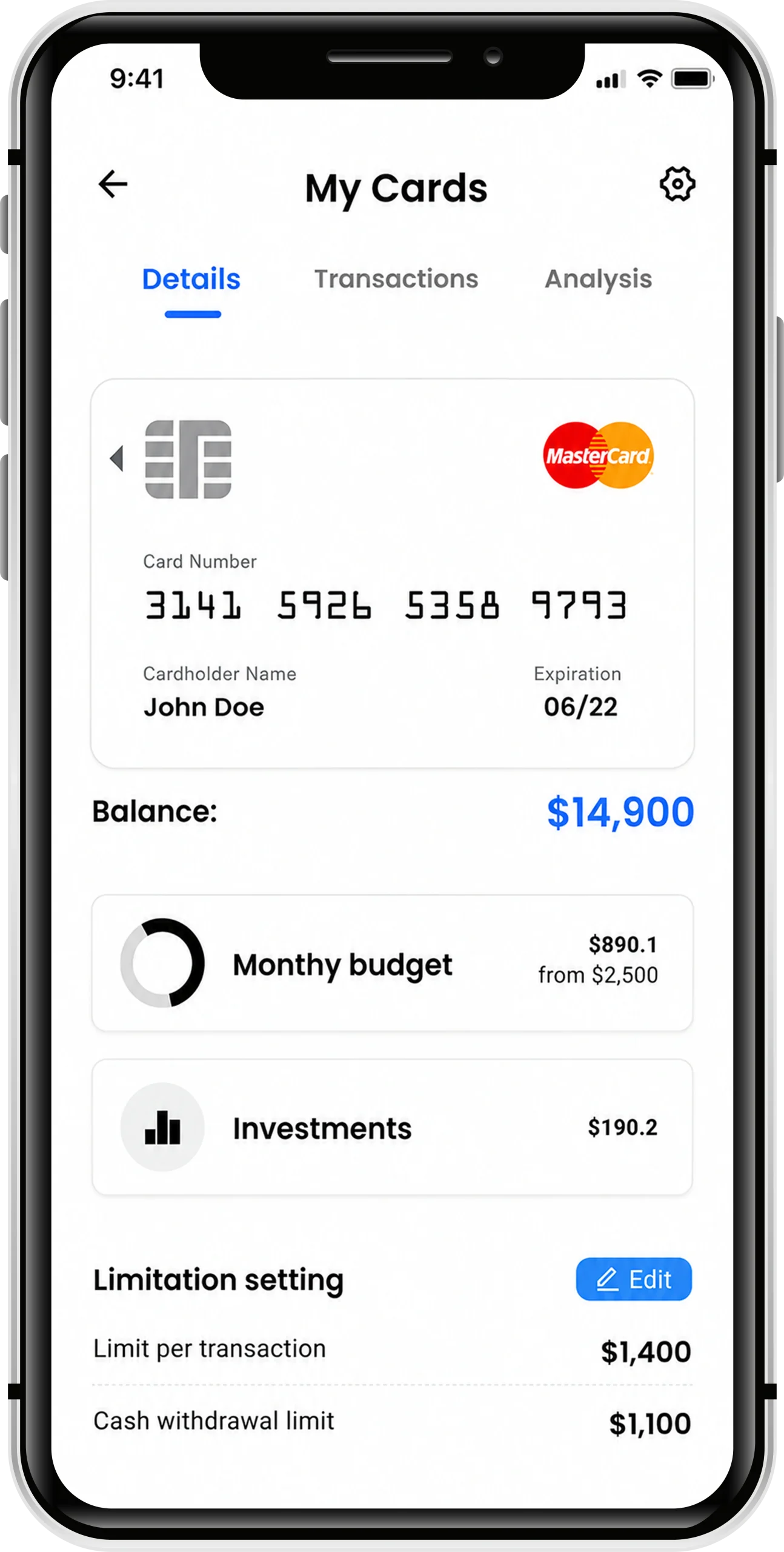
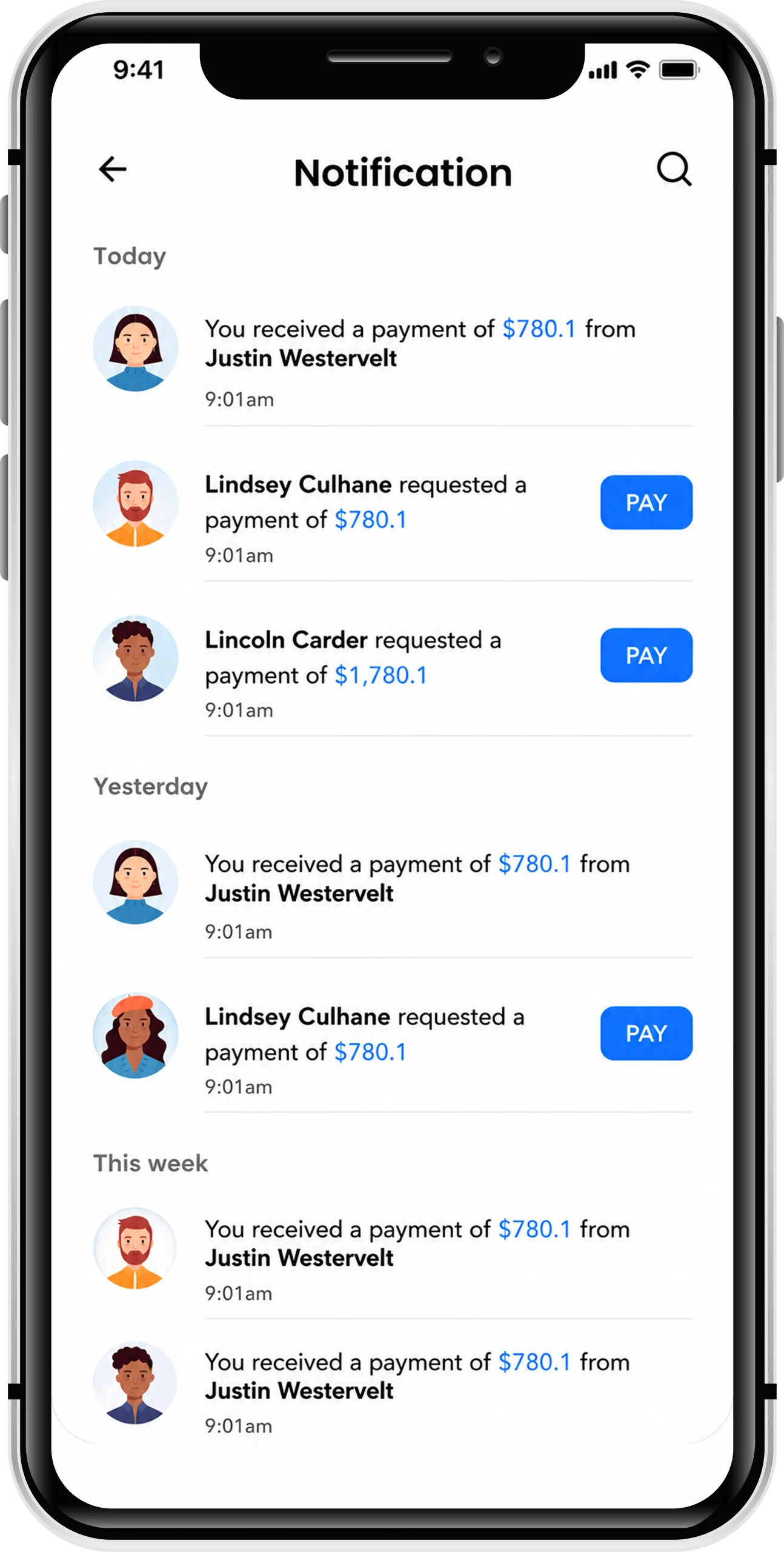
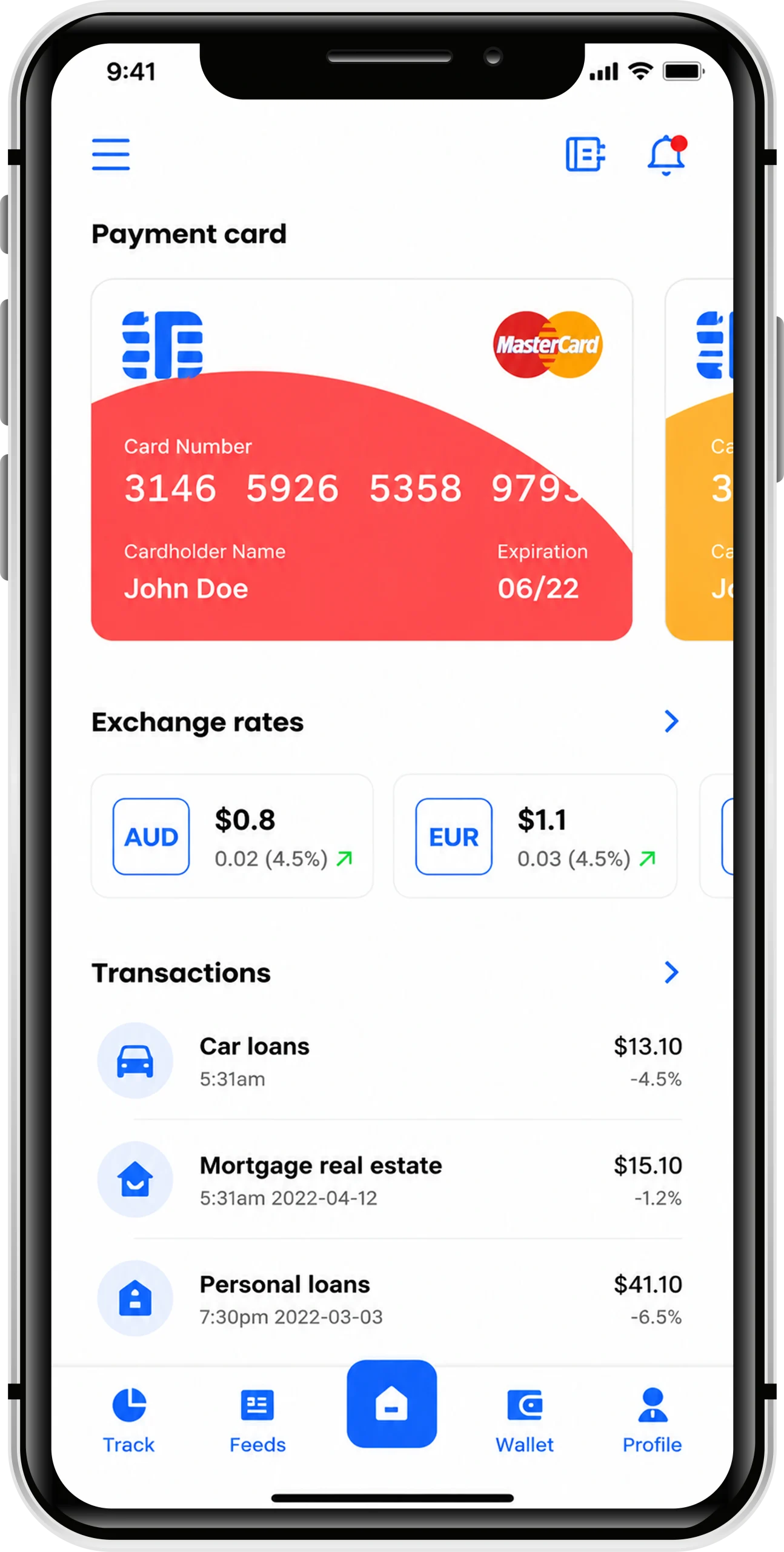
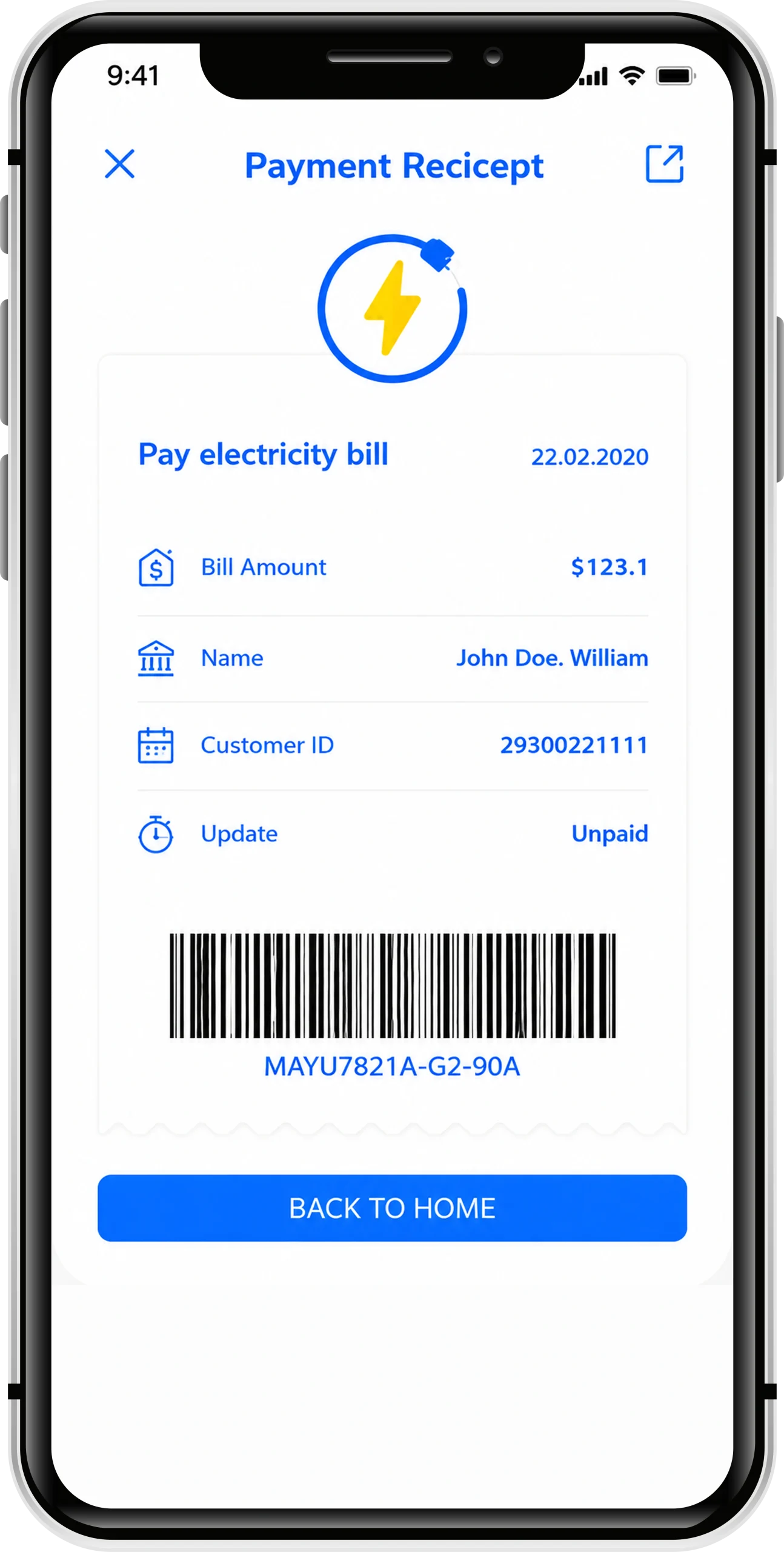

Our end-to-end white label solutions help you launch quickly, comply with regulations, and scale confidently. Book your free consultation today.
Schedule a Free ConsultationMost white label launches take 6 to 14 weeks, depending on modules and jurisdictions. Here's how we get there:

We map your target markets, license status, user types, and must-have modules, then agree on the scope, partners, and launch date.

Our designers apply your brand to the apps and admin console and adapt user flows to your customers.

We configure the core banking ledger and wallets, and connect card issuing, KYC, and payment processing partners.

We set up KYC tiers, AML rules, transaction monitoring, and key management to match your license and jurisdiction.

Functional, security, and load testing, plus a third-party penetration test before any real money moves.

We deploy to production, run a controlled beta, and stay on for monitoring and support after go-live.
The right partner has already solved the hard parts: ledgers that reconcile, wallets that don't leak keys, and compliance flows regulators accept. SoluLab has shipped crypto lending, wallet, and payment platforms for 11+ years and works as an extension of your team from scoping to post-launch support.
SoluLab successfully delivered the project on time, we were very pleased with the team's flexibility and honesty. The team was also highly considerate of our needs. They were very considerate for few minor changes that went outside of the scope (which they gave us complimentary without extra fee). They delivered everything on time.

Founder, Edamama
The attention to detail and the ability to customize the solution to fit our specific goals was outstanding. Throughout the process, SoluLab’s team was always available, offering insightful advice and ensuring the project stayed on course. The end result has exceeded our expectations, significantly enhancing our operational efficiency and security. What truly stood out was their dedication to building a long-term partnership, making them a key player in our company’s growth.

Employer Outreach, Quote.com
SoluLab immersed themselves in understanding our goals and challenges, providing innovative, tailored strategies that made an immediate impact. Their expertise, proactive communication, and unwavering support set them apart, making the entire process smooth and efficient. we’ve experienced measurable growth, improved efficiency, and a renewed sense of confidence in reaching our objectives. Working with SoluLab has been a game-changing experience, and we’re excited for what the future holds in this incredible partnership.

Marketing & Communications Leader, Greater Houston Healthconnect
Our experience with SoluLab was nothing short of transformative. They didn’t just deliver a service—they completely redefined what we thought was possible with blockchain technology. From day one, their team demonstrated unmatched expertise, immersing themselves in our business challenges and crafting a solution that wasn’t just innovative but groundbreaking. They implemented a flawless blockchain system that not only elevated our efficiency and security but also opened doors to opportunities we hadn’t imagined.

Co-Founder, MNDB LLC
White label banking is when a business offers banking services, such as accounts, cards, and payments, on a platform built and maintained by a technology provider, under its own brand. Customers see only your name. You skip years of core banking development and focus on customers, while the provider keeps the infrastructure running and up to date.
A white label crypto bank is a ready-built digital banking platform that supports both fiat money and cryptocurrencies, which you launch under your own brand. It typically includes multi-currency accounts, crypto wallets, debit cards, payments, and KYC/AML compliance tools, so fintechs, exchanges, and financial institutions can offer crypto banking without building every system themselves.
You license or buy a pre-built platform, brand the mobile and web apps, and choose your modules. The provider connects partners for card issuing, KYC, and payment processing, and you run the business under your own license or a partner’s. Users open accounts, hold fiat and crypto, spend with cards, and send payments through your app.
A custom crypto bank costs from about $20,000 for a basic version, $25,000 for an MVP, and $50,000 or more for an advanced platform. A white label crypto bank starts at about $30,000 with the full feature set already built. Final cost depends on modules, currencies, jurisdictions, and third-party fees for card issuing, KYC, and payment processing.
Most white label crypto banks launch in 6 to 14 weeks, depending on customization, the number of integrations, and licensing in your target markets. A custom-built crypto bank usually takes 6 to 12 months. Licensing and partner onboarding, such as card issuing and banking partners, often take longer than the software work itself.
Usually, yes. Depending on your market, you may need an e-money, payment institution, money transmitter, or crypto asset service provider license. Some businesses start faster by operating under a licensed partner’s regulatory umbrella. White label software doesn’t provide a license by itself, so get legal advice for each jurisdiction before launch.
Yes. Card issuing runs through a licensed issuing processor and a BIN sponsor on the Visa or Mastercard networks. Your users get physical and virtual cards branded with your name, and crypto balances convert to fiat at the point of sale. Card programs need partner approval, which can add a few weeks to launch.
The platform combines KYC-based digital onboarding, AML screening, and transaction monitoring that flags unusual activity for review. Crypto keys are protected with MPC or multi-signature wallets and encrypted storage. Card data stays with a PCI DSS-certified issuing processor. Security audits and penetration tests are run before launch and at regular intervals afterwards.
You can choose. A licensed deployment is the fastest way to launch, with the provider managing updates. Buying the full source code gives you complete control over the roadmap, hosting, and customization, and removes long-term vendor lock-in. Many funded fintechs and financial institutions prefer source code ownership for compliance reasons.
A crypto exchange is built for trading, matching buy and sell orders between users. A crypto bank is built for everyday money management: accounts, cards, payments, savings, and transfers in both fiat and crypto. Many crypto banks include simple buy, sell, and swap features, but order books and advanced trading belong to an exchange.
Yes. Stablecoin and on-chain transfers settle in minutes instead of the one to three business days a wire transfer can take, and they avoid several intermediary bank fees. Your users can send money abroad at lower cost, while your platform converts to local currency through payout partners in each destination market.
Common revenue streams include card interchange fees, foreign exchange and crypto conversion spreads, transaction and withdrawal fees, premium account subscriptions, and interest from lending or yield products. Merchant services and cross-border payments add further fee income. Most crypto banks combine several streams, so no single fee has to carry the business.


