







Our Polkadot Blockchain Development Services
-

Polkadot Consulting
SoluLab provides independent and unbiased consulting regarding diverse Polkadot services like protocol, dApp user identities, storage, etc. for your business.
-

Parachain Development
The proficient experts of SoluLab, flawlessly develop parachains to attain Scalability Isolatability and Developability of the blockchain.
-

Smart Contracts Development
We develop interoperable cross-chain smart contracts that let you use multi-chains simultaneously as well as self-regulated contracts using a weight-fee model.
-

dApps Development
Our veterans effortlessly develop and design decentralized applications which facilitate top-notch security and scalability to rewire your business.
-

NFT Marketplaces
SoluLab develops phenomenal NFT marketplaces for your established and emergent business. Enables easy-to-use NFT trading on blockchain networks.
-

DeFi Development
By merging interoperability between public and private blockchain with Polkadot's cross-chain compatibility, we at SoluLab unchain the potential of DeFi.
-

Crypto Exchange Platform
We build immaculate DeFi exchange platforms using cross-chain abilities where you trade cryptocurrency to provide relentless support for the exchange of tokens and crypto-assets.
-

Wallet and Node Development
With seamless integration, we at SoluLab assist with node development, setup, and operation, to create unique wallets. Helping businesses run secure blockchain apps and transactions.
-

Lending & Borrowing Platforms
SoluLab helps businesses build reliable, cost-effective, and adaptable Polkadot white-label systems for lending and borrowing for their business to help you enter the market swiftly.
Our Blockchain Projects
-
MutliVAC
- Polkadot Blockchain DevelopmentMultiVAC is a next-gen NFT marketplace for crypto trading aimed at bringing global creators and minters to a single point of interaction. This is a leading-edge marketplace utilizing the impossible triangle of decentralization, scalability, and security.
Read more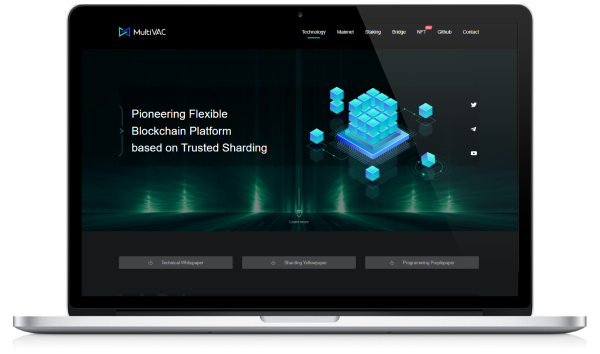
-
PlotaVerse
- Polkadot Blockchain NFT MarketplacePlotaVerse aims to bring creators to a new world of photo enhancement. A suite of six professional patented software that ensures providing image enhancement tools to digital illustrators, photographers, and others by using features such as FX, morphing, overlays, and general image enhancement feature to craft fantastic images.
Read more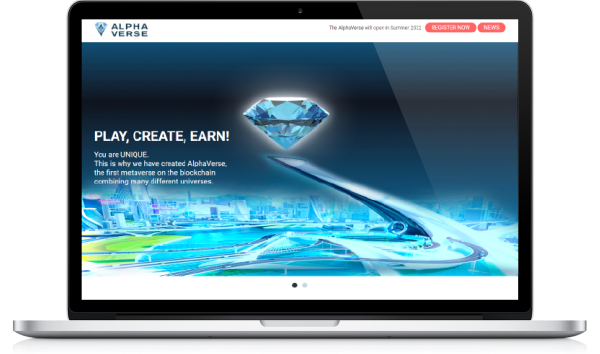
-
SportVerse
- Polkadot Blockchain GamingThe SportVerse is a cross-chain metaverse NFT-based multi-sport game with a Play-to-Earn model, aiming to connect the sports industry, gaming, and fans to one central place. It is a community-based Metaverse where players gather to play their favourite sport, interact with others, and build their teams and personas.
Read more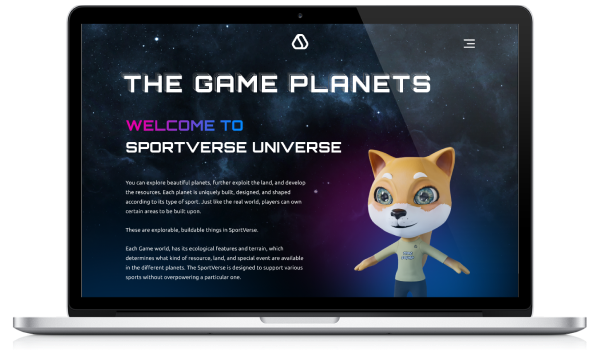
Our Polkadot Technology Stack







Why Choose SoluLab as Polkadot Blockchain Development Company?
For SoluLab, comprehending a client’s needs is the only reasonable approach to successful blockchain solutions. So, we practice what we preach, and we deliver what we promise. No matter how complicated your project is, we always promise to deliver unparalleled results. For the first 15 days, SoluLab offers premium services like a free trial. During this time, your team has the opportunity to observe SoluLab’s planning process, execution style, and proactive communication technique.

Ultra-modern technologies

7+ years of experience

Guaranteed results

Uncompromised service quality

Flawless proficiency

Profound subject knowledge

100 % satisfaction level

Apex industry leaders
Fascinating facts

Your Content Goes Here

Your Content Goes Here

Your Content Goes Here

Your Content Goes Here

Your Content Goes Here

Your Content Goes Here
Our execution Process
-
Discovery Workshop
Here, we understand your business, goals, pain points and priorities. These multiple brainstorming sessions help us to map out the existing workflows and your future goals.
-
Strategy and Solution Design
At this stage, once we gather your requirements in a whiteboard session, we begin designing, prototyping, and user testing your platform or product.
-
Development
Programming and coding based on the designs approved by you takes place in this stage. Our development lifecycle consists of 3-stages: Alpha phase, Beta phase and Release phase.
-
Testing and QA
We continue our data-derived validation process, carry out in-depth QA testing, for each release of your product or platform to ensure that the final product, that is ready for the market.
-
Launch and Maintenance
Here, your product or platform goes LIVE. On your approval, our devs publish your product in live environments. We exclusively take care of cloud and on-premise hosting.
-
Support and Customer Service
To ensure continuous improvement, we perform ongoing product and platform maintenance and optimization, deploy market strategies, and provide real/fix support.
Client Testimonials
“In my opinion, what makes SoluLab different is its thorough understanding of what the client wants. Excellent work. Timely delivery. Definitely an excellent choice for your next business project.”

Daniel Lukich
Co-Founder & CEO, ICO Sportverse“Sound technical knowledge. Proactive communication. Proper understanding of the project. Great commitment. Thank you, SoluLab, for all the tech support.”

Troy Plota
Founder & CEO, Plotaverse“I had heard a lot about SoluLab when it comes to the blockchain but never thought they could do wonders while integrating the beverage industry with binance smart chain - blockchain. The overall experience was positive”

Zack Weakland
CEO & Founder, Liquid Craft Investing, LLCFeatured as Top Blockchain Development Company

Latest Blogs

How is Geospatial AI Mapping the Transforming Analytics By Spatial Intelligence?
Discover how geospatial AI revolutionizes analytics with spatial intelligence, unlocking insights for diverse industries with SoluLab’s expertise.

An Ultimate Guide to Generative AI for Compliance
Discover how Generative AI is transforming compliance processes. Learn its applications, challenges, and benefits in our ultimate guide.

Chatbots in Healthcare: Use Cases & Benefits
Explore the transformative role of chatbots in healthcare from improving patient care to streamlining processes with SoluLab’s expertise.