Talk to an Expert
Get in Touch

How Web3 is Impacting Arts?

Web3 in Arts

Art has always been an essential component of human history. Although all kinds of art are culturally significant, fine art has unparalleled popularity. That is most likely why fine art galleries and old painting museums outnumber pottery displays. But what remained secret until today was the truth that the authors of all those masterpieces faced difficult times and tried to protect their own work. All the while, a third party was cutting into their profits. However, the situation has greatly improved as new technologies have emerged.

The decentralized world of web3 and blockchain-based technologies, such as NFTs, provide current answers to such challenges, therefore improving the situation of artists. Artists can regain ownership of their works by transforming them into NFTs. Furthermore, NFT art pieces represent a long-term investment for consumers. They can resale the acquired NFT paintings years later for a nice price.

In this blog, we will explore the interesting convergence of Web3 in art industry, showing how this decentralized revolution is transforming the way we perceive, produce, and connect with artistic expressions.

What Exactly is Web3?

Web3, a concept invented by Gavin Wood, Ethereum’s co-founder, has grown in prominence over the past several years. It was launched with the notion that it would be an effective instrument for technological growth. Previously, the internet’s potential was limited. However, with web3, we have a variant of the internet that is both decentralized and safe.

This is the first time consumers have had ownership over their data online throughout the internet’s inception, owing to blockchain technology and its decentralized concept, which serve as the foundation for web3. Web3 might be deemed revolutionary given its far-reaching ramifications for the World Wide Web.

Web3 Services

Problems in the Art Industry

Art is a global language, and the arts industry plays an important role in any country’s social and economic growth. However, the art world now confronts a number of issues, including:

  • There are no established rules for pricing art items. Art galleries and other similar institutions are extremely discreet regarding their price structures. As a result, purchasers face unpredictable pricing and artists receive uneven profit shares.
  • Artists must trust third-party businesses, like art galleries and auction houses, to sell their works. As a result, the profits are shared. In most situations, artists receive far less than the real profit generated by their artwork.
  • Copyright is another critical problem confronting the art business. Because there is no surefire method to save information about a specific work of art, particularly its original owner and price, replication is both simple and profound. This is a significant disadvantage for artists, as their original artworks lose their distinctiveness and exclusivity.
  • Furthermore, the art sector is uncontrolled across the world, resulting in massive losses for everyone involved.

Such limitations to the art business limit its total expansion. Thus, web3 adoption was required to address such long-standing difficulties and assist the sector evolve in creative ways. In Web3 in art industry, decentralization and transparent royalties will be the standard.

How is Web3 Affecting the Art World?

It’s been a long time since art was regarded as the most active and coveted market. While art’s global and diversified nature appears to assist, significant obstacles persist. Thus, there is an immediate need to reform the sector.

The good news is that improvements to the art sector are already on the way. Thanks to web3 technology, new solutions are being developed for addressing long-standing industrial concerns. The inclusion of web3 into the art sector is transforming the way art is purchased, sold, developed, and delivered.

Web3 services, for example, make it simple for art collectors to acquire and sell artwork on liquid marketplaces. This allows art fans to build more diverse art portfolios without needing to pay more money or face the danger of complete ownership. Other benefits of web3 in the art sector include authenticity for artworks and legitimate certificates of origin for each piece.

Essentially, web3 promotes openness and combats fraud in the art sector. Web3 technology is also creating new opportunities for artists and customers to communicate directly.

Learn about the many facets of web3 in art and the shifts that will take place when a powerful technology (web3) and a massive industry (art) combine.

How Web3 Emerges in the Art Industry?

Web3 Emerges in the Art Industry

Web3’s popularity and industrial applicability are increasing due to its distinguishing features, such as decentralization, immutability, and utilization of a transparent distributed ledger. Essentially, these characteristics of web3 contribute to it being one of the most significant technologies of the twenty-first century. Web3 is the most secure and trustworthy technology available, and it has several potential applications in the art business. Let us look at them.

1. Buying and Selling Artworks Through Cryptocurrency

Bringing blockchain-backed web3 technology into the art field enables the purchase and sale of digital art using cryptocurrency. This allows the sector to avoid the participation of intermediaries like banks and approve transactions unilaterally.

2. Secure Information Via Blockchain Technology

The launch of web3 allows for the registration of all relevant information about a work of art on the blockchain, which greatly benefits art purchasers. NFTs of digital artworks are published on the blockchain, resulting in an accessible and distributed record. As a consequence, every piece of information relating to a work of art is kept safe since web3 technology prevents hacking and data manipulation.

3. Online Galleries 

No matter how much the world progresses, the demand for art galleries will never diminish. Thus, web3 has managed to generate several significant advances, like online art exhibitions. So, with the support of blockchain-based art galleries, all operations such as purchasing and selling artworks have become digital.

Understanding Smart Contracts and Their Role in the Arts

Smart contracts, powered by blockchain technology, have emerged as a revolutionary tool reshaping the landscape of various industries, and the arts are no exception. These self-executing contracts encode and automate the terms of an agreement, eliminating the need for intermediaries and providing a transparent, tamper-proof record of transactions. In the realm of the arts, smart contracts bring a myriad of possibilities, from streamlining royalty payments to enabling new models of artistic collaboration.

Royalty Automation:

  • Smart contracts can automate royalty payments for artists, ensuring a fair and transparent distribution of earnings based on predefined terms.
  • Artists can set specific conditions for royalty disbursement, such as percentage splits among collaborators or automatic payouts triggered by sales or usage.

Immutable Art Provenance:

  • Blockchain, the underlying technology of smart contracts, provides an immutable ledger in blockchain that records the provenance of digital and physical artworks.
  • This transparency helps combat issues of art forgery and establishes a trustworthy history of ownership and creation.

Tokenization of Art Assets:

  • Smart contracts enable the creation of tokens representing ownership of digital or physical art assets, facilitating the fractional ownership of valuable pieces.
  • This asset tokenization can democratize access to art investments and redefine how art is bought, sold, and shared.

Exploration of Decentralized Autonomous Organizations (DAOs) Supporting Collaborative Art Initiatives

Decentralized Autonomous Organizations (DAOs) are entities governed by code and consensus, embodying the principles of decentralization and collective decision-making. In the arts, DAOs have become a catalyst for collaborative projects, fostering a sense of community and shared ownership among artists and enthusiasts.

1. Collective Decision-Making

  • DAOs allow artists and stakeholders to collectively decide on project directions, funding allocations, and creative choices through a transparent and democratic process.
  • This decentralized decision-making model eliminates centralized authority, empowering participants to have a direct say in the development of collaborative art initiatives.

2. Funding and Resource Pooling

  • DAOs enable crowdfunding and resource pooling for collaborative art projects, breaking down traditional barriers to financing creative endeavors.
  • Contributors, often token holders within the DAO, can participate in funding decisions and share in the project’s success through transparent revenue-sharing mechanisms.

3. Global Collaboration

  • With DAOs, artists from diverse geographical locations can seamlessly collaborate on projects without the need for centralized coordination.
  • The global nature of DAOs facilitates cross-cultural exchange, broadening the scope and impact of collaborative art initiatives.

Related: Web3 in social networking

4. Token-based Incentives

  • DAOs often use tokens as a means of governance and incentives. Contributors receive tokens representing their stake in the DAO, aligning their interests with the success of the collaborative project.
  • Token-based incentives foster a sense of ownership and loyalty among participants, encouraging active engagement and commitment to the collective goals of the DAO.

How NFTs are Transforming the World of Art?

NFTs are Transforming the World of Art

Non-fungible tokens, or NFTs, are frequently used, particularly in the art business. These digital tokens are in high demand among artists, collectors, and communities because they provide actual ownership. The NFT token provide a decentralized means to sell and buy art. Furthermore, they enable artists to communicate effectively with their audience while also providing clients with easy access to unique artworks.

The following are the most prevalent reasons why the art industry has begun to focus on NFTs.

1. Generate Income 

NFTs are digital tokens used to monetize artwork. This is a significant advantage for both artists and art consumers. NFTs have enhanced practically every aspect of the art business, from the purchasing and selling of artworks to the worth of art and who it appeals to. Transactions and records have also grown more transparent, with no intermediaries present.

Artists may now get direct payments and earn their royalties. NFT in art also has a lot of appeal for customers. These digital art pieces are undoubtedly valuable since they may be used as an investment and sold for a profit.

Related: NFTs and Gaming

2. Ownership and Traceability 

NFT artwork is unique. Why? Because Web3 is built on blockchain technology and uses it to create digital artwork. As a result, each digital artwork is assigned its own unique identification. Furthermore, all of the information is saved on a distributed ledger that is accessible to everybody. This makes tracking the ownership of digitally made art simple.

3. Unlocks Avenues for Connecting With a Global Audience

Connecting to the global market is essential for every organization today. The art sector has effectively entered the global competition with the support of NFT in art. This work may be rapidly produced, purchased, and sold anywhere in the globe. As a result, artists and collectors may collaborate without regard for geography. 

4. Improved Security 

As we all know, NFTs are blockchain’s finest use case. After all, each NFT art piece is recorded on the blockchain with unique records of legitimacy and chain of ownership. Furthermore, once saved on the blockchain, the NFT art’s data is hard to change or erase. This guarantees that the rarity and authenticity of digital artworks are preserved indefinitely and fosters a high level of confidence among collectors and artists.

In addition to the benefits listed above, converting physical art to NFT in art enhances supply chains and speeds up artwork production and dissemination. Long story short, NFTs have the potential to increase market efficiency in the art business by improving verification and transaction procedures.

Why are NFTs Significant for Artists and Art Collectors?

Non-fungible tokens are one of web3’s most profound uses, with the potential to modernize the conventional art sector. The promise of NFTs in art is being realized right before our eyes. Aside from bringing exciting new developments for art galleries and museums, NFTs have also proven to benefit artists and art collectors. Let’s look at how NFTs assist artists and collectors.

Benefits of NFTs for Artists

Though the digital revolution has created new prospects for everyone, artists continue to confront challenges due to the loss of originality in their work. Thank you to NFTs for assisting artists in securing their spot in the space. These digital tokens of art serve as a mark of authenticity for an artist’s work, granting them complete ownership, presentation, access, and resale rights.

Furthermore, artworks tied to NFTs have smart contracts at their heart. Smart contracts development are set up to be carried out when a piece of art is sold and exchanged among collectors. This allows original artists to get a portion of each sale. Additionally, the immutable and encrypted character of the web3 allows you to show exactly when and where the work was created, as well as who has owned it subsequently.

Benefits of NFTs for Art Collectors 

People have always enjoyed acquiring valuable artworks that reflect their culture or emotional condition. For the same reason, people are enthusiastic about collecting digital art. NFTs provide art purchasers with more convenience in every manner. Art collectors may now buy, access, and exchange digital assets with a few clicks on their smartphones or PCs.

The fundamental advantage of Web3 for art collectors is that it links them directly to the artists. The direct link between artists and art consumers allows them to form powerful, long-lasting partnerships.

Regardless you are an artist or an art collector, one thing remains constant: web3 apps will create new chances for you and the industry to grow.

Benefits of Integrating Web3 into Art Auctions

Benefits of Integrating Web3 into Art Auctions

The fine art auction industry is about to undergo a substantial structural upheaval. Web3 in art has significant ramifications, including fairer trade for artists, transparency for purchasers, and integrity in auction houses.

Web3 services assist the art auction sector in overcoming a number of obstacles while also providing significant benefits.

1. Authenticity 

As we all know, some of the most expensive artworks are historical. As a result, verifying the legality of artwork origin and ownership is virtually difficult. The inability to verify the validity of a work of art may be regarded as the most basic challenge in the art industry.

Using web3 technology in the sector has brought significant solutions to the forefront. Art auction companies can create everlasting ownership records for their artworks. Because all information is saved on the blockchain, data modification is impossible. With web3 records, the art data cannot be used to unjustly increase or decrease its value. 

2. Better Royalties and Transparency

Previously, art auctions did not appropriately compensate artists for their work and originality. Web3 reintroduced new approaches and equality into the art auction market. Thus, web3 into art auctions is working wonders for artists. They may now use public ledgers to track and collect royalties on their artwork sales.

Furthermore, due to web3, art information is now more accessible than ever. Blockchain-based digital recordings of art can be made public. This allows purchasers to better grasp an artwork’s history, former placements, and actual worth. With web3 collaboration, the art auction industry’s environment is expected to change, introducing new means of making art, acquiring, selling, and collecting. The industry will use this new technology to solve issues such as data background information, authenticity, transparency, copyright, and art fraud.

Related: Concept of NFTs and Their Use Cases

3. Adoption of Web3 in Art Galleries and Museums

Museums and exhibits play an important role in the art market because they link artists with art collectors. They are used to exhibit artwork, which lets artists and fans connect. The usage of web3 in museums, exhibitions, and art galleries provides transparency, reliability, security, precise tracking, and decentralization. In other words, web3 technology is causing a significant transformation in the museum and exhibition area.

  • It is expected that the web3 model-equipped art market will expand more quickly. This is due to the opportunity that technology affords for shared ownership and democratization.
  • With Web3-powered galleries and museums, artists may now directly sell their pieces of art without the help of a middleman, realizing the full worth of their labor.
  • Because web3 digital artworks are built on NFT, their USPs will be traceability and scarcity.
  • NFTs are kept on the blockchain, as far as we know. As a result, copying artwork won’t be a problem.
  • Thanks to web3, museum passes and other forms of art may likewise be recorded as NFTs. 

Upcoming Trends and Technologies to Look Out for

The growing field of Web3 in the arts portends a future full of breakthroughs and game-changing opportunities. Looking ahead, a number of new developments in technology and trends come to light, influencing the future of creative expression and participation.

1. Metaverse Integration

  • The metaverse, an immersive virtual space, is poised to play a pivotal role in the future of Web3 arts. Artists may explore creating virtual exhibitions, performances, and installations within these digital realms, expanding the boundaries of audience interaction.

2. Interoperability of Blockchain Networks

  • The interoperability of different blockchain networks is becoming a focus, allowing artists to seamlessly navigate and collaborate across various decentralized finance platforms. This can lead to increased flexibility and accessibility for both creators and audiences.

3. Environmental Sustainability Solutions

  • Addressing concerns about the environmental impact of blockchain, innovative solutions are emerging to make Web3 more sustainable. Energy-efficient consensus mechanisms and eco-friendly blockchain networks are being developed to reduce the carbon footprint associated with decentralized technologies.

4. Enhanced Intellectual Property Protections

  • Advances in decentralized technologies may lead to more robust solutions for protecting artists’ intellectual property rights. Smart contracts could evolve to offer enhanced mechanisms for copyright enforcement, ensuring artists receive fair compensation for their creations.

Web3 Developers

Final Words

The synergy between Web3 technology and the art industry has ushered in a radical transformation, promising not only a positive impact on society but also a pivotal role in elevating cultural engagement. The collaborative efforts between Web3 and the art world have sparked a revolution in art’s creation, distribution, and value, and web3 development companies are at the forefront of unlocking its true potential.

For those seeking robust web3 development services, SoluLab emerges as a key player in the field. Their team of skilled developers stands ready to assist in transforming innovative ideas into reality. Whether you are looking to hire web3 developers or embark on a journey to explore the vast potential of Web3 in art, SoluLab is your strategic partner in navigating this dynamic intersection of technology and artistic expression. Contact us today to embark on a transformative journey into the world of Web3 development services and redefine the future of art.

FAQs

1. How does Web3 impact the traditional art market?

Web3 challenges the dynamics of the traditional art market by introducing decentralized technologies like NFTs and smart contracts. This shift enhances transparency, alters ownership structures, and opens up new avenues for artists, collectors, and galleries to engage with and trade art in innovative ways.

2. Can you provide examples of successful collaborative art projects facilitated by Web3?

Certainly! Web3’s influence is evident in projects where decentralized autonomous organizations (DAOs) support collaborative initiatives. Notable examples include artists coming together globally to create art via DAOs, enabling transparent decision-making, funding, and ownership structures through blockchain technology.

3. How does Web3 address concerns about the environmental impact of blockchain technology in the arts?

Web3 is evolving to address environmental concerns by exploring energy-efficient consensus mechanisms and eco-friendly blockchain networks. The community is actively working on solutions to make Web3 in the arts more sustainable, ensuring that the transformative power of blockchain doesn’t compromise ecological considerations.

4. How does the tokenization of art assets work in the context of Web3?

Tokenization involves representing ownership of digital or physical art assets through blockchain-based tokens. Web3 enables fractional ownership, making art investments more accessible. These tokens, often traded as NFTs, allow for transparent provenance, automated royalties through smart contracts, and democratized access to the art market.

5. How does SoluLab contribute to the integration of Web3 in the arts?

SoluLab, as a leading web3 development company, plays a key role in revolutionizing the art industry. The company provides robust web3 development services, empowering individuals and organizations to tap into the true potential of Web3 in art. From facilitating the adoption of NFTs to implementing smart contracts and decentralized platforms, SoluLab is committed to guiding you through the dynamic intersection of technology and artistic expression. To explore the transformative possibilities of Web3 in the arts, consider contacting SoluLab for unparalleled web3 development expertise.

Permissionless Blockchain: An Overview

Permissionless Blockchain - An Overview

Traditional systems rely heavily on central authorities, making them vulnerable to corruption, fraud. This creates a major problem—how can we trust systems without giving up control?

Permissionless blockchains can help with that. Anyone can join, validate transactions, and keep the network running on open networks like Ethereum and Bitcoin without requiring permission from a central authority. However, the issue of guaranteeing security, integrity, and fairness accompanied total transparency.

Technologies like Proof of Work (PoW) and Proof of Stake (PoS) have made it possible. These consensus mechanisms ensure that permissionless blockchains remain decentralized, transparent, and tamper-proof.

In this blog, we’ll explore how permissionless blockchains work, the role of consensus mechanisms, and why they are considered a game-changer.

What are Permissionless Blockchains? 

Ethereum and other permissionless blockchains are decentralized, trustless, and global public networks that anybody can access, participate in, and authenticate. Whenever a user wants to verify a previous transaction, they can fully replicate the current state of a permissionless blockchain.

Permissionless blockchains function without the need for an administrative control authority and are accessible to everyone. To enter the network, one does not need to finish any KYC (Know Your Customer) processes.

Blockchain Development Services

How do Permissionless Blockchains Work?

Permissionless blockchains like Bitcoin and Ethereum rely on consensus mechanisms to ensure decentralization, security, and data integrity.

The two most common consensus mechanisms are:

  • Proof of Work (PoW)
  • Proof of Stake (PoS)

1. PoW (used by Bitcoin):

  • Miners compete to solve complex mathematical puzzles.
  • The first to solve it gets to add a new block and earns a cryptocurrency reward.
  • This process requires significant computational power.
  • It ensures strong security and immutability, making it extremely hard to tamper with past transactions.

2. PoS (used by Ethereum and others):

  • Validators stake cryptocurrency to become eligible for transaction validation.
  • Validators are randomly chosen to add new blocks.
  • The more they stake, the higher the chance of being selected.
  • Honest behavior is encouraged, as malicious actions can lead to loss of the staked amount.

Both PoW and PoS:

  • Provide a reliable framework for transaction validation.
  • Help maintain decentralization, network integrity, and security in permissionless blockchains.

Related: Use Cases of Substrate Framework

Permissioned vs. Permissionless Blockchain

Permissioned vs. Permissionless Blockchain

In this thought-provoking exploration, we will delve into the deep comparison between permissioned and permissionless blockchains, contrasting the dynamics of controlled access with unrestricted participation. By shedding light on the contrast, we gain invaluable insights into the key choices that shape the decentralized space.

What is Permissioned Blockchain?

In private or corporate networks with restricted membership, regulated access improves security and privacy. The authorized entities govern validation, enabling efficient and scalable consensus but centralizing and increasing weaknesses. They provide stability and direction but reduce autonomy and self-governance by actively managing the blockchain. 

Permissioned blockchains exchange openness and decentralization for control, efficiency, and scalability, making them acceptable for certain applications but departing from permissionless blockchains.

Advantages of Permissionless Blockchains:

1. Decentralization: Permissionless blockchains operate on a decentralized network, where no single entity holds control. This eliminates a central point of failure and mitigates the risk of censorship or manipulation by any single party. It ensures that the blockchain remains resilient, secure, and resistant to attacks.

2. Inclusivity: Permissionless blockchains promote inclusivity by allowing anyone to participate in the network. There are no barriers to entry, and all individuals have equal rights to engage in transactions, contribute to the blockchain’s growth, and participate in its governance. This fosters a more democratic and accessible environment where everyone has a voice.

Related: What Are the Business Benefits of Blockchain-as-a-Service?

3. Transparency: All transactions on a permissionless blockchain are recorded on a public ledger, providing complete transparency. This ledger is immutable, meaning that once a transaction is added, it cannot be altered or deleted. This transparency enhances trust among participants, as they can verify the authenticity and integrity of every transaction, reducing the risk of fraud and corruption.

4. Security: Permissionless blockchains employ consensus mechanisms like Proof-of-Work (PoW) or Proof-of-Stake (PoS) to validate transactions and maintain the integrity of the blockchain. These consensus mechanisms are designed to be resistant to attacks, making it extremely difficult for anyone to compromise the network. The decentralized nature of permissionless blockchains further enhances security by distributing the responsibility of maintaining the network among multiple independent nodes.

5. Flexibility and Innovation: Permissionless blockchains offer flexibility and adaptability due to their open-source nature. Developers can build various applications and protocols on top of these blockchains, leading to innovation and new use cases. This fosters a vibrant ecosystem where creativity and experimentation are encouraged, driving the blockchain technology forward.

Disadvantages of Permissioned Blockchains:

1. Centralization: Permissioned blockchains are inherently more centralized than permissionless blockchains. In a permissioned system, a central authority or a group of authorities controls who can participate in the network, which can lead to concerns about censorship, manipulation, and lack of transparency. This centralization can also make the blockchain vulnerable to attacks and single points of failure.

2. Limited Accessibility: Permissioned blockchains are not as accessible as permissionless blockchains. Participation in a permissioned blockchain is typically restricted to authorized entities, such as members of a consortium or organization. This limits the diversity of participants and can hinder global inclusivity. It also raises concerns about fairness and equal opportunities, as not everyone may have the same access to the blockchain.

3. Reduced Security: Permissioned blockchains may have reduced security compared to permissionless blockchains. In a permissioned system, the validators are known and trusted entities, which can make the blockchain vulnerable to collusion and insider attacks. Additionally, the limited number of validators can make it easier for malicious actors to gain control of the network and compromise its integrity.

4. Lack of Decentralization: Permissioned blockchains sacrifice decentralization for scalability and efficiency. In a permissioned system, the network is controlled by a select group of validators, rather than being open to anyone who wants to participate. This can lead to a lack of transparency and accountability, as the validators have more power and influence over the blockchain.

These disadvantages should be carefully considered when choosing the right blockchain model for a particular application. While permissioned blockchains offer certain benefits, they may not be suitable for all use cases, especially those that require a high degree of decentralization, transparency, and accessibility.

Characteristics of Permissionless Blockchain

Participants can only join a private blockchain network through an invitation. Their identity and other required details must be verified—either by the network operator or through a set protocol, often using smart contracts or automated approval methods.

This means private blockchains have strict control over who can access the network. The owner or operator also has the authority to override, edit, or delete blockchain entries when needed or to make changes to the system’s programming.

Use Cases of Permissionless Blockchain

Here are some key use cases of permissionless blockchain:

  • Cryptocurrencies: Enables decentralized digital currencies like Bitcoin and Ethereum, allowing peer-to-peer transactions without intermediaries, ensuring transparency, security, and resistance to censorship.
  • Decentralized Finance (DeFi): Offers financial services like lending, borrowing, and trading without traditional banks, using smart contracts to automate and secure transactions.
  • Non-Fungible Tokens (NFTs): Facilitates ownership and trading of unique digital assets such as art, music, and collectibles on the blockchain with proof of authenticity and scarcity.
  • Supply Chain Transparency: Tracks the movement of goods from origin to delivery, improving traceability, reducing fraud, and ensuring product authenticity through an immutable record.
  • Decentralized Autonomous Organizations (DAOs): Enables community-led governance for projects or funds where decisions are made through voting, increasing transparency and reducing centralized control.
  • Gaming and Virtual Worlds: Allows players to own in-game assets and currencies, trade them freely, and earn real value through play-to-earn models on decentralized platforms.

Benefits of Permissionless Blockchain

Benefits of Permissionless Blockchain

Permissionless blockchains stand out as decentralized and trustless systems, providing enhanced security through collective key ownership. They promote accessibility and inclusivity, allowing anyone to participate and contribute, fostering innovation. Moreover, their transparent nature enables the tracing of every transaction, building trust and ensuring integrity. Permissionless blockchains revolutionize the digital landscape by transforming security, innovation, and interaction.

1. Decentralization and Trustlessness:

The transparent nature of permissionless blockchains further enhances trust. All transactions and data on the blockchain are publicly accessible and verifiable, allowing participants to validate the authenticity and accuracy of the information. This transparency fosters a sense of trust and confidence among users, as they can rely on the immutability and security of the blockchain.

Trustlessness provides several advantages in permissionless blockchains:

  • Security: The elimination of trust reduces the attack surface for malicious actors. Without a central authority to target, it becomes significantly more difficult for attackers to compromise the entire network.
  • Transparency: The transparent nature of permissionless blockchains ensures that all transactions and data are open for anyone to review. This transparency helps prevent fraud and corruption, as any irregularities can be easily identified and addressed.
  • Inclusivity: Trustlessness allows anyone with an internet connection to participate in permissionless blockchains. There are no barriers to entry, and users do not need to seek permission from any central authority.
  • Efficiency: The absence of intermediaries in permissionless blockchains streamlines transactions and reduces processing times. This efficiency is crucial for applications that require fast and reliable transactions.

2. Accessibility and Inclusivity:

The permissionless nature of blockchains promotes financial inclusion and empowerment by providing equal access to financial services for individuals worldwide, irrespective of their socioeconomic status or location. This inclusivity enables the unbanked and underbanked to engage in financial transactions, store and transfer funds, and access a diverse range of financial products. Beyond mere access, financial inclusion through permissionless blockchains fosters economic growth, reduces poverty, and enhances overall well-being, particularly in underserved regions.

Moreover, the transparency and immutability of blockchain technology instill trust and confidence, encouraging economic activities, investments, and innovation. Permissionless blockchains represent a transformative approach in the financial landscape, empowering individuals to transcend boundaries and actively participate in the global economy, thus shaping a more equitable and inclusive financial future for all.

Related: What Are The Applications And Use Cases of Blockchains?

3. Resistance to Censorship:

Censorship in Traditional Systems: Traditional systems, such as centralized governments and financial institutions, often face issues of censorship. In these systems, authorities have the power to control or restrict the flow of information, often based on political, economic, or social considerations. This can lead to the suppression of dissent, the dissemination of propaganda, and the manipulation of public opinion.

How Permissionless Blockchains Resist Censorship: Permissionless blockchains, such as Bitcoin and Ethereum, are designed to resist censorship. They operate on a decentralized network of computers, with no central authority controlling the flow of information. This decentralized nature makes it extremely difficult for any single entity to censor or manipulate the data on the blockchain.

Key Features of Permissionless Blockchains that Resist Censorship:

  • Immutability: Transactions on a permissionless blockchain are recorded on a public ledger that is immutable. This means that once a transaction is added to the blockchain, it cannot be altered or deleted.
  • Decentralization: Permissionless blockchains are not controlled by any central authority. Instead, they are maintained by a network of independent computers, or nodes. This decentralization makes it difficult for any single entity to censor or control the blockchain.
  • Transparency: All transactions on a permissionless blockchain are publicly visible. This transparency makes it difficult for anyone to hide or manipulate information.

Examples of Permissionless Blockchains Resisting Censorship:

  • Bitcoin: Bitcoin has been used to facilitate financial transactions in countries with strict capital controls, such as China and Venezuela.
  • Ethereum: Ethereum has been used to create decentralized applications (dApps) that are resistant to censorship, such as censorship-resistant news platforms and social media networks.

Permissionless blockchains offer a powerful tool for resisting censorship. Their decentralized nature and immutable records make them difficult for any single entity to control or manipulate. This makes them a valuable tool for promoting freedom of speech, transparency, and accountability.

4. Global Consensus and Network Security:

Permissionless blockchains utilize global consensus mechanisms involving participants worldwide, enhancing network security and resilience. The decentralized structure distributes trust, preventing any single entity from controlling the network. This setup resists censorship and attacks, making permissionless blockchains highly secure and reliable. The decentralized nature and global consensus of permissionless blockchains offer several security advantages over centralized systems. They reduce vulnerability to single points of failure and make it incredibly challenging for attackers to compromise the entire network.

The global consensus mechanism ensures that blocks are added to the blockchain only after a majority of nodes agree, minimizing the chances of fraudulent transactions. The enhanced security and resilience provided by global consensus mechanisms in permissionless blockchains have significant implications for the future of blockchain technology. These mechanisms are essential for applications requiring high security and trust, such as finance, supply chain management, and secure voting systems. Permissionless blockchains with global consensus will play a crucial role in shaping a secure and trustworthy future as blockchain technology advances.

5. Innovation and Open Development:

Permissionless blockchains have emerged as catalysts for innovation and collaboration, fostering an environment that encourages contributions from developers, researchers, and entrepreneurs. They shine in decentralized applications (DApps) development, leveraging blockchain’s transparency and immutability for trustless transactions without intermediaries. Smart contracts automate processes and reduce disputes, proving potential in areas like supply chain management and finance. Interoperability solutions connect different blockchain networks, enhancing the ecosystem’s interconnectedness and utility.

Scalability advancements address the increasing usage and popularity of blockchain networks, with solutions such as sharding and layer 2 scaling. These advancements and innovations drive the growth and evolution of blockchain technology, creating a vibrant ecosystem where new ideas and technologies are constantly being developed. Permissionless blockchains have the potential to reshape industries, revolutionize systems, and create a more decentralized, transparent, and efficient future.

6. Transparency

Transparency is another characteristic that sets permissionless blockchains apart. Users can view and access the same data on the blockchain network thanks to public blockchains. Peer-to-peer networks facilitate the traceability of data flow and network transactions. 

In permissionless blockchains, each participant keeps an identical copy of comparable data in the distributed ledger. As a result, any unwelcome change to the ledger would be noticed right away by other members, who would then reject the change. 

7. Immutability

Another key response to “What is permissionless blockchain?” is immutability. Permissionless blockchain networks provide strong security through decentralization and data immutability through hashing.

Hashing encrypts data with a unique hash value. Hashing turns any size of data into a fixed number that must match the original text. Any tampering in the original text would completely change the hash value.

Hire Blockchain Developers

Conclusion:

Permissionless blockchains enable open participation without the need for a central authority. Platforms like Bitcoin and Ethereum use consensus mechanisms such as Proof of Work and Proof of Stake to ensure transparency, security, and trust in a trustless environment. 

These blockchains empower users by giving them equal access to validate, verify, and contribute to the network. While they come with challenges like scalability and energy consumption, their benefits lie in terms of transparency and decentralization. As innovation continues, permissionless blockchains will play a key role in shaping the future.

Partner with SoluLab, a top blockchain development company in the USA, to build secure, scalable dApps on permissionless blockchains like Ethereum and Solana.

FAQs

1. What sets permissionless blockchains apart from permissioned ones?

Permissionless blockchains are characterized by their open participation, allowing anyone to join the network and validate transactions. In contrast, permissioned blockchains restrict access to designated entities or organizations, emphasizing control.

2. How does SoluLab contribute to the development of permissionless blockchains?

SoluLab, as a leading Blockchain Development Company, excels in crafting and implementing cutting-edge solutions for permissionless blockchains. Their team of Blockchain Developers leverages expertise to create decentralized systems, fostering innovation and security.

3. Can private permissionless blockchains ensure data confidentiality while maintaining openness?

Yes, private permissionless blockchains strike a balance between openness and privacy. They cater to industries requiring transparency while safeguarding sensitive data. SoluLab specializes in developing such hybrid solutions tailored to enterprise needs.

4. What benefits do permissionless blockchains offer in terms of security?

Permissionless blockchains enhance security through decentralization and global consensus. The distributed nature of the network reduces vulnerabilities associated with centralization, making it more resistant to attacks.

5. How does SoluLab stay ahead in the competitive landscape of Blockchain Development Services?

SoluLab stays ahead by continually innovating and adapting to emerging trends in blockchain technology. Their team of skilled Blockchain Developers is committed to delivering services that align with the evolving needs of businesses.

6. Are there any notable industries leveraging private permissionless blockchains developed by SoluLab?

Yes, industries such as supply chain management, healthcare, and finance have found value in private permissionless blockchains developed by SoluLab. These solutions offer transparency where needed while upholding data confidentiality.

7. How can businesses benefit from SoluLab’s Blockchain Development Services for permissionless blockchains?

SoluLab empowers businesses by providing tailored Blockchain Development Services. From enhancing security to fostering innovation and inclusivity, their expertise in permissionless blockchains ensures that businesses can navigate the decentralized landscape with confidence.

Web3 Security Stack– A Developer’s Guide

Web3 Security Stack

The advent of Web3 marks a transformative shift in the landscape of the Internet, representing a paradigmatic evolution from its predecessor, Web2. Web3 is not just an upgrade but a fundamental reimagining of the internet’s structure and functionality, encompassing decentralized technologies, blockchain, and a novel approach to user interactions.

Web2, characterized by centralized platforms, limited user control, and data silos, laid the groundwork for digital connectivity and collaboration. However, Web3 emerges as a decentralized ecosystem, driven by principles of trust, transparency, and user empowerment. This evolution signifies a departure from the hegemony of tech giants, offering a more inclusive and participatory online experience.

Web3 is distinguished by several key characteristics that define its nature and functionality. Decentralization is at its core, empowering users to have greater control over their data and digital identity. Blockchain technology plays a pivotal role, enabling secure and transparent transactions, while smart contracts facilitate trustless and automated interactions. Peer-to-peer networks and distributed storage systems further contribute to the decentralization ethos, reducing reliance on centralized servers.

What is the Importance of Security in Web3 Development?

Web3 development has ushered in a new era of decentralized and interconnected systems, transforming the way we interact with Web3 platforms. However, with this innovation comes an imperative need for robust security measures. The significance of security in Web3 development cannot be overstated, as it addresses the growing concerns and challenges that have emerged in this dynamic landscape.

Decentralization and Security

The fundamental principle of decentralization, a cornerstone of Web3, brings both promise and peril. While it fosters trustless transactions and reduces reliance on intermediaries, it introduces new security challenges. 

Traditional centralized security models may not be sufficient in this decentralized paradigm. Web3 security demands a paradigm shift, emphasizing distributed consensus mechanisms, cryptographic techniques, and blockchain immutability to safeguard data and transactions.

Smart Contracts Vulnerabilities

Smart contracts, the self-executing code on blockchains, are integral to Web3 applications. However, their complexities and the immutable nature of blockchains make them susceptible to vulnerabilities. 

Security in Web3 requires a meticulous approach to smart contract development, including rigorous testing, code audits, and adherence to best practices. Web3 security audits play a crucial role in identifying and mitigating vulnerabilities before deployment, ensuring the integrity of decentralized applications (DApps).

Identity and Privacy Risks

In the Web3 ecosystem, users have greater control over their digital identities. However, this empowerment comes with the risk of identity theft and privacy breaches. Securing user identities and sensitive information is paramount. 

Web3 security solutions must integrate privacy-centric technologies, such as zero-knowledge proofs and decentralized identity frameworks, to mitigate these risks. Implementing a comprehensive Web3 Security Stack is essential to fortify the layers of defense against potential threats.

What are the Fundamentals of Web3 Security?

Fundamentals of Web3 Security

In the dynamic landscape of decentralized technologies, Web3 security emerges as a paramount concern, necessitating a comprehensive understanding of its foundational elements. This section delves into the core aspects of Web3 security, exploring the critical components that underpin its robustness.

A. Blockchain Technology

Blockchain technology forms the bedrock of Web3 security, introducing revolutionary concepts that redefine trust and transparency in digital transactions.

  • Immutable Ledger

At the heart of Web3 security lies the immutable ledger, a decentralized and tamper-resistant record of transactions. This characteristic ensures that once information is added to the blockchain platform, it becomes practically impossible to alter, enhancing data integrity and fostering a high level of security in Web3 environments.

  • Consensus Mechanisms

Consensus mechanisms play a pivotal role in maintaining the security and integrity of decentralized networks. Through protocols like Proof of Work (PoW) and Proof of Stake (PoS), blockchain systems ensure agreement among network participants, thwarting malicious activities and reinforcing the overall security in the realm of Web3.

B. Smart Contracts

Smart contracts, self-executing agreements with the terms of the contract directly written into code, are instrumental in Web3 ecosystems, revolutionizing the way transactions are conducted.

  • Functionality and Use Cases

Web3 security relies heavily on the innovative functionality and diverse use cases of smart contracts. These automated contracts enable trustless interactions, reducing the need for intermediaries and enhancing security in Web3 transactions, from financial agreements to supply chain management.

  • Common Security Risks

Despite their transformative potential, smart contracts are not immune to security risks. Vulnerabilities such as code bugs, reentrancy attacks, and Oracle manipulations pose challenges to Web3 security. Conducting a Web3 security audit becomes imperative to identify and rectify these issues, ensuring the robustness of decentralized applications.

C. Cryptographic Techniques

The implementation of cryptographic techniques is a cornerstone in fortifying Web3 security, providing the encryption and decryption mechanisms necessary for safeguarding sensitive information.

  • Public and Private Keys

In the Web3 security landscape, the use of public and private keys is fundamental to user authentication and data protection. Public keys act as addresses, while private keys are secret credentials that grant access. The asymmetric nature of this cryptographic approach bolsters security in Web3 environments.

  • Encryption and Decryption

Secure communication and data integrity are upheld through encryption and decryption processes. Web3 security relies on advanced cryptographic algorithms to encode information during transmission and decode it only for authorized recipients, creating a shield against unauthorized access.

CTA1

What are the Components of Web3 Security Stack?

A. Decentralized Identity Management

  • Self-Sovereign Identity (SSI)

In the realm of Web3 security, Self-Sovereign Identity (SSI) plays a pivotal role. It empowers individuals with control over their own identity without the need for intermediaries. SSI ensures that users have secure and private ownership of their digital identities, reducing the risk of identity-related fraud and enhancing overall security in the web3 environment.

  • Decentralized Identifiers (DIDs)

DIDs are fundamental to decentralized identity systems. They provide a mechanism for creating globally unique identifiers, enhancing security by eliminating reliance on central authorities. Incorporating DIDs in the DeFi in web3 era infrastructure ensures that entities can be uniquely identified and authenticated in a decentralized and secure manner.

B. Secure Communication Protocols

  • Interledger Protocol (ILP)

As an integral part of the web3 security landscape, ILP facilitates secure and efficient transactions across different ledgers. It ensures interoperability between various blockchain networks, enhancing the overall security and efficiency of decentralized transactions. ILP’s role is critical in achieving a seamless and secure flow of information in the web3 environment.

  • Whisper Protocol

Whisper Protocol is designed for secure communication within decentralized applications. Its emphasis on privacy and confidentiality aligns with the core principles of web3 security. By enabling private and encrypted messaging, the Whisper Protocol adds a layer of protection to communication channels, safeguarding sensitive information in the decentralized ecosystem.

C. Consensus Mechanisms

  • Proof of Work (PoW)

PoW, a well-known consensus mechanism, ensures the security of blockchain networks by requiring participants to solve complex mathematical problems. Its inclusion in the web3 security stack ensures the integrity of transactions and the overall network, providing a robust defense against malicious activities.

  • Proof of Stake (PoS)

PoS introduces an alternative consensus mechanism, relying on validators who hold a stake in the network. This approach enhances web3 security by reducing the environmental impact associated with PoW and promoting a more energy-efficient and sustainable decentralized ecosystem.

What are the Tools and Frameworks for Web3 Security?

Tools and Frameworks for Web3 Security

In the rapidly evolving landscape of Web3, ensuring robust security measures is paramount to safeguard decentralized applications (dApps) and smart contracts. The Web3 Security Stack comprises various tools and frameworks designed to fortify the decentralized ecosystem. Here’s a comprehensive exploration of key elements:

A. Smart Contract Auditing Tools

  • MythX

MythX stands at the forefront of smart contract security auditing. Leveraging advanced analysis techniques, it meticulously scans smart contracts for vulnerabilities. This tool is indispensable for developers seeking to enhance the security posture of their Web3 applications. MythX contributes significantly to proactively identifying and eliminating potential threats in the web3 security landscape.

  • Securify

Securify is another robust tool tailored for smart contract auditing. Recognized for its precision in detecting vulnerabilities, it employs formal verification methods to ensure the reliability and security of smart contracts within the Web3 domain. Securify plays a pivotal role in fortifying code against potential exploits, fostering a resilient foundation for web3 security audit processes.

B. Decentralized Key Management

  • Key Management Service (KMS)

Within the Web3 Security Stack, KMS emerges as a key enabler for decentralized key management. This service facilitates secure key storage, ensuring that cryptographic keys vital for the integrity of Web3 transactions are safeguarded against unauthorized access. KMS forms an integral part of the broader security infrastructure, enhancing the overall security posture in the realm of web3 security.

  • Hardware Security Modules (HSMs)

HSMs provide an additional layer of security by physically securing cryptographic keys. These modules safeguard against both logical and physical attacks, making them a cornerstone in decentralized key management for Web3 applications. Integrating HSMs into the infrastructure enhances the robustness of web3 security audit mechanisms.

C. Penetration Testing in Web3

  • Challenges and Approaches

Penetration testing in the context of Web3 introduces unique challenges due to the decentralized nature of blockchain networks. Addressing issues such as consensus algorithm vulnerabilities and smart contract exploits requires specialized approaches. Robust penetration testing methodologies are crucial for identifying and mitigating potential risks, contributing to a comprehensive web3 security strategy.

  • Security Auditing Platforms

Security auditing platforms play a vital role in evaluating the overall security posture of Web3 applications. These platforms combine automated tools and manual assessments to identify vulnerabilities comprehensively. Their integration into the Web3 Security Stack reinforces the reliability and trustworthiness of decentralized ecosystems.

What are the Key Components of Secure Coding?

In the rapidly evolving landscape of Web3, ensuring robust security practices is paramount to safeguarding decentralized systems. Implementing the best practices for Web3 security development requires a comprehensive approach, encompassing secure coding practices, continuous monitoring, and incident response strategies.

A. Secure Coding Practices

  • Code Reviews

Conducting thorough code reviews is a cornerstone of Web3 security. Regularly scrutinizing code by multiple developers helps identify vulnerabilities and ensures compliance with established security standards. The emphasis should be on scrutinizing smart contracts and decentralized applications (DApps) to mitigate potential exploits.

  • Static Analysis Tools

Leveraging static analysis tools is instrumental in identifying security loopholes in the early stages of development. Tools like MythX and Slither can analyze smart contract code for vulnerabilities, aiding developers in proactively addressing issues related to Web3 security.

B. Continuous Monitoring and Incident Response

  • Real-time Monitoring Solutions

Web3 security demands real-time monitoring to detect and respond swiftly to potential threats. Utilizing solutions such as blockchain explorers and network analyzers helps in tracking transactions, identifying anomalies, and promptly addressing security incidents. Continuous monitoring ensures the integrity and security of decentralized networks.

  • Incident Response Plans

Develop comprehensive incident response plans specific to Web3 environments. These plans should outline procedures for detecting, reporting, and responding to security incidents. Collaborate with the broader community to establish a unified response strategy. Regularly test and update these plans to adapt to evolving threats in the dynamic Web3 landscape.

What are the Future Trends in Web3 Security?

Future Trends in Web3 Security

In the ever-evolving landscape of the internet, the emergence of Web3 brings forth new challenges and opportunities in the realm of cybersecurity. As we navigate the complex terrain of decentralized networks, the future trends in Web3 security are poised to revolutionize how we safeguard digital assets and information. Here, we delve into two key aspects: the data integration of AI and machine learning, and the impact of quantum computing on Web3 security.

A. Integration of AI and Machine Learning in Web3 Security

  • Predictive Security Measures

In the dynamic environment of Web3, predictive security measures powered by AI and machine learning algorithms play a pivotal role. Traditional reactive approaches are being complemented by proactive strategies that anticipate potential threats. 

By analyzing patterns, user behaviors, and transactional data, these intelligent systems can predict and prevent security breaches before they occur. This shift from a reactionary to a preventative stance enhances the overall security posture in the Web3 landscape.

  • Anomaly Detection

Web3 security necessitates a heightened focus on anomaly detection mechanisms. AI and machine learning models excel in identifying deviations from normal behavior, enabling the rapid detection of suspicious activities. 

Whether detecting unauthorized access attempts or flagging irregularities in smart contract executions, anomaly detection adds a crucial layer of defense to Web3 ecosystems.

B. Quantum Computing and Web3 Security

  • Threats and Countermeasures

The advent of quantum computing poses unprecedented challenges to classical cryptographic methods, potentially compromising the security foundations of Web3. As quantum computers advance, they could break widely used encryption protocols, jeopardizing the confidentiality and integrity of data. 

To counter this, Web3 security must embrace quantum-resistant algorithms and cryptographic techniques to ensure the continued protection of sensitive information.

  • Post-Quantum Cryptography

Recognizing the imminent threat of quantum computing, the integration of post-quantum cryptography becomes imperative for Web3 security. 

This entails adopting cryptographic algorithms resilient to quantum attacks, safeguarding sensitive transactions and communications in a quantum-powered future. The proactive implementation of post-quantum cryptography serves as a crucial defense strategy against potential quantum threats.

What are the Regulatory Landscape and Compliance in Web3?

The regulatory landscape surrounding Web3 technologies is continually evolving, driven by global regulatory trends that aim to address the unique challenges posed by decentralized systems. In this section, we explore the shifting legal frameworks and compliance challenges within the Web3 space, emphasizing the critical aspect of security through concepts such as web3 security, security in web3, web3 security audit, and the Web3 Security Stack.

A. Evolving Legal Framework

  • Global Regulatory Trends

In the dynamic realm of Web3 technologies, global regulatory trends play a pivotal role in shaping the legal framework. Governments and regulatory bodies worldwide are increasingly recognizing the impact of decentralized technologies on traditional systems. 

As the Web3 landscape expands, regulators are responding with a mix of caution and innovation, attempting to strike a balance between fostering technological advancements and safeguarding against potential risks.

Key considerations in global regulatory trends include:

  • Recognition of decentralized finance (DeFi) and blockchain-based systems.
  • Efforts to establish clear definitions for cryptocurrencies and tokenized assets.
  • Formulation of guidelines for Initial Coin Offerings (ICOs) and Security Token Offerings (STOs).
  • Cross-border collaboration to address jurisdictional challenges in the decentralized space.
  • Compliance Challenges in Web3:
  • Navigating the Web3 landscape presents unique compliance challenges, primarily due to its decentralized and borderless nature. Compliance efforts must adapt to the decentralized ethos while addressing concerns related to financial regulations, data protection, and consumer rights. 

Organizations operating within the Web3 ecosystem encounter the following compliance challenges

  • Ambiguity in regulatory classifications for decentralized entities.
  • Ensuring adherence to anti-money laundering (AML) and know-your-customer (KYC) regulations.
  • Handling cross-border legal complexities arising from decentralized applications and global user participation.
  • Establishing frameworks for transparent governance and accountability in decentralized autonomous organizations (DAOs).

CTA2

B. Web3 Security Focus

Web3 Security is a critical aspect that underpins the successful integration of decentralized technologies into mainstream use. Various security measures are essential to fortify the Web3 ecosystem and ensure the protection of assets, data, and user privacy. Incorporating keywords such as web3 security, security in web3, web3 security audit, and the Web3 Security Stack becomes paramount in this context.

  • Web3 Security Audit

Conducting regular security audits is imperative to identify vulnerabilities within decentralized systems. A comprehensive web3 security audit involves:

  • Smart contract audits to ensure code integrity and protection against exploits.
  • Network security assessments to identify potential attack vectors and vulnerabilities.
  • Verification of cryptographic protocols and consensus mechanisms.
  • Evaluation of governance mechanisms to prevent malicious activities within DAOs.
  • Web3 Security Stack:
  • The Web3 Security Stack comprises a layered approach to fortify the decentralized ecosystem against threats. 

Key components include

  • Secure smart contract development practices.
  • Robust consensus algorithms ensure network integrity.
  • Encryption and privacy-focused protocols safeguarding user data.
  • Continuous monitoring and threat detection mechanisms.

Conclusion

In conclusion, SoluLab emerges as a pioneering force in the realm of Web3 security, providing an invaluable resource for developers navigating the complex landscape of decentralized technologies. This comprehensive guide not only elucidates the intricacies of the Web3 Security Stack but also underscores SoluLab’s commitment to empowering developers in safeguarding their decentralized applications.

By delving into the nuances of Web3 security, SoluLab’s guide serves as a beacon for developers seeking a profound understanding of the evolving threat landscape. The company’s emphasis on proactive measures and best practices demonstrates a forward-thinking approach to ensuring the integrity and resilience of Web3 applications.

In the competitive landscape of Web3 development, SoluLab stands out not only as a reliable source of knowledge but also as a premier web3 development company that bridges the gap between theoretical insights and practical implementation. Aspiring developers looking to bolster their projects can confidently turn to SoluLab’s expertise and, where necessary, hire web3 developers with the assurance of gaining access to a wealth of knowledge and experience.

SoluLab’s commitment to advancing Web3 security extends beyond the confines of this guide, as the company continues to contribute to the development of secure and robust decentralized ecosystems. In essence, this guide not only equips developers with the tools to navigate the challenges of Web3 security but also positions SoluLab as a leading force in the ever-evolving landscape of decentralized technologies. 

FAQs

1. What is Web3 Security Stack, and why is it essential for developers?

Web3 Security Stack is a comprehensive set of protocols and practices designed to ensure the security of decentralized applications (dApps) in the Web3 ecosystem. Developers must implement these measures to safeguard against potential vulnerabilities and threats.

2. How does Web3 Security differ from traditional web security?

Web3 Security focuses on securing decentralized applications and blockchain technologies, considering the unique challenges and risks associated with distributed systems. Traditional web security measures may need to be revised in the context of decentralized networks.

3. Why should developers prioritize security in Web3 development?

Security is paramount in Web3 development to protect sensitive data, and financial transactions, and ensure the integrity of decentralized systems. A strong security foundation also enhances user trust and confidence in dApps.

4. What are the key components of the Web3 Security Stack?

The Web3 Security Stack includes elements like smart contracts in Web3 security, decentralized identity management, secure key management, and secure decentralized data storage. Each component addresses specific aspects of security in Web3 development.

5. How can a Web3 Security Audit benefit developers?

A Web3 Security Audit is a thorough examination of a decentralized application’s codebase, smart contracts, and overall architecture to identify and mitigate security vulnerabilities. It helps developers preemptively address issues and enhance the overall security posture.

6. What role do Web3 developers play in ensuring security?

Web3 developers are instrumental in implementing secure coding practices, conducting regular security audits, and staying informed about the latest security threats. Their expertise is vital in building resilient and secure decentralized applications.


Generative AI in the Metaverse

Generative AI in the Metaverse

Generative AI is the most common type of artificial intelligence mentioned in conversations about new technological advancements. It is a kind of artificial intelligence that can generate new material autonomously, including video, photos, audio, and text. Interestingly, the potential for the use of generative AI in the metaverse has received a lot of interest. Generative AI has the potential to bring unique and novel techniques to content generation in the Metaverse.

For example, generative AI technologies such as ChatGPT might improve search experiences, rethink methods of creating and presenting content, and open up new avenues for internet traffic. It has the potential to affect established metaverse solutions while also increasing industrial innovation. In this blog, let’s look at how generative AI might have a huge impact on the metaverse.

The Connection Between Metaverse and Generative AI

By examining the connection between the two concepts, you may discover more about the effects of generative AI in the metaverse. Users can engage with one another in the vast array of immersive virtual locations that make up the Metaverse, a virtual universe. You could consider AI’s function in the metaverse and its possible advantages.

It’s crucial to remember that how well immersive and interactive experiences work determines how useful the metaverse is. In addition to enabling brand-new and creative interactions with material, the metaverse facilitates interpersonal connections, communication, and engagement. It’s interesting to note that modern advances in AI are entwined with the future of metaverse technology.

The development of artificial intelligence may have a significant impact on how the metaverse develops. How? Artificial Intelligence (AI) is a crucial instrument for the metaverse of the future, since it may improve user experiences by facilitating intelligent interactions and content generation automation. You need to understand the importance of generative AI for the metaverse if you want to know the answers to questions like “What is AI metaverse?” The development of dynamic virtual worlds, realistic virtual content, and efficient experience customization are all possible with the aid of generative artificial intelligence.

It is essential for providing fresh experiences in the metaverse and for raising user engagement. Generative artificial intelligence (AI) has the potential to facilitate the creation of vast and varied virtual worlds, landscapes, and architecture inside the metaverse. 

Consequently, generative AI may guarantee distinct user experiences throughout the many virtual realms inside the metaverse.

The Potential for Revolution in Generative AI

A revolutionary idea that has the potential to combine elements of virtual and actual reality is the metaverse. It creates fresh chances for consumers to review their online interactions with other people in virtual settings. However, generative AI difficulties also give metaverse developers serious cause for concern.

Generative AI has the potential to significantly contribute to the growth of the metaverse by enabling immersive experiences, tailored interactions, and content creation. Future prospects for commerce, social relationships, entertainment, and other fields may arise from the successful integration of generative AI in the metaverse.

How does generative AI’s transformational power function in the metaverse? Text generation, video generation, picture generation, and 3D object production are the four key components in the metaverse’s evolution. These four areas might be improved with the help of generative AI technologies, improving the user experience as a whole.

Generative AI Development Services

Text Generation Automation in the Metaverse

The automated creation of text for the metaverse to enhance experiences might be supported by the technical use cases of generative AI. The creation of content, chatbot interactions, language translation, and interactive storytelling are a few of the most popular applications of generative AI for text production in the metaverse. Immersive, dynamic, and customized textual interactions in virtual metaverse settings might be made possible by generative AI. This is a summary of the several ways that generative AI might enhance metaverse text production.

  • Interpretation of Languages

Translation across languages in the metaverse could be possible in real-time through the use of sequence-to-sequence models, like Google Neural Machine Translation. Therefore, generative AI’s potential to facilitate smooth multilingual communication is evident from the function of AI in the metaverse.

  • Conversations with Chatbots

Dynamic talks in the metaverse can be facilitated by automated AI-powered chatbots such as GPT. Furthermore, generative AI algorithms may guarantee that chatbots in the metaverse provide responses that are appropriate for the given context. Chatbots that function as virtual assistants, for instance, might lead players through their experience of metaverse games.

  • Natural Language Interaction

In the metaverse, generative AI models also enhance natural language interaction. Therefore, using AI-based avatars, generative AI may provide dynamic and lifelike interactions. On a virtual social network within the metaverse, for instance, people might engage in lifelike dialogues with one another.

  • Interactive Narrative

One well-known example of solving generative AI issues in the metaverse is interactive storytelling. Narrative-generating techniques might be employed by generative AI models to enable interactive storytelling within the metaverse. Based on user inputs and particular choices, the models produce compelling and cohesive tales. For example, player choices in virtual role-playing games within the metaverse may have an impact on the game’s plot.

  • Personalized Virtual Assistants

The potential for improving the metaverse through generative AI also suggests that deploying individualized virtual assistants may be done with flexibility. For example, virtual assistants might be trained to recognize significant user preferences, provide suggestions for virtual experiences, and support users as they navigate the metaverse.

Using Generative AI to Create Images

Using Generative AI to Create Images

Image creation is the next noteworthy way that generative AI is affecting the metaverse. The use of modern machine learning techniques in generative AI picture synthesis has great promise for enhancing the metaverse. The answers to the question, “What is AI metaverse?” highlight the potential applications of Generative AI in the creation and improvement of metaverse visual content. These are a few of the intriguing applications of generative AI picture production for the metaverse.

  • Creation of Art

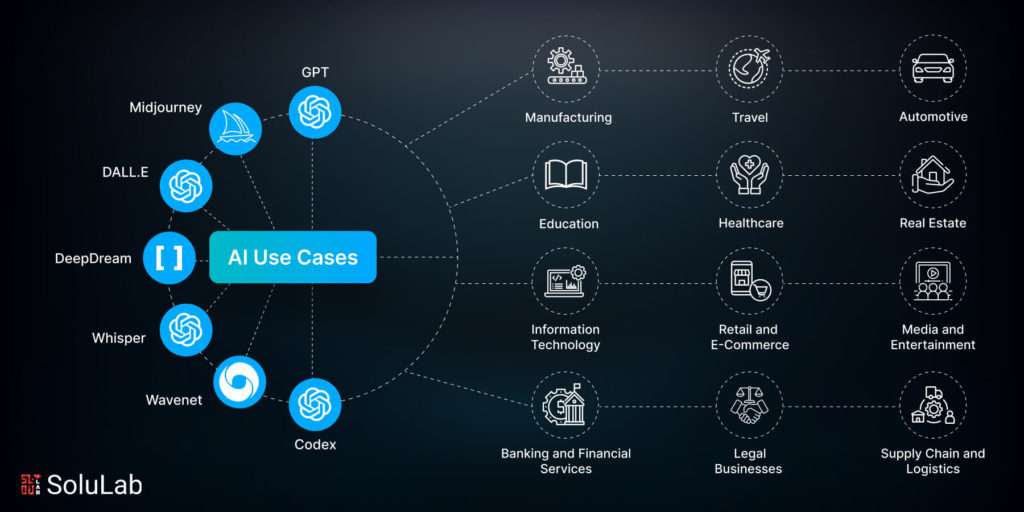
The increase in picture production Numerous opportunities for utilizing AI in the metaverse have been made possible by AI models like DALL-E 2 and Midjourney. Responses to the question, “How does generative AI affect metaverse?” may be found under the application cases related to art creation. Generative AI might be used by artists to produce virtual art galleries with a variety of creative topics and styles.

  • Graphics

Image morphing and visual effects are also highlighted by the use cases of generative AI in the metaverse. Midjourney, for instance, can assist in producing the transitional steps that separate certain pictures, allowing for smoother transitions and superior visual effects. The utilization of generative AI in virtual reality applications has the potential to improve the visual impact in the metaverse by producing realistic visual effects and picture morphing.

  • Creation of Virtual Worlds

The creation of compelling virtual environments for the metaverse may also be assisted by generative AI. For lifelike representations of things, scenery, and structures, you may rely on Generative AI applications. The lifelike photos could contribute to the metaverse’s virtual environs seeming authentic.

  • Virtual Fashion

The debates around the “what is AI metaverse” also highlight the potential applications of generative AI in the creation of virtual clothing. Generative AI is a new avenue for virtual designers to showcase their fashion lines and accessories in the metaverse. As you can see, virtual fashion shows have the potential to save a tonne of resources and offer realistic online buying experiences.

Possibilities for Metaverse Video Production

Because generative AI can generate videos, it also creates new possibilities for the metaverse. Generative AI may be used by metaverse creators to produce engaging user experiences in their movies. These are a few of the most prominent applications of generative AI in the metaverse for creating videos.

Related: Metaverse Use Cases and Benefits

  • Adaptive Video Production

AI’s function in metaverse video creation use cases is also evident in the generative diversity of video material produced under user-specified criteria and styles. It’s interesting to note that generative AI models for creating videos also encourage immersive virtual experiences and foster creative storytelling. For example, dynamically generated video content during metaverse virtual conferences might improve the conference’s aesthetic appeal and user experience.

  • Visual Effects and Video Editing

Videos with adjustable effects and visual components that are aesthetically pleasing may be produced with the use of Generative AI models like Stable Diffusion. These kinds of generative AI models could offer greater metaverse content production and visual storytelling capabilities.

By fusing various components, generative AI applications in the metaverse may facilitate the creation of synthetic video content. Furthermore, synthetic video material is shown by generative AI apps with various visual effects and transitions that enhance its visual appeal.

  • Creation of Virtual Actors

Could you imagine being able to construct virtual actors with the aid of AI? In fact, studies indicate that by 2030, 90% of the labor in a big-budget picture will be completed by artificial intelligence. It’s interesting to note that the difficulties with generative AI for creating metaverse material are probably going to be cited as the main obstacles to this advancement.

But certain well-known Generative AI models, like Hour One, may produce virtual characters who seem realistic for movies, VR experiences, and video games. Additionally, the virtual actors might have interchangeable looks and expressions. You should also keep an eye out for chances to enhance character animation while making sure that interactive virtual worlds are created.

  • 3D Objects in the Metaverse Using Generative AI

Examples of applying generative AI to create 3D models are included in the applications of GenAI in metaverse transformation. Several noteworthy instances of employing generative AI to generate 3D objects consist of:

a. 3D modeling and the development of virtual objects.

b. Creative customization and design.

c. 3D identification of objects.

d. 3D content generation and object reconstruction.

What Challenges Does Generative AI Face in the Metaverse?

The potential for using generative AI to enhance user experiences in the metaverse demonstrates the potency of AI in enhancing user experiences in the metaverse. But before using generative AI to change the metaverse, it’s also critical to comprehend the difficulties raised by queries like “What is AI metaverse?”

The primary obstacle related to generative artificial intelligence for the metaverse is the problem of acquiring superior training data. Why? Obtaining high-quality training data in the metaverse is challenging due to its unique nature. To address such problems, it is crucial to create sophisticated data-gathering strategies, make use of artificial datasets, or apply data augmentation techniques.

Realism is indicated by the next noteworthy development in generative AI issues for the metaverse. For the metaverse, developers must produce realistic, high-fidelity material that creates immersive experiences. Realistic results, however, may only be attained by improving model architectures, unsupervised learning methods, and training algorithms.

One significant issue with the application of generative AI in the metaverse is the management and control of material. The metaverse’s virtual settings provide the perfect setting for the proliferation of user-generated content, necessitating the careful and secure creation of material. Implementing thorough content moderation and filtering systems is one of the suggested options for safe content creation.

The ethical issues surrounding the application of generative AI to enhance the metaverse must also be considered. The use of AI in the metaverse raises questions about permission, privacy, and ownership. The best defenses against these kinds of problems are well-defined laws, rules of conduct, and moral standards.

Future Implications and Opportunities of Generative AI in Metaverse

Implications and Opportunities of GenAI in Metaverse

The convergence of the Metaverse and Generative AI presents an era rich with possibilities, shaping the way we interact with digital realms and unlocking innovative avenues for advancement. Here, we delve into the future implications and opportunities that lie ahead.

A. Advancements in Generative AI for the Metaverse

1. Enhanced Realism in Virtual Environments

  • Integration of advanced GANs to create more realistic landscapes, textures, and atmospheres within the Metaverse.
  • Improved generative algorithms for dynamic weather, lighting, and physics simulations, elevating the immersive experience for users.

2. Personalized and Lifelike Avatars

  • Continued development of generative models to craft highly personalized and lifelike avatars, reflecting the nuances of individual users in the digital space.
  • Real-time adaptation of avatars based on user interactions, emotions, and preferences through AI-driven algorithms.

3. Intelligent NPCs and Storytelling

  • Evolution of AI-driven NPC behaviors using generative models, allowing for more complex and dynamic interactions within virtual environments.
  • Storytelling through generative narratives, where AI adapts and generates plotlines in response to user choices and actions, provides a truly interactive and personalized experience.

B. Potential Impact on Virtual Economies

1. Digital Asset Creation and Ownership

  • Expansion of generative AI for the creation of unique digital assets, including virtual real estate, rare items, and custom-designed objects within the Metaverse.
  • Implementation of blockchain technology to ensure secure and verifiable ownership of digital assets, paving the way for a thriving virtual economy.

2. Dynamic Economic Ecosystems

  • The emergence of AI-driven marketplaces within the Metaverse, where generative algorithms dynamically adjust prices, supply, and demand based on user behavior and preferences.
  • Opportunities for users to engage in virtual entrepreneurship, creating and monetizing digital goods through generative processes.

3. Tokenization and Cryptocurrency Integration

  • Integration of generative AI in the creation and management of virtual currencies, fostering new economic systems within the Metaverse.
  • Tokenization of virtual assets, enabling seamless transactions and exchanges, with potential implications for the broader financial landscape.

C. Collaborative Creation and Coexistence in the Digital Realm

1. Shared Generative Spaces

  • Development of collaborative platforms where users can collectively contribute to the generative process, co-creating and shaping the virtual world in real time.
  • Tools and interfaces that facilitate synchronous collaboration, allowing users to influence and contribute to the evolving Metaverse landscape.

2. Cross-Platform Integration

  • Interconnected Metaverse experiences through cross-platform collaboration, allow users from different virtual realms to interact and share generative content seamlessly.
  • Standardization of generative AI protocols to enhance interoperability, fostering a cohesive and interconnected digital ecosystem.

3. Ethical Considerations and Governance

  • Implementation of ethical frameworks and governance structures to address challenges related to Generative AI, ensuring inclusivity, fairness, and the responsible use of technology within the collaborative digital space.
  • Ongoing dialogue and collaboration among stakeholders, including technology developers, policymakers, and users, to shape the ethical dimensions of the evolving Metaverse.

As we venture into this exciting future, the synergy between Generative AI and the Metaverse holds the promise of not only transforming how we experience digital realms but also redefining the very fabric of virtual existence. These advancements bring forth a multitude of opportunities, challenging us to embrace the responsibilities that come with shaping a collaborative and inclusive digital future.

The Road Ahead: Shaping the Future

Strategies and Initiatives of GenAI in Metaverse

When we navigate the uncharted territories of the Metaverse and Generative AI, the road ahead is marked by collaborative efforts, ethical considerations, and an unwavering commitment to innovation. Here’s a glimpse into the strategies and initiatives that will shape the future of the digital frontier.

A. Collaborative Efforts in Research and Development

1. Interdisciplinary Research Initiatives

  • Encouraging collaboration between experts in artificial intelligence, virtual reality, and other relevant fields to push the boundaries of Generative AI in the Metaverse.
  • Establishing research hubs and consortia that foster knowledge exchange and cross-disciplinary exploration, accelerating the development of groundbreaking technologies.

2. Open-Source Initiatives and Knowledge Sharing

  • Promoting open-source projects and collaborative platforms that facilitate the sharing of generative models, algorithms, and best practices within the Metaverse community.
  • Creating a culture of transparency and openness to spur collective learning and accelerate the evolution of Generative AI in the Metaverse.

3. Public-Private Partnerships

  • Forging strategic alliances between governmental bodies, private enterprises, and research institutions to pool resources and expertise in the development and regulation of Generative AI technologies.
  • Establishing collaborative frameworks that balance innovation with responsible deployment, ensuring the Metaverse benefits society as a whole.

B. Building a Responsible and Inclusive Metaverse

1. Ethical Guidelines and Standards

  • Formulating and adopting ethical guidelines for the use of Generative AI in the Metaverse, addressing issues such as privacy, bias, and user rights.
  • Establishing industry-wide standards to ensure a responsible and inclusive digital environment that prioritizes diversity and accessibility.

Related: Guide to Generative AI for Compliance

2. User-Centric Design and Accessibility

  • Prioritizing user experience and inclusivity in the design and implementation of Generative AI features within the Metaverse.
  • Developing interfaces that cater to users with diverse abilities and backgrounds, fostering an environment where everyone can participate and contribute.

3. Community Engagement and Empowerment

  • Engaging the Metaverse community in decision-making processes, seeking feedback and insights to inform the development of Generative AI features.
  • Empowering users with tools and knowledge to actively shape their digital experiences, ensuring that the Metaverse reflects the collective values and aspirations of its inhabitants.

C. Continuous Iteration and Innovation

1. Agile Development and Adaptive Technologies

  • Embracing agile development methodologies and iterative design processes to respond rapidly to user feedback and evolving technological landscapes.
  • Leveraging Generative AI to create adaptive technologies that learn and evolve over time, enhancing the dynamic nature of the Metaverse.

2. Investment in Research and Talent

  • Fostering a culture of innovation through sustained investment in research and development, attracting top talent to explore the frontiers of Generative AI in the Metaverse.
  • Creating opportunities for collaboration between academia and industry to cultivate a pipeline of skilled professionals driving continuous innovation.

3. Anticipating Emerging Technologies

  • Remaining vigilant and adaptive to emerging technologies that could synergize with Generative AI in shaping the Metaverse.
  • Proactively exploring and integrating advancements in areas such as quantum computing, edge computing, and biotechnology to unlock new dimensions of creativity and interaction.

As we embark on this transformative journey, collaborative research, responsible development, and continuous innovation will be the pillars supporting the evolution of Generative AI in the Metaverse. By fostering an environment that prioritizes ethics, inclusivity, and adaptability, we pave the way for a digital future that is not only technologically advanced but also socially conscious and empowering. The future of Generative AI in metaverse, is a collaborative canvas waiting to be painted by the collective aspirations of humanity.

Hire Metaverse Developers

Conclusion

In conclusion, the intersection of Generative AI and the Metaverse propels us into a digital era where creativity knows no bounds and the boundaries between reality and imagination blur. The promises of enhanced realism, and collaborative creation within the Metaverse, fueled by the continuous advancements in Generative AI, open new horizons for innovation and exploration. However, it is imperative to tread responsibly, ensuring that ethical considerations, inclusivity, and user empowerment remain at the forefront of our endeavors. The shaping of a responsible and inclusive digital frontier requires collaborative efforts, user-centric design, and an unwavering commitment to continuous iteration and innovation.

For those seeking to gain the power of Generative AI in the Metaverse, SoluLab- a Generative AI development company, stands as a beacon of expertise and innovation. With a team of skilled professionals and a commitment to advanced technology, SoluLab offers comprehensive Metaverse development services. Whether you are looking to create immersive virtual environments, personalize avatars, or build dynamic economic ecosystems within the Metaverse, SoluLab provides the expertise needed to bring your vision to life. Hire AI developers from SoluLab to access a wealth of experience in Generative AI, ensuring that your journey into the digital frontier is marked by innovation, reliability, and a commitment to excellence. Contact us today!

FAQs

1. What is Generative AI, and how does it relate to the Metaverse?

Generative AI refers to a class of artificial intelligence techniques that involve training models to generate new content autonomously. In the context of the Metaverse, Generative AI plays a crucial role in creating realistic virtual environments, lifelike avatars, and dynamic content, enhancing the overall immersive experience for users.

2. How does Generative AI impact the virtual economy within the Metaverse?

Generative AI influences the virtual economy by enabling the creation of unique digital assets, dynamic pricing mechanisms, and the tokenization of virtual currencies. This leads to the emergence of AI-driven marketplaces, fostering entrepreneurship within the Metaverse and redefining how users engage with and contribute to the digital economy.

3. What are the key ethical considerations in deploying Generative AI in the Metaverse?

Ethical considerations include addressing issues of privacy, mitigating biases in AI algorithms, and establishing governance structures to ensure responsible and inclusive development. Striking a balance between innovation and ethical deployment is essential for creating a sustainable and user-centric digital environment.

4. How can users contribute to the collaborative creation of content in the Metaverse?

Users can contribute to the collaborative creation of content in the Metaverse by engaging with platforms that facilitate real-time collaboration, participating in open-source initiatives, and providing feedback to shape the evolving virtual landscape. Collaborative efforts ensure a diverse and dynamic digital environment.

5. What role does SoluLab play in Generative AI development for the Metaverse?

SoluLab is a leading provider of Generative AI development services, offering expertise in creating immersive virtual environments, personalized avatars, and dynamic economic ecosystems within the Metaverse. With a skilled team of professionals, SoluLab empowers businesses to harness the full potential of Generative AI for their digital initiatives.

6. How can businesses benefit from hiring AI developers from SoluLab?

Businesses can benefit from hiring AI developers from SoluLab by gaining access to a team with extensive experience in Generative AI development. SoluLab offers comprehensive services, from conceptualization to implementation, ensuring that businesses can leverage the latest advancements in Generative AI to create innovative and impactful solutions for the Metaverse and beyond.

A Beginner’s Guide to Web3 Security

Guide to Web3 Security

The advent of Web3 has brought about a paradigm shift in the digital landscape, offering decentralized, transparent, and user-centric experiences. However, as we embark on this transformative journey, ensuring Web3 security becomes paramount. In this comprehensive guide, we delve into the intricacies of Web3 security, explore the tools available for safeguarding decentralized ecosystems, and shed light on the significance of Web3 security audits.

Unraveling the Basics of Web3 Security

Take a journey into the fundamental tenets that support the security of Web3. In this section, we delve into the fundamental aspects of securing decentralized ecosystems. From the significance of decentralization to the role of encryption and consensus mechanisms, gain a comprehensive understanding of the bedrock on which Web3 security is built.

Understanding Web3 Security 

Web3 is a new iteration of the World Wide Web that is built on blockchain and decentralized technologies. This new frontier introduces a number of new security challenges for users, as well as new opportunities for security innovation. One of the fundamental principles of Web3 security is decentralization. In a decentralized system, there is no single point of failure, which makes it more difficult for attackers to exploit. For example, if one node in a blockchain network is compromised, the rest of the network can continue to operate.

Another important principle of Web3 security is encryption. Encryption is used to protect data from unauthorized access. In Web3, encryption is often used to protect user data, such as private keys and transaction data. Finally, consensus mechanisms are used to ensure that all participants in a blockchain network agree on the state of the network. This is important for security, as it prevents attackers from being able to alter the history of the blockchain.

These are just a few of the fundamental principles of Web3 security. As Web3 continues to develop, new security challenges and opportunities will emerge. It is important for users and developers to stay up-to-date on the latest security developments in order to protect their digital assets.

The Imperative of Security in Web3

Imperative of Security in Web3

Delve into the complex landscape of threats and challenges that define security in the Web3 era. Uncover the unique vulnerabilities posed by decentralized technologies, including smart contract intricacies and DApp security. In this section, we emphasize the critical importance of robust security measures for both end-users and developers in ensuring a secure Web3 environment.

A. The Threat Landscape in Web3

The decentralized nature of Web3 poses a number of unique security challenges.

One challenge is the lack of a central authority to oversee security. In a traditional, centralized system, there is a single point of failure that can be targeted by attackers. In a decentralized system, there is no single point of failure, but this also makes it more difficult to identify and address security threats. Another challenge is the complexity of smart contracts. Smart contracts are self-executing pieces of code that are used to automate transactions on the blockchain. They are often written in complex programming languages, which can make it difficult to identify and fix security vulnerabilities.

Finally, the decentralized nature of Web3 makes it difficult to enforce security standards. In a traditional system, security standards can be enforced by a central authority. In a decentralized system, there is no central authority, so it is up to individual users and dedicated developers to take responsibility for their own security.

These challenges can lead to a number of potential threats and vulnerabilities in a Web3 environment. Some of the most common threats include:

  • Smart contract vulnerabilities: Smart contracts can be vulnerable to a variety of attacks, including code injection attacks, reentrancy attacks, and denial-of-service attacks.
  • Decentralized application (DApp) security: DApps are also vulnerable to a variety of attacks, including phishing attacks, man-in-the-middle attacks, and data breaches. Implementing a Secure Web Gateway (SWG) solution helps safeguard users by filtering malicious traffic, blocking harmful websites, and ensuring secure access to decentralized applications.
  • User security: Users who interact with Web3 applications are also at risk of a variety of attacks, including phishing attacks, malware attacks, and identity theft.

It is important to be aware of these threats and vulnerabilities in order to protect yourself when using Web3 applications. Here are some tips for staying safe:

  • Do your research: Before using a Web3 application, do your research to make sure it is legitimate and has a good reputation.
  • Use strong passwords: Use strong passwords and enable two-factor authentication on all of your Web3 accounts.

Related: Top 10 Web3 Use Cases

  • Be careful of phishing attacks: Be careful of phishing emails and websites that attempt to steal your private keys or other sensitive information.
  • Keep your software up to date: Keep your software up to date to patch any security vulnerabilities.

By following these tips, you can help to protect yourself from the security risks of Web3.

Web3 Development Services

B. Importance of Web3 Security for Users and Developers

Web3 is a new and evolving ecosystem, and as such, it is important to be aware of the security risks involved. Both end-users and developers play a crucial role in upholding Web3 security.

End-users

End-users are responsible for securing their own private keys and transactions. Private keys are used to sign transactions and authorize access to funds. If a private key is compromised, an attacker can steal funds from the user’s account. End-users should take steps to protect their private keys, such as:

  • Using a hardware wallet to store private keys offline
  • Using a strong password for their crypto wallet
  • Enabling 2FA (two-factor authentication) for their crypto wallet
  • Avoiding phishing attacks

Developers

Developers are responsible for creating robust smart contracts and secure DApps. Smart contracts are self-executing pieces of code that run on the blockchain. If a smart contract is not properly written, it can be exploited by attackers. Developers should take steps to secure their smart contracts, such as:

  • Using formal verification to check for errors in smart contract code
  • Using secure coding practices
  • Testing smart contracts thoroughly before deploying them

DApps are decentralized applications that run on the blockchain. If a DApp is not secure, it can be exploited by attackers. Developers should take steps to secure their DApps, such as:

  • Using secure APIs
  • Ensuring that DApps are properly tested
  • Using security best practices

By working together, end-users and developers can help to uphold Web3 security and protect users from cyberattacks.

Web3 Security Audit – A Deep Dive 

Take a deep dive into the world of Web3 security audits, where the integrity of decentralized systems is meticulously scrutinized. This section explores the intricate processes involved in conducting thorough security audits, from code analysis to vulnerability assessments. Understand why these audits are indispensable for fortifying the reliability and resilience of Web3 platforms.

Understanding Web3 Security Audits

Web3 security audits are a critical part of the development and deployment of decentralized applications (dApps). They help to identify and mitigate security vulnerabilities that could be exploited by attackers and can help to ensure that dApps are robust and reliable.

There are a number of different types of security audits that can be performed on dApps, including:

  • Smart contract audits: These audits focus on the security of the smart contracts that power dApps. Smart contracts are pieces of code that run on the blockchain and are responsible for managing the dApp’s logic and state. Smart contract audits can help to identify vulnerabilities that could allow attackers to steal funds or take control of the dApp.
  • Web3 API audits: These audits focus on the security of the web3 APIs that dApps use to interact with the blockchain. Web3 APIs are interfaces that allow dApps to interact with the blockchain, and they can be a source of security vulnerabilities. Web3 API audits can help to identify vulnerabilities that could allow attackers to steal user data or access sensitive information.
  • Infrastructure audits: These audits focus on the security of the infrastructure that dApps run on. This includes the servers, networks, and databases that dApps use. Infrastructure audits can help to identify vulnerabilities that could allow attackers to access dApp data or disrupt dApp services.

Security audits are an important part of the development and deployment of dApps. By performing security audits, dApp developers can help to identify and mitigate security vulnerabilities that could be exploited by attackers. This can help to ensure that dApps are robust and reliable and that users’ data and funds are protected.

There are a number of different types of Web3 security audits that can be performed, including:

  • Smart contract audits: These audits focus on identifying and mitigating security vulnerabilities in smart contracts, which are the programs that run on blockchains and govern the interactions between dApp users.
  • Infrastructure audits: These audits focus on identifying and mitigating security vulnerabilities in the infrastructure that supports dApps, such as the blockchains that they run on and the servers that host them.
  • Application audits: These audits focus on identifying and mitigating security vulnerabilities in the dApp itself, such as its user interface and its back-end code.

Web3 security audits are an important part of the development process for dApps and can help to protect users from security threats. However, it is important to note that no audit can guarantee that a dApp is completely secure. It is always important to exercise caution when using dApps and to only use dApps that have been audited by a reputable security firm.

In addition to comprehensive assessments and reviews, there are a number of other steps that can be taken to ensure the robustness of Web3 systems. These include:

  • Using secure coding practices: Developers should use secure coding practices to minimize the risk of introducing security vulnerabilities into their code.
  • Implementing security best practices: dApps should implement security best practices, such as user authentication, access control, and encryption.
  • Monitoring for security threats: dApps should be monitored for security threats, such as DDoS attacks and malware infections.

By taking these steps, developers can help to ensure that their dApps are robust and secure.

Conducting a Web3 Security Audit

Step into the shoes of a security auditor as we outline the processes involved in conducting a Web3 security audit. From code analysis to vulnerability assessments, learn how auditors identify and address potential threats to Web3 platforms. The Process of a Web3 Security Audit.

A Web3 security audit is a comprehensive review of a blockchain technology application or platform to identify and address potential security vulnerabilities. The process typically involves the following steps:

  • Initial assessment: The auditor will first conduct an initial assessment of the application or platform to identify any high-level security risks. This may involve reviewing the application’s architecture, design, and code, as well as conducting interviews with the development team.
  • Code analysis: The auditor will then conduct a detailed code analysis to identify specific security vulnerabilities. This may involve using static analysis tools to scan the code for known vulnerabilities, as well as manual code review, to identify more subtle issues.
  • Vulnerability assessments: The auditor will then conduct vulnerability assessments to test the application or platform’s defenses against real-world attacks. This may involve simulating attacks against the application or platform, as well as using penetration testing tools to exploit known vulnerabilities.
  • Reporting: The auditor will then produce a detailed report of their findings, including a list of all identified vulnerabilities and recommendations for how to address them.

Related: Web 3 vs Web 3.0

Identifying and Addressing Security Vulnerabilities

Security auditors use a variety of techniques to identify and address security vulnerabilities in Web3 applications and platforms. These techniques may include:

  • Static analysis: Static analysis tools scan code for known security vulnerabilities. This can be a useful way to identify vulnerabilities that are difficult to find through manual code review.
  • Manual code review: Manual code review is a critical step in any security audit. Auditors will carefully review the code to identify potential security vulnerabilities, such as:
    • Improper access control
    • Injection vulnerabilities
    • Insecure cryptographic implementations
  • Vulnerability assessments: Vulnerability assessments test the application or platform’s defenses against real-world attacks. This can help to identify vulnerabilities that may not be detected by static analysis or manual code review.

Addressing Security Vulnerabilities

Once security vulnerabilities have been identified, they must be addressed in a timely and effective manner. The specific steps taken to address a vulnerability will depend on the nature of the vulnerability. However, some common steps may include:

  • Patching the vulnerability: If a vulnerability is known to have a patch available, the patch should be applied as soon as possible.
  • Implementing mitigations: If a vulnerability does not have a patch available, mitigations can be implemented to reduce the risk of exploitation. For example, if a vulnerability is related to improper access control, access controls can be tightened to reduce the risk of unauthorized access.
  • Monitoring for attacks: Once vulnerabilities have been addressed, it is important to monitor the application or platform for signs of attack. This can help to identify and respond to attacks quickly before they can cause damage.

Web3 security audits are an essential part of securing blockchain technology applications and platforms. By following a comprehensive process, security auditors can help to identify and address potential security vulnerabilities, reducing the risk of attack and data breaches.

Tools for Web3 Security 

Navigate through an array of powerful tools designed to fortify Web3 security. From blockchain scanners to code analyzers, this section provides an overview of essential tools that empower both Web3 developers and users in their quest for a secure digital frontier. Explore best practices for implementing these tools and enhancing the security posture of decentralized ecosystems.

Overview of Web3 Security Tools

As the Web3 ecosystem grows and matures, the landscape of security tools is rapidly evolving.. However, some key tools have emerged as essential for securing blockchain networks, smart contracts, and DApps. Blockchain scanners

Blockchain scanners are a critical tool for identifying and mitigating security vulnerabilities in blockchain networks. They can be used to scan for a variety of issues, including:

  • Malicious smart contracts
  • Decentralized autonomous organizations (DAOs) with poor security practices
  • Vulnerabilities in blockchain protocols

Blockchain scanners can be either on-chain or off-chain. On-chain scanners scan the blockchain directly, while off-chain scanners use a copy of the blockchain to scan for vulnerabilities. 

Code analyzers are used to identify security vulnerabilities in smart contracts and DApps. They can be used to scan for a variety of issues, including:

  • Integer overflows
  • Buffer overflows
  • SQL injection vulnerabilities

Code analyzers can be either static or dynamic. Static code analyzers scan the code without running it, while dynamic code analyzers scan the code as it is being executed. 

Encryption solutions are used to protect data from unauthorized access. They can be used to encrypt data at rest, in transit, and in use.

There are a variety of different encryption solutions available, including:

  • Public key cryptography
  • Private key cryptography
  • Symmetric key cryptography

Encryption solutions can be either software-based or hardware-based. Software-based encryption solutions are typically less expensive than hardware-based solutions, but they may not be as secure. Hardware-based encryption solutions are typically more secure than software-based solutions, but they may be more expensive. 

The landscape of Web3 security tools is rapidly evolving as the ecosystem grows and matures. However, some key tools have emerged as essential for securing blockchain networks, smart contracts, and DApps. These tools include blockchain scanners, code analyzers, and encryption solutions. By using these tools, developers and businesses can help to protect their Web3 assets from security threats.

Best Practices for Implementing Web3 Security Tools

As the decentralized finance (DeFi) industry continues to grow, so too does the need for robust security measures. Web3 security tools can help protect decentralized applications (dApps) from a variety of threats, including:

  • Malicious smart contracts: These contracts can be used to steal funds, execute unauthorized transactions, or even take over a dApp.
  • DDoS attacks: These attacks can flood a dApp with traffic, making it inaccessible to users.
  • Social engineering attacks: These attacks can trick users into giving up their private keys or other sensitive information.

By integrating and implementing Web3 security tools, dApp developers can help mitigate these risks and protect their users’ funds and data. Best Practices for Integrating Web3 Security Tools

There are a number of best practices that dApp developers can follow when integrating Web3 security tools. These include:

  • Choosing the right tools: There are a variety of different Web3 security tools available, so it’s important to choose the ones that are right for your dApp. Some factors to consider when choosing tools include the specific threats you’re trying to protect against, your budget, and your technical expertise.
  • Properly configuring the tools: Once you’ve chosen your tools, it’s important to properly configure them. This includes setting up the tools to monitor for the specific threats you’re concerned about, and ensuring that the tools are properly integrated with your dApp.
  • Testing the tools: It’s important to test the tools to make sure that they’re working properly. This includes testing the tools to see if they can detect and respond to the threats you’re concerned about.
  • Monitoring the tools: Once the tools are in place, it’s important to monitor them to make sure that they’re working properly. This includes checking the logs to see if any threats have been detected and responding to any threats that are detected.

In addition to integrating and implementing Web3 security tools, there are a number of other strategies that dApp developers can use to fortify their decentralized Web3 ecosystem. These include:

  • Using a secure development lifecycle: A secure development lifecycle (SDL) is a process that helps developers build secure dApps. The SDL includes a number of steps, such as threat modeling, code review, and penetration testing.
  • Ensuring that your dApp is bug-free: Bugs can be exploited by attackers to gain access to your dApp and steal funds or data. It’s important to have a robust testing process in place to ensure that your dApp is free of bugs.
  • Educating your users: It’s important to educate your users about the risks of using dApps and how to protect themselves. This includes teaching users about the importance of using strong passwords, being careful about what information they share, and being aware of phishing scams.

By following these best practices and strategies, dApp developers can help to protect their users’ funds and data and fortify their Web3 ecosystem.

Hire Web3 Developers

Conclusion

Web3, where decentralized technologies redefine digital landscapes, security emerges as a cornerstone for a resilient and trustworthy ecosystem. As we conclude this comprehensive guide to Web3 security, the importance of fortifying decentralized platforms cannot be overstated. Understanding the fundamentals of Web3 security is crucial, given the unique challenges and opportunities that come with the decentralized paradigm. From the intricacies of securing smart contracts to the responsibilities of both users and developers, the imperative for robust security practices in Web3 is clear. The concept of Web3 security audits emerges as a pivotal element in ensuring the integrity and reliability of decentralized systems. Audits play a crucial role in identifying and addressing vulnerabilities, promoting transparency, and enhancing the overall resilience of Web3 platforms. The arsenal of Web3 security tools showcased in this guide underscores the proactive approach required to defend against emerging threats. From blockchain scanners to code analyzers, these tools empower both Web3 developers and users in fortifying their digital assets.

SoluLab stands out as a leading Web3 development company. With a commitment to innovation, SoluLab not only embodies excellence in Web3 development but also prioritizes security as a fundamental aspect of its service offerings. As the Web3 ecosystem continues to evolve, it becomes evident that security is not a solitary endeavor. Users, developers, and visionary companies like SoluLab must collaborate to navigate the complexities of security in Web3. It is through such collaborative efforts that the decentralized future can be safeguarded, ensuring a resilient and secure digital frontier. In conclusion, as we embark on the era of decentralized technologies, let this guide serve as a beacon for understanding and implementing robust Web3 security measures. Whether you are a Web3 developer, enthusiast, or a user navigating this digital frontier, embracing security is not just a choice but a necessity. SoluLab, with its expertise in Web3 development and a commitment to security, exemplifies the ethos required to thrive in the decentralized future. Secure your journey into Web3, empower your digital presence, and contribute to the resilient and decentralized evolution of the digital landscape.

FAQs

1. What is Web3 security, and why is it crucial for the decentralized landscape?

Explore the fundamentals of Web3 security, understanding its significance in fortifying decentralized finance platforms and ensuring the integrity of digital assets in the decentralized paradigm.

2. How do Web3 security audits contribute to the reliability of decentralized systems?

Uncover the role of Web3 security audits in identifying vulnerabilities, promoting transparency, and enhancing the overall resilience of decentralized platforms.

3. What are some common security challenges in Web3, and how can they be addressed?

Delve into the unique security challenges posed by Web3, including smart contract vulnerabilities, and discover strategies and best practices for addressing them.

4. Can you provide examples of Web3 security tools and their impact on decentralized ecosystems?

Explore a variety of Web3 security tools, from blockchain scanners to code analyzers, and understand how these tools empower both developers and users in safeguarding their digital assets.

5. Why is user responsibility crucial in upholding Web3 security, and what measures should users take?

Understand the responsibilities of Web3 users in securing private keys and transactions, and explore best practices for ensuring a secure user experience in a decentralized environment.

6. How does SoluLab contribute to Web3 security, and what sets it apart as a Web3 development company?

Learn about SoluLab’s commitment to security in Web3 development and discover how it stands out as a leading Web3 development company, contributing to the secure evolution of the decentralized landscape.

7. Are there real-world examples of security challenges in Web3 platforms, and how were they addressed?

Explore case studies highlighting real-world security challenges faced by Web3 platforms, gaining insights into how vulnerabilities were identified, addressed, and lessons learned for the future of Web3 security.

Top 10 Web3 Trends Shaping the Future of AI

Web3 Trends Shaping the Future of AI

In the dynamic landscape of technological evolution, understanding the top Web3 trends for 2026 is crucial. As we delve into the intersection of Web3 and artificial intelligence (AI), we uncover transformative trends shaping the future of technology.

One of the most significant trends is the growth of decentralized finance (DeFi). DeFi is a financial system that is built on blockchain technology and does not rely on centralized institutions like banks. This has the potential to disrupt the traditional financial system and make financial services more accessible and affordable for everyone.

Another major trend is the rise of non-fungible tokens (NFTs). NFTs are digital assets that are unique and cannot be replaced. They have been used to create digital art, collectibles, and even real estate. NFTs are still in their early stages, but they have the potential to revolutionize the way we own and trade digital assets.

The growth of Web3 is also being driven by the development of new technologies, such as AI and machine learning. AI can be used to improve the security of blockchains, create new DeFi applications, and power NFTs. Machine learning can be used to analyze data and make predictions, which can be used to improve the performance of DeFi protocols and NFT marketplaces.

The intersection of Web3 and AI is creating new opportunities for innovation and disruption. These trends are just a few of the ways that Web3 is changing the world. As technology continues to evolve, we can expect to see even more exciting developments in the years to come.

The Evolving Landscape of Web3

  • Defining Web3 Trends

Web3 trends represent the next wave of technological advancements, characterized by decentralized structures and enhanced user control. The evolution of Web3 is relentless, driving innovation across various industries.

One of the most significant trends in Web3 is the rise of decentralized finance (DeFi). DeFi platforms allow users to conduct financial transactions without the need for a central authority, such as a bank or government. This has the potential to revolutionize the financial system, making it more accessible and efficient.

Another major trend in Web3 is the growth of the metaverse. The metaverse is a virtual world where users can interact with each other and with digital objects. This has the potential to create new forms of entertainment, education, and commerce.

Web3 is also driving innovation in the gaming industry. Blockchain-based games allow players to own their in-game assets, which can be traded or sold. This has the potential to create a more equitable and sustainable gaming economy.

Web3 is still in its early stages, but it has the potential to transform the way we interact with the world. Decentralized structures and enhanced user control have the potential to create a more open, transparent, and equitable future.

  • The Interplay with AI

The interplay between Web3 and AI signifies a symbiotic relationship. Web3 platforms, such as decentralization and transparency, are redefining how AI processes operate. This integration is poised to reshape the AI landscape in profound ways.

Web3 is a new paradigm for the internet that is built on blockchain technology. It promises to be more decentralized, secure, and transparent than the current web. AI is a powerful technology that can be used to automate tasks, make predictions, and create new insights. When combined with Web3, AI can be used to create new and innovative applications that have the potential to change the world.

One of the most significant ways that Web3 is impacting AI is by making it more decentralized. In the traditional web, AI models are typically trained and hosted on centralized servers. This can create a single point of failure, which can make the models vulnerable to attack. With Web3, AI models can be trained and hosted on a decentralized network of nodes. This makes the models more secure and resilient.

Another way that Web3 is impacting AI is by making it more transparent. In the traditional web, AI models are often black boxes. This means that it is difficult to understand how the models make decisions. With Web3, AI models can be built on open-source software, which makes it possible for anyone to inspect the code and understand how the models work. This increased transparency can help to build trust in AI and make it more accessible to a wider range of users.

The integration of Web3 and AI is still in its early stages, but it has the potential to reshape the AI landscape in profound ways. By making AI more decentralized and transparent, Web3 can help to create new and innovative applications that have the potential to change the world.

Top Web3 Trends for 2026

Top Web3 Trends

Decentralized AI Ecosystems

In 2026, we anticipate the rise of decentralized AI ecosystems. This trend will decentralize AI processes, enhancing scalability, ensuring privacy, and democratizing access to AI technologies. The shift towards decentralized ecosystems promises a more inclusive AI landscape.

Decentralized AI ecosystems are networks of AI-powered devices and applications that are not controlled by a single entity. This decentralization has several benefits, including:

  • Scalability: Decentralized AI ecosystems can scale more easily than centralized systems, as they do not rely on a single point of failure. This makes them more resilient to cyberattacks and other disruptions.
  • Privacy: Decentralized AI ecosystems can protect user privacy more effectively than centralized systems, as data is not stored in a single location. This is important for applications such as healthcare and finance, where user privacy is paramount.
  • Democratization: Decentralized AI ecosystems make it easier for people to access and use AI technologies. This is because they do not require users to have specialized knowledge or equipment. This democratization of AI has the potential to create new opportunities for innovation and economic growth.

The shift towards decentralized AI ecosystems is still in its early stages, but it is gaining momentum. As the technology matures, we expect to see more and more decentralized AI ecosystems being deployed. This will have a significant impact on the way we use AI, making it more scalable, secure, and accessible.

Tokenization of AI Models

The tokenization of AI models is a rapidly growing trend that is expected to have a significant impact on the way AI is developed and used. In 2026, we foresee the rise of tokenized AI models on decentralized platforms. This trend will not only facilitate accessibility to AI but also incentivize developers, creating a more dynamic AI development landscape.

There are a number of reasons why tokenization is becoming increasingly popular for gen AI models. First, it allows for greater flexibility and scalability. AI models can be tokenized and traded on decentralized platforms, making them more accessible to a wider range of users. This can help to democratize AI and make it more accessible to businesses and individuals who may not have the resources to develop their own AI models.

Second, tokenization can help to incentivize developers to create better AI models. By allowing developers to earn rewards for their work, tokenization can create a more competitive and dynamic AI development landscape. This can lead to the development of more innovative and effective AI models.

Finally, tokenization can help to improve the security of AI models. By making AI models more transparent and traceable, tokenization can help to protect against fraud and abuse. This can make AI models more trustworthy and reliable for businesses and individuals who use them.

Overall, we believe that the tokenization of AI models is a positive trend that has the potential to make AI more accessible, innovative, and secure. We expect to see continued growth in this area in the coming years.

Web3-Powered AI Governance

Decentralized governance models for AI decision-making are becoming prominent as a way to ensure ethical and transparent practices. Web3-powered AI governance is one such model that uses blockchain technology to create a tamper-proof record of AI decisions. This can help to mitigate concerns about biased or unethical AI decision outcomes, as it makes it possible to track and audit the decisions that are made.

There are a number of benefits to using decentralized governance models for AI decision-making. First, they can help to improve the transparency of AI decision-making processes. By creating a public record of AI decisions, it is possible for stakeholders to see how decisions are made and to identify any potential biases or ethical concerns. Second, decentralized governance models can help to improve the accountability of AI decision-makers. By making it possible to trace decisions back to the individuals who made them, it is possible to hold those individuals accountable for their decisions. Third, decentralized governance models can help to improve the robustness of AI decision-making processes. By making it possible to audit AI decisions, it is possible to identify and correct any errors or biases in the decision-making process.

Despite the benefits, there are also some challenges associated with using decentralized governance models for AI decision-making. One challenge is that they can be complex and difficult to implement. Another challenge is that they can be costly to operate. Finally, decentralized governance models can be vulnerable to cyberattacks.

Overall, decentralized governance models for AI decision-making offer a number of potential benefits, including improved transparency, accountability, and robustness. However, there are also some challenges associated with these models, such as complexity, cost, and vulnerability to cyberattacks.

DAOs in AI Development

The integration of Decentralized Autonomous Organizations (DAOs) in AI development is gaining momentum. DAOs streamline collaborative AI projects, providing a decentralized framework for decision-making and resource allocation.

DAOs are organizations that are governed by a set of rules that are encoded by AI in a blockchain. This means that they are not subject to the same bureaucratic and hierarchical structures as traditional organizations. This makes them ideal for collaborative AI projects, which often involve a large number of stakeholders with different interests.

DAOs provide a decentralized framework for decision-making and resource allocation. This means that decisions are made by the community of stakeholders, rather than by a central authority. This can help to ensure that decisions are made in a transparent and democratic manner. Additionally, DAOs allow for more efficient resource allocation, as decisions can be made quickly and without the need for lengthy approval processes.

The integration of DAOs in AI development is still in its early stages, but there are already a number of projects that are using DAOs to great effect. For example, the AI-powered prediction market DeepDAO uses a DAO to manage its treasury and make decisions about how to invest its funds. Additionally, the AI research platform OpenAI uses a DAO to govern its research agenda and make decisions about how to allocate its resources.

As DAOs continue to develop, they are likely to play an increasingly important role in AI development. They offer a number of advantages over traditional organizations, including greater efficiency, transparency, and democracy. This makes them ideal for collaborative AI projects, which are becoming increasingly complex and require a high degree of coordination.

CTA1

AI Smart Contracts

The use of smart contracts for automating AI processes is a growing trend. In 2026, we anticipate increased adoption of AI smart contracts, enhancing transparency and trust in AI transactions while automating complex processes.

Smart contracts are computer programs that are stored on a blockchain and automatically execute when certain conditions are met. This can be used to automate a wide range of AI processes, such as:

  • Determining the price of a product or service based on real-time data
  • Executing trades in financial markets
  • Managing supply chains
  • Enforcing compliance with regulations

The use of AI smart contracts can provide a number of benefits, including:

  • Increased efficiency: AI smart contracts can automate tasks that would otherwise be time-consuming and error-prone.
  • Reduced costs: AI smart contracts can eliminate the need for human intervention, which can save businesses money.
  • Improved accuracy: AI smart contracts can be programmed to take into account a wider range of factors than human decision-makers, which can lead to more accurate results.
  • Enhanced transparency: AI smart contracts are transparent, which can help to build trust between businesses and their customers.

However, there are also some challenges associated with the use of AI smart contracts, such as:

  • Security: AI smart contracts are vulnerable to cyberattacks, which could lead to financial losses or data breaches.
  • Complexity: AI smart contracts can be complex, which can make them difficult to understand and audit.
  • Legal uncertainty: The legal status of AI smart contracts is still evolving, which can create uncertainty for businesses.

Despite these challenges, the use of AI smart contracts is expected to grow in the coming years. As businesses become more comfortable with the technology, they will increasingly look to AI smart contracts to automate their processes and improve their efficiency.

Web3 Identity for AI Agents

Ensuring secure identities for AI agents is crucial, and Web3 is contributing to this trend. The use of decentralized identity solutions enhances the security and privacy of AI entities, fostering trust in AI interactions.

Decentralized identity solutions provide a number of benefits for AI agents, including:

  • Increased security: Decentralized identity solutions are more secure than traditional centralized identity solutions, as they are not subject to a single point of failure. This makes them less vulnerable to cyberattacks.
  • Enhanced privacy: Decentralized identity solutions give users more control over their personal data, as they allow users to choose which data they share with which entities. This can help to protect users from data breaches and identity theft.
  • Fostered trust: Decentralized identity solutions can help to foster trust in AI interactions by making it easier for users to verify the authenticity of AI agents. This can help to reduce the risk of users being tricked by malicious AI agents.

As the use of AI continues to grow, the need for secure and privacy-preserving identity solutions will become increasingly important. Decentralized identity solutions are well-positioned to meet this need, and Web3 is helping to make these solutions more accessible and affordable.

Data Privacy on Decentralized AI Platforms

Web3 is playing a pivotal role in addressing data privacy concerns in AI. Decentralized solutions for ensuring data privacy in AI operations contribute to building trust and compliance in data usage.

Web3 is a new paradigm for the internet that is based on blockchain development solutions. Blockchain is a distributed ledger that records transactions in a secure and tamper-proof way. This makes it ideal for storing sensitive data, such as personal information or financial data.

AI is a powerful technology that can be used to automate tasks and make predictions. However, AI systems can also be used to collect and analyze large amounts of data, which can raise privacy concerns. Decentralized solutions for ensuring data privacy in AI operations can help to address these concerns by giving users more control over their data.

For example, a decentralized AI platform could allow users to choose which data they share with the platform, and how that data is used. The platform could also use encryption to protect data from unauthorized access. These measures can help to build trust and compliance in data usage, which is essential for the adoption of AI in a wide range of industries.

Web3 is still in its early stages, but it has the potential to revolutionize the way we use AI. By providing decentralized solutions for ensuring data privacy, Web3 can help to make AI more secure and trustworthy. This will open up new opportunities for AI to be used in a wide range of applications, from healthcare to finance to transportation.

Interoperability in AI Systems

Interoperability among AI systems is a key trend facilitated by Web3. The ability of AI systems to seamlessly collaborate and exchange data within a decentralized ecosystem is poised to enhance overall efficiency and innovation.

One of the biggest challenges facing AI today is the lack of interoperability between different AI systems. This makes it difficult to share data and insights between systems, which can limit the overall effectiveness of AI applications. Web3, with its focus on decentralization and open data, has the potential to address this challenge.

By creating a decentralized ecosystem where AI systems can interact with each other directly, Web3 can make it much easier for AI systems to share data and insights. This will allow AI systems to learn from each other and become more intelligent, which can lead to new and innovative applications.

For example, a healthcare AI system could use data from a financial AI system to better understand the financial impact of a patient’s condition. Or, a transportation AI system could use data from a weather AI system to better plan routes around bad weather conditions. The possibilities are endless.

The interoperability of AI systems is a critical step towards the realization of the full potential of AI. Web3, with its focus on decentralization and open data, has the potential to make this a reality.

AI Marketplaces on Decentralized Platforms

Decentralized marketplaces for AI services are on the rise, as they offer a number of advantages over traditional, centralized platforms. These platforms, enabled by Web3, open avenues for a broader range of AI applications and solutions, fostering a more dynamic and collaborative AI marketplace.

Here are some of the benefits of decentralized AI marketplaces:

  • Increased interoperability: Decentralized marketplaces allow for the seamless exchange of AI services and data between different platforms and organizations. This can help to break down silos and create a more unified AI ecosystem.
  • Improved security: Decentralized marketplaces are more secure than traditional platforms, as they do not rely on a single point of failure. This makes them less vulnerable to cyberattacks and data breaches.
  • Greater transparency: Decentralized marketplaces provide greater transparency into the AI services that are being offered. This can help to build trust between buyers and sellers and ensure that users are getting the best possible value for their money.
  • Lower costs: Decentralized marketplaces can help to lower the costs of AI services by reducing the need for intermediaries. This can make AI more accessible to businesses and organizations of all sizes.

As the AI industry continues to grow, decentralized marketplaces are likely to play an increasingly important role. They offer a number of advantages over traditional platforms, and they can help to make AI more accessible, secure, and transparent.

Web3-Powered AI Education

In 2026, decentralized education platforms for AI are gaining prominence. These platforms, powered by Web3, empower a global community of AI learners and developers, fostering knowledge-sharing and skill development.

One of the key benefits of decentralized education platforms is that they offer a more democratized learning experience. In traditional educational settings, students are often limited to the curriculum and resources that are provided by their institution. With decentralized platforms, students have access to a wider range of learning materials and opportunities, which can help them to develop the skills they need to succeed in the AI field.

Another advantage of decentralized education platforms is that they are more flexible and adaptable. Students can learn at their own pace and on their own terms, and they can access courses and materials from anywhere in the world. This makes decentralized platforms a great option for busy professionals or those who live in remote areas.

Finally, decentralized education platforms are more secure than traditional educational institutions. Because they are not controlled by a single entity, they are less vulnerable to cyberattacks and data breaches. This makes them a safer option for students who are concerned about the security of their personal information.

As the AI field continues to grow, decentralized education platforms will become increasingly important. They offer a more democratized, flexible, and secure learning experience that can help students to develop the skills they need to succeed in this rapidly evolving field.

The Implications and Future Impact

Transformative Impact on AI Industries

The collective impact of these top Web3 development trends extends beyond technological advancements. Industries relying on AI technologies are set to undergo transformative changes, with innovative applications and enhanced operational efficiency. For example, the healthcare industry is poised to benefit from the development of AI-powered medical devices and treatments. These technologies can help doctors diagnose diseases more accurately, provide personalized treatment plans, and even automate some routine tasks. The financial services industry is also expected to see significant changes, as AI-powered robo-advisors become more sophisticated and offer a wider range of services. These tools can help investors make more informed decisions and manage their portfolios more effectively.

In addition to these specific industries, Web3 technologies have the potential to disrupt a wide range of other sectors, including retail, manufacturing, and transportation. As these technologies continue to develop, we can expect to see even more innovative applications and even greater operational efficiency across all industries.

Challenges and Considerations

While the future of Web3 and AI integration looks promising, there are a number of challenges that need to be addressed in order to ensure a seamless integration. These challenges include

  • Regulatory considerations: Web3 and AI are both rapidly evolving fields, and it is important to ensure that they are developed in a way that is compliant with existing regulations. This includes regulations related to data privacy, security, and consumer protection.
  • Scalability challenges: Web3 and AI are both very data-intensive, and it is important to ensure that they can scale to handle the vast amounts of data that will be generated in the future. This will require developing new and innovative ways to store and process data.
  • Ethical considerations: Web3 and AI have the potential to be used for good or for evil, and it is important to ensure that they are developed in a way that is ethical and responsible. This includes considering the potential for bias and discrimination, and ensuring that users have control over their data.

By carefully addressing these challenges, we can ensure that Web3 and AI integration is a success and that it has a positive impact on society.

CTA2

Conclusion

The top Web3 trends for 2026 are poised to redefine the landscape of artificial intelligence, shaping a future where decentralization, transparency, and collaboration are paramount.

SoluLab is a leader in Web3 development solutions, offering top-notch services that align seamlessly with emerging trends. As the demand for Web3 services and expertise continues to surge, SoluLab stands as a strategic partner for businesses seeking to harness the full potential of decentralized technologies.

FAQs

1. Why is Web3 development crucial for the future of AI?

Web3 development introduces decentralization and transparency, fostering an environment that aligns with the principles of AI ethics. This synergy enhances the trustworthiness and scalability of AI systems.

2. How can businesses leverage the top Web3 trends for AI in 2026?

Businesses can integrate decentralized AI ecosystems, explore the tokenization of AI models, and embrace AI smart contracts. Partnering with a Web3 development company like SoluLab can facilitate a seamless transition.

3. What challenges may arise in adopting Web3 trends for AI applications?

Challenges include regulatory considerations, interoperability issues, and the need to address ethical concerns in decentralized AI governance. Navigating these challenges requires strategic planning and expertise.

4. What role does SoluLab play in the Web3 and AI landscape?

SoluLab is a leading Web3 development company offering a comprehensive suite of services. Their expertise in Web3 development and a team of skilled web3 developers position them as key partners for businesses seeking to embrace these trends.

5. Can Web3-powered AI education impact the global AI learning community?

Yes, decentralized education platforms for AI, a trend for 2026, have the potential to empower a global community of AI learners and developers. This inclusive approach fosters knowledge-sharing and skill development.

6. How do tokenized AI models benefit developers and users alike?

Tokenized AI models incentivize developers by introducing a token-based reward system. Users, on the other hand, gain access to a wider range of AI applications and services in a decentralized marketplace.

7. Are there any specific industries expected to benefit most from these trends?

Industries reliant on AI, such as healthcare, finance, and logistics, are poised to benefit significantly. The transformative impact of Web3 trends extends across sectors, enhancing operational efficiency and innovation.

How to Build a Decentralized Web3 Ecosystem?

Build a Decentralized Web3 Ecosystem

Web 3.0 could be the next version of the internet. It relies on public blockchains, a type of record-keeping system often used for cryptocurrency transactions. The key thing about Web 3.0 is that it’s not controlled by big companies like Google or Facebook. Instead, individuals own and manage parts of the internet themselves.

In Web 3.0, you don’t need permission to access services, meaning big authorities don’t control who can use what. Also, there’s no need for trust in intermediaries for online transactions. This makes Web 3.0 better at protecting user privacy since it reduces the role of agencies and intermediaries in collecting data. In this guide, we will explore how to create a decentralized Web3 ecosystem, how it works, and what the benefits are. 

So, without any further ado, let’s get started!

What is Web3 Technology?

Web3 represents the next phase of the internet’s evolution, characterized by a decentralized and user-centric approach. Unlike its predecessors, Web3 leverages blockchain technology to facilitate peer-to-peer interactions without the need for intermediaries. It encompasses a range of technologies, protocols, and principles that empower users, ensuring greater transparency, security, and control over their digital interactions.

Key characteristics of Web3 include the use of decentralized ledger technology, smart contracts, and distributed storage systems, collectively redefining the way information and value are exchanged online. In essence, Web3 aims to create a more open, inclusive, and user-driven internet ecosystem.

Web3 Development Services

Significance of Decentralization in Web3

Decentralization lies at the core of Web3, offering several key advantages that address the limitations of traditional, centralized web architectures.

  • Increased Security: In a decentralized Web3 ecosystem, data is distributed across a network of nodes, making it less susceptible to single points of failure and malicious attacks. This distributed nature enhances the overall security of the system.
  • Enhanced Privacy: Decentralization empowers users with greater control over their personal data. With no central authority controlling access, individuals can transact and interact online with increased privacy and autonomy.
  • Reduced Intermediary Dependency: Web3 eliminates the need for intermediaries in various online processes. Smart contracts, for example, automate and execute agreements without the involvement of third parties, reducing costs and potential points of friction.
  • Censorship Resistance: Decentralization makes it challenging for any single entity to control or censor information flow. This resistance to censorship is particularly crucial in promoting freedom of expression and ensuring that information remains accessible to all.
  • Ownership and Control: Web3 enables users to have true ownership of their digital assets, such as tokens and data. Through decentralized identity and blockchain-based systems, individuals have more control over their online presence and transactions.

Understanding the significance of decentralization in Web3 is essential for dedicated developers and users alike, as it forms the foundation for a more resilient, secure, and user-centric internet. Embracing these principles can lead to a paradigm shift in how we interact with the digital world.

Important Components of Web3 Ecosystems

Components of Web3 Ecosystems

As discussions surrounding Web3 often revolve around decentralization and its pivotal role, understanding what makes Web3 decentralized becomes crucial. The emphasis on decentralization mitigates bureaucratic risks, fostering innovation, accountability, autonomy, and responsiveness to user needs and market dynamics.

Web3 and Decentralization serve as a foundational pillar, ushering in a paradigm shift that opens doors for innovation while minimizing bureaucratic hurdles. Its contribution to improved accountability, autonomy, and responsiveness to user demands and market conditions makes it a vital feature of Web3 ecosystems.

1. Blockchain Technology

Blockchain technology serves as the bedrock of Web3, providing a decentralized network for storing and exchanging data. Its distributed ledger structure ensures a secure environment for developing, distributing, and trading digital assets without the intervention of centralized entities.

2. Crypto Assets

Crypto assets, such as tokens and cryptocurrencies, leverage blockchain decentralization for executing secure digital transactions. These digital assets not only serve as native currencies for decentralized applications (dApps) but also play a crucial role in participating in Web3 governance.

3. Smart Contracts

Smart contracts, as self-executing computer programs, enable the programmability of transactions based on pre-determined conditions. These contracts empower the creation of innovative dApps, forming a cornerstone for the dynamic landscape of Web3.

4. Decentralized Applications (dApps)

Web3 introduces decentralized applications that combine interactive experiences with decentralization. dApps facilitate activities like buying or selling non-fungible tokens (NFTs), crypto trading, and access to decentralized finance (DeFi) solutions, offering users greater control over their online interactions.

5. Interoperability

Interoperability is a crucial component of a decentralized Web3 ecosystem, allowing users to communicate and utilize their digital assets across different platforms seamlessly. In Web3, users have complete control over their data, a stark contrast to the centralized control exerted by companies in the Web2 landscape.

In brief, understanding and embracing these key components are essential for building a robust Web3 ecosystem, fostering creativity, and reshaping the digital landscape towards a more decentralized and user-centric future.

Web3 Application Development Across Diverse Sectors

Web3 decentralized application development is catalyzing transformative changes across various sectors, introducing decentralized applications (dApp) solutions that redefine conventional practices. Below is a succinct overview of the impact of Web3 decentralized applications in diverse niches:

1. Finance: Web3 applications in the financial sector facilitate transparent and trustless transactions, streamline cross-border payments, and introduce decentralized finance (DeFi) solutions. A DeFi Explorer can play a crucial role in this ecosystem by enabling users to easily access, analyze, and verify on-chain data, promoting financial inclusivity through decentralized and transparent mechanisms.

2. Healthcare: In healthcare, Web3 applications ensure secure and interoperable data sharing, empower patients with control over their health records, and optimize processes like drug traceability through blockchain, enhancing data security and patient-centric care.

3. Supply Chain: Transforming supply chain management, Web3 applications enhance transparency and traceability, empowering organizations and consumers to verify the authenticity of products throughout the supply chain using decentralized ledgers.

4. Real Estate: Revolutionizing real estate transactions, Web3 applications introduce smart contracts for seamless property transactions, and fractional ownership, and maintain transparent property history on the blockchain, reducing reliance on intermediaries.

5. Gaming: In the gaming industry, Web3 applications introduce tokenization of in-game assets, ensuring true ownership, transparent reward systems, and cross-game asset interoperability, creating a decentralized gaming ecosystem.

6. Identity Management: Web3 applications redefine identity management, allowing users to securely control their digital identities across platforms, mitigating the risk of identity theft through decentralized and user-centric solutions.

Related: Top 10 Web3 Use Cases 

7. Education: Transforming education, Web3 applications enable secure and transparent credential verification, tokenized certifications, and decentralized learning platforms, enhancing the integrity and accessibility of educational records.

8. Energy: In the energy sector, Web3 applications introduce transparent energy trading platforms, facilitate peer-to-peer energy transactions, and optimize the efficiency of energy grids through decentralized solutions, fostering a more sustainable and efficient energy ecosystem.

9. Social Media: Web3 applications in social media prioritize user ownership of data, eliminate centralized control, and often integrate tokenized incentives for content creators and users, reshaping the dynamics of online social interactions.

10. Governance: Web3 applications bring decentralized governance models, allowing communities to actively participate in decision-making processes through consensus mechanisms, fostering more inclusive and transparent governance structures.

In each sector, the advent of decentralization Web3 applications signifies a shift towards decentralization, transparency, and user empowerment, revolutionizing traditional industries and paving the way for a more inclusive and efficient future.

How is Web3 Decentralized- A Step-by-Step Process

Web3 Decentralized- A Step-by-Step Process

A thorough comprehension of the solutions to the question “What is the ecosystem of web3?” would have helped you grasp the critical needs for web3 ecosystems. Here are some of the important processes you may encounter while developing a web3 ecosystem.

1. Create an Interesting Developer Experience

The most important prerequisite for growing your web3 ecosystem is to create a compelling development experience. Furthermore, the availability of assistance might aid in acquiring the trust of early adopters who may use the platform. Satisfied users may assist in driving recommendations for the web3 platform via word of mouth. 

The road to constructing a decentralized web3 environment necessitates a thorough grasp of the roles involved in developing the developer experience. The steps involved in developing a developer experience for the web3 ecosystem include responding to developer inquiries. Other phases in building developer experience involve the development of code templates and developer tools. 

The staff focused on developer experience might provide a variety of services, like keeping track of developer FAQs. They could also set up a developer portal to assist people in accessing documentation and template code. The developer experience team might also provide code evaluations to partners who are developing large-scale blockchain projects inside the web3 ecosystem.

The setup of a high-availability developer support channel on platforms like Telegram and Discord, along with the use of community moderators, may additionally enhance the developer experience. The developer site might be the primary point of contact for developers seeking the security of the community’s organic growth. It’s also crucial to note that you should enhance the developer experience roadmap and address any particular concerns.

2. Develop the Infrastructure Ecosystem

Ethereum is the preferred choice for building a web3 app. It is common among developers because of its open-source tools. Hardhat and Truffle are two development frameworks that may be used to quickly create, compile, test, and deploy blockchain technology applications. In addition, OpenZeppelin provides users with a set of certified open-source Ethereum primitives. 

The answers to the question ‘What is decentralized in web3?’ would indicate the technical layer, specifically blockchain. You can look at various blockchains to develop your web3 ecosystem. For example, Solana is a popular choice with blockchain networks that use open-source frameworks to build ecosystems. 

Solana’s DeFi ecosystem has grown exponentially with the development of an open-source architecture for the platform. Anchor powered several of the Solana ecosystem’s top DeFi projects in terms of TVL, including Metaplex and Mango. Anchor resulted in a significant increase in production, expanding the Solana DeFi ecosystem by large margins in early 2022. 

The blockchain infrastructure largely focuses on the backend operations necessary for dApps. Backend features comprise node providers, smart contract programming languages, blockchain explorers, web3 APIs, wallets, and development frameworks. You must comprehend the many levels of infrastructure in a web3 ecosystem. Layer 1 comprises blockchain networks, layer 2 contains node providers, layer 3 includes APIs and the 4th layer comprises web development tools.

3. Tracking the Application Ecosystem

The application ecosystem has to be mapped after the web3 ecosystem’s base or infrastructure has been established. Comprehending the workings of web3 would facilitate your grasp of the significance of evaluating the teams that are already operating within the ecosystem. It’s critical to search for any areas that require improvement. 

A web3 ecosystem team that works well should be well-versed in the components that are lacking. They also need to be constantly brainstorming new concepts to advance the web3 ecosystem. To assist developers in turning their ideas into reality, the ecosystem team must also actively support them. 

By including several web3 application types in your decentralized ecosystem, you may create a decentralized web3 ecosystem. Decentralized finance, NFTs, the metaverse, play-to-earn games, identification and authentication, governance, predictive markets, enterprise use cases, and social media are among the applications. 

After accurately identifying the gaps, you need to create a list of concepts that you can present to other people. The ecosystem must simultaneously solicit submissions with fresh concepts. The Ethereum Foundation’s “Request for Proposal” and Y Combinator’s “Request for Startups” are two instances of these strategies.

While creating the decentralized web3 ecosystem, you also need to map out the teams who have the necessary expertise to construct specific prototypes. You should also make requests for explicit product specifications that include deadlines. If the team is unable to get funding, grants for developer tools or solutions without business models may be available. Stakeholders voting on governance ideas might be possible in a governance forum with an efficient user interface for decentralized protocols. It should also be possible to assess proposals for grant acceptance or delegation through the user interface.

4. Describe the Growth Strategy

The next stage of creating your web3 ecosystem is all about expansion. By now, you are aware of the components of your web3 ecosystem and the prerequisites for creating it. As a result, you should look for solutions to help your web3 ecosystem flourish rather than sticking to basic queries like “What is the ecosystem of web3?” 

The components of community building, marketing, and commercial development would determine how quickly the web3 ecosystem expanded. Planning your expansion strategy might involve hiring early hires to get developer feedback and sourcing from broad networks. 

The web3 ecosystem’s greatest growth recruits are methodical thinkers who pay close attention to details. Above all, it’s possible that the growth hires will feel compassion for their clients. Team members must comprehend the web3 platform’s value proposition in addition to having tactical skills and the capacity to improve outreach. 

Since protocol teams could not follow the in-house strategy to create everything, the rise of third-party developers is closely correlated with the emergence of a web3 ecosystem. For example, in order to establish crypto-native infrastructure—which was necessary for creating large-scale applications—Terraform Labs concentrated on smaller development teams. Additionally, the web3 platform engaged developers by organizing hackathons and other hacker events. 

You may welcome larger enterprises in social media, gaming, and e-commerce once the web3 ecosystem reaches critical mass. Bigger businesses would be keen to develop a web3 application on platforms with dependable infrastructure and readymade fixes. However, it’s crucial to remember that integrating a large corporation into your web3 environment might be difficult. Nonetheless, you may make use of their current user base’s advantages to increase web3 ecosystem volume and provide value to your brand.

5. Clearly Define your Company’s Strategy

Once an ecosystem has been built, you may focus on creating a long-term plan to protect your web3 ecology in the future. You should concentrate on the platform’s value proposition and the engineers’ next top priority. Companies involved in web3 and blockchain technology have begun to record higher earnings in addition to growing their market share. Various organizations are strengthening their company strategy by strengthening their internal teams and focusing on fresh concepts. 

Once the foundation of your Web3 ecosystem is in place, the next critical step involves developing a clear and comprehensive corporate strategy to ensure its long-term success. Central to this strategy is a deep understanding of the platform’s unique value proposition and a keen focus on addressing the evolving priorities of developers within the ecosystem. Notably, as blockchain and Web3 development companies witness increasing profits and expanded market presence, it becomes imperative for your organization to stay ahead by fostering innovation. This often involves exploring new ideas, leveraging internal teams for dedicated support, and continuously adapting to the dynamic landscape of decentralized technologies. Strengthening the corporate strategy in this manner not only secures the future of the Web3 ecosystem but also positions your organization as a leader in the rapidly evolving blockchain space.

Benefits of Developing a Web3 App

Benefits of Developing a Web3 App

Building a Web3 app comes with a myriad of benefits, rooted in the principles of decentralization and secure identity management. Here are key advantages that highlight the significance of developing a Web3 application:

  • Decentralization Empowers Trust

Embracing Web3’s decentralized architecture enhances trust in digital interactions. Without relying on a central authority, transactions, data exchanges, and smart contracts are executed on a transparent and tamper-resistant blockchain, fostering a more trustless environment.

  • Enhanced Security and Data Privacy

Web3 apps prioritize user data security and privacy. With Web3 decentralized identity management, users have greater control over their personal information, mitigating the risks associated with centralized data repositories. This heightened security reduces the likelihood of identity theft and unauthorized access.

  • User-Centric Identity Management

Web3 introduces a paradigm shift in identity management, placing users at the center of their digital identities. Through decentralized identity solutions, individuals can securely control and manage their online personas across various platforms, reducing reliance on centralized entities.

  • Interoperability Across Platforms

Web3 apps promote interoperability, enabling users to seamlessly interact and use their digital assets across different platforms. This contrasts with Web2, where data is often under the centralized control of companies. In a Web3 ecosystem, users have greater autonomy and control over their digital presence.

  • Facilitating Web3 Ecosystem Integration

Developing a Web3 app allows integration into the broader decentralized ecosystem. This interconnectedness opens avenues for participation in decentralized finance (DeFi) solutions, tokenized ecosystems, and other innovative decentralized applications, fostering a collaborative and thriving digital environment.

  • Transparency and Tamper-Resistance

The use of blockchain technology in Web3 ensures transparency and tamper-resistance of data. Transactions and actions recorded on the blockchain are immutable, providing a verifiable and transparent history. This transparency instills confidence among users and stakeholders in the integrity of the system.

  • Incentivizing User Engagement

Many Web3 apps incorporate tokenized incentives, providing users and content creators with tangible rewards. This approach incentivizes active participation within the ecosystem, creating a dynamic and engaged user community.

  • Future-Proofing Against Centralized Risks

Web3 app development future-proofs against risks associated with centralized systems. With the growing awareness of data breaches and privacy concerns, adopting a decentralized approach ensures resilience against potential centralized vulnerabilities.

In summary, the benefits of developing a Web3 app extend beyond technological innovation, touching on aspects of trust, security, privacy, and user empowerment. Embracing these advantages not only aligns with the ethos of decentralization but also positions your application at the forefront of a rapidly evolving digital landscape.

Hire Web3 Developers

Conclusion

In conclusion, the journey to build a decentralized Web3 ecosystem is marked by a profound transformation in the way we interact with the digital realm. From the fundamental principles of decentralization to the intricate components like smart contracts, decentralized applications, and interoperability, the path to a Web3 future demands a comprehensive understanding and strategic approach. The emergence of blockchain technology, coupled with the ethos of decentralization, opens up new possibilities for transparent, secure, and user-centric digital experiences. As developers, businesses, and innovators continue to explore and contribute to the Web3 landscape, the potential for reshaping industries, promoting inclusivity, and fostering innovation becomes increasingly tangible. The Web3 journey is not merely a technical evolution but a paradigm shift towards a decentralized, interconnected, and trust-driven digital era.

In this transformative journey, SoluLab stands out as a renowned Web3 development company, offering the best Web3 development services. With a commitment to excellence and a team of skilled professionals, SoluLab empowers businesses to navigate the complexities of the Web3 ecosystem. Their expertise spans blockchain protocols, smart contracts, decentralized applications, and more, ensuring that clients harness the full potential of Web3 technologies. As we embark on this exciting era of decentralized innovation, SoluLab serves as a reliable partner, guiding businesses toward a Web3 future. Elevate your digital presence, embrace decentralization, and unlock the full potential of the Web3 revolution with SoluLab’s advanced Web3 development services. Contact us today to shape the future of your digital endeavors.

FAQs

1. What is the significance of decentralization in Web3 ecosystems?

Decentralization in Web3 ecosystems is crucial as it eliminates reliance on central authorities, fostering transparency, security, and user autonomy. It transforms digital interactions by ensuring trustless transactions, secure data management, and a more inclusive, user-centric internet.

2. How does blockchain technology contribute to the development of Web3 ecosystems?

Blockchain technology serves as the backbone of Web3, providing a decentralized network for storing and exchanging data. It introduces tamper-resistant ledgers, smart contracts, and distributed consensus mechanisms, ensuring the integrity and transparency of digital interactions.

3. What role does SoluLab play in Web3 development, and what services do they offer?

SoluLab is a renowned Web3 development company that excels in providing top-notch Web3 development services. Hire Web3 developers now for a great expertise that spans blockchain protocols, smart contracts, decentralized applications, and more. Our company guides businesses through the complexities of the Web3 ecosystem, empowering them to leverage the full potential of decentralized technologies.

4. How do Web3 apps enhance user privacy and data security?

Web3 apps prioritize user privacy and data security through decentralized identity management. Users have greater control over their personal information, reducing the risk of identity theft and unauthorized access. The decentralized nature of Web3 ensures a more secure and transparent digital experience.

5. What are the key benefits of developing a Web3 app?

Developing a Web3 app comes with numerous benefits, including enhanced trust through decentralization, improved security and data privacy, user-centric identity management, interoperability across platforms, integration into the broader Web3 ecosystem, transparency, tokenized incentives, and future-proofing against centralized risks. Embracing these advantages aligns with the ethos of decentralization and positions Web3 apps at the forefront of a rapidly evolving digital landscape.

Comprehensive List Of Blockchain Security Tools

Blockchain Security Tools

In the fast-evolving landscape of digital transactions and decentralized systems, the importance of blockchain security cannot be overstated. Blockchain, initially designed as the underlying technology for cryptocurrencies like Bitcoin, has now transcended its origins to become a transformative force in various industries. As organizations increasingly rely on blockchain technology to streamline processes, enhance transparency, and ensure trust in digital interactions, the need for robust security measures has become a paramount concern.

Blockchain, at its core, is a distributed ledger that records transactions across a network of computers. The decentralized nature of this technology eliminates the need for a central authority, offering unparalleled transparency and immutability. However, the open and transparent nature of blockchain also makes it a target for malicious actors seeking vulnerabilities to exploit.

The importance of blockchain security lies in safeguarding the integrity and confidentiality of data stored on the blockchain. Whether it involves financial transactions, blockchain in supply chain information, or sensitive personal data, the secure functioning of blockchain systems is vital to maintaining trust among users. Any compromise in security could lead to severe consequences, including financial losses, privacy breaches, and damage to an organization’s reputation.

Blockchain technology has witnessed a rapid proliferation beyond its initial use in cryptocurrencies. Industries such as finance, healthcare, supply chain, and more are integrating blockchain to enhance efficiency and accountability. The decentralized and tamper-resistant nature of blockchain makes it an ideal solution for mitigating fraud, reducing intermediaries, and ensuring the integrity of digital records.

How Do Blockchain Security Testing Tools Play a Vital Role in Identifying Vulnerabilities within Decentralized Networks?

Role of Blockchain Security Testing Tools

Blockchain, as a revolutionary technology, has reshaped industries and introduced a new paradigm for secure and transparent transactions. However, ensuring the security of blockchain systems is paramount to maintaining trust and integrity in decentralized networks. In this exploration of Blockchain Security Fundamentals, we delve into the cryptographic techniques and consensus mechanisms that form the bedrock of blockchain security.

A. Cryptographic Techniques

  • Encryption

Encryption is the cornerstone of blockchain security, ensuring that sensitive data remains confidential and tamper-proof. Utilizing advanced cryptographic algorithms, blockchain systems encrypt transaction data, making it nearly impossible for unauthorized parties to access or alter information. This robust encryption is pivotal in safeguarding the privacy and integrity of transactions across the blockchain.

  • Hash Functions

Hash functions play a crucial role in blockchain security by generating unique, fixed-size hash codes for data blocks. These one-way functions ensure data integrity, as even the slightest modification to the original data results in a completely different hash. Blockchain employs hash functions to create a chain of blocks, linking them securely and providing an immutable record of transactions.

  • Digital Signatures

Digital signatures authenticate the origin and integrity of transactions in blockchain networks. Using asymmetric cryptography, digital signatures verify the identity of the sender and ensure that the transaction has not been tampered with during transmission. This cryptographic technique enhances the trustworthiness of blockchain transactions, bolstering the overall security of the system.

B. Consensus Mechanisms

  • Proof of Work (PoW)

PoW, the original consensus mechanism, requires participants (miners) to solve complex mathematical puzzles to validate transactions and add blocks to the blockchain. This energy-intensive process ensures the security and decentralization of the network by making malicious attacks economically unfeasible.

  • Proof of Stake (PoS)

PoS replaces the energy-intensive PoW with a system where validators are chosen to create blocks based on the amount of cryptocurrency they hold and are willing to “stake.” PoS enhances efficiency and reduces environmental impact, while still maintaining a robust level of security against malicious actors.

  • Delegated Proof of Stake (DPoS)

DPoS introduces a democratic element to the consensus process by allowing token holders to vote for a limited number of delegates who have the authority to validate transactions and create blocks. This system enhances scalability and efficiency while maintaining a high level of security through the democratic selection of trustworthy delegates.

  • Practical Byzantine Fault Tolerance (PBFT)

PBFT is a consensus mechanism that prioritizes speed and efficiency. Utilizing a predetermined set of nodes to reach consensus, PBFT ensures security in a permissioned blockchain environment. The system can withstand a certain number of faulty nodes without compromising the overall security and reliability of the blockchain.

Related: Decentralized Physical Infrastructure Networks (DePIN)

  • Blockchain Security Tools

To fortify the security of blockchain networks, various blockchain security testing tools and general security tools for blockchain have emerged. These tools encompass vulnerability scanners, penetration testing frameworks, and smart contract auditors. Security-conscious organizations often leverage these tools to identify and address potential weaknesses in their blockchain implementations, ensuring a resilient and secure decentralized infrastructure, especially when supported by trusted providers like Software Secured.

CTA1

What are Threats to Blockchain Security?

Blockchain technology, heralded for its decentralized and secure nature, is not immune to threats. As the adoption of blockchain continues to rise, so does the need to address potential vulnerabilities. Integrating a cyber threat intelligence platform can help identify emerging risks early, offering proactive defense strategies tailored for blockchain environments. Several threats to blockchain security demand attention, each posing unique challenges to the integrity and trustworthiness of the decentralized ledger system.

  • 51% Attacks

A 51% attack occurs when a single entity or a group controls more than 50% of a blockchain network’s computing power. This dominance enables malicious actors to manipulate transactions, potentially leading to double-spending. To mitigate this threat, blockchain security tools such as consensus algorithms and monitoring solutions are crucial. These tools ensure the distribution of power across the network, preventing any single entity from gaining excessive control.

  • Double-spending

Double-spending is a concern where a user spends the same cryptocurrency more than once. This threat undermines the fundamental principle of blockchain, which relies on consensus to validate transactions. Security tools for blockchain, including robust consensus algorithms like Proof of Work (PoW) or Proof of Stake (PoS), play a pivotal role in preventing double-spending attacks by ensuring transparent and verifiable transaction histories.

  • Sybil Attacks

Sybil attacks involve creating multiple fake identities to gain control over a network. This threat exploits the decentralized and pseudonymous nature of blockchain. Employing blockchain security testing tools is crucial to identify and prevent Sybil attacks. These tools help detect anomalies in node behavior, ensuring that each node in the network represents a unique and legitimate participant.

  • Smart Contract Vulnerabilities

Smart contracts, while enhancing blockchain functionality, can harbor vulnerabilities that compromise security. Security tools for blockchain, specifically designed for smart contract auditing, are essential. These tools thoroughly analyze code for potential weaknesses, ensuring that smart contracts execute as intended and are resistant to exploitation.

  • Malicious Nodes

The decentralized nature of blockchain involves various nodes validating transactions. However, malicious nodes can compromise the network’s security. Blockchain security testing tools come into play here by constantly monitoring node behavior and promptly identifying any deviations from normal patterns. This proactive approach helps maintain the network’s integrity and prevents unauthorized access.

  • Regulatory and Compliance Challenges

Beyond technical threats, blockchain faces challenges related to regulatory and compliance issues. Navigating the evolving landscape of regulations demands specialized blockchain security tools. These tools assist organizations in ensuring that their blockchain implementations comply with legal frameworks, protecting against potential legal repercussions.

What are the Blockchain Security Tools?

What are the Blockchain Security Tools?

Blockchain technology, with its decentralized and transparent nature, has revolutionized various industries. However, the increasing complexity of blockchain systems has also given rise to security concerns. To address these issues, a variety of specialized tools have emerged, categorized into different segments based on their primary focus.

A. Node Security Tools

  • NodeWatch

NodeWatch is a cutting-edge tool designed to enhance the security of blockchain nodes. It employs advanced monitoring mechanisms to detect unusual activities and potential threats within the node infrastructure. This proactive approach ensures the integrity and reliability of the entire blockchain network.

  • Nodestalker

Nodestalker complements NodeWatch by providing real-time tracking and analysis of node behavior. It employs heuristic algorithms to identify patterns associated with security breaches or suspicious activities. By constantly monitoring nodes, Nodestalker contributes to the early detection and mitigation of potential risks.

B. Wallet Security Tools

  • Ledger Nano S

Ledger Nano S is a hardware wallet designed to secure cryptocurrency holdings. With robust encryption and offline storage capabilities, it ensures that private keys remain isolated from online threats. This tool is an integral part of the arsenal for individuals and businesses seeking reliable wallet security solutions.

  • Trezor

Trezor, another hardware wallet, emphasizes simplicity without compromising security. Its open-source design and PIN protection mechanism make it a preferred choice for users looking to fortify their digital assets. Trezor’s compatibility with various cryptocurrencies adds versatility to its security features.

C. Smart Contract Security Tools

  • MythX

MythX is a powerful security analysis tool for Ethereum smart contracts. It employs a comprehensive set of security checks to identify vulnerabilities and potential exploits. Integrating MythX into the development pipeline enhances the overall security posture of smart contracts, reducing the risk of costly vulnerabilities.

  • Securify

Securify specializes in the formal verification of smart contracts, ensuring they adhere to predefined security specifications. By leveraging formal methods, Securify provides a systematic approach to identifying vulnerabilities and verifying the correctness of smart contract code.

  • Oyente

Oyente focuses on detecting common security issues in Ethereum smart contracts. Its static analysis capabilities enable developers to identify vulnerabilities before deployment. Oyente plays a crucial role in preventing security flaws that could lead to financial losses or exploit opportunities.

D. Network Security Tools

  • Blockscan

Blockscan is a comprehensive network security tool designed for blockchain protocols. It monitors network traffic, identifies potential threats, and ensures the integrity of data transmissions. By proactively addressing network-level vulnerabilities, Blockscan contributes to a more secure and resilient blockchain infrastructure.

  • EtherScan

EtherScan provides real-time monitoring and analysis of the Ethereum blockchain. As a network security tool, it enables users to track transactions, contract interactions, and network statistics. EtherScan’s comprehensive approach aids in identifying and mitigating potential threats to the Ethereum network.

E. Permissioned Blockchain Security Tools

  • Hyperledger Caliper

Hyperledger Caliper focuses on benchmarking the performance and security of permissioned blockchains. Simulating various use cases and stress-testing blockchain networks, helps organizations assess the resilience and security of their permissioned blockchain implementations.

  • Chaincode Security Analyzer

Specifically tailored for Hyperledger Fabric, the Chaincode Security Analyzer scrutinizes chaincode (smart contract) security. It conducts static analysis to identify vulnerabilities, enhancing the overall security posture of Hyperledger Fabric-based permissionless blockchains.

How Can the Incorporation of Blockchain Security Testing Tools Complement the Use of Cryptographic Tools?

Blockchain technology has revolutionized various industries by providing a decentralized and secure framework for transactions. As the popularity of blockchain grows, so does the need for robust security measures. Cryptographic tools play a pivotal role in ensuring the integrity and confidentiality of blockchain networks. In this article, we will explore key cryptographic tools, including OpenSSL, HashiCorp Vault, and Amazon Key Management Service (KMS), that play a crucial role in bolstering blockchain security.

A. OpenSSL for Blockchain Security

OpenSSL stands out as a widely used open-source toolkit for implementing cryptographic protocols in various applications, including blockchain. Its versatile nature allows developers to integrate SSL/TLS protocols, cryptographic algorithms, and key management functionalities into their blockchain applications seamlessly. OpenSSL ensures secure communication and data integrity, making it an indispensable tool for blockchain security.

B. Key Management Tools

  • HashiCorp Vault

Key management is a critical aspect of blockchain security, and HashiCorp Vault is at the forefront of providing a robust solution. Vault offers a centralized platform for managing cryptographic keys, secrets, and sensitive data securely. With features like dynamic secret generation and rotation, HashiCorp Vault minimizes the risk of unauthorized access and strengthens the overall security posture of blockchain networks.

  • Amazon Key Management Service (KMS)

Amazon KMS is a cloud-based key management tool that integrates seamlessly with blockchain applications hosted on the AWS platform. It provides a scalable and secure solution for creating, storing, and controlling cryptographic keys. With features like key rotation and audit trails, Amazon KMS enhances the security of blockchain applications, ensuring that cryptographic keys are managed effectively and in compliance with industry standards.

How does its Automated Scanning Contribute to the Security of Decentralized Applications?

In the dynamic landscape of blockchain technology, ensuring the security and integrity of decentralized networks is paramount. Various monitoring and auditing tools have emerged to address the unique challenges posed by the blockchain ecosystem. This article explores two categories of such tools: Security Auditing Platforms and Blockchain Network Monitoring Tools.

A. Security Auditing Platforms

  • Quantstamp

Quantstamp stands out as a leading security auditing platform for blockchain systems. Leveraging advanced security analysis techniques, Quantstamp provides comprehensive audits of smart contracts. 

Its automated scanning identifies vulnerabilities, ensuring the integrity of decentralized applications (DApps) built on blockchain platforms. Quantstamp plays a crucial role in mitigating risks associated with smart contract vulnerabilities, thereby enhancing the overall security posture of blockchain networks.

  • Certik

Certik specializes in blockchain security through a combination of formal verification and static analysis. It offers a robust platform for auditing smart contracts, identifying vulnerabilities, and ensuring code integrity. 

Certik’s approach involves mathematical proofs to validate the correctness of smart contract code, making it a trusted choice for projects seeking a high level of assurance in their blockchain security. The platform contributes significantly to the development of secure and reliable decentralized applications.

B. Blockchain Network Monitoring Tools

  • Chainkit

Chainkit emerges as a powerful blockchain network monitoring tool designed to enhance security and performance. It provides real-time monitoring of blockchain transactions, enabling quick detection of anomalies or suspicious activities. 

Chainkit’s capabilities extend to data integrity verification and the identification of potential threats, making it an indispensable tool for maintaining the resilience of blockchain networks. Its user-friendly interface and customizable alerts contribute to efficient blockchain security management.

CTA2

  • Alethio

Alethio offers comprehensive analytics and monitoring solutions for blockchain networks. Focusing on Ethereum, Alethio provides in-depth insights into network activities, smart contract interactions, and transaction histories. 

This tool is instrumental in detecting abnormalities, tracking the flow of assets, and ensuring the overall health of blockchain networks. Alethio’s user-friendly dashboard and customizable reporting make it an invaluable asset for blockchain security professionals.

Conclusion

In conclusion, the Comprehensive List of Blockchain Security Tools presents a robust framework for ensuring the integrity, confidentiality, and availability of blockchain-based systems. These tools play a pivotal role in safeguarding the decentralized nature of blockchain networks, mitigating potential vulnerabilities, and fostering trust among users.

In the realm of blockchain development, SoluLab emerges as a prominent player, offering cutting-edge solutions and expertise in blockchain technology. As a distinguished blockchain development company, SoluLab combines innovative strategies with the utilization of state-of-the-art security tools to create secure and scalable blockchain solutions. Their commitment to excellence is reflected in their ability to address the dynamic challenges associated with blockchain security.

For organizations seeking to bolster their blockchain projects, the option to hire blockchain developers from SoluLab proves to be a strategic move. These skilled professionals bring a wealth of experience and proficiency in leveraging the latest security tools to fortify blockchain applications. By entrusting the development process to SoluLab, businesses can ensure seamless integration of advanced security measures into their blockchain projects.

FAQs

1. What are Blockchain Security Tools?

Blockchain Security Tools are specialized software applications designed to enhance the security of blockchain networks. These tools are crucial for safeguarding digital assets and ensuring the integrity of transactions within the blockchain.

2. How do Blockchain Security Tools contribute to the overall security of a blockchain network?

Blockchain Security Tools play a vital role in identifying and mitigating potential vulnerabilities within the blockchain. They employ advanced techniques to fortify the network against cyber threats, ensuring a robust and secure environment for digital transactions.

3. Why is it essential to use security tools specifically tailored for blockchain development?

Utilizing security tools tailored for blockchain development is crucial because traditional security measures may not address the unique challenges posed by decentralized networks. Specialized tools are designed to counteract threats specific to blockchain technology.

4. How can a blockchain development company benefit from incorporating Blockchain Security Tools into their projects?

Blockchain development companies can significantly enhance the security posture of their projects by integrating specialized security tools. This not only protects their clients’ assets but also builds trust by demonstrating a commitment to robust security practices.

5. Are there specific tools for blockchain security that focus on smart contract auditing?

Yes, certain blockchain security tools specialize in smart contract auditing. These tools thoroughly review and analyze smart contract code, identifying potential vulnerabilities and ensuring the secure execution of smart contracts on the blockchain.

Smart Contracts in Web3 Security

Smart Contracts in Web3 Security

The evolution of blockchain technology has ushered in a new era marked by decentralization and transparency. At the forefront of this paradigm shift are Web3 smart contracts, revolutionizing the way agreements are executed in a trustless environment. This comprehensive guide navigates the intricate landscape of Smart Contracts in Web3, with a keen focus on security and safeguarding against potential risks.

Understanding Web3 Smart Contracts

Board on a journey of exploration as we delve into the intricacies of Web3 Smart Contracts. Uncover the foundational concepts, principles, and functionalities that shape these digital agreements on decentralized platforms. From their role in revolutionizing transactions to the fundamental mechanisms governing them, gain a comprehensive understanding of Web3 Smart Contracts.

A. Introduction to Web3 Smart Contracts

Web3 smart contracts are self-executing agreements that are stored on a blockchain and can be used to automate a wide range of tasks. They are the digital equivalent of traditional contracts, but they have a number of advantages, including:

  • Transparency: Smart contracts are stored on a public blockchain, which means that everyone can see the terms of the contract. This transparency can help to reduce fraud and ensure that both parties are aware of their obligations.
  • Immutability: Once a smart contract is deployed, it cannot be changed. This immutability provides a high level of security and ensures that the terms of the contract cannot be altered by either party.
  • Automation: Smart contracts can automate the execution of certain tasks, which can save time and money. For example, a smart contract could be used to automatically pay rent or trigger the release of funds when certain conditions are met.

In a Web3 environment, smart contracts are not limited to financial transactions. They can be used to automate a wide range of tasks, including:

  • Governance: Smart contracts can be used to create decentralized autonomous organizations (DAOs), which are organizations that are governed by smart contracts. DAOs can operate without the need for a central authority, which can reduce costs and improve efficiency.
  • Decentralized applications (DApps): Smart contracts can be used to create DApps, which are applications that run on a blockchain. DApps can provide a variety of services, such as decentralized finance (DeFi) applications, non-fungible token (NFT) marketplaces, and prediction markets.
  • Supply chain management: Smart contracts can be used to track the movement of goods and materials in a supply chain. This can help to improve efficiency and reduce the risk of fraud.
  • Web3 smart contracts are a powerful tool that can be used to automate a wide range of tasks. They are transparent, immutable, and automated, which makes them ideal for a variety of applications. As the Web3 ecosystem continues to grow, smart contracts are likely to play an increasingly important role in a variety of industries.

B. The Role of Smart Contracts in Web3

Smart Contracts in Web3 play a pivotal role in reshaping traditional business models. They act as the building blocks of decentralized applications, executing predefined rules without the need for manual intervention. This allows for greater efficiency, transparency, and security than traditional, centralized systems.

For example, in the finance industry, smart contracts can be used to automate the execution of financial transactions, such as loan origination and settlement. This can save time and money for both businesses and consumers. In the art world, smart contracts can be used to create NFTs that are tamper-proof and impossible to counterfeit. This gives artists and collectors greater confidence in the authenticity and value of their digital assets.

The decentralized nature of Web3 smart contracts introduces a layer of security by design. As these contracts operate on a blockchain, every transaction and execution is recorded and tamper-resistant. This transparency not only enhances security but also instills confidence in users engaging with decentralized platforms.

For example, in the DeFi space, smart contracts are used to power a variety of financial applications, such as lending, borrowing, and trading. The security of these applications is critical, and smart contracts can help to ensure that transactions are executed as intended and that funds are protected.

Overall, smart contracts are a powerful tool that can be used to improve the efficiency, transparency, and security of a wide range of businesses and industries. As the Web3 ecosystem continues to grow, we can expect to see even more innovative and groundbreaking applications of smart contracts.

Smart Contract Development Services

Security Considerations in Web3 Smart Contracts

Security is paramount in the decentralized realm of Web3 Smart Contracts. In this segment, we navigate through the critical considerations that underpin the security landscape. Explore the vulnerabilities, challenges, and the imperative need for robust security practices to ensure the integrity of Web3 Smart Contracts. Join us in deciphering the layers of security woven into the fabric of decentralized transactions.

A. Common Security Challenges

Smart Contracts in Web3, while transformative, are not without their set of challenges. Security vulnerabilities are among the foremost concerns that developers and stakeholders must address. Common challenges include:

Smart Contracts in Web3: Smart contracts are self-executing digital contracts that are stored on a blockchain and enforced by code. They have the potential to revolutionize many industries by automating transactions and removing the need for intermediaries. However, smart contracts are not without their challenges.

Security Vulnerabilities: One of the biggest challenges facing smart contracts is security vulnerabilities. The decentralized nature of Web3 smart contracts means that they are not subject to the same level of security scrutiny as traditional software. This can make them more vulnerable to attack. Even seemingly minor errors in the code can lead to critical security breaches.

External Dependency Risks: Smart contracts often rely on external data sources, such as oracles. These oracles provide real-world data to the smart contract, which is then used to execute the contract. However, these dependencies introduce vulnerabilities, as the accuracy and security of the oracle’s data become crucial. If the oracle’s data is incorrect or malicious, it can lead to the smart contract being executed incorrectly or in a way that was not intended.

Unintended Consequences: The immutability of blockchain, while a strength, can also pose challenges for smart contracts. Once a smart contract is deployed, it cannot be altered. This means that any bugs or vulnerabilities in the contract will be permanent. This can lead to unintended consequences, such as funds being lost or contracts being executed incorrectly.

Smart contracts are a powerful new technology with the potential to revolutionize many industries. However, it is important to be aware of the challenges that smart contracts face, such as security vulnerabilities, external dependency risks, and unintended consequences. By understanding these challenges, developers and stakeholders can take steps to mitigate them and ensure that smart contracts are used safely and securely.

B. Best Practices for Web3 Smart Contract Security

To fortify Web3 Smart Contract Security, adherence to best practices is imperative.

Code Audits: Regularly conduct thorough code audits to identify and rectify vulnerabilities. This practice ensures the early detection and mitigation of potential security risks.

  • Auditors should have a deep understanding of smart contract security and be able to identify and exploit vulnerabilities.
  • Audits should be conducted on a regular basis, as new vulnerabilities are constantly being discovered.
  • Audit results should be made public so that developers can be aware of potential security risks.

Secure Development Standards: Adhere to secure coding standards such as those provided by organizations like ConsenSys and OpenZeppelin. Following these standards enhances the resilience of smart contracts against common security threats.

  • Secure coding standards typically include guidelines for writing secure code, such as using safe functions, avoiding known vulnerabilities, and performing input validation.
  • Developers should be familiar with secure coding standards and should follow them when writing smart contracts.

Multi-Signature Wallets: Implement multi-signature wallets to add an extra layer of security. This ensures that critical operations require multiple approvals, minimizing the risk of unauthorized access.

  • Multi-signature wallets require multiple signatures to approve transactions.
  • The number of signatures required can be configured to meet the specific security needs of the application.
  • Multi-signature wallets can be used to protect funds, deploy smart contracts, and execute other critical operations.

In addition to the best practices listed above, there are a number of other steps that can be taken to improve the security of Web3 smart contracts. These include:

  • Static Analysis: Static analysis tools can be used to scan smart contracts for potential security vulnerabilities.
  • Dynamic Analysis: Dynamic analysis tools can be used to simulate real-world conditions and test smart contracts for security vulnerabilities.

Related: Top 10 Smart Contract Development Companies in 2024

  • Penetration Testing: Penetration testing can be used to identify and exploit vulnerabilities in smart contracts.
  • Security Education: Developers should be educated about security best practices and the risks associated with writing smart contracts.

By following these best practices and taking additional steps to secure their smart contracts, developers can help protect their users and their assets from security threats.

Advanced Security Measures

Security Measures for Web3 Smart Contracts

Beyond the basics lies a domain of advanced security measures tailored for Web3 Smart Contracts. In this segment, we delve into sophisticated techniques and practices designed to fortify the defenses of digital agreements. From formal verification to the emergence of Decentralized Autonomous Security Organizations (DASOs), uncover the cutting-edge methods paving the way for enhanced security in Web3 Smart Contracts.

A. Formal Verification in Web3

Formal verification is a rigorous mathematical technique for proving the correctness of computer programs. It is used to ensure that smart contracts are free of errors that could lead to security vulnerabilities or financial losses.

The process of formal verification begins with a formal specification of the smart contract. This specification describes the behavior of the contract in a precise, mathematical way. The specification is then used to generate a proof of correctness. The proof shows that the code of the smart contract implements the specification correctly.

Formal verification is a very powerful tool for ensuring the security of smart contracts. It can be used to find errors that would be difficult or impossible to find using traditional testing methods. However, formal verification is also a complex and time-consuming process. It is not always feasible to use formal verification for every smart contract.

In practice, formal verification is often used to verify the most critical parts of a smart contract. This can help to ensure that the most important security features are working correctly. Formal verification can also be used to verify smart contracts that are used in high-stakes environments, such as financial trading.

Formal verification is an important tool for ensuring the security of smart contracts. However, it is not a silver bullet. It is important to use formal verification in conjunction with other security measures, such as testing and code review.

B. Decentralized Autonomous Security Organizations (DASOs)

DASOs represent a collaborative approach to Smart Contract Security in Web3. These decentralized entities pool resources and expertise to continuously monitor and audit smart contracts. DASOs provide an additional layer of security through collective intelligence, reducing the reliance on centralized security audits.

DASOs are typically composed of a group of security experts, auditors, and dedicated developers who work together to identify and mitigate security vulnerabilities in smart contracts. DASOs use a variety of tools and techniques to audit smart contracts, including static analysis, dynamic analysis, and manual review.

DASOs can provide a number of benefits for smart contract developers, including:

  • Increased security: DASOs can help to identify and mitigate security vulnerabilities in smart contracts, reducing the risk of exploits.
  • Reduced costs: DASOs can help to reduce the cost of security audits by pooling resources and expertise.
  • Faster audits: DASOs can typically complete audits more quickly than traditional security firms, as they can leverage the collective intelligence of their members.

DASOs are still a relatively new concept, but they are gaining traction in the Web3 ecosystem. As the number of smart contracts in use continues to grow, the need for security audits will also grow. DASOs can play an important role in ensuring the security of smart contracts and the broader Web3 ecosystem.

Future Trends in Web3 Smart Contract Security

Peek into the crystal ball of the future as we forecast Web3 Smart Contract Security. In this segment, we analyze emerging trends, technological advancements, and industry-wide standardization efforts poised to shape the future of security in decentralized transactions. Join us in envisioning a secure and innovative future for Web3 Smart Contracts.

Innovations and Developments

The future of Smart Contracts in Web3 holds promising advancements in security.

  • Automated Security Tools: Innovations in automated security tools, leveraging artificial intelligence and machine learning, will streamline the identification and mitigation of security vulnerabilities in smart contracts. These tools will be able to scan smart contracts for potential vulnerabilities, and then provide recommendations on how to fix them. This will help to make smart contracts more secure and reduce the risk of exploits.
  • Standardization Efforts: The industry is moving towards standardizing secure coding practices and audit processes. This will help to ensure that all smart contracts are built in a secure manner and that they are audited by qualified experts. This will further increase the security of smart contracts and reduce the risk of exploits.
  • Increased Awareness: As more and more people become aware of the security risks associated with smart contracts, there will be a greater demand for secure smart contracts. This will put pressure on developers to build secure smart contracts, and it will also encourage the development of new security tools and standards.

These advancements in security will make smart contracts more reliable and trustworthy and will help pave the way for their widespread adoption.

Web3 Development Services

Conclusion

Smart contracts are self-executing digital contracts that run on the blockchain. They are foundational to Web3 and are redefining how we interact with digital platforms. Smart contracts allow us to create new forms of digital interactions that are more secure, efficient, and transparent. For example, smart contracts can be used to create: Decentralized applications (dApps), Non-fungible tokens (NFTs), Decentralized finance (DeFi), Supply chain management, and Voting systems The possibilities are endless. Smart contracts are still in their early stages of development, but they have the potential to revolutionize the way we interact with the world. Security is critical for Smart Contracts

Security is critical for smart contracts. Because smart contracts are self-executing, they cannot be changed once they are deployed. This means that any vulnerabilities in a smart contract can be exploited by malicious actors. There are a number of best practices that can be used to secure smart contracts, including Secure coding standards, Regular audits, Automated security tools, and Industry-wide standardization efforts. SoluLab is a Web3 development company that offers a suite of Web3 services, backed by a team of seasoned Web3 developers. Our commitment is to craft a secure and innovative Web3 experience tailored to your needs.

FAQs

1. What distinguishes Smart Contracts in Web3 from traditional contracts?

Web3 Smart Contracts are digital agreements executed on decentralized finance platforms, such as Ethereum or Polkadot. Unlike traditional contracts, they operate autonomously, removing the need for intermediaries and leveraging blockchain technology for transparency and immutability.

2. How do Web3 Smart Contracts enhance security in transactions?

The decentralized nature of Web3 Smart Contracts ensures transparency and immutability in transactions. Every operation is recorded on the blockchain, reducing the risk of fraud and providing a tamper-resistant record of all activities.

3. What are the key security challenges faced by Smart Contracts in Web3?

Common challenges include code vulnerabilities, external dependency risks, and the potential for unintended consequences due to the immutability of blockchain. Addressing these challenges requires proactive security measures and regular audits.

4. How can businesses ensure the security of their Smart Contracts in the Web3 ecosystem?

Businesses can enhance security by adhering to secure coding standards, conducting regular code audits, implementing multi-signature wallets, and exploring advanced measures such as formal verification and collaboration with Decentralized Autonomous Security Organizations (DASOs).

5. What lessons can be learned from past incidents like The DAO hack?

Past incidents underscore the importance of thorough code audits, secure coding practices, and community collaboration. Learning from these incidents is crucial for improving the overall security posture of Smart Contracts in Web3.

6. How do automated security tools contribute to the security of Web3 Smart Contracts?

Automated security tools, leveraging artificial intelligence and machine learning, streamline the identification and mitigation of security vulnerabilities. These tools contribute to early detection and enhance the overall security of Web3 Smart Contracts.

7. Why is SoluLab highlighted as a Web3 Development Company in the conclusion?

SoluLab is highlighted for its expertise in Web3 Development Services. As a trusted Web3 Development Company, SoluLab provides a team of skilled Web3 Developers dedicated to ensuring the integrity and security of Smart Contracts in the Web3 landscape.

A Guide to Web3 in Banking

Web3 in Banking

In the ever-changing environment of technical innovation, the rise of Web3 has dramatically transformed the foundations of many businesses, including the banking sector. Web3, the name used to describe the third age of the World Wide Web, presents a decentralized and user-centric paradigm that alters old paradigms of interaction and commerce.

Web3 is built on the ideas of decentralization, transparency, and user empowerment, to redefine how people interact with digital platforms. Unlike its predecessors, Web1 and Web2, which were centralized and controlled by a few individuals, Web3 uses blockchain technology and decentralized protocols to create a more open and inclusive digital environment.

Significant milestones in the growth of banking technology have occurred, ranging from Internet banking to the incorporation of artificial intelligence. Now, with the introduction of Web3, the banking sector is prepared for another transformational shift. Web3 in banking represents a shift away from traditional, centralized banking systems and toward a more democratic and interoperable financial environment.

The combination of Web3 with financial operations brings new concepts like decentralized ledgers, smart contracts, and tokenization. This combination of technologies promotes a more safe, transparent, and efficient financial environment. Financial transactions and interactions done on Web3 platforms are distinguished by fewer middlemen, higher security, and greater user control.

What is the Importance of Reshaping Financial Systems?

Importance of Reshaping Financial Systems

Web3 profoundly impacts reshaping financial systems, introducing unprecedented levels of transparency, security, and inclusivity. In the banking sector, Web3 technologies are transforming traditional processes.

  • Web3 in Banking

The incorporation of blockchain and decentralized technologies in banking systems creates Web3 banking. This evolution enhances security, reduces fraud, and provides users with greater control over their financial assets.

  • Web3 Applications in Banking

The applications of Web3 in banking are diverse, ranging from decentralized lending platforms and tokenized assets to cross-border payments facilitated by blockchain. These applications streamline processes and enhance financial inclusivity.

  • Web3 Use Cases in Banking

Use cases in Web3 banking include identity verification, transparent and traceable transactions, and decentralized finance (DeFi) trends. These use cases leverage blockchain’s capabilities to create a more efficient and secure financial ecosystem.

  • Benefits of Web3 in Banking

The benefits of Web3 in banking are evident in increased security, reduced costs, enhanced user control, and improved accessibility. These advantages contribute to a more resilient and user-centric financial system.

What are the Impacts of Traditional Banking?

The advent of Web3 technologies has ushered in a new era for the financial industry, reshaping the landscape of traditional banking in profound ways. This transformative wave brings forth a myriad of impacts, each contributing to the evolution of the sector. Here, we delve into key aspects that define the influence of Web3 on traditional banking.

  • Disintermediation and Decentralization

Web3 in banking marks a departure from the traditional intermediaries and centralized structures. The implementation of blockchain technology, a cornerstone of Web3, facilitates disintermediation by creating decentralized financial systems. 

This shift empowers users, allowing for peer-to-peer transactions and reducing dependence on traditional banking intermediaries. As a result, the financial ecosystem becomes more inclusive, offering services beyond the confines of conventional institutions.

CTA1

  • Smart Contracts and Automation

Smart contracts, enabled by Web3, introduce a new level of efficiency and automation in banking processes. These self-executing contracts are encoded with predefined rules, automating various functions such as loan approvals, fund transfers, and compliance checks. 

This not only streamlines operations but also minimizes the risk of errors and fraud. The infusion of automation through Web3 technologies enhances the overall agility and responsiveness of traditional banking systems.

  • Enhanced Security and Transparency

Web3 in banking bolsters security measures through the implementation of advanced cryptographic techniques. Blockchain, a foundational component of Web3, ensures data integrity and immutability, making it extremely challenging for malicious actors to compromise information. 

Moreover, the transparent nature of blockchain fosters a higher level of trust between stakeholders. Clients can trace transactions in real-time, providing unparalleled transparency in financial operations. This enhanced security and transparency contribute to the overall resilience of the banking ecosystem.

  • Web3 Applications in Banking

The integration of Web3 applications in banking brings forth a host of innovative solutions. These applications leverage decentralized technologies to offer services such as decentralized finance (DeFi), tokenization of assets, and decentralized identity verification. 

Web3’s influence in banking is not confined to traditional structures, as it opens up avenues for financial inclusion and accessibility.

  • Web3 Use Cases in Banking

Web3 in banking manifests in various practical use cases, ranging from cross-border payments to decentralized lending platforms. 

The utilization of blockchain technology enhances the speed and security of cross-border transactions, while decentralized lending platforms provide individuals with alternative sources of funding, bypassing traditional banking channels. These use cases underscore the versatility and potential of Web3 in transforming banking operations.

What Role do Smart Contracts Play in the Seamless Execution of Financial Transactions within Web3 Applications in Banking?

Role do Smart Contracts in Web3 Applications

In the ever-evolving landscape of banking, the integration of Web3 applications has emerged as a transformative force, ushering in a new era of decentralization, transparency, and efficiency. This paradigm shift is marked by the adoption of decentralized finance (DeFi), tokenization of assets, and advanced identity management systems with Know Your Customer (KYC) protocols. Let’s explore the multifaceted impact of Web3 applications on the banking sector and delve into the myriad benefits and use cases.

A. Decentralized Finance (DeFi)

  • Decentralization Redefined

Web3 applications in banking leverage blockchain technology to create decentralized financial ecosystems. This not only eliminates the need for intermediaries but also ensures that financial transactions occur directly between peers, promoting trust and transparency.

  • Smart Contracts for Seamless Transactions

Smart contracts, a cornerstone of Web3, facilitate automated and secure financial agreements without the need for intermediaries. This ensures that transactions are executed seamlessly, reducing the risk of fraud and lowering operational costs for banks.

  • Liquidity Pools and Yield Farming

DeFi platforms built on Web3 enable the creation of liquidity pools, allowing users to contribute funds and earn interest. Yield farming, another DeFi development, incentivizes users to lock their assets into protocols, further enhancing liquidity and expanding the financial services landscape.

B. Tokenization of Assets

  • Fractional Ownership through Tokens

Web3 applications introduce the concept of tokenization, enabling the fractional ownership of traditionally illiquid assets like real estate or art. This democratizes investment opportunities, allowing individuals to invest in high-value assets with smaller amounts of capital.

  • Efficient Asset Transfer

Tokenization on Web3 facilitates the seamless transfer of assets. With assets represented as digital tokens on a blockchain, the process of buying, selling, and transferring ownership becomes highly efficient, reducing settlement times and associated costs.

  • Enhanced Liquidity and Market Accessibility

Tokenization increases the liquidity of assets by making them tradable 24/7 on decentralized exchanges. This broader market accessibility benefits both investors and banks, providing a wider pool of potential assets to manage and trade.

C. Identity Management and KYC

  • Decentralized Identity Solutions

Web3 applications in banking prioritize user privacy through decentralized identity management solutions. This ensures that individuals have control over their personal information, reducing the risk of identity theft and unauthorized access.

  • Streamlined KYC Processes

Web3 technologies enhance KYC processes by allowing users to share their identity credentials securely. This not only expedites onboarding but also ensures compliance with regulatory requirements, ultimately fostering a more secure and transparent banking environment.

  • Cross-Border Identity Verification

Web3 facilitates cross-border identity verification, enabling banks to collaborate seamlessly while ensuring the security of user information. This interoperability reduces friction in international transactions and enhances the efficiency of global banking operations.

Read Also: Build MiCA-Compliant Neo Banks in Europe

What Regulatory Challenges do Traditional Banks Face as they Integrate Web3 Technologies into their Financial Operations?

As the financial industry undergoes a transformative journey with the integration of Web3 technologies, several challenges and concerns have emerged. This article delves into the key hurdles faced by banks venturing into the realm of Web3 in finance, shedding light on regulatory obstacles, security risks, and integration challenges.

  • Regulatory Hurdles

The adoption of Web3 applications in banking introduces a complex regulatory landscape that traditional financial institutions must navigate. The decentralized nature of Web3 challenges existing frameworks designed for centralized systems, leaving regulators grappling with the need to adapt. 

Key concerns include issues of jurisdiction, compliance, and the establishment of a regulatory framework that accommodates the dynamic and distributed nature of Web3 banking.

  • Security Risks and Mitigations

Web3 banking brings forth heightened security risks, primarily due to the decentralized and open-source nature of blockchain technologies. 

Smart contracts, a fundamental component of Web3 applications, can be vulnerable to exploitation if not properly audited. Traditional banks stepping into the Web3 space must prioritize robust cybersecurity measures, conduct thorough code audits, and implement mitigation strategies to counter potential threats, ensuring the integrity and confidentiality of financial transactions.

  • Integration Challenges for Traditional Banks

Integrating Web3 technologies into the existing infrastructure of traditional banks poses a substantial challenge. Legacy systems may struggle to adapt to the decentralized and trustless nature of blockchain, hindering seamless integration. 

Banks need to invest in training their workforce to understand and navigate the complexities of Web3 applications. Additionally, there is a need for a phased approach to integration to minimize disruptions to existing services while embracing the benefits of Web3 in banking.

Web3 applications in banking are revolutionizing the industry by enabling trustless and transparent financial transactions. From decentralized finance (DeFi) platforms to blockchain-based identity verification, the use cases for Web3 in finance are diverse and expansive. 

How do Web3 Technologies Contribute to the Unlocking of Global Financial Inclusion?

In the rapidly evolving landscape of global finance, opportunities for financial inclusion have expanded exponentially, primarily driven by the integration of innovative technologies. One such groundbreaking advancement is the emergence of Web3 technologies, which are reshaping the way financial services are accessed and delivered. In this article, we delve into the multifaceted opportunities that Web3 brings to the forefront of financial inclusion.

  • Access to Financial Services Globally

Web3 technologies are proving to be instrumental in breaking down geographical barriers and providing unprecedented access to financial services on a global scale. Traditional banking systems have long struggled to reach remote and underserved communities, leaving billions unbanked. 

However, the decentralized nature of Web3, facilitated by blockchain technology, allows for the creation of borderless financial networks. Through the use of cryptocurrencies and decentralized finance (DeFi) platforms, individuals anywhere in the world can access a wide array of financial services without the need for a traditional bank account.

Moreover, the transparency and security features embedded in Web3 applications enhance trust, encouraging greater participation from individuals who were previously excluded from the formal financial sector. As a result, Web3 technologies are fostering financial inclusion by providing a level playing field for all, irrespective of their geographical location or socioeconomic status.

  • Empowering the Unbanked through Web3 Technologies

A significant portion of the global population remains unbanked or underbanked, facing barriers to entry into the traditional financial system. Web3 technologies are emerging as a powerful force in addressing this issue by leveraging blockchain to create decentralized financial ecosystems. 

Through the use of Web3 applications in banking, individuals without access to traditional banking services can now participate in financial activities, such as borrowing, lending, and even earning interest through decentralized platforms.

The concept of “Web3 banking” signifies a shift towards user-centric financial services, where individuals have greater control over their assets and financial decisions. This empowerment of the unbanked is not only a testament to the potential of Web3 technologies but also a key driver in reducing global economic disparities.

  • Case Studies and Success Stories

Numerous case studies and success stories illustrate the transformative impact of Web3 technologies on financial inclusion. For instance, in regions where traditional banking infrastructure is scarce, decentralized finance platforms built on Web3 principles have enabled individuals to access loans, invest in assets, and engage in economic activities seamlessly.

Web3 use cases in banking are diverse, ranging from peer-to-peer lending platforms to decentralized identity solutions that enhance financial accessibility. 

These success stories underscore the adaptability and resilience of Web3 technologies in creating tangible, positive outcomes for individuals and communities.

What are the Steps essential for Web3 in Banking?

Steps for Web3 in Banking

In the rapidly evolving landscape of finance, the integration of Web3 technologies has become imperative for banks aiming to stay ahead of the curve. Web3, a decentralized and trustless paradigm, is reshaping traditional banking structures. To seamlessly embrace Web3 in banking, organizations need to follow a strategic approach, emphasizing technology adoption, integration, and comprehensive staff training. Here’s a step-by-step guide to navigating this transformative journey:

A. Developing a Strategy

The first and foremost step towards Web3 integration in banking involves developing a robust strategy. This includes understanding the nuances of Web3 in finance and identifying potential use cases in the banking sector. Institutions must assess their current infrastructure and identify areas where Web3 use case can enhance efficiency, security, and transparency.

Key Considerations

  • Conduct a thorough analysis of Web3 use cases in banking.
  • Define clear objectives and goals for Web3 integration.
  • Establish a dedicated team to oversee the strategy implementation.
  • Ensure alignment with regulatory requirements and compliance standards.

B. Technology Adoption and Integration

Once a comprehensive strategy is in place, the focus shifts to the adoption and integration of Web3 technologies. This step involves identifying suitable platforms and tools that align with the defined strategy. Web3 applications in banking may include blockchain-based solutions, smart contracts, and decentralized finance (DeFi) protocols.

Key Steps

  • Evaluate blockchain platforms suitable for banking applications.
  • Integrate smart contract functionalities for automated and secure transactions.
  • Explore decentralized finance solutions for enhanced financial services.
  • Collaborate with FinTech partners specializing in Web3 technologies.

CTA2

C. Staff Training and Change Management

Successful Web3 integration in banking is not just about technology—it’s also about people. Staff training and change management are critical components to ensure a smooth transition. Banking professionals need to understand the principles of Web3, its impact on traditional banking processes, and how to leverage new technologies effectively.

Training Essentials

  • Conduct workshops and training sessions on Web3 fundamentals.
  • Foster a culture of adaptability and continuous learning.
  • Provide resources and support for employees to upskill in relevant areas.
  • Implement a phased approach to ease the transition and minimize disruption.

By following these steps, banks can position themselves at the forefront of the Web3 revolution, unlocking new opportunities for innovation and customer satisfaction. Embracing Web3 in banking is not just a technological upgrade; it’s a strategic transformation that redefines the way financial institutions operate in the digital age.

Conclusion

Finally, SoluLab’s complete reference to Web3 in banking demonstrates the transformational power of decentralized technology in the financial industry. SoluLab, a major Web3 development firm, underlines the importance of Web3 applications in banking and provides a roadmap for institutions to reap the benefits of this unique paradigm shift.

The tutorial digs into the numerous applications of Web3 in finance, demonstrating its ability to improve security, transparency, and efficiency in financial processes. For firms wishing to stay ahead in the digital market, hiring Web3 developers is recommended, highlighting the importance of competence in negotiating the complexity of Web3 banking.

SoluLab’s ability to navigate the difficulties of Web3 in the banking industry distinguishes it as a trustworthy partner for financial organizations looking to stay ahead in the age of decentralized finance. SoluLab leverages the power of web3 finance to not only allow seamless transitions but also open up new options for growth, innovation, and sustainable development in the banking industry.

FAQs

1. What is Web3 in the context of banking and finance?

Web3 in banking refers to the third generation of the internet, emphasizing decentralized, trustless systems. In finance, it introduces a paradigm shift towards decentralized applications (dApps) and blockchain technology to enhance security and transparency.

2. How does Web3 impact traditional banking structures?

Web3 in banking disrupts traditional structures by reducing reliance on intermediaries, fostering peer-to-peer transactions through smart contracts, and enabling financial services without the need for a central authority.

3. What are the key Web3 applications in banking?

Web3 applications in banking include decentralized finance (DeFi) platforms, smart contracts for automated transactions, blockchain-based identity verification, and tokenization of assets, providing efficient and secure financial services.

4. Can you elaborate on Web3 use cases in banking?

Web3 use cases in banking encompass a wide range, from cross-border payments and remittances facilitated by blockchain to transparent and automated lending through smart contracts. Tokenized assets also enable fractional ownership, expanding investment opportunities.

5. How does Web3 enhance security in banking transactions?

Web3 employs cryptographic principles and decentralized consensus mechanisms, such as blockchain, to ensure secure and tamper-resistant transactions. This mitigates risks associated with fraud, identity theft, and hacking prevalent in traditional banking.

6. What role does decentralization play in Web3 banking?

Decentralization in Web3 banking eliminates the need for a central authority, empowering users with control over their assets and data. This shift fosters financial inclusivity and reduces the risk of single points of failure.

WhatsApp Telegram