Talk to an Expert
Get in Touch

A Beginner’s Guide To Hyperledger Blockchain

A hyperledger by its functionalities simplifies multiple process and operations on an enterprise level that helps you to transform your business with enhanced competitive advantage. Every hyperledger blockchain development company is focusing on how to use the decentralized distributed ledger system to automate processes and enhance business operations. With the need to control and monitor transactions in real-time, blockchain development companies have grabbed the opportunity to use blockchain in developing hyperledgers.

What is Hyperledger Blockchain?

Hyperledger is a blockchain technology-based tools that uses smart contract to create a globally distributed system. Such a kind of system allows transaction of data in real-time instantly without any lag, delay and also accomplish tasks with complete transparency. Hyperledger blockchain, when implemented successfully,  deploys an immutable business model that advances every business with profitable opportunities and bigger ROI generation.

Hyperledger provides multiple services such as open sourced security in applications and networks, higher accuracy rate in outcomeof operations, reliability in data transferred. This in turn increases the scalability of the business with confidence too. Hyperledgers build value to the existing system by integrating existing processes without the need for complete replacement of creation of a new infrastructure. Hyperledger blockchain also allows users to identify, track and trace back transactions to its source.

Hyperledger Blockchain, why do we need it?

Every industry especially after the birth of blockchain understood and realized the importance and need for running multiple operations and transactions simultaneously. But, this was not a major challenge either due to lack of hardware or inefficiency of hardware compatibility with software. Thus, the birth of hyperledger happened.

Hyperledger, how does it work?

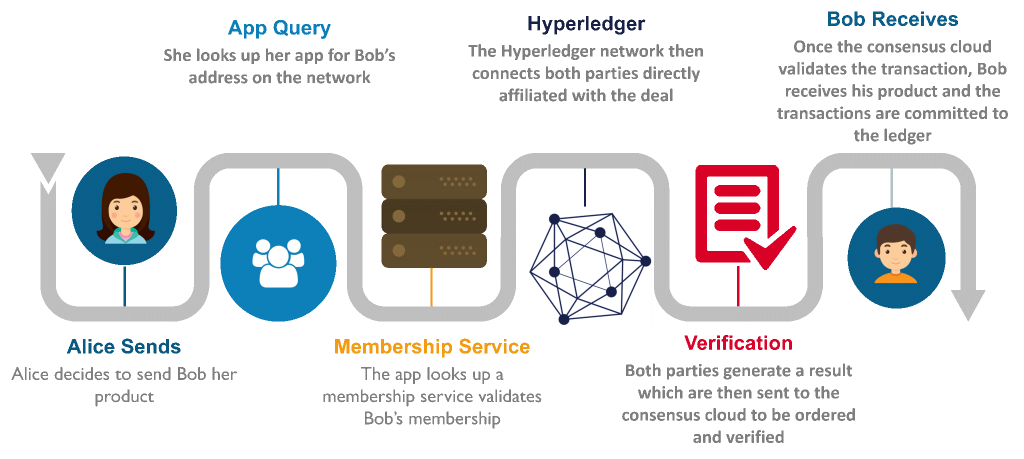
Hyperledger directly connect peers and it is a perfect example of a P2P connected network. Any third-party of middlemen involved in the transaction will only be able to view and access very limited amount of information. However, hyperledger focuses on eliminating third-party services completely which will also be accomplished in the near future. It ensures that peers only with necessary permission and regulations can access data and information.

Hyperledger blockchain

(Image source: www.edureka.com)

Important Initial Hyperledger Framework Projects

Hyperledger Fabric

Hyperledger Fabric is a blockchain based hyperledger network that operates on a permission basis. These permissions can be customized and according to the preference of the enterprise consortium. It focuses on breaking down complex functions to provide simple enterprise solutions. The modular infrastructure of hyperledger fabric allow developer members to achieve consensus easily. Also, its smart contract known as chain code is beneficial as it connects multiple operations simultaneously. Yes, finally mission accomplished.

Hyperledger Burrow

It solely focuses on the usage of smart contracts and its integration with Ethereum Virtual Machine (EVM) to execute functions and internal operations automatically. In this system, all peers and nodes distribute information instantly without the requirement of a complete full disclosed signatory. It is known for avoiding gossip.

Hyperledger Iroha

It provides algorithms known as Byzantine Fault Tolerant (BLT) which is developed using C++ and is allows remote access to data and information. Enterprises can execute important functions and operations remotely and handle digital transition of assets conveniently. However, it is a little similar to hyperledger burrow because I also allow peers to transact data with the need for a signed transaction and just a half-signed proof of evidence is sufficient.

Hyperledger Sawtooth

It is simple hyperledger that provides typical decentralized functions to develop a simple distributed ledger. Hyperledger Sawtooth helps organizations to prevent data manipulation and face data storage challenges by building private or public large networks for data storage. It also ensures that all data stored is permanent and cannot be erased, deleted or manipulated.

Hyperledger Indy

It provides a library of decentralized features that allow building Distributed Ledger Technology (DLT) with a purpose. It allows components to be re-used and thus saves a lot of time and cost. Hence, this hyperledger increases the independency of operations by providing proof of authentication for all identities too. In short, this hyperledger is known for enhancing the communication between peers.

Tools Used To Develop Hyperledger Blockchain

Hyperledger Composer

It provides a quicker, faster and enhanced instrumental components that improves the smart contract operability. In addition, it creates a circulated environmental record and storage.

Hyperledger Cello

It a framework builder that helps to build advanced technology systems or automated infrastructures to oversee decentralized operations.

Hyperledger Explorer

It focuses on arranging data, conveying information, exchanging necessary data in chain codes for better interoperability between data transfers. Further, it omits all unnecessary data automatically based on the parameters set.

Hyperledger Quilt

It executes functions after interconnecting all data together to ensure that the data is of utmost quality and reliability. Also, it is an appropriate tool to use when the need for developing a record or storage system  does not require a typical circulatory environment.

Conclusion: Hyperledger is An Advanced Undertaking of Blockchain Taken To The Next Big Step

Hyperledger is easy to handle though it may be complex to understand in the initial stages. But, with practice and continuous usage, it becomes a piece of cake and you can gladly wave goodbye to traditional based data storage and transfer systems. It is currently attracting more and more industries to take part in its network and join the community to race towards a better future ahead in the digital ecosystem.  Let us know, what more would you like to know about hyperledger?


When IoT and Blockchain meets: Blockchain IoT Applications

Blockchain IoT Applications

IoT connects billions of smart devices, collecting real-time data from everything—homes, vehicles, factories, and cities. Blockchain, on the other hand, ensures that this data is secure, tamper-proof, and transparent.

Now, when these two come together, the result is revolutionary. From supply chain automation to smart cities and healthcare monitoring, Blockchain adds trust and security to IoT’s speed and connectivity. This blog explores real-world Blockchain IoT applications, how they work, and why this tech duo is shaping the future.

Whether you’re a tech enthusiast or a curious reader, this guide will break down the magic behind the buzz. Let’s dive into the world where IoT meets Blockchain.

What is IoT with Blockchain?

IoT with Blockchain refers to the integration of Internet of Things (IoT) devices, like sensors, smart appliances, or connected vehicles, with blockchain technology to make data exchange more secure, transparent, and tamper-proof. 

Some Interesting Market Stats

The global Blockchain IoT market was valued at approximately USD 761 million in 2024. It is projected to experience exponential growth, reaching around USD 74.77 billion by 2034, with a compound annual growth rate (CAGR) of 58.21%

  • Blockchain ensures secure communication between devices.
  • It prevents tampering with IoT data (great for supply chains, healthcare, etc.).
  • It helps in automated decision-making using smart contracts (e.g., turning off a machine when it overheats).

Advantages of IoT in Blockchain 

Some of these benefits that prove that blockchain and IoT can work very well together are as follows:

1. Secure Software Updates 

By guaranteeing tamper-proof software upgrades, blockchain technology improves the security of Internet of Things devices. By creating distinct, unchangeable virtual signatures for updating software files, cryptographic hash functions are essential to complete this procedure.  

2. Automated Payments and Micropayments

Micropayments and smooth automated payments are made possible by the combination of blockchain technology and the Internet of Things. Devices within IoT systems can carry out transactions on their own without requiring human assistance by carefully utilizing smart contracts.

3. Rapid Transactions With Smart Contracts

Smart contracts are used by blockchain-powered IoT systems to expedite transaction procedures. The time needed for a typical transaction processing is greatly decreased by these self-executing contracts, which enforce certain terms automatically if the predetermined circumstances are met.

4. Reduced Costs 

Blockchain enables interactions between people and trustless systems, eliminating the need for middlemen in IoT networks. Decentralization lowers operational and maintenance expenses by reducing reliance on central authorities like cloud service providers. Additionally, companies can reduce costs that are associated with external services by implementing more effective data-sharing and transaction models. 

The Intersection of IoT and Blockchain

IoT and blockchain technologies work together to improve data automation, security, and transparency, which changes industries. Blockchain guarantees the validity, accountability, and reliability of this data, and IoT makes it easier to acquire, process, and analyze data in real-time across linked devices.  These technologies work together to facilitate effective data sharing among consumers and suppliers in an ecosystem. 

The objectives of Industry 4.0, including digital transformation and intelligent industry breakthroughs, are supported by this synergy. IoT sensors, for example, track production schedules and distribute this data to customers, suppliers, and delivery partners, ensuring well-informed choices. Similarly, to improve safety standards, pharmaceutical businesses employ blockchain to confirm raw material integrity and IoT to streamline compliance inspections. 

What Are The Different IoT Blockchain Use Cases?

People are becoming tech-savvy day by day and that day is not far when everyone will own an IoT device.

1. Smart cities and smart homes

Many smart IoT gadgets can automate the homes we live in nowadays. TVs, refrigerators, sensors, and surveillance cameras are examples. However, only authorized users can remotely control all smart home IoT devices.

Well, how does the network transfer information? A central server or gateway receives device and sensor data. A smartphone or computer can control this gateway. However, information security is the main issue. This data is also susceptible to attacks. Thus, blockchain technology is IoT’s best buddy. Let’s discuss how blockchain can help IoT devices.

  • Improved security

By recording communication and control information as transactions in the distributed ledger, one can improve the security of smart home systems.

  • Privacy and confidentiality

Blockchain can help in improving privacy through symmetric cryptography with algorithms like AES. Also, it can improve the integrity of the transaction by hashing functions. Besides, time-stamping and proper encapsulation will ensure robust security, too.

  • Verification

Blockchain’s distributed storage makes data deletion and corruption harder. Any inquiry can validate such facts and check for tampering. You can also reject unlawful transactions. For instance, Waltonchain promotes a Smart City Revolution. This project will be among the top 10 by 2020. Hardware (microchips) and software (blockchain) are involved. It provides many smart city electricity options. Additionally, blockchain aids supply chain management.

2. Supply Chain Management And Smart Contracts

Manufacturers must negotiate contracts with merchants to deliver goods and services.  After contracts are signed, shipping begins.  However, the shipping process is complicated and involves the local shipping agency, ports, customs officers, carriers, customs services, delivery agents, and clients.

Each point has a succession of messages and acknowledgements.  From producers to customers, recognizing the shipment. Current trading policies also inform suppliers of payment procedures. Blockchain technologies and smart contracts can aid event chaining. 

3. Public Health Care

IoT has immense potential to improve the healthcare that we receive today. From health records to clinical trials, it has changed and improved everything. These improvements are helping in saving time and removing the need for doctors. But that is only one side of the whole scenario because blockchain is going to be a game changer for IoT.

  • Counterfeits Drug 

Blockchain and IoT can help stop counterfeit pharmaceuticals worldwide. For each legitimate medicine in a blockchain ledger, location can be physically stamped with an identity. A party can query the blockchain to verify drug validity. Manufacturing details are readily available. Thus, any falsified medications may be found and eliminated.

  • Electronic medical records

Blockchain will enable health recordkeeping. Doctors can use them anytime, anywhere. Additionally, IoT devices will offer easy real-time health monitoring. Medical records can be recorded by such devices. Doctors will have access to massive patient health data. Smart gadgets can record patients overexercising in their medical data. Additionally, such devices can beep to notify them.

  • Smartwatches and other devices

IoT devices can monitor jogging heart rates, which can benefit heart patients. Doctors can track their heart health and blood pressure with a smart gadget. Mediledger is a common healthcare blockchain IoT use case. The pharma supply chain network is open and decentralized, improving patient safety, drug supply security, and track-and-trace compliance.

4. Public safety

Public safety can be threatened by natural or man-made calamities like building collapses and terrorist attacks. They can kill or severely injure. They cause social disruptions and property destruction.

The government usually handles critical crises with fire, police, and health services. To record communications, they use networks. Accident victims might use these recordings to prove their damages.

By raising awareness, the media protects the public from misconduct. This is where blockchain can help record digital communications. They can also store communication details in the distributed ledger. This verifies all communication records.

Additional tools like the Bitcoin wallet can query records. Their communications access will be authentic and documented. So, journalists, plaintiffs, and defendants can always get confirmed facts.

Read Also: Blockchain for Smart Cities

Impact of Artificial Intelligence on Future Trends

In the future, developments in AI will improve the IoT and Blockchain integration even more. Blockchains allow for the uploading of AI models and algorithms, guaranteeing accountability and traceability. This collaboration will spur creativity in some sectors. For example, by confirming the validity of every batch, blockchain can assist the pharmaceutical business in detecting counterfeit medications, enhancing patient trust and security. AI can also forecast market demands, optimize supply chain operations, and guarantee regulatory compliance, all of which increase the process’s dependability and efficiency. 

The Final Word

While IoT enables real-time data collection and automation, blockchain ensures that data remains secure, transparent, and tamper-proof. From smart cities and supply chains to healthcare and energy grids, blockchain IoT applications are solving critical challenges like data breaches, inefficiencies, and lack of trust. 

However, challenges like scalability and interoperability still need to be addressed for mass adoption. Still, the potential is enormous. As both technologies grow, we can expect a wave of smart, decentralized, and secure systems to become the new normal. 

SoluLab helped IoT-powered water management system for True Water, enabling real-time monitoring of TDS, flow, and pressure via Wi-Fi-enabled sensors. Integrated with Arduino and ESP8266, the system delivers accurate data, predictive maintenance, and visual dashboards—enhancing water quality, transparency, and usage tracking for residential and commercial customers.

SoluLab, an IOT development company, can help you provide end-to-end IoT product solutions and solve all the queries about the same. Contact us today to discuss further.

FAQs

1. How does blockchain improve IoT security?

Blockchain prevents data manipulation and unauthorized access by creating immutable records and eliminating the need for centralized control.

2. Can blockchain help reduce IoT costs?

Yes, by automating processes through smart contracts and reducing reliance on intermediaries, blockchain can lower operational costs.

3. What are some real-world examples of blockchain IoT applications?

Examples include smart energy grids, supply chain tracking, smart homes, predictive maintenance in manufacturing, and autonomous vehicle coordination.

4. How do smart contracts work in IoT systems?

Smart contracts automatically trigger actions based on real-time data from IoT devices—like turning off machines or initiating payments.

5. What industries benefit most from Blockchain IoT integration?

Industries like logistics, healthcare, agriculture, automotive, and energy are seeing significant benefits from this integration.


MHealth Apps That Ensure The Success of Your Hospitals And Clinics

If we talk about technological advancements and their influence on healthcare industry, mHealth apps today have made a strong position in the industry.

According to Zion market research,  the global market for the mHealth will reach $102.43 billion by 2022.

With the help of these mHealth apps, the patients are just a fingertip away from the doctors. These healthcare mobile apps provide an  instant chat and video call options to the patients to connect with the doctors. Due to these salient mHealth apps features,  their popularity and demand are increasing day by day.

Popular mHealth Apps That Ensure The Success of Hospitals And Clinics

Here is a list of mHealth apps that are currently popular in the field of healthcare and patient care. These mHealth apps play a major role in ensuring the success of hospitals and clinics.

healthcare

Epocrates

This is one of the most popular medical apps that is available with millions of downloads. This mobile application is available in both versions for iOS as well as Android. With the help of this mobile application doctors can find out the information related to the drug and how it is interacting with the body of the patient. Also, with the help of this app BMI measurements of the patients can be quickly calculated.

Coming to this pricing the app is available for free to be downloaded from the store and most of its contents are free. However, access to some additional features requires a purchase.

In all, it costs for around $174.99 annually.     

PEPID

This another popular mobile application is beneficial for a larger group of people be it physicians, students, nurses, residents, pharmacists etc. It also allows the user to earn credits while treating the patients.

One-time login is required for this app. The app comprises of a Symptom checker with the help of which diagnosis of the disease can be done much quickly and also suggest the possible treatments for the diseases with dosing suggestions too.

The app also consists of a number of videos that comprises of the physical examinations and clinical procedures. Coming to the pricing of this app the app is completely free for the users.

UpToDate

This mobile application is available for both the Android and iOS users. A million of physicians have opted for this application. The app is filled with vast information on medical and holds answer to several questions.

Coming to the pricing of this app the app is free to download for the user. However, to access the information inside this app it requires a subscription for it.

The subscription costs around $495 per year to a physician.

Medscape

This health mobile app is by WebMD, which can be downloaded on both iOS and Android. This app provides several salient features such as diagnosis of the diseases, information about the drugs, medical news etc.

The app is completely free to use and can be downloaded for free as well from the stores.

pill reminder app features

Doximity

This mobile application is sort of a social networking app for the physicians. Around 70% of the U.S physicians are claimed to be the members of this group and can communicate with other doctors through this app and several matters can be discussed. This app is also available for both the Android and iOS users. This app is one of the highly rated mobile health app. The app is free to download from the stores and all it requires is a sign-up to be the member in the app.

Figure1

This mobile app which is available for download in both Android and iOS allows to view and share medical images with other physicians. With the help of this app physicians can have feedback from other physicians in certain cases. Along with this the privacy of the patients is maintained by this app as it has automatic face-blocking and also it removes the identifying information about the patient. The app is free to download at the stores for the users.

Case

This mobile application is a medical journal for the physicians and researchers available in both Android and iOS versions. Medical journals can be read in your mobile phones with the help of this app easily. As of now the app supports 81 medical specialities and more than 100,000 keywords can be followed by this app. The articles are surfaced in this app based upon the user’s previous searches and interests. The app is totally free for the users to download it from the stores.

Read by QxMD

This mobile app comprises of data related to the medical literature and journals. This app is available for both Android and iOS users and various journals can be read and can also be downloaded through this. The app is quite popular with thousands of downloads and is free to download from the store however for some journals it does require a subscription.

Signing off!

Thus, with the help of all these mHealth apps, the traditional method of the medical sector is getting revolutionized. Nevertheless, this has shown a positive impact over patients.


Features That Ensure Success of Pill Reminder-Medication Tracker App Development

Healthcare industry is one of the sectors where technology evolution has always been used for positive benefits. It is making a patient life better. Digital devices and technologies have been realized for its potential it holds for the future of healthcare sector in providing better healthcare services for a patient. Today mHealth app development companies are focused on pill reminder i.e. medication tracker app development. Medication tracker app development that ensures compliance between the patient and their prescribed care provided by a doctor is in high-demand.

According to National Council on Patient Information and Education (NCPIE), in United States, the number of senior citizens who use prescribed medicines are large in number.

Due to age factor, senior citizens tend to forget to take their prescribed medicines on time. If the illness of a senior citizen is severe and if they forget to take medicine, it may be even be fatal.

According to their study, 50% of the 2 billion prescriptions given each year to patients are not taken as per the prescribed plan.

Tendency to forget is one of the major reasons why medicines are not taken. Pill-reminder medication tracker apps will eliminate this challenge. Thus, there it brings healthcare industry and patient care towards the need for pill reminder-medication tracker app development.

Features To Consider For A Pill Reminder-medication Tracker App Development

medication tracker app development

Set Reminders

Patients And Users Must Be Able To Set Reminders

Every medication out there in the world healthcare market has its own purpose to serve and each of these medicines have their respective time to be taken. A medicine meant for morning should not be consumed at a later point of time like night. It might result in side effects. You want to develop a pill reminder-medication tracker app make sure to develop a feature where patients can set reminders to take tablets at the prescribed time, date and day. The word reminder by itself is the vision of your medication tracker app development. It is the most important feature you need to focus on while developing your pill reminder-medication tracker app.

In this feature, also allow users and patients to see the list of medications that has been taken. Also, remind them of the medications that are due on the day or future.  This will serve as a reminder for the users and patients in more than one way.

Display Portfolio

Provide a feature that displays a portfolio of information about the medicines to be taken and other primary necessary information.

Setting a reminder to help users and patients take medicines on right time, right day and right place is just not sufficient. In fact, allow users and patients to locate their medicines in a structured format based on the purpose of the medicine, time, cure, etc. Provide an additional feature in your infrastructure such that each medicine will have an option where its information can be seen. This will help the user and patients take the right medicine even if they tend to forget the purpose of a medicine.

medication tracker

Further, provide additional features where users and patients can store and track their pressure levels, glucose levels, physical weight and body temperature.

Users and patients must be able to add new medicines and pharmacies to keep a track of their health treatment.

Two of the important features to add is the user or patient information on what they are allergic to and provide them with the ability to add a trust-able member to their account.

In case of any allergic reaction or during any emergency, this information would come handy.

Alerts, Reminders and Notifications

Notifications and alerts are the front face of your pill reminder-medication tracker app. 

Most of the times, doctors will prescribe medicines only in safe and sufficient limited quantity during each treatment. Moreover, there will always come a day when the prescribed tablet will run out and require a refill or re-checkup. Hence, provide push notifications and in-app notifications that reminds the user or patient in such circumstances. You can call this as an advanced warning notification too to ensure the importance of the notification to users and patients.

Such handy features will also provide your business with a competitive advantage against various competitors.

Tracking of mHealth Data

History and records of medicines and treatments undertaken provide the ability to track and make decisions at the right time.

The tracking feature will be complete accomplishment of integrating all the features mentioned above. After you develop the features mentioned above, make sure to integrate those features to enhance interoperability. This, in turn, would allow users and patients to:

  • track their medical history
  • set a reminder in advance for any refill or
  • notify them of due treatment or check-up with a doctor.

Real-time Chat

Doctors and caregivers must be able to get in touch with users and patients

Sometimes there might not be any medical emergency. But, still users and patients might want to get in touch doctors or caregivers to get some medical advice.

For example, a physically injured patient is taking prescribed medicines but they are feeling a little nauseous. At the initial stage, they might just require some advice or special medicine from a doctor without the requirement of having to go physically visit a doctor. In such circumstances, this feature will come in handy and save a lot of time and cost.

In addition, provide features to set appointments with doctors and caregivers to enhance the patient’s healthcare service and provide better supportive care.

Closing thoughts

Pill reminder-medication trackers app development will revolutionize and enhance patient care service. 

Some of the examples of such medicinal apps are MediSafe, MyMeds, Mango Health, etc. They help patients in:

  • recording and storing healthcare information,
  • tracking patient medical history,
  • scheduling refills or
  • booking appointments, etc.

Make sure that the user interface is simple and functionalities are easily understandable for the user and patient. Also, make sure to obtain appropriate certification and compliance with healthcare legal institutions. This would also create a sense of authenticity and reliability among the patient and their doctor or caretaker. Good Luck to make the world a better place through your pill reminder-medication tracker app.

How Smart Contracts Work For Publishing Industry

Blockchain technology has made documentation of all operations and transactions in any business more easier than ever before. Can blockchain technology and smart contracts for publishing industry be beneficial? One of the major challenges faced by the publishing industry is digital piracy of original content or content theft in paper. By hiring blockchain developers for publishing, today publishing industry is able to authenticate and trace back all content back to its source of origin.

Smart contracts for publishing

One of the opportunistic blockchain solutions for publishing industry comes with smart contracts.  Smart contracts for publishing are one of the boons offered by the blockchain technology. With smart contracts, publishers can connect with content creators, writers, artists, etc. directly without any middlemen intervention. Smart contracts help artists to maintain their work safe and secured digitally. Also, it helps to track operations and transactions in real-time. This makes sure that artists / publishers get paid without any delay or malpractice.

Do you want to know how smart contracts work for publishing industry to protect and secure your original work?

Smart contracts benefit writes to keep their content original through proof of evidence, publishers get benefitted by protecting digital assets against digital piracy. The most beneficial of all are the readers and reviewers. Readers get the accessibility to content without any country legal restrictions or limitations. Reviewers get the ability to cross reference the content with multiple sources for better understanding and quicker review.

Smart contracts impact sales, rights and contracts by speeding up the process of sales, publication review, monitoring demand in real-time, locating target customers, peers easily and conveniently. The time taken to process and secure Intellectual Property Rights (IPR) is in privacy with smart contracts and thus all publications are protected with encryption and unique digital identities.

Let us deep dive in detail on how smart contracts for publishing industry works:

Smart Contracts Allow Publishing Your Work In Your Own Terms

Smart contracts don’t just contain the standards, terms of conditions or contract regulations. It rather also monitors all operations and keeps in check that all operation is in alignment with the set standards and regulations. It monitors all operations in real-time. Smart contracts are also adaptable to the network changes and updates. Thus, when new publishers and artists become a part of a smart contract or a blockchain network, smart contracts automatically update the system and keep the users informed of the transactions made.

Initially the nodes in a smart contract may take minutes to publish the artist’s work to the network but all royalty payments are managed in real time and this establishes a strong and secure publishing infrastructure.

Process of How Smart Contracts For Publishing Industry Works

Stage 1: Content creation by the artist

In this stage of smart contract, the work of the artist is not yet published. The artist first creates their content and associates with the publisher via smart contracts electronically that operates using blockchain. The artists look for suitable publisher and choose the best suitable choice and waits for publishing approval.

Stage 2: Content Storage

Unlike the traditional methods where the chances of artists work being copied or misused by publishers, blockchain puts a full stop to all this. Once the artists create their content, their original work is stored in a distributed ledger platform that is monitored by the smart contracts of which they are a part. This keeps the original work of the artist safe and secure.

Stage 3: Waiting for review

In this stage, publishers who all like the content of the artist, validate and verify its potential and originality in work. They review the article in full detail and the status of it can be tracked in real-time via smart contracts. All notifications are sent in real-time and everyone is informed.

blockchain smart contracts

The number of publishers reviewing the content or work of the artists depends upon the type of smart contract and preference of the publisher or artist.

Typically, a smart contract for publishing the work of an artists is passed once at least 7 publishers say that the work is original and proceed to reviewing.

Here, publishers are selected and the bid for publishing is made using tokens.

Stage 4: Reviewing

blockchain for publishers

In this stage, all of the publishers who are assigned to a particular publishing work of an artist, each of the publisher cast their own votes to identify in overall if the work of the artist should be published or not. At the end the work of the artist is also reviewed in detail and scrutinized for ensuring uniqueness.

Stage 5: Acceptance

After publishers review the work of the artist, all statuses are updated in the smart contract and the work is published in the network chain. After all the above is accomplished the work of the artist becomes authenticate and smart contracts does not allow their work to be digitally copied or stolen. It protects all their intellectual property rights. In this stage, the publisher and artist both get full access to the nodes in editing, updating and removing the content of the artist.

People Involved In Smart Contracts For Publishing Industry

Writers and content creators submit their work in decentralized news network (DNN). This does not guarantee that the work of everyone will be published. This is merely just the initial stage of content creation that becomes a part of a smart contract in the blockchain network system of the publisher.

Reviewers read, edit and vote upon the work that is displayed in the decentralized news network to validate potential to identify which work should be permitted for public display and consumption. The important task of the reviewers is to ensure that the work of every artist is adherent to publishing guidelines.

Via smart contracts, publishers and artists get notified when readers like, dislike, bookmark, share, upvote or downvote a published work in real-time.

Signing-off : 

Smart contracts protect the intellectual rights of all published and yet to be published content without compromising originality

Say goodbye to the traditional days of being worried if someone will copy your original work. With blockchain and smart contracts, publish it before you do or if your work will be stolen after it is published. No more fake claims. Blockchain authenticates the source of origin and allow publishers to trust the writer and allows writers to trust the publisher in paying royalties right on time without any mistrial or malpractice.

Smart contracts help writers to keep their work protected, it helps various stakeholders to market an artist’s work through the right channel and keep track of potential response through the smart contract to reap profits. Smart contracts have the potential to impact sales, rights, contracts and more. So, what are you waiting for? Get creative, publish your work via smart contracts and become like the “Megamind who thinks outside the box to always come with creative solution and content for every circumstance”.


Blockchain Can Transform These 30 Industries By 2030!!

This article discusses about 30 industries blockchain will disrupt by 2030. Blockchain is a decentralized platform that allow cryptocurrencies to operate and be transferred between different users and peers around the world. And, not just that, blockchain does not require any central authority or third-party service to operate. Further, blockchain provides enhanced security and privacy to all data and information. It secures data with high encryption and this in turn has been allowing blockchain markets to expand. With these features, there are many industries blockchain will disrupt and make it even better.

Industries Blockchain Will Disrupt By 2030!!

You would have read a lot about what all industries blockchain will disrupt in the nearest future. Apart from banking, education, pharmaceuticals, there are many industries in the list to get transformed with blockchain development in practice.

Trading

With the help of blockchain, some interesting projects such as Augur and Stox are created that will help in forecasting trade in the trading industry.

blockchain in tradig

Example: Augur is a blockchain program that operates on ethereum platform. It allows users to forecast a particular events outcome and getting rewarded if their forecasted event outcome is true.

Stox is a similar predication based blockchain-ethereum project that allows users to predict the outcome of an event. This allows users to make better decisions via the forecasted results.

Energy

In the energy industry, multiple personnel are involved in transferring the required energy to the respective cities and states.

blockchain in energy

Blockchain in the energy sector eliminates the interference of middlemen by connecting energy suppliers and the end customer directly allowing energy to be sold quickly. In addition, this enhances energy output by increasing the operating efficiency.

Example: Energy providers like Power Ledger.

Employment

Traditionally finding jobs had to be manual which took a lot of effort, time, and cost. This involved border limitations too.

With the help of blockchain, job seekers and hiring parties can connect with each other at their doorstep from anywhere in the world.

Blockchain has come up with Blocklancer, a blockchain based job seeking platform. Intriguing it is not?

Fishing and Marine Supply

Fishing is one of the major sources of livelihood for all fishing community people and fishermen. Without fish, even the environment becomes unsustainable by damaging the natural ecosystem cycle. With the help of blockchain, legal enterprises can put a full stop to illegal fishing. Also, blockchain is used to track the fished products from the seller to the distributor in real-time.

Example: Startis has joined hands with Earth twine to use blockchain for this purpose.

Hedge Funds

Traditionally, when a user wants to pool their money in hedge funds, they incur a lot of transaction costs due to multiple third-party interferences. Transparency in tracking the fund movement was low too. All these issues are addressed and are overcome by blockchain.

Example: Projects like Alpha protocol use decentralized methods to make strategic smarter decisions.

Taxi and Ride Sharing

With the help of blockchain, different riders can connect quickly and efficiently with each other without any delay time to share their cab rides. Also, the rider is able to set their own fare rates. Thus, this saves a lot of time and cost.

Example: Cab service providers like Chasyr and Arcade City.

Human Resources (HR)

Not only do people seek jobs but also companies seek recruitment. With the help of blockchain, HR departmental personnel are able to reach to people beyond their geo-location to recruit employees of their preference. The payment of salary is also made through tokens provided by blockchain, which is much faster than the traditional approach.

Example: Companies like ChronoBank use blockchain to recruit.

Credit cards

Traditionally, the time taken to authorize and issue a user with their own credit card takes a lot of time to verify the user bank accounts and details.
blockchain credit cards

With the help of blockchain, all these processes can be sped up and accomplished faster as it does not require any third-party service.

Example: Projects like Blockmason uses decentralized platform to establish a smooth credit flow.

Digital Advertisement

Digital media involves many middlemen in every operation. Lots of payments have to be made in scheduled dates to have a smooth operation.

blockchain digital marketing

With the help of blockchain, there is no restriction in the market reach digitally and payments can be made in real-time too.

Example: Issuing Basic attention tokens (BAT) is a company that helps to make payments instantly using blockchain.

Cloud Computing

Projects such as Golem using blockchain platform to connect different users and peers around the world and share their resources to accomplish tasks at hand.

With the help of Golem, people are able to lend the required computer systems or software for a price to those who are willing to rent without any third-party intervention.

Internet of Things (IoT)

With blockchain and artificial intelligence clubbed together, all smart devices are able to operate with enhanced interoperability. This allows users to make smart devices and have accessibility to necessary data in real-time anywhere, anytime.

Example: IBM uses a project called ADEPT, initiated by blockchain to automate smart devices.

Government and Public Sector

With blockchain in government operations, the chances of data being misused and delay in operations are eliminated.

With blockchain, appropriate people can connect with each other directly without any middlemen and also have better transparency in every operation.

Example: Democracy Earth provides enhanced peer to peer connection to enhance government protocols.

Supply Chain and Logistics

Blockchain is boon for supply chain and logistics.

With the help of blockchain, suppliers can connect with local logistics providers when demand is high and reach customers without any border limitation. It reduces the time taken to find an appropriate supplier or logistics partner.

Example: VeChain uses smart contracts to track orders and deliveries in real-time.

Music, Media, and Entertainment

One of the major challenges faced in the music industry is securing the music from digital piracy.

With the help of blockchain in the music industry, music artists have the ability to access secured channels to launch their music, where their music will be stored with high encryption and there would be no digital piracy.

Example: Ujo Music uses blockchain to stop digital piracy.

Read More: Blockchain in Media and Entertainment: Overview & Projects Across Industry

Healthcare

In the healthcare industry, one of the major challenges faced is having interoperability between different departments and hospitals across all countries. If the entire health record of the patient is available, then doctors can diagnose a disease correctly.

Blockchain in Healthcare

With the help of blockchain in the healthcare industry, interoperability is enhanced.

Example: DokChain uses blockchain to process patient data efficiently.

Books and Publishing

One of the major challenges faced in the books industry is finding the right publisher. Traditionally, even if the right publisher has been found, keeping up with payments on time and securing the ownership of the book content is hard due to digital piracy.

With the help of blockchain in the publishing sector, authors can have a secure ownership of the creative content of their books and also use digital markets without the requirement of publishers to reach readers.

Example: Authorship uses the token system of blockchain to identify the work of any author.

Digital Identity Management

With the help of blockchain, a full stop is put to digital identity theft and threats. Say goodbye to fake identities. This is possible with the authentication that blockchain provides.

Example: IBM has joined hands with Decentralized identity foundation (DIF) to use blockchain to stop identitiy theft.

Accounting and Finance

Blockchain is saviour for accountants. With the help of blockchain, all financial operations can be tracked in real-time. All financial operations will be accounted for and there will be equal balance between the outcome and the income. This is possible with distributed digital ledger of blockchain.

Financial reporting and blockchain

Example: China construction banks use blockchain to keep track of financial operations in real-time.

Real Estate

With the help of blockchain and its smart contracts in real estate, property sellers are able to find clients and buyers across countries and make payments instantly.

blockchain technology in construction industry

Buyers and renters are able to get access to a property digitally at their doorstep.

Example: Rentberry provides blockchain based solution to real estate renting boundary restrictions.

Insurance

With the help of blockchain, people are able to exchange their assets for a particular monetary value easily without any third-party interference and at a low transaction cost too.

Example: Lemon Way uses blockchain to provide insurance service called LenderBot.

Sports and Fitness

With the help of blockchain, sports industry is able to track health records of athletes to keep them in shape and high performance.

Fitness Trainer App

Also, to expand the sports revenue profit, enterprise blockchain development solutions help.

Example: The Jetcoin Institute encourages athletes and fans to use cyber-currency to invest in athletes and get profited from the profits the athlete they invested in.

Loyalty Programs

With the help of blockchain, companies are able to reduce the number of middlemen required to issue gift cards and take care of sales and transactions.
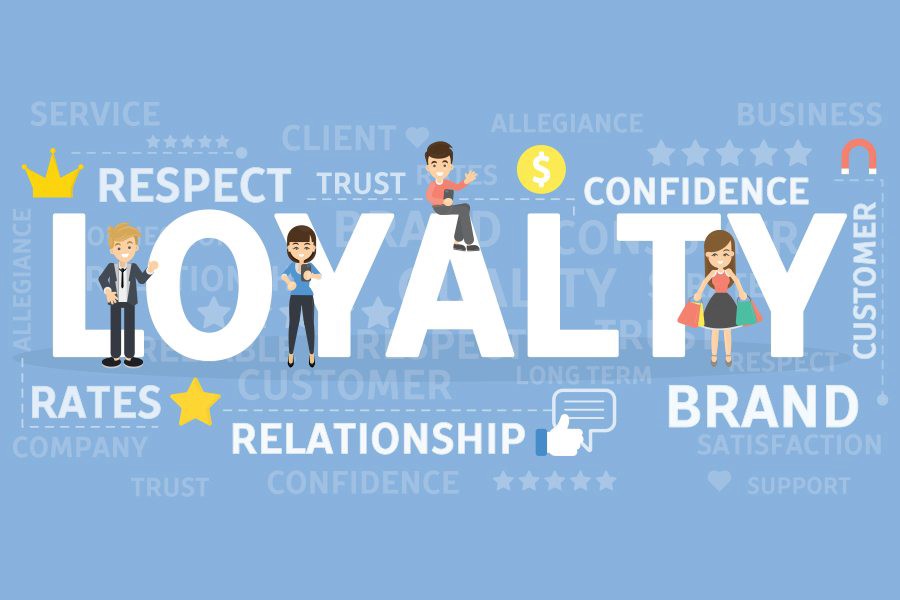
Gift cards and loyalty benefits can be efficiently provided to the customer with the help of the unique verification capability provided by blockchain.

Weaponry

One of the major problems faced in the weapons business is the illegal gun trade.

blockchain for military

With the help of blockchain and a combination with RFID tags, all gun shipments can be tracked effectively in real time.

Example: Blocksafe uses blockchain to track and account all weapons sold.

Retail and eCommerce

blockchain for retail ecommerce

With the help of blockchain, retail businesses are able to reach customers hassle-free without any border limitations and are also able to provide customized products.

Example: OpenBazaar uses decentralized blockchain to connect sellers and buyers.

Charity

One of the major challenges faced by all charity lenders is the verification that their charity fund has reached the appropriate charity cause of charity institution. With the help of blockchain, all charitable donations can be tracked in real-time to make sure that the donated funds help the charitable cause.

Example: BitGive Foundation uses blockchain to send donations through secured channels.

Law Enforcement

With the help of blockchain, law enforcement agencies are able to maintain integrity by putting a full stop to fake records and false claims via the transparency provided by blockchain.

Example: Chronicled uses blockchain to seal records from getting tampered.

3D printing

With the help of blockchain, 3D printing manufacturing companies can secure their intellectual properties without having to worry about security hacks and threats.

Example: Genesis of Things use blockchain to create advanced manufacturing process.

Streaming Video

With the help of blockchain, the internet traffic can be equally distributed and the cost of video traffic is reduced via decentralized encoding of video too.

Example: VideoCoin Network allows users to store, encode and distribute video digitally at lower cost.

Gaming

With the help of blockchain, there is no central authority and thus allows gamers to have balanced, equal rights in competing with each other and earn rewards for their efforts.

Example: The Huntercoin project using blockchain to provide cryptocurrency as rewards.

Food and Beverages

With the help of blockchain, the food industry is able to create on-demand decentralized applications (dApp) to instantly meet the food demand and orders placed by customers at their doorstep.

blockchain for food

(Image Source: Nasdaq.com)

Example: Frietwinkel provides ondemand dApp food delivery service.

Conclusion: Possibilities with blockchain are high

Not to forget, agriculture, mortgage, beauty, and wellness are also other prominent industries blockchain will disrupt. Blockchain even though it is new, it has already been used in various operations and industries in real-time as you see above. The opportunities that blockchain provides are beneficial in terms of saving cost and time. Blockchain already is and will transform even more industries by 2030.

Three Ways Governments Can Adopt Blockchain Development Technology

What is the blockchain development technology all about? It is a new kind of encrypted database that is secure. It creates digital records that are easily available to the public. Moreover, more and more companies are using cryptocurrency and blockchain technology now. But, can our governments grow by integrating blockchain in their digital infrastructure? If yes, then how is it possible? Can our blockchain governments be faster and stronger than ever? How can governments actually adopt blockchain development technology? Keep reading to know the answers to these questions.

Blockchain development technology for public sector

Since 2009, blockchain technology has served as the digital ledger book for Bitcoin. In fact, it has taken the digital world by storm. Since then, businesses have used blockchain development to change the face of industries. It has affected each sector ranging from finance and healthcare to manufacturing. Moreover, organizations across the world have adopted blockchain technology for various uses.

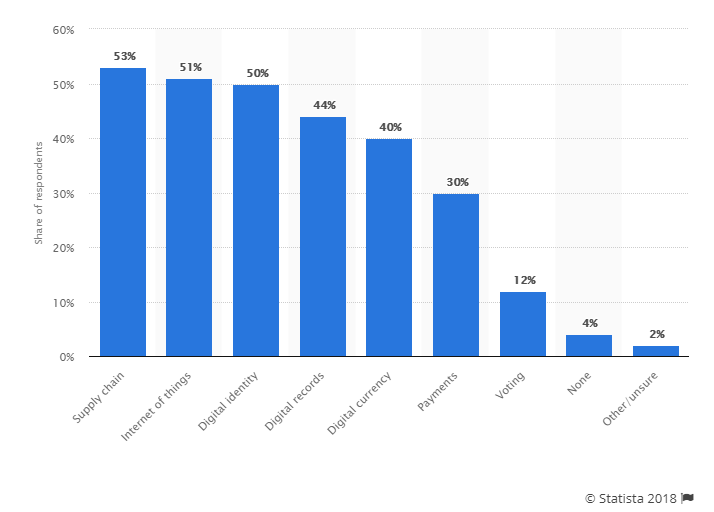
As per Statista, the most popular use cases for blockchain technology used by global organizations as of April 2018 include supply chain, digital currency and voting. Also, 53 per cent of the companies were working on a supply chain use case.

blockchain development technology for governments

It is evident that numerous organizations and businesses are supporting blockchain. Yet, the government is not welcoming this new technology. The blockchain is the technology of the coming generations. But, the government has always been sceptic about it. Yet, there are many ways in which blockchain-based initiatives can make a difference. They can transform the way governments can function. Let’s take a detailed look at these.

Promoting renewable sources of energy

Today, depletion of natural resources is on the rise. There is a  growing demand for clean energy. We need alternative sources of energy to fulfil our basic needs. But, how does blockchain development help in promoting renewable sources of energy?

  • It helps to allow payment using cryptocurrencies with a transparent exchange.  Exchange can take place without cryptocurrencies too.
  • Blockchain helps in the dynamic adjusting of electricity rates based on demand and availability. Besides, it also uses machine learning technologies for this purpose.
  • It allows people to buy and sell energy among consumers. Also, it helps to build a common energy marketplace by eliminating intermediaries.

Moreover, many blockchain companies have come up with different ways to encourage the use of renewable energy sources. For example, Solarcoin which is a solar energy startup uses blockchain technology.  It is a rewards program for generating solar electricity. In fact, a single SolarCoin is equal to one megawatt-hour of solar energy production. So, if the government wants to get rid of the electrical grid’s limitations, it must adopt renewable energy sources. Also, using blockchain technology for this purpose will be helpful for all.

Eradicating biased elections

The most popular controversy of the 2016 U.S. Presidential elections is a hot topic even after so many years. There had been revelations that Russia had planned an intentional attack on the U.S. using a false information campaign too. But, this has resulted in a huge concern. People doubt the integrity of the traditional ballot-box voting systems.

blockchain election

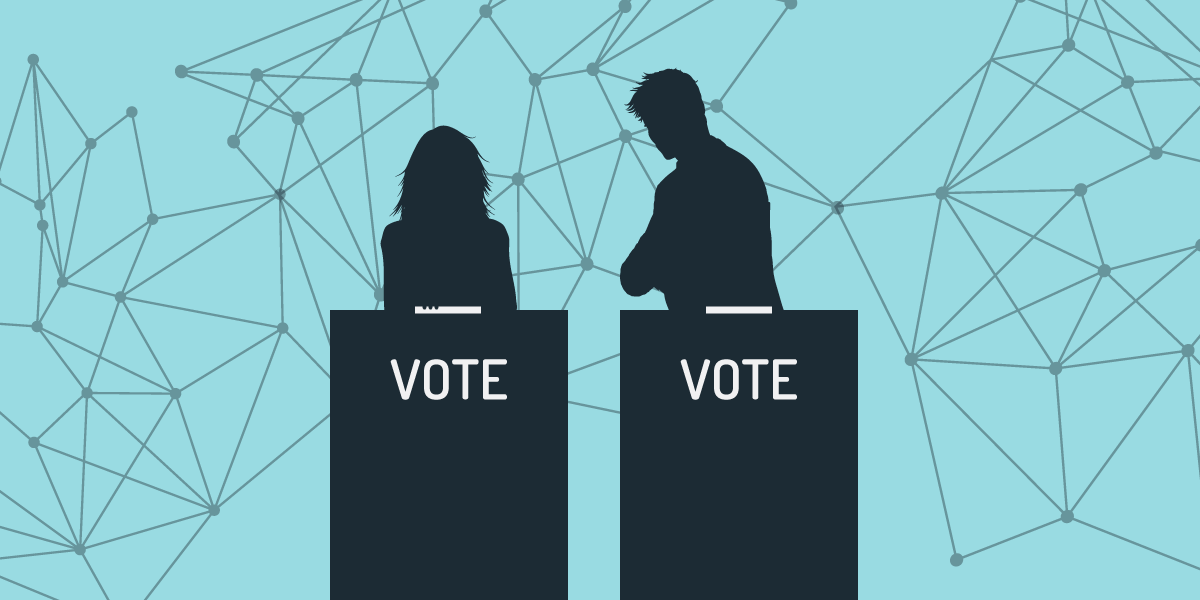
That is why countries like Sierra Leone have adopted blockchain for managing elections. Moreover, the integral part of any democracy is integrity. So, many countries have started supporting digital voting practices too. Moreover, blockchain can actually improve the security of voting systems. But, how is blockchain technology beneficial for present-day democracies?

  • Blockchain helps in getting rid of issues related to security breaches, fraud, and corruption. These problems have always been a part of paper-based voting systems
  • Its transparency allows one to follow and count the votes in an easy way.
  • It maintains the privacy of the voters as all transactions along blockchain are anonymous.
  • The decentralized network provides security that helps in protecting against any large-scale hacks.

In fact, this is why many companies like FollowMyVote and Polys are using blockchain. They are helping people by developing platforms for conducting fair elections in all countries.

Developing smart cities

From IoT devices to smart technology, smart operations have become hot now. And that is why smart cities have also become the best option for rapid urban development. From public safety to entertainment, smart cities are better in terms of efficiency and response times. But, how will blockchain help in improving the quality of life of urban people? How can it bring a huge transformation for our cities? Let’s know how blockchain will benefit in developing smart cities.

  • Blockchain technology aids in building a reliable registry of local businesses and service jobs. From a trustworthy local registration system to hiring employees for common services, smart cities can work in a more efficient manner.
  • It also helps in refining all processes related to trade logistics and finance management. The blockchain-based solutions at the city level can create transparency and save time. They can help in removing the unwanted layers of verification too.
  • One can use smart contracts for improving management. For setting up smart contracts, one needs to meet only certain pre-set conditions. By this technique, many parties can execute smart contracts without any third parties.
  • It provides cheap and convenient notary services through web applications like Stampd.io. This app uses blockchain to provide notarized proofs of ownership for digital creations.

Moreover, companies like the Waltonchain have used blockchain development technology with IoT too. Waltonchain has used it for developing a smart waste management system. The company even won an award for having the most outstanding product in 2017.

Blockchain use cases aiding the government

Water Ledger:

The Australian blockchain company Civic Ledger has developed Water Ledger that is based on the public blockchain, Ethereum. This platform provides a way to verify all water trades. It also helps in updating the state registries in real time to confirm a water trade. Besides, it aids in showing the location of the trade too. In other words, Water ledger is a peer-to-peer platform that increases the transparency of all activities across borders and jurisdictions.

Food Standards Agency:

The UK’s Food Standards Agency (FSA) used the blockchain technology to track the distribution of meat in a cattle slaughterhouse. Also, the FSA claimed that the trial marked the first time when distributed ledger technology has been used for ensuring compliance in the food sector.

HM Land Registry:

The HM Land Registry is another blockchain use case that is helping the UK government. This platform helps in examining if it could improve the land registration and property buy-sell processes.

Signing off…

Altogether, blockchain development technology can offer a thousand ready-made opportunities for governments. Besides, in a world of cyber crimes, trust becomes vital for any organisation and blockchain is all about trust. But, it also has other advantages like security, transparency, credibility and much more. So, governments must think of integrating blockchain development technology and contacting trustworthy blockchain technology companies. This can help them to harness its benefits completely. So, do you know any other ways governments can adopt this next-generation technology? What do you think about blockchain governments? Will they revolutionize our societies?

What Is Blockchain Enabled Letter of Credit, Can It Revolutionize Shipping?

A Letter of Credit is a payment mechanism and an important part of international trade to provide an economic guarantee from a creditworthy bank to an exporter of goods. Both the buyer and seller rely on the security of banks to ensure that payment is received and goods are provided.

In a LC transaction, the goods or products are assigned to the order of the issuing bank, means that the bank will not deliver control of the goods until the buyer has either paid or undertaken to pay the bank for the documents.

blockchain enabled letter of credit

Letters of credit and inherent issues in traditional formats

Traditionally a typical letter of credit (LC) implicates that a bank from country A guarantees a buyers payment to the sellers bank in country B. This letter of credit assures that both the parties will abide by the regulations and standards agreed upon by the initial letter of credit. This letter of credit also ensured that the buyer pays the appropriate agreed upon amount to the seller without delay and mal-practice.

These letter of credits traditionally were either stored in the form of paperwork or internet and communicated through banking e-mail networks.

Trade finance is one growing industries today and letter of credit plays an important role in every single financial trade between two parties.

In a traditional LC (Letter of Credit) transaction, physical copies are carried between parties by post, courier, fax, or scans, which is complete manual process and consumes a huge amount of time to complete the transaction between the customer and bank. This is especially the occasion when the transaction involves shipments with short transit times.

Major Problems:

  • Takes longer time in processing transactions
  • Redundancy and unwanted manual work
  • Less effectiveness and Inconsistency
  • Poor visibility of the end-to-end process
  • Slow process affects the pace of the trade

But, what if these letter of credit were to be monitored and controlled through blockchain platform? That would change the whole scenario, isn’t it?

A blockchain enabled letter of credit allow buyers and sellers to connect with each other directly without any banking interference. Letter of credit basically functions by the relationship between two banks according to the buyer and sellers terms. Imagine letter of credits that function without banking services? Yes, indeed. Blockchain has the potential to revolutionize the way shipping industry works by decentralizing the letter of credit operations.

How Blockchain Enabled Letter of Credit Revolutionize Shipping Industry for Better?

A blockchain development company can help shipping, logistics and supply chain industry by providing exclusive services and integrating blockchain in existing systems.

blockchain in shipping

The very first blockchain enabled Letter of Credit (LoC) was issued by ING Bank for Tricon Energy USA (importer) with HSBC India as the advising and negotiating bank for Reliance Industries, India (exporter).

Blockchain enabled letter of credit revolutionizes shipping industry for the better

The most important note to make with letter of credits operated using blockchain is that, there is no multiple middlemen or third-party service intervention. This eliminates any and all extra charge levied upon on the buyer. This reduces the shipment cost to a whole large extent.

Smart contracts enable shipping accountability

With smart contracts that run on blockchain platform, sellers and buyers can connect with each other instantly and the distributed ledger system allows both parties to agree upon a immutable contract. This enhances the trading operation and shipping transaction. Smart contracts ensure that both parties stick to the rules and regulations set and ensures that there is no fraudulent shipping activity.

Transparency in shipment

All parties involved can verify each other’s details, all operations are transparent from the start of shipping till the product reaches the buyers destination. Inclusive to all these benefits, blockchain also allow both parties to track the shipment and make sure that the payment is made right on time according to the letter of credit.

Organized shipping operations

Blockchain enabled letter of credit helps the buyer and seller to streamline their shipping operations and reduce any and all manual documentation and processing of import and export. All shipping information and data is stored digitally over a decentralized platform. This allows buyers to organize shipping data according to the day and timing of shipment made. Sellers can organize their data based on day and time of shipment received. It allows both parties to keep their shipping inventory in check and also make smart decisions.

Security for shipping data

It improves and enhances the security of the shipment. All shipping data, information and traded financials are stored in a decentralized network with high encryption. The buyer and seller each will have a unique decryption key. Without it, no one will be able to access any information related to the shipment made. This high level security will especially help many government agencies and military purposes. Also, it will help corporates that ship confidential products with intellectual property rights reserved.

Robust transactions save cost

Based on the press release of Reliance Industries Ltd (RIL), blockchain reduced the shipping process by around 7 to 10 days.

You could see how much time and cost that would save right? With this reduced days in shipment, the buyer can utilise their working capital efficiently by saving it for other necessary operations.

Conclusion: Blockchain will and can revolutionize shipping

With features of transparency, security, accountability provided by blockchain, shipping industry is able to track shipment in real-time and stay informed easier than ever before. Say goodbye to any confusion or miscommunication that arose due to multiple third-party interference. Blockchain is a transformative technology and it is transforming the shipping industry by decentralizing the letter of credit and making shipping transactions take place much faster and simpler.


Typography Design Trends To Look Out for in 2019

What is going on in web typography now? Which web designing typography design trends 2019 must you look out for?

Earlier in 2018, there have been some typography design trends. But,  now many new styles have started to emerge. In fact, many web designers are exploring new ways to design their websites in a better way.  Moreover, typography is a popular trend in web design now.

From size and formatting trends to custom fonts, there is a myriad of typography trends in web design. But, why are so many designers preferring unique and novel typography for their website designs? Well, a good choice of typography helps in improving the look and feel of the websites.  So, what are the typography trends in web design to look out for in 2019? Let us take a detailed look.

  1. Missing and scattering of letters

Crop and cut text: Web designers are cropping or cutting up letters in a word. But, designers must do this in such a way that there is enough space to ensure that the letters are legible. Besides, the sole aim of designers is to create an interesting and unique typographic design. This is somewhat like the concept of the game called ‘Hangman’. Further, the neural behavior of humans allows them to read and understand words even if some characters are missing.

Thoughtful scattering of letters: One of the latest typography trends in web design is the use of scattered text. However, one must be careful while deploying it. This is because it can be risky and reduce both the readability and accessibility of the text.

For instance, The Impossible Is Inevitable, is an exhibition at Moscow’s Jewish Museum and Tolerance Center that uses scattered text typography. Besides, the names are in a floating style with strung-together letters on the homepage.

The scattered orientation of letters on the homepage contributes to a larger meaning. Also, the small threads join the visually disparate letters together. They represent the exhibit’s exploration of the unknown.

  1. Graphical and negative imagery

Adding negative imagery: Integrating artwork into your typography is another way to make the text on your webpage stand out. One can enable popping out of graphical elements from a negative space within the type itself. This will also create a look of different dimensional space.

One popular example is YouTube. It displayed an animation inside the characters of the title of each story in its ‘Greatest Stories Retold’ project. Also, the homepage included many different animations within the headline. The headline animation often gave a clue about upcoming things.

Besides, the ‘Greatest Stories Retold’ includes short tale videos of 6 seconds only. They also help in advertising. For instance, BBH London used the Ugly Duckling from the popular story and turned it into ‘The Swan’ to convey their message.

youtube

Source: https://www.thinkwithgoogle.com/

Graphical typography: Instead of the old flat typography, including graphics will always make your webpage look better.  It gives textual elements more impact on the page. Thus, creativity can work like magic here. From furry to paint-like texts, it adds a different angle to the page. Moreover, the aim is to make the typography look more like an object instead of a character.

  1. Monospaced typefaces

The increased popularity of monospaced fonts has become one of the latest typography trends in web design. Monospaced typefaces have emerged in text-intensive settings with small point sizes. But, they are also used as larger elements of a website’s design. One such example is the Laurent Desserrey which is a design of an attractive portfolio. It creates a wonderful effect with the combination of blinking background images and monospaced type.

  1. Serifs are back

Bold Serif fonts are the new option for web designers today. Serifs have continued rising to the topmost place in the font kingdom. From elegant titles to sophisticated headlines, they create an impact on the readers.

Besides, lettering doesn’t always need to be ornate to create a solid impression on the viewers. The Sans serif typefaces have thicker stroke widths that make them one of the most common font alternatives for new websites.

What is so special about the Serifs? Well, these typefaces are easy to read. Also, they help in creating a contrast between the background and text elements easily. Thus, this makes the Serifs one of the most effective typography trends.

Let us take a look at some websites that have mastered the art of using Serif for their websites. For instance, web designers behind Cobble Hill and Gin Lane are targeting minimalist sites with a serif-induced elegance.

  1. Attention-seeking bold fonts

Websites like the CreativeDoc and Souffl, have set the bold typography trend by using bold fonts and grabbing the attention of the readers. The creation of loud designs with only six bold white letters on a black background makes CreativeDoc’s design unique.

Indeed the big, bold, and condensed text looks dramatic on any webpage. That is why designers often use bold text as a primary element for web designing. Besides, more and more designers have started replacing images with bold headlines ie. brand names or important messages.

  1. Highlighting of text

The main function of typography also includes the ability to establish a hierarchy of content. The advantage of highlighting is that it helps readers to skim and scan and get a gist of the website. Let’s see how web designers use highlights to create the content hierarchy. Let us also see how they add a pop of color to it.

  • Godfrey Dadich is a design agency in San Francisco. It uses a neon green highlighter for the primary offerings.
  • Cornell University is also following the trend of text highlighting. The website ‘Engaged Cornell’ uses neon-yellow highlights.  Thus, readers can engage with the core text in an effective manner.
  1. Horizontal and vertical text

If you want to break up blocks of text, then adopt a mixture of horizontal and vertical texts. Moreover, it is a stylistic approach to typography. It also improves the look by getting rid of the traditional horizontal alignment.

For example, ‘Take What You Can Carry’ is a website for a film that doesn’t use horizontal text alignment. The site has replaced it with a single word.

Another example is the ‘Elegant Seagulls’ that uses vertical text alignment. It also uses a continuous scrolling effect. But, the navigational elements remain horizontal only otherwise it may disrupt the whole look.

Signing off…

Over the years, everything from screens and fonts to design technologies has advanced. Similarly, typography trends in web design have experienced a major transformation at a rapid growth rate. There are many nuanced trends in design and typography has a lot of benefits. On the one hand, it helps to represent the brand of your company. Yet, it also helps in providing a very good visual appeal to your website. However, the typography trends must maintain the readability, accessibility, and functionality. So, what types of trends do you know? Are there any other typography design trends that may make websites look the best? Do drop in your words to learn more about website designing and trends.

P.S. We are proud to announce that we are recognized as a Top Website Design Agency on DesignRush


Arguments On Why Logistics And Supply Chain Integrate Blockchain In Their Existing Systems

Blockchain solutions in logistics is a boon to the supply chain sector. Blockchain is a digital ledger platform that stores data in the online platform and operates on a decentralized network. Decentralized network is different from a centralized network as it does not have any central authority watching over every transaction. Since there is no central authority there is no extra charge levied on the user for using the services of the platform too. Blockchain solutions in logistics are huge as the features of the digital platform opens the door of opportunities to meet all demands and supply in the market.

blockchain for supply chain

Logistics help all business entities to provide value to the customer or user by providing service or product delivery at the right time and place. Logistics make sure that the service of product is available to meet the customer or user’s requirement.

Supply chain makes sure that the network structure of the company is strong enough to handle all obstacles and still deliver an outcome with perfect quality. Supply chain also helps in providing a service or helping in an operation take place with better performance. A blockchain development company allows the developer and user to have a better perspective on using the decentralized network to its maximum potential. Through this the outcomes, customers and users are satisfied more than expected.

This article will help you to understand the benefits and challenges faced by logistics and supply chain sectors due to blockchain.

Arguments in favour of Blockchain Technology in Logistics and Supply Chain

Today many companies like logistics and supply chain are moving towards digital technology and are adopting blockchain into their existing systems. Some of the famous companies that use blockchain in logistics and supply chain are Maersk, British Airways, FedEx, etc. They see the potential of blockchain that will provide opportunities to their business in the future.

Reduced documentation

All process and operations that take in logistics and supply chain are never ending and vast in quantity. There is plenty of data and transactions that are stored every minute and every day in these sectors in the form paper documents. These data and transactions include all products in and out of inventory; financial transactions or any transaction for the fact of business operation. When all these are stored in the form of paper, the quantity of storage increases which requires additional maintenance. This might incur additional costs more than planned.

With blockchain all these information and data are stored digitally and they can be accessed anywhere, anytime. Finding any data or detail required on some transaction is faster than the time taken to find among paper documentation. This reduces any downtime in the operation or time loss due to any verification process. With blockchain all those authentication process can take place faster. This helps all business in these sectors to process and operate quicker.

Meeting demand and supply efficiently

Blockchain provides business in logistics and supply chain the ability to quickly get access to different suppliers and logistics providers. This helps business to avoid loss of time or wait time to find an outsourced third party to handle operations. There is no central authority either and thus that allows the peers to have an unrestricted access to data available, providing transparency among all.

For instance, let us take the following example. If there is a high demand in a particular location but it is remote and the location of the company is far away, in such cases blockchain can help in better ways. In such situations, blockchain due to it unrestricted network, users and providers can connect with each other without any border limitation. This allows to hire any local logistical support and supply services or products to the remote areas effectively.

Creates an environment of innovation

With the limitless and unrestricted access to data and transaction by blockchain, the ability to create a new idea has more chances. The ability to partner with different companies or suppliers to better operate is also possible. This creates an environment to share ideas which would build an innovative environment in turn.

Affirmative side of the topic: Challenges faced logistics and supply chain sector in relation with blockchain

Building rapport and trust

There are many multiple operations taking places simultaneously in all companies, especially the multinational companies. They all focus and fear for any security breach or vulnerability that may arise. They prioritize safety of all data and transaction the most of all. In these sectors, trust also means that all parties involved will deliver the same quality of service or product. This is uncontrollable as each business party undergo and face different circumstances. And, it is up to them how well they use the blockchain platform.

Other important challenge is making users and other peers to trust that digital ledger platform is safe. This is because almost everyone has the idea that when things are stored over online platforms, their data might be stolen or misused. This might not be original scenario but still it affects the performance to an extent.

Setting up a legal system and the costs involved in setting up

When companies integrate blockchain into their existing system, lots of existing rules and regulations might have to be changed. This is because what already exists may not support the modern digital ledger platform. Or, even if it supports, it may not be able to achieve its full potential. Hence, the whole system of handling operations might have to changed which requires a lot of development, testing, maintenance and set up costs.

Conclusion from the arguments made

Blockchain has benefits and challenges of its own due to the open access it provides to all of its features. This paves a path towards many opportunities as discussed above and even more. The million-dollar question is how far your company is willing to go to change the threats or weakness to strength and opportunities. Focus on the benefits and breakdown challenges to become stronger and more experienced in using the digital ledger platform. Good luck on your endeavors.

WhatsApp Telegram