By 2030, digital securities could be holding more than $16 trillion in hard-to-trade assets. That is not a whiteboard projection with nothing behind it. Tech companies, governments, and big institutions are already putting weight behind the shift.
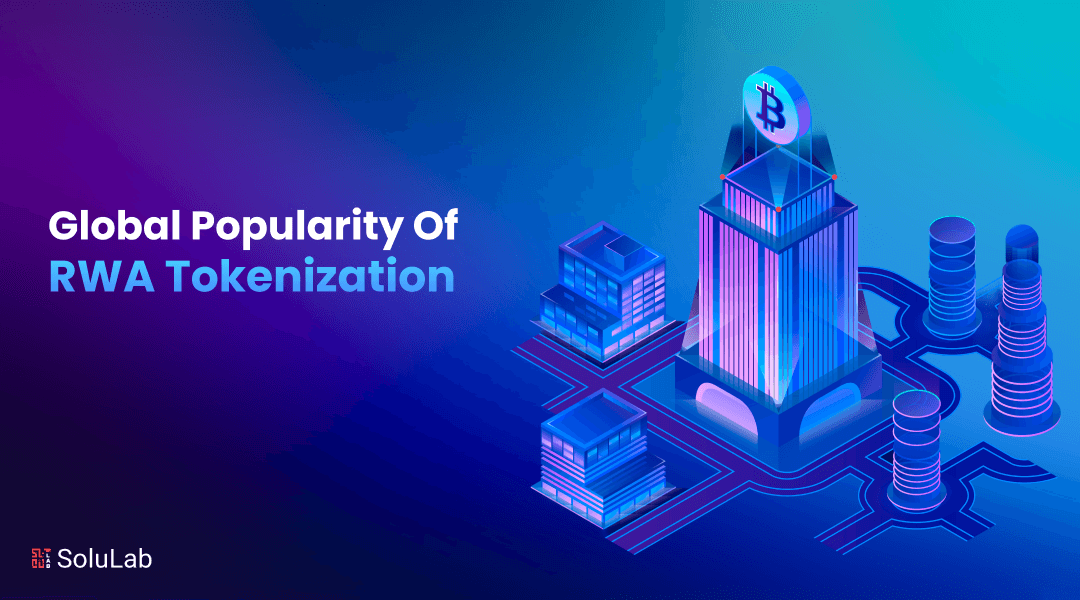
What is pushing it? Real-World Asset (RWA) tokenization. The idea is simple enough: take something physical or contractual, say a building, a loan, a bond, or a batch of carbon credits, and represent it as digital tokens on a blockchain. Once it is a token, buying it, selling it, and splitting it into small pieces gets much easier, and borders stop mattering much. Quick, secure, and available anywhere.
Maybe you manage assets at a fintech. Maybe you run an enterprise and want your investments on-chain. Either way, this guide is written for you.
What Is Real-World Asset Tokenization and How Does It Work?
RWA tokenization takes an asset that exists off-chain, a property or a private bond for instance, and splits it into a set of digital tokens recorded on a blockchain. Each token is a slice of ownership. Investors buy the slices.
A worked example helps. Picture a $10 million real estate project. Cut it into 10,000 tokens at $1,000 apiece and suddenly you have fractional ownership. Investors can buy, trade, or sit on their tokens, and the company behind the project raises capital from a far bigger pool than it could reach before.
As an experienced RWA Tokenization Company, our job is the plumbing. We build the platforms that digitize assets, issue secure tokens, and use smart contracts to take the grind out of compliance, then hook everything up to third-party custody providers or wallets.
Done well, it is fast and it scales. Legal hurdles get simpler, costs drop, and investment opportunities open up to people who were locked out.
Which Assets Will Be Tokenized by 2026?
Real estate got there first. It is no longer alone, and across the U.S. and Canada tokenization is spreading into all sorts of asset classes.
The ones you will see most often:
1. Real Estate
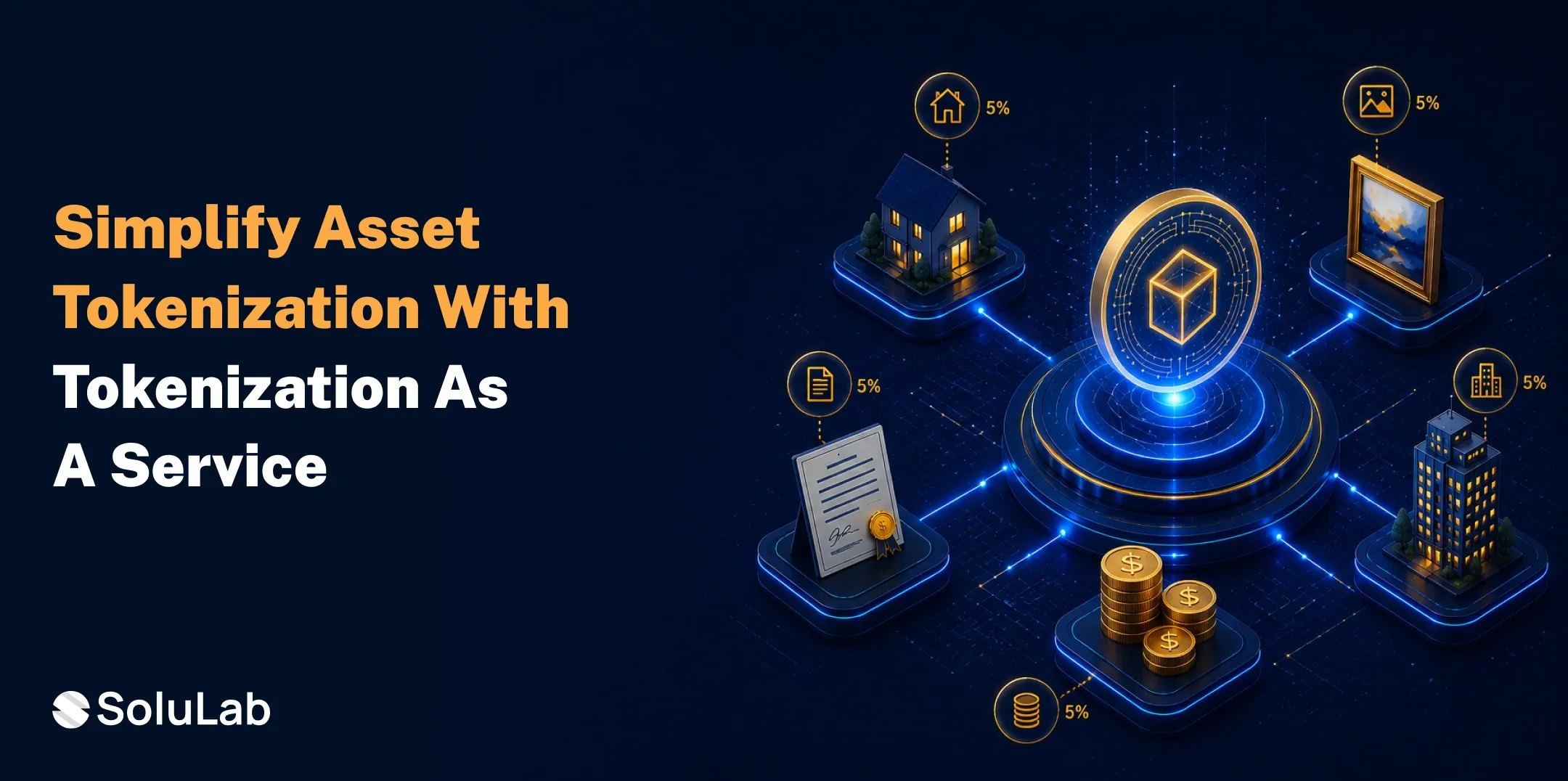
The favourite is still tokenized real estate, and it keeps leading the tokenization space. Homes and commercial buildings alike are being split into fractions, so an investor can own a small share of a property on the other side of the world.
2. Precious Metals and Commodities
Gold, silver, oil, even carbon credits: all of them are being tokenized so they can trade digitally and settle in real time. Switzerland and Singapore, for example, are backing gold-backed token launches, and carbon credit tokenization is taking off in climate-minded markets across Europe and Southeast Asia.
3. Equities and Private Company Shares
Tokenized equity gives investors a way into company shares, particularly private firms and early-stage startups. Those have always been hard to buy and harder to sell. Tokens put them in front of global capital. In the U.S., Canada, and the UK, interest is rising in equity-backed tokens regulated as security token offerings (STOs).
4. Art and Collectibles
Fine art, luxury watches, rare collectibles. Tokenize them and far more people can trade them. Platforms in Europe and Asia already offer fractional ownership of works from Picasso to Banksy, which turns something only a few could ever own into an investment almost anyone can reach.
5. Intellectual Property (IP) and Royalties
Music rights, film licences, patents. Once tokenized, they let creators earn from their work directly, while investors collect passive income through royalty-sharing tokens. South Korea and the U.S. are among the countries out in front with entertainment tokenization platforms.
6. Carbon Credits & ESG Assets
Sustainability is on every board agenda, so it is no surprise that tokenized carbon credits, green energy tokenization, and other ESG-linked assets are surging. Canada, the Netherlands, and Australia are already running pilots for tokenized carbon markets, where companies trade verified credits and every step can be traced.
Why Is RWA Tokenization Picking Up Speed in 2026?
Four things explain most of the rush into tokenizing assets and building the platforms that do it:
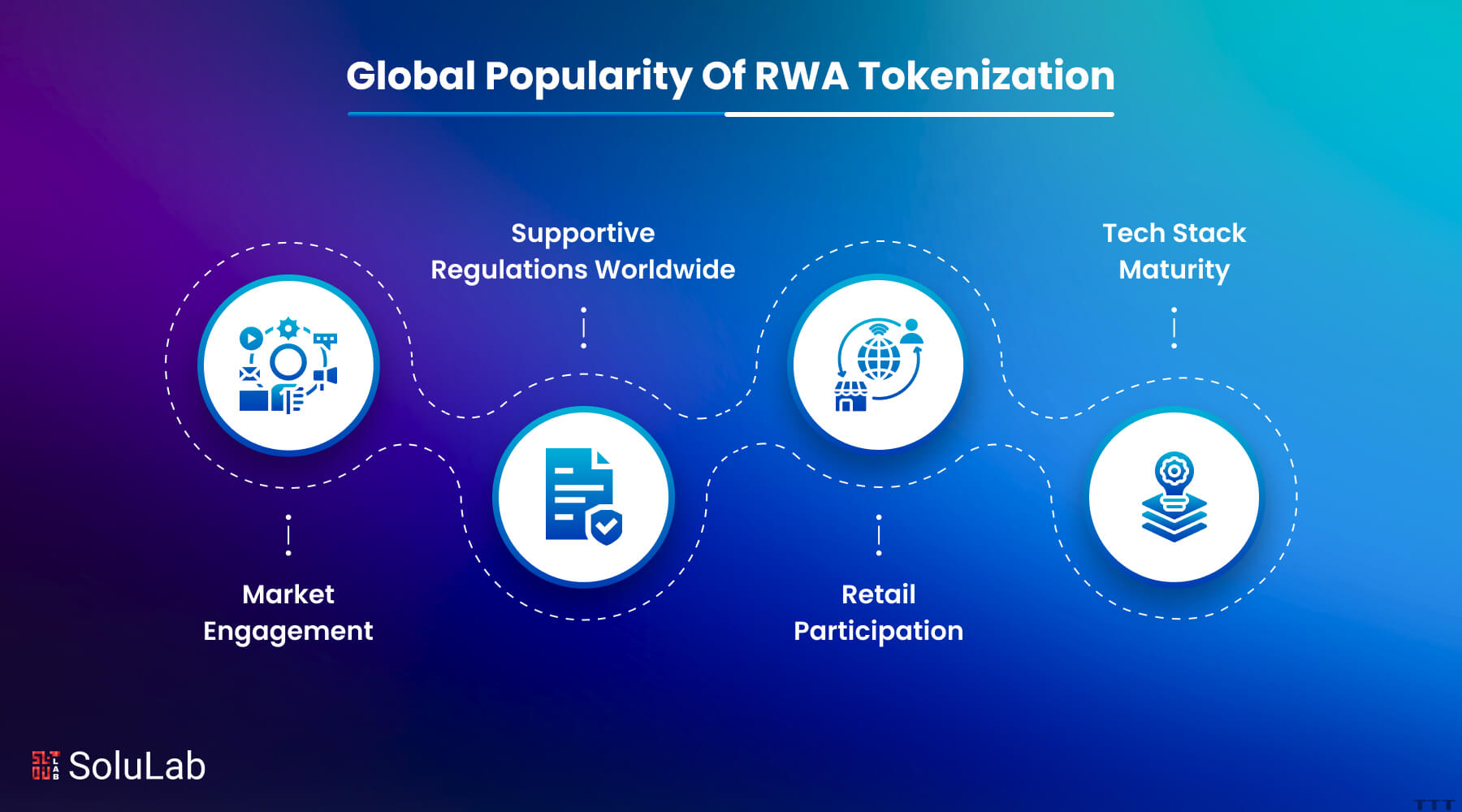
1. Market engagement:
The big names are in. BlackRock and Franklin Templeton have launched tokenized products, and so has real estate heavyweight DAMAC.
2. Supportive regulations worldwide:
Frameworks such as MiCA in Europe and Executive Order 14178 in the USA have given institutions clearer rules, and clearer rules mean more of them are willing to step in.
3. Retail participation:
Blockchain-powered platforms have got ordinary people asking how to invest in tokenized assets, and they are asking more than ever.
4. Tech stack maturity:
Secure wallets, Layer 2 scaling, and cross-chain platforms have grown up. Enterprises can now build on them without holding their breath.
What Are the Benefits of RWA Tokenization for Businesses?
For a business, the benefits of RWA tokenization boil down to three words: reach, speed, liquidity. Those happen to be exactly what enterprises and their financial clients care about most.
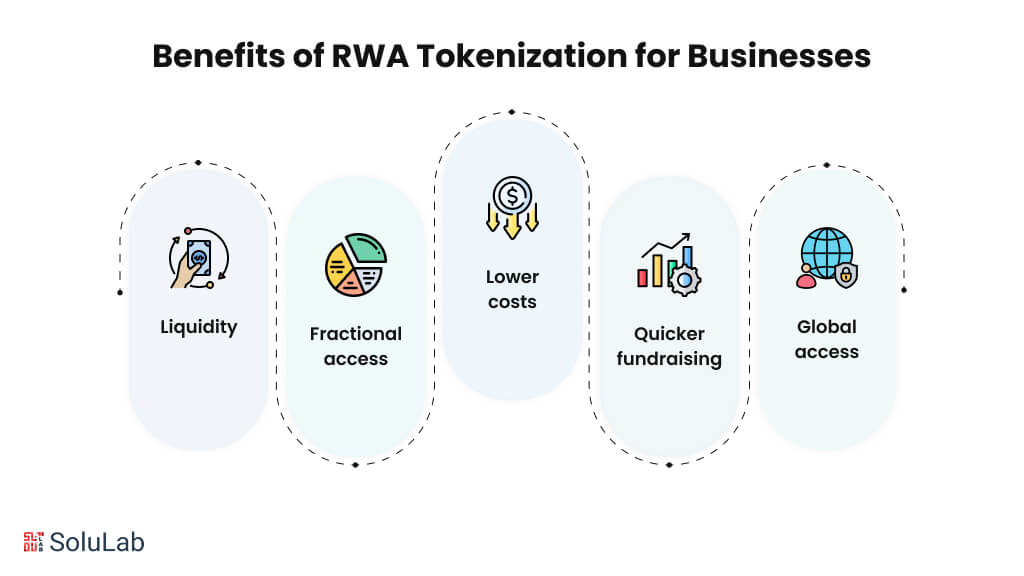
- Liquidity: Free up cash tied up in hard-to-sell assets such as private shares or buildings
- Fractional access: Sell small shares of an asset so more people can invest, and open up new revenue along the way.
- Lower costs: Smart contracts take over compliance checks, reporting, and issuance, so the whole process costs less to run.
- Quicker fundraising: Capital comes in faster. What used to take months can take weeks.
- Global access: On a blockchain, an investor in another country is as easy to reach as one down the street.
Exploring Trends and Potential Uses for 2026 and Beyond
Tokenization is not only getting bigger. It is changing how financial infrastructure gets built in the first place. A few things we expect to see more of:
- AI-based tools that work out what an asset is worth
- Cross-chain systems that move tokens between Layer 1 and Layer 2
- Zero-knowledge proof tech for meeting privacy and KYC rules in different countries
- DeFi solutions for borrowing or lending against tokenized bonds or property
- Government and institutional pilots in places such as the UAE, Singapore, and Canada
Look at Franklin Templeton’s tokenized treasury fund and the DAMAC’s $1 billion real estate tokenization effort. This is not something coming down the road. It is already here.
Conclusion
The question of how real-world asset tokenization is changing investment has moved from conference panels into boardrooms. For businesses, the window is open now, and the ones who move early stand to gain:
- Faster access to funding
- Lower compliance costs
- More confident investors
- Digital systems built for what comes next
Planning to launch a tokenized offering, or grow the one you already have? Talk to SoluLab, a top RWA Tokenization Company. We will work through it with you, from first design to live platform.
FAQs
Shipra Garg is a tech-focused content strategist and copywriter specializing in Web3, blockchain, and artificial intelligence. She has worked with startups and enterprise teams to craft high-conversion content that bridges deep tech with business impact. Her work translates complex innovations into clear, credible, and engaging narratives that drive growth and build trust in emerging tech markets.