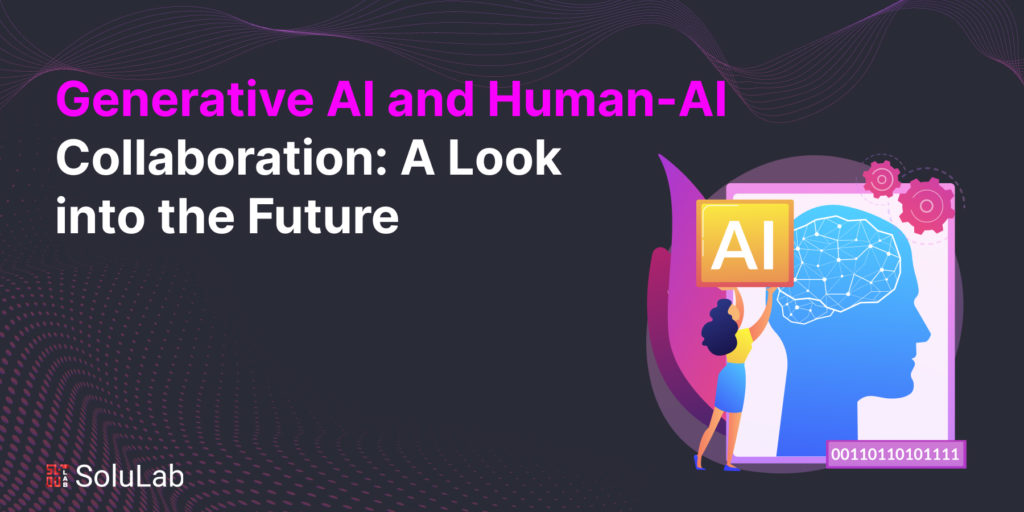
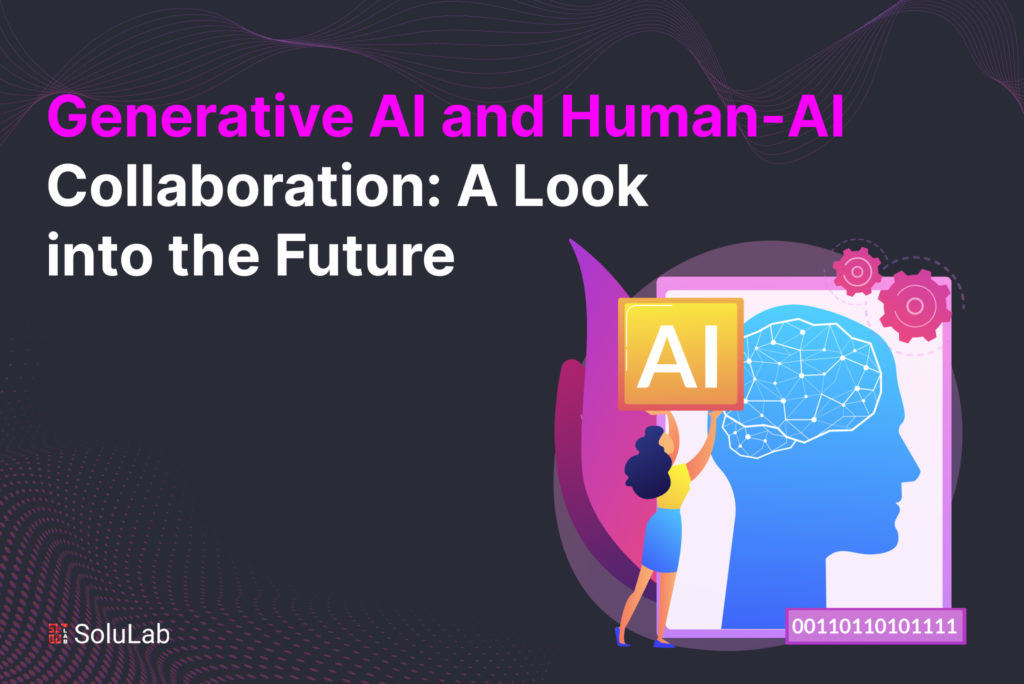
Generative Artificial Intelligence (AI), or Generative AI as most people shorten it, is the branch of artificial intelligence that makes things instead of just measuring them. Older models were graders. They sorted, scored, classified, spotted the odd one out in a pile of data. Generative systems try to simulate human creativity and then produce the output themselves: paragraphs, images, melodies, whole narratives, with no human hand on the keys once the prompt lands.
The machinery underneath is deep learning. Neural architectures like Generative Adversarial Networks (GANs) and Transformers chew through enormous datasets and pick up on pattern, style, and context, which is why the output tends to hang together rather than read like word salad. Ask for a picture from a sentence and you get a picture. Ask for copy that matches a tone and, often enough, you get that too. That capability is already rearranging how a lot of industries work, and how people work with machines inside them.
This post looks at what generative AI is actually doing to established sectors, where it adds to human skill rather than substituting for it, and what a working partnership between the two looks like. Ethics gets its own space here, not a footnote. Putting this technology into everyday use responsibly is part of the engineering job, not a separate compliance chore bolted on later.
Read Our Blog Post: Exploring the Current State of Generative AI: An In-Depth Analysis
How Does Generative AI Contribute to the Collaboration Between Humans and AI?
Start with where all of this came from. The wish to build a thinking artificial being is old, older than computing by a long way: ancient myths are full of crafted servants and animated statues, which tells you the fascination predates the hardware. The actual engineering is much younger. It took shape around the middle of the twentieth century, and it took persistence more than genius.
The 1950s and 1960s built the scaffolding: symbolic reasoning, problem-solving as a formal discipline. Alan Turing and John McCarthy set out the theory, and early programs followed that showed a machine could, in a narrow sense, learn.
What are the Key Advancements in AI Technology Over the Years?
Worth repeating the arc, because the phases explain each other. Humans have wanted to build an intelligent artificial being since long before anyone had a machine to build it on, and the myths about artificial servants are the earliest evidence of that itch. The engineering answer arrived only in the mid-twentieth century, and it came slowly.
Those first two decades, the 1950s and 1960s, gave the field its vocabulary: symbolic reasoning, search, problem-solving. Turing and McCarthy wrote the theory. The early programs that followed proved, in a limited way, that a machine could learn from what it was shown.
Advancements in AI Technology
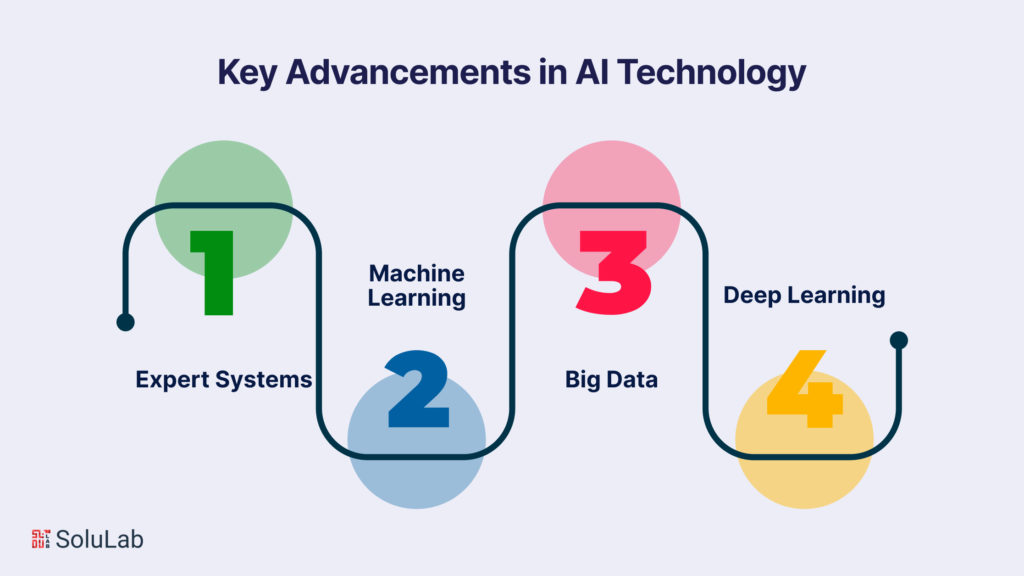
The last few decades did most of the heavy lifting. Roughly, the field moved through four phases:
Expert Systems
Through the 1970s and 1980s, the shape of the field was rule-based. Expert systems encoded a specialist’s knowledge as if-then rules and ran them against a case. Narrow, brittle, and genuinely useful: this was the first practical applications of AI in areas like medicine and finance.
Machine Learning
Then the rules got dropped. Late in the twentieth century the field swung toward systems that learned from data instead of being told what to think, and neural networks and decision trees came out of that shift. Predictions got sharper. Classification got usable.
Big Data
The 21st century handed those learners something they had been starved of: volume. Enormous training sets arrived, and with them came the jumps in natural language processing, computer vision, and recommendation engines. E-commerce, healthcare, and entertainment all changed shape because of it.
Deep Learning
Deep learning took over from there, built on deep neural networks stacked many layers thick. Image recognition, speech synthesis, self-driving stacks: all of it traces back to that shift.
What is the Role of Generative AI in AI Development?
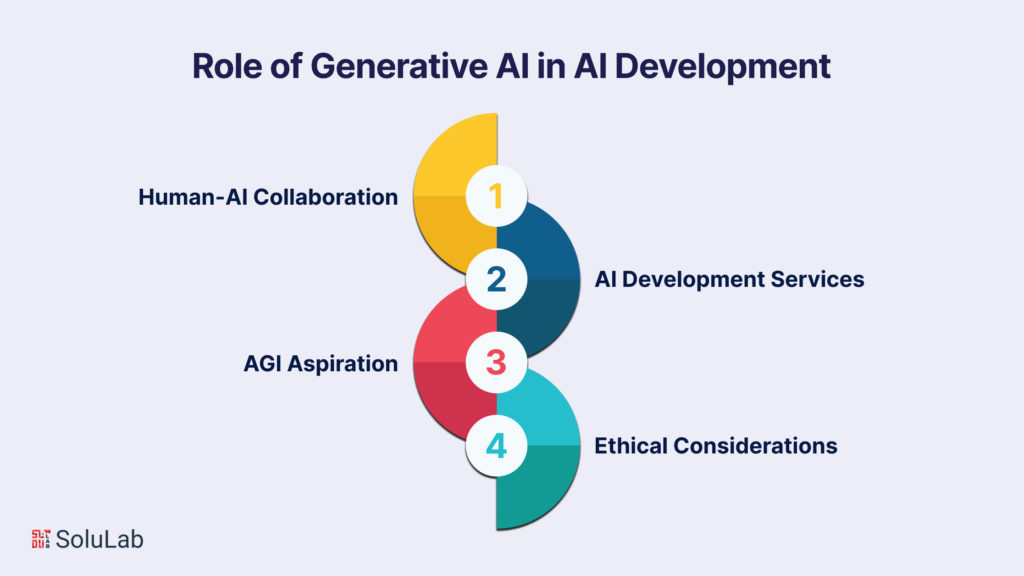
Generative AI now sits at the front of the field, and it is shaping two things at once: how people and machines work together day to day, and the longer hunt for artificial general intelligence (AGI). The family is broad. It covers a spread of generative AI models, GANs and Transformers among them, and between them they changed what it costs to make and edit content.
1. Human-AI Collaboration
The partnership works because the machine is fast at the part people find tedious. Artists, writers, and designers use it to get options on the table quickly, and specialists lean on it for data augmentation and bulk content generation. The person still picks. That part has not changed.
2. AI Development Services
A service layer grew up around all this, quickly. Most organisations are not going to train a generative model in house, so they buy the capability instead, and specialist AI development firms now handle that build for them. It has pulled adoption forward across a lot of sectors at once.
3. AGI Aspiration
Does any of this get us to general intelligence? Partly, and indirectly. A model that produces coherent, context-aware output is demonstrating something close to transferable competence, and that is the property AGI research cares about: one system that holds up across unrelated domains rather than one trained per task. The line between machine output and human output keeps getting harder to draw.
4. Ethical Considerations
Speed has a cost. A system that can fabricate convincing media on demand can also be pointed at fraud, impersonation, and manipulation, and that risk is not hypothetical. So as the Generative AI landscape keeps moving, the ethical rules have to be built into the work rather than written up afterwards.
What are the Benefits of Collaboration Between Humans and AI?
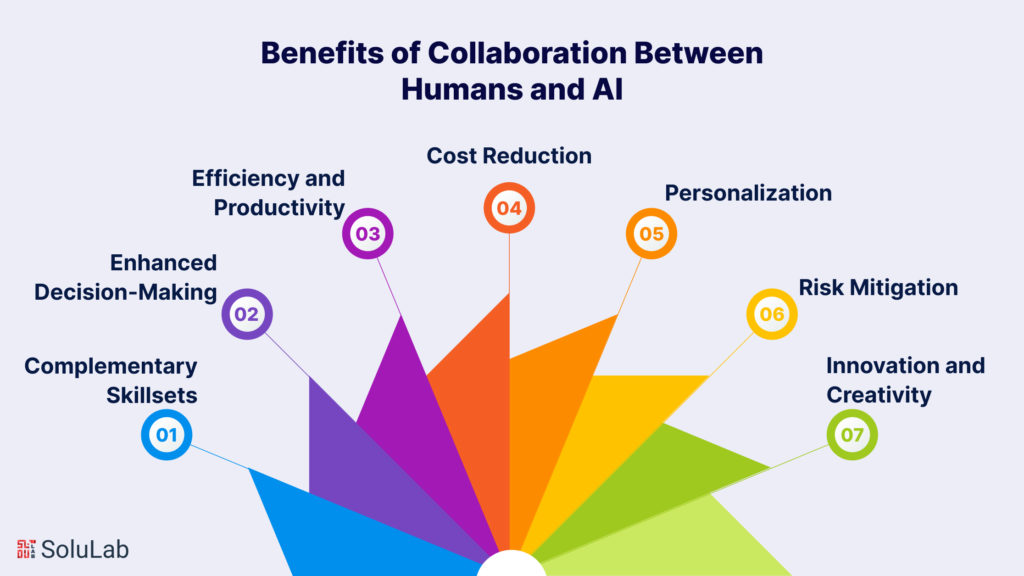
People call it human-AI collaboration, which sounds soft until you look at what it actually buys you, both in how systems get built and in how they perform once they are live. Here is the breakdown:
Complementary Skillsets
The two sides are good at different things, and that is the whole point. People bring creativity, read a room, and understand context that was never written down anywhere. Machines bring throughput, precision, and the ability to do the same thing a million times without drifting. Neither covers the other’s gaps alone.
Enhanced Decision-Making
Healthcare, finance, cybersecurity: the decisions get better when both parties are in the loop. The model reads more data in a minute than an analyst reads in a week and surfaces the signal a tired human eye skims past. The human then asks whether acting on it is defensible, which no model is qualified to answer.
Efficiency and Productivity
Hand the repetitive work to the machine and the day opens up. What is left for the person is the hard, ambiguous, creative part of the job, which is usually the part they were hired for in the first place. Output goes up because attention stops leaking.
Cost Reduction
Operating costs fall, sometimes sharply. AI-powered chatbots handle customer queries at three in the morning without a night shift attached, which is the obvious example and still the most common one.
Personalization
Personalisation at scale needs both halves. Algorithms read behaviour and preference data and tailor what each customer sees; people set the boundaries, so the recommendations stay recognisably on-brand instead of drifting somewhere the marketing team would never sign off on.
Risk Mitigation
In aviation and medicine the pairing is a safety net. A pilot or a clinician gets live data analysis and a second read on the diagnosis, and the errors that come from fatigue or a missed detail get caught before they turn into incidents.
Innovation and Creativity
Creative work is where this gets interesting. Copy, artwork, product concepts: generative tools give an artist or a designer angles they would not have reached on their own, and the good ones treat that as raw material rather than a finished piece. Writers do something similar in reverse. They run drafts through an AI to human text converter or an AI text humanizer so the generated copy reads naturally, fits its context, and sounds like a person wrote it rather than a model.
What are the Real-World Applications of Human-AI Collaboration?
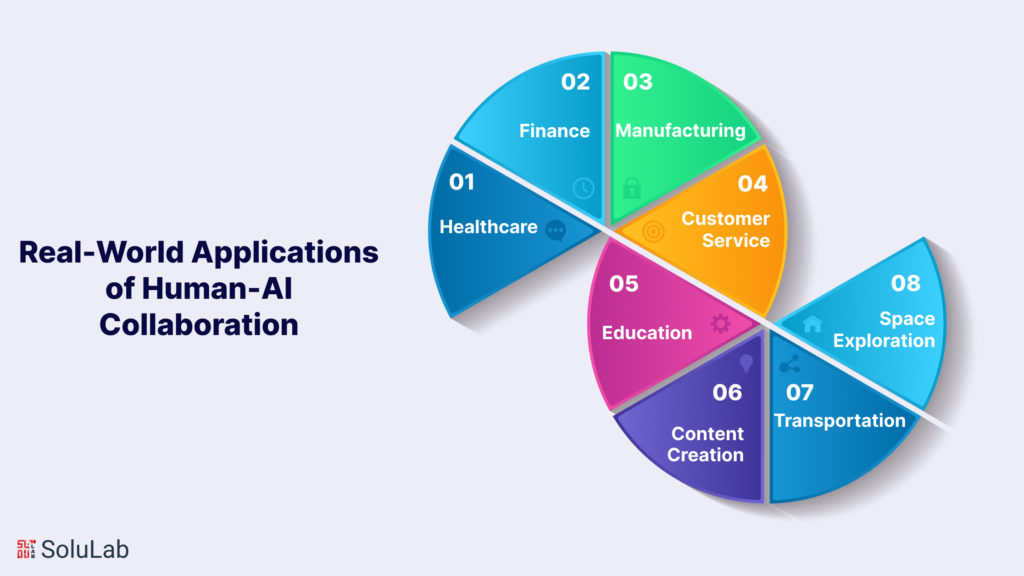
This is not a forecast any more. Across a lot of industries, the mix of human expertise with AI development services and generative tooling has already changed how problems get solved, how calls get made, and where new ideas come from. A tour of where it has landed:
1. Healthcare
Diagnostic Assistance
Diagnosis gets more accurate with a second set of eyes that never blinks. Algorithms run over X-rays and MRI scans, flag what looks wrong, and push it to a doctor to confirm or dismiss.
Drug Discovery
Candidate screening is a search problem, and search is what these systems do well. Models work through huge chemical and biological datasets to shortlist compounds worth testing, which cuts time off the front end of drug development and widens the net for new treatments.
2. Finance
Algorithmic Trading
Trading desks run AI-driven algorithms that decide in fractions of a second, chasing returns while holding risk down.
Customer Service
Chatbots and virtual assistants take the front line: routine questions, account admin, basic financial guidance. Fewer tickets reach a human, and the ones that do are the ones that needed to.
Read Our Case Study: Generative AI in Banking and Finance
3. Manufacturing
Collaborative Robotics
Cobots share the floor with people rather than being fenced off from them. They take the repetitive motions and hold tolerances a human arm cannot hold all shift.
Predictive Maintenance
Models watch the machines and call the repair before the breakdown. Downtime drops, and equipment effectiveness across the plant goes up.
4. Customer Service
Personalized Support
Support systems read a customer’s history before the conversation starts, so the suggestions land closer to what that person actually needs. Satisfaction follows.
Language Translation
Translation tools put a company in conversation with customers and partners it could not previously talk to without hiring for the language.
5. Education
Personalized Learning
AI in education reshapes material around the student in front of it, matching pace and learning style instead of the class average. Engagement and results both move.
AI Tutors
Tutoring systems walk students through the hard parts and mark work on the spot, so feedback arrives while the question is still fresh.
6. Content Creation
Text Generation
Marketing copy, reporting, fiction drafts: generative tools produce publishable text across all of it.
Art and Design
On the visual side, artists and designers use the same tools to rough out concepts and generate imagery they then take somewhere else.
7. Transportation
Autonomous Vehicles
Self-driving cars and trucks read the road with AI, which makes the case for safer journeys and, eventually, lighter traffic.
Traffic Management
Smart cities tune signal timing and flow with AI, and commuters get their evenings back a few minutes at a time.
Related: The impact of AI in Transportation
8. Space Exploration
Data Analysis
Missions send back more data than any team could read. AI does the first pass, and scientists get pointed at the parts that matter.
Robotics
Out on other worlds, AI-driven robots run the experiments and collect the samples, because nobody else is there to do it.
How Will Human-AI Collaboration Change in the Future?
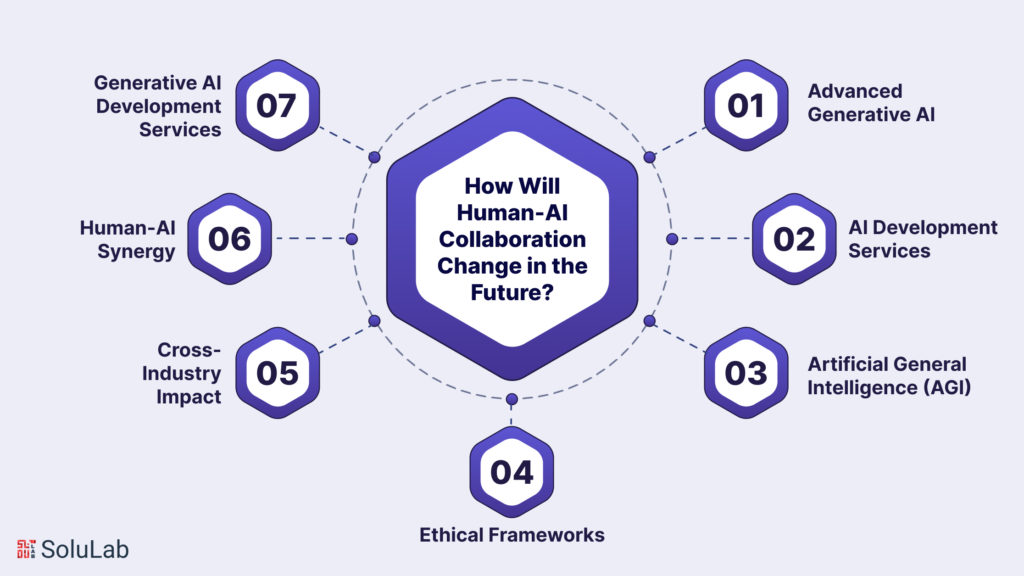
Where does this go next? Several Generative AI trends look likely to set the terms for how people and machines work together over the next stretch:
Advanced Generative AI
Generative AI tools keeps improving, and the output keeps getting subtler. Text, images, video, music, all at a standard that rewrites how creative work gets commissioned and produced.
AI Development Services
Demand for AI development services keeps climbing as businesses chase automation, optimisation, and whatever competitive edge is left. AI development companies will be the ones building those solutions to fit each industry’s particular mess.
Artificial General Intelligence (AGI)
AGI is still distant. What is realistic in the near term is steady progress toward systems that solve a wider range of problems without being retrained for each one, and that would matter most in healthcare, finance, and research, where the hard calls are the whole job.
Ethical Frameworks
Ethics moves from the appendix to the spec. Responsible development practice, privacy protections, and explainable systems become the things buyers actually ask about, because the alternative is shipping harm at scale and finding out later.
Cross-Industry Impact
The spread continues: healthcare, finance, manufacturing, education, all of it. Hospitals get sharper diagnostics and treatment tuned to the individual patient. Banks get better fraud detection and better-informed investment strategy.
Human-AI Synergy
The replacement story is the wrong one. What actually spreads is augmentation: collaborative robots on the floor and AI assistants on the desk, both of them making the person next to them faster at the work they already do.
Generative AI Development Services
SoluLab builds generative AI systems for companies that want the capability without building the team from scratch. As a partner in AI development solutions, the work spans a wide set of services shaped to what each industry actually needs, with the aim of getting something into production that holds up commercially.
Ethical Considerations in Human-AI Collaboration
Five questions come up on nearly every project. They are worth answering early:
Bias Mitigation
Bias in the training data becomes bias in the output. Catching and correcting it, so the system treats different populations fairly, has to be part of the build rather than an audit finding six months in.
Data Privacy
Personal data stays the non-negotiable. Regulation is tightening, and the protections around user information need to be built to survive that rather than to pass this year’s checklist.
Transparency
A system that cannot explain its decision cannot be held to it. Users trust what they can inspect, and accountability needs a reason attached to every output that matters.
Accountability
Someone has to own the outcome. When a model is sitting inside a decision that carries real consequences, the answer to “who is responsible” should be written down before anything goes wrong, not improvised afterwards.
Job Displacement
Automation does displace people from specific roles, and pretending otherwise helps nobody. Retraining programmes and policy support for affected workers belong in the conversation from the start.
Potential Impact of Human-AI Collaboration on Various Industries
The effect is uneven. Sector by sector, it looks like this:
Healthcare
Faster drug discovery, better diagnostics, treatment plans built around the individual. Patients do better and the bill comes down.
Finance
Sharper risk assessment, fraud caught earlier, investment strategy with more evidence behind it. Safer systems, and leaner ones.
Manufacturing
Smart factories tune production as it runs. More output, less scrap.
Check Out Our Blog: Generative AI in Manufacturing – Benefits and Use Cases
Education
Learning platforms that adapt to one student at a time, and results that improve because of it.
Entertainment
Generative tools change how media gets made, and what gets made: highly customised, built to hold attention.
Transportation
Autonomous vehicles plus AI-tuned traffic control: safer roads, shorter queues.
Conclusion
The pattern across every section above is the same one: the machine handles volume and speed, the person handles judgement, and the useful systems are the ones designed around that split.
That is the work SoluLab does. Generative AI expertise and a team of Generative AI developers who have shipped this kind of system before, which matters more than it sounds: the gap between a demo that impresses a boardroom and a model that survives real users is where most projects die. Pairing generative models with human oversight is also, incidentally, the road toward more general intelligence, and toward AI that adds to what people can do instead of replacing it.
SoluLab’s Generative AI development services exist to get businesses to that point with working AI rather than slide decks about it.
So if generative AI is on your roadmap for this year, hire the Generative AI developers at SoluLab and start with a scoped problem rather than a strategy document. Pick one workflow where the volume is high and the judgement calls are few. Get that running, measure it honestly, then widen. Talk to SoluLab when you know which workflow it is.
FAQs
Shipra Garg is a tech-focused content strategist and copywriter specializing in Web3, blockchain, and artificial intelligence. She has worked with startups and enterprise teams to craft high-conversion content that bridges deep tech with business impact. Her work translates complex innovations into clear, credible, and engaging narratives that drive growth and build trust in emerging tech markets.