Keeping your crypto safe in 2026 isn’t easy. Scams are rising, exchanges get hacked, phishing attacks keep coming, and plenty of crypto users are genuinely anxious about their digital assets. One wrong tap, and your hard-earned coins are gone.
Beginner or seasoned trader, the right wallet gets you peace of mind, secure transactions, and access to your coins whenever you need it.
| The global crypto wallet market is expected to grow from $14.39 billion in 2024 to $19.03 billion in 2025, marking a 32.2% year-over-year increase. |
In this guide, we’re breaking down the best crypto wallets of 2026, from hardware options to mobile-friendly apps, so you can invest with real confidence.
Understanding Crypto Wallets
A crypto wallet is a software app or physical device that lets you store, send, and receive cryptocurrencies securely. Unlike a traditional wallet holding physical cash, it holds the private keys needed to access the crypto app on blockchain addresses tied to your digital assets. Those private keys are cryptographic keys, plain and simple, that prove ownership and authorize every transaction.
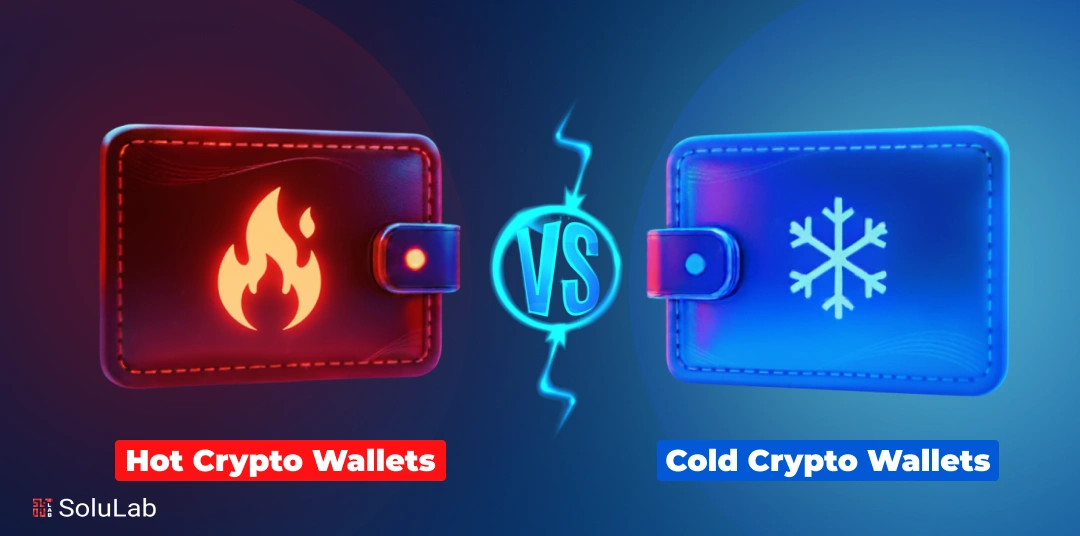
Read Also: Hot vs Cold Crypto Wallets
Types of Crypto Wallets
Picking the right cryptocurrency wallet is one of the most important parts of managing and protecting your digital assets. Whether you go for the convenience of a software or mobile wallet, or the extra security of a hardware wallet, checking the provider’s security features and reputation matters either way.
1. Custodial Wallets: These live inside centralized exchanges like Binance, Coinbase, or Kraken. The exchange holds your private keys for you, which makes things smoother, especially if you’re new to this. The trade-off: you’re trusting that exchange to keep your assets safe. Mt. Gox, the Bybit hacks, the FTX collapse, all high-profile reminders of how risky that trust can be.
2. Non-Custodial Wallets: With non-custodial wallets (like MetaMask or Trust Wallet), you hold your own private keys. More security, more freedom, but also full responsibility for keeping those keys safe. If control and decentralization matter to you, this is the category to look at.
3. Hot Wallet: Hot wallets stay connected to the internet, which makes transactions fast and convenient. They can be custodial or non-custodial. Just know they’re more exposed to cyber threats, so strong passwords and 2FA aren’t optional.
4. Cold/Hardware Wallets: Cold wallets, hardware options like Ledger or Trezor, keep your keys offline entirely. That makes them far safer from hacks. Depending on who holds the keys, they can still be custodial or non-custodial.
Key Factors to Consider When Selecting a Wallet
Stay informed, follow solid security practices, and you get to enjoy what crypto offers without gambling on your investments. Here’s what to actually weigh:
- Security Features: Security comes first, full stop. Look for two-factor authentication (2FA), biometric login, and PIN codes. Hardware wallets, in particular, are known for holding up the strongest here.
- Reputation and Reviews: Read user reviews, dig into the provider’s track record. A well-established, trusted provider is far more likely to run a secure, well-maintained platform.
- Private Key Ownership: Make sure you actually control your private keys. Some web-based and exchange-based wallets hold onto that control themselves, which exposes your funds to third-party vulnerabilities.
- Backup and Recovery: A reliable wallet gives you a clear, secure backup and recovery process, usually a unique seed phrase. That matters a lot the day your device gets lost or stolen.
- Multi-Currency Support: Holding multiple cryptocurrencies? Pick a wallet that supports a wide range of digital assets, so you’re not juggling five different wallets for five different coins.
- User-Friendly Interface: The interface should be intuitive, especially if you’re new to this. A confusing UI leads to mistakes, and mistakes can compromise your funds.
- Development Community and Updates: Active development and regular updates are a good sign: the wallet’s well-maintained and its security keeps improving.
Top 10 Best Crypto Wallets of 2026
Here’s our handpicked list of the top 10 crypto wallets for 2026, custodial and non-custodial both. We went through each one, features and pros included, so you can pick what actually fits your needs.
Related: Crypto Wallet Development Companies 2026

1. Coinbase Wallet
Coinbase Wallet is a non-custodial wallet from the Coinbase exchange, built to be genuinely easy to use. Store, send, and receive a wide range of cryptocurrencies while keeping full control of your private keys. It integrates with decentralized apps and backs that up with biometric security.
It also covers NFTs and DeFi access. Best fit: beginners and intermediate users who want a simple, secure way into crypto beyond just buying and selling.

2. Binance Wallet
Binance Wallet comes built into Binance, one of the biggest cryptocurrency exchanges around. It supports a wide range of cryptocurrencies and plugs straight into the Binance trading platform, with real-time trading access and two-factor authentication backing it up.
Fiat-to-crypto conversions are easy here too. Best for active traders and beginners who want a simple, all-in-one setup without managing private keys themselves, combining convenience with everything the Binance ecosystem offers.

3. Gemini wallet
Gemini Wallet comes from the trusted Gemini exchange, built to be simple and secure. It integrates with the Gemini platform, which makes it a solid pick for beginners and casual investors. One thing that stands out: its insurance coverage, which adds real peace of mind.
It supports a wide range of cryptocurrencies too, giving you flexibility in how you manage your portfolio. Best for anyone who wants a simple, regulated, secure way to store and manage digital assets.

4. Bitgo wallet
BitGo is a trusted name in crypto, known for enterprise-grade security and multi-signature technology. It supports a wide range of cryptocurrencies with institutional-level protection, and its multi-user access control makes it a natural fit for teams or organizations.
Insurance options add further peace of mind. Best for high-volume traders, crypto businesses, and institutional investors who care most about security, compliance, and advanced asset management tools.

5. Trezor
Trezor is one of the most trusted hardware wallets out there. Your private keys stay offline, safe from online threats. The interface stays simple enough that you don’t need to be technical to use it well.
Passphrase protection, support for over 1,000 coins and tokens. Trezor is best for long-term investors and serious holders who’d rather have maximum security than maximum convenience. Holding large amounts? This one’s an easy call.

6. Kraken
Kraken, the well-known exchange, also runs a built-in custodial wallet for storing your digital assets, backed by two-factor authentication and encrypted storage.
The interface stays beginner-friendly without losing power for experienced traders. Best for anyone who wants to manage crypto directly through a trusted exchange without handling private keys themselves.

7. MetaMask
MetaMask is one of the most popular non-custodial wallets around, thanks to its browser extension and mobile app. Store, send, and receive Ethereum-based tokens in a few clicks. In-app token swaps and dApp access are what make it a favorite among Web3 users.
You can connect it directly to DeFi platforms too. Best for crypto-savvy users, developers, or anyone exploring the Ethereum ecosystem and decentralized finance.

8. Trust Wallet
Trust Wallet is a popular non-custodial wallet known for keeping things simple and secure. It supports a wide range of cryptocurrencies, so Bitcoin, Ethereum, and thousands of other assets all sit in one place.
Staking, a built-in decentralized exchange (DEX), and secure private key storage hand you complete control over your assets. Works for both beginners and experienced crypto users. Trust Wallet is best for those who value decentralization and a design that doesn’t get in the way.

9. Phantom Wallet
Phantom Wallet is a popular non-custodial wallet built around the Solana blockchain. Fast transaction speeds and easy dApp integration make it a strong pick for anyone exploring the Solana ecosystem.
Built-in staking and NFT support round it out, which works well if you’re into DeFi or NFT trading. Best for Solana users who want something user-friendly and secure.

10. SafePal
SafePal is built for both beginners and experienced traders, with hardware-level protection through offline storage that keeps your private keys away from online threats. Its multi-currency support lets you store a wide variety of cryptocurrencies in one place.
It also includes a built-in DApp browser for decentralized app access. Good fit for anyone who wants strong security without giving up convenience, especially if you’re protecting assets for the long haul.
Conclusion
Choosing the best crypto wallet in 2026 can feel overwhelming, but protecting your digital assets is worth the effort. Focus on security features, ease of use, supported cryptocurrencies, and overall reputation, and you’ll land somewhere solid. From hardware wallets built for offline security to mobile and web wallets built for easy access, there’s a fit for every type of crypto user.
Take the time to research and pick a wallet that actually fits your needs. The right wallet protects your future gains, so don’t cut corners here. Recently, SoluLab helped Mobyii, a modern e-wallet app, improve cashless shopping with payments that are both secure and convenient. Security was the core challenge, solved through encryption, biometric access, and digital receipts. With sleek design, utility bill payments, and wide compatibility, Mobyii now rivals top fintech apps like PayTM, cashback, rewards, and money transfers included.
SoluLab, a cryptocurrency wallet development company, can help you pick the right wallet for your specific needs. Get in touch to talk it through.
FAQs
Shipra Garg is a tech-focused content strategist and copywriter specializing in Web3, blockchain, and artificial intelligence. She has worked with startups and enterprise teams to craft high-conversion content that bridges deep tech with business impact. Her work translates complex innovations into clear, credible, and engaging narratives that drive growth and build trust in emerging tech markets.