
Prediction markets are no longer a niche crypto curiosity. In 2026, they’re one of the most liquid, data‑rich corners of the digital finance ecosystem, and the smartest neobanks are starting to pull that liquidity and user behavior into their own crypto banking apps.
At the same time, the global neobanking market is heading toward roughly $310 billion in 2026, up from $210.16 billion in 2025, with business accounts alone grabbing 68.32% of the market share. Yet, about 76% of neobanks remain unprofitable, mainly because they’re still playing the same card‑based UX with a low‑fee model game that everyone else is.
Prediction markets give you a way out of that race‑to‑the‑bottom. When you integrate prediction markets into neobank app experiences, you’re not just adding a feature – you’re folding a $60 with billion global prediction‑market layer into your unit economics engine, risk‑taking interface, and secondary revenue stream.
Key Takeaways
- The problem: Neobanks are growing fast, but most are stuck on low‑margin, high‑CAC models with little differentiation.
- The solution: Integrate prediction markets into neobank app corridors (trading, savings, credit, cash‑flow forecasting) to unlock new revenue, engagement, and data‑driven pricing.
- How SoluLab helps: As a white-label neobank development partner, we help CXOs and founders white label neobank with prediction market features into a fully compliant, scalable, and revenue‑generating platform, from core architecture to regulatory‑ready UX.
Industry Landscape: Prediction Markets in Digital Banking & NeoBank Apps
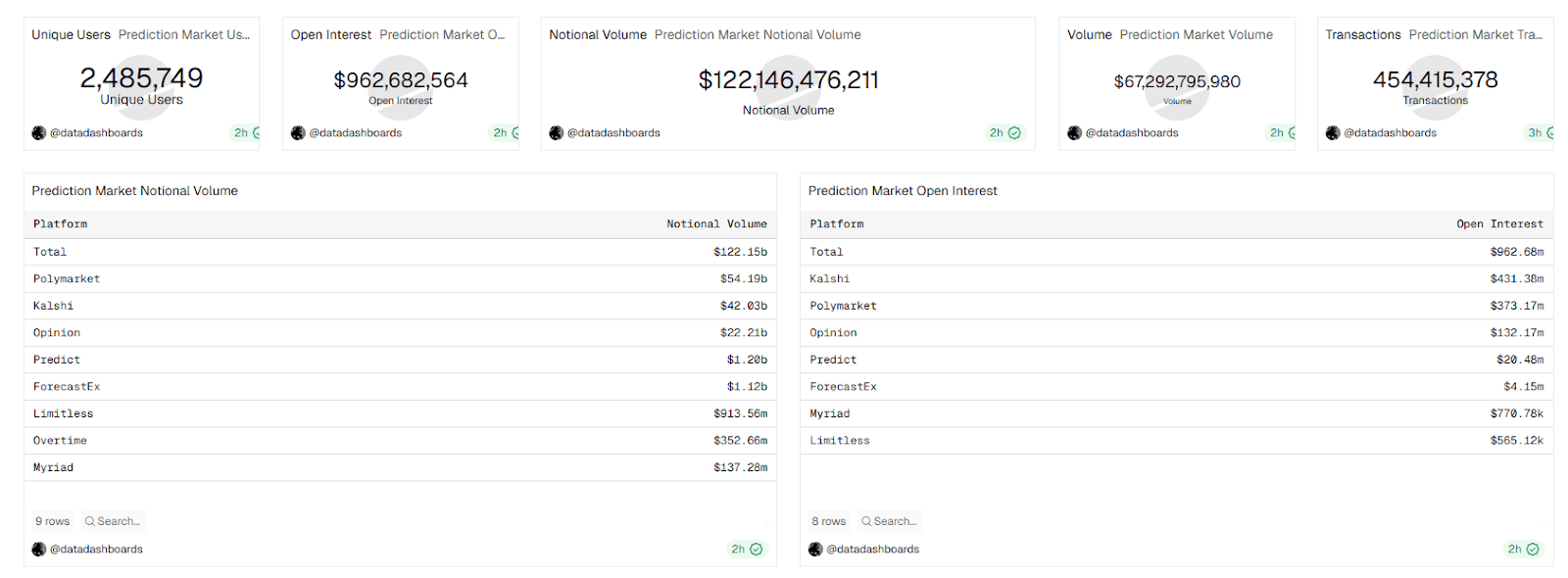
Prediction markets are essentially markets for bets on real‑world events, but packaged in a way that feels more like trading than gambling.
In 2025, the sector crossed $40–$60+ billion in annualized notional volume, with platforms like Polymarket and Kalshi handling tens of billions in trades, and the market is now on a run‑rate to exceed $300–$325 billion annually by 2026.
What’s more interesting than the headline number is where the volume is coming from:
- Economics‑focused contracts grew by around 900% year‑over‑year in 2025.
- Tech and science‑related markets jumped roughly 1,600%+ over the same period.
This tells you that serious users are no longer just betting on sports or politics; they’re using prediction markets to price macro indicators, crypto volatility, and even regulatory shifts.
Meanwhile, neobanks now serve around 350 million users globally, with projections to reach 386 million by 2028. Brazil leads with 43% of its population using neobanks, and India is second with 26% adoption.
When you put these two numbers together – a $300+ billion prediction‑market layer and a $300+ billion neobanking market, the logical move is to integrate prediction markets into neobank app stacks, not just as a side product but as a core capital‑allocation and risk‑expression layer.
Why Prediction Markets Are Becoming Core Features in White-Label Neobanks
If you think of a neobank app as a financial super‑hub for your users, prediction markets are the risk‑taking and expectation‑pricing module that legacy banks never built.
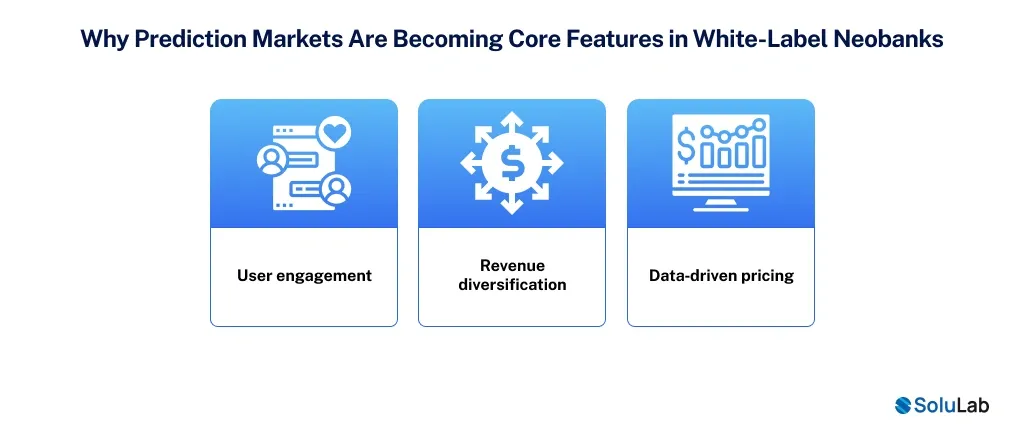
Here’s why they matter:
1. User engagement:
Users who trade prediction‑market contracts typically touch apps dozens of times per session, checking odds, hedging positions, and rebalancing. That’s the kind of engagement that lifts monthly active users and session time, which directly impacts valuation multiples.
2. Revenue diversification:
Prediction markets generate fees per trade, spread capture, and liquidity‑pool‑style yield, which can be layered on top of your existing interest‑on‑balances, card‑interchange, and subscription revenue.
3. Data‑driven pricing:
As a neobank app development company, you can use prediction‑market data to build AI‑driven pricing models for credit, FX, and even insurance‑linked products. If the market is pricing a 60% chance of a central‑bank rate cut, why not adjust your lending rates in advance?
If you’re running a white-label neobank app development initiative, prediction‑market integration is a differentiator. You’re not selling yet another digital‑only bank UI; you’re building a platform where users can express opinions as trades, which you can then monetize.
How Prediction Markets Improve User Experience in White-Label Neobank Development
From a business operator’s perspective, think of prediction markets as a second layer of risk‑taking that sits on top of your existing ledger:
- Savings‑plus: Users can park idle balances in a prediction‑market‑linked savings tier, where their capital earns yield from liquidity pools and market‑making activity.
- Credit‑hedging: A small business can lock in a rate or FX hedge via a prediction‑market contract, then fund that hedge directly from their neobank business account.
- Behavioral stickiness: When users have open prediction‑market positions, they’re more likely to keep the app open, check notifications, and return frequently.
All of this ties directly into your white-label neobank with prediction market features playbook.
The value isn’t just that we added prediction markets; it’s that you now have a multi‑dimensional product that can be marketed as banking with forecasting and risk‑taking, all in one place.
How Prediction Market Integration Transforms the Business Model of White-Label Neobanks
Let’s put some numbers around it:
If your neobank has 1 million active users, and 10% of them trade prediction‑market contracts averaging $10–$50 per trade with $0.10–$0.50 in fees, you’re already generating low‑to‑mid‑seven‑figures in annual fee revenue from a single feature.
On top of that, you can capture float from pending settlements, liquidity‑pool yields, and data‑licensing revenue from aggregated (anonymized) trading behavior.
| Dimension | Assumptions / Inputs | Estimated Impact |
| Active NeoBank Users | 1,000,000 monthly active users | Baseline user base |
| Prediction-Market Adoption Rate | 10% of active users | 100,000 active traders |
| Average Trades per User | 2–4 trades per month | 200,000–400,000 monthly trades |
| Average Trade Size | $10–$50 per contract | Retail-friendly participation |
| Platform Fee per Trade | $0.10–$0.50 | Micro-fee, high-volume model |
| Annual Fee Revenue (Est.) | Based on volume × fee range | Low-to-mid seven-figure annual revenue |
| Settlement Float Capture | Funds held during market resolution | Additional non-transactional yield |
| Liquidity Pool Participation | Market-making or LP strategies | Yield-based revenue upside |
| Data Monetization | Aggregated, anonymized trading data | Licensing & analytics revenue |
| Incremental ARPU Impact | Feature-driven monetization | Higher ARPU without lending risk |
For a neobank platform service provider, this is a revenue stack you can recycle into multiple clients. You can offer the same core blockchain prediction market solutions engine to a Brazilian fintech, a UAE digital bank, and a European SME‑first neobank, just with different skins, compliance layers, and regulatory wrappers.
Who Benefits Most from Integrating Prediction Markets into White-Label Neobank Platforms
Prediction‑market‑enabled neobanks are particularly attractive to three groups:
1. Institutional fintechs and prop‑trading firms
- These players are already using prediction markets to price macro events, hedge volatility, and run algorithmic strategies.
- A white label neobank with prediction market features can be their front‑end banking plus execution layer, giving them one‑click access to trading, liquidity, and settlement.
2. SMEs and founders
- Small businesses need hedging tools for FX, interest rates, and even demand forecasts.
- A prediction‑market‑integrated neobank app can offer simple, one‑click contracts (predict next‑month revenue within ±10%) that help them protect cash flow.
3. Retail‑first fintechs and challenger banks
For retail‑focused neobanks, prediction markets are a gamified but genuine way to introduce users to risk‑management, options thinking, and trading psychology, without starting them in crypto futures.
If you’re positioning yourself as a neobank company that can integrate prediction markets into neobank app experiences, these personas are the ones that will pay premium ARR for a white-label neobank platform service provider that can handle the full stack: UX, compliance, settlement, and liquidity.
Core Technical Components Powering Prediction Markets in Digital Banking Platforms
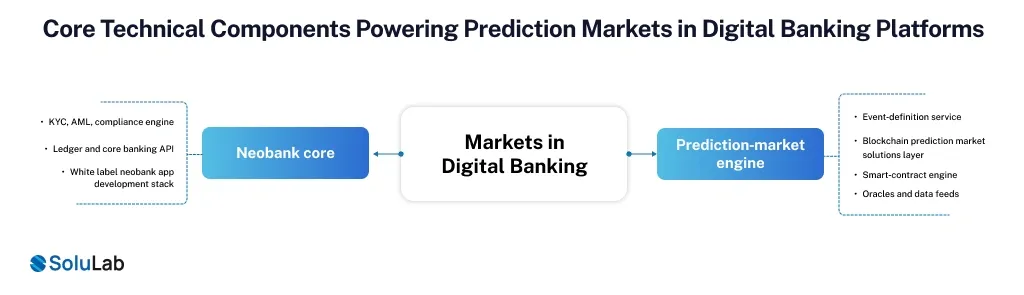
To integrate prediction markets into neobank app in 2026, you’re effectively building a two‑layer system:
1. Neobank core
- KYC, AML, compliance engine – Tiered onboarding, risk profiles, and dynamic trading limits.
- Ledger and core banking API – Accounts, payments, cards, FX; real‑time balance updates for trades and collateral.
- White label neobank app development stack – Mobile and web UI, onboarding, dashboards, plus prediction‑market views and disclosures.
2. Prediction‑market engine
- Event‑definition service – Rules for creating contracts, data sources, and jurisdiction‑based market toggles.
- Blockchain prediction market solutions layer – On‑chain settlement and transparency for auditability and trust.
- Smart‑contract engine – Automated payouts, escrow, and liquidity‑pool management.
- Oracles and data feeds – Real‑world data sources (CME rates, election results, etc.) for resolving outcomes.
For a custom neobank software development project, you can either:
- Build a greenfield prediction‑market engine from scratch, or
- Wrap existing white label solutions into your neobank architecture.
Either way, you’re creating a white label neobank app development path where clients can white label neobank with prediction market features with minimal time‑to‑market.

Regulatory & Compliance Considerations When Integrating Prediction Markets into Neobank Apps
Prediction markets sit in a gray zone in many jurisdictions. In the U.S., they’re regulated by the CFTC, while in the EU and UK, they’re often treated as gambling or derivatives‑like products.
When you’re building a product that can integrate prediction markets into neobank app experiences, you need to:
Define jurisdiction‑specific product categories
- Information markets vs. gambling vs. derivatives.
- White label neobank platform service providers typically start with permitted markets only (e.g., U.S. for CFTC‑approved contracts, select EU markets for licensed gambling frameworks).
Build modular compliance layers
- Different KYC tiers, trading limits, and risk disclosures per territory.
- Automated AML and fraud‑detection rules for high‑volume trading and whale‑like behavior.
Partner with licensed entities
Many white label neobank development projects work with sponsored banks or licensed market‑makers to offload the licensing burden while still offering a branded neobank with prediction‑market experience.
If you’re selling yourself as a prediction market integration services provider, this is where you add real value to CXOs – you’re not just a tech shop; you’re a compliance‑aware architecture that lets them launch faster in multiple markets.
Step-by-Step Guide to Prediction Market Integration in White-Label Neobank Development
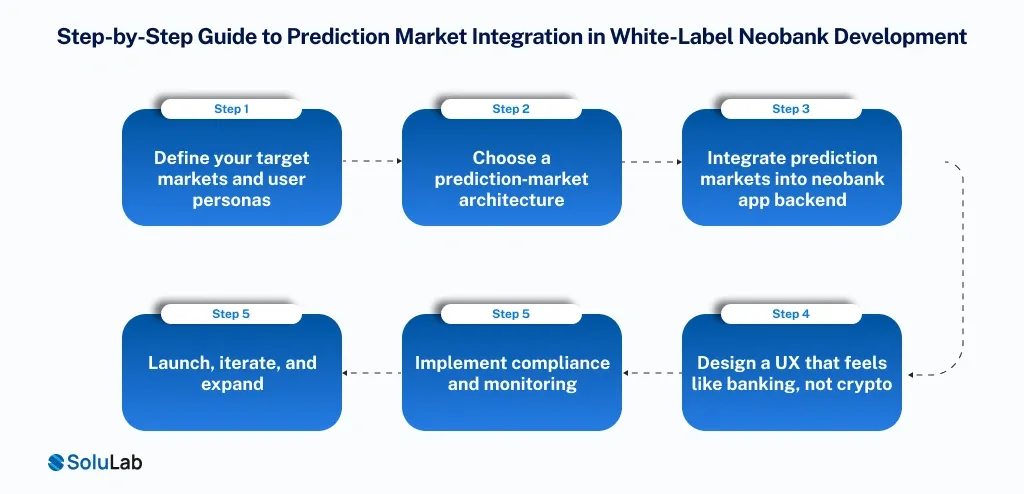
1. Define your target markets and user personas
- Decide which jurisdictions you’ll support.
- Map personas (SMEs, prop‑traders, mass‑market retail).
- This shapes your white label neobank app development narrative.
2. Choose a prediction‑market architecture
- Decide whether you’ll use on‑chain (e.g., blockchain solutions on Ethereum or L2) or off‑chain with on‑chain settlement.
- For white label neobank with prediction market features, most teams pick a hybrid model to balance speed, cost, and regulatory clarity.
3. Integrate prediction markets into neobank app backend
- Link your core banking ledger with the prediction‑market engine.
- Set up real‑time balance updates, margin checks, and cash‑flow tracking.
- This is where custom neobank software development really matters.
4. Design a UX that feels like banking, not crypto
- Don’t dump a crypto‑trading ‑style UI on your users.
- Make contracts look like structured products or hedging tools.
- Use real‑world examples and clear language to explain risk and payoff.
5. Implement compliance and monitoring
- Add KYC gates, trading limits, and risk‑disclosure flows.
- Integrate real‑time AML and fraud‑detection so your white label neobank platform service provider package can be reused across clients.
6. Launch, iterate, and expand
- Start with a subset of markets (e.g., macro‑economic indicators, FX, or sports).
- Use user data to refine your pricing models and product roadmap.
By following this approach, you’re not just building a feature; you’re building a scalable prediction‑market‑enabled neobank platform that can be resold under the white label neobank app development model.

Key Use Cases of Prediction Markets in Digital Banking Apps
If you want to really sell this to users, you need tangible use cases of prediction markets in financial apps:
1. Macro‑risk hedging for SMEs
A small business can hedge against interest‑rate changes or currency volatility by buying or selling prediction‑market contracts tied to central‑bank decisions.
2. Institutional risk‑management
Asset managers and hedge funds can use prediction markets to price tail risks and event‑driven volatility more efficiently.
3. Retail‑level opinion‑as‑trading
Users can turn their views on elections, crypto prices, or Fed rates into real‑world positions without going full‑fledged into futures. You can also check real world examples of prediction markets in banking‑adjacent spaces:
Platforms like Kalshi and Polymarket already have institutional‑grade liquidity and regulatory‑approved categories.
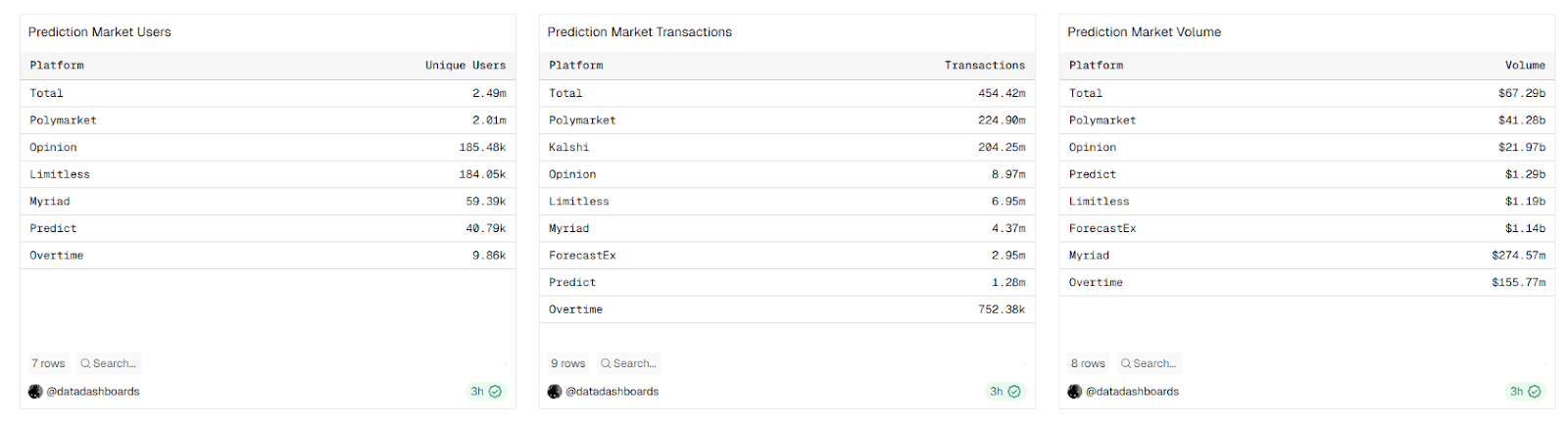
Some fintechs are embedding prediction‑market data into AI‑driven advisory engines, turning crowd‑sourced expectations into personalized recommendations.
The Future of Prediction Markets in Neobanks and Digital Banking Apps
Prediction markets are heading toward $1 trillion in annual volume by 2030, and the trend is clear – they’re moving from niche apps into embedded infrastructure inside fintech and banking.
By 2026, platforms like Kalshi and Polymarket already handle hundreds of billions in trading, making them real liquidity venues for macro traders and institutional players.
For neobanks, this means prediction markets shouldn’t live outside the app anymore. They should be integrated into the core stack, almost like FX pricing or credit‑risk engines.
Neobanks that integrate prediction markets into neobank app stacks in 2026 will be positioned as:
- Data‑driven risk‑takers – They’re not just holding deposits; they’re actively pricing and absorbing macro, FX, and event‑related risk.
- Revenue‑diversified platforms – They add fee‑per‑trade, spread capture, liquidity‑pool yields, and data‑licensing revenue on top of traditional banking revenue.
- AI‑ready engines – They use prediction‑market data to refine pricing, credit models, and product‑offering strategies in real time.
That’s the future of prediction markets in fintech – they become a risk and expectation‑pricing layer inside digital‑banking products, not a standalone crypto‑side project.
Conclusion
If you’re running a neobank, prediction markets are not a nice‑to‑have. They’re a $300+ billion liquidity layer that can directly improve your revenue, engagement, and risk‑based pricing.
The key is to start small, design smart, and launch fast. You don’t need to build everything from scratch. You can buy white label neobank with prediction market features from SoluLab, a leading blockchain solution development company, then integrate prediction markets into neobank app stacks, and position your product as the banking platform that understands forecasting, not just balances.
FAQs
With over 3 years of experience, I specialize in breaking down complex Web3 and crypto concepts into clear, actionable content. From deep-dive technical explainers to project documentation, I help brands educate and engage their audience through well-researched, developer-friendly writing.