Talk to an Expert
Get in Touch

IoT Security Challenges Are Real- How To Overcome Them

The IoT (Internet of Things) market within finance is expected to triple by 2020. But, with the increasing popularity of the Internet of Thing(s IOT) and Big Data, there will be threat of security challenges. Therefore, finance institutions like banks and insurance firms must be ready to face these challenges.

The global IoT market is expected to grow to $1.7 trillion in 2020 from $655.8 billion in 2014. According to PWC, the financial services farms are expected to face twice more security challenges than other farms. It has been seen that cybercrime is in the second position in economic crime of all.

This new challenge is rising as a threat for all organizations as all are fully dependent on IoT. To overcome this problem, not only financial organizations, Companies dependent on IoT will try to diminish potential threats and speed up their business growth with the help of right security framework and this can be fruitful.

What is IoT Security Challenge

IoT security is the area of endeavor whose job is to protect connected devices and networks in the Internet of things (IoT). To improve security, there should be an IoT device which needs to be directly available over the Internet, should be segmented into its own network and the network access should be restricted.

The Internet of Things engages the growing dominance of objects and entities – known. Today, too much use of IoT communication comes from computing machines and fixed sensor systems are used in businesses as machine-to-machine (M2M) communication, smart energy networks, vehicle to vehicle communication, home and building computerization, and wearable computing devices.

First of all, we need to know two real-life IoT security breaches which have had harmful effects on mainstream businesses.

  • The Mirai Botnet

In 2016, an IoT, ‘botnet’ took the benefits of openness in TV cameras and routers. After scanning the internet for Telnet ports, it had been found that the botnet had done force-hack its way into the system by using the device’s 61 default credentials. Though this particular attack was restricted to internet-connected TV cameras and routers, the attacks of brute-force can influence any other IoT device.

  • Connected Cars

Due to the advancements in car technology, by 2025 Ford Motors are expecting to offer driverless vehicles to the market. These superior-quality IoT devices will give more convenience to users by helping them to avoid accidents and manage a wide range of safety technologies, from anti-lock brakes to airbags. But according to security firm Trend Micro, these safety systems are even more vulnerable to hacking and the hack attacks the network protocol known as the Controller Area Network, or CAN. Thus, everything of the car, connected to CAN will be hacked and may give rise to a potential threat.

Identifying and Conquering IoT Security Challenges
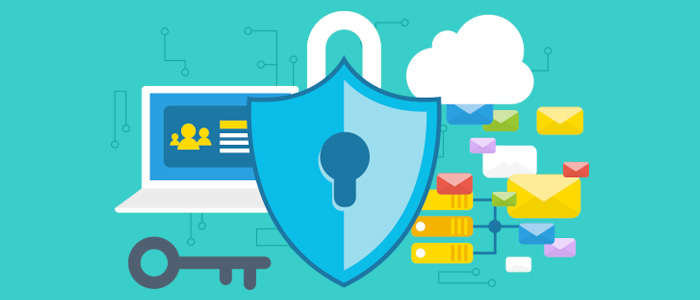
We’ve just mentioned two examples of IoT breaches. But now look at how your business will prevent these issues from occurring.

IoT security challenges not only frighten your in-house team, but they will also impact your customer too. The main IoT security anxieties,  according to a Gemalto survey, experienced by consumers are:

  • 60 percent of consumers are worried that their IoT data will be leaked

  • 90 percent of consumers assume that there should be IoT security guidelines

  • 65 percent of consumers are concerned that their IoT devices will be controlled by hackers

But, with the intelligent mindset and advanced technology, your business can overcome IoT security challenges and makes both the business and customers safe. Here are the five most prominent IoT security challenges facing FSI and your organization can use to tackle them

1. Use Biometric authentication and Geolocation

IoT technology requires a transformation in approach, mostly for devices which have essential financial and personal information.

But all IoT devices are not safe enough to stop identity theft and security breaches. For example, there are around 50 percent of smart watches that give chances to users to set a pin code or pattern. At the same time, 87 percent of enterprises are at risk within the IoT devices for themselves.

Biometric authentication, like fingerprint scans and voice recognition, is safer than any other way of securing data. Today we are more familiar with this type of technology by securing data in our mobile phones by using our fingerprints to unlock it. There is another option to secure data is Azure’s multi-factor authentication when you fail to implement biometric functions and it also protects your data by multiple layers of security.

Additionally, a lost payment gadget, for example, a mobile phone or a smartwatch causes less threat if the financial information kept in it is locked and encrypted. If you implement geolocation function, it will allow you to track the location of your device in case it is stolen or lost.

In this way, you can keep your customers’ records secure and seal off any harmful entrants to your business that may produce data breaches and reputational damage. Still, the hackers can enter into your network to steal data.

2. Installing Azure Active Directory

Weak login details cause vulnerability to brute-force attacks for your financial IoT devices. So, if anybody overlooks to follow the right security measures, malware like Mirai botnet will easily hack his devices. It is important to change the default settings of your computer or devices before you use them for business purposes or for data storage otherwise your business assets and customer information will be at risk.

You can overcome the problems of unauthorized access to connected devices by installing Azure Active Directory. You can identify the usual brute-force techniques and attempts that presume device passwords by using the cloud intelligence of Active Directory’s ‘smart lockout’. This tool also finds out potential hackers during the verification of the identity of all the authorized users and invalid users.

3. Increase Patching & Testing

The biggest threat of IoT security challenges not only affects smart devices, but also a common risk to all software operations:

Outdated devices are more vulnerable as they contain dangerous bugs and they are also not technologically advanced. So that hackers target them to steal or misuse your organisation’s data security.

Whatever you do to patch in-branch IoT devices or customer wearables, you have to check and test the stability of every update and device models to guarantee their security posture is very tight. As, customers mostly forget to download updates, put automatic updates or motivate them to stop using outdated models.

4. Hide your IP address

As there is too much insecurity in IoT, businesses need to go beyond ordinary network security, and start to observe all network connections to protect their businesses from hackers.

An IP address is an exceptional internet ID for a user which gives the user’s location and connects different systems and networks collectively, and by that all information is transferred from one to another.

You can use VPN and Tor to protect your IP address and your devices from cyber attacks.

  • VPN

VPN (virtual private network) is an effective way to keep your IP address protected from cyber attacks. It transmits information through a secure channel. For users managing IoT devices on the go, using a vpn for iPhone can offer an extra layer of security, especially when connecting over public networks.

To overcome IoT security challenges, you can just sign up to one of the VPN providers online and set up your connection. Right after your system gets activated, your real IP address will be protected and your system will show another IP address through the VPN provider you have chosen.

  • Tor

This browser is a free software which protects your IP address by bouncing your communication around a scattered network. It always hides your IP address and you can check it by going online secretly. It also stops people watching your internet connection from learning what site you visit and also prevents the site you visit from knowing your physical location.


How To Launch A Successful ICO – Necessary Steps And Important Tips

So what is ICO and how to launch successful ICO? ICO is similar to IPO (Initial Public Offering). IPO is offered by many industries and business in the form of shares to have a balanced financial operation. Likewise, ICO is offered to users holding cryptocurrency. In the case of ICO, it is called as token instead of shares. This article explains what makes a successful ICO.

The Need To Launch Successful ICO (Initial Coin Offering)

People all around the world are moving towards digital money for faster transaction and privatized network access. ICO is able to reach customers at further ends of the world where IPO is limited or restricted. The only limitation with ICO is how well you are able to market your business as the access for ICO is unrestricted and its scalability is unlimited. The advantage of these tokens is that when users buy them, they automatically become a customer to your business too. This helps in raising money quicker and generate a bigger revenue.

Read More: How much would it cost to launch a successful ICO?

ICO also helps in pulling the crowd towards your business for funding. This makes ICO an easier option than going to a venture capitalist or some institutional investor for funding. This allows the crowd to give their suggestions and ideas too and this results in the business to be innovative.

launch successful ICO

Following are some necessary steps and important tips on how to launch successful ICO

First of all, it is vital for you to understand the basics of cryptocurrencies and enterprise blockchain development technology. And, then start doing groundwork on your ICO, following below mentioned steps:

Make your own research

As a business entity if you want to launch successful ICO and pull some crowd towards your idea for investment, then first you should know what would attract users to invest. Do a market research to identify if your product or service is appropriate for the market you want to launch in. Realize if that market has a trend that supports your business growth and calls for more investment. Identify factors that will encourage the users to invest in your ICO and try to provide supporting facts and evidences to show them that your ICO has future potential too.

Choose the right team

Every good business needs to have a good team to support the operations such that the results would be efficient and effective.

team

The important factor of a good team is having the right people who has the right skills and expertise. This is one such variable that all users will look for before investing in your ICO. Having a team with expertise and skills will give a sense of building trust among the users and investors. Make sure that the team members have appropriate and sufficient amount of knowledge on blockchain and cryptocurrency. Thus, the team will be able to adapt to the changing technology and make sure that the ICO of your business can attract more customers. This helps is staying ahead of the competition too.

Use opportunities around you

With the world changing digitally, your business has to adapt to those trends too. Everybody in the current world uses social media for various purposes. But, what matters at least three fourth of the world is available in some social media platform and you can use this to your advantage. Digital marketing is increasing today and influencing all customers. This will increase your scalability of your business and also help you expand your customer base. When you capture customers through social media, you are capturing customers with knowledge of what is happening in the world. This might help to you gain more new ideas and suggestions from them to help the growth of your ICO and business too.

Set your standards and rules

Any business to survive and any investment to be strong, there needs to be set of fixed unwavering rules and regulations. These are supposed to be followed strictly because if the rules are easy enough to break then there will be no investors to buy your ICO. People need to trust that your ICO has high security and will have high returns at the same time too. This can also be called as the whitepaper. This whitepaper should contain information in such a way that it answers questions that may arise in the minds of the user or investor. This will help the investor or user with their research while trying to identify if to invest or not. If your ICO standards are unbreakable, then you do not have to worry about pulling the crowd.

Express the scalability of tokens and your destination

Enrich the users and investors as to how much funds you can store and transfer. Tell them about the capital investment they might have to make and also about the opportunities that they will have access to if they buy your ICO. Teach them about the different possibilities that your business ICO will have in the future.

tokens

Make sure that the users and the investors understands the final destination your business is trying to reach and the goals you are trying to achieve. This will help the user to resonate with the same wavelength contributing to the growth of your business too.

Read More: How SoluLab paved a way for ZeCash to launch a successful ICO?

Closing thoughts: Focus on success

Some of the successful ICOs launched till date are Ethereum, Spectrecoin, Stratis, Ark, etc.  Follow the tips and steps mentioned here; do not focus only on generating revenue. This will help you launch successful ICO. Focus on the scaling of your ICO and how your business idea is going to be related to it. This leads to influencing customers and as a result your ICO meets all goals that has been set. Times may be different and technology keeps changing too, given this fact, current time is best for launch ICO to be successful. This is because of the rise in cryptocurrency and the change in trend towards digital money. Good luck on your successful ICO launch. In case you need any expert advise or consulting from ICO and cryptocurrency development company, feel free to reach out to us!

Blockchain For Accountants: Proactive To Overcome Financial Reporting Challenges?

The much-hyped and highly potential blockchain technology is going to disrupt lot many industries, lot many sectors, and lot many business areas. We have read a lot about how can it transform the finance industry. If we go deeper in this discussion the entire BFSI domain can get shaken (maybe for the better) with the adoption of blockchain technology. Today, we shall specifically talk about one of the most vital branches and integral parts of the BFSI domain i.e. accounting. What’s there in a nutshell when it comes to blockchain for accountants?

blockchain for accountants

What is there in the blockchain store for accountants and how does it help overcome financial reporting challenges?

Well, blockchain is going to rewrite a new era of accounting, finance, and auditing across the globe.

As confirmed by Coin desk, the world’s four biggest auditing firms – Deloitte, E&Y, KPMG and PwC – are joining a group of 20 banks in Taiwan to trial a blockchain service for auditing public companies’ interim financial reports.

This news came almost a year back. On full-fledged adoption of blockchain technology by these firms, blockchain for accountants won’t be too far to reach.

As more companies are joining the crypto economy, the accounting and auditing firms will soon be forced to include cryptocurrency transactions in their accounting processes.

Let us understand how these Big 4’s are utilizing blockchain technology for financial reporting

Big 4 and blockchain

Ernst & Young
·        the first to begin accepting Bitcoin as a payment method.

·        In April 2018, E&Y launched “Blockchain Analyzer” that is anticipated to facilitate EY audit teams review and analysis of transactions on the blockchain

KPMG
· Launched the “Digital Ledger Services” program in 2016 to help financial services companies investigate blockchain applications
PwC
·        started accepting Bitcoin at its Hong Kong office in December 2017

·         In April 2018, the firm announced its first-ever wide-release blockchain auditing service with crypto businesses already signed up.

Deloitte
·        In 2014, launched Rubix, billed as a “one-stop blockchain software platform.”

Blockchain for accountants and auditors: Boon or curse for the future of financial reporting?

Financial reporting and blockchain

Our global modern financial accounting is based on a double-entry system. Financial reporting is a vital element for any business since it reflects the actual economic condition of the business. Its authenticity is a must. In order to gain the trust of outsiders, independent public auditors have to verify the company’s financial information. Each audit is a costly exercise, binding the company’s accountants for long time periods.

How did blockchain technology come into the picture? With enterprise blockchain development, all entries are distributed and cryptographically sealed, chances of destroying or manipulating them to conceal activity are practically impossible. This will enable public auditors to verify a large number of data in a very short period of time. The cost and time necessary to conduct an audit would decline considerably.

Blockchain For Accountants: Benefits

BC FinTech benefits

Reduction in errors:

Since the transaction data would be in the chain and backed by smart contracts, accounting entries will get automated and hence, a huge amount of reduction in human errors or there can be some negligible errors only. The need for reconciliation will drastically reduce.

Elimination in chances of fraud:

The indisputable nature of blockchain makes it exceptionally difficult to perpetrate and difficult to edit or manipulate. In order to make modifications in records, the same change is required to be incorporated on all copies of the distributed ledger at the same time, which is highly infeasible.

Savings in overall costs:

Well, who doesn’t wish to improve the bottom line of their business? Revenues can’t be increased overnight but an organisation can definitely control levels of costs. This can be made possible by adopting blockchain technology. Following initial adoption cost, accounting firms can expect to see rapid cost savings over conventional accounting systems.

Boost in efficiency:

Undoubtedly, blockchain is a fast, vast, and powerful database. With the incorporation of blockchain technology, it will be much easier and faster for you to generate reports out of your financial system software. It not only saves your overall time but also enhances efficiency. The efficiency will be higher as compared to legacy accounting software applications.

How Blockchain For Accountants Can Help Overcome Financial Reporting Challenges?

In our existing financial reporting and corporate reporting systems, there are issues. And not all issues are within the reach of public auditors to nullify or overcome. What are these burning issues and how blockchain for accountants can help overcome the underlying challenges of financial reporting?

Reconciliation of transactions:

A typical team of accountants and auditors spends a huge amount of their productive time on reconciliations. Then also, at times, some transactions and their difference amounts are settled into suspense accounts.

When you have blockchain technology in place i.e. shared ledger approach, it solves this problem from the root level. It enables all related parties to identify the transaction and allows to publication of data simultaneously.

Meeting deadlines of statutory, management, and regulatory reporting:

Sluggish and imprecise reporting data can result in immature or poor decision-making, extra delivery costs and even excessive capital funding.

With blockchain for accountants, it is very much possible to publish data simultaneously. It almost eliminates the need for standard reporting cycles across statutory, regulatory and management reporting.

Transparency within intercompany:

Blockchain technology enables intercompany transparency by creating decentralized ledgers. It also gives rise to the opportunity for real-time settlement. This would free up time for the finance function to focus on added-value activities such as strategic planning and supporting wider business decisions, particularly during the critical period of the final stages of the consolidation process.

Capital intensive due to duplicate maintenance of infrastructure:

Most of the clients of accounting and auditing firms take several months to reflect organizational structure changes within their finance systems. By that time, there can be immense capital investment to maintain different sets of data and infrastructure. But with blockchain, expenses can be reduced drastically. There is no need to keep duplicate data records too. Any changes to the ledger would be reflected in all copies in minutes, allowing for financial data to reflect true picture.

Over to you!

Time will tell whether blockchain tech is good or bad for accountants and financial reporting. Meanwhile, accountants, CFOs, financial analysts, and financial executives will need to stay ahead of the trend by keeping an eye on the latest blockchain reporting developments.

Are you interested in exploring further how it can specifically disrupt your business and what challenges may crop up while dealing with existing issues? Is your accounting software compatible to get started with blockchain?

We are just a click away! BOOK A FREE CONSULTATION

Use Cases of Digital IoT Tracking Devices For Asset Management

IoT is here to change the world. Know more about the use cases of IoT digital asset tracking systems and the benefits of such devices.


From smartphones to smart homes, IoT is here to rule as the newest technology of the twentieth century. IoT applications for asset tracking and management in industries is not new. There are many IoT devices today that have been proved to be a boon for mankind. If you are an entrepreneur and wish to work on IoT digital asset tracking applications, a knowledge of the use cases is a must. So, what are the areas where IoT asset tracking applications can function? What are the benefits of such devices? Is it necessary for businesses to use IoT tracking systems? Let us take a look.

Benefits of IoT Tracking Devices

According to a report by Mobile Experts, there will be an exponential growth in the shipment of  Asset Tracking IoT devices in near future. In fact, shipments will grow from 22 million to 70 million by 2022. Also, half of these devices will send data using a Cloud-based service provider. This will result in a service revenue growth of 7.5 billion U.S. dollars in 2022.”


So, why will IoT tracking devices sell like hotcakes in the future? Well, IoT tracking devices have a lot of benefits like:

  • Peace of mind and security
  • Reduced cost of losses and theft
  • Optimized transport routes and cost
  • Improved productivity
  • Improved customer satisfaction
  • Clearer responsibility boundaries along the logistic supply chains

Thus, IoT tracking apps will definitely affect each industrial sector in a profound manner. This is due to the fact that it has the immense potential to replace all other technologies in terms of security and saving money. So, let’s know some use cases of IoT devices for asset management and tracking.

Continue reading “Use Cases of Digital IoT Tracking Devices For Asset Management”

How Do Smart Contract Applications Actually Work

All you need to know about the working of smart contracts with Ethereum and how industries will benefit out of smart contract applications.

smart contract applications

Blockchain, bitcoins, smart contracts and what not? The internet is full of blockchain technology today. However, only a few people know how it works. Besides, the many benefits it offers, one must know what blockchain and smart contracts are all about. The discovery of the idea of smart contracts was two decades ago. But, blockchain technology was unknown then. But, today with blockchain technology, one can actually implement this idea. So, let’s know what are smart contracts all about and how smart contract applications work.

What Are Smart Contracts?

A smart contract is nothing but a computer code which is an agreement between two people. Besides, for running smart contracts, you need blockchain technology. So, a public database stores all the smart contracts development, and they can’t be changed easily. Moreover, there is only a basic difference between a standard contract and a smart contract. The former establishes a relationship enforced by law while the latter uses cryptographic code.

The processing of the transactions on smart contracts happens via the blockchain technology. This means that there is no need for any third party to verify them. In fact, transactions can execute and continue in an automatic manner.

smart contract applications

Also, the smart contract must meet the conditions for the transactions to happen. Further, there are no trust issues as smart contracts cut the need for third parties.

Thus, the most important characteristics of a smart contract are:

  • Self-executing

  • Immutable

  • Self-verifying

  • Auto-enforcing

  • Saves unwanted  costs

  • Removes third parties

What are Ether and Ethereum?

But before going into the working of smart contracts, one must be familiar with Ethereum.

Ethereum

In short, Ethereum is a blockchain that records all executed codes as transactions. It allows developers to program their own smart contracts. These smart contracts are actually ‘autonomous agents’, as the Ethereum white paper calls them. Besides, the language is ‘Turing-complete’. This means that it supports a wide range of computational instructions.

Ether

Ether is the cryptocurrency that fuels the Ethereum blockchain.

How smart contracts use Ethereum?

Developers write the code of smart contracts using the native language of Ethereum which is Solidity. These contracts codes can be of various forms such as:

  • Transaction of money after the fulfilment of certain conditions.

  • Exchange of goods between parties

smart contract applications

But, a smart contract algorithm that uses Ethereum follows many steps for a successful execution. Let’s take a look.

  1. After developers write the code, the EVM- Ethereum Virtual Machine helps in uploading of the code. An EVM is a universal runtime compiler or browser that can help in executing the smart contract code.

  2. Once the code is on the EVM, it will be the same on each Ethereum node. Further, each node will try to run to check if the conditions are met or not.

  3. The digital asset called ‘Ether’ will help in fuelling the two or more parties involved with a contract of Ethereum.

  4. After the successful execution of the smart contract, the digital asset will be or re-distributed according to the logic specified in the code.

In other words, smart contracts use Ethereum and thus must be ‘Turing Complete’. This means that besides the conditional logic, they must be able to loop through as far as possible. That is how the execution of all the instructions in code can happen completely.

So, depending on the number of operations to execute, smart contracts can be simple or very complex. However, each function of the contract needs to a fee for complete execution. This fee is ‘gas’.

smart contract applications

Ethereum uses ‘gas’. It is the unit by which one can estimate the degree of difficulty of computational efforts. In short, if your smart contract’s instructions are complex, you will need more gas to execute it.

Also, Ethereum maintains a shared state of account balances. This helps in getting rid of the issue of tracking and compiling of transaction outputs. It actually enables smart-contracts to move balances across different accounts easily.

Some smart contract applications

Smart contracts help in many ways to build different kinds of applications. In fact, there are endless possibilities for smart contracts. They are being used for trades, insurance, legal processes and even crowdfunding agreements(ICOs). Let’s take a look at how smart contract applications are benefitting industries and how they have the potential to assist other sectors too.

Insurance companies

In 2017, insurance companies like the Atlas Insurance in Malta and Axa in France had tested smart contracts. These smart contracts helped in compensating airline customers if their flights were late. The major benefits of smart contracts observed were:

  • It saves a lot of time and money. If the flight is on time, the smart contracts send the money of the fare. But, if the flight is late, money is automatically sent back to the users via smart contracts.

  • There is no confusion about the fact if the Insurance companies will pay the agreed amounts. Smart contracts help in instant compensation.

smart contract applications

Governments

Smart contracts can help in making voting systems completely trustworthy and more secure.
Moreover, applications like ‘FollowMyVote’ use smart contracts and blockchain technology to protect votes from any fraudulent activities.

The best advantage of smart contracts for voting is that once a voting transaction enters the blockchain, nobody can change it. Also, the smart contract sends a token to an address of the winner as soon as the voting process gets over. Thus, the whole process is fair and the winner is the genuine candidate.

ICOs

One of the most popular smart contract use cases is ICOs or Initial Coin Offerings. They help startups to raise funds for their businesses. The biggest advantage of ICOs is that entrepreneurs can avoid conventional investing regulations with these. Nowadays, there is a huge production of ICOs on the Ethereum blockchain.

ICOs have actually given a new way of using blockchains. It enables smart contracts that have a number of unique features like:

  • Automatic execution of contracts according to the logic programmed into it.

  • Multisignature functionality among two or more parties that can approve or reject any transaction in an independent manner.

smart contract applications

Health systems

Smart contracts are a blessing for the healthcare systems. They can record and transfer data in a safe way. Genome blockchain networks like the ‘Encrypgen’ have already used smart contracts for the medical industry. This application helps in transferring patient data securely without the interference from third parties. So, patients are in full control of their own data.

Further, it safeguards the patients’ medical history because researchers have to pay if they want to use any patient data. Besides, it is the sole wish of patients if they want to sell their data for any research.

Signing off…

Altogether, smart contracts are here to revolutionise everything. Though blockchain and smart contracts are hype currently, many people don’t know about it. The best thing about smart contracts is that they eliminate middlemen. Also, they restore the trust of end users in the transaction system.  It can reduce fraud, delays and unwanted costs too. So, smart contracts can make the world a better place. What do you think? Will companies use smart contracts in the near future?

A Beginners Guide To Blockchain-based Wallet And How Do They Work

It’s not so long when we got introduced to cryptocurrencies like Bitcoin, Ethereum, and Ripple. They were the talk of the town even before the people had a proper knowledge about it. The concept of blockchain wallets is still not known by many of us. Both of them are linked and interdependent but different. It is important to understand both the terms to get started working with digital currencies and its investments.  

digital wallet


BLOCKCHAIN WALLETS

Most of us know that blockchain technology is an encrypted system that helps in protecting the information from the third party. In the same way, digital currencies need protection too just like our money in our accounts. Cryptocurrencies cannot make transactions like sell, buy, exchange through normal bank accounts, therefore, it needs blockchain wallets to go ahead with the transactions.

Blockchain wallet is just like a digital wallet, only the difference is that the transactions are made by buying/selling the cryptocurrencies and not with actual money in our banks or wallets. Just like digital wallets give access to make transactions using the money in our banks, the blockchain wallets help to make the transaction through cryptocurrency.  

In simple words, blockchain wallets are needed for making the transactions using cryptocurrencies. Blockchain wallets do not save the information of cryptocurrencies, they record and keep a track of all the transaction of cryptocurrencies like buying, sell, exchange.

HOW BLOCKCHAIN WALLETS WORK?

Blockchain wallets or Cryptocurrency wallets work on a system which stores private and public keys, this system enables the users to make safe and validated transactions while buying, selling, exchanging one or multiple cryptocurrencies.

As mentioned above, blockchain wallets do not save cryptocurrencies. So, the question arises that how are transactions made, and how are cryptocurrencies are sent?

Blockchain wallets save the private and public keys which help in the interaction and exchange of the cryptocurrencies. When one user sends the cryptocurrency, it has a public key assigned and to buy the cryptocurrency, both public and private key(assigned to a specific user) has to match. When both the keys matches, the amount is added from one user and gets deducted from another. Obviously, there is no actual exchange of money or coins are involved. The transaction is visible just in the wallets of the specific users/buyer/seller.

Read more -:  Bitcoins are an acceptable mode of payment….where?

TYPES OF WALLETS

Software Wallets:

Software wallets are the downloadable or accessible systems which can be used through various devices depending on the type for which each one is made for. The software can be used on laptops, desktops, mobile phones depending upon the type of wallet.

Software wallets are further divided into 3 categories:

  • Desktop:

FEATURE: Through desktops, the software could be downloaded or accessed online and can only be used through the device it is installed on and cannot be used on any other device. If a user is looking for stable and not so often used wallets, then this is the most suitable one.

DRAWBACK: Many times, a virus enters the desktop system which might be hazardous to the information and funds.

  • Online

FEATURE: These are available on the web browser and so, are available on all types of devices like desktop, laptop, and mobile phones.

DRAWBACK: The private keys are saved online while using the software online which makes the information prone to be released to the third party, leading the information to a risk.

  • Mobile

FEATURE: Mobile makes the wallet accessible anytime, anywhere and also makes the fund transfer easy with the help of QR codes.

DRAWBACK: If our phone gets into the wrong hand, information could be revealed.

No wallets or transactions could lead to problems if one is attentive in using wallets and making the transactions. Safety measures are a must while making fund transfer in every case.

Hardware Wallets:

Hardware wallets are accessed through an offline process. The information and currencies are saved in a hardware device like USB. To access these wallets and use them to make transactions, one has to connect to the internet and enter the pin. This is the safest form of wallets as all the information is saved offline and is not prone to any unsafe activities on the internet.

Paper Wallets:

Paper wallets are usually used along with the software wallets. Paper wallets are used by generating a pair of key(public or private) from a software application which is then gets printed onto a paper to make the transaction possible. The currency has to be transferred to public address on paper after which when funds are needed to be unlocked, the currency is transferred from paper to software wallet, the process generally known as sweeping. This can be done either by scanning the QR codes or by adding the keys manually.


Read more – How to use blockchain and cryptos to improve dental practice?

HOW TO GET A CRYPTO WALLET AND SECURE IT?

One of the most famous and easy place to acquire crypto wallets are the web browsers and app stores. Also, there are many online stores known for providing crypto wallets. Myetherwallet.com, IMtoken, Gnosis, MyTrezor, Crowdwiz are some of the famous and most used digital wallets.

Keeping a check on the walletes and securing them depends upon its type and service providers. It has been observed that offline wallets are comparatively more secure than online wallets. But it has also been increasingly implemented the ways to secure the online wallets. the most important part to secure each type of wallets are the keys, as if you lose it your coins are prone to be lost easily. Some precautions to be taken to keep your wallet scures are:

  • Software should be updated timely without any delays.
  • Additional keys should be added for unbreakable security passwords.
  • Wallet should be regularly updated.  

In the trend where cryptocurrencies are on a hype, it is important to understand about the wallets thoroughly. There are various crypto wallets used by people like coinbase, trezor, electrum etc. With these wallets getting too much into fashions there are various blockchain development companies bridging a way to successful digital currency transactions. It is a way of investing money in a platform and earning thereafter.    

No doubt, the blockchain-based wallets aka digital wallets are about to change customer’s online shopping experience forever!

From Farm To Plate – How Blockchain Technology Can Reinvent Agriculture Sector?

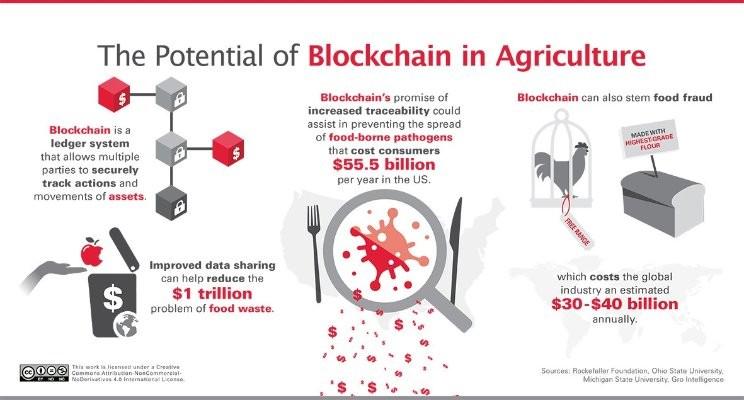
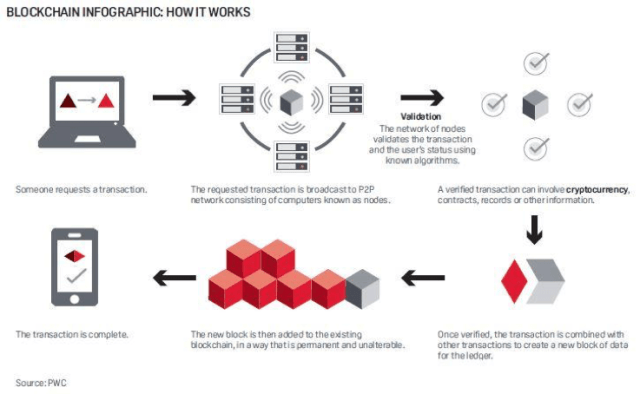
The tumultuous rise of bitcoin rates helped popularize the concept of blockchain, the technology behind cryptocurrency. Though the Bitcoin value didn’t sustain, blockchain has opened up a plethora of technological possibilities that has enticed investors and tech geeks worldwide. Blockchain is basically a digital ledger that can record transactions of any kind. Not just financial transactions, anything of value can be programmed into the blockchain ledger. Its incorruptible nature owing to a distributed and dynamic database makes it an attractive option for many industries, including the agricultural sector.

Traceability and Tracking

Within the modern agricultural sector, tracing the trajectory of food products as they reach our tables from farms, is an important avenue. False labeling, food fraud and food contamination cause around 420,000 deaths annually according to a WHO report. Blockchain can play an aggressive role in addressing this serious health issue. Using blockchain one can make sure whether a certified organic or fair trade product actually lives up to its claims. Currently, a centralized record keeping system is used in most places that is prone to tampering. In a blockchain based system, the records remain secure eliminating the need for a third party presence. The immutable records can then be updated in real time allowing farmers to better manage their crops. Ultimately, the goal is to provide the customer with a transparent record of the farm to table track of food products. The customer will be appreciative of paying a premium price for such products if he or she is assured of its origin.

Image result for blockchain and agriculture

A cooperative called Grassroots in Arkansas has already used blockchain to create an interactive interface. This interface allows the farmers and other partners in the supply chain process to chart the path of poultry. Agridigital, another startup in Australia has utilized blockchain in a similar manner to manage grains as they move through the value chain.

Along with the ability to track the route of a product, blockchain also helps eliminate rudimentary elements from the process. In the event of a food safety crisis, it can recognize the source without much ado. Eventually, this could save time, money and lives.

The Financial Component

Image result for blockchain and agriculture

Blockchain gained popularity for the financial leverage it provides with transparent transactions. Several organizations have worked at inculcating this benefit into the agricultural cycle. Most current models are primitive in nature and profess the use of several middlemen who eat into the farmer’s income. Payment is erratic and based on unpredictable statistics such as weather, sales, and demand. The rates fluctuate on a daily basis due to which the impoverished farmers languish at the mercy of volatile factors. Introducing blockchain into this ecosystem can help revamp the entire payments process. Blockchain eliminates the traditional need for middlemen and enhances financial security. The promised payments can take place instantly and in a transparent manner. Weather data and online records can be used to study price and demand fluctuation. These statistics can, in turn, help the farmer plant his harvest.

An Amsterdam based technological solutions company, Coin22, has developed the Agriwallet. It is a blockchain based payments solution that connects the entire supply chain from Europe to Kenya. 4000 farmers currently benefit from the simple UI of the app which uses the already popular MPesa mobile money platform. The model is easily scalable across borders. Coin22 hopes to rope in over a 100,000 farmers across the African subcontinent by 2019.

The parent company of Agrics, ICS, is exploring a savings platform based on blockchain. Using the Agriwallet, the end product will enable the farmers to buy ‘drought coins’. These virtual coins can be cashed at the end of the season according to weather conditions and satellite data.

Bext360 is another startup that aims to revolutionize the coffee supply chain. It uses artificial intelligence and advanced machine learning for analysis. The product is analyzed and priced at rhe source itself. The payment is instantly transferred via a blockchain enabled smart contract.

The Final Verdict

Most if these startups work in impoverished nations such as Uganda Kenya, Ethiopia, Nicaragua and Columbia. The farmers in these countries have rarely been of the receiving end of technological benefit as they continue to toil and suffer. But the transparent and easy ecosystem of blockchain technology has enabled them to reach out to the rest of the world. They now have access to wider markets, easy payments and a better life.

Blockchain in agriculture is still in its nascent stage undergoing dynamic changes. According to a Stanford University study, only 7% of all blockchain based social initiatives focus on agriculture. 93% of these agricultural startups are either in the concept stage or pilot stage. The impact of blockchain remains largely unproven and immature. But the potential of this technology continues to invite interest from investors and entrepreneurs. Hopefully, by he end of 2020, the agricultural sector will have grown to accept the technological marvel that blockchain is.

Challenges We Faced During Fitness Mobile App Development

This article focus on the challenges we faced during fitness mobile app development and how our expert coders overcame each of them. It will serve as a guide to newvie developers.

Overview: Fitness app development challenges

At SoluLab, we dedicate ourselves day and night to develop and deliver various mobile apps that help meet goals of our clients. One of our most popular segment is fitness mobile app development services. Regardless of the project, budget or service, we always assign our best and experienced developers who share the same vision as our clients to ensure innovation and performance.

While trying to build fitness trainer app and develop a personal trainer app, our developers come across challenging hurdles, though they are highly experienced. No matter the size of the challenge or quantity of the challenge, our developers strive harder to provide an enhanced service by finding efficient solutions for every challenge they face.

With technological evolution, the world has been moving towards a digital revolution and we give our best to connect and bridge the gap between fitness and health by having the client’s best interests at heart. Yes, we do add heart to the technology as we claim! With technologies evolving every day, challenges faced in fitness mobile app development too increase and we handle them productively, climbing up to achieve the desired results.

Follow are some of the major challenges we face while developing fitness mobile apps and how we handle them.

Challenges Faced in Developing Fitness Mobile App

1. Providing privacy and security for the data

Challenge faced by our developers

While we try to develop fitness mobile app, we also need to focus on making sure that the patient data will be secured and will not be leaked through any loophole. Our clients want us to develop fitness mobile applications that users can use without having to worry about privacy and security breach.

Challenge handling approach undertaken by our developers

At SoluLab, our developers create fitness mobile apps with high encryption in such a way that, no data of the patient can be shared to anyone without the patient’s consent. Also, while a data is being shared, we use encrypted channels to ensure that there is no data leak while sending, receiving or transferring data.

We also develop a backup program in in order to archive important data. In order to prevent data leaks, we sue mobile application management tools, lightweight directory access protocols to ensue containerization. Containerization is a method of encrypting data at all levels, which can be decrypted only with authenticate appropriate permissions.

2. Providing innovative and simple interaction

Challenge faced by our developers

Our client wanted an innovative fitness mobile app that stands unique among the vast number of competitors out in the health market. We usually offer, interconnected in-app features to ensure unique selling proposition. We also ensure that while developing innovative features, we do not make the user interaction complicated. Creating an innovative fitness mobile app with simple interaction simultaneously is one of the creative challenges faced by our developers.

Challenge handling approach undertaken by our developers

At SoluLab, our developers ensure that the innovative features and designs are a part of the interface design. We incorporate interactive design along with the strategy that has been laid down by our developers and save a lot of time and cost for our clients too.  Some of the innovative and interactive design we could develop are interaction by shaking of device, physical gestures, etc.

3. Bridging the gap between client requirement and reality

Challenge faced by our developers

Our client was based in US, a tough market indeed! and hence had  specific requirement in their mind and a concept of as to how their fitness mobile app should look like and what are the features it should provide. In certain circumstances, the client’s concept and reality might not match. What clients envision might not be the same as what our developers see in reality.  For example, our clients may require our developers to build features that might be compatible only with certain devices and platforms.

Challenge handling approach undertaken by our developers

At SoluLab, our developers focus on developing fitness mobile apps with a responsive design in order to overcome this challenge. This way, our developers adjust the interface of the fitness mobile application across different platforms and ensure it is available to everyone as per the concept of our clients.

We keep our clients informed of the resources used and the resources that will be required in order to bridge the gap between their concept and reality. In complex cases, we also make our clients understand the adversities that might hinder the development process, if their concept does not match a realistic solution. For example, if our clients want action sheets for android, that is not possible because action sheet feature works only with iOS platforms.

4. Developing a fitness mobile app with aesthetics

Challenge faced by our developers

Our clients want to provide their customers and patients with a fitness mobile app of value and we focus on providing the best value to the maximum extent possible too. Adding maximum value might hinder the aesthetical feature of the fitness mobile app. Users and patients are drawn towards fitness mobile app that are eye-catching. Thus, our developers face the challenge of developing a fitness mobile app of maximum performance value and aesthetic value at the same time.

Challenge handling approach undertaken by our developers

At SoluLab, our developers always create prototype and beta version to test the fitness mobile app at different levels during its development stage to ensure quality and performance. We ensure to incorporate minimum viable product (MVP) within the fitness mobile app to reduce the damage or lag and glitches that may arise.

At every step of the development stage, our developers analyze and try to identify potential bugs, potential lag issues or potential glitching issues. After analyzing and identifying and potential performance hindering issue, our developers take necessary precautions and remedial actions to ensure enhanced performance and user experience at the same time. Quality is our best policy; our developers ensure that at every step of the development process.

In a nutshell: At SoluLab, we perceive challenges as stepping stones

With technologies, there are more than one way to develop a fitness mobile apps and numerous possibilities on developing features that attract users. At SoluLab, we do our homework of understand our client requirement and also understand the user behavior at the same time. This allows our developers to bridge the gap between our clients and their users too.

Even when encountering unforeseen challenges, our developers burn the midnight oil in order to provide high scales of innovation and creative fitness mobile app. At SoluLab, our developers are happy in making the world a better place with each client they work with.

How To Build Financial Management Apps That Can Help You Build Your Wealth

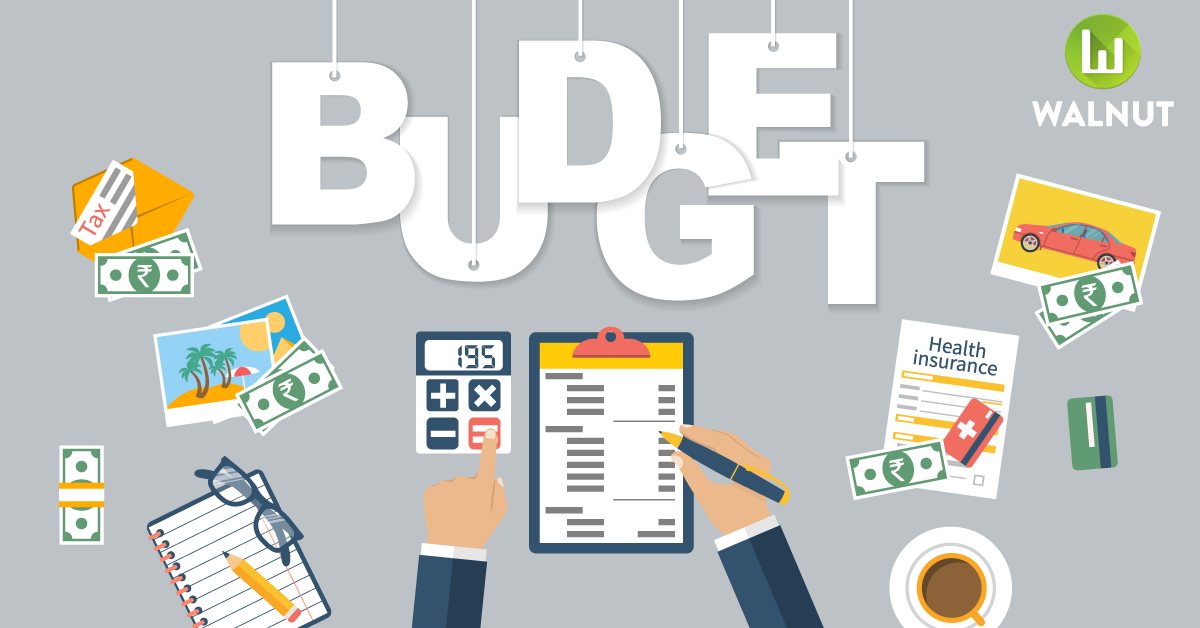
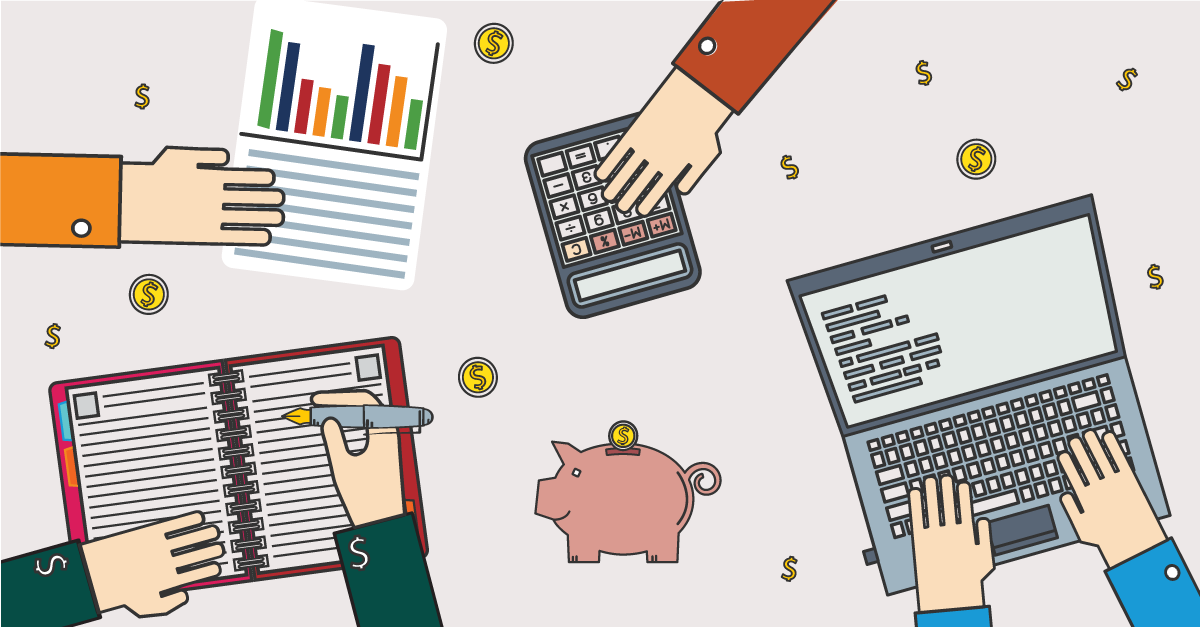
We live in an era where whatever we earn is never sufficient for our needs and saving. It is a tiring and a time-consuming task to manage our expenses. Even though we decide on a budget plan before the start of the month, we could hardly achieve the goals for the budget and ends up being helpless. Many times we forget to focus on small expenses we make, and when it gets added it consumes a large amount of our earning.

build financial app

What could be of the most help in this case? How about an app that keeps a track of all the activities and expenses that we make even for small stuff? Sounds easy and convenient, right? It is! A well-built financial management app can help one build their own wealth. It can it will lead your budget, expenses and savings on-track.

What aspects should be taken care of  when you build financial management app?

Certain features that an app should offer to make life easier are furnished below:

ONLINE TRACKER

In the digital trend, each one of us tends to own credit and debit cards. All the payments we make through online platforms do offer saved receipts, but it is difficult to get all of them at one place for maintaining the budget. We can link our accounts to the app and our contact numbers, which in turn enables the app to track all the transactions that we make online through our cards or wallets. Through this, we can get all our incurred expenses written down in one place, which makes it easy to be analyzed at the end of the month.

MANUAL ENTRY

It happens a lot that we keep ourselves reminded about the entry of some expenses we made in a hurry. But as we reach home, it slips out of our mind. Also, in these cases, we are not available with a paper and pen where we could write about the expense. So, similarly, if we had an app that would help us make an expense/transaction entry on the go, it will help us in making a budget which will include all the small and big expenses that we make. These transactions may include traveling expense, food that we bought on the go or money we lend to somebody.

Related image

SAVING ACCOUNT

At the very beginning of the month, we plan to save a portion of our earning for future. And when the month ends, we notice that we failed to do that and promise ourselves for saving the portion, next month. This cycle continues till eternity. Until we make ourselves aware about the mobile development apps like a financial management app. In other words, wouldn’t it be feasible to if our financial management app makes a transaction on its own every month to our savings account?

This is a very smart way to save a portion of our earning to meet our future expenses. This idea can be launched by hiring a mobile development company.

WISHLIST

All of us dream to buy something. It could be a car, a house, expensive electronics or any other luxury item which requires a large amount of saving. We can make a separate account in which money automatically gets transferred for the luxury we wish to buy in the coming future. Not only will this help us in attaining your dream stuff but can also help us in situations where we urgently need money for some other emergencies. Spending the saved amount for that luxury would not add a burden to our shoulders and will give us a sense of satisfaction.

SMART SAVING

We can add features in the app in which the app analyses the places from where the users buy things and compare the partners in the same business with low-cost services. This will not only help in more saving and efficient budget making but will also help availing better services at low cost.

Many app development companies offer various different functions, but the above mentioned are the necessary ones and will help the users and the app owners attain maximum efficiency with fewer efforts.

Image result for mobile budgeting

Best Build Financial Management Apps

A brief list of financial management apps that are helping users to:

  • Know the most developed features in financial management apps

  • Meet the budget and expenses of the month

MINT

  • Helps you organize everything at one place without any hassle of recording stuff in different places.

  • Compares and analyses the recent budgets and expenses with one incurred currently.

  • Doesn’t charge anything to perform the simple functions to meet the ends.

  • Keeps all the information under one roof which enables the users to stay updated with everything.

  • Offers tips about saving the money in certain places.

POCKET GUARD

  • Aims on simplifying the process of personal finance.

  • Link the account with credit cards, investments, and loans to keep a simple and proper check on the expenses made.

  • Customize money and expenses in such a way which enables the users to know where he spent his money.

  • Acts as a warner to remind about the low money/income left to help the user spend money wisely.

  • Makes a budget based on the expenses incurred to meet the goals.

  • Works on a secured customized system for the customer’s security.

ACORNS

  • Focuses on the savings for future purposes like investing.

  • Helps the user beforehand by reminding them about the upcoming expenses to help them spend smarter.

  • Helps the users in investing and earning money through the brands with offers.

  • Offers a lot of knowledgeable stuff and tips to save better.

  • Works on a secured system.

  • Charges minimal fees for the services.

YOU NEED A BUDGET   

  • Helps in keeping an amount of saving for the happy occasions like Christmas, New Year etc.

  • Tracks a budget for every expense covered like gifts, grocery, clothing, education, and traveling.

  • Changes the budget according to the user needs and expenses.

  • Tracks the money, budget, and expenses for future purposes efficiently.

Obviously, whenever we want to develop an app for the users and public our first aim is to help the users in making their lives better and easier and the second aim is to earn money by providing the services. they are are various ways by which one can extract money by building a financial management app:

  • When making a budget, there are various special items that are needed to be analysed and put into the list and it is not made available by all the apps. So, one can charge money for the special items they are providing in the app.

Examples for these could be comparing the prices of the services taken by the users with other competing companies and making them take the services of the company which is providing it in the most reasonable price.

  • We come across many apps that charges money for using the pro version of the app. Similarly, one can make and add some features to the app other than the features provided in the free version.

ARTIFICIAL INTELLIGENCE IN FINANCIAL GOAL SETTING

Artificial intelligence are the in built notifying features in the apps for example, notifying the user about exceeding the limit of the budget. Also, AI can be used while adding a certain amount set by the user to be added to the savings account by linking the bank account to the app.

The above-mentioned apps and features will help one in developing the most feasible and accessible app to make the life of users easy and less occupied with tensions for the bankruptcy. Any more features or apps that you like, please do let us know!


External Opportunities And Threat For Blockchain Start-ups Going Into 2019


The year 2017 proved to be huge for the ICOs (Initial Coin Offerings). And from these ICOs the blockchain start-ups have managed to raise a whopping amount of $1.3 billion in the year 2018 which as compared to the mainstream VC is more than the triple amount generated.

These ICOs allow the investors to become the part of the company. What differentiate these ICOs from others is the use of cryptocurrencies like bitcoin and ether in it instead of the cash. In recent years it has been observed that the blockchain start-ups have shown a lot of growth with most of it through the non-financial market segments.

As per experts, blockchain can help create better public services. According to an IBM study it is predicted that more than 90 percent of the government organisations are planning to incorporate blockchain-powered platforms in their work in the upcoming years.

Therefore, the upcoming year 2019 is definitely going to create a mark of its own for the blockchain start-ups. There are many trends that will impact these blockchain start-ups.

Upcoming blockchain regulations

From the past many years with the help of regulators both blockchain- based solutions and the blockchain- based infrastructure were largely unsupervised which had both positive as well as negative impact for the blockchain start-ups. As with the help of these unregulated environment the blockchain starts-ups had the freedom to innovate which results in for a number of solutions for both the financial and non-financial segments.

Well on the other hand due to this unregulated environment the bigger organisations such as banks and other institutes avoid staking claims in the blockchain environment.

In the year 2017, it was observed that many countries opted different aspects to regulate in the blockchain start-ups. Example- In Japan bitcoin was made part of the legal tender by the authorities while in China cryptocurrency markets were ruffled with the ban on virtual currency. Trends like this are expected to continue in the year 2019 as well.

Read more -: Enterprise blockchain development with hyperledger fabric and composer

War against Crypto volatility

As the market of cryptocurrencies is still emerging volatility has come up as the complicated issue which many businesses are facing. Due to the intrepid nature of the industry it is seen that the transactions lead to changing values which causes drop in the coin value.

However, to overcome this problem CanYo.io is launched which is a cryptocurrency-based online marketplace which protects both the buyer as well as the seller from losing the values when a cryptocurrency transaction is conducted.

ICOs will still fuel a large number of blockchain start-ups

Buying and selling of bitcoin is the traditional method for the crypto investors to make money. But as the crypto markets are becoming extremely volatile in the recent years ICOs has come up as the perfect investing platform for the investors who are looking to turn the profit into cryptocurrency.

ICOs became more and more popular and this increased popularity is the reason that many countries are opting regulate blockchain-related platforms. ICOs offer these blockchain start-ups quick and easy access to cash which is the main advantage of using the ICOs.

It has been observed that the value of the ICOs is continuously rising. In the year 2017 it was recorded $103 million in April which in the month of May rose to $232 million, $462 million was recorded in the month of June and a whopping $574 million was recorded for the month of July.

With these increasing numbers analysts predict that this trend will more increase in the upcoming years with the increase in the blockchain uses.

Read more –  Cost of ICO launch

Foray into non-financial industries

The main moto for The blockchain development was as a transactional platform for the cryptocurrencies but with its several advantages it is also being used in non- financial industries which means that blockchain start-ups can operate in other fields also where trust and security are the base.

Slow reception in some market segments

The strength of the blockchain is its weakness as well that is it allows transactions to be stored in public ledger. As with this public ledger the concern of privacy will emerge for the confidential transactions. This has led to slowing of the incorporation of the blockchain in some industrial segments.

The solution coming up for dealing with this problem is the development of the private blockchain networks where the members can only be added with the help of invitations and several other policies and norms.

Scalability issues

Scalability has come up as another big issue for the blockchain start-ups. Due to this the Bitcoin got splitted into two crypto coins recently due to disagreement among the stakeholders on how to scale. The traceability feature of blockchain works as it stores each transaction complete details on the storage nodes which led to increment in the block sizes and also the time to validate individual transactions.

This led to slowing of blockchain transaction as t was lowered to only seven transaction per second which is way too low for an industry where thousand of transactions are taking place every second.

The cryptocurrency networks such as Bitcoin and Ethereum are constantly working to increase these transaction volumes.

The blockchain industry is still developing potential and has a long way to go but will provide many opportunities for development of innovative blockchain start-ups in the upcoming years.

WhatsApp Telegram