Talk to an Expert
Get in Touch

How Much Does It Cost To Develop An eLearning App?

Education has always mattered as one of the most important industries. According to Moore’s law, every new technology invention grows exponentially every two years. Thus as a result, education industry also has more opportunities to establish better connection between tutors and learners. With the ability to provide quick access to information, the teaching process has become more cost-effective through an eLearning app. Nowadays, cost to develop an elearning app is often a hot topic for mobile app development companies and clients. The competition between people today is higher due to increase in the opportunities and thus students look for ways to learn better globally. This has increased the need for eLearning app solutions

elearning app development project

According to Statista, Education industry has been spending around USD 90 billion to develop the eLearning market globally. It is expected that by 2024, the expenditure would increase to more than USD 120 billion. Hence, the education industry is grabbing opportunities, globally, to provide education to everyone without any discrimination via the eLearning app. 

Developing An eLearning Mobile App

As per e-Front Learning, it takes about one week by a full-time employee to develop just one screen of a mobile application. This development includes planning, testing and deployment at every development stage of every single screen. Licensing a developer costs around USD 100. If you use an authorized tool for development, the cost increases to USD 1000. Developing an eLearning app approximately costs around USD 8000 to USD 50000. This article discusses about the cost  of eLearning iOS app development and cost of eLearning android app development. 

Features That Contribute To The eLearning Mobile App Development Cost 

Before getting into the important and external features, let us first see the basic features that make-up  the cost incurred in developing an eLearning app. 

eLearning Mobile App Development Cost

Basic eLearning App Features That Are A Must 

  • Review and Rating 

The student and the user/customer must be able to rate their tutorial program they have subscribed to. They must also be able to rate and review your eLearning app on play store /app store. This helps in cultivating customer loyalty from new users and existing customers. 

  • User Profile and Portfolio 

Users such as students, tutors, administration and parents should be able to create a profile for themselves with necessary demographic information. The profile creation should contain categories that differentiate existing and newly created profiles between tutors, students and parents.

Treating each user profile as an individual by differentiating profiles between students, tutors and parents is important. This is because it will help the convenient tracking of user data for better improvement of the eLearning app.   

Advanced Features That Add More Value 

  • Camera in-app accessibility 

Tutors should be able to connect with their students easily. Further, they should be able to access the assignments, projects and homework given  to them. Thus, students and tutors both should be able to use camera features through your eLearning app to take a photograph of the assignment for submission or doubts clarification. 

  • Parent connecting feature 

Develop a feature which tutors can use to connect with parents of their students. This will help tutors to stay informed of their pupil’s progress and also provide feedback to parents about their kid’s performance. Also, provide a possibility  for the parents to provide feedback to enhance and improve the tutor’s teaching methodologies. 

External Additional Features That Increases The User-experience 

  • In-app chatting, messaging and calling 

Tutors, students and parents should be able to connect with each other without any time or day discrimination. For any query, doubt clarification and teaching, all users must be able to reach the necessary person through in-app voice calls, video conferences, text, etc. 

  • Multiple payment options 

Add further value by developing multiple payment features that students and parents can use for subscribing to different learning packages.These payment options include, debit cards, credit cards, digital wallets, etc. To make it unique also develop payments through a Barcode  or QR code to make the payment process much quicker and simpler. 

Important Features To Be Developed According To Respective Panels 

Student Panel

Tutor Panel

Parent Panel

Admin Panel

  • Selection of Course
  • Upload files
  • Voice-calling
  • Manage Subscription
  • Making Resources Available offline 
  • Interaction & Chatting with Users
  • Monitor Kids Progress 
  • Content Management 

Technologies To Be Used In eLearning App Development 

Amazon Web Services (AWS)

Use the cloud system to store, share and access educational data anytime, anywhere and anyplace. 

Virtual Reality (VR)

Use complex computational algorithm to develop a virtual educational environment 

Augmented Reality (AR) 

Use advanced computing programs and environment to develop an artificial graphical projection in the physical environment. 

Team Members Required To Develop An eLearning App 

  • Team Leaders
  • UI/UX Designers 
  • Quality Analysts 
  • System Administrator 
  • Project Manager 
  • Program Developer, etc. 

Overview of Cost of Developing An eLearning App 

The following cost of developing eLearning app detail is based on our research and experience:

Cost
Developing for iOS app platform USD 28k
Developing for Android app platform USD 23k
Developing for Windows app platform USD 18k
Hiring an app Developer USD 107k per year

In a nutshell:

Development of eLearning app depends upon the types of features and platform you develop for! 

With technology innovation, the developmental tools used to develop eLearning apps and other apps differ from time to time. As a mobile app developer, choose the right technology stack. And, as an enterprise choose the right features that the developers should build for your eLearning app. Let us know what  kind of eLearning app are you going to build?


Libra – Cryptocurrency By Facebook (In 5 Minutes)

We all know that money transfer is not an easy task. Further, sending texts and pictures can be done in seconds. But, money transactions are always painful and consumes lot of time. Also, the charges banks impose is unbearable for normal people. If we focus on the statistics, 31% of the world’s population falls under unbanked population. And, even after so many advancements in technology, 85% of the transactions still happen in the form of cash. One of the major problems with cash is, it is hard to store and easy to steal. To sort out all these problems, Facebook has taken an initiative and designed new age currency called Libra. Libra is a cryptocurrency built on Blockchain technology. It makes transferring money painless, quicker and at a cheaper cost. Libra also offers user anonymity, you can make transactions by being anonymous.

As said earlier, Libra is developed on blockchain technology. The main motive of Libra is to emancipate millions of people by providing them an opportunity to be a part of digital currency. To use Libra, all you need is a mobile with a data connection.

Facebook and Libra Cryptocurrency

Libra is maintained and controlled by its association called: The Libra Association. Libra Association mints the coins using the Byzantine Fault Tolerance consensus algorithm. This association is a compilation of companies that are founding members of Libra. Further, there are 28 companies at present in this association and the aim is to reach a total of 100 members who will be as the validators of the Libra currency.

The programming language used in Libra is Move. It helps to execute and develop transaction logic, smart contracts, and decentralized finance.

To make you understand the concept of Libra, the team at Mrbtc.org has developed an informative infographic. Kindly go through the below infographic and share your thoughts.

Facebook and Libra

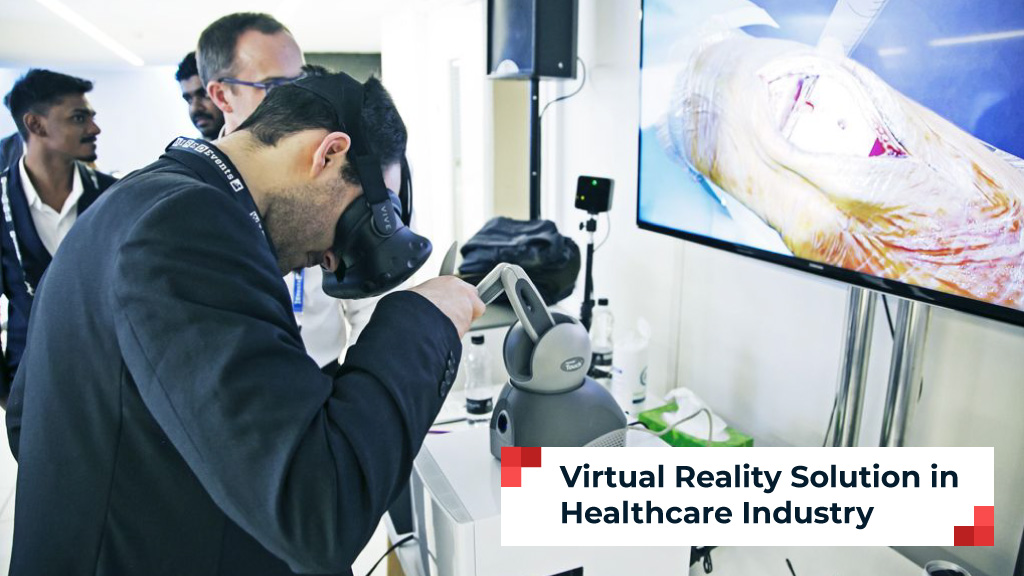
Developing A Virtual Reality Solution in Healthcare Industry

Before going further, here is an overview from an expert, about how the medtech industry can remodel to Virtual Reality and Augmented Reality by changing the healthcare landscape.

“As we know it how technology is altering the face of healthcare . Earlier, Virtual Reality and Augmented Reality were associated only with game and film industries, but nowadays are bringing real change in the healthcare industry. 

Gone are the days when students practiced on real patients. Nowadays, VR and AR solutions can not only improve medical education and training but also provide profound patient treatment, medical rehabilitation, consultation, and diagnosis.” What’s next?

Industry Aspect of AR and VR

A recent report by Research and Markets states that, “Augmented Reality and Virtual Reality in the healthcare market reached $769.2 million in 2017. Experts predict that this figure will grow to $ 4,997.9 million by 2023”.

According to the Goldman Sachs Global Investment research, “the application of VR and AR in healthcare will take second place after video games in terms of the market size in 2025”.

Despite positive growth prospects, the healthcare industry has not properly adopted AR and VR for now. Virtual Reality has acquired lots of  attention in recent years after technology boom. However, it’s still in its earlier stage.   

As the report by Research and Markets claims, the major players in the market for AR and VR in healthcare are Oculus VR (US), Google (US), Mindmaze (Switzerland), Microsoft (US), Psious (Spain) and Medical Realities (UK).

Regardless of the great hype and investment that flows from these corporations, there are some big hurdles listed below that are holding AR and VR to be applied on the full-fledged scale.

Expensive And Confining Hardware

VR technology adoption goes hand-in-hand with the development of Virtual reality hardware. It’s been a long time since the very first appearance of VR headsets, the technology has come a long way, still it has many constraints. They are, first of all, price, convenience, and the level of realism.

The likes of  Oculus Rift and HTC Vive which are first generation headsets have fallen in price, most of the healthcare institutions are unwilling to invest in them. Also, the devices face lots of drawbacks in terms of sound rendering animation, the field of view, motion tracking, display quality, etc. 

On the one hand, we have mobile headsets like Samsung Gear VR and Google Cardboard that give mobility but don’t offer the immersiveness users experience.However, to create a more immersive experience devices need to be vast not mobile phones, this makes them not accessible for the everyday consumer. 

Another crucial aspect of using VR headsets in healthcare that has to be addressed by the hardware producers is hygiene.

For healthcare industry to adopt VR technology it needs to be lightweight, affordable, portable and comfortable. With growing technology on exponential level this goal is achievable in the long run.

Lacking Great Content

From a user’s point of view, fascinating VR content that would transfer them into the new reality and provide quality experiences is exactly what is most valued. A recent survey by VR Intelligence and SuperData found out that 52% of survey takers believe that lack of content is a great barrier against the adoption of VR.

In the healthcare sector, this is a critical problem, since patient outcomes are dependent on how good the content is. One of the major challenges faced by healthtech is developing quality VR application for various platforms and needs. 

Thus, its vital for healthtech VR startups to have perfect talent, including VR programmers, talented 3D artist, creative experienced designers and other specialists that can create  amazing content that will live up to the potential of VR technology.

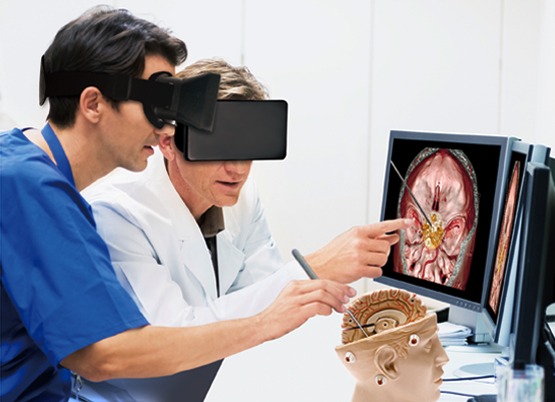
Virtual reality healthcare

VR & AR Training

Its difficult to find patients who are aware and exposure to VR devices and content. Because of this adaptation period increases. The challenge of training patients to use VR headsets will remain until VR becomes a common technology. 

During this point of time, VR and AR development companies must R & D to deliver the best natural realistic experiences to the users and try to reduce motion sickness. Also,  development of user-friendly apps is a must to guarantee a short learning curve.

Among other obstacles that hover over healthtech are legal issues and regulations, lack of funding and enough research studies about the health effects of VR and AR.

How An Experienced Professional VR Development Team Is Needed To Create A Virtual Reality Solution For Healthcare

With the challenges mentioned above, we can say that it’s possible to launch our own Virtual Reality product development project. If we observe  at what it takes to develop a VR experience, everything comes down to building a dedicated development team.

First of all, there is a need to gather a group of experts who know the ins and outs of developing fascinating and immersive experiences with VR engines. 

To hire your own VR development team, it’s necessary to have the right people for the following roles mentioned below: 

  • A programmer having huge experience in creating VR experiences based on the chosen game engine, such as Unity or Unreal.
  • How a concept artist needs to create visual design of the assets, environments, characters  and other elements of the VR experience. Also, to create a illustrations giving the idea of the Virtual reality solution for healthcare.
  • A professional 3D artist converts concept art into VR assets and develops all the elements of the VR/AR experience, which includes graphics, animations and effects.
  • A VR designer creates and develops the idea behind the VR experience. He understands well how VR works. Here he develops a connection between the virtual world and the real world. 
  • Quality Assurance Specialist’s foremost role is to test software, hardware platform integration, and device compatibility. A good combination of applied skills and innovative approaches to manual and test automation are crucial for testers who work with AR & VR solutions.

Besides all these, experts such as a sound designer or a professional creative writer who will help you with voice acting and storytelling is much needed.

Best Tools For Developing A Virtual Reality Solution For Healthcare

While choosing a technology for VR solution, it’s vital to consider all the pros and cons of each technology, such as price, availability of designers, engineers, and others. For instance, concerning the price, Unity offers a completely free version ready for download. It also has the Pro version which costs $1,500.

Unreal Engine 4, by contrast, is free of charge. It has a royalty fee of 5% though, which means that you will need to give 5% of everything you earn.

Both engines offer great asset stores where you can choose everything you need from realistic animation, 2D art and 3D models, SDKs, templates, and tools which speed up the development process.

Some Successful VR & AR Healthcare Startups

Their are number of  startups which has made progress in this sector are growing steadily around the world. Below mentioned are list of startups which could turn out to be a big corporation in upcoming years. 

VRHealth is an Israeli healthtech company with headquarters in Boston.

It develops several VR/AR products designed for physical therapy, psychology, cognitive rehabilitation, pain management, and coordination disorders. Its solutions are used across 30 locations in the US. The company utilizes VR and AR technology to deliver real-time data analytics to patients and clinicians. One can use these virtual reality healthcare solutions not only in the hospital but also at home. You don’t need to go to the hospital to be evaluated. It can be done remotely and when you go to the doctor, your profile is already there for diagnosis or treatment.

Vivid Vision is a San Francisco startup that supports all the major VR headsets and helps people improve their vision.

Patients play VR games on the computer at home or under clinician’s supervision. The experiences are designed to treat amblyopia (lazy eye), strabismus (crossed eyes), and vergence disorders (eyes not moving together properly). As of May 2017, Vivid Vision raised $2,200,000. Already, 88 clinics around the world use these solutions.

ImmersiveTouch is a Chicago VR solution for surgical training.

It is utilized today in top medical centers such as Johns Hopkins, the University of Calgary, and the University of Chicago. This innovative VR platform provides an immersive 3D operating experience for surgeons allowing them to see and take part in the whole surgical procedure. Besides, doctors can also upload patient scans in Virtual Reality for case review or detailed surgery planning.

Psious is a Spanish behavioral health tech company that offers a Psious Toolsuite solution to people who suffer from anxiety-related disorders.

With the help of medical directorship, they created its own unique content – relaxation exercises. These exercises help patients suffering from depression and other mental illnesses. 

Conclusion :

Innovation and new technology are having a huge impact in the healthcare industry. No one would have imagined in their wildest dreams that it would be possible to diagnose in slightest manner, experience surgical procedure, or teach yourself about health conditions by simply sitting at home with VR headsets. 

Despite all the challenges healthtech is facing now with the help of AR and VR solutions  the industry will thrive and transform the way patients and doctors experience and practice healthcare. In turn, virtual reality solutions for healthcare will bring overall positive change in the world. 

A Step By Step Guide To Cryptocurrency Exchange Development

Cryptocurrency exchange development services is a platform that allow peers to trade assets digitally through cryptocurrencies such as Bitcoin, Ethereum, etc. Peers can also trade assets for assets digitally instead of using cash or cryptocurrency. This increases the opportunity for sellers to use the cryptocurrency exchange platform to easily liquidate assets by identifying buyers without any border limitation or restriction. Cryptocurrency exchange platform also helps to best match buyers with sellers according to type of assets, token exchange limits, etc. 

This article discusses about cryptocurrency exchange software development through a step by step guide. But before learning about cryptocurrency exchange development, you should first know about its benefits. 

How Cryptocurrency Exchange Development Is A Game Changer In The Industry Of Trading? 

Cryptocurrency exchange platform operates using a decentralized platform and thus it does not require any centralized authority in reviewing, selling assets and transacting funds through cryptocurrencies. Here, one can access the transaction data and cryptocurrencies at anyplace, anytime without any currency exchange restriction. This also makes the platform much more immutable and unhackable. 

It is easy to regulate cryptocurrency exchange as it is not limited by any law. And, it is not easy to shut down the system too. Hence, all data is available 24/7 with real-time notifications, security and privacy. 

Guide For Developing An Efficient Cryptocurrency Exchange Platform 

Before developing a cryptocurrency exchange platform, the first task is to identify the type of cryptocurrency exchange platform you want to develop. Also, next you should decide the type of architecture based on which your cryptocurrency exchange platform will operate on. 

cryptocurrency exchange platform guide

Cryptocurrency Exchange Platform Types 

Centralized type of platform 

Here the cryptocurrency exchange will take place along with the involvement of middlemen and central authorities to monitor, control and authorize transactions. 

Decentralized type of platform 

This type of cryptocurrency exchange platform enhances the P2P processes by directly connecting peers without any middlemen and central authority. 

Cryptocurrency Exchange Architecture 

  • Small type synchronous architecture 

This type of architecture can handle simple and small transactions only. They allow only limited in terms of scalability and number of volumes allowed to be traded.  

  • Medium type asynchronous architecture 

Here, the volume of transactions and the scalability is higher than synchronous architecture. Separate layers and modules are created depending upon the type of data and interface. It can also integrate multiple API to compile different peer connections. 

  • Large type distributed architecture 

Here whatever requests users submit, are split into shards which are fragments of the data and transactions that need processing. These shards are independent in terms of scaling and growth. Hence, the volume of transaction is higher than the other two structures. 

Key Considerations For Developing Cryptocurrency Exchange Platform 

  • Ensure to provide solutions to the legal issues at hand 

Cryptocurrency exchange platforms does not abide by any existing trading regulatory laws. Thus, most of the transactions take place without license which many may not prefer to. You can change this but either obtaining a license or creating your own enterprise regulatory law. However, those newly regulatory laws have to be universally confirmed. 

Focus on Anti-Money Laundering (AML) Know Your Customer (KYC) technologies to safeguard transactions, identities and avoid illegal threats. 

  • Functionality and User Interface (UI) are important considerations

As much as the importance of developing your own cryptocurrency exchange platform, it is important to ensure that the functionality and user interface does not affect the operability or user experience. 

  • Joint venture or achieve agreement consensus with a bank 

Users must be able to store, transact, transfer and withdraw their cash, funds and cryptocurrencies as they wish without any hassle. This means that, the payment processing must be rapid and must go through a payment gateway API to ensure that the channel of transaction is secured and private. Thus, make a contract agreement with a bank to depend on them for regulations and convenience.

  • Enhance the liquidation process 

For any trading market to be successful, especially a cryptocurrency exchange platform to be successful. It is important to ensure that assets and cryptocurrencies can be easily and conveniently liquidated through your platform. 

To accomplish this, implement API integration with UI to attract traders and investors. Ultimately, the liquidation position and value of the user’s asset must be increased through the trust and branding image of your cryptocurrency exchange platform. 

  • Provide 24X7 customer support 

Cryptocurrency exchange is still new and probably at the baby stages. Not all users maybe well-versed with its functionalities and usage. User’s might have numerous amounts of queries, doubts and various kinds of issues that need attention to resolve. Customer support services include launching of ICO, UTO, support for issuing tokens, etc. 

Read Also: How to Build a Crypto Exchange Like Bybit in Dubai?

Essential Features That Enhance Cryptocurrency Exchange Operations 

Components such as crypto (HOT) wallets, administration panels, trade engines and creation of whitepapers enhance the process or orders, exchanges and speeds up the process of transactions too. Through these features, users and clients must be able to sign-in, register to access their accounts to create new orders or view previous transactions history. 

Security Aspects of Cryptocurrency Exchange Platform 

Your cryptocurrency exchange platform must not be vulnerable to attacks such as brute force attacks and must be open to phishing. Protect the data through KYC, AML and multi-factor authentication system. 

Conclusion: Create Your Own Cryptocurrency Exchange Easily Now 

Forecast future potential, provide higher system performance and increased reliability by using the right technology stack, tools and components to develop an efficient cryptocurrency exchange platform. The most important consideration of should be the adherence of your cryptocurrency exchange platform to be compatible with multiple cryptocurrencies. 

Reimagine Your Asset Management With Blockchain And IoT

Technologies like Blockchain, AI and IoT are making the industry watch opportunities in a way which is incomparable to the traditional / existing methods. Blockchain and IoT have helped most of the industries to make all aspects to be interactive and to ensure maximum participation and involvement of the people involved in it.  With the ideal method to be communicated and secured, many industries are realizing the importance of blockchain systems and IoT to make their industries reach the perfect platform for their audience, customers or consumers. IoT has many features which make it the priority and the desired system to be adopted for interaction and communication. It includes smart asset management with blockchain and IoT.

IoT Smart Asset Management Solution Typically Comprises The Following:

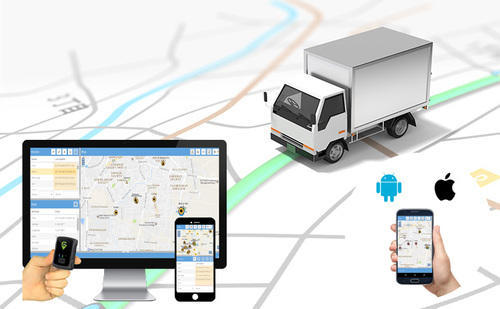
  • Remote Asset Tracking
  • Asset Health/Condition Monitoring
  • Asset Workflow Automation
  • Predictive Asset Maintenance
  • Asset Lifecycle Management

These features could be the fastest pace in reaching the audience, low cost, widely spread all over the world, wide storage capability and obviously a machine could work more efficiently than a man could.

Now the industries which involve storage of assets and perishable goods. Hence, it is important to be more concerned for the capital as compared to the need of being careful in any other industry. Asset management of industries requires proper tracking as well as all the goods to be carried through different filters and customs in a secured way. This, in turn, requires a proper system for the security and tracking of the goods. 

Asset Management With Blockchain And IoT

Perhaps the only and the greatest challenge to blockchain and IoT implementation is the lack of understanding of the technology by businesses. However, early adopters of these technologies, are finding great value in implementing blockchain solutions. Smart asset management with blockchain and IoT is bound to bring massive benefits. Look at them!

  • Maintaining the consistency in the flow

While the processing of an asset to be stored properly or any information to be reached to its concerned users on time, everything needs to be tracked on time with proper specifications. These specifications may include GPS location and weather tracking. 

  • Providing asset management solution

There are many successful companies that have set up their own factories that contain numerous machines be it a bigger one or a small one. What is needed to be kept in mind is the usage of each machine. That means if the machine is over or underutilized and further process for its maintenance. Also tracking its life and up-gradation process and where is it kept and is the location suitable for the machine is also some bits of information that is needed to be maintained on a timely basis.

  • Managing the asset

In any business, there is a need to manage variety of assets. These assets could be human or non-human, moving or non-moving, on-premise or field asset. Depending on its type, an asset is maintained accordingly. Workers and staff, gas pipelines, cylinders, and other machines, rental cars and trucks are some examples of assets that are required. All these assets come with different challenges. 

  • Replacing the existing and traditional methods

Gone are the days spent with tiring traditional old-fashioned machines and the hardcore workforce and assets that are now outdated. Every industry that has an asset to be procured needs all the current and ni-fashion assets to be maintained. IoT and blockchain have got our back and has dubbed a system with all the transformation according to the rapidly dynamic environment. IoT has enabled the monitoring device to track the life cycle and maintenance of the assets and control its processes. This ultimately is offering far more advanced procedures and enhancements as compared to the traditional ones.

THREE Advantages Over Traditional Methods

Obviously, IoT and Blockchain bring about a change in the whole process of asset managing in the industries. It influences three main aspects; they are:

  • Automation

Before this technology coming to trend, it was the human who has to decide all the procedures manually. This ultimately created a demand for the expert for performing many of the functions. With new technology, it’s the automation that does all the work on its own without much help of human experts.  

  • Innovation

Using the machines and its progress and procedures in a smarter way will not only help in opening new boundaries for the machine to be tested for different tasks but will also help in connecting workers or human beings to the machine in order to make the tasks simpler and faster than ever before. Also, it will make the facing common challenges easily and readily.

  • Digital transformation   

As the digitalization has almost taken over the market and many of the industries, it is important to keep in pace with all the competitions in the way. Transforming digitally the work being done in the company is way easier now than it seems. With smart devices, it is easy to track the entire information about the current assets or assets that were in use previously.

Over To You – Reimagine Smart Asset Management With Blockchain And IoT

Asset management with Blockchain and IoT

It is not so far, the time when even the machines could talk to a human and would be able to work on the command given by the bosses. But before that, how about experimenting with our very own and helpful IoT and blockchain? Asset management was never given a priority till now. But soon the time will change. Organisations will spend efficiently without any discrepancies in the way of managing the assets. We all are aware of the responsibility that comes with purchasing the assets. But then, why to worry when we are also blessed with the rescuers on our command. Do let us know how Blockchain and IoT going to affect the asset management in your perspective!  

How Can Blockchain Uplift Trucking Industry?

Blockchain has so many sides attached to it that with every other news the sector it could help, increases! Who knew that blockchain can also help in the upliftment of the trucking industry?Crazy! Right. Did anybody even foresee that?  Well, enterprise blockchain development has again changed the way connecting network works! It is a fact that trucking involves connection of too many parties to accomplish process of transactions. Hence, it needs blockchain to run in a free and easy way. 

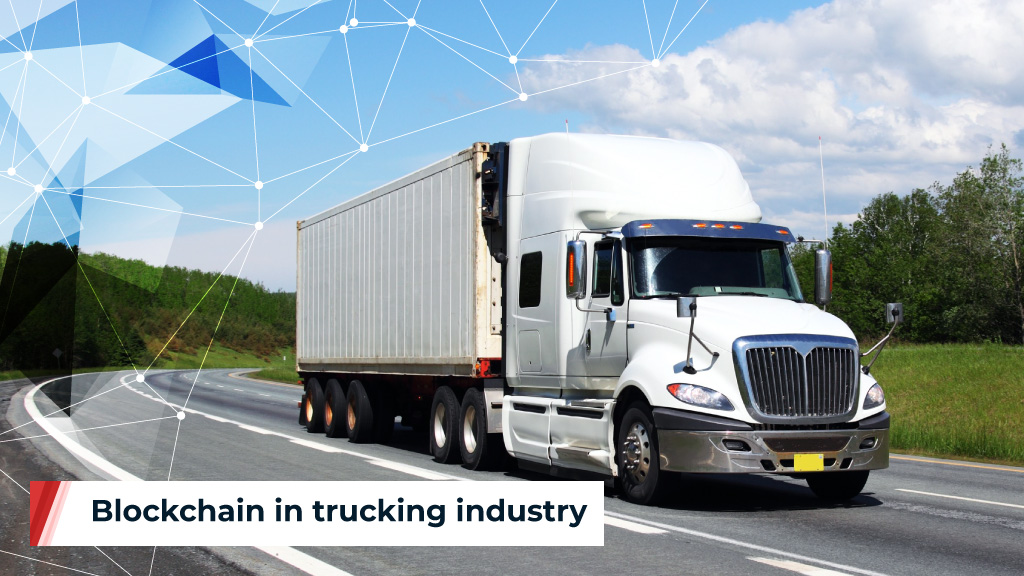
Blockchain In Trucking Industry

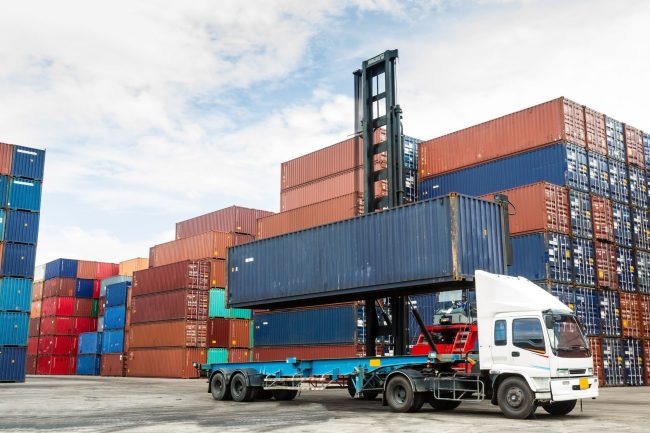
Trucking is an industry which involves a lot of assets, transactions, and recording of data. It has been noticed that there is this problem by the manufacturer for finding the trucks at the right place and right time. This hurdle ruins and complicates the free flow of the supply chain. The reason is not that the trucks are lesser in numbers. It’s just that they do not reach due to the lack of coordination among the workers and the manufacturers.

Blockchain in Trucking Industry

Till now, blockchain is not much prevalent in the society. Hence, there is a need for some situations to be thought about to let the trucking industry get into the system of blockchain. Any blockchain development company can help uplift trucking industry. Why and how? The reasons are listed below!

All the parties involved should have faith over the systems of blockchain!

Blockchain in itself is a huge combination of chains linked together as a ledger to arrange the data in a proper manner. For blockchain to take over the security and systems for the trucking industry it is the parties like manufacturers, suppliers and retailers that are needed to trust blindly. 

Each and every person can see the entire transaction data on blockchain. This gives a way for the transparency. And, as a result, builds a trustworthy relationship among the customers and retailers.   

Nobody should be kept away from it, not even the small carriers and shippers!

Most of the small companies that exist fail to be a part of a huge technological change due to the lack of knowledge and reach to the software and hardware. For businesses aiming to adopt new technologies, creating a clear trucking business plan can guide how blockchain and other innovations fit into long-term growth.

It is considered to be one of the hardest tasks for blockchain to get into the business because of the drivers not being much educated. Of course, blockchain in trucking will take some time. But, it be able to flourish the system with flying colors.  

Everybody should come under one roof for data standardization!

Data standardization is where all the parties will be able to get rid of frauds due to all the data that would be stored by the recent parties. Each party would record the data decided by all the parties altogether will bring a sense of trust, for instance, the invoice of every purchase.  Electronic data interchange is the standard for the trucking and logistics industry.

In practice, blockchain requires a lot of effort and time to enter into the security industry fully. Hence, it can be even more time-taking in case of the trucking industry, major obstacle being all the people involved should be on-board!

But, thinking about the change that would be brought in this industry with the help of the blockchain will notice a huge efficiency in getting the most out of the assets and trucks we have.

Trucking and shipment industry

Let’s see how it will change the current situations!

  • Connecting the truck drivers with the manufacturers for shipping their materials through blockchain.
  • No need for contacting third party freight companies for the shipping.
  • Blockchain would automatically record the duration for which the truck and the driver would be busy along with the weight of the shipping material.
  • All the exact information about the shipping would make it easy for getting the right amount of payment according to the services attained.
  • Smart contacts would help in recording all the costs adhered by the truck and the whole service.
  • All the involved parties can track all the events related to the shipment. 
  • After the delivery, blockchain system marks the proof and initiates the payment with the proof of delivery.

Takeway: Blockchain has a future in trucking industry

Blockchain has always helped all the industries in experiencing the utmost transparency during the whole process. Blockchain in trucking industry would enjoy this feature the most. Because, all the parties would be able to know the exact update of the shipment. 

Blockchain in trucking industry is popular for its most trustable system of security. It helps in the easy and  free flow of goods. Also, blockchain keeps the entire information protected.  As no third-party can alter any information, it makes the blockchain the most suitable system for the trucking industry.

Let us know if you think blockchain in trucking industry has more dimensions to be looked upon!

P.S. SoluLab has been recognised as the best outsourcing company in India for its top-notch Blockchain, AI and IoT solutions.

How Much Does It Cost To Develop Financial Management App?

Starting from booking of cabs, ordering food, and even scheduling doctors / lawyers appointments, we use mobile apps. Our lives have become easier with just one click through smart devices and mobile applications. Nowadays, Banking app developers are grabbing opportunities through the field of mobile technology. Today, FinTech has moved to develop financial management app.

Such financial management apps bring benefits to users such as:

  • controlling and monitoring daily expenses,
  • calculate premium insurance payments,
  • calculate retirement funds,
  • overall budget management, etc.

Also, such benefits allow users to make better and smarter financial decisions. 

Financial Management Apps And Their Importance

Financial management apps make life simpler. Moreover, it can wave off worries by customizing financial operations. It provides timely notifications and advises for instant payments, scheduled payments, cash receivables, etc. With such apps, you can pay creditors, loan lenders, educational tuition fees, etc. as and when due. Such apps let you categorize your financial requirements according to your real-life decisions. Most importantly financial management apps will help you to trim your budget optimally. It pushes to save cost and still meet financial goals.

develop financial management apps

But, how to develop such financial management apps? Are they developed free? Or, what are the costs involved?This article will give you an idea of how much it would cost you to develop a financial management app. 

Read More: How To Build Financial Management Apps That Can Help You Build Your Wealth

Cost To Develop Financial Management App

Following are some of the important features that is must to develop financial management app. And, the complexities of these features determine the cost to develop financial management app. 

Sectional Money Management Features 

  • Dashboard provides a visual appeal 

All information of the user, transactions and operations of the user should be plotted in the form of a chart. Display information through  either a pie chart of a bar graph according to the requirement and the results. This would give a better understanding of all financial data corresponding to the user activity through the financial management app. 

  • Calculation of expenses 

Users want to make better, smarter, optimal cost saving financial decisions such as calculation of weekly, monthly and yearly budgets, retirement funds to be received and bills to be paid. These expenses can also be displayed visually in the dashboard for better understanding. 

  • Budget of the current month 

Gather data from different sections such as balance, bills to be paid, interest rates to be paid, etc. Then, utilize these data to calculate appropriate budget cuts for the user according to their preferences. 

  • Overview of income, expenses and balance

A complete overview of all-important categories such as dashboard, accounts, transactions, budgets in the form charts in relation to the scheduled calendar events, etc. This helps to calculate balance statements. 

Multiple Payment Categories 

  • Payments of credit card bills 

Users should be allowed to permit the financial management app to automatically pay their monthly credit card bills or manually pay their credit card bills. They should also be able to view their credit card statements. 

  • Utility bill payments 

Users should be able to pay their home utility bills or enterprise utility bills such as electricity, water, gasolines, telecommunications, broadband, DTH, etc. Provide separate sub payment categories based on the utility purpose to avoid confusions.

  • Investments in Mutual Funds

This feature, if developed, would be a Unique Selling Proposition (USP) and adds value to the financial management app. Provide users with the ability to invest their money in stocks by buying shares from their preferred enterprises within a pool of industries. Provide more opportunities in mutual fund investments as it creates a win-win situation for your applications as well the user investee. 

Information Alerting system 

Developing features that benefit the financial decision making of the user alone is not enough. Because, how will they get to know of all this information? Users might forget to check their overview dashboard due to daily life activities. Thus, develop in-app as well as push notifications that keep users informed of their financial transactions and operations. For example, if the user has to pay their broadband bill by tomorrow, notify them through your app a week prior to the due date. 

Integrate Different Accounts 

  • Basic integration of banking accounts 

Allow users to save their most-used bank account details within your financial management app. It enables easy, convenient one-click and instant payments. Also, allow users to pay money, add money, transfer money through the financial management app via their account.

  • Combine or separate credit and debit card accounts 

To avoid confusion in bills and balance statements, either integrate the credit and debit the account of the user or keep them separate with respect to all categories. In addition, ensure to integrate of separate accounts based on the choice of the user. 

  • Create investment accounts 

Develop a unique separate account section for investment purposes of the user. Here, in this section, provide information such as future investment insights, stock price hike or down, etc. 

  • Create personal and business accounts 

This is one of the very important features to keep in mind during development stages. This is because personal bill payments and financial transactions should not be confused with business payments and financial transactions. Thus, develop features and categories separately depending upon the type of account. 

Tools and Technologies Used For Development 

Android studio 

Integrate tools and APIs that support environmental variables easily 

IntelliJ IDEA

Increase the productivity of the app with faster performance 

XStudio 

Develop hybrid applications by using ionic and open source APIs 

Platform-wise Cost To Develop Financial Management App 

The following is an approximation of the cost to develop financial management app. 

Function

Cost

Android app platform

USD 23k

Windows app platform

USD 18k

iOS app platform

USD 28k

Hiring Developers USD 107k / year

Read More:  How Much Does it Cost to Develop e-Wallet mobile App

Conclusion: Monitor, control your bank account for better credit scores 

Aim to develop financial management app should that comprise of constant maintenance and upgrades. This is to ensure that all financial data of the user is encrypted and is not vulnerable to any security breach or hacks. Also, develop features such as advanced tracking of transactions using analytical tools such as R, Qlik View, IBM SPSS, etc. At the end, features take a front seat over costs. So, develop financial management app smartly that gives you handsome returns and is also feature-rich.

How Much Does it Cost To Develop e-Wallet Mobile App

E-wallet is an electronic digital card that provides users with the ability to make transactions through online medium via various digital devices. E-wallets are more commonly used today because the need and demand for it has increased faster in the digital market. E-wallets allow users to monitor and control transactions in real-time with security and privacy. This is why you need you to develop e-wallet mobile app today. 

E-wallet app development cost depends upon the features developed, the quality of the development process, customer support provided, etc. In order to understand the e-wallet app development cost, first you must understand how an e-wallet operates. 

Understanding The Functionality of e-Wallet Mobile App

The two important components that every e-wallet development company should focus on is the protection of data and software behind every function. The software part is responsible for providing and enhancing the security of the data stored with appropriate encryption. Further, some of the commonly used encryption methods are SSL, Caesar Cipher, TLS, etc. The information part is responsible for storing data such as customer demographics, bank account details, etc. 

On successful installation of the e-wallet mobile app on the user’s device, they have to provide all necessary and relevant details required by the e-wallet. When a user wants to purchase something online using e-wallet, their digital account details will be automatically filled. This is accomplished using the information provided by the user that had been stored during registration. Users must, also, be able to use the relevant security password or biometric  scan created for them in their device to make digital payments instantly.  

Important Features That Contribute The e-wallet Mobile App Development Cost 

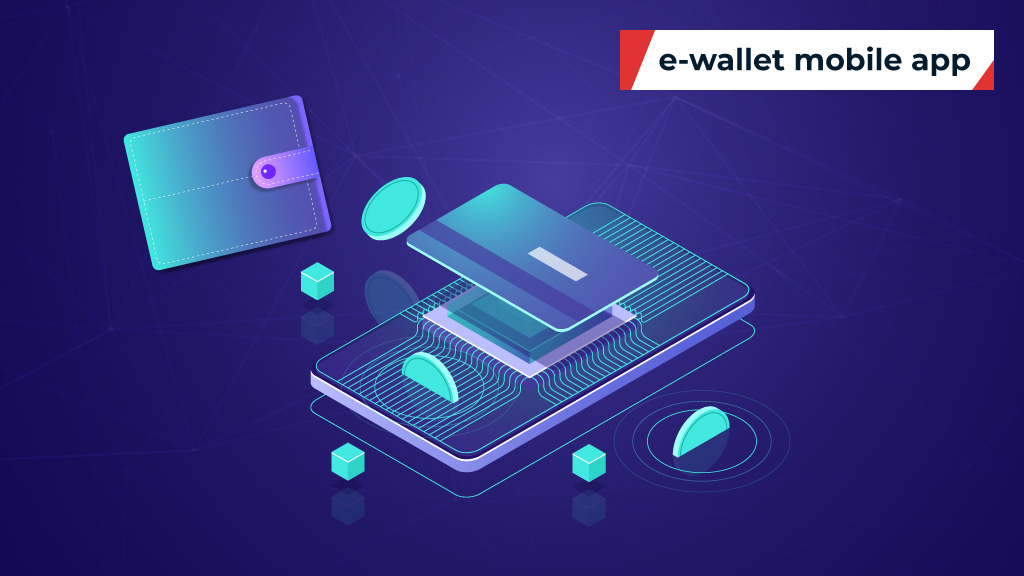
e-wallet mobile app

Features That Are Focused On The User 

Registration features 

The process of registration must be simple, easily understandable and convenient for the user. Allow users to register themselves using phone numbers, social media accounts or bank accounts. 

Linking and authorizing bank accounts 

Users must be able to link their bank account with your e-wallet either through Unified Payment Interface (UPI). They should also be able to conveniently add their bank account details  to one of the payment options. 

Adding money to the e-wallet mobile app

Provide accessibility to users for successfully completing different kinds of transactions as per their requirement. These transactions include adding money to their e-wallet through their own bank accounts, receive money from other bank accounts or from e-wallets of other users. 

View transaction history 

Enable users to track completed financial transactions, view past history transactions with ease. To accomplish ease of viewing transaction history, develop various filtering features. These filters must comprise of filtering transactions based on date, day, time, month, year, category of transaction, etc. 

Features That Are Focused On The Administration 

Analytical Dashboard

Provide a single dashboard to the admins to visually display every data and information stored in the e-wallet. This will help the admin to use data analytics to analyze the behavior of users. This also helps them in generating appropriate monthly reports regarding a particular user’s transaction per month. This dashboard should also contain features such as notifications, alerts and reminders.

User management 

Admins must be able to monitor and control transactions in real-time to ensure that safety and security. By allowing transactions to pass through a payment gateway, admins can protect user’s data against DDOS attacks or any other such digital threats and thefts. 

e-wallet mobile app control 

This is one of the important  features that administration should have. Admins must be able to add a user  remove or block user accordingly. This supports the e-wallet app to be maintained with privacy. Admins must also be able to authorize and unauthorize transactions to ensure that there is no fraudulent activity within the e-wallet app. 

Additional Features That Add More Value To The e-Wallet

Syncing data 

The e-wallet that you develop must be well-performing and seamlessly integrate users bank account details with appropriate features in your e-wallet. This ensures efficiency of your e-wallet too. Data sync helps in communication of data between e-wallets and the bank service provider.

Global Positioning System (GPS) 

Location-based tracking features is one of the important to-be-developed features. This is because today, many service-based businesses use geo-fencing and GPS features will come in handy in such circumstances. Users will be able to locate nearby shops that accept your e-wallet as a payment option. 

In-app camera 

Develop camera functionality too as it will support two important actions. One is to send receipts and bills. Second is to scar QR codes and make payments instantly without the need to carry a wallet. 

Trending Features You Can Incorporate in An e-Wallet Mobile App 

Beacon technology 

Use the wireless transmitting technology such as bluetooth to complete transactions and payments between users within close proximity. The devices of users close to each other will acts a beacon to make payments.

QR code 

Provide cashless and contactless payment approach to the users through QR code scanning. Making payments this way generally work by scanning a QR code displayed by the users or merchants through the e-wallet app.

Blockchain payments 

Blockchain technology provides the means to make transactions securely, faster and also the processing fee for using blockchain services is very low. This is due to the decentralized operating system of blockchain. 

Passbook statements 

Viewing, controlling and monitoring transactions can be accessed through the passbook. Passbook provides transactions statements on a monthly basis or a customized periodical basis. 

Encryption of Secure Element (SE) 

Safety and privacy of transactions can be ensured by integrating the e-wallet security features with the embedded secure element functionalities. These secure element chips are typically in-built with every smart device. 

Cost of Developing e-Wallet Apps 

Following is the approximate cost incurred in developing an e-wallet mobile app based on the platform. 

Platform Cost
iOS  USD 28k +
Windows  USD 18k +
Android  USD 23k +

 Following is the cost charged at each stage of development of an e-wallet mobile app.

Development Stage  Cost 
UI/UX Design USD 30k to USD 42k +
Coding USD 37k to USD 90k +
Testing USD 12k to USD 18k +

Time taken at each of the above mentioned developing stages is as follows. 

Development Stage  Time Taken
UI/UX Design 200 to 280 hours 
Coding 250 to 600 hours 
Testing 80 to 120 hours 

Conclusion: E-wallet Apps Making Banking Services More Trustworthy And Convenient

E-wallet apps are safer than browsers as they protect data with biometric scans and two-factor authentication. Developing e-wallets automates the form filling of online shopping and encourages faster order checkout. Most of all, it allows users to use e-wallets as a one-stop platform to secure and sync all bank details in one device for multiple purposes. 

Encourage users to say goodbye to debit and credit cards and let them pay on the go with e-wallets. Are you looking for a designrush agency in Chicago to build your e-Wallet Mobile App? We are just a click away. Get in touch with us to get a free quotation. 

Smart Industry And Applications of AR/VR in Manufacturing

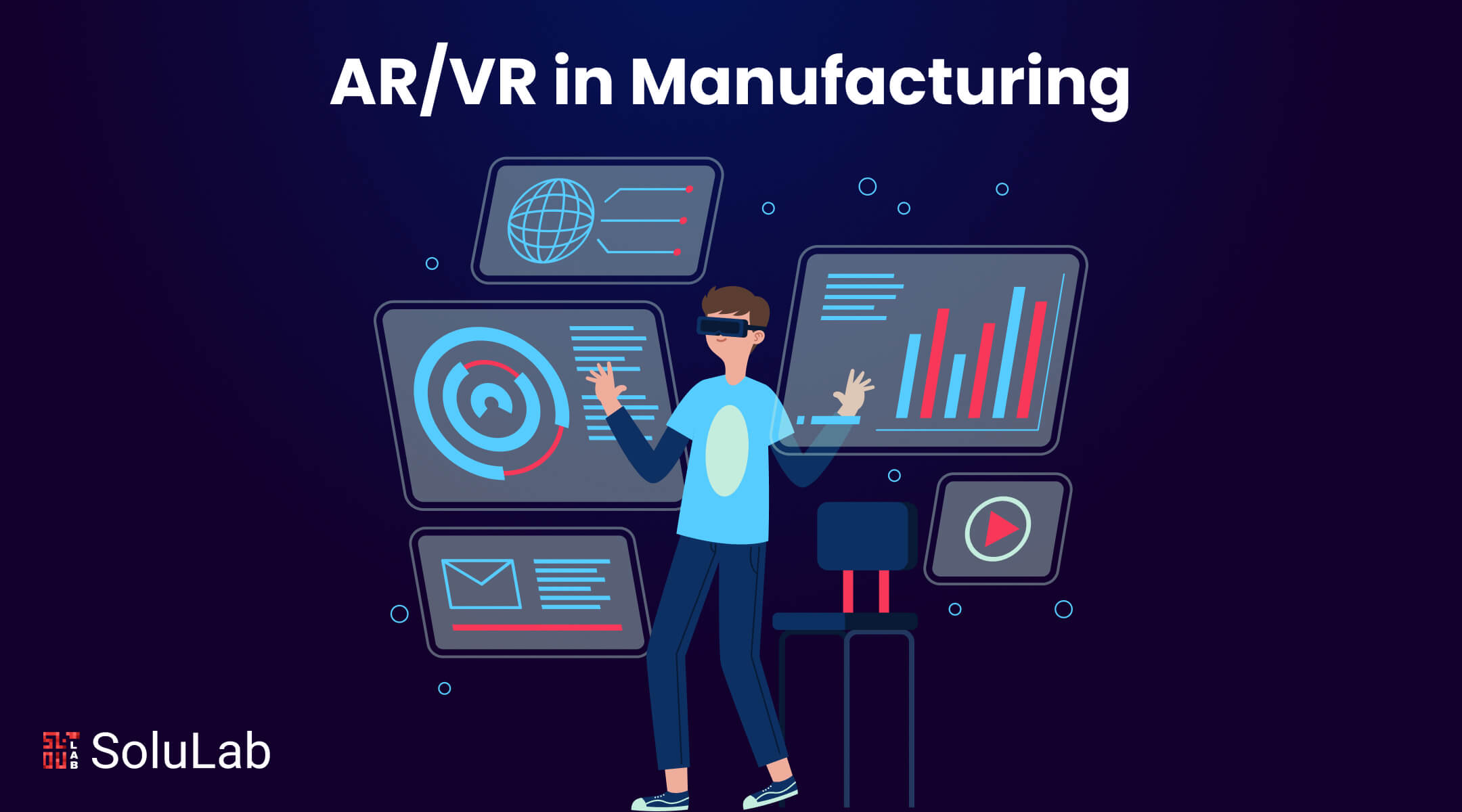
AR and VR in Manufacturing

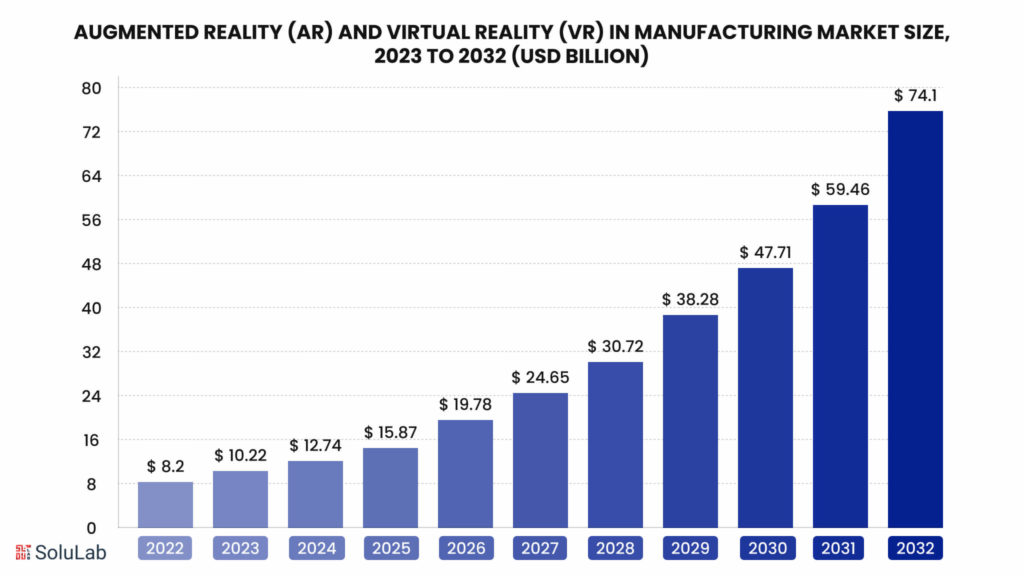
In 2022, the global market for augmented reality (AR) and virtual reality (VR) in manufacturing stood at an estimated value of USD 8.2 billion. This figure is projected to experience substantial growth, reaching approximately USD 74.1 billion by 2032, representing a remarkable compound annual growth rate (CAGR) of 24.62% from 2023 to 2032.

AR and VR manufacturing, a form of automation, seamlessly integrates digital technology into the production line. By combining the physical world with computer-generated graphics, data, and interactive elements.

Immersive Tech in Manufacturing

Immersive reality technology is revolutionizing the manufacturing industry by providing solutions for maintenance practices. This technology, including AR and VR in manufacturing, offers unique capabilities to enhance efficiency, accuracy, and safety in maintenance operations. AR VR applications in manufacturing empower maintenance professionals with powerful tools to optimize their workflows, providing real-time information, facilitating remote collaboration, and offering immersive training experiences. These advancements lead to improved maintenance practices, reduced downtime, and increased productivity in the manufacturing sector.

A. Augmented Reality

Augmented Reality (AR) technology is revolutionizing the manufacturing industry by providing technicians with real-time information about their work environments. AR in manufacturing enables technicians to overlay digital information onto the physical world, allowing them to see and interact with data in a way that was previously impossible. AR applications in manufacturing include the use of connected goggles or glasses, allowing technicians to view detailed instructions, schematics, and other relevant information while working on a task. This information can be drawn from various data sources, including sensors, databases, and even the technician’s knowledge.

One of the key AR in manufacturing examples is that it allows technicians to make faster and more accurate decisions. With access to all relevant information at their fingertips, technicians can quickly identify and resolve problems without referring to manuals or other documents. This significantly reduces downtime and improves productivity.

Another advantage of Augmented Reality (AR) is its application in training new technicians. By providing trainees with a virtual environment to practice their skills, AR helps them learn more quickly and effectively, reducing the time required for training and ensuring new technicians are fully prepared for their jobs.

Overall, Augmented Reality (AR) is a powerful tool that has the potential to transform the manufacturing industry. By providing technicians with real-time information and enabling them to interact with their environment in a new way, AR can improve efficiency, productivity, and safety in the manufacturing sector.

Here are some specific examples of how AR is being used in the manufacturing industry today:

  • Technicians can use AR to view assembly instructions for complex products.
  • AR can be used to provide remote support to technicians who are working on-site.
  • AR can be used to create interactive training simulations for new technicians.
  • AR can be used to track and manage inventory in real-time.
  • AR can be used to improve safety by providing technicians with warnings about potential hazards.

As AR technology continues to develop, it is likely that we will uses for this technology in the manufacturing industry.

B. Virtual Reality

VR in manufacturing offers a captivating experience by presenting a distinct and immersive environment to the user. Unlike traditional media, VR virtual reality transports the viewer to a virtual realm that may differ significantly from their physical surroundings. This technology can create entirely new and imaginative worlds or provide a remarkably realistic portrayal of existing environments, making it a valuable tool in smart industries.

In smart industry settings, VR is typically facilitated through the use of a headset, enabling users to fully interact with the virtual environment being presented. The headset serves as a gateway to this digital realm, allowing the user to manipulate objects, explore landscapes, and engage in activities as if they were physically present within the virtual space. This immersive technology is integral to smart manufacturing industry 4.0, where precision, GenAI in Manufacturing, and innovation are key.

One of the most prevalent VR in manufacturing applications is to facilitate a close analogue of interaction with a real-world element, such as a part, component, or machine. In this context, VR enables users to manipulate and examine virtual representations of physical objects with a high degree of accuracy and detail. This capability is particularly valuable for training purposes, allowing users to practice complex procedures and gain familiarity with equipment in a safe and controlled environment.

The key difference between AR and VR lies in the environment they create. While AR overlays digital information onto the physical world, VR places the user in an entirely new and isolated environment. This immersive experience allows users to engage with virtual objects and scenarios as if they were physically present within the virtual space, illustrating the difference between VR and AR in practical applications.

VR in manufacturing has the potential to be in various industries and applications. In addition to its use in training and education, VR is gaining traction in fields such as entertainment, healthcare, engineering, and architecture. By providing realistic and interactive experiences, VR enables users to visualize complex concepts, practice skills, and explore new possibilities in a safe and immersive environment.

As VR virtual reality technology continues to advance, we can expect even more immersive experiences in the years to come. This technology has the potential to transform how we interact with the digital world and open up new frontiers of creativity, collaboration, and learning, particularly in smart manufacturing industry 4.0 contexts.

C. Mixed Reality

Mixed reality (MR) is a technology that seamlessly blends the real world with the virtual world, creating an immersive environment that allows users to interact with both. It combines elements of AR and VR in manufacturing and other sectors, with different implementations leaning more toward one technology or the other.

In smart industries, users can still see and interact with the physical environment around them, but they can also interact with virtual objects and information overlaid onto the real world. This integration offers significant benefits of AR VR in manufacturing, as it allows for a more immersive and interactive environment that combines the best of AR and VR technology. Additionally, Customer Service Automation can be enhanced by leveraging these immersive technologies, providing users with instant, interactive support and improving overall service efficiency.

For example, a technician using mixed reality in a smart manufacturing industry 4.0 setting might see the physical components of a machine they are working on, while also viewing virtual instructions and diagrams overlaid onto those components. This AR/VR in manufacturing application helps identify problems and perform maintenance tasks more efficiently.

Mixed reality is also applicable in entertainment, education, and training. Users can play games that allow them to interact with virtual characters and objects in the real world or explore virtual worlds overlaid onto real-world locations. For the smart industry, mixed reality technology creates immersive training experiences that enable users to practice real-world tasks in a safe and controlled environment.

One of the key benefits of AR VR in manufacturing and mixed reality is the immersive experience it offers, allowing users to interact with both real and virtual worlds simultaneously. This interaction enhances the sense of presence and realism, crucial for smart manufacturing industry 4.0.

Though still a relatively new technology, mixed reality has the potential to affect how we interact with the world around us, from AR VR application in manufacturing to various other sectors. As this technology continues to develop, more creative uses will likely emerge, pushing the boundaries of what’s possible in  AI in Manufacturing, smart industries and beyond.

AR - VR in Manufacturing

Immersive Technology Benefits 

Immersive technologies, encompassing augmented reality (AR), virtual reality (VR), and mixed reality (MR), present a plethora of advantages for practices across the manufacturing landscape. Each technology offers unique capabilities and benefits, empowering maintenance technicians and other personnel to work more efficiently, effectively, and safely especially when combined with Data Annotation for precise and accurate information.

AR in maintenance offers a number of benefits, including:

1. Generally unobtrusive: AR and VR in manufacturing allows technicians to work without cumbersome headsets or other equipment, enabling them to focus on their tasks without distraction. This can increase productivity and reduce errors, as technicians are not burdened with additional equipment that can get in the way.

2. A lower barrier to entry: AR VR application in manufacturing makes it easier for technicians of all skill levels to use the technology, as they do not need to learn a new interface or operating system. This reduces training time and cost, and makes it easier for companies to find qualified technicians.  Additionally, integrating a Multi Signature Wallet into the process ensures secure and controlled access to sensitive data, further enhancing the safety and reliability of the technology in industrial environments.

3. Real-time: Augmented Reality (AR) provides data that helps technicians identify problems early on, preventing costly downtime. It also aids in learning how to operate and maintain equipment more effectively, leading to increased productivity, reduced maintenance costs, and improved equipment reliability.

4. Quick access: AR in manufacturing helps technicians avoid repeating mistakes and identify trends in equipment performance. It also tracks the effectiveness of maintenance procedures, helping technicians improve their skills and knowledge, and assisting companies in identifying areas for improvement in maintenance procedures.

5. Transmits institutional knowledge: AR applications in manufacturing bridge the gap between experienced and new technicians, ensuring that the knowledge and skills of the older generation are not lost. This maintains a high level of expertise within the workforce and reduces the time and cost associated with training new technicians.

6. More accessible: AR in manufacturing examples demonstrate how technology can help technicians unfamiliar with specific equipment to perform maintenance tasks more effectively and efficiently. This reduces training time and cost, and aids companies in finding qualified technicians.

Benefits of VR in maintenance include:

1. Virtual Access: With VR in manufacturing, engineers and technicians can remotely inspect and interact with parts, components, equipment, and machinery as if they were physically present. This eliminates the need for costly and time-consuming travel and on-site visits, making it easier for teams in smart industries to collaborate and make decisions quickly. Integrating AI-powered RFX into these processes further streamlines decision-making by automating and optimizing request-for-quote (RFQ) and proposal (RFP) processes. VR virtual reality enables real-time monitoring and remote diagnostics, allowing experts to provide guidance and support from anywhere in the world. This significantly improves maintenance efficiency and reduces downtime, fitting into the smart manufacturing industry 4.0 framework.

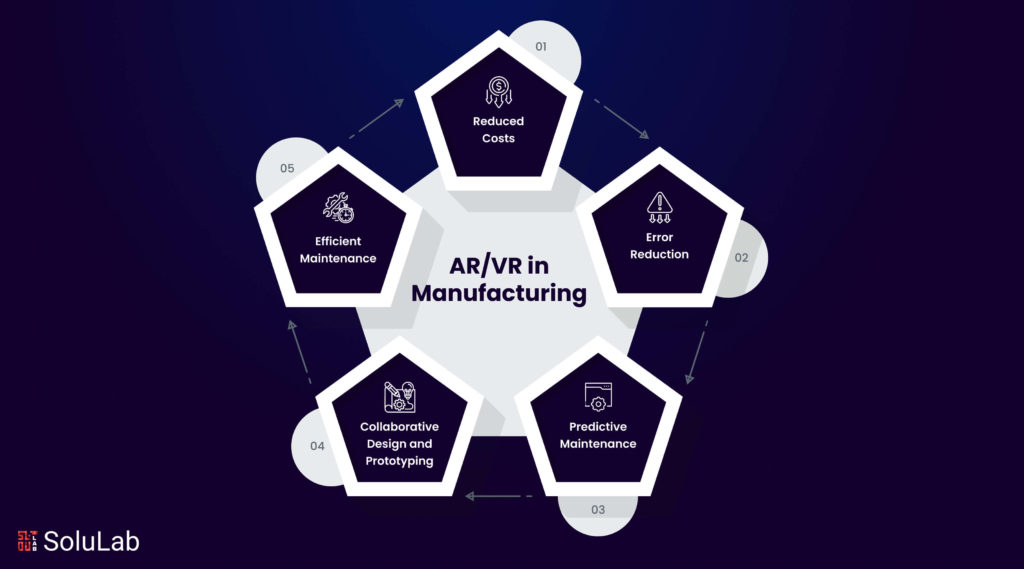
2. Reduced Costs: VR in manufacturing can significantly cut costs associated with travel and on-site visits. By eliminating the need for engineers and technicians to travel physically, companies can save money on transportation, accommodation, and other expenses. Additionally, VR virtual reality reduces the need for physical prototypes, which can be expensive and time-consuming to produce.

3. Virtually Represent Parts: VR in manufacturing allows engineers and designers to create virtual prototypes of parts, products, and components based on technical drawings and data, enabling teams to visualize and test designs before they are physically manufactured. This helps identify potential issues early on and reduces the risk of costly mistakes. Smart industry applications of VR virtual reality also include creating virtual showrooms for customers to experience products in a realistic and engaging way.

4. Effective Communication: VR in manufacturing provides a more immersive and interactive way for manufacturers and customers to communicate. Instead of discussing components based on technical drawings or CAD models, teams can use VR virtual reality to view and interact with components in a “real world” setting. This improves understanding, reduces miscommunication, and streamlines the product development process. Virtual reality also creates interactive training modules, providing employees with a more engaging and memorable learning experience.

5. Fully Immersive Training: VR in manufacturing can be used to provide fully immersive training simulations, allowing employees to practice and learn new processes and procedures in a safe, risk-free environment. By eliminating the risk of error or injury, VR virtual reality training can improve employee confidence and competence. It can also simulate dangerous or high-risk scenarios, providing experience and knowledge without putting employees in harm’s way. Integrating Robotic Process Automation with VR can further streamline training processes, ensuring that repetitive tasks are automated, and allowing employees to focus on more complex scenarios. Understanding the difference between AR and VR or the difference between VR and AR enhances how these technologies can be utilized effectively for training and development.

Mixed reality benefits include:

1. Full Interactivity: AR and VR in manufacturing enable full interactivity for remote maintenance, allowing technicians to access and control on-site equipment as if they were physically present. Using AR and VR technology, technicians can view virtual representations of the equipment in real-time, aiding in quicker and more efficient diagnostics and repairs. This integration of AR VR application in manufacturing enhances the benefits of AR VR in manufacturing, aligning with smart industries and the smart manufacturing industry 4.0.

2. Access to the Best Talent: Remote maintenance facilitated by AR/VR in manufacturing allows companies to tap into global talent pools, as technicians can remotely manage equipment from any location. This eliminates the need for travel to remote sites, leveraging AR and VR in manufacturing to access top-tier expertise without geographical constraints.

3. Real-Time Collaboration: AR and VR technology enhances real-time collaboration and communication among team members by enabling remote access and control of equipment. This ar vr application in manufacturing helps improve problem-solving capabilities and maintenance efficiency, contributing to the smart industry landscape.

4. Error Reduction: By providing technicians with a real-time view of equipment through AR and VR technology, remote maintenance reduces errors. Technicians can use AR in manufacturing and VR virtual reality to view virtual representations of equipment, leading to more accurate problem identification and quicker fixes, which aligns with the benefits of AR VR in manufacturing.

5. More Efficient Maintenance: The use of AR/VR in manufacturing boosts maintenance efficiency by enabling technicians to diagnose and repair issues remotely. This reduces the need for on-site visits, saving time and money while improving repair speed and accuracy. The integration of smart manufacturing industry 4.0 principles ensures that maintenance processes are streamlined and effective.
AR & VR in Manufacturing Market Size

Immersive Technology Use Cases

Immersive technology, encompassing augmented reality (AR), virtual reality (VR), and mixed reality (MR), has maintenance procedures and workflows in the manufacturing sector. These technologies unlock a range of benefits, empowering maintenance technicians and other personnel to operate more efficiently, accurately, and safely.

Uses of AR include:

1. Real-time Performance Data: With AR and VR in manufacturing, real-time performance data for equipment is displayed through a heads-up display, allowing technicians to monitor critical metrics such as temperature, pressure, and vibration at a glance. This capability, exemplified by AR applications in manufacturing, helps in early issue identification and proactive measures to prevent equipment failures.

2. Personnel Information: Augmented Reality (AR) provides ready access to information about personnel on the floor, including availability, specialization, training, and current location. This feature of AR in manufacturing facilitates efficient task assignment, ensuring the right personnel handle specific maintenance tasks.

3. Step-by-Step Maintenance Instructions: The system offers step-by-step maintenance instructions through AR VR application in manufacturing, guiding technicians through complex procedures. This reduces the risk of errors and ensures that maintenance tasks are performed correctly and consistently, showcasing AR in manufacturing examples.

4. Effective Decision-Making: AR and VR in manufacturing enhance decision-making by providing real-time data and insights. Technicians can quickly assess situations, identify root causes, and determine the best course of action, improving the overall efficiency of maintenance processes.

5. Predictive Maintenance: The system provides insights into potential failure conditions for equipment, enabling more proactive and predictive maintenance. By analyzing historical data and monitoring key indicators, AR and VR technology helps in identifying at-risk components and taking preventative actions.

6. Enhanced Training: AR applications in manufacturing support more effective training processes by offering interactive virtual simulations and tutorials. This immersive training environment enhances understanding and retention, making Augmented Reality (AR) a powerful tool for technician education.

7. Support for All Skill Levels: The system aids in maintenance for personnel who may not be familiar with the equipment. By providing real-time guidance and step-by-step instructions through AR and VR in manufacturing, it empowers technicians of all skill levels to perform tasks efficiently and effectively.

Virtual reality uses include:

1. Global Inspection and Vetting: Utilize VR in manufacturing and Augmented Reality (AR) technologies to conduct comprehensive vetting and inspection of processes from anywhere in the world. This approach eliminates the need for costly and time-consuming on-site visits, allowing for efficient evaluation of suppliers, manufacturers, and partners, regardless of their geographic location. Smart industries benefit from real-time examination of facilities, machinery, and products, identifying potential issues and ensuring compliance with standards, making smart manufacturing industry 4.0 a reality.

2. Remote Interaction with Large Parts: Interact with parts that are too large or heavy to be transported efficiently using VR virtual reality and AR in manufacturing. Engineers, designers, and quality control professionals can examine and assess these parts remotely, identifying defects, performing measurements, and making design modifications without physical handling. Integrating AI Automation with AR VR applications in manufacturing also facilitate collaboration among team members from different locations, enhancing productivity.

3. Collaborative Design and Prototyping: VR and AR technologies enable collaboration on parts that have not yet been built. Teams can interact with digital prototypes, review designs, and identify potential issues before physical manufacturing. This streamlines the product development process, reduces costs, and allows engineers and designers to make informed decisions early on, showcasing the difference between AR and VR in product development.

4. Virtual Facility Planning: VR and AR technologies allow businesses to plan and redesign floor footprints and facilities virtually. By creating realistic simulations of facilities, companies can optimize space utilization, improve workflow, and enhance operational efficiency. This eliminates the need for costly physical changes and facilitates collaboration among stakeholders, exemplifying smart industries and smart manufacturing industry 4.0.

5. Design and Component Development: Design parts and components virtually with AR and VR in manufacturing. Engineers and designers can collaborate in real-time to create, modify designs, assess functionality, and conduct stress tests. This results in faster, more efficient product development cycles and demonstrates the difference between VR and AR in design and development.

6. Immersive Training: VR and AR provide immersive training environments for new hires and upskilling existing technicians. Trainees can learn and practice complex procedures in a safe, controlled environment without needing physical equipment. AR VR application in manufacturing facilitates remote training, allowing organizations to train employees from different locations effectively.

Mixed reality uses include:

1. Building a Global Workforce: By leveraging AR and VR in manufacturing, companies can build a skilled and knowledgeable technical workforce that transcends geographical barriers. AR VR application in manufacturing enables seamless collaboration among technicians, allowing them to communicate and interact as if they were physically present in the same room. This fosters a sense of unity and enhances teamwork, aligning with the vision of smart industries and smart manufacturing industry 4.0.

2. Step-by-Step Maintenance Training: Implement a maintenance training program that uses AR/VR in manufacturing to provide comprehensive, step-by-step instructions. This training empowers technicians with the knowledge and skills needed to perform maintenance tasks effectively, ensuring that equipment and systems are well-maintained and functioning optimally. The benefits of AR VR in manufacturing include enhanced training and improved maintenance practices.

3. Work Tracking System: Establish a work tracking system enhanced by AR and VR technology to boost efficiency and effectiveness. This system allows technicians to track work progress, monitor maintenance schedules, and identify potential issues. Seamless communication between technicians and management is facilitated, keeping everyone informed about maintenance activities and contributing to smart industry practices.

4. Efficient Personnel and Process Management: Develop strategies for resource allocation, personnel utilization, and process optimization using AR and VR in manufacturing. These strategies will improve operational efficiency, reduce costs, and enhance productivity, supporting the goals of smart industries and the smart manufacturing industry 4.0.

5. Real-Time Communication Solutions: Implement real-time communication tools that leverage AR VR applications in manufacturing to facilitate instant, seamless communication among technicians, management, and stakeholders. Tools such as video conferencing and instant messaging will enable real-time information sharing, problem-solving, and decision-making, enhancing collaboration and responsiveness.

AR app development services

Conclusion

The integration of AR and VR in manufacturing is revolutionizing the smart industry by enhancing efficiency, safety, and productivity. From AR applications in manufacturing that provide real-time data overlays to VR in manufacturing that allows for immersive training and simulation, these technologies are reshaping the smart manufacturing industry 4.0. The benefits of AR VR in manufacturing include reduced downtime, improved quality control, and enhanced worker training, making them indispensable tools for modern industries. AR/VR in manufacturing offers practical solutions to complex challenges, such as visualizing assembly processes, facilitating remote assistance, and streamlining maintenance tasks.

AR in manufacturing examples include overlaying digital instructions on physical machinery, while VR virtual reality is used for training workers in a risk-free environment. The difference between AR and VR lies in their approach: AR augmented reality enhances the real world with digital elements, while VR creates an entirely virtual environment. At SoluLab, we specialize in developing AR technology development for the smart manufacturing industry 4.0. Our expertise in AR VR application in manufacturing ensures that our clients can harness the full potential of these technologies. Whether you’re looking to explore ar vr use cases in manufacturing or want to understand what is augmented reality ar, SoluLab is here to guide you through the digital transformation journey. Partner with us to stay ahead in the rapidly evolving world of smart industries.

FAQs

1. What is the role of AR and VR in manufacturing?

AR and VR are transforming the manufacturing sector by enhancing productivity, safety, and operational efficiency. These technologies offer immersive experiences and real-time data visualization, making them vital tools in smart industries.

2. What are some common AR applications in manufacturing?

Common AR applications in manufacturing include providing real-time data overlays for assembly processes, maintenance guidance, and quality control. These ar in manufacturing examples demonstrate how Augmented Reality (AR) can streamline operations and improve accuracy.

3. How do AR and VR technologies benefit the Smart Manufacturing Industry 4.0?

The benefits of AR VR in manufacturing for Smart Manufacturing Industry 4.0 include reduced downtime, enhanced worker training, and improved quality assurance. These technologies enable manufacturers to optimize processes and adapt to changing demands more efficiently.

4. Can you provide some AR/VR use cases in manufacturing?

Some ar vr use cases in manufacturing include virtual prototyping, immersive training environments, and augmented maintenance procedures. These applications help in reducing errors and improving overall production efficiency.

5. What is the difference between AR and VR in manufacturing?

The difference between AR and VR lies in their approach: AR augmented reality enhances the real world with digital overlays, while VR virtual reality creates an entirely simulated environment. Both have unique applications in the manufacturing industry.

6. Why should manufacturers consider adopting AR and VR technology?

Manufacturers should consider adopting ar and VR technology due to its potential to increase efficiency, reduce costs, and enhance worker safety. The ar vr application in manufacturing offers solutions to traditional challenges, making it a, suitable strategy for modern smart industries.

7. How is AR in manufacturing driving innovation in smart industries?

AR in manufacturing is driving innovation by enabling real-time data access, improving decision-making, and enhancing product quality. This integration is key to advancing the smart industry and maintaining competitiveness in the evolving market.

How Much Does It Cost To Develop Location Tracking Apps

To develop location tracking app has become an utmost needed feature of every app developer. The rise in digital era has resulted in the increase in demand for developing location tracking applications. Be it, business travel, leisure, tourism or logistics, location tracking applications play a major role. Location-based app helps in providing guidance to users who require navigation to the right place at the right time. 

With the increase of competition, Small and Medium Sized Enterprises (SMEs) have started using the location based mobile apps intensely. Location based tracking applications help SMEs to locate customers within their neighbourhood and reach, connect with them quickly. This creates opportunities for SMEs to increase their sales. A location tracking app supports a business to provide relevant and appropriate offers in real-time, customize and provide personalized experience, etc. 

Various Types of Location-based Mobile Apps 

In order to understand the cost to develop location tracking apps, it is important to understand the types of mobile applications that focus on location tracking. They are as follows. 

Socio-centric Apps 

This type of app allows customers  to use social media platforms to attach geo-tags and taglines while sharing location with friends and family. These geo-tags comprise of real-time location of an individual or address of a gym, club or a restaurant. 

Fitness And Health Apps 

When you develop location tracking apps for the fitness and healthcare industry, include locating services such as cycling and swimming activities. It also helps users to locate nearby pharmacies and hospital institutions. 

On-demand Apps 

Such on-demand apps include Swiggy, Uber, Uber Eats, etc. These are applications that allow instant booking of services for online food ordering, taxi booking or any such service quickly on-the-go and also provide real-time tracking of those services. 

Navigational Apps 

Applications such as Google Maps are the best examples of location-based tracking navigational apps. They provide various useful features that allow users to navigate through their current place depending upon the routes and direction inputs preferred by the user. 

Travel And Tourism Apps 

Locating local guides, nearby restaurants, hotels based on location and local offers and promotions is provided by travel and tourism-based location apps. This type of location tracking app will be according to the local community and will differ from community to community. 

Digital Retail And E-Commerce Apps 

Location-based apps allow tracking of orders placed, real-time delivery status tracking, locating sellers and retail shops nearby, etc. This serves as a huge benefit for the industry of e-commerce. 

Cost To Develop Location Tracking Apps 

Following are some important features that every location tracking app should include which adds up to the cost of development. 

User Section 

develop location tracking application

Locate nearby service providers 

Users must be able to locate their orders in real-time, view the status of their bookings such as reservation of travelling tickets and restaurants based on location. Users must also be able to locate availability of booking for restaurants and events nearby based on their location.

Portfolio creation

Provide a section where users can create a portfolio for themselves. This portfolio must include demographic details which will be used by the location tracking apps to locate products and service nearby as per user preference. 

Service provider section 

develop location tracking app

Provide location based promotional offers 

Based on the customer location, service providers can provide personalized services and recommendations for products and services. For example, when a user enters a mall, they get notification through SMS or push notifications that inform the users about the available offers in shops within the mall currently. This functions more like geofencing

24X7 Customer support 

Allow service providers to quickly connect with customers based on location to quickly resolve queries, concerns and issues raised. For example, when a customer from location A accesses customer care, allow service provider to connect the customer with customer service from Location A for better understanding. 

Admin Section 

admin panel

Automation of location tracking operations 

Allow users to choose preferences such as “Notify me, when I am at this Location” or set customized alarm and reminders based on location. This is one way of automating the app operation based on location. Based on the location, the app reminds users to pick up medicine orders or place orders, etc. 

Alerts and push notifications 

Admins must be able to send alerts to all customers during emergency situations such as tailored promotions, offers and any new product sale or any such updates. 

Collect, monitor and control data 

Admins must be able to generate data of a particular user using the cellular network and cell towers to store and display addresses and transfer it to service providers. Thus, service providers can customize services based on location even further. 

Cost for Developing Location-tracking Apps 

The approximate cost to develop location tracking apps is as follows.  

Country Development price per hour
United States

USD 168 and above

Canada

USD 168 and above

India

USD 30 and above

Following data is the approximate number of hours taken by any mobile app development company to develop the features mentioned below for iOS and Android platform respectively. 

Development Feature iOS in hours Android in hours
Users / vendors / products / services profile creation 100 110
Feature Integration 180 130
Promotions and Offers  48 60

Note: The timeline is given from broad perspective. It includes, but is not limited to:

  • UI/UX designing
  • Front-end development
  • Back-end development
  • Tasks performed by Quality Analyst, Business Analyst, DevOps Engineer and Project Manager

Conclusion: Develop location tracking apps that enhance customer service 

Building a brand with accuracy and perfection in providing service to meet all expectations and satisfaction is possible through location-based tracking applications. Traditionally, when there are changes in orders and requirements, it takes a longer time to adapt to it as the location of products and delivery points weren’t digitally visible. 

But, today, with digital technology, accurate satellite and GPS technology, adapting to the changing requirements is easier. For example, even if the delivery address is changed too late, still the enterprise can update the system in real-time and deliver products to the new location as planned. There are more benefits like this. Choose the features to develop wisely and according to your requirement. Optimally save cost in the process. 

Let us know what are the other important features that will add up to the cost of developing location tracking applications. 

WhatsApp Telegram