Smart contract wallets are doing a lot of the heavy lifting behind web3 adoption right now. They add capabilities that make the wallet experience far less painful, whether you are opening your first wallet or your fifteenth. And let’s be honest about the starting point: using a crypto wallet has been a bad experience for years. Most of the classic web3 wallets, MetaMask, Coinbase Wallet and Rainbow Wallet among them, are both risky and awkward to use.
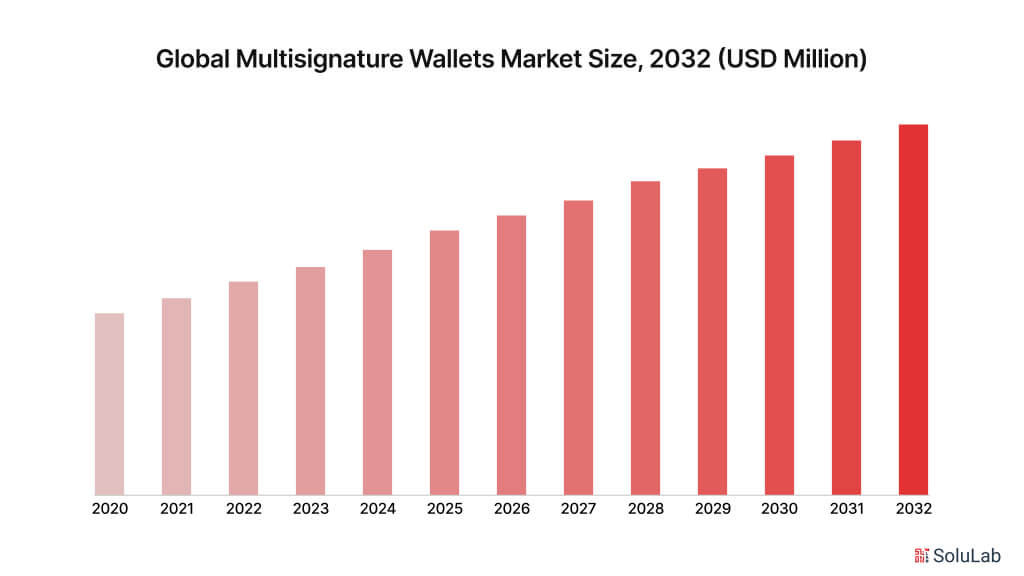
Then Ethereum introduced ERC-4337, better known as account abstraction, and “smart accounts” became practical. Since then, more teams have started offering users better wallets by picking the right type of smart contract wallet for each job. Multi-sig wallets (short for multi-signature) are one of the types gaining the most ground. The multi-signature wallet market has seen a growth rate of 25% annually, pushed along by people who now understand the risks and want stronger security.
Security has always been the sore spot in crypto. Multi-signature wallets are catching on because they hold up. Each transaction needs several private keys, so a thief, or anyone else who should not be there, has a much harder job. If you want tighter control over how your crypto moves, the best multi-signature wallets are the strongest option you have. This guide walks through the basics, then shows you how to set up and run a multi-signature wallet of your own.

What is a Multi-Signature Wallet?
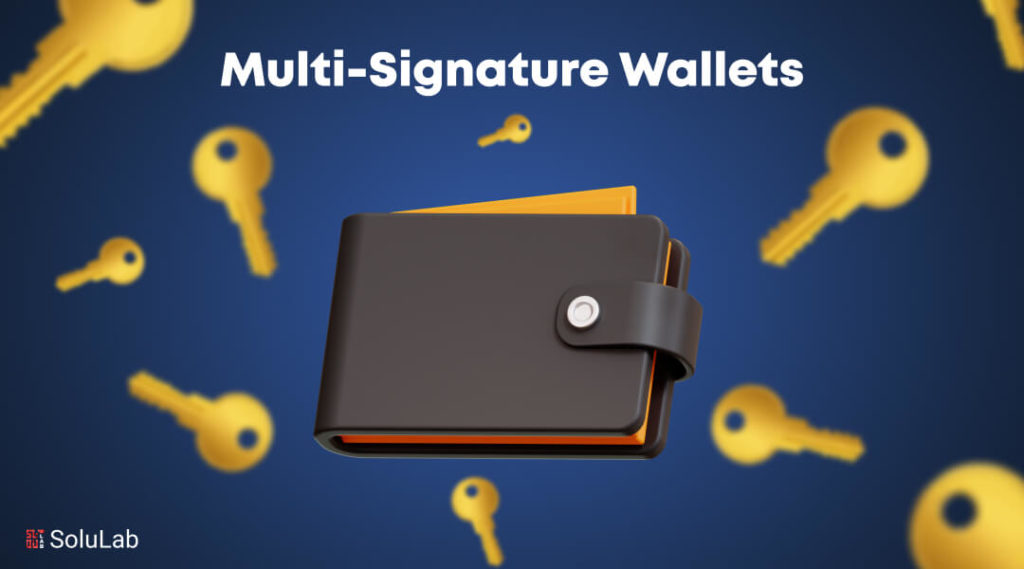
A multi-signature wallet is a crypto wallet with an extra lock on the door. Before any outgoing transaction goes through, two or more signatures have to approve it. People call them “multi-sig” for short, and they earn their keep when several people own the same crypto or digital assets, or when an organization holds those assets in custody.
A regular wallet needs one signature. That’s it. A multi-sig wallet asks more of you on the technical side, both to set up and to run day to day. Is it worth the hassle? If your security needs are complicated, yes, the protection you get is worth more than the extra setup work.
Crypto and digital wallets come with plenty of benefits and security features. Still, the stories keep coming: stolen assets, coins lost for good, all because one person held the passwords or the keys. Multi-signature wallets exist to close exactly that gap.
Getting into a multi-signature wallet can take two or more wallets working together. You might need two wallets, three wallets, any two of three, or some other mix. There is no upper limit on how many signatures the underlying wallet can demand. Five signatures? More? Nothing stops you, apart from the technical and logistical headache of setting it up and actually using it.
Key Features of a Multi-Signature Wallet
A multisig wallet gives you more security and more say over your digital assets. Because every transaction needs several signatures, you get a second line of defence against fraud and against people who should not have access. These are the features that separate the best multisig wallet from the rest:
1. Enhanced Security
One key is never enough on its own. A multisig wallet needs several private keys to sign off on a transaction, so if an attacker steals one key, your funds are still safe. Multi-signature blockchain technology cuts the odds of theft and rogue transactions by a wide margin.
2. Customizable Signatory Requirements
This is where multisig gets flexible. You decide how many signatures, out of the total set of keys, a transaction needs. Take a 2-of-3 setup: any two of the three keys can approve a payment. It’s a sensible middle ground. Secure enough, but you are not stuck if one key holder is on a plane.
3. Improved Access Control
Who gets to touch the money? With multisig, you decide that precisely. It suits organizations and groups where several stakeholders have to agree before anything moves. Nobody gets to act alone with the funds.
4. Fraud Prevention
A fraudster now has to fool, or compromise, several people instead of one. That is a much taller order. The multiple-approval rule works as a strong deterrent, and only transactions that are genuinely legitimate get processed.
5. Increased Transparency
Every signatory has to approve, so every transaction leaves a trail. You can see who authorized what. For audits and for plain accountability, that record is the whole point.
6. Backup and Recovery Options
Most of the best multisig wallets come with backup and recovery built in. You keep your private keys in different places. Lose one, damage one, and the keys you still have can get you back into the wallet.
7. Integration with Smart Contracts
Some of the more advanced multisig wallets plug straight into smart contracts. That opens up automation: the contract can run processes on its own and enforce specific conditions on each transaction, which tightens security and control another notch.
Put together, these features make multi-signature wallets a serious way to manage digital assets. For one person or a whole company, the best multisig wallet stacks several layers of protection while staying flexible and transparent, all built on multi-signature blockchain technology that keeps valuable assets out of the wrong hands.
Types of Multi-Signature Wallets
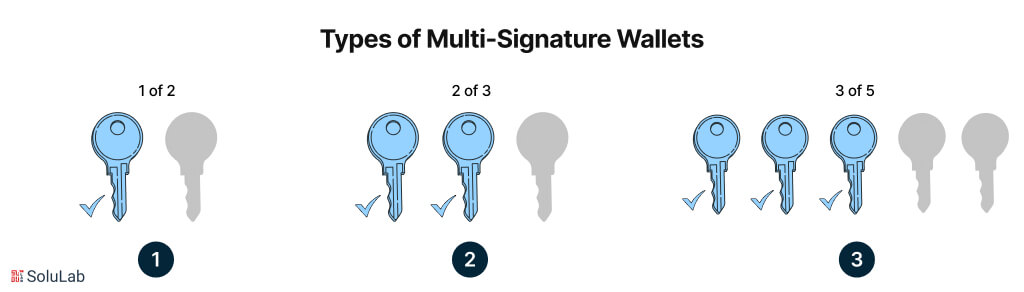
What sets each type apart is simple: how many keys a transaction needs.
- 1-of-2 Signatures: Built for two people who trust each other. Either one can move the shared funds, so neither has to wait for the other to sign every single transaction.
- 2-of-3 Signatures: The most common pick among wallet multi-signature setups. Two of the three private keys have to sign. Usually one key lives online, one sits offline, and a security company holds the third.
- 3-of-5 Signatures: Here you go further. Four keys are stored in separate offline locations, and the fifth stays with the wallet provider or a security company. To get into the crypto assets, you need to be able to pull back any two of the four offline keys. Plenty of people rank this setup among the best multi-signature wallets because the protection is so strong.
How are Multisig Wallets Worked?
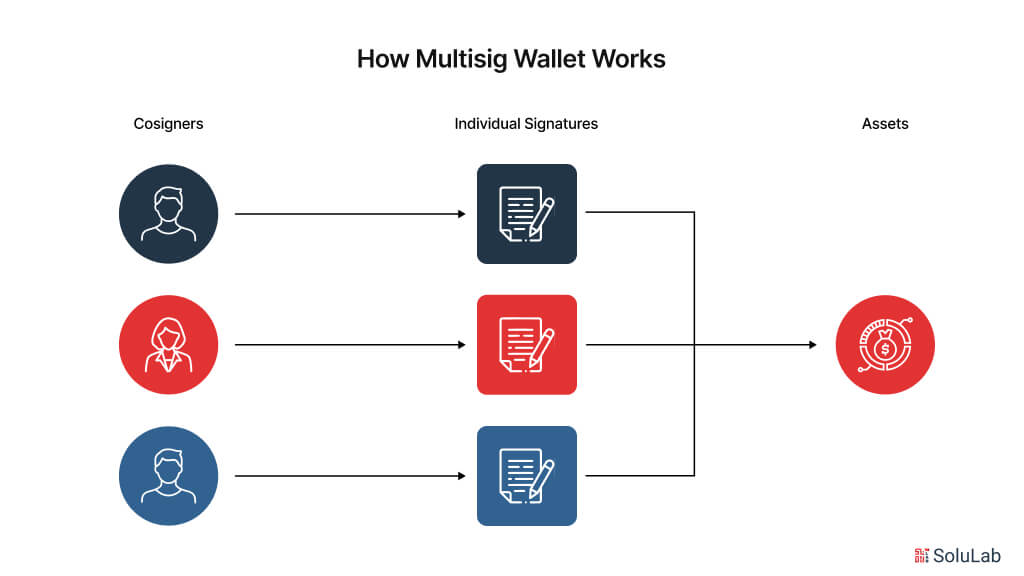
Think of multisig wallets as “programmable wallets.” They run on smart contracts, and the contract code decides two things: the minimum number of signatures a transaction needs, and exactly who is allowed to sign. Strip it down and a multisig wallet is a smart contract deployed on a blockchain, holding rules, addresses and the logic for managing signatures. The contract tracks three values:
- The total number of signatories: everyone who is allowed to approve transactions out of the wallet.
- The required number of signatures: the bare minimum it takes to authenticate one transaction.
- The list of signatories’ public keys: these check each signature and confirm who the signer really is.
Under the hood, it is smart contract logic plus cryptographic signatures. The wallet’s contract records the proposed transaction and how many signatures it needs. As each signatory signs, the contract checks that signature against the public keys of the approved parties.
So a transaction starts. It goes out to the signatories, and they sign it with their private keys. Then the contract counts. Has it hit the required number? If yes, the transaction is treated as genuine and can run on the blockchain. If not, it sits there pending until every needed approval shows up.
Once the signatures are collected and verified, the smart contract executes the transaction. Moving assets? The wallet balance updates to match. Calling a function on another smart contract? The multisig contract passes that call along to the target contract.
That mechanism is what gives multisig wallets use cases you simply don’t get with standard Web3 wallets.
Use Cases of Multi-Sig Wallets
People reach for multisig wallets when they want more security and more control over digital assets. Where does that actually show up? Here are the main multi-sig wallet use cases:
1. Corporate Fund Management
Companies use wallet multi-signature setups to keep treasury funds safe. Several executives or board members have to authorize each transaction, so no one person controls the company’s money alone. The risk of embezzlement or fraud drops accordingly.
2. Joint Accounts and Shared Assets
Family members. Business partners. Anyone who shares digital assets can use multi-sig wallets to manage the funds together. Every party has to agree on a transaction, which builds trust into the arrangement instead of leaving it to goodwill.
3. Security Enhancements for Exchanges and Wallet Providers
Cryptocurrency exchanges and wallet providers put their own funds behind multisig. With several approvals needed per transaction, they are better protected against hacks and unauthorized access. One compromised key does not mean the assets are gone.
4. Estate Planning and Inheritance
Multi-sig wallet use cases reach into estate planning too. A multisig wallet can hold digital assets that pass from one generation to the next. Give keys to the executors and the beneficiaries, and the assets get distributed the way the deceased wanted, with less room for family disputes.
5. Decentralized Finance (DeFi) Governance
In DeFi, decentralized organizations use multisig wallets to govern themselves. Proposals and changes need sign-off from several stakeholders, which keeps decisions democratic and out in the open.
6. Crypto Fundraising and ICOs
When a project runs Initial Coin Offerings (ICOs) or any other fundraise, multi-sig wallets can hold the money raised. The funds stay locked down and only move with several approvals. Investors like that, and for good reason.
Multi-sig wallets bend to fit a lot of situations while keeping security and control tight. Corporate treasuries, estate plans, DeFi governance: across all of these multi-sig wallet use cases, the value is the same. Crypto assets stay protected and properly managed.
Advantages and Disadvantages of Multi-Signature Wallet
Requiring several signatures per transaction is a different way of securing digital assets. It changes how both individuals and organizations run their crypto, for better and, in a few ways, for worse. Here is the trade-off side by side.
| Advantages | Disadvantages |
| Enhanced Security: Several signatures stand between a thief and your funds. | Complexity: Juggling multiple keys gets complicated and can cause coordination problems. |
| Fraud Prevention: Unauthorized transactions are much harder to push through, so fraud risk falls | Transaction Delays: Waiting on several signers can slow processing down. |
| Improved Access Control: Several parties can manage and oversee the same digital assets. | Backup Challenges: Backing up and managing every key safely is hard work. |
| Backup and Recovery: Solid ways to regain access if one key is lost or compromised. | Cost: More advanced setups can carry extra setup and maintenance costs. |
| Increased Transparency: Every signatory approves, so there is always a clear audit trail. | Technical Issues: Setup and upkeep can trip people up, especially users who are not very technical. |
| Reduced Single Point of Failure: One compromised key is no longer enough to lose or steal funds. | User Coordination: Key holders have to communicate and coordinate well. |
Multisig Wallets vs. MPC Wallets- What’s the Difference?
People mix these two up all the time, so let’s compare multisig vs MPC properly. Both bring several participants into the approval process, and both give you more security and control over digital assets. But they are not the same thing. Under the surface, they run on different mechanisms.
A multisig (multi-signature) wallet needs signatures from several different parties. The usual design is an “M-of-N” scheme: out of N participants in total, M have to sign before a transaction is approved. Nobody shares a private key here. Each participant holds a private key of their own.
Multi-Party Computation (MPC) wallets work differently. They use cryptography to split one private key into several shares and hand each share to a different party. The full key is never rebuilt, not once. Instead, the parties run the computations a transaction needs, signing included, without revealing their own key shares to each other. Because of that, there is less chance of a single point of failure, and security improves.
So yes, both wallet types involve several people in each transaction. Where they split is in how they treat private keys and approvals. Multisig gives every participant their own private key and demands a set number of signatures. MPC breaks a single private key into shares and has the holders compute together.
How to Create a Multi-Signature Wallet?
Setting up a multi-signature wallet gives you real control over your digital assets. Here’s how to do it, step by step, and how to pick from the best multi-signature wallets for what you need:
1. Choose a Multi-Signature Wallet Provider
First, pick a multisig wallet provider that fits your situation. Look at security features, how easy it is to use, and what kind of reputation it has. BitGo, Electrum and Casa are popular picks, each known for solid multisig products.
2. Decide on the Number of Signatures and Keys
How many private keys, and how many of them must sign? Answer that next. Common choices are 2-of-3 and 3-of-5, though other combinations work if your security needs call for them. Whatever you pick becomes the rule for approving every transaction.
3. Generate Private Keys
Now, inside whichever of the best multi-signature wallets you chose, generate the private keys you need. Store and manage each one carefully. Most providers have a key generation process that makes every key unique and secure.
4. Create and Configure the Multi-Signature Wallet
Follow your provider’s instructions to create and configure the multi-signature wallet. In most cases you enter the keys you generated and set how many signatures each transaction needs. The provider walks you through it.
5. Distribute and Secure the Keys
Hand the private keys out to the signatories. Each one has to be stored safely, away from anyone unauthorized and protected from loss. Keep them in separate, secure places. In practice, this is the step teams rush, and it is the one that decides whether the whole setup holds.
6. Test the Wallet
Don’t move serious money yet. Run a test first. Check that the configuration is right and that every signatory can actually authorize a transaction. You want proof the wallet behaves the way you expect, with every security measure in place, before anything large goes through it.
7. Use and Manage the Wallet
Test passed? Start using it. Then keep checking: review the wallet settings and key security on a regular schedule so your digital assets stay as protected as they were on day one.
The short version: pick a provider, set the signature rule, generate and lock down the keys, test, then use. Do those steps properly and a multisig wallet will make your digital assets both safer and easier to manage.

Conclusion
Multi-signature wallets are a real step forward for securing and managing digital assets. Needing several approvals per transaction puts one more barrier in front of theft and fraud, which is why they work for individuals and organizations alike. And because you can choose 1-of-2, 2-of-3, 3-of-5 or another setup, you can match the security to your actual situation and keep unauthorized hands off your assets.
They are not free of friction, though. More complexity, possible transaction delays, and key management that has to be done well. A dedicated crypto wallet development company can take most of that off your plate. At SoluLab, we build custom multi-signature wallet solutions that are simpler to manage and harder to break. Our team of crypto wallet development companyat SoluLab can help you work through the tricky parts of multisig, so the result is smooth and secure. Want to know how we can help? Contact us today.
FAQs
Shipra Garg is a tech-focused content strategist and copywriter specializing in Web3, blockchain, and artificial intelligence. She has worked with startups and enterprise teams to craft high-conversion content that bridges deep tech with business impact. Her work translates complex innovations into clear, credible, and engaging narratives that drive growth and build trust in emerging tech markets.