Generative AI (Gen AI) is transforming the supply chain industry by revolutionizing how
companies predict demand, optimize logistics, and manage supplier relationships. By leveraging advanced
algorithms, Gen AI can generate new insights and solutions from existing data, enabling more accurate
forecasting, streamlined operations, and enhanced decision-making. This technology empowers supply chain
managers to respond dynamically to disruptions, reduce costs, and improve efficiency, making it a
critical tool for maintaining competitiveness in a fast-paced global market.
The supply chain industry is experiencing a profound transformation driven by
the integration of Generative AI (Gen AI) technologies. This shift is influenced by the need for
greater efficiency, flexibility, and resilience in the face of global disruptions such as pandemics,
natural disasters, and geopolitical tensions. Gen AI is becoming a crucial tool for supply chain
managers, enabling them to optimize operations and stay competitive in an increasingly complex and
fast-paced environment.
Current Landscape
The supply chain industry is undergoing a significant transformation driven by
the adoption of advanced technologies such as artificial intelligence, blockchain, and the Internet
of Things (IoT). Generative AI, a specialized branch of AI, is playing an increasingly pivotal role
in reshaping supply chain management by enabling the creation of new data, scenarios, and predictive
models.
Industry Challenges
Innovation and Digital Transformation
Legacy Systems
Many supply chains still rely on outdated legacy systems that are not
easily compatible with advanced Gen-AI technologies. Upgrading these systems is both costly and
time-consuming.
Integration Difficulties
Incorporating Gen-AI into existing supply chain operations requires
seamless integration with other technologies like IoT, blockchain, and ERP systems, which can be
complex and resource-intensive.
Demand Forecasting and Inventory Management
Accuracy in Predictions
While Gen-AI can significantly improve demand forecasting, ensuring the
accuracy of these predictions in volatile markets is challenging. Factors like sudden shifts in
consumer behavior or unexpected disruptions can reduce the reliability of AI models.
Inventory Optimization
Optimizing inventory levels using Gen-AI requires precise data inputs
and real-time updates, which can be difficult to maintain across global supply chains with
varying data quality.
Operational Inefficiencies
Complexity in Supply Chain Networks
Supply chains often involve multiple stakeholders, from suppliers to
manufacturers to distributors. Coordinating these parties effectively using Gen-AI solutions can
be challenging, particularly when dealing with complex, global networks.
Lack of Real-Time Data
The effectiveness of Gen-AI in improving operational efficiency depends
on the availability of real-time data. However, many supply chains struggle to achieve the level
of data integration and visibility required.
Risk Management
Supply Chain Disruptions
Gen-AI models must be resilient enough to predict and adapt to supply
chain disruptions, such as natural disasters, geopolitical tensions, or pandemics. Ensuring that
AI models can handle these unpredictable events is a significant challenge.
Dependency on Data Accuracy
The effectiveness of risk management using Gen-AI heavily relies on
accurate and complete data. Inaccurate data can lead to poor decision-making and increased
vulnerability to risks.
Increasing Regulatory Compliance and Oversight
Compliance with International Standards
Supply chains must comply with a variety of international regulations
and standards, which can vary widely by region. Ensuring that Gen-AI systems adhere to these
diverse regulations is complex.
Data Privacy Concerns
As Gen-AI models process vast amounts of sensitive data, ensuring
compliance with data privacy laws, such as GDPR, becomes a critical challenge for supply chain
operators.
Evolving Cyber Threats
Increased Attack Surface
The integration of Gen-AI into supply chains expands the attack surface
for cyber threats. Protecting AI models and the data they process from cyberattacks is a top
priority.
Security of AI Systems
Ensuring the security of AI models themselves is challenging,
particularly when dealing with adversarial attacks designed to exploit vulnerabilities in AI
algorithms.
Need for Gen AI in Supply Chain
Enhanced Accuracy
Gen AI models can process complex datasets, including historical sales data, market trends, and
external factors like weather patterns, to generate more accurate demand forecasts. These models
continuously learn and adapt to new data, improving their predictions over time.
Scenario Planning
Gen AI can simulate various market scenarios to help supply chain managers prepare for potential
disruptions. By modeling different outcomes, AI provides insights into how changes in demand, supply
chain disruptions, or economic shifts might impact operations.
Reduced Overstock and Stockouts
With more accurate demand forecasts, companies can reduce the risk of overstocking or running out of
stock, both of which can have significant financial implications. Gen AI helps maintain optimal
inventory levels, reducing costs and improving customer satisfaction.
Automated Process Optimization
Gen AI can identify inefficiencies in supply chain processes and suggest improvements. For example,
AI can optimize routing for logistics, reducing transportation costs and delivery times. It can also
automate the scheduling of manufacturing processes to maximize productivity.
Enhanced Supply Chain Visibility
AI systems provide real-time visibility into the entire supply chain, from raw material sourcing to
final delivery. This visibility enables better decision-making, as managers can quickly identify and
address potential issues before they escalate.
Dynamic Supply Chain Management
Gen AI enables supply chains to be more responsive and adaptable to changes in demand, supply
disruptions, or other external factors. AI-driven systems can automatically adjust procurement,
production, and distribution plans to optimize overall performance.
Real-Time Inventory Tracking
Gen AI systems can continuously monitor inventory levels across multiple locations, providing
real-time updates and alerts. This allows supply chain managers to quickly respond to changes in
demand or supply chain disruptions, reducing the risk of stockouts.
Predictive Inventory Optimization
By analyzing historical data and current trends, Gen AI can predict future inventory needs with
greater accuracy. This helps companies maintain optimal inventory levels, reducing the costs
associated with overstocking or understocking.
Automated Replenishment
Gen AI can automate the replenishment process by predicting when stock levels will fall below a
certain threshold and triggering automatic orders. This reduces the need for manual intervention and
ensures that inventory is always available when needed.
Risk Prediction and Mitigation
Gen AI uses predictive analytics to identify potential risks before they materialize. By analyzing
historical data and current market conditions, AI can forecast risks such as supplier delays,
transportation disruptions, or demand fluctuations.
Supply Chain Simulation
Gen AI can simulate various risk scenarios, allowing supply chain managers to understand the
potential impact of different events on their operations. This enables better preparation and more
effective contingency planning.
Real-Time Risk Monitoring
AI systems provide continuous monitoring of risk factors across the supply chain, enabling real-time
risk assessment and quicker responses to emerging threats. This helps minimize disruptions and
maintain smooth operations.
Improved Supplier Communication
Gen AI can automate and streamline communication with suppliers, ensuring that all parties are on the
same page regarding orders, deliveries, and production schedules. This reduces the risk of
misunderstandings and delays.
Transparent Supplier Performance Tracking
AI systems can continuously monitor supplier performance, providing insights into key metrics such as
delivery times, quality, and reliability. This transparency helps companies identify potential
issues and take corrective action before they impact the supply chain.
Dynamic Supplier Relationship Management
Gen AI enables more dynamic management of supplier relationships by analyzing data on supplier
performance, market conditions, and contract terms. This allows companies to make informed decisions
about supplier selection, negotiation, and collaboration.
Optimized Resource Utilization
Gen AI can analyze data on resource consumption and production processes to identify opportunities
for reducing waste and improving efficiency. This helps companies minimize their environmental
impact while also reducing costs.
Use Cases of Gen AI in Supply Chain
Predictive Demand Forecasting
Gen AI analyzes historical sales data, market trends, and external factors such as
seasonality and economic indicators to predict future demand with high accuracy. This helps
companies maintain optimal inventory levels, reducing the risk of overstocking or stockouts.
Dynamic Inventory Optimization
AI-driven systems can continuously monitor inventory levels in real time and
automatically adjust stock levels based on demand forecasts. This ensures that companies always have
the right amount of stock on hand, minimizing holding costs and reducing the likelihood of
stockouts.
Automated Replenishment
Gen AI can automate the replenishment process by predicting when inventory levels
will fall below a certain threshold and triggering automatic orders. This reduces manual
intervention, improves efficiency, and ensures that inventory is always available when needed.
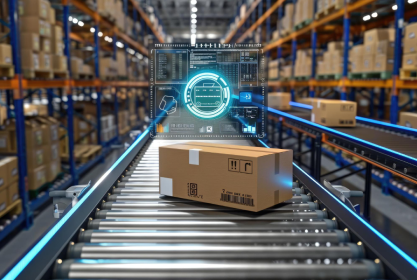
Warehouse Automation
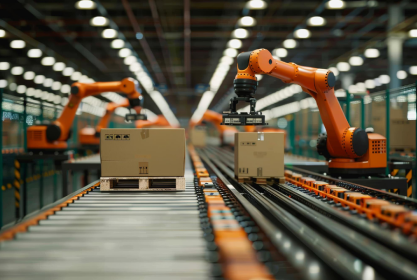
Gen AI can automate warehouse operations, including picking, packing, and sorting
of goods. AI-powered robots and automated systems increase the efficiency and accuracy of warehouse
operations, reducing labor costs and minimizing errors.
Automated Supplier Evaluation
Gen AI systems can continuously monitor and evaluate supplier performance based on
key metrics such as delivery times, quality, and cost. This data-driven approach enables companies
to make informed decisions about supplier selection and negotiation.
Supply Chain Collaboration
AI-driven platforms facilitate better communication and collaboration with
suppliers, ensuring that all parties are aligned on production schedules, delivery timelines, and
quality standards. This reduces the risk of misunderstandings and delays.
Predictive Risk Assessment
Gen AI can assess the risk of supplier disruptions by analyzing historical data
and current market conditions. This enables companies to proactively manage risks and develop
contingency plans, ensuring that supply chain operations remain uninterrupted.
Predictive Risk Analytics
Gen AI can analyze historical data, market conditions, and geopolitical events to
predict potential risks, such as supplier failures or transportation disruptions. This allows
companies to take preventive measures before these risks materialize.
Real-Time Fraud Detection
Gen AI can analyze transaction data in real time to detect fraudulent activities
that deviate from established patterns. This allows companies to take immediate action to prevent
fraud and protect their assets.
Enhanced Supply Chain Security
AI systems can monitor the entire supply chain for potential security threats,
such as unauthorized access to sensitive data or tampering with goods. This ensures that supply
chain operations remain secure and reliable.
Blockchain Integration for Traceability
Gen AI can be integrated with blockchain technology to enhance traceability and
security in the supply chain. This ensures that all transactions and movements of goods are recorded
and verified, reducing the risk of fraud and counterfeiting.
Benefits of Gen AI in Supply Chain
Increased Accuracy
Gen AI enhances demand forecasting through real-time data analysis and
machine learning, reducing forecast errors and allowing for more accurate inventory planning. By
integrating data from various sources—such as historical sales, weather patterns, and economic
indicators—AI can identify subtle trends that impact supply and demand, resulting in better stock
management and reduced overstock or stockout situations.
Innovative Solutions
Gen AI fosters innovation in supply chain management by identifying
inefficiencies and recommending process improvements. By analyzing vast datasets across the supply
chain, AI can pinpoint bottlenecks, optimize logistics routes, and suggest changes to procurement
strategies. This leads to faster delivery times, reduced costs, and enhanced overall efficiency.
Cost Reduction
Gen AI automates various supply chain tasks, such as order processing,
inventory management, and supplier communications. Through the application of machine learning and
natural language processing (NLP), routine tasks are streamlined, reducing the need for manual labor
and cutting operational costs.
Enhanced Customer Experience
Gen AI enhances customer experience by improving the efficiency and accuracy
of order fulfillment. AI-driven demand forecasting ensures that products are readily available,
reducing wait times and backorders. This leads to higher customer satisfaction and repeat business.
Virtual Assistance
AI-powered systems also enable personalized customer service. Chatbots and
virtual assistants can assist customers in tracking orders, handling returns, and addressing
inquiries promptly and accurately. By providing round-the-clock support and personalized service, AI
enhances the overall customer experience and strengthens brand loyalty.
Future Trends
Integration with Quantum Computing
The integration of Gen AI with quantum computing holds the potential to
transform the supply chain industry. Quantum computing offers exponentially faster data processing
and the ability to handle highly complex computations, which can revolutionize supply chain
operations, including logistics optimization, demand forecasting, and real-time decision-making.
Quantum Computing and Gen AI Integration
By combining quantum computing with Gen AI, companies are able to process
and analyze vast amounts of supply chain data—such as supplier performance, demand signals, and
transportation logistics—far faster than traditional computing systems. This enhanced processing
power will allow for more precise predictions and optimizations, leading to significant
improvements in supply chain efficiency and resilience.
Supply Chain Optimization
Quantum-enhanced AI can dramatically improve supply chain optimization by
rapidly analyzing complex logistics networks, including transportation routes, warehouse
locations, and inventory levels. Quantum computing could help solve intricate optimization
problems.
Risk Management and Resilience
In the area of risk management, the combination of Gen AI and quantum
computing will allow for real-time risk assessment and contingency planning. Quantum algorithms
could simulate numerous "what-if" scenarios related to supply chain disruptions, such as natural
disasters, geopolitical instability, or sudden demand spikes. By evaluating these complex
scenarios quickly, companies will be able to identify risks earlier, deploy countermeasures more
effectively, and build more resilient supply chains.
Blockchain and AI Synergies in Supply Chain
Combining AI with Blockchain Enhances Supply Chain Security, Ensures
Transaction Integrity, and Streamlines Compliance.
Enhanced Security
Blockchain's decentralized, tamper-proof ledgers combined with AI's
advanced monitoring capabilities can significantly improve security across the supply chain.
Blockchain ensures that every transaction and piece of data, such as inventory records or
shipping details, is securely stored and immutable. When integrated with AI, this system becomes
even more powerful: AI algorithms can continuously monitor blockchain-based supply chain
transactions in real time, flagging unusual patterns or potential security breaches.
Securing Transactions
In supply chain management, secure transactions are critical for ensuring
that goods, payments, and data move smoothly through the various stages of production and
delivery. Blockchain technology secures these transactions by recording every step transparently
and ensuring that no data can be altered once it is added to the ledger. This transparency
provides an audit trail that can be invaluable for compliance, dispute resolution, and fraud
prevention.
Predictive Analytics in Customer Insights
AI-Driven Predictive Analytics Will Enable Supply Chains to Anticipate Demand
Fluctuations, Optimize Inventory, and Enhance Supplier Relationships.
Demand Forecasting and Inventory Management
Traditional supply chain planning often relies on historical data and
broad assumptions about market conditions. Gen AI takes demand forecasting to the next level by
analyzing individual factors that impact demand, such as seasonal trends, customer preferences,
and external disruptions. This allows supply chain managers to predict future demand with
greater accuracy, enabling them to adjust inventory levels accordingly.
AI-Driven Predictive Analytics
Gen AI enhances predictive analytics in supply chains by leveraging
advanced machine learning algorithms and large datasets to forecast demand, optimize logistics,
and improve supplier performance. By continuously analyzing data from multiple sources, such as
sales history, weather patterns, and economic indicators, AI provides valuable insights that
enable companies to anticipate changes in supply and demand, reduce inefficiencies, and make
more informed decisions.
Transform Your Supply Chain with Generative AI
In today's fast-paced world, staying competitive in supply chain management
requires innovation. Generative AI presents a transformative opportunity for businesses, offering
enhanced operations and a competitive edge. Now is the perfect time to integrate this emerging
technology into your strategy for a smooth transition. At SoluLab, we offer customized Generative AI
solutions for supply chain management, including inventory optimization, demand forecasting,
supplier selection, logistics planning, and real-time tracking. Our tools are designed to streamline
your supply chain, cut costs, and boost efficiency. Ready to elevate your supply chain operations?
Contact us or book a demo today to explore how our AI solutions can be tailored to your needs!
SoluLab successfully delivered the project on time, we were very pleased with the team's
flexibility and honesty. The team was also highly considerate of our needs. They were
very
considerate for few minor changes that went outside of the scope (which they gave us
complimentary without extra fee). They delivered everything on time.
Greg Edwards
Founder, Edamama
The attention to detail and the ability to customize the solution to fit our specific
goals
was outstanding. Throughout the process, SoluLab’s team was always available, offering
insightful advice and ensuring the project stayed on course. The end result has exceeded
our
expectations, significantly enhancing our operational efficiency and security. What
truly
stood out was their dedication to building a long-term partnership, making them a key
player
in our company’s growth.
Sara Routhier
Employer Outreach, Quote.com
SoluLab immersed themselves in understanding our goals and challenges, providing
innovative,
tailored strategies that made an immediate impact. Their expertise, proactive
communication,
and unwavering support set them apart, making the entire process smooth and efficient.
we’ve
experienced measurable growth, improved efficiency, and a renewed sense of confidence in
reaching our objectives. Working with SoluLab has been a game-changing experience, and
we’re
excited for what the future holds in this incredible partnership.
Our experience with SoluLab was nothing short of transformative. They didn’t just
deliver a
service—they completely redefined what we thought was possible with blockchain
technology.
From day one, their team demonstrated unmatched expertise, immersing themselves in our
business challenges and crafting a solution that wasn’t just innovative but
groundbreaking.
They implemented a flawless blockchain system that not only elevated our efficiency and
security but also opened doors to opportunities we hadn’t imagined.































![Top 10 Examples of AI Being Integrated in the Real World [2026 Edition]](https://www.solulab.com/wp-content/uploads/2026/09/Examples-of-AI-Being-Integrated-in-the-Real-World.webp)