Without well-run data integration, companies end up working from data that is patchy, contradictory or just plain wrong. Bad calls follow. So do missed chances. Messy data also gets in the way of teams working together, and it caps how deep any analysis can go. One widely repeated figure puts the failure to combine different data types behind more than 40% of failed projects [SOURCE NEEDED]. Whatever the exact number, the point stands: if you want a full picture of the business, smoother operations and room to grow, integration is where it starts.
This is where things are shifting. artificial intelligence and machine learning are changing how integration gets done, with tools that cut the manual grind, sharpen decisions and squeeze more value out of the data you already hold. The practical upshot? Businesses can find their way around their own data far more easily, which makes insight quicker to reach and growth easier to chase.
What is Data Integration?
Data integration is the glue. It takes datasets scattered across different sources and pulls them into one consistent structure. The whole idea is to stop data from sitting in silos and let it move freely, so the people making decisions see the full picture instead of fragments. Below, we look at what it means, why it matters, and the many shapes data integration can take.
Why bother? Because silos are expensive. Good data integration knocks down the walls between departments and turns scraps of information into one coherent story. Once everyone works from the same view, data integration pays off in three ways: operations run more efficiently, reports become accurate, and strategy finally rests on solid ground.
The Role of AI in Data Integration
Most businesses now juggle dozens of data sources spread over separate systems and cloud platforms. Pulling that together is a headache, and a serious one. The challenge is getting past those obstacles so you can actually use your data, even when the business around it keeps changing shape.
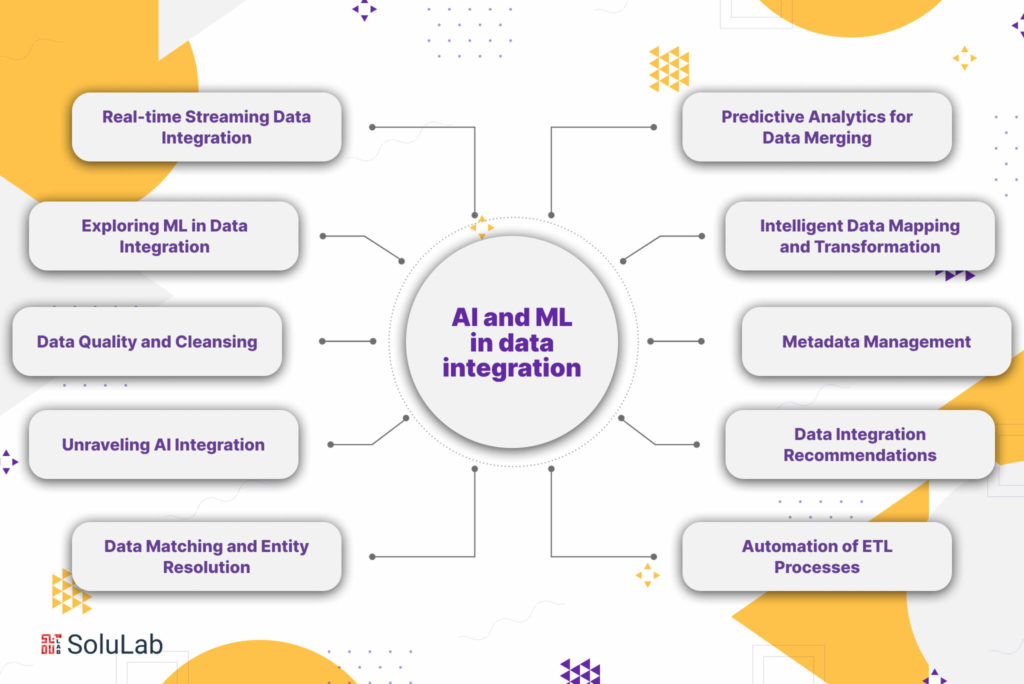
AI and ML are changing how that work gets done. Here’s where they make the biggest difference:
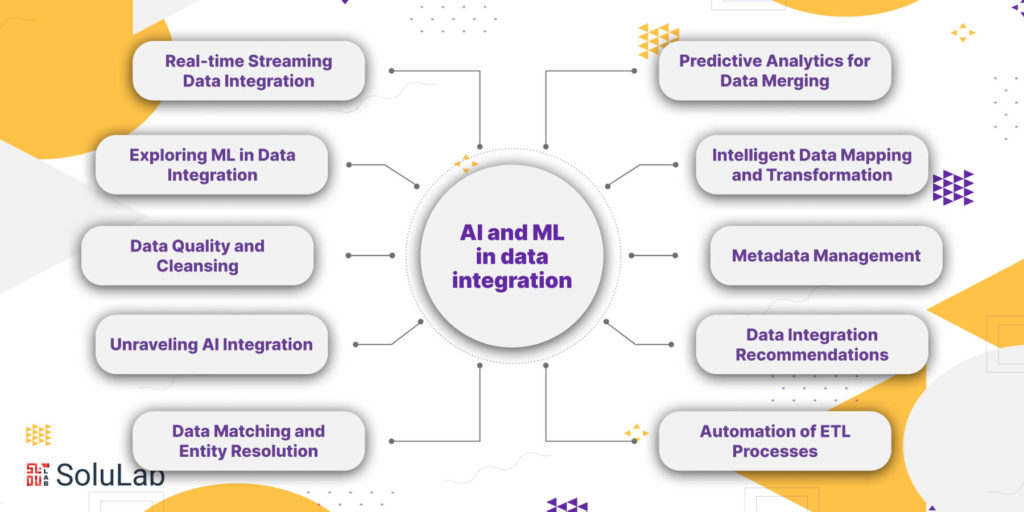
1. Rapid Data Mapping and Regulating
Traditionally, integration projects mean a lot of hand mapping: taking fields from many sources and lining them up in one common format you can query. It’s slow, tedious work. AI-powered mapping and integration tools take most of that load off. Machine learning algorithms can map customer data quickly and accurately, so decisions get made on current data instead of last month’s.
2. Upgraded Data Processing
As data volumes climb, older legacy systems start to buckle. They struggle to process and analyse big data both accurately and at speed. AI and machine learning handle it differently, taking in, merging and analysing huge datasets efficiently. Teams can work with large data without writing mountains of code, and they can still build complex data models on top of it.
3. Strengthen Intelligence
When AI simplifies the mapping and transformation work, business users get to spend real time with the data model. That’s the shift. The machine deals with the technical side of integration. People get to do the interesting part: reading patterns, spotting trends, and running statistical models over well-chosen datasets to pull out insight the business can act on.
4. Data Relevance and Cleansing
Data quality makes or breaks integration. ML and AI help a lot here. They can find and fix errors, duplicates and inconsistencies, which lifts accuracy across the board. A machine learning algorithm can also learn from past data trends to flag likely quality problems early, so you clean things up before they ever reach the integration step. Better data going in means insight you can trust coming out, and decisions that hold up.
5. Data Matching and Entity Resolution
Pull data from several sources and you’ll quickly hit the same customer listed three different ways. Matching records and resolving entities is a core step for exactly that reason. AI and ML algorithms are very good at spotting similar or identical records across databases, even when the data is inconsistent or incomplete. Using machine learning models and probabilistic matching, they merge records accurately, cut duplication and leave you with a cleaner, consolidated dataset.
Read Also: How to Build an MLOps Pipeline?
Machine Learning in Data Integration
Now to the specifics of Machine Learning in data integration. The focus here is on adaptive algorithms and what they change. ML keeps getting better, and its biggest contribution is sharper pattern recognition, which is steadily reshaping how integration processes will work in future.
Exploring ML in Data Integration
Machine Learning makes data integration smarter by bringing in algorithms that change as they learn from patterns and insight. Traditional code does what it’s told, forever. ML systems adjust to new data and get better over time. That difference is the core principle behind ML in data integration.
ML Algorithms for Pattern Recognition
Pattern recognition is where Machine Learning integration really earns its keep. Clustering and classification algorithms end up doing the heavy lifting in integration systems, surfacing relationships and correlations hidden across very different datasets. Without that, building one unified, coherent view of your data would be close to impossible.
Adaptive Evolution of ML in Integration
Adaptability is the big deal. ML algorithms keep learning as new data arrives, tuning their models and predictions as they go. So the integration process doesn’t go stale. Business requirements shift, data sources change, and the system keeps up instead of needing a rebuild every time.
Types of Data Integration
There are two main forms of data integration: batch processing and real-time integration. Each behaves differently and suits different jobs, and choosing between them depends on what your data needs to do.
Batch Processing and Real-time Integration
Data integration comes in those two flavours, batch and real-time. Pick the wrong one and you either pay for speed you don’t need or wait on data you needed an hour ago. Knowing the difference is basic groundwork for any sensible data integration strategy.
Use Cases of Batch Data Integration
Batch processing gathers data and processes it on a schedule, say nightly or weekly. Batch data integration in machine learning works best for big volumes of historical data, regular reporting, and making efficient use of computing resources when nothing needs to happen instantly.
Real-time Integration in Modern Applications
Real-time integration handles data the moment it’s created. You need it when waiting isn’t an option: when insight has to be immediate, decisions have to be fast, and data has to stay in sync across systems as it changes.
AI and ML Applications in Data Integration Across Industries
What does AI-based data integration actually look like on the ground? Here’s how three industries use it:
- Healthcare: In healthcare, AI-based integration gives clinicians a far fuller view of each patient. It brings together medical records, imaging and electronic health records (EHRs), which helps doctors diagnose and tailor treatment plans. AI-powered tools then scan that combined data for trends and can flag likely health problems before they fully develop, which leads to better outcomes for patients.
- Banking: Banks sit on data spread across many financial systems. Combining it with AI sharpens risk management, because institutions can assess and reduce risk more accurately. Machine learning algorithms comb through the merged data to spot trends and flag possible fraud, which tightens security and helps with compliance rules such as anti-money laundering and KYC. There’s a commercial upside too: financial institutions can offer more specialised services and better-targeted products.
- Retail: Retailers use AI data integration to study payment systems, social media and customer feedback side by side, so they understand what shoppers like and how they behave. With that all-round view, they can recommend the right products and run more personalised marketing, and customers stay happier and more loyal. On the operations side, machine learning and AI combine supply chain and sales data to forecast demand, which improves inventory management and cuts both stockouts and overstock.
Read Our Blog: AI and ML in Automotive Industry
Challenges and Considerations
It isn’t all upside. AI and ML integration raises ethical questions and practical problems, bias chief among them. That’s why transparency and responsible AI integration practices matter so much.
Ethical Implications in AI and ML Integration
The more AI and ML become part of data integration, the harder the ethics are to ignore. The big concerns are algorithmic bias, data privacy and whether integration is being done responsibly in the first place.
Balancing Automation with Human Oversight
Automation saves time. It also makes mistakes at scale if nobody is watching. The trick is getting the balance with human oversight right, so automated processes stay in line with business goals and ethical standards, side effects get caught early, and responsible practice becomes the default.
Addressing Bias in AI-Driven Integration
AI algorithms can be biased. Full stop. In AI-driven integration, that bias can quietly shape every downstream report. Tackling it takes transparency, a commitment to fairness, and monitoring that doesn’t stop after launch.
The Future Landscape of AI and ML in Data Integration
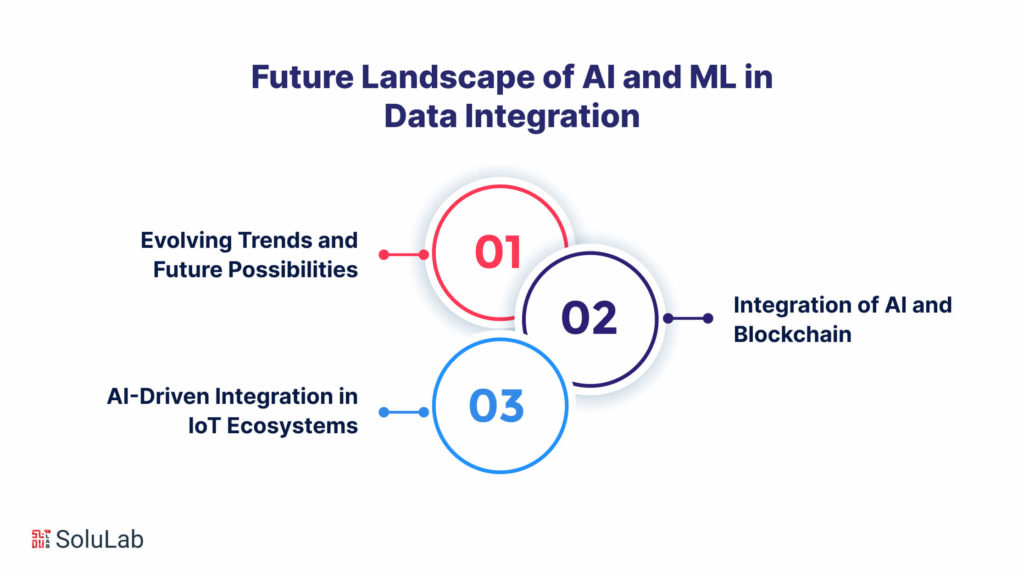
So where is this heading? Two directions stand out: AI combined with blockchain, and AI-driven integration across Internet of Things (IoT) networks. Both give a preview of what data integration could look like as the technology matures.
Evolving Trends and Future Possibilities
AI and ML will keep changing the data integration space. Expect tighter links with emerging technologies and new applications nobody has fully mapped yet. The direction of travel is clear, even if the details aren’t.
Integration of AI and Blockchain
Picture AI and blockchain technologies working together. Blockchain brings decentralisation and security. AI brings intelligent automation. Put them side by side and you get a possible future for AI in data integration where data is both trustworthy and handled smartly.
AI-Driven Integration in IoT Ecosystems
The Internet of Things keeps growing fast, and every device throws off data in its own format. That’s a lot to handle. AI-driven integration is what makes the flood manageable, keeping devices connected and turning raw sensor output into insight someone can actually use.
Conclusion
Put Artificial Intelligence integration (AI) and Machine Learning integration (ML) together and data integration looks very different from how it did a decade ago. The algorithms and the tooling now work as one. The result isn’t just a tidier version of the old process. It’s integration that is faster, smarter and far less dependent on manual effort.
We’ve covered what data integration is, where AI and ML fit, the two main integration types, industry uses, the risks and what’s coming next. Taken together, they show how these technologies are changing the way organisations manage and use their data. And the stakes are real. AI integration isn’t only about automation. It’s about getting to insight sooner, making better decisions and building a culture that actually runs on data.
SoluLab works right at this edge. Drawing on AI and ML, the team builds machine learning solutions that go past what traditional integration can do. The aim is simple: help organisations get full value out of their data integration, now and as their needs grow.
If you’re weighing where to start, that’s the kind of help worth having. SoluLab offers more than a tool. It offers a plan for working through the tricky parts of AI and ML in data integration. Talk to SoluLab about the mess your data is in today, because that mess is exactly where the value hides.
Frequently Asked Questions (FAQs)
Bhavya is driving growth through data-backed demand generation for AI and Web3 solutions. With 9+ years in digital marketing, he has spearheaded initiatives that led to a 40% increase in qualified inbound leads. Bhavya shares insights on marketing ROI and scaling a digital presence via AI workflows. He is open to connecting with startups and enterprise teams to help them overcome their challenges.