Talk to an Expert

How Does Decentralized Governance Create Trust in Tokenized Property Markets?

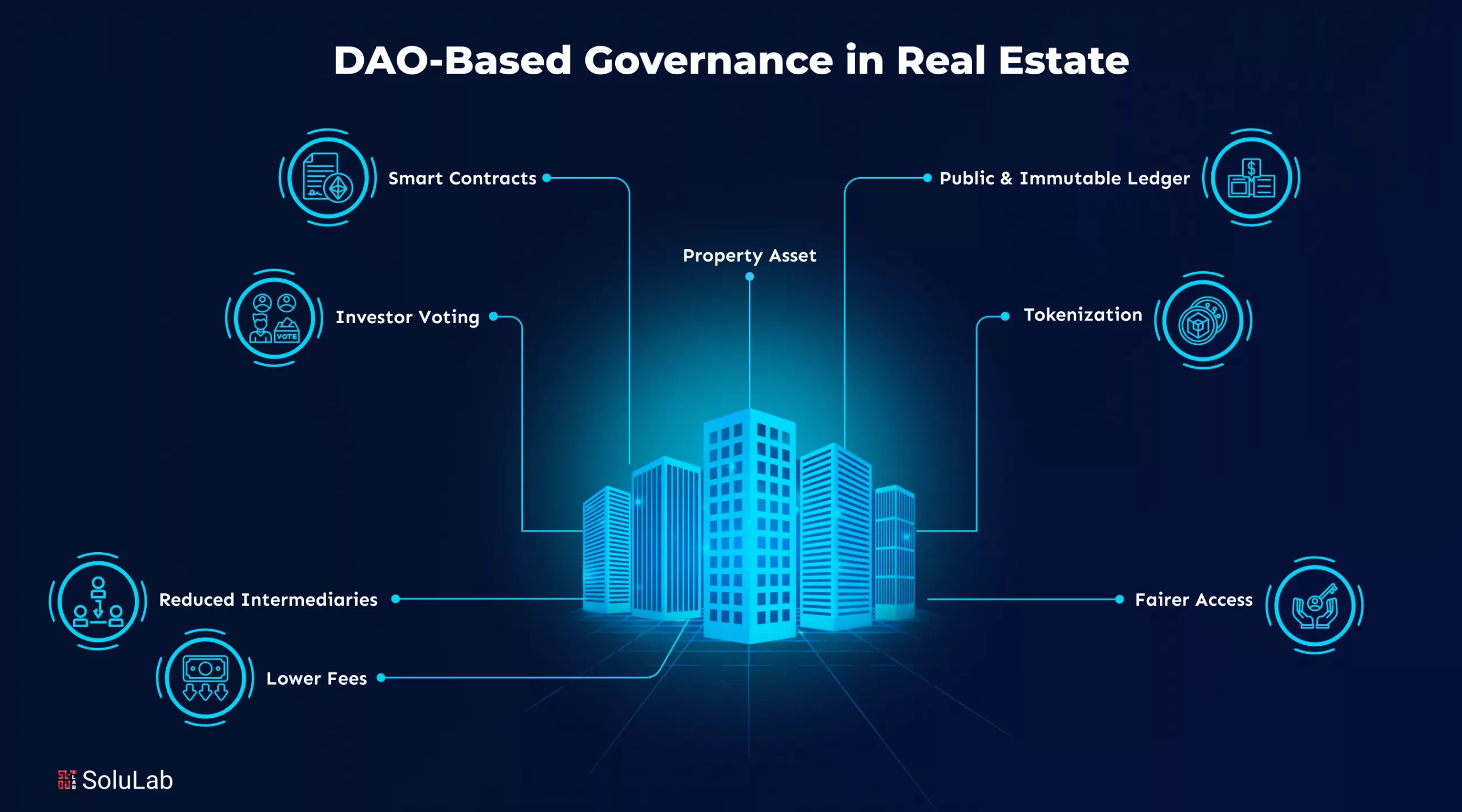
DAO Governance in Real Estate

Investing in real estate has traditionally been expensive. Limited access, slow transactions, and cumbersome paperwork make it hard for investors to participate. Many investors miss out on opportunities because buying entire properties is costly, compliance processes are complex, and managing multiple properties is tedious.

Decentralized governance, powered by DAOs (Decentralized Autonomous Organizations), is changing it. Through fractional ownership property tokens, investors can own portions of real estate without requiring a large capital investment. 

Smart contracts automate processes, enforce compliance in real estate, and provide transparent records. In this blog, we’ll explore everything you need to know about decentralized governance in real estate.

What Is Decentralized Governance in Real Estate?

Decentralized governance in real estate refers to a system where decisions about property management, investment, and ownership are made collectively by stakeholders using blockchain technology, rather than being controlled by a single central authority, such as a developer, government, or corporate board. 

The global real estate tokenization market is expected to reach $11.80 billion by 2031, growing at a 19.9% CAGR.

Here’s how it works: 

  • Blockchain-Based Voting: Property owners or investors get digital tokens that represent their stake. These tokens let them vote on key matters like maintenance, rent adjustments, or selling assets.
  • Transparent Rules: All decisions and transactions are recorded on a blockchain, ensuring transparency and reducing corruption or manipulation.
  • Community-Driven Decisions: Instead of a few top executives making calls, everyone with a stake gets a say, making governance fairer and more democratic.
  • Smart Contracts: These are self-executing agreements that automate actions (such as rent distribution or profit sharing) once specific conditions are met, eliminating the need for middlemen and reducing delays.

Benefits of Using DAOs in Tokenized Properties
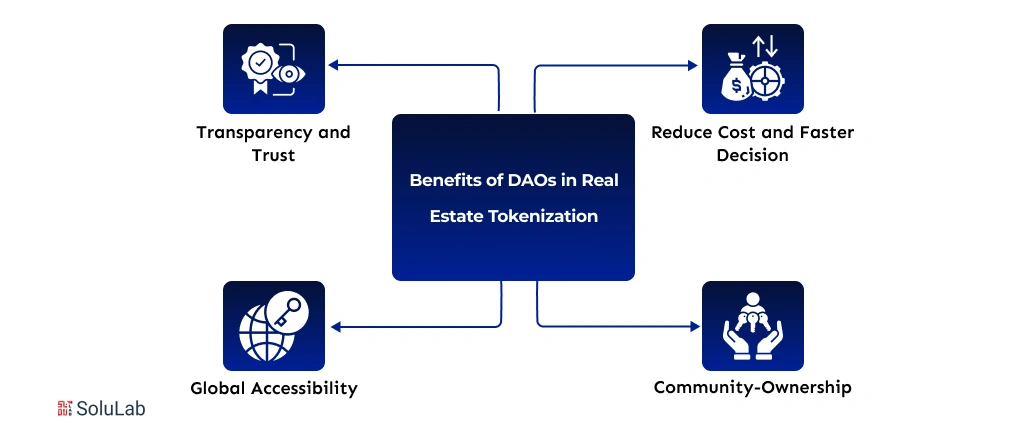
Benefits of DAOs in Real Estate Tokenization

Decentralized Autonomous Organizations (DAOs) are changing the workings of tokenized properties. They introduce fairness, speed, and inclusivity to real estate ownership by a blockchain-based governance system and a community-driven decision-making process.

1. Transparency and Trust: All activities and actions of a DAO are stored in the blockchain, which guarantees complete transparency. This ensures that any covert agendas are removed, investors gain confidence, and all players can confirm what is being done immediately without using intermediaries.

2. Global Accessibility: DAOs also erase geographical boundaries because any person in the world can invest in or operate tokenized properties. This marketability enhances participation, brings liquidity, and expands real estate investment opportunities to both small and large investors.

3. Reduce Cost and Faster Decision: DAOs reduce administrative expenses by eliminating the middlemen, such as brokers and managers. Automated smart contracts facilitate the approvals and voting process to enable property owners and investors to make timely and informed decisions, with little human intervention.

4. Community-Ownership: DAOs facilitate a feeling of ownership. All the token owners are democratically involved in making decisions such as the maintenance, rental policies, or sales, thus establishing a strong, active, and aligned community of investors.

Technological Foundations of DAO-Real Estate Integration

By improving efficiency, security, and transparency, DAOs’ application of blockchain to the real estate sector is changing the sector. ​

1. Blockchain: The Foundation of Security and Transparency

Blockchain solutions ensure transparency and lower the risk of fraud by recording all transactions in an immutable ledger. By doing away with the necessity for a central authority, this decentralized approach promotes participant trust. ​

2. Automating Real Estate Transactions with Smart Contracts

Self-executing agreements with their terms encoded directly into the code are known as smart contracts. They automate real estate procedures like escrow services, rental agreements, and property transfers. This automation decreases errors, expedites transactions, and eliminates the need for middlemen. ​

3. Tokenization: Facilitating Ownership in Fractions

Tokenization enables fractional ownership by transforming real estate assets into digital tokens. This strategy improves market liquidity and decreases the entry hurdle for investors. With a cumulative annual growth rate (CAGR) of 21%, the worldwide real estate tokenization market is expected to increase from $3.5 billion in 2024 to $19.4 billion by 2033.
CTA1

How to Build a DAO-Integrated Real Estate Platform?

Building a DAO-integrated real estate platform requires blockchain transparency with community-driven decision-making. It allows property investors and stakeholders to collaborate, vote, and earn through decentralized governance and tokenized assets.

1. Define the Purpose and Governance Model

Start by outlining the platform’s vision, whether it’s property investment, management, or fractional ownership. Then, decide on governance rules for how decisions are proposed, voted on, and executed through smart contracts.

2. Choose a Suitable Blockchain

Select a blockchain like Ethereum, Polygon, or Solana for scalability, security, and low transaction fees. The chosen network should support DAO tools, smart contracts, and token standards like ERC-20 or ERC-721.

3. Develop Smart Contracts

Smart contracts automate critical processes in real estate tokenization, ownership transfers, voting, and profit distribution. Ensure they’re audited for security to prevent vulnerabilities or unauthorized access to community or investor funds.

4. Tokenize Real Estate Assets

Convert property value into digital tokens representing fractional ownership. This lets multiple investors own shares of a property, improving liquidity, accessibility, and participation in the real estate market.

5. Integrate DAO Framework Tools

Use DAO platforms like Aragon, DAOstack, or Colony for member onboarding, proposal creation, and voting. These tools simplify governance, transparency, and collaboration between property owners and investors.

6. Build a User-Friendly Platform

Design an intuitive interface that lets users buy, sell, and vote easily. Integrate dashboards to track assets, governance updates, and earnings by making real estate investment simple and transparent.

7. Ensure Regulatory Compliance

Adhere to property laws, KYC/AML regulations, and token issuance norms. Work with legal experts to ensure your DAO functions within local and international real estate regulations.

8. Launch and Onboard the Community

Host an initial offering or community drive to attract early investors. Educate them about DAO participation, voting rights, and profit-sharing models to build trust and engagement.

9. Establish Continuous Governance and Maintenance

Keep improving DAO operations through member feedback, governance upgrades, and transparent reporting. Regular audits and active participation maintain platform credibility and long-term sustainability.

Real-World Examples of DAOs in Real Estate

DAOs and blockchain tokenization are enabling fractional ownership, global investor access, legal entity structures, and governance rights over property, changing how people buy, own, and profit from real assets.

RealT
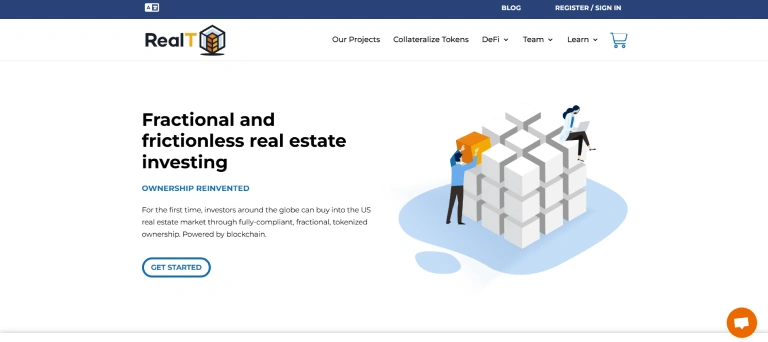
RealIT

RealT is a platform that tokenizes real, income-producing U.S. residential properties into digital tokens (RealTokens), allowing people worldwide to own fractions of property and receive rental income.

Lofty AI
Lofty

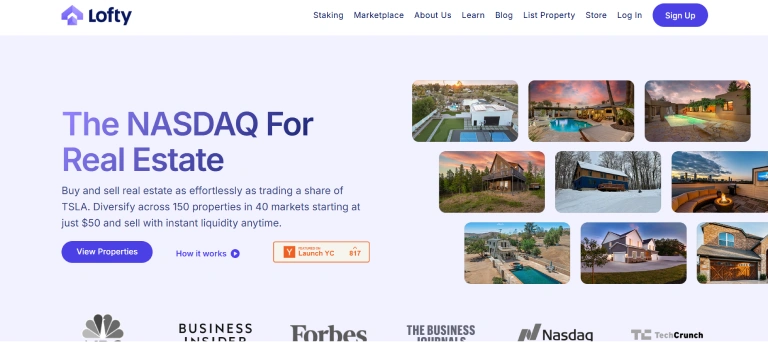
Lofty AI is another fractional real estate investing platform using blockchain that lets investors buy tokens representing portions of single properties, and participate in governance via DAO-LLCs. 

Propy (PRO)
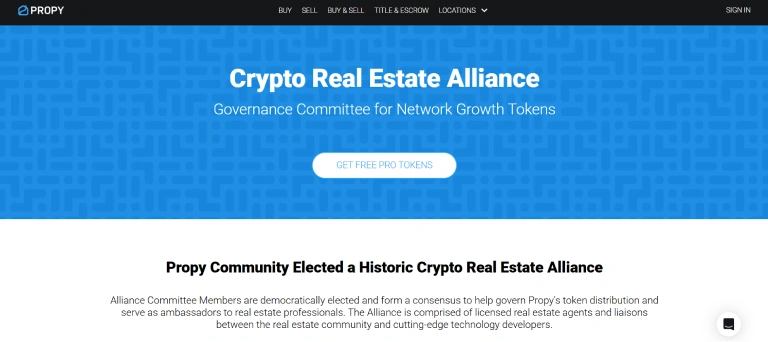
Propy is more focused on using blockchain to transform how real estate transactions are done: titles, escrow, deeds, registry, with smart contracts to reduce friction, delays, and intermediaries. It has components of governance via tokens, though its DAO features are more nascent compared to fully fractional ownership DAOs.

Future of DAO-Based Governance in Real Estate

  • Fractional Ownership & Tokenization: Assets in real estate are divided into digital tokens, allowing a large number of buyers to have small portions. This minimizes the levels of minimum investments and allows the liquidity and diversification of various properties.
  • International Accessibility and Low Barriers: DAOs enable investors who have varying geographies to get involved, even with minimal capital. Geographic, socioeconomic, and financial obstacles are eliminated and exposing real estate investment to a significantly larger number of individuals. 
  • Smart Contracts & Automation: DAOs, with the help of smart contracts, automate rent collection, maintenance, profit distribution, and agreement enforcement. This reduces the use of middlemen and administrative wastage. 
  • Integration of Legal Recognition and Real-World Assets: To be scaled, jurisdictions have to legally acknowledge the existence of DAOs that exist and operate physical property. In the meantime, additional real-world assets are being managed by means of DAOs, which forces regulatory changes. 
  • Better Transparency and Trust: Every transaction, vote, and ownership is recorded on blockchains virtually forever and can be accessed by interested parties. Such auditability minimizes the risk of fraud and creates confidence between investors and participants.
CTA2

Conclusion

The rise of real estate DAOs is improving how properties are owned, managed, and invested in. By using DAOs in real estate tokenization, investors gain fractional ownership, improved transparency, and automated governance through smart contracts. 

These reduce barriers to entry, enhance liquidity, and management processes, making real estate more accessible globally. As demand grows, real estate tokenization services are evolving to provide legal compliance, secure transactions, and efficient administration for tokenized properties. 

SoluLab, a DAO development company, can help investors and businesses leverage Real estate DAOs for efficient governance and transparency. Contact us today to discuss further!

FAQs

1. Can small investors participate in DAO-based real estate?

Yes. Fractional ownership allows smaller investors to join via tokens, making high-value properties accessible without significant capital.

2. What is crypto-backed real estate investment?

A Crypto Backed Real Estate Investment lets investors use digital currencies to buy property tokens, combining crypto markets with tangible real estate returns.

3. How can I start investing in a real estate DAO?

Contact a Tokenization development company to tokenize property, issue governance tokens, and onboard investors for collective decision-making.

4. Why should businesses consider DAO governance for real estate?

DAO-Based Governance in Real Estate enables businesses to pool resources, make data-driven decisions, reduce overhead, and participate in innovative tokenized property projects.

5. Are DAO real estate platforms legally recognized?

Some jurisdictions allow DAOs through legal wrappers or LLCs. Regulatory frameworks vary, so compliance is crucial for DAO operations.

Why Dubai, London & New York Lead in Real Estate Tokenization?

Dubai, London & New York_ Real Estate Tokenization Leaders

In 2025, Real Estate Tokenization is no longer a future concept; it’s already changing how the world buys, sells, and invests in real estate. According to Deloitte, tokenized real estate transactions are expected to surpass $4 billion by 2026, showing how fast the industry is growing.

Many developers, real estate firms, and investment companies are turning to tokenization of real estate assets to increase liquidity, reduce entry barriers, and attract global investors. With the right platform and strategy, property owners can fractionalize real estate and open up new revenue streams while staying compliant with evolving global regulations.

Whether you’re a real estate developer, a proptech startup, or an institutional investor, this guide will help you understand the opportunity and how to tap into it with the right tech and partners.

Why is Real Estate Tokenization Transforming Global Markets?

Real estate tokenization is changing the way businesses and investors handle property ownership. Instead of buying an entire property, investors can now own small digital shares of it. This approach, known as fractional ownership, makes it possible to invest in high-value real estate with much smaller amounts.

Through asset tokenization, real estate is turned into digital tokens on a blockchain. These tokens can be bought, sold, or traded, helping previously illiquid properties become easy to access and transfer.

This shift also boosts transparency and liquidity. Every transaction is recorded securely on the blockchain, giving businesses and investors more confidence.

More importantly, blockchain ensures compliance. Built-in KYC/AML processes verify users and track funds, making transactions safer and aligned with global regulations.

CTA1

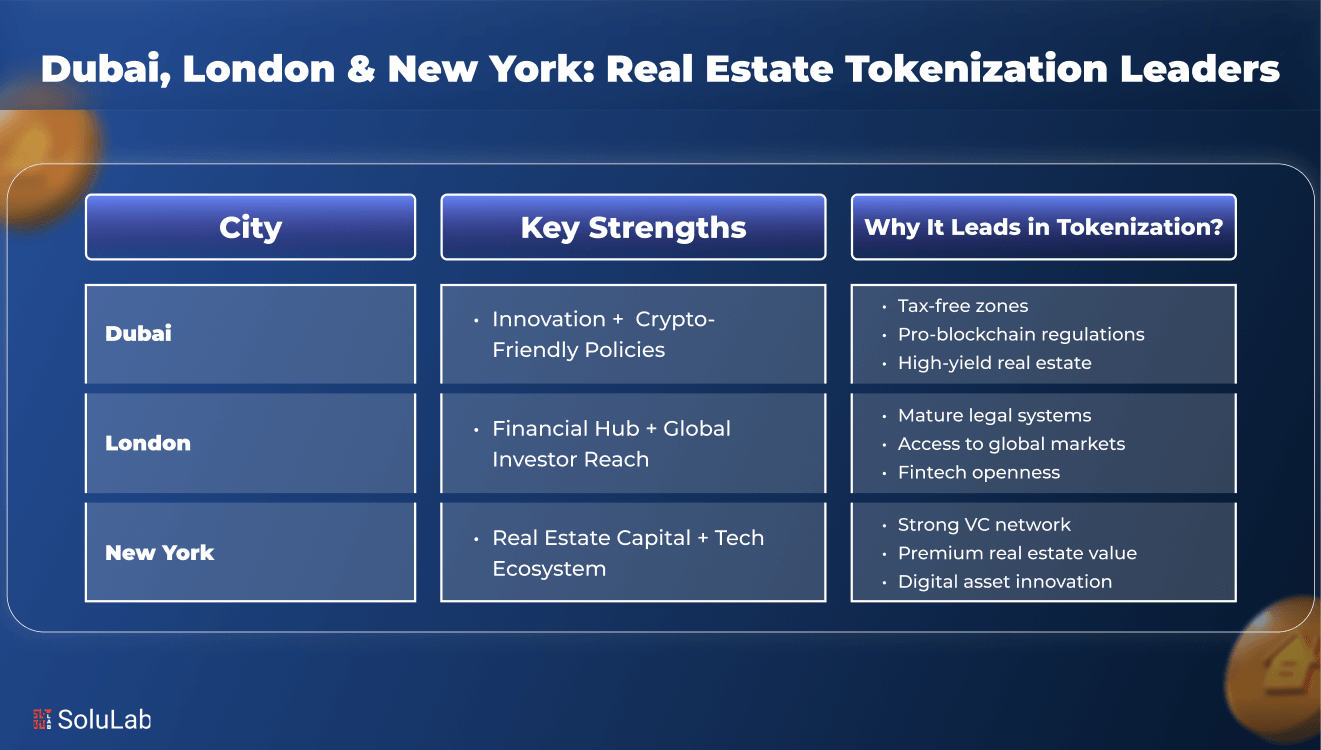
Why Dubai, London & New York Are the Top 3 Cities for Real Estate Tokenization?

Choosing the right city to launch your real estate tokenization platform matters. Regulation, investor demand, and technology support play key roles. Here’s why Dubai, London, and New York lead the way in this fast-growing space.

1. Dubai

Dubai is leading the region in the tokenisation of real estate in the UAE. Government bodies like DIFC and ADGM have created regulatory sandboxes and clear frameworks that support digital assets. If you’re planning tokenized real estate developments in Dubai, this is one of the safest and most innovative environments.

Working with an experienced asset tokenization company in Dubai helps you stay compliant while reaching both local and global investors. Dubai is especially ideal for developers, investment firms, and proptech startups exploring fractional ownership and global liquidity.

2. London

London remains a stronghold for global finance, and now it’s blending that strength with blockchain and Web3. Leading tokenization companies in London are creating hybrid models that meet institutional standards while integrating modern digital infrastructure.

The city’s financial ecosystem supports an enterprise-grade real estate tokenization platform, making it a top pick for launching or expanding in the UK and Europe. Our team offers full support through our in-house Web3 development company and smart contract development company, so your platform can scale securely and legally.

3. New York

New York is where traditional finance and blockchain truly converge. Wall Street firms are already investing in real estate on-chain. Many are actively working to develop your real estate tokenization platform in New York as part of their digital transformation strategies.

Partnering with experienced tokenization companies in New York City ensures your platform meets U.S. legal standards and connects with high-value investors. Whether you’re building for commercial, residential, or REIT-based assets, New York offers both reach and trust.

Factor Dubai London New York
Regulatory Support Strong government backing via DIFC & ADGM sandboxes; pro-crypto stance Clear guidance evolving through the FCA; crypto is regulated under broader financial laws Strict but clear compliance under SEC, FinCEN, and state-level rules
Innovation & Technology Blockchain-first policies; early mover in tokenisation of real estate in the UAE Mature Web3 landscape with strong ties to legacy tech stacks Rapidly advancing with tech investments from Wall Street and large institutions
Access to Investors Growing global and regional investor interest, especially from Asia & GCC Access to institutional capital, VCs, and European property investment funds Home to high-net-worth investors, REITs, and U.S.-based funds
Ease of Market Entry Sandbox frameworks simplify testing and compliance Supportive but requires local partners for full compliance High legal barriers; requires strong local legal and compliance advisors
Ideal For Developers, tokenization startups, mid-sized real estate firms Institutional players, family offices, fintech, and proptech firms Large platforms, REITs, and established real estate investment funds
Tokenization Use Cases Fractional ownership, cross-border real estate investment Institutional-grade asset tokenization, cross-asset platforms Digitized securities, REITs, and commercial real estate tokenization
Local Expertise Availability An asset tokenization company in Dubai and a crypto-friendly talent pool High-quality tokenization companies in London, Web3, and legal experts Access to leading tokenization companies in New York City with finance and tech experience
Regulatory Speed & Flexibility Agile and proactive Balanced, evolving regulations Structured but less flexible; strict U.S. laws

What a Tokenization Platform Needs to Succeed in Dubai, London & New York?

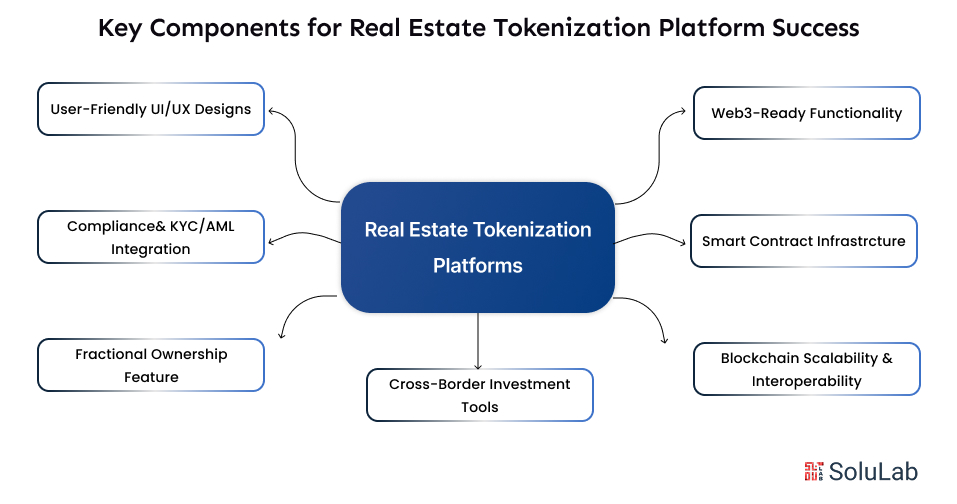
Key Components for Real Estate Tokenization Platform Success

If you’re planning to build a real estate tokenization platform, success in global cities like Dubai, London, or New York requires more than just a great idea. You need a solid foundation with the right technology, compliance features, and investor-friendly tools. Here’s what your platform must include:

1. Compliance & KYC/AML Integration

To operate in these cities, your platform must include KYC/AML processes that meet local regulatory standards. These help build trust with investors and ensure you meet legal requirements in Dubai, the UK, and the US.

2. Smart Contract Infrastructure

Operate with an experienced smart contract development company to create secure, transparent contracts that automate property transfers, dividends, and investor rights. Smart contracts are the backbone of safe and reliable real estate tokenization.

3. Blockchain Scalability & Interoperability

Your platform should be able to scale and operate across multiple blockchains. A trusted Blockchain Development Company can build a multi-chain architecture that supports a wide range of blockchains in the Real Estate ecosystem, making it future-ready and flexible.

4. Fractional Ownership Features

Integrate fractional ownership so users can buy and sell smaller portions of high-value properties. This opens access to more global investors and boosts liquidity on your platform.

5. User-Friendly UI/UX Design

A clean and easy interface matters. Work with a team that ensures smooth onboarding, dashboard navigation, and seamless property browsing for both issuers and investors. A good real estate tokenization development company will offer this as part of its service.

6. Web3-Ready Functionality

Partner with a Web3 development company to include wallet integration, DAO governance, staking, or even NFT support if needed. Web3 features can increase engagement and future-proof your platform.

7. Cross-Border Investment Tools

For platforms targeting Dubai, London, or New York, it’s critical to include multi-currency support, local compliance layers, and access to regional property databases. This makes your platform adaptable to different jurisdictions.

So, if you are looking for a solution, let’s build a platform that your investors trust and your competitors can’t match.

Read Also: How to Select the Best Crypto Development Company in the UAE?

What Is the Cost of Entering These Markets?

Building a successful real estate tokenization platform involves both technology and compliance costs.

  • Platform development: Typically starts from USD 50,000 and beyond, depending on features like smart contracts, investor dashboards, secondary market support, and wallet integration.
  • Regulatory & legal setup: Jurisdictions like the UAE, UK, and USA each have different licensing, KYC/AML processes, and legal frameworks.
  • Timeline to launch: On average, it takes 6 to 12 months to go from MVP (Minimum Viable Product) to full go-live.

Partnering with a proven real estate tokenization development company ensures faster execution, reliable compliance, and seamless integration. Teams that also specialize as a DeFi development company can help you enable token liquidity, secondary trading, and fractional investment, all crucial for scaling your tokenized assets globally.

For best results, work with a full-stack team that covers everything from smart contract development, blockchain infrastructure, and real estate tokenization services to platform deployment and investor onboarding.

Read Blog: Daos in Real Estate Tokenization

How to Build a Competitive Real Estate Tokenization Platform?

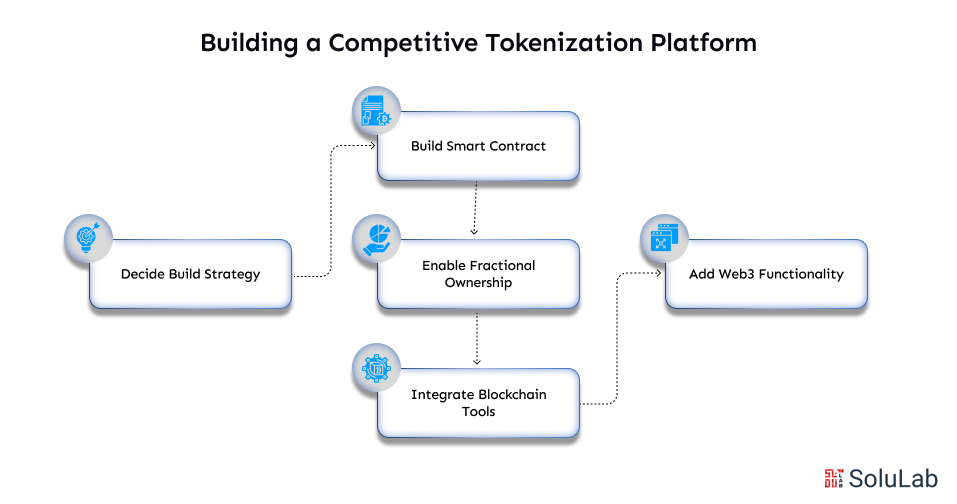
Building a Competitive Tokenization Platform

If you’re looking to enter the growing digital property investment space, building a solid and compliant real estate tokenization platform is key. Here’s how to do it right, especially if you’re a business looking to scale fast and attract global investors.

1. Decide Your Build Strategy

You have two options:

  • White-label: Faster and more affordable. Good for MVPs or pilot projects.
  • Custom Build: Ideal if you need advanced features, branding, or regulatory flexibility.

Work with an experienced tokenization platform development company that understands real estate compliance, tech scalability, and security.

2. Build Secure Smart Contracts

Smart contracts are the backbone of any tokenized platform. They handle asset issuance, ownership transfers, payouts, and more. Partner with a smart contract development company to write, test, and deploy these contracts on the right blockchain.

3. Enable Fractional Ownership

Fractional Ownership lets multiple investors own shares in a single property. This lowers the entry barrier and expands your investor pool. Your platform should allow users to buy, sell, and manage their fractions easily, with clear ownership records on-chain.

4. Integrate Blockchain Tools for Real Estate

Use tools that apply Blockchain in Real Estate, such as:

  • Title deed management
  • Real-time compliance tracking
  • Transparent property records
  • In-app trading UI

These tools reduce fraud, improve trust, and speed up transactions.

5. Add Web3 Functionality

To stay competitive, your platform should offer:

  • Web3 wallets for secure logins and payments
  • Secondary market support so investors can trade tokens
  • Built-in governance tools for investor voting and compliance changes

All the aforementioned steps will render you a fully functional and infallible platform. Though doing it on your own can be a bit risky and tricky as well, so it’s better to take professional assistance for a market-driven solution that ensures minimal effort but unmatchable ROI.

Read More: Top Countries to Launch Real Estate Tokenization Platform

CTA2

Conclusion

Dubai, London, and New York stand out because of their strong regulations, high liquidity, and fast adoption of new technology. To succeed in these markets, your business needs a trusted blockchain development company that provides complete solutions, from building your real estate tokenization platform and creating secure smart contracts to managing the tokenization of real estate assets and ensuring full KYC/AML processes compliance.

At SoluLab, we specialize in delivering end-to-end real estate tokenization development services that combine technology, strategy, and regulation. Partner with us to create a smooth, secure, and scalable platform that meets global standards and helps you lead in the tokenized real estate market.

Have a unique idea on your mind? Let’s connect today!

FAQs

1. Is real estate tokenization legal in Dubai?

Yes. Clear laws back tokenized real estate developments in Dubai. The government supports the Tokenization of Real Estate in the UAE, making it safe for businesses to operate. Work with a licensed Asset tokenization company in Dubai to ensure compliance.

2. What services do tokenization platforms offer?

A Real Estate Tokenization Platform helps you create and manage tokens, onboard investors, and stay compliant. Features often include KYC/AML processes, dashboards, and wallet integration.

3. What does it cost to build a tokenization platform?

Costs range from $100K to $500K, depending on features and regulations. Whether you’re doing real estate tokenization development in London or want to develop your Real Estate Tokenization Platform in New York, pricing depends on your scope.

4. Can one platform work for Dubai, London, and New York?

Yes, but you need market-specific KYC/AML processes and compliance tools. A well-built platform can work across Dubai, London, and New York when customized for each region.

5. What makes a tokenization platform competitive?

Top platforms offer easy onboarding, compliance tools, and real-time asset management. If you’re in a tokenized real estate development in Dubai or real estate tokenization development in London, work with a firm that offers full support.