NFTs, short for Non-Fungible Tokens, showed up a few years back and didn’t quietly fade away like plenty of tech buzzwords do. They stuck. This piece walks through what NFTs actually are, why businesses keep circling back to them, and what it takes to run an NFT marketplace of your own.
Non-fungible tokens (NFTs) are one-of-a-kind digital assets that prove ownership, or authenticity, of a specific item, file, or collectible on a blockchain. Unlike Bitcoin or Ethereum, you can’t split an NFT into smaller pieces or swap one for another and call it even. Each one stands alone. That’s what makes NFTs a solid way to represent digital ownership: the record is secure, and it’s out in the open for anyone to verify.
NFTs didn’t creep into business slowly. Art and gaming picked them up first, letting artists and gamers turn their creations into tokenized assets and open up income streams that didn’t exist before. Then the idea spread, fast, into music, entertainment, real estate, fashion, you name it. Now businesses use NFTs to reach audiences directly, build scarcity into digital goods, and test monetization ideas that traditional models never allowed.
What Are the Benefits of Starting Your Own NFT Marketplace Business?
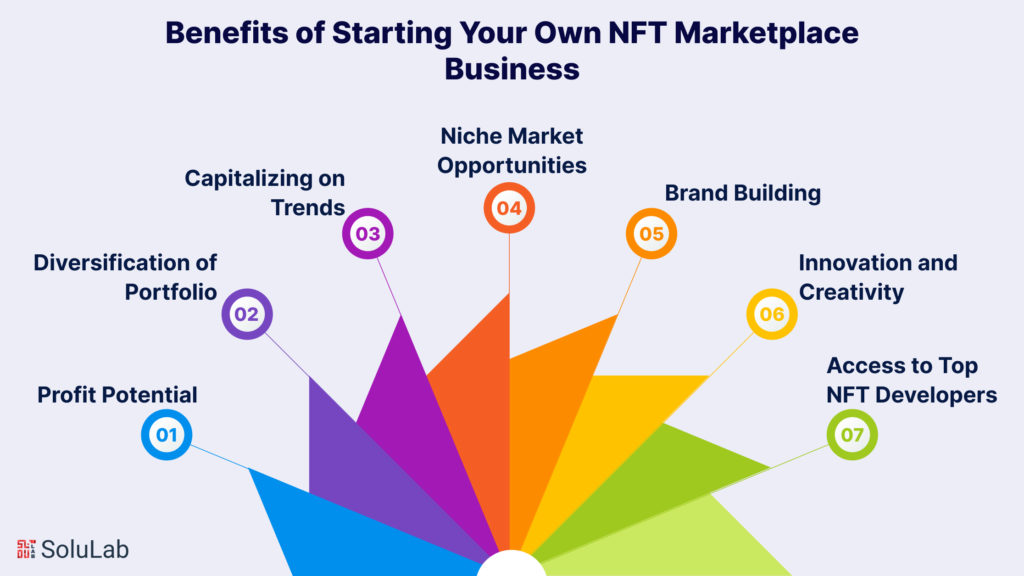
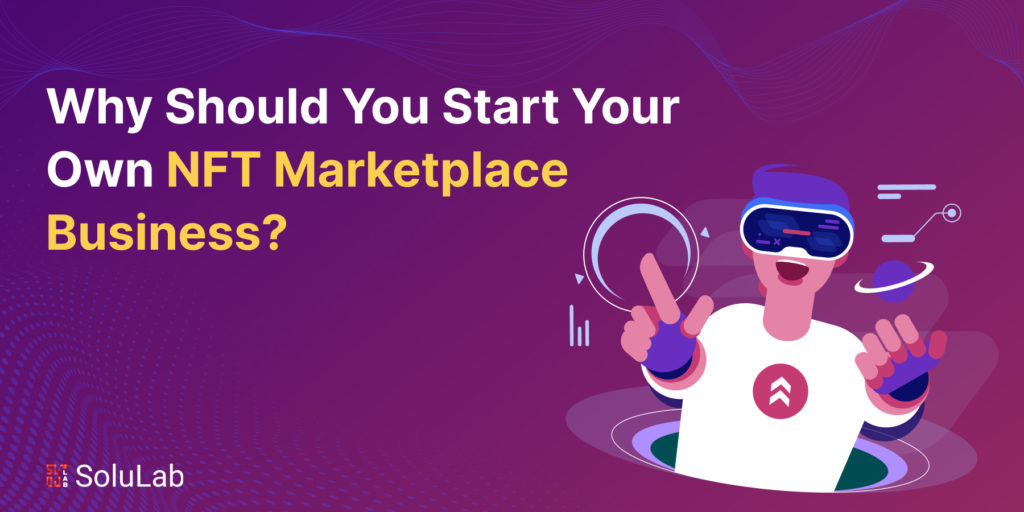
“NFT” has turned into shorthand for innovation and profit in digital circles. It’s changed how we think about ownership and trading digital assets, and that shift opened doors for entrepreneurs who moved early. Thinking about building your own NFT marketplace? Here’s why it’s worth serious consideration:
Profit Potential
Money is the obvious draw. NFT transactions bring in revenue through transaction fees, auction sales, and royalties on every resale down the line. Get the strategy right, and execute well, and your marketplace can pull in collectors, artists, and investors at the same time.
Diversification of Portfolio
Bolt an NFT marketplace onto your existing business, and you’ve diversified your portfolio without much extra overhead. NFTs store value and generate income in ways traditional assets simply don’t. Lean less on conventional financial instruments, and you cushion yourself against the swings of any single market.
Capitalizing on Trends
Tech and finance move fast, and falling behind trends costs you. Launch an NFT marketplace and you’re standing right at the front of the blockchain and crypto wave, not chasing it. As NFTs go mainstream, that positioning pulls in a growing crowd of people who want to buy, sell, and trade digital collectibles.
Niche Market Opportunities
You don’t have to build for everyone. An NFT marketplace lets you go narrow, art, music, virtual real estate, gaming items, whatever niche you know best, and build something that speaks directly to a community of collectors who actually care. Go narrow enough, and you get loyalty and recognition that a generic platform never earns.
Brand Building
A marketplace launch does wonders for visibility. Attach your business to an industry that’s booming, and tech-savvy, forward-looking audiences worldwide start paying attention. NFTs double as marketing tools too: drop the right one, and people start talking about your brand on their own terms.
- Legal Structure and Long-Term Stability
Starting your own NFT marketplace also means you get to target the niches and interests that matter to you. Set your business up as an LLC through a registered agent, and you’ve got a formal legal structure, personal liability protection, and often better tax treatment than you’d get as a sole proprietor. Your personal assets stay protected, and an LLC tends to read as more credible to partners, investors, and users alike. It’s a small step early on that pays off later: a sturdier foundation, a marketplace that holds up as the digital world keeps shifting under it.
Innovation and Creativity
NFTs push people to get creative, both in what they make and how the tech behind it evolves. Your marketplace becomes a space where artists, creators, and developers test new ideas and experiment with digital assets they couldn’t monetize before. Give them that room, and genuinely valuable NFTs start showing up.
Read Our Blog: Things you need to know about NFT Marketplace
Access to Top NFT Developers
None of this works without solid technical chops. Starting an NFT business puts you in a position to hire and work alongside developers who live and breathe blockchain, smart contracts, and security. That expertise is what keeps your platform running smoothly and growing without constant firefighting.
How to Start Your NFT Marketplace Business?
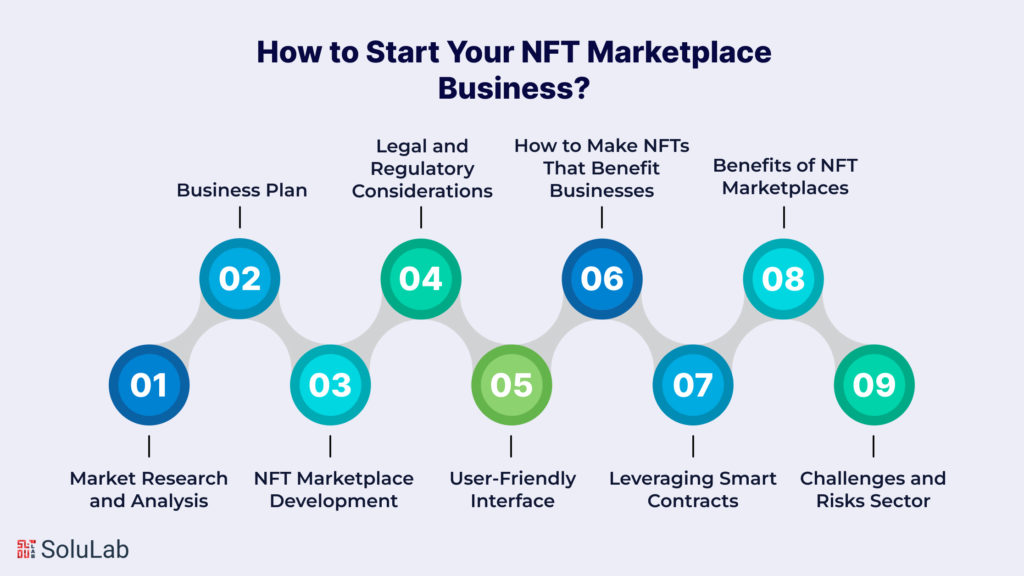
NFTs have shaken up how blockchain technology gets applied in the real world. They represent unique digital items or collectibles, and they’ve grabbed attention well beyond art and entertainment, entrepreneurs are watching closely too. Want in? Here’s a practical rundown of how to actually get started.
Market Research and Analysis
Don’t skip the homework. Figure out who your target market actually is, understand what they need, and study what your competitors are doing right, and wrong. That groundwork is what lets you build a platform that fits real demand instead of guessing at it.
Business Plan
You need an actual plan, not just enthusiasm. Pin down your niche, digital art, music, virtual real estate, whatever unique assets fit your vision, and get specific about your goals, your revenue model, and a realistic timeline for building it out.
NFT Marketplace Development
Turning the idea into something real takes a team that’s done this before. You can hire NFT developers directly or go with an NFT marketplace development service instead. Either way, look for people who actually understand blockchain, smart contracts, and interface design, not just one of the three.
Read Our Blog Post: Navigating the NFT Marketplace Landscape: Exploring the Best Platforms in 2025
Legal and Regulatory Considerations
Legal matters can’t be an afterthought here. Sort out intellectual property rights and copyright questions so creators and buyers both have protection. Keep up with cryptocurrency regulations as they shift, and bring in legal counsel who actually knows this space rather than winging it.
User-Friendly Interface
An interface that’s easy to use and doesn’t look like an afterthought is what keeps people around. Your marketplace succeeds or fails on whether creators and collectors both enjoy actually using it.
How to Make NFTs That Benefit Businesses
Bringing artists and creators onto your platform means helping them make NFTs that actually deliver value for businesses, not just look nice. Push them toward careful content selection so what they produce is genuinely unique. And look for partnerships with artists and brands; those relationships strengthen both what you offer and how you market it.
Check Our Blog Post: What are some White-Label NFT Marketplace Solutions?
Leveraging Smart Contracts
Build smart contracts into your marketplace, and transactions and royalties handle themselves. They keep things transparent and secure, and interactions between creators and buyers stop needing manual oversight. There’s a real payoff for creators too: fair revenue from resales, automatically, every time.
Benefits of NFT Marketplaces
Make the case clearly, for creators and collectors both. Revenue potential from transaction fees and royalties is real, and it matters. So does the visibility boost, the access to a genuinely global audience, and the doors NFTs open into niche markets that would otherwise be hard to reach.
Read Also: How will White-Label NFT Marketplace Development Benefit your Business?
Challenges and Risks
None of this is risk-free, and pretending otherwise helps no one. The NFT market swings hard. Legal questions get complicated fast. Competition is thick, and the space could saturate. On top of all that, you’ve got real technological hurdles to clear if you want a platform that’s actually secure and reliable.
How to Make NFTs That Benefit Businesses?
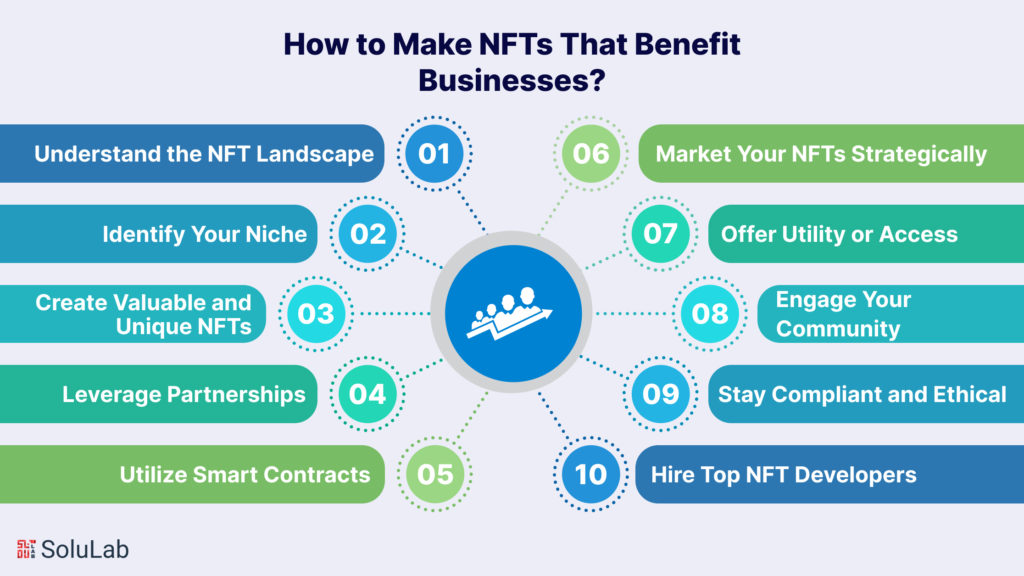
Digital assets keep evolving, and NFTs have become one of the more genuinely useful developments to come out of that shift for businesses. They open up new ways to engage customers, bring in revenue, and build brand awareness. Whether you’re starting fresh or folding NFTs into something you already run, here’s how to make ones that actually pay off for the business.
Understand the NFT Landscape
Before you create a single NFT, understand how the marketplace business actually works. Get familiar with the different platforms out there, the trends moving through the space, and the legal and regulatory pieces tied to digital assets. That groundwork is what separates informed decisions from lucky guesses once you’re competing for attention.
Identify Your Niche
The NFT space is crowded. Defining your niche is what gets you noticed inside it. Artist, brand, content creator, whatever you are, figure out your actual unique selling proposition. What makes your NFTs different, and why should a collector care? Answer that honestly, and a dedicated audience follows.
Read Our Blog: Top NFT Development Companies To Look At In 2025
Create Valuable and Unique NFTs
Strip everything else away, and it comes down to the NFTs themselves. Value and uniqueness, that’s the whole game. Here’s how you get there:
A. Select High-Quality Content
Art, music, collectibles, virtual real estate, whatever form it takes, quality can’t be negotiable. Buyers and collectors notice, and they respond to it.
B. Rarity and Uniqueness
Scarcity does real work here. Limited editions and one-of-a-kind pieces command higher prices, plain and simple.
Read Also: Solana NFT Marketplace: How to build your own NFT Marketplace on Solana
Leverage Partnerships
Collaborations can shift the trajectory of an NFT business fast. Team up with artists, influencers, or brands, co-create, cross-promote, whatever fits. You get new audiences out of it, sure, but you also get credibility that’s hard to manufacture on your own.
Utilize Smart Contracts
Smart contracts sit at the center of how NFTs actually work. They handle royalties, ownership transfers, the transactional plumbing that would otherwise require constant manual tracking. Get this right, and artists trust that they’ll get paid fairly on resales, which is exactly what draws better talent to your platform in the first place.
Read Our Blog Post: How to Build an NFT Marketplace on Ethereum Blockchain?
Market Your NFTs Strategically
Marketing isn’t optional here. Social media, email campaigns, partnerships, use whatever channel actually reaches your audience. Stay engaged with your community, and build real anticipation before each drop instead of announcing it cold.
Offer Utility or Access
NFTs don’t have to just sit there as collectibles. Build in utility or access, exclusive entry to virtual events, premium content, even real-world perks, and you’ve given people a reason to hold on rather than flip immediately. That extra value drives both purchases and the kind of engagement that lasts.
Engage Your Community
A community that actually cares is worth more than any ad campaign. Listen when they give feedback. Talk with them, not at them. Bring them into decisions where it makes sense. Do that consistently, and they end up promoting your brand better than you could yourself.
Stay Compliant and Ethical
The legal and ethical side of NFTs matters as much as the creative side. Make sure everything you put out respects intellectual property rights and whatever local regulations apply. Trust isn’t automatic, you earn it through transparency, and it’s what keeps collectors and investors coming back.
Read Our Blog: The Complete Guide to White-Label NFT Marketplace
Hire Top NFT Developers
If you’re actually building this out, partnering with SoluLab to hire top NFT developers is worth serious weight in the decision. Our team brings the hands-on experience needed to build something secure and genuinely easy to use, for creators and collectors both. With that kind of expertise behind the build, your project is in capable hands, and that groundwork is what sets your NFT business up to actually succeed.
What are the Challenges and Risks in the NFT Marketplace Business?
There’s real potential here for entrepreneurs, no argument. But it comes with real risk too, and pretending otherwise sets you up for a rough landing. Before you commit fully to NFTs for business, understand what you’re actually up against.
A. Volatility in the NFT Market
Volatility here isn’t occasional, it’s the norm. Some assets spike hard and fast. Others quietly disappear. Predicting long-term value is genuinely difficult, and that uncertainty creates real problems for business owners trying to plan ahead. Be ready for sudden shifts. They will happen, and they will affect your bottom line.
B. Legal Complexities
Law hasn’t caught up with NFTs yet, not fully. Intellectual property, copyright, licensing, these get complicated, and the rules shift from one jurisdiction to the next. Get this wrong and you’re looking at lawsuits, not just headaches. Talk to legal experts who actually specialize in crypto and NFTs. General counsel isn’t enough here.
Read Also: BSC NFT Marketplace Development: Everything You Need to Know
C. Competition and Saturation
More NFTs mean more marketplaces, and the space has gotten crowded fast. Competition here is genuinely fierce, and saturation is a real risk, not a hypothetical one. If you’re entering now, standing out is the whole battle: attracting both artists and collectors takes marketing that’s sharp and a value proposition that’s actually different, not just different in wording.
D. Technological Challenges
None of this runs on good intentions alone. Building and maintaining a marketplace takes real technical depth: blockchain infrastructure, smart contract development, security that actually holds up. If you don’t come from a technical background, this part can feel overwhelming fast. That’s exactly why so many businesses bring in NFT developers or lean on dedicated development services instead of trying to figure it out solo.
SoluLab covers a wide range of services built to help you handle these exact challenges and risks. Technical expertise, legal knowledge, marketing support, we bring all three to the table so your NFT venture actually has a shot in a market that’s competitive and constantly shifting. Work with us, and you’ve got a real partner in this, not just a vendor.

Conclusion
Starting your own NFT marketplace with SoluLab’s expertise in NFT marketplace development services is a genuinely strategic move, for entrepreneurs and established businesses alike. The industry is booming right now. There’s no better window to act than the one you’re in. SoluLab’s developers bring the experience needed to work through the complexities of a market that’s still taking shape.
Starting an NFT business can feel like a lot. SoluLab simplifies it by guiding you through the whole process, from the first idea to actual execution, covering what you need at every stage to build something that works. With that support behind you, the NFTs you make end up doing double duty: real business benefit, plus new revenue streams and customer engagement you didn’t have before.
The upside of getting into NFT marketplaces is significant. You get access to a fast-growing corner of digital assets, and a real chance to rethink parts of your business model that felt fixed before. SoluLab’s development services put the right tools and technology in your hands. So take the leap, hire SoluLab’s expert NFT developers, and get moving on NFTs for business before the market moves without you.
FAQs
Shipra Garg is a tech-focused content strategist and copywriter specializing in Web3, blockchain, and artificial intelligence. She has worked with startups and enterprise teams to craft high-conversion content that bridges deep tech with business impact. Her work translates complex innovations into clear, credible, and engaging narratives that drive growth and build trust in emerging tech markets.