“NFT” stopped being a niche word a while ago. It shows up in art threads, in gaming chat, in arguments about what owning a digital file even means. A Non-Fungible Token is one item, indivisible, with scarcity you can check on a blockchain rather than take on faith. That last part is the whole trick. Ownership of something digital used to be a matter of trust and screenshots; now it can be looked up.
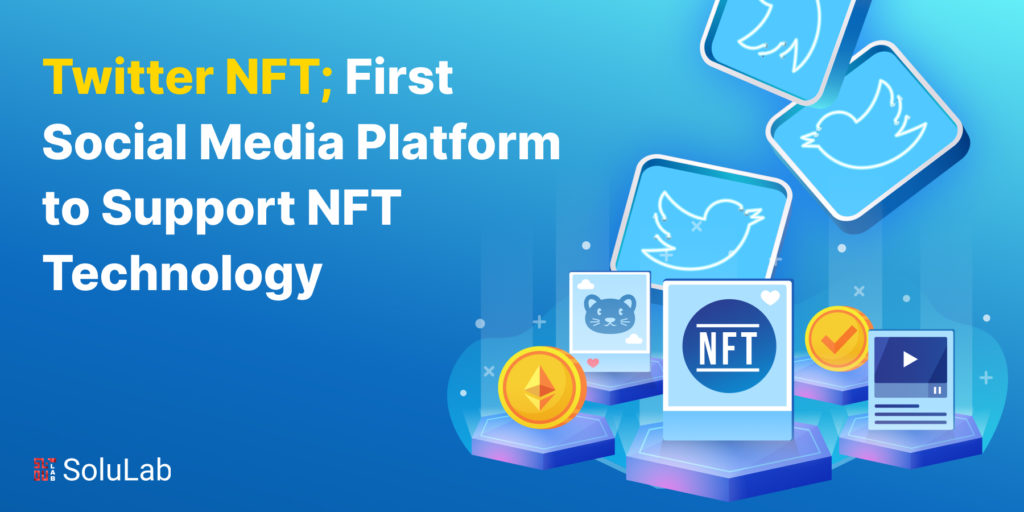
So the interesting question was never whether NFTs would spread. It was where they would land first. The answer turned out to be social media: one platform decided to build the technology in rather than link out to it, and became the first social network to treat NFTs as a native part of the product instead of a passing trend.
Why does that pairing work? Because social platforms already solved the hard half. They have the audiences, the feeds, the sharing habits, the arguments that turn a small drop into a big one. NFTs bring provable ownership and a way to pay creators. Put the two together and a token stops living on a marketplace page nobody visits, and starts living where people already spend their evenings. That is the shift: creators, collectors, and the merely curious can meet NFTs at scale, without a detour.
What’s the Significance of Being the First Social Media Platform to Integrate NFT Technology?
Going first is not only a bragging right. It sets defaults that everyone after you either copies or has to argue against. Below is what that pioneering position actually changed, from the promoters who move NFT conversation on Twitter, to the accounts people follow for drops, to the way social NFT platforms get built.
A. First Social Media Platform to Adopt NFT Technology
Adopting NFT technology first gave creators and collectors a route that did not exist before. For years the NFT crowd lived on one set of sites and did its talking on another, and the gap between them cost attention at every hop. Closing that gap is the point. It also says something about where we put our engineering hours: on what our users are already doing, not on what looked safe two years ago.
B. Implications for the NFT Ecosystem
- NFT Social Media Integration
Two digital worlds, one feed. Users show off a collection, argue about a drop, and trade without opening a second tab. Engagement climbs, which anyone could have predicted. The less obvious result is social: people who collect the same things start recognising each other, and that recognition is what turns an audience into a community.
- Best NFT Promoters on Twitter
The best NFT promoters on Twitter already do the hard work of finding good projects early and explaining them to everyone else. Our platform gives them more room to do it: a wider audience, better reach, fewer places where a good thread goes to die. Influencers and creators in the same room tends to be good for both.
- Top NFT Twitter Accounts
Top NFT Twitter accounts get something richer than a link preview. They get a dedicated place to display collections and run the conversations around them, which is usually where their influence actually comes from. For those trying to build reach faster, some creators also look at options to buy Twitter account profiles that already carry an audience.
- NFT Twitter Engagement
Engagement gets easier when NFT content sits in the feed instead of behind a link. People react to it, argue about it, and stumble onto artists and collectors they would never have searched for. Discovery by accident is how most NFT communities actually grew, and it is what keeps them alive after the hype cycle moves on.
- Social Media NFT Platform Development
Building this pushed our own social media NFT platform development forward. Features keep getting sanded down until they stop confusing first-time users, which is slower work than it sounds. We also offer NFT marketplace development so creators can get a project off the ground without assembling a blockchain team first.
- Hire Best NFT Developers
At SoluLab we treat NFT work as engineering, not marketing. Staying ahead on this means hiring NFT developers who have actually shipped contracts and cleaned up after the ones that broke. They carry the project. Every decision about how minting works, how royalties are enforced, and what happens when a transaction fails halfway comes back to the people writing that code.
What are the key features of the NFT social media platform?
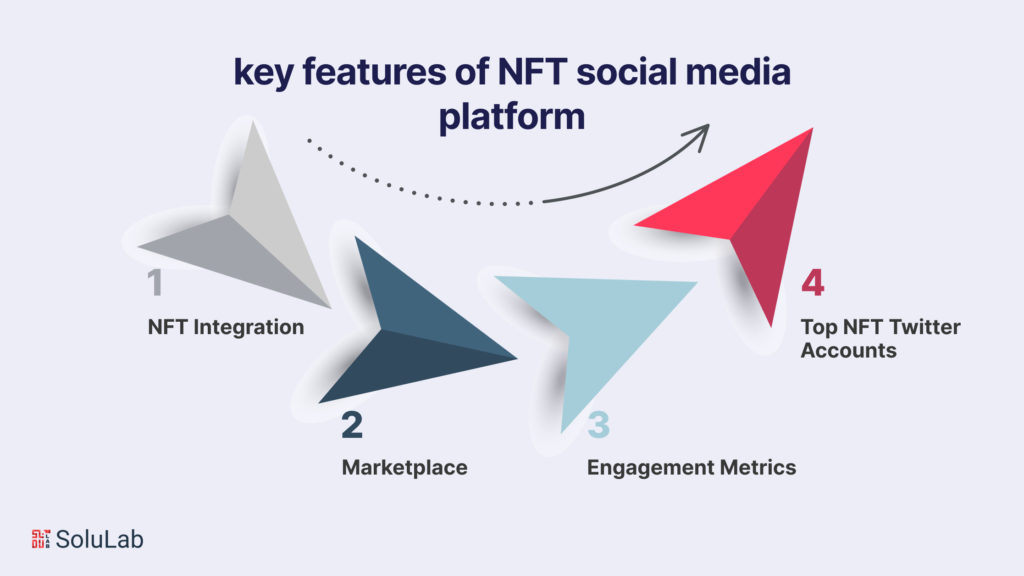
Plenty of social apps bolted an NFT badge onto a profile picture and called it done. This one went further, and the difference shows up in four places:
- NFT Integration
Create, display, trade, collect. All of it happens inside the profile you already have, not on a separate site you have to remember the password for. Calling it a social network undersells what it turned into.
- Marketplace
There is a full marketplace underneath, and it is built for the two jobs that matter. Creators list work. Collectors find it and buy it, without the usual scavenger hunt across three sites and a Discord.
- Engagement Metrics
NFT Twitter engagement is not a vibe you guess at, so the platform reports on it properly. Creators see which pieces landed and which sank. Collectors get a read on whether a collection is genuinely moving or just loud.
- Top NFT Twitter Accounts
Then there is the Twitter link itself. Connect your account and your posts work across both worlds, which puts your name in front of the biggest NFT Twitter accounts instead of leaving it stranded on a marketplace listing page.
How does the NFT social media platform provide support and tools for NFT creators?
- Creator Tools
Minting that does not require a tutorial. A storefront you can style yourself. Royalties on secondary sales, set once, applied after that. That last one is the difference between selling a piece and earning from it for years.
- Collector Benefits
Collectors browse widely, follow the creators they actually care about, and build collections with some shape to them. Secure wallets sit behind all of it, because an asset you cannot keep safe is not an asset.
- Collaboration Opportunities
Creators can work on projects together and share ownership of a collection, which sounds small until you have tried to split proceeds from a joint drop by hand.
What are the Development Processes of the Platform’s NFT Marketplace?
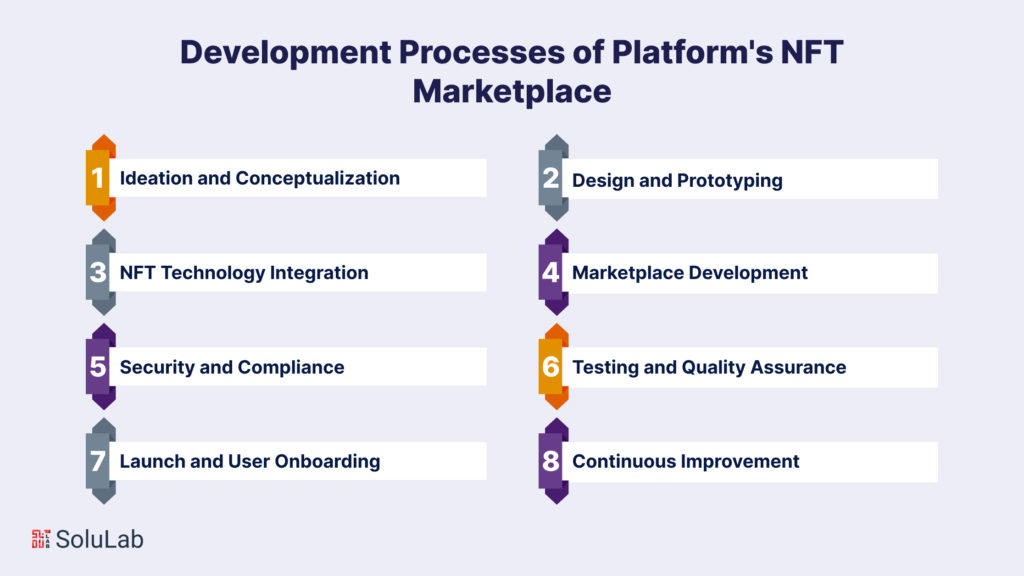
Building a marketplace inside a social platform is harder than building a standalone one. You inherit an existing product, existing habits, and users who will not tolerate a clunky detour. Here is how the work breaks down:
- Ideation and Conceptualization
It starts with arguing about what the thing is for. Where does a marketplace sit inside a social product, and what does it replace? Answer that badly and every later decision inherits the mistake.
Objectives get written down: more social engagement around NFTs, and real back-and-forth between users and the people making the work.
- Design and Prototyping
Design decides whether people use the marketplace or bounce off it. The interface has to feel like part of the social product, not a bolted-on shop window with a different font.
Usability testing follows, and it is where most of the confident assumptions die.
- NFT Technology Integration
This is the core of it. You pick your blockchain standards, ERC-721 and ERC-1155 on Ethereum being the usual starting point, and you implement them properly rather than approximately.
Smart contracts govern creation, ownership, and every transfer. They need to be secure and they need to be boring, because a clever contract is a contract nobody can audit.
- Marketplace Development
Then the team builds the NFT marketplace with scale in mind, because the volume that breaks you shows up on launch day, not gradually.
Auctions, bidding, instant buys, discovery tools. Discovery is the one teams underestimate: a marketplace nobody can search is just a very expensive database.
- Security and Compliance
User data and NFT assets both need protecting, which means encryption, authentication, and authorization done carefully rather than checked off a list.
Regulation matters too, and social NFTs sit in an awkward spot between platforms, payments, and securities law. Getting that right is slow, unglamorous, and the reason users trust you later.
- Testing and Quality Assurance
Testing is where you find the glitches and the holes before someone else does. QA keeps the marketplace running smoothly and safely once real money starts moving through it.
- Launch and User Onboarding
Launch needs a plan for pulling creators and collectors in at the same time, since neither group stays for an empty room. Sitting inside a social product makes that promotion much cheaper.
Onboarding guides come next, aimed squarely at the people who have never minted anything.
- Continuous Improvement
Launch is not the finish line. Updates and new features keep arriving based on what users complain about and where the NFT market drifts next.
Falling behind on NFT technology is how platforms in this space quietly die, so staying current is not optional.
What are the Benefits of using the platform’s NFT marketplace?
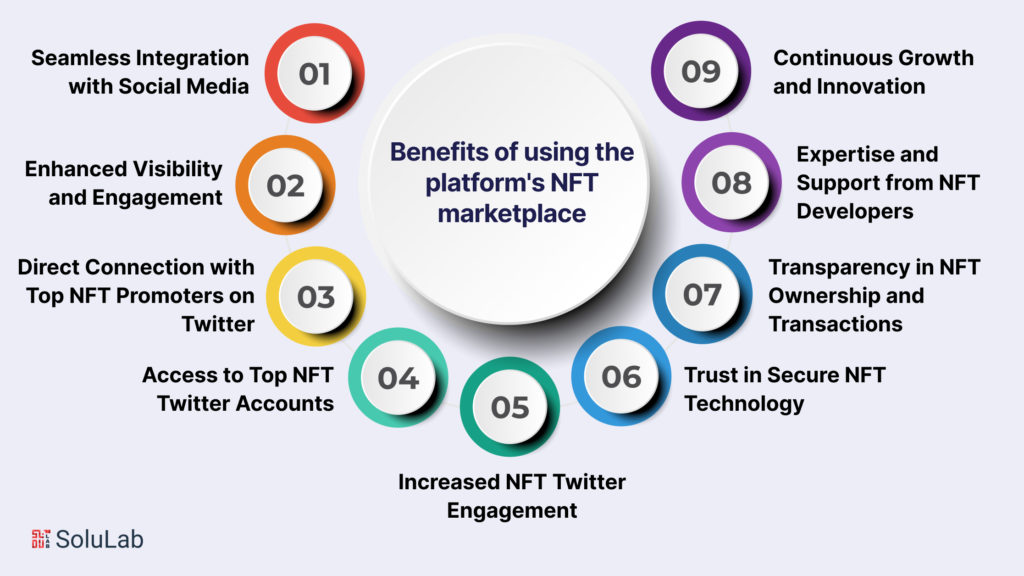
Being first with an NFT marketplace built into a social product creates advantages that a standalone site simply cannot copy. These are the ones users notice:
- Seamless Integration with Social Media
The NFT marketplace platforms sits right inside the social features people already use. NFT content, live auctions, and collections show up while you are scrolling, not after you have gone looking. No context switch, no lost interest.
- Enhanced Visibility and Engagement
List on the platform and you are exposed to the whole social audience, not just the people who already browse NFT sites. That difference in reach is usually what turns a quiet collection into one people talk about.
- Direct Connection with Top NFT Promoters on Twitter
Because the platform ties into Twitter, creators can reach the best NFT promoters there directly. No cold outreach into a void. Work with someone whose audience already trusts them and your drop gets a real hearing.
- Access to Top NFT Twitter Accounts
You also get access to the top NFT Twitter accounts and can actually talk to them. That is how people in this space learn what is happening: not from reports, but from whoever posted about it three days early.
- Increased NFT Twitter Engagement
Spend time with the NFT community here and your Twitter engagement climbs as a side effect. More replies, more retweets, more arguments about your work. All of that puts your pieces in front of buyers who were never going to find you through search.
- Trust in Secure NFT Technology
The marketplace runs on solid, well-tested NFT infrastructure. The smart contracts and blockchain layer keep transactions transparent and safe, and that matters to both sides of a sale. Nobody lists serious work on a platform they are unsure about.
- Transparency in NFT Ownership and Transactions
Ownership is unambiguous and the full transaction history stays readable on the blockchain platforms. You can check who held a piece and when, which quietly removes most of the arguments that plague private sales.
- Expertise and Support from NFT Developers
Experienced NFT developers back the platform, so there are people to ask when something goes sideways. Minting your first piece or sorting out a stuck transfer as a collector, either way you are not reading forum threads at midnight hoping for an answer.
- Continuous Growth and Innovation
The platform keeps shipping. Updates land regularly, which means users stay close to where NFT technology and the trends around it are actually heading rather than where they were last year.
How Can You Boost Engagement for NFT-Related Content While Leveraging NFT Trends and Discussions for Social Media Growth?
Art, technology, and social all collide in NFTs, and engagement is the currency of that collision. If you want NFT trends and conversations to grow your presence instead of passing you by, the following tactics do most of the work.
- Collaborate with the Best NFT Promoters on Twitter
Start with the people who already have the room’s attention. Find the NFT promoters on Twitter whose recommendations people act on, and work with them properly: partnerships, cross-promotion, something with substance rather than a paid mention. Their followers came for their judgement, and that judgement is what carries over to you. In practice, this is also where most teams get lazy and blast twenty DMs instead of building two real relationships.
- Spotlight Top NFT Twitter Accounts
Give top NFT Twitter accounts room on your own platform. Share what they post, reply to it, tag them when it genuinely applies. Reciprocity follows more often than you would expect, and their followers start seeing your name in contexts they trust. Relationships built this way outlast any single campaign.
- Craft Niche-Targeted Content
Broad NFT content reaches nobody in particular. Pick a niche and speak to it: generative art, gaming assets, music rights, whatever your audience actually cares about. Stay on top of what is being discussed right now, then teach something, argue something, or make people laugh. Specific content gives people a reason to feel they belong somewhere, and belonging is what produces comments.
- Actively Participate in NFT Discussions
Get into the conversations already happening. Say what you think, ask real questions, add something the thread did not have. Credibility in the NFT community comes from showing up consistently, not from announcing yourself. And the people who found you through a thoughtful reply tend to stick around longer than the ones who found you through an ad.
- Collaborate with NFT Developers
Pull your developers into the content. Let them explain how minting works, why gas costs what it does, what a royalty clause can and cannot enforce. Technical explanations from the people who wrote the code read differently to everyone else, and they attract an audience that sticks around for the substance.
- Integrate NFT Technology for Engagement
Use the technology itself as the reward. Consider creating NFT-based incentives, limited-edition collectibles for users who show up and contribute to NFT discussions. It gamifies participation, yes, but it also gives regulars something they can hold and show off.
- Showcase Success Stories
Tell the stories of people who got somewhere real through NFT work on your platform. A creator who finally made rent from their art convinces more people than any feature list. Keep them true and keep them specific; vague success stories read as marketing and get ignored.
- Provide Regular Updates
Tell people what you are building. Progress notes, milestones, a screenshot of something half-finished. Being open about where the platform is going builds more goodwill than a polished announcement every six months.
- Host NFT-Related Events and Challenges
Run something. A contest, a themed challenge, a live drop with NFT rewards or early access for whoever takes part. Events give the community a shared date to look forward to, and a deadline does more for participation than any amount of encouragement.
Conclusion
Being early to NFTs on social media was a bet, and it paid off. SoluLab built the technology into the product rather than treating it as a marketing line, and what came out of it is a place where social networking and blockchain ownership actually work together instead of sitting side by side.
The social side of NFTs keeps shifting, and SoluLab has stayed near the front of it. Becoming one of the strongest NFT voices on Twitter was part of that. Fitting NFTs into how Twitter already works, rather than asking users to change their habits, is the part that opened real doors for creators and collectors.
That work put SoluLab’s platform among the top NFT Twitter accounts, and kept it there. The engagement around these projects says more about the commitment than any claim we could make. If you want top-tier NFT developers and NFT marketplace development built for the Twitter NFT context, the first social media platform to support NFT technology, our NFT marketplace Development Company is where to start. Get in touch with SoluLab and tell us what you are trying to build.
FAQs
Shipra Garg is a tech-focused content strategist and copywriter specializing in Web3, blockchain, and artificial intelligence. She has worked with startups and enterprise teams to craft high-conversion content that bridges deep tech with business impact. Her work translates complex innovations into clear, credible, and engaging narratives that drive growth and build trust in emerging tech markets.