Talk to an Expert

How Much Will Blockchain Development Cost in 2026?

blockchain development cost factors

Building a DeFi app, a crypto wallet, or an NFT platform is not just about selecting the right blockchain company, but having a clear knowledge of cost and budget.  And honestly, finding a straight answer online feels impossible. 

Without knowing the actual development cost, you might choose the wrong technical partner, overspend on unnecessary features, or even delay your product launch. 

So, let’s break it all down clearly. In this blog, you’ll get: 

  • Factors Influencing Blockchain Development Costs
  • Transparent cost ranges for different blockchain project types. 
  • Region-wise pricing and more. 

Let’s get started!

Factors Influencing Blockchain Development Costs

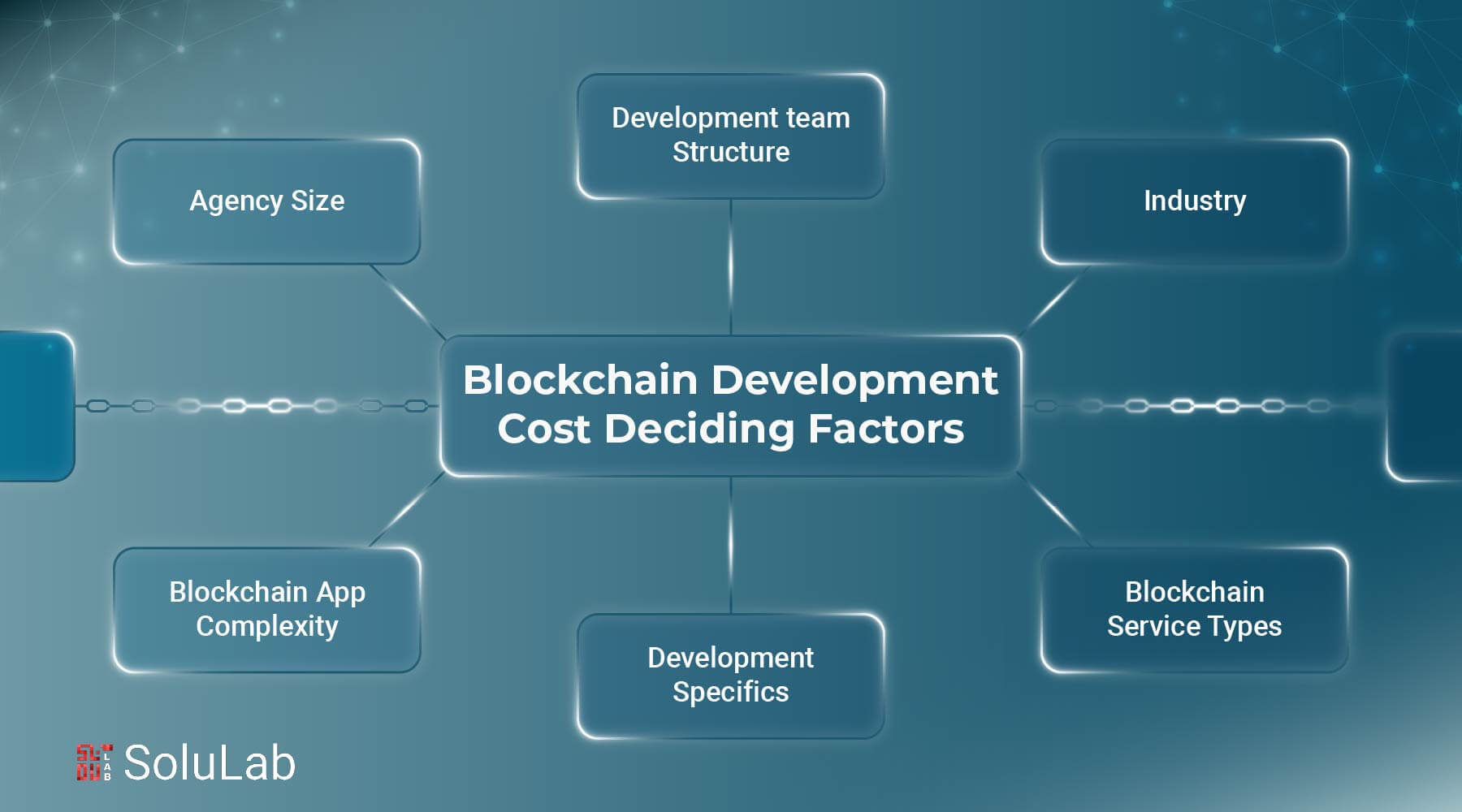
Blockchain development cost isn’t fixed; it depends on what you’re building, how secure it needs to be, and who you hire. Each factor plays a big role in budgeting:

  • Type of Blockchain: Public, private, or hybrid blockchains come with different complexities, permission structures, and integrations directly impacting development time, security needs, and cost.
  • UI/UX Design Requirements: A simple dashboard costs less, while high-end user-friendly designs with animations, dashboards, and custom flows require more time, resources, and skilled designers.
  • Security, Maintenance & Scalability: Strong security measures, regular updates, smart contract audits, and infrastructure that scales to millions of users increase overall development investment.
  • Complexity of the Project: Advanced features like multi-chain support, tokenization, DeFi, smart contracts, or AI integration require specialized expertise, raising both development effort and cost.
  • Development Team Location: Hiring Blockchain developers in India or Eastern Europe can be more cost-effective, while teams in the US or Western Europe generally charge much higher rates.
  • Technology Stack: Blockchain frameworks (like Ethereum, Hyperledger, Solana), database choices, and third-party integrations influence the tools required — and ultimately, the project expense.

CTA A

Breaking Down Development Costs by Project Type

Blockchain development cost depends on project complexity, security needs, tech stack, and compliance requirements. Here’s a quick breakdown to help estimate your 2026 budget:

Project Type Estimated Cost Range
DeFi Applications $40,000 – $120,000+
Token Launch $10,000 – $100,000+
DAO (Decentralized Autonomous Organization) $30,000 – $150,000+
Cryptocurrency Wallet $30,000 – $160,000+
NFT Platforms $40,000 – $120,000+
Enterprise Blockchain Solutions $50,000 – $200,000+

1. DeFi Applications:

DeFi apps development needs smart contracts, liquidity features, and high-level security. Costs rise with audits, staking modules, and cross-chain integrations.

2. Token Launch: 

Launching tokens is relatively affordable. Expenses include token standards, smart contract development, analytics dashboard, and basic legal compliance.

3. DAOs:

DAOs (Decentralized Autonomous Organizations) require voting modules, treasury management, and governance automation. Cost increases if you add identity verification and community tools.

4. Cryptocurrency Wallet:

Crypto wallet development requires advanced encryption, multi-sig support, and mobile apps for iOS/Android. Integrating swaps or custodial features drives up pricing.

5. NFT Platforms:

Includes minting smart contracts, marketplace features, royalties, and IPFS storage. Cost rises with gamification, AR/VR, or Layer-2 scaling.

6. Enterprise Blockchain Solutions:

Built for large business workflows such as supply chain or finance. Requires permissioned networks, data privacy layers, integrations, and audits.

Blockchain App Development Cost by Region

Development rates vary globally based on talent availability, tech expertise, and project complexity, so choosing the right region can greatly impact your overall blockchain budget.

Region Cost Range (USD)
USA & Canada $100 – $250/hour
Western Europe $80 – $200/hour
Eastern Europe $40 – $100/hour
India $25 – $60/hour
Southeast Asia $30 – $70/hour
Australia $80 – $150/hour
Middle East $50 – $100/hour

How to Optimize Blockchain App Development Costs?
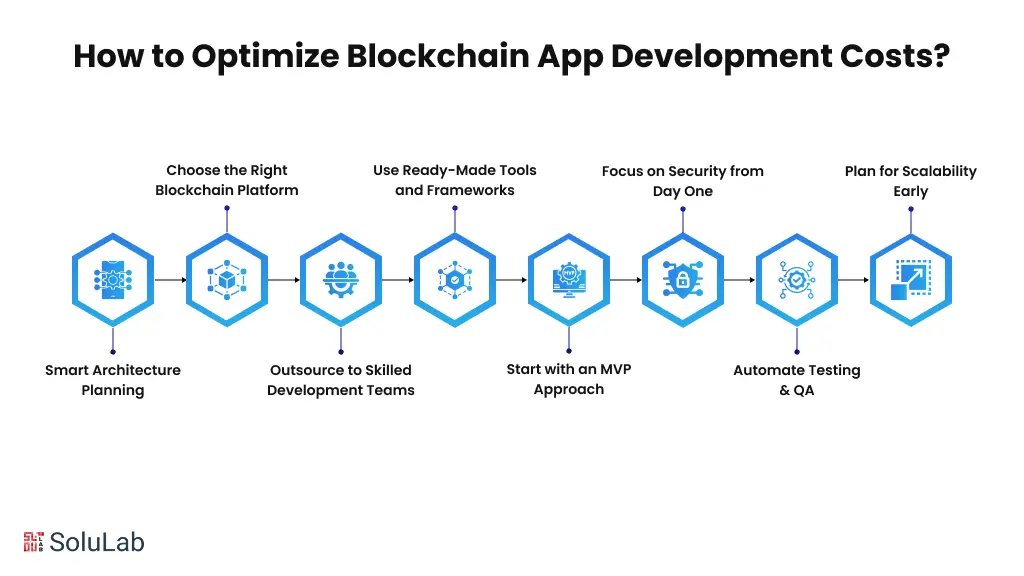
How to Optimize Blockchain App Development Costs

Building a blockchain app can get expensive if not planned well. But with the right tech choices, a smart development approach, and efficient resource use, you can reduce costs without hurting quality.

1. Smart Architecture Planning: Define scope, must-have features, and tech stack upfront. Clear planning avoids rework and unnecessary additions later, saving both development time and money.

2. Choose the Right Blockchain Platform: Pick platforms like Ethereum, Polygon, or Hyperledger based on scalability, fees, and support. The right platform lowers maintenance and transaction costs.

3. Outsource to Skilled Development Teams: Hiring experienced blockchain developers from cost-effective regions ensures top-quality work without burning huge budgets on in-house hires.

4. Use Ready-Made Tools and Frameworks: Utilize pre-built modules, APIs, and SDKs. This avoids building everything from scratch, reducing development time significantly.

5. Start with an MVP Approach: Build and launch an MVP for only the core functionality first. Test user needs early, then scale gradually, minimizing risk and wasted investment.

6. Focus on Security from Day One: Implement strong security practices early to avoid costly vulnerabilities and fixes. Prevention is always cheaper than recovery in blockchain.

7. Automate Testing & QA: Continuous automated testing catches bugs early. This reduces costly fixes during later stages of development or after launch.

8. Plan for Scalability Early: Make sure the architecture supports future growth. Fixing scalability issues later requires expensive redesigns and redevelopment.

Cost of Hiring a Blockchain Developer

Here’s a quick breakdown of typical costs of hiring a blockchain developer (US market) — by full-time salary and freelance rates.

Full-time salaries (US):

  • Entry-level: ~ US $75,000 – $110,000/yr 
  • Mid-level: ~ US $120,000 – $180,000/yr
  • Senior: ~ US $140,000 – $200,000/yr 
  • Staff/Principal: ~ US $180,000 – $260,000/yr 

Freelance rates:

  • Typical freelance hourly rate: ~ US $40 – $150/hr depending on complexity & expertise. 
  • Median simpler freelance/contract developers: ~ US $30 – $59/hr (for standard projects)
CTA B

The Bottom Line

In 2025, the cost of blockchain development will fluctuate significantly based on several aspects, including the blockchain type, feature complexity, platform choice, and team configuration. Regardless of whether you are developing a basic dApp or a comprehensive business solution, possessing a well-defined development strategy and an appropriate pricing model may substantially impact both expenses and efficiency.

As a well-known blockchain development company, SoluLab specializes in providing customized solutions across various sectors. Our flagship project, Obertech Smart Hub, exemplifies how enterprises may leverage the advantages of Blockchain-as-a-Service (BaaS). Through the management of third-party cloud-based infrastructure, we allow organizations to concentrate on functionality while we oversee the configuration, deployment, and maintenance of secure blockchain networks.

Ready to bring your blockchain idea to life? Hire blockchain developers from SoluLab to get expert guidance, cost-effective execution, and future-ready solutions that scale with your business needs!

FAQs

1. What is the average cost of blockchain development in 2026?

The cost of developing a blockchain application in 2026 typically ranges from $30,000 to $300,000. Factors like app complexity, number of features, choice of blockchain platform, and development model (in-house vs. outsourced) all influence the final cost.

2. Why does blockchain development cost vary so much?

The price changes based on tech stack, number of smart contracts, UI/UX quality, security audits, and whether you’re building a DeFi app, exchange, NFT platform, or a simple POC.

3. Do different blockchain networks have different pricing?

Yes! Building on Ethereum tends to cost more due to gas and complexity, while networks like Polygon, Solana, and Binance Smart Chain can be more cost-efficient.

4. How long does blockchain development take?

Anywhere between 3-12 weeks, depending on the scope. Faster timelines can increase costs due to needing a larger or more experienced team.


 

Top 10 Enterprise Blockchain Development Companies in USA in 2025

The rise of blockchain technology is being seen in every phase of industries-from banking to supply chain to healthcare. Various organizations use blockchain to enhance operational efficiency, security, and new business opportunities. 

As more businesses embrace blockchain to enhance transparency, cut costs, and optimize processes, the U.S. is a hotbed for innovation. Indeed, the enterprise blockchain development market worldwide will expand from $408 million in 2024 to over $1.25 billion by 2031 at a consistent rate of 17.8% CAGR. This growth signifies the increased adoption of decentralized technology in making operations smarter and secure.

Finding the right enterprise blockchain development company is one of the critical steps forward on this journey. From building custom smart contracts to integrating blockchain with existing enterprise systems, the top firms in the U.S. help businesses unlock new levels of efficiency and trust.

In this blog, we’ve curated a list of the top 10 companies in the USA that are shaping the future of enterprise blockchain in 2025. So, let’s get started!

Why You Should Choose an Enterprise Blockchain Development Company?

When it comes to bringing blockchain into an enterprise setup, working with people who’ve done it before makes all the difference. It’s not just about writing code — it’s about solving real business problems using the right tools and methods. A solid enterprise blockchain consulting team helps you avoid unnecessary trial and error and gets things moving in the right direction from day one.

  • Expertise

Blockchain technology might sound straightforward on the surface, but once you start working with it, the complexity shows up quickly, especially in enterprise environments. A specialized team brings actual hands-on experience to the table. They’ve built for different industries, dealt with different compliance needs, and can offer clear guidance instead of guesswork. That kind of depth only comes from doing this a lot — and doing it well.

  • Customization

Every business runs differently, and your blockchain solution should reflect that. A reliable enterprise blockchain consulting company in the USA won’t try to push a generic solution. They’ll listen first to your processes, your pain points, and your long-term goals — and then design something that fits you, not just technically but operationally too. That personal approach can save you a lot of money and frustration in the long run.

  • Security

Security isn’t something you can bolt on later—it has to be baked in from the beginning. Enterprise blockchain understands what’s at stake. They know how to set up access control, manage encryption properly, and ensure the system is protected at every level. Whether you’re handling financial data, internal IP, or customer information, they know how to keep it safe without slowing things down.

  • Scalability

Your business won’t look the same in two years — and neither should your tech. One of the biggest benefits of working with the right team is that they build systems designed to grow with you. Whether that means adding more users, expanding to other markets, or integrating with new tools, your blockchain setup should scale smoothly without having to start over.

  • Support & Maintenance

Launching the project is just one part of the journey. A professional team won’t vanish after the deployment — they’ll stick around to help you tune performance, fix problems, and keep everything updated. That ongoing support is what turns a decent system into a dependable one over time.

How Enterprise Blockchain Development Services Transform Your Business?

Blockchain isn’t just a flashy upgrade—it’s quickly becoming a backbone technology for businesses that want to modernize how they operate. When thoughtfully developed and integrated, it can streamline operations, build trust, and cut through inefficiencies that weigh companies down. Here’s how working with a blockchain development team can genuinely impact your organization:

  • Transparent Data
    Blockchain creates a tamper-proof record of every transaction. That means everyone involved can see the same version of events, reducing confusion, delays, and the finger-pointing that can slow progress.
  • Less Paperwork
    With automated processes like smart contracts handling repetitive tasks, things like approvals, payments, and documentation happen faster and with fewer errors.
  • Cost Saving
    Getting rid of middlemen and overlapping systems helps cut costs. It reduces the need for manual checks and brings down expenses linked to admin-heavy workflows.
  • Security
    With encryption, permissioned access, and built-in tracking, sensitive data is far better protected than in traditional systems. It also helps tick the boxes for compliance without added effort.
  • Stronger Business Relations
    When everyone, from suppliers to partners, can view real-time data and updates, it makes collaboration easier and more transparent. That trust can strengthen long-term partnerships.

Hence, the real enterprise blockchain benefits come from better coordination, stronger security, and systems that scale with your business, rather than hold it back.

Top 10 Enterprise Blockchain Development Companies in the USA in 2025

solulab

1. SoluLab

SoluLab is one of those companies that consistently delivers when it comes to practical blockchain solutions. They focus less on the buzzwords and more on solving real business problems with secure, scalable tech. Whether it’s building out smart contracts or architecting a full-blown blockchain application, they take the time to understand the client’s business and deliver something that works, not just in theory, but in the real world.

What makes them easy to work with is their flexible engagement approach. They’re transparent with pricing, responsive in communication, and genuinely invested in long-term outcomes. Companies from industries like healthcare, fintech, and logistics keep coming back because they know SoluLab doesn’t just build — they partner.


$25 – $49


50-249


Goldman Sachs, Walt Disney, Mercedes-Benz


USA

ConsenSys

2. ConsenSys

If you’ve spent any time in the Ethereum space, you’ve probably heard of ConsenSys. They’ve been there since the early days, helping shape how enterprises use blockchain, especially when it comes to building on Ethereum. What sets them apart is the depth of their product ecosystem. From private Ethereum variants to tools for DeFi and compliance, they offer everything under one roof.

They’re not just a tech company either — they’re thought leaders who actively help shape global blockchain standards. Big firms looking to deploy scalable blockchain systems often find ConsenSys at the top of their list for a reason: they bring serious experience and a strong track record.


$96 – $120/ hr


500+


JPMorgan Chase, Microsoft, Procter & Gamble


USA

IBM

3. IBM

IBM doesn’t need much of an introduction, and its blockchain division lives up to that reputation. What they’ve done really well is apply structure and scale to blockchain, especially in industries where trust and traceability are non-negotiable. If you’re looking to build a permissioned blockchain system backed by global infrastructure, IBM tends to be a safe, strategic choice.

They also do a great job of integrating blockchain with existing enterprise systems, which is a big plus for organizations that don’t want to start from scratch. Their blockchain team handles everything from early consulting to long-term governance, which makes the whole experience smoother for large organizations.


$54 – $86 / hr


10,000+


Walmart, Nestlé, Maersk


USA

Altoros

4. Altoros

Altoros isn’t just about building blockchain platforms — they’re about making technology actually work for people. They’ve got a sharp focus on making blockchain solutions easy to use and easy to integrate into the bigger business picture. It’s not just about writing code; they pay attention to what the client wants to achieve and build something practical around that.

Their team’s worked with all kinds of industries — from automotive to public services — and they handled projects that go well beyond the blockchain buzz. Think of custom systems that actually plug into the way businesses already operate. If you’re looking for people who can take your idea and make it not just functional, but useful, they’re worth talking to.


$50 – $99 / hr


250 – 500


Siemens, Toyota, The Weather Channel


USA

Unicsoft

5. Unicsoft

Unicsoft is a team known for delivering blockchain solutions that are practical, scalable, and tailored to business needs. With experience across blockchain, AI, and digital transformation projects, they’re particularly strong at aligning technical innovation with real-world business goals. They focus on building products that are secure, user-friendly, and market-ready, whether it’s tokenization platforms, smart contract solutions, or blockchain-based marketplaces.

Their team is a great fit for startups and enterprises alike who want a reliable development partner that can bring structure, transparency, and speed to blockchain projects. Unicsoft’s experience across industries like fintech, healthcare, and supply chain management speaks to their versatility and depth.


$50-$99/ hr


50 – 249


Siemens, RBC Royal Bank, Dentsu


UK

HashCash Consultants

6. HashCash Consultants

HashCash is one of those firms that’s been around long enough to understand the rhythm of enterprise tech, especially in the blockchain space. They focus heavily on helping businesses rethink how they handle things like payments, supply chain, and digital identity. The cool part is they’re not trying to reinvent your business — they’re just making your existing systems faster, more secure, and more transparent using blockchain.

They’re often the first call for companies that want enterprise blockchain consulting without the fluff. Their strength lies in simplifying complexity and rolling out real, working systems that start delivering value fast. If you’re exploring blockchain for enterprises, HashCash brings both the strategy and the hands-on development to make it happen.


$50-$100/ hr


100 – 250


Emirates, Airbus, SBI


USA

ChainSafe Systems

7. ChainSafe Systems

ChainSafe is a bit more on the developer-heavy side, but that’s part of the appeal. They’re not your typical corporate-style firm — they’re builders at heart. If you’ve got a technically challenging blockchain idea and need people who are knee-deep in Web3 protocols and infrastructure, ChainSafe’s your crew.

They’ve worked with everything from decentralized storage systems to Ethereum clients, but they’re also quietly doing some solid work on the enterprise side. As an enterprise blockchain consulting company in the USA, they bring in the kind of deep tech expertise that helps large businesses tackle next-gen problems — whether that’s cross-chain interoperability or building secure internal blockchain tools.


$70 – $120/ hr


80 – 200


Ethereum Foundation, UNICEF, Web3 Foundation


USA

Deqode

8. Deqode (formerly Techracers)

Deqode is the kind of company that just “gets it” when you’re trying to apply blockchain in real-world business settings. They don’t come in with a one-size-fits-all playbook. Instead, they sit with you, figure out your goals, and build tech that fits — whether you’re exploring digital assets, secure data sharing, or streamlining cross-border operations.

What people like about Deqode is their mix of technical strength and business practicality. You don’t have to educate them about industry constraints — they’ve already been there. For companies exploring enterprise blockchain consulting, it’s a no-fluff, all-action experience that makes moving forward feel simple.


$40 – $70/ hr


150 – 250


Shell, Emirates, Airtel


USA

ChromaWay

9. ChromaWay

ChromaWay takes a fresh approach to blockchain — one that’s focused on building real systems that people and institutions can actually use. They’re not the loudest in the room, but they’ve been quietly working with governments and financial institutions, helping them modernize critical infrastructure without throwing everything away.

They’re especially good when the job involves sensitive data, complex systems, or regulatory guardrails. If you’re looking to explore blockchain for enterprises in areas like real estate, finance, or public records, ChromaWay offers both the tech and the strategic clarity to help you move the needle.


$60 – $110/ hr


100 – 200


Swedish Land Registry, Inter-American Development Bank


USA

Intellectsoft

10. Intellectsoft

Intellectsoft isn’t just another software firm jumping on the blockchain trend. They’ve got roots in enterprise IT, which means they understand what it takes to implement secure, scalable solutions without disrupting your core business operations. Their team asks the right questions, digs deep, and then delivers software that fits into your bigger digital strategy.

They’re a solid choice for companies that want more than just development — they want a long-term enterprise blockchain consulting company in the USA that knows how to balance innovation with stability. From blockchain modules to full-scale dApps, they focus on doing the work that makes your business run smoother.


$45 – $85/ hr


200 – 500


NHS, Universal Pictures, Jaguar


USA

Enterprise Blockchain Development Company

Conclusion

Finding the right blockchain development company isn’t just a technical decision, it’s a strategic one. These firms bring more than just development skills; they bring a clear understanding of how to build systems that fit into real business environments, support long-term goals, and evolve with changing needs.

Each of these companies brings a distinct strength to the table, but they all share one commonality: a focus on developing blockchain solutions that function effectively in practice. Whether you’re looking for a top development partner or an enterprise blockchain consulting company USA businesses trust, the right choice can turn blockchain into a powerful tool for efficiency, security, and growth, not just an experiment, but a long-term advantage.

As we discussed, choosing a reliable partner is crucial for success, and SoluLab stands out as a top enterprise blockchain development company. With deep expertise, a focus on customization, and a commitment to security and scalability, SoluLab helps businesses build solutions that are built to last. Their approach ensures your blockchain initiatives align seamlessly with your long-term goals.

If you are planning to launch your own blockchain solution, partnering with an experienced team can make all the difference. SoluLab, as a top enterprise blockchain development company, brings the expertise, customization, security, and scalability needed to turn your vision into reality.

FAQs

1. What should I look for when choosing an enterprise blockchain development company?

Start with experience and not just in blockchain, but in working with businesses similar to yours. Look for a team that asks the right questions, offers tailored solutions, and shows they understand the practical side of implementing blockchain in a business setting. Strong communication, long-term support, and a clear delivery process are equally important.

2. How do enterprise blockchain solutions differ from regular blockchain projects?

Enterprise solutions are built for scale, security, and integration. Unlike public or experimental projects, enterprise systems need to work with existing infrastructure, comply with regulations, and handle real workloads. These systems are designed with long-term maintenance and adaptability in mind, not just fast deployment.

3. Is blockchain really necessary for my business?

It depends on what you’re trying to solve. If your business relies on secure transactions, shared data across multiple stakeholders, or transparency in operations, blockchain might offer real value. But it’s not a one-size-fits-all solution; a good consulting partner will help you figure out whether it makes sense for your specific use case.

4. How long does it take to build an enterprise blockchain application?

Timelines vary based on project complexity, but a typical enterprise blockchain solution can take anywhere from 3 to 9 months. This includes planning, development, testing, deployment, and training. The more prepared you are with your goals and internal processes, the smoother and quicker the build tends to be.

5. Will the development company provide support after launch?

Yes, if you choose the right team. Post-launch support is essential for updates, performance checks, troubleshooting, and scaling. Most enterprise blockchain consulting companies offer ongoing maintenance packages or retainers to ensure your system stays aligned with your business as it grows.