See how leading manufacturers use generative AI to reduce operational waste, improve productivity, and get ROI across factory operations.
Read More
Bootstrapped? We built Founding-100 for you. Senior engineers + AI/Web3 builders. No equity. No lock-in. $99/month.
Our services








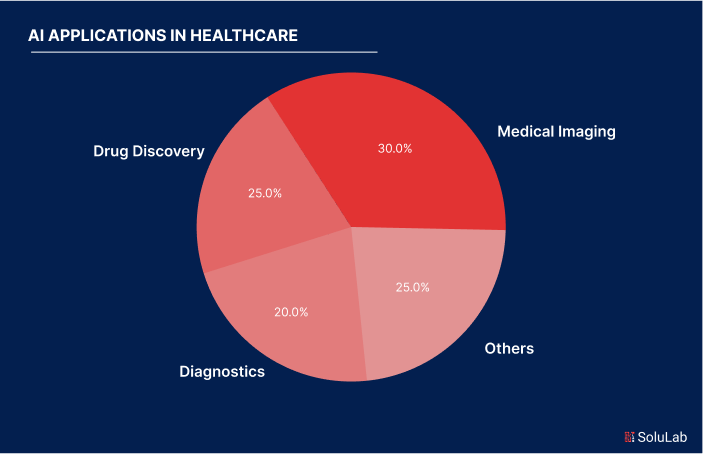



Complexity of Medical Data: Healthcare professionals must navigate an ever-increasing volume of complex medical data, including patient records, medical images, and genetic information. This complexity can lead to diagnostic errors and oversight, impacting patient outcomes. Gen AI's ability to analyze large datasets and identify patterns that may be missed by human eyes is crucial for improving diagnostic accuracy.
Reducing Human Error: Diagnostic errors can result from human factors such as fatigue, cognitive biases, and limited access to comprehensive patient data. Gen AI can assist clinicians by providing second opinions, cross-referencing patient data against extensive medical databases, and highlighting potential anomalies. This reduces the likelihood of misdiagnoses and ensures more accurate and timely interventions.
Early Detection of Diseases: Early detection of diseases significantly improves treatment outcomes. Gen AI can analyze medical images, genetic data, and patient histories to identify early signs of conditions such as cancer, cardiovascular diseases, and neurological disorders. Early diagnosis enables prompt treatment, improving survival rates and reducing the overall burden on healthcare systems.
Individualized Patient Care: Each patient has a unique genetic makeup, medical history, and lifestyle factors that influence their response to treatment. Traditional treatment approaches often fail to account for these individual differences, leading to suboptimal outcomes. Gen AI can analyze patient-specific data to develop personalized treatment plans that are tailored to individual needs, enhancing the effectiveness of therapies and reducing adverse reactions.
Optimizing Drug Prescriptions: Prescribing the right medication at the right dosage is critical for patient safety and treatment efficacy. Gen AI can predict how patients will respond to different medications based on their genetic profiles, medical histories, and other factors. This enables clinicians to choose the most effective drugs and dosages, minimizing the risk of side effects and improving patient outcomes.
Adaptive Treatment Strategies: Chronic diseases often require ongoing management and adjustments to treatment plans. Gen AI can continuously analyze patient data to adapt treatment strategies in real-timereal time, ensuring that therapies remain effective as patients' conditions evolve. This dynamic approach to treatment personalization enhances long-term disease management and improves the quality of life for patients.


Reducing Time and Costs: The traditional process of discovering and developing new drugs is lengthy, expensive, and fraught with uncertainty. It involves rigorous testing, clinical trials, and regulatory approval, which can take years and cost billions of dollars. Gen AI can significantly accelerate this process by simulating chemical reactions, predicting the efficacy of new compounds, and identifying potential side effects.
Enhancing Clinical Trials: Clinical trials are a critical but resource-intensive phase of drug development. Gen AI can optimize the design of clinical trials by identifying suitable patient cohorts, predicting patient responses, and monitoring trial progress in real-time. This improves the efficiency and success rates of clinical trials, leading to faster approval of new therapies.
Identifying New Drug Targets: Gen AI can analyze vast datasets from biomedical research to identify novel drug targets and mechanisms of action. By uncovering new pathways and targets, Gen AI expands the possibilities for therapeutic interventions, paving the way for innovative treatments for a wide range of diseases.
Chronic Disease Management: Chronic diseases such as diabetes, heart disease, and hypertension require constant monitoring and management to prevent complications. Effective patient monitoring involves tracking vital signs, medication adherence, and lifestyle changes. Gen AI can analyze data from wearable devices and electronic health records to provide real-time insights into a patient's health status, enabling early intervention and proactive care management.
Remote Patient Monitoring: With the increasing use of telemedicine and wearable health devices, remote patient monitoring has become more prevalent. Gen AI can process data from these devices to detect anomalies and alert healthcare providers to potential issues. This continuous monitoring helps in managing chronic conditions, reducing hospital readmissions, and improving patient outcomes.
Personalized Health Recommendations: Gen AI can provide personalized health recommendations based on individual patient data. For example, it can suggest dietary changes, exercise routines, and medication adjustments tailored to a patient's specific health needs. This personalized approach to health management empowers patients to take an active role in their care, leading to better health outcomes.


Risk Management: Effective risk management is essential for the financial stability of institutions. Traditional risk management approaches often struggle to keep pace with the complexity and speed of modern financial markets. Gen AI offers advanced risk analysis and management capabilities, enhancing the ability to predict and mitigate risks.
Advanced Risk Analysis: Gen AI uses predictive modeling to analyze historical data and forecast potential risks. This includes market risk, credit risk, and operational risk, enabling institutions to make informed decisions. AI can simulate various market scenarios and stress tests, helping banks understand the potential impact of different events on their portfolios.
Real-time Risk Monitoring: AI systems provide continuous monitoring of market conditions, financial transactions, and other risk factors. This allows for real-time risk assessment and quicker responses to emerging threats. AI can generate automated alerts for unusual activities or potential risks, enabling timely intervention and risk mitigation.
Automating Administrative Tasks: Healthcare providers are burdened by administrative tasks such as scheduling appointments, billing, and documentation. These tasks consume significant time and resources, diverting attention from patient care. Gen AI can automate many of these routine tasks, freeing up healthcare professionals to focus on clinical duties and improving overall operational efficiency.
Streamlining Workflows: Inefficient workflows can lead to delays, increased wait times for patients, and higher operational costs. Gen AI can optimize workflows by identifying bottlenecks, predicting patient demand, and allocating resources more effectively. This results in smoother operations, reduced wait times and enhanced patient satisfaction.
Enhancing Resource Allocation: Efficient allocation of resources such as staff, equipment, and beds is crucial for healthcare facilities, especially during peak times or emergencies. Gen AI can predict patient inflow based on historical data and current trends, optimize resource allocation, and ensure that facilities are prepared for varying levels of demand.


Gen AI can analyze medical images such as X-rays, MRIs, and CT scans with exceptional accuracy. By detecting patterns and anomalies that human radiologists may missmay be missed by human radiologists, Gen AI helps in the early detection of diseases like cancer, cardiovascular conditions, and neurological disorders. This early diagnosis is crucial for effective treatment and improved patient outcomes.
Gen AI can assist in examining tissue samples and identifying abnormalities at a cellular level. It can automate the analysis of biopsy samples, reducing the time required for diagnosis and increasing the accuracy of detecting diseases such as cancer. This helps pathologists provide quicker and more reliable results to patients.
Gen AI can analyze patient data, including genetic information, medical history, and lifestyle factors, to develop personalized treatment plans. This approach ensures that treatments are tailored to the individual needs of patients, improving their effectiveness and reducing the risk of adverse reactions. For instance, Gen AI can recommend specific drug regimens or therapeutic interventions that are most likely to be effective for a particular patient.
By analyzing historical patient data, Gen AI can predict how patients will respond to different treatments. This predictive modeling helps healthcare providers select the most appropriate therapies, minimizing trial and error. For chronic conditions like diabetes or hypertension, Gen AI can continuously adjust treatment plans based on real-time data, ensuring optimal management of the disease.


Gen AI can analyze biological data to identify potential drug candidates and predict their effectiveness. By simulating molecular interactions and chemical reactions, Gen AI can expedite the initial stages of drug discovery, reducing the time and cost associated with traditional methods. This accelerates the development of new therapies for various diseases.
Clinical trials are a critical phase in drug development, often involving significant time and resources. Gen AI can optimize the trial design by selecting suitable patient cohorts, predicting patient responses, and monitoring trial progress in real-time. This increases the efficiency and success rates of clinical trials, bringing new drugs to market faster.
Gen AI can process data from wearable devices and remote monitoring systems to track patients' health in real time. This continuous monitoring allows for early detection of potential health issues and timely interventions. For chronic disease management, Gen AI can provide personalized recommendations and alerts to both patients and healthcare providers, improving disease management and reducing hospital readmissions.
By analyzing historical and real-time data, Gen AI can predict health trends and potential complications. For example, it can forecast the likelihood of a patient developing a particular condition based on their health data, enabling proactive measures to prevent disease onset. This predictive capability is invaluable for managing chronic conditions and preventing acute health events.


Gen AI can analyze hospital operations data to identify inefficiencies and recommend improvements. For instance, it can optimize scheduling for surgeries, manage patient flow, and predict staffing needs based on historical patterns and real-time data. This leads to smoother operations, reduced wait times, and enhanced patient satisfaction.
Efficient supply chain management is crucial for healthcare facilities to ensure the availability of essential medical supplies. Gen AI can predict demand for medical supplies, optimize inventory levels, and streamline procurement processes. This helps healthcare providers maintain adequate stock levels, reduce waste, and manage costs effectively.
Gen AI can accelerate biomedical research by analyzing vast amounts of scientific literature and research data. It can identify emerging trends, suggest new research directions, and facilitate collaboration among researchers. This accelerates the pace of discovery and the development of innovative treatments and technologies.
Gen AI can provide clinical decision support by integrating and analyzing patient data, medical guidelines, and research findings. It can offer evidence-based recommendations to healthcare providers, enhancing clinical decision-making and improving patient outcomes. This support is particularly valuable in complex cases where multiple factors must be considered.


Gen AI can provide personalized health education materials tailored to individual patient needs. By understanding a patient's health condition, treatment plan, and preferences, Gen AI can offer relevant information and resources to help patients manage their health effectively. This empowers patients to take an active role in their care and improves adherence to treatment plans.
Virtual health assistants powered by Gen AI can interact with patients to answer questions, provide reminders, and offer guidance on managing health conditions. These assistants enhance patient engagement by providing timely support and reducing the burden on healthcare providers. They also help patients navigate the healthcare system, improving their overall experience.
Gen AI can assist in screening for mental health conditions by analyzing patient data, including electronic health records, survey responses, and behavioral data. It can identify individuals at risk of conditions such as depression, anxiety, and PTSD, enabling early intervention and support. This proactive approach helps to address mental health issues before they escalate.
Gen AI can provide virtual therapy and counseling services, offering support for individuals with mental health concerns. AI-powered chatbots and virtual therapists can deliver cognitive behavioral therapy (CBT), mindfulness exercises, and other therapeutic interventions. This expands access to mental health services, especially for individuals who may face barriers to traditional therapy.



One of the most exciting future trends of Gen AI in healthcare is its integration with genomic medicine. By analyzing an individual's genetic information, Gen AI can provide highly personalized treatment plans. This approach goes beyond traditional one-size-fits-all medicine, offering therapies tailored to the genetic makeup of each patient. Personalized medicine can significantly improve treatment efficacy and reduce adverse effects.
Gen AI will enhance predictive genomics, enabling the early identification of individuals at risk for genetic disorders and diseases. By analyzing genetic data, Gen AI can predict the likelihood of developing conditions such as cancer, heart disease, and diabetes. This predictive capability allows for proactive interventions and preventive measures, potentially reducing the incidence and severity of these diseases.
Gen AI will advance population health management by analyzing large datasets to identify health trends and risk factors at a population level. This information can inform public health strategies, enabling targeted interventions and resource allocation. Predictive analytics will help healthcare systems anticipate and respond to health crises more effectively, improving overall public health outcomes.
Another application of predictive analytics is the maintenance of medical equipment. Gen AI can analyze usage patterns and performance data to predict when equipment is likely to fail or require maintenance. This proactive approach reduces downtime, ensures the availability of critical medical devices, and enhances patient care.
The future of surgery will be increasingly dominated by AI-driven robotic systems. Gen AI can enhance the precision and accuracy of robotic surgeries, reducing the risk of complications and improving patient recovery times. AI-powered robots can assist surgeons in complex procedures, providing real-time guidance and feedback.
Gen AI will also revolutionize surgical training by providing virtual reality (VR) and augmented reality (AR) simulations.
These simulations allow surgeons to practice and refine their skills in a risk-free environment, improving their proficiency and confidence. AI-driven training programs can adapt to individual learning styles, offering personalized feedback and recommendations.
The future of surgery will be increasingly dominated by AI-driven robotic systems. Gen AI can enhance the precision and accuracy of robotic surgeries, reducing the risk of complications and improving patient recovery times. AI-powered robots can assist surgeons in complex procedures, providing real-time guidance and feedback.
Gen AI will also revolutionize surgical training by providing virtual reality (VR) and augmented reality (AR) simulations. These simulations allow surgeons to practice and refine their skills in a risk-free environment, improving their proficiency and confidence. AI-driven training programs can adapt to individual learning styles, offering personalized feedback and recommendations.
Gen AI will play a crucial role in enhancing clinical decision support systems. By integrating real-time patient data with vast medical databases, Gen AI can provide healthcare providers with instant, evidence-based recommendations. This real-time decision-making support will improve diagnostic accuracy, treatment planning, and patient outcomes, particularly in emergency and critical care settings.
Rather than replacing clinicians, Gen AI will augment their capabilities. AI-powered tools can assist in diagnosing complex cases, suggesting treatment options, and predicting patien outcomes. This collaboration between human expertise and AI intelligence will lead to more accurate and efficient healthcare delivery.

See how leading manufacturers use generative AI to reduce operational waste, improve productivity, and get ROI across factory operations.
Read MoreDiscover generative AI's transformative power across industries. Explore top use cases, SoluLab's innovations and the future of AI evolution.
Read MoreExplore generative AI in eCommerce use cases, benefits, and how businesses can boost sales, personalization, and customer experience. Call now!
Read More