


With VR and AR, surgeons now have pre-surgery access to 3D images of hearts, eyes, knee joints and lots else

AR Based Medical Solution for Spinal and Bone Treatments
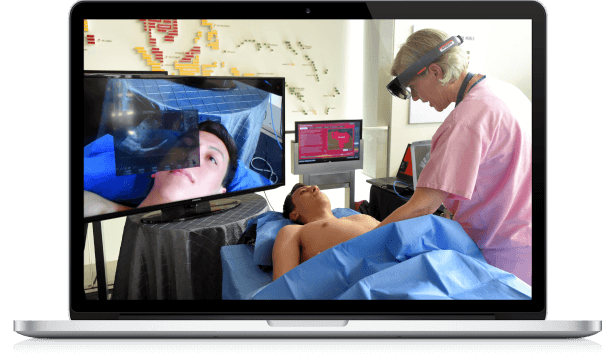
How augmented reality can help healthcare sector? Take a look at one of our healthcare industry solutions based on augmented reality and 3D modelling.









By 2020, Medical 3D, VR, and AR applications are projected to be a $20 billion global market (Markets and Markets).
Medical imaging has radically evolved over the past few decades with advances in ultrasonography, MRIs and more. Further, augmented reality and virtual reality are promising platforms for surgery and surgical planning.
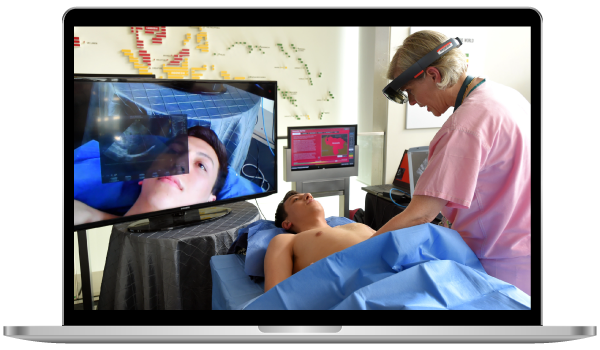
Our client, based in California, provides advanced treatments in spinal injuries and joint damage. They have been referred to us to develop solutions that stimulate computerized environments to provide better care to a patient and also train themselves in medical imaging and surgical planning.
Customization and personalization are extremely important in patient care. We have to take utmost care in building a model that should be able to bend and customize generic surgical plates into patient-specific shapes that fit perfectly for each individual patient, prior to surgery.
Further, we had to follow the path for Food and Drug Administration (FDA) approval of their silicone training models as a component of patient care.
Custom medical model should be able to help doctors decide on the best treatment method based on a patient’s personal anatomy. In a nutshell, make surgical procedures more efficient and improve communication between the patient and doctor.
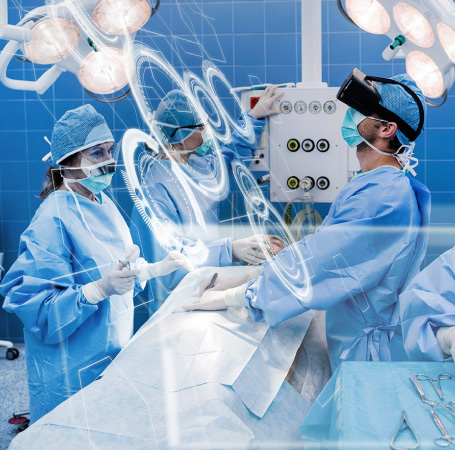
It is a fact that the operating room is becoming more and more complicated, with more modules: virtual reality, x-ray, ultrasound, MRI, CT and robotics. It is becoming an increasingly technological and complicated environment.We built a platform/model that combines machine learning (ML) and augmented reality (AR) to create ultra-precise 3D medical images. The built-in AI intelligence platform also analyzes the 3D rendering and stores and shares surgical data in real-time.

Construction of model involves image interpretation and clinical judgment

Model is capable to duplicate muscles and tissues with the original color and texture being simulated

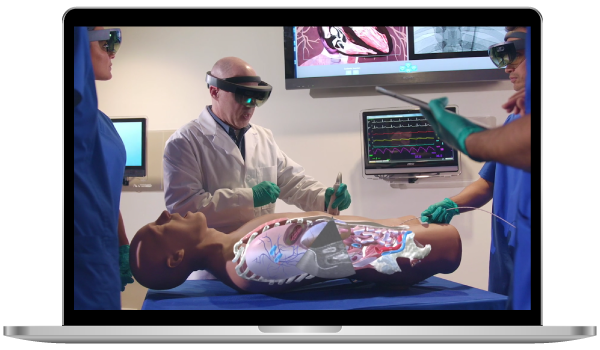
With this model, surgeons can trial new techniques and prepare equipment well in advance of stepping into the operating theatre

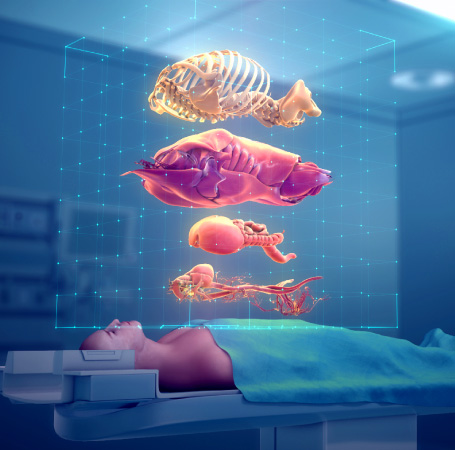
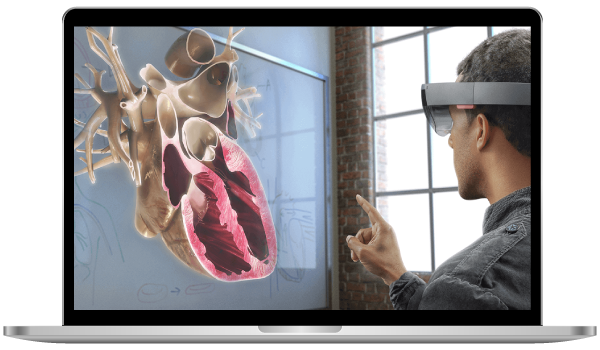
The high-resolution of this 3D model gives surgeons a more holistic view than the conventional 2D realm of radiography

Access to a patient’s full-scale anatomical model enables more accurate diagnosis, which in turn boosts service sales

More effective communication between patient and doctor because of improved efficiencies
Construction of model involves image interpretation and clinical judgment.
Model is capable to duplicate muscles and tissues with the original color and texture being simulated.
With this model, surgeons can trial new techniques and prepare equipment well in advance of stepping into the operating theatre.
The high-resolution of this 3D model gives surgeons a more holistic view than the conventional 2D realm of radiography
Access to a patient’s full-scale anatomical model enables more accurate diagnosis
With VR and AR, surgeons now have pre-surgery access to 3D images of hearts, eyes, knee joints and lots else
The ability to study 3D scans before an operation helps surgeons thoroughly prep for each case and implement proactive, time-saving procedures
Storing images and patient data on one AR/VR platform reduces the need for expensive screens and unnecessary staff
Surgeons are able to rehearse difficult operations before they actually happen.






“Fabulous job! With the AR-based medical solutions, now our doctors can show a simulation of a patient’s vision and help patients understand their actual medical state.”