Talk to an Expert
Get in Touch

What are the Features of NFT Gaming Platform?


What are the Features of NFT Gaming Platform

Since its arrival, gaming has demonstrated its adaptability. Greater games meant more evolution was apparent. Currently, games in NFTs are the hottest trend, and each one is receiving awards for topping the charts. The games have also made it very evident that they may be played for both entertainment and financial gain. Yes, you heard correctly! Gamers are clearly affected by the play-to-earn concept.

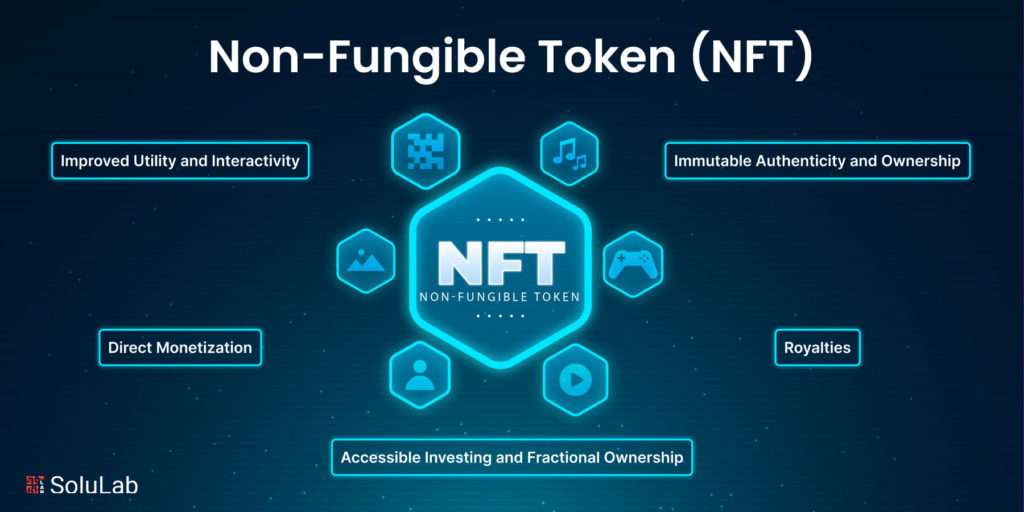
The popularity of NFT gaming will undoubtedly increase. Non-fungible tokens are digital currencies based on blockchain technology that can track the ownership of an asset and give previous owners the opportunity to resell it. Finding uncommon items, gathering rare trinkets, and unlocking unique artwork and mementos to possess and treasure should be obvious to the 3 billion players worldwide. If you want to know more about these gaming platforms. We got you covered with this blog. Here are a few features/benefits of NFT gaming platforms.

1. NFT gaming will add value

NFTs are the currency that can be used in the gaming industry to unlock and enhance previously completed games. KokoSwap claims that it is only common sense in the gaming industry for players to be able to withdraw their value from a game after investing in it. In order to reward devoted players, Quartz’s open-world tactical shooter Ghost Recon Breakpoint offers current users NFTs of brand-new cosmetic items. Users can use NFTs to take possession of an item in the game and retain, trade, or sell it as their own. Even while the concept of players earning money from games is not new, NFTs are more reliable and adaptable.

2. Players will take control

By enabling players to sell stuff and make money from subsequent resales, NFTs give players additional power. For people who grew up trading in their old games for new ones, this is significant in the era of digital games. Skins are now available for a limited time in games like FIFA and Fortnite. Both games have a strong emphasis on scarcity, but NFTs provide players with more control over how items are exchanged and repurchased. Since they are the ones who participate in NFT games by playing, selling, and buying, players have the most control over them.

3. Play-to-Earn games will be huge

A growing number of people are able to support themselves through play-to-earn games. One such game that boldly challenged the gaming industry was Axie Infinity. To the extent that “Play” always takes precedence over “Earn” and they are not money-grab trading apps dressed as cuddly creatures, the roots of Play-to-Earn games are still present for players to engage with.

4. Interoperability

That is a broad idea. You can utilize your NFT collectible in most games, though not all of them. The NFT can be transferred across games utilizing the same blockchain with ease because it is stored on a blockchain, its data and control can be tracked, and it is free from corruption. NFTs provide players access to items that were formerly in the game publisher’s possession. The ability to use items won and gained over an NFT blockchain between games is theoretically possible.

Read more: How is gaming contributing to the NFT industry?

5. Meta-verse

For those hoping to benefit from blockchains and the metaverse, games powered by NFT like Splinterlands and Axie Infinity are ahead of the curve. NFTs will act as the link connecting games to the rest of our connected, digital future, which will include the metaverse. The metaverse can be connected through video games in terms of events, music, art, and fashion. NFTs will further the metaverse’s development, which is currently beginning.

6. NFT games will mix real and virtual worlds

Take into account how NFTs are used in FIFA. It’s possible to use the NFT collectible Spurs shirt you (presumably) unlocked or bought in FIFA for purposes other than merely in-game ego boosts. NFTs are demonstrated to be a cutting-edge method of bridging the physical and digital worlds. As scarcity is created, the value of digital wearables in games can rise, but once the two worlds merge, NFTs can also have a use – in the future, clothing and other objects will be taken from games and made tangible. A jpeg becomes much more when you can combine the two worlds, according to Clarke.

7. Enhanced collectibles

In this sector, major game developers already collaborate with NFTs. When Konami issued a 35th-anniversary collection of Castlevania NFTs, a lot of people were let down. However, those NFTs only brought in an average of $12,000 per, showing that there is still a demand for them. Gamers are accustomed to collecting weird gifts and gaming artifacts. Especially with regard to classic game art and soundtracks, owning a piece of gaming heritage is exciting. As shown in the Konami example, gamers made purchases. The collectibles have undergone extensive improvement and may now be worth more.

8. NFTs -The next Kickstarter

The idea of crowdfunding is not new. Gamers have been able to support the publication of games on Kickstarter for a very long time, but the incentives are typically your name in the game and the opportunity to play it before anybody else. a platform for NFT Indie game creators can use GameStarter to finance their projects by exchanging NFTs for in-game goodies that will go on sale before the campaign ends. It indicates that users can choose an independent game, take part in its development, and buy a stake in it. For this, as with the majority of the modern paradigm of NFTs, some UX love and risk-taking openness will be necessary. NFTs can create entirely new opportunities for crowdfunding video games.

9. Fans getting rewards

It’s not just about the game you play; it’s also about the gamers you watch, including the well-known esports personalities who make news and the game creators who make games possible. NFTs can be utilized in games as a way for gamers to interact with the individuals and teams responsible for the most well-known titles. Players can use the NFT they gain via in-game purchases as a token to access restricted in-game events. G2 Esports, one of the biggest esports organizations in the world, has unveiled Samurai Army, a group of NFTs that were generated at random and are used to gain entry to a social club featuring gaming and entertainment amenities.

10. Fitness game-The reinvention

Nintendo has made fitness games more accessible with Ring Fit. Imagine earning money while exercising by selling NFTs. Move-to-Earn games function in this manner. One of the earliest is StepN, which rewards players with NFT badges for completing step objectives like the Couch to 5K. The fact that StepN is built on the carbon-free Solana blockchain technology shows how game developers are now considering the big picture. Similar to Pokémon Go, Genopets is a mobile augmented reality game that offers free minting to new users. Typically, minting (creating) NFTs requires petrol money, which is pricy.

Conclusion

It’s your turn now; NFT gaming has achieved everything it could. Though it continues unabated and only intensifies, their evolution. In order to start making more money, hire a gaming development team for your NFT game development.

NFT Games: A Quick Guide for Beginners


NFT Games: A Quick Guide for Beginners

NFT games are the intersection of gaming, blockchain, and finance. It’s not like other video games; it’s a game powered by blockchain technology. And you can earn a nice paycheck just by sitting in front of your computer and playing for a few hours.

The money involved is not insignificant. In 2021, Nonfungible.com, one of the largest NFT data resources, reported that NFT game sales hit $5.17 billion. There are also rumors that gamers can earn as much as $100 a day, prompting some to quit their jobs and focus on playing.

So how do NFT games generate money? And where does the money come from?

What are NFT Games?

An NFT gaming is an online game that incorporates NFTs into its game rules and mechanisms. NFTs (short for non-fungible tokens) is a unique, digital token that exists on a blockchain. You can sell and trade NFTs, but you can’t replicate them. NFTs can be digital files like artwork, images, videos, and even music.

In NFT games, the NFTs could exist in different ways. Your avatar or character could be an NFT. The weapons, cards, trinkets, or even costumes you collected and earned could be NFTs. In ordinary video games, these items are only useful within the game itself. But in NFT gaming, these assets have real-world value.

Read also: An Ultimate Guide To NFT Gaming Development

These NFTs are locked in smart contracts (self-executing contracts run by code), which determine how the NFTs will function in the gameplay. NFTs are also tamper-proof, and since they’re non-fungible, every player has iron-clad ownership over their game assets. Just like ordinary NFTs, the value of the NFTs in the games depends on rarity, their use in the game, and the willingness of people to pay for them.

How do NFT Games Work?

There are two main types of NFT games based on the earning model: play-to-earn and in-game NFTs. Many NFT games offer a combination of both.

In-Game NFTs

In-game NFTs are the traditional approach to earning money in NFT gaming. Throughout the game, players win NFTs as collectible items, which they will then sell to or trade with other players. In some games, players complete objectives to earn NFT rewards.

Read also: In-Game NFTs You Should Know About

While it’s fun to collect NFTs, this type of model doesn’t guarantee a steady income because landing valuable NFTs is a matter of luck.

Play-to-Earn NFT Games

Play-to-earn (P2E) games are a newer business model, which became more popular than their in-game counterpart. In a P2E game, the player is rewarded with NFTs as they play the game. This means that the longer they play, the more assets they collect, and the more they earn.

There isn’t a need to win big in the game. Players could get NFTs just by breeding new characters or trading cards. P2E became the standard in crypto-gaming due to consistent earnings.

How Game Developers Earn

The developers earn by charging players when they enter the game or taking a percentage of the NFTs sold or bought in the game. Most NFT games require an upfront payment to start playing or to progress to the next level. Companies also earn from in-game purchases of loot boxes or prize crates, which may contain items for the game.

Most Popular NFT Games

If you’re ready to dip your toes into NFT gaming, here are games you should check out:

1. Axie Infinity

Players collect or breed monster characters called Axies, which are NFT-based digital pets. As an NFT, each Axie is unique and distinguishable, and its value is based on the rarity of its traits.

2. Splinterlands  

It’s a card-based strategy game with NFT cards. Players can also sell their cards for the native DEC currency and convert them to fiat money.

3. Gods Unchained

Like Splinterlands, Gods Unchained is also a strategy card game with NFT cards. Players could also sell their cards in the game for the native GODS currency, which can be converted to fiat money.

With every passing year, NFT games are one step closer to becoming mainstream, and more players choose to earn their living through playing. With the combined appeal of entertainment and money, joining the NFT game craze is an easy choice for many.

Blog Credits: Medium

What are dApps? How they are different from Normal Apps?

Decentralized Applications (dApp)

Industry analytics group DappRadar found that 312 hacks and vulnerabilities affected dApps in 2022, leading to losses of around $48 billion. Financial losses decreased by 96% to $1.9 billion in 2023, but the frequency with which hacks and exploits were used increased by 17.3%. In the first quarter of 2024, losses increased by 9% to $407 million compared to Q1 2023’s $373 million.

DApp development, on the other hand, came into play with the emergence of blockchain technology and Peer-to-peer (P2P) file sharing. Most startups today are coming up with decentralized software that utilizes the native properties of blockchain and offers a secure and transparent operational environment for businesses.

What Are Decentralized Applications (dApps)?

Decentralized applications, commonly known as dApps, are innovative software programs that operate on a blockchain or a peer-to-peer (P2P) network of computers, rather than being confined to a single device. Unlike traditional applications controlled by a central authority, dApps are distributed across the network, enabling their users to collectively govern them. Often developed on the Ethereum platform, dApps encompass a wide range of applications, including secure wallets, digital asset exchanges, captivating games, personal finance management tools, and immersive social media experiences.

KEY TAKEAWAYS

  • Decentralized applications (dApps) are digital applications that operate on a blockchain network of computers rather than relying on a single centralized server.
  • DApps are not subject to the control or interference of any single authority, ensuring greater autonomy and independence.
  • The advantages of dApps include enhanced user privacy protection, resistance to censorship, and increased flexibility in development.
  • Potential challenges associated with dApps include scalability limitations, user interface development complexities, difficulties in making code modifications, and potential security vulnerabilities.

Understanding Decentralized Applications (dApps)

In contrast to web applications like Uber or X (formerly Twitter), which are run on a centralized computer system owned and controlled by a single company, DApps (Decentralized applications) operate on a peer-to-peer (P2P) or blockchain network.

Examples of P2P applications include BitTorrent, Tor, and Popcorn Time, which run on computers that are part of a P2P network, allowing multiple participants to consume, feed, or seed content.

DApps, on the other hand, run on a blockchain network in a public, open-source, and decentralized environment. This means that they are free from the control and interference of any single authority.

For instance, a developer can create a decentralized application similar to X and deploy it on a blockchain where any user can publish messages. Once a message is posted, it cannot be deleted by anyone except the original author, ensuring the immutability and transparency of the data.

Difference Between a Centralized and Decentralized Apps

Centralized vs. Decentralized Apps

Before we into how dApps function differently from regular mobile or desktop apps, let’s first clarify some key concepts.

Centralized App:

  • Owned by a single entity.
  • Application software resides on servers controlled by the owner.
  • Users download a copy of the app and interact with it, sending and receiving data to and from the company’s server.

Decentralized App (dApp):

  • Operates on a blockchain or peer-to-peer network of computers.
  • Users engage in transactions directly with each other without relying on a central authority.
  • May be free or require payment to the developer in cryptocurrency to download and use the source code.
  • Source code often utilizes smart contracts, which automatically execute transactions between parties, eliminating the need for trust.
  • dApps rely on blockchain protocols that safeguard personal information.

Importance of dApps

Importance of dApp

There are several dApp features that can dramatically change the facilitation of information or resources.

1. Cost and Efficiency

Due to their operation on decentralized networks, Decentralized applications (dApps) eliminate the requirement for intermediaries. This can result in substantial cost reductions, enhanced efficiency, and broader accessibility. Picture having almost complete control over every aspect of your finances without relying on a bank, for instance. This has the potential to have a significant impact on a variety of industries, particularly the financial sector. When comparing dApps vs apps, the distinction becomes clear: dApps offer a decentralized, transparent, and secure alternative to traditional applications. As industries continue to evolve, embracing the benefits of dApps will be crucial. Companies like SoluLab are at the forefront of this revolution, providing expertise and solutions to leverage the full potential of decentralized applications.

2. Security

By utilizing blockchain technology, decentralized applications (dApps) can enhance the security of various business and personal processes. Blockchains employ cryptographic techniques and distributed automated consensus mechanisms to make data immutable. The shared and compared ledger across all users ensures that data remains unalterable, providing a robust foundation for secure transactions and data storage. When comparing apps vs dApps, it’s evident that dApps offer superior security features due to their decentralized and transparent nature, making them a compelling choice for secure business and personal applications.

3. Accessibility

DApps examples are universally accessible to anyone with an internet connection, regardless of geographic location. This global reach enables individuals worldwide to access various services, digital assets, and information. This democratization of access empowers individuals, fostering inclusivity and allowing them to participate in a globally connected digital ecosystem.

4. Transparency

In blockchain-based decentralized applications (dApps), transactions are recorded transparently, allowing users to verify data integrity without relying on centralized authorities. This transparency is essential for anonymous and distributed networks because users must trust the system’s trustworthiness.

DApp Uses

To eliminate intermediaries and decentralize various functions and applications, decentralized applications (DApps) have been developed. Self-executing financial contracts, multi-user games, and social media platforms are a few decentralized applications examples.

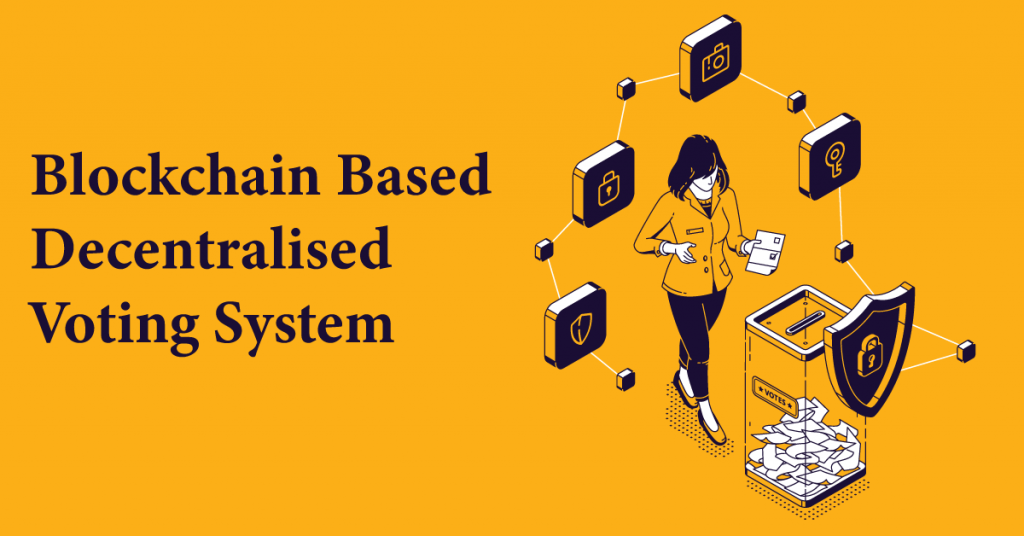
Additionally, DApps have been created to enable secure, blockchain-based voting and governance systems. They can even be incorporated as plugins into web browsers to serve ads, monitor user behavior, or request cryptocurrency donations. This integration allows for increased security and transparency in online activities.

Some decentralized applications examples of practical uses include:

  • Financial Transactions: Facilitating peer-to-peer monetary exchanges and asset transfers, such as currency conversions or the movement of stocks.
  • Supply Chain Tracking: Ensuring transparency and accountability by tracking the movement of goods throughout the supply chain.
  • Identity Verification: Securely storing and validating personal information, including voter rolls and passport applications.
  • Real Estate Management: Enabling direct property transactions between buyers and sellers, while tracking property ownership and documentation like deeds.
  • Healthcare Records: Storing and monitoring medical records, as well as facilitating communication among healthcare professionals.
  • Education Platforms: Creating decentralized platforms for learning, where students and educators can collaborate without intermediaries.
  • Decentralized Social Media: Establishing decentralized platforms for social interaction and content sharing, free from censorship by central authorities.
  • Predictive Markets: Introducing decentralized platforms for predictive markets, enabling users to make bets on future events.

Scams Involving dApps

Malicious activities have been carried out through decentralized applications (dApps). Ponzi schemes, where early investors receive payments funded by investments from newer investors, creating an illusion of substantial profits, have been known to operate on dApps. Understanding what are decentralized apps and their functionalities can help users recognize and avoid such schemes.

Deceptive initial coin offerings (ICOs) have been employed to raise funds for purportedly developing a new cryptocurrency or dApp, with no genuine intention of fulfilling these promises by the fundraisers. Knowing what is a decentralized application and how it should legitimately operate can protect investors from falling prey to such fraudulent activities.

dApps have been targeted by phishing attacks, which employ deceptive websites or emails to deceive users into disclosing sensitive data. Some dApps examples have also been exploited to spread malware or viruses, endangering users’ devices and stealing personal information. Understanding what are dapps used for and their legitimate applications can help users navigate the ecosystem more safely.

Given the decentralized nature of dApps, it can be challenging to identify and hold the perpetrators responsible, emphasizing the need for users to exercise caution and conduct thorough research before engaging with any dApps.

Do you Know?

Industry analytics group DappRadar found that 312 hacks and vulnerabilities affected dApps in 2022, leading to losses of around $48 billion.

Financial losses decreased by 96% to $1.9 billion in 2023, but the frequency with which hacks and exploits were used increased by 17.3%.

In the first quarter of 2024, losses increased by 9% to $407 million compared to Q1 2023’s $373 million.

Advantages and Disadvantages of dApps

Before we dive into the pros and cons of decentralized applications (dApps), it’s essential to understand that they have unique advantages and disadvantages due to their decentralized nature.

Advantages

  • DApps offer significant advantages, particularly in safeguarding user privacy. They utilize smart contracts to facilitate transactions between anonymous parties, ensuring the privacy and security of personal information.
  • DApps have the potential to revolutionize social media platforms. Decentralized social media platforms built on dApps are resistant to censorship, as no single entity has the power to delete or block messages on the blockchain, promoting freedom of expression.
  • Ethereum serves as a versatile platform for Decentralized application development. It provides the necessary infrastructure for developers to concentrate on creating innovative digital applications. This could lead to the rapid deployment of dApps in various industries, such as banking and finance, gaming, social media, and online shopping.

Do you Know?

While a graduate student at the University of Washington, American cryptographer and computer scientist Nick Szabo coined the term “smart contract” in 1996.

Disadvantages

  • DApps, being in their early experimental stages, face various challenges and uncertainties. Concerns arise regarding their ability to scale effectively. Additionally, overloading a network due to numerous resource-intensive applications can result in congestion.
  • Creating a user-friendly interface for dApps is crucial. Traditional centralized applications have set an ease-of-use standard that encourages user interaction. To attract users to dApps, developers must create an end-user experience and performance level comparable to established programs.
  • Unlike centralized applications, dApps lack the oversight and auditing typically present. Rushed, unaudited, or sloppy programming makes dApps examples vulnerable to hacking.
  • Post-deployment, ongoing changes to enhance, correct bugs, or address security risks are likely to be necessary for dApps. However, Ethereum highlights the challenge developers face in updating dApps due to the immutability of data and code published to the blockchain.

Read Also: Build a dApps on Solana

Regulatory Considerations for dApps

Regulators face a significant challenge in regulating decentralized applications (dApps) due to their decentralized nature. Conventional regulatory approaches typically rely on specific geographic locations. However, since dApps do not have a centralized structure, it becomes more complex to regulate activities based solely on the location where transactions occur.

The Emerging Centralization of dApps

In the European Union, Decentralized Applications Dapps providers who serve the EU audience must comply with the General Data Protection Regulation (GDPR). This applies regardless of where the company is based.

In December 2023, a European subnet of the Internet Computer Protocol (ICP) was launched. ICP is a blockchain DAO that provides an infrastructure and tools for developers to create compliant dApps. While this could become the standard way of ensuring compliance, it would mean that the apps would lose their decentralized standing because the ICP is centralized. Nodes must be voted in by the DAO and can only be located in the EU.

Some dApps issue tokens or conduct token sales to raise money. This may raise regulatory concerns because authorities are working to protect investors. Regulators view this as an unregistered securities issuance. Similarly, dApps involved in financial services, such as decentralized exchanges (DEXs) or lending platforms, must adhere to anti-money laundering and know-your-client regulations to prevent money laundering and terrorist financing.

Consumer Protection

Even if there is no direct exchange of money or goods, the use of dApps still involves consumer protection concerns. This includes safeguarding personal data, privacy, and security. Users who agree to transactions by signing their signatures put themselves at risk. Platforms like MetaMask caution users that they could lose funds if they are not fully aware of the implications of their actions when using decentralized applications (dApps).

Dapps examples

One popular example of a dApp is CryptoKitties, a blockchain-based virtual game that enables players to adopt, raise, and trade virtual cats. Each CryptoKitty is unique, owned by the user, and validated through the blockchain, like other tradable assets. Its value can be appreciated or depreciated based on the market. CryptoKitties are considered “crypto collectibles” because each digital pet is one-of-a-kind and verified on a blockchain.

Another noteworthy dApp is Uniswap, a decentralized exchange protocol built on Ethereum. Uniswap allows users to trade directly with each other without relying on an intermediary like a bank or broker. This dApp utilizes automated smart contracts to establish liquidity pools that facilitate trades. Users can trade their tokens directly from their wallets, providing a seamless and secure trading experience. Again, the decentralized nature of the application makes Uniswap’s existence possible.

These decentralized applications examples illustrate the potential of dApps to disrupt traditional industries and provide users with greater control over their assets and data. As technology advances, we can expect to see even more innovative and transformative dApps emerge in the future.

dApp Development Services

The Bottom Line

In conclusion, understanding what are dApps reveals the transformative potential of decentralized applications in various industries. Unlike normal apps, dApps operate on blockchain networks, providing enhanced security, transparency, and decentralization. The comparison of dApps vs apps highlights significant differences, especially in terms of control and data integrity. Knowing what are decentralized apps and what is a decentralized application helps in recognizing their applications, from finance to gaming, as demonstrated by several decentralized applications examples. If you’re exploring what are dApps used for or are interested in what are dApps crypto, SoluLab offers expertise in developing decentralized applications (dApps) to leverage these innovations for your business needs. Partner with SoluLab to harness the full potential of dApps and stay ahead in the evolving digital landscape.

FAQs

1. What are dApps?

dApps, or decentralized applications, are software programs that run on a blockchain network instead of a centralized server, offering enhanced security and transparency.

2. dApps vs Apps: What’s the Difference?

Unlike normal apps, which run on centralized servers, Decentralized Applications Dapps operates on a decentralized blockchain, providing benefits such as improved security, transparency, and resistance to censorship.

3. What are decentralized apps used for?

Decentralized apps (dApps) are used for various purposes, including decentralized finance (DeFi), gaming, social media, and supply chain management, all leveraging blockchain’s decentralization benefits.

4. What is a decentralized application?

A decentralized application (dApp) is software that interacts with a blockchain network, ensuring that the app operates without a central point of control or failure.

5. What are some decentralized applications (dApps) examples?

Decentralized Applications Examples include Ethereum-based DeFi platforms like Uniswap, decentralized storage solutions like IPFS, and blockchain-based games like CryptoKitties.

6. What are dApps in crypto?

In the crypto space, dApps refers to applications built on blockchain networks that use cryptocurrencies for transactions and smart contracts for automated, trustless operations.

5 concepts to master If you work in E-commerce.

1. LTV to CAC ratio

 To Understand this we first have to understand CAC and LTV first.

customer acquisition cost
customer lifetime value
CLTV to CAC ratio

2. Return to Origin (RTO rate) –

This is the non-deliverability of a package where a product never reaches the customer or the delivery fails because of multiple reasons. and hence the product is returned back to the seller.

3. Retention cohorts –

Cohort Retention generally is a sign of how healthy and successful a business is.

example of retention cohorts

You can also read : 9 Blockchain Real Estate Companies to Watch

4. Average ticket size

This shows the possible upsell opportunity you have for your brand. Techniques you can use

5. Moat and growth channel

Let’s understand business moat first.

                                                             the moat around a castle
                                                           examples of moats in a business

You can also read : 4 big problems to solve in crypto

Credit : Medium

In-Game NFTs You Should Know About


In-Game NFTs You Should Know About

Revolutionizing the gaming industry, in-game NFTs are growing in popularity since their introduction in late 2021 and it’s not showing any signs of slowing down anytime soon.

Traditionally, gamers put thousands of dollars into games to get cosmetic items and add-ons. However, these items have no way to be resold on an open market and have no real benefit other than visual and potential in-game advantages. 

With that said, most blockchain games have some form of gaming NFT marketplace and crypto token integration. Instead of a pay-to-consume experience, players are given ownership over their in-game items through a play-to-earn format. Keep on reading to discover some blockchain games with in-game NFTs that you can easily play with your friends over video calls and still feel connected, even from afar.

1. Mobile Legends

One of the world’s most popular multiplayer mobile games with over 100 million monthly active players, Mobile Legends: Bang Bang (MLBB) is a mobile Multiplayer Online Battle Arena (MOBA) game that brings players together through teamwork and strategy. 

While MLBB is not a crypto game, it’s a mobile game venturing into the world of NFTs with their first-ever NFT collection – The Aspirants Mystery Box. Players can acquire MLBB NFTs through the Binance NFT The Aspirants Mystery Box launched on January 19, 2022. The collection features Layla and Fanny, two popular female heroes in MLBB, and will offer 12 unique mystery boxes with 4 different grades, each containing a digital figure and exclusive animations of the characters.

2. TheTan Arena

A free-to-play blockchain-based MOBA and BattleRoyale e-sport NFT game, TheTan Arena is all about combining individual skills and team coordination.

TheTan Arena provides pretty simple gameplay— take down your enemies as fast as possible, and earn as many points as you can. The team earning the most points wins, and the player getting the most points for the team is awarded the MVP of that game. 

To get started in the game, players can acquire a wide array of in-game TheTan Arena assets from Binance NFT’s secondary market, including the TheTan Genesis Mystery Box. 

3. Summoners Arena 

Built on BNB Chain (former BSC), Summoners Arena is a blockchain MMORPG that combines DeFi and NFT, focusing on an economy-driven format. The perfect game for the current blockchain and crypto boom, players are required to strategically plan their resources, items, characters, and formation to maximize their gains.

In the game, each Hero is represented as an NFT and ranked based on their Rarity and Tier. Players can upgrade their Hero with different body parts that are ranked from 1 to 10 on rarity. With that said, the more you upgrade your Hero with higher rarity body parts, the greater your stat enhancement.  

4. Syn City 

The first mafia metaverse game built for the blockchain, Syn City brings the mafia and syndicate-style gameplay on-chain. Syn City lets players loot, fight, build and ultimately lead a booming criminal enterprise, reaping the rewards of their virtual life of crime through the game’s play-to-earn gameplay in the Syn City Metaverse.

On top of joining daily events, including player vs. environment, player vs. player, and syndicate-based contests like cross-chain tournaments, players can acquire limited-edition Blueprint NFTs, which are in-game assets that provide incentives and perks within the SYN CITY ecosystem.

5. Dark Frontiers

An MMORPG game governed by a Gamestarter built DAO, Dark Frontiers lets players explore a multiplayer environment with other players and friends. Providing straightforward yet engaging gameplay that combines free-to-play and play-to-earn models, Dark Frontiers promotes NFT usability through staking, item ownership, and the creation of real-world value via in-game items. Players can purchase Dark Frontiers’ in-game assets on the Binance NFT Marketplace. 

Read also: An Ultimate Guide To NFT Gaming Development

To embark on the Dark Frontiers journey, players have to pilot their own spaceship to explore new planets, defeat oppositions, form guilds, and capture new unique NFTs that can either be built on or sold on the open markets. More importantly, the spacesuits are the most important NFTs in the entire game universe. Not only do they provide players with their primary survival, but they can also provide players with unique opportunities to mint minerals and create new suits that they can resell on the marketplace. 

The Future Of In-Game NFTs

Previously an obscure virtual asset known only to tech geeks, games with in-game NFT components are on their way to the mainstream as video and mobile game companies are getting on the NFT train. 

With popular games such as Mobile Legends dipping their toes into NFTs and games like Axie Infinity integrating into the metaverse, NFTs have definitely disrupted the industry with their unique benefits. The vast use case of in-game NFTs allows players to use them as characters, commodities, special abilities, and tradable objects in games and more importantly allows players to generate additional income. 

Blog Credits: Binance

What Is Web 3 & Why Is It Called the Internet of the Future?

If the promises of Web 3 come true, we might witness the most dramatic shifts society has ever seen.

                                              Photo by Bermix Studio on Unsplash

“This machine is a server. DO NOT POWER IT DOWN!!” — Tim Berners-Lee 1990

Let’s start at the beginning. The web was created in 1990. Its first version, Web 1, was simple. You open a web browser, type in a website and hit enter. Once the website loads on the screen, you can browse around.

No one controlled Web 1. As long as you have an internet connection, you can access web pages to read, browse, and buy stuff. Web 1 obeyed a standard, global, and open protocol: HTTP.

But the user experience was limited. We would visit websites to explore but never to create content on our own. That privilege was for a select few: programmers. In Web 1, most of us were merely consumers of content created by others.

This version of the web lasted until 2004. Then Facebook came, and with it, the social media revolution or what’s known as Web 2. Instead of simply browsing, Facebook, Twitter, and Youtube allowed anyone to create content. No coding skills were needed. People can write posts, upload pictures, share and like videos, and connect with other people. In Web 2, you are a consumer and creator.

Web 2 is the era we live in. And while it changed our lives in many good ways, it created several problems.

Instead of a free and open web, the internet is now entirely controlled by a few companies. Financial inequality grew as owners of Web 2 platforms — Zuckerberg & friends — became the big winners. In contrast, the rest of us are unpaid participants.

When we post, like, share, and comment, we either don’t make any money or get a tiny fraction of the value we add. Yet, we — the users — are the pumping heart of these platforms. Without us, they’re nothing.

In Web 2, we have no control over our data, where it’s stored, and with whom it’s shared. Platform owners collect and sell our data to various companies, sometimes without even our consent. And what do we get from this sweet deal? Nothing tangible except custom ads and recommendations.

This absence of ownership leads to a lack of privacy and anonymity. Users who live under oppressive regimes are at serious risk when using Web 2 platforms. Governments can track users and block entire websites to quench unwanted ideas and opinions.

And, of course, we have the issue of censorship. We’ve seen how Web 2 platforms suspend accounts, delete posts, and ban users just because their opinions don’t align with the “politics” of the platform.

To fix these problems and more, some entrepreneurs and engineers are creating the next generation of the web: Web 3.

Web 3 is decentralised. This means the network runs on millions of computers worldwide, not some localised data centres owned by companies. This decentralised network is inspired by the blockchain — the technology behind Bitcoin and cryptocurrencies.

You can also read : Making Real Estate investments liquid with blockchain technology

Applications built with Web 3 protocols — known as dapps (decentralised apps) — cannot be shut down by entities, corporations, or governments. Anyone with a computer can take part in running the network.

In Web 3, users and builders alike can earn money and make a good living. This is possible because dapps and other Web 3 services are powered by cryptocurrency tokens. Every time you use, improve, and interact, you earn tokens. The more you participate, the more tokens you accumulate. The tokens you earn will appreciate. You can either hold onto your earnings or exchange them against fiat currencies.

In today’s business world, most of us cannot invest in startups and early ventures either because we don’t have enough capital or we live in the wrong countries — think Tunisia, Pakistan, and so on. Web 3 breaks this inequality. Thanks to decentralisation, people from anywhere and from any social layer can invest in projects in their infancy.

Because Web 3 is built on the principle of shared ownership, everyone has “skin in the game”. When a Web 3 platform grows and succeeds, all win, not just a select few. In Web 3, you are a user, a creator, but most importantly, an owner.

“Web 3 is an internet owned by users and builders, orchestrated with tokens” — Chris Dixon.

Let’s recap:

Web 1: read-only but is open to everyone.Web 2: You can read and create, but it’s centralised. You are not an owner. Power and ownership belong to a handful of companies and individuals.Web 3: the best of the two worlds. It’s decentralised and open. Browse, create, and own.

In Web 3, you own your data. You can even get paid to lease it. This level of control is possible due to digital private keys. Your data are the equivalent of a digital safe deposit. Only you have the keys to open the safe.

Do you want custom ads and news feeds? Easy. Sell some of your data to advertisers, so they know a bit more about you. Select who can access your data and who can’t. Select the bits you want to share and the bits you want to keep secret. You are in total control.

“With Web 3, we finally have private property on the internet.” — Naval Ravikant.

Web 3 applications are built with open-source software. Open-source means anyone can access the code, read, edit, and improve it. This transparency is unlike the software Web 2 companies build.

Picture the difference between open-source and corporate software as homegrown vegetables versus processed food. One food you know everything about, the other is packed with unknown chemicals.

Companies that don’t use open-source will struggle with problems that other companies have already solved. They will waste time and resources reinventing the wheel.

With open-source software, you solve each problem once. Suppose someone builds a piece of software to solve a specific issue. In that case, another engineer can simply reuse that code, improve it, or tweak it for their personal use case.

If a community grows unhappy with a Web 3 platform, they can simply clone the entire software then build the features they want using their new copy. In software jargon, this is known as forking. Open-source software gets forked all the time.

There is yet another powerful feature of open-source: composability. Entrepreneurs and programmers won’t need to build applications from scratch. Instead, they can combine various pieces of open-source code to create custom software that matches their goals. Applications plug into each other like lego blocks. Because of their composability, Web 3 projects move forward dramatically fast.

“Composability is to software what compound interest is to finance.” — Chris Dixon.

Composability is a powerful concept not only in open-source but in all sorts of creative endeavours. Web 3 communities can write books, movie scripts, or create art collectively instead of working solo.

Imagine if the next Star Wars movies are owned and managed by die-hard fans on a Web 3 platform. They get to vote and decide how to move the story forward. I bet the result would be more exciting than the sequels we’ve seen so far.

We know how difficult it is for talented people to monetise their passions. Scientists lack funding. Artists don’t sell. Web 3 will change that. People would monetise their passions, whatever that passion is. Thanks to non-fungible tokens (NFTs), painters, poets, scientists, and musicians can sell digital rights to their creations or share ownership with a dedicated community.

When we build markets that truly reward creative people, two things happen. First, creative people are paid what they deserve. Second, many people are inspired to follow their passion instead of abandoning their dreams. As a result, there will be an explosion of smart people doing creative things. And society as a whole will prosper like never before.

Products built with Web 3 protocols won’t need any marketing. Users, who are owners, do the marketing. When people own part of a venture, when they have skin in the game and participate, they will speak about it, spread the word, and motivate others to join.

The most powerful feature of Web 3 is the DAO (decentralised autonomous organisations). A DAO is like a government built on top of Web 3 protocols. DAOs don’t have a central authority, or a prime minister, or a president. Instead of restricting power to a few, everybody can vote on decisions. DAOs let people govern, work, hire, design, and allocate resources collectively.

DAOs are more transparent than traditional organisations since all the funding, decision-making, and transactions live in open and public databases. Yes, publicly traded companies issue financial statements every quarter. But, a DAO’s balance sheet is accessible at any time — down to every single transaction. These features make DAOs corruption-proof.

An Uber-like DAO is owned by drivers and riders, not some corporate magnates. As a DAO member, you have a saying in the governance and decisions. You can cast your votes on what features to add and how to improve services. Whereas in Web 2, you and I have no say on running the platforms we use. Web 3 gives you the chance to own a piece of every platform you use because decisions and governance are community-driven.

“Instead of putting taxi drivers out of a job, Web 3 puts Uber out of a job and lets taxi drivers work with the customer directly.” — Vitalik Buterin.

The best thing about DAOs is they offer a playground to test different types of governance and decision making. We get to experiment, permutate and improve the way we lead quickly. As a leader, you’ll have the chance to observe and study DAOs. Then, steal the best decision-making protocols and implement them in your organisation. Whether you work in the military, NGOs or run an entire government, DAOs will help you lead better.

You can also read : 4 big problems to solve in crypto

Of course, a transition to Web 3 will have its challenges. Some people think that community-driven governance is great in some situations but not so great in others. Could a big community be as forward-looking and risk-taking as a person or a small group of people? Would a DAO give rise to risky and bold ideas such as the iPhone, SpaceX, or psychedelics research? We must address these questions and challenges to move forward with a Web 3 that works for everyone.

For the majority to join the Web 3 revolution, pioneers must offer far more compelling products and services than existing ones. At the moment, Web 2 companies have too big of an advantage. With their vast earnings, billions of users, and cutting-edge infrastructures, they still outpace any competition. Also, don’t expect corporations to sit idle while Web 3 destroys their centralised empires. They will fight back and in sneaky ways.

“Pushing against Web 3 is basically pushing against a future that is collectively owned by everyone instead of a select few.” — Naval Ravikant.

On paper, Web 3 is a winner by design. But for a Web 3 future to happen, leaders and builders seeking a just and equal society must take the first steps. I’m talking programmers, entrepreneurs, investors, scientists, and politicians. Only then will the masses follow.

Web 3 is decentralised, community-driven, secure, and private. It is built with software that is open and composable. Its products and services will be of quality and reach like anything we’ve seen in Web 2. Web 3 promotes democracy at all levels of society. In Web 3, we cease to be exploited; everybody wins. Whether you’re an employee busting long hours, or an underpaid artist, or a leader struggling to make the right decisions, Web 3 will improve your life. That’s why, sooner or later, you and I, and everybody else, will naturally forsake today’s web for a better web.

Credit : Medium

Making Real Estate investments liquid with blockchain technology


Making Real Estate investments liquid with blockchain technology

There is more value in property around the world than in any other asset class. More value in fact than all stocks, shares, and bonds combined. Yet Real Estate investment, which remains vastly illiquid, requires significant capital commitments and entails long, inefficient transaction processes.

Opening up the largest asset class to new investors and providing existing investors with greater liquidity is one of the great economic challenges of the 21st century. Both aspects of this challenge require transforming the real estate investment landscape.

Since its inception a decade ago, distributed ledger technology, commonly known as the blockchain, has brought greater efficiency, higher security, and lower costs to the financial industry. Most importantly, blockchain real estate digital infrastructures enable the issuance of tokens, and digital representations of real tradable assets.

Democratizing access to property ownership:

The tokenization of real estate assets entails a number of important benefits that can address the existing limitations and inefficiencies of property investment.

Fractionalization of property ownership, for instance, removes the need for large upfront capital thus lowering the barrier to entry. It also enables customized investments by reducing exposure to just one single underlying asset over the entire sector.

Securitizing real estate assets can unlock tremendous liquidity for the industry.

Digitized tokens can interact with smart contracts, self-executing agreements written into lines of computer code that allow the automation of steps such as document verification or escrow. Smart contracts can also facilitate the programmatic distribution of dividends and other cash flows.

Read also: Tokenized Real Estate: Creating New Investing And Financing Channels Through Blockchain

Once tokenized, property ownership can be traded on secondary markets operating 24/7 globally with settlements occurring in a fraction of the time usually required.

Ultimately, by removing inefficiencies from the market and facilitating additional liquidity, property-backed security tokens could increase the pool of potential participants in the real estate asset class tremendously and helps unlock a global investor base.

Removing the last roadblocks

Over the last few years, there have been numerous initiatives aiming at bringing the benefits of blockchain and digital tokens to the real estate industry.

In most instances, the limitations of blockchain digital infrastructures combined with the uncertainty over the legal status of cryptocurrencies prevented the development of the technical, legal, and business infrastructures required for such endeavors.

Only very recently, the establishment of clear regulatory frameworks in various jurisdictions around the world combined with breakthrough innovations achieved in the field of distributed ledger technology has made the dream of tokenized real estate assets-backed securities possible.

Blog Credits: Medium

The Role of AI in Web3 Development

AI in Web3

The arrival of the digital age has fundamentally changed how we interact with and utilize information. However, as we continue to explore this linked world, an entirely novel change that holds the potential to completely reshape the fundamentals of the internet ecosystem presents itself.

AI in Web3 is a blend of artificial intelligence and Web3’s decentralized philosophy. This dynamic combo is more than simply a passing fad in technology; it combines the boundless potential of artificial intelligence with the open, trust-based ideals of Web 3.

It reinvents the relationship between data, trust, and innovation, marking the next phase of digital progress. Let’s explore the specifics of this synergy in this blog and understand the role of artificial intelligence in Web3 development!

What is Web3?

Web3, or the decentralized and open version of the World Wide Web, is revolutionizing our online experiences. In contrast to the conventional Web2, which is dominated by middlemen and centralized platforms, Web3 seeks to empower people, advance privacy, and facilitate peer-to-peer commerce. It is based on blockchain technology, which offers security, immutability, and transparency.

Web3 includes new technologies including cryptocurrency, smart contracts, and decentralized applications (dapps). Decentralization, user ownership over data, and doing away with intermediaries are among its fundamental tenets. Web3 facilitates direct user engagement with decentralized networks and allows users to share in the value created by these networks, creating a more democratic and inclusive digital environment.

What is AI?

Artificial Intelligence, or AI for short, is the branch of computer science that focuses on building intelligent machines that can do jobs that are normally performed by humans. Artificial intelligence (AI) systems are made to examine data, draw conclusions from it, and act or make judgments in response to that information.

These machines are capable of simulating human cognitive functions including language comprehension, picture recognition, problem-solving, and creativity. Artificial Intelligence (AI) comprises several subfields, such as robotics, computer vision, natural language processing, and machine learning. Its uses span a wide range of sectors and improve human productivity, from healthcare and banking to transportation and entertainment.

Why is AI Important in Web3 Development?

Importance of AI in Web3 Development

Future web3 and AI platforms will utilize artificial intelligence to provide decentralized intelligence, giving users more efficiency, security, and privacy. The integration of AI in web3 is revolutionizing digital interactions, transactions, and innovation through the use of smart contracts and decentralized apps.

1. Changing from Individualism to Generalization

Big tech has been using centralized AI models to gather insights and derive value from consumers for the last ten years. We are developing capabilities in the fields of AI and Web3 to benefit everyone, not just a wealthy select few. Every AI model is trained using the creator’s own experiences, interests, and expertise.

2. Converting Users into Owners

All material is produced and profited from by a small number of private firms, which leaves content producers frequently underappreciated and unnoticed. With Web3, artists are in total control of their digital assets, AI models, and data. Some businesses are contributing to the development of blockchain platforms, giving creators complete control and access to their data, and enabling them to share or reuse it as they see fit.

3. Transitioning from Utility to Scarcity

Tokens by themselves cannot give consumers ownership or incentives in order to maintain long-term viability. Tokens have to have real value and give their users something concrete. Using your creativity and intelligence, your personal AI produces and unlocks additional value from the material you produce. With access and involvement made possible by social tokens, this personal AI creates opportunities for partnerships and encourages value creation inside your community.

4. Shifting from Ingestion to Involvement

Present-day platforms are made with mass consumption in mind, creating a one-way relationship between content producers and viewers. Thanks to personal AIs and innovative ways to exchange value via social tokens, Web3 artificial intelligence producers and their communities have their own platforms. We are building a new collaborative network architecture that changes the relationship between value production and consumption by moving power away from platforms and toward individuals.

5. Investments and Subscriptions

The goal of content creators has always been to gradually grow a sizable subscriber base in the hopes of making money off of it. However, a small percentage of producers make a good living, which hurts both creators and subscribers. Communities can now invest in both the personal AIs that improve their lives and the artists they love thanks to a new creative economy being driven by web3 and future AI platforms. Today, artists have the chance to build profitable enterprises centered around their ideas, which benefits both the artists and the communities they serve.

CTA1

How Can Web3 Make Use of AI?

The growing popularity of Artificial Intelligence (AI) has the potential to significantly affect several sectors, including the growth of Web3. AI and Web3 will play a significant part in creating the future decentralized web by improving user experiences and providing creative solutions.

  • Web3 AI has a lot to offer when it comes to data analysis and decision-making. Large amounts of data created on the blockchain may be effectively processed and evaluated with the assistance of AI algorithms, providing users with insightful information that helps them make well-informed decisions.
  • By employing AI Web3 to drive predictive analytics, users may identify trends, patterns, and possible hazards. This allows for more efficient resource distribution and investment tactics in decentralized Web3 ecosystems.
  • AI has the ability to support Web3 network security protocols. Machine learning Web3 algorithms are able to recognize and stop fraudulent activity, find weaknesses, and strengthen encryption methods, all of which contribute to the overall security and reliability of decentralized systems.

Read More: AI x Web3 Execution Playbook

The Benefits of Using AI in Web3 

Integrating artificial intelligence (AI) into web3 applications has several benefits. Among these benefits are the following:

1. Increased Precision and Effectiveness

In web3 applications, AI automation replaces human procedures, increasing productivity and accuracy. The application’s overall quality is improved by this decrease in mistakes.

2. An Improved User Experience

Artificial Intelligence enhances web3 apps’ usefulness by providing users with tailored and pertinent results. By doing this, the program becomes more user-friendly and improves the user experience.

3. Higher Scalability

Because artificial intelligence (AI) can automate processes, its applications are more scalable than traditional ones. When growing their operations, firms may save money and time thanks to this scalability.

4. Better Decision-Making

AI makes it possible to make decisions that would not be possible without certain insights. This entails recognizing patterns, forecasting future results, and comprehending consumer behavior.

5. Enhanced Safety

Ensuring online apps are secure is crucial. An extra security layer is created to fend against dangers like data leaks and cyberattacks by integrating AI into web3 apps.

Key Domains in Web3 Where AI Is Potential

AI Potential Across Key Web3 Domains

The advancement of Web3 and the realization of a more decentralized, safe, and user-focused Internet are both greatly helped by AI. We may anticipate seeing increasingly intelligent, effective, and customized digital experiences as a result of the integration of AI capabilities into different Web3 domains.

Here are several key domains in Web3 AI can make a big difference:

Smart Contracts

  • AI integration for intelligent decision-making: By incorporating AI capabilities into smart contracts, they can go beyond simple execution of predefined rules. AI can analyze data from various sources, such as market trends or user behavior, to make informed decisions within the contract. This could include dynamic pricing based on market conditions or personalized terms based on individual user preferences.
  • Automation of complex workflows: AI-powered smart contracts can automate intricate processes involving multiple parties and conditional actions. For instance, in supply chain management, smart contracts could automatically trigger actions such as ordering raw materials or scheduling shipments based on real-time data analysis.
  • Optimization and refinement: AI techniques like reinforcement learning can continuously optimize smart contract code to improve performance, security, and reliability. By iteratively testing and refining the code, AI can identify inefficiencies or vulnerabilities and suggest improvements, leading to more robust and efficient contracts.

Decentralized Autonomous Organizations (DAOs)

  • Enhanced governance and decision-making: AI can automate and streamline decision-making processes within DAOs by analyzing data such as proposals, member preferences, and historical outcomes. This can help identify relevant proposals, predict their impact, and prioritize them for consideration, making the governance process more efficient and transparent.
  • Improved transparency and adaptability: AI-driven insights can provide clear justifications for decisions, fostering trust and accountability within DAOs. Additionally, AI can enable DAOs to respond more effectively to changing conditions or emerging challenges by identifying and adapting to shifts in the environment or user behavior.
  • Resource allocation optimization: AI can help DAOs manage and allocate resources such as funds or computing power more effectively by analyzing data on project performance, needs, and priorities. This ensures that resources are allocated to maximize impact and effectiveness, driving the success of DAO initiatives.

Related: AI in Web3 – Exploring How AI Manifests in the World of Web3

Decentralized AI

  • Distributed model training: AI models can be trained on distributed data sets while maintaining data privacy through techniques like federated learning. This allows for the development of AI systems without centralizing sensitive data, enhancing privacy and security.
  • Collaborative model development: Secure multi-party computation and homomorphic encryption enable multiple parties to collaborate on AI model development without sharing raw data. This fosters collaboration while protecting sensitive information.
  • Incentive mechanisms: Decentralized AI systems can incentivize data sharing, model training, and resource utilization through token rewards, encouraging participation and contribution from network participants.

Personalization

  • AI-driven recommendations: By analyzing user data, AI algorithms can generate personalized recommendations for content, products, or services. This enhances user engagement and satisfaction by delivering relevant and tailored experiences.
  • Context-aware communication: Natural language processing (NLP) techniques enable Web3 applications to understand and respond to user queries or commands in natural language. This improves user interactions and facilitates more intuitive interfaces.
  • Automated content generation: AI can automate the creation of personalized content such as news articles or product recommendations, reducing the need for manual curation and enhancing scalability.

Natural Language Processing (NLP)

  • Seamless communication: NLP enables Web3 applications to interpret and respond to user queries or commands in natural language, making interactions more intuitive and user-friendly.
  • Contextual understanding: AI-powered NLP can analyze the context and sentiment behind user-generated content, allowing for more personalized and relevant interactions.
  • Automated content generation: NLP techniques can automate the generation of human-readable content, reducing the burden of manual content creation and curation.

Data Analysis and Insights

  • Uncovering patterns and trends: AI-driven data analysis can uncover valuable insights from decentralized data sets, informing the development and optimization of Web3 applications and services.
  • Optimization and innovation: Actionable insights generated by AI can drive optimization and innovation within Web3, identifying opportunities for improvement or new market trends.
  • Enhancing security: AI-powered threat detection can proactively identify and address potential vulnerabilities or malicious activities, enhancing the security and trustworthiness of Web3 platforms and applications.

Security and Privacy

  • AI-powered threat detection: AI can monitor and analyze data to detect and prevent cyber threats, ensuring the integrity and security of Web3 platforms.
  • Robust authentication methods: AI techniques like biometric recognition and behavioral analysis can enhance authentication processes, making them more secure and resistant to fraud.
  • Advanced encryption and anonymization: AI-driven encryption and anonymization techniques protect user data, ensuring privacy and confidentiality in decentralized environments.

Why Web3 Adopts ML Technologies Top-Down?

The adoption of machine learning Web3 follows a top-down approach, mainly due to the intricate nature of the underlying infrastructure and the necessity for expertise in integrating ML solutions with decentralized systems. This approach entails the development and implementation of ML technologies by experts and organizations with a deep understanding and knowledge of Web3 before broader adoption among users.

1. Complex Technical Integration: Integrating ML technologies into Web3 platforms demands a comprehensive understanding of both decentralized infrastructure and ML algorithms. The intricate nature of underlying systems like blockchain, smart contracts, and decentralized applications necessitates expertise for the seamless integration of ML solutions.

2. Prioritizing Security and Privacy: Web3 emphasizes secure and privacy-preserving solutions. Careful integration of ML technologies is crucial to uphold these principles. Top-down adoption allows experts and organizations with a nuanced understanding of security and privacy concerns to design and implement ML solutions that align with Web3’s core values.

3. Emphasis on Standardization and Interoperability: Effective adoption of ML technologies across Web3 platforms requires standardization and interoperability. Top-down adoption facilitates the development of common frameworks, protocols, and standards, fostering easier integration of ML solutions into the Web3 ecosystem and reducing fragmentation.

4. Addressing Scalability and Performance Challenges: Implementing ML technologies within Web3 necessitates tackling challenges related to scalability and performance inherent to decentralized systems. Top-down adoption ensures that ML solutions are designed and optimized to overcome these challenges, resulting in more efficient and scalable implementations.

5. Facilitating Ecosystem Growth and Maturity: As the Web3 ecosystem continues to evolve, a top-down approach allows for the gradual adoption of ML technologies in alignment with the ecosystem’s growth and needs. This approach ensures that ML technologies are introduced in a manner that supports the maturation and expansion of the Web3 community.

Related: Web3 Trends Shaping the Future of AI

What Challenges Does AI Face?

In order for artificial intelligence to be widely used and optimized, a number of issues must be resolved. Among the principal challenges are:

1. Moral Issues: Robust rules and laws are necessary since the combination of AI and Web3 brings ethical concerns about privacy, prejudice, accountability, and possible employment displacement.

2. Availability and Quality of Data: Data is a major component of AI systems, and the representativeness, quality, and accessibility of the data can affect the fairness and accuracy of AI results.

3. Transparency and Interpretability: It can be tricky to comprehend and describe the decision-making processes of AI and Web3 algorithms due to their complexity and difficulty to interpret.

4. Risks to Security: Data integrity and system operation may be in danger from adversarial manipulation and assaults on AI and Web3 systems.

5. Insufficient Domain Expertise: Deep domain knowledge is generally necessary for developing successful AI solutions, although this expertise may be scarce in some fields.

CTA2

Conclusion

The convergence of Web3 with AI has enormous potential to change many different fields and industries. We can develop more beneficial AI systems for society by utilizing the benefits of both technologies to produce more transparent, ethical, and effective systems.

Blockchain and decentralized networks are examples of Web3 technologies that have the ability to address some of the most critical issues confronting the artificial intelligence industry, from data management to computing and algorithm creation. More cooperation, openness, and incentives are made possible by these technologies, which eventually enhance AI models, data quality, and resource allocation.

SoluLab is a leading AI development company, that provides complete solutions to address the intricate problems associated with decentralized technology. By utilizing our combined knowledge of blockchain technology and artificial intelligence, we enable companies to fully utilize AI in Web3 ecosystems. SoluLab provides creative solutions that are customized to meet the unique needs of our clients, whether the goal is to optimize smart contracts through AI-driven decision-making, improve decentralized autonomous organizations (DAOs) with AI-powered governance, or use decentralized AI for machine learning that protects privacy. By prioritizing ethics, transparency, and security, we make sure that our AI-driven Web3 solutions surpass industry norms rather than just meeting them. Reach out to us right now to start along the path to Web3 development success powered by AI.

FAQs

1. What is the significance of integrating AI in Web3 development?

Integrating AI in Web3 development brings numerous benefits, including enhanced efficiency, intelligent decision-making, and personalized user experiences. AI can optimize smart contracts, automate complex processes in decentralized organizations, and provide valuable insights from decentralized data sets, ultimately driving innovation and growth in Web3 ecosystems.

2. How does AI address privacy concerns in Web3 development?

AI offers solutions to privacy concerns in Web3 by enabling privacy-preserving techniques such as federated learning and secure multi-party computation. These approaches allow AI models to be trained on distributed data sets without compromising individual data privacy, ensuring that sensitive information remains secure in decentralized environments.

3. What are the challenges of implementing AI in Web3 development?

Challenges of implementing AI in Web3 development include ethical considerations, data quality and availability, interpretability of AI algorithms, security risks, and the need for domain expertise. Overcoming these challenges requires robust frameworks, regulations, and collaboration among stakeholders to ensure responsible and effective integration of AI in Web3.

4. How can AI enhance governance in decentralized autonomous organizations (DAOs)?

AI can enhance governance in DAOs by automating decision-making processes, analyzing proposals and member preferences, and improving transparency and accountability. AI-driven insights enable more efficient and informed decision-making within DAOs, fostering trust among members and stakeholders while promoting adaptability to changing conditions.

5. What role does SoluLab play in AI-powered Web3 development?

SoluLab plays a pivotal role in AI-powered Web3 development by offering comprehensive solutions tailored to the specific needs of businesses. From optimizing smart contracts to enhancing decentralized organizations with AI-driven governance, SoluLab empowers clients to harness the full potential of AI within Web3 ecosystems. With a focus on ethics, transparency, and security, SoluLab ensures that AI-powered Web3 solutions meet and exceed industry standards, driving innovation and success in decentralized technologies.

The tokenization of real estate: An introduction to fractional real estate investment


The tokenization of real estate: An introduction to fractional real estate investment

In recent years, real estate tokenization has emerged as an unconventional investment vehicle with advantages for both issuers and investors. The real estate sector now makes up about 40% of the digital securities market, amounting to approximately $200 million, as reported by Canadian-based digital securities company, Atlas One.

Real estate tokenization converts the value of real estate into a token stored on a blockchain, enabling digital ownership and transfer. These divisible tokens each present a fractional share of an ownership stake in that real estate. This article explores the emerging trend of real estate tokenization, as well as its primary benefits and the potential for it to revolutionize the real estate investment market.

How does real estate tokenization work?

Real estate tokenization is the process of fractionalizing real property into tokens stored on a decentralized database. This decentralized database stores information like a digital ledger and is commonly referred to as the blockchain. The distributed ledgers on which real estate tokens are captured are validated by the blockchain network, synchronized, and shared with all network participants almost instantaneously, permanently recording an accurate ledger of transactions generally accessible to the public.

Real estate tokens are similar to non-fungible tokens (NFTs), which are non-interchangeable units of data stored on a blockchain that can be sold and traded, with the exception that real estate tokens are generally tied to the value of a physical asset. A real estate token can represent, among other things:

  • Ownership of part of a real property
  • Ownership of the entire real property
  • An equity interest in an entity that controls real property
  • An interest in a debt secured by real property, or
  • A right to share in the profits generated by real property

Real estate tokens can also be differentiated from real estate investment trusts (REITs) since they allow for a specific investment linked to a particular real property, whereas REITs typically facilitate investment into pools of various real estate assets.

The digital tokens are created and issued on a blockchain during a security token offering (STO), also referred to as a tokenized security offering or a tokenized asset offering. Each fraction of ownership is converted into a token and then encrypted to grant ownership. Ownership can then be transferred directly from investor to investor on digital securities marketplaces using alternative trading systems (ATSs) almost instantly for a relatively low fee.

One of the first successful commercial real estate STOs raised approximately US$18 million in 2018 through the issuance of Aspen Coins, where digital tokens represented fractional ownership of the luxury St. Regis Aspen Resort in Colorado, USA.

Read also: How to Buy Real Estate Using Cryptocurrency?

There are a number of other examples, such as a project in the United States that is aiming to raise US$100 million by offering 100 million tokens at US$1 each for a 24-story, a 374-unit multifamily residential project in downtown San Jose, which is being developed by Alterra Worldwide.

Benefits of real estate tokenization

1. Lower barrier to entry

By facilitating investment in fractional portions of real property, real estate tokenization enables small-scale investor participation and lowers barriers to entry for retail investors. Lower minimums and smaller investment amounts can thus be leveraged to benefit from the potential high returns available to traditional real estate investments – which typically require significantly more upfront capital.

2. Ability to create liquidity

Real estate tokens are easily and securely transferable by way of blockchain technology, allowing investors to diversify their portfolios, minimize risk and create liquidity in the real estate market. Conversely, issuers are provided access to a wider pool of investors.

3. Lower transactional costs

Through automated processes and a permanent unchangeable digital ledger, blockchain technology has the potential to streamline investment transactions and lower transaction costs. As a result, investment transactions are generally completed faster and at a lower cost to the parties involved, facilitating higher returns for the investor. Tokenization also provides a host of other benefits, such as real-time capitalization table tracking, improved accessibility, and greater transparency for potential investors.

Key considerations regarding real estate tokenization

1. Securities law implications

Generally, the tokenization of real estate will be considered a security but an analysis of each specific token should be considered at the outset. If the token is a security, the issuance of such a token will be subject to the applicable prospectus requirements or reliance on an exemption, such as the “accredited investor” exemption.

In addition to the prospectus requirements, the issuer must consider the applicable registration requirements.

2. Reconciliation with the land registries

Real estate tokenization requires reconciling the applicable transaction with the current systems of land registration.

As each jurisdiction in Canada has its own land registration system, an issuer of a real estate token will be required to reconcile the transaction with the land registration systems of the jurisdictions where the underlying real estate is located.

The future of real estate tokenization

Tokenization provides a convenient and economical method of investing in real estate assets, but as a relatively new investment vehicle, regulators have yet to establish a consistent framework of rules that govern real estate tokenization.

The nature of the asset being tokenized impacts which regulatory frameworks will apply. Generally, as securities, tokens are subject to securities laws in Canada. Further, market confusion and knowledge gaps present challenges that must be overcome before real estate tokenization can be widely adopted.

Read also: Blockchain Technology Is Changing The Real Estate Industry

Real estate tokenization has the potential to transform real estate investment by increasing liquidity in a largely illiquid asset class, lowering barriers to entry for retail investors, and reducing transaction costs, but issues such as clear market regulation, reconciliation with land titles registries, and the need for centralized reporting of transactions currently present issues for market participants.

Investors and real property owners interested in capitalizing on the trend of real estate tokenization should seek advice from experts including, legal, financial, and real estate professionals.

Blog Credits: Dentons

Top 25 Smart Contract Companies To Look For in 2024

A smart contract happens to be a self-executing contract with the specified agreement terms between the buyer and the seller that are directly written into lines of code. The agreements and the code contained in the same exist across a distributed, decentralized blockchain network. The code plays a significant role in controlling the execution, and the transactions happen to be trackable as well as irreversible in nature. These benefits offered by smart contracts on blockchain have resulted in their increased adoption among various industries.

The increasing rate of adoption of smart contracts has readily elevated the demand for top smart contract development company. Different companies belonging to different industries are looking forward to hiring the services of professional, smart contract development services to leverage their potential into businesses for benefit. To make an informed decision regarding the same, it will be ideal for watching out for the top smart contact companies in 2024.

1.  ORS GROUP

1

ORS GROUP companies offer cross-industry solutions for optimizing and automating business processes using proprietary A.I., Machine Learning, and Big Data Analytics algorithms. ORS GROUP is connecting A.I. and smart contract blockchain through their new product, the Hypersmart Contracts (“HSC”), to provide access to more than 1,000 proprietary algorithms and hundreds of software solutions to the crypto community and to established businesses. They envision a planetary network of entrepreneurs and independent companies empowered by the new digital alphabet: ABC – Artificial Intelligence, blockchain, cryptocurrency.

2.  NEAR Protocol

2

NEAR Protocol is a scalable blockchain designed to provide the performance and user experience necessary to bridge the gap to mainstream adoption of decentralized applications. Unlike other next-generation blockchains, this network has been built from the ground up to be the easiest in the world for both developers and their end users while still providing the scalability necessary to serve those users.

3.  Raze

3

Raze Network is a substrate-based, cross-chain privacy protocol built for the growing DeFi and Web 3.0 ecosystem. Applying zkSNARKS to the Zether framework, Raze is an EVM-compatible layer-2 middleware that will enable end-to-end anonymity for decentralized applications running on the Ethereum, Polkadot, and Binance Smart Chain networks. More chain integrations are planned in the near future.

4.  Celer Network

4

Celer Network is a leading layer-2 blockchain scaling platform that enables fast, secure, and private off-chain transactions for crypto payments and smart contract executions. It allows everyone to easily build and use highly scalable, interactive, and low-cost blockchain applications.

5.  Ontology

5

Ontology Systems uses graph data and semantic searches to build real-time views of network services and related network elements. Network functions virtualization (NFV) and software-defined networking (SDN) technologies render communications infrastructures highly agile to deploy new services on the fly.

6.  Trust Machines

6

Trust Machines will build the applications and underlying technology necessary to unleash the true potential of Bitcoin as a final settlement layer. Trust Machines will build upon the success of Stacks, a programming layer for Bitcoin.

7.  CUDOS

7

Cudos is powering the metaverse bringing together DeFi, NFTs, and gaming experiences to realize the vision of a decentralized Web 3.0, enabling all users to benefit from the growth of the network. They are an interoperable, open platform launchpad that will provide the infrastructure required to meet the 1000x higher computing needs for the creation of fully immersive, gamified digital realities. Cudos is a Layer 1 blockchain and Layer 2 community-governed compute network, designed to ensure decentralized, permissionless access to high-performance computing at scale. Their native utility token CUDOS is the lifeblood of our network and offers an attractive annual yield and liquidity for stakes and holders.

8.  Offchain Labs

8

Offchain Labs is a New York-based company that is building a suite of scaling solutions for Ethereum. This includes Arbitrum Rollup, the only EVM-compatible rollup that is currently live on an open, public, and full-featured testnet. Arbitrum Rollup instantly scales Dapps, drastically reducing costs and increasing capacity, without sacrificing security. Porting contracts to Arbitrum requires no code changes or downloads, as Arbitrum is fully compatible with all existing Ethereum developer tooling.

9.  Tezos

9

Tezos is an open-source blockchain protocol for assets and applications backed by a global community of validators, researchers, and builders. The Tezos protocol is secure, upgradeable, and built to last. Tezos was built to facilitate formal verification, a technique that boosts the security of the most sensitive or financially weighted smart contracts by mathematically proving the correctness of the code governing transactions. Also, an innovative consensus protocol, based on Liquid Proof of Stake, empowers all the users to contribute, to secure, and to be reworded.

10.  ANTEX

10

AntEx provides an ever-growing suite of decentralized services. The objective is to bring value to the DeFi space as a whole by delivering disruptive, flexible, and audit technology. Strengthen your project and reward your communities using our services.

11.  WOWO

11

Wowoo is a token economy-based ecosystem designed to breathe new value into inspiring projects using blockchain technology. We are the only community in the world, which is truly committed to spreading blockchain technology to create financial value for good deeds of people which is difficult to be credited in our current financial system. We believe with the use of blockchain technology, the world will be a better place as various projects can be promoted in a reasonable way.

12.  OpenZeppelin

12

OpenZeppelin builds developer tools and performs security audits for distributed systems that power multimillion-dollar economies. Founded in 2015, OpenZeppelin has set industry standards for building secure distributed systems. Their services help you reduce barriers to entry by securely implementing blockchain-based technologies, using standard developer tools and platforms. Offerings include the most widely used Solidity smart contracts library, a command-line tool for managing.

13.  Symbiont

13

Symbiont is a leading technology company focused on solving complex global finance problems using a novel enterprise blockchain solution. An early pioneer of smart contracts and distributed ledger technologies, Symbiont’s Assembly™ blockchain is the first enterprise platform developed to remove operational friction from the life cycle of financial instruments while enabling real-time data sharing with optimal security and privacy. Founded in New York with a global footprint, Symbiont is composed of a team of capital markets experts and engineers located all over the world with the common goal of creating market efficiencies to power the next generation of financial market innovation.

14.  ArcBlock

14

ArcBlock is transforming the way blockchain-enabled dApps and services are developed, managed, and deployed by reimagining how these services are going to be created in the years ahead. ArcBlock is the easiest way to build, run and use dApps and is comprised of a team of industry experts, developers, technologists, and leaders who are focused on creating successful outcomes by enabling teams and businesses. ArcBlock has created a powerful, but easy, to use development platform utilizing the power of blockchain in combination with cloud computing allowing developers and businesses to achieve their goals successfully. 

15.  Ferrum Network

15

Ferrum Network is a pioneer in ushering in the era of Interoperability 2.0. Powered by the Quantum Portal, Ferrum Network’s mainnet nodes and related infrastructure will bring value, data, and functional interoperability to every chain in the industry. Ferrum builds white-label blockchain solutions that power Startups and established organizations, enabling them to get their product to market faster.

16.  Avalanche

16

Avalanche is the fastest smart contracts platform in the smart contract blockchain industry, as measured by time-to-finality, and has the most validators securing its activity of any proof-of-stake protocol. Avalanche is blazingly fast, low-cost, and green. Any smart contract-enabled application can outperform its competition on Avalanche.

17.  Optimism Lab

17

The Optimism Foundation is a nonprofit organization dedicated to growing the Optimism Collective. Not only are they writing software that scales Ethereum technology, but they are also scaling Ethereum values by creating the rails for highly impactful projects that don’t have a business model to succeed.

18.  Phala Network

18

Phala Network is a Substrate-based interoperable cross-chain confidential smart contract platform, aiming to provide privacy computing and data confidentiality services for all users and companies. Empowered by the computing powers of TEEs.

Phala Network will be a para chain on Polkadot and the infrastructure of next-generation privacy protection.

19.  Peaq

19

Peaq is the Web3 network powering the Economy of Things (EoT). Peaq enables people to build decentralized applications (dApps) for vehicles, robots, and devices while empowering dApp builders and dApp users to govern and earn from machines providing goods and services to people and other machines. 

The peaq network leverages Machine DeFi and Machine NFTs to align the incentives of all stakeholders in the Economy of Things. peaq is designed to solve some of the most pressing societal and economic challenges of our time, ensuring that people earn more as machine-associated job automation increases. 

20.  Clover Finance (CLV)

20

CLV (Clover) is a Substrate-based, EVM-compatible blockchain infrastructure platform, that focuses on multi- and cross-chain compatibility for DeFi applications and interoperability between different blockchains

21.  DeXe Network

21

DeXe Network is an online, decentralized and autonomous cryptocurrency assets portfolio environment that operates via autonomous smart contracts, that includes tools for virtual currency allocation, and automatic rebalancing and eliminates the risks of transferring digital wallet details such as private keys and API or any virtual currency data to a third party, as well as fixing the absence of decentralized interconnection between users and successful traders within the framework of DeFi.

22.  Tenderly

22

Tenderly provides an end-to-end developer platform for teams and companies looking to build innovative blockchain products. We strive to set the standard of quality and versatility in the Web3 developer tooling space. By providing a full-fledged platform with a comprehensive dashboard and a multifaceted API, we want to enable developers to focus on their projects whether they are just starting out with Smart Contracts or building a complex DeFi platform.

23.  Superblocks

23

Swedish startup Superblocks automates the smart contract development company process of blockchain applications and makes them more efficient. The startup provides complex applications that have customizable scripts and procedures required to successfully develop and launch dApps. The automation results in the reduction of skill-based errors that are otherwise a hindrance at almost every stage of development.

24.  Aurora Labs

24

Aurora is a Bridge + EVM Scaling Solution for Ethereum built on top of NEAR Protocol as a smart contract. A decentralized network for creating blockchain-enabled products. It provides tools for developing explorers, NFTs, and data indexes. Oracle, and more. It features AuroraDAO, a decentralized autonomous organization for governing the Aurora protocol.

25.  Moonbeam Network

25

Moonbeam is a smart contract platform for building connected applications that can access users, assets, and services on any chain. By uniting functionality from Ethereum, Cosmos, Polkadot, and more into a single platform, Moonbeam solves today’s fragmented user experience — unlocking true interoperability and paving the way for the next generation of applications. The Moonbeam platform uses integrated cross-chain messaging to allow developers to create smart contracts that access services across many remote blockchains. This approach, plus Moonbeam’s developer-friendly EVM platform, vast tool support, and modern Substrate architecture, creates the ideal smart contract development company environment for building connected applications.

Conclusion 

When you have the list of the top-performing smart contract companies with you, it becomes quite easier and more convenient to make the correct decision of choosing the most suitable company. All these companies mentioned in the post have made significant contributions in the field by making the best use of blockchain technology and are expected to do more in the time to come.


WhatsApp Telegram