Talk to an Expert

Hot vs Cold Crypto Wallets: Key Differences Every Investor Should Know

Hot vs Cold Crypto Wallets banner

If you’re a founder, builder, or investor diving into crypto, one of the first decisions you’ll face is how to store your digital assets safely. Choosing between a Hot wallet crypto and a cold, offline wallet can directly impact your business’s security, user trust, and regulatory compliance. 

The global crypto wallet market reached $14.39 billion in 2024 and is projected to grow to $18.96 billion in 2025, representing a 31.7% compound annual growth rate. 

This explosive growth underscores the critical importance of choosing the right wallet. In this guide, we’ll explain crypto hot wallet and cold wallet systems, compare their pros and cons, and show you how to choose the best setup to protect your startup while keeping operations smooth.

What Is a Hot and Cold Wallet?

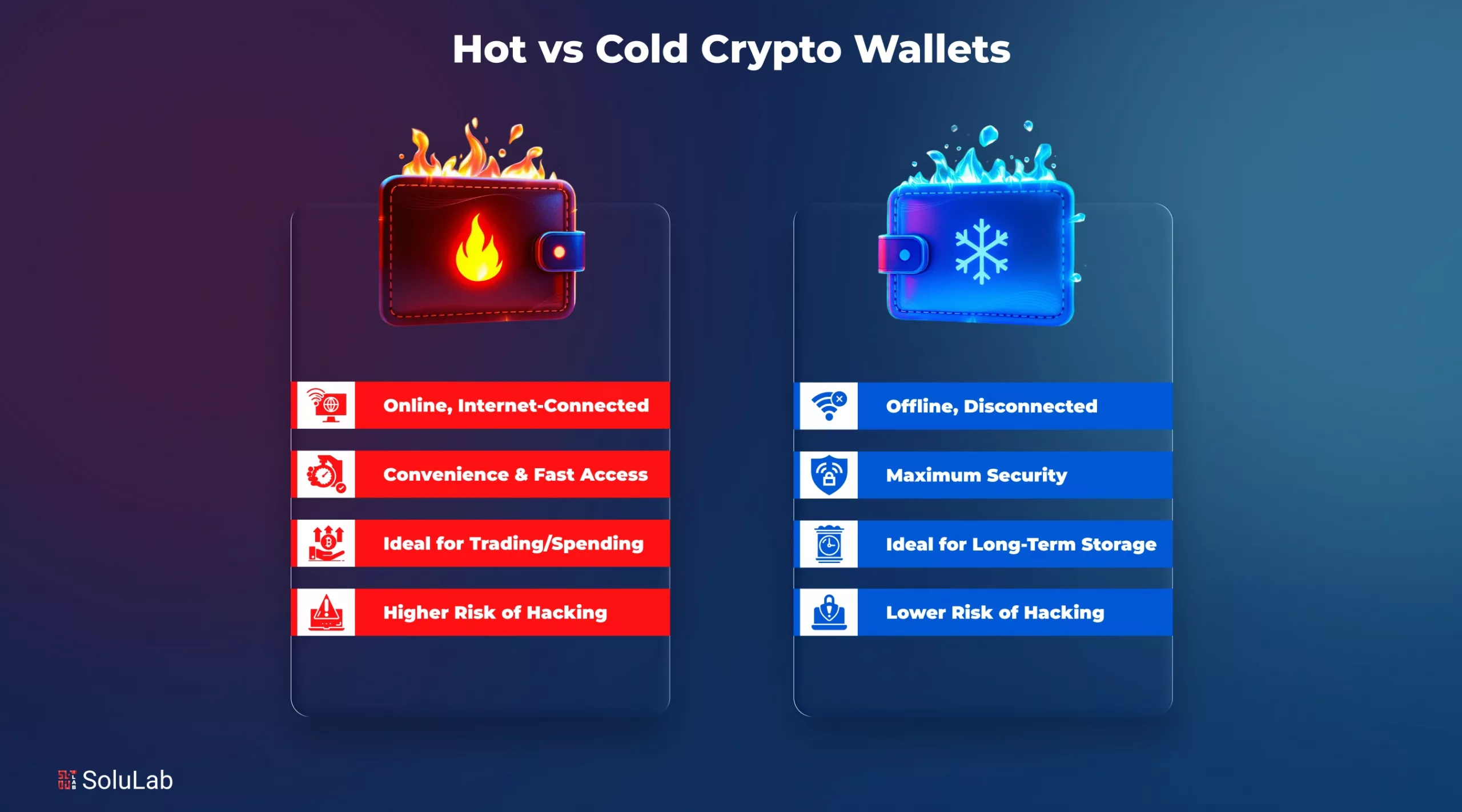
A Hot wallet is an online wallet connected to the internet. It’s designed for quick transactions, instant access, and DeFi integrations, making it perfect for founders, startups, and teams who need to manage daily liquidity efficiently. It’s like a digital checking account for your crypto assets that is always ready, always online.

On the other hand, a cold wallet (or offline wallet) keeps your private keys completely offline, stored in a hardware device or air-gapped solution. This makes it much safer against hacks and cyberattacks, ideal for long-term storage, treasury funds, or high-value crypto holdings.

A quick comparison of the two:

Wallet Type Accessibility Security Level Market Data (2024–2025)
Hot Wallet Online, instant transactions Moderate 61.5% global market share
Cold Wallet Offline, slower access High $511.46M market size, growing 33.7% CAGR

By 2025, 72–78% of crypto users will rely on hot wallets, while demand for hardware and cold wallets has risen 34% year-over-year, reflecting growing awareness around security in the crypto ecosystem.

How Is A Cold Wallet Different From A Hot Wallet?

The choice between hot wallet crypto and cold storage is not just technical; it’s about balancing convenience, liquidity, and security. Here is the key differentiator you should know:

1. Security and Risk Management

Security is the biggest factor in the cold vs hot crypto wallet discussion.

 In 2024, 43.8% of all crypto thefts came from online wallets losing private keys. Some of the biggest hacks were DMM Bitcoin ($305M) and WazirX ($234.9M).

If you want strong protection, cold wallets, especially Ledger crypto wallets, they are the safest choice. Ledger sold 3.5 million units in 2024, while Trezor shipped 2.4 million devices. The hardware wallet market is set to hit $2.06 billion by 2030, growing at 29.95% CAGR.

Hot wallets like MetaMask, Trust Wallet, and Phantom are popular because they’re easy to use and integrate with DeFi platforms, but their online connection makes them more vulnerable to phishing and keylogging attacks.

2. Market Performance and Adoption

When it comes to Best crypto hot wallets, the market leaders are clear:

  • MetaMask: 30+ million active users, 99.99% transaction success rate
  • Trust Wallet: Supports 70+ networks, 4.5+ million coins and tokens
  • Coinbase Wallet: Enterprise-ready with high-grade security

Cold wallets are also gaining traction. Adoption surged 34% in 2025, driven by rising security awareness and institutional interest. Top cold crypto wallets like Ledger Nano X and Trezor Safe 3 are now considered industry standards for offline crypto safety.

3. Cost and Implementation

Hot wallets are cheap or free, perfect for everyday business transactions. For example, MetaMask charges 0.875% for swaps, while Trust Wallet lets you swap coins without fees.

Cold wallets need an upfront investment, typically $49–$200, but this buys long-term security for your treasury or high-value crypto holdings.

For startups, the choice depends on transaction frequency and asset size:

  • If you do Daily transactions, use a crypto hot wallet 
  • For Long-term storage, use cold wallets

Read Our Blog: Custodial vs. Non-Custodial Wallets

Which Wallet Is Best for Your Startup in 2025?

For most startups, a hybrid approach works best, using both hot and cold wallets strategically.

1. Hot Wallet (for operations):

Use Hot wallet crypto tools like MetaMask or Trust Wallet

  • Keep 10–20% of assets for daily use
  • Enable multi-signature access for team transactions

2. Cold Wallet (for reserves):

  • Store 80–90% of holdings in Ledger crypto wallets 
  • Protect high-value assets with enterprise-grade custody solutions
  • Add biometric or hardware security

Choosing the right mix ensures speed, security, and compliance, especially with evolving regulations like MiCA in Europe and updated US crypto laws.

Tips for Using Hot and Cold Wallets Safely

Managing cryptocurrency for your business is not just about choosing between a Hot wallet crypto or a cold wallet, it’s about implementing strong, practical safety measures to protect your assets and your users. Here’s a detailed guide for startups and businesses:
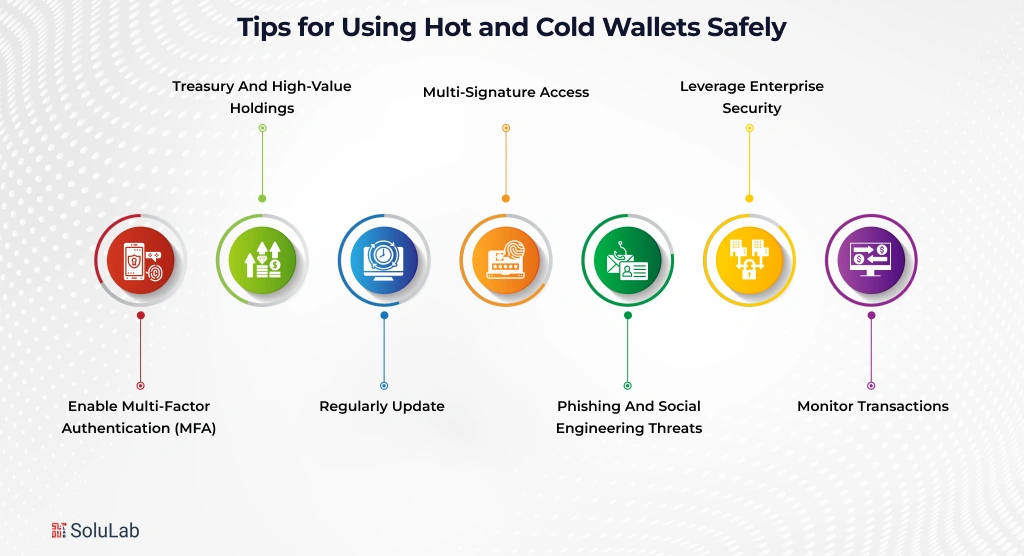
Tips for Using Hot and Cold Wallets Safely

1. Enable Multi-Factor Authentication (MFA) on All Crypto Hot Wallet Accounts

Hot wallets are connected to the internet, making them convenient but more exposed to attacks. Adding MFA ensures that even if a password is compromised, unauthorized access is prevented. For B2B setups, consider team-level MFA where every operational wallet requires approval from multiple key holders.

2. Use Cold Wallets for Treasury and High-Value Holdings

Cold wallets are offline and provide top-tier security. Allocate 80–90% of your company’s crypto holdings to cold wallets, especially for reserves, long-term investments, or treasury funds. Popular options include Ledger crypto wallets and Trezor devices, which are recognized for enterprise-level security.

3. Regularly Update Wallet Firmware and Software

Outdated wallets are easy targets. Whether using Best crypto hot wallets like MetaMask or hardware wallets, ensure automatic updates are enabled. Scheduled maintenance and patching reduce the risk of exploits and keep your infrastructure compliant with emerging regulations like MiCA and U.S. crypto guidelines.

4. Implement Multi-Signature Access and Multiple Backups

A multi-signature setup means transactions need approval from several authorized team members. This reduces the risk of internal errors or misuse. Keep secure backups of wallet keys in geographically separated, encrypted locations. This ensures continuity even if one backup is lost or damaged.

5. Educate Your Team on Phishing and Social Engineering Threats

Technology alone cannot protect your assets. In 2024, 60% of crypto thefts happened due to human error, not technical flaws. Run regular training sessions for employees on recognizing phishing emails, suspicious links, and social engineering attempts. Encourage a security-first mindset for all wallet interactions.

6. Leverage Professional Wallet Development Companies for Enterprise Security

Partnering with a crypto wallet development company ensures your business adopts best practices for security, compliance, and scalability. Professional developers can implement features like multi-chain support, enterprise-grade custody solutions, and automated monitoring, reducing risks while giving your team peace of mind.

7. Monitor Transactions and Implement Alerts

Even with secure setups, active monitoring of wallet transactions is critical. Set up real-time alerts for unusual activities, especially for hot wallets used in daily operations. Combining monitoring with multi-signature approval strengthens your security posture.

Read Also: Crypto-as-a-Service to Launch Crypto Products

Future Trends in Crypto Wallets

Based on our observation, here are the main trends that can come up in crypto wallets by 2026 or ahead:
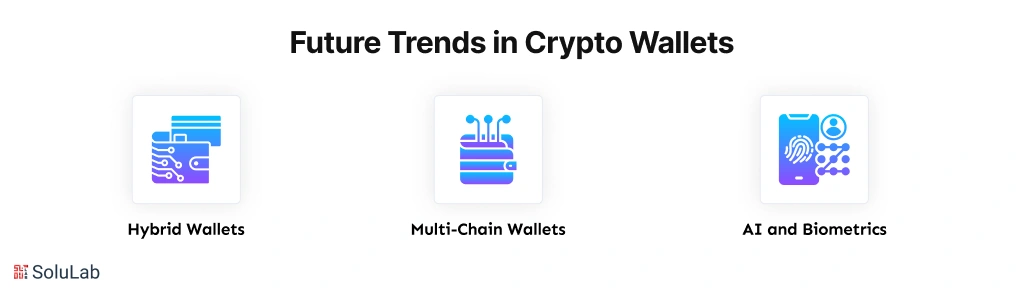
Future Trends in Crypto Wallets

1. Hybrid Wallets

The line between Hot wallet crypto and cold storage is fading fast. Businesses today need both speed and safety, and that’s exactly what hybrid wallets offer. These systems combine the convenience of a crypto hot wallet with the offline protection of a cold one.

In 2026, we’re seeing startups and enterprises adopt AI-powered hybrid wallets that automatically move funds between hot and cold crypto wallets based on risk levels and transaction size. 

For founders, this means you no longer have to choose between security and usability. You can have both and still maintain compliance with growing crypto regulations.

2. Multi-Chain Wallets

Managing multiple tokens across networks can be painful. That’s where multi-chain wallets come in. These modern solutions allow users to manage Bitcoin, Ethereum, Solana, and other assets under one dashboard.

Popular platforms like Rabby and Core Wallet are already leading this shift. For businesses building new wallet infrastructure, adding multi-chain support is now a must, not a feature. It saves users time, simplifies UX, and reduces the friction of switching between blockchains.

3. AI and Biometrics

Security in wallets is no longer about private keys alone. By 2025, biometric authentication adoption has increased by 46%, and AI-driven fraud detection is becoming standard across both Best crypto hot wallets and hardware cold wallets.

AI helps identify suspicious behavior like unusual transfers or repeated access attempts, before they become a threat. Biometrics, on the other hand, offer instant and password-free authentication, improving user trust.

For startups or enterprises developing their own wallets, AI integration and biometrics powered security ensure enterprise-grade security without adding friction. Partnering with experienced crypto wallet development companies can help you implement these features faster, with a compliance-ready design and minimal operational risk.

How Can SoluLab Help You Build One?

SoluLab is a leading Crypto wallet development company trusted by startups and businesses worldwide to build secure, scalable, and compliant crypto wallets.

Whether you need a custom DeFi wallet, hardware wallet integration, or a hybrid hot and cold wallet system, SoluLab provides:

  • End-to-end wallet development, from design to deployment
  • Multi-chain integration for managing multiple cryptocurrencies
  • Smart contract automation for secure custody and transactions
  • Compliance-ready solutions with KYC/AML and audit support

As one of the top crypto wallet development companies, SoluLab helps founders and businesses create user-friendly, secure, and scalable wallets that protect assets and improve customer trust.

Crypto Wallet Development Company

Conclusion

Choosing between a Hot wallet crypto and a cold wallet is more than a tech choice, it’s a strategic business decision.

  • Hot wallets are ideal for daily transactions and liquidity but require strong security.
  • Cold wallets are safer for storing large holdings as security becomes a priority.
  • Hybrid wallets combine the best of both, giving your business speed and safety.

In 2025, as Web3 adoption grows and regulations tighten, partnering with a trusted Web3 wallet development company like SoluLab ensures your wallet infrastructure is secure, compliant, and ready to scale.

Remember: your wallet isn’t just a tool, it’s the foundation of trust for your users and business growth. Contact us to get your wallet market ready in weeks!

FAQs

1. Can I use both hot and cold wallets together?

Yes. Many investors use a hybrid approach: a hot wallet for daily transactions and trading, and a cold wallet for storing the bulk of their crypto securely.

2. What types of cryptocurrencies can be stored in hot and cold wallets?

Both wallets support major cryptocurrencies and tokens, but compatibility depends on the wallet provider. Cold wallets often support multiple coins, including Bitcoin, Ethereum, stablecoins, and tokenized assets.

3. Are there costs associated with hot and cold wallets?

Hot wallets are often free or low-cost, especially mobile or web wallets. Cold wallets, particularly hardware devices, have a one-time purchase cost, but offer superior security for long-term storage.

4. Can cold wallets be used for staking or DeFi participation?

Yes, some cold wallets support staking and DeFi interactions when connected temporarily to the internet, though hot wallets remain more convenient for frequent activity.

5. Can I move crypto between hot and cold wallets easily?

Yes, cryptocurrencies can be transferred between hot and cold wallets, allowing investors to manage liquidity while keeping large funds secure offline.


Best Crypto Wallets of 2026

Struggling to keep your crypto safe in 2026? With rising scams, hacked exchanges, and phishing attacks, many crypto users are anxious about the safety of their digital assets. A single wrong tap, and your hard-earned coins could vanish. 

Whether you’re a beginner or a seasoned trader, the right wallet can offer peace of mind, secure transactions, and easy access to your coins anytime, anywhere. 

The global crypto wallet market is expected to grow from $14.39 billion in 2024 to $19.03 billion in 2025, marking a 32.2% year-over-year increase.

In this blog, we’ll break down the best crypto wallets of 2026, covering everything from hardware options to mobile-friendly apps so that you can invest with confidence.

Understanding Crypto Wallets

A crypto wallet is a software application or a physical device that enables users to store, send, and receive cryptocurrencies securely. Unlike traditional wallets that store physical currency, crypto wallets hold the private keys required to access the crypto app on blockchain addresses associated with a user’s digital assets. These private keys are essentially cryptographic keys that prove ownership of the funds and authorize transactions.

Read Also: Hot vs Cold Crypto Wallets

Types of Crypto Wallets

One of the most important parts of managing and protecting your digital assets is selecting the appropriate cryptocurrency wallet. Carefully assessing the security features and reputation of the wallet provider is crucial, even if you choose the convenience of a software or mobile wallet or the increased security of a hardware wallet.

1. Custodial Wallets: These wallets are built into centralized exchanges like Binance, Coinbase, or Kraken. In this case, the exchange holds your private keys for you, making the whole process smoother, especially for beginners. But there’s a trade-off: you’re trusting the exchange to keep your assets safe. High-profile cases like Mt. Gox, Bybit hacks, and the FTX collapse show just how risky that can be.

2. Non-Custodial Wallets: With non-custodial wallets (like MetaMask or Trust Wallet), you control your private keys. This gives you more security and freedom, but it also means you’re fully responsible for keeping your keys safe. These wallets are ideal for those who value control and decentralization.

3. Hot Wallet:  Hot wallets stay connected to the internet, which makes them fast and convenient for transactions. They can be either custodial or non-custodial. Just remember—they’re more exposed to cyber threats, so strong passwords and 2FA are a must.

4. Cold/Hardware Wallets: Cold wallets, including hardware wallets like Ledger or Trezor, keep your keys offline. This makes them much safer from hacks. Depending on who holds the keys, they can be custodial or non-custodial.

Key Factors to Consider When Selecting a Wallet

By staying informed and adopting best security practices, you can enjoy the benefits of cryptocurrencies while ensuring the safety of your investments in this dynamic and exciting financial landscape. Some key factors to keep in mind include:

  • Security Features: Security should be the top priority when selecting a crypto wallet. Look for wallets that offer features like two-factor authentication (2FA), biometric login, and PIN codes. Hardware wallets, in particular, are renowned for their robust security measures.
  • Reputation and Reviews: Conduct thorough research and read user reviews to gauge the reputation and reliability of the wallet provider. A well-established and trusted wallet provider is more likely to have a secure and well-maintained platform.
  • Private Key Ownership: Ensure that you have full control over your private keys. Some web-based and exchange-based wallets might retain control over the keys, potentially exposing your funds to third-party vulnerabilities.
  • Backup and Recovery: A reliable wallet should provide a secure and straightforward backup and recovery process, such as the generation of a unique seed phrase. This feature is crucial in case of lost or stolen devices.
  • Multi-Currency Support: If you hold multiple cryptocurrencies, opt for a wallet that supports a wide range of digital assets. This will save you the hassle of managing multiple wallets for different coins.
  • User-Friendly Interface: The wallet’s user interface should be intuitive and easy to navigate, especially for beginners. Complicated interfaces might lead to mistakes that could compromise the security of your funds.
  • Development Community and Updates: Active development and regular updates indicate that the wallet is well-maintained and continually improving its security features.

Top 10 Best Crypto Wallets of 2026

Here’s our handpicked list of the Top 10 new crypto wallets in 2026, including both custodial and non-custodial options. We’ve thoroughly reviewed each wallet, highlighting its key features, pros, so you can choose the one that best fits your needs.

Related: Crypto Wallet Development Companies 2026

1. Coinbase Wallet

Coinbase Wallet is a user-friendly, non-custodial wallet developed by the popular Coinbase exchange. It allows you to store, send, and receive a wide range of cryptocurrencies while keeping full control of your private keys. Key features include integration with decentralized apps (dApps) and strong security through biometric authentication.

It also supports NFTs and DeFi access. Coinbase Wallet is best suited for beginners and intermediate users who want a simple yet secure way to explore the crypto world beyond just buying and selling.

Binance Wallet

2. Binance Wallet

Binance Wallet is the built-in wallet offered by Binance, one of the leading cryptocurrency exchanges. It supports a wide range of cryptocurrencies and offers integration with the Binance trading platform. Key features include real-time trading access and strong security protocols like two-factor authentication.

It also allows easy fiat-to-crypto conversions. This wallet is best suited for active traders and beginners who prefer a simple, all-in-one solution without managing private keys themselves. It combines convenience with the power of the Binance ecosystem.

Gemini wallet

3. Gemini wallet

Gemini Wallet is a user-friendly, secure crypto wallet built by the trusted Gemini exchange. It offers integration with the Gemini platform, making it ideal for beginners and casual investors. One standout feature is its robust insurance coverage, which adds an extra layer of peace of mind.

It also supports a wide range of cryptocurrencies, allowing flexible portfolio management. Gemini Wallet is best suited for those who want a simple, regulated, and secure way to store and manage their digital assets.

Bitgo wallet

4. Bitgo wallet

BitGo Wallet is a trusted name in the crypto space, known for its enterprise-grade security and multi-signature technology. It supports a wide range of cryptocurrencies and offers institutional-level protection. One standout feature is its multi-user access control, making it ideal for teams or organizations.

It also provides insurance options, giving users added peace of mind. BitGo is best suited for high-volume traders, crypto businesses, and institutional investors who prioritize security, compliance, and advanced asset management tools in 2025.

Trezor

5. Trezor

Trezor is one of the most trusted hardware wallets in the crypto world. It stores your private keys offline, keeping your assets safe from online threats. With a simple interface and top-notch security, it’s easy to use even if you’re not tech-savvy.

Features include passphrase protection and support for 1,000+ coins and tokens. Trezor is best for long-term investors and serious crypto holders who prioritize maximum security over convenience. If you’re holding large amounts, this one’s a no-brainer.

Kraken

6. Kraken

Kraken is a well-known crypto exchange that also offers a built-in custodial wallet for storing your digital assets. Users benefit from advanced security measures, including two-factor authentication and encrypted storage.

The interface is beginner-friendly, yet powerful enough for experienced traders. Kraken’s wallet is best for users who want the convenience of managing their crypto directly through a trusted exchange, without the hassle of handling private keys themselves.

7. MetaMask

MetaMask is one of the most popular non-custodial crypto wallets, known for its easy browser extension and mobile app. It lets users store, send, and receive Ethereum-based tokens with just a few clicks. Features like in-app token swaps and access to dApps (decentralized apps) make it a favorite among Web3 users.

You can also connect it directly to DeFi platforms. MetaMask is best suited for crypto-savvy users, developers, or anyone exploring the Ethereum ecosystem and decentralized finance.

8. Trust Wallet

Trust Wallet is a popular non-custodial crypto wallet known for its simplicity and security. It supports a wide range of cryptocurrencies, allowing users to store Bitcoin, Ethereum, and thousands of other assets all in one place.

With built-in features like staking, an integrated decentralized exchange (DEX), and secure private key storage, it ensures complete control over your assets. Ideal for both beginners and experienced crypto users. Trust Wallet is best for those who value decentralization and user-friendly design.

Phantom Wallet

9. Phantom Wallet

Phantom Wallet is a popular non-custodial wallet designed for interaction with the Solana blockchain. It offers features like fast transaction speeds and easy integration with decentralized apps (dApps), making it perfect for those exploring the Solana ecosystem.

Additionally, Phantom provides built-in staking options and NFT support, making it a great choice for users who are into decentralized finance (DeFi) or NFT trading. This wallet is best suited for Solana users looking for a user-friendly, secure crypto wallet.

SafePal

10. SafePal

SafePal is a secure and user-friendly crypto wallet designed for both beginners and experienced traders. It offers hardware-level protection with its offline storage, keeping your private keys away from online threats. One standout feature is its multi-currency support, allowing you to store a variety of cryptocurrencies in one place.

SafePal also includes a built-in DApp browser for decentralized app access. It’s ideal for those who want robust security without sacrificing convenience, making it perfect for anyone looking to protect their assets long-term.

Conclusion

Choosing the best crypto wallet in 2026 can be overwhelming, but it’s crucial to protect your digital assets. However, by focusing on factors like security features, ease of use, supported cryptocurrencies, and overall reputation, you can do your best. From hardware wallets for offline security to mobile and web wallets for ease of access, there’s a solution for every type of crypto user.

Take the time to research and choose a wallet that fits your needs. Investing in the right wallet can safeguard your future gains. Don’t compromise, secure your digital assets with the best wallet available. Recently, SoluLab helped Mobyii, a modern e-wallet app, improve cashless shopping with secure, convenient payments. The key challenge was ensuring security, tackled using encryption, biometric access, and digital receipts. With sleek design, utility bill payments, and wide compatibility, Mobyii now rivals top fintech apps like PayTM, offering cashback, rewards, and money transfers.

SoluLab, a cryptocurrency wallet development company, could help you pick the right wallet as per your requirements. Contact us today to discuss further.

Crypto Wallets Development Services

FAQs

1. How do hardware wallets ensure the security of my digital assets?

Hardware wallets, such as the Ledger Nano X and Trezor Model T, keep your private keys offline in a secure, tamper-proof device. This isolation from the internet ensures that your keys are protected from online threats like hacking and malware.

2. Are software wallets as secure as hardware wallets?

While software wallets like Exodus Wallet and Trust Wallet prioritize security and employ encryption measures, they are connected to the internet, which can expose them to potential online attacks. Hardware wallets are generally considered to offer a higher level of security due to their offline nature.

3. What is the advantage of web-based wallets like MetaMask?

Web-based wallets like MetaMask provide seamless access to decentralized applications (dApps) on the blockchain. Their integration with web browsers allows users to interact with dApps directly, enabling a more intuitive and user-friendly experience within the decentralized ecosystem.

4. How can I ensure the longevity of my chosen crypto wallet?

To ensure the longevity and security of your chosen crypto wallet, always keep your software and firmware updated. Regularly back up your private keys or seed phrases in a safe and secure location. Additionally, remain vigilant about potential security updates and best practices to protect your digital assets from any emerging threats.