Talk to an Expert

The Ultimate Guide for Asset Tokenization on Blockchain

Tokenized Asset on Blockchain

Ever wish you could invest in a high-value asset? Without needing crores in your bank account?  Asset tokenization on blockchain is making that possible.

It lets you own a piece of any asset by converting it into digital tokens. Think of it like splitting a pizza into slices, each token is a slice of that asset. It’s a game-changer for investors, businesses, and even industries like real estate, finance, and art. It offers fractional ownership, more liquidity, and transparency, all powered by blockchain.

If you’re curious about how this works, why it matters, and how you can benefit from it, this guide breaks it down step-by-step. Let’s get started!

What is Asset Tokenization in Blockchain?

Asset tokenization is the process of converting physical or digital assets into digital tokens that exist on a blockchain. These tokens represent ownership or a share of the underlying asset, which could be anything from real estate, artwork, stocks, commodities, to even intellectual property. By utilizing blockchain technology, tokenization enables assets to be divided into smaller, tradable units, making them more accessible and liquid. 

For example, a property worth ₹1 crore could be tokenized into 1 lakh tokens, each worth ₹100, allowing multiple investors to own a fraction of it. This not only democratizes investment but also ensures transparency, faster transactions, and reduced costs through smart contracts. 

How Blockchain Digitizes Traditional  Assets?

Asset tokenization merges traditional ownership concepts with the capabilities of blockchain technology, resulting in several transformative outcomes:

  • Fractional Ownership: Assets can be divided into smaller, more affordable units, allowing a broader range of investors to participate.
  • Increased Liquidity: Tokenization enhances liquidity by making it easier to trade assets on secondary markets.
  • Reduced Transaction Costs: Blockchain transactions are efficient and cost-effective, cutting out many intermediaries.
  • Global Accessibility: Asset tokenization breaks down geographical barriers, enabling global investments and opportunities for asset owners.

Read Also: AI Tokenization For Asset Ownership

Benefits of Asset Tokenization

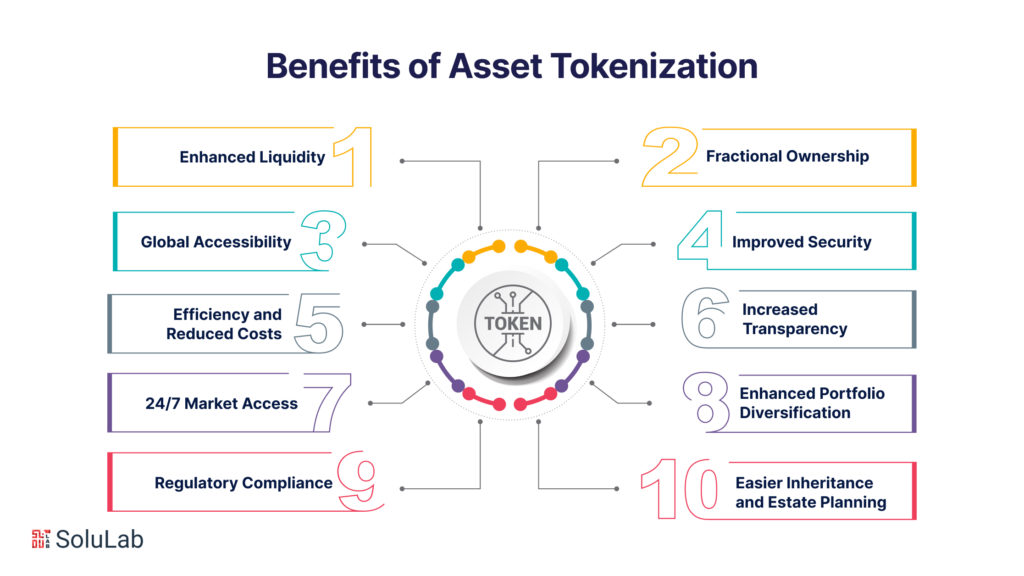
Tokenization of asset offers a range of benefits that are transforming how we invest, trade, and manage ownership. Here are some benefits of asset tokenization:
Benefits of Asset Tokenization

  • Enhanced Liquidity

Traditional assets, such as real estate and fine art, tend to have limited liquidity. Asset tokenization on blockchain transforms these illiquid assets into tradable digital tokens. This increased liquidity allows owners to sell their assets more easily and at any time, attracting a broader pool of potential investors.

  • Fractional Ownership

Asset tokenization divides ownership into smaller, more manageable fractions. For instance, you can own a fraction of a prestigious real estate property or a piece of valuable artwork. This democratizes investments, enabling individuals to participate in digital assets they might not otherwise afford.

  • Global Accessibility

Blockchain-based digital asset tokenization eliminates geographical barriers. Investors from around the world can access and invest in tokenized assets without the need for complex international transactions, currency conversions, or intermediaries.

  • Improved Security

The blockchain’s inherent security features ensure the authenticity and integrity of tokenized assets. Ownership records are transparent, tamper-resistant, and protected by cryptographic mechanisms. This helps to mitigate the risk of fraud and disputes.

  • Efficiency and Reduced Costs

Traditional asset transfers often involve multiple intermediaries, paperwork, and significant time delays. Real-world asset tokenization simplifies this process, reducing transaction costs and eliminating intermediaries. Smart contracts can automate various aspects of asset management and distribution.

  • Increased Transparency

Blockchain technology provides a transparent and auditable ledger of ownership and transactions. Anyone with access to the blockchain can verify the ownership of tokenized assets, enhancing trust in the system.

  • 24/7 Market Access

Tokenized assets are traded on blockchain-based platforms that operate 24/7. This continuous market access allows investors to buy or sell assets at their convenience, eliminating the need to wait for traditional market opening hours.

  • Enhanced Portfolio Diversification

Asset tokenization enables investors to diversify their portfolios easily. They can invest in a wide range of assets across different industries, like gold tokenization, art or more, spreading risk and potentially increasing returns.

  • Regulatory Compliance

Asset tokenization platforms often incorporate compliance features to ensure adherence to local and international regulations. This makes it easier for businesses and investors to operate within the legal framework.

  • Easier Inheritance and Estate Planning

Tokenized assets simplify the inheritance process. Ownership can be transferred seamlessly to heirs, reducing the complexities associated with traditional estate planning that otherwise is a major issue.

Now, let us look at some of the use cases and examples of the tokenized assets!

Read Also: Tokenizing TradFi: Real-World Assets & Smart Bonds

Emerging Use Cases of Asset Tokenization

Asset tokenization is expanding rapidly across industries, transforming how ownership, investment, and trading happen. Beyond traditional sectors like real estate and stocks, new and exciting use cases are emerging:

  • Gold and Precious Metals

Gold has long been a trusted store of value. Tokenizing gold allows investors to buy and sell small, verified portions of gold without needing physical storage or transportation. This makes gold investment more accessible and liquid while ensuring transparency through blockchain’s secure ledger.

  • Diamonds and Luxury Goods

Diamonds and other luxury goods are high-value assets often difficult to trade. Diamond Tokenization enables fractional ownership and origin verification, reducing fraud risk and opening investment opportunities in these exclusive markets.

  • Entertainment and Intellectual Property

Artists, musicians, and content creators can tokenize their work, such as music rights, film royalties, or digital art, allowing fans and investors to own fractions of these assets and receive ongoing revenue shares. Entertainment tokenization opens up new funding models and revenue streams for creative industries.

  • Carbon Credits and Sustainability Assets

As climate action grows, tokenized carbon credits and sustainability assets are gaining traction. These digital tokens allow easier tracking, trading, and verification of environmental impact, supporting green finance initiatives.

  • Tokenized Securities

Stocks, bonds, and other securities are increasingly issued as digital tokens. This streamlines issuance and trading processes, reduces settlement times, and enhances transparency. Notably, US Treasury Bills (T-Bills) are also being tokenized, offering investors a highly secure, liquid, and efficient way to buy and sell government debt instruments globally.
How Asset Tokenization Works?

How Asset Tokenization Works?

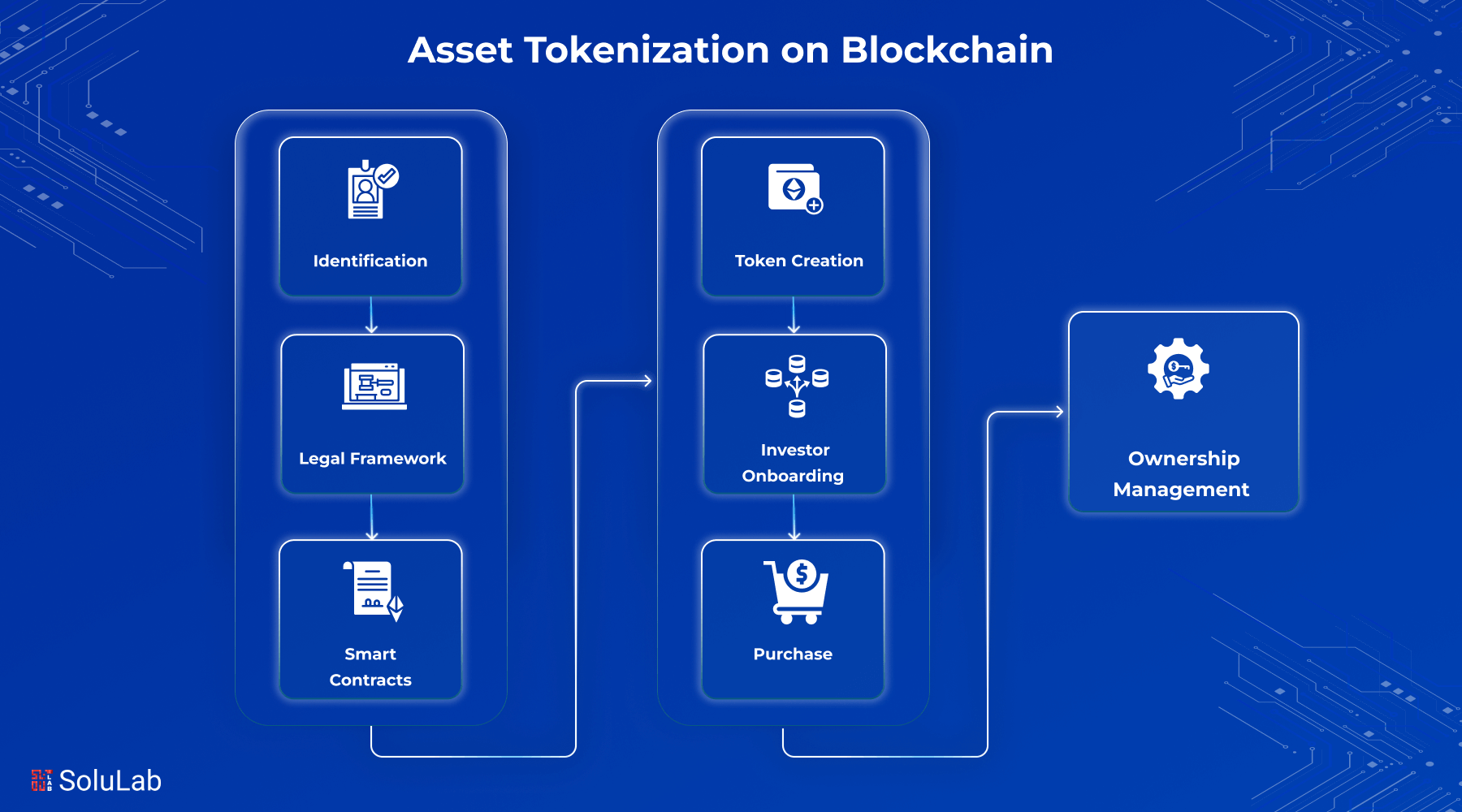
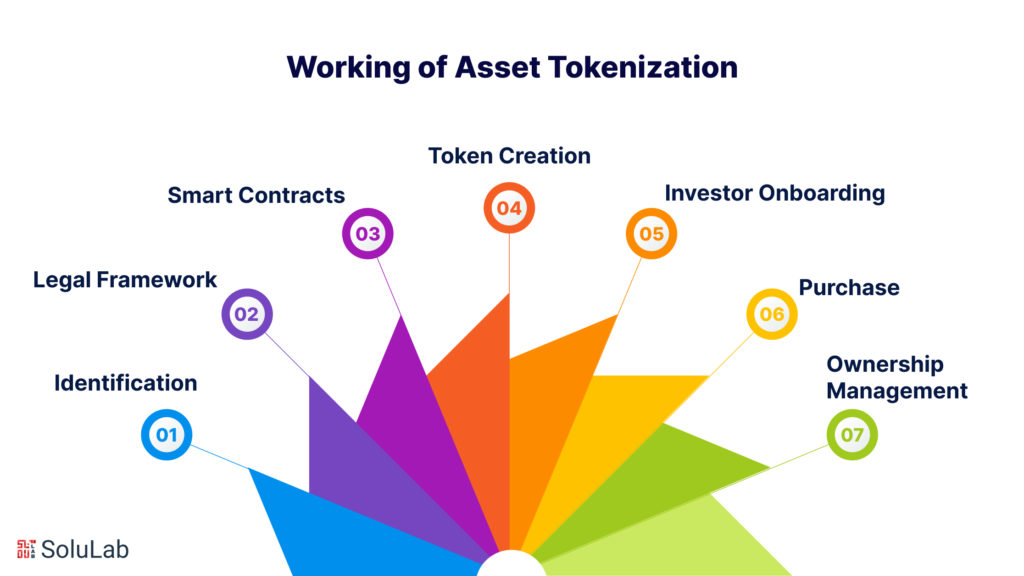
In the token economy, business interactions are reliable, quick, and irreversible. As a result, it is critical to implement the appropriate operational measures that are compliant with regulations. It is necessary to bring new participants, such as KYC utilities and blockchain analytics software vendors, forward to implement better operational measures. Here are the steps on how asset tokenization actually works:

  • Identification: Asset owners identify the asset they want to tokenize, whether it’s a property, artwork, or investment fund.
  • Legal Framework: Establish a legal and regulatory framework to ensure compliance with local laws and regulations governing tokenized assets.
  • Smart Contracts: Smart contracts, self-executing contracts with predefined rules, are created. These contracts automate asset ownership and transfer, ensuring transparency and security.

Read Our Blog Also: Top 12 Real Estate Tokenization Companies in USA

  • Token Creation: Tokens representing ownership in the asset are generated on a blockchain. Each token corresponds to a specific fraction of the asset.
  • Investor Onboarding: Investors interested in the tokenized asset go through a Know Your Customer (KYC) process to ensure regulatory compliance.
  • Purchase: Investors can purchase these tokens, becoming fractional owners of the asset. Transactions are recorded on the blockchain, ensuring transparency and immutability.
  • Ownership Management: Asset ownership, including dividend distribution, voting rights, and transfer of tokens, is managed through smart contracts.

Future of Asset Tokenization on Blockchain

As more industries recognize its potential to change how we own, trade, and manage assets. With the rise of digital asset tokenization, everything from real estate to fine art and even intellectual property can be turned into tradable tokens, with liquidity and global investor participation. 

As blockchain technology matures, blockchain tokenization will play a critical role in making financial markets more transparent, secure, and efficient. Governments and regulatory bodies are also beginning to explore frameworks to support tokenization in blockchain.  Further validating its long-term potential. 

In the coming years, we can expect to see tokenized assets become mainstream, integrated into traditional financial systems, and accessible to a wider audience. From reducing entry barriers for small investors to streamlining complex asset transactions, asset tokenization is set to redefine ownership and investment.
Asset Tokenization Development Company

Conclusion

By turning physical or digital assets into blockchain-based tokens, real world asset tokenization opens up new opportunities for fractional ownership, better liquidity, and global access. Whether you’re an investor looking to diversify or a business aiming to get value, it makes the process smoother, faster, and more transparent. As blockchain adoption grows in, understanding tokenization puts you one step ahead.

As a leading asset tokenization company, SoluLab has always been catering to the changing business needs in an efficient manner. With deep experience in blockchain development, smart contracts, and decentralized finance, our team of seasoned developers empowers businesses and investors to knock on the door of new opportunities through customized tokenization platforms.

Partner with SoluLab to unlock the full potential of blockchain-powered asset tokenization!

FAQs

1. How does asset tokenization affect ownership rights?

Token holders gain legally recognized rights to the underlying asset, which can include profits, voting, or usage rights, depending on the asset type and token structure.

2. Can anyone invest in tokenized assets?

In many cases, yes. Tokenization enables fractional ownership, allowing smaller investors to participate. However, some tokens may be restricted to accredited investors depending on legal frameworks.

3. How long does it take to launch a tokenized asset?

The timeline varies depending on asset complexity, regulatory requirements, and tokenization platform development, typically ranging from a few weeks to several months with professional support.

4. What happens if the original asset is lost or damaged?

Legal agreements and custodial arrangements usually govern the protection and maintenance of the underlying asset. Token holders rely on these protections, as the token represents ownership rights, not physical possession.

5. How do I get started with asset tokenization?

Begin by identifying the asset, ensuring regulatory compliance, partnering with a blockchain development company like SoluLab, and choosing a suitable platform for token issuance and management.

 

Unveiling Tokenization: Transforming Fine Art and Luxury Goods

Tokenization

In the ever-evolving landscape of finance and technology, the concept of tokenization has emerged as a revolutionary force, poised to reshape industries ranging from real estate to fine art and luxury goods. This paradigm shift is propelled by the integration of blockchain technology, offering a secure and transparent way to digitize assets. In this exploration, we delve into the intricate world of asset tokenization, focusing on its application in the realms of fine art and luxury goods.

Understanding Tokenization: A Gateway to Digital Assets

Understanding Tokenization: A Gateway to Digital Assets

Tokenization, at its core, is the process of converting the value of an asset into a token on a blockchain. These digital representations, known as tokens, can represent a variety of assets, ranging from real estate to intellectual property. The utilization of blockchain technology ensures that each token is secure, transparent, and immutable, thereby revolutionizing the way we perceive and interact with traditional assets.

Digital Assets and Tokenized Assets: A Symbiotic Relationship

The term ‘digital assets’ encompasses a wide array of intangible assets, from cryptocurrencies to digital art. In the context of tokenization, these digital assets find a new dimension. Tokenized assets, as the name suggests, are traditional assets that have been converted into digital tokens. The synergy between digital assets and tokenized assets creates a fluid and efficient means of managing and transferring value.

The Rise of Asset Tokenization: An Overview

  • Blockchain Technology: The Pillar of Tokenization

Central to the concept of asset tokenization is blockchain technology. The decentralized and distributed nature of blockchain ensures that transactions are secure, transparent, and tamper-proof. This foundational technology has paved the way for the tokenization of a myriad of assets, bringing about a paradigm shift in the way we perceive and interact with value.

  • Tokenization ROI: Unlocking Value in Unprecedented Ways

One of the key drivers of the adoption of asset tokenization is the potential Return on Investment (ROI). By fractionalizing ownership and allowing for easier transfer of assets, tokenization unlocks liquidity and widens the pool of potential investors. This democratization of access to traditionally illiquid assets has the potential to yield substantial returns, making tokenization an attractive prospect for both investors and asset owners.

Fine Art Tokenization: Bridging Tradition and Technology

Fine Art Tokenization: Bridging Tradition and Technology

Fine art has long been regarded as a store of value and a symbol of cultural richness. However, the art market has faced challenges, such as illiquidity and the exclusivity of ownership. Enter fine art tokenization, a technological solution poised to redefine the art market by breaking down these barriers.

  • Non-Fungible Tokens (NFTs): The Artistic Revolution

Non-Fungible Tokens (NFTs) have taken the art world by storm, providing a unique and secure way to represent ownership of digital or physical assets. In the context of fine art, NFTs serve as digital certificates of authenticity, ensuring the provenance and uniqueness of a piece. This integration of technology not only enhances the transparency of the art market but also opens up new avenues for artists to monetize their work.

  • Asset-Backed Tokenized Assets: Redefining Ownership

One of the most intriguing aspects of fine art tokenization is the concept of asset-backed tokens. These tokens are backed by the intrinsic value of a physical asset, such as a painting or sculpture. This linkage between the digital and physical worlds provides investors with a tangible connection to the art, as they hold a share in the actual asset. This innovation not only makes fine art more accessible to a broader audience but also offers a novel way for collectors to diversify their portfolios.

Fine Art NFTs: The Industry Disruptors 

While the traditional fine arts market predominantly operated offline, the online art market has experienced a substantial surge in recent years, with sales on NFT marketplace platforms reaching an impressive $2.6 billion. This figure stands apart from the $65 billion turnover of the global fine art market, indicating a growing demand for distinctive and original artworks created by renowned artists.

The advent of fine art NFTs has introduced a novel avenue for artists to earn royalties from their creations. By democratizing the fine art landscape, artists can now receive royalties with each transfer of ownership of their NFTs. The artist determines and designates the percentage at the time of minting the NFTs, providing them with a continuous stream of income.

The impact of fine art NFTs extends beyond individual earnings, bringing about a transformation in the global art market. The emergence of the NFT art market has given rise to a parallel market, offering opportunities for artists, collectors, and sellers. Moreover, artists and art enthusiasts can now participate in the democratization of fine art through specialized platforms without being burdened by the substantial transaction and service fees typically associated with traditional auction houses.

Luxury Goods in the Digital Age: Tokenization’s Touch of Elegance

The world of luxury goods, whether it be high-end fashion, watches, or jewelry, is characterized by exclusivity and craftsmanship. Tokenization brings a touch of modernity to this traditional sector, offering new avenues for ownership and investment.

  • Asset Tokenization Platforms: Paving the Way for Luxury

Specialized platforms dedicated to the tokenization of luxury goods have emerged, providing a secure and transparent environment for both sellers and buyers. These platforms leverage blockchain technology to ensure the authenticity of products, combat counterfeiting, and facilitate seamless transactions. Through asset tokenization, ownership of a luxury item becomes fluid, allowing for fractional ownership and trade in a global marketplace.

  • Investing in Tokenized Assets: A Paradigm Shift for Luxury Investors

The allure of luxury goods has extended beyond the confines of the traditional buyer, thanks to tokenization. Investors can now diversify their portfolios by gaining exposure to the luxury market without the need for exorbitant capital. This democratization of luxury ownership not only benefits investors but also contributes to the growth of the luxury industry by expanding its customer base.

  • Asset Tokenization Platforms: Enablers of Change

The success of asset tokenization relies heavily on the platforms that facilitate the creation, management, and exchange of tokens. These platforms utilize blockchain technology to ensure the security and transparency of transactions. The robustness of the underlying blockchain is crucial in maintaining the integrity of tokenized assets and providing a seamless user experience.

  • Asset Tokenization Development Companies: Architects of the Future

Numerous companies have emerged as key players in the development of asset tokenization solutions. These companies provide the technological infrastructure and expertise necessary for the successful implementation of tokenization across various industries. Their role extends beyond the technical aspects, as they actively contribute to shaping the regulatory landscape and fostering trust in the tokenization ecosystem.

  • Asset Tokenization Development Solutions: Tailoring Tokenization to Needs

The diversity of assets that can be tokenized demands flexible and customizable solutions. Asset tokenization development solutions offer a range of tools and frameworks to cater to the unique requirements of different industries. From regulatory compliance to smart contract development, these solutions pave the way for a seamless integration of tokenization into existing business models.

The Future of Tokenization: Challenges and Opportunities

The Future of Tokenization: Challenges and Opportunities

The rapid growth of tokenization has outpaced regulatory frameworks in many jurisdictions. As the industry matures, regulatory bodies are grappling with the need to strike a balance between fostering innovation and protecting investors. A clear and harmonized regulatory landscape is essential for the sustained growth of tokenization across industries.

  • Security Concerns: Safeguarding Digital Assets

While blockchain technology provides a robust security framework, the digital landscape is not immune to threats. Hacking attempts, fraud, and other malicious activities pose risks to tokenized assets. The development of advanced security measures and proactive strategies to counter potential threats is imperative for maintaining trust in the tokenization ecosystem.

  • Integration Challenges: Adapting to Change

The integration of tokenization into traditional industries comes with its own set of challenges. Legacy systems, cultural resistance, and the need for educational initiatives are hurdles that must be overcome for tokenization to realize its full potential. Industry-wide collaboration and a commitment to change are essential components of a successful transition.

Asset tokenization development services

Conclusion

In conclusion, the beauty of tokenization lies in its transformative power, unlocking new possibilities for the worlds of fine art and luxury goods. As blockchain technology continues to mature and regulatory frameworks evolve, the tokenization of assets will likely become more commonplace. This paradigm shift not only benefits investors and asset owners but also contributes to the democratization of traditionally exclusive markets. 

As we stand at the intersection of tradition and technology, the journey of asset tokenization promises to be a captivating one, reshaping industries and redefining the very nature of ownership.

In the domain of Generative AI development services, SoluLab stands out as an exceptional company that seamlessly integrates innovation, expertise, and a client-centric approach. With an impressive portfolio of successful Generative AI projects and a team of seasoned professionals, SoluLab serves as a beacon of excellence in the field. 

For those in search of a reliable partner to navigate the dynamic realm of AI innovation, SoluLab stands as a trustworthy name, shaping a future where technology opens up new realms of possibilities. Reach out to SoluLab today to embark on your Generative AI journey towards innovation and success.

FAQs

1. What is asset tokenization, and how does it work?

Asset tokenization is the process of converting the value of a physical or financial asset into digital tokens on a blockchain. These tokens, representing ownership or a share of the asset, can be traded on a decentralized and transparent platform. The process involves creating a unique token for each portion of the asset, enabling fractional ownership and facilitating efficient transfer and trading.

2. How does blockchain ensure the security of tokenized assets?

Blockchain technology ensures the security of tokenized assets through its decentralized and tamper-resistant nature. Each transaction is recorded in a transparent and immutable ledger across a network of nodes. This eliminates the risk of fraud or unauthorized alterations, providing a secure environment for the creation, transfer, and management of tokenized assets.

3. What role do Non-Fungible Tokens (NFTs) play in fine art tokenization?

NFTs play a crucial role in fine art tokenization by serving as unique and indivisible digital certificates of authenticity. They are used to represent ownership and provenance of digital or physical artworks. The uniqueness of each NFT ensures the originality and scarcity of the associated artwork, making them highly valuable in the digital art market.

4. How does asset tokenization benefit investors?

Asset tokenization benefits investors by unlocking liquidity in traditionally illiquid assets. Investors can gain exposure to a diverse range of assets with smaller capital outlays, as tokenization allows for fractional ownership. Additionally, the ease of transfer and trading on blockchain platforms enhances market efficiency, potentially leading to higher returns and portfolio diversification.

5. What challenges does the tokenization industry face, particularly in the realm of regulation?

The tokenization industry faces challenges in terms of regulatory uncertainty and divergence across jurisdictions. As the industry evolves, regulatory bodies are working to establish frameworks that balance innovation and investor protection. A clear and harmonized regulatory landscape is crucial for fostering trust and ensuring the responsible growth of the tokenization ecosystem.

6. How can individuals and businesses get involved in tokenized assets?

Individuals and businesses can get involved in tokenized assets by engaging with specialized platforms that facilitate the creation, trade, and management of tokenized assets. It’s essential to conduct thorough research, choose reputable platforms, and understand the legal and regulatory considerations. Additionally, seeking advice from professionals in the field can help navigate the process of investing or participating in the tokenization of assets.

The Evolution of Token Standards: A Deep Dive into ERC-6960

ERC-6960

The world of blockchain and cryptocurrency has witnessed a remarkable evolution over the years, with various token standards playing a pivotal role in shaping the landscape. In this deep dive, we will explore the intriguing journey of token standards, with a particular focus on the groundbreaking ERC-6960 standard. From the early days of basic token standards to the sophisticated ERC-6960, we will unravel the complexities, innovations, and implications of this evolutionary process.

The Genesis: Token Standards and Their Importance

Token standards form the backbone of blockchain ecosystems, enabling the creation, transfer, and management of digital assets on a decentralized network. They provide a set of rules and protocols that ensure compatibility, interoperability, and uniformity across diverse platforms and applications. As blockchain technology matured, so did the need for more advanced and specialized token standards.

Rise of Asset Tokenization

The concept of asset tokenization emerged as a groundbreaking use case, extending the capabilities of blockchain beyond native cryptocurrencies like Bitcoin and Ethereum. Asset tokenization involves representing real-world assets (RWAs) as digital tokens on a blockchain, unlocking new possibilities for fractional ownership, liquidity, and global accessibility.

Real-World Assets (RWAs) and Their Tokenization

Real-world assets, ranging from real estate and fine art to stocks and commodities, have traditionally faced liquidity and accessibility challenges. Asset tokenization addresses these issues by converting these tangible assets into digital tokens, making them divisible, transferable, and tradable on blockchain networks. This paradigm shift has attracted significant attention from both traditional and crypto investors.

Asset Tokenization Development Solutions

The Need for Advanced Token Standards: Enter ERC-6960

In the quest for more sophisticated token standards capable of handling the intricacies of asset tokenization, the Ethereum community introduced ERC-6960. This standard goes beyond the basic functionalities of earlier standards like ERC-20 and ERC-721, offering a comprehensive framework tailored for real-world asset representation on the blockchain.

Before delving into the intricacies of ERC-6960, it is essential to grasp the limitations of prevailing token standards. The most widely used standards, ERC-20 and ERC-721, excel in representing fungible (interchangeable) and non-fungible (unique) assets, respectively. However, they falter when it comes to representing fractional ownership of an asset.

To illustrate, if you envisioned investing in a portion of a real estate property or a valuable piece of artwork, you would be required to acquire the entire asset. This substantial financial burden often proves prohibitive for the average individual. This is where ERC-6960 steps into the picture.

Token Standard Evolution: A Historical Perspective

To understand the significance of ERC-6960, it’s essential to trace the evolution of token standards. ERC-20, the first widely adopted standard, revolutionized the fundraising landscape through Initial Coin Offerings (ICOs). ERC-721 introduced the concept of non-fungible tokens (NFTs), allowing unique digital assets like art and collectibles to be tokenized. However, these standards fell short in addressing the complexities associated with real-world assets.

Deep Dive into ERC-6960

Deep Dive into ERC-6960

Understanding ERC-6960 Features

ERC-6960 introduces a set of features specifically designed for asset tokenization:

  • Divisibility: ERC-6960 tokens are divisible, allowing for the fractional ownership of real-world assets. This feature enhances liquidity and opens up investment opportunities to a broader range of participants.
  • Identity and Compliance: The standard incorporates identity and compliance protocols, ensuring that tokenized assets adhere to legal and regulatory requirements. This feature addresses concerns related to fraud, money laundering, and other illicit activities.
  • Interoperability: ERC-6960 is designed to seamlessly interact with other token standards, fostering interoperability across diverse blockchain platforms. This interoperability is crucial for the integration of asset tokenization into a broader financial ecosystem.
  • Dynamic Token Supply: Unlike fixed-supply tokens, ERC-6960 allows for the dynamic adjustment of token supply based on external factors. This flexibility accommodates changes in asset valuation and market demand.

Exploring ERC-6960

The versatility of ERC-6960 extends beyond traditional asset tokenization. It finds applications in various industries, including real estate, art, commodities, and more. Let’s explore some key use cases:

  • Real Estate Tokenization: ERC-6960 enables the fractional ownership of real estate, making high-value properties accessible to a wider investor base. This democratization of real estate investment has the potential to reshape the property market.
  • Art and Collectibles: Tokenizing art and collectibles on the blockchain ensures provenance, authenticity, and easy transferability. ERC-6960’s features make it an ideal choice for representing unique pieces of digital or physical art as tokens.
  • Commodities Trading: The dynamic token supply feature of ERC-6960 proves beneficial in commodities trading, where the token supply can adjust based on factors such as market demand, supply chain disruptions, or geopolitical events.

ERC-6960 Specifications

ERC-6960 Specifications

Delving into the technical aspects of ERC-6960, we find a well-defined set of specifications that contribute to its robustness:

Smart Contract Architecture: ERC-6960 employs a smart contract architecture that facilitates the creation, issuance, and management of tokenized assets. The use of smart contracts ensures transparency, security, and automation of asset-related processes.

Metadata Standardization: The standard includes a comprehensive metadata framework for describing tokenized assets. This metadata not only provides essential information about the asset but also aids in compliance and regulatory adherence.

Permissioned Access: ERC-6960 incorporates permissioned access controls, allowing asset issuers to regulate token ownership and transfer based on predefined criteria. This feature provides an additional layer of security and compliance.

ERC-6960 Token Development

Developing ERC-6960-compliant tokens involves adherence to the standard’s specifications and the deployment of smart contracts on the Ethereum blockchain. Developers must consider factors such as asset-specific metadata, compliance requirements, and access controls during the token creation process. The development community has played a crucial role in refining and expanding the capabilities of ERC-6960 through collaborative efforts and continuous improvement.

Token Standards Comparison: ERC-20, ERC-721, and ERC-6960

Understanding the strengths and limitations of different token standards is essential for choosing the most suitable one for a particular use case. Let’s compare ERC-20, ERC-721, and ERC-6960:

ERC-20: Ideal for fungible tokens, ERC-20 is well-suited for applications like cryptocurrencies and utility tokens. However, it lacks the sophistication required for representing unique assets or complying with complex regulatory frameworks.

ERC-721: Non-fungible tokens find their home in ERC-721, making it perfect for unique digital assets. While ERC-721 addresses the uniqueness aspect, it falls short when it comes to divisibility and dynamic token supply, limiting its application in asset tokenization.

ERC-6960: Positioned as the evolution of token standards, ERC-6960 combines the strengths of ERC-20 and ERC-721 while introducing features tailored for asset tokenization. Its divisibility, compliance, and interoperability features make it a versatile choice for a wide range of applications.

Future of Token Standards: A Glimpse Beyond ERC-6960

As technology continues to advance, the evolution of token standards is far from over. The future may witness the emergence of even more specialized standards catering to specific industries or use cases. Interoperability among different blockchain networks and standards could become a focal point, facilitating seamless asset transfer and management across diverse ecosystems.

Asset Tokenization Development: Platforms and Trends

The rise of asset tokenization has given birth to a new breed of platforms dedicated to facilitating the tokenization process. These platforms offer end-to-end solutions, from asset digitization to token issuance and trading. Some notable trends and developments in the asset tokenization space include:

Decentralized Finance (DeFi) Integration: The integration of asset-backed tokens into decentralized finance protocols expands the possibilities for borrowing, lending, and trading traditional assets in a decentralized manner.

Cross-Chain Asset Tokenization: Projects exploring cross-chain compatibility aim to bridge different blockchain networks, allowing tokenized assets to move seamlessly between platforms. This trend enhances liquidity and broadens the reach of tokenized assets.

Governance and DAOs: Asset tokenization platforms are increasingly incorporating governance mechanisms and Decentralized Autonomous Organizations (DAOs) to involve token holders in decision-making processes related to the underlying assets.

Asset Tokenization Development Services

Conclusion

The journey from basic token standards to the sophisticated ERC-6960 reflects the dynamic nature of the blockchain and cryptocurrency space. As the demand for asset tokenization grows, standards like ERC-6960 pave the way for a more inclusive and efficient financial ecosystem. The collaboration between the development community, regulatory bodies, and industry stakeholders will play a crucial role in shaping the future of token standards and their impact on the global economy. 

The Ethereum ecosystem has expanded its toolkit with the advent of ERC-6960, a revolutionary token standard poised to transform the realm of real-world assets (RWAs). This groundbreaking standard transcends mere tokenization; it serves as an unlocking mechanism, opening doors to a myriad of unprecedented opportunities for investors, developers, and the entire blockchain community.

Whether it’s the fractional ownership of real estate or the seamless transfer of unique digital assets, ERC-6960 stands as a testament to the ongoing evolution of blockchain technology, unlocking new possibilities for innovation and financial inclusion.

As the adoption of ERC-6960 gains momentum, prepare to witness a surge of groundbreaking advancements that will reshape the financial landscape. Stay tuned for this transformative journey!

FAQs

 1. What is ERC-6960?

ERC-6960 is a newly proposed token standard on the Ethereum blockchain specifically designed for tokenizing real-world assets (RWAs) such as real estate, commodities, and securities. It addresses the limitations of existing token standards by providing a comprehensive and flexible framework for representing and managing tokenized RWAs.

2. Why is ERC-6960 necessary?

Existing token standards, such as ERC-20 and ERC-721, are not well-suited for representing the complexities of RWAs, which often involve unique attributes, ownership rights, and regulatory requirements. ERC-6960 fills this gap by providing a more sophisticated framework for tokenizing RWAs, enabling fractional ownership, enhanced liquidity, and global accessibility.

3. What are the key features of ERC-6960, and how do they address the challenges associated with traditional asset representation on the blockchain?

ERC-6960 features include divisibility, identity and compliance protocols, interoperability, and dynamic token supply. These features collectively address challenges such as fractional ownership, regulatory compliance, seamless interaction with other standards, and the ability to adjust token supply dynamically based on external factors, making it suitable for real-world asset tokenization.

4. How does ERC-6960 ensure compliance with legal and regulatory requirements in the representation of real-world assets?

ERC-6960 incorporates identity and compliance protocols, ensuring that tokenized assets adhere to legal and regulatory requirements. This includes features such as permissioned access controls, metadata standardization, and smart contract architecture, providing transparency and security while facilitating regulatory compliance.

5. Can ERC-6960 tokens interact with other token standards and blockchain platforms?

Yes, ERC-6960 is designed to foster interoperability by allowing seamless interaction with other token standards. This capability enables ERC-6960 tokens to move across diverse blockchain platforms, contributing to a more interconnected and efficient financial ecosystem.

6. What are some practical use cases of ERC-6960 in the tokenization space?

ERC-6960 finds applications in various industries, including real estate, art, and commodities. Examples include fractional ownership of real estate, representing unique art pieces as tokens, and dynamic token supply adjustments for commodities trading.

7. How can developers create ERC-6960-compliant tokens, and what are the key considerations in the development process?

Creating ERC-6960-compliant tokens involves adhering to the standard’s specifications and deploying smart contracts on the Ethereum blockchain. Developers must consider factors such as asset-specific metadata, compliance requirements, and permissioned access controls during the token creation process.

8. What trends and developments are shaping the future of token standards beyond ERC-6960?

The future of token standards may witness the emergence of even more specialized standards catering to specific industries or use cases. Trends include increased interoperability among different blockchain networks, the integration of asset-backed tokens into decentralized finance (DeFi), and the incorporation of governance mechanisms and DAOs in asset tokenization platforms.

Top 10 Asset Tokenization Development Companies in 2026

As more businesses look to tokenize real-world assets, such as real estate, equities, or art, selecting the right development company has become a critical challenge. The wrong partner can mean compliance headaches, security flaws, and lost investor trust.

That’s why making an informed decision is more important than ever. With many firms offering similar services, it’s easy to feel overwhelmed. However, the truth is that not all tokenization companies are built the same. Some offer superior tech, while others excel in regulatory support or user experience.

Due to improved trading, custody, and settlement process efficiencies, the tokenization of real-world assets has the potential to generate $2.4 trillion in annual economic gains worldwide.

To help you select the best company, we’ve curated a list of the top 10 asset tokenization development companies in 2026.

What is Asset Tokenization?

Asset tokenization is the process of converting real-world assets into digital tokens on a blockchain. These tokens represent ownership or a share of the underlying asset and can be bought, sold, or traded like cryptocurrencies. 

For example, a property worth ₹1 crore can be tokenized into 1 lakh digital tokens, each worth ₹100, allowing multiple investors to own a fraction of it. This makes high-value assets more accessible, improves liquidity, and enables faster and more secure transactions. Tokenization also brings transparency through blockchain records and reduces the need for intermediaries in asset transfer processes.

How to Select the Best Asset Tokenization Development Companies?

Choosing the right asset tokenization development company is crucial to ensure your project runs smoothly, securely, and meets regulatory standards. Here are the key factors to consider while selecting the best one:

  • Experience in Blockchain and Tokenization: Look for companies with a proven track record in blockchain and tokenization projects. Their prior experience ensures better decision-making, efficient development, and fewer chances of costly technical errors.
  • Regulatory Compliance Expertise: The best companies understand global and regional legal frameworks. They help ensure your tokenized assets comply with KYC/AML laws, securities regulations, and other industry standards, reducing future legal risks.
  • Customization and Scalability: A reliable firm should offer customized solutions tailored to your business needs. They must also build platforms that are scalable, capable of growing with your user base and asset volume.
  • Security Standards: Top-tier developers adhere to rigorous security protocols, including smart contract audits, encryption, and penetration testing. This ensures your assets, data, and users remain protected from cyber threats.
  • Tech Stack and Tools: Evaluate the technologies they use—such as Ethereum, Polygon, or Hyperledger—and their familiarity with token standards like ERC-20 or ERC-1400. The right stack ensures compatibility and long-term efficiency.
  • Transparent Pricing and Timelines: A professional company provides clear cost estimates and project timelines upfront. Transparency helps avoid hidden charges and ensures realistic planning from development to deployment.
  • Post-Deployment Support: Check if the company offers ongoing support, bug fixes, and upgrades after launch. Continuous support is essential for maintaining and improving your tokenization platform over time.

CTA1

Top 10 Asset Tokenization Development Companies to Look for in 2026

1. SoluLab

SoluLab is a leading blockchain development company known for its expertise in asset tokenization solutions. With a strong portfolio of enterprise-grade projects, they offer end-to-end services—from smart contract development to token launch platforms. One of the key reasons to choose SoluLab is its ability to deliver secure, scalable, and compliant tokenization frameworks tailored to client needs.

Their services include real estate tokenization, equity tokenization, and utility tokens. Key features include cross-chain compatibility and robust KYC/AML integration, making them a reliable partner for businesses entering the digital asset space.


$25-$49


50-249


2014


Los Angeles, CA, USA


Disney, Microsoft, Georgia Tech

Konkrete

2. Konkrete

Konkrete has emerged as a distinguished player in the realm of asset tokenization development. Renowned for its expertise in facilitating the seamless conversion of tangible assets into digital tokens, Konkrete offers a comprehensive suite of services that empower businesses to harness the transformative power of blockchain technology.

With a dedicated team of experts, the company has spearheaded numerous projects spanning diverse asset classes, from real estate and precious metals to venture capital, enabling clients to unlock enhanced liquidity and investment opportunities.


$200 to $250


5-10


2022


Ontario, Canada

3. PixelPlex

PixelPlex is a leading asset tokenization development company known for its robust blockchain expertise and customized token solutions. With over a decade of experience, they help businesses tokenize real-world assets like real estate, art, and equity with full regulatory compliance.

One of their standout offerings is Tokensoft, a trusted platform that ensures secure issuance, management, and transfer of digital assets. PixelPlex provides end-to-end services from token design and smart contract development to platform integration. Pixelples offers strong KYC/AML compliance and cross-chain interoperability, making them a reliable partner for any tokenization project.


$50-$200


101-250


2007


New York, United States

4. BlockchainX

BlockchainX offers both tangible and intangible assets in highly liquid digital tokens using blockchain technology. They offer secure, regulation-compliant solutions with features like fractional ownership, cross-chain compatibility, and enhanced liquidity through secondary market trading.

Their services span across industries like real estate, art, and commodities, offering end-to-end support from ideation to deployment. With expertise in networks like Ethereum, Solana, and NEAR, they ensure seamless integration, smart contract development, and post-launch support. BlockchainX stands out for its commitment to transparency, security, and delivering custom solutions that align with global regulatory frameworks.


$25 to $50


150+


2017


Coimbatore, Tamil Nadu, India

5. Polymath

Polymath specializes in simplifying the creation and management of security tokens, helping businesses bring their token ideas to life with ease. As pioneers in security token standard development, they focus on making blockchain adoption for enterprises while ensuring compliance and security through an open ecosystem.

Their platform enhances asset liquidity and transparency by leveraging the full potential of blockchain technology. Polymath offers a range of services, including token creation, compliance tools, framework development, and integration with financial platforms. Their team also supports developers building tokenized ecosystems, making them a comprehensive partner in asset tokenization.


$200 to $250


11-50


2017


Toronto, Ontario, Canada

6. Tokensoft

Tokensoft specializes in providing secure and compliant token issuance solutions, helping businesses launch tokenized assets effectively across multiple jurisdictions. They stand out for their expert security token launch strategies and strong focus on regulatory compliance in different regions.

Tokensoft supports multiple blockchain networks, offering great flexibility for diverse project needs. Their services include token designing and issuance, developing regulatory frameworks, and investor onboarding with KYC solutions. Additionally, they offer post-launch token maintenance, making them a comprehensive partner in the asset tokenization journey.


$50-$100


11-50


2017


Austin, Texas, United States

7. Securitize

Securitize is a top asset tokenization company that bridges traditional finance with blockchain through a secure, compliant platform for digital securities. Known for their integrated regulatory framework, they offer end-to-end solutions—from token issuance to secondary trading and investor management tools.

Their strength lies in robust compliance systems and strategic partnerships with major industry players. Securitize stands out as an industry leader in securely tokenizing assets while simplifying legal and regulatory processes. Their services also include digital security issuance, trading platform development, and comprehensive compliance support.


$50 to $100


200


2017


San Francisco, California, United States

8. Tokeny

Tokeny Solutions is a top leader in asset tokenization development, known for creating secure, compliant, digital tokens that are easy to manage and transfer. With extensive experience across blockchain networks, they offer user-centric solutions that simplify complex processes while maintaining stringent compliance standards.

Their services include token development and management, identity compliance, and API integrations for various assets. Tokeny also provides strong post-launch support, ensuring smooth operation and adaptability. Their commitment to global regulatory adherence makes them a reliable choice for enterprises entering the tokenization space.


$50-$100


11-50


2017


Luxembourg, Luxembourg

9. Stobox

Stobox is a trusted name in the asset tokenization space, known for helping businesses launch and manage digital securities with ease. With a strong focus on compliance and automation, Stobox simplifies the token issuance process for real-world assets.

One of the standout reasons to choose Stobox is its user-friendly dashboard and legal framework tailored for global markets. They offer services like token issuance, investor onboarding, and secondary trading support. Key features include a customizable white-label platform and integrated KYC/AML compliance.


$50 to $100


51-100


2018


Brooklyn, New York, United States

10. tZERO

tZERO is a pioneer in merging blockchain with traditional finance, offering a secure and regulated trading platform for tokenized securities. With a strong focus on compliance, transparency, and liquidity, tZERO stands out as a market leader in blockchain-based asset tokenization.

It leverages advanced security features and ensures seamless blockchain integration into the financial ecosystem. Their services include a real-time tokenized security trading platform, an asset management solution, and a fully integrated blockchain financial ecosystem with investor engagement tools.


$47 to $68


50-100


2014


Salt Lake City, Utah, United States

CTA2

Conclusion

Tokenization continues to reshape how we invest, trade, and manage real-world assets. 

Whether you’re a startup looking to tokenize real estate or an enterprise exploring digital securities, partnering with the right development company is key to your project’s success. 

Each of these firms brings unique strengths to the table, so your final choice should align with your specific needs, goals, and jurisdiction. Asset tokenization firms will play a critical role in enabling the smooth integration of blockchain technology into current sectors, advancing a more accessible, decentralized, and inclusive economy.

SoluLab, an asset tokenization development company in the USA, can help you with real estate tokenization, equity tokenization, and more. Contact us today to discuss further. 

FAQs

1. Why is asset tokenization gaining popularity in 2026?

In 2026, asset tokenization is seeing rapid adoption due to its benefits like enhanced liquidity, fractional ownership, lower transaction costs, and global accessibility. It’s transforming how investors and institutions manage physical and financial assets.

2. How much does it cost to develop an asset tokenization platform?

The cost can range from $30,000 to over $250,000, depending on the platform’s complexity, number of tokenized assets, smart contract logic, regulatory integrations, and custom UI/UX requirements.

3. What blockchain platforms are commonly used for asset tokenization?

Popular platforms include Ethereum, Polygon, Avalanche, Binance Smart Chain (BSC), Tezos, and Hyperledger Fabric—chosen based on the client’s needs for speed, scalability, and compliance.

4. Can I tokenize both physical and digital assets?

Yes. Tokenization works for both physical assets (like real estate, gold, vehicles) and digital/intangible assets (like intellectual property, music rights, equity shares, NFTs). The key is ensuring proper asset valuation, ownership, and regulatory compliance.

5. How long does it take to launch an asset tokenization platform?

Depending on the project’s scope, it can take anywhere from 8 to 20+ weeks. This includes planning, development, smart contract deployment, legal compliance, and testing.
