


In the ever-evolving landscape of technology, blockchain has emerged as a transformative force, revolutionizing the way businesses operate and ensuring secure, transparent, and decentralized data management. With its potential to enhance security, streamline operations, and foster trust among stakeholders, blockchain development has become a crucial element in reshaping various industries. This blog delves into the core concepts of blockchain development, explores its applications across diverse sectors, and highlights the key trends shaping the future of this groundbreaking technology.
Delve into a comprehensive overview of blockchain development, understanding its intricacies and exploring its various applications.
Blockchain development is a multifaceted process that revolves around various crucial concepts pivotal to comprehending the underlying technology. A distributed ledger forms the foundational structure of blockchain, facilitating the transparent and secure recording of data transactions across a network of computers. The implementation of consensus mechanisms ensures the validation and agreement of data entries among network participants. Smart contracts, an integral component of blockchain development, enable self-executing and autonomous agreements, ensuring trust and transparency in various business interactions. Additionally, the application of robust cryptographic security measures guarantees the integrity and immutability of data stored within the blockchain.

The intricate process of blockchain development involves several stages, each crucial for the successful deployment of blockchain solutions. The initial phase typically involves ideation and conceptualization, where developers collaborate with domain experts to identify the specific business requirements that blockchain technology can address. Subsequently, the design phase focuses on creating a comprehensive architecture that aligns with the identified objectives. Development follows, where developers leverage programming languages such as Solidity and languages compatible with blockchain frameworks like Ethereum. Rigorous testing is paramount to ensure the reliability and security of the developed blockchain solutions before deployment. The final stage involves the deployment of blockchain solutions into the target environment, ensuring seamless integration and operational efficiency.
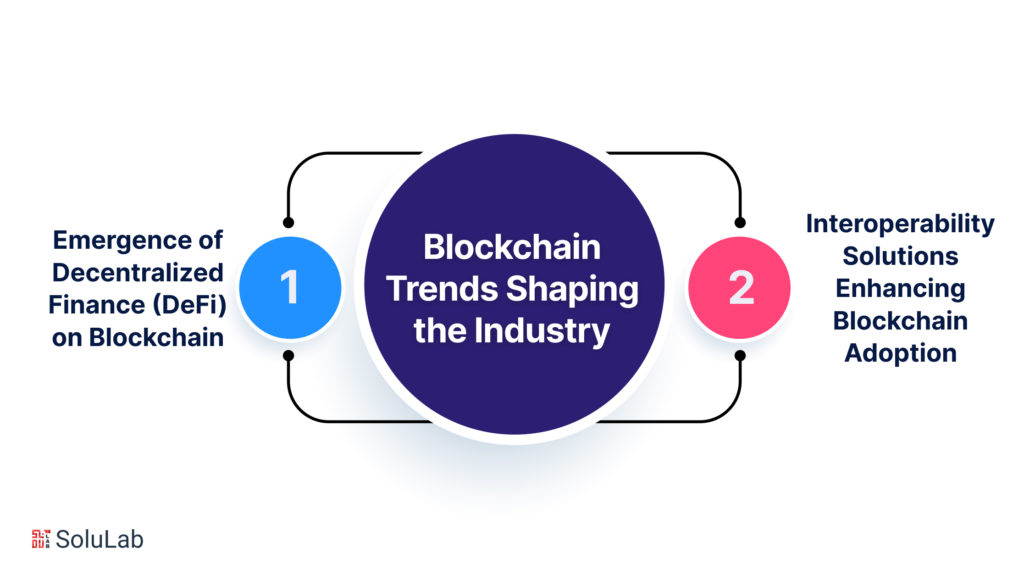
Explore the top blockchain trends that are currently shaping the industry and driving innovation across various sectors.
The recent surge in decentralized finance (DeFi) has significantly impacted the blockchain landscape, introducing a range of financial services that operate without the need for traditional financial intermediaries. DeFi platforms provide an array of services, including decentralized lending, borrowing, and trading, all made possible through the utilization of blockchain technology. The integration of DeFi protocols has broadened the utility of blockchain beyond its initial scope of facilitating secure cryptocurrency transactions. With the advent of DeFi, users can engage in a variety of financial activities, including yield farming, liquidity provision, and decentralized exchanges, enabling greater accessibility and inclusivity within the financial ecosystem.
Interoperability solutions are rapidly gaining traction within the blockchain ecosystem, addressing the critical need for seamless communication and data transfer between disparate blockchain networks. In response to the challenges posed by isolated blockchain networks, numerous projects are actively pursuing cross-chain interoperability, aiming to establish a cohesive framework that enables the seamless exchange of assets and information across various blockchain protocols. These interoperability solutions seek to bridge the gap between different blockchain platforms, fostering an environment conducive to the frictionless and efficient transfer of data and assets. With interoperability becoming an increasingly essential feature, the blockchain industry is witnessing a shift toward collaborative and interconnected ecosystems that promote the free flow of value and information across diverse blockchain networks.
Read more : The Role of Blockchain in Web 3 Development
Uncover the ways in which blockchain platforms are revolutionizing data management, ensuring security, and enhancing transparency in digital transactions.
Blockchain platforms have paved the way for the development of decentralized storage solutions, addressing the need for secure and efficient data management. By leveraging blockchain’s inherent features, decentralized storage solutions ensure data integrity and security, mitigating the risks associated with centralized data repositories. These platforms utilize distributed networks to store data across multiple nodes, eliminating the vulnerabilities typically associated with single-point data storage systems. The utilization of blockchain-based storage solutions also contributes to enhanced data accessibility, enabling users to securely access and manage their information without relying on intermediaries.
The integration of blockchain technology has brought about a transformation in the supply chain management landscape, enabling streamlined and transparent processes throughout the entire supply chain. With blockchain, stakeholders gain access to a decentralized and immutable ledger that records every transaction and movement of goods, thereby enhancing traceability and accountability. The implementation of smart contracts within supply chain management systems automates various contractual agreements, ensuring the seamless execution of predefined conditions. Additionally, blockchain’s transparent and secure nature allows for increased visibility and trust among supply chain participants, fostering efficient collaboration and reducing the risk of fraud and counterfeiting.
Learn about the pioneering efforts of blockchain technology companies in driving innovation and fostering widespread adoption in the digital landscape.
Several prominent blockchain technology companies have emerged as key contributors to the ongoing evolution of the blockchain landscape. These companies play a crucial role in driving innovation and fostering the adoption of blockchain technology across various industries. Through the development of cutting-edge solutions and platforms, these companies have significantly contributed to the advancement of blockchain applications, spanning areas such as finance, supply chain, healthcare, and more. Notable companies in the blockchain technology space have been instrumental in introducing novel use cases and addressing critical challenges, thereby establishing themselves as essential catalysts for the widespread adoption of blockchain technology globally.
The blockchain industry has witnessed an increasing number of collaborative initiatives and partnerships between various technology companies. These collaborations aim to leverage the collective expertise and resources of multiple entities to drive innovation, develop new solutions, and expand the scope of blockchain technology applications. Through strategic partnerships, blockchain technology companies seek to address industry-specific challenges, foster interoperability between different blockchain platforms, and promote the adoption of standardized protocols and frameworks. Collaborative efforts have also been instrumental in establishing unified standards for data sharing, security, and governance, paving the way for the development of a more interconnected and robust blockchain ecosystem.
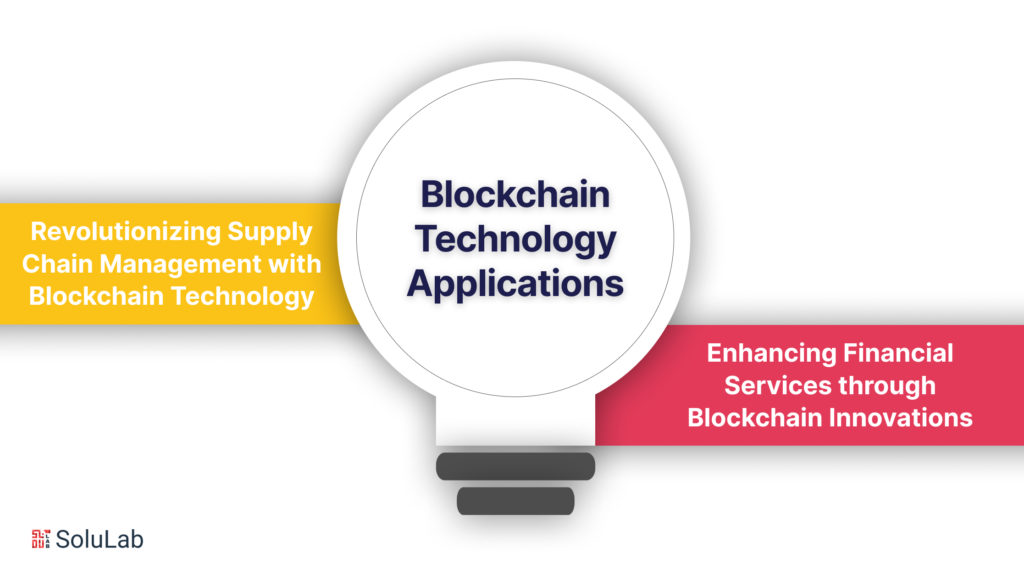
Witness the transformative impact of blockchain technology applications on diverse industries and the processes they undertake.
Blockchain technology has introduced a paradigm shift in supply chain management, enabling businesses to streamline processes, enhance transparency, and optimize logistics operations. By leveraging blockchain platforms, companies can effectively track and trace products throughout the supply chain, ensuring authenticity and minimizing the risk of counterfeiting and fraud. The implementation of blockchain-based solutions has facilitated real-time monitoring of inventory, improved supplier management, and enhanced visibility across the supply chain network. As a result, businesses can achieve greater efficiency, reduce operational costs, and build trust among stakeholders, ultimately leading to a more robust and resilient supply chain ecosystem.
The financial services sector has embraced blockchain technology to revolutionize traditional banking and payment systems, offering secure, efficient, and decentralized solutions for various financial transactions. Blockchain platforms enable seamless peer-to-peer transactions, eliminating the need for intermediaries and reducing transaction costs. With the integration of smart contracts, financial institutions can automate complex financial processes, such as loan approvals, insurance claims, and trade settlements, leading to faster and more reliable service delivery. Furthermore, the use of blockchain technology in the financial services industry ensures data integrity, enhances customer trust, and provides greater transparency, fostering a more inclusive and accessible financial ecosystem for businesses and consumers alike.
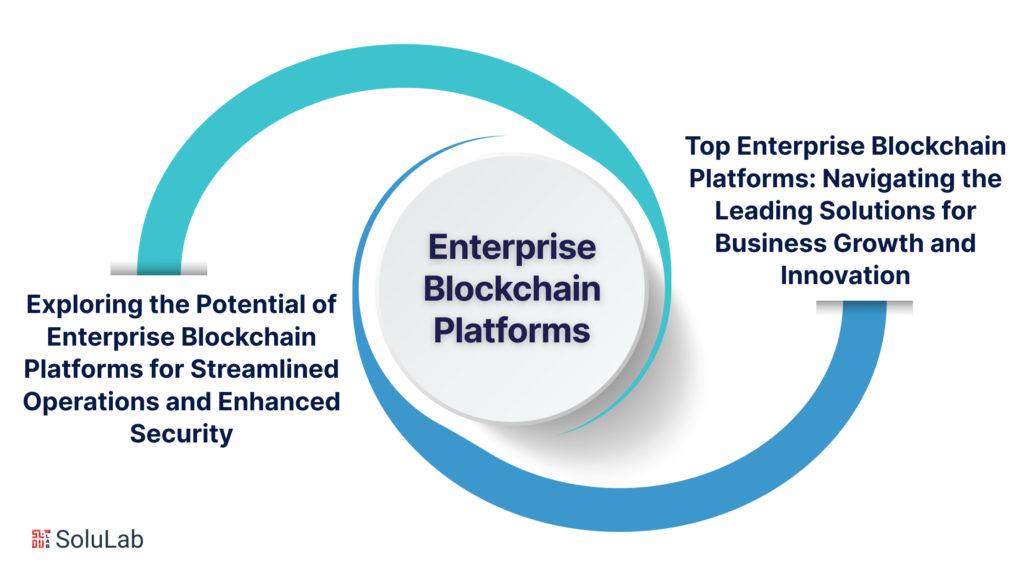
Discover how enterprise blockchain platforms are optimizing business operations, enhancing security, and fostering efficiency in various organizational processes.
Enterprise blockchain platforms have emerged as essential tools for businesses seeking to enhance security, efficiency, and transparency in their operations. By leveraging top enterprise blockchain platforms, organizations can facilitate secure transactions, streamline complex processes, and mitigate the risk of data breaches and fraudulent activities. These platforms offer robust security features, including encryption and decentralized storage, ensuring the integrity and confidentiality of sensitive business data. Furthermore, enterprise blockchain platforms enable seamless collaboration and data sharing among stakeholders, fostering a more interconnected and resilient business environment.
The integration of blockchain technology in business ecosystems offers numerous benefits, including improved data integrity, enhanced operational efficiency, and increased trust among partners and customers. By implementing blockchain-based solutions, enterprises can establish tamper-proof records, automate compliance procedures, and streamline supply chain management processes. Moreover, blockchain technology applications enable seamless cross-border transactions, eliminating barriers to international trade and fostering greater collaboration among global business networks. As a result, businesses can achieve greater resilience, agility, and competitiveness in the ever-evolving digital landscape.
Check Our Case Study: OborTech
Explore the transformative role of blockchain in healthcare, ensuring enhanced patient care and bolstering data security and privacy.
Blockchain technology has revolutionized data security and privacy in the healthcare industry, offering robust solutions for protecting sensitive patient information and maintaining the integrity of medical records. By implementing blockchain-based data storage and encryption, healthcare providers can ensure the confidentiality and accessibility of patient data, mitigating the risk of unauthorized access and data breaches. Furthermore, blockchain technology applications enable secure sharing of medical records among authorized entities, facilitating seamless collaboration and information exchange in the healthcare ecosystem. With the integration of blockchain in healthcare, patients can have greater control over their health data, leading to improved care coordination and personalized treatment plans.
The collaboration with blockchain development companies has enabled healthcare organizations to leverage cutting-edge technologies and develop innovative solutions for addressing critical challenges in patient care and data management. These development companies offer expertise in blockchain integration, smart contract development, and decentralized application deployment, empowering healthcare providers to build secure and scalable platforms for managing medical records, clinical trials, and telemedicine services. By partnering with leading blockchain development companies, healthcare organizations can drive digital transformation, accelerate innovation, and improve patient outcomes, ultimately shaping the future of healthcare delivery and data security.
Understand the dynamics of investing in blockchain development, its role in driving innovation, and its contribution to market growth and expansion.
Investing in blockchain development presents lucrative opportunities for businesses and investors seeking to capitalize on the growing demand for decentralized and secure technologies. By allocating resources to blockchain research and development, companies can foster innovation, enhance operational efficiency, and create competitive advantages in the dynamic market landscape. Moreover, investing in blockchain technology applications enables businesses to explore new revenue streams, expand their market presence, and cultivate a culture of technological resilience and adaptability. As blockchain continues to disrupt traditional business models, strategic investments in blockchain development can position organizations for long-term growth and success.
Blockchain technology companies have become key players in the global market, offering diverse solutions and services that cater to the growing demand for secure and efficient digital transactions. By evaluating the potential of blockchain technology companies for investment, stakeholders can identify promising opportunities, assess market trends, and diversify their portfolios with innovative and forward-thinking ventures. These companies often specialize in blockchain integration, smart contract development, and decentralized application deployment, providing comprehensive solutions for businesses across various industries. By strategically investing in reputable and visionary blockchain technology companies, investors can contribute to the advancement of cutting-edge technologies and shape the future of digital innovation and transformation.
Witness the transformative impact of blockchain in healthcare, ensuring enhanced patient care and bolstering data security and privacy.
Blockchain technology has revolutionized data security and privacy in the healthcare industry, offering robust solutions for protecting sensitive patient information and maintaining the integrity of medical records. By implementing blockchain-based data storage and encryption, healthcare providers can ensure the confidentiality and accessibility of patient data, mitigating the risk of unauthorized access and data breaches. Furthermore, blockchain technology applications enable secure sharing of medical records among authorized entities, facilitating seamless collaboration and information exchange in the healthcare ecosystem. With the integration of blockchain in healthcare, patients can have greater control over their health data, leading to improved care coordination and personalized treatment plans.
The collaboration with blockchain development companies has enabled healthcare organizations to leverage cutting-edge technologies and develop innovative solutions for addressing critical challenges in patient care and data management. These development companies offer expertise in blockchain integration, smart contract development, and decentralized application deployment, empowering healthcare providers to build secure and scalable platforms for managing medical records, clinical trials, and telemedicine services. By partnering with leading blockchain development companies, healthcare organizations can drive digital transformation, accelerate innovation, and improve patient outcomes, ultimately shaping the future of healthcare delivery and data security.
Learn how enterprise blockchain platforms are enhancing security and transparency, facilitating seamless and secure business operations.
Enterprise blockchain platforms have emerged as essential tools for businesses seeking to enhance security, transparency, and efficiency in their operations. By adopting blockchain technology, enterprises can streamline their supply chain management, financial transactions, and data-sharing processes, ensuring secure and tamper-proof records of all transactions and interactions. These platforms facilitate seamless collaboration among stakeholders, enabling real-time visibility into business processes and fostering trust and accountability within the organization. With the integration of enterprise blockchain platforms, businesses can revolutionize their operations, improve data management, and drive innovation across various industry verticals.
Top enterprise blockchain platforms play a pivotal role in driving industry transformation and innovation, offering comprehensive solutions for businesses to optimize their operations and enhance their competitive edge. These platforms often provide secure and scalable infrastructure for deploying decentralized applications, smart contracts, and digital asset management systems, enabling enterprises to harness the power of blockchain technology for improved data security and streamlined business processes. By leveraging top enterprise blockchain platforms, organizations can automate complex workflows, reduce operational costs, and create new business models that align with the evolving market trends and customer demands.
Explore the top blockchain trends that are shaping the future of digital innovation and transformation across industries and sectors.
Top blockchain trends have been instrumental in shaping the future of digital innovation and transformation, driving the adoption of decentralized technologies across diverse industries. From the rise of non-fungible tokens (NFTs) to the integration of blockchain in supply chain management, these trends have redefined the way businesses operate, interact, and transact in the digital landscape. Additionally, the emergence of blockchain ecosystems and protocols has paved the way for enhanced security, interoperability, and scalability in blockchain-based applications, fostering a dynamic and inclusive environment for developers and entrepreneurs to explore new opportunities and develop groundbreaking solutions.
Blockchain technology applications have gained significant traction in recent years, empowering businesses to innovate, collaborate, and create value-driven solutions for their customers and stakeholders. These applications span various sectors, including finance, healthcare, supply chain, and entertainment, offering a wide array of use cases that cater to the evolving needs and preferences of modern consumers. By embracing blockchain technology applications, businesses can streamline their operations, improve data management, and foster trust and transparency in their interactions, ultimately contributing to sustainable growth and development in the digital era.
Delve into the evolving landscape of blockchain development companies, understanding their roles in driving technological advancements and breakthroughs.
Blockchain development companies have played a crucial role in driving innovation and growth in the digital landscape, offering comprehensive solutions and services to businesses looking to harness the potential of blockchain technology. These companies specialize in developing secure and scalable blockchain-based applications, smart contracts, and decentralized protocols, catering to the diverse needs of enterprises and startups across various industries. By collaborating with blockchain development companies, businesses can leverage cutting-edge solutions, streamline their operations, and unlock new opportunities for growth and expansion in the dynamic and competitive market.
Investing in blockchain development has become increasingly essential for businesses seeking to stay ahead of the curve and capitalize on the transformative power of decentralized technologies. As the demand for blockchain-based solutions continues to rise, businesses and investors are exploring new avenues to allocate resources and funds to blockchain development projects and initiatives. By strategically investing in blockchain development, businesses can foster innovation, drive efficiency, and create long-term value for their customers and stakeholders, ultimately contributing to the sustainable growth and success of their ventures in the digital economy.
Experience the revolutionary impact of blockchain in healthcare, revolutionizing data management and enhancing patient care and treatment.
Blockchain in healthcare has revolutionized data management and patient care, offering a secure and interoperable framework for storing, managing, and sharing sensitive medical information. With blockchain technology, healthcare providers can ensure the integrity and privacy of patient data, streamline administrative processes, and facilitate seamless communication among different stakeholders in the healthcare ecosystem. By adopting blockchain solutions, the healthcare industry can address critical challenges related to data security, interoperability, and transparency, fostering a patient-centric approach to healthcare delivery and enhancing overall health outcomes for individuals and communities.
Embracing the advantages of blockchain technology in healthcare has paved the way for improved healthcare services and outcomes, empowering patients and providers with secure and transparent access to critical medical data and resources. From enhancing medical record management to facilitating secure telemedicine services, blockchain technology has enabled healthcare organizations to optimize their operations, reduce costs, and deliver personalized care to patients in a timely and efficient manner. By leveraging blockchain in healthcare, organizations can drive innovation, promote data interoperability, and create a patient-centric healthcare ecosystem that prioritizes quality, accessibility, and affordability.
Explore how businesses leverage enterprise blockchain platforms to enhance efficiency and achieve scalability in their operations.
Enterprise blockchain platforms have emerged as powerful tools for driving efficiency and scalability in businesses, enabling secure and transparent data management, streamlined supply chain processes, and seamless collaboration among stakeholders. By leveraging enterprise blockchain platforms, organizations can establish robust and tamper-proof systems that facilitate real-time transaction processing, data sharing, and asset management, ultimately leading to improved operational efficiency, enhanced security, and increased trust among business partners and customers.
The market for enterprise blockchain platforms has witnessed significant growth, with various companies offering cutting-edge solutions and services tailored to the specific needs of businesses across diverse industries. Leading enterprise blockchain platforms such as Hyperledger Fabric, Corda, and Quorum have gained prominence for their robust features, scalability, and adaptability, empowering organizations to build and deploy customized blockchain solutions that address critical business challenges and drive digital transformation initiatives. By evaluating the top enterprise blockchain platforms, businesses can make informed decisions and choose the most suitable solution that aligns with their strategic objectives and long-term goals.
Discover the trailblazing efforts of blockchain technology companies in driving innovation and disrupting the digital landscape.
Blockchain technology companies have played a pivotal role in pioneering innovation and disruption in the digital landscape, introducing groundbreaking solutions and applications that have transformed the way businesses operate and interact with their customers. These companies have been instrumental in advancing the adoption of blockchain technology across various sectors, fostering new business models, and redefining traditional processes to meet the demands of the modern digital economy. By collaborating with blockchain technology companies, businesses can leverage their expertise and experience to stay ahead of the competition and unlock new opportunities for growth and development in the ever-evolving market.
Blockchain technology applications have revolutionized the way businesses approach security and transparency, offering a decentralized and immutable framework for managing digital assets, verifying transactions, and protecting sensitive data from unauthorized access and manipulation. With blockchain technology applications, businesses can ensure the integrity of their operations, mitigate risks, and build trust among their customers and partners, fostering a secure and reliable environment for conducting business transactions and exchanging valuable information. By integrating blockchain technology applications, organizations can drive transformation, improve their competitive advantage, and establish a solid foundation for sustainable growth and success in the digital era.
Navigate the opportunities and challenges associated with investing in blockchain development, fostering growth, and encouraging innovation.
Investing in blockchain development presents a unique opportunity for individuals and businesses to capitalize on the growing demand for secure and efficient digital solutions fostered by the widespread adoption of blockchain technology across various industries. By strategically allocating resources and capital towards blockchain development initiatives, investors can participate in the transformative journey of technology-driven innovation, diversify their investment portfolios, and position themselves for long-term value creation and sustainable growth in the dynamic and rapidly evolving market landscape.
Blockchain’s integration into the healthcare sector has revolutionized the way medical data is managed, stored, and shared, ensuring data security, privacy, and interoperability while enhancing patient care and facilitating seamless collaboration between healthcare providers. The adoption of blockchain technology in healthcare has facilitated secure and transparent data exchange, improved patient outcomes, and streamlined administrative processes, leading to a more efficient and patient-centric healthcare ecosystem. By embracing blockchain technology in healthcare, medical institutions and stakeholders can unlock new opportunities for innovation, improve operational efficiency, and deliver better healthcare services to their patients, ultimately contributing to the advancement of the global healthcare industry.
Explore the foundational protocols and structures that contribute to a sustainable and interconnected blockchain ecosystem.
Blockchain ecosystem protocols play a crucial role in building a sustainable and interconnected digital infrastructure, providing the necessary framework and guidelines for the development and deployment of decentralized applications, smart contracts, and digital assets across the blockchain network. These protocols enable seamless communication and interaction between different blockchain platforms, fostering interoperability, scalability, and cross-chain functionality, which are essential for creating a robust and reliable ecosystem that supports the diverse needs and requirements of the global digital economy. By embracing blockchain ecosystem protocols, businesses can unlock new opportunities for collaboration, innovation, and growth and contribute to the advancement of the blockchain technology landscape.
The dynamic and ever-evolving nature of the blockchain industry has given rise to various trends that are shaping the future of digital innovation and transformation. Top blockchain trends such as decentralized finance (DeFi), non-fungible tokens (NFTs), and blockchain-as-a-service (BaaS) have gained significant traction, demonstrating the potential of blockchain technology to revolutionize traditional business models and drive unprecedented levels of efficiency, security, and transparency across different sectors. By staying updated with the latest blockchain trends, businesses and investors can make informed decisions, capitalize on emerging opportunities, and stay ahead of the curve in the fast-paced and competitive digital landscape.
Learn how blockchain technology companies are driving innovation and transforming the digital landscape with their cutting-edge solutions.
Blockchain technology companies have played a pivotal role in driving innovation and transforming the digital landscape, offering a wide array of solutions and services that leverage the power of blockchain technology to address various industry challenges and meet the evolving needs of businesses and consumers. These companies are at the forefront of developing cutting-edge blockchain solutions, including decentralized applications, digital wallets, and blockchain-based platforms, and are actively contributing to the advancement of the global digital economy by fostering transparency, security, and efficiency in data management and transaction processing. By collaborating with blockchain technology companies, businesses can harness the potential of blockchain technology, streamline their operations, and create new opportunities for growth and success in the digital era.
Enterprise blockchain platforms have emerged as a vital tool for businesses seeking to enhance security and efficiency in their day-to-day operations, enabling secure data management, transparent transaction processing, and streamlined supply chain management. These platforms offer a robust and scalable infrastructure that supports the diverse needs and requirements of modern businesses, facilitating seamless communication and collaboration between different stakeholders and ensuring the integrity and authenticity of digital assets and transactions. By leveraging enterprise blockchain platforms, organizations can optimize their business processes, improve data security, and build trust and credibility among their customers and partners, leading to improved business performance and long-term sustainability in the competitive global market.
Read Also: Decentralized Physical Infrastructure Networks (DePIN)
Discover how blockchain is transforming the healthcare industry by enhancing data security and enabling seamless interoperability.
Blockchain in healthcare has emerged as a transformative force, offering innovative solutions for improved data management, enhanced security, and streamlined interoperability among different healthcare stakeholders. By leveraging blockchain technology, healthcare providers and institutions can create secure and transparent data ecosystems that enable efficient and seamless sharing of patient information, leading to improved care coordination, reduced administrative burdens, and enhanced patient outcomes. Additionally, blockchain technology can facilitate the secure management of sensitive health data, ensuring data integrity and confidentiality while allowing patients to have greater control over their health information, leading to increased trust and confidence in the healthcare system.
Investing in blockchain development presents unique opportunities for businesses and organizations to unlock new potentials for growth and innovation, leveraging the power of blockchain technology to streamline their operations, enhance data security, and foster trust and transparency in their business processes. By allocating resources and efforts toward blockchain development, companies can stay ahead of the curve, embrace digital transformation, and create new value propositions for their customers and stakeholders. Investing in blockchain development allows businesses to explore new use cases, optimize their operations, and drive sustainable growth in an increasingly competitive and dynamic business environment, paving the way for long-term success and resilience in the digital age.
In conclusion, the rapid evolution of blockchain technology has paved the way for transformative changes across various industries, offering unprecedented opportunities for businesses to enhance their operations, secure their data, and drive innovation. By harnessing the expertise and solutions provided by the top 10 blockchain development companies, businesses can unlock the full potential of blockchain technology, enabling secure and efficient transactions while ensuring data integrity and privacy. The role of enterprise blockchain platforms in optimizing business operations and data security is crucial in fostering trust among stakeholders and streamlining complex business processes.
Companies seeking to integrate blockchain technology into their operations can benefit significantly from the expertise of leading blockchain development companies, which offer tailored solutions, consulting services, and comprehensive development capabilities. With the increasing demand for blockchain technology in diverse sectors, including healthcare, finance, and supply chain management, investing in blockchain development has become essential for businesses looking to stay ahead in the digital era.
SoluLab, a prominent blockchain development company, has been at the forefront of driving innovation and delivering cutting-edge blockchain solutions for businesses worldwide. With a team of seasoned blockchain developers and consultants, SoluLab offers comprehensive blockchain development and consulting services, empowering businesses to embrace the future of blockchain technology and achieve sustainable growth and success in the digital landscape. Through its commitment to excellence and innovation, SoluLab continues to be a leading player in the blockchain development industry, delivering top-notch solutions and services that cater to the evolving needs of businesses in an ever-changing digital world.
Blockchain technology offers enhanced security, transparency, and efficiency in data management and transactions. It facilitates decentralized and secure record-keeping, reduces the risk of fraud, and ensures trust among stakeholders.
Businesses should consider factors such as the company’s experience, expertise, portfolio, and client testimonials. Assessing the company’s ability to deliver tailored solutions and its understanding of the latest blockchain trends is also crucial.
Some key blockchain trends include the rise of decentralized finance (DeFi) platforms, the integration of blockchain in supply chain management, the adoption of non-fungible tokens (NFTs), and the increasing use of blockchain in healthcare for secure data management.
Blockchain employs cryptographic techniques and decentralized data storage, making it difficult for unauthorized parties to tamper with data. Its transparency and immutability ensure data integrity, and its distributed ledger system enhances the security and privacy of sensitive information.
Some common challenges include scalability issues, regulatory uncertainties, the complexity of implementation, interoperability concerns, and the need for skilled professionals. Addressing these challenges requires careful planning and a thorough understanding of the technology.
Blockchain in healthcare can improve data interoperability, enhance patient data security, enable efficient tracking of pharmaceutical supply chains, and facilitate streamlined medical record management, leading to improved patient care and overall operational efficiency.


