Talk to an Expert

The Core Concept of Blockchain Development

The Core Concept of Blockchain Development

In the ever-evolving landscape of technology, blockchain has emerged as a transformative force, revolutionizing the way businesses operate and ensuring secure, transparent, and decentralized data management. With its potential to enhance security, streamline operations, and foster trust among stakeholders, blockchain development has become a crucial element in reshaping various industries. This blog delves into the core concepts of blockchain development, explores its applications across diverse sectors, and highlights the key trends shaping the future of this groundbreaking technology.

Blockchain Development: A Comprehensive Overview

Delve into a comprehensive overview of blockchain development, understanding its intricacies and exploring its various applications.

Understanding Blockchain Development Concepts

Blockchain development is a multifaceted process that revolves around various crucial concepts pivotal to comprehending the underlying technology. A distributed ledger forms the foundational structure of blockchain, facilitating the transparent and secure recording of data transactions across a network of computers. The implementation of consensus mechanisms ensures the validation and agreement of data entries among network participants. Smart contracts, an integral component of blockchain development, enable self-executing and autonomous agreements, ensuring trust and transparency in various business interactions. Additionally, the application of robust cryptographic security measures guarantees the integrity and immutability of data stored within the blockchain.
CTA_1

Exploring the Blockchain Development Process

The intricate process of blockchain development involves several stages, each crucial for the successful deployment of blockchain solutions. The initial phase typically involves ideation and conceptualization, where developers collaborate with domain experts to identify the specific business requirements that blockchain technology can address. Subsequently, the design phase focuses on creating a comprehensive architecture that aligns with the identified objectives. Development follows, where developers leverage programming languages such as Solidity and languages compatible with blockchain frameworks like Ethereum. Rigorous testing is paramount to ensure the reliability and security of the developed blockchain solutions before deployment. The final stage involves the deployment of blockchain solutions into the target environment, ensuring seamless integration and operational efficiency.
Top Blockchain Trends Shaping the Industry

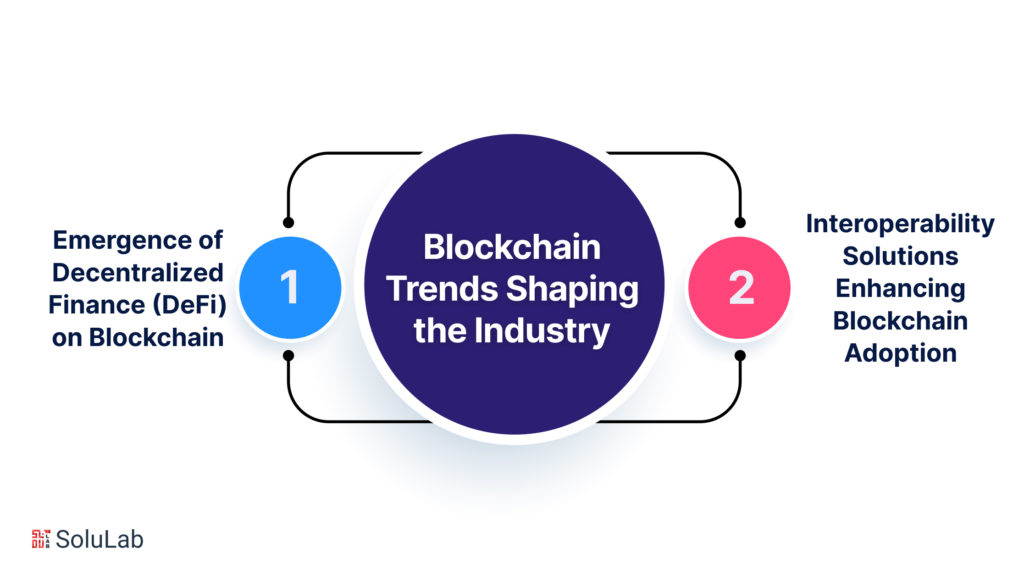
Top Blockchain Trends Shaping the Industry

Explore the top blockchain trends that are currently shaping the industry and driving innovation across various sectors.

  • Emergence of Decentralized Finance (DeFi) on Blockchain

The recent surge in decentralized finance (DeFi) has significantly impacted the blockchain landscape, introducing a range of financial services that operate without the need for traditional financial intermediaries. DeFi platforms provide an array of services, including decentralized lending, borrowing, and trading, all made possible through the utilization of blockchain technology. The integration of DeFi protocols has broadened the utility of blockchain beyond its initial scope of facilitating secure cryptocurrency transactions. With the advent of DeFi, users can engage in a variety of financial activities, including yield farming, liquidity provision, and decentralized exchanges, enabling greater accessibility and inclusivity within the financial ecosystem.

  • Interoperability Solutions Enhancing Blockchain Adoption

Interoperability solutions are rapidly gaining traction within the blockchain ecosystem, addressing the critical need for seamless communication and data transfer between disparate blockchain networks. In response to the challenges posed by isolated blockchain networks, numerous projects are actively pursuing cross-chain interoperability, aiming to establish a cohesive framework that enables the seamless exchange of assets and information across various blockchain protocols. These interoperability solutions seek to bridge the gap between different blockchain platforms, fostering an environment conducive to the frictionless and efficient transfer of data and assets. With interoperability becoming an increasingly essential feature, the blockchain industry is witnessing a shift toward collaborative and interconnected ecosystems that promote the free flow of value and information across diverse blockchain networks.

Read more : The Role of Blockchain in Web 3 Development

Blockchain Platforms: Revolutionizing Data Management

Uncover the ways in which blockchain platforms are revolutionizing data management, ensuring security, and enhancing transparency in digital transactions.

  • Decentralized Storage Solutions on Blockchain Platforms

Blockchain platforms have paved the way for the development of decentralized storage solutions, addressing the need for secure and efficient data management. By leveraging blockchain’s inherent features, decentralized storage solutions ensure data integrity and security, mitigating the risks associated with centralized data repositories. These platforms utilize distributed networks to store data across multiple nodes, eliminating the vulnerabilities typically associated with single-point data storage systems. The utilization of blockchain-based storage solutions also contributes to enhanced data accessibility, enabling users to securely access and manage their information without relying on intermediaries.

  • Enhancing Supply Chain Management through Blockchain

The integration of blockchain technology has brought about a transformation in the supply chain management landscape, enabling streamlined and transparent processes throughout the entire supply chain. With blockchain, stakeholders gain access to a decentralized and immutable ledger that records every transaction and movement of goods, thereby enhancing traceability and accountability. The implementation of smart contracts within supply chain management systems automates various contractual agreements, ensuring the seamless execution of predefined conditions. Additionally, blockchain’s transparent and secure nature allows for increased visibility and trust among supply chain participants, fostering efficient collaboration and reducing the risk of fraud and counterfeiting.

Blockchain Technology Companies: Driving Innovation and Adoption

Learn about the pioneering efforts of blockchain technology companies in driving innovation and fostering widespread adoption in the digital landscape.

  • Pioneering Innovations by Leading Blockchain Technology Companies

Several prominent blockchain technology companies have emerged as key contributors to the ongoing evolution of the blockchain landscape. These companies play a crucial role in driving innovation and fostering the adoption of blockchain technology across various industries. Through the development of cutting-edge solutions and platforms, these companies have significantly contributed to the advancement of blockchain applications, spanning areas such as finance, supply chain, healthcare, and more. Notable companies in the blockchain technology space have been instrumental in introducing novel use cases and addressing critical challenges, thereby establishing themselves as essential catalysts for the widespread adoption of blockchain technology globally.

  • Collaborative Initiatives and Partnerships Among Blockchain Technology Companies

The blockchain industry has witnessed an increasing number of collaborative initiatives and partnerships between various technology companies. These collaborations aim to leverage the collective expertise and resources of multiple entities to drive innovation, develop new solutions, and expand the scope of blockchain technology applications. Through strategic partnerships, blockchain technology companies seek to address industry-specific challenges, foster interoperability between different blockchain platforms, and promote the adoption of standardized protocols and frameworks. Collaborative efforts have also been instrumental in establishing unified standards for data sharing, security, and governance, paving the way for the development of a more interconnected and robust blockchain ecosystem.
Blockchain Technology Applications: Transforming Industries and Processes

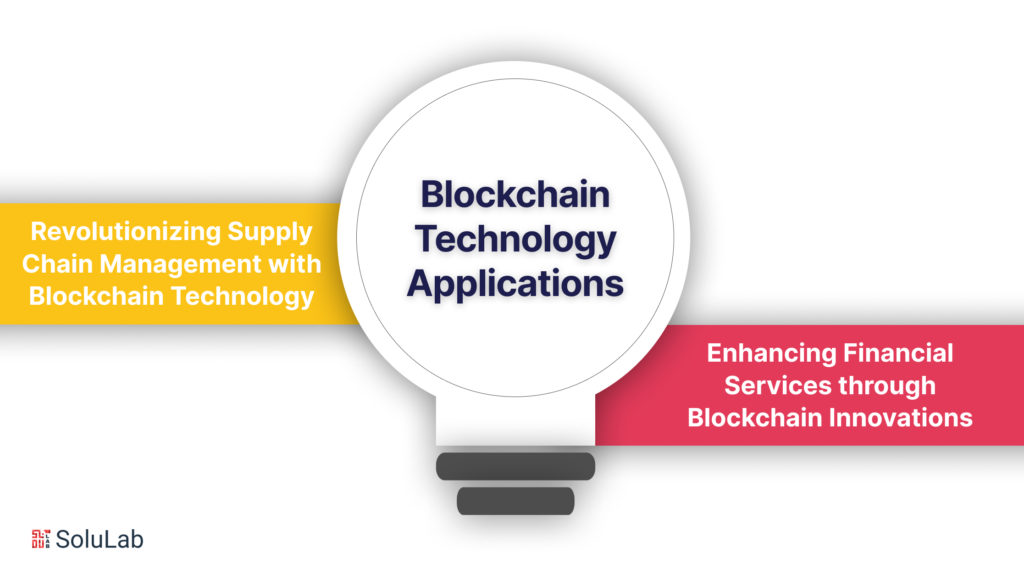
Blockchain Technology Applications

Witness the transformative impact of blockchain technology applications on diverse industries and the processes they undertake.

  • Revolutionizing Supply Chain Management with Blockchain Technology

Blockchain technology has introduced a paradigm shift in supply chain management, enabling businesses to streamline processes, enhance transparency, and optimize logistics operations. By leveraging blockchain platforms, companies can effectively track and trace products throughout the supply chain, ensuring authenticity and minimizing the risk of counterfeiting and fraud. The implementation of blockchain-based solutions has facilitated real-time monitoring of inventory, improved supplier management, and enhanced visibility across the supply chain network. As a result, businesses can achieve greater efficiency, reduce operational costs, and build trust among stakeholders, ultimately leading to a more robust and resilient supply chain ecosystem.

  • Enhancing Financial Services through Blockchain Innovations

The financial services sector has embraced blockchain technology to revolutionize traditional banking and payment systems, offering secure, efficient, and decentralized solutions for various financial transactions. Blockchain platforms enable seamless peer-to-peer transactions, eliminating the need for intermediaries and reducing transaction costs. With the integration of smart contracts, financial institutions can automate complex financial processes, such as loan approvals, insurance claims, and trade settlements, leading to faster and more reliable service delivery. Furthermore, the use of blockchain technology in the financial services industry ensures data integrity, enhances customer trust, and provides greater transparency, fostering a more inclusive and accessible financial ecosystem for businesses and consumers alike.
Enterprise Blockchain Platforms: Optimizing Business Operations and Security

Discover how enterprise blockchain platforms are optimizing business operations, enhancing security, and fostering efficiency in various organizational processes.

  • Leveraging Top Enterprise Blockchain Platforms for Secure Transactions

Enterprise blockchain platforms have emerged as essential tools for businesses seeking to enhance security, efficiency, and transparency in their operations. By leveraging top enterprise blockchain platforms, organizations can facilitate secure transactions, streamline complex processes, and mitigate the risk of data breaches and fraudulent activities. These platforms offer robust security features, including encryption and decentralized storage, ensuring the integrity and confidentiality of sensitive business data. Furthermore, enterprise blockchain platforms enable seamless collaboration and data sharing among stakeholders, fostering a more interconnected and resilient business environment.

  • Exploring the Benefits of Blockchain Technology in Business Ecosystems

The integration of blockchain technology in business ecosystems offers numerous benefits, including improved data integrity, enhanced operational efficiency, and increased trust among partners and customers. By implementing blockchain-based solutions, enterprises can establish tamper-proof records, automate compliance procedures, and streamline supply chain management processes. Moreover, blockchain technology applications enable seamless cross-border transactions, eliminating barriers to international trade and fostering greater collaboration among global business networks. As a result, businesses can achieve greater resilience, agility, and competitiveness in the ever-evolving digital landscape.

Check Our Case Study: OborTech

Blockchain in Healthcare: Transforming Patient Care and Data Security

Explore the transformative role of blockchain in healthcare, ensuring enhanced patient care and bolstering data security and privacy.

  • Enhancing Data Security and Privacy in Healthcare with Blockchain

Blockchain technology has revolutionized data security and privacy in the healthcare industry, offering robust solutions for protecting sensitive patient information and maintaining the integrity of medical records. By implementing blockchain-based data storage and encryption, healthcare providers can ensure the confidentiality and accessibility of patient data, mitigating the risk of unauthorized access and data breaches. Furthermore, blockchain technology applications enable secure sharing of medical records among authorized entities, facilitating seamless collaboration and information exchange in the healthcare ecosystem. With the integration of blockchain in healthcare, patients can have greater control over their health data, leading to improved care coordination and personalized treatment plans.

  • Leveraging Blockchain Development Companies for Healthcare Innovations

The collaboration with blockchain development companies has enabled healthcare organizations to leverage cutting-edge technologies and develop innovative solutions for addressing critical challenges in patient care and data management. These development companies offer expertise in blockchain integration, smart contract development, and decentralized application deployment, empowering healthcare providers to build secure and scalable platforms for managing medical records, clinical trials, and telemedicine services. By partnering with leading blockchain development companies, healthcare organizations can drive digital transformation, accelerate innovation, and improve patient outcomes, ultimately shaping the future of healthcare delivery and data security.

Investing in Blockchain Development: Driving Innovation and Market Growth

Understand the dynamics of investing in blockchain development, its role in driving innovation, and its contribution to market growth and expansion.

  • Seizing Opportunities in Blockchain Development for Sustainable Growth

Investing in blockchain development presents lucrative opportunities for businesses and investors seeking to capitalize on the growing demand for decentralized and secure technologies. By allocating resources to blockchain research and development, companies can foster innovation, enhance operational efficiency, and create competitive advantages in the dynamic market landscape. Moreover, investing in blockchain technology applications enables businesses to explore new revenue streams, expand their market presence, and cultivate a culture of technological resilience and adaptability. As blockchain continues to disrupt traditional business models, strategic investments in blockchain development can position organizations for long-term growth and success.

  • Evaluating the Potential of Blockchain Technology Companies for Investment

Blockchain technology companies have become key players in the global market, offering diverse solutions and services that cater to the growing demand for secure and efficient digital transactions. By evaluating the potential of blockchain technology companies for investment, stakeholders can identify promising opportunities, assess market trends, and diversify their portfolios with innovative and forward-thinking ventures. These companies often specialize in blockchain integration, smart contract development, and decentralized application deployment, providing comprehensive solutions for businesses across various industries. By strategically investing in reputable and visionary blockchain technology companies, investors can contribute to the advancement of cutting-edge technologies and shape the future of digital innovation and transformation.

Blockchain in Healthcare: Transforming Patient Care and Data Security

Witness the transformative impact of blockchain in healthcare, ensuring enhanced patient care and bolstering data security and privacy.

  • Leveraging Blockchain for Enhanced Data Security and Privacy in Healthcare

Blockchain technology has revolutionized data security and privacy in the healthcare industry, offering robust solutions for protecting sensitive patient information and maintaining the integrity of medical records. By implementing blockchain-based data storage and encryption, healthcare providers can ensure the confidentiality and accessibility of patient data, mitigating the risk of unauthorized access and data breaches. Furthermore, blockchain technology applications enable secure sharing of medical records among authorized entities, facilitating seamless collaboration and information exchange in the healthcare ecosystem. With the integration of blockchain in healthcare, patients can have greater control over their health data, leading to improved care coordination and personalized treatment plans.

  • Accelerating Innovations in Patient Care and Management with Blockchain Development Companies

The collaboration with blockchain development companies has enabled healthcare organizations to leverage cutting-edge technologies and develop innovative solutions for addressing critical challenges in patient care and data management. These development companies offer expertise in blockchain integration, smart contract development, and decentralized application deployment, empowering healthcare providers to build secure and scalable platforms for managing medical records, clinical trials, and telemedicine services. By partnering with leading blockchain development companies, healthcare organizations can drive digital transformation, accelerate innovation, and improve patient outcomes, ultimately shaping the future of healthcare delivery and data security.

Enterprise Blockchain Platforms: Enhancing Security and Transparency in Business Operations

Learn how enterprise blockchain platforms are enhancing security and transparency, facilitating seamless and secure business operations.

  • Leveraging Enterprise Blockchain Platforms for Secure and Transparent Transactions

Enterprise blockchain platforms have emerged as essential tools for businesses seeking to enhance security, transparency, and efficiency in their operations. By adopting blockchain technology, enterprises can streamline their supply chain management, financial transactions, and data-sharing processes, ensuring secure and tamper-proof records of all transactions and interactions. These platforms facilitate seamless collaboration among stakeholders, enabling real-time visibility into business processes and fostering trust and accountability within the organization. With the integration of enterprise blockchain platforms, businesses can revolutionize their operations, improve data management, and drive innovation across various industry verticals.

  • Exploring the Role of Top Enterprise Blockchain Platforms in Industry Transformation

Top enterprise blockchain platforms play a pivotal role in driving industry transformation and innovation, offering comprehensive solutions for businesses to optimize their operations and enhance their competitive edge. These platforms often provide secure and scalable infrastructure for deploying decentralized applications, smart contracts, and digital asset management systems, enabling enterprises to harness the power of blockchain technology for improved data security and streamlined business processes. By leveraging top enterprise blockchain platforms, organizations can automate complex workflows, reduce operational costs, and create new business models that align with the evolving market trends and customer demands.

Top Blockchain Trends: Shaping the Future of Digital Innovation and Transformation

Explore the top blockchain trends that are shaping the future of digital innovation and transformation across industries and sectors.

  • Analyzing the Latest Blockchain Trends and Their Impact on Various Industries

Top blockchain trends have been instrumental in shaping the future of digital innovation and transformation, driving the adoption of decentralized technologies across diverse industries. From the rise of non-fungible tokens (NFTs) to the integration of blockchain in supply chain management, these trends have redefined the way businesses operate, interact, and transact in the digital landscape. Additionally, the emergence of blockchain ecosystems and protocols has paved the way for enhanced security, interoperability, and scalability in blockchain-based applications, fostering a dynamic and inclusive environment for developers and entrepreneurs to explore new opportunities and develop groundbreaking solutions.

  • Embracing Blockchain Technology Applications for Sustainable Growth and Development

Blockchain technology applications have gained significant traction in recent years, empowering businesses to innovate, collaborate, and create value-driven solutions for their customers and stakeholders. These applications span various sectors, including finance, healthcare, supply chain, and entertainment, offering a wide array of use cases that cater to the evolving needs and preferences of modern consumers. By embracing blockchain technology applications, businesses can streamline their operations, improve data management, and foster trust and transparency in their interactions, ultimately contributing to sustainable growth and development in the digital era.

Exploring the Evolving Landscape of Blockchain Development Companies

Delve into the evolving landscape of blockchain development companies, understanding their roles in driving technological advancements and breakthroughs.

  • Understanding the Role of Blockchain Development Companies in Driving Innovation and Growth

Blockchain development companies have played a crucial role in driving innovation and growth in the digital landscape, offering comprehensive solutions and services to businesses looking to harness the potential of blockchain technology. These companies specialize in developing secure and scalable blockchain-based applications, smart contracts, and decentralized protocols, catering to the diverse needs of enterprises and startups across various industries. By collaborating with blockchain development companies, businesses can leverage cutting-edge solutions, streamline their operations, and unlock new opportunities for growth and expansion in the dynamic and competitive market.

  • Investing in Blockchain Development: Navigating the Opportunities and Challenges

Investing in blockchain development has become increasingly essential for businesses seeking to stay ahead of the curve and capitalize on the transformative power of decentralized technologies. As the demand for blockchain-based solutions continues to rise, businesses and investors are exploring new avenues to allocate resources and funds to blockchain development projects and initiatives. By strategically investing in blockchain development, businesses can foster innovation, drive efficiency, and create long-term value for their customers and stakeholders, ultimately contributing to the sustainable growth and success of their ventures in the digital economy.

Blockchain in Healthcare: Revolutionizing Data Management and Patient Care

Experience the revolutionary impact of blockchain in healthcare, revolutionizing data management and enhancing patient care and treatment.

  • Harnessing the Potential of Blockchain in Healthcare for Secure and Interoperable Data Sharing

Blockchain in healthcare has revolutionized data management and patient care, offering a secure and interoperable framework for storing, managing, and sharing sensitive medical information. With blockchain technology, healthcare providers can ensure the integrity and privacy of patient data, streamline administrative processes, and facilitate seamless communication among different stakeholders in the healthcare ecosystem. By adopting blockchain solutions, the healthcare industry can address critical challenges related to data security, interoperability, and transparency, fostering a patient-centric approach to healthcare delivery and enhancing overall health outcomes for individuals and communities.

  • Embracing the Advantages of Blockchain Technology for Improved Healthcare Services and Outcomes

Embracing the advantages of blockchain technology in healthcare has paved the way for improved healthcare services and outcomes, empowering patients and providers with secure and transparent access to critical medical data and resources. From enhancing medical record management to facilitating secure telemedicine services, blockchain technology has enabled healthcare organizations to optimize their operations, reduce costs, and deliver personalized care to patients in a timely and efficient manner. By leveraging blockchain in healthcare, organizations can drive innovation, promote data interoperability, and create a patient-centric healthcare ecosystem that prioritizes quality, accessibility, and affordability.

Leveraging Enterprise Blockchain Platforms: Driving Efficiency and Scalability

Explore how businesses leverage enterprise blockchain platforms to enhance efficiency and achieve scalability in their operations.

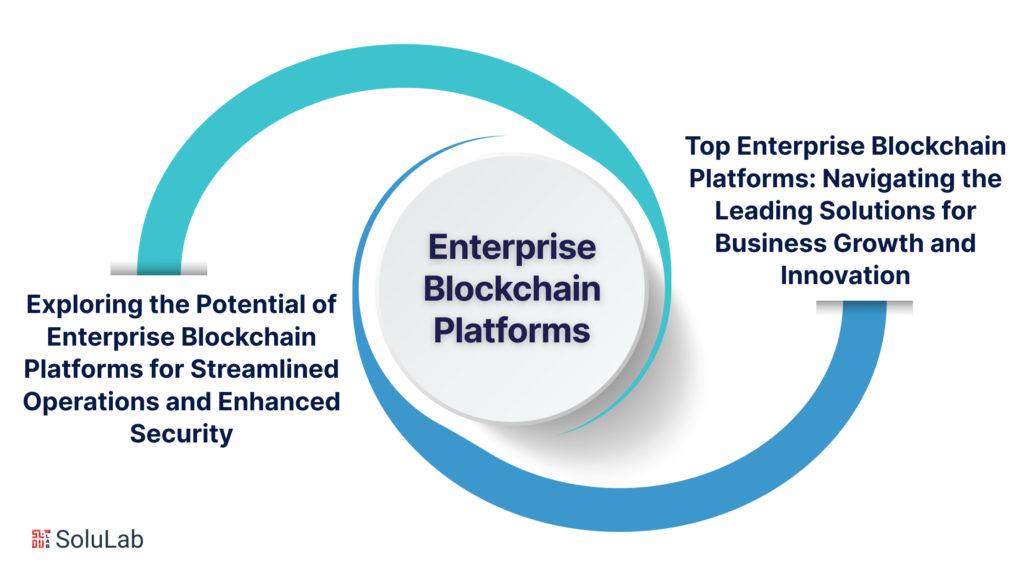
  • Exploring the Potential of Enterprise Blockchain Platforms for Streamlined Operations and Enhanced Security

Enterprise blockchain platforms have emerged as powerful tools for driving efficiency and scalability in businesses, enabling secure and transparent data management, streamlined supply chain processes, and seamless collaboration among stakeholders. By leveraging enterprise blockchain platforms, organizations can establish robust and tamper-proof systems that facilitate real-time transaction processing, data sharing, and asset management, ultimately leading to improved operational efficiency, enhanced security, and increased trust among business partners and customers.

  • Top Enterprise Blockchain Platforms: Navigating the Leading Solutions for Business Growth and Innovation

The market for enterprise blockchain platforms has witnessed significant growth, with various companies offering cutting-edge solutions and services tailored to the specific needs of businesses across diverse industries. Leading enterprise blockchain platforms such as Hyperledger Fabric, Corda, and Quorum have gained prominence for their robust features, scalability, and adaptability, empowering organizations to build and deploy customized blockchain solutions that address critical business challenges and drive digital transformation initiatives. By evaluating the top enterprise blockchain platforms, businesses can make informed decisions and choose the most suitable solution that aligns with their strategic objectives and long-term goals.

Blockchain Technology Companies: Pioneering Innovation and Disruption in the Digital Landscape

Discover the trailblazing efforts of blockchain technology companies in driving innovation and disrupting the digital landscape.

  • Unveiling the Pioneering Role of Blockchain Technology Companies in Driving Innovation and Disruption

Blockchain technology companies have played a pivotal role in pioneering innovation and disruption in the digital landscape, introducing groundbreaking solutions and applications that have transformed the way businesses operate and interact with their customers. These companies have been instrumental in advancing the adoption of blockchain technology across various sectors, fostering new business models, and redefining traditional processes to meet the demands of the modern digital economy. By collaborating with blockchain technology companies, businesses can leverage their expertise and experience to stay ahead of the competition and unlock new opportunities for growth and development in the ever-evolving market.

  • Driving Transformation with Blockchain Technology Applications: Enhancing Security and Transparency

Blockchain technology applications have revolutionized the way businesses approach security and transparency, offering a decentralized and immutable framework for managing digital assets, verifying transactions, and protecting sensitive data from unauthorized access and manipulation. With blockchain technology applications, businesses can ensure the integrity of their operations, mitigate risks, and build trust among their customers and partners, fostering a secure and reliable environment for conducting business transactions and exchanging valuable information. By integrating blockchain technology applications, organizations can drive transformation, improve their competitive advantage, and establish a solid foundation for sustainable growth and success in the digital era.

Investing in Blockchain Development: Navigating Opportunities for Growth and Innovation

Navigate the opportunities and challenges associated with investing in blockchain development, fostering growth, and encouraging innovation.

  • Understanding the Potential of Investing in Blockchain Development for Long-Term Value Creation

Investing in blockchain development presents a unique opportunity for individuals and businesses to capitalize on the growing demand for secure and efficient digital solutions fostered by the widespread adoption of blockchain technology across various industries. By strategically allocating resources and capital towards blockchain development initiatives, investors can participate in the transformative journey of technology-driven innovation, diversify their investment portfolios, and position themselves for long-term value creation and sustainable growth in the dynamic and rapidly evolving market landscape.

  • Blockchain in Healthcare: Transforming the Future of Medical Data Management and Patient Care

Blockchain’s integration into the healthcare sector has revolutionized the way medical data is managed, stored, and shared, ensuring data security, privacy, and interoperability while enhancing patient care and facilitating seamless collaboration between healthcare providers. The adoption of blockchain technology in healthcare has facilitated secure and transparent data exchange, improved patient outcomes, and streamlined administrative processes, leading to a more efficient and patient-centric healthcare ecosystem. By embracing blockchain technology in healthcare, medical institutions and stakeholders can unlock new opportunities for innovation, improve operational efficiency, and deliver better healthcare services to their patients, ultimately contributing to the advancement of the global healthcare industry.

Blockchain Ecosystem Protocols: Building a Sustainable and Interconnected Digital Infrastructure

Explore the foundational protocols and structures that contribute to a sustainable and interconnected blockchain ecosystem.

  • Analyzing the Role of Blockchain Ecosystem Protocols in Establishing a Sustainable and Interconnected Digital Infrastructure

Blockchain ecosystem protocols play a crucial role in building a sustainable and interconnected digital infrastructure, providing the necessary framework and guidelines for the development and deployment of decentralized applications, smart contracts, and digital assets across the blockchain network. These protocols enable seamless communication and interaction between different blockchain platforms, fostering interoperability, scalability, and cross-chain functionality, which are essential for creating a robust and reliable ecosystem that supports the diverse needs and requirements of the global digital economy. By embracing blockchain ecosystem protocols, businesses can unlock new opportunities for collaboration, innovation, and growth and contribute to the advancement of the blockchain technology landscape.

  • Top Blockchain Trends: Embracing Innovation and Digital Transformation in the Modern Era

The dynamic and ever-evolving nature of the blockchain industry has given rise to various trends that are shaping the future of digital innovation and transformation. Top blockchain trends such as decentralized finance (DeFi), non-fungible tokens (NFTs), and blockchain-as-a-service (BaaS) have gained significant traction, demonstrating the potential of blockchain technology to revolutionize traditional business models and drive unprecedented levels of efficiency, security, and transparency across different sectors. By staying updated with the latest blockchain trends, businesses and investors can make informed decisions, capitalize on emerging opportunities, and stay ahead of the curve in the fast-paced and competitive digital landscape.

Blockchain Technology Companies: Driving Innovation and Transforming the Digital Landscape

Learn how blockchain technology companies are driving innovation and transforming the digital landscape with their cutting-edge solutions.

  • Exploring the Impact of Blockchain Technology Companies on Innovation and Digital Transformation

Blockchain technology companies have played a pivotal role in driving innovation and transforming the digital landscape, offering a wide array of solutions and services that leverage the power of blockchain technology to address various industry challenges and meet the evolving needs of businesses and consumers. These companies are at the forefront of developing cutting-edge blockchain solutions, including decentralized applications, digital wallets, and blockchain-based platforms, and are actively contributing to the advancement of the global digital economy by fostering transparency, security, and efficiency in data management and transaction processing. By collaborating with blockchain technology companies, businesses can harness the potential of blockchain technology, streamline their operations, and create new opportunities for growth and success in the digital era.

  • Enterprise Blockchain Platforms: Enhancing Security and Efficiency in Business Operations

Enterprise blockchain platforms have emerged as a vital tool for businesses seeking to enhance security and efficiency in their day-to-day operations, enabling secure data management, transparent transaction processing, and streamlined supply chain management. These platforms offer a robust and scalable infrastructure that supports the diverse needs and requirements of modern businesses, facilitating seamless communication and collaboration between different stakeholders and ensuring the integrity and authenticity of digital assets and transactions. By leveraging enterprise blockchain platforms, organizations can optimize their business processes, improve data security, and build trust and credibility among their customers and partners, leading to improved business performance and long-term sustainability in the competitive global market.

Read Also: Decentralized Physical Infrastructure Networks (DePIN)

Blockchain in Healthcare: Transforming the Industry through Enhanced Data Security and Interoperability

Discover how blockchain is transforming the healthcare industry by enhancing data security and enabling seamless interoperability.

  • Leveraging Blockchain in Healthcare for Improved Data Management and Patient Care

Blockchain in healthcare has emerged as a transformative force, offering innovative solutions for improved data management, enhanced security, and streamlined interoperability among different healthcare stakeholders. By leveraging blockchain technology, healthcare providers and institutions can create secure and transparent data ecosystems that enable efficient and seamless sharing of patient information, leading to improved care coordination, reduced administrative burdens, and enhanced patient outcomes. Additionally, blockchain technology can facilitate the secure management of sensitive health data, ensuring data integrity and confidentiality while allowing patients to have greater control over their health information, leading to increased trust and confidence in the healthcare system.

  • Investing in Blockchain Development: Unveiling New Opportunities for Growth and Innovation

Investing in blockchain development presents unique opportunities for businesses and organizations to unlock new potentials for growth and innovation, leveraging the power of blockchain technology to streamline their operations, enhance data security, and foster trust and transparency in their business processes. By allocating resources and efforts toward blockchain development, companies can stay ahead of the curve, embrace digital transformation, and create new value propositions for their customers and stakeholders. Investing in blockchain development allows businesses to explore new use cases, optimize their operations, and drive sustainable growth in an increasingly competitive and dynamic business environment, paving the way for long-term success and resilience in the digital age.
CTA2

Conclusion

In conclusion, the rapid evolution of blockchain technology has paved the way for transformative changes across various industries, offering unprecedented opportunities for businesses to enhance their operations, secure their data, and drive innovation. By harnessing the expertise and solutions provided by the top 10 blockchain development companies, businesses can unlock the full potential of blockchain technology, enabling secure and efficient transactions while ensuring data integrity and privacy. The role of enterprise blockchain platforms in optimizing business operations and data security is crucial in fostering trust among stakeholders and streamlining complex business processes.

Companies seeking to integrate blockchain technology into their operations can benefit significantly from the expertise of leading blockchain development companies, which offer tailored solutions, consulting services, and comprehensive development capabilities. With the increasing demand for blockchain technology in diverse sectors, including healthcare, finance, and supply chain management, investing in blockchain development has become essential for businesses looking to stay ahead in the digital era.

SoluLab, a prominent blockchain development company, has been at the forefront of driving innovation and delivering cutting-edge blockchain solutions for businesses worldwide. With a team of seasoned blockchain developers and consultants, SoluLab offers comprehensive blockchain development and consulting services, empowering businesses to embrace the future of blockchain technology and achieve sustainable growth and success in the digital landscape. Through its commitment to excellence and innovation, SoluLab continues to be a leading player in the blockchain development industry, delivering top-notch solutions and services that cater to the evolving needs of businesses in an ever-changing digital world.

FAQs

1. What are the key benefits of implementing blockchain technology in businesses?

Blockchain technology offers enhanced security, transparency, and efficiency in data management and transactions. It facilitates decentralized and secure record-keeping, reduces the risk of fraud, and ensures trust among stakeholders.

2. How can businesses choose the right blockchain development company for their specific needs?

Businesses should consider factors such as the company’s experience, expertise, portfolio, and client testimonials. Assessing the company’s ability to deliver tailored solutions and its understanding of the latest blockchain trends is also crucial.

3. What are some of the top blockchain trends to watch out for in the coming years?

Some key blockchain trends include the rise of decentralized finance (DeFi) platforms, the integration of blockchain in supply chain management, the adoption of non-fungible tokens (NFTs), and the increasing use of blockchain in healthcare for secure data management.

4. How does blockchain technology contribute to enhancing data security and privacy?

Blockchain employs cryptographic techniques and decentralized data storage, making it difficult for unauthorized parties to tamper with data. Its transparency and immutability ensure data integrity, and its distributed ledger system enhances the security and privacy of sensitive information.

5.  What are the potential challenges businesses may face when integrating blockchain technology?

Some common challenges include scalability issues, regulatory uncertainties, the complexity of implementation, interoperability concerns, and the need for skilled professionals. Addressing these challenges requires careful planning and a thorough understanding of the technology.

6. How can blockchain development revolutionize the healthcare industry?

Blockchain in healthcare can improve data interoperability, enhance patient data security, enable efficient tracking of pharmaceutical supply chains, and facilitate streamlined medical record management, leading to improved patient care and overall operational efficiency.

 

The Role of Blockchain in Web 3 Development

The Role of Blockchain in Web 3 Development

The Internet has experienced major developments over the last two decades. Web 1.0 brought us static web pages, Web 2.0 introduced dynamic and interactive content, and now, Web 3.0 is poised to revolutionize the way we interact with the digital world. At the heart of this transformation is blockchain technology. 

In this blog, we will explore the crucial role of blockchain in Web 3 development and its potential to reshape the Internet as we know it.

The Evolution of the Internet Leading to Web 3.0

To understand the significance of blockchain in the context of Web 3 technology, it’s essential to trace the journey of the Internet itself. We’ve witnessed two distinct phases, known as Web 1.0 and Web 2.0, each representing a unique stage in the Internet’s development.

Web 1.0 marked the internet’s initial foray, originating in the late 1980s. This phase primarily featured static, ‘read-only’ web content and was the creation of a select few participants. At the time, Web 1.0 was groundbreaking, as it allowed people to access information from around the world. However, it came with significant limitations, particularly in terms of user interaction.

Following Web 1.0, we witnessed the rise of Web 2.0, which brought substantial advancements in user engagement and interaction. Web 2.0 empowered users to create personal accounts through various applications, enabling them to build unique digital identities on the internet. This development led to the expansion of e-commerce and social media platforms, exploring new avenues to reach a broader audience. Additionally, Web 2.0 fostered the emergence of transformative web technologies like HTML5, CSS3, and JavaScript.

Read Our Blog: Top 10 Web3 Development Companies 2024

Now, the world is on the cusp of a new era in internet development, often referred to as Web 3.0. What does this latest iteration of the internet promise, and how does blockchain fit into this new landscape?

The Emergence of Web 3.0 and the Role of Blockchain Platforms

Web 3.0 represents a paradigm shift in the way we approach the Internet. It focuses on decentralization, user control, and data security. In this new era, blockchain platforms play a central role in shaping the future of the internet.

Web 3.0 harnesses the power of blockchain technology applications to ensure that data is stored in a decentralized, tamper-resistant manner. This decentralization eliminates the need for central servers, enhancing security and reducing the risk of data breaches. Furthermore, blockchain technology is pivotal in creating self-sovereign digital identities, giving users complete control over their personal data and digital interactions.

Smart contracts, a product of blockchain platforms like Ethereum, play a crucial role in automating various processes and agreements, allowing for more efficient and trust-based transactions. Moreover, these smart contracts power decentralized applications (DApps), opening up new frontiers in areas such as decentralized finance (DeFi) and non-fungible tokens (NFTs).

CTA1

In Web 3.0, blockchain platforms promote interoperability, facilitating seamless data and asset exchange across various networks. This interconnectedness enables users to navigate the decentralized web more smoothly.

As we journey into the era of top Web platforms, blockchain technology is the linchpin, underpinning the principles of decentralization, user sovereignty, and data security. It’s revolutionizing the Internet, offering us a new digital landscape that’s more inclusive, secure, and user-centric.

Defining Web 3.0: The Next Phase of the Internet

When we delve into the concept of the latest iteration of the Internet, Web 3.0, it’s important to establish a clear definition. Web 3.0 represents the third generation of Internet services, empowered by cutting-edge technologies such as Artificial Intelligence (AI), the Internet of Things (IoT), and blockchain. This new internet phase places a strong emphasis on innovations like AI and machine learning while prioritizing enhanced security measures. To fully grasp the essence of Web 3.0, it’s essential to examine the backdrop against which it has evolved.

Web 2.0 was a pivotal turning point that transformed our understanding of online social interactions. It brought together producers and consumers of products, services, and information within a single digital arena. More significantly, Web 2.0 expanded the horizons of peer-to-peer (P2P) transactions on a global scale. However, a significant challenge with Web 2.0 became apparent through the role of platforms that had to act as trusted intermediaries between parties with mutual distrust. While Web 2.0 platforms facilitated P2P economies and efficient value settlement, they simultaneously wielded substantial control, dictating transaction rules and managing user data. These issues set the stage for the emergence of Web 3.0.

Read Also: Top Blockchain Trends in 2024

Web 3.0: Applications and Use Cases

Web 3.0: Applications and Use Cases

Web 3.0 introduces a range of innovative applications and use cases, building upon the shortcomings of its predecessor:

  • Decentralized Social Networks: Web 3 use cases allow for decentralized social platforms that put users in control of their data and interactions. This mitigates concerns over centralized data control and content censorship.
  • DeFi (Decentralized Finance): One of the standout applications of Web 3.0, DeFi platforms, leverages blockchain and smart contracts to create an open and transparent financial ecosystem. This empowers users with more control over their financial assets and transactions.
  • Digital Identity Management: Web 3.0 brings forth self-sovereign identity solutions, giving individuals complete authority over their digital identities and reducing reliance on central authorities.
  • Supply Chain Transparency: Utilizing blockchain, Web 3.0 offers immutable supply chain management systems that ensure the authenticity and traceability of products.
  • Content and Intellectual Property: Blockchain technology in Web 3.0 aids in fair compensation for content creators, particularly through NFTs, thus revolutionizing content monetization and intellectual property management.

In brief, Web 3.0 signifies the next step in the evolution of the Internet, driven by advanced technologies and a focus on user empowerment and data security. This new digital era addresses the limitations of Web 2.0 and introduces a diverse array of Web 3 use cases, promising a more decentralized, secure, and user-centric online experience.

The Role of Blockchain in Web 3.0 Advancements

The significance of Web 3.0, exemplified by innovations like voice assistants such as Siri and Alexa, showcases the transformative potential of machine learning in shaping new internet services. In addition to the integration of machine learning and the interconnection of IoT devices, the third generation of the Internet is underpinned by the utilization of decentralized protocols. This underscores the need to explore the pivotal role of blockchain technology within the Web 3.0 landscape.

In Web 3.0, networks exhibit remarkable features, including interoperability and automation facilitated by smart contracts. This results in seamless integration and the establishment of a censorship-resistant framework for the storage of peer-to-peer (P2P) data files. It becomes abundantly clear that blockchain technology is poised to become a driving force in shaping the next era of the Internet.

Check Our Blog Post: Top 5 Enterprise Blockchain Platforms of 2024

Blockchain technology plays a central role in redefining conventional approaches to data storage and management. In simpler terms, blockchain provides a distinct data collection framework or a universal state layer that operates under collective management. This state layer not only serves as the foundation for a value settlement layer on the internet but also facilitates secure, copy-protected file transfers, enabling efficient peer-to-peer transactions without the need for intermediaries.

In the realm of Web 3.0, blockchain development companies and blockchain ecosystem protocols are instrumental in harnessing the full potential of blockchain technology, revolutionizing data management, and paving the way for a more decentralized and efficient digital landscape.

How Blockchain Paved the Way for Web 3.0?

The emergence of Bitcoin marked a significant milestone in charting the course for Web 3.0. Bitcoin’s blockchain and other protocols played a crucial role in establishing networks where malicious actors would need to breach multiple global locations to access data stored in a single location. Blockchain laid the foundational principles that have come to define the Web 3.0 landscape by enabling data storage across multiple copies within a peer-to-peer (P2P) network. The protocol not only outlines clear rules for governing the network but also ensures data security through a consensus mechanism involving all network participants. Incentives in the form of native network tokens are provided to these participants for their contributions towards network security and maintenance.

Read Our Blog: Top 10 Blockchain Ecosystem Protocols of 2024

Indeed, blockchain serves as the bedrock upon which Web 3.0 is constructed, particularly in its transformation of the data structures underpinning the internet’s infrastructure. Furthermore, blockchain technology has given rise to a governance layer that operates in tandem with the existing internet. This governance layer facilitates the ability for two parties, even if they are unfamiliar with each other and harbor mutual distrust, to reach agreements and execute transactions over the internet securely.

The role of blockchain in Web 3 development is predominantly focused on effecting a transformation in the backend infrastructure. From a technical standpoint, Web 3.0 can be envisioned as an assemblage of blockchain-based protocols designed to reconfigure the foundational structure of the Internet. Blockchain, in essence, serves as a distributed global computer, poised to revolutionize our perception of the internet.

Blockchain in Web 3.0: Practical Applications

Blockchain technology entails the utilization of distributed ledgers for the storage of data, ensuring immutability, a high degree of security, and interconnectivity. Additionally, this technology incorporates smart contracts, which are self-executing programs triggered by predefined conditions.

In essence, blockchain technology presents a substantial departure from traditional methods, offering the potential to enhance and transform the Internet significantly.

  • Digital Universal Identification Through Blockchain

Presently, websites heavily rely on third-party cookies for user identification, a method that proves to be both unreliable and insecure. Furthermore, this approach is anticipated to become increasingly untenable in the future. The limitations of Web 2.0 become evident when it comes to managing the identities of individuals, objects, and organizations. As a result, most consumer identity management processes hinge on centralized and isolated service providers.

Read Also: Web 3.0 Development Trends: What’s Next for the Internet

  • How Does the Current Consumer Identity Management Process Function?

Users create IDs on platforms using email IDs from providers like Google, Yahoo, or Meta. These service providers collect and control the data generated through email permissions and tracking.

With the continuous evolution of enterprise blockchain consulting firms and blockchain technology, there is the potential for an alternative global digital identification system. Through this technology, self-sovereign and encrypted digital identities can be created. These digital IDs offer enhanced protection against online theft and breaches while eliminating the need for multiple usernames and passwords.

Benefits of Employing Blockchain in Identity Management

Benefits of Employing Blockchain in Identity Management

  • Unique User IDs: Blockchain facilitates the creation of distinct and individualized identification for each user, enhancing security and user control.
  • Data Control: Users gain greater authority over the utilization of their data, determining who can access and use it.
  • Decentralized Data: Blockchain enables data to be stored in a decentralized manner, reducing dependence on central authorities and enhancing data security.
  • Universal User Identity: Through blockchain, the possibility of establishing a universal digital identity for each user becomes feasible, streamlining interactions across various platforms.
  • Individual Monetization: Blockchain empowers users to monetize their data and digital presence, providing opportunities for individuals to benefit from their online activities.

Read Our Blog Post: The Rise of Web 3.0: Exploring its Impact on the Digital Landscape

Leveraging Blockchain Technology in Marketing

Smart Contracts, an extension of blockchain technology, offers the capacity for individuals to engage in transactions of value online without the need for intermediaries. This ensures transparency and eliminates conflicts, presenting the potential to transform how marketing operates in the context of Web 3.0.

Smart contracts reside at specific addresses on the blockchain, functioning based on predefined rules and penalties for every agreement. Notably, they do not rely on external entities or third parties, such as banks, to enforce these rules.

Blockchain technology, particularly smart contracts, has the potential to reshape the landscape of online marketing in the Web3 era. Organizations, including a Web3 game development company, can explore innovative and decentralized marketing strategies powered by these technologies.

Utilizing Blockchain in the Digital Advertising Sector

Blockchain technology is supposed to revolutionize the digital advertising industry in several impactful ways. Initially, it empowers publishers with the capability to access consumer metadata, enabling them to enhance the efficiency of their advertising campaigns. Furthermore, blockchain immutable ledger system offers a practical solution for combatting fraudulent activities by recording impressions securely.

To enhance transparency and trust, the adoption of smart contracts is encouraged as they provide a reliable and visible audience, ensuring that advertising operations run smoothly. Additionally, blockchain plays a pivotal role in anonymizing metadata, aligning with privacy regulations, and ensuring a superior brand experience for users while safeguarding their personal information.

In the era of Web 3.0, which embraces blockchain technologies, the way we store, access, and manage data on the Internet is set to undergo a transformative shift. This shift empowers individuals and elevates their web experiences by offering enhanced control over their data and interactions.

Blockchain Technology in the Healthcare Sector

The healthcare industry has witnessed substantial advantages from the progress in enterprise blockchain solutions and services. These innovations have fundamentally altered how information is exchanged within various sectors of the healthcare ecosystem.

Processes like drug development, research activities, and other essential facets of healthcare necessitate secure contracts. Blockchain technology presents a means of creating immutable documents that companies can utilize for contract purposes.

Read Also: Blockchain Security: Best Practices Every Developer Should Know

Moreover, the integration of blockchain-powered Learning Management Systems (LMS) has revolutionized the sharing of information among healthcare stakeholders. This technological advancement has made information more accessible on a global scale while ensuring that users receive pertinent and accurate data from trusted sources.

Blockchain in Web 3.0: Real-World Examples

One standout illustration of blockchain’s functionalities within the Web 3.0 landscape is the platform known as Follow. This decentralized, autonomous organization has introduced an innovative decentralized social protocol, ushering in a new era of web services. The core objective of Follow’s blockchain-based social protocol is to grant users complete control over their social identities and data. As the development of Web 3.0 unfolds, there is a concerted effort to establish novel social infrastructures that align with the foundational principles of the Internet. Blockchain’s role in this context is to eliminate the necessity for trusted intermediaries while enabling networks to collectively record and remember user interactions and past events. Clearly, blockchain stands as a formidable catalyst, unlocking the potential for a more decentralized internet.

Businesses and organizations looking to embrace blockchain technology within the Web 3.0 paradigm can consider options like to hire blockchain developers or hire dedicated developers to harness the full potential of this transformative technology.

CTA2

Conclusion

In conclusion, the role of blockchain in Web 3 development cannot be overstated. This technology is at the forefront of ushering in a new era of the internet, one that is more decentralized, secure, and user-centric. As Web 3.0 emerges, we witness the transformation of data management, digital identities, and online interactions. Blockchain’s core principles of decentralization, data immutability, and smart contracts have laid the foundation for a web where users have more control over their data and transactions, privacy is prioritized, and trust is fostered through transparency. This paradigm shift extends to various industries, from decentralized finance and supply chain management to digital content and intellectual property, all of which stand to benefit from the innovative potential of blockchain technology.

Web 3.0 represents not only a technological advancement but a paradigm shift towards a more equitable and user-driven digital future. With blockchain technology as a cornerstone, we embark on a journey where individuals have greater sovereignty over their online presence, and the internet evolves into a space that empowers rather than centralizes. As we continue to explore the vast potential of blockchain in this new web era, it is evident that it will play a pivotal role in shaping the internet of tomorrow, providing us with a more resilient, secure, and inclusive digital landscape.

SoluLab, a well-known Blockchain development company and Web3 development company is a leading provider of blockchain technology and Web3 development solutions. With our team of experienced blockchain developers and experts, we offer comprehensive services to help businesses and organizations harness the power of blockchain in building decentralized applications, and smart contracts, and integrating blockchain into existing systems. Our expertise spans a wide range of blockchain platforms and protocols, ensuring tailored solutions that align with the unique needs of clients in various industries. SoluLab’s commitment to innovation and our deep understanding of Web3 technologies make us a valuable partner for those looking to navigate the evolving landscape of blockchain and Web3 development. So, if you are looking to hire Web3 developers, look no further than SoluLab!

FAQs

1. What is Web 3.0, and how does it differ from previous iterations of the Internet? 

Web 3.0, often referred to as the “decentralized web,” is the next evolution of the internet. Unlike Web 1.0 and Web 2.0, Web 3.0 focuses on decentralization, user control, and data security. It aims to empower users, enhance data privacy, and promote interoperability among various online services.

2. How does blockchain technology enhance data security and decentralization in the context of Web 3.0? 

Blockchain provides a tamper-proof and decentralized ledger for storing data. It removes the need for centralized servers, reducing the risk of data breaches. Users gain control over their data and digital identities, and smart contracts automate and secure transactions, contributing to a more secure and decentralized internet.

3. What are some real-world applications of blockchain in Web 3.0 development? 

Blockchain in Web 3.0 is being utilized in various domains, including decentralized social networks, decentralized finance (DeFi) platforms, digital identity management, supply chain transparency, and content monetization through non-fungible tokens (NFTs).

4. How can businesses and individuals benefit from Web 3.0 and blockchain technology?

Businesses can leverage Web 3.0 and blockchain for increased security, cost-effective transactions, and innovative business models. Individuals gain more control over their online presence, better data privacy, and opportunities for monetizing their digital activities.

5. What challenges and obstacles does the integration of blockchain and Web 3.0 face, and how can they be addressed? 

Challenges include scalability, energy consumption, and regulatory issues. Solutions like layer 2 scaling, energy-efficient consensus algorithms, and regulatory frameworks can help address these challenges and pave the way for a smoother transition to Web 3.0 powered by blockchain technology.

Top 10 Blockchain Ecosystem Protocols of 2026

In the era of blockchain technology, the development of strong ecosystem protocols is increasingly important. These protocols serve as the foundation for a variety of decentralized apps (dApps), providing developers and users with a safe, transparent, and fast way to connect with blockchain networks. In this blog, we look at the Top 10 Blockchain Ecosystem Protocols that are influencing the development of decentralized finance (DeFi), non-fungible tokens (NFTs), gaming, and more.

The significance of choosing the best crypto ecosystem cannot be emphasized, as blockchain technology continues to upend established markets and open the door for creative solutions. Every protocol has its own distinct collection of characteristics and capabilities, ranging from sustainability and governance to scalability and interoperability. Regardless of your level of experience with blockchain technology or your interest in decentralized platforms, this curated blockchain ecosystem list will provide you with valuable information on the top protocols propelling the subsequent stage of blockchain development and advancement.

So, without any further ado, let’s get started!

What is the Role of Blockchain Platforms and Protocols in Fostering Innovation?

Blockchain platforms and protocols play a dual role in fostering innovation within the blockchain ecosystem.

1. Enabling Diverse Applications

By offering a standardized infrastructure, these platforms and protocols empower developers to focus on creating innovative applications and services without having to reinvent the underlying blockchain technology. This encourages experimentation and creativity in various sectors, ranging from finance and supply chain to healthcare and gaming.

2. Cross-Platform Collaboration

Interoperability between different blockchains is vital for achieving the full potential of blockchain technology. Blockchain platforms and protocols that prioritize interoperability allow data and assets to move seamlessly between distinct blockchain networks. This opens doors for collaborative efforts and the creation of complex, decentralized ecosystems that span multiple platforms.

3. Efficiency and Scalability

Innovative blockchain protocols are continuously working to address scalability and efficiency challenges that have been associated with earlier blockchain versions. By implementing novel consensus mechanisms, sharding techniques, and off-chain solutions, these protocols are paving the way for blockchain systems that can handle a higher volume of transactions without compromising speed or security.

Why Do Top Blockchain Protocols Hold Immense Significance in the Year 2026?

In 2026, top blockchain protocols hold immense significance for the industry due to their transformative impact on various sectors. These protocols not only facilitate efficient and secure transactions but also enable the development of complex decentralized applications, fostering innovation in industries such as finance, supply chain, healthcare, and more. Top blockchain protocols provide:

  • Security: Leading protocols integrate advanced cryptographic techniques to ensure data integrity and protect against unauthorized access. This level of security is crucial for applications that deal with sensitive data or valuable digital assets.
  • Scalability: Many contemporary protocols focus on scalability solutions to address the bottleneck issues that early blockchain networks faced. By optimizing consensus mechanisms and introducing techniques like sharding and layer-2 solutions, these protocols aim to accommodate a high volume of transactions without sacrificing speed or security.
  • Interoperability: Recognizing the importance of collaboration between different blockchain networks, top protocols emphasize interoperability. They enable seamless data and asset transfer between diverse platforms, contributing to the development of cross-chain applications and services.
  • Decentralization: Blockchain protocols prioritize decentralization, ensuring that no single entity has excessive control over the network. This democratic nature enhances trust, transparency, and resilience in the ecosystem.

Top 10 Blockchain Ecosystem Protocols of 2026

1. Stellar

In the era of blockchain ecosystem protocols, Stellar has emerged as a formidable player, offering groundbreaking solutions that revolutionize cross-border transactions and financial services. Recognized as one of the best crypto ecosystems of 2026, Stellar’s significance is underscored by its remarkable features and substantial contributions to the field.

Stellar stands as an open-source blockchain protocol meticulously crafted to streamline cross-border transactions and asset issuance with unparalleled speed, security, and affordability. Rooted in the ethos of inclusivity and financial accessibility, Stellar seeks to bridge the gap between conventional financial frameworks and the realm of blockchain innovation. Its unique ability to facilitate instant transactions across various currencies and networks distinguishes it from traditional approaches, which often involve protracted processes and intermediary entities.

2. Ethereum

Ethereum has long been hailed in blockchain technology, primarily celebrated for its innovative smart contract capabilities. Now, with the transition to Ethereum 2.0, the platform has honed its focus on bolstering scalability and energy efficiency, effectively tackling previous scalability challenges. This upgrade positions Ethereum as a frontrunner in the crypto ecosystem list, poised to offer enhanced performance and sustainability, thus attracting both developers and users seeking advanced blockchain solutions.

Moreover, Ethereum’s ecosystem stands out for its versatility and support for a vast array of decentralized applications (dApps). Notably, Ethereum has emerged as a leader in the burgeoning non-fungible token (NFT) space, providing a robust infrastructure for the creation, exchange, and management of digital assets. This solid foundation cements Ethereum’s position as one of the top crypto ecosystems, offering unparalleled opportunities for innovation and development across various sectors. As Ethereum continues to evolve and innovate, its ecosystem remains a cornerstone of the blockchain industry, driving forward the adoption and integration of decentralized technologies.

3. Tezos

Tezos distinguishes itself with its modular architecture and unique self-amendment protocol, setting it apart from other contenders in the list of top blockchain ecosystem protocols. This innovative approach enables Tezos to implement protocol upgrades seamlessly, eliminating the need for contentious hard forks that can disrupt the network. Moreover, Tezos’s commitment to formal verification methods ensures the utmost security and accuracy of smart contracts, providing developers with a reliable and trustworthy platform to build upon.

Another key aspect that elevates Tezos within the blockchain ecosystems is its governance model. Tezos embraces a democratic approach to network upgrades and changes, empowering stakeholders to participate in decision-making processes. This inclusive governance structure fosters community engagement and consensus-building, further solidifying Tezos’s position as one of the top blockchain ecosystem protocols. Through its modular architecture, self-amendment protocol, and democratic governance model, Tezos continues to pave the way for innovation and advancement in the blockchain space, offering a robust foundation for developers and users alike.

4. Polkadot

A key player in the blockchain ecosystem, Polkadot stands out for its unique scalability and interoperability strategies. Founded on the premise of a heterogeneous multi-chain framework, Polkadot enables seamless communication and data sharing between diverse blockchains. This interoperability empowers developers to create specialized parachains tailored to specific use cases while maintaining compatibility with the broader Polkadot network, fostering a cohesive and interconnected ecosystem of decentralized applications (dApps).

Moreover, Polkadot’s innovative consensus mechanism, known as Nominated Proof-of-Stake (NPoS), ensures a secure and efficient network operation. Through NPoS, token holders can nominate validators to secure the network, enhancing decentralization and resilience against potential attacks. With its focus on interoperability, scalability, and robust security, Polkadot continues to shape the blockchain landscape, offering a platform that facilitates the development of scalable and interoperable decentralized applications across various industries.

5. Hedera Hashgraph

Hedera Hashgraph takes security to a new level with its innovative use of asynchronous Byzantine fault tolerance (aBFT). This means that it can maintain network integrity even in the presence of malicious actors or network partitions. By creating a system where consensus is reached based on the order of events, Hedera Hashgraph achieves an unprecedented level of fairness and tamper resistance, making it highly attractive for applications requiring the utmost security and trust.

Hedera Hashgraph’s design emphasizes interoperability, allowing it to seamlessly integrate with existing systems and platforms. This makes it an attractive option for businesses and developers looking to leverage blockchain technology without disrupting their current operations. Its ability to support smart contracts and decentralized applications (DApps) further extends its utility across diverse industries, including finance, supply chain, healthcare, and more.

6. Klaytn

Klaytn is a blockchain protocol that combines the strengths of both public and private blockchains, offering a hybrid design that optimizes for both transparency and scalability. Developed by Ground X, a subsidiary of South Korea’s internet giant Kakao, Klaytn aims to streamline blockchain adoption by providing an accessible platform for businesses and developers to create and deploy applications.

Klaytn is designed for high throughput and low latency, enabling it to handle a significant number of transactions per second. This scalability is a crucial factor for applications that require fast and efficient processing of data and transactions. Klaytn’s strategic partnerships with various real-world businesses have helped bridge the gap between traditional industries and the blockchain ecosystem. These partnerships provide practical use cases and foster innovation in sectors such as finance, gaming, and more.

7. Tron

Tron has made a significant mark in the entertainment sector by offering a decentralized ecosystem for content creators and consumers. Its blockchain-based infrastructure facilitates direct connections between content producers and their audiences, bypassing intermediaries and empowering creators with a fairer revenue distribution model.

Recognizing the scalability challenges faced by many blockchain protocols, Tron has invested in innovative solutions. Its delegated proof-of-stake (DPoS) consensus mechanism and dynamic bandwidth allocation allow for higher throughput and faster transactions, making it more practical for real-time applications like gaming and streaming. Tron’s support for smart contracts has enabled the creation of decentralized applications, expanding its utility beyond financial transactions. DApps built on Tron’s platform span domains such as finance, entertainment, and social networking, enhancing user experiences and driving broader adoption of blockchain technology.

8. Dogetti

Dogetti’s innovative decentralization strategy makes it stand out in the world of crypto ecosystems. In contrast to conventional distributed ledgers, Dogetti employs a multifaceted approach that prioritizes governance and decision-making in addition to data decentralization. This all-encompassing strategy fosters inclusion and transparency by creating a fully democratic blockchain environment in which users actively participate in protocol updates and modifications.

Dogetti’s Adaptive Proof-of-Cooperation (APoC) consensus mechanism is the heart of its invention and the main factor of its success. To match the demands of the network, APoC dynamically modifies the consensus process, improving scalability during periods of high transaction volume and bolstering security during crucial processes. Applauded for its capacity to achieve a nuanced equilibrium between robustness and speed, APoC confirms Dogetti’s position as a blockchain pioneer.

9. Cardano

Cardano’s journey began with a vision to address the limitations of existing blockchain protocols, particularly in terms of scalability, interoperability, and governance. This vision has translated into tangible achievements, propelling Cardano into the ranks of the top 10 blockchain ecosystem protocols of 2026.

Unlike many blockchain projects that emphasize speed to market, Cardano took a meticulous approach by involving a global network of researchers and experts. This rigorous academic input has led to peer-reviewed research and a solid foundation for technological advancements. Cardano utilizes the Ouroboros consensus algorithm, which is a proof-of-stake (PoS) protocol designed for scalability and security. Cardano has been designed to facilitate seamless communication between different blockchains. This feature enables the creation of multi-chain applications and opens avenues for collaborative development across blockchain networks.

10. EOS

In the top blockchain ecosystem protocols, EOS stands out as a dynamic and influential platform that continues to shape the landscape in 2026. EOS, short for “Enterprise Operating System,” has established itself as a prominent player in the blockchain space, offering a range of innovative features and capabilities that contribute to its status as a top 10 blockchain ecosystem protocol.

EOS is characterized by its commitment to scalability, speed, and usability, all of which are critical factors in driving the adoption of blockchain technology across industries. Its unique approach to consensus and governance has garnered attention and admiration from developers and businesses alike. One of the standout features of EOS is its Delegated Proof of Stake (DPoS) consensus mechanism. Unlike traditional Proof of Work (PoW) mechanisms that consume substantial energy, EOS’s DPoS enhances energy efficiency while maintaining security and decentralization. Through DPoS, EOS achieves remarkable transaction speeds, making it suitable for applications that require high throughput.

Conclusion

In the ever-evolving landscape of blockchain technology, the significance of robust blockchain ecosystem protocols cannot be overstated. As 2026 unfolds, it becomes evident that these protocols form the backbone of innovation, driving the development of groundbreaking blockchain platforms.

Solulab has positioned itself at the forefront of this transformative era, solidifying its reputation as a premier blockchain development company. With an array of top blockchain ecosystem protocols under its belt, Solulab continues to redefine the parameters of possibility. Their team of adept blockchain developers handpicked to harness the potential of these protocols, is a testament to their commitment to excellence.

In a realm where staying ahead of the curve is imperative, Solulab’s proficiency in crafting bespoke blockchain solutions sets them apart. Organizations seeking to harness the power of blockchain can confidently turn to Solulab to access cutting-edge blockchain development services. The option to hire blockchain developers through Solulab ensures a journey guided by expertise and innovation. For unparalleled blockchain solutions, contact SoluLab today.

FAQs

1. What are blockchain ecosystem protocols?

Blockchain ecosystem protocols refer to a set of rules, standards, and technologies governing the functioning and development of blockchain platforms. These protocols determine how transactions are verified, data is stored, and consensus is reached within a blockchain network.

2. How do blockchain ecosystem protocols contribute to blockchain development?

Blockchain ecosystem protocols provide a foundation for developers to build and deploy decentralized applications (DApps) on various top blockchain platforms. They offer predefined structures that developers can leverage to create innovative solutions while ensuring compatibility with the underlying blockchain technology.

3. Can you name some of the top blockchain ecosystem protocols in 2026?

Certainly! Some of the top blockchain ecosystem protocols of 2026 include Ethereum 2.0, Binance Smart Chain, Solana, Cardano, Polkadot, Avalanche, Tezos, Cosmos, Algorand, and Flow.

4. How can businesses benefit from these top blockchain ecosystem protocols?

Businesses can leverage these protocols to build decentralized applications, streamline processes, enhance transparency, and create new revenue streams. They can tap into the capabilities of these protocols to develop solutions that cater to their specific industry needs.

5. Are there specialized blockchain development services for these protocols?

Yes, many blockchain development companies offer specialized services tailored to each of these protocols. They provide expertise in developing DApps, smart contracts, and other solutions that utilize the unique features of the chosen protocol.
