Talk to an Expert

Asset Tokenization Regulations for Australia: Every Business Must Know [2026]

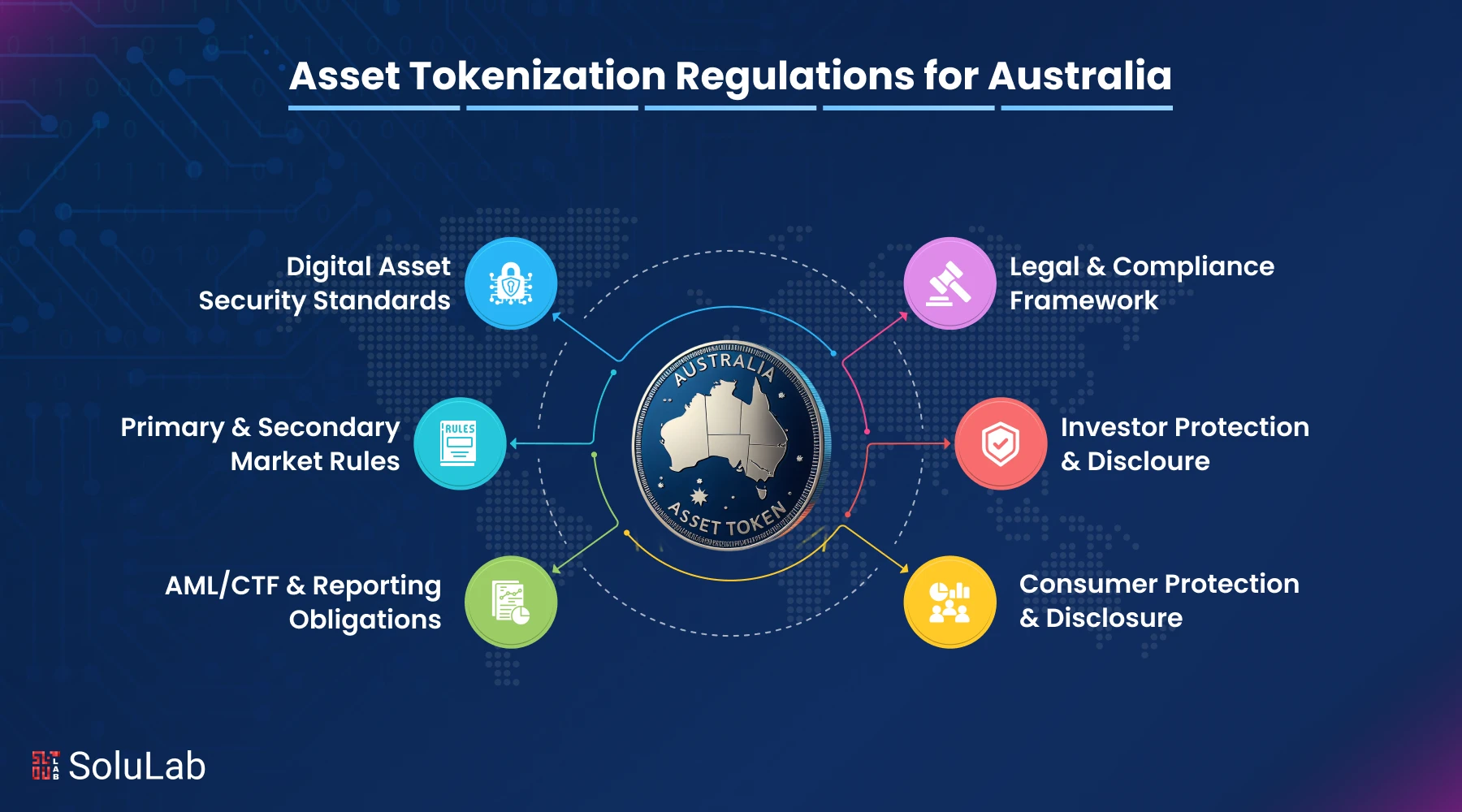
Asset Tokenization Regulations for Australia

As of 2025, Australia aims to be a global hub for RWA tokenization, with banks, fintechs, and blockchain firms already running live pilots. Projects like Acacia and Project Guardian show the country’s commitment to linking digital tokens to real economic assets through interoperable, multi-chain settlement systems.

What makes this move important is that it doesn’t reinvent the wheel; it adapts existing financial services laws and aligns them with token-based technologies. From custodial responsibilities to transaction settlement, the new framework focuses on “same activity, same risk, same regulation.” It gives businesses a roadmap to operate legally while building investor confidence in tokenized systems.

In this blog, we’ll unpack how asset tokenization regulations in Australia are reshaping the financial ecosystem. Also, what businesses need to know about compliance, and why 2025 could be the turning point for companies entering this rapidly growing sector.

What Businesses Need to Know About Australia’s Digital Asset Regulation? 

Australia is moving from uncertainty to a global structure. The recent draft reforms take an activity-based approach instead of inventing a single legal definition of “digital asset.” Practical effect: familiar financial rules apply where an activity looks like a financial service, and targeted carve-outs exist where blockchain infrastructure behaves like infrastructure.

Key thresholds and licensing triggers

  • AFSL trigger for Digital Asset Platforms (DAPs) proposed threshold of AUD 5,000 per customer and AUD 10 million in transactions over a rolling 12-month period.
  • Earlier proposals: thresholds previously floated were AUD 1,500 per customer or AUD 5 million in aggregate holdings; the new numbers give more room for smaller operations.
  • Notification requirement: entities relying on exemptions still must notify ASIC, so regulatory visibility remains.

CTA1

Practical takeaways for businesses

  • If your platform custody exceeds those thresholds, plan for AFSL processes and governance controls now.
  • If you rely on exemptions (e.g., coffee-shop style incidental crypto acceptance), document how your activity is incidental and set up simple compliance checks.
  • Intermediated services (staking, custodian activity) will attract scrutiny. Design flows that preserve client redemption rights and explicit lawful instruction paths.

Tokenization in Australia: From Real Estate to Private Credit and Carbon Assets

Tokenization Regulations for Australia

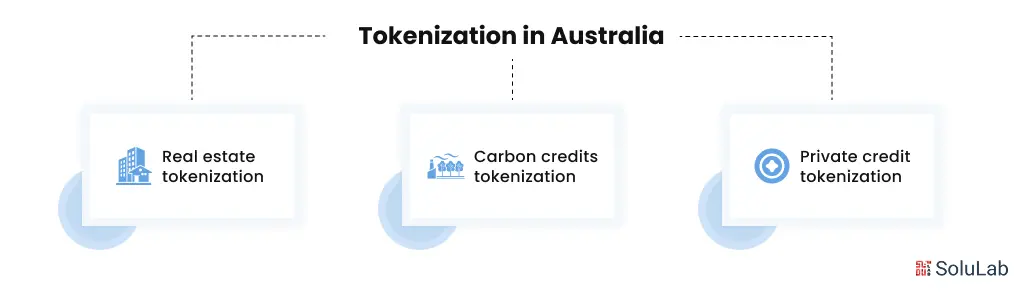
Asset tokenization in Australia already spans multiple classes. Each class carries distinct regulatory and commercial tradeoffs; know these before you build.

Real estate tokenization is the compliance-heavy lift

Property wrapped into tokens representing economic rights or rental income. In Australia, real estate is one of the major parts that has major exchange usage. Let’s see how tokenization is shifting this. 

  • Key legal points: property law continues to govern title; real estate tokenization needs a legal wrapper (e.g., company or trust).
  • Tax signals: capital gains tax, income tax on rental yield, potential GST and state transfer duties. Each project requires tailored tax structuring.
  • Commercial opportunity: fractional ownership unlocks retail and cross-border demand for large assets.

Private credit and institutional adoption

Private credit is already leading in scale; tokenized lending and invoice financing are gaining traction.

  • Benefit: faster settlement, improved transparency, programmable repayments.
  • Expectation: institutional buyers demand robust AML/KYC, custody segregation, and audited smart contract logic.

Carbon credits, commodities, and niche assets

Carbon credits are growing rapidly not only in Australia but also globally. If you want to grow with the ecosystem, then you must adopt carbon credit tokenization to gain favor in Australia’s tokenization laws. 

  • Carbon credits: strong use case for provenance, expiry rules, and traceable retirements.
  • Commodities and inventory: IoT or Oracle integration required to link physical quantity to tokens.
  • Business design: include automated compliance, clear redemption and transfer mechanics, and insured custody where possible

Navigating ASIC, AML/CTF, and MIS Rules

Regulatory compliance sits at the core of successful tokenization. Know the main regulatory levers and build accordingly.

ASIC and licensing posture

ASIC’s view focuses on “same activity, same risk, same regulation.” If your platform behaves like a custodial or managed service, expect AFSL obligations.

  • Design controls: custody separation, operational resilience, voting policy for governance tokens, and regular breach reporting.

AML/CTF and onboarding

  • AML/CTF obligations apply to token platforms in scope. KYC, transaction monitoring, and suspicious matter reporting must be baked into onboarding and transaction flows.
  • Practical step: integrate risk-based identity verification and automated transaction screening from day one.

Managed Investment Scheme (MIS) risk

  • Token fractionalization often creates MIS exposure. The draft rules carve out DAPs/TCPs from MIS classification only if clients retain redemption rights and operators act strictly on lawful instructions.
  • Design implication: avoid product structures where the operator materially negotiates or determines rights; otherwise, MIS compliance and disclosure become mandatory.

The Future of Tokenization in Australia

Momentum exists. Regulators offering sandboxes, banks piloting settlement rails, and cross-border initiatives gaining traction. For businesses, preparation beats reaction.

  • Continued industry engagement with Treasury and ASIC through consultations.
  • Sandbox testing is recommended before full licensing to de-risk product design.
  • Expect interoperability priorities: linkage to national rails (e.g., PayTo), stablecoin rails for settlement, and cross-chain protocols.
  • Short-term playbook: finalize legal wrappers, implement robust AML/KYC, build custody and recovery controls, and design investor protections (redemption, disclosure).
  • Medium-term advantage: first movers in niche verticals (private credit, carbon, high-value real estate) can capture liquidity ahead of broader standardization.

CTA-2

Conclusion

Australia is entering a new era of trust and transparency through digital asset regulation and structured asset tokenization frameworks. With clear compliance standards, businesses can now raise funds faster, reduce risk, and expand investor access without legal uncertainty. The combination of strong laws and advanced blockchain platforms is setting the stage for long-term growth in real-world asset tokenization in Australia.

If you’re planning to build a compliant, future-ready platform, SoluLab, a trusted asset tokenization development company, can help you navigate every step of the journey. Our white label tokenization solutions enable businesses to launch branded platforms quickly.

Contact us today for more information and how we work. 

FAQs

1. What are the key asset tokenization regulations in Australia for 2025? 

The 2025 framework introduces clear licensing for Digital Asset Platforms (DAPs) and Tokenized Custody Platforms (TCPs), ensuring compliance under Australia’s financial laws.

2. How does Australia’s asset tokenization compliance help businesses? 

It reduces regulatory risk, improves investor confidence, and ensures that platforms offering RWA tokenization or custody services meet ASIC’s governance standards.

3. Which industries benefit most from Real-World Asset Tokenization in Australia? 

Real estate, private credit, and carbon credits lead adoption, supported by asset tokenization services in Australia offering secure, compliant digital investment platforms.

4. Why should I choose SoluLab as my asset tokenization development company? 

SoluLab, a leading asset tokenization company in Australia, builds compliant, scalable, and white-label tokenization solutions aligned with ASIC and AML/CTF frameworks.

5. Can tokenized assets in Australia connect to global financial systems? 

Yes, new interoperability standards allow integration with PayTo, stablecoins, and cross-chain settlement, expanding access to international liquidity pools.

Top 10 Asset Tokenization Development Companies in 2026

As more businesses look to tokenize real-world assets, such as real estate, equities, or art, selecting the right development company has become a critical challenge. The wrong partner can mean compliance headaches, security flaws, and lost investor trust.

That’s why making an informed decision is more important than ever. With many firms offering similar services, it’s easy to feel overwhelmed. However, the truth is that not all tokenization companies are built the same. Some offer superior tech, while others excel in regulatory support or user experience.

Due to improved trading, custody, and settlement process efficiencies, the tokenization of real-world assets has the potential to generate $2.4 trillion in annual economic gains worldwide.

To help you select the best company, we’ve curated a list of the top 10 asset tokenization development companies in 2026.

What is Asset Tokenization?

Asset tokenization is the process of converting real-world assets into digital tokens on a blockchain. These tokens represent ownership or a share of the underlying asset and can be bought, sold, or traded like cryptocurrencies. 

For example, a property worth ₹1 crore can be tokenized into 1 lakh digital tokens, each worth ₹100, allowing multiple investors to own a fraction of it. This makes high-value assets more accessible, improves liquidity, and enables faster and more secure transactions. Tokenization also brings transparency through blockchain records and reduces the need for intermediaries in asset transfer processes.

How to Select the Best Asset Tokenization Development Companies?

Choosing the right asset tokenization development company is crucial to ensure your project runs smoothly, securely, and meets regulatory standards. Here are the key factors to consider while selecting the best one:

  • Experience in Blockchain and Tokenization: Look for companies with a proven track record in blockchain and tokenization projects. Their prior experience ensures better decision-making, efficient development, and fewer chances of costly technical errors.
  • Regulatory Compliance Expertise: The best companies understand global and regional legal frameworks. They help ensure your tokenized assets comply with KYC/AML laws, securities regulations, and other industry standards, reducing future legal risks.
  • Customization and Scalability: A reliable firm should offer customized solutions tailored to your business needs. They must also build platforms that are scalable, capable of growing with your user base and asset volume.
  • Security Standards: Top-tier developers adhere to rigorous security protocols, including smart contract audits, encryption, and penetration testing. This ensures your assets, data, and users remain protected from cyber threats.
  • Tech Stack and Tools: Evaluate the technologies they use—such as Ethereum, Polygon, or Hyperledger—and their familiarity with token standards like ERC-20 or ERC-1400. The right stack ensures compatibility and long-term efficiency.
  • Transparent Pricing and Timelines: A professional company provides clear cost estimates and project timelines upfront. Transparency helps avoid hidden charges and ensures realistic planning from development to deployment.
  • Post-Deployment Support: Check if the company offers ongoing support, bug fixes, and upgrades after launch. Continuous support is essential for maintaining and improving your tokenization platform over time.

CTA1

Top 10 Asset Tokenization Development Companies to Look for in 2026

1. SoluLab

SoluLab is a leading blockchain development company known for its expertise in asset tokenization solutions. With a strong portfolio of enterprise-grade projects, they offer end-to-end services—from smart contract development to token launch platforms. One of the key reasons to choose SoluLab is its ability to deliver secure, scalable, and compliant tokenization frameworks tailored to client needs.

Their services include real estate tokenization, equity tokenization, and utility tokens. Key features include cross-chain compatibility and robust KYC/AML integration, making them a reliable partner for businesses entering the digital asset space.


$25-$49


50-249


2014


Los Angeles, CA, USA


Disney, Microsoft, Georgia Tech

Konkrete

2. Konkrete

Konkrete has emerged as a distinguished player in the realm of asset tokenization development. Renowned for its expertise in facilitating the seamless conversion of tangible assets into digital tokens, Konkrete offers a comprehensive suite of services that empower businesses to harness the transformative power of blockchain technology.

With a dedicated team of experts, the company has spearheaded numerous projects spanning diverse asset classes, from real estate and precious metals to venture capital, enabling clients to unlock enhanced liquidity and investment opportunities.


$200 to $250


5-10


2022


Ontario, Canada

3. PixelPlex

PixelPlex is a leading asset tokenization development company known for its robust blockchain expertise and customized token solutions. With over a decade of experience, they help businesses tokenize real-world assets like real estate, art, and equity with full regulatory compliance.

One of their standout offerings is Tokensoft, a trusted platform that ensures secure issuance, management, and transfer of digital assets. PixelPlex provides end-to-end services from token design and smart contract development to platform integration. Pixelples offers strong KYC/AML compliance and cross-chain interoperability, making them a reliable partner for any tokenization project.


$50-$200


101-250


2007


New York, United States

4. BlockchainX

BlockchainX offers both tangible and intangible assets in highly liquid digital tokens using blockchain technology. They offer secure, regulation-compliant solutions with features like fractional ownership, cross-chain compatibility, and enhanced liquidity through secondary market trading.

Their services span across industries like real estate, art, and commodities, offering end-to-end support from ideation to deployment. With expertise in networks like Ethereum, Solana, and NEAR, they ensure seamless integration, smart contract development, and post-launch support. BlockchainX stands out for its commitment to transparency, security, and delivering custom solutions that align with global regulatory frameworks.


$25 to $50


150+


2017


Coimbatore, Tamil Nadu, India

5. Polymath

Polymath specializes in simplifying the creation and management of security tokens, helping businesses bring their token ideas to life with ease. As pioneers in security token standard development, they focus on making blockchain adoption for enterprises while ensuring compliance and security through an open ecosystem.

Their platform enhances asset liquidity and transparency by leveraging the full potential of blockchain technology. Polymath offers a range of services, including token creation, compliance tools, framework development, and integration with financial platforms. Their team also supports developers building tokenized ecosystems, making them a comprehensive partner in asset tokenization.


$200 to $250


11-50


2017


Toronto, Ontario, Canada

6. Tokensoft

Tokensoft specializes in providing secure and compliant token issuance solutions, helping businesses launch tokenized assets effectively across multiple jurisdictions. They stand out for their expert security token launch strategies and strong focus on regulatory compliance in different regions.

Tokensoft supports multiple blockchain networks, offering great flexibility for diverse project needs. Their services include token designing and issuance, developing regulatory frameworks, and investor onboarding with KYC solutions. Additionally, they offer post-launch token maintenance, making them a comprehensive partner in the asset tokenization journey.


$50-$100


11-50


2017


Austin, Texas, United States

7. Securitize

Securitize is a top asset tokenization company that bridges traditional finance with blockchain through a secure, compliant platform for digital securities. Known for their integrated regulatory framework, they offer end-to-end solutions—from token issuance to secondary trading and investor management tools.

Their strength lies in robust compliance systems and strategic partnerships with major industry players. Securitize stands out as an industry leader in securely tokenizing assets while simplifying legal and regulatory processes. Their services also include digital security issuance, trading platform development, and comprehensive compliance support.


$50 to $100


200


2017


San Francisco, California, United States

8. Tokeny

Tokeny Solutions is a top leader in asset tokenization development, known for creating secure, compliant, digital tokens that are easy to manage and transfer. With extensive experience across blockchain networks, they offer user-centric solutions that simplify complex processes while maintaining stringent compliance standards.

Their services include token development and management, identity compliance, and API integrations for various assets. Tokeny also provides strong post-launch support, ensuring smooth operation and adaptability. Their commitment to global regulatory adherence makes them a reliable choice for enterprises entering the tokenization space.


$50-$100


11-50


2017


Luxembourg, Luxembourg

9. Stobox

Stobox is a trusted name in the asset tokenization space, known for helping businesses launch and manage digital securities with ease. With a strong focus on compliance and automation, Stobox simplifies the token issuance process for real-world assets.

One of the standout reasons to choose Stobox is its user-friendly dashboard and legal framework tailored for global markets. They offer services like token issuance, investor onboarding, and secondary trading support. Key features include a customizable white-label platform and integrated KYC/AML compliance.


$50 to $100


51-100


2018


Brooklyn, New York, United States

10. tZERO

tZERO is a pioneer in merging blockchain with traditional finance, offering a secure and regulated trading platform for tokenized securities. With a strong focus on compliance, transparency, and liquidity, tZERO stands out as a market leader in blockchain-based asset tokenization.

It leverages advanced security features and ensures seamless blockchain integration into the financial ecosystem. Their services include a real-time tokenized security trading platform, an asset management solution, and a fully integrated blockchain financial ecosystem with investor engagement tools.


$47 to $68


50-100


2014


Salt Lake City, Utah, United States

CTA2

Conclusion

Tokenization continues to reshape how we invest, trade, and manage real-world assets. 

Whether you’re a startup looking to tokenize real estate or an enterprise exploring digital securities, partnering with the right development company is key to your project’s success. 

Each of these firms brings unique strengths to the table, so your final choice should align with your specific needs, goals, and jurisdiction. Asset tokenization firms will play a critical role in enabling the smooth integration of blockchain technology into current sectors, advancing a more accessible, decentralized, and inclusive economy.

SoluLab, an asset tokenization development company in the USA, can help you with real estate tokenization, equity tokenization, and more. Contact us today to discuss further. 

FAQs

1. Why is asset tokenization gaining popularity in 2026?

In 2026, asset tokenization is seeing rapid adoption due to its benefits like enhanced liquidity, fractional ownership, lower transaction costs, and global accessibility. It’s transforming how investors and institutions manage physical and financial assets.

2. How much does it cost to develop an asset tokenization platform?

The cost can range from $30,000 to over $250,000, depending on the platform’s complexity, number of tokenized assets, smart contract logic, regulatory integrations, and custom UI/UX requirements.

3. What blockchain platforms are commonly used for asset tokenization?

Popular platforms include Ethereum, Polygon, Avalanche, Binance Smart Chain (BSC), Tezos, and Hyperledger Fabric—chosen based on the client’s needs for speed, scalability, and compliance.

4. Can I tokenize both physical and digital assets?

Yes. Tokenization works for both physical assets (like real estate, gold, vehicles) and digital/intangible assets (like intellectual property, music rights, equity shares, NFTs). The key is ensuring proper asset valuation, ownership, and regulatory compliance.

5. How long does it take to launch an asset tokenization platform?

Depending on the project’s scope, it can take anywhere from 8 to 20+ weeks. This includes planning, development, smart contract deployment, legal compliance, and testing.