


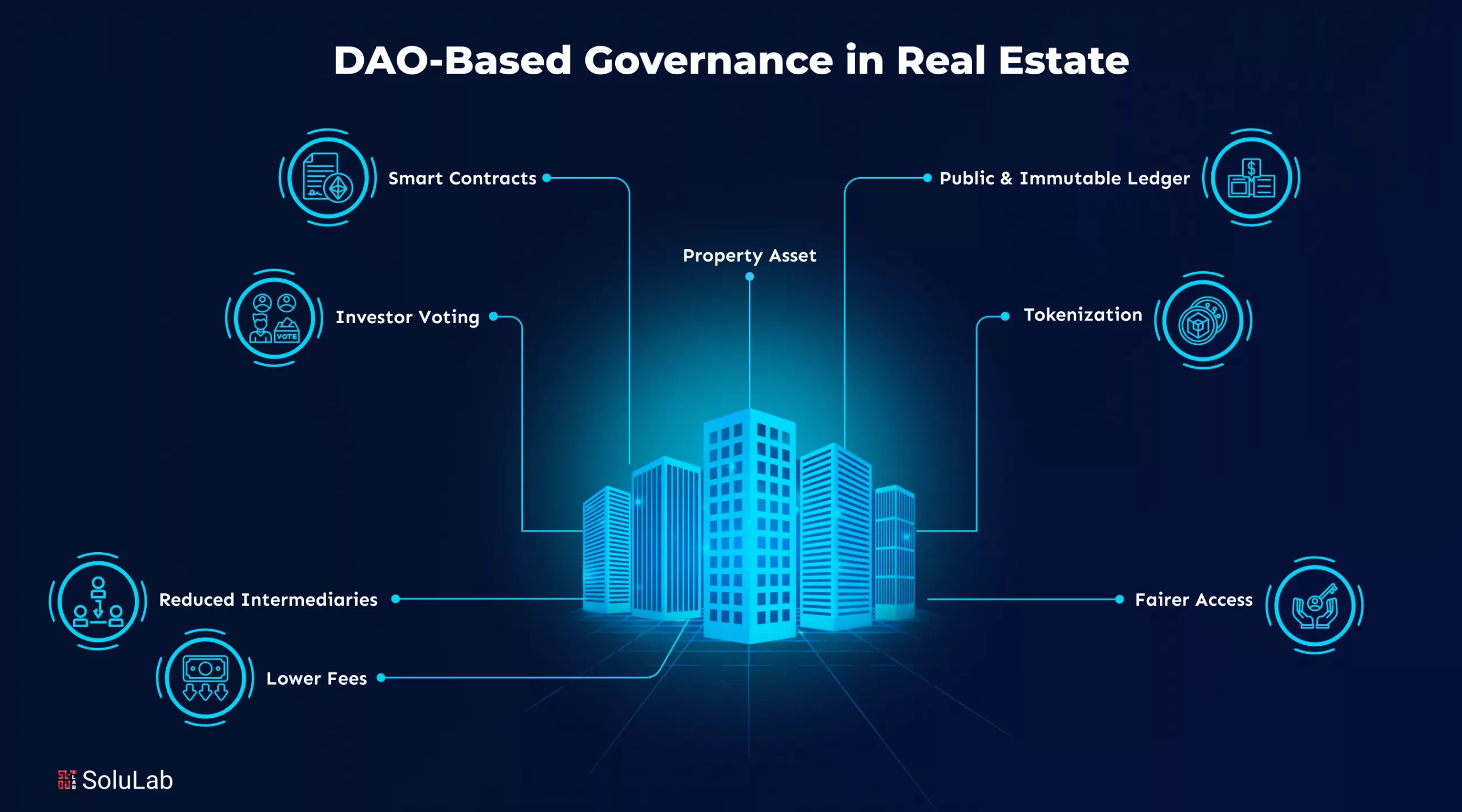
Investing in real estate has traditionally been expensive. Limited access, slow transactions, and cumbersome paperwork make it hard for investors to participate. Many investors miss out on opportunities because buying entire properties is costly, compliance processes are complex, and managing multiple properties is tedious.
Decentralized governance, powered by DAOs (Decentralized Autonomous Organizations), is changing it. Through fractional ownership property tokens, investors can own portions of real estate without requiring a large capital investment.
Smart contracts automate processes, enforce compliance in real estate, and provide transparent records. In this blog, we’ll explore everything you need to know about decentralized governance in real estate.
Decentralized governance in real estate refers to a system where decisions about property management, investment, and ownership are made collectively by stakeholders using blockchain technology, rather than being controlled by a single central authority, such as a developer, government, or corporate board.
The global real estate tokenization market is expected to reach $11.80 billion by 2031, growing at a 19.9% CAGR.
Here’s how it works:
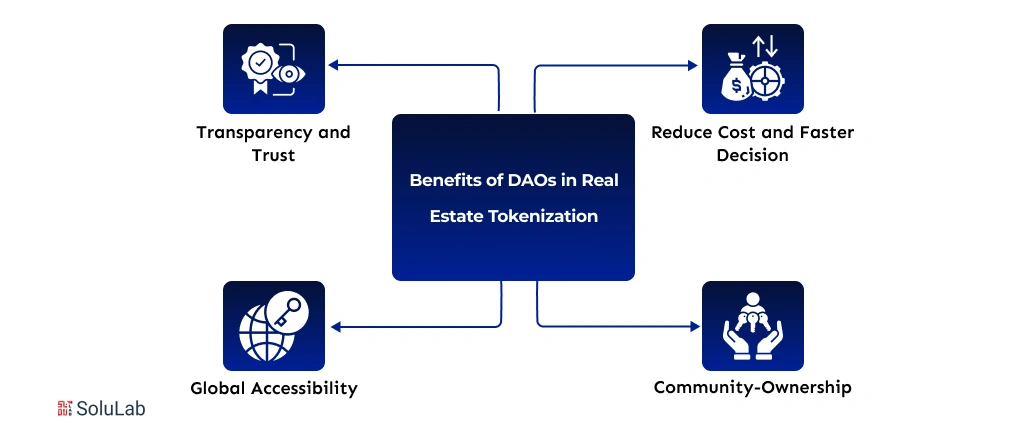
Decentralized Autonomous Organizations (DAOs) are changing the workings of tokenized properties. They introduce fairness, speed, and inclusivity to real estate ownership by a blockchain-based governance system and a community-driven decision-making process.
1. Transparency and Trust: All activities and actions of a DAO are stored in the blockchain, which guarantees complete transparency. This ensures that any covert agendas are removed, investors gain confidence, and all players can confirm what is being done immediately without using intermediaries.
2. Global Accessibility: DAOs also erase geographical boundaries because any person in the world can invest in or operate tokenized properties. This marketability enhances participation, brings liquidity, and expands real estate investment opportunities to both small and large investors.
3. Reduce Cost and Faster Decision: DAOs reduce administrative expenses by eliminating the middlemen, such as brokers and managers. Automated smart contracts facilitate the approvals and voting process to enable property owners and investors to make timely and informed decisions, with little human intervention.
4. Community-Ownership: DAOs facilitate a feeling of ownership. All the token owners are democratically involved in making decisions such as the maintenance, rental policies, or sales, thus establishing a strong, active, and aligned community of investors.
By improving efficiency, security, and transparency, DAOs’ application of blockchain to the real estate sector is changing the sector.
Blockchain solutions ensure transparency and lower the risk of fraud by recording all transactions in an immutable ledger. By doing away with the necessity for a central authority, this decentralized approach promotes participant trust.
Self-executing agreements with their terms encoded directly into the code are known as smart contracts. They automate real estate procedures like escrow services, rental agreements, and property transfers. This automation decreases errors, expedites transactions, and eliminates the need for middlemen.
Tokenization enables fractional ownership by transforming real estate assets into digital tokens. This strategy improves market liquidity and decreases the entry hurdle for investors. With a cumulative annual growth rate (CAGR) of 21%, the worldwide real estate tokenization market is expected to increase from $3.5 billion in 2024 to $19.4 billion by 2033.
Building a DAO-integrated real estate platform requires blockchain transparency with community-driven decision-making. It allows property investors and stakeholders to collaborate, vote, and earn through decentralized governance and tokenized assets.
Start by outlining the platform’s vision, whether it’s property investment, management, or fractional ownership. Then, decide on governance rules for how decisions are proposed, voted on, and executed through smart contracts.
Select a blockchain like Ethereum, Polygon, or Solana for scalability, security, and low transaction fees. The chosen network should support DAO tools, smart contracts, and token standards like ERC-20 or ERC-721.
Smart contracts automate critical processes in real estate tokenization, ownership transfers, voting, and profit distribution. Ensure they’re audited for security to prevent vulnerabilities or unauthorized access to community or investor funds.
Convert property value into digital tokens representing fractional ownership. This lets multiple investors own shares of a property, improving liquidity, accessibility, and participation in the real estate market.
Use DAO platforms like Aragon, DAOstack, or Colony for member onboarding, proposal creation, and voting. These tools simplify governance, transparency, and collaboration between property owners and investors.
Design an intuitive interface that lets users buy, sell, and vote easily. Integrate dashboards to track assets, governance updates, and earnings by making real estate investment simple and transparent.
Adhere to property laws, KYC/AML regulations, and token issuance norms. Work with legal experts to ensure your DAO functions within local and international real estate regulations.
Host an initial offering or community drive to attract early investors. Educate them about DAO participation, voting rights, and profit-sharing models to build trust and engagement.
Keep improving DAO operations through member feedback, governance upgrades, and transparent reporting. Regular audits and active participation maintain platform credibility and long-term sustainability.
DAOs and blockchain tokenization are enabling fractional ownership, global investor access, legal entity structures, and governance rights over property, changing how people buy, own, and profit from real assets.
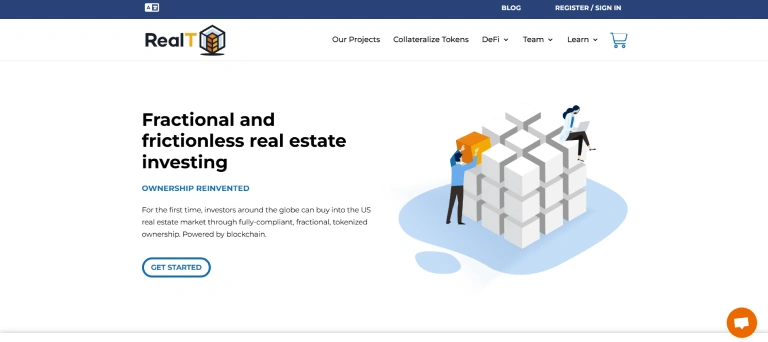
RealT is a platform that tokenizes real, income-producing U.S. residential properties into digital tokens (RealTokens), allowing people worldwide to own fractions of property and receive rental income.
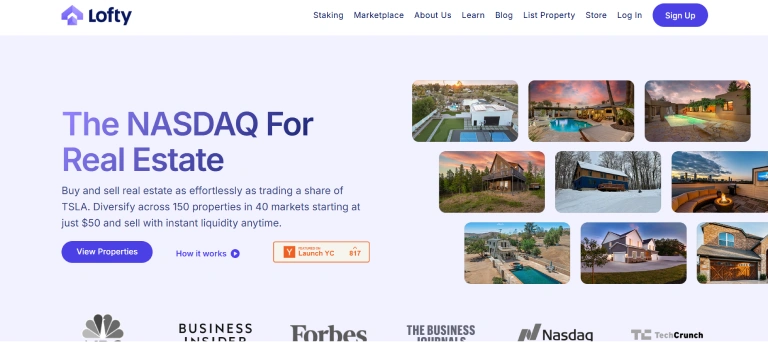
Lofty AI is another fractional real estate investing platform using blockchain that lets investors buy tokens representing portions of single properties, and participate in governance via DAO-LLCs.
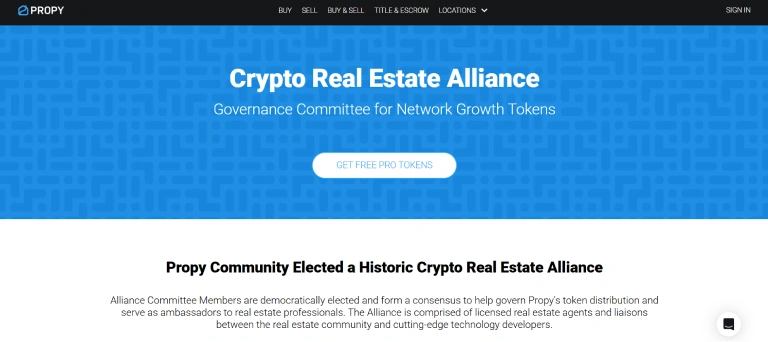
Propy is more focused on using blockchain to transform how real estate transactions are done: titles, escrow, deeds, registry, with smart contracts to reduce friction, delays, and intermediaries. It has components of governance via tokens, though its DAO features are more nascent compared to fully fractional ownership DAOs.
The rise of real estate DAOs is improving how properties are owned, managed, and invested in. By using DAOs in real estate tokenization, investors gain fractional ownership, improved transparency, and automated governance through smart contracts.
These reduce barriers to entry, enhance liquidity, and management processes, making real estate more accessible globally. As demand grows, real estate tokenization services are evolving to provide legal compliance, secure transactions, and efficient administration for tokenized properties.
SoluLab, a DAO development company, can help investors and businesses leverage Real estate DAOs for efficient governance and transparency. Contact us today to discuss further!
Yes. Fractional ownership allows smaller investors to join via tokens, making high-value properties accessible without significant capital.
A Crypto Backed Real Estate Investment lets investors use digital currencies to buy property tokens, combining crypto markets with tangible real estate returns.
Contact a Tokenization development company to tokenize property, issue governance tokens, and onboard investors for collective decision-making.
DAO-Based Governance in Real Estate enables businesses to pool resources, make data-driven decisions, reduce overhead, and participate in innovative tokenized property projects.
Some jurisdictions allow DAOs through legal wrappers or LLCs. Regulatory frameworks vary, so compliance is crucial for DAO operations.


