Talk to an Expert

Top 7 Blockchain Development Use Cases Where Enterprises Saved Millions

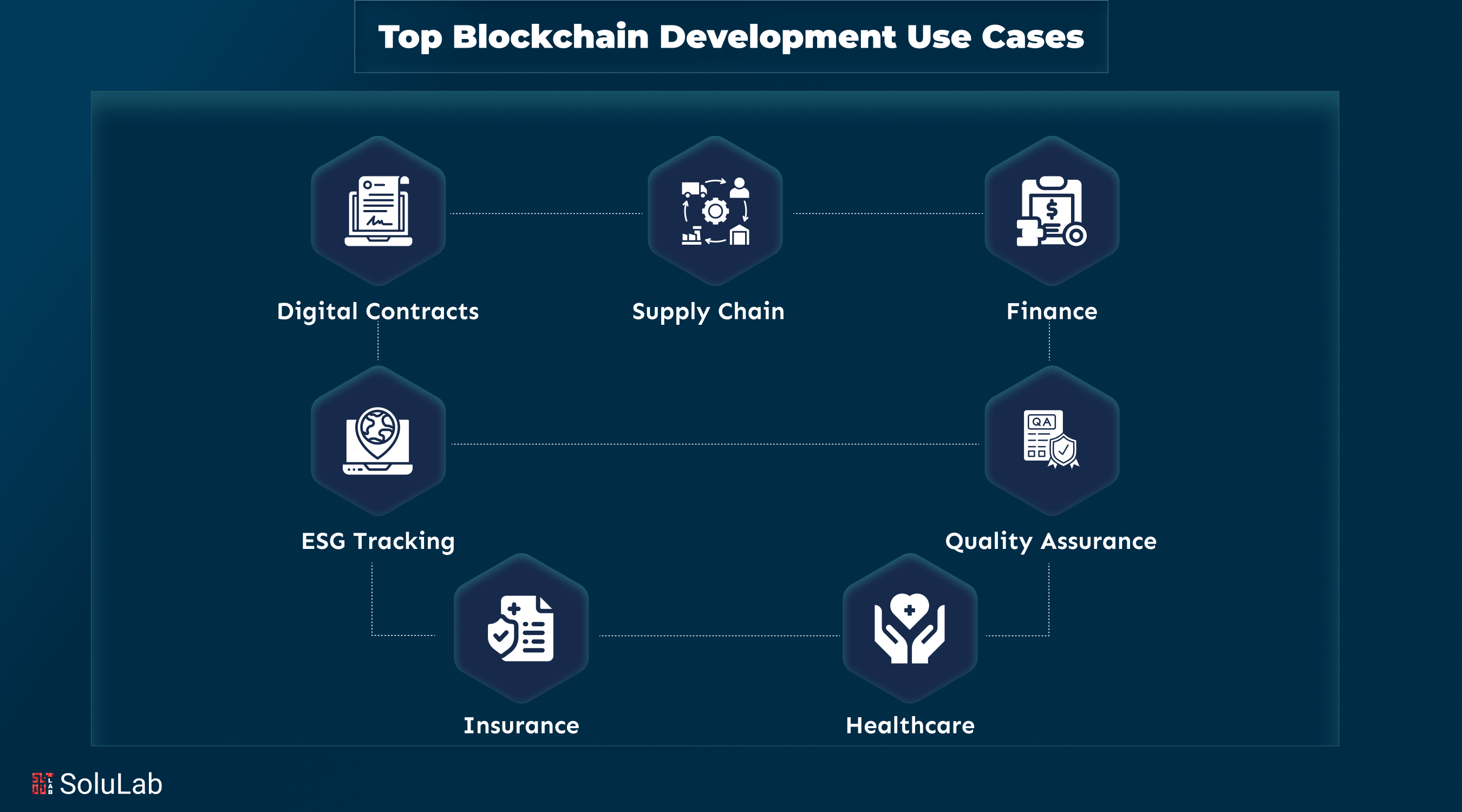
Top Blockchain Development Use Cases

You might have heard how startups build innovative platforms at low cost. Businesses are now focusing on making their system smarter, faster, and more transparent to save expenses. This is where blockchain technology plays a key role. Blockchain for enterprises supports cutting suppliers’ onboarding time to ensure instant payouts. 

Mike Cagney, Co-founder of Figure, said, “Blockchain represents the democratization of financial services, offering retail investors one of the largest allocations ever seen in an IPO.”

Not only that, but businesses are enhancing it to ensure user data security, customer trust, and regulatory compliance. With this automatic smart technology, enterprises saved millions. Let’s get into some major use cases that can reshape your business.

Why Enterprises Need Blockchain Development?

Blockchain for enterprise builds trust and transparency. Every stakeholder can access the same verified data without disputes. It enhances your customer security and helps protect against fraud and technical breaches. Some convincing reasons to invest in blockchain are:

1. Blockchain for digital identity streamlines verification. Users control their credentials while reducing compliance delays.

2. Smart contracts automate processes. Enterprises save time, reduce errors, and eliminate unnecessary intermediaries.

3. Supply chain tracking improves accountability. Companies trace goods in real time, ensuring authenticity and reducing counterfeits.

4. Blockchain reduces costs significantly. Enterprises cut transaction, auditing, and reconciliation expenses.

5. Faster settlements boost efficiency. Payments, cross-border transfers, and vendor payouts are complete in near real time.

6. Blockchain innovation ensures future readiness. Businesses stay competitive as industries shift to Web3 and tokenization.
Blockchain Development Company

Top 7 Blockchain Development Use Cases

Now that you have a clear idea of how blockchain helps your business, let’s get to know some case studies that took the businesses to new heights. 

1. Digital Contracts and Transactions Using Blockchain

In the following two case studies, the companies automated the contracts by leveraging blockchain. By doing this, they not only saved time but also improved the efficiency and reduced the manual delay. Let’s check each one in detail. 

  • Hitachi

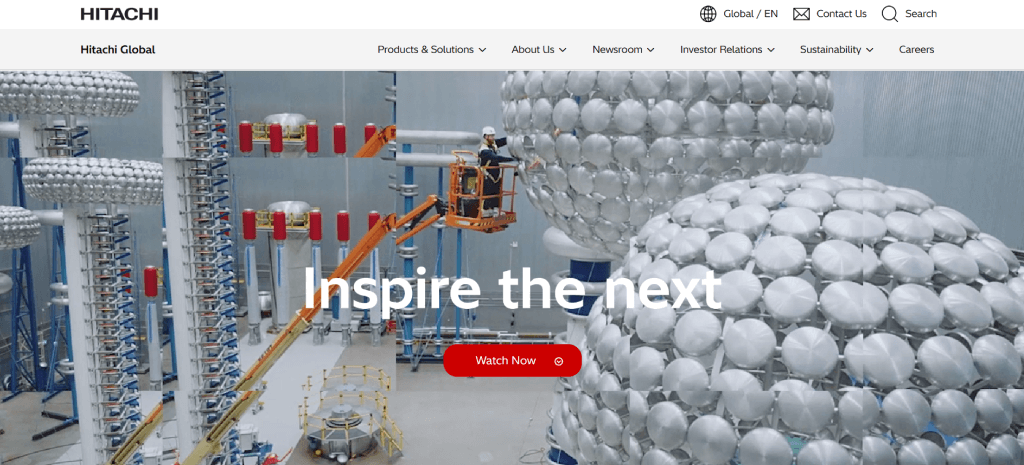
Hitachi was managing contracts with around 2000 companies. Their traditional paper-based system slowed down procurement and invited errors. To overcome this, Hitachi adopted a blockchain-based paperless procurement system using Hyperledger Fabric. This new system digitized contract approvals and document sharing with suppliers.

Blockchain ensured documents were tamper-proof and traceable. As a result, Hitachi could handle at least one contract per company monthly with greater efficiency and less risk of fraud. The blockchain for enterprise system helped reduce manual delays and secured sensitive procurement data, saving both time and operational costs.
Hitachi

  • BlockTower Credit

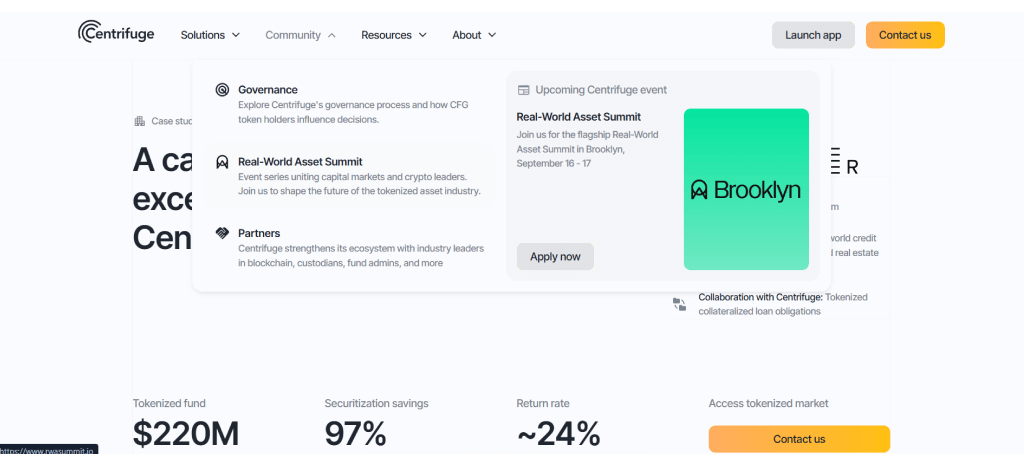
Capital markets have begun leveraging blockchain for faster settlements and improved access to capital. BlockTower Capital partnered with Centrifuge to modernize credit securitization using blockchain. The move cut costs by 97% and improved transparency.

Blockchain applications enable near-instant trade settlement, removing the need for third-party intermediaries. Traditional assets like stocks and bonds can be tokenized, allowing fractional ownership. This increases liquidity and lowers capital entry barriers, saving institutions millions in operational inefficiencies and errors.
BlockTower Credit

2. Blockchain made Supplier Management and Compliance Easy

As countries introduce new rules and regulations to protect user details, businesses must adapt to them. Let’s examine how companies manage these changes and how they minimize the cost of updates.

  • Trust Your Supplier

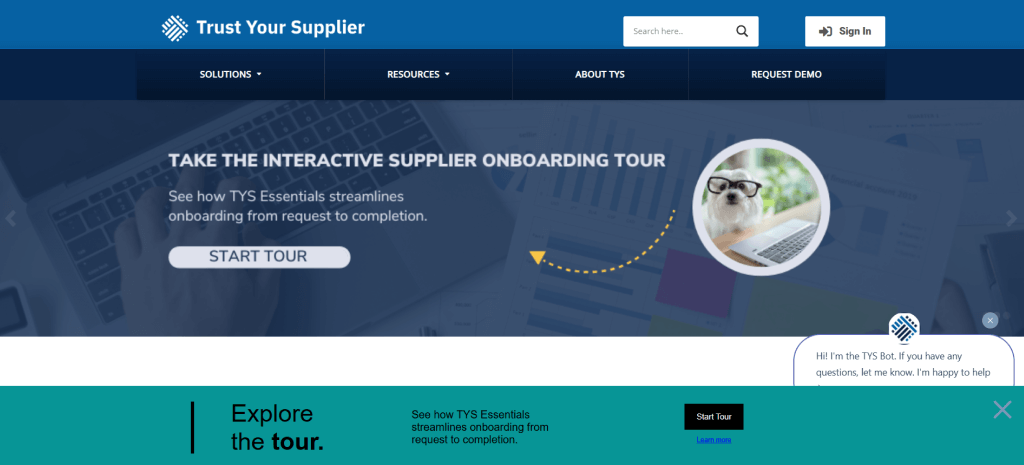
Trust Your Supplier, developed in partnership with IBM, simplifies supplier onboarding and verification using blockchain. Traditionally, verifying supplier credentials took weeks and involved repetitive checks. Using blockchain, data is verified once by trusted sources like Dun & Bradstreet or EcoVadis.

Then, a digital “supplier passport” is created and shared securely across business networks. This blockchain for business solution cut onboarding time by over 70% and slashed data verification costs by 50%. Blockchain’s transparency also improved regulatory compliance and risk management across global supply chains.
Trust Your Supplier

  • Walmart

In global commerce, tracking a product’s origin and movement is crucial for safety and ethics. Blockchain allows each supply chain participant to log verified data in real-time. For example, Walmart and IBM’s Food Trust blockchain solution traces food items from farm to shelf.

This ensures product freshness, reduces food waste, and speeds up recalls during contamination events. Consumers and regulators gain access to reliable data on sourcing, handling, and transit, all verifiable on the blockchain. Such blockchain technology in financial services saves millions in quality control and fraud prevention.
walmart

3. Trade Finance and Commerce Process Simplified

As blockchain technology grows, world trade is writing new chapters in the economy. Here is how companies handle transactions without delay and errors, which reduces the transactional costs. 

  • Marco Polo Network

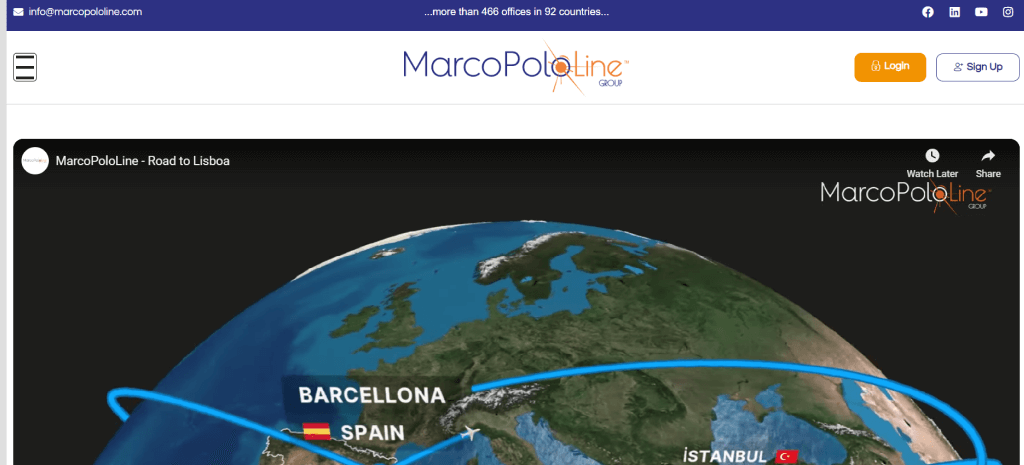
International trade often involves complex paperwork and delayed payments. To solve this, Marco Polo Network introduced a blockchain platform for trade finance. It connects buyers, sellers, and banks through a shared ledger, integrating with ERP systems. Smart contracts ensure that payment is automatically released once delivery is confirmed. This removed the need for letters of credit and reduced manual errors. It shortened settlement time, reduced bank fees, and improved trust in global transactions.
Marco polo network

  • Barclays PLC

Traditional letters of credit can take weeks and involve multiple layers of verification. For the first time in 2016, Barclays PLC automated this using smart contracts programmed with trade terms. Once conditions are met, payments are released without human intervention. This automation reduces fraud risk and eliminates the need for constant follow-ups. Enterprises using blockchain in trade finance report improved cash flow and reduced transaction costs.
Barclays PLC

4. Blockchain Enhanced ESG Tracking

With the green certification and carbon credits, companies are gaining external financial support. Let’s see how this actually works. 

  • Renault

Renault must comply with over 6,000 safety and quality standards across its operations. Tracking components from multiple suppliers was complex and error-prone. To solve this, Renault and IBM built a blockchain-based compliance platform. This solution ensures traceability of every part from suppliers to assembly lines. 

It helps meet internal and external compliance requirements without duplication. Renault reduced non-compliance expenses by 50% and plans to expand blockchain use for tracking carbon footprints and recycling efforts.

Renault

  • Brooklyn Microgrid

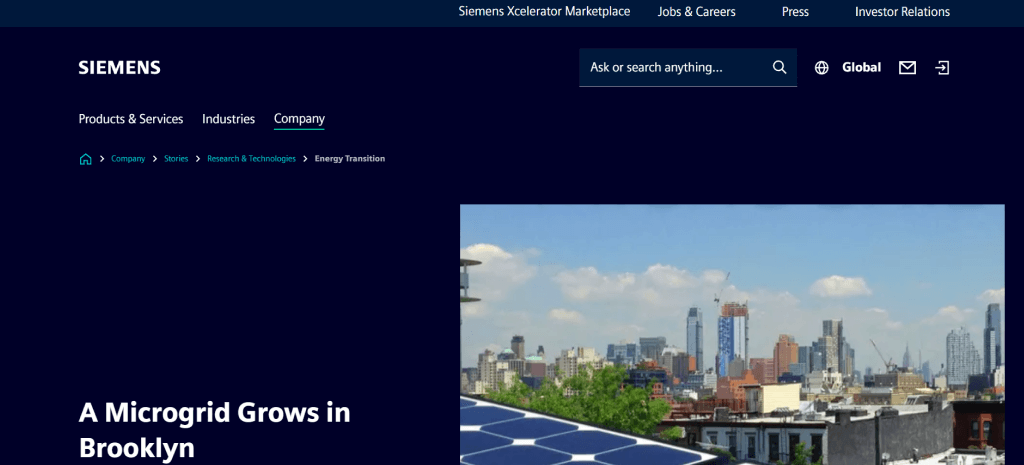
Blockchain also plays a role in clean energy and sustainability. Projects like the Brooklyn Microgrid enable peer-to-peer energy trading without intermediaries. Participants sell excess solar energy to neighbors through a blockchain ledger. This creates a transparent, local energy market and boosts renewable energy adoption. Blockchain also tracks carbon emissions and green certifications, helping organizations meet ESG goals with verified data.
Brooklyn Microgrid

5. Raw Material and Product Quality Verified Through Blockchain Technology

Nowadays, industries use technology to reduce manual labor and reduce their costs. 

  • Ford

Ford aimed to ensure the ethical sourcing of cobalt used in electric vehicle batteries. They partnered with IBM and RCS Global to build a blockchain tracking system. The system recorded the cobalt’s journey from certified mines through logistics to factories. IoT sensors and supplier declarations verified authenticity and compliance at each stage. This gave Ford end-to-end visibility into its sourcing, reducing ESG risks and improving transparency for stakeholders.

Ford

  • Nestlé

After China’s 2008 milk scandal, parents were cautious about baby food safety. Nestlé introduced NAN A2 infant formula with full blockchain traceability in China. Customers scanned QR codes to view the product’s origin, ingredients, and packaging details. All data was stored on a public blockchain, accessible via mobile apps. This move helped Nestlé gain significant consumer trust and grow its market share in infant nutrition.
Nestle

6. Insurance Claims and Fraud Reduced Rapidly

Blockchain technology in the insurance industry is improving customer satisfaction levels without any delays. Here is how companies use smart contracts to gain users’ trust.

  • AXA Fizzy

AXA tackled slow and frustrating flight delay claims with a product called Fizzy. It used blockchain smart contracts and flight data oracles to detect delays automatically. If a flight was delayed over two hours, a smart contract triggered an automatic payout. No paperwork or claim filing was needed. This innovation improved customer satisfaction and reduced administrative overhead for AXA.

AXA

  • Etherisc

Etherisc created blockchain-based insurance for events like crop failure or flight delays in Kenya. Smart contracts automated payouts when conditions were met using third-party data. For instance, if weather data confirmed a drought, a payout was made instantly. This reduced fraud, sped up claim settlements, and brought insurance access to underserved communities.

Etherisc

7. Identity, Health, and Legal Records Secured

Blockchain is evolving into the next stage as industries use it in every application. From private to government, everyone is adopting blockchain technology to make things easy. Enterprises are also adopting it and innovating new ideologies to enhance their system and reduce expenses.

  • OpenLaw

OpenLaw uses blockchain to create smart legal agreements. Lawyers and clients use templates with embedded code for execution. These smart contracts handle actions like payments and asset transfers once triggered. This reduces manual revisions and offers an auditable legal record on-chain. It saves time, lowers legal costs, and increases contract reliability. This makes it one of the top blockchain applications and use cases in business

Open Law

  • IPwe

IPwe collaborated with IBM to build a blockchain-based IP marketplace. They tokenized over 80% of the world’s patents for transparent tracking. Businesses now display, value, and trade IP more efficiently. This unlocks investment opportunities and ensures fair licensing practices.
IPwe

  • American Hospital Association

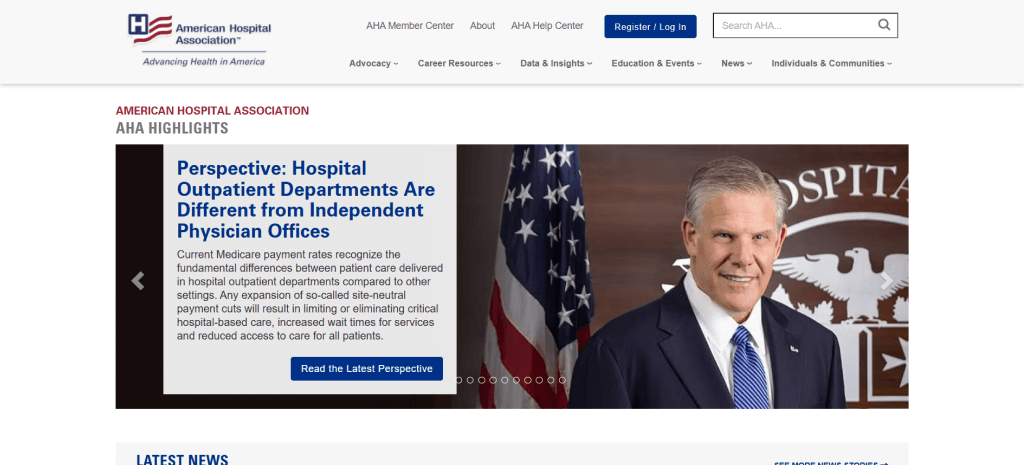
Healthcare providers store patient data on blockchain for better security and access control. The American Hospital Association also mentioned how Blockchain is changing clinical operations. With this, patients decide who can access their records. Doctors’ credentials are also verified and stored on-chain. This reduces fraud and ensures licensed professionals deliver care. Data integrity is preserved with a full audit trail.
American Hospital Association

  • Governments

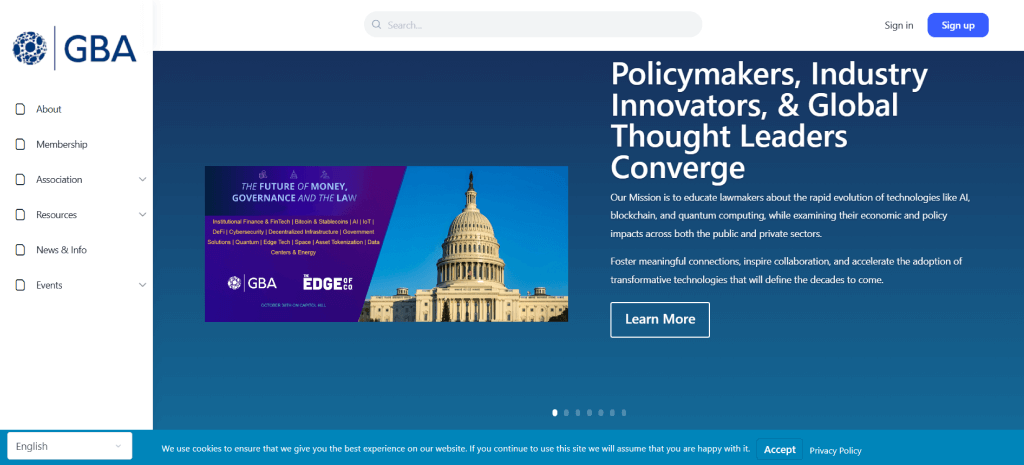
Public sector bodies now use blockchain to manage land records, identity documents, and licenses. States like Illinois and Delaware have launched blockchain pilots. This ensures tamper-proof public records and secure citizen data. Governments benefit from higher transparency and reduced administrative costs.
Governments

Conclusion

As per the above case studies and use cases, blockchain proves its worth in the technology world. If you are also thinking of adopting blockchain technology, then Solulab, the top blockchain consulting company, is here to assist you. 

We at Solulab provide hands-on guidance, helping you design and implement large-scale blockchain systems. Our blockchain consultants assist businesses in implementing this innovative technology effectively. This makes you stay ahead of the competition. 

Contact us today for secure, reliable, and efficient blockchain adoption. 

FAQs

1. How exactly does blockchain help companies save money?

Blockchain removes middlemen, automates contracts, and prevents fraud. It reduces paperwork, human errors, and processing time, saving millions in administrative costs, compliance issues, and delayed payments across global operations.

2. Is blockchain only useful for big companies like Hitachi or Ford?

Not at all. While large companies adopted it first, small and mid-sized businesses now use blockchain for supply tracking, digital identity, or automated contracts, especially with today’s easier-to-access blockchain platforms.

3. How can SoluLab help enterprises adopt blockchain solutions for procurement and trade finance?

At SoluLab, we design secure, efficient blockchain solutions that help you reduce costs, automate contracts, and boost trust across procurement and trade finance.

4. How does blockchain improve product safety for consumers?

It tracks every step in the supply chain, from farm to shelf. That means consumers can scan a code and instantly see where, when, and how a product was made, with total transparency.

5. Could I ever use blockchain to track my coffee beans or shoes? 

Yes, really! Some companies already let you trace your coffee or sneakers back to the farm or factory. Blockchain lets everyday people see the full story behind what they buy. 

Top 20 Supply Chain Startups in 2025

The supply chain industry is changing rapidly, driven by advancements in technology, automation, and sustainability. In 2025, startups are at the forefront, introducing innovative solutions that boost efficiency, cut costs, and improve transparency. From AI-driven logistics to blockchain-based tracking, these companies are changing global supply chains.

With challenges like geopolitical tensions and changing consumer demands, businesses need smarter, more resilient supply chain solutions. Startups are addressing these needs by using artificial intelligence, IoT, and predictive analytics to optimize operations and reduce risks. The global supply chain management market is projected to reach $30.91 billion by 2026, nearly doubling from $15.85 billion in 2020. 

This blog highlights the top 20 supply chain startups of 2025 that are making a significant impact. Whether improving last-mile delivery, refining inventory management, or increasing supply chain visibility, these companies are shaping the future of logistics. Let’s explore the startups driving supply chain innovation in 2025!

Supply Chain Solutions with Blockchain Technology

Many blockchain technology companies and startup blockchain ventures are emerging that are leveraging blockchain to transform the supply chain industry. These supply chain blockchain startups are offering a variety of solutions, such as:

1. Traceability: Blockchain can be used to track the movement of goods from origin to destination, providing end-to-end visibility. This can help to improve efficiency, reduce fraud, and comply with regulations.

2. Transparency: Blockchain can create a shared ledger of information that is accessible to all parties involved in the supply chain. This can help to improve trust and collaboration and reduce the risk of disputes.

3. Efficiency: Blockchain can automate certain supply chain processes, such as payments and tracking. This can help to reduce costs and improve efficiency.

4. Risk Mitigation: Blockchain can help to mitigate risk by providing a secure and tamper-proof record of transactions. This can help to protect against fraud, theft, and other security threats.

The following are 10 of the top supply chain startups that are leveraging blockchain to transform the industry:

[/fusion_text][/fusion_builder_column][/fusion_builder_row][/fusion_builder_container]

1. Yojee

Yojee Limited (ASX: YOJ) is an innovative cloud-based Software as a Service (SaaS) logistics platform. It streamlines freight movements into a unified ecosystem, simplifying land transport management for all stakeholders.

By utilizing modern technologies like blockchain, Yojee ensures transparency, security, and efficiency throughout the supply chain. Notably, it addresses environmental concerns by reducing carbon emissions, contributing to a greener planet. Yojee’s platform revolutionizes logistics, enabling seamless coordination and optimization of freight operations. With its commitment to sustainability and harnessing the power of blockchain in supply chain management, Yojee stands as a frontrunner in transforming the logistics industry towards a more environmentally friendly and technologically advanced future.

2. Te-FooD

TE-FOOD offers a comprehensive traceability solution spanning the entire supply chain, encompassing logistics and food safety activities. Their platform facilitates transparent data management, ensuring the traceability of livestock and fresh food from production to consumption.

By providing cost-effective software and identification tools, TE-FOOD enhances transparency and accountability in the supply chain. From initial planning to ongoing maintenance, TE-FOOD is integrated throughout the entire process, enabling stakeholders to efficiently track and manage food products. With its holistic approach to traceability and commitment to transparency, TE-FOOD plays a crucial role in improving food safety standards and consumer confidence in the global food supply chain.

3. T-Mining

Headquartered in Antwerp, T-Mining specializes in enhancing the security and efficiency of maritime logistics processes, notably Secure Container Release. Leveraging decentralized technologies like blockchain, T-Mining pioneers the adoption of concepts such as Self-Sovereign Identity (SSI) and Commercial Privacy. Their solutions empower the industry with user-friendly tools, enabling firms to maintain control over their data while streamlining operations.

T-Mining’s innovative approach ensures heightened security measures while facilitating seamless data management within the maritime logistics sector. With a focus on ease of use and data sovereignty, T-Mining continues to drive advancements in maritime logistics, offering practical solutions that elevate security standards and operational efficiency for businesses operating in the global supply chain.

4. Suku

Suku is dedicated to expediting the adoption of true Web3 technology. Their mission involves establishing an interconnected ecosystem that unifies web3 communities, fosters distinct experiences and utility, and offers intuitive tools to facilitate user onboarding into Web3 seamlessly. SUKU enables users to actively participate and earn rewards across their platform and partner networks.

By using blockchain technology in supply chain management, Suku ensures transparency, traceability, and efficiency throughout the supply chain. Through their innovative approach, Suku aims to revolutionize the way businesses engage with Web3, empowering users to navigate the decentralized era with ease while driving the widespread adoption of blockchain solutions in supply chain management and beyond.

5. ZEGOFOOD

ZEGO makes measurably clean food with traceable transparency that meets most dietary needs and educates and inspires consumers to advocate for toxin transparency from all the brands they use. Every product they make has a QR code that links the consumer to its purity tests for over 500 toxins like glyphosate, heavy metals, and pesticides.

6. OriginTrail

OriginTrail is the first purpose-built protocol for supply chains based on blockchain technology. Blockchain technology has huge potential to decentralize trust in supply chains and bring enormous benefits. To unlock this potential, the OriginTrail protocol was designed to tackle the prime challenges limiting the exchange and integrity of data in product supply chains.

7. Peer Ledger

Peer Ledger employs advanced blockchain technology to empower companies in fostering collaboration and maintaining comprehensive situational awareness and data capabilities. With a focus on safeguarding human rights, enhancing environmental performance, and mitigating key risks like counterfeiting, conflict-financing, and safety concerns, Peer Ledger revolutionizes supply chain management.

By using blockchain technology in supply chain management, Peer Ledger offers a one-stop solution for companies seeking to enhance transparency and traceability throughout their supply chains. Through real-time data sharing and secure collaboration, Peer Ledger enables organizations to proactively address critical issues, drive sustainability initiatives, and protect their brand reputation. With Peer Ledger, companies can achieve greater resilience, efficiency, and ethical standards in their supply chain operations.

8. Blockhead Technologies

Blockhead Technologies offers highly customizable and interface-agnostic SaaS solutions for clients in the fuel and mining sectors. Their open architecture is designed for easy integration and scalability. Blockhead Technologies solutions are designed to provide secure, transparent, and comprehensive insight into your company data.

9. CargoCoin

CargoCoin is designed to be a smart contract & cryptocurrency platform, decentralizing global trade and transport. The eco-system will facilitate and optimize the interaction amongst traders, freight forwarders, ship owners, booking agents, and other parties involved in the international trade and transport of commodities and cargoes.

10. The CargoX

CargoCoin represents an innovative smart contract and cryptocurrency platform with the aim of decentralizing global trade and transport. This ecosystem serves to streamline and optimize interactions among various stakeholders including traders, freight forwarders, ship owners, booking agents, and other parties involved in international trade and transport of commodities and cargoes. With blockchain technology in supply chain management, CargoCoin revolutionizes traditional supply chain processes, offering transparent and efficient solutions.

Through smart contracts and cryptocurrency, CargoCoin facilitates secure and seamless transactions, eliminating the need for intermediaries and reducing costs. With its focus on enhancing collaboration and efficiency in global trade, CargoCoin paves the way for a more accessible, transparent, and inclusive international trade system.

11. Chronicled

Chronicled’s first industry revenue management solution, Contracts & Chargebacks, automatically settles chargeback claims between pharmaceutical manufacturers, distributors, and group purchasing organizations to ensure drug pricing accuracy for healthcare providers, pharmacies, and other dispensers. It enables automation, trust, and automatic settlement for transactions between companies in the Life Sciences industry.

12. WAVE BL

WAVE BL is a blockchain-based digital courier platform that mirrors the traditional process for transferring original paper documents ⁠— electronically. Our solution enables instant, encrypted, and authenticated transfer of Bills of Lading and other unique digital documents. WAVE BL’s mission is to create a paperless world.

13. Morpheus.Network

At Morpheus.Network, they are intensely focused on helping companies and Government organizations remove barriers to optimize and automate their global supply chain operations. Morpheus.Network uses blockchain technology to create a transparent, and efficient platform to streamline and automate the global supply chain.

14. Konexial

Konexial creates superb technology to improve the profitability of carriers through edge computing telematics, AI-powered video safety solutions, and Live Supply Chain visibility. It provides technology to the transportation industry through the PaaS (platform as a service) model featuring fleet management, video, and safety management, asset tracking, and fuel savings programs.

15. Grainchain

Grainchain automates the system of measuring the commodities coming into silos and storage facilities, providing accurate measurement, tracking, and accountability for soft commodities. IT systems such as SiloSys are increasing in popularity worldwide because they eliminate the manual processes of weighing and providing documentation for agricultural yield.

16. OpenPort

OpenPort is a pan-Asian start-up on a mission to make trucking, logistics, and supply chain startups more efficient in Emerging Markets through its OPEN, neutral, and AI-based platform. OpenPort’s open, neutral, and robust systems allow complete and easy integration with its clients’ ERP systems, providing visibility, reliability, availability of trucks, security, trust, higher cash flows, and stronger sales to its clients.

17. Akiri

Akiri is a cloud-based network designed to address today’s data liquidity challenges and facilitate the simple and secure movement of information between the diverse participants in the U.S. healthcare economy. the Silicon Valley-based business formation and commercialization enterprise whose founding investor and primary strategic partner is the American Medical Association (AMA).

18. BurstIQ

LifeGraph from BurstIQ takes the complexity out of managing sensitive human data freeing you to build trust through hyper-personalized health, work, and life digital experiences. Powered by an innovative Web 3.0-ready blockchain platform, LifeGraphs equips your business with trusted, secure, and intelligence-driven data ecosystems.

19. Guardtime

Guardtime is a team of over 150 cryptographers, developers, and security architects, with decades of experience defending networks from nation-state attacks. Their business model is to build partnerships with companies in every industry, build products, and go to market.

20. Shopping.io

Shopping.io online with crypto – simplified. Order from major hubs of commerce such as Amazon, Walmart, and eBay using your favorite cryptocurrency. No additional accounts are necessary! Become a token holder and save up to 10% off when you shop online! Enjoy token holder benefits such as free shipping, VIP access, token airdrops, and more!

Conclusion

AI-driven logistics and blockchain are changing how businesses operate, cut costs, and improve efficiency. As global supply chains become more complex, these startups offer innovative solutions that enhance resilience, sustainability, and agility.

From automation and real-time tracking to predictive analytics, these companies are shaping the future of supply chain management. Businesses that adopt these advancements will gain a competitive edge in the market.

Looking ahead, expect further breakthroughs in AI, IoT, and eco-friendly logistics, making supply chains smarter and more interconnected. If you’re seeking ways to optimize your supply chain, these startups provide solutions worth considering.  

Morpheus. Network, a blockchain-powered SaaS, enhances logistics with smart contracts, IoT, and automation. SoluLab integrated blockchain solutions to streamline digital documentation, improve security with ZK-rollups, and automate workflows. This improved efficiency, transparency, and compliance, positioning Morpheus.Network as a leader in decentralized supply chain innovation. SoluLab is a blockchain development company with a team of experts ready to assist you. If you’re looking to hire a blockchain expert, our skilled professionals can help bring your AI projects to life. Contact us today to discuss your requirements!

CTA2

FAQs

1. How does blockchain benefit supply chain companies?

Blockchain provides supply chain companies with enhanced transparency, traceability, and security. It ensures an immutable record of transactions, reduces fraud, and streamlines processes, fostering efficiency in the supply chain.

2. What makes these blockchain companies stand out in the supply chain industry?

These blockchain companies stand out due to their innovative approaches in logistics, food safety, cargo security, sustainability, and compliance. They leverage blockchain to address industry-specific challenges and bring transformative solutions to the table.

3. How does SoluLab contribute to blockchain solutions in the supply chain?

SoluLab is a key player contributing expertise and innovative blockchain solutions to the supply chain. The company focuses on enhancing the efficiency, transparency, and security of supply chain operations through its blockchain technologies.

4. Can blockchain really address the challenges of compliance in the supply chain?

Yes, blockchain technology significantly aids in compliance by providing an immutable and transparent ledger. Companies like Peer Ledger use blockchain to streamline compliance processes, ensuring adherence to regulations in a more efficient manner.

5. What role does blockchain play in ensuring food safety in the supply chain?

Blockchain, as demonstrated by ZEGOFOOD, plays a crucial role in ensuring food safety by providing a transparent and immutable record of the entire food supply chain. This enables consumers to trace the journey of their food products and ensures quality and safety.

6. How do these blockchain companies contribute to sustainability in the supply chain?

Companies like SUKU focus on sustainable supply chains by leveraging blockchain to promote responsible sourcing and fair trade. Blockchain’s transparency facilitates ethical business practices, contributing to a more sustainable global supply ecosystem.

7. What are the future prospects for the integration of blockchain in supply chain management?

The future of blockchain in supply chain management looks promising, with ongoing advancements in technology. These blockchain companies, including CargoCoin and The CargoX, indicate a shift towards a future where blockchain will continue to play a pivotal role in optimizing and securing global trade.


Arguments On Why Logistics And Supply Chain Integrate Blockchain In Their Existing Systems

Blockchain solutions in logistics is a boon to the supply chain sector. Blockchain is a digital ledger platform that stores data in the online platform and operates on a decentralized network. Decentralized network is different from a centralized network as it does not have any central authority watching over every transaction. Since there is no central authority there is no extra charge levied on the user for using the services of the platform too. Blockchain solutions in logistics are huge as the features of the digital platform opens the door of opportunities to meet all demands and supply in the market.

blockchain for supply chain

Logistics help all business entities to provide value to the customer or user by providing service or product delivery at the right time and place. Logistics make sure that the service of product is available to meet the customer or user’s requirement.

Supply chain makes sure that the network structure of the company is strong enough to handle all obstacles and still deliver an outcome with perfect quality. Supply chain also helps in providing a service or helping in an operation take place with better performance. A blockchain development company allows the developer and user to have a better perspective on using the decentralized network to its maximum potential. Through this the outcomes, customers and users are satisfied more than expected.

This article will help you to understand the benefits and challenges faced by logistics and supply chain sectors due to blockchain.

Arguments in favour of Blockchain Technology in Logistics and Supply Chain

Today many companies like logistics and supply chain are moving towards digital technology and are adopting blockchain into their existing systems. Some of the famous companies that use blockchain in logistics and supply chain are Maersk, British Airways, FedEx, etc. They see the potential of blockchain that will provide opportunities to their business in the future.

Reduced documentation

All process and operations that take in logistics and supply chain are never ending and vast in quantity. There is plenty of data and transactions that are stored every minute and every day in these sectors in the form paper documents. These data and transactions include all products in and out of inventory; financial transactions or any transaction for the fact of business operation. When all these are stored in the form of paper, the quantity of storage increases which requires additional maintenance. This might incur additional costs more than planned.

With blockchain all these information and data are stored digitally and they can be accessed anywhere, anytime. Finding any data or detail required on some transaction is faster than the time taken to find among paper documentation. This reduces any downtime in the operation or time loss due to any verification process. With blockchain all those authentication process can take place faster. This helps all business in these sectors to process and operate quicker.

Meeting demand and supply efficiently

Blockchain provides business in logistics and supply chain the ability to quickly get access to different suppliers and logistics providers. This helps business to avoid loss of time or wait time to find an outsourced third party to handle operations. There is no central authority either and thus that allows the peers to have an unrestricted access to data available, providing transparency among all.

For instance, let us take the following example. If there is a high demand in a particular location but it is remote and the location of the company is far away, in such cases blockchain can help in better ways. In such situations, blockchain due to it unrestricted network, users and providers can connect with each other without any border limitation. This allows to hire any local logistical support and supply services or products to the remote areas effectively.

Creates an environment of innovation

With the limitless and unrestricted access to data and transaction by blockchain, the ability to create a new idea has more chances. The ability to partner with different companies or suppliers to better operate is also possible. This creates an environment to share ideas which would build an innovative environment in turn.

Affirmative side of the topic: Challenges faced logistics and supply chain sector in relation with blockchain

Building rapport and trust

There are many multiple operations taking places simultaneously in all companies, especially the multinational companies. They all focus and fear for any security breach or vulnerability that may arise. They prioritize safety of all data and transaction the most of all. In these sectors, trust also means that all parties involved will deliver the same quality of service or product. This is uncontrollable as each business party undergo and face different circumstances. And, it is up to them how well they use the blockchain platform.

Other important challenge is making users and other peers to trust that digital ledger platform is safe. This is because almost everyone has the idea that when things are stored over online platforms, their data might be stolen or misused. This might not be original scenario but still it affects the performance to an extent.

Setting up a legal system and the costs involved in setting up

When companies integrate blockchain into their existing system, lots of existing rules and regulations might have to be changed. This is because what already exists may not support the modern digital ledger platform. Or, even if it supports, it may not be able to achieve its full potential. Hence, the whole system of handling operations might have to changed which requires a lot of development, testing, maintenance and set up costs.

Conclusion from the arguments made

Blockchain has benefits and challenges of its own due to the open access it provides to all of its features. This paves a path towards many opportunities as discussed above and even more. The million-dollar question is how far your company is willing to go to change the threats or weakness to strength and opportunities. Focus on the benefits and breakdown challenges to become stronger and more experienced in using the digital ledger platform. Good luck on your endeavors.