Talk to an Expert

How Is AI Healthcare in the UAE Elevating Medical Efficiency?

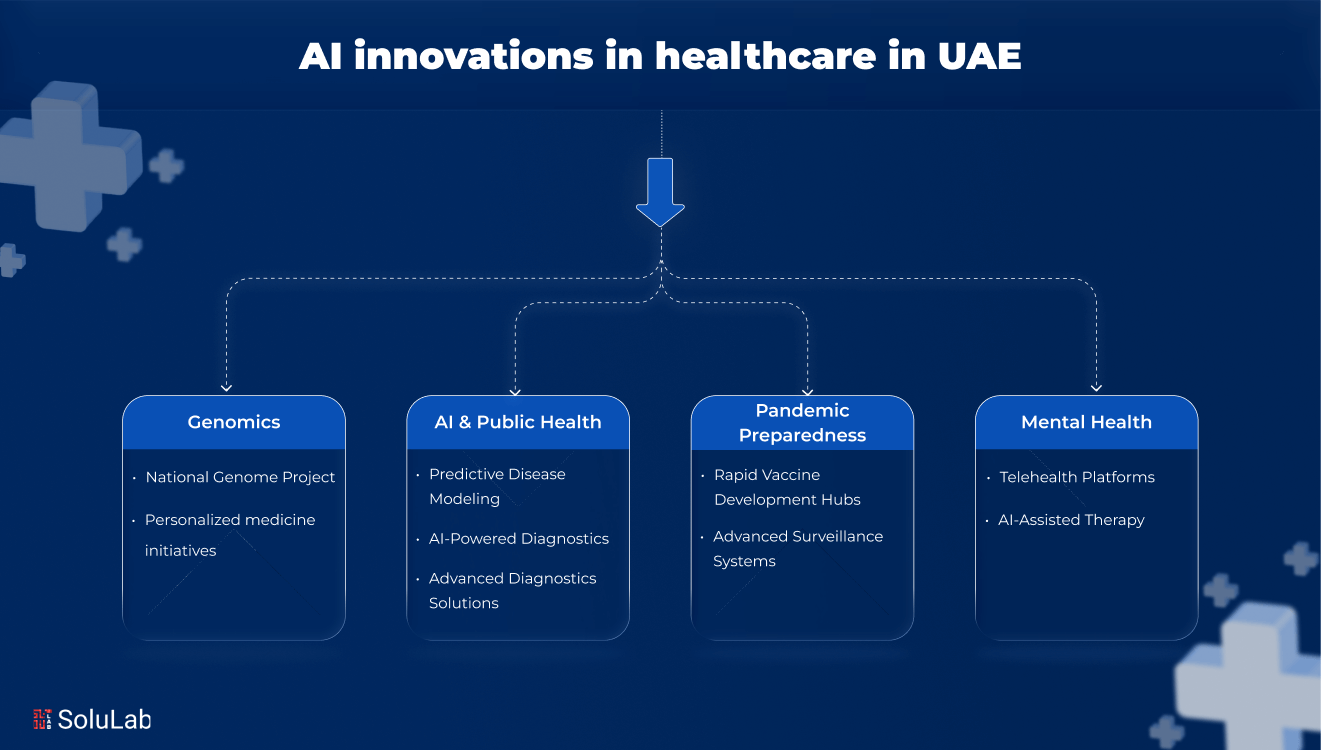
AI innovations in healthcare in UAE

Artificial intelligence isn’t just entering hospitals; it’s taking on real roles in surgeries, diagnostics, hospital operations, and even virtual patient care. In the UAE, this isn’t a concept for tomorrow. It’s already in motion. With a national AI strategy and major investments in digital health, the country is fast becoming a global hub for AI innovations in healthcare.

From AI-powered genomic analysis that predicts diseases early to generative AI in healthcare creating personalized treatment plans, the UAE is redefining modern medicine. It’s all about faster diagnoses, smarter systems, and better outcomes.

So how exactly is AI transforming care in the UAE? What does it mean for patients, doctors, and hospitals? And who’s behind these AI-based healthcare applications? Let’s dive in and find out.

What Makes The UAE a Global Leader In Adopting AI in Healthcare So Quickly?

Because the UAE doesn’t wait for change, it builds it!

While many countries are still drafting AI roadmaps, the UAE has already rolled out a national AI strategy, invested billions into digital health, and made AI a central pillar of its healthcare vision. The leadership is clear: smarter tech means better care.

Add to that a diverse population, world-class infrastructure, and a government that moves fast, and you’ve got the perfect testing ground for AI-based healthcare applications. Whether it’s AI in diagnostics, hospital management, or personalized medicine, the UAE is turning ambition into real, working systems and doing it at record speed.

CTA1

Game-Changing Medical Innovations for Healthcare in the UAE

From AI-driven diagnostics to culturally tuned mental health tools, the UAE is embracing healthcare innovation at every level. These breakthroughs are not just futuristic ideas; they are real solutions transforming how care is delivered, personalized, and experienced across the country.

Genomics–Powered Personalization

  • AI-Powered Polygenic Risk Scoring: Uses machine learning and genetic markers to predict a person’s lifetime risk for complex diseases like diabetes, cancer, and heart conditions.
  • Personalized Drug Response Algorithms: AI evaluates genetic variants to predict how patients will respond to medications, reducing trial-and-error and adverse drug reactions.
  • Nutrigenomics Platforms: AI-driven systems that combine DNA analysis with lifestyle data to deliver custom diet and fitness plans.
  • Cancer Genomics Decision Tools: AI models trained on tumor genomics help oncologists personalize treatments by targeting mutation-specific therapies.

 AI-Driven Public Health

  • AI Epidemiological Forecasting Models: Predicts potential disease outbreaks by analyzing large-scale data sources like travel, climate, and human behavior, helping governments act early.
  • AI-Powered Environmental Health Sensors: Tracks real-time air, water, and soil quality using IoT and AI to flag emerging public health threats.

Pandemic Preparedness

  • Wastewater Surveillance with AI Analytics: Analyzes viral and bacterial loads in sewage systems to detect outbreaks before they reach hospitals.
  • AI-Enhanced Pathogen Genome Tracking: Uses AI to monitor mutations in viruses (like SARS-CoV-2) during pandemics, enabling rapid vaccine updates and targeted interventions.

Culturally-Tuned AI for Mental Health

  • Multilingual Mental Health Chatbots: AI chatbots are designed with cultural awareness, supporting users in different languages and respecting regional values and communication styles.
  • AI-Curated VR Therapy for PTSD and Phobias: Combines virtual reality with adaptive AI to deliver immersive therapy sessions that adjust in real time to a user’s emotional and cultural needs.

Read More: AI In Dubai’s Public Services

How AI in Healthcare is Improving Lives in the UAE?

How AI in Healthcare is Improving Lives in UAE

Medical innovation sounds big and technical, but what does it do for people like you and me? In the UAE, the benefits of AI and genomics are already making care faster, smarter, and more personalized. Here’s how:

1. Know Your Health Risks Early

Knowing your risk of diabetes, heart disease, or cancer years in advance, based on your DNA, is now possible. That’s already achievable in the UAE thanks to AI-powered genetic testing. It gives you a chance to make changes early and avoid long-term health issues.

2. Get Medications That Work for You

Ever tried a medicine that didn’t help or worse, made you feel worse? AI in UAE healthcare is now assisting doctors to match medications to your genetic makeup. That means fewer side effects, faster recovery, and no more wasted time on trial and error.

3. Care That Feels Personal

Whether you’re Emirati, Indian, Filipino, or British, healthcare in the UAE is becoming more culturally aware. AI chatbots and wellness apps now speak your language, understand your lifestyle, and tailor recommendations that feel relevant to you.

4. Safer, Smarter Cities

AI-powered sensors in cities like Dubai and Abu Dhabi track air quality and potential health hazards in real time. That means faster alerts about pollution spikes, water safety, or potential outbreaks before they reach your doorstep.

5. Better Outbreak Preparedness

The UAE learned from COVID-19. Today, AI monitors sewage systems, tracks virus mutations, and predicts where illness might spread next. This helps keep communities ahead of the curve so you’re not caught off guard.

6. Smarter Hospitals and Surgery

AI is streamlining hospital operations in the UAE, from smart facility design and patient flow to inventory management and supply tracking. AI-powered robots are also assisting with care tasks, improving efficiency and easing staff workloads.

7. Mental Health That Understands You

Mental health support in the UAE is becoming more accessible and culturally respectful. AI-powered chatbots and VR therapy tools can now recognize emotional distress, offer guidance in your preferred language, and respond in a way that feels human, not robotic.

Read Also: How Founders and Businesses Can Leverage Digital Asset Treasury in UAE?

Ethics and AI Regulations in Healthcare

Let’s be real, AI doesn’t come without ethical baggage. But the UAE isn’t ignoring it. The country is actively shaping frameworks to ensure AI is not only powerful but also responsible.

  • Protecting Patient Data in a Connected World: As healthcare data travels across borders, privacy becomes a global concern. The UAE is drafting policies that ensure medical data used in AI systems stays secure, anonymized, and ethically sourced without slowing down collaboration or innovation.
  • Building Bias-Free AI for a Diverse Population: AI in healthcare must work for everyone, not just the demographic it was trained on. In the UAE, systems are being audited and stress-tested for fairness to prevent discrimination based on race, gender, language, or socioeconomic background.
  • Who’s Responsible When AI Gets It Wrong: If an AI tool makes the wrong call on a diagnosis, who’s liable: the developer, the doctor, or the hospital? The UAE is addressing these grey areas by working on legal frameworks to define accountability as AI becomes more involved in clinical decision-making.

Artificial Intelligence at Every Step of the Patient Journey

AI isn’t just used in high-tech labs or emergency rooms. In the UAE, it’s becoming part of the patient journey from the very first symptom search to long-term recovery.

1. Smarter Symptom Checks and Triage

Many clinics now offer smart digital assistants that help patients assess symptoms and recommend next steps. These tools reduce unnecessary ER visits and connect patients to the right care faster.

2. AI as Your Doctor’s Second Brain

Doctors are using AI to double-check diagnoses, analyze scans, and personalize treatment plans based on real-time data and global research. It’s not replacing physicians; it’s making them faster, more accurate, and better informed.

3. Keeping Tabs on Recovery After You Leave the Hospital

From wearables to mobile apps, AI tracks recovery and alerts doctors if something’s off. This is a game-changer for managing chronic conditions like diabetes, heart disease, or post-surgical recovery, especially in remote areas or busy urban centers.

How SoluLab Can Help Build the Future of Healthcare in the UAE?

All these breakthroughs, like personalized medicine, AI-powered hospitals, and mental health chatbots, don’t happen on their own. They need expert hands to design, build, and scale them. That’s where SoluLab can assist.

As a leading AI development company in the UAE, SoluLab helps healthcare providers, hospitals, startups, and government projects turn ambitious ideas into real, working solutions. Whether you’re looking to develop:

  • AI-based healthcare applications
  • Custom generative AI tools for diagnostics or triage
  • AI-powered patient engagement platforms or hospital management systems
  • Robotics-integrated systems for elderly care or surgery support
  • Or even a multilingual AI chatbot tuned for cultural sensitivity in the UAE

SoluLab has the technical depth, domain expertise, and UAE-specific healthcare experience to make it happen.

CTA2

Conclusion

The UAE isn’t just adopting AI in healthcare; it’s actively shaping what the future of medicine looks like. From genomics-powered personalization to AI-driven public health strategies, pandemic readiness, mental health support, and smart hospital infrastructure, the country is building a system that’s faster, smarter, and more human-centered.

By blending advanced technology with cultural sensitivity and real-world needs, the UAE is proving that healthcare innovation isn’t just about machines, it’s about people. And in that vision, AI is becoming not just a tool, but a trusted partner in care.

Get in touch with SoluLab today and start building AI solutions that will shape the future of healthcare in the UAE!

FAQs

1. How is AI improving medical efficiency in the UAE?

AI streamlines hospital operations, automates administrative tasks, assists in accurate diagnostics, predicts patient outcomes, and optimizes resource management, reducing delays and costs.

2. What are the benefits of AI in UAE hospitals?

Key benefits include faster and accurate diagnosis, improved patient outcomes, optimized resource allocation, reduced human error, and better decision-making for doctors and management.

3. Can AI assist doctors without replacing them?

Absolutely. AI acts as a support system, providing insights, diagnostics, and predictive analytics, while doctors make the final clinical decisions, ensuring human oversight.

4. How is AI helping with patient monitoring in the UAE?

AI-powered wearables and remote monitoring systems track vital signs in real time, alerting doctors to potential issues and allowing proactive care, reducing hospital readmissions.

5. How can SoluLab help implement AI in healthcare?

SoluLab builds custom AI solutions tailored for healthcare providers in the UAE. From predictive analytics and smart diagnostics to workflow automation, SoluLab delivers scalable, secure, and patient-centric AI applications that elevate efficiency and improve outcomes.

 

What Is AI Technology – Understanding Artificial Intelligence

Artificial Intelligence (AI)

The worldwide artificial intelligence market was valued at USD 196.63 billion in 2023 and is anticipated to expand at a CAGR of 36.6% between 2024 and 2030. The continuous research and innovation led by tech companies are driving the adoption of advanced technologies in various industries, including automotive, healthcare, retail, finance, and manufacturing.

For example, in December 2023, Google LLC introduced “Gemini,” a large language AI model available in three sizes: Gemini Nano, Gemini Pro, and Gemini Ultra. Gemini distinguishes itself from competitors with its inherent multimodal feature.

What Is AI?

Artificial intelligence (AI) encompasses a range of technologies that empower machines to perform tasks traditionally requiring human intelligence. AI systems use algorithms, data, and computational power to mimic human cognitive functions. They can learn and improve their performance over time by analyzing extensive datasets, enabling them to recognize patterns and make connections that might be missed by humans.

The Benefits of AI-Integrated Business Solutions

Benefits of Integrating AI in Business

Integrating artificial intelligence (AI) into business solutions offers a myriad of advantages, encompassing increased productivity, cost-effectiveness, and enhanced customer satisfaction. By leveraging the capabilities of AI, businesses can stimulate growth and innovation through the following channels:

1. Enhanced Decision Making: Artificial intelligence (AI) can analyze vast amounts of data, identify patterns, and make predictions, allowing businesses to make more informed decisions. This includes analyzing customer behavior, market trends, and financial data to gain insights that would be difficult or impossible for humans to uncover. AI can also help businesses assess risk, optimize pricing strategies, and make better hiring and resource allocation decisions. Understanding how artificial intelligence works enables organizations to leverage these insights effectively.

2. Improved Efficiency: AI-powered automation can streamline repetitive and time-consuming tasks, allowing employees to focus on higher-value activities. For example, AI can be used to automate data entry, customer service inquiries, and inventory management. AI can also help businesses reduce errors and improve accuracy by automating tasks that are prone to human error, such as data transcription and financial calculations. These efficiencies are vital in enhancing overall productivity.

3. Competitive Advantage: By using AI technology, businesses can differentiate themselves in the market and stay ahead of the competition. AI can be used to create new products and services, improve customer experiences, and optimize business operations. For example, AI can be used to develop personalized shopping recommendations, create chatbots that provide customer support 24/7, and optimize supply chain logistics. This adaptability helps companies to maintain a competitive edge.

4. Predictive Analytics: AI certifies businesses with predictive analytics by analyzing historical data and identifying trends. This allows companies to anticipate market shifts, customer preferences, and potential challenges before they arise, giving them a proactive edge in decision-making. Businesses can forecast inventory needs, optimize supply chains, and create personalized marketing strategies based on these predictions.

5. Enhanced Personalization: With AI’s ability to process vast amounts of data, businesses can deliver highly personalized experiences for customers. AI systems analyze customer behavior, preferences, and interactions to offer tailored recommendations and services. This personalized approach increases customer satisfaction, boosts brand loyalty, and fosters long-term relationships with clients.

How Software Companies Can Empower Your Business with AI?

2023 marked a pivotal year in technology history, as generative artificial intelligence made a significant debut. As AI continues its advancement, businesses are increasingly recognizing its potential to enhance productivity and introduce new products and services.

However, harnessing AI’s full potential requires careful consideration. Businesses must navigate ethical and technical challenges such as AI bias and hallucinations to maximize benefits while mitigating risks. Here are some recommendations to guide responsible and effective AI adoption:

  • Input Error Reduction

Through its error-reduction capabilities, AI enhances organizational productivity. Humans, prone to making mistakes due to their nature, often encounter data errors resulting from repetitive data handling. As people lose attention and focus over time, mistakes initially identified can go unnoticed. AI-powered systems, on the other hand, minimize errors in all processes, including critical tasks, offering a reliable and consistent approach to data management. This application of AI in business highlights how different types of AI can improve operational efficiency. As organizations explore the AI future, leveraging these technologies can lead to significant advancements in error reduction and overall productivity.

  • Cybersecurity

AI-powered cybersecurity solutions employ system activity monitoring and vulnerability identification to enable IT teams to prevent cyber-attacks. The integration of AI in informational technology has become prevalent, earning a dedicated term: AIOps. AI capabilities encompass task automation, data optimization, and the safeguarding of IT infrastructures. Contrary to popular depictions in 90s movies, the application of AI in the tech industry is not synonymous with impending doom but rather offers substantial benefits. This is similar to the way artificial intelligence in healthcare is revolutionizing patient care through various applications of AI. Just as AI enhances cybersecurity, it holds promise for numerous fields by improving efficiency and effectiveness.

Check our Blog Post: The Role of AI in Modern Cybersecurity

  • Human Performance

Undoubtedly, AI excels in specific tasks where efficiency and speed are paramount, such as multitasking and processing vast amounts of data. However, AI falls short when it comes to tasks that require intuition, empathy, creativity, and soft skills like leadership and conflict resolution. These tasks are inherently human and cannot be easily replicated by AI. Instead of viewing AI as a replacement for humans, firms should embrace it as a tool that enhances human intelligence. By combining the strengths of both AI and humans, organizations can achieve remarkable results. For instance, marketing companies can leverage AI’s analytical capabilities and NLP applications to predict consumer preferences accurately. Additionally, AI as a service allows businesses to integrate advanced technologies without extensive in-house expertise. However, it’s essential to remember that only humans can create marketing campaigns that resonate with customers on an emotional level. Similarly, doctors can use AI to stay updated on the latest medical research and treatment options. But ultimately, it’s the human doctor who can effectively prescribe a treatment plan that considers the patient’s emotional and physical well-being.

  • Customer Engagement

AI personalizes content to engage with new and existing customers, enhancing their experience, and promoting proactive service. This significantly boosts customer satisfaction and loyalty. AI-driven systems operate 24 hours a day, providing constant support to customers through advanced algorithms and natural language processing (NLP). This results in immediate responses and reduced wait times. These sophisticated systems analyze extensive customer data, comprehending individual behaviors and preferences, which enables AI as a service recommendations and proactive problem-solving.

AI Development Solutions

  • AI System

Humans play a vital role in continuously improving AI systems. They can address AI shortcomings such as bias and hallucinations by monitoring AI systems and identifying incidents of bias or hallucination. The University of California, Irvine, conducted research that demonstrated the effectiveness of a hybrid model. In this model, both humans and AI systems analyzed a diverse range of images, resulting in improved accuracy. Businesses should train employees to engage with AI to provide continuous improvement of algorithms. This can help prevent negative outcomes in the short term and the long term, train the technology to incorporate ethical considerations, and prevent future mistakes. Additionally, integrating Generative AI CRM into business processes can enhance customer relationships, while leveraging AI in finance can optimize financial operations and decision-making.

DO YOU KNOW?
“Brazil is expected to register the highest CAGR in the artificial intelligence market from 2024 to 2030.”

  • AI Automation

Artificial intelligence (AI) presents businesses with a powerful tool that offers multiple advantages, one of which is enhancing the efficiency of existing software tools. By automating repetitive tasks such as data entry and content generation, AI empowers teams to redirect their energy and attention toward more pressing matters. This automation not only boosts productivity but also facilitates better decision-making and optimizes economic growth for businesses. AI-powered tools can significantly enhance problem-solving capabilities. These tools provide automated suggestions for solutions, expediting the resolution process and enabling teams to address issues more efficiently. The role of Adaptive AI in this context is crucial, as it allows for dynamic adjustments based on real-time data. Moreover, partnering with leading AI development companies can further leverage these advancements to tailor solutions that meet specific business needs.

Read Blog: AI in Business Process Automation

  • Real-time AI

For AI to fully realize its potential, it must work with data in motion or in real time. Data serves as the nourishment for AI, fueling algorithms and training large language models. The quality of AI systems is directly proportional to the accuracy and freshness of their data. If an AI application is built on erroneous or outdated data, it becomes useless, potentially propagating social biases or amplifying the dissemination of false information. The concept of real-time AI is of paramount importance. These systems can process and respond to data as it streams in. Consider an AI agent conversing with customers; it must be aware if the last item of a product they’re interested in is sold out. In emergencies, real-time AI can accelerate response times, potentially saving lives. For banks, real-time AI can revolutionize fraud detection by analyzing transactions instantaneously and identifying suspicious patterns at unparalleled speeds. This real-time capability is transformative, and AI urges businesses to explore ways to integrate this technology. By doing so, you’ll have access to the most relevant information in the most suitable context, exactly when it’s needed.

  • Data Analysis

At the core of any successful business lies a crucial element: data. As a valuable resource, data demands a robust system to process its immense volumes. Artificial intelligence presents an ethical solution, enabling lightning-fast analysis of both current and historical data. Envision a business where every decision is grounded in data-driven insights. That’s the transformative potential of what is artificial intelligence. No more reliance on speculation and guesswork, as the artificial intelligence definition empowers your company to make informed decisions with confidence. Understanding what is AI artificial intelligence allows businesses to harness its full potential.

  • LLMs Usage

In artificial intelligence (AI), the saying “two brains are better than one” holds, and multiple brains are even more advantageous. Businesses should recognize the importance of adopting multiple Large Language Models (LLMs), the backbone of generative AI, rather than relying on a single LLM. A combination of LLMs enhances the accuracy and reliability of artificial intelligence systems. When one LLM encounters challenges, such as generating a specific type of text, another can step in to compensate. Utilizing specialized LLMs streamlines operations. One LLM might be dedicated to writing, while another focuses on information retrieval. Inexpensive LLMs can handle simple tasks, while more costly ones tackle sophisticated analysis. Alongside multiple LLMs, businesses should prioritize the use of private LLMs over public LLMs. Public LLMs pose significant risks due to their training on public data sets. If prompted skillfully, they can divulge sensitive information, potentially leading to fraud or theft. Private LLMs mitigate these risks by relying exclusively on an organization’s private data and limiting access to authorized stakeholders. Understanding AI artificial intelligence helps define how artificial intelligence works and its definition of artificial intelligence. The artificial intelligence meaning becomes clearer with the recognition of different types of AI and the future of AI.

The Future of AI: Trends to Watch

With new advancements and trends arising that promise to change industries in the coming years. Staying informed about these trends will help businesses use AI to its fullest potential. Here are some key trends shaping the future of AI:

1. AI Democratization: The development of AI platforms and tools is becoming more accessible to businesses of all sizes, allowing companies with limited technical expertise to implement AI solutions. This is achieved through AI as a Service (AIaaS), where pre-built models are available for integration into various operations.

2. Generative AI’s Growth: AI models capable of generating creative content, such as text, images, and even code, are gaining momentum. Applications like Generative AI CRM are enhancing customer relationships by automating personalized responses and predictive customer insights.

3. AI and Ethics: As AI systems become more embedded in decision-making processes, ethical considerations such as bias, fairness, and accountability will be critical. The focus on responsible AI development will drive businesses to adopt frameworks ensuring AI aligns with societal values.

4. Adaptive AI: AI systems are increasingly capable of adapting to new data in real time, enabling businesses to respond swiftly to changes. Adaptive AI applications can be highly valuable in dynamic industries like finance, healthcare, and e-commerce.

5. AI in Hyper-Automation: Businesses are exploring ways to combine AI with robotic process automation (RPA) to achieve hyper-automation, where AI-driven processes are used to automate more complex tasks. This trend will further enhance operational efficiency and reduce costs.

6. Collaborative AI: The future will see more collaboration between human workers and AI agents. AI will handle repetitive tasks while humans focus on creative and strategic activities, enabling teams to work smarter and more efficiently.

Hire AI Developers

How SoluLab Can Help For Businesses Using AI?

In exploring what is artificial intelligence and how it can enhance business operations, it becomes clear that AI artificial intelligence offers extensive potential to transform various industries. By understanding artificial intelligence definition and how artificial intelligence works, businesses can leverage AI in Business to achieve significant improvements in efficiency and decision-making. The artificial intelligence meaning extends beyond mere automation, encompassing a range of applications of AI such as AI in healthcare, AI in FinTech, and Generative AI CRM.

We developed an AI-powered chatbot for Digital Quest, a travel business aiming to improve user engagement and customer service. The chatbot, built using Generative AI, provides personalized travel recommendations and streamlines reservations by extracting relevant data from Digital Quest’s website.

Software companies specializing in AI development play a crucial role in guiding businesses through this technological landscape. SoluLab, with its expertise in AI agents and AI as a service, stands out as a valuable partner for companies looking to integrate artificial intelligence into their operations. By collaborating with AI development Company like SoluLab, businesses can harness the power of AI artificial intelligence to drive growth, optimize processes, and achieve their strategic goals.

FAQs

1. What is artificial intelligence?

Artificial intelligence (AI) refers to the field of computer science focused on creating systems capable of performing tasks that would typically require human intelligence. This includes tasks like learning, reasoning, problem-solving, and understanding natural language.

2. What is AI artificial intelligence?

AI artificial intelligence is a term that emphasizes the use of artificial intelligence technologies to replicate or enhance human capabilities in various applications. It encompasses the tools and methods used to create intelligent systems.

3. What is the definition of artificial intelligence?

The definition of artificial intelligence is the study and creation of computer systems that can perform tasks requiring human-like intelligence. These tasks include recognizing patterns, learning from data, and making decisions based on that information.

4. How does artificial intelligence work?

AI systems function by processing large amounts of data to identify patterns and make predictions or decisions. They use algorithms and machine learning models to analyze data and continuously improve their performance over time.

5. What are the different types of AI?

Different types of AI include various approaches and technologies such as NLP applications, Generative AI CRM, and Adaptive AI. These types range from simple rule-based systems to complex models that can learn and adapt from experience.

Artificial Intelligence in Healthcare: Future Outlook

Artificial Intelligence in Healthcare

Artificial Intelligence (AI) has emerged as a transformative force in healthcare, revolutionizing how medical professionals diagnose, treat, and manage patient care. AI is making a significant impact on multiple facets of the healthcare industry:

  • Enhanced Diagnostics: AI-driven diagnostic tools sift through extensive databases, identifying subtle patterns and anomalies, leading to earlier disease detection and improved patient outcomes.
  • Personalized Treatment Plans: AI algorithms analyze vast amounts of data to tailor treatment strategies to individual needs, considering factors such as genetics, lifestyle, and medical history.
  • Virtual Health Assistants: AI-powered virtual health assistants offer real-time symptom analysis, medication reminders, and preliminary health advice, enhancing accessibility to healthcare services and facilitating proactive self-care.
  • Drug Discovery and Development: AI expedites the drug discovery process by analyzing chemical databases and predicting potential drug candidates, reducing the time and cost associated with traditional drug development.
  • Remote Patient Monitoring: AI-enabled remote patient monitoring tools track vital signs and physiological data, allowing healthcare providers to monitor patients remotely and foster proactive interventions.
  • Predictive Analytics: AI algorithms analyze data to predict patient outcomes, hospital readmission rates, and potential health risks, enabling proactive care management and effective resource allocation.

AI’s potential to revolutionize healthcare delivery and improve patient outcomes is boundless as it continues to evolve.

Artificial Intelligence in Healthcare

Welcome to a new era in healthcare, where technology merges with medical expertise. Artificial Intelligence (AI) is revolutionizing the industry by transforming healthcare practices, enhancing patient care, and fueling remarkable advancements in medical research. Discover how this remarkable integration is reshaping the landscape and ushering in unparalleled possibilities for improving lives.

  • Definition and Scope of AI in Healthcare

Artificial Intelligence (AI) is revolutionizing healthcare by utilizing advanced algorithms and computational models to process and analyze vast medical data. It offers numerous benefits, including enhanced diagnostic accuracy through AI-powered algorithms that detect subtle patterns in medical images. AI also assists in personalized treatment planning by analyzing patient data and medical literature, leading to improved decision-making. Additionally, AI streamlines administrative tasks, reducing the burden on healthcare staff and improving efficiency. The implementation of AI in healthcare brings forth advantages such as enhanced precision, time efficiency, personalized care, cost savings, and improved accessibility. However, challenges like data privacy, ethical considerations, and infrastructure requirements must be addressed to ensure responsible implementation and maximize the potential of AI in transforming healthcare.

  • Evolution and Adoption in the Healthcare Sector

The integration of AI in healthcare has undergone significant changes, with increasing adoption across the industry. Initially, rule-based systems were used, but they lacked adaptability and handled complex data. Machine learning (ML) models emerged, enabling learning from data and improving performance over time, and have been successfully applied in various healthcare areas. Deep learning, a subset of ML, has further advanced AI’s capabilities in healthcare, enabling it to excel in visual recognition, natural language processing, and speech recognition. AI integration has led to transformative advancements, such as AI-powered image analysis systems, ML algorithms for predicting health risks, and AI-driven chatbots for providing support. The future of AI in healthcare holds immense potential, with the ability to revolutionize medical care delivery and improve patient outcomes.

  • Challenges and Opportunities

The utilization of Artificial Intelligence (AI) in healthcare presents promising opportunities for enhanced diagnostics, personalized treatments, and better patient outcomes. However, it also brings unique challenges that must be carefully addressed to harness its full potential.

Key challenges in AI for healthcare include data privacy and security, with the need to protect sensitive patient information from unauthorized access and breaches. Ethical considerations arise regarding bias and fairness in algorithms, job displacement, and the necessity for human oversight and accountability. Integration hurdles exist due to legacy systems, fragmented data, and the lack of standardized data collection protocols.

To address these challenges, proactive and multi-faceted approaches are required:

  • Establish clear data governance policies and privacy frameworks for responsible data usage.
  • Develop AI algorithms with transparency and accountability to mitigate bias and ensure fairness.
  • Promote collaboration and standardization among stakeholders to overcome integration challenges.

By addressing these challenges through thoughtful planning, ethical considerations, and collaborative efforts, healthcare organizations can unlock the transformative potential of AI to revolutionize patient care and improve health outcomes.

CTA1

  • Key Components of AI in Healthcare

Artificial Intelligence (AI) is transforming healthcare by offering a wide range of applications. These applications have the potential to revolutionize patient care, streamline clinical processes, and enhance overall healthcare delivery. AI in healthcare encompasses three core components:

Machine Learning (ML): ML enables computers to learn from and make decisions based on data.

Applications in healthcare:

  • Disease diagnosis
  • Treatment recommendations
  • Predictive analytics

Natural Language Processing (NLP): NLP involves the interaction between computers and human language.

Applications in healthcare:

Computer Vision (CV): CV enables computers to interpret and understand visual information.

Applications in healthcare:

  • Medical imaging
  • Surgical robotics
  • Wearable devices

These components of AI work together to enhance clinical decision-making, streamline workflows, and improve patient outcomes. As AI continues to evolve, its impact on healthcare is expected to expand.

Read Also: AI Healthcare in the UAE

Benefits of AI in Healthcare

Benefits of AI in Healthcare

A journey to explore the vast array of advantages that Artificial Intelligence(AI) offers to the dynamic healthcare ecosystem. Witness how AI is revolutionizing patient care, from enhancing diagnostic accuracy to shaping personalized treatment plans. Let’s delve deeper into the transformative impact AI is making on patient outcomes, operational efficiency, and the overall landscape of healthcare delivery.

1. Enhanced Diagnostics and Imaging

The integration of AI in medical image diagnostics has revolutionized healthcare. AI algorithms analyze vast data, identify subtle abnormalities, and provide real-time decision support. This improves diagnosis accuracy, enhances patient outcomes, and reduces workload for healthcare professionals. AI assists in the early detection of diseases, enabling timely interventions and improved prognoses. By automating routine tasks, AI frees up radiologists’ time for more intricate aspects of patient care, potentially easing the burden on radiologist staffing firms who are striving to meet the demand for qualified professionals.

2. Personalized Treatment Plans

The integration of Artificial Intelligence (AI) in healthcare has brought about transformative changes in patient treatments. By leveraging advanced algorithms and data analysis, AI enables the creation of customized treatment plans tailored to each patient’s unique characteristics. This shift offers several key advantages:

  • Precision Medicine: AI facilitates the analysis of extensive patient data, including genetic information and lifestyle factors, enabling healthcare professionals to identify patterns and predict treatment outcomes accurately. It empowers doctors to provide targeted and personalized interventions that cater to each patient’s needs.
  • Optimized Treatment Outcomes: Customized treatment plans guided by AI significantly enhance the effectiveness of interventions. By identifying the most suitable options, AI minimizes trial-and-error approaches, reduces adverse side effects, and leads to improved outcomes, higher success rates, and faster recovery times.
  • Patient-Centric Approach: AI actively involves patients in the decision-making process through AI-driven tools and platforms. Patients can access information about their conditions, treatment options, and potential outcomes. This transparency fosters collaboration between patients and healthcare providers, ensuring treatment plans align with individual preferences and values.
  • Cost-Effective Healthcare: AI-enabled customization contributes to cost savings by optimizing treatments and reducing adverse events. It also analyzes large datasets to identify cost-effective options, aiding healthcare providers in making informed resource allocation decisions.

AI in healthcare has opened new avenues for personalized and precise treatment plans. Customizing interventions based on individual patient data leads to more effective outcomes, empowers patients, and promotes a patient-centric approach. As AI continues to evolve, its potential to revolutionize healthcare delivery and enhance patient experiences remains immense.

Read Blog: AI Use Cases and Applications

3. Predictive Analytics for Patient Outcomes

Artificial Intelligence (AI) is transforming healthcare by enhancing patient outcomes through advanced predictive capabilities. AI algorithms analyze vast amounts of historical data to identify patterns, risk factors, and potential disease progression. This predictive power enables healthcare professionals to take proactive and preventive measures, personalize care plans, and optimize treatment strategies.

For instance, in cardiology, AI algorithms can assess cardiovascular risks and predict heart disease, enabling early identification and timely interventions. In oncology, AI analyzes genetic data and imaging results to predict cancer progression and response to treatments, enabling personalized therapies and improved outcomes.

AI’s predictive capabilities extend to population health management, helping identify trends, predict disease outbreaks, and allocate resources efficiently. By harnessing AI’s predictive power, healthcare systems can shift to proactive care models, empowering individuals to take control of their health and enhancing overall quality of life.

4. Efficient Healthcare Operations

Artificial Intelligence (AI) has significantly transformed healthcare administration, streamlining mundane tasks and enhancing efficiency. AI-powered systems now handle various administrative responsibilities, including scheduling appointments, processing medical bills, and optimizing resource allocation. These automation efforts result in substantial cost reductions and improved healthcare delivery quality and efficiency. In specialized care settings, tools such as behavioral health RCM software further strengthen financial and operational performance by automating claims management, reducing denials, and ensuring accurate reimbursement workflows. By combining AI-driven analytics with dedicated RCM systems, healthcare organizations can improve revenue cycles, reduce administrative overhead, and maintain smoother clinical operations.

AI-driven scheduling platforms leverage historical data and patient preferences to create optimized schedules, reducing wait times and maximizing satisfaction. Automated billing processes, facilitated by AI, minimize errors and improve cash flow for healthcare providers. Additionally, AI algorithms analyze vast amounts of data, enabling strategic resource allocation, leading to cost reduction, enhanced operational efficiency, and critical resource availability. By utilizing AI, healthcare administration can shift its focus from administrative tasks to exceptional patient care. AI’s potential to transform healthcare administration is limitless, aiming for a more efficient, cost-effective, and patient-centered healthcare system.

AI Applications in Healthcare

Delve into the multifaceted applications of Artificial Intelligence (AI) in the healthcare industry. Discover how AI transcends its role as a mere tool and becomes a catalyst for transformation, impacting diagnostics, drug discovery, predictive analytics, and more. Explore the profound ways in which AI is reshaping the healthcare landscape, bringing about tangible advancements and revolutionizing patient care.

1.  AI in Drug Discovery and Development

Artificial Intelligence (AI) is revolutionizing drug discovery, leading to significant advancements in the pharmaceutical industry. AI enables scientists to analyze vast complex data, identify promising drug candidates, and optimize clinical trials, resulting in faster and more cost-effective development of new medications.

2. AI contributes to drug discovery in several ways:

  • Data Analysis: AI algorithms uncover hidden patterns in large datasets, providing deeper insights into disease mechanisms and potential treatments.
  • Virtual Screening: AI-powered tools rapidly assess compound libraries, reducing the time and costs associated with traditional screening methods.
  • Drug Design: AI algorithms design and optimize novel drug molecules with improved properties based on specific criteria.
  • Clinical Trial Optimization: AI identifies suitable patient populations, designs adaptive protocols, and predicts patient outcomes, leading to more efficient and informative trials.
  • Safety and Efficacy Evaluation: AI algorithms analyze clinical trial data to identify safety and efficacy signals early, ensuring patient safety and effective drug development.
  • Predictive Modeling: AI models predict drug efficacy and side effects based on structural and biological properties, guiding researchers in selecting promising compounds for further development.

The integration of AI into drug discovery transforms the pharmaceutical industry, making the process faster, more efficient, and more precise. It accelerates the delivery of new and effective treatments, improving healthcare outcomes and saving lives.

3. Virtual Health Assistants and Chatbots

Virtual health assistants powered by AI revolutionize the healthcare experience. They provide instant access to support, information, and assistance. These chatbots offer personalized recommendations, answer questions, and promote proactive healthcare habits. By handling routine queries, they free up valuable time for healthcare professionals to focus on more complex patient needs. Virtual health assistants enhance communication, foster patient engagement, and optimize resource allocation. As these technologies advance, they hold the potential to transform healthcare delivery and the patient experience.

4. Remote Patient Monitoring

Artificial Intelligence (AI) applications are revolutionizing remote patient monitoring by enabling continuous tracking of patient health. This groundbreaking technology empowers healthcare providers to make timely interventions and effectively manage chronic conditions without the need for constant hospital visits. Here’s how AI enhances remote patient monitoring:

  • Real-Time Data Collection and Analysis: AI-driven remote monitoring devices collect vast amounts of patient data, including vital signs, activity levels, and medication adherence. Advanced algorithms analyze this data in real time, providing healthcare professionals with a comprehensive view of a patient’s health status.
  • Early Identification of Health Issues: AI algorithms can detect subtle changes in patient data that may indicate potential health issues. This early identification allows for prompt intervention, preventing complications and the need for emergency care.
  • Personalized Treatment Plans: AI assists in developing personalized treatment plans by analyzing patient data and identifying patterns. This data-driven approach ensures that treatment is tailored to individual needs, leading to better outcomes.
  • Enhanced Medication Management: AI helps monitor medication adherence and provides reminders, reducing the risk of missed or incorrect doses. It can also detect potential drug interactions, ensuring patient safety.
  • Remote Care Coordination: AI facilitates seamless coordination between healthcare providers by sharing patient data securely. This enables specialists from different fields to collaborate and provide comprehensive care, even if they are not physically present with the patient.
  • Improved Patient Engagement: AI-powered remote monitoring platforms offer user-friendly interfaces, empowering patients to actively engage in their healthcare journey. They can access their health data, communicate with healthcare providers, and receive educational resources, fostering a sense of control and well-being.

By leveraging AI in remote patient monitoring, healthcare systems can enhance the quality of care, reduce costs, and improve patient outcomes. This technology is transforming healthcare delivery by making it more accessible, proactive, and personalized.

Read Also: How Healthcare Startups in the USA Leverage Generative AI to Cut 40% Costs? 

5. Natural Language Processing in Healthcare

Natural Language Processing (NLP) technology enables AI systems to understand and interpret human language in medical records. This advancement has major implications in healthcare, improving data extraction, documentation accuracy, and information retrieval. NLP uses algorithms and machine learning to analyze unstructured medical data, identifying clinical concepts and relationships. It aids in creating structured electronic health records, which are more accessible and facilitate better patient care, diagnoses, and clinical decisions. NLP also extracts vital information from medical literature, enhancing literature reviews and clinical decision-making. Its applications in healthcare are broad, ranging from automating administrative tasks to supporting personalized medicine and real-time clinical decisions. NLP holds the potential to transform patient care and clinical practice in the healthcare industry.

Use of AI in Healthcare

Discover the practical applications of AI in healthcare environments. Explore how AI enhances healthcare delivery by streamlining administrative tasks, augmenting medical decision-making, and promoting efficiency and effectiveness across various facets of the healthcare system

1. Telemedicine and Telehealth

AI has revolutionized telemedicine by facilitating remote consultations through virtual assistants and chatbots. It enables patients to receive medical advice and initial assessments conveniently from their homes. AI also plays a crucial role in monitoring patient’s health remotely by analyzing data from wearable devices and sensors, allowing healthcare providers to intervene proactively and personalize treatment plans. Furthermore, AI supports diagnosis and decision-making by analyzing medical images and EHRs to identify abnormalities and uncover patterns. Integrating AI into telemedicine software enhances accessibility, effectiveness, and efficiency, leading to improved healthcare delivery and outcomes for patients.

2. Robotics in Surgical Procedures

AI-driven robotics in surgical procedures bring numerous benefits:

  • Improved Precision: Robotic systems offer unparalleled precision and accuracy, reducing the risk of human error and enabling delicate procedures.
  • Minimally Invasive Surgeries: AI allows for smaller incisions, less pain, faster recovery, and improved cosmetic outcomes.
  • Enhanced Patient Safety: Safety protocols and real-time feedback minimize risks and errors during surgery.
  • Reduced Recovery Times: Minimally invasive surgeries result in smoother recoveries and quicker returns to daily activities.
  • Personalized Surgical Plans: AI helps create customized plans based on each patient’s unique anatomy and condition.
  • Remote Surgery Potential: Advanced telecommunication technologies may enable remote surgeries in the future.

AI-driven robotics are revolutionizing surgery by enhancing precision, safety, and patient outcomes.

3. AI for Mental Health Diagnosis

AI is having a major impact on mental health assessment and treatment. AI algorithms can analyze vast amounts of data to detect patterns and provide insights into mental health conditions. This technology has the potential to revolutionize the way we identify, diagnose, and manage mental health disorders. One advantage of AI in mental health assessment is its ability to analyze large datasets quickly and accurately. This allows clinicians to make more informed decisions about diagnosis and treatment plans. AI can also identify individuals at risk of developing mental health disorders, facilitating early intervention and prevention strategies.

Furthermore, AI-powered tools can offer personalized mental health interventions tailored to each individual’s unique needs and preferences. This tailored approach enhances the effectiveness of interventions, promotes patient engagement, and fosters better mental health outcomes. The integration of AI in mental health assessment and treatment has the potential to revolutionize the delivery of mental healthcare services. By leveraging AI’s analytical capabilities and vast data processing power, we can enhance our understanding of mental health conditions, improve diagnostic accuracy, and provide more personalized and effective interventions.

4. Predictive Analytics in Preventive Healthcare

AI is transforming preventive healthcare through its predictive analytics capabilities. By analyzing patterns and risk factors, AI can identify individuals at an increased risk of developing certain medical conditions. This enables early intervention, reducing the burden on healthcare systems and improving patient outcomes. Preventive measures, such as lifestyle changes and targeted treatments, can be implemented to mitigate the likelihood of serious illnesses. AI also helps identify genetic predispositions and assess treatment effectiveness, empowering individuals to make informed decisions about their health. Incorporating AI into preventive healthcare has the potential to revolutionize health management, shifting the focus from reactive treatment to proactive prevention.

Future of AI in Healthcare

Future of AI in Healthcare

Gaze into the crystal ball of healthcare technology and catch a glimpse of the AI-shaped future. Discover emerging trends, groundbreaking innovations, and the potential for AI to revolutionize healthcare as we know it. Embark on a journey of envisioning a healthcare landscape transformed by cutting-edge AI technologies

Emerging Technologies

The future of AI in healthcare holds immense promise, driven by emerging technologies like quantum computing, advanced robotics, and sophisticated AI models. These advancements can revolutionize healthcare delivery, transforming patient care, improving outcomes, and enhancing the overall experience.

Quantum computing introduces unprecedented computational power, accelerating drug discovery, analyzing genetic data, and optimizing treatment plans. Advanced robotics automates mundane tasks, allowing healthcare providers to focus on patient care, while surgical robots improve precision and outcomes. Sophisticated AI models can diagnose diseases, predict treatment responses, and identify risks, and can also power virtual health assistants for personalized support.

The convergence of these technologies can transform healthcare delivery, but ethical and regulatory considerations must be addressed. Data privacy, security, and transparency are paramount, and robust frameworks and standards must be established to balance innovation with patient safety and trust. By harnessing the power of emerging technologies, we can create a future where AI augments healthcare professionals, leading to better care, improved outcomes, and a more efficient and sustainable healthcare system.

AI Ethics and Regulations in Healthcare

The adoption of AI in healthcare demands ethical considerations and regulatory frameworks. Ethical guidelines should focus on privacy, patient consent, and bias mitigation. Regulatory frameworks should establish data governance, certification processes, accountability, and transparency standards. By adhering to these guidelines, we can ensure the responsible use of AI in healthcare for improved patient outcomes and better healthcare delivery.

Patient Data Privacy and Security

Securing patient data is crucial for the successful implementation of AI in healthcare. Robust privacy and security protocols build trust among patients, healthcare professionals, and regulatory bodies.

Privacy Measures:

  • De-identification of data: Removing direct identifiers like names and addresses before AI training or analysis.
  • Encryption of data: Protecting patient data at rest and in transit.
  • Access controls: Restricting access to authorized personnel using passwords and biometrics.

Security Measures:

  • Firewalls and intrusion detection systems: Protecting against external threats like hackers and malware.
  • Secure networks: Transmitting patient data over secure networks to prevent eavesdropping.
  • Regular security audits: Identifying and addressing vulnerabilities in security systems.

Implementing robust privacy and security protocols is essential for the successful and trustworthy integration of AI in healthcare.

Global Impact of AI in Healthcare

The global impact of Artificial Intelligence (AI) in healthcare transcends individual healthcare systems, fostering collaboration and a connected approach to healthcare delivery and improvement. Collaborative efforts, shared data, global initiatives, and a unified approach to global health improvement are key aspects of AI’s transformative role.

Collaborative efforts involve the sharing of best practices, algorithms, and insights between healthcare organizations, research institutions, and technology companies, leading to enhanced AI solutions and improved healthcare outcomes. Effective utilization of AI requires large and diverse datasets, and collaborative data-sharing promotes the development of more accurate AI models.

Global initiatives set standards, provide funding, and facilitate knowledge exchange to accelerate the integration of AI into healthcare systems. AI plays a crucial role in addressing global health challenges, such as tracking disease outbreaks, monitoring health indicators, and delivering remote healthcare services, contributing to improved global health equity.

In essence, AI’s global impact extends beyond individual systems, fostering collaboration, data sharing, and a shared vision to revolutionize healthcare delivery and improve the health and well-being of people worldwide.

Applications of AI in Healthcare

Explore the remarkable advancements of AI in healthcare across pivotal applications. From radiology and pathology to virtual health assistants, witness how AI applications are transforming traditional practices, ushering in an era of heightened intelligence and responsiveness in healthcare delivery systems.

AI in Epidemiology and Disease Tracking

The integration of AI into epidemiology has revolutionized disease tracking and prediction through advanced algorithms and real-time data analysis. AI plays a crucial role in enhancing disease pattern understanding, optimizing resource allocation, and implementing effective containment measures.

Key applications of AI in epidemiology include disease surveillance, where AI algorithms identify and detect outbreaks in near real-time, enabling swift responses and targeted interventions. Further, AI processes vast data to identify risk factors and forecast disease trends, guiding resource allocation and prevention strategies.

AI also contributes to tracking disease spread by integrating data from various sources and generating detailed transmission maps. This information facilitates containment efforts, hotspot identification, and targeted interventions. Additionally, AI’s potential extends to long-term public health planning, assisting in prevention strategy development and building resilient communities and healthcare systems.

In conclusion, AI integration in epidemiology has brought transformative advancements in outbreak tracking, prediction, and response. AI empowers epidemiologists and public health experts to safeguard populations, mitigate the impact of infectious diseases, and create a healthier and more resilient world.

AI in Genomics and Precision Medicine

The integration of artificial intelligence (AI) in genomic data analysis has revolutionized precision medicine. AI algorithms can extract insights from vast amounts of genomic data, leading to more accurate diagnoses, personalized treatment plans, and improved patient outcomes.

Key areas where AI shines include identifying genetic markers associated with diseases or traits, predicting treatment responses, and tailoring therapies to individual patients. AI-driven models can simulate drug interactions and treatment outcomes, helping to identify the most effective and safest options for each patient.

In drug discovery and development, AI can identify novel drug targets and predict the efficacy and toxicity of potential drug candidates, significantly accelerating the drug development process.

As AI continues to evolve, it will play an increasingly significant role in transforming medicine and improving the lives of patients worldwide.

AI in Health Wearables

The integration of wearable technology and AI has revolutionized healthcare monitoring and management. Health wearables with advanced sensors and AI algorithms offer continuous monitoring of vital signs and provide valuable health insights. This technology enables early detection of health issues, promotes preventive care, and fosters a proactive approach to maintaining optimal well-being. By analyzing data, AI algorithms identify trends and potential health risks, empowering individuals to take timely action. Health wearables encourage healthier habits and lifestyles, reducing the risk of chronic diseases. They promote proactive healthcare by providing personalized recommendations and fostering a sense of ownership for one’s health. The synergy between wearable technology and AI transforms healthcare from reactive to proactive, empowering individuals to achieve optimal health and well-being.

AI-Enabled Rehabilitation

Artificial Intelligence (AI) is revolutionizing personalized rehabilitation by analyzing patient data, tracking progress, and adjusting interventions. AI applications enable healthcare professionals to create personalized rehabilitation plans, leading to improved outcomes for conditions like stroke, spinal cord injuries, orthopedic injuries, and chronic pain.

Key ways AI enhances personalized rehabilitation plans:

  • Data Analysis: AI algorithms analyze patient data to identify patterns and trends, providing a deeper understanding of the patient’s condition and targeted rehabilitation strategies.
  • Progress Tracking: AI continuously monitors patient progress through wearable devices and sensors, evaluating metrics like range of motion and muscle strength to identify areas needing improvement.
  • Intervention Adjustment: AI assists healthcare professionals in adjusting and personalizing rehabilitation interventions, recommending changes to exercises, modalities, or intensity levels to optimize the patient’s recovery.
  • Outcome Prediction: AI algorithms predict potential outcomes and rehabilitation trajectories based on historical data, helping set realistic goals, manage expectations, and facilitate early intervention.
  • Patient Engagement: AI-powered applications enhance patient engagement by providing educational resources, reminders, and motivational support, empowering patients and promoting compliance.

AI is transforming personalized rehabilitation, allowing healthcare professionals to deliver more precise, efficient, and patient-centered care, significantly improving outcomes and empowering individuals to achieve their full potential.

Advantages of AI in Healthcare

Advantages of AI in Healthcare

Discover the myriad of benefits Artificial Intelligence (AI) brings to the healthcare industry. From significantly enhancing diagnostic accuracy to tailoring personalized treatment plans, AI stands as a catalyst for improving patient outcomes and elevating the quality of healthcare services.

Improved Patient Outcomes

The integration of Artificial Intelligence (AI) in healthcare has led to numerous advancements, enhancing patient outcomes and the quality of healthcare delivery. AI offers key advantages including accurate diagnostics through analyzing vast medical data, enabling personalized treatments tailored to individual needs, and providing predictive analytics to anticipate potential health issues. Additionally, AI streamlines administrative tasks, improving efficiency and accessibility, and accelerates drug discovery and development processes. These transformative capabilities of AI are revolutionizing healthcare and benefiting patients worldwide.

Increased Efficiency and Cost Savings

AI applications in healthcare offer substantial financial benefits:

  • Streamlined Processes: AI automation reduces costs associated with manual processes.
  • Reduced Errors: AI algorithms minimize human errors, improving patient safety and eliminating financial implications.
  • Optimized Resource Allocation: AI analyzes data to direct resources where needed, leading to cost savings and better patient outcomes.
  • Enhanced Revenue Cycle Management: AI automates tasks like insurance verification, accelerating the revenue cycle and improving cash flow.
  • Predictive Analytics for Cost Containment: AI identifies high-risk patients and patterns, enabling proactive care and reducing costly interventions.
  • Improved Supply Chain Management: AI optimizes the supply chain by identifying cost-saving opportunities and maintaining optimal stock levels.

These benefits allow healthcare providers to invest in new technologies, expand services, and enhance the quality of healthcare delivery.

Accessibility to Healthcare Services

AI-driven technologies such as telemedicine and virtual health assistants have revolutionized healthcare delivery and accessibility, especially for individuals in remote or underserved regions. Telemedicine platforms use digital communication tools to connect patients with healthcare providers remotely, eliminating the need for physical visits. Virtual health assistants, powered by AI algorithms, provide 24/7 access to health information, symptom checkers, and personalized recommendations. These technologies benefit both patients and healthcare providers by improving accessibility, accuracy, and efficiency. As AI advances, its applications in healthcare are poised to expand, transforming healthcare delivery and experiences.

CTA2

Enhanced Decision-Making for Healthcare Professionals

The use of AI-supported decision-making tools is rapidly increasing in healthcare. These tools offer a range of valuable features that assist healthcare providers in making informed and data-driven choices, leading to improved patient outcomes. They provide deep insights and recommendations, enabling more accurate diagnoses and treatment plans. Real-time guidance is offered by integrating with various data sources, aiding in time-sensitive decisions and reducing errors. Positive impacts have been observed, including reduced diagnostic errors, improved patient safety, and optimized treatment plans. AI-supported decision-making tools are revolutionizing healthcare delivery, making it more efficient, effective, and personalized. Specific examples of successful implementation include radiology, oncology, and cardiology. As AI advances, even greater developments in the use of these tools are anticipated.

Conclusion

In conclusion, the integration of Artificial Intelligence (AI) in healthcare marks a significant milestone in the evolution of the medical industry. The benefits of AI in healthcare, from enhanced diagnostics to personalized treatment plans, underscore its transformative impact on patient outcomes and operational efficiency. As the future of AI in healthcare unfolds, promising technologies and ethical considerations will play pivotal roles. The applications of AI in epidemiology, genomics, health wearables, and rehabilitation showcase its versatility in addressing diverse healthcare challenges.

SoluLab, as a leading AI Development Company, contributes to the positive transformation of healthcare through innovative solutions. Our team of dedicated AI Developers and comprehensive AI Development Services align with the industry’s best practices. SoluLab helped Medicgraph improve its ECG data analytics and patient management software by developing a secure, user-friendly platform. We digitized patient registration, integrated Amazon EMR, and enabled real-time notifications. With GDPR & HIPAA compliance, role-based access control, and fast reporting, our solution improved clinical workflows, accelerated disease diagnosis, and enhanced arrhythmia monitoring accuracy.

For all your AI Development needs, trust SoluLab – Your Partner in Shaping the Future of Healthcare.

FAQs

1. How is AI used in healthcare?

AI is employed in healthcare for tasks like diagnostics, personalized treatment plans, and predictive analytics. It enhances efficiency and aids in making data-driven decisions for improved patient care.

2. What are the benefits of AI in healthcare?

The benefits include faster and more accurate diagnostics, personalized treatment, improved operational efficiency, predictive analytics, and enhanced patient outcomes.

3. What AI applications are prevalent in healthcare?

AI applications in healthcare span various domains, including diagnostics, virtual health assistants, predictive analytics, robotics in surgery, and personalized medicine.

4. How does AI contribute to the future of healthcare?

AI is expected to revolutionize healthcare by providing more precise diagnostics, personalized treatment plans, efficient administrative processes, and fostering medical research and drug discovery.

5. What are the ethical considerations in AI healthcare?

Ethical concerns include data privacy, bias in algorithms, maintaining transparency in AI decision-making, and ensuring that AI applications prioritize patient well-being.

6. What is SoluLab’s role in AI healthcare development?

SoluLab is a leading AI consulting Company, specializing in creating innovative AI solutions for healthcare. Our dedicated AI Developers offer comprehensive AI Development Services, ensuring ethical and impactful AI integration.

7. How can AI enhance patient outcomes in healthcare?

AI contributes to improved patient outcomes by providing faster and more accurate diagnostics, enabling personalized treatment plans, and facilitating proactive healthcare management through predictive analytics.
