


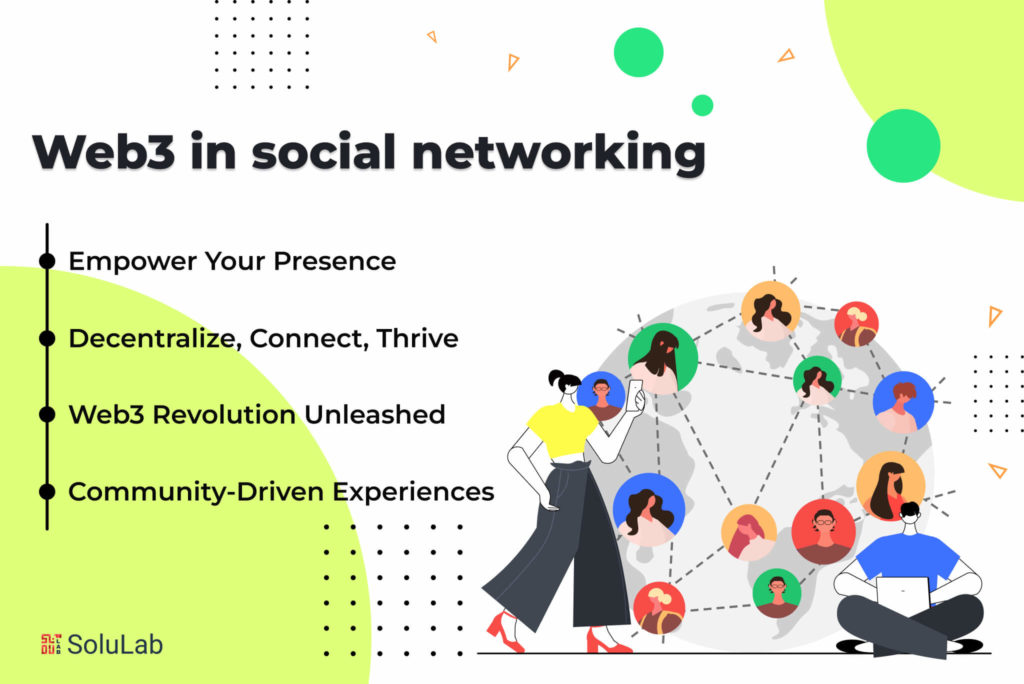
Web3 technology is revolutionizing social networking by introducing decentralization, user empowerment, and novel concepts like token-based incentives and decentralized governance. Unlike centralized social media platforms, Web3 networks are built on a distributed infrastructure, providing users with greater control over their data, privacy, and content. Decentralization mitigates the risks associated with data breaches, censorship, and surveillance. Web3 also enables seamless integration of financial transactions within social networking platforms, allowing users to engage in DeFi in the Web3 era and NFT trading. This guide explores the transformative impact of Web3 on social media, highlighting its potential to reshape online interactions and empower individuals.
Web3 introduces a paradigm shift in social networking, moving away from centralized models. Decentralization offers key advantages: Transparency and security. Decentralization also has the potential to reshape social interactions, enabling users to connect with anyone globally who shares their interests, and fostering a more diverse and inclusive experience. Overall, Web3 offers benefits over traditional centralized social networks by creating a more transparent, secure, and user-empowered environment for meaningful and authentic social interactions.
In social platforms, the introduction of Web3 principles ushers in a pivotal era. This section Sets out on a journey an exploration of the profound influence of Web3 on social networking, shedding light on how decentralization fundamentally transforms the user experience, redefines privacy considerations, and reshapes the dynamics of online communities.
Decentralized social platforms challenge the traditional, centralized model by distributing control and empowering users. Unlike centralized platforms, which concentrate power in one entity, decentralized platforms make users custodians of their own data, providing autonomy and privacy. Platforms like Mastodon and Diaspora operate on decentralized networks, creating diverse and interconnected social ecosystems. The advantages of decentralized platforms include resistance to censorship, transparency, and the ability to drive innovation in the social media space. They have the potential to reshape online interactions by creating a more equitable and user-centric environment, reducing the spread of misinformation and hate speech. As decentralized platforms gain traction, they can significantly change how we engage online, making it more transparent, inclusive, and empowering.
Web3, the next iteration of the internet, is ushering in a new era of digital interactions centered around tokenization. This groundbreaking concept transforms digital assets into vital components of social engagements. Unlike traditional social media platforms that rely on advertising as their primary revenue stream, Web3 introduces a paradigm shift by incentivizing user engagement through cryptocurrencies. This innovative approach empowers users to actively contribute to the growth and success of the platforms they engage with, fostering a sense of community and shared ownership.
Key elements of Web3 tokenization include:
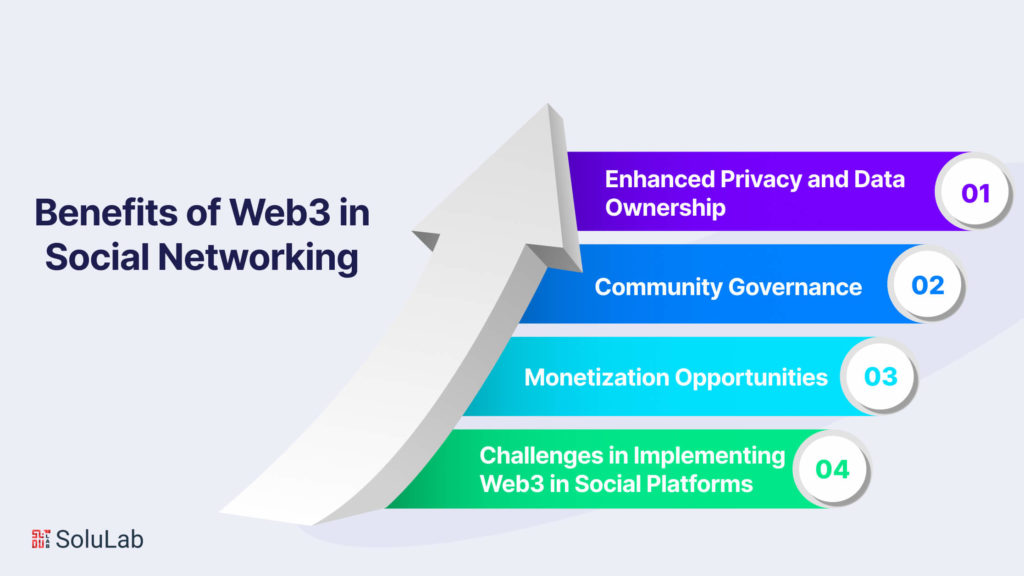
Explore the multitude of advantages that Web3 brings to social networking. From heightened privacy measures to community-driven governance, this section elucidates the tangible benefits users can enjoy in a Web3-powered social media landscape.
Web3, the next generation of the internet, is designed with user privacy as a top priority. Unlike traditional web applications, where user data is often collected and stored by centralized entities, Web3 applications prioritize giving users control over their personal information. By utilizing blockchain technology and decentralized finance protocols, Web3 offers a more secure and private user experience. Users have full ownership and control over their data, reducing the risk of centralized data breaches and unauthorized access. This is achieved through several key features:
By prioritizing user privacy and providing greater control over personal data, Web3 security empowers users to protect their sensitive information and engage in online activities with increased confidence and trust.
Decentralized governance in social platforms empowers users to participate in decision-making, fostering a sense of community ownership and active participation. It addresses issues of transparency, accountability, and responsiveness by distributing decision-making power among users through mechanisms like:
Active participation in social platform governance increases user investment and shapes the platforms’ future. Decentralized governance mitigates risks like censorship and data breaches by distributing power among the community. It fosters a sense of community ownership and promotes transparency, accountability, and responsiveness. This governance model is crucial for thriving, inclusive, and sustainable online communities.
Web3 has revolutionized content monetization for creators. Token-based models introduce microtransactions and disintermediate traditional gatekeepers. Creators can now explore alternative income avenues beyond advertising revenue or platform-specific options. Blockchain technology enables the creation and exchange of digital tokens or cryptocurrencies, representing exclusive content, special perks, or ownership rights via NFT use cases. This transparent and secure nature fosters trust and authenticity, strengthening community and loyalty. Decentralized models eliminate intermediaries and reduce platform dependencies, giving creators control over content, distribution, and revenue. The possibilities unlocked by token-based models are vast, allowing creators to tailor monetization strategies. This flexibility offers increased creative freedom and experimentation. Web3 and token-based models redefine the creator-audience relationship, creating a decentralized, collaborative, and sustainable ecosystem that empowers creators and provides direct support for their contributions.
Integrating Web3 into social platforms has the potential to revolutionize online interactions and redefine digital ownership and privacy. However, several obstacles hinder its widespread adoption.
Collaborative efforts from various stakeholders can overcome these challenges, paving the way for the successful integration of Web3 into social platforms and unlocking its transformative potential.
Explore real-world scenarios where the incorporation of Web3 principles has revolutionized the social networking realm. Discover groundbreaking advancements, ranging from decentralized identity systems to inventive monetization models. These inspiring showcases offer a glimpse into the transformative power of Web3 in practice.
Steem and Hive are successful examples of how Web3 use case can transform social networking. These platforms fundamentally change social engagement dynamics by providing users with token-based systems and decentralized content curation. In Steem and Hive, users actively participate in content creation, curation, and validation, providing them greater control over their data and ownership. Token-based systems incentivize users to contribute valuable content, while the decentralized nature of these platforms allows for autonomy and freedom of expression. Steem and Hive prioritize fairness and transparency using blockchain technology, ensuring the integrity of the system and the authenticity of the content. These platforms pave the way for a more equitable and user-centric digital landscape, demonstrating Web3’s potential to reshape online interactions and value creation.
User testimonials rave about the numerous benefits of decentralized social platforms:
By embracing decentralization, social platforms are transforming the way we interact and engage online. These platforms offer a more user-centric, transparent, and empowering social media experience, ushering in a new era of digital communication and community-building.
The future of Web3 in social networking presents an exciting realm of possibilities, driven by the convergence of cutting-edge technologies. Here are some key trends that are shaping the landscape:
These trends collectively point towards a future of Web3 in social networking that is more immersive, personalized, decentralized, and user-centric. As these technologies continue to evolve, we can expect to witness a transformation in the way we connect, communicate, and interact with each other in the digital realm.
Embracing Web3 principles in social networking has triggered groundbreaking transformations. The integration of Web3 in social platforms ushers in a user-centric era, offering advantages like enhanced privacy and decentralized governance. SoluLab, a leading Web3 Development Company, guides this metamorphic expedition with its innovative solutions and unwavering commitment to excellence. The skilled Web3 Developers at SoluLab are the architects of this digital revolution. They actualize decentralized visions to forge social platforms that prioritize user empowerment, privacy, and community engagement. These developers leverage their expertise to create a tapestry of possibilities under the Web3 Services spectrum. This empowers users to take center stage in defining their digital experiences, making them active contributors to a secure and community-driven ecosystem.
SoluLab’s comprehensive suite of services aligns seamlessly with this vision, offering cutting-edge solutions that redefine social interactions. The scope of Web3 integration in social networking extends far beyond conventional models, revolutionizing the role of users from mere participants to empowered contributors. SoluLab, a visionary Web3 Development Company, stands at the forefront of this digital revolution. They pioneer the integration of Web3 principles in social platforms, fostering environments where users thrive in privacy, ownership, and meaningful connections. The synergy between Web3 principles and social networking, enabled by SoluLab, creates unprecedented opportunities for user-centricity in the digital realm. Join SoluLab on this transformative journey as we redefine the possibilities of digital interaction. With a steadfast focus on user empowerment, security, and belonging, we pave the way for an era where every user’s Web3 journey is marked by unparalleled experiences. Together, we shape a future where social networking embraces Web3 development trends, ensuring that every user’s digital experience is truly remarkable.
Web3 represents the next evolution of the internet, emphasizing decentralization and user empowerment. In social networking, it transforms traditional platforms into decentralized ecosystems, giving users more control over their data and interactions.
Web3 introduces decentralized identity (DID) systems and cryptographic principles that significantly enhance user privacy. Users have greater control over their personal data, reducing the risks associated with centralized data breaches.
Yes, Web3 fosters community-driven governance. Users actively participate in decision-making processes, creating a sense of ownership and inclusivity within social platforms.
Web3 introduces novel monetization models, including token-based systems. Content creators can now directly monetize their work through microtransactions, enabling a shift from traditional ad-driven models to community-driven support.
SoluLab, as a leading Web3 Development Company, offers expertise in seamlessly integrating Web3 principles into social platforms. Their innovative solutions aim to enhance user experiences, security, and community engagement.
Despite its potential, the integration of Web3 faces challenges such as scalability, adoption barriers, and the need for user education. Overcoming these hurdles is crucial for the widespread acceptance of Web3 in social networking.
Future trends include the integration of Virtual Reality (VR), Artificial Intelligence (AI), and the development of interoperable decentralized protocols. These advancements will further shape the user experience in decentralized social platforms.


