



The digital landscape is evolving rapidly, and the emergence of Web3 is at the forefront of this transformation. Web3 platforms represent a new era of the internet, characterized by decentralization, blockchain technology, and the promise of enhanced security and user control. As Web3 gains traction, it’s crucial to understand the intricacies of staying safe within this innovative environment. In this blog, we’ll explore the concept of Web3, the unique security challenges it poses, and introduce you to the concept of Web3 antivirus.
Web3, short for “Web 3.0,” is a term used to describe the next evolution of the internet. Unlike the current web, which relies on centralized servers and authorities, Web3 is built on decentralized networks, enabling users to have more control over their data and interactions. It leverages technologies like blockchain, decentralized finance (DeFi), and non-fungible tokens (NFTs) to create a trustless and peer-to-peer online environment.
To navigate Web3 effectively, it’s essential to grasp some key concepts and technologies:

While Web3 promises increased security, it also introduces new risks:
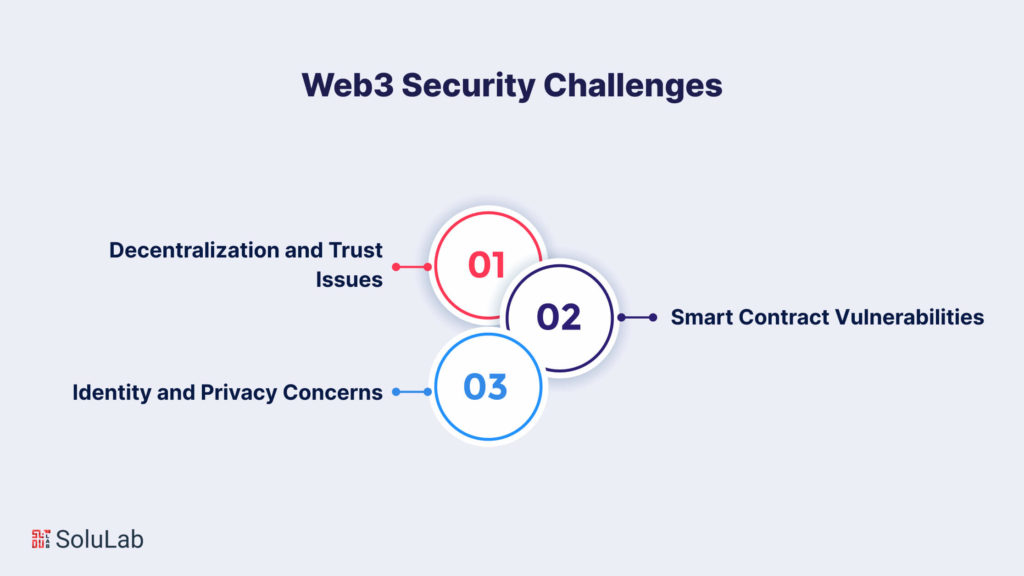
Web3’s decentralization and innovative technologies bring about unique security challenges that users must be aware of:
One of the key principles of Web3 is decentralization, eliminating the need for intermediaries and third-party authorities. While this offers enhanced security in many aspects, it also shifts the burden of trust onto the code and the network itself. Users must trust that the underlying blockchain technology and the code governing smart contracts are secure. However, as with any technology, vulnerabilities can exist, making it imperative to exercise caution and due diligence.
Smart contracts are a cornerstone of Web3, automating agreements and transactions without the need for intermediaries. However, smart contracts are not immune to errors or malicious intent. Vulnerabilities within these contracts can be exploited, leading to financial losses for users. It’s vital to thoroughly audit and review smart contracts before interacting with them to minimize such risks.
Web3’s transparency and immutability can make maintaining anonymity and data privacy challenging. Transactions on the blockchain are publicly recorded, and while they may not always reveal personal information, they can still create privacy concerns. Users must take precautions to protect their identities and data, especially when participating in DeFi platforms or NFT marketplaces.
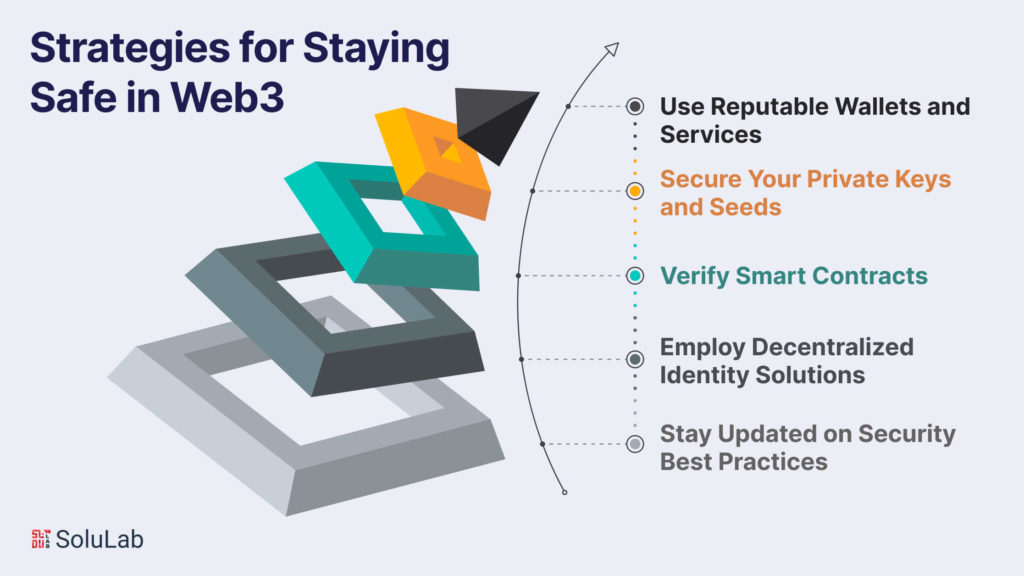
Navigating the decentralized and innovative world of Web3 can be both exciting and daunting. To ensure your safety in this evolving digital landscape, consider implementing the following strategies:
Selecting a trusted wallet and reliable Web3 services is a crucial first step. Reputable wallets, like MetaMask and Trust Wallet, offer a secure way to manage your digital assets and interact with DApps. Make sure to download these tools from official sources to avoid potential scams.
Private keys and recovery seeds are your keys to the Web3 kingdom. Safeguard them with the utmost care. Store them offline in hardware wallets or secure offline backups. Never share these sensitive credentials and be cautious of phishing attempts.
Before engaging with any smart contract, take the time to review and verify it. Use resources like Etherscan to audit contracts and check for potential vulnerabilities. Ensure that the code has been audited by reputable security firms to minimize risks.
To protect your identity and maintain privacy, consider using decentralized identity solutions like blockchain-based identity wallets. These solutions provide you with control over your personal information and data, allowing you to share only what’s necessary.
Web3 is continuously evolving, and so are the associated security threats. Stay informed about the latest security best practices and emerging threats by following trustworthy sources, forums, and communities in the Web3 space. Education is your best defense.
In the ever-evolving landscape of Web3, where decentralized technologies and digital assets have taken center stage, a new kind of security solution has emerged – Web3 antivirus. This innovative tool is designed to provide a much-needed layer of protection for users navigating the complex and decentralized Web3 environment. In this section, we will delve deeper into Web3 antivirus, exploring how it distinguishes itself from traditional antivirus software and why it is becoming increasingly essential in this dynamic digital realm.
Web3 antivirus represents a specialized security solution tailored to safeguard users within the decentralized and blockchain-based Web3 ecosystem. Unlike traditional antivirus software, which mainly focuses on identifying and neutralizing threats that target local devices, Web3 antivirus takes a different approach. It is designed to address the unique security challenges posed by Web3, such as smart contract vulnerabilities, DeFi scams, and identity theft on blockchain networks.
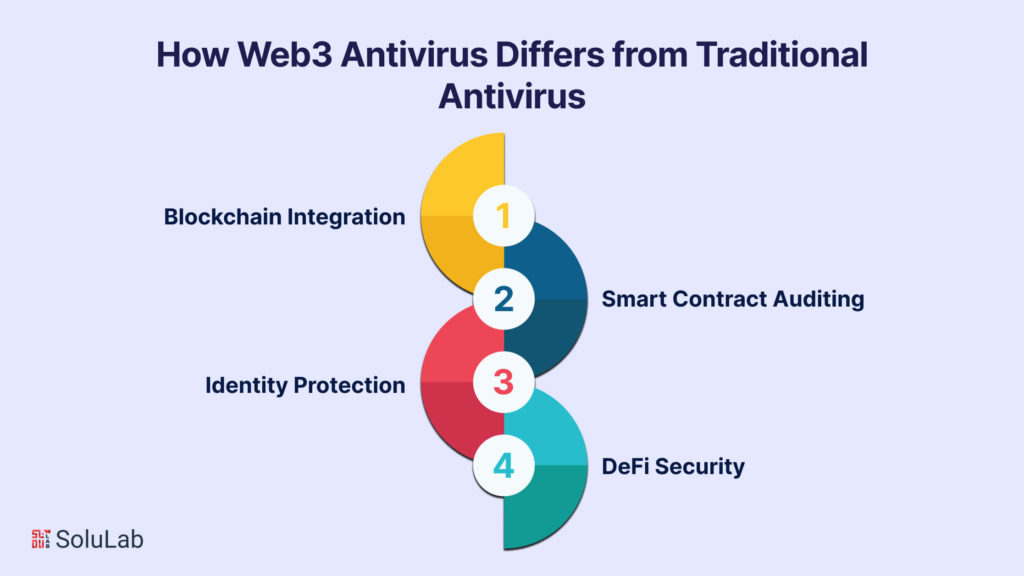
Understanding how Web3 antivirus sets itself apart from conventional antivirus software is crucial to grasp its significance:
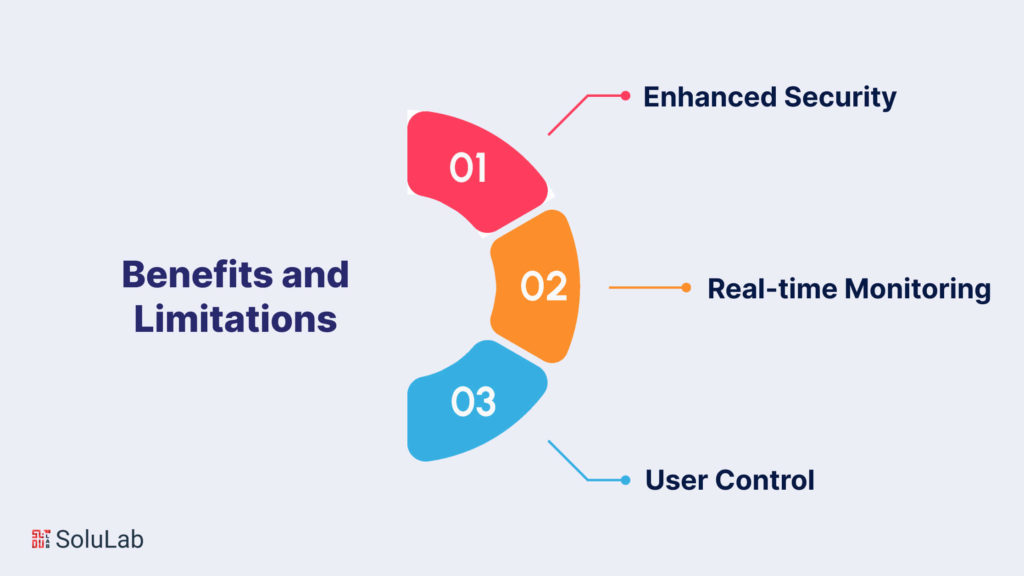
Web3 antivirus solutions offer several notable benefits:
However, it’s essential to understand that no security solution is entirely foolproof. Web3 antivirus, while a valuable tool, should be used in conjunction with other security best practices. Users must remain vigilant and cautious when navigating the Web3 landscape. Security is a shared responsibility, and being proactive about protecting your digital assets and data is paramount.

In conclusion, as Web3 continues to shape the future of the internet, it’s crucial to stay informed about the evolving security challenges and embrace solutions like Web3 antivirus to protect your digital assets and data. By combining best practices and innovative security tools, you can explore the vast opportunities of Web3 with confidence.
The shift to decentralized systems, blockchain technology, and innovative digital experiences is accompanied by unique security challenges. To navigate this landscape successfully, users must adopt a proactive stance, combining established security strategies with cutting-edge solutions like Web3 antivirus. While Web3 promises a world of possibilities, it’s essential to remember that no security solution is infallible. By staying informed, cautious, and embracing the protective shield of Web3 antivirus, individuals can boldly explore the transformative Web3 world, secure in the knowledge that their digital assets and data are safeguarded. The journey through Web3 is exciting, and with the right security measures in place, it can be a safer one as well.
Solulab is a forward-thinking company at the forefront of the Web3 revolution, specializing in blockchain and decentralized exchange development solutions. With a commitment to innovation, Solulab offers a range of services, including blockchain development, smart contract creation, decentralized application (DApp) development, and blockchain consulting. In a world where Web3 security is of paramount importance, companies like Solulab play a vital role in providing cutting-edge solutions to ensure the safety and success of Web3 projects. Their knowledge and experience in blockchain technology contribute to a more secure and resilient Web3 environment, supporting the principles of decentralization, trust, and user empowerment.
Web3 represents the next generation of the internet, emphasizing decentralization and blockchain technology. It requires unique security measures due to the shift in trust from central authorities to code and the inherent risks in blockchain-based systems.
Web3 antivirus focuses on protecting users in the decentralized Web3 environment. It monitors the blockchain, audits smart contracts, and offers specialized features like identity protection. Traditional antivirus software primarily scans for local device malware and may not cover blockchain-specific threats.
Private keys and seeds are the keys to your Web3 kingdom, giving you control over your digital assets. Failing to secure them properly can lead to unauthorized access and loss of funds. Protecting these keys is vital in Web3.
Web3 security challenges include issues related to decentralization and trust, smart contract vulnerabilities, and identity and privacy concerns. Users need to be aware of these challenges and implement strategies to mitigate them.
While Web3 antivirus solutions offer enhanced security in the Web3 environment, no security solution can guarantee complete protection. Users should combine Web3 antivirus with other security best practices and remain vigilant to ensure their safety in Web3.


