
Talk to an Expert

Top 5 Fintech sources — Enhance your industry knowledge

The concept of these sources is to combine the latest, most impactful stories related to the Fintech industry ALL IN ONE to your email.

Personally, it’s convenient and resourceful and always be my top email to open at the beginning of the day

1. Morning Brew

Morning Brew is my first source to read daily. It basically covers all aspects of the Technology/business industry generally: Federal Reserve policy, Tesla’s grand ambitions, IPOs, the memes dominating pop culture, and a whole lot more.

The good morning that brings you insights

Morning Brew also has the latest podcast channel Business Casual, I followed some.

You can also read: 5 concepts to master If you work in E-commerce.

2. Marcel News

Marcel News is my favourite source to read about Fintech generally, I followed Marcel since he started the newsletter 3–4 years ago when I was in the Netherlands. The channel started with a lot of helpful information related to EU fintech, and soon, opened to the latest world Fintech updates

Latest news from Marcel

The newsletter is focusing on #Payment, #Crypto, #challengerbanks and many more.

3. This Week in Fintech

I love the writing in This Week in Fintech. It is the full sense of humour but also very direct to the point. The sum-up is super cool to read, an insightful letter for the beginning of the day!

                                               Latest news from This Week in Fintech

The newsletter focuses on financing, M&A, Fintech product launch and many more. The great parts of this channel are

  • It links with some deep analysis of deals related to the topic. There is a lot of information if you are researching on LATAM market
  • This channel also includes quite many interesting podcasts if you want to listen on the way going to the office. The best way to start the day!

You can also read : What is NFT in Gaming? The Blockchain Crypto Game Market

4. The Fintech Blueprint

The Fintech Blueprint is curated by Lex Sokolin. Lex has held multiple senior industry positions, including CEO, COO, and CMO at top-tier companies in the Fintech sector. I particularly find the channel information very useful. In my case, I am interested in Fintech and Web3 industries. Also, the article is well written and makes us think deeper about the problem
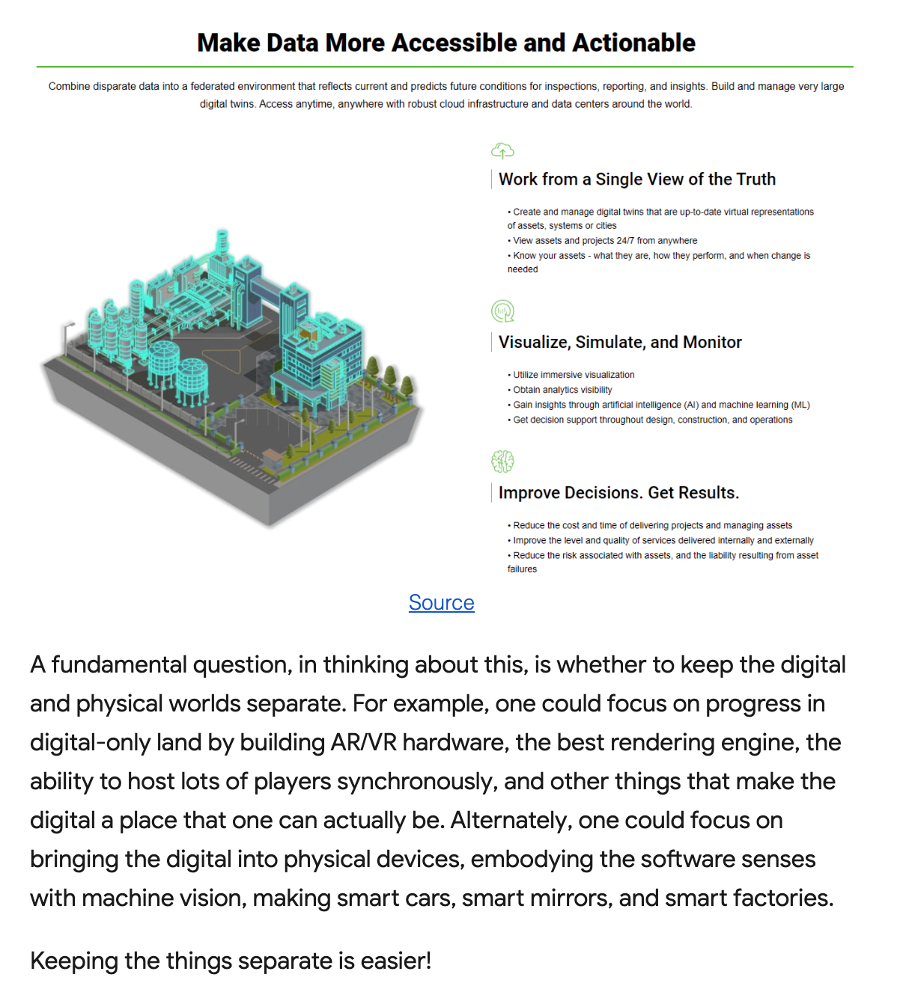
5. Lina’s Newsletter

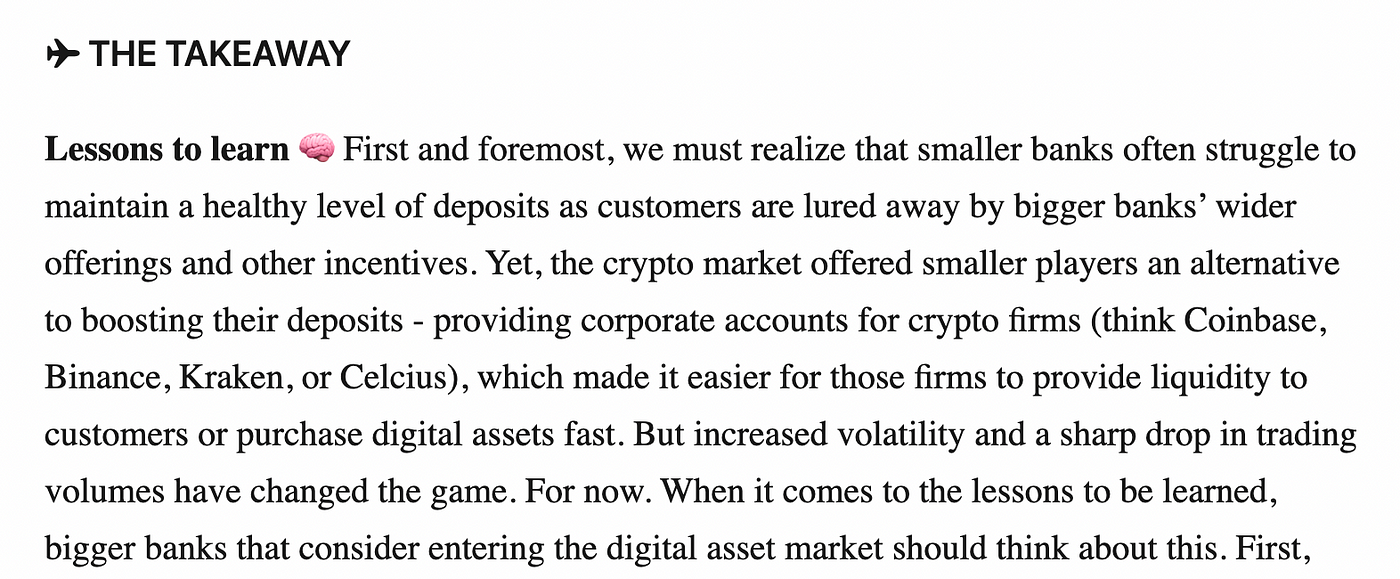
I followed Lina’s Newsletter a very long time ago (cannot even remember exactly). He opens the quality discussion and updates the latest news on Finance & Technology.

Most importantly, the channel always provides 3 impact stories: Easy to read and concise.
Credit : Medium

Top 10 Growing Crypto Fintech Startups to Watch Out

10-Growing-crypto-Fintech

1. TaxBit

TAXBit

Designed by CPAs and Tax Attorneys, TaxBit is the leading tax and accounting solution for the digital economy. TaxBit’s customers include the world’s top exchanges, institutional investors, governments, and individuals. As the first and only company to build real-time ERP accounting software for commodities, equities, and other digital asset investments, TaxBit provides enterprise clients with seamless end-to-end solutions including core accounting suite, customer management suite, and form issuance. TaxBit Consumer makes filing taxes on digital asset investments simple and painless while equipping them with real-time directional insights 24/7, 365. 

  • Location: USA
  • Industry: Finance

 2. Securrency

Securrency

Securrency is a blockchain-based financial markets infrastructure company focused on building a financial ecosystem to optimize financial logistics to enhance capital formation and stimulate global liquidity. Securrency is driving change at the core of financial services via a fully-interoperable distributed identity and compliance framework with state-of-the-art infrastructure designed to bridge legacy financial platforms to next-generation blockchain networks. One of the most advanced regulatory technology providers in the industry, Securrency has developed integrated, scalable, and universal compliance tools that automate enforcement of multi-jurisdictional regulatory policy.

  • Location : USA
  • Industry : Finance

3. Algo Trader

Algo Trader

AlgoTrader is the global leader in institutional trading technology for digital assets that covers the entire trade lifecycle from pre-trade risk checks to order generation, automated settlement and custody reconciliation – offering best-in-class infrastructure for financial institutions. By supporting direct market access, seamless custody and core banking integration as well as full trade lifecycle automation, the AlgoTrader platform streamlines digital assets trading. Developed by a team of trading system veterans and crypto asset experts, AlgoTrader offers integrated infrastructure solutions that meet the highest institutional needs.

  • Location : Switzerland
  • Industry : Finance

4. Balance

Balance

Five years since inception, the third iteration of Balance custody platform secures hundreds of millions of dollars worth of assets making Balance not only the oldest Canadian digital asset custodian, but also the largest. Balance continue expand their product by providing a fully integrated post-trade financial services solution encompassing custody settlement and clearing  

  • Location : Canada
  • Industry : Finance

5. Lightnet

Lightnet

Lightnet is a Singapore headquartered fintech company dedicated to improving the lives of the unbanked and underbanked by building an inclusive international remittance ecosystem that increases the efficiency of existing money transfer operators, financial institutions and other cross-border payment providers. Lightnet’s initial focus will be on Southeast Asia remittances, which it estimates to be in excess of USD 150 billion a year.

Read Also: Top 10 Blockchain-Based Startups in New York to Watch Out For

Lightnet aims to create a global network of Trusted Financial Services partners that provides the most interoperable, efficient, and cost-effective payments capability available today. We believe an inclusive ecosystem that bridges the gap between existing banking rails and non-bank agent networks will increase profitability for all our partners and enable seamless cross-border transactions for the unbanked and underbanked throughout Asia.

  • Location : Thailand
  • Industry : Finance 

6. Simba

Simba

SIMBA Chain Inc. was formed in 2017 from a grant awarded by the Defense Advanced Research Projects Agency (DARPA) to Indiana Technology and Manufacturing Companies (ITAMCO) and the Center for Research Computing at the University of Notre Dame in order to develop a secure, unhackable messaging and transaction platform for the United States military.

SIMBA Chain is a cloud-based, blockchain-as-a-service (BaaS) platform, enabling users across a variety of skill sets to implement dapps (decentralized applications). These apps allow secure, direct connections between users and providers, eliminating third parties. The easy-to-use platform is tailored for users, developers, government, and enterprises to quickly deploy blockchain dapps for iOS, Android, and the web.

  • Location : United States
  • Industry : Finance

7. Banxa

Banxa

Banxa’s mission is to accelerate the world to Web3 with its leading global on-and-off ramp solution. Through its extensive network of local payment solutions paired with the required crypto licenses, Banxa gives its partners and projects access to global audiences with less friction and higher conversions. Banxa has a global team of Web3 natives – with operating headquarters in the USA, Europe and APAC regions

  • Location : Australia 
  • Industry : Payment Gateway

8. Anchai

Anchai

The Situational Awareness Platform (SAP) proactively protects crypto assets by providing proprietary artificial intelligence, knowledge graphs, and threat intelligence on blockchain transactions. The SAP is able to detect and even predict vulnerabilities and threats before they occur, enabling businesses to take proactive action. In 2018, AnChain.AI detected the first Blockchain APT (BAPT) hack in history which resulted in the theft of over $4 million worth of ETH. The world’s leading DApps trust the SAP to secure over $8 million in weekly transactions.

  • Location : United States
  • Industry : Finance/Contracts

9. Lightning Labs

Lighting Labs

Lightning Labs develops software that powers the Lightning Network. The open source, secure, and scalable Lightning systems enable users to send and receive money more efficiently than ever before. Lightning labs also offer a series of verifiable, non-custodial Lightning-based financial services. They bridge the world of open source software and the next-generation of bitcoin financial software.

  • Location : United States 
  • Industry : Crypto/Finance 

10. Clearx

ClearX

Clearx builds blockchain-based settlement and clearing networks for global industries. Using enterprise-grade blockchain technologies and programmable smart contracts, these networks allow near-real-time settlement and automatic intelligent dispute resolution on a global scale. This reduces costs, inefficiencies and fraud, while maintaining confidentiality of contracts and trade details. Moreover, these networks enable rapid participant-driven innovation of new on-demand products, contracts, and business models, accelerating exponential growth.

  • Location : Singapore 
  • Industry : Finance / contracts

Closing Thoughts

The finance industry has shown significant adoption the blockchain technology to provide better and more transparent solutions and services. As a result, the fintech industry has seen a significant rise in fintech startups. The pandemic, shift in consumer expectations, and increasing innovation and investment opportunities in Fintech will grow embedded finance, mainstream exploration of Web3 (Defi), more platform-as-a-service solutions, and increased cybersecurity activity. We will feature more fintech startups in our upcoming blogs. Stay tuned!


Blockchain For Accountants: Proactive To Overcome Financial Reporting Challenges?

The much-hyped and highly potential blockchain technology is going to disrupt lot many industries, lot many sectors, and lot many business areas. We have read a lot about how can it transform the finance industry. If we go deeper in this discussion the entire BFSI domain can get shaken (maybe for the better) with the adoption of blockchain technology. Today, we shall specifically talk about one of the most vital branches and integral parts of the BFSI domain i.e. accounting. What’s there in a nutshell when it comes to blockchain for accountants?

blockchain for accountants

What is there in the blockchain store for accountants and how does it help overcome financial reporting challenges?

Well, blockchain is going to rewrite a new era of accounting, finance, and auditing across the globe.

As confirmed by Coin desk, the world’s four biggest auditing firms – Deloitte, E&Y, KPMG and PwC – are joining a group of 20 banks in Taiwan to trial a blockchain service for auditing public companies’ interim financial reports.

This news came almost a year back. On full-fledged adoption of blockchain technology by these firms, blockchain for accountants won’t be too far to reach.

As more companies are joining the crypto economy, the accounting and auditing firms will soon be forced to include cryptocurrency transactions in their accounting processes.

Let us understand how these Big 4’s are utilizing blockchain technology for financial reporting

Big 4 and blockchain

Ernst & Young
·        the first to begin accepting Bitcoin as a payment method.

·        In April 2018, E&Y launched “Blockchain Analyzer” that is anticipated to facilitate EY audit teams review and analysis of transactions on the blockchain

KPMG
· Launched the “Digital Ledger Services” program in 2016 to help financial services companies investigate blockchain applications
PwC
·        started accepting Bitcoin at its Hong Kong office in December 2017

·         In April 2018, the firm announced its first-ever wide-release blockchain auditing service with crypto businesses already signed up.

Deloitte
·        In 2014, launched Rubix, billed as a “one-stop blockchain software platform.”

Blockchain for accountants and auditors: Boon or curse for the future of financial reporting?

Financial reporting and blockchain

Our global modern financial accounting is based on a double-entry system. Financial reporting is a vital element for any business since it reflects the actual economic condition of the business. Its authenticity is a must. In order to gain the trust of outsiders, independent public auditors have to verify the company’s financial information. Each audit is a costly exercise, binding the company’s accountants for long time periods.

How did blockchain technology come into the picture? With enterprise blockchain development, all entries are distributed and cryptographically sealed, chances of destroying or manipulating them to conceal activity are practically impossible. This will enable public auditors to verify a large number of data in a very short period of time. The cost and time necessary to conduct an audit would decline considerably.

Blockchain For Accountants: Benefits

BC FinTech benefits

Reduction in errors:

Since the transaction data would be in the chain and backed by smart contracts, accounting entries will get automated and hence, a huge amount of reduction in human errors or there can be some negligible errors only. The need for reconciliation will drastically reduce.

Elimination in chances of fraud:

The indisputable nature of blockchain makes it exceptionally difficult to perpetrate and difficult to edit or manipulate. In order to make modifications in records, the same change is required to be incorporated on all copies of the distributed ledger at the same time, which is highly infeasible.

Savings in overall costs:

Well, who doesn’t wish to improve the bottom line of their business? Revenues can’t be increased overnight but an organisation can definitely control levels of costs. This can be made possible by adopting blockchain technology. Following initial adoption cost, accounting firms can expect to see rapid cost savings over conventional accounting systems.

Boost in efficiency:

Undoubtedly, blockchain is a fast, vast, and powerful database. With the incorporation of blockchain technology, it will be much easier and faster for you to generate reports out of your financial system software. It not only saves your overall time but also enhances efficiency. The efficiency will be higher as compared to legacy accounting software applications.

How Blockchain For Accountants Can Help Overcome Financial Reporting Challenges?

In our existing financial reporting and corporate reporting systems, there are issues. And not all issues are within the reach of public auditors to nullify or overcome. What are these burning issues and how blockchain for accountants can help overcome the underlying challenges of financial reporting?

Reconciliation of transactions:

A typical team of accountants and auditors spends a huge amount of their productive time on reconciliations. Then also, at times, some transactions and their difference amounts are settled into suspense accounts.

When you have blockchain technology in place i.e. shared ledger approach, it solves this problem from the root level. It enables all related parties to identify the transaction and allows to publication of data simultaneously.

Meeting deadlines of statutory, management, and regulatory reporting:

Sluggish and imprecise reporting data can result in immature or poor decision-making, extra delivery costs and even excessive capital funding.

With blockchain for accountants, it is very much possible to publish data simultaneously. It almost eliminates the need for standard reporting cycles across statutory, regulatory and management reporting.

Transparency within intercompany:

Blockchain technology enables intercompany transparency by creating decentralized ledgers. It also gives rise to the opportunity for real-time settlement. This would free up time for the finance function to focus on added-value activities such as strategic planning and supporting wider business decisions, particularly during the critical period of the final stages of the consolidation process.

Capital intensive due to duplicate maintenance of infrastructure:

Most of the clients of accounting and auditing firms take several months to reflect organizational structure changes within their finance systems. By that time, there can be immense capital investment to maintain different sets of data and infrastructure. But with blockchain, expenses can be reduced drastically. There is no need to keep duplicate data records too. Any changes to the ledger would be reflected in all copies in minutes, allowing for financial data to reflect true picture.

Over to you!

Time will tell whether blockchain tech is good or bad for accountants and financial reporting. Meanwhile, accountants, CFOs, financial analysts, and financial executives will need to stay ahead of the trend by keeping an eye on the latest blockchain reporting developments.

Are you interested in exploring further how it can specifically disrupt your business and what challenges may crop up while dealing with existing issues? Is your accounting software compatible to get started with blockchain?

We are just a click away! BOOK A FREE CONSULTATION

