


In the dynamic realm where blockchain technology meets the immersive landscapes of virtual gaming, a revolutionary synergy has emerged—Non-Fungible Tokens (NFTs) in gaming. As we embark on this journey, we delve into the very fabric of NFT gaming development and solutions, unraveling the mysteries behind what makes digital assets truly unique and valuable. NFTs in gaming signify a paradigm shift in how we perceive and interact with in-game assets. Beyond their inherent scarcity, these tokens introduce a concept of ownership that transcends the boundaries of a single gaming universe.
The fusion of blockchain’s decentralized ledger and gaming’s interactive experiences has birthed a transformative force in the digital ownership landscape. What are NFTs in gaming? At its core, this question sparks a journey into the heart of tokenization, where each in-game item becomes a testament to its own authenticity and uniqueness. We explore the profound implications of NFT gaming, from the creation of verifiable digital assets to their seamless integration into the broader gaming industry. Amidst the vast landscapes of virtual realms and interactive narratives, NFT gaming solutions stand as beacons of innovation.
These solutions redefine how players perceive, trade, and truly own their in-game items. The implications extend beyond the gaming community, reaching developers, investors, and enthusiasts alike, fostering an ecosystem where digital assets hold tangible value. The integration of NFTs into the gaming industry is not a mere evolution; it’s a revolution. We unravel the intricacies of how blockchain technology seamlessly integrates with gaming ecosystems, shaping a future where ownership is not just a concept but a reality.
From character skins to virtual real estate, NFTs are reshaping the very foundations of the gaming experience. While the applications of NFTs in gaming might seem apparent, we delve into the depth of NFT use cases in gaming. Beyond cosmetic items and collectibles, we uncover the potential for NFTs to drive new narratives, enhance gameplay mechanics, and unlock novel revenue streams for developers. In this blog, we embark on a comprehensive exploration of NFT gaming development and solutions. Join us as we navigate the intricacies of blockchain, gaming, and the boundless possibilities that emerge at the intersection of these two transformative forces. Welcome to the digital ownership era in gaming, where NFTs are not just tokens but keys to unlocking unprecedented experiences.
In the ever-evolving landscape of digital assets and blockchain technology, the term “NFTs” has become a buzzword. But what exactly are non-fungible tokens, and how are they shaping the future of ownership in the digital realm? This section delves into the fundamentals, unraveling the unique characteristics that make NFTs a transformative force in various industries.
Non-Fungible Tokens (NFTs) have redefined digital ownership by representing unique assets on the blockchain. In this section, we delve into the fundamental concepts of NFTs, exploring their indivisibility, scarcity, and how they stand apart from traditional cryptocurrencies.
NFTs, built on blockchain technology, enable the creation of one-of-a-kind digital assets that cannot be replicated. The concept of scarcity and ownership is introduced through cryptographic tokens, opening new possibilities for creators, gamers, and investors. We unravel the intricacies of NFTs, from minting to ownership verification, providing a foundational understanding for readers.
The meteoric rise of NFTs extends beyond the gaming industry, influencing various sectors. Here, we highlight the diverse applications of NFTs, from art and music to real estate, underlining their impact on the broader digital landscape.
NFTs have become a cultural phenomenon, disrupting traditional notions of ownership and copyright. Artists, musicians, and content creators now leverage NFTs to tokenize their work, fostering a direct relationship with their audience. We explore the ripple effects of NFTs across industries, showcasing their transformative potential in reshaping how we perceive and trade digital assets.
NFTs represent a paradigm shift in the current digital landscape, introducing novel ways of interacting with and valuing digital content. In this segment, we delve into the broader significance of NFTs, discussing their role in decentralization, democratization, and the evolution of the Internet.
As blockchain-based assets gain prominence, NFTs emerge as a catalyst for a more inclusive digital economy. We explore how NFTs empower individuals, eliminate intermediaries, and foster a sense of ownership in the decentralized era. The significance of NFTs extends far beyond their economic value, shaping the digital landscape into a more equitable and creative space.
Beyond the surface, understanding the core concepts of tokenization is crucial. This section goes deeper into how NFTs differ from traditional cryptocurrencies, exploring their underlying technology, and shedding light on the intricate mechanics that make each token one-of-a-kind. Join us as we navigate the nuances of NFTs in this comprehensive exploration.
Diving deeper into the core concepts of tokenization, we unravel the intricate workings of NFTs and their role in the gaming industry. Exploring how unique digital assets are represented on the blockchain, we shed light on the underlying technology, emphasizing its importance in securing ownership and facilitating in-game transactions.
Tokenization goes beyond the mere representation of assets; it fundamentally transforms how gamers engage with virtual worlds. NFTs, as a form of tokenization, introduce unprecedented levels of ownership and authenticity, creating a paradigm shift in the gaming experience.
While NFTs share the blockchain foundation with traditional cryptocurrencies, they distinguish themselves through unique properties. Here, we elucidate the distinctions between NFTs and traditional cryptocurrencies, highlighting the specific features that make NFTs the preferred choice for digital assets in gaming.
Understanding the differences is crucial for gamers, developers, and investors alike. NFTs bring tangible ownership to in-game items, character skins, and other digital assets, fostering a sense of rarity and exclusivity that adds significant value to the gaming experience.
Delving into the technical aspect, we explore the blockchain technology that serves as the backbone of NFTs. From consensus mechanisms to smart contracts, we break down the intricate components that ensure the security, transparency, and immutability of NFT transactions in the gaming industry.
Blockchain not only guarantees ownership but also enhances the gaming ecosystem by providing a trustless environment for transactions. We highlight the robustness of blockchain technology in preventing fraud, ensuring fair play, and revolutionizing the way gamers trade virtual assets.
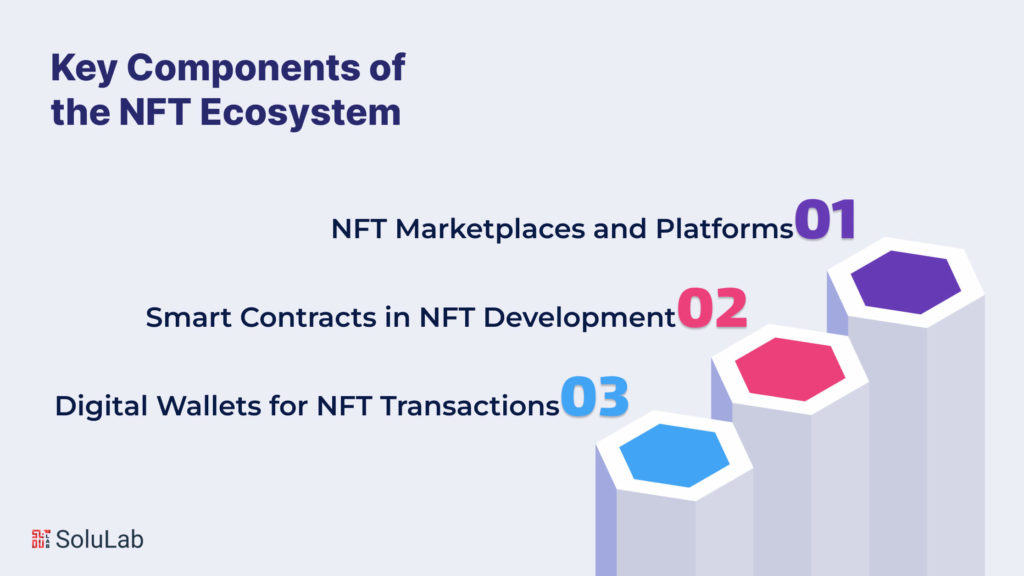
The NFT ecosystem is multifaceted, comprising various elements that contribute to its vibrancy. From marketplaces that facilitate trading to the smart contracts that power them, this section dissects the key components of the NFT ecosystem. Gain insights into the mechanisms that drive the creation, exchange, and ownership of these unique digital assets.
In this segment, we explore the dynamic landscape of NFT marketplace platforms dedicated to gaming. From established platforms to emerging players, we analyze how these marketplaces empower gamers to buy, sell, and trade NFTs seamlessly. Unveiling the diverse options available, we shed light on the unique features and advantages each platform brings to the gaming NFT ecosystem.
Navigating the NFT marketplace landscape is crucial for gamers looking to explore, invest, or showcase their digital assets. Our exploration aims to equip gamers with the knowledge needed to make informed decisions within the expansive NFT market.
Smart contracts play a pivotal role in the development of NFTs, shaping how transactions and interactions occur within the gaming ecosystem. Here, we delve into the smart contract architecture that underpins NFTs, emphasizing their self-executing nature and role in automating various processes such as in-game item transfers, sales, and royalties.
Understanding the role of smart contracts is paramount for both developers and gamers. Smart contracts not only ensure the integrity of transactions but also enable novel features like decentralized governance and play-to-earn mechanisms, transforming the gaming landscape.
This section explores the importance of digital wallets in the NFT gaming realm. We delve into the functionalities of digital wallets, elucidating how they serve as secure repositories for NFTs, allowing gamers to manage, trade, and showcase their digital assets effortlessly.
As digital wallets become an integral part of the gaming experience, we discuss the various wallet options available, their features, and how they integrate with gaming platforms. This knowledge empowers gamers to choose the right digital wallet that aligns with their preferences and enhances their NFT gaming journey.
The scope of NFT applications goes beyond mere ownership; it extends into industries ranging from art to real-world asset tokenization. This section explores the diverse applications and use cases of NFTs, showcasing how these digital assets are transforming creativity, business, and the way we perceive and exchange value.
While NFTs are widely recognized in the gaming realm, their influence extends to the broader creative landscape. Here, we explore the intersection of NFTs with art, music, and other creative industries, showcasing how digital artists leverage NFTs to tokenize and monetize their work. We delve into the impact of NFTs on the traditional art market and the newfound opportunities they offer to creators.
Understanding the broader applications of NFTs provides a comprehensive view of their transformative potential. From virtual art galleries to blockchain-authenticated music, we unravel the diverse ways in which NFTs are reshaping the creative landscape.
In this segment, we investigate the concept of tokenizing real-world assets through NFTs, with a focus on how this process is reshaping the gaming industry. From in-game real estate to tokenized ownership of physical assets, we uncover the innovative ways in which NFTs bridge the virtual and real worlds.
Tokenization opens up new avenues for gamers, allowing them to extend their influence beyond the digital realm. Our exploration sheds light on the implications of tokenizing real-world assets for both gamers and the broader gaming ecosystem.
Building upon the previous section, we specifically delve into the multifaceted role of NFTs within the gaming and entertainment sectors. From in-game assets and skins to unique gaming experiences, we explore how NFT integration enhances player engagement and introduces novel gaming dynamics.
The incorporation of NFTs in gaming goes beyond a mere transactional aspect, transforming the very fabric of gameplay. We analyze how NFTs contribute to player ownership, interoperability between games, and the rise of play-to-earn models, ushering in a new era of gaming experiences.
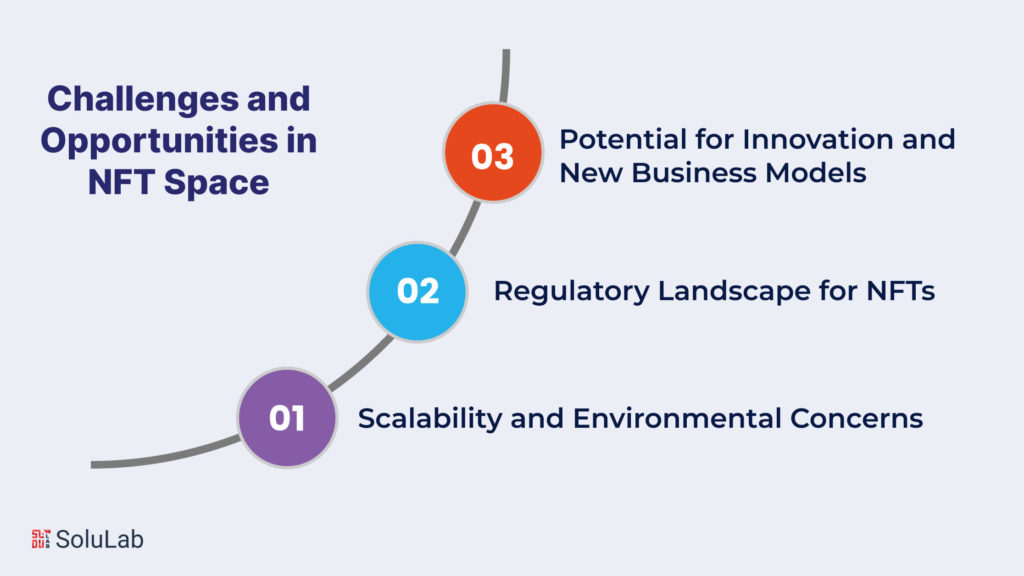
Innovation often comes with its set of challenges and opportunities. This section addresses the potential roadblocks faced by the NFT space, from scalability concerns to regulatory landscapes. Simultaneously, it highlights the immense opportunities for growth, exploration, and the creation of new business models within this dynamic and evolving ecosystem.
While NFTs bring a myriad of benefits, scalability, and environmental concerns have emerged as key challenges. We delve into the scalability limitations of existing blockchain networks and the environmental impact associated with energy-intensive consensus mechanisms. Examining potential solutions, we explore how the industry addresses these challenges while maintaining NFT innovation.
Navigating scalability and environmental concerns is crucial for the sustainable growth of the NFT space. We assess the ongoing efforts within the industry and highlight potential pathways for achieving greater efficiency.
In this segment, we explore the evolving regulatory landscape surrounding NFTs. From intellectual property rights to the legal status of digital assets, we dissect the regulatory challenges and opportunities that impact NFTs. Understanding the legal framework provides insights into how the industry adapts to comply with regulations while fostering continued innovation.
The intersection of technology and regulation shapes the trajectory of NFTs, and we analyze the legal considerations that both creators and consumers should be aware of in this dynamic space.
Amid challenges, the NFT space is rife with innovation and new business models. We delve into emerging trends, such as fractionalized ownership, DAOs (Decentralized Autonomous Organizations), and NFT derivatives. Exploring these developments, we shed light on how innovators within the space are pushing boundaries and creating novel avenues for NFT utilization.
Understanding the potential for innovation provides a glimpse into the future possibilities of NFTs, paving the way for the development of groundbreaking technologies and business models.
The impact of NFTs is not theoretical; it’s palpable in the real world. This section brings forth concrete examples of NFT success stories, showcasing notable sales, auctions, and the transformative effects on artists and content creators. Explore how NFTs are not just tokens but catalysts for change in various industries.
In this section, we highlight landmark NFT sales and auctions that have captivated the digital world. From digital art pieces fetching record prices to unique gaming items sold on NFT marketplaces, we showcase the diverse range of transactions that have marked the success of NFTs. Examining these examples provides insights into the market dynamics and the value attributed to digital ownership.
By exploring the success stories, we offer a comprehensive view of the market sentiment and the factors that contribute to the perceived value of NFTs in various domains.
The rise of NFTs has had a profound impact on artists and content creators. We delve into the experiences of creators who have embraced NFTs as a means of monetizing their work and establishing direct connections with their audience. Analyzing these impact stories provides a nuanced understanding of how NFTs empower creators in the digital age.
From established artists to up-and-coming talents, the democratizing effect of NFTs on creative industries is a central theme we explore, shedding light on the transformative potential for creators worldwide.
To gauge the real-world impact of NFTs, we turn our attention to user experiences and feedback. Examining the perspectives of both buyers and sellers in the NFT space, we provide insights into the challenges faced, the benefits realized, and the overall sentiment surrounding NFT transactions. This section offers a holistic view of the user journey within the NFT ecosystem.
Understanding user experiences and feedback is vital for continuous improvement and adaptation within the NFT space. By highlighting both positive and constructive aspects, we contribute to a nuanced understanding of the user landscape.
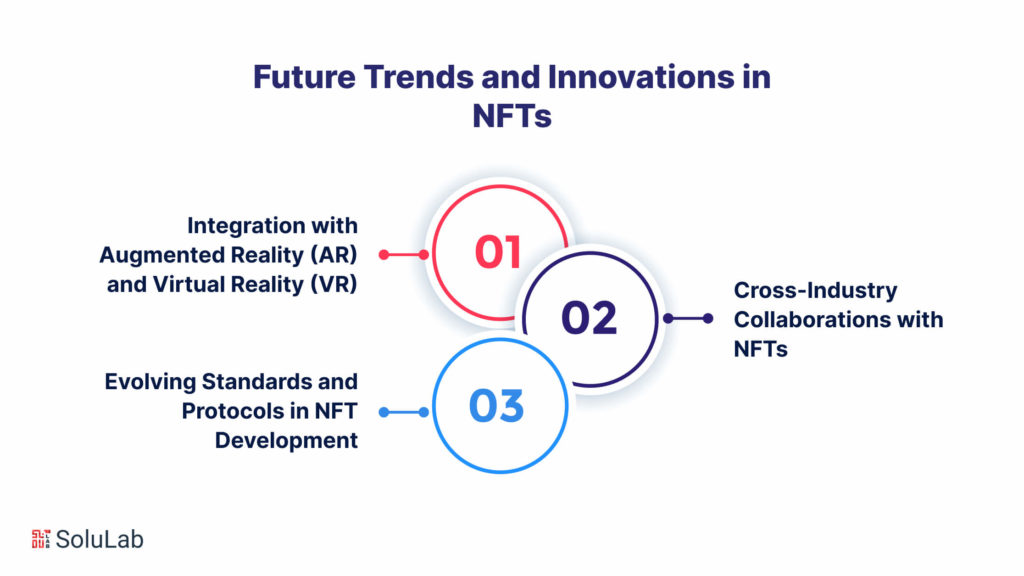
As technology progresses, so do the trends and innovations within the NFT space. This section delves into the exciting future of NFTs, exploring potential integrations with augmented reality, cross-industry collaborations, and the evolving standards and protocols that will shape the next chapters of NFT development.
As technology evolves, we explore the exciting prospects of integrating NFTs with Augmented Reality (AR) and Virtual Reality (VR). Unveiling the potential for immersive experiences and interactive digital assets, we examine the intersection of NFTs and these emerging technologies. Delving into use cases and ongoing projects, we offer a glimpse into how AR and VR enhance the value proposition of NFTs.
The convergence of NFTs with AR and VR opens new frontiers for creativity and user engagement. We analyze the collaborative efforts shaping this intersection and anticipate the transformative impact on the digital ownership landscape.
NFTs are transcending boundaries and making their mark across diverse industries. From fashion to music and beyond, we explore cross-industry collaborations that leverage NFTs to redefine digital ownership. Analyzing partnerships and innovative projects, we showcase how NFTs are becoming a universal medium for representing ownership in the digital realm.
Examining the ripple effects of NFTs across industries provides insights into the potential for broader adoption and collaboration. We highlight key examples of cross-industry partnerships that exemplify the versatility and adaptability of NFTs.
In this segment, we delve into the evolving standards and protocols within the NFT ecosystem. From Ethereum-based ERC-721 to emerging standards like ERC-1155, we explore the technical foundations that underpin NFT development. Assessing the implications of these standards on interoperability, scalability, and user experience, we offer a comprehensive understanding of the technological landscape.
Understanding the technical aspects of NFT standards is essential for developers, creators, and users alike. We analyze the ongoing developments and the role of standardization in shaping the future of NFTs.
As we wrap up this exploration into the realm of NFTs in gaming, it’s evident that the intersection of non-fungible tokens and gaming is a dynamic landscape with vast potential. NFTs have transcended their origins, transforming digital assets into verifiable and scarce items, particularly in the gaming industry. The journey through NFT gaming development has showcased the profound impact of decentralized ownership on virtual assets. By understanding the core concepts of NFTs, their integration into gaming ecosystems, and the multitude of use cases they unlock, we’ve witnessed the evolution of virtual possessions into valuable, unique entities.
Exploring NFT gaming solutions has revealed innovative approaches to in-game assets, providing players with true ownership and the ability to trade items across different platforms. The implications for both developers and gamers are immense, ushering in an era where digital assets hold tangible value beyond the confines of a single game. It’s crucial to embrace the potential of NFTs in gaming beyond their current applications. From enhancing player experiences to enabling new revenue streams for developers, NFTs offer a paradigm shift that reshapes the very foundations of the gaming industry.
As we consider the ongoing evolution of the NFT landscape, it’s clear that the journey is far from over. NFTs in gaming represent just one facet of a broader digital ownership revolution. The technology’s adaptability and potential for cross-industry collaboration position it as a catalyst for transformative change in various sectors. In navigating the landscape of NFT innovation, SoluLab has emerged as a key player, contributing to the development and implementation of NFT solutions. From collaborating on projects that push the boundaries of what’s possible in NFT gaming to exploring new use cases and technologies, SoluLab stands as a beacon of innovation in the blockchain and NFT space.
SoluLab’s collaborative initiatives and partnerships within the NFT ecosystem demonstrate a commitment to pushing the boundaries of technological innovation. By fostering projects that showcase the transformative potential of NFTs in gaming, SoluLab envisions a future where decentralized ownership becomes synonymous with the gaming experience. As we conclude this journey, we extend a call to action. Whether you’re a gamer, developer, or industry enthusiast, the world of NFTs in gaming invites exploration, creation, and innovation. Embrace the potential, challenge traditional norms, and contribute to the ongoing evolution of the NFT landscape.
While both NFTs and traditional cryptocurrencies operate on blockchain technology, the key distinction lies in fungibility. NFTs are non-fungible, meaning each token is unique and not interchangeable, unlike fungible cryptocurrencies such as Bitcoin.
NFTs are created through the deployment of smart contracts on blockchain platforms like Ethereum. Smart contracts contain the code that defines the unique properties and characteristics of each token, ensuring transparency and authenticity in the creation process.
NFTs have transcended the art world and are applied across various industries. From real estate to gaming, industries are leveraging NFTs for tokenizing assets, creating unique digital experiences, and revolutionizing the concept of ownership.
Some blockchain networks, especially those using Proof of Work consensus mechanisms, have raised concerns about environmental impact due to energy-intensive mining processes. However, emerging solutions and the transition to more eco-friendly consensus mechanisms aim to address these concerns.
NFT transactions are secured by blockchain’s cryptographic principles, ensuring transparency and immutability. The authenticity of digital assets is guaranteed by the decentralized nature of blockchain, making it highly resistant to fraud and manipulation.
Yes, NFTs can be resold on various NFT marketplaces. Smart contracts embedded in the tokens’ code often include royalty mechanisms for original creators, ensuring they receive a percentage of proceeds from secondary sales.
Getting started with NFTs involves understanding the basics of blockchain, choosing a suitable platform, and potentially partnering with developers. Platforms like Ethereum, Binance Smart Chain, and others provide the infrastructure and tools needed for NFT creation and deployment.


