


Web 3 development and DeFi integration are at the forefront of technological innovation, revolutionizing the way we interact with digital ecosystems. With the rise of decentralized finance (DeFi) and the evolution of Web3 technology, the digital landscape is undergoing a transformative shift towards a more decentralized, secure, and user-centric experience. In this blog, we delve into the realm of DeFi development, exploring the intricacies of DeFi lending platforms, the top DeFi protocols, and the expanding DeFi ecosystem. Furthermore, we navigate the promising landscape of Web3 development, uncovering the use cases of Web3 technology, the top Web3 platforms, and the emerging trends in Web3.0 development. Let’s embark on a journey to understand the convergence of Web 3 and DeFi and its implications for the future of digital interactions and transactions.
In the rapidly evolving landscape of decentralized finance (DeFi), understanding DeFi development is essential for comprehending the underlying principles and mechanisms driving the growth and adoption of decentralized financial solutions. This section delves into the fundamental aspects and key components of DeFi development, providing insights into the foundational elements that shape the DeFi ecosystem and its expanding influence in the global financial landscape.
The DeFi ecosystem encompasses a wide array of decentralized financial applications that operate on blockchain networks, offering various financial services without the need for traditional intermediaries. Within the DeFi landscape, users can access services such as lending, borrowing, yield farming, and decentralized exchanges, among others. These DeFi platforms leverage smart contracts to automate processes and ensure transparent and efficient transactions. The decentralized nature of the DeFi ecosystem promotes financial inclusivity, enabling users worldwide to access financial services with minimal barriers. Moreover, the open-source nature of many DeFi protocols fosters innovation and collaboration, allowing developers to build upon existing infrastructure and create novel financial products tailored to specific user needs.
DeFi lending platforms have emerged as a crucial component within the DeFi ecosystem, providing users with opportunities to lend or borrow digital assets in a decentralized manner. These platforms enable users to lend their cryptocurrencies and earn interest, while borrowers can utilize these assets as collateral to obtain loans. DeFi lending protocols typically operate through smart contracts, ensuring the secure and automated execution of lending and borrowing activities. By eliminating the need for traditional financial institutions and intermediaries, DeFi lending platforms offer a more accessible and efficient avenue for users to access liquidity and generate returns on their digital assets.
Within the DeFi space, various protocols have gained prominence for their contributions to the development of decentralized financial applications. These protocols often serve as the foundational infrastructure for a range of DeFi services, including decentralized exchanges (DEXs), liquidity provision, asset management, and yield farming. Some of the notable DeFi protocols include Compound, Aave, MakerDAO, Uniswap, and Synthetix, among others. These protocols play a crucial role in fostering a decentralized and permissionless financial environment, enabling users to engage in a diverse set of financial activities with increased autonomy and flexibility.
DeFi exchanges, also known as decentralized exchanges (DEXs), facilitate the peer-to-peer trading of digital assets without the need for intermediaries or centralized authorities. These exchanges operate on blockchain networks and leverage automated market-making (AMM) algorithms to enable seamless and efficient asset swaps. DeFi exchanges offer users enhanced security, improved liquidity, and reduced trading fees compared to traditional centralized exchanges. Some of the prominent DeFi exchanges include Uniswap, SushiSwap, and PancakeSwap, which have garnered significant attention for their contributions to the growth and accessibility of decentralized trading within the DeFi ecosystem.
Exploring the realm of Web3 development unveils the transformative potential of next-generation web technologies in driving the evolution of decentralized systems and applications. This section delves into the innovative aspects and functionalities of Web3 development, shedding light on the cutting-edge technologies and tools that facilitate the development of user-centric and decentralized solutions, fostering a more inclusive and secure digital environment.
Web3 technology represents the next phase of internet evolution, characterized by the integration of decentralized protocols, blockchain technology, and peer-to-peer networks. Unlike its predecessor, Web2, which primarily focuses on centralized platforms and data control by corporations, Web3 emphasizes user sovereignty, data ownership, and enhanced privacy. The core principles of Web3 technology revolve around decentralization, transparency, and user empowerment, enabling individuals to interact and transact directly without relying on intermediaries. Through the utilization of blockchain and distributed ledger technology, Web3 applications foster trustless and secure interactions, providing users with greater control over their digital footprint and online activities.
Web3 technology has paved the way for various innovative use cases across multiple industries, offering solutions that prioritize data privacy, security, and decentralized governance. Some of the prominent use cases of Web3 technology include decentralized finance (DeFi), non-fungible tokens (NFTs), decentralized autonomous organizations (DAOs), decentralized social networks, and supply chain management solutions, among others. By leveraging the capabilities of blockchain and distributed ledger technology, Web3 applications enable the seamless exchange of value, transparent data management, and secure digital interactions, revolutionizing the way individuals and organizations engage with digital platforms and services.
Within the Web3 ecosystem, several platforms have emerged as key players, driving the adoption and integration of decentralized technologies across various industries. These platforms offer users and developers a comprehensive set of tools and services to build, deploy, and manage Web3 applications effectively. Some of the leading Web3 platforms include Ethereum, Polkadot, Cardano, Binance Smart Chain, and Solana, each offering unique features and functionalities that cater to diverse use cases and development requirements. These platforms serve as the backbone for the development of decentralized applications (dApps) and facilitate the seamless integration of blockchain technology into existing digital infrastructures.
The emergence of Web 3.0 signifies a paradigm shift in internet architecture, emphasizing the decentralization of data, applications, and digital interactions. Web 3.0 development trends focus on enhancing user privacy, data security, and user-centric experiences, enabling individuals to regain control over their digital identities and online activities. As the demand for decentralized applications and services continues to grow, the Web 3.0 development trend emphasizes the creation of interoperable protocols, scalable blockchain solutions, and user-friendly interfaces, fostering a user-centric and transparent digital environment that prioritizes data ownership and security.
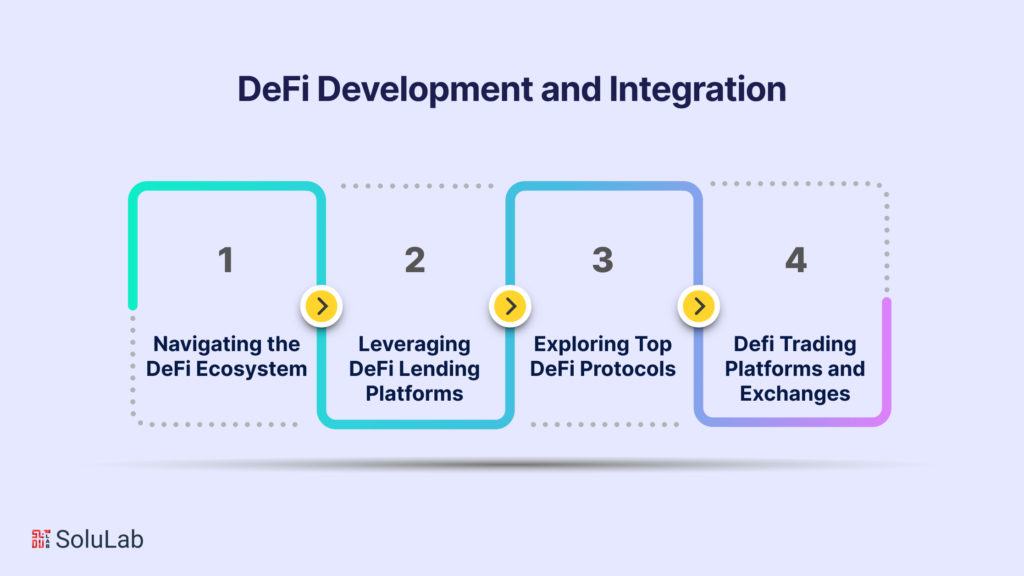
The seamless integration of DeFi solutions within the broader framework of Web3 technologies plays a pivotal role in shaping the future of decentralized finance and digital ecosystems. This section provides insights into the intricate processes and strategies involved in the development and integration of DeFi services, highlighting the synergistic relationship between DeFi development and the broader spectrum of Web3 technologies.
DeFi development has transformed the traditional financial landscape by enabling decentralized lending, borrowing, and trading activities without the need for intermediaries. The DeFi ecosystem comprises a diverse range of protocols, platforms, and applications that facilitate the seamless exchange of digital assets, yield farming, liquidity provision, and decentralized trading. Through the utilization of blockchain and smart contract technology, DeFi protocols ensure transparency, security, and efficiency in financial transactions, offering users a range of options to earn passive income and participate in various decentralized financial activities.
DeFi lending platforms play a crucial role in enabling users to lend and borrow digital assets without the need for traditional financial institutions. These platforms utilize smart contracts to automate the lending process, allowing users to earn interest on their deposited assets or access loans using their cryptocurrency holdings as collateral. By eliminating the need for intermediaries and central authorities, DeFi lending platforms provide users with greater control over their funds and offer competitive interest rates and flexible borrowing options, fostering a more inclusive and accessible financial ecosystem for users worldwide.
Within the DeFi space, several protocols have gained prominence for their innovative approaches to decentralized finance and their contribution to the expansion of the DeFi ecosystem. These protocols encompass a range of services, including decentralized exchanges (DEXs), lending and borrowing platforms, yield farming protocols, and liquidity provision mechanisms. Some of the top DeFi protocols include Uniswap, Aave, Compound, MakerDAO, and Synthetix, each offering unique features and functionalities that cater to diverse DeFi use cases and financial needs.
DeFi trading platforms and exchanges have revolutionized the way users access and trade digital assets, offering decentralized, non-custodial solutions that prioritize security and user control. These platforms facilitate the seamless exchange of cryptocurrencies, tokens, and other digital assets, enabling users to trade directly with one another without the need for intermediaries. By leveraging the capabilities of blockchain and smart contract technology, DeFi trading platforms provide users with secure and transparent trading experiences, offering a range of trading pairs, liquidity pools, and yield farming opportunities to maximize their returns and diversify their investment portfolios.
The ongoing advancements in Web3 development represent a critical milestone in the evolution of decentralized technologies, underscoring the continuous innovation and refinement of digital infrastructures and platforms. This section explores the latest advancements in Web3 development, emphasizing the transformative capabilities and potential implications for the future of decentralized systems and services.
Web3 technology has ushered in a new era of internet capabilities, emphasizing decentralized, peer-to-peer interactions and data ownership. This advancement has led to the development of innovative solutions that prioritize user privacy, security, and digital sovereignty. By leveraging blockchain, distributed ledger technology, and decentralized protocols, Web3 development promotes the creation of user-centric applications and platforms that empower individuals to control their digital identities and engage with online services in a secure and transparent manner.
Several leading Web3 platforms have emerged as key players in the development and integration of decentralized technologies, offering developers and users a wide range of tools and services to build and deploy Web3 applications effectively. These platforms provide comprehensive solutions for decentralized application development, blockchain integration, and digital asset management, fostering the creation of user-friendly and secure digital environments that prioritize data privacy and transparency. Some of the top Web3 platforms include Ethereum, Polkadot, IPFS, Filecoin, and Holochain, each contributing to the advancement of decentralized technologies and the expansion of the Web3 ecosystem.
The integration of Web3 technology has led to the development of various use cases and applications across multiple industries, enabling the creation of decentralized applications, peer-to-peer networks, and transparent data management systems. Web3 use cases encompass a wide range of applications, including decentralized finance (DeFi), non-fungible tokens (NFTs), decentralized social networks, supply chain management solutions, and decentralized autonomous organizations (DAOs), among others. These use cases demonstrate the transformative potential of Web3 technology in revolutionizing digital interactions, data management, and online transactions, fostering a more inclusive and user-centric digital landscape for individuals and organizations worldwide.
The evolution of Web 3.0 development trends signifies the continuous advancement and adoption of decentralized technologies, emphasizing the creation of interoperable protocols, scalable blockchain solutions, and user-friendly interfaces. Web 3.0 development trends focus on enhancing data privacy, user security, and digital sovereignty, promoting the creation of decentralized applications and platforms that empower users to control their digital experiences and engage with online services in a secure and transparent manner. As the demand for decentralized technologies and applications continues to grow, Web 3.0 development trends emphasize the need for scalable, efficient, and user-centric solutions that prioritize data privacy, security, and user empowerment.
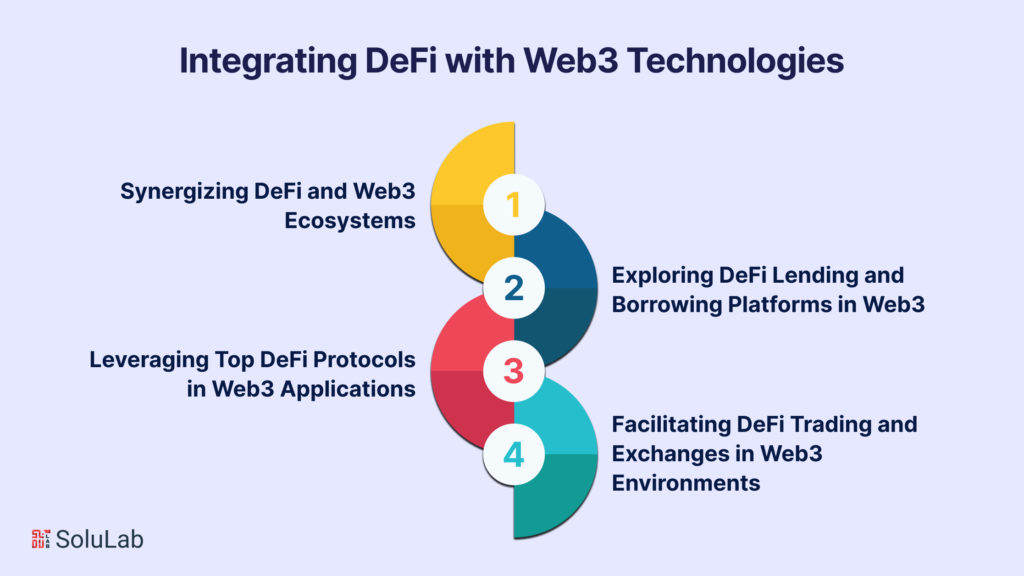
The integration of DeFi services with Web3 technologies marks a significant paradigm shift in the digital landscape, fostering a more cohesive and interconnected ecosystem for decentralized financial solutions. This section delves into the intricacies of integrating DeFi with Web3 technologies, elucidating the key strategies and benefits of this collaborative approach, which leads to the development of innovative and user-friendly financial solutions.
The integration of DeFi with Web3 technologies marks a significant step toward creating a more interconnected and user-centric financial landscape, emphasizing decentralized, transparent, and secure financial services and applications. The collaboration between DeFi and Web3 ecosystems enables the seamless integration of decentralized financial protocols with blockchain-based technologies, promoting the development of user-friendly and accessible financial solutions that prioritize data privacy, security, and user empowerment. By leveraging the capabilities of blockchain, smart contracts, and decentralized networks, the integration of DeFi with Web3 technologies fosters the creation of a robust and inclusive financial ecosystem that caters to the diverse financial needs and preferences of users worldwide.
The integration of DeFi lending and borrowing platforms within the Web3 ecosystem has facilitated the seamless exchange of digital assets and the provision of secure and transparent lending and borrowing services for users. These platforms leverage the capabilities of blockchain and smart contract technology to automate lending processes, enable instant fund transfers, and ensure transparent and secure transactions. By integrating DeFi lending and borrowing platforms with Web3 technologies, users can access a wide range of financial services, including peer-to-peer lending, decentralized borrowing, and yield farming, fostering a more accessible and inclusive financial landscape for individuals and businesses.
Top DeFi protocols play a pivotal role in driving the integration of decentralized financial services within the Web3 ecosystem, offering users a diverse range of financial tools and services to manage and grow their digital assets effectively. These protocols enable users to participate in various financial activities, including lending, borrowing, liquidity provision, and yield farming, while ensuring transparency, security, and efficiency in financial transactions. By leveraging the capabilities of top DeFi protocols within Web3 applications, users can access decentralized financial services seamlessly, diversify their investment portfolios, and maximize their returns, fostering a more inclusive and accessible financial environment for users worldwide.
The integration of DeFi trading platforms and exchanges within Web3 environments has revolutionized the way users access and trade digital assets, offering decentralized, secure, and transparent trading solutions for individuals and businesses. These platforms leverage blockchain and smart contract technology to facilitate the seamless exchange of digital assets, provide users with greater control over their funds, and ensure transparency and security in financial transactions. By integrating DeFi trading platforms and exchanges with Web3 technologies, users can access a wide range of trading pairs, liquidity pools, and yield farming opportunities, fostering a more inclusive and accessible trading landscape for users worldwide.
The enhancement of Web3 technologies through the integration of DeFi principles and functionalities represents a crucial step in advancing the capabilities and applications of decentralized systems. This section examines the ways in which DeFi integration enhances the functionalities and user experiences of Web3 technologies, paving the way for the development of secure, transparent, and inclusive digital ecosystems.
The integration of DeFi applications within the Web3 environment has expanded the scope and utility of Web3 technologies, enabling the seamless integration of decentralized financial services and applications with blockchain-based platforms and solutions. This integration has empowered users to access a diverse range of financial tools and services, including decentralized lending and borrowing, liquidity provision, asset trading, and yield farming, fostering a more interconnected and user-centric financial landscape that prioritizes accessibility, transparency, and security. By amplifying Web3 use cases with DeFi applications, users can benefit from a wide range of decentralized financial services, access advanced financial tools, and participate in various financial activities, promoting financial inclusivity and empowerment for users worldwide.
The synergy between DeFi and Web3 technology has catalyzed the development of innovative and user-friendly financial solutions, emphasizing decentralized, transparent, and secure financial services and applications for users worldwide. This synergy leverages the capabilities of blockchain, smart contract technology, and decentralized networks to foster the seamless integration of decentralized financial protocols with Web3 applications, promoting the development of user-centric and inclusive financial ecosystems that prioritize data privacy, security, and user control. By exploring the synergy between DeFi and Web3 technology, users can access a wide range of financial tools and services that facilitate secure and efficient financial transactions, fostering a more accessible and user-centric financial landscape for individuals and businesses.
Navigating Web 3.0 development trends and the integration of DeFi within the Web3 ecosystem highlights the evolution of decentralized technologies and financial services, emphasizing the importance of creating an interconnected and user-centric financial environment that prioritizes accessibility, transparency, and security. This integration navigates the advancements in blockchain, smart contract technology, and decentralized networks to foster the development of user-friendly and inclusive financial solutions that cater to the diverse financial needs and preferences of users worldwide. By embracing Web 3.0 development trends and DeFi integration, users can navigate a rapidly evolving financial landscape, access advanced financial tools and services, and participate in various financial activities, fostering financial empowerment and inclusivity for individuals and businesses.
The role of top Web3 development companies in DeFi integration underscores the significance of collaboration and innovation in driving the development and adoption of decentralized financial services and applications. These companies leverage their expertise in blockchain, smart contract technology, and decentralized networks to facilitate the seamless integration of DeFi solutions within the Web3 ecosystem, offering users a diverse range of financial tools and services that promote accessibility, transparency, and security. By embracing the role of top Web3 development companies in DeFi integration, users can benefit from the expertise and knowledge of industry-leading professionals, access cutting-edge financial solutions, and participate in a dynamic and user-centric financial landscape that prioritizes user control and empowerment.
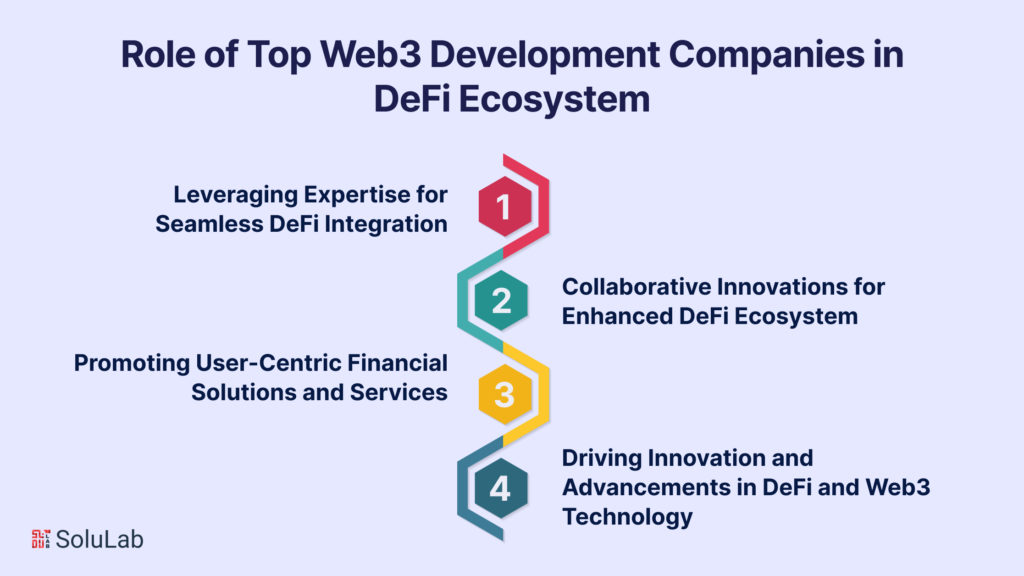
The active participation of leading Web3 development companies in the DeFi ecosystem underscores the pivotal role these firms play in driving innovation and fostering the adoption of decentralized financial solutions. This section emphasizes the significant contributions and expertise of top Web3 development companies, highlighting their role in shaping the future of the DeFi landscape and accelerating the adoption of user-centric and secure financial services.
The role of top Web3 development companies in the DeFi ecosystem revolves around leveraging their expertise in blockchain, smart contract technology, and decentralized networks to facilitate the seamless integration of DeFi applications and protocols within the Web3 environment. These companies prioritize the development of user-friendly and innovative financial solutions that cater to the diverse financial needs and preferences of users worldwide, fostering a more accessible and inclusive financial landscape that emphasizes transparency, security, and user control. By leveraging their expertise for seamless DeFi integration, these companies enable users to access a wide range of financial tools and services, participate in various financial activities, and explore new opportunities for financial growth and empowerment.
Collaborative innovations for the enhanced DeFi ecosystem emphasize the importance of fostering partnerships and collaborations among top Web3 development companies to drive the development and adoption of user-centric and inclusive financial solutions. These collaborative efforts focus on promoting the integration of decentralized financial protocols with Web3 applications, fostering the development of a more interconnected and user-friendly financial landscape that prioritizes accessibility, transparency, and security. By engaging in collaborative innovations for the enhanced DeFi ecosystem, top Web3 development companies can contribute to the advancement of decentralized technologies and financial services, promote financial inclusivity and empowerment, and facilitate the growth and expansion of the DeFi ecosystem for users worldwide.
Promoting user-centric financial solutions and services highlights the commitment of top Web3 development companies to create innovative and inclusive financial ecosystems that cater to the diverse financial needs and preferences of users worldwide. These companies prioritize the development of user-friendly and accessible financial tools and services, emphasizing the importance of transparency, security, and user control in facilitating seamless and efficient financial transactions. By promoting user-centric financial solutions and services, top Web3 development companies enable users to access advanced financial tools, participate in various financial activities, and explore new opportunities for financial growth and empowerment, fostering a more dynamic and user-friendly financial landscape that prioritizes user experience and satisfaction.
The drive for innovation and advancements in DeFi and Web3 technology underscores the commitment of top Web3 development companies to foster the development and adoption of cutting-edge and user-friendly financial solutions that promote accessibility, transparency, and security. These companies focus on driving innovation and advancements in blockchain, smart contract technology, and decentralized networks to create a more interconnected and inclusive financial ecosystem that caters to the diverse financial needs and preferences of users worldwide. By driving innovation and advancements in DeFi and Web3 technology, top Web3 development companies contribute to the evolution of decentralized technologies and financial services, promote financial inclusivity and empowerment, and facilitate the growth and expansion of the DeFi ecosystem for individuals and businesses.
The growing significance of Web 3.0 development trends in the DeFi ecosystem reflects the increasing focus on next-generation web technologies and their transformative potential in revolutionizing the global financial landscape. This section explores the emerging trends and developments in Web 3.0, emphasizing their impact on the DeFi ecosystem and the broader digital environment, signaling a shift toward more advanced and inclusive digital infrastructures.
The growing significance of Web 3.0 development trends in the DeFi ecosystem highlights the industry’s shift towards embracing decentralized finance with the integration of advanced Web 3.0 innovations. These trends emphasize the importance of leveraging blockchain, smart contract technology, and decentralized networks to create a more interconnected and accessible financial landscape that prioritizes transparency, security, and user control. By embracing Web 3.0 innovations, the DeFi ecosystem can foster the development and adoption of user-centric and inclusive financial solutions, promoting financial inclusivity, accessibility, and empowerment for individuals and businesses worldwide.
Driving technological advancements for enhanced DeFi offerings underscores the industry’s commitment to fostering the development and adoption of cutting-edge and user-friendly financial solutions that cater to the diverse financial needs and preferences of users worldwide. These advancements focus on driving innovation in blockchain, smart contract technology, and decentralized networks to create a more dynamic and inclusive financial ecosystem that promotes accessibility, transparency, and security. By driving technological advancements for enhanced DeFi offerings, the industry can facilitate the growth and expansion of the DeFi ecosystem, foster financial inclusivity and empowerment, and promote the evolution of decentralized technologies and financial services.
Fostering collaboration and integration across the DeFi and Web 3.0 landscape highlights the industry’s emphasis on promoting partnerships and collaborations among key stakeholders to drive the development and adoption of user-centric and interconnected financial solutions. These collaborative efforts aim to foster the integration of decentralized financial protocols with Web 3.0 applications, creating a more seamless and efficient financial ecosystem that prioritizes user experience, security, and transparency. By fostering collaboration and integration across the DeFi and Web 3.0 landscape, the industry can promote the development of a more interconnected and user-friendly financial landscape, facilitate the growth and expansion of the DeFi ecosystem, and drive the evolution of decentralized technologies and financial services for users worldwide.
Exploring future possibilities and innovations in DeFi and Web 3.0 underscores the industry’s dedication to exploring new opportunities and advancements in decentralized finance and technology. These explorations focus on identifying emerging trends and technologies that can shape the future of the DeFi ecosystem, fostering the development and adoption of innovative and user-friendly financial solutions that cater to the evolving needs and preferences of users worldwide. By exploring future possibilities and innovations in DeFi and Web 3.0, the industry can contribute to the advancement of decentralized technologies and financial services, promote financial inclusivity and empowerment, and drive the evolution of the global financial landscape for individuals and businesses.
In the fast-evolving landscape of DeFi and Web3 development, the role of pioneering companies such as SoluLab stands out as an essential catalyst for innovation and transformative growth. As a leading Web3 development company with a focus on DeFi solutions, SoluLab continues to drive the advancement of cutting-edge technologies and tools, empowering businesses to thrive in the rapidly changing digital ecosystem. With its expertise in DeFi development and a profound understanding of the intricate nuances of Web3 technologies, SoluLab remains at the forefront of revolutionizing the digital landscape, providing comprehensive solutions that cater to the diverse needs of modern businesses and industries.
By leveraging the expertise of a top DeFi development service and Web3 development company like SoluLab, businesses can unlock a world of possibilities and tap into the immense potential offered by DeFi and Web3 technologies. With a focus on delivering seamless and innovative solutions, SoluLab empowers businesses to stay ahead of the curve, embrace the latest trends, and capitalize on the transformative capabilities of DeFi and Web3. As a leading DeFi development service and Web3 development company, SoluLab’s dedicated team of skilled professionals and commitment to excellence continue to set new benchmarks in DeFi and Web3 development, ensuring that businesses are well-equipped to navigate the dynamic landscape and thrive in the digital age.
When selecting a top Web3 development company, it is crucial to consider factors such as expertise in blockchain technology, experience in developing decentralized applications, a track record of successful projects, and a strong understanding of DeFi protocols and ecosystems.
SoluLab contributes to the advancement of DeFi and Web3 technologies through its comprehensive development services, including DeFi development, blockchain solutions, and Web3 integration. The company’s expertise and commitment to innovation make it a valuable contributor to the growth of these sectors.
Businesses looking to adopt DeFi and Web3 solutions face challenges related to regulatory compliance, security risks, scalability issues, and user adoption. However, these challenges present opportunities for companies to pioneer groundbreaking solutions, establish new standards for financial services, and contribute to the growth and development of the DeFi and Web3 landscape.


