


In the rapidly evolving landscape of digital entertainment, the emergence of Non-Fungible Tokens (NFTs) has sparked a revolutionary shift in the way we perceive and engage with virtual assets. Within the realm of gaming, NFTs have opened up a world of unprecedented opportunities for game developers, players, and digital asset enthusiasts. NFT Gaming Marketplaces have emerged as dynamic hubs that facilitate the creation, trade, and exploration of NFT-based gaming assets. These marketplaces not only empower developers to monetize their creations but also offer players the chance to own and trade digital collectibles with real value. This blog delves into the intricate dynamics of NFT Gaming Marketplaces, exploring the myriad features, benefits, and challenges that define this burgeoning sector within the gaming industry.
NFT Gaming has emerged as a groundbreaking phenomenon within the gaming industry, offering unique opportunities for both game developers and players alike. By leveraging the blockchain’s decentralized and secure infrastructure, NFT Gaming introduces a new way to own and trade in-game assets, fostering a sense of ownership and value among gamers. This section delves into the fundamental aspects of NFT Gaming and its significance in revolutionizing the traditional gaming landscape
NFT gaming refers to the integration of non-fungible tokens (NFTs) within the gaming industry, enabling the creation of unique, verifiable, and scarce digital assets. These assets, represented by NFTs, can be utilized within various gaming ecosystems, providing players with true ownership of in-game items and assets. By leveraging blockchain technology, NFT gaming introduces a paradigm shift in the way game developers and players interact, allowing for the creation, exchange, and utilization of digital assets with inherent value and authenticity
Read Our Blog : NFTs in Gaming: Unlocking the Future of Virtual Collectibles
The role of NFTs in gaming is multifaceted, encompassing aspects such as asset ownership, digital scarcity, and enhanced gameplay experiences. NFTs enable game developers to create and deploy unique in-game assets that can be bought, sold, and traded by players. These assets can range from virtual goods, such as weapons and skins, to digital collectibles and game items, providing players with a sense of ownership and exclusivity. Additionally, NFTs facilitate the creation of robust gaming economies, allowing for the seamless exchange of digital assets between players, fostering a vibrant and interconnected gaming community.
NFT gaming marketplaces play a pivotal role in the evolution of the gaming industry, serving as platforms for the exchange and distribution of NFT-based assets. These marketplaces enable game developers to showcase and monetize their creations while providing players with access to a diverse array of digital collectibles and in-game items. With the rise of NFT gaming marketplaces, developers can tap into new revenue streams and establish direct relationships with their player base. Moreover, these marketplaces foster a thriving ecosystem where players can discover, purchase, and trade NFTs, fostering a sense of engagement and immersion within the gaming community.
Read Also : How is Gaming Contributing to the NFT Industry?
With the continuous growth of NFTs in the gaming sector, it becomes crucial to understand the overarching impact these digital assets have had on the industry. This section explores the evolution of NFTs within the gaming industry, highlighting the transformative role they play in enhancing gaming experiences. By offering insights into the advantages NFTs provide to game developers, this segment aims to underscore the importance of integrating NFTs into modern gaming platforms.
The adoption of NFTs within the gaming industry has witnessed a significant evolution, marking a transition from traditional in-game assets to digital assets with inherent value and scarcity. With the introduction of NFTs, game developers have been able to create and tokenize unique virtual assets, offering players verifiable ownership and control over their in-game items. This shift has propelled the gaming industry into a new era, where players can collect, trade, and utilize NFTs across various gaming platforms, fostering a dynamic and interconnected gaming landscape.
The integration of NFTs has had a transformative impact on the gaming ecosystem, revolutionizing the way players interact with digital assets and virtual economies. NFTs have enabled game developers to introduce innovative gameplay mechanics, allowing players to truly own and manage their in-game items. Additionally, the implementation of NFTs has led to the emergence of vibrant gaming communities where players can participate in the creation and exchange of digital assets, fostering a sense of inclusivity and engagement. The integration of NFTs has not only enhanced the overall gaming experience but has also introduced new avenues for creativity, collaboration, and monetization within the gaming industry.
Read Also : The Future of NFT Marketplaces: Trends and Innovations
NFTs offer numerous advantages for game developers, providing them with a platform to create and distribute unique digital assets within their gaming ecosystems. One of the key advantages of NFTs is their ability to enable true ownership and scarcity of in-game assets, allowing developers to offer players exclusive and valuable digital collectibles. Moreover, NFTs facilitate direct player engagement, enabling developers to establish direct relationships with their player base and foster a sense of community and loyalty. Additionally, the integration of NFTs allows for the seamless integration of digital assets across different gaming platforms, providing developers with the opportunity to expand their reach and explore new avenues for growth and monetization.
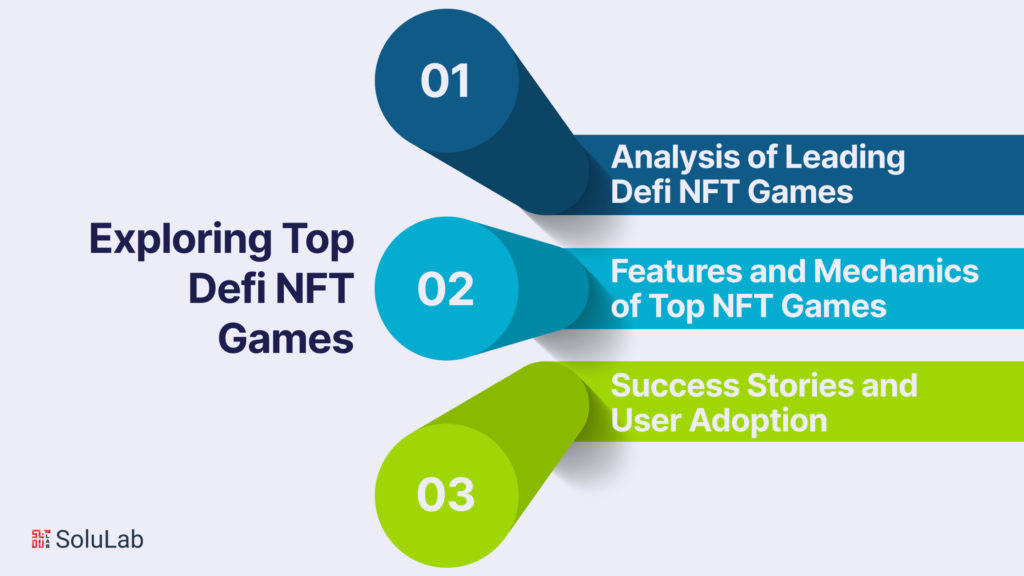
The rise of decentralized finance (DeFi) NFT Game has captured the attention of the gaming community worldwide. This section aims to delve into some of the leading top DeFi NFT Games that have garnered significant attention and user adoption. By analyzing the features, mechanics, and success stories of the top DeFi NFT Games, this segment aims to offer a comprehensive understanding of the innovative gameplay experiences they provide.
The landscape of top DeFi NFT Games is characterized by a diverse array of titles and platforms, each offering unique gameplay experiences and opportunities for players and developers alike. These games leverage the principles of decentralized finance (DeFi) to integrate NFTs, enabling players to participate in various gaming activities while engaging with digital assets of tangible value. Through the analysis of leading top DeFi NFT Games, developers can gain insights into successful game mechanics, engagement strategies, and monetization models, facilitating the creation of immersive and rewarding gaming experiences.
Best NFT Games encompass a range of features and mechanics designed to offer players engaging and interactive gameplay experiences. These games often incorporate elements such as play-to-earn models, asset trading, and digital ownership, providing players with avenues for skill development, asset accumulation, and social interaction within the gaming community. Moreover, Best NFT Games integrate blockchain technology to ensure transparent and secure asset management, fostering a sense of trust and reliability among players. By exploring the features and mechanics of Best NFT Games, developers can identify successful gameplay elements and leverage them to create compelling gaming experiences for their audiences.
Success stories within the realm of top DeFi NFT Games highlight the potential for innovation and growth within the gaming industry. These stories often showcase the journey of developers and players who have successfully leveraged NFTs to create valuable and immersive gaming experiences. Through successful user adoption, these games have been able to cultivate vibrant gaming communities, establish robust in-game economies, and provide players with opportunities for skill development and asset accumulation. By examining success stories and user adoption rates, developers can gain valuable insights into the strategies and tactics that have contributed to the success of top DeFi NFT Games, enabling them to implement similar practices within their own game development endeavors.
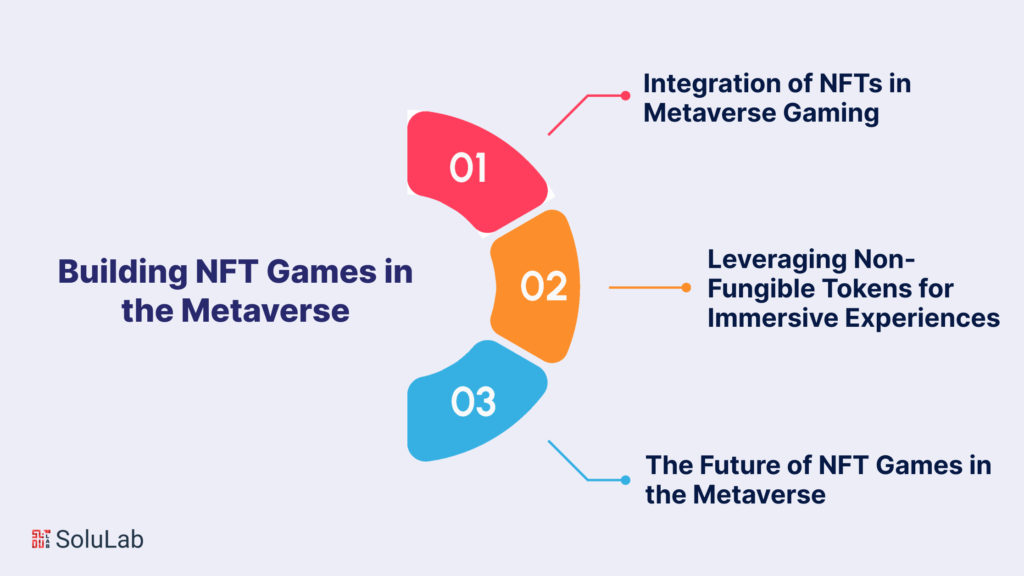
The concept of the metaverse has gained traction in recent years, creating new avenues for NFT integration within virtual environments. This section focuses on the integration of NFTs within the metaverse gaming experience and the unparalleled immersive opportunities they present. By exploring the potential of non-fungible tokens in the metaverse, this segment provides valuable insights into the future of gaming and digital asset ownership.
The integration of NFTs within the metaverse has opened up new possibilities for immersive and interactive gaming experiences. By leveraging NFTs, developers can create and distribute unique in-game assets that players can utilize and trade within virtual environments. This integration allows for the seamless transfer of digital assets between different metaverse platforms, enabling players to engage with a diverse array of NFTs and virtual goods. Moreover, the integration of NFTs in the metaverse fosters a sense of digital ownership and exclusivity, allowing players to personalize and enhance their virtual identities and experiences.
The use of non-fungible tokens (NFTs) in metaverse gaming is instrumental in creating immersive and authentic gameplay experiences for players. NFTs enable developers to introduce unique and scarce virtual assets within the metaverse, providing players with a diverse array of digital collectibles, virtual land, and in-game items. Through the integration of NFTs, players can engage in activities such as virtual asset trading, customization of avatars, and participation in virtual events, fostering a sense of creativity and social interaction within the metaverse. Additionally, the integration of NFTs allows for the creation of personalized and exclusive virtual experiences, enabling players to express their individuality and identity within virtual worlds.
Read Also : Top NFT Trends That Will Build Revenue Streams to the Business
The future of NFT Games in the metaverse is characterized by a continuous evolution of immersive and interactive gaming experiences, enabled by the integration of blockchain technology and NFTs. As the metaverse continues to expand and evolve, NFT Games are expected to play a pivotal role in shaping the landscape of virtual economies, social interactions, and digital experiences. The future of NFT Game in the metaverse holds promises of enhanced gameplay mechanics, decentralized governance models, and collaborative storytelling, allowing players to participate in dynamic and engaging virtual environments. Moreover, the future of NFT Games in the metaverse is anticipated to witness the emergence of innovative gameplay elements, interactive narratives, and collaborative gameplay experiences, fostering a sense of community and engagement among players and developers alike.
The emergence of various NFT gaming platforms and marketplaces has laid the foundation for a thriving ecosystem of digital asset trading and ownership. This section highlights the key features and characteristics of NFT gaming platforms, offering a detailed comparison of the best NFT marketplaces available for game developers. By examining the use cases of NFT marketplace integration in the gaming sector, this segment provides valuable insights into the potential of these platforms for the gaming industry.
NFT gaming platforms are essential components of the NFT gaming ecosystem, serving as hubs where developers, players, and NFT collectors converge to explore and engage with digital assets. These platforms offer various features and characteristics that facilitate the creation, trade, and management of NFTs within the gaming context. Notable features may include NFT creation tools, marketplace functionalities, asset verification mechanisms, and user-friendly interfaces. Additionally, they often integrate blockchain technology to ensure asset ownership, scarcity, and authenticity, granting players and collectors the confidence to participate in NFT-based gaming activities.
Game developers seeking to explore NFT opportunities must carefully evaluate and select the best NFT marketplaces that align with their objectives. Each NFT marketplace presents its unique set of offerings, including marketplace fees, target audiences, and supporting blockchain networks. By comparing the best NFT marketplaces, developers can make informed decisions regarding the platforms most suitable for their game-related NFTs. The choice of marketplace often depends on factors such as transaction costs, marketplace popularity, target audience, and blockchain interoperability, among others. Understanding these marketplace distinctions aids developers in optimizing the reach and impact of their NFT gaming assets.
Check Our Blog :How is Gaming Contributing to the NFT Industry?
The integration of the best NFT marketplaces within gaming ecosystems extends beyond the mere trading of virtual assets. best NFT marketplaces present developers with a spectrum of use cases that can be harnessed to enhance in-game experiences and economic ecosystems. Game developers can utilize the best NFT marketplaces to mint, sell, and distribute in-game assets and NFT collectibles. Furthermore, they can implement interoperable NFTs to facilitate asset cross-utilization across various gaming titles or even metaverse environments. In addition, developers can leverage the best NFT marketplaces to establish dynamic player-driven economies, fostering active participation and virtual asset ownership. The diverse use cases of NFT marketplace integration serve as essential building blocks for the development of NFT-driven gaming ecosystems.
Amid the growing interest in NFT gaming, several development companies have stepped up to provide comprehensive solutions for game developers. This section provides an overview of leading NFT development companies and their services tailored to meet the specific needs of game developers. By shedding light on the solutions and offerings available for NFT gaming, this segment aims to guide developers in leveraging the expertise of industry-leading professionals for their gaming projects.
In the rapidly evolving NFT landscape, a multitude of NFT development companies offer solutions and services to game developers. These companies vary in terms of expertise, blockchain specialization, and service portfolios. By exploring an overview of leading NFT development companies, developers can identify strategic partnerships and service providers who can assist them in navigating the complexities of NFT integration. Such partnerships can range from minting NFTs to building custom best NFT marketplaces, integrating blockchain technology, or providing consultation services for optimizing NFT adoption within gaming projects.
NFT development companies cater to the diverse needs of game developers by offering an array of services and solutions. These services may encompass NFT creation, blockchain integration, smart contract development, marketplace development, and customized solutions tailored to specific gaming projects. Service providers understand the critical role they play in aiding developers to conceptualize, create, and launch NFT gaming assets that resonate with the gaming community. The NFT development industry also emphasizes the importance of security, authenticity, and transparency to instill confidence in both developers and players, ensuring that NFT assets uphold the expected standards of quality and value.
Collaborating with NFT development companies and industry experts presents game developers with the opportunity to harness in-depth knowledge and insights. These collaborations often result in the creation of innovative NFT gaming solutions that are well-received by the gaming community. Industry experts can guide developers through the entire process of NFT integration, from ideation to execution, ensuring that NFT assets seamlessly align with the game’s objectives. By leveraging the expertise of NFT development companies and industry leaders, developers can refine their NFT strategy, enhance in-game experiences, and drive the success of their NFT gaming endeavors.
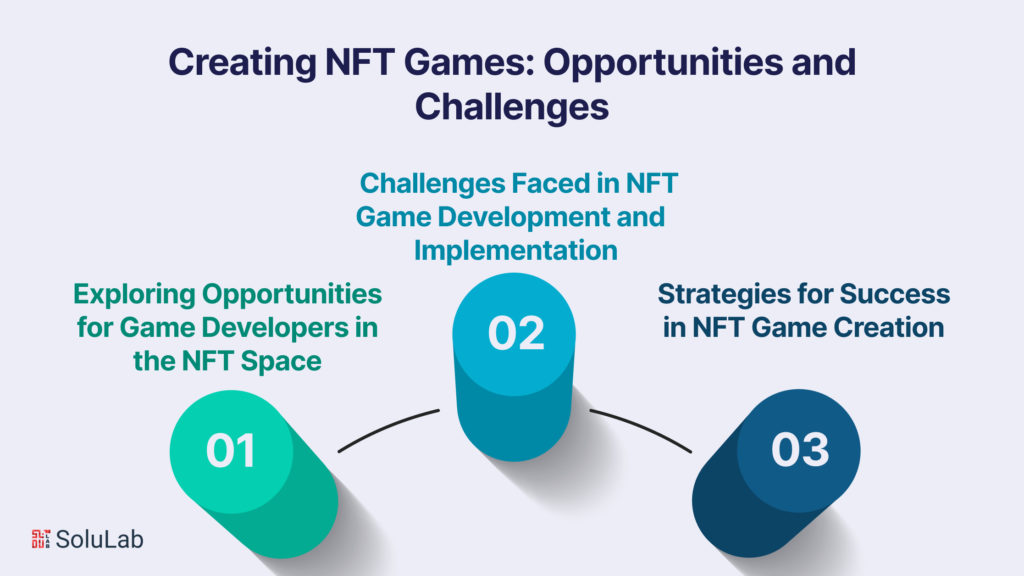
While NFT gaming presents numerous opportunities for game developers, it also brings forth a set of unique challenges that developers must navigate. This section explores the various opportunities within the NFT gaming space, emphasizing the strategies developers can employ to make the most of these opportunities. Simultaneously, it delves into the challenges faced in NFT game development and implementation, providing insights into the best practices for overcoming these obstacles.
The NFT space presents game developers with an array of opportunities, providing a unique set of benefits that can elevate their projects. NFTs enable developers to monetize digital assets, attract a broader audience, enhance player engagement, and even create play-to-earn mechanics. Moreover, NFTs are instrumental in fostering a sense of ownership among players, transforming in-game assets into tangible digital collectibles. By exploring these opportunities, developers can make informed decisions about the role of NFTs within their games and their potential for growth and sustainability.
Read Our Blog : Best Play To Earn NFT Games In 2023
Despite the vast potential of NFTs in the gaming industry, developers must also navigate challenges unique to the NFT landscape. These challenges may include scalability issues, concerns regarding blockchain network congestion, and the need to ensure robust security measures to safeguard digital assets. Additionally, developers may encounter player skepticism and regulatory challenges related to digital asset ownership. It is essential for game developers to recognize and address these challenges, working towards practical solutions to ensure the successful integration of NFTs within their gaming projects.
NFT Game creation necessitates a strategic approach to navigate the complexities of blockchain technology and digital asset integration. Developers must devise strategies to optimize in-game experiences, engage players, and establish successful economies within their NFT-driven gaming environments. Strategies for success encompass factors such as designing appealing NFT assets, implementing clear and user-friendly NFT mechanics, and fostering an active player community. Furthermore, developers should consider the importance of collaborating with industry experts, leveraging NFT marketplaces, and exploring interoperable NFTs to extend the reach and utility of in-game assets. By embracing these strategies, developers can embark on their NFT game creation journey with confidence and a well-defined plan for success.
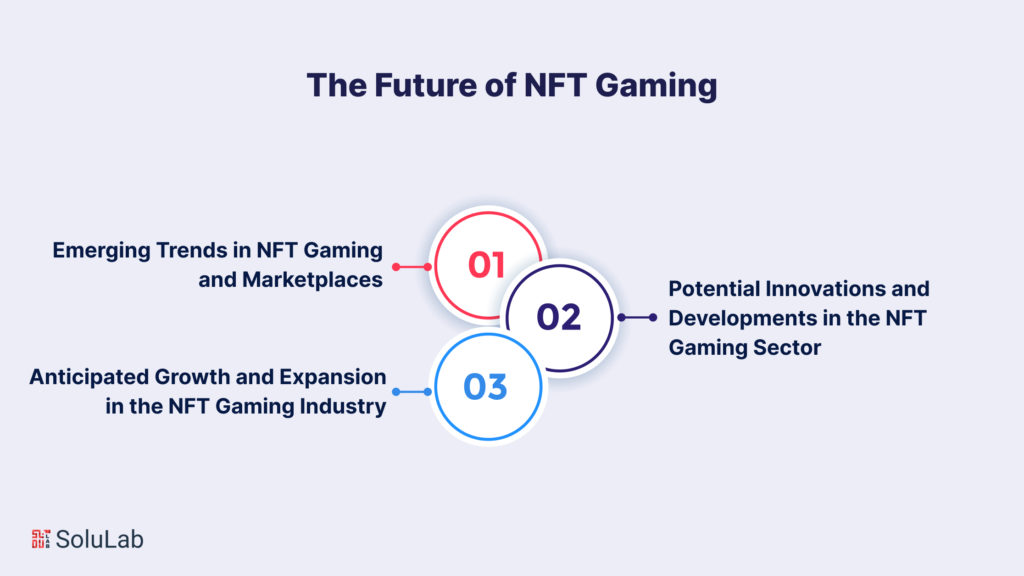
As the NFT in gaming sector continues to evolve, it is essential to keep an eye on the emerging trends and innovations shaping the industry’s future. This section offers a comprehensive analysis of the latest trends and advancements in NFT gaming and marketplaces. By predicting the future growth and expansion of the NFT gaming industry, this segment aims to provide readers with a holistic understanding of the sector’s potential.
The NFT gaming industry is marked by continuous innovation and evolving trends that shape the future of gaming ecosystems. Emerging trends within the NFT gaming landscape often include the integration of blockchain interoperability, the use of cross-chain NFTs, and the development of decentralized in-game marketplaces. Developers must stay attuned to these trends to remain competitive and provide players with engaging and relevant gaming experiences.
Check this Blog : Top NFT Trends That Will Build Revenue Streams to the Business
Innovations and developments within the NFT gaming sector hold the potential to transform the industry, introducing novel gameplay mechanics, advanced asset customization, and enhanced social interactions within gaming communities. Developers are exploring the possibilities of leveraging augmented reality (AR) and virtual reality (VR) technologies to offer immersive and interactive gaming experiences that blur the lines between physical and digital worlds. Additionally, the integration of artificial intelligence (AI) and machine learning (ML) within NFT gaming platforms is anticipated to introduce personalized and dynamic gameplay elements, fostering a sense of adaptability and player engagement.
The NFT gaming industry is poised for substantial growth and expansion, driven by the increasing adoption of blockchain technology, the rising interest in digital collectibles, and the growing community of NFT enthusiasts. As players and developers recognize the value and potential of NFTs in the gaming space, the industry is expected to witness the launch of innovative NFT projects, the establishment of robust gaming economies, and the proliferation of cross-platform gaming experiences. The anticipated growth and expansion in the NFT gaming industry highlight the significance of sustainable and future-forward strategies that foster innovation, inclusivity, and meaningful player interactions.

In the ever-evolving landscape of NFT Gaming Marketplaces, the possibilities seem boundless, promising a future where digital experiences blend seamlessly with tangible value and ownership. As the bridge connecting the vision of developers with the reality of users, SoluLab has been instrumental in shaping the very foundations of this transformative industry. Our extensive expertise in NFT marketplace development, coupled with our commitment to innovation, has positioned us as a key player in the realm of NFT gaming. Through our comprehensive white-label NFT marketplace solutions, we empower game developers to unleash their creativity, drive engagement, and unlock new revenue streams in the world of gaming. Our dedicated team of NFT developers continues to pave the way for groundbreaking solutions that redefine the gaming industry, enabling the creation of immersive, secure, and value-driven gaming experiences.
By harnessing the power of NFTs, we enable seamless integration and collaboration between gamers, developers, and investors, fostering an ecosystem that thrives on trust, transparency, and innovation. Our white-label NFT game marketplace development services offer a gateway for game developers to showcase their creations and connect with a global community of players and enthusiasts. With a focus on user-centric design and cutting-edge technology, our solutions are tailored to meet the diverse needs of the modern gaming landscape, fostering an environment that nurtures creativity and growth.
As the world of NFT gaming continues to evolve, we remain committed to pushing the boundaries of what’s possible, striving to deliver best-in-class solutions that redefine the gaming industry’s future. SoluLab is not just a provider of services but a partner in the journey toward creating immersive gaming experiences that captivate audiences, drive engagement and unlock new dimensions of value and interaction. With our NFT Gaming marketplace development services, we aim to revolutionize the way gaming experiences are created, shared, and valued, ushering in an era of limitless opportunities for game developers, players, and enthusiasts alike.
1. What is the significance of NFTs in the gaming industry?
NFTs, or Non-Fungible Tokens, have revolutionized the gaming industry by enabling the creation of unique in-game assets that players can own, trade, and use across various gaming platforms. They provide a means for gamers to truly own their digital assets, fostering a new era of digital ownership and value exchange within the gaming ecosystem.
2. How can game developers leverage NFTs to enhance player engagement?
Game developers can leverage NFTs to create rare and unique in-game items, characters, and digital collectibles that players can buy, sell, and trade on NFT gaming marketplaces. By incorporating NFTs, developers can offer players a sense of ownership and value, driving increased engagement and fostering a vibrant gaming community.
3. What are the key features to consider when building NFT gaming platforms?
Key features to consider when building NFT gaming platforms include seamless integration with blockchain technology, secure and transparent transaction processing, user-friendly interfaces for buying and selling NFTs, robust asset management systems, and efficient trading functionalities to facilitate smooth and secure transactions.
4. How do NFT gaming marketplaces contribute to the growth of the gaming industry?
NFT gaming marketplaces contribute to the growth of the gaming industry by providing a platform for gamers and developers to create, trade, and collect unique digital assets. They foster a decentralized ecosystem that empowers players and content creators, leading to increased engagement, innovative gaming experiences, and new monetization opportunities within the gaming industry.
5. What are the benefits of using white-label NFT marketplace solutions for game development?
White-label NFT marketplace solutions offer game developers a customizable and cost-effective way to launch their own best NFT marketplaces without the need for extensive development resources. These solutions provide a ready-made platform that can be tailored to specific branding and functionality requirements, enabling developers to enter the NFT gaming market quickly and efficiently.
6. How can NFT development companies assist in the creation of innovative gaming experiences?
NFT development companies specialize in creating tailored solutions for integrating NFTs into gaming platforms. They offer expertise in blockchain technology, smart contract development, and NFT integration, enabling game developers to incorporate unique and valuable digital assets into their games, thereby enhancing player engagement and creating novel gaming experiences.
7. What are the best practices for integrating NFTs into the gaming ecosystem for maximum impact?
Best practices for integrating NFTs into the gaming ecosystem include ensuring a seamless user experience, implementing robust security measures to protect digital assets and transactions, offering engaging and valuable in-game NFTs, fostering a vibrant and supportive gaming community, and continuously innovating to stay ahead of evolving industry trends and player preferences.


