Talk to an Expert

Building Trust and Transparency in Your NFT Marketplace Ecosystem

Building Trust and Transparency in Your NFT Marketplace Ecosystem

The world of Non-Fungible Tokens (NFTs) has taken the digital landscape by storm, revolutionizing how we perceive ownership and exchange of digital assets. These unique, indivisible tokens, often associated with art, collectibles, virtual real estate, and even in-game items, have created new avenues for creators, investors, and enthusiasts alike.

As the NFT market continues to expand at an unprecedented rate, it has become increasingly evident that trust and transparency are the cornerstones upon which successful NFT marketplaces are built. In a realm where the value of a digital asset can stretch into the millions, establishing trust among buyers, sellers, and creators is paramount.

In this blog, we will delve deep into the intricate web of trust and transparency in the NFT marketplace ecosystem. So, without any further ado, let’s get started!
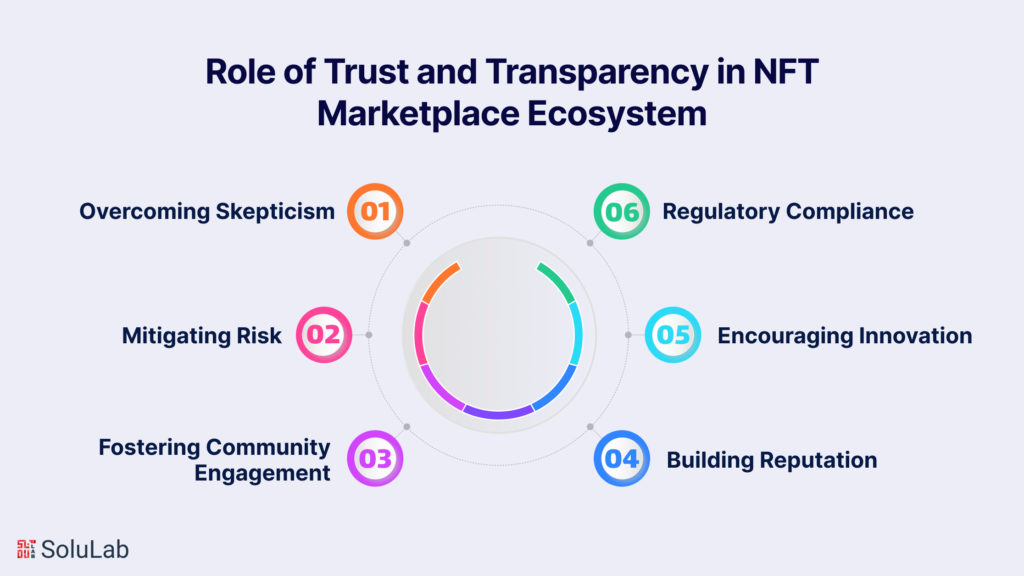
The Pivotal Role of Trust and Transparency in NFT Marketplace Ecosystem

The Pivotal Role of Trust and Transparency

Trust and transparency are the cornerstones upon which successful NFT (Non-Fungible Token) marketplaces are built. In a rapidly evolving digital landscape where the lines between the physical and virtual worlds are becoming increasingly blurred, establishing trust among buyers, sellers, and creators has become paramount. 

Here, we explore why trust and transparency play such a pivotal role in the NFT marketplace ecosystem:

Read Our Blog Also: Everything You Need to Know About Metaverse NFT Marketplace Development

1. Overcoming Skepticism

The concept of owning a digital asset, whether it’s a piece of digital art, a collectible, or virtual real estate, is still relatively new to many. Skepticism abounds, and potential participants need reassurance that their investments are not in vain. Trust and transparency provide this reassurance by demonstrating the legitimacy and authenticity of NFTs.

2. Mitigating Risk

In a marketplace where transactions can involve significant sums of money, trust and transparency are essential for risk mitigation. Buyers need to trust that they will receive the NFT they pay for, while sellers and creators want assurance that they will be compensated fairly. Transparent marketplace policies, smart contract audits, and secure authentication mechanisms help reduce the risk of fraud and disputes.

3. Fostering Community Engagement

NFT marketplaces are not just transactional platforms; they are vibrant communities of artists, collectors, gamers, and investors. These communities thrive on trust and transparency, as they form the foundation of lasting relationships. When participants feel secure and informed, they are more likely to actively engage with and contribute to the marketplace ecosystem.

Have A Look At Our Blog: How To Launch Your Own NFT Marketplace Website in Less Than 2 Days?

4. Building Reputation

In the digital age, reputation is everything. Trust and transparency contribute significantly to an NFT marketplace’s reputation. Marketplaces that consistently uphold these principles are more likely to attract high-quality creators, collectors, and investors, which, in turn, bolsters their standing in the industry.

5. Encouraging Innovation

NFT marketplace trust and transparency foster an environment where innovation can flourish. Creators are more likely to experiment and push the boundaries of what’s possible when they know their intellectual property rights are protected, and they will be compensated fairly for their work. This leads to a vibrant and dynamic marketplace with a diverse range of NFT offerings.
CTA1

6. Regulatory Compliance

As the NFT marketplace landscape matures, regulatory scrutiny is inevitable. Marketplaces that prioritize trust and transparency are better positioned to navigate the evolving regulatory landscape. They can demonstrate a commitment to compliance, protecting both themselves and their users from legal challenges.

The Significance of Trust in NFT Marketplaces

In the rapidly evolving world of NFTs (Non-Fungible Tokens), trust plays a pivotal role in shaping the success and sustainability of NFT marketplaces. These digital tokens, representing ownership of unique assets, have captured the imagination of creators, collectors, and investors worldwide. However, as the NFT ecosystem continues to expand, establishing trust has become a linchpin for marketplaces.

Read Our Blog: NFT Art for Beginners – How to Make and Sell

A. Why Trust is Crucial for NFT Marketplaces?

In the world of Non-Fungible Tokens (NFTs), trust isn’t just a desirable quality; it’s an absolute necessity. Here’s why trust is the cornerstone of NFT marketplaces:

  • Asset Authenticity: Trust is paramount to ensure that the NFTs being sold are genuine and not counterfeit. Buyers need confidence that the digital asset they are acquiring is indeed unique and verifiable.
  • Protection from Fraud: The digital realm can be a breeding ground for fraud and scams. Trustworthy NFT marketplaces employ robust security measures to protect users from fraudulent transactions and deceptive practices.
  • User Confidence: Trust breeds confidence. When users trust an NFT marketplace, they are more likely to participate actively, which, in turn, drives the growth and vibrancy of the ecosystem.
  • Marketplace Integrity: Upholding trust is essential for maintaining the integrity of the marketplace. Transparent, fair, and ethical dealings are the bedrock of reputable NFT marketplace platforms.
  • Creator Empowerment: Trust is crucial for creators who rely on NFT marketplaces to protect their intellectual property rights and ensure they are fairly compensated for their work.
  • Community Building: NFT marketplaces are more than transactional platforms; they are communities. Trust among participants fosters long-lasting relationships and a sense of belonging.

B. Impact of Trust on User Participation and Investment

Trust and transparency in the NFT marketplace have a profound impact on both user participation and investment. Here’s how it influences these crucial aspects:

  • Increased Participation: When users trust the platform, they are more likely to actively participate by buying, selling, and creating NFTs. This increases the overall activity within the marketplace, making it more dynamic and appealing.
  • Higher Investment Confidence: Trust instills confidence in investors. They are more willing to allocate significant capital to NFTs when they believe their investments are protected from fraud and counterfeit assets.
  • Marketplace Growth: Trust drives the growth of the NFT marketplace ecosystem. As more participants join and transact with confidence, the marketplace becomes a hub for digital asset exchange and innovation.

Know More: How will White-Label NFT Marketplace Development Benefit Your Business?
  • Quality Content Creation: Creators are more likely to produce high-quality content when they trust the platform to protect their rights and ensure they receive fair compensation. This benefits both creators and the marketplace.
  • Positive Feedback Loop: Trust creates a positive feedback loop. As users see the benefits of a trustworthy marketplace, they become advocates, attracting more participants and further reinforcing trust.

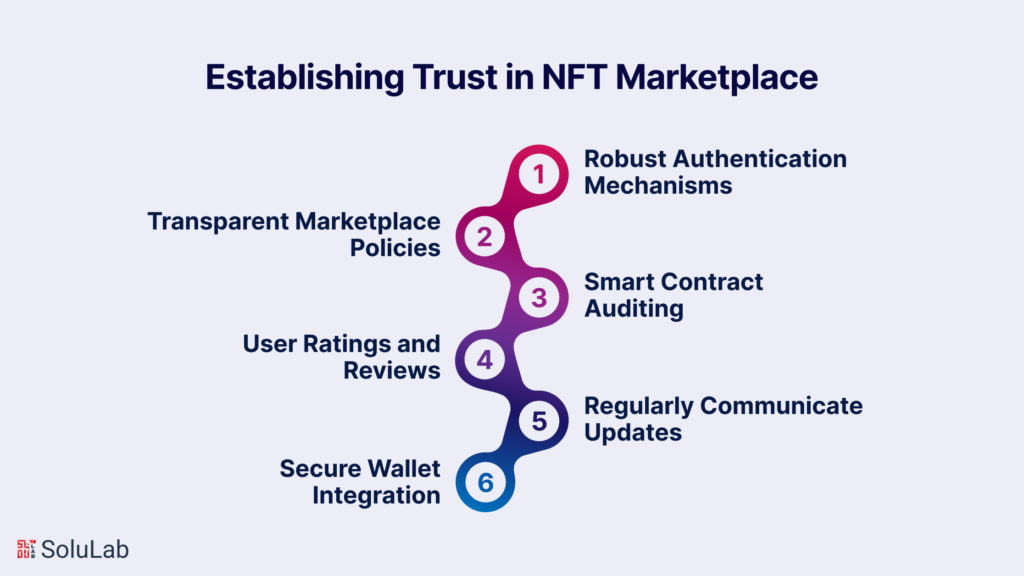
Establishing Trust in Your NFT Marketplace Ecosystem

Establishing Trust in Your NFT Marketplace

Building trust in your NFT (Non-Fungible Token) marketplace is not just a goal; it’s a necessity. Trust is the foundation upon which successful NFT ecosystems thrive. Users need to feel confident in the authenticity of the digital assets they’re buying, the fairness of transactions, and the security of their investments. Here are essential steps to establish trust in your NFT marketplace:

1. Robust Authentication Mechanisms

  • Two-Factor Authentication (2FA): Implement 2FA for user accounts. This adds an extra layer of security by requiring users to provide a second authentication factor, typically from a mobile app or SMS, in addition to their password.
  • KYC (Know Your Customer) Verification: To enhance trust further, consider implementing KYC procedures. This involves verifying the identity of users through documents like government-issued IDs. While it can be a more significant barrier to entry, it can significantly reduce fraudulent activities.

Read Also: Why Should You Start Your Own NFT Marketplace Business?

2. Transparent Marketplace Policies

  • Clear Terms and Conditions: Ensure that your marketplace’s terms and conditions are clearly defined and easily accessible to all users. This includes policies related to transactions, fees, refunds, and dispute resolution.
  • Detailed Fee Structures: Transparency in fee structures is vital. Users should know how much they will be charged for listing, selling, and withdrawing funds. Avoid hidden fees or unexpected charges.

3. Smart Contract Auditing

  • Importance of Secure and Transparent Smart Contracts: NFTs rely on smart contracts, and their security is paramount. Conduct thorough audits of your smart contracts to identify and address vulnerabilities. Users need assurance that the code governing their NFTs is robust and trustworthy.
  • Third-Party Audits: Consider hiring third-party audit firms to review your smart contracts. Independent audits add an extra layer of credibility, demonstrating your commitment to security and transparency.

4. User Ratings and Reviews

  • Encourage Honest Feedback: Enable a rating and review system for both buyers and sellers. This allows users to share their experiences openly. Encourage honest feedback and ensure that reviews are visible and easily accessible.
  • Address User Concerns Promptly: Show users that their concerns are taken seriously. Respond promptly to inquiries and complaints. A proactive customer support team can make a significant difference in building trust.

5. Regularly Communicate Updates

  • Platform Updates: Keep users informed about any changes, updates, or improvements to your platform. Transparency in your development process instills confidence that you are actively working to make the platform better.
  • Security Alerts: In the event of security breaches or potential threats, communicate openly and swiftly. Provide guidance on how users can protect their assets and what steps you are taking to rectify the situation.

Know More: Top NFT Development Companies To Look At In 2024

6. Secure Wallet Integration

  • Wallet Security: Emphasize the importance of wallet security to your users. Provide guidelines on how to secure their cryptocurrency wallets, including hardware wallet recommendations and best practices for private key management.
  • Multi-Signature Wallets: Consider integrating multi-signature wallets for added security, where multiple keys are required to authorize a transaction.

By implementing these strategies, you can establish trust in your NFT marketplace and create an environment where users feel confident, secure, and empowered to participate actively. Trust is a valuable asset in the NFT ecosystem, and its cultivation is essential for the long-term success of your platform.
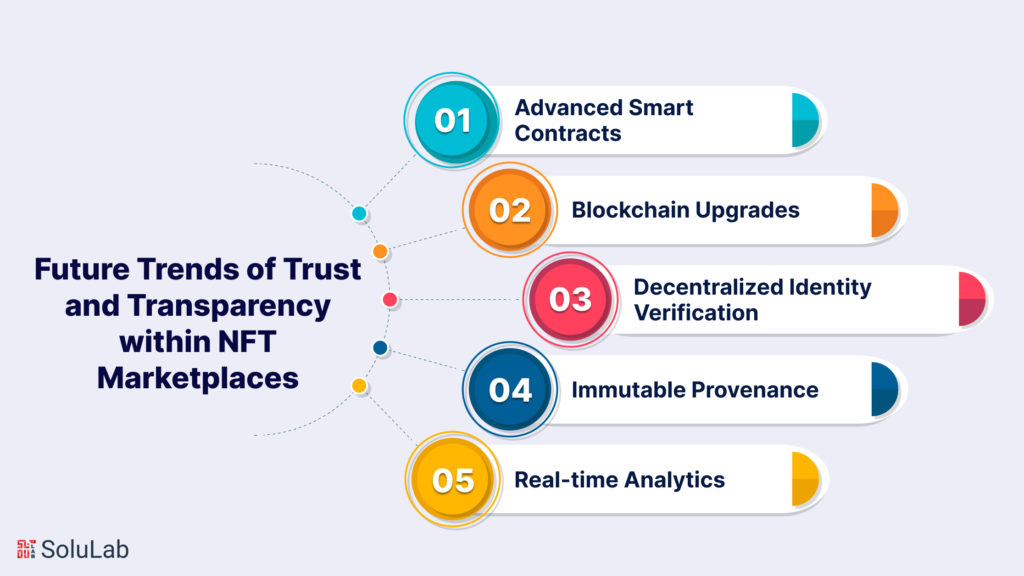
Future Trends of Trust and Transparency within NFT Marketplace Ecosystem

Future Trends of Trust and Transparency

In the dynamic world of NFT (Non-Fungible Token) marketplaces, trust and transparency are evolving concepts that will continue to shape the industry’s trajectory. As technology advances and the ecosystem matures, several future trends are expected to play a significant role in enhancing trust and transparency within NFT marketplaces:

1. Advanced Smart Contracts

The future of NFT marketplaces will likely feature even more advanced and secure smart contracts. These contracts will not only govern ownership and transactions but also include self-executing agreements that automatically address disputes and conflicts. Advanced smart contracts in NFT Marketplace development solutions will further reduce the need for intermediaries and enhance transparency in transactions.

2. Blockchain Upgrades

Blockchain technology, which underpins NFTs, is continuously evolving. Future blockchain upgrades will focus on scalability, speed, and energy efficiency. These improvements will ensure that NFT marketplaces can handle increased traffic, reduce transaction costs, and have a lower environmental impact, thereby enhancing trust in the technology itself.

Check Out Our Blog: The Role of DAOs and Their Benefits in the NFT Ecosystem

3. Decentralized Identity Verification

Decentralized identity solutions, often based on blockchain technology, will become more prevalent. Users will have control over their personal information and identity verification, reducing the need for centralized KYC processes. This will enhance privacy while maintaining trust and security in NFT transactions.

4. Immutable Provenance

Blockchain’s immutable ledger will continue to be leveraged for provenance tracking. Users will be able to trace the entire history of an NFT, including its creation, ownership changes, and transactions, with timestamped records. Immutable provenance will further protect against fraud and enhance transparency.

5. Real-time Analytics

Advanced analytics and data visualization tools will provide users with real-time insights into the NFT marketplace’s health and performance. This transparency will help users make informed decisions about their investments, fostering trust in the marketplace.
CTA2

Conclusion

In the ever-evolving world of NFT marketplaces, trust and transparency are the bedrock upon which success and longevity are built. As we’ve explored the significance of trust, the impact it has on user participation and investment, and the strategies to establish it in NFT marketplaces, it’s clear that these principles are non-negotiable. They inspire confidence, foster community, and drive the growth of this exciting ecosystem.

Looking ahead, the future trends we’ve discussed, from advanced smart contracts to decentralized identity verification and sustainability measures, promise to elevate trust and transparency to new heights. These developments are not just beneficial; they are essential for the continued evolution of NFT marketplaces.

At SoluLab, we understand the importance of staying ahead of the curve in the world of NFT marketplace development. Being an NFT marketplace development company, with our expertise in blockchain technology and decentralized applications, we can provide solutions that align with these future trends, helping NFT marketplaces build the trust and transparency necessary for long-term success. Whether it’s implementing advanced smart contracts or creating secure and scalable blockchain solutions, hire skilled NFT developers from SoluLab as it is your partner in navigating the ever-changing landscape of NFT marketplaces. Together, we can shape a future where trust and transparency are not just aspirations but the very foundations of this digital revolution. Partner with SoluLab today and embark on a journey where innovation meets trust in the world of NFT marketplaces.

FAQs

1. What Are NFT Marketplaces, and Why Do They Need Trust and Transparency?

NFT (Non-Fungible Token) marketplaces are platforms where digital assets are bought, sold, and traded. Trust and transparency are crucial because they ensure the authenticity of NFTs, protect users from fraud, and create a secure environment for transactions.

2. How Can I Verify the Authenticity of an NFT in a Marketplace?

To verify the authenticity of an NFT, check for transparent provenance on the blockchain. Look for timestamped records of ownership changes and consider using reputable marketplaces that conduct smart contract audits. Also, read user reviews and ratings to gauge the marketplace’s credibility.

3. How Do NFT Marketplaces Ensure Fairness in Transactions?

NFT marketplaces promote fairness through transparent fee structures and clear terms and conditions. Many platforms also employ decentralized governance mechanisms like DAOs, where users have a say in platform policies, ensuring decisions are made collectively and transparently.

4. Are There Any Legal and Regulatory Considerations for NFT Marketplaces?

Yes, NFT marketplaces must navigate legal and regulatory requirements, including intellectual property rights and tax implications. Compliance with regional and international regulations is essential to maintain trust and transparency in the marketplace.

5. How Can SoluLab Assist in Enhancing Trust and Transparency in NFT Marketplaces?

SoluLab offers expertise in blockchain development solutions and decentralized applications. We can help NFT marketplaces implement advanced smart contracts, ensure secure transactions, and align with future trends in the industry, ultimately enhancing trust and transparency in your platform.

How to Hire NFT Developers: Everything You Should Know


How to Hire NFT Developers: Everything You Should Know

In the realm of digital assets, Non-Fungible Tokens (NFTs) have become a transformational force. Both individuals and industries have been enthralled by their distinct qualities and rising appeal. The importance of skilled NFT developers cannot be emphasized since they have the technical know-how and industry expertise required to implement NFT projects successfully.

In order to address the growing need for knowledge in this area, NFT development businesses have developed. NFT development encompasses a number of essential components, from blockchain integration to the construction of smart contracts. 

NFTs & Their Growing Popularity

Non-Fungible Tokens, or NFTs, stand for digital assets that have distinctive qualities that separate them apart from other tokens like bitcoins. Because each NFT is unique, it cannot be traded one-to-one and is thus indivisible. Blockchain technology ensures proven ownership and scarcity, therefore guaranteeing its uniqueness.

NFTs have become incredibly popular in recent years. A booming market for these digital assets has emerged as a result of the growth in NFT sales. The conversion of famous pieces of art, musical CDs, sports collectibles, and digital real estate into NFTs has garnered a lot of media interest. The hype around NFTs has been heightened by eye-catching sales numbers, such as the renowned Beeple artwork selling for $69.3 million.

Read Our Blog: Things you need to know about NFT Marketplace

Statistical findings support the rising acceptance of NFTs. The amount of NFT sales have significantly increased, which reflects the rising demand for these distinctive digital assets. The market capitalization for NFTs has also seen a striking increase, reflecting the growing importance of this emerging business. 

Further evidence of the increasing popularity and involvement of NFTs throughout the world can be seen in the rise in the number of active NFT wallets and users. NFTs have been used by a variety of industries, including art, gaming, and collectibles, which has sparked innovation and creativity in each of these fields. Further highlighting the worldwide scope of this phenomenon is the regional dispersion of NFT buyers and sellers.

The Role of NFT Developers and Their Significance

NFT developers play a vital role in the creation and success of NFT projects. They possess the technical expertise required for blockchain and smart contract development, enabling them to bring NFT concepts to life. NFT developers understand the intricacies of NFT standards such as ERC-721 and ERC-1155, ensuring seamless integration and compatibility with various blockchain platforms.

Their knowledge extends beyond technical proficiency; NFT developers are well-versed in integrating NFTs with wallets and marketplaces. This enables NFT owners to securely store and trade their digital assets, while also facilitating a smooth user experience. NFT developers also contribute to the growth and evolution of the NFT ecosystem by developing unique and innovative features that enhance the value and utility of NFTs.

CTA 1

Understanding NFT Development 

NFT development encompasses several crucial aspects. Creation of NFTs involves selecting the appropriate blockchain platform, such as Ethereum or Binance Smart Chain, and writing and deploying smart contracts that define the properties and characteristics of the NFTs. This process is followed by minting and issuing NFTs with associated metadata, providing additional information and context to the digital assets.

Integration with blockchain networks is another crucial aspect of NFT development. NFT developers interact with blockchain APIs and infrastructure, ensuring efficient transaction handling and secure storage of NFT data. Compliance with blockchain protocols is of paramount importance to maintain the integrity and immutability of NFTs.

NFT development companies have emerged to cater to the growing demand for NFT expertise. These companies specialize in providing comprehensive NFT development services, ranging from smart contract creation to marketplace integration. They possess a deep understanding of the NFT ecosystem, enabling them to assist clients in bringing their NFT projects to fruition.

How to Hire NFT Developers: All the Information You Need

How to Hire NFT Developers: All the Information You Need

As the NFT ecosystem continues to evolve, the contributions of NFT developers will shape the future of this exciting digital frontier. The following steps will guide you through the process of hiring nft developers.

Step 1: Determining Your NFT Development Needs

To start the hiring process, it’s crucial to define your NFT development needs. Clearly articulate your project goals, objectives, and the specific features and functionalities you require. This will help you identify the type of NFT developers you need and set realistic expectations in terms of project timeline and budget.

Step 2: Finding NFT Developers

There are several options for finding and hiring skilled NFT developers:

  • In-house Developers: Hiring full-time NFT developers as part of your team can provide better control and collaboration. You can advertise job openings on relevant platforms, attend blockchain conferences, and leverage professional networks to find suitable candidates.
  • Freelancers: Freelance NFT developers offer flexibility and cost-effectiveness. Platforms like Upwork, Freelancer, and specialized blockchain job boards can help you find experienced freelancers with NFT development skills.
  • Development Agencies: NFT development agencies specialize in providing end-to-end NFT development services. They have a team of experts who can handle various aspects of your project. Research and reach out to reputable agencies that align with your project requirements.

Essential Factors to Consider

When evaluating NFT developer candidates, consider the following factors:

  • Skillset and Expertise: Assess their technical skills, experience with blockchain development, and proficiency in NFT standards and protocols.
  • Portfolio and Previous Experience: Review their portfolio and previous NFT development projects. Look for relevant experience that aligns with your project requirements.
  • Knowledge of Blockchain Platforms and Protocols: Ensure that they are familiar with the blockchain platform you plan to use and have experience working with its protocols.
  • Familiarity with NFT Standards: Verify their understanding of NFT standards such as ERC-721 and ERC-1155, as adherence to these standards is crucial for seamless integration and interoperability.
  • Ability to Integrate with Wallets and Marketplaces: Assess their capability to integrate NFTs with popular wallets and marketplaces, enabling easy buying, selling, and management of NFTs.

Step 3: Interviewing and Assessing Candidates

During the hiring process, conduct thorough interviews and assessments to evaluate candidates effectively:

  • Prepare Relevant Interview Questions: Ask about their experience with NFT development, their problem-solving abilities, and how they approach technical challenges specific to NFTs.
  • Conduct Technical Assessments and Code Reviews: Request code samples or assign small coding tasks to assess their technical proficiency and the quality of their work.
  • Evaluate Communication Skills and Cultural Fit: Effective communication and collaboration are crucial for a successful partnership. Assess their ability to communicate complex technical concepts and their compatibility with your team and project culture.

Step 4: NFT Development Contract and Legal Considerations

Once you have selected a candidate or a team of NFT developers, it is essential to establish a comprehensive contract that outlines the scope of work, deliverables, timelines, and payment terms. Consider legal aspects such as intellectual property rights, ownership of the developed code, and any compliance requirements related to the NFT project.

Check Out Our PR Article: SoluLab Bridging the Gap Between Technology And Innovation

Step 5: Collaboration and Project Management

Establishing effective collaboration and project management processes is vital for successful NFT development:

  • Communication Channels: Set up clear communication channels, such as regular meetings, chat platforms, and project management tools, to ensure seamless interaction and updates.
  • Project Milestones and Deliverables: Define clear milestones and deliverables to track progress and ensure the timely completion of the project.
  • Regular Updates and Feedback Cycles: Maintain regular progress updates and feedback cycles to address any issues promptly and keep the project on track.

Step 6: Working with NFT Developers

To foster a productive relationship with NFT developers:

  • Provide Appropriate Documentation and Resources: Provide pertinent project documents, design assets, and any other resources needed for efficient development.
  • Encourage Collaboration and Knowledge Sharing: Create an atmosphere where your team and the developers can work together, share their experiences, and come up with original solutions to problems.
  • Resolve Challenges and Conflicts: Resolve any challenges or conflicts that may arise promptly and constructively, helping to promote an encouraging and fruitful work environment.

Read Our Blog Post: How to Build an NFT Marketplace on Ethereum Blockchain?

Best Practices for Successful NFT Development

For effective NFT development, take into account the following recommendations:

  • Implement stringent testing and quality assurance procedures to guarantee the reliability and functionality of the created NFTs.
  • Adopt agile methodologies and iterative development approaches, which promote flexibility, regular feedback, and continuous improvement throughout the development process.
  • To guarantee that your project remains relevant and competitive, keep up with the most recent innovations, trends, and developments in the NFT field.

NFT Developer Resources and Community

NFT Developer Resources and Community

Collaboration, information exchange, and a welcoming developer community are essential for the world of NFT development to prosper. It’s crucial to utilize the resources at your disposal and interact with the larger community when you start the process of hiring NFT developers. The importance of the NFT developer community is examined in this part, along with helpful resources for both developers and those wishing to employ them.

  • Developer Forums and Communities:  Online forums and communities dedicated to NFT development provide a platform for developers to connect, share insights, and seek guidance. Platforms like Discord, Telegram, and specialized NFT developer forums host discussions, and Q&A sessions, and offer opportunities for networking. Engaging with these communities can help you identify talented developers, gain insights into best practices, and stay updated with the latest trends in NFT development.
  • NFT Developer Documentation and Tutorials: Blockchain platforms and NFT standards often provide extensive documentation and tutorials to assist developers in understanding the technical aspects of NFT development. Resources such as the Ethereum Developer Documentation and tutorials on platforms like OpenSea and Rarible offer valuable insights into NFT contract creation, metadata handling, and integration with wallets and marketplaces. Encourage your hired NFT developers to leverage these resources to enhance their knowledge and expertise.

Read Our Blog: How To Launch Your Own NFT Marketplace Website in Less Than 2 Days?

  • Hackathons and Developer Competitions: Participating in NFT-focused hackathons and developer competitions can be an excellent way to discover talented developers and showcase their skills. These events provide an opportunity for developers to collaborate, build innovative NFT projects, and gain recognition in the NFT developer community. Keeping an eye on upcoming hackathons and competitions can help you identify developers who have proven their abilities and passion for NFT development.
  • Developer Portfolios and Open-Source Projects: When hiring NFT developers, it can be beneficial to review their portfolios and explore any open-source projects they have contributed to. Portfolios and open-source projects not only demonstrate a developer’s technical abilities but also showcase their creativity, problem-solving skills, and commitment to the NFT ecosystem. Reviewing their codebase and contributions can provide valuable insights into their development style, code quality, and proficiency in NFT-related technologies.
  • Blockchain Developer Conferences and Events: Attending blockchain developer conferences and events focused on NFTs can offer unique opportunities to connect with experienced NFT developers. These events often feature workshops, panel discussions, and presentations by industry experts, providing valuable knowledge and networking opportunities. Networking with developers at these events can help you establish connections, learn from experienced practitioners, and gain a broader perspective on NFT development.

CTA 2

Concluding Remarks

In conclusion, one of the most important steps in realizing the success of your NFT project is recruiting NFT engineers. You may make wise choices and create fruitful partnerships by comprehending your NFT development requirements, carefully analyzing prospects, and using the tools offered within the NFT developer community. The NFT developer community provides a variety of information, assistance, and growth possibilities. You may access this dynamic ecosystem by engaging in forums, reading developer manuals and tutorials, taking part in hackathons and going to blockchain events.

SoluLab possesses extensive expertise in developing NFT marketplaces, covering a diverse array of solutions such as artwork, digital collectibles, gaming, asset tokenization, and more. Their NFT marketplace development services exhibit a meticulous focus on feature-rich solutions and achieving perfection in their deliverables. SoluLab is the perfect choice for those seeking to distinguish themselves in the competitive NFT development landscape. Their team of highly skilled NFT developers stands out by prioritizing agile development practices and delivering outstanding business outcomes. SoluLab’s commitment to excellence sets them apart from other companies in the industry. To take advantage of their services, contact SoluLab today.

FAQs

1. What is the role of the NFT developer community in NFT development?

 The NFT developer community plays a crucial role in NFT development by fostering collaboration, knowledge sharing, and innovation. Within the community, developers engage in discussions, share insights, and exchange ideas on NFT development best practices, emerging technologies, and industry trends. Engaging with the NFT developer community provides access to valuable resources, mentorship opportunities, and a platform for addressing challenges and staying updated with the latest developments in the NFT space.

2. Do I need to have a technical background to hire NFT developers?

 It might be helpful to comprehend the complexities of NFT development to have a technical background, but it is not a must for employing NFT developers. However, in order to work and communicate with the developers successfully, it is crucial to have a comprehensive grasp of your project’s objectives and specifications. To establish a successful relationship, place a high priority on good communication, offer thorough project documentation, and participate in frequent updates and feedback cycles.

3. What is the typical cost of hiring NFT developers?

 You should budget between $50 and $200 per hour if you’re wanting to employ an NFT marketplace developer. The cost of hiring NFT developers can vary depending on factors such as their level of experience, the complexity of the project, and the geographic location. Rates may be hourly, project-based, or monthly retainer-based. It’s recommended to discuss the project requirements and negotiate a mutually beneficial agreement with the developers. Keep in mind that prioritizing quality and expertise over cost can lead to better outcomes for your NFT project in the long run.

4. What skills and expertise should I look for when hiring NFT developers?

When hiring NFT developers, it is essential to look for a combination of technical skills and industry knowledge. Key skills include proficiency in blockchain technology, smart contract development, and programming languages such as Solidity. Familiarity with NFT standards (e.g., ERC-721 and ERC-1155), experience in integrating with wallets and marketplaces, and a solid understanding of the NFT ecosystem is also important. Additionally, the ability to adapt to evolving trends and an eye for user experience can set exceptional NFT developers apart.

5. Where can I find NFT developers for hire?

NFT developers are available for employment through a variety of channels. To find independent NFT developers, look into online job forums for the blockchain industry, Upwork, and Freelancer. As an alternative, you may find excellent NFT developers and make contacts by going to blockchain conferences and networking gatherings. There are also NFT development studios and agencies available, providing end-to-end services to make your NFT project a reality.
