


In recent years, Non-Fungible Tokens (NFTs) have taken the digital world by storm, revolutionizing the way we perceive and trade digital assets. As the NFT market continues to expand exponentially, understanding its dynamics and the role of blockchain technology within it becomes increasingly crucial. In this comprehensive guide, we’ll delve into the world of NFT marketplaces, development services, and the overarching significance of NFTs.
An NFT marketplace is a digital platform where individuals can buy, sell, and trade NFTs. These marketplaces serve as a bridge between creators and collectors, offering a secure environment for transactions involving unique digital assets. The Blockchain technology, most commonly associated with NFTs, ensures the authenticity, ownership, and provenance of these digital collectibles.
Blockchain technology plays a pivotal role in the NFT ecosystem. It acts as an immutable ledger, recording every transaction and ensuring the scarcity and uniqueness of NFTs. When artists and creators mint NFTs, blockchain technology verifies their authenticity, providing a transparent and tamper-proof record of ownership. Additionally, blockchain facilitates the seamless transfer of ownership when NFTs are bought or sold on marketplaces.
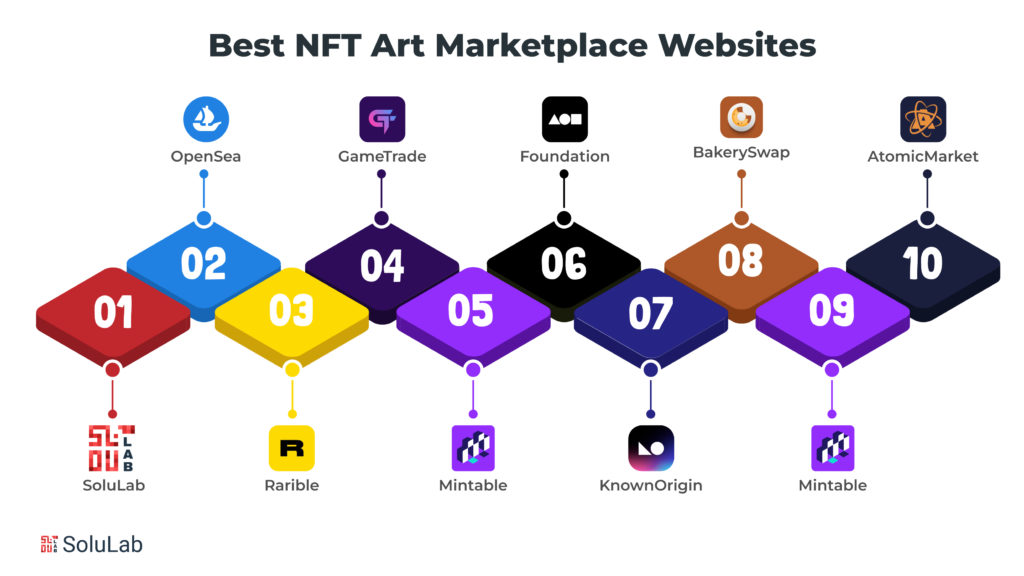
SoluLab has firmly established itself as a leading player in the world of NFTs, making it a standout choice among the 15 Best NFT Art Marketplace Websites. As an NFT Marketplace Development Company, SoluLab offers top-notch NFT Marketplace Development Services that cater to the ever-evolving needs of artists and collectors alike. One of their key features is their ability to provide comprehensive NFT Marketplace App Development, ensuring a seamless and user-friendly experience for all participants.
What sets SoluLab apart is its expertise in NFT Marketplace Platform Development. They offer a platform that is not only technologically advanced but also artistically empowering. This platform stands as a testament to its position as the Best NFT Marketplace Platform available, boasting features that cater to both beginners and seasoned NFT enthusiasts.
Blockchain Technology lies at the core of SoluLab’s NFT Marketplace, playing a pivotal role in NFT creation and management. Their understanding of the Role of Blockchain Technology in NFTs is unmatched, ensuring the security, transparency, and authenticity of every digital asset on their platform.
One of the key features that set OpenSea apart is its user-friendly interface, making it the best NFT marketplace platform for both beginners and seasoned collectors. It leverages blockchain technology to ensure the authenticity and uniqueness of digital assets, playing a vital role in NFT creation and management. This showcases the importance of NFT development in the digital art world.
For those looking to delve deeper into the NFT space, OpenSea offers the opportunity to build your own NFT marketplace.
One key feature that distinguishes Rarible is its commitment to NFT marketplace platform development. Their platform is not just a marketplace; it’s an ecosystem where artists, collectors, and enthusiasts can seamlessly engage with NFTs. This dedication to innovation has earned Rarible a spot among the best NFT marketplace platforms.
Blockchain technology plays a pivotal role in Rarible’s operations. It ensures the security and immutability of NFTs, making them truly unique and valuable.
What sets GameTrade apart is its dedication to NFT Marketplace Platform Development, resulting in what many consider to be the best NFT Marketplace platform available. At the heart of their success lies the integration of blockchain technology, which plays a pivotal role in NFT creation and management. Blockchain ensures the security and authenticity of digital assets, making it an integral part of the NFT ecosystem.
The importance of NFT development cannot be overstated, and GameTrade understands this better than most.
What sets Mintable apart in the realm of NFT Marketplace Platform Development is its commitment to being the best NFT Marketplace Platform. It leverages cutting-edge Blockchain Technology to create, manage, and propel the importance of NFT Development in the digital art space.
In essence, Mintable encapsulates the essence of an NFT Marketplace, offering not just a platform but an opportunity to launch your own NFT Marketplace.
Foundation’s prowess in NFT Marketplace Platform Development has propelled it to the forefront of the industry. Their platform is widely regarded as one of the Best NFT Marketplace Platforms available today, thanks to its seamless user experience and robust features.
But what truly sets the Foundation apart is its deep understanding of the Role of Blockchain Technology in NFT Creation and Management. By leveraging blockchain’s transparency and security, they ensure that each NFT transaction is both tamper-proof and verifiable.
The importance of NFT development cannot be overstated, and KnownOrigin has been at the forefront of this revolution, enabling artists and creators to showcase their work uniquely and profitably.
For those looking to enter this burgeoning market, KnownOrigin offers services to build your own NFT marketplace or create your own NFT marketplace tailored to your specific needs.
At the heart of BakerySwap’s success lies its robust NFT marketplace platform development, which has earned it the reputation of being the best NFT marketplace platform in the market. This platform’s strength is bolstered by the implementation of cutting-edge blockchain technology, underscoring the role of blockchain in NFT creation and management.
The importance of NFT development cannot be overstated, and BakerySwap has recognized this by offering not only a stellar marketplace but also the opportunity for entrepreneurs to build their own NFT marketplace.
One of the key features that sets Mintable apart is its dedication to simplicity and user-friendliness. In the realm of NFT Marketplace Platform Development, Mintable excels in crafting platforms that are intuitive and accessible to both creators and collectors. Their commitment to being the Best NFT Marketplace Platform shines through in their user-centric approach.
Blockchain technology is at the heart of Mintable’s operations. The role of Blockchain Technology in NFT Creation and Management cannot be overstated.
Blockchain Technology plays a pivotal role in the NFT ecosystem, ensuring the security, authenticity, and transparency of digital assets. AtomicMarket understands the Importance of NFT Development and emphasizes the utilization of Blockchain for a flawless experience. Their services even extend to helping you Build Your Own NFT Marketplace, providing you with the tools to Create Your Own NFT Marketplace with ease.
What makes AtomicMarket the Best NFT Marketplace Platform is its commitment to quality and innovation.
We use non-fungible tokens, which are frequently earned through gameplay, to denote ownership of specific assets. Digital art, music, and video samples can be used to build a play-to-earn NFT game. So what damage did these NFTs do to gaming?
As a result of the introduction of NFTs into the gaming industry (P2E), a brand-new genre of gaming known as “play-to-earn games” has evolved. In-game objects, prizes, and even the game’s environment may all be tokenized in a play to generate NFTs. In a traditional gaming environment, after the game is over, all of the stuff the player buys will be useless.
However, the implementation of NFT play to earn eliminates this problem.
Each participant owns their assets in play to gain games since they are tokenized. Additionally, he or she gains because royalties are paid out each time the item is sold again. Gamers may even rent out the asset to other players to level up in the game. Playing video games is a passive income stream for gamers.
As we journey deeper into the realm of NFT marketplace development, it’s time to delve into the very heart of this innovative landscape. We’ve already introduced you to the exciting world of Tamadoge, a prime example of the best P2P games and NFT marketplace platforms. Now, let’s pivot our focus towards the underlying technology that powers these digital wonders – blockchain.
Blockchain technology plays a pivotal role in the creation, management, and security of NFTs. Understanding its significance in the NFT marketplace ecosystem is crucial for both newcomers and seasoned enthusiasts. But before we dive into the intricate workings of blockchain technology in the context of NFTs, let’s explore a fascinating avenue that is gaining substantial traction: NFT marketplace clone scripts.
NFT marketplace clone scripts are essentially ready-made solutions that allow entrepreneurs and developers to replicate the functionalities and features of popular NFT marketplaces like OpenSea or Rarible. These scripts offer a shortcut to building your own NFT marketplace, saving time and resources while providing a foundation for customization.
So, let us delve into why blockchain is becoming increasingly important every passing day!
In recent years, the world has witnessed a remarkable surge in the popularity of Non-Fungible Tokens (NFTs). These unique digital assets have taken the art, gaming, entertainment, and collectibles industries by storm, offering a revolutionary way to prove ownership and authenticity of digital content. Behind the scenes of this NFT frenzy lies the backbone of blockchain technology, reshaping how we create, manage, and trade these digital assets.
Blockchain technology ensures that NFT ownership is transparent and secure. Each NFT is recorded on the blockchain, allowing users to verify the authenticity and provenance of the digital asset. This is especially important for artists and creators, as it prevents unauthorized duplication and distribution of their work.
Smart contracts, which are self-executing contracts with the terms of the agreement between buyer and seller directly written into code, are used in NFT marketplaces. They enable automatic royalty payments to creators whenever their NFTs are resold, ensuring artists receive a share of the profits throughout the asset’s lifecycle.
Blockchain technology eliminates the need for centralized intermediaries, making NFT transactions more efficient and cost-effective. This decentralized nature ensures that NFT owners have full control over their assets without relying on third-party entities.
In a digital age where everything seems to be replicable with a click, Non-Fungible Tokens (NFTs) have emerged as a groundbreaking solution. But what exactly are the benefits of NFTs? Well, NFTs revolutionize ownership and authenticity in the digital realm. They offer creators and collectors alike a unique set of advantages.
Firstly, NFTs grant artists unprecedented control and royalties over their digital creations, ensuring they are fairly compensated for their work even after it’s sold. Additionally, NFTs provide transparency through blockchain technology, allowing anyone to trace an item’s history and authenticity. This newfound transparency also combats piracy and ensures that collectors are investing in genuine, one-of-a-kind assets.
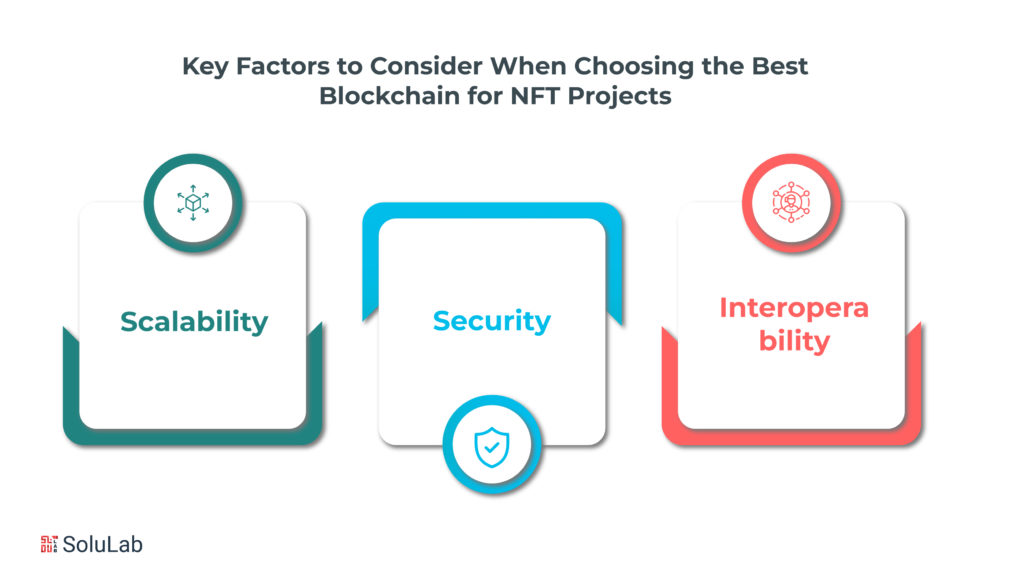
Choosing the best blockchain for NFT (Non-Fungible Token) projects is a crucial decision that can significantly impact the success and viability of your digital assets. NFTs have gained immense popularity across various industries, including art, gaming, entertainment, and collectibles. To ensure that your NFT project thrives, here are several factors to consider when selecting the most suitable blockchain:
One of the foremost factors to consider is the blockchain’s scalability. As NFT projects grow, they generate increased transaction volumes and network activity. A blockchain with robust scalability can handle higher traffic without congestion or exorbitant gas fees, ensuring a seamless user experience.
Security is paramount in the world of NFTs. Ensure that the blockchain you choose has a strong track record for security, with features like decentralized consensus mechanisms and thorough auditing of smart contracts. A secure blockchain protects the integrity and ownership of NFTs.
NFTs often interact with various platforms and ecosystems. Opt for a blockchain that supports interoperability, enabling your NFTs to function across multiple marketplaces, applications, and ecosystems. This expands your project’s reach and potential user base.
To summarize, when it comes to determining which blockchains are ideal for your NFT creations, it’s essential to carefully evaluate your project’s specific needs and objectives. Each blockchain platform offers unique features, scalability options, and communities that can significantly impact the success of your NFT venture.
SoluLab, with its expertise in blockchain technology and NFT development services, can be a valuable partner in navigating this decision-making process. By leveraging their knowledge and experience, you can make informed choices that align with your project’s goals, whether you prioritize scalability, security, environmental considerations, or other factors.
In the rapidly evolving world of blockchain and NFTs, creating your own NFT marketplace is a promising venture. This guide will walk you through the process of building a Chainlink-based NFT marketplace from the ground up. We will also explore the benefits of integrating Chainlink into your NFT marketplace and provide valuable insights on NFT marketplace development.
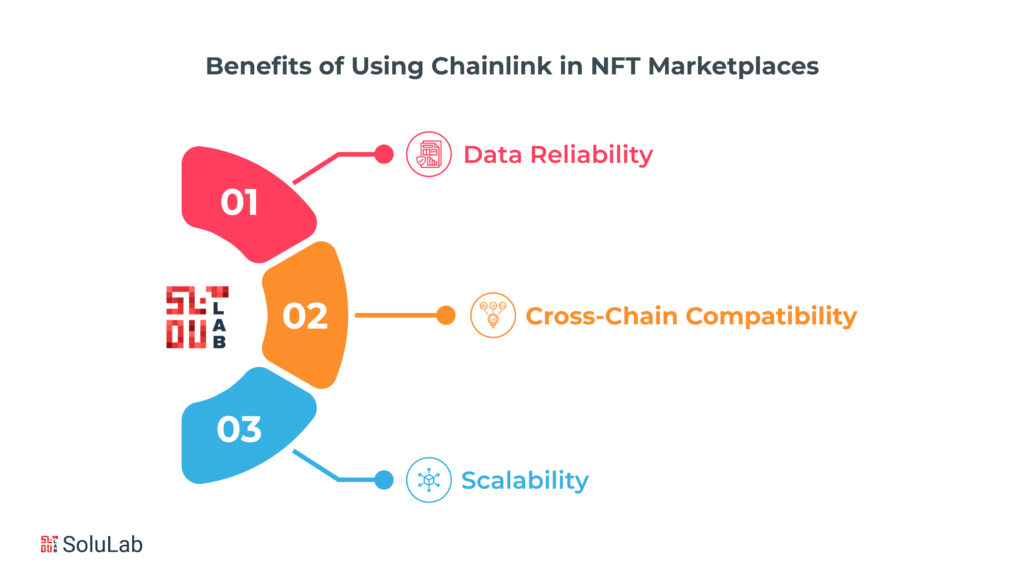
Chainlink, a decentralized oracle network, offers several advantages for NFT marketplaces:
Chainlink provides reliable real-world data to NFTs, enhancing the accuracy of dynamic NFTs linked to external events or data.
Chainlink supports multiple blockchains, allowing your NFT marketplace to expand its reach and interact with different blockchain ecosystems.
Chainlink’s infrastructure is highly scalable, ensuring that your NFT marketplace can handle increased traffic and demand as it grows.
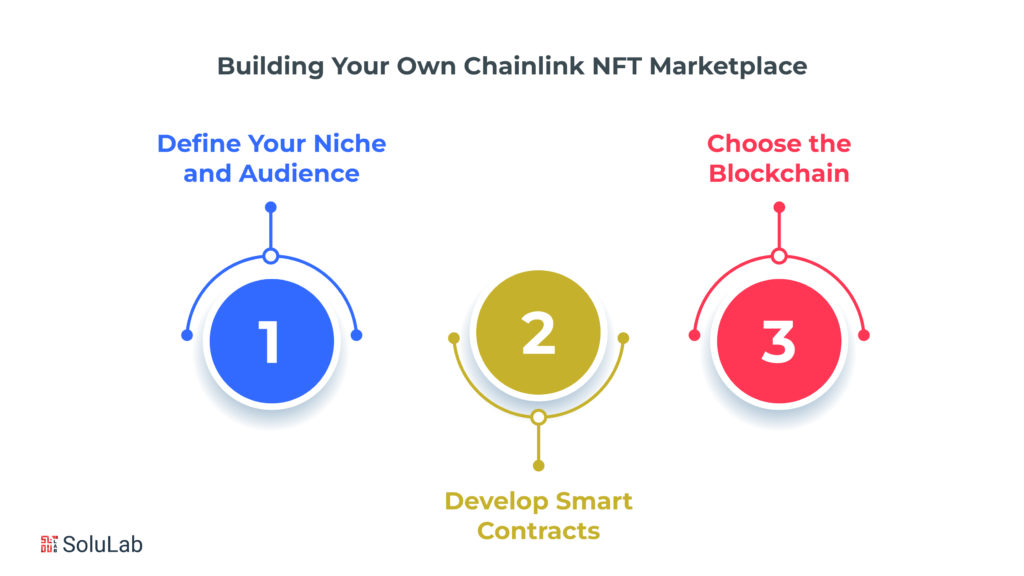
Identify your target audience and the specific niche you want to cater to within the NFT space. Are you focusing on art, gaming, collectibles, or something else? Understanding your audience’s needs is crucial.
Select a blockchain network that aligns with your goals. Ethereum, Binance Smart Chain (BSC), or other compatible chains are popular choices for NFT marketplaces. Consider the scalability, transaction fees, and user base of each blockchain.
Leverage blockchain technology to create smart contracts that represent NFTs. These contracts should include essential metadata, ownership details, and any additional features you want to offer, such as royalties.
SoluLab is a leading NFT marketplace development services company known for its expertise in blockchain technology and NFT solutions. They can be a valuable partner in your journey to create a Chainlink-based NFT marketplace. Their experience in NFT marketplace development services, including blockchain technology and smart contract development, can help you bring your project to life efficiently and effectively.
A Chainlink NFT marketplace is a platform that empowers users to engage in the buying, selling, and trading of non-fungible tokens (NFTs) backed by Chainlink oracles. These oracles play a pivotal role by providing trustworthy and immutable data feeds that enhance the utility and value of NFTs within the marketplace. Building a Chainlink NFT marketplace may seem like a complex endeavor, but it doesn’t necessitate personal coding skills. Instead, you can collaborate with a seasoned development team like SoluLab, specialists in blockchain and NFT marketplace development.
For creators, a Chainlink NFT marketplace offers a multitude of advantages. It serves as a dynamic platform for displaying and selling your digital creations directly to a global audience, bypassing the need for intermediaries.
Customization is key, and when you build your Chainlink NFT marketplace with the assistance of SoluLab, you retain the creative freedom to align the platform with your brand identity. Your marketplace will be a reflection of your brand’s aesthetics, user experience preferences, and unique features, resulting in a cohesive and captivating platform that resonates deeply with your intended audience.
SoluLab, as a renowned technology development company, boasts a wealth of experience in blockchain development and NFT marketplaces. Their team of experts is fully equipped to guide you through the entire journey of crafting your own Chainlink NFT marketplace.
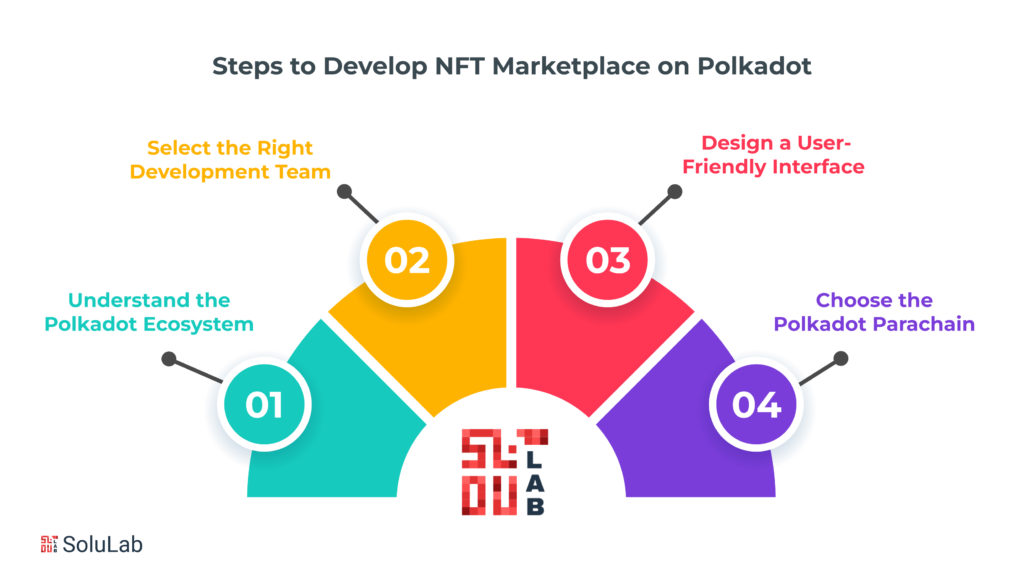
Are you ready to explore the world of Polkadot NFTs and learn how to develop your very own NFT marketplace on this innovative blockchain platform? In this comprehensive guide, we’ll cover everything from the initial steps to the key features, highlighting why Polkadot is an ideal choice for NFT marketplace development. Let’s dive in!
Developing an NFT marketplace on Polkadot involves a series of strategic steps:
Start by familiarizing yourself with Polkadot’s ecosystem, parachains, and how they interact. This knowledge is fundamental for building on this platform.
Choose a reputable NFT marketplace development company with expertise in blockchain technology and NFTs. They can guide you through the process.
Create a user-friendly and visually appealing interface for artists, collectors, and investors. The interface should offer seamless navigation and intuitive controls.
Select a Polkadot parachain for your NFT marketplace. Parachains are customizable, allowing you to tailor your platform to your specific requirements.
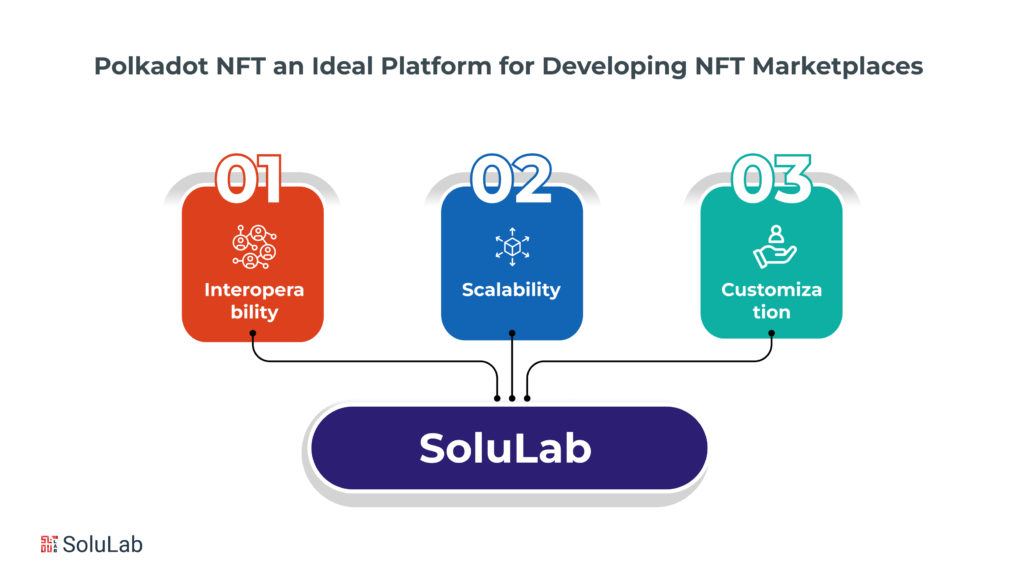
Polkadot offers several advantages for NFT marketplace development:
Polkadot’s architecture enables seamless communication between different blockchains, expanding the reach and potential of your NFT marketplace.
With its ability to support multiple parachains, Polkadot provides scalability, ensuring your NFT marketplace can handle increased user activity.
Parachains on Polkadot are highly customizable, allowing you to tailor your NFT marketplace to meet specific requirements and user preferences.
The initial steps in building a Polkadot NFT marketplace involve understanding the platform, selecting a development team, designing the interface, choosing a parachain, integrating blockchain technology, implementing features, testing, and launching. These steps are critical for a successful venture into the NFT marketplace world.
In conclusion, just as Polkadot NFT Marketplace Development represents a promising avenue for artists, collectors, and NFT enthusiasts to engage with a dynamic and interoperable blockchain ecosystem, it’s important to recognize that the world of blockchain and NFTs continues to evolve. The Polkadot network’s unique capabilities and cross-chain compatibility have made it an appealing choice for NFT marketplace development, offering scalability, security, and a robust framework for innovation.
A TRON NFT marketplace platform, in essence, serves as a digital haven on the TRON blockchain network, dedicated to the trade of non-fungible tokens (NFTs). These unique digital marketplaces have become the go-to destinations for artists, collectors, and enthusiasts to engage in the buying, selling, and trading of NFTs, using the native cryptocurrency of the TRON network, TRX. But what sets TRON and its NFT marketplace platforms apart as the best in 2023?
In 2023, TRON NFT marketplace platforms are receiving accolades for several compelling reasons. Firstly, TRON’s allure lies in its ability to facilitate rapid and cost-effective transactions, ensuring a frictionless experience with minimal transaction fees for users. This cost-efficiency makes it an attractive choice, especially for creators looking to mint and list their NFTs. Moreover, TRON’s scalability enables it to accommodate the burgeoning demand for NFTs, making it an ideal playground for the NFT community’s growth.
When exploring the landscape of TRON NFT marketplace platforms in 2023, it becomes evident that a few platforms stand tall as leaders in this space. Notable among them are Trontrade, TronPad, and Tronlink NFT Marketplace. These platforms have captivated creators and collectors alike with their user-friendly interfaces, robust features, and the diverse array of NFT collections they offer. Their ecosystems thrive as vibrant hubs of creativity and commerce.
Are you intrigued by the potential of NFTs and looking to harness the power of Avalanche blockchain for your NFT marketplace? In this comprehensive guide, we’ll explore the ins and outs of Avalanche NFT marketplace development, including its benefits, core functionalities, and future directions. Let’s embark on this journey to discover how Avalanche can reshape the NFT landscape.
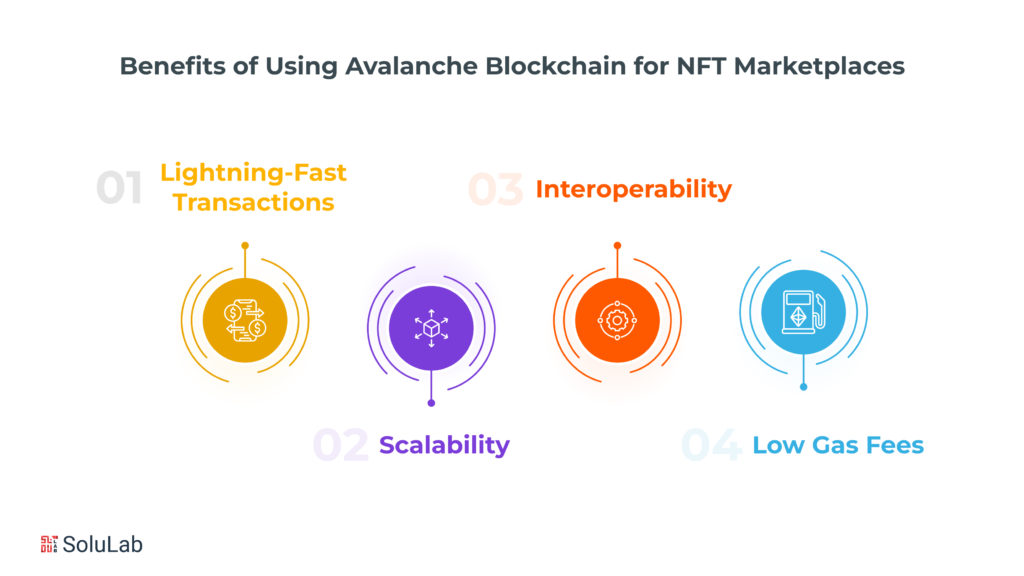
Avalanche, known for its speed, scalability, and low transaction fees, offers several advantages when it comes to NFT marketplace development. Some key benefits include:
Avalanche boasts one of the fastest transaction confirmation times in the blockchain space, ensuring a seamless NFT trading experience.
With its subnets and customizable blockchains, Avalanche can accommodate a high volume of NFT transactions and maintain network performance.
Avalanche’s Avalanche-IBC (Inter-Blockchain Communication) allows NFTs to move seamlessly between different blockchains, expanding the reach of your marketplace.
Avalanche’s efficient consensus mechanism minimizes transaction costs, making it cost-effective for users to buy, sell, and trade NFTs.
To create a successful Avalanche NFT marketplace, you’ll need to focus on developing core functionalities. These include:
Streamline the user experience with easy registration and onboarding processes.
Enable users to securely store, manage, and trade their NFTs by integrating Avalanche-compatible wallets.
Allow creators to mint their NFTs, specifying attributes, metadata, and royalty percentages.
Implement a user-friendly interface for listing NFTs and robust search functionalities for buyers.
Develop smart contracts for handling NFT transactions, royalties, and escrow services.
The world of NFTs is evolving rapidly, and Avalanche NFT marketplaces are poised for exciting developments. Keep an eye on:
Avalanche’s potential for cross-chain integration will likely expand, enabling NFTs to move effortlessly between different blockchains.
NFT marketplaces may integrate with emerging metaverse platforms, creating immersive digital experiences.
As the NFT ecosystem matures, new standards and improvements in metadata and interoperability may emerge.
If you’re seeking expert assistance in Avalanche NFT marketplace development, consider partnering with a trusted NFT marketplace development company like SoluLab. Their NFT marketplace development services can help you build a feature-rich and secure platform, leveraging the benefits of Avalanche blockchain. With their experience and expertise, you can navigate the complexities of NFT marketplace development effectively.
By understanding its benefits, focusing on core functionalities, and staying attuned to future developments, you can position yourself at the forefront of the evolving NFT landscape.
Avalanche NFTs, short for non-fungible tokens, represent a unique class of digital assets exclusively created and exchanged within the Avalanche blockchain ecosystem. These NFTs serve as digital certificates of ownership and authenticity for a diverse array of digital and real-world assets, ranging from digital artwork and collectibles to virtual real estate and more. Choosing Avalanche as the platform for NFTs carries several advantages, including its robust scalability, economical transaction fees relative to other blockchain networks, rapid transaction confirmation times, and compatibility with Ethereum Virtual Machine (EVM).
This compatibility enables seamless interoperability with existing Ethereum-based NFT contracts and tools. Avalanche places a premium on security, subjecting its smart contracts to rigorous testing and audits to detect and address vulnerabilities.
Users can also ensure the safety of their NFT holdings through secure wallet integrations like Metamask and Avalanche Wallet. Effectively marketing Avalanche NFTs necessitates a strategic approach involving active engagement with the NFT community through forums, Discord groups, and social media platforms.
Employing content marketing, influencer collaborations, and targeted advertising campaigns can raise awareness about your NFT offerings and spotlight the unique advantages of the Avalanche blockchain, such as its cost-efficiency and rapid transaction processing.
Are you interested in joining the booming world of NFTs and considering building your own NFT marketplace on Solana? Let’s explore how Solana’s scalability is revolutionizing the NFT industry, the advantages of this approach, and the key features and benefits of Solana NFT marketplace development.
Solana, known for its high-performance blockchain, has been making waves in the NFT world due to its remarkable scalability. But what does this mean for the NFT industry?
Solana’s infrastructure enables near-instant transactions, eliminating the frustratingly slow confirmation times often associated with other blockchain networks.
With low transaction fees, Solana makes NFT minting, trading, and ownership transfer accessible to a broader audience.
Solana’s robust infrastructure can handle thousands of transactions per second, making it a perfect fit for NFT marketplaces with high demand.
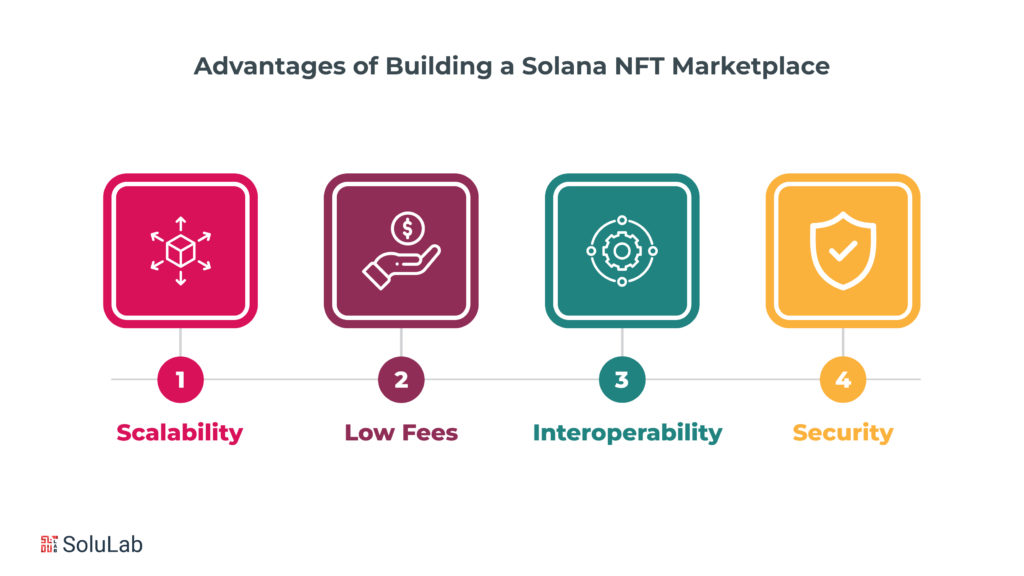
Choosing Solana for your NFT marketplace development offers several key advantages:
Solana’s scalability ensures your NFT marketplace can handle a large user base and a high volume of transactions without performance issues.
Reduced transaction fees attract users and artists, making your marketplace more appealing.
Solana’s compatibility with other blockchains allows for the seamless integration of assets from different ecosystems.
Solana’s consensus mechanism provides a secure environment for NFT creation and trading.
Solana’s flexibility allows for various types of NFT marketplaces, catering to different niches:
Showcase and trade digital artworks and collectibles.
Create a platform for gamers to buy, sell, and trade in-game assets.
Offer a marketplace for musicians, filmmakers, and content creators to tokenize their work.
Explore opportunities in the virtual world by trading virtual land and properties.
When developing your Solana NFT marketplace, consider these key features:
Create an intuitive platform for artists, collectors, and investors.
Ensure safe storage and transactions of NFTs with integrated wallets.
Utilize Solana’s smart contract capabilities for creating and managing NFTs.
Implement mechanisms to minimize transaction costs.
Solana’s exceptional scalability and performance make it a compelling choice for NFT marketplace development. Its advantages include low fees, rapid transactions, and a secure environment for NFTs.The combination of Solana’s scalability, cost-efficiency, and security makes it a powerful choice for entrepreneurs and developers looking to capitalize on the NFT boom.
Whether you aim to create an art marketplace, a gaming NFT platform, or something unique, Solana’s infrastructure can support your vision and help you tap into the thriving NFT marketplace development services sector.
Cardano, a blockchain platform known for its sustainability and scalability, is gaining traction in the world of NFTs. In this guide, we will explore the advantages of an NFT marketplace on Cardano and provide insights on how to launch your very own Cardano-based NFT marketplace.
To create the best Cardano NFT marketplace, consider partnering with a reputable NFT marketplace development company like SoluLab. Their expertise in NFT marketplace development services can streamline the process and ensure a successful launch.
Determine the specific focus or niche for your marketplace. Whether it’s art, collectibles, music, or gaming NFTs, having a clear niche can attract a dedicated user base.
A user-friendly interface is crucial for attracting both creators and collectors. Ensure that your marketplace is easy to navigate and offers a seamless experience.
Consider important features such as customizable listings, secure wallet integration, search and discovery tools, and blockchain compatibility. These features enhance the functionality and appeal of your marketplace.
As Cardano’s smart contract capabilities evolve, make sure your marketplace is compatible with the latest developments. This ensures that you can take full advantage of Cardano’s features.
Foster a sense of community within your marketplace. Engage with your users, host events, and encourage collaboration among creators and collectors.
SoluLab, a renowned NFT marketplace development company, can play a pivotal role in the successful launch of your Cardano NFT marketplace. Their expertise in NFT marketplace development services, combined with the advantages of Cardano’s blockchain, can help you create a sustainable, cost-effective, and feature-rich NFT platform.
In summary, launching an NFT marketplace on Cardano offers several benefits, including sustainability, low fees, and smart contract capabilities. To ensure your marketplace’s success, collaborate with a reputable development partner like SoluLab, and follow best practices in marketplace design and user engagement. With the right approach, your Cardano NFT marketplace can thrive in the competitive NFT ecosystem.
Are you interested in creating your own NFT marketplace on the Ethereum blockchain? This guide will take you through the steps for developing a successful NFT marketplace and provide insights into the technological stack required for the project. Let’s dive in and explore the world of NFT marketplace development on the Ethereum blockchain.
Building an NFT marketplace on Ethereum involves several essential steps:
Begin by understanding the NFT space, identifying your target audience, and studying your competitors.
Define your NFT marketplace’s unique selling proposition, its purpose, and the type of NFTs it will support (art, collectibles, music, etc.).
Ensure that you comply with all legal and regulatory requirements, especially in terms of copyright and intellectual property.
Choose Ethereum as your blockchain and integrate it into your marketplace. Ethereum is the most popular choice for NFTs due to its robust smart contract capabilities.
Create smart contracts for minting, selling, and transferring NFTs. These contracts define the rules and properties of your NFTs.
Implement secure user authentication and wallet integration for buyers and creators.
Develop an intuitive and user-friendly interface for browsing and interacting with NFTs.
Building an NFT marketplace on Ethereum requires a specific technological stack, including:
The core infrastructure for NFT creation, storage, and transactions.
Written in Solidity or Vyper, these self-executing contracts automate NFT-related processes.
A JavaScript library for interacting with the Ethereum blockchain from the front end.
To store NFT metadata and ensure decentralization.
Ethereum wallet integration for user authentication and transactions.
If you’re seeking expert guidance and technical support for your NFT marketplace development, consider partnering with a reputable NFT Marketplace Development Services provider like SoluLab. Their extensive experience in blockchain technology and NFT marketplace development can be instrumental in bringing your project to fruition, ensuring a secure and efficient platform.
In conclusion, building an NFT marketplace on the Ethereum blockchain is a complex yet rewarding endeavor. With careful planning, a robust technological stack, and the right partners, you can create a thriving marketplace that caters to the growing demand for NFTs in the digital world.
If you’re entering the exciting world of NFTs, having a secure and user-friendly NFT wallet is essential. In 2023, the NFT landscape has evolved, and there are several excellent options to choose from. Here, we present the 6 best NFT wallets that will help you manage your digital assets effectively.
Trust Wallet is a popular choice for NFT enthusiasts. It offers a user-friendly interface and supports various blockchains, including Ethereum, Binance Smart Chain (BSC), and more. With Trust Wallet, you can securely store and manage your NFTs.
MetaMask is a well-known Ethereum wallet and browser extension. It not only allows you to manage your Ethereum assets but also seamlessly interact with decentralized applications (DApps) and NFT marketplaces.
Ledger is a hardware wallet that provides top-notch security for your NFTs. It’s a cold wallet, meaning it’s not connected to the internet, making it nearly impervious to online threats.
Coinomi is a multi-chain wallet that supports a wide range of cryptocurrencies and NFTs. It’s known for its robust security features and user-friendly interface.
Coinbase offers a dedicated wallet app for managing NFTs and cryptocurrencies. It’s a great option for beginners due to its simplicity and integration with the Coinbase exchange.
Math Wallet is a cross-chain wallet that supports multiple blockchains, including Ethereum and BSC. It offers features like staking, cross-chain swaps, and NFT management.
In conclusion, choosing the right NFT wallet is crucial for safely storing and managing your digital assets. Consider your specific needs, such as the blockchain network you’ll be using and your level of expertise, when selecting the best NFT wallet for your journey into the world of non-fungible tokens. And remember, as you explore the NFT space, SoluLab offers NFT Marketplace Development Services to help you create your own NFT marketplace, taking advantage of the burgeoning NFT ecosystem
NFT ticketing is poised to revolutionize how tickets are sold, distributed, and authenticated for various events, from concerts and sports games to theater performances. In this technical exploration, we’ll delve into how NFT ticketing can disrupt the traditional ticketing industry.
The ticketing industry has seen a significant shift in recent years with the emergence of blockchain technology and Non-Fungible Tokens (NFTs).
One of the core features of NFTs is their ability to establish immutable ownership and authenticity. Each NFT is a unique, indivisible token stored on a blockchain. When applied to ticketing, this means that each ticket becomes a distinct NFT, representing a specific seat or entry to an event. This uniqueness and immutability eliminate issues related to counterfeit tickets, scalping, and fraud.
The transparency of blockchain technology allows for enhanced traceability of tickets throughout their lifecycle. From the moment a ticket is created and sold to its final use at an event, every transaction is recorded on the blockchain. This traceability ensures that tickets cannot be duplicated or resold without authorization, providing peace of mind for event organizers and attendees alike.
NFT ticketing leverages smart contracts, self-executing agreements with predefined rules, to automate various ticket-related processes. These contracts can enforce ticket transfer restrictions, resale price caps, and even revenue sharing between event organizers and artists. Smart contracts reduce the need for intermediaries and simplify ticket management.
NFT ticketing is not bound by geographical constraints. Anyone with an internet connection and a compatible wallet can purchase and own NFT tickets. This global accessibility can broaden the reach of events, potentially attracting international audiences without the limitations of physical ticket distribution.
NFT ticketing also introduces a structured secondary market for tickets. While traditional ticket resale platforms often lead to inflated prices, NFT ticket marketplaces can facilitate secure and regulated secondary sales. Event organizers and artists can earn royalties from secondary market transactions, ensuring a fair share of the value generated by their events.
NFT ticketing allows for the creation of personalized and collectible tickets. Attendees can own unique digital collectibles that commemorate their attendance at specific events. These collectibles can hold sentimental value and become a part of a fan’s digital memorabilia collection.
While NFT ticketing offers numerous advantages, it’s not without its challenges. These include issues related to blockchain scalability, energy consumption, and wallet adoption. Additionally, educating both event organizers and attendees about NFT ticketing’s benefits and processes is crucial for widespread adoption.
In recent years, Non-Fungible Tokens (NFTs) have made significant waves across various industries, including the music sector. NFT music is revolutionizing the way artists distribute, monetize, and connect with their audience. Let’s explore the key characteristics of NFT music and how it is reshaping the music industry.
NFTs represent unique digital assets, and in the realm of music, this translates to one-of-a-kind tracks, albums, or experiences. Artists can release limited edition NFT music, creating scarcity and increasing their perceived value.
Blockchain technology, the foundation of NFTs, ensures secure ownership and transparent provenance of music assets. This eliminates the risk of piracy and unauthorized distribution.
Smart contracts embedded in NFT music allow artists to receive a portion of the sale price every time the NFT changes hands. This automatic royalty system ensures artists are fairly compensated for their work throughout their lifetime.
NFT music can be interactive, offering fans unique experiences like concert tickets, backstage passes, or exclusive remix rights along with the music itself.
NFT Music is redefining the music industry in several ways:
NFT music enables artists to establish direct connections with their fans, reducing the reliance on intermediaries like record labels and streaming platforms.
Artists can unlock new revenue streams by selling NFT music and related digital merchandise directly to their audience, reducing their dependence on traditional revenue sources.
NFTs open doors for emerging artists to gain recognition and monetize their work without the need for extensive marketing budgets or industry connections.
The market potential for NFT music is immense:
NFT music has a borderless market, allowing artists to connect with fans worldwide without geographical limitations.
NFT music appeals to both collectors and music enthusiasts, broadening the potential user base.
NFT music can be seen as an investment, with the potential for significant value appreciation over time, attracting both music fans and investors.
As the NFT music landscape continues to evolve, the expertise of companies like SoluLab in NFT marketplace development services becomes invaluable. SoluLab’s deep understanding of blockchain technology, NFT creation, and management, coupled with their experience in developing NFT marketplace platforms, positions them as a valuable partner for musicians and creators looking to navigate the NFT space successfully.
In conclusion, NFT Music is transforming the music industry by providing artists with new avenues for distribution, monetization, and fan engagement. With its unique characteristics and growth potential, NFT music is poised to reshape the way we experience and appreciate music in the digital age.
In the ever-evolving landscape of blockchain technology and digital assets, Metaverse NFTs have emerged as a cornerstone of the next blockchain revolution. These unique tokens have taken the world by storm, offering not only collectible digital items but also the potential to reshape the way we interact with the digital world. In this article, we’ll explore the usability of NFTs and Metaverse, as well as how to purchase a Metaverse NFT, while delving into emerging business use cases and the crucial aspect of marketplace interoperability.
NFTs, or Non-Fungible Tokens, represent ownership and authenticity of digital assets. They have found applications in various domains, such as:
NFTs allow artists to tokenize their digital creations, ensuring provenance and authenticity, and enabling them to monetize their work in the digital space.
In the gaming industry, NFTs are used to represent in-game assets, characters, and skins, enabling players to truly own and trade their virtual items.
Metaverse NFTs have opened up opportunities for virtual real estate ownership, with users buying and selling virtual land and properties in the digital world.
NFTs have brought a digital twist to the world of collectibles, allowing users to own unique and rare digital collectibles, including trading cards, virtual pets, and more.
The Metaverse, on the other hand, is a virtual, interconnected space where users can interact, socialize, and conduct various activities. It’s a shared, digital universe that’s gaining immense popularity. NFTs are a fundamental component of the Metaverse, as they represent ownership of digital assets within this expansive digital realm.
To purchase a Metaverse NFT, you can follow these steps:
Select a reputable NFT marketplace, such as OpenSea, Rarible, or Decentraland Marketplace, that supports Metaverse NFTs.
Set up a digital wallet that is compatible with the blockchain on which the NFTs are minted. Ethereum is a popular choice for Metaverse NFTs, so an Ethereum wallet like MetaMask is often used.
Add cryptocurrency (usually Ether) to your wallet to enable purchasing.
Explore the marketplace for Metaverse NFTs that catch your eye. You can filter your search based on categories, rarity, or other criteria.
Once you find the NFT you want, you can either place a bid or make a direct purchase, depending on the marketplace’s options.
Businesses are exploring innovative ways to harness the potential of Metaverse NFTs. Some emerging use cases include:
Hosting conferences, concerts, and exhibitions within the Metaverse, where attendees can purchase NFT tickets or access virtual booths.
Brands are using NFTs for marketing campaigns, offering exclusive digital collectibles to engage customers.
Educational institutions are using NFTs to create verifiable digital certificates and diplomas.
Marketplace interoperability is a critical factor in the Metaverse’s success. NFTs should be able to seamlessly move between different virtual worlds and ecosystems to realize their full potential.
In the dynamic world of Non-Fungible Tokens (NFTs), choosing the right development partner can make all the difference. As NFTs continue to reshape the digital landscape, it’s essential to collaborate with experts who can navigate the complexities of NFT marketplace development. In this article, we introduce you to the top NFT development companies that are set to shine in 2023.
NFT developers are instrumental in turning your NFT marketplace dreams into reality. They can assist you with various aspects of NFT development, including:
Creating the underlying smart contracts that power your NFTs and marketplace.
Implementing NFT token standards such as ERC-721 and ERC-1155 for compatibility.
Designing user-friendly interfaces for your NFT marketplace.
Connect your platform to blockchain networks like Ethereum, Binance Smart Chain (BSC), or others.
Ensuring the security of NFT transactions and user data.
Now, let’s meet the top 5 NFT development companies that have been making waves in the industry.
SoluLab excels in the development of NFT marketplaces. They understand that a successful NFT marketplace requires a combination of robust smart contracts, user-friendly interfaces, and secure transaction mechanisms. SoluLab’s development team ensures that each marketplace they create is tailored to meet the unique needs of their clients.
NFTs are powered by blockchain technology, and SoluLab is well-versed in integrating NFTs with various blockchain networks. Whether it’s Ethereum, Binance Smart Chain (BSC), or others, SoluLab ensures seamless blockchain integration for optimal performance and security.
Fueled is a leading name in NFT marketplace app development. Their team of skilled developers and designers can bring your NFT marketplace app concept to life with precision and creativity.
PixelPlex is a trusted player in the NFT development space, offering comprehensive NFT marketplace development services. They focus on creating the best NFT marketplace platforms that cater to the unique needs of their clients.
Antier Solutions is another top NFT marketplace development company that excels in building secure and feature-rich NFT platforms. Their expertise extends to blockchain technology, ensuring the seamless integration of NFTs.
Tokenminds. co specializes in all things NFT, from development to marketing. They can guide you through the entire NFT marketplace development process, helping you navigate the complex world of NFTs.
The Metaverse, a digital realm where people interact and transact in virtual environments, has surged in popularity, bringing with it a new breed of digital assets known as Metaverse NFTs (Non-Fungible Tokens). These unique digital collectibles and assets within the Metaverse have captured the attention of both investors and enthusiasts. If you’re eager to dive into this exciting world, here’s how you can purchase a Metaverse NFT.
Before you can purchase any NFT, including those in the Metaverse, you need a cryptocurrency wallet. Metaverse NFTs are often bought using cryptocurrencies like Ethereum (ETH) or other blockchain-based assets. Your wallet will store these digital currencies securely.
To buy Metaverse NFTs, you’ll need to use a dedicated NFT marketplace. Popular platforms like OpenSea, Rarible, and Decentraland’s Marketplace are common choices for Metaverse NFT transactions. Ensure that the marketplace you select supports the specific Metaverse you’re interested in.
To make purchases on an NFT marketplace, you need to fund your cryptocurrency wallet. You can do this by transferring cryptocurrencies like ETH from a crypto exchange to your wallet. Make sure you have enough funds to cover the cost of the NFT you wish to purchase, along with any associated transaction fees.
Once your wallet is funded, explore the NFT marketplace to discover the Metaverse NFTs that catch your eye. You can use filters, categories, and search options to narrow down your choices.
After you’ve placed a bid or clicked “Buy Now,” you’ll need to confirm your purchase. Ensure that you’re comfortable with the terms and conditions of the NFT listing before proceeding. Confirm the transaction and follow any prompts to complete the payment.
Creating your own NFT (Non-Fungible Token) marketplace from scratch involves several complex steps and a deep understanding of blockchain technology. Below is a high-level process flow to depict the key stages of building your NFT marketplace:
NFTs, or Non-Fungible Tokens, have taken the digital world by storm, redefining ownership and authenticity in the digital realm. One fascinating facet of the NFT ecosystem is the development of NFT marketplace decentralized applications, or dApps. In this comprehensive guide, we’ll explore what NFT dApps are and how you can embark on the journey to launch your very own full-stack NFT marketplace dApp.
Determining the cost of NFT Marketplace dApp development can be a complex task, influenced by a range of factors. The expenses associated with creating an NFT marketplace dApp depend on several key elements, including the platform or blockchain chosen for development (such as Ethereum, Binance Smart Chain, or a custom solution), the complexity of the project, and the desired features.
Costs can also be influenced by design and user interface requirements, smart contract development, security audits, and ongoing maintenance. Additionally, hiring experienced blockchain developers and experts in NFT marketplace development contributes to the overall cost. It’s important to establish a clear budget and carefully plan the allocation of resources to ensure the successful and cost-effective development of your NFT marketplace dApp.
When seeking a reliable partner for your NFT dApp project, consider SoluLab as your NFT Marketplace Development Services provider. SoluLab brings expertise in blockchain technology and dApp development, ensuring the creation of a secure and user-friendly NFT marketplace tailored to your requirements.
In conclusion, NFT dApps are at the forefront of the NFT revolution, offering a decentralized and transparent way to trade digital assets. By following the steps outlined in this guide and considering the expertise of companies like SoluLab, you can embark on the exciting journey of launching your own full-stack NFT marketplace dApp.


