Talk to an Expert

Top 7 Smart Contract Platforms to Consider in 2026

Top Smart Contract Platforms

Struggling to choose the right smart contract platform? With so many blockchains claiming to be the fastest, cheapest, or most secure, it’s easy to get overwhelmed. Whether you’re building a DeFi app, launching a token, or creating a game, picking the wrong platform can lead to high gas fees, slow transactions, or limited developer support. 

However, not all smart contract platforms are created equal. Some are perfect for enterprise-grade apps, while others shine in speed or scalability. In 2026, the competition is fiercer than ever, new players are entering the space, while existing ones are upgrading their ecosystems.

In 2025, the global smart contracts market is projected to expand from $2.63 billion in 2024 to $3.21 billion, marking a CAGR of 22%. 

To save you hours of research, we’ve listed the Top 7 Smart Contract Platforms worth your attention in 2026. This guide breaks down what makes each one unique, covering everything from security and scalability to developer tools and ecosystem growth. 

What Are Smart Contracts?

To put it simply, smart contracts are electronic contracts that take automated action when certain criteria are met. The main distinction between them and regular contracts is that they are encoded and kept on a blockchain.

In essence, a smart contract is a computer program that, under specific circumstances, automatically regulates the transfer of digital assets between parties. They make agreements unchangeable and impenetrable by automating communication between the sender and the recipient.

Types of Smart Contracts

In the realm of blockchain technology, smart contracts are becoming more and more widespread and are altering the way we conduct transactions. However, did you realize that there are several types of smart contracts?

The following is a list of several types of smart contracts that may be made with various Smart Contract platforms:

1. Smart Legal Contracts

Smart legal contracts are the first item on our list. These are basically standard legal contracts with additional smart contract features.

They comprise certain terms and conditions that, upon fulfillment of predetermined criteria, are automatically carried out. This can greatly expedite judicial proceedings and lower the possibility of misunderstandings or human mistakes.

2. Decentralized Autonomous Organizations (DAO)

One kind of smart contract that makes it possible to create leaderless groups is called a Decentralized Autonomous Organization, or DAO.

These companies are fully decentralized on blockchain technology and are administered by computer programs that provide regulations.

Because DAOs do away with the necessity for a centralized authority, decision-making procedures may be more fair and transparent.

3. Application Logic Contracts (ALC)

The Application Logic Contract (ALC) is a different smart contract. The logic of decentralized apps (dApps) is managed by these contracts.

For example, they can oversee the voting procedure in a DAO or set the rules for a game that runs on the blockchain.

Developers may now create intricate apps on top of blockchain networks because of ALCs.

4. Token Contracts

One kind of smart contract that controls the production and distribution of digital tokens is the token contract. From cryptocurrencies like Bitcoin or Ethereum to distinct digital assets like Non-Fungible Tokens (NFTs), these tokens may represent a wide range of assets.

Token contracts guarantee a safe, regulated environment for the creation, transfer, and destruction of tokens.

5. Marketplace Contracts

Finally, we have marketplace contracts. Decentralized markets employ these smart contracts to make transactions easier. They are capable of managing reputation management systems, handling escrow services, and automating the purchasing and selling process. Decentralized e-commerce is made possible in part via marketplace contracts.

To put it briefly, there are several variations of smart contracts, each with specific uses and advantages. Digital contracts have the potential to revolutionize our interactions with the digital environment by facilitating decentralized organizations and expediting legal processes.

Things to Consider to Select the Best Smart Contract Platforms

When evaluating the best smart contract platforms, there are a few key criteria to consider. These include:

1. Scalability: The platform must be able to handle a large number of transactions without sacrificing performance.

2. Security features: The platform must have strong security features to protect against attacks, especially when using infrastructures such as bsc rpc that require consistent and secure connectivity.

3. Developer-friendliness: The platform must be easy for developers to use so that they can quickly and easily build decentralized applications.

4. Decentralized Applications: The platform must be able to support a variety of decentralized applications, including those with different requirements in terms of scalability, security, and functionality.

These criteria are important because they ensure that the platform is capable of supporting the needs of decentralized applications. A platform that is not scalable, secure, or developer-friendly will not be able to support the most demanding decentralized applications.

In addition to these criteria, it is also important to consider the overall ecosystem of the platform. This includes the availability of tools, documentation, and support. A platform with a strong ecosystem will make it easier for developers to build decentralized applications.

By considering all of these factors, you can choose the best smart contract platform for your needs.

Top 7 Smart Contract Platforms to Consider in 2026

1. Ethereum

Ethereum is the smart contract platform and remains the most used in 2026. It offers a mature ecosystem, a strong developer community, and high security. Key features include EVM compatibility, extensive DApp support, Layer 2 scalability solutions, and decentralized governance.

With billions in Total Value Locked (TVL), it’s a go-to choice for DeFi projects and NFT platforms. Best suited for developers, startups, and enterprises seeking a robust, battle-tested foundation for building decentralized applications.

2. Binance Smart Chain (BSC)

Binance Smart Chain (BSC) is a high-performance blockchain developed by Binance to support smart contracts and decentralized apps (dApps). It offers fast transactions, low fees, and compatibility with Ethereum through the EVM (Ethereum Virtual Machine). Key features include a dual-chain architecture, strong community support, and high scalability.

BSC is ideal for developers and users looking for affordable DeFi solutions, NFT platforms, and quick dApp deployment. It’s best suited for startups, retail users, and developers wanting to scale fast without high gas fees.

3. Cardano

Cardano is a research-driven smart contract platform known for its focus on security, scalability, and sustainability. Built on peer-reviewed academic research, it uses a unique proof-of-stake consensus called Ouroboros.

Key features include low energy usage, formal verification for smart contracts, and high interoperability. It’s suited for long-term projects in education, healthcare, and government sectors that value stability and precision.

4. Solana

Solana is a high-performance smart contract platform known for its fast transaction speeds and low fees. Designed for scalability, it can process over 65,000 transactions per second, making it ideal for DeFi apps and NFT projects.

Key features include its Proof of History consensus, low gas fees, growing developer ecosystem, and high throughput. Solana is best suited for developers building large-scale dApps, traders looking for speed, and creators launching NFT marketplaces that need efficiency without sacrificing performance.

5. Polkadot

Polkadot is a next-generation smart contract platform designed to enable multiple blockchains to operate together. Known for its unique parachain architecture, Polkadot ensures scalability, speed, and flexibility. Key features include interoperability, shared security, customizable blockchain development, and low fees.

It’s ideal for developers building cross-chain applications, startups seeking scalability, and enterprises focused on security. With its growing ecosystem and strong community support, Polkadot is a top choice for anyone looking to build powerful decentralized solutions in 2026.

6. Avalanche

Avalanche is a high-performance smart contract platform known for its speed, low fees, and eco-friendly approach. It supports custom blockchains and decentralized applications (dApps) with near-instant finality. Key features include subnets for scalability, Ethereum compatibility via the C-Chain, and low energy consumption.

Avalanche is ideal for developers building DeFi apps, enterprises looking for customizable blockchain networks, and users seeking fast, cost-effective transactions. Its flexible architecture makes it a strong choice for both startups and large-scale Web3 projects in 2026.

7. Tezos

Tezos is a self-upgradable smart contract platform known for its energy efficiency and strong governance model. Unlike many blockchains, Tezos allows seamless upgrades without hard forks, ensuring long-term adaptability. It supports formal verification for secure smart contracts, making it ideal for high-stakes industries.

With low transaction fees and eco-friendly proof-of-stake consensus, it’s a top choice for developers, enterprises, and environmentally conscious projects. Tezos is best suited for those prioritizing sustainability, on-chain governance, and security in smart contract development.

Smart Contract Development Company

Conclusion

In 2026, smart contract platforms will play a crucial role in the future of decentralized applications, finance, and innovation. Whether you’re a developer, investor, or tech enthusiast, choosing the right platform can make all the difference. From Ethereum’s ecosystem to Solana’s blazing speed and Cardano’s academic approach, each platform offers unique strengths. 

By staying informed and aligned with your goals, you can leverage the power of smart contracts to build, invest in, or support the next wave of blockchain innovation. SoluLab, a smart contract development company, can help you select the best platform as per your business requirements. Contact us today! 

FAQs

1. Why is Ethereum often considered the pioneer in smart contract platforms?

Ethereum, launched in 2015, introduced the concept of smart contracts in blockchain development. Its robust and versatile platform has been the foundation for countless decentralized applications. Despite challenges like scalability, Ethereum remains a pioneer due to its vast developer community, rich ecosystem, and ongoing improvements, such as Ethereum 2.0.

2. How do Binance Smart Chain and its BNB token play a role in the smart contract landscape?

Binance Smart Chain (BSC) is a blockchain network closely associated with Binance, one of the largest cryptocurrency exchanges. BSC enables faster and cheaper transactions compared to Ethereum. However, concerns have been raised about its centralization. The BNB token is the native cryptocurrency of Binance and is integral to the BSC ecosystem.

3. What makes Solana stand out among smart contract platforms?

Solana distinguishes itself with its high-performance blockchain, capable of processing thousands of transactions per second. Its unique consensus mechanism, Proof of History (PoH), contributes to its exceptional speed. Solana aims to address scalability issues, making it an attractive choice for decentralized applications requiring rapid and cost-effective transactions.

4. How does Polkadot’s interoperability feature impact the smart contract landscape?

Polkadot focuses on interoperability, allowing different blockchains to connect and share information seamlessly. Its relay chain serves as a bridge between blockchains, fostering a more interconnected and collaborative blockchain ecosystem. This interoperability can enhance scalability, security, and overall functionality.

5. What role do Smart Contracts Development Services play in the blockchain industry?

Smart Contracts Development Services, offered by companies like Solulab, are essential for creating, auditing, and deploying smart contracts. These services provide expertise in coding secure and efficient contracts tailored to the needs of decentralized applications. Collaborating with a reliable development service ensures the successful implementation of smart contracts.

6. How can one choose the right smart contract platform for a specific project?

Choosing the right smart contract platform involves assessing factors such as scalability, security, transaction speed, and the specific requirements of the project. Developers and businesses should consider the strengths and weaknesses of each platform, keeping in mind the goals and functionalities of their decentralized applications.

Ultimate Checklist For Smart Contract Audits

Checklist for Smart Contract Audit

In the rapidly evolving landscape of blockchain technology, smart contracts have emerged as a revolutionary concept, transforming the way agreements are executed in a decentralized and secure manner. This paradigm shift introduces the need for meticulous evaluation and validation, giving rise to the crucial practice of smart contract audits.

Smart contracts are self-executing agreements with the terms of the contract directly written into code. These contracts run on blockchain networks and automatically enforce and execute the agreed-upon terms when predefined conditions are met. By eliminating the need for intermediaries, smart contracts enhance transparency, reduce costs, and mitigate the risk of fraud.

The dynamic nature of blockchain ecosystems and the complexity of smart contract code necessitate comprehensive audits. Smart contract audits play a pivotal role in ensuring the reliability and security of these digital agreements. Audits are conducted to identify vulnerabilities, bugs, or potential exploits in the code that could compromise the integrity of the smart contract and its underlying blockchain network.

How do Smart Contracts Work?

Smart contracts, a cornerstone of blockchain technology, have revolutionized the way transactions are executed, bringing transparency, security, and automation to various industries. Understanding the basics of smart contracts is essential for navigating this innovative landscape.

1. Basics of Smart Contracts

Smart contracts are self-executing contracts with the terms of the agreement directly written into code. Built on blockchain platforms like Ethereum, these contracts utilize the decentralized nature of blockchain to eliminate the need for intermediaries, such as banks or legal authorities.

The smart contract is deployed to the blockchain when parties agree on specific conditions. It automatically enforces and executes the terms when predefined conditions are met. The execution process is trustless, meaning it occurs without reliance on a central authority, enhancing efficiency and reducing costs.

  • Smart Contract Audit

Before deployment, smart contracts undergo rigorous auditing processes to ensure their security and functionality. Smart contract audits involve a comprehensive review of the code, identifying vulnerabilities and potential exploits. This critical step ensures that the smart contract behaves as intended and mitigates the risk of exploited vulnerabilities.Smart Contract Audit Solutions

2. Common Use Cases

Smart contracts find applications in various industries, streamlining processes and enhancing security. Some common use cases include:

  • Financial Services

Facilitating automatic payments, loans, and insurance payouts without intermediaries.

  • Supply Chain Management

Automating and securing the supply chain process by enforcing contract terms at each stage.

  • Real Estate

Simplifying property transactions through automated escrow and title transfers.

  • Token Offerings

Managing initial coin offerings (ICOs) and token sales transparently and securely.

  • Legal Agreements

Executing and enforcing legal agreements automatically when predefined conditions are met.

  • Smart Contract Auditing Services

Various companies offer smart contract audit services to address the increasing importance of security in smart contracts. These services employ sophisticated tools to analyze code, identify vulnerabilities, and ensure compliance with industry best practices. Choosing a reputable smart contract audit company is crucial to maintaining the integrity of the contract.

3. Risks Associated with Smart Contracts

While smart contracts offer numerous advantages, they are not without risks. Common risks include:

  • Coding Errors

Bugs or vulnerabilities in the code can lead to unintended consequences.

  • Oracle Issues

Reliance on external data (oracles) can introduce vulnerabilities if the data source is compromised.

  • Immutability

Once deployed, it’s challenging to modify smart contracts, potentially leading to issues if errors are discovered.

  • Legal Uncertainties

Legal recognition and enforcement of smart contracts vary globally, posing challenges in certain jurisdictions.

  • Smart Contract Audit Tools

To mitigate these risks, developers use smart contract audit tools. These tools analyze the code for vulnerabilities, ensuring a robust and secure implementation. Engaging in smart contract auditing is a proactive measure to enhance the reliability of the code and protect against potential exploits.

What is the Significance of Auditing Smart Contracts?

Significance of Auditing Smart Contracts

In the realm of blockchain technology, smart contracts have emerged as a revolutionary tool, automating and executing agreements without the need for intermediaries. However, the unchecked deployment of smart contracts can pose serious risks, making the importance of auditing these digital agreements paramount. This article explores the multifaceted significance of auditing smart contracts, delving into security concerns, financial implications, and legal and regulatory compliance.

1. Security Concerns

Smart contracts operate within a decentralized and transparent environment, making them susceptible to security vulnerabilities. Unscrupulous actors exploit weaknesses in coding, leading to potential breaches and unauthorized access. To mitigate these risks, smart contract auditing becomes a crucial step in ensuring the robustness of the code.

By employing advanced smart contract audit tools, developers can identify and rectify vulnerabilities, ensuring the integrity and security of the digital agreements. A thorough audit not only protects sensitive data but also prevents potential exploits that could compromise the entire blockchain network.

2. Financial Implications of Bugs or Vulnerabilities

Undetected bugs or vulnerabilities in smart contracts can have severe financial repercussions. The decentralized nature of blockchain transactions means that once a smart contract is deployed, it becomes immutable. Therefore, any flaws in the code can lead to financial losses, impacting both users and stakeholders.

Smart contract auditing serves as a financial safeguard, helping identify and eliminate bugs before deployment. By engaging a reputable smart contract audit company, organizations can safeguard their financial interests, prevent potential exploitation, and build trust among users in the blockchain ecosystem.

3. Legal and Regulatory Compliance

In an era where digital transactions are becoming more prevalent, legal and regulatory compliance is paramount. Smart contracts, while offering efficiency, must adhere to existing legal frameworks to ensure the validity of agreements.

Smart contract auditing extends beyond code analysis, encompassing a comprehensive review of legal and regulatory compliance. Ensuring that digital agreements align with existing laws mitigates legal risks and fosters a trustworthy environment for all stakeholders involved.

What are the Key Components for Smart Contract Auditing?

In the realm of smart contract development, ensuring the reliability, security, and efficiency of code is paramount. The Ultimate Checklist for smart contract auditing comprises crucial components that developers and auditors must meticulously examine to guarantee the robustness of their smart contracts.

A. Code Review

  • Best Practices

When conducting a code review, adherence to industry best practices is non-negotiable. This involves assessing whether the code aligns with established standards, promoting maintainability and readability.

  • Code Structure

The structure of the code can significantly impact its performance and ease of maintenance. Evaluating the organization and modularity of the code is crucial for identifying potential vulnerabilities.

  • Error Handling

A thorough examination of error-handling mechanisms is vital to prevent unforeseen issues. Auditors focus on how gracefully the code handles unexpected situations, minimizing the risk of exploitation.

B. Security Considerations

  • Vulnerability Assessment

A comprehensive vulnerability assessment is conducted to identify and address potential threats. Specialized tools are often employed to detect vulnerabilities and weaknesses that could compromise the security of the smart contract.

  • Secure Design Principles

Evaluating adherence to secure design principles ensures that the smart contract is resistant to common attack vectors. This includes secure data handling, input validation, and secure state transitions.

  • Authentication and Authorization

Robust authentication and authorization mechanisms are scrutinized to ensure that only authorized entities can interact with the smart contract. This is crucial for preventing unauthorized access and manipulation.

C. Gas Optimization

  • Gas Fees and Efficiency

Assessing gas fees and efficiency is vital for optimizing the cost-effectiveness of smart contracts. Developers aim to minimize gas consumption while maximizing functionality to enhance the economic viability of the contract.

  • Gas Limit Considerations

Analyzing gas limit considerations involves ensuring that the contract operates within the specified gas limits on the blockchain. This prevents unforeseen issues such as out-of-gas errors during contract execution.

  • Strategies for Optimization

Implementing optimization strategies involves fine-tuning the code to enhance performance and reduce gas consumption. This ensures that the smart contract functions efficiently and economically on the blockchain.

D. Testing Procedures

  • Unit Testing

Rigorous unit testing is performed to validate the functionality of individual components. This helps identify and rectify issues at an early stage, ensuring the overall integrity of the smart contract.

  • Integration Testing

Integration testing assesses the interactions between various components to ensure seamless operation. This phase verifies that different sections of the smart contract work cohesively together.

  • Scenario Testing

Scenario testing involves simulating real-world scenarios to evaluate the smart contract’s behavior under diverse conditions. This helps identify potential vulnerabilities and ensures the contract’s robustness in practical usage.

E. Documentation

  • Comprehensive Documentation Standards

Thorough and clear documentation is crucial for facilitating understanding and maintenance. The documentation should cover the smart contract’s functionality, structure, and any specific considerations for auditors.

  • Comments and Annotations

Well-placed comments and annotations within the code enhance readability and comprehension. Auditors assess the presence of descriptive comments that explain complex logic, making the code more accessible for review.

  • Version Control

Utilizing version control systems ensures traceability and provides a historical perspective on code changes. Auditors review version control practices to ensure a systematic approach to code modifications.

In the ever-evolving landscape of blockchain technology, undergoing a smart contract audit is imperative. Engaging with a reputable smart contract audit company equipped with cutting-edge smart contract audit tools and services ensures a meticulous examination of these checklist components, promoting the development of secure and efficient smart contracts.

What are the Auditing Tools and Technologies?

Auditing Tools and Technologies

In the fast-evolving landscape of blockchain technology, ensuring the security and reliability of smart contracts has become paramount. Smart contract audits play a pivotal role in identifying vulnerabilities, mitigating risks, and ensuring the robustness of blockchain technology applications. To achieve this, various tools and technologies have emerged, providing a multifaceted approach to smart contract auditing.

A. Smart Contract Auditing Tools

1. Automated Scanning Tools

Automated scanning tools have become indispensable in the smart contract auditing process. These tools leverage advanced algorithms to conduct comprehensive scans of the contract codebase, identifying potential vulnerabilities and security loopholes. 

Examples of such tools include MythX, Securify, and Slither. MythX, for instance, employs a cloud-based analysis platform to detect security issues and provide real-time feedback to developers during the coding phase.

2. Manual Inspection Tools

While automated tools offer efficiency, manual inspection tools remain crucial for a nuanced examination of smart contract code. Manual inspection involves a meticulous review by experienced auditors who delve into the intricacies of the code to identify subtle vulnerabilities that automated tools might overlook. 

This process ensures a thorough evaluation of the smart contract’s logic, ensuring that it adheres to best practices. Manual tools such as Trail of Bits’ Echidna and ConsenSys Diligence’s Mythril Classic exemplify this approach.

B. Code Review Platforms

1. Collaboration and Feedback

Effective collaboration among development teams and auditors is vital for successful smart contract auditing. Code review platforms facilitate this collaboration by providing a centralized space for teams to collaborate, discuss, and resolve issues. 

Tools like GitHub, GitLab, and Bitbucket enable seamless communication between developers and auditors, streamlining the auditing process. This collaborative approach ensures that all stakeholders are on the same page, leading to a more robust smart contract.

2. Continuous Integration and Deployment

Integrating smart contract auditing into the continuous integration and deployment (CI/CD) pipeline ensures that security checks are performed at every stage of development. CI/CD platforms such as Jenkins, Travis CI, and CircleCI allow developers to automate the auditing process, providing real-time feedback on code changes. 

By incorporating smart contract audit tools into the CI/CD workflow, development teams can identify and rectify vulnerabilities promptly, ensuring a secure and reliable smart contract deployment.

What are the Key Components of Post-Audit Maintenance for Smart Contracts?

Key Components of Post-Audit Maintenance

Smart contracts form the backbone of decentralized applications, ensuring the seamless execution of transactions on blockchain networks. Once a smart contract has undergone a thorough audit, it is crucial to implement best practices for post-audit maintenance to uphold its security and reliability. This section outlines essential steps for maintaining the integrity of smart contracts.

1. Regular Security Updates

Regular security updates are the cornerstone of maintaining a robust smart contract ecosystem. The dynamic nature of blockchain technology and the ever-evolving threat landscape necessitate continuous vigilance. Implementing timely security updates addresses vulnerabilities identified during the audit and bolsters the smart contract’s resistance against emerging threats.

In the realm of smart contract auditing, staying abreast of the latest developments in security protocols is paramount. Utilize cutting-edge smart contract audit tools to automate vulnerability detection and streamline the update process. By integrating these tools into the maintenance workflow, dedicated developers can proactively identify and address potential security loopholes, ensuring the ongoing integrity of the smart contract.

2. Monitoring and Incident Response

Effective monitoring and incident response mechanisms are essential for promptly addressing any anomalies that may arise post-audit. Continuous monitoring allows for real-time visibility into the smart contract’s performance and facilitates the early detection of suspicious activities or potential security breaches.

In the context of smart contract auditing, companies providing audit services should integrate robust incident response protocols into their offerings. This includes establishing clear communication channels, defining escalation procedures, and conducting regular drills to test the team’s ability to respond swiftly to security incidents. Proactive monitoring and swift incident response not only mitigate risks but also instill confidence in users interacting with the audited smart contract.

3. Continuous Learning and Adaptation

The landscape of smart contract technology is dynamic, and staying ahead of potential threats requires a commitment to continuous learning and adaptation. Developers and auditors alike must actively engage in ongoing education to stay informed about the latest security standards, best practices, and industry trends.

Smart contract companies play a pivotal role in this process by fostering a culture of continuous improvement. This involves investing in the professional development of audit teams, encouraging participation in industry conferences, and collaborating with the broader blockchain community to share insights and experiences. By embracing a mindset of continuous learning and adaptation, smart contract auditors can enhance their capabilities and provide more effective post-audit maintenance services.

How are Regulators Adapting to the Challenges Posed by Decentralized Technologies?

The rapid evolution of blockchain technology has ushered in a new era of decentralized applications, with smart contracts emerging as a cornerstone of innovation in transactional processes. As businesses and industries increasingly integrate these self-executing contracts into their operations, the regulatory landscape is undergoing a transformative phase to accommodate the unique challenges presented by decentralized technologies.

A. Current Regulatory Framework

In the ever-evolving landscape of emerging technologies, smart contracts have become a focal point of innovation, revolutionizing the way transactions are executed. As these self-executing contracts gain prominence, regulators worldwide are grappling with the task of adapting existing frameworks to address the unique challenges posed by decentralized technologies.

Governments and regulatory bodies are beginning to recognize the need for a nuanced approach to smart contract auditing. Ensuring the security, transparency, and legality of transactions executed through smart contracts requires a delicate balance between fostering innovation and protecting stakeholders. 

Some jurisdictions have already taken significant strides in incorporating smart contract auditing into their regulatory frameworks, aiming to create an environment that fosters responsible adoption.

B. Future Trends and Implications

Looking ahead, the regulatory landscape is expected to witness a surge in initiatives aimed at providing clearer guidelines for smart contract auditing. As the technology matures, regulators will likely collaborate with industry experts to develop comprehensive frameworks that address the unique challenges posed by decentralized applications.

Smart contract auditing is not merely a regulatory necessity but also a strategic imperative for businesses seeking to deploy decentralized applications. Future trends may see increased collaboration between regulatory bodies, industry stakeholders, and technology experts to establish standardized best practices for auditing smart contracts. 

This collaborative effort will not only enhance the credibility of decentralized applications but also foster a more secure and resilient digital ecosystem.

C. Compliance Challenges and Solutions

As with any emerging technology, smart contract adoption comes with its share of compliance challenges. Ensuring that decentralized applications comply with existing regulations while also navigating the nuances of smart contract auditing can be a complex endeavor. The decentralized and borderless nature of blockchain technology adds a layer of complexity, requiring innovative solutions to address compliance challenges effectively.

Compliance challenges in smart contract auditing may include issues related to legal recognition, data privacy, and jurisdictional disparities.

To overcome these challenges, companies may turn to specialized smart contract audit services offered by experienced firms.Smart Contract Development Services

Conclusion

In conclusion, the Ultimate Checklist for Smart Contract Audit serves as a comprehensive guide for ensuring the robustness and security of blockchain-based applications. As the landscape of decentralized technologies continues to evolve, the importance of smart contract auditing cannot be overstated. Companies like SoluLab have positioned themselves as leaders in the field, providing invaluable smart contract services to safeguard the integrity and functionality of blockchain projects.

Utilizing advanced smart contract audit tools, SoluLab employs a meticulous approach to auditing smart contracts, addressing vulnerabilities and potential exploits. Their expertise as a smart contract audit company is underscored by a commitment to excellence, thoroughness, and innovation in the rapidly changing blockchain ecosystem.

The checklist serves as a dynamic tool, evolving with industry standards and emerging threats, ensuring that smart contract auditing remains at the forefront of security measures. SoluLab’s dedication to staying abreast of these developments further solidifies its role as a trusted partner in the realm of smart contract security.

In essence, the synergy between the Ultimate Checklist for Smart Contract Audit and SoluLab’s smart contract audit services creates a formidable defense against potential risks. Through a strategic combination of industry-leading practices and cutting-edge tools, SoluLab stands as a reliable guardian for organizations seeking the highest level of security and reliability in their blockchain endeavors.

FAQs

1. What is a Smart Contract Audit?

A Smart Contract Audit is a comprehensive examination and review process conducted by experts to ensure the security, functionality, and reliability of a smart contract. This meticulous evaluation helps identify vulnerabilities, bugs, and potential issues in the code, ensuring a robust and secure smart contract deployment.

2. Why is Smart Contract Auditing Important?

Smart Contract Auditing is crucial to mitigate risks associated with vulnerabilities and flaws in the code. It ensures that the smart contract performs as intended, adheres to best practices, and is resistant to potential exploits, ultimately safeguarding the integrity and security of blockchain transactions.

3. How Does a Smart Contract Audit Enhance Security?

Through a thorough analysis of the smart contract code, auditing helps identify and rectify potential security loopholes. By addressing vulnerabilities, such as reentrancy attacks or code exploits, a Smart Contract Audit significantly enhances the overall security posture of the contract, preventing potential breaches.

4. What Are the Key Components of a Smart Contract Audit?

A comprehensive Smart Contract Audit covers aspects such as code correctness, security vulnerabilities, gas optimization, compliance with coding standards, and adherence to best practices in blockchain development. It involves a detailed examination of the codebase to ensure a robust and secure implementation.

5. How Can a Smart Contract Audit Tool Facilitate the Audit Process?

Smart Contract Audit Tools automate various aspects of the auditing process, offering efficiency and accuracy. These tools can scan for vulnerabilities, analyze code structure, and provide detailed reports, expediting the audit timeline and ensuring a more thorough examination of the smart contract.

6. Why Choose Professional Smart Contract Audit Services?

Engaging a reputable Smart Contract Audit Company is essential for a reliable and comprehensive audit. Professional audit services bring expertise, experience, and a structured approach to the process, ensuring that the smart contract undergoes a thorough evaluation by seasoned blockchain developers and security experts.

Importance of Economic & Game Theory Audits in Smart Contracts

The Importance of Economic and Game Theory Audits in Smart Contracts

Blockchain technology has undoubtedly been a transformative force in the world of finance, commerce, and beyond. At the heart of this technological revolution lies the concept of “smart contracts.” These self-executing contracts, encoded within the blockchain, have rapidly gained prominence due to their potential to automate and streamline a wide array of processes. In this blog post, we delve into the world of smart contracts, exploring their definition, significance in the realm of blockchain technology, and the increasingly pivotal role of economic and game theory audits in ensuring their reliability and security.

A smart contract, in its simplest form, can be thought of as a computer program that automatically executes the terms of an agreement when predefined conditions are met. Unlike traditional contracts, which often rely on intermediaries and can be prone to human error or manipulation, smart contracts run on decentralized blockchain networks. They are written in code, containing a set of rules and conditions that, once triggered, initiate and enforce the contract’s terms without the need for a middleman.

Read Also: Ultimate Checklist For Smart Contract Audit

What is the Role of Economic and Game Theory Audits?

While smart contracts offer immense potential, they are not immune to vulnerabilities and flaws. This is where economic and game theory audits come into play. Economic audits focus on evaluating the economic incentives and fairness within smart contracts. They ensure that the rules and incentives embedded in the code align with the intended goals of the contract and its participants.

Game theory audits, on the other hand, analyze smart contracts from a strategic perspective. They examine the potential interactions and behaviors of participants within the contract, looking for equilibrium points and assessing the contract’s stability under various scenarios.

In an era where smart contracts are used in applications ranging from decentralized finance (DeFi) to supply chain management, economic and game theory audits serve as crucial tools for identifying and mitigating risks. They help developers and stakeholders understand the potential outcomes and challenges associated with a smart contract, ultimately enhancing its reliability and security.

In the sections that follow, we will delve deeper into the development and security aspects of smart contracts, explore the role of game theory in decentralized systems, and examine the importance of economic and game theory audits in greater detail. Through this exploration, we aim to shed light on the multifaceted world of smart contracts and the evolving strategies to ensure their integrity and functionality in the blockchain ecosystem.

CTA1

What are the Essential Steps in the Smart Contract Development Process?

Smart contracts, a pivotal component of blockchain technology, have revolutionized the way transactions are executed and automated. These self-executing contracts rely on predefined rules and conditions, eliminating the need for intermediaries and enhancing transparency. However, their implementation is not without challenges, making it crucial to emphasize the development process, security, and the importance of audits.

A. Smart Contract Development Process

Smart Contract Development Process

Smart contract development is a meticulous and structured process that involves several key steps:

  • Defining Objectives

Start by clearly defining the objectives and functions the smart contract needs to perform. This includes specifying the rules, conditions, and participants involved.

  • Choosing the Right Blockchain

Depending on your use case, select the appropriate blockchain platforms (e.g., Ethereum, Binance Smart Chain) for deploying your smart contract.

  • Writing Code

Skilled developers write the code that defines the smart contract’s logic. Solidity, a popular programming language, is commonly used for Ethereum-based contracts.

  • Testing and Debugging

Rigorous testing is essential to identify and rectify any vulnerabilities or bugs in the code. This includes simulating various scenarios to ensure the contract behaves as expected.

  • Deployment

Once thoroughly tested, the smart contract is deployed onto the chosen blockchain. Deployment typically incurs a gas fee, which varies depending on the blockchain.

  • Execution and Interaction

Users interact with the smart contract through transactions, triggering its predefined functions. These transactions are immutable and recorded on the blockchain.

B. Smart Contract Security Risks

Despite the benefits of smart contracts, they are susceptible to various security risks:

  • Code Vulnerabilities

Malicious actors can take advantage of errors or weaknesses in the programming. Common issues include reentrancy attacks, integer overflow/underflow, and unchecked external calls.

  • Oracles

Smart contracts frequently depend on other data sources known as oracles. Manipulating or compromising these oracles can lead to incorrect contract execution.

Read Our Blog: Top 10 Smart Contract Development Companies

  • Privacy Concerns

While transactions are transparent on the blockchain, the information contained within smart contracts can sometimes expose sensitive data.

  • Upgradeability

The ability to upgrade smart contracts can be a double-edged sword. While it allows for improvements, it also opens the door to potential misuse or unauthorized changes.

C. The Need for Smart Contract Audits

To mitigate these security risks, the need for smart contract audits becomes evident. Audits are a vital part of the smart contract development lifecycle, ensuring that the code is secure and functions as intended.

Smart Contract Security Audit

A smart contract security audit is a comprehensive examination of the contract’s code and functionality. This audit involves:

  • Identifying vulnerabilities and weaknesses in the code.
  • Ensure compliance with industry best practices and standards.
  • Verifying that the contract’s logic aligns with the intended functionality.
  • Analyzing potential attack vectors and recommending countermeasures.

Smart Contract Audit Services

Several specialized firms and individuals offer smart contract audit services. These auditors bring expertise in blockchain technology, smart contract development, and security best practices. Engaging audit services helps ensure that your smart contract is robust and resistant to exploitation.

D. Decentralized Applications and Their Reliance on Smart Contracts

Decentralized applications (dApps) heavily rely on smart contracts to execute their operations. These applications span various industries, from finance and supply chain to healthcare and gaming. The security and reliability of smart contracts are critical for the success and trustworthiness of dApps.

The profound impact of decentralized applications (dApps) on various industries underscores the critical role that smart contracts play in shaping the future of blockchain technology. As we’ve explored the significance of dApps and their reliance on smart contracts, it becomes evident that these self-executing contracts are the backbone of decentralized ecosystems.

SoluLab, with its expertise in blockchain technology and smart contract development services, stands at the forefront of this transformative landscape. SoluLab’s commitment to innovation, security, and best practices ensures that the smart contracts underpinning dApps are not only reliable but also resilient to the ever-evolving security challenges.

Can Game Theory Enhance Decentralized Systems through Economic Analysis in Blockchain?

Game theory, a branch of mathematics and economics, has found a compelling application in the realm of blockchain technology. It provides a systematic framework for analyzing and understanding strategic interactions among participants in decentralized systems. In this article, we explore the pivotal role of game theory in blockchain, particularly its relevance in the context of smart contracts.

A. Game Theory’s Role in Decentralized Systems

Decentralized systems, such as blockchain networks, are characterized by multiple actors making independent decisions. Game theory equips us with the tools to model and predict the outcomes of these decisions by considering the incentives and strategies of each participant. This is essential for ensuring the security, fairness, and efficiency of blockchain ecosystem protocols.

B. Game-Theoretic Models in Smart Contracts

  • Supply Chain Game

One of the prominent applications of game theory in blockchain is in supply chain management. Supply chains involve numerous stakeholders, each with distinct interests. Game theory allows us to model how these actors interact within the blockchain ecosystem to optimize their interests. For instance, suppliers, manufacturers, and distributors can use game theory to negotiate terms, ensure fair compensation, and reduce fraud through smart contracts.

  • Game-Theoretic Approaches to Smart Contracts

Smart contracts, self-executing contracts with the terms directly written into code, are integral to blockchain technology. Game theory aids in the design and evaluation of these contracts. By analyzing the potential strategies and payoffs of participants, game-theoretic models assist in creating robust smart contracts that align with the desired outcomes.

C. Theoretical Frameworks for Analyzing Smart Contracts

To comprehensively assess the security and reliability of smart contracts in blockchain systems, various theoretical frameworks and methodologies come into play. These frameworks facilitate economic and game theory audits, ensuring the integrity of decentralized applications. Some key aspects and related keywords include:

  • Smart Contract Development

Game theory can guide developers in constructing smart contracts that account for different participant strategies, ensuring that the contract behaves as expected in real-world scenarios.

  • Specialized Audit Services

There is a growing demand for specialized audit services that employ game theory to evaluate smart contracts. These services help blockchain projects maintain the highest standards of security and reliability.

What are the Economic and Game Theory Audits in Smart Contracts?

Smart contracts have revolutionized the way transactions and agreements are executed in blockchain technology. They automate processes, eliminate intermediaries, and enhance transparency. However, with the growing complexity of decentralized applications and their reliance on smart contracts, it has become essential to ensure their reliability, security, and fairness. Economic and game theory audits have emerged as powerful tools in achieving these objectives. In this article, we will delve into the significance of economic and game theory audits in the context of smart contracts, exploring how they evaluate economic incentives, ensure fairness, assess strategic interactions, and evaluate Nash equilibria.

A. Economic Audits in Smart Contracts

Economic audits in the context of smart contracts play a critical role in assessing and ensuring the financial aspects of these self-executing agreements. These audits involve a meticulous examination of the economic incentives, fairness, and equity within smart contracts.

  • Evaluating Economic Incentives

Smart contracts often involve various parties with differing economic interests. Economic audits help assess these incentives and ensure that they align with the desired outcomes of the contract. By scrutinizing the economic parameters embedded within smart contracts, auditors can identify potential misalignments or vulnerabilities.

Economic audits may involve analyzing factors such as token distribution, reward structures, and penalties. For instance, in decentralized finance (DeFi) applications, the economic audit would focus on yield farming mechanisms, liquidity provision incentives, and lending and borrowing protocols. Ensuring that these incentives are designed to encourage desired behaviors and discourage malicious actions is crucial for the contract’s long-term viability.

  • Ensuring Fairness and Equity

Fairness and equity are fundamental principles in smart contract development. Economic audits play a vital role in assessing whether the smart contract’s economic design treats all participants fairly and equitably. This involves evaluating the distribution of rewards and penalties to prevent any form of exploitation or discrimination.

Economic audits also examine potential vulnerabilities that could lead to unfair outcomes. For example, in decentralized applications that involve voting or governance, economic audits scrutinize the voting power distribution and mechanisms to prevent the concentration of power.

B. Game Theory Audits in Smart Contracts

Game theory, a field that explores strategic decision-making in competitive and cooperative scenarios, has found a significant application in the realm of smart contracts. In this context, game theory audits play a pivotal role in ensuring the security, fairness, and stability of these automated agreements.

  • Assessing Strategic Interactions

Game theory audits in smart contracts focus on modeling and analyzing strategic interactions among participants. Game theory provides a framework for understanding how rational actors make decisions in competitive or cooperative environments. In the context of smart contracts, auditors assess how participants may strategically behave to maximize their utility.

For example, in a decentralized exchange (DEX), game theory audits would consider how traders might strategically execute trades to gain an advantage. Auditors would assess factors like order book dynamics, slippage, and liquidity to ensure that the DEX is resistant to manipulation and operates fairly.

  • Evaluating Nash Equilibria

Nash equilibria represent stable points in a strategic interaction where no participant can improve their outcome by unilaterally changing their strategy. Game theory audits aim to identify and evaluate Nash equilibria in smart contracts. This helps ensure that the contract’s design leads to stable and predictable outcomes.

In applications like automated market makers (AMMs) in DeFi, game theory audits would examine how liquidity providers and traders interact. Auditors would analyze the potential for arbitrage opportunities and front-running and assess whether the AMM’s parameters are set to encourage stable equilibria.

C. The Intersection of Economic and Game Theory Audits

Economic and game theory audits often intersect, as they both contribute to the overall security and reliability of smart contracts. Economic audits ensure that economic incentives align with the contract’s objectives, while game theory audits assess how participants may strategically engage with the contract.

This intersection becomes particularly valuable in complex applications such as supply chain games. These applications involve economic considerations like fair distribution of rewards and strategic considerations like optimizing supply chain decisions. Auditors must analyze both economic and game-theoretic aspects to ensure the contract’s integrity.

Game theory stands as a pivotal element in fortifying the functionality and security of blockchain technology, particularly in the context of SoluLab’s solutions and services. By adeptly applying game-theoretic models and well-established theoretical frameworks, SoluLab empowers the development of intelligent, resilient smart contracts. This approach ensures that SoluLab’s blockchain systems remain steadfast in the presence of strategic interactions among participants, delivering unparalleled security and reliability.

What is the Future of Economic and Game Theory Audits?

As the blockchain ecosystem continues to evolve, the importance of economic and game theory audits in smart contracts becomes increasingly evident. These audits play a pivotal role in ensuring the security, fairness, and efficiency of decentralized applications. In this discussion, we explore the future of economic and game theory audits, focusing on emerging trends in smart contract development, ongoing improvements in audit services, and their potential impact on decentralized systems.

Emerging Trends in Smart Contract Development

Emerging Trends in Smart Contract Development

Smart contract development, an integral component of blockchain development, continues to evolve rapidly. As the blockchain landscape matures, emerging trends in smart contract development are reshaping how decentralized applications are built, deployed, and utilized. 

  • Interoperability

Smart contract development is no longer limited to a single blockchain platform. Emerging trends emphasize interoperability, allowing smart contracts to operate seamlessly across multiple blockchains. This requires audits to ensure that economic and game theoretic models remain consistent and secure in cross-chain environments.

  • Scalability Solutions

With the rise of decentralized applications (dApps) and DeFi platforms, there’s an increasing demand for scalable smart contracts. Developers are exploring layer 2 solutions and sharding techniques, which introduce new complexities in auditing. Future audits will need to adapt to assess the game-theoretic implications of these scaling solutions.

  • Privacy-Preserving Contracts

Privacy is a growing concern in blockchain. Smart contracts that handle sensitive data or require privacy-preserving mechanisms will require audits that account for these unique requirements while preserving security and fairness.

Ongoing Improvements in Audit Services

Ongoing Improvements in Audit Services

The world of blockchain and smart contract technology is ever-evolving, and with it, the need for robust audit services continues to grow. In this section, we’ll explore the ongoing improvements in audit services, highlighting the dynamic nature of the field and the advancements that contribute to the security and reliability of decentralized systems.

  • Automated Auditing Tools

As smart contract development accelerates, automated auditing tools are becoming more sophisticated. These tools can help identify vulnerabilities in economic and game theoretic models more efficiently, reducing the likelihood of human error and improving the overall audit process.

  • Formal Verification

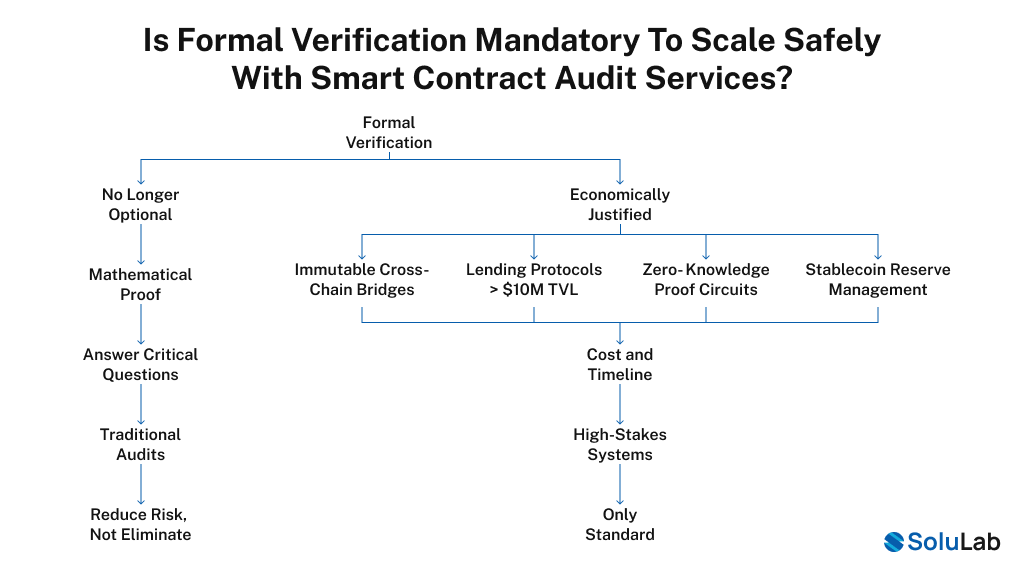
Formal verification techniques are gaining traction. These methods use mathematical proofs to rigorously verify the correctness of smart contracts. The future of audits will likely include a combination of formal verification and traditional auditing approaches to ensure the highest level of security.

  • Real-Time Monitoring

Continuous monitoring of smart contracts is becoming the norm. Auditors are developing real-time monitoring solutions that can detect and respond to anomalies or potential threats promptly. This proactive approach enhances the overall security of decentralized systems.

Potential Impact on Decentralized Systems

Potential Impact on Decentralized Systems

The potential impact on decentralized systems is a topic of great significance in the ever-evolving landscape of blockchain technology and smart contracts. As these systems continue to grow and adapt, it’s essential to explore the potential consequences, benefits, and challenges that may arise. 

  • Enhanced Security

Economic and game theory audits will continue to strengthen the security of smart contracts. This, in turn, will boost confidence in decentralized applications and blockchain technology as a whole, attracting more users and investments.

  • Fairness and Trust

Audits ensure that decentralized systems operate fairly and transparently. Users can trust that the rules encoded in smart contracts will be upheld, reducing the risk of disputes and fraud.

  • Mainstream Adoption

As economic and game theory audits become more refined, they will facilitate the integration of blockchain technology into various industries beyond finance, such as supply chain management, healthcare, and government. This broader adoption will drive innovation and economic growth.

Conclusion

In conclusion, the fusion of Economic and Game Theory Audits with Smart Contracts represents an indispensable facet of the blockchain and decentralized applications ecosystem, particularly for companies like SoluLab that offer Smart Contract development services. As the realm of decentralized systems and Smart Contracts continues to expand, the significance of Smart Contract Security Audits cannot be overstated.

Blockchain technology, with its promise of trust, transparency, and immutability, has revolutionized various industries, from finance to supply chain management. Smart Contracts are the backbone of these innovations, automating processes and ensuring the execution of agreements without intermediaries. However, they are not without vulnerabilities, and the Economic and Game Theory Audits provide a crucial layer of security.

Furthermore, SoluLab’s dedication to Smart Contract audit services ensures that businesses can harness the full potential of this transformative technology while maintaining the highest level of security. With the ever-evolving landscape of blockchain and decentralized applications, staying ahead in terms of Smart Contract security is paramount. Connect with SoluLab today to safeguard your blockchain endeavors.”

FAQs

1. What is a Smart Contract Security Audit, and why is it important for decentralized applications?

A Smart Contract Security Audit is a thorough review of the code and logic within a smart contract to identify vulnerabilities and potential security risks. It is crucial for decentralized applications (DApps) as it helps ensure the integrity and trustworthiness of these applications, making them less susceptible to exploitation and fraud.

2. How does SoluLab contribute to Smart Contract Development and Audits?

SoluLab offers comprehensive Smart Contract Development services, including auditing. We help businesses create and review smart contracts to ensure they are secure, reliable, and aligned with their objectives.

3. What is the significance of Economic and Game Theory Audits in Smart Contracts?

Economic and Game Theory Audits examine the incentives and behaviors of participants within a blockchain ecosystem. These audits help ensure that the smart contract’s game-theoretic model aligns with the desired outcomes and that participants are incentivized to act in a way that benefits the ecosystem as a whole.

4. Can you explain the role of Game Theory in Smart Contract Development?

Game theory is used to model and analyze strategic interactions between participants in a decentralized system. It helps in designing smart contracts that incentivize desirable behaviors and discourage malicious actions, ultimately improving the stability and reliability of the ecosystem.

5. Why is Blockchain Technology closely linked to Economic and Game Theory Audits?

Blockchain technology relies on decentralized systems and smart contracts, making it essential to have economic and game theory audits to ensure that these systems function as intended, with the right incentives for all participants.

6. Are there any real-world examples of Game Theory Audits in Smart Contracts?

One example is the “Supply Chain Game,” where smart contracts are used to optimize supply chain processes. Game theory audits help ensure that the incentives for suppliers, manufacturers, and distributors align, resulting in efficient and cost-effective supply chains