


Non-fungible tokens (NFTs) have completely revolutionized the financial industry. These unique digital assets have disrupted traditional notions of ownership and opened up exciting possibilities for creators and collectors alike. Central to the NFT ecosystem are NFT marketplaces, where these digital treasures are bought, sold, and showcased. In this blog, we will delve into the current landscape and the future possibilities of NFT marketplaces. From marketplace development and emerging trends to innovations and the role of NFT developers, we’ll navigate the ever-evolving world of NFTs.
To comprehend the future, we must first grasp the present. NFT marketplaces are the epicenter of the NFT universe, providing the platform for creators to mint, display, and sell their digital assets. At their core, NFT marketplaces are where unique digital tokens meet eager collectors.
NFTs are cryptographic tokens that represent ownership of a specific digital or physical item, typically hosted on a blockchain. Unlike cryptocurrencies like Bitcoin or Ethereum, NFTs are not interchangeable with one another; each NFT has a distinct value and identity.
The process of creating and owning NFTs involves minting, where a digital asset is tokenized, and ownership is recorded on the blockchain. NFTs are typically bought and sold on NFT marketplaces, with each token carrying a unique digital signature to prove its authenticity.
Read Also: Why Should You Start Your Own NFT Marketplace Business?
NFT marketplaces are critical components of the NFT ecosystem. They provide a platform for artists, musicians, gamers, and other content creators to tokenize their work and make it available to a global audience. The marketplace acts as an intermediary that facilitates transactions and ensures the security and authenticity of NFTs.
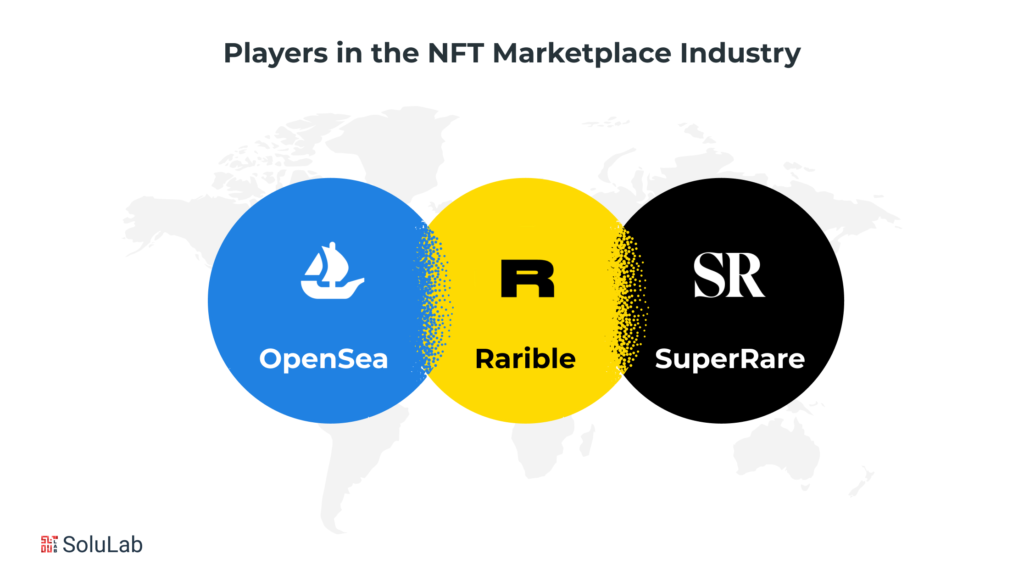
Several NFT marketplaces have emerged as leaders in the industry, each with its unique features and specialties. OpenSea, Rarible, and SuperRare are some of the most prominent names in the space. These marketplaces cater to different niches, from digital art to virtual real estate, offering creators and collectors a variety of options.
Before we delve into the future, it’s essential to understand the current state of NFT marketplaces. The landscape has evolved rapidly, with market capitalization, trading volumes, and notable sales reaching unprecedented heights.
The NFT marketplace sector has witnessed exponential growth in market capitalization, reflecting the cumulative value of all NFTs in existence. The figures have soared into the billions, underscoring the economic significance of NFTs.
Trading volumes in NFT marketplaces have surged, mirroring the heightened interest and participation of collectors and investors. Transactions range from modest sums to astronomical amounts, emphasizing the market’s diversity and potential.
1. NFTs have garnered global attention thanks to record-breaking sales. These remarkable transactions highlight the multifaceted nature of NFTs:
2. ”Everyday: The First 5000 Days” by Beeple sold for a whopping $69 million, launching NFT art into the mainstream art scene.
NBA Top Shot, an officially licensed NFT marketplace platform for basketball highlights, has seen individual video clips sold for hundreds of thousands of dollars, signaling NFTs’ potential to disrupt sports memorabilia markets.
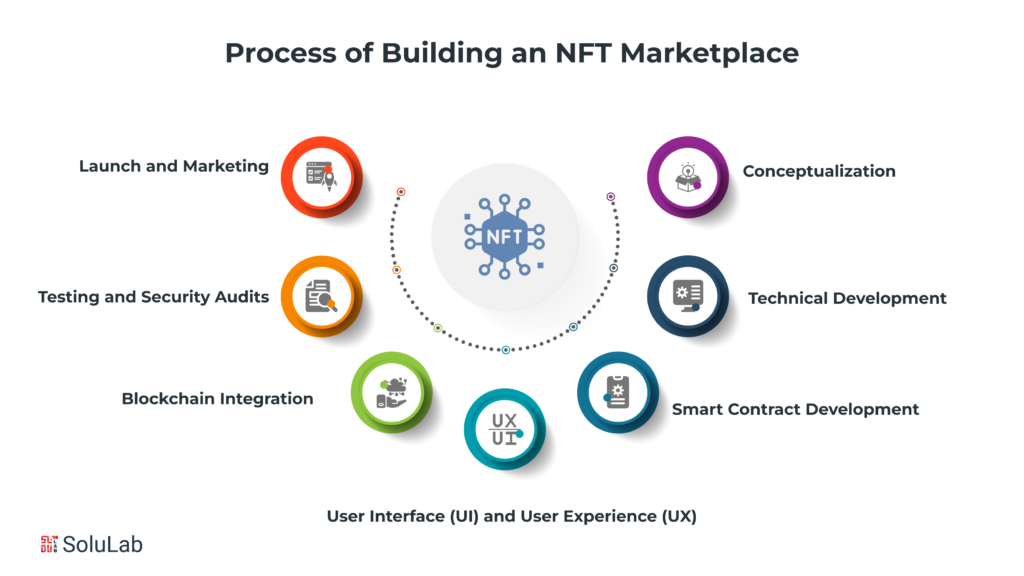
The rise of NFT marketplaces has led to a growing interest in NFT marketplace development. Entrepreneurs and businesses are eager to create their NFT marketplace to tap into the expanding market. Creating an NFT marketplace entails many critical steps:
Watch Out: NFT Art for Beginners – How to Make and Sell
Establishing your NFT marketplace offers several advantages that can be lucrative and strategically advantageous in the fast-growing NFT ecosystem. Here are some of the key benefits of creating your NFT marketplace:
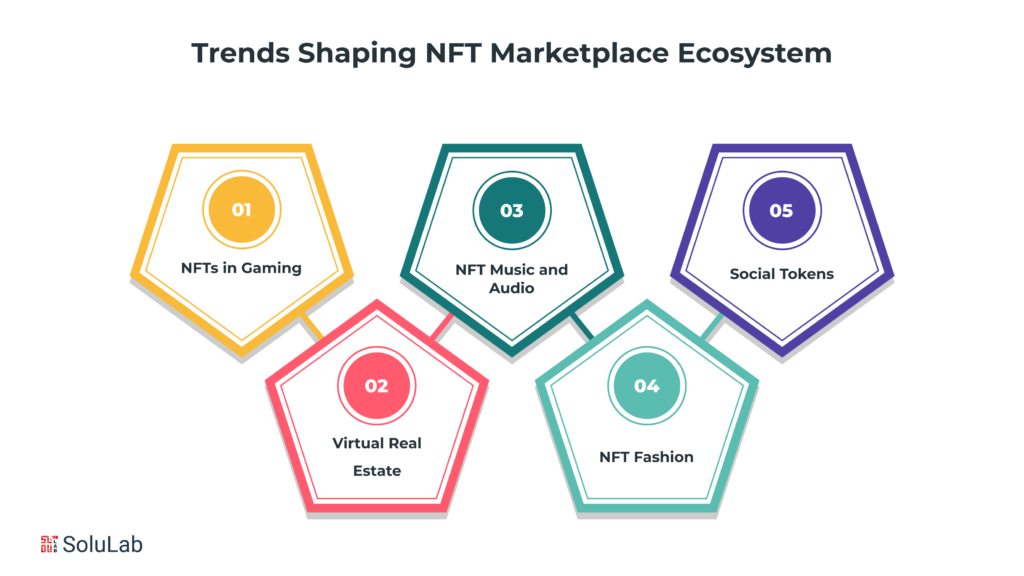
As NFTs continue to capture the world’s attention, several trends are shaping the NFT marketplace landscape. These trends reflect the evolving interests and demands of creators and collectors.
Read Also: How will White-Label NFT Marketplace Development Benefit your Business?
The world of Non-Fungible Tokens (NFTs) is constantly evolving, driven by innovative technologies that aim to enhance the functionality, accessibility, and sustainability of NFT platforms. These cutting-edge technologies are at the forefront of transforming the NFT landscape, making it more efficient, scalable, and interconnected.
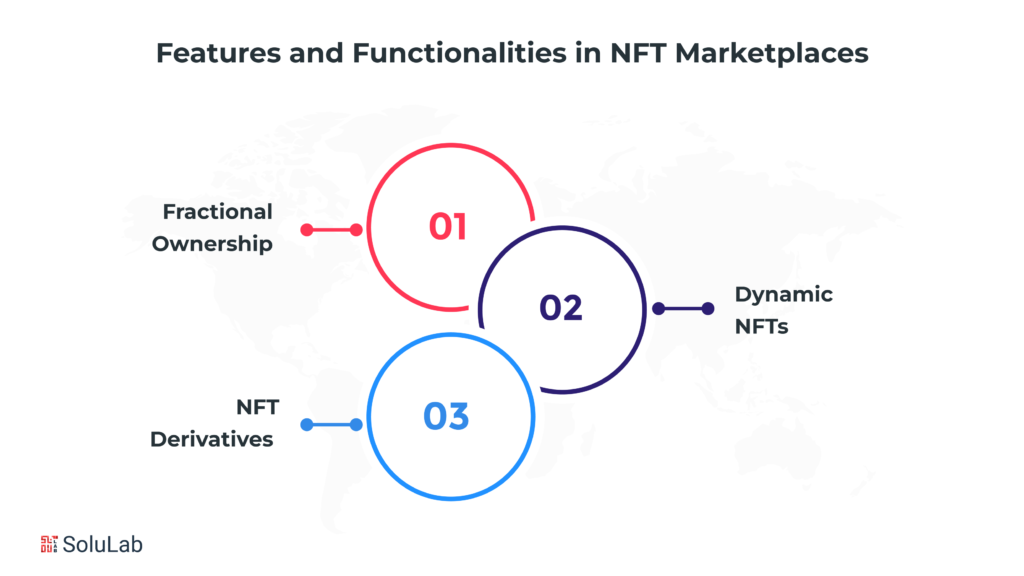
Innovative NFT marketplaces are introducing novel features that are redefining how we perceive and interact with digital assets. These groundbreaking functionalities not only enhance the user experience but also open up new possibilities for creators, collectors, and investors in the ever-evolving world of NFTs.
Read Also: What are some White-Label NFT Marketplace Solutions?
The trajectory of NFT marketplaces points toward continued growth, innovation, and integration into everyday life. As we delve into the future of NFTs and their associated marketplaces, it becomes increasingly evident that these unique digital assets are not just a passing trend but a transformative force that will shape various aspects of our digital and potentially physical existence.
Read Our Blog: Solana NFT Marketplace: How to build your own NFT Marketplace on Solana
In the realm of Non-Fungible Tokens (NFTs), regulatory considerations and challenges loom large, encompassing a spectrum of legal, financial, and ethical complexities. Chief among these is the intricate web of copyright and intellectual property concerns. As artists, musicians, and creators tokenize their digital works as NFTs, issues of ownership, licensing, and potential copyright infringement surface.
Establishing explicit licensing terms and mechanisms within NFT smart contracts becomes imperative to safeguard creators’ intellectual property rights and preempt disputes.
Equally pressing are the concerns surrounding fraud and scams within the NFT ecosystem. The nascent nature of this space renders it susceptible to fraudulent activities, including counterfeit NFT sales, phishing schemes, and unauthorized auctions.
Combatting these threats necessitates robust verification and authentication protocols to confirm the legitimacy of NFTs and their associated metadata, coupled with user education efforts to bolster security awareness. Moreover, environmental considerations have taken center stage as NFTs, particularly those built on energy-intensive blockchain networks like Ethereum employing Proof of Work (PoW), have faced scrutiny for their substantial carbon footprint.
In conclusion, the realm of Non-Fungible Tokens (NFTs) and their marketplaces has evolved into an exciting and transformative domain. Our journey through this extensive exploration of NFT marketplaces has illuminated the present landscape and provided glimpses into the future possibilities that lie ahead.
NFT marketplaces serve as the epicenter where unique digital tokens meet eager collectors, offering a platform for creators to mint, showcase, and sell their digital assets. Understanding the core principles of NFTs, the role of NFT marketplaces, and the current leaders in the industry sets the stage for what’s to come.
In this ever-evolving landscape, SoluLab stands as a beacon of expertise and innovation. With a deep understanding of NFT marketplace trends and innovations, their trends, and the transformative potential they hold, SoluLab offers NFT marketplace development services and solutions that empower businesses to embark on their NFT journey.
Whether you aim to create your NFT marketplace, explore NFT development, or simply stay updated with the latest trends and innovations in the NFT space, SoluLab is your trusted partner. Our commitment to excellence and innovation positions us as a leader in the NFT development landscape.
As we conclude this exploration of NFT marketplaces, we invite you to embrace the future with open arms. The world of NFTs is teeming with opportunities, waiting for creators, collectors, and innovators like you to shape it. Together, we’ll navigate the evolving trends, harness the power of NFTs, and pave the way for the future of digital ownership.
Seeking top-notch NFT developers skilled in cryptocurrency and blockchain development? Your search ends here! Our experienced NFT programmers deliver premium solutions, from blockchain tech to smart contracts, streamlining your processes. Our user-friendly, advanced platform development, along with secure digital wallets, tailored to your business, ensures a seamless experience. Contact SoluLab today for expert NFT solutions.
NFT marketplaces serve as digital platforms where creators can tokenize their digital assets, and collectors can buy, sell, and trade NFTs. They facilitate transactions, ensure the security of NFTs, and provide a marketplace for the exchange of digital ownership.
NFT marketplaces typically generate revenue through transaction fees. When users buy or sell NFTs on these platforms, a percentage of the transaction value is collected as a fee. This fee can vary from one marketplace to another.
Emerging trends in NFT marketplaces include the integration of NFTs into gaming, the rise of virtual real estate marketplaces, NFTs for music and audio content, the use of NFTs in the fashion industry, and the issuance of social tokens. Additionally, cross-chain compatibility and Layer 2 solutions are addressing scalability issues.
Yes, businesses can create their NFT marketplaces to tap into the growing NFT market. The process involves conceptualization, technical development, smart contract development, UI/UX design, blockchain integration, testing, security audits, and marketing. Many development firms offer specialized NFT marketplace development services.
NFT marketplaces are playing a significant role in the cultural impact of NFTs by providing a platform for artists, musicians, and creators to reach global audiences. They are reshaping how digital art and collectibles are created, valued, and traded, influencing trends in the digital art world.
Challenges in the NFT marketplace space include copyright issues, concerns over fraud and scams, and environmental considerations related to the energy consumption of certain blockchain networks. Regulatory bodies are beginning to explore guidelines to ensure consumer protection and tax compliance.


