


A digital trust ecosystem refers to a network of entities that use technology like Blockchain development to establish trust and enable secure transactions without third-party intermediaries. At its core, a digital trust ecosystem aims to remove the need for centralized authorities and middlemen by distributing trust among network participants.
In a digital trust ecosystem, trust is established through cryptographic techniques like digital signatures, hashing, and encryption. Entities can directly interact with each other without needing to go through banks, governments, or other institutions. This enables faster, cheaper, more transparent, and more secure transactions.
Digital trust ecosystems have applications in many industries. For example, a supply chain system can use Blockchain Development to track goods and payments between suppliers, manufacturers, distributors, retailers, and consumers. This establishes trust between entities that may not know or trust each other otherwise.
Read Also: What are the Benefits of Using Digital Identity with Blockchain in the Future?
Blockchain technology is critical for constructing digital trust ecosystems. Blockchain Development provides a decentralized, distributed ledger that is immutable and transparent. This serves as the foundation for establishing trust between entities.
Key features of blockchain app development that enable trust include:
By leveraging these attributes, Blockchain Development facilitates the creation of digital trust ecosystems. Participants can exchange assets and data peer-to-peer with confidence that transactions are valid and permanent.
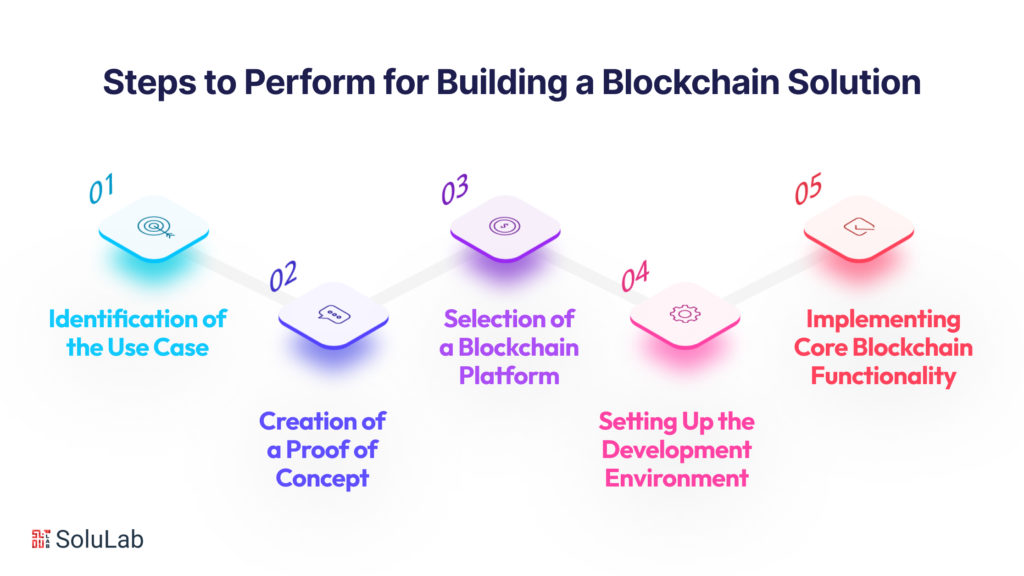
A use case refers to a specific application of blockchain technology to solve a real-world problem or provide new functionality. Clearly identifying the use case is a critical first step in constructing a digital trust ecosystem.
Some examples of blockchain use cases include:
The use case should be clearly defined in terms of the problem being solved, the entities involved, and how blockchain adds value. This guides the overall design of the digital trust ecosystem.
Read Our Blog: Top 10 Blockchain Development Companies in 2023
Not every use case requires a blockchain-based solution. Centralized platforms may be more suitable if:
On the other hand, blockchain app development is advantageous when:
Carefully evaluating the specific use case guides the decision on whether blockchain is truly necessary or if a centralized platform is better suited.
A proof of concept (PoC) is a small-scale implementation of the blockchain use case to validate its feasibility. Building a PoC is important for several reasons:
The PoC focuses only on the core functionality needed to demonstrate the use case. It serves as an invaluable tool for gathering feedback and preventing wasted effort on ideas that may not work.
Read Also: Best Companies to Hire Blockchain Developers in 2023
Key steps involved in building a blockchain PoC include:
1. Defining the scope and objectives
2. Designing system architecture and workflows
3. Selecting the Blockchain Development services and tools
4. Implementing core features and functionality
5. Developing a basic UI for interaction
6. Testing transactions and use case scenarios
7. Documenting results and gathering feedback
8. Assessing feasibility and making improvements
The PoC provides the foundation for full-scale blockchain software development implementation. Lessons learned can inform the final solution design and technology choices.
There are many blockchain software development platform options to choose from when building a digital trust ecosystem. Some leading platforms include:
Read Also: Top 10 Blockchain Platforms of 2023
Factors like use case requirements, transaction speeds, consensus model, governance, and tooling support guide the choice of a blockchain development solutions platform.
Consensus mechanisms allow blockchains to maintain a single state of records without a central authority. Different models like proof-of-work, proof-of-stake, and delegated proof-of-stake have unique tradeoffs.
The consensus model should be chosen based on factors like scalability needs, security guarantees, and energy efficiency.
Blockchain data structures organize data into blocks and chains. Alternatives like directed acyclic graphs provide greater flexibility. The data model impacts factors like scalability and transaction speeds.
Network communication protocols like gossip protocol and RAFT enable node-to-node messaging to share transactions and blocks. The right protocols need to be chosen based on performance needs and network assumptions.
The development environment provides the tools and frameworks for building and testing blockchain applications. Setting up a robust environment facilitates rapid iteration and deployment. Key elements include:
Read Our Blog: Top Blockchain Technology Companies in 2023
Having the necessary environment reduces development effort, enables debugging, and allows comprehensive testing before launch.
Popular blockchain programming languages include:
The language choice depends on the platform, performance needs, available skills, and integration requirements.
Useful blockchain development tools include:
Becoming familiar with these tools creates a robust environment for building and testing blockchain applications.
Read Also: Top 25 Blockchain-Based Identity Management Startups
Core components of a Blockchain technology network include:
These underlying components need to be implemented to establish blockchain developer network functionality.
Smart contracts encapsulate business logic and programmatically enforce agreements on the blockchain developer. Developing smart contracts involves:
In a rapidly evolving digital landscape, building trust has become a cornerstone of successful interactions. As we navigate through a world heavily reliant on digital transactions and data sharing, blockchain technology emerges as a game-changer in establishing trust and transparency. Through its immutable and decentralized nature, blockchain development addresses the challenges of data security, provenance verification, and fraud prevention.
Incorporating blockchain into various industries showcases its potential to revolutionize processes, enhance efficiency, and foster collaboration. From supply chain management to finance and beyond, the power of blockchain is undeniable. SoluLab stands at the forefront of this transformation, offering blockchain software development services that empower businesses to harness the technology’s full potential.
As organizations seek to build trust with their customers, partners, and stakeholders, hiring a dedicated blockchain development agency becomes essential. SoluLab boasts a team of the best blockchain developers who are skilled in creating customized solutions tailored to unique business needs. Through their expertise, businesses can integrate blockchain solutions that enhance security, traceability, and accountability.
Blockchain’s impact goes beyond technology; it reshapes the way industries operate by reducing intermediaries, minimizing errors, and increasing efficiency. As you venture into the world of blockchain development solutions, SoluLab’s experience and commitment to excellence can guide your journey. Their blockchain development services extend a helping hand in harnessing blockchain’s transformative power, ensuring you stay ahead in the digital age.
In conclusion, as the digital landscape expands, trust becomes a currency of paramount importance. Blockchain development emerges as a beacon of trust, offering solutions that reshape industries and redefine the way we conduct transactions. SoluLab’s expertise in blockchain software development services empowers businesses to embrace this transformative technology. As you navigate the digital world, remember that building trust begins with innovative solutions, and blockchain development paves the way for a future where transparency and security reign supreme.
Blockchain technology serves as a secure and transparent ledger that records transactions in an immutable and decentralized manner. This inherent nature of blockchain ensures data integrity, eliminates the need for intermediaries, and enhances trust among parties involved in digital interactions.
Blockchain development brings transformative benefits across industries such as finance, supply chain, healthcare, and more. By providing secure, traceable, and tamper-proof records, blockchain minimizes fraud, streamlines processes, and fosters collaboration among stakeholders.
A specialized blockchain development agency, like SoluLab, offers expertise in crafting tailored solutions that align with your business needs. These agencies hire the top blockchain developers who understand the nuances of blockchain technology, ensuring optimal implementation and maximizing its benefits.
Absolutely. Blockchain’s decentralized and cryptographic nature ensures that data is stored securely and can only be accessed by authorized parties. This heightened security significantly reduces the risk of data breaches and unauthorized alterations.
SoluLab stands out for its comprehensive approach to blockchain software development services. With a team of experienced developers and a track record of successful projects, SoluLab offers end-to-end solutions that empower businesses to leverage blockchain’s potential effectively.
Blockchain’s transparency stems from its ability to provide an unalterable record of transactions accessible to all parties involved. This shared ledger ensures accountability as every transaction is verifiable, promoting trust and collaboration in digital interactions.
No, blockchain applications extend far beyond finance. It finds utility in supply chain management, healthcare records, identity verification, and more. The underlying principle of trust and data integrity applies across various sectors, making blockchain a versatile solution.


